Israeli Violence on West Bank
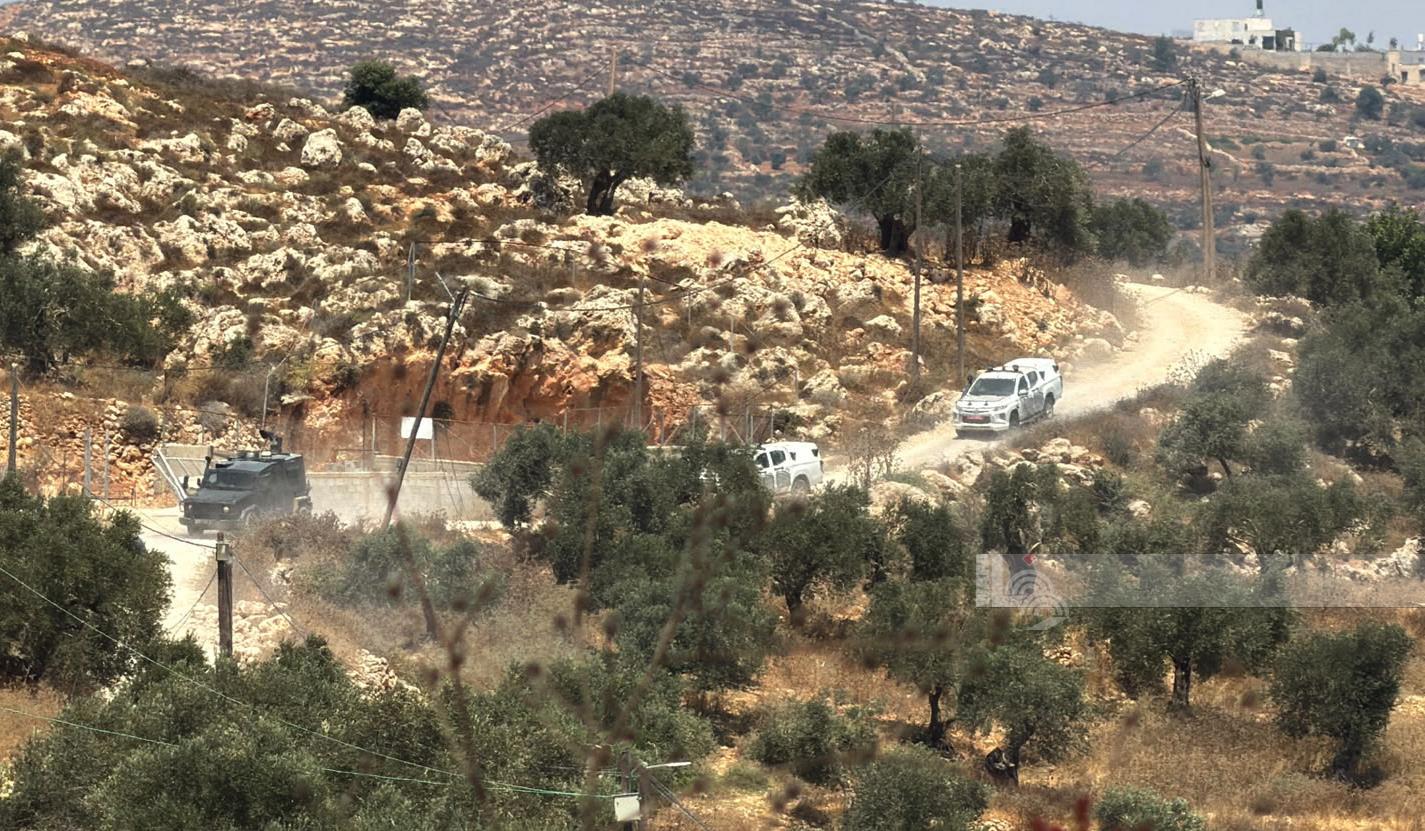
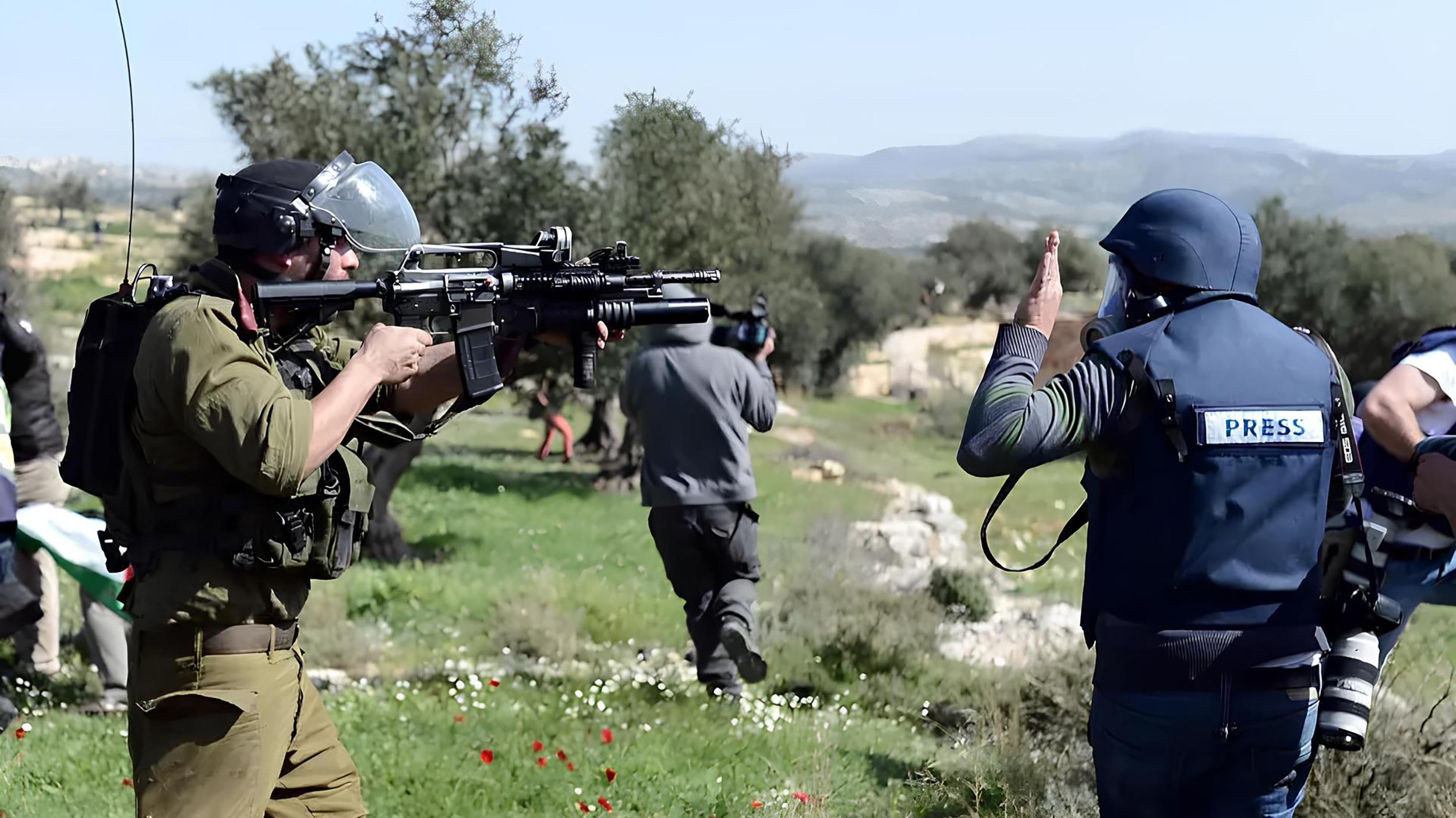
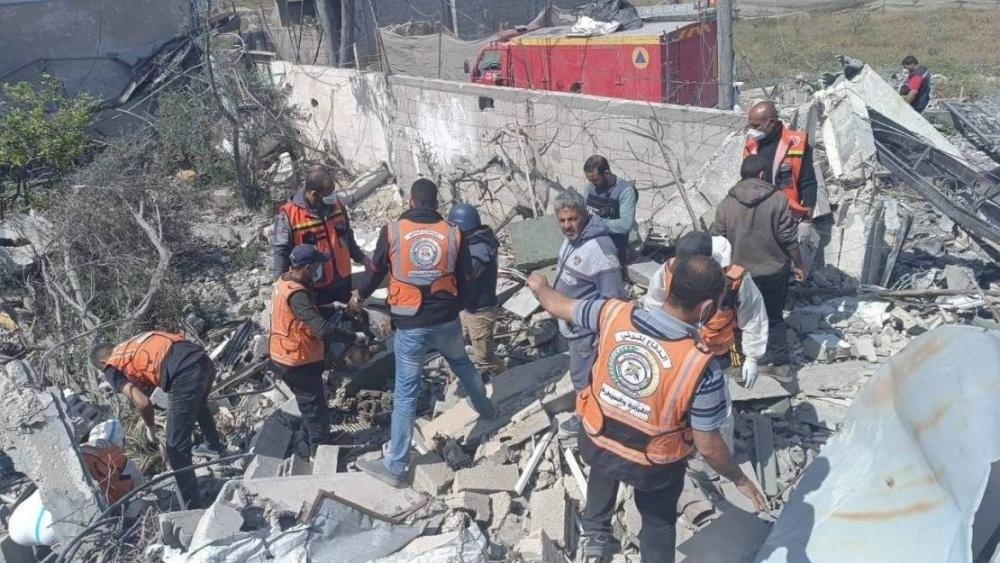
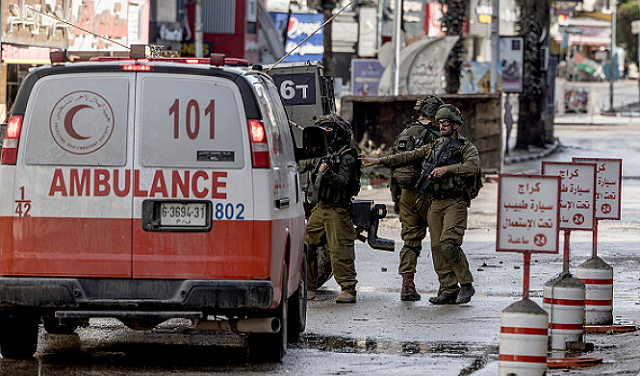
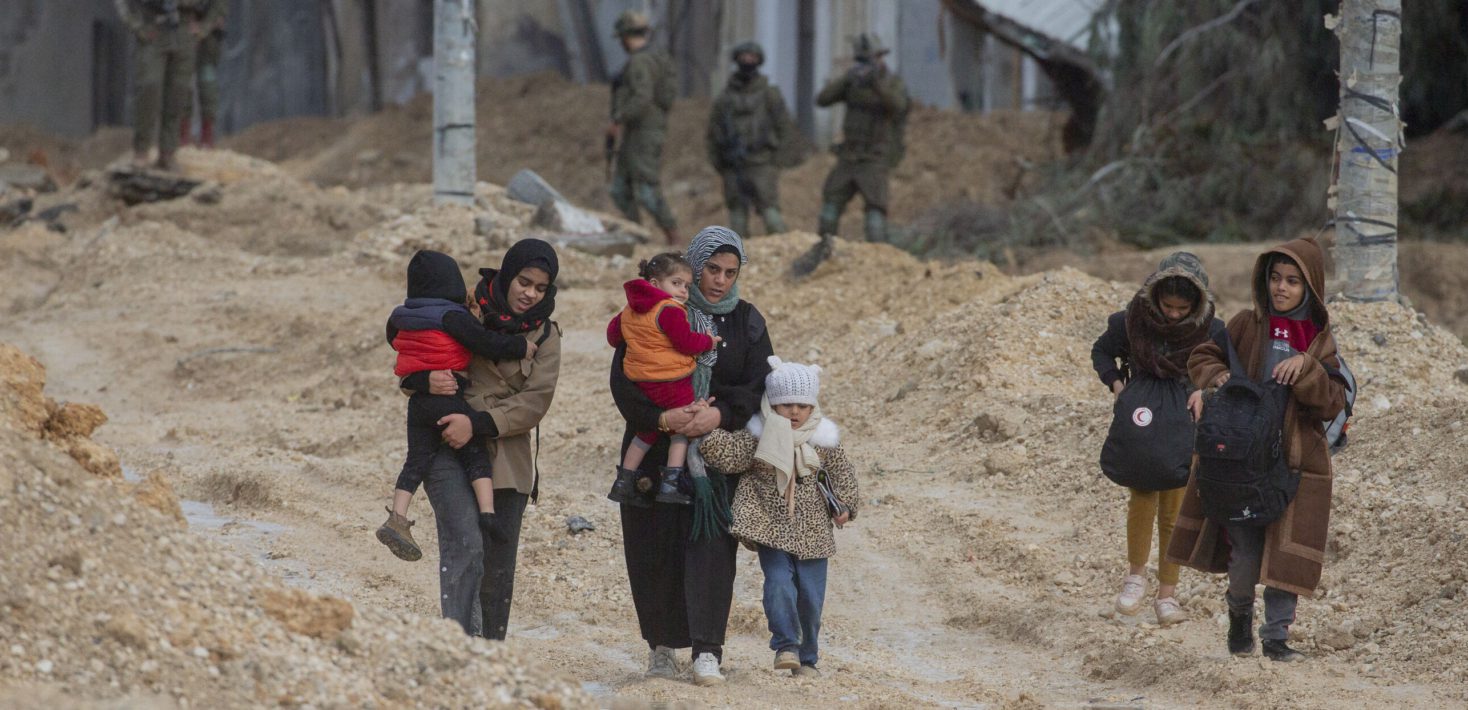
Médecins Sans Frontières’ latest report reveals the violations committed by the Israeli occupation against Palestinians during its ongoing invasion of Jenin and Tulkarm in the occupied West Bank.
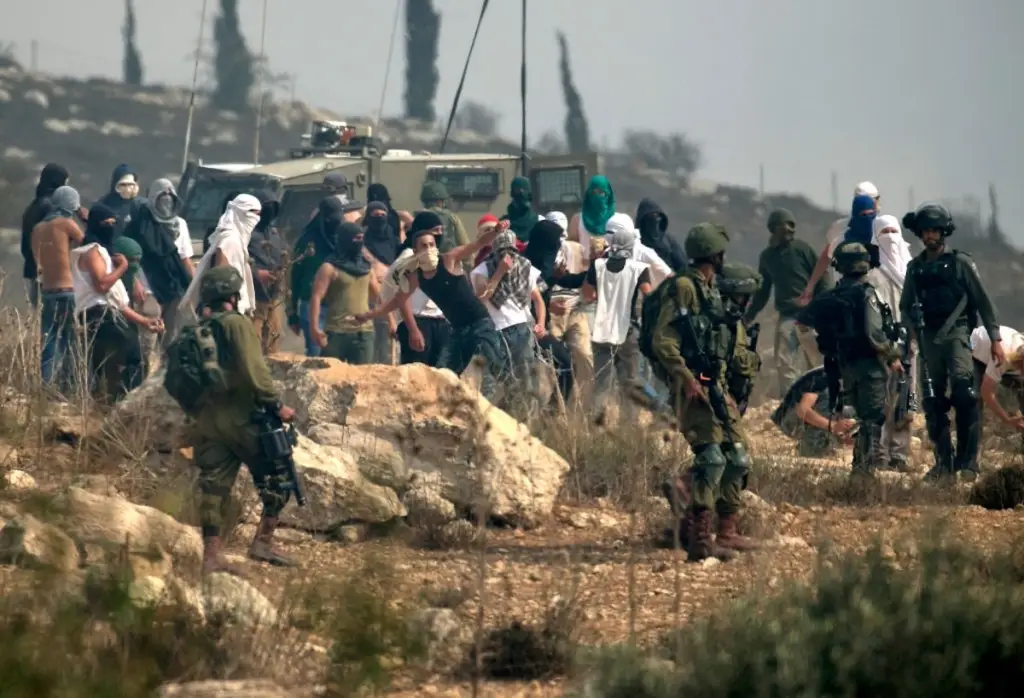
Israeli human rights group B’Tselem stated that Israel supports settler violence against Palestinians in the occupied West Bank, aiming to scare Palestinian communities into leaving their homes.
B’Tselem shared footage on X of settlers setting fire to a mosque and a tractor at dawn on Sunday, targeting the Bedouin community of Arab Al-Malehat, northwest of Jericho.
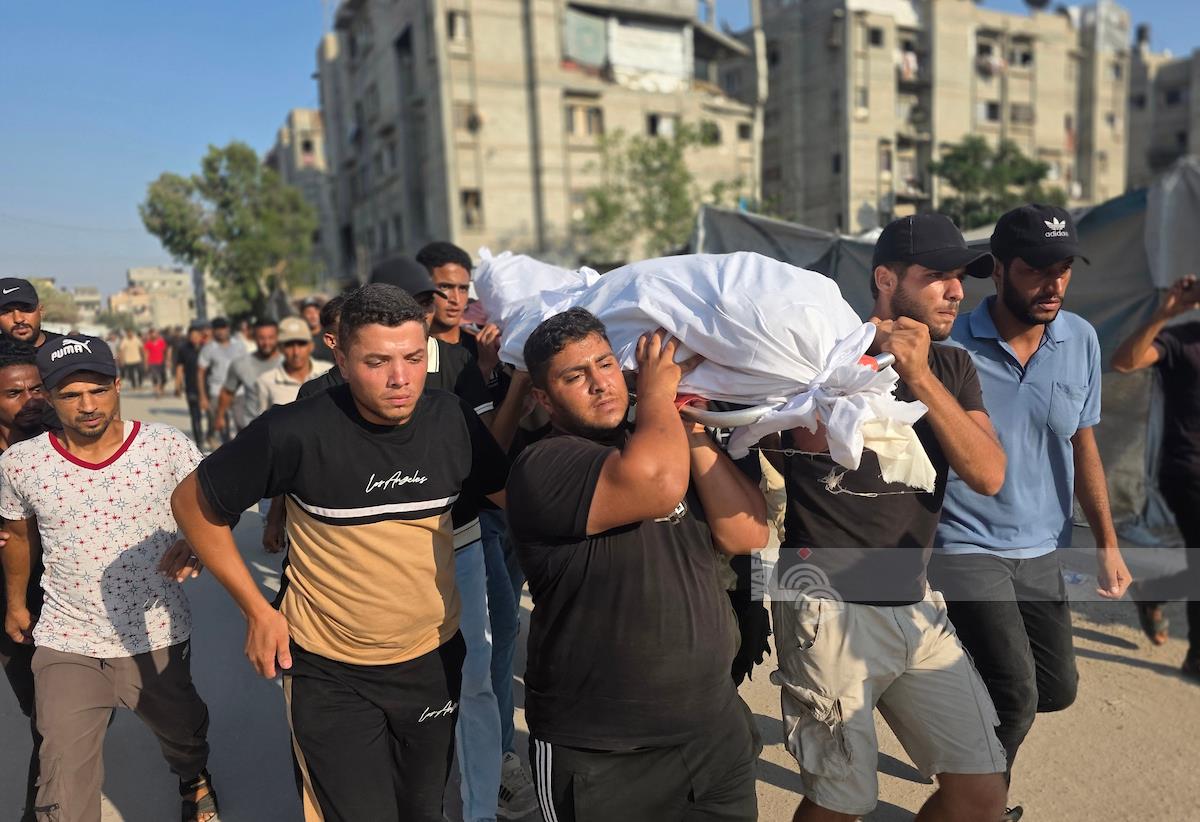
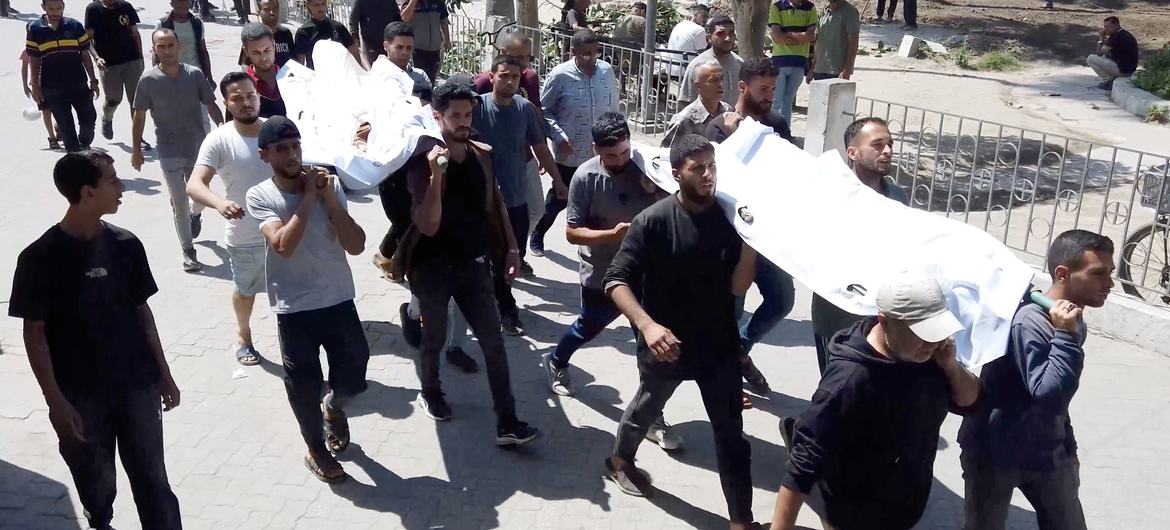
According to Palestine’s Wall and Settlement Resistance Commission, Israeli settlers carried out 2,971 attacks on Palestinians and their property in the West Bank in 2024, killing ten Palestinians and destroying over 14,000 trees.
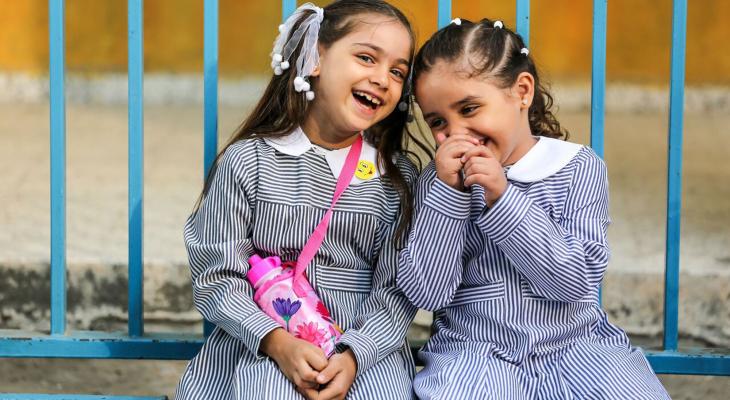
The UN Special Rapporteur on the Right to Education’s latest report reveals the violations committed by Israeli occupation forces against the education sector in Gaza during the genocide that lasted for more than 15 months.
The recent remarks by US President Donald Trump suggesting the displacement of Gaza’s residents to Egypt and Jordan as a “practical solution” for Gaza’s reconstruction carries significant risks. This proposal not only overlooks the fundamental complexities of the issue, from the acceptance of displacement by Gaza’s residents to the logistical feasibility of relocating populations and securing the consent of all involved parties, but also reveals that forced displacement appears to be Trump’s primary solution, one that the region may have to contend with for years to come.
It is essential to remember that we are observing Trump in the early phases of his political return. He is eager to present himself as a strong and decisive leader capable of imposing solutions, even if they appear coercive. However, as with many theoretical ideas that seem simple at first glance, the real challenge lies in their practical implementation.
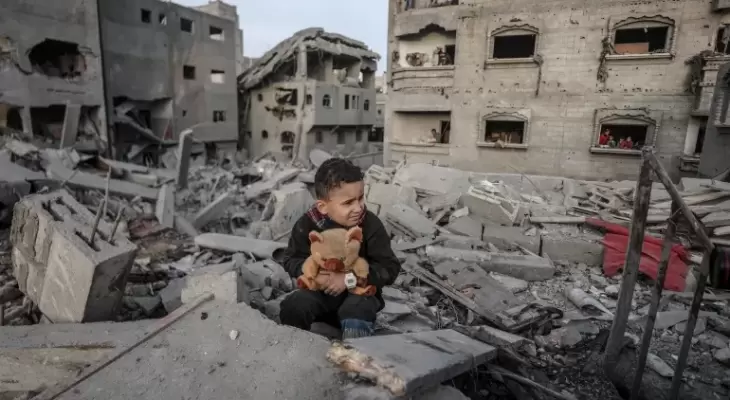
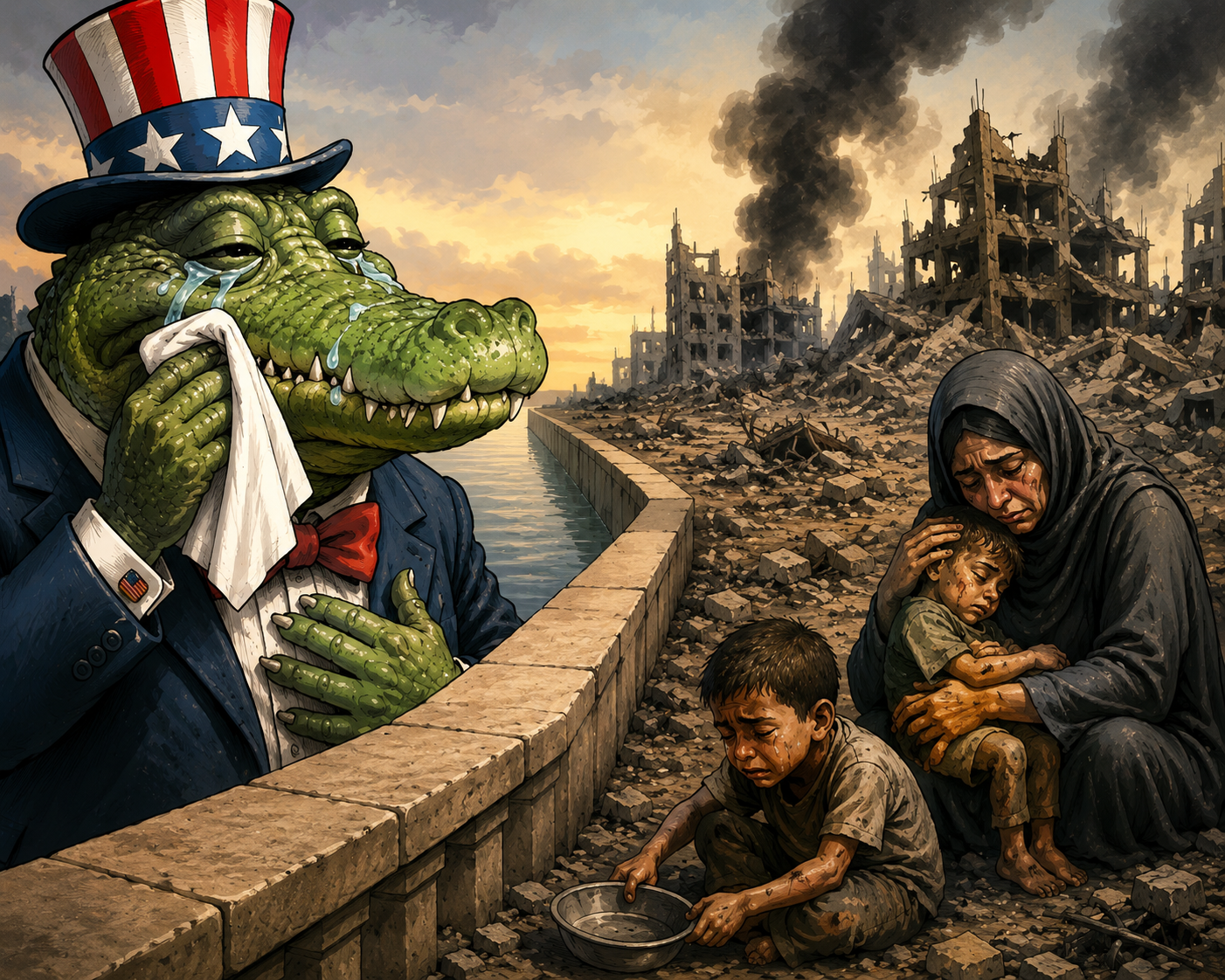
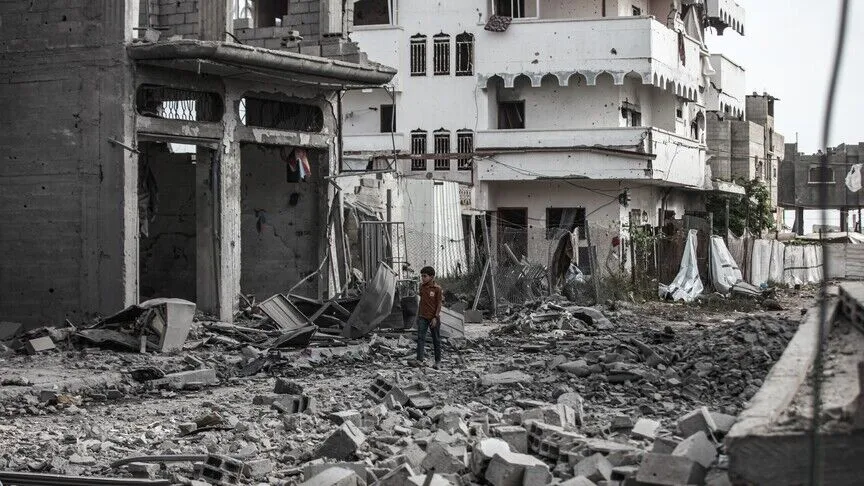
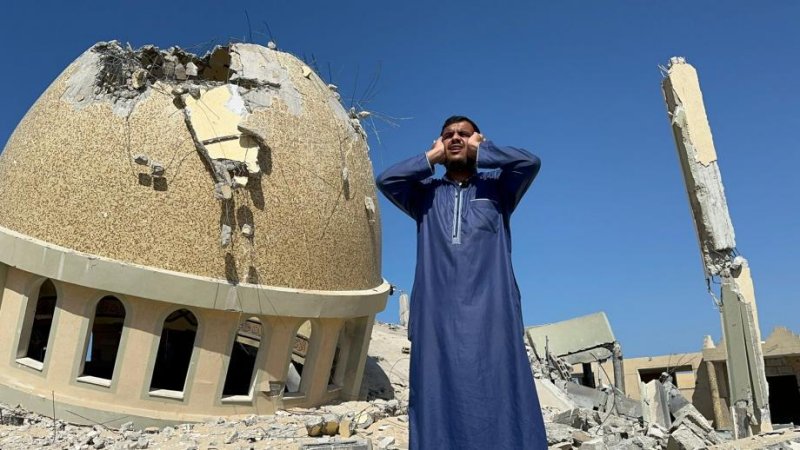
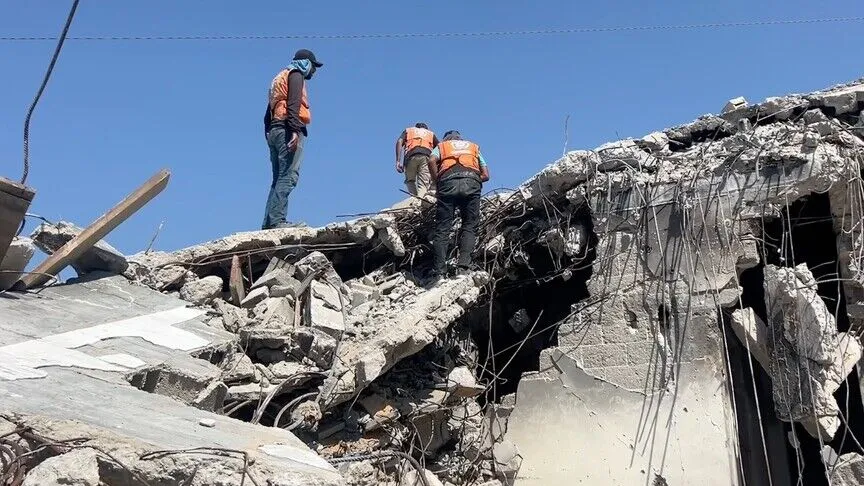
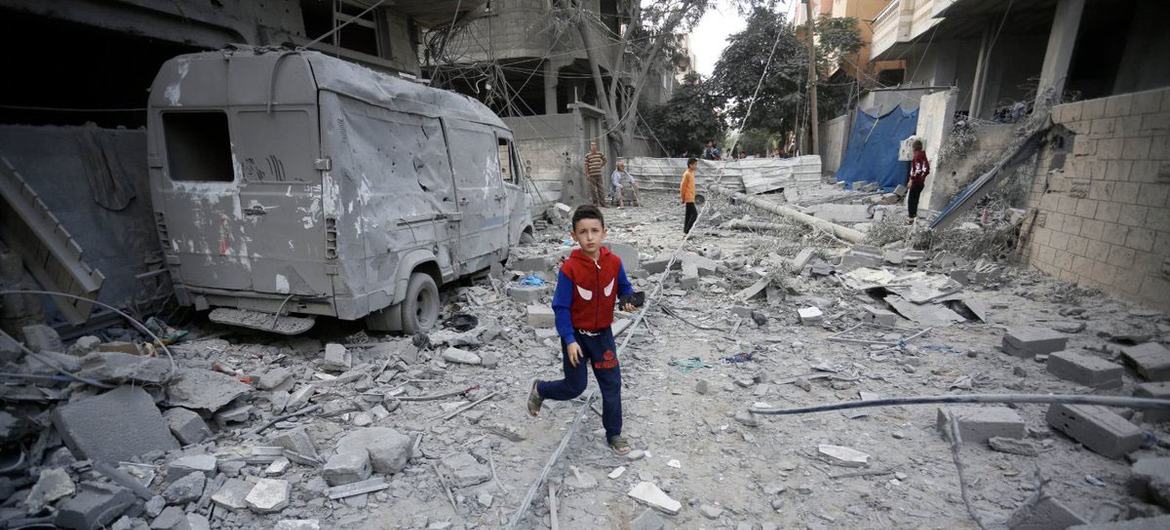
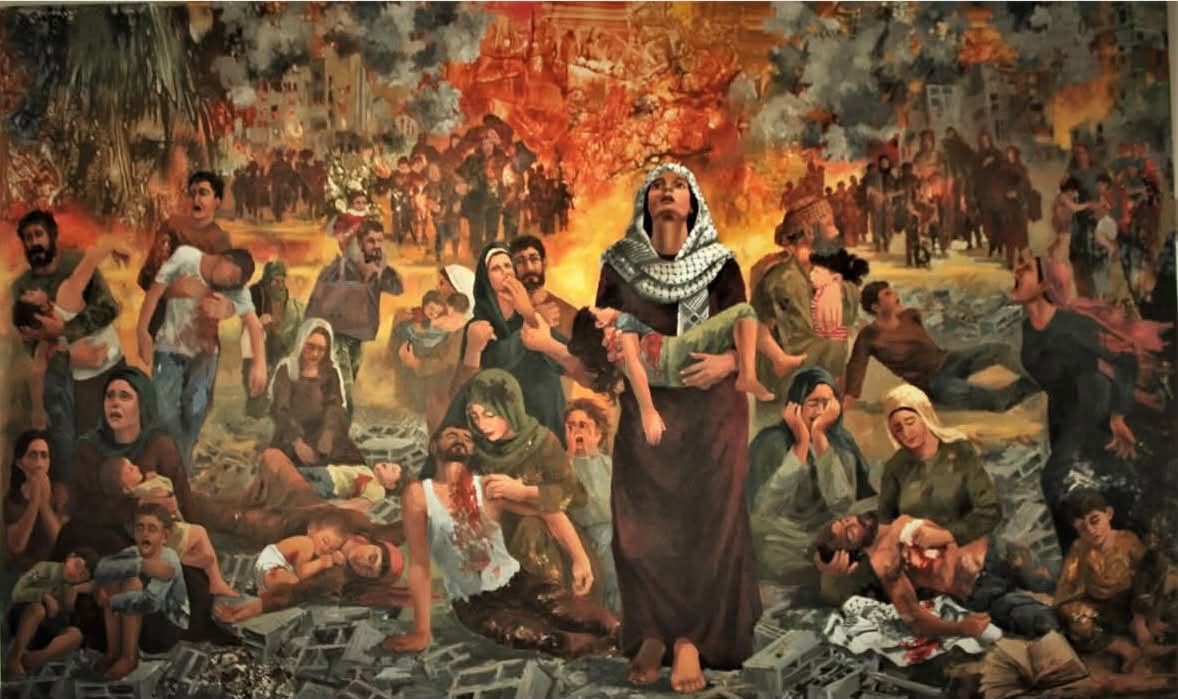
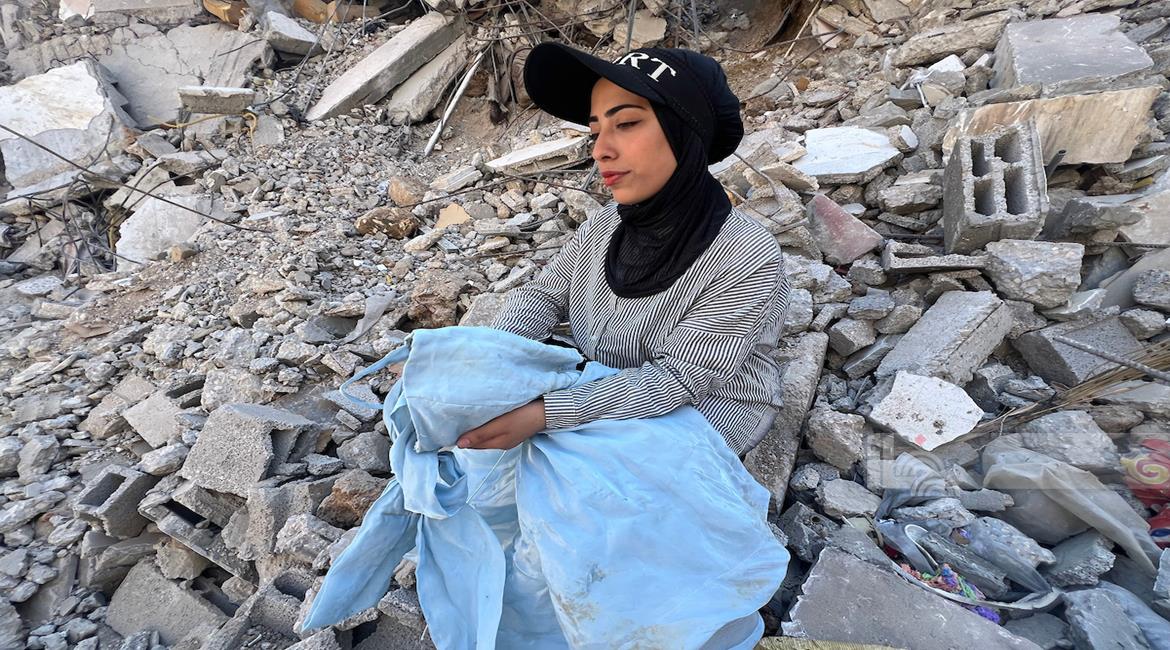
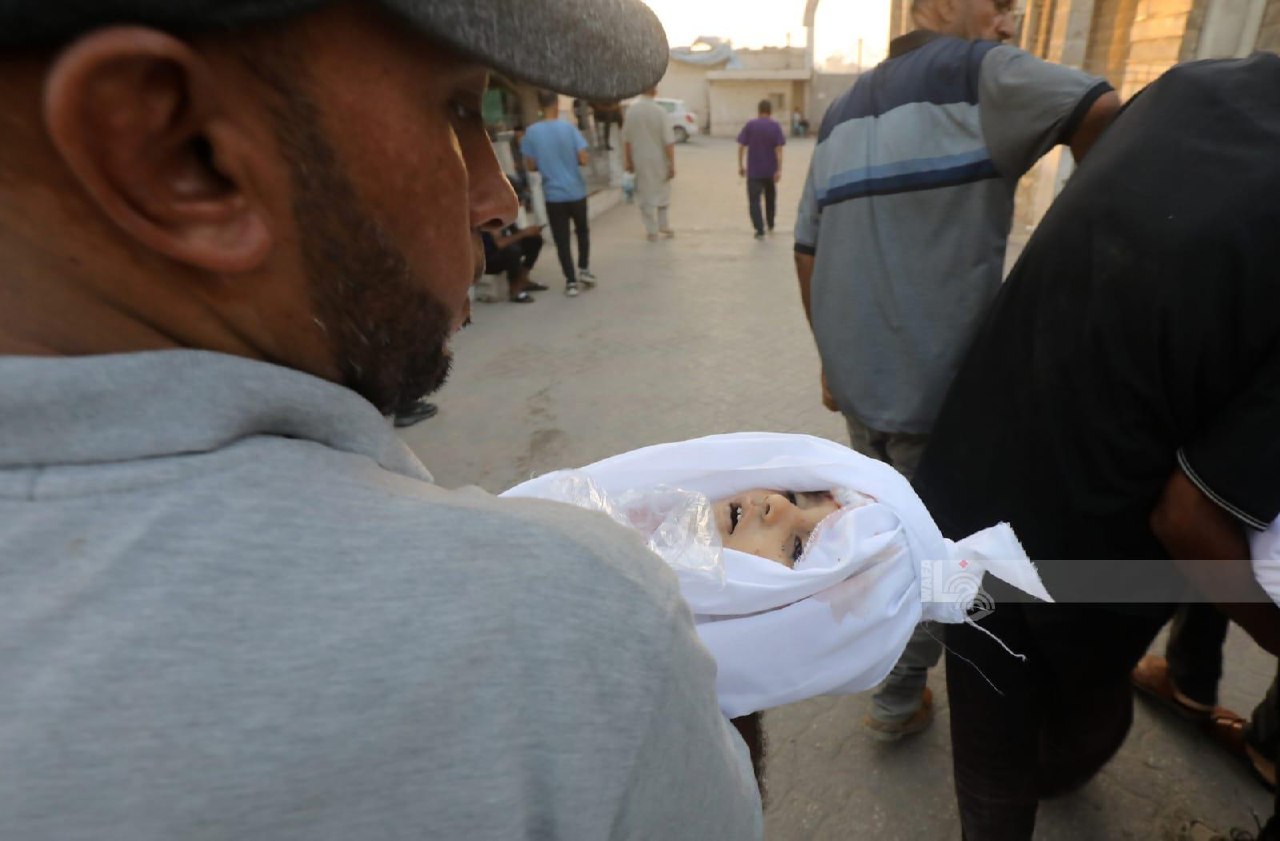
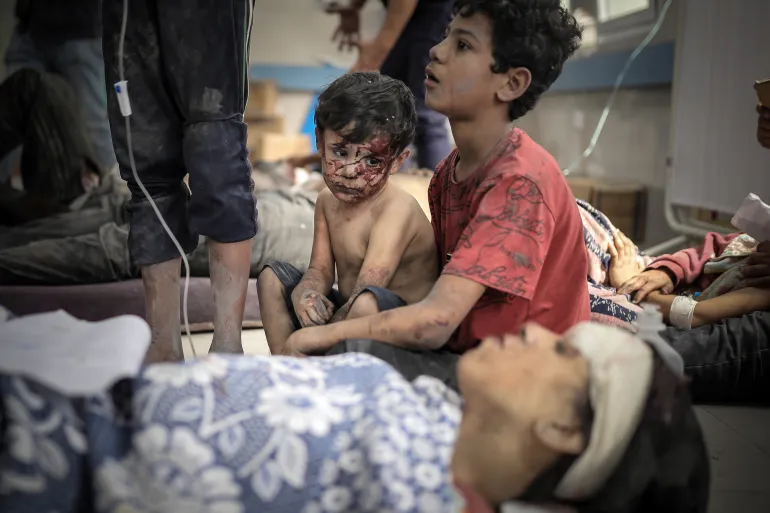
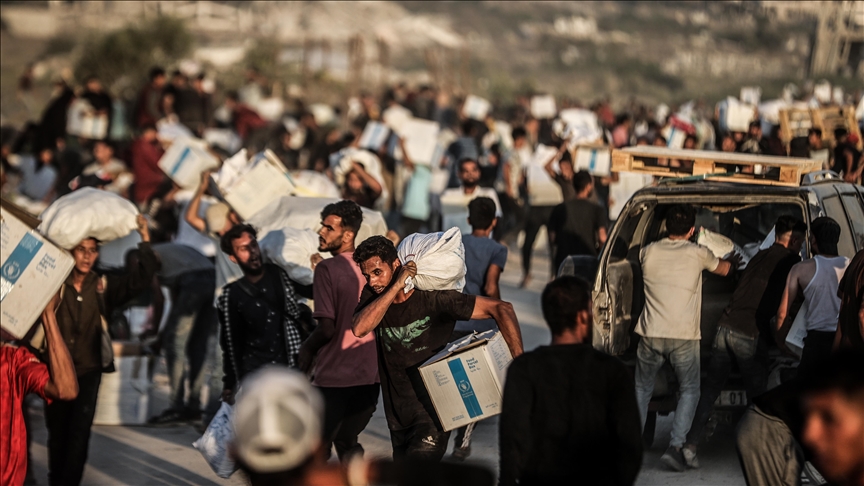
We are living through an unprecedented era. The events following October 7 have fundamentally altered the region. Gaza is witnessing destruction on a scale it has never seen before. Amid this devastation, Israel appears to be betting on worsening the humanitarian crisis, hoping to make life in Gaza unbearable for its residents. This coincides with difficulties in finding realistic reconstruction solutions or even implementing humanitarian relief efforts that adequately respond to the scale of the disaster.
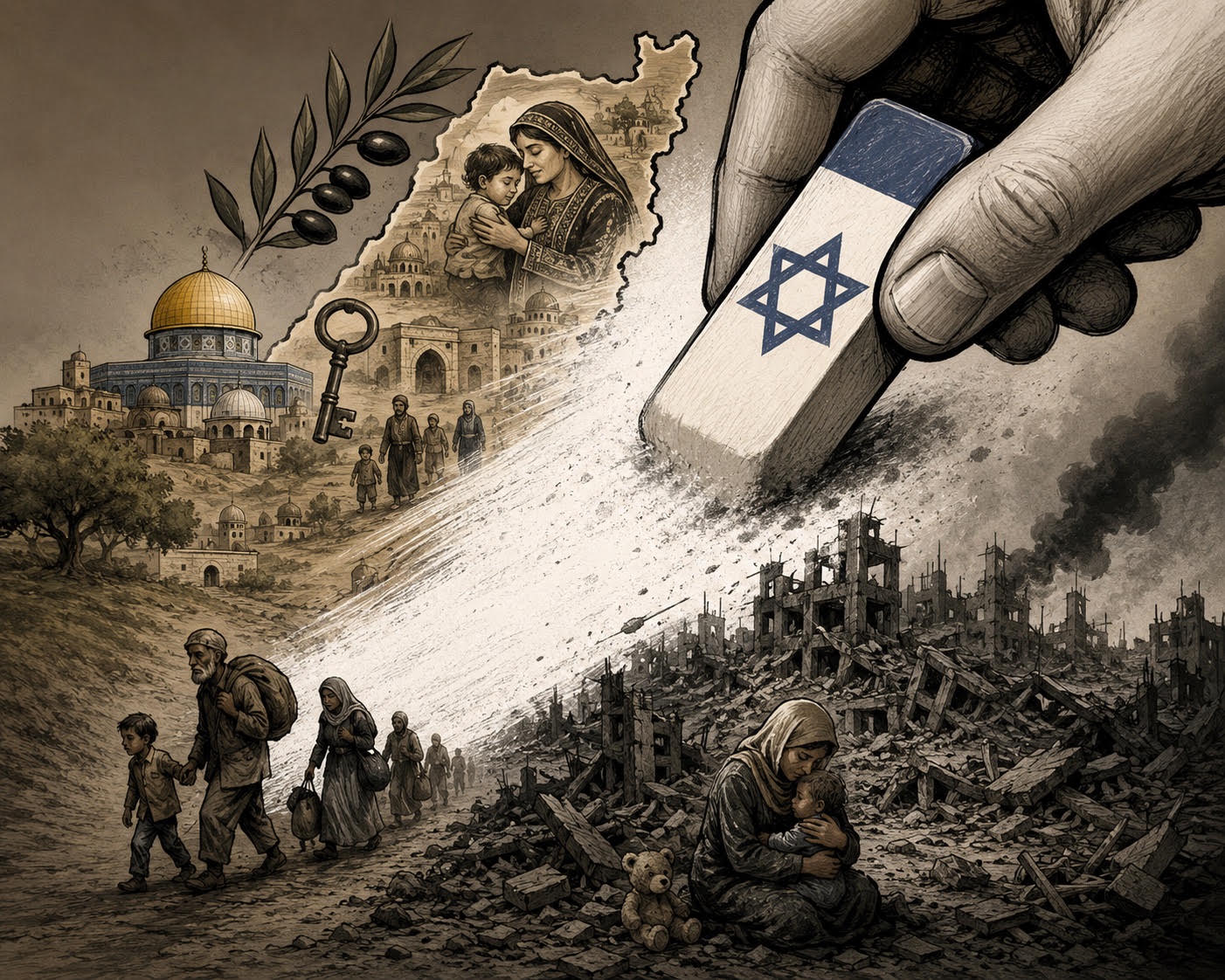
Israel’s strategic vision is focused on achieving demographic displacement in Gaza and redrawing its geographic landscape. These goals might seem attainable if the crisis continues, and the humanitarian catastrophe deepens. What is alarming, however, is that proposing Jordan as an option in this context may implicitly lay the groundwork for considering it a destination for displaced Palestinians from the West Bank as well, should this theory of forced displacement extend beyond Gaza.
Indeed, Israel is actively pursuing this scenario by seeking to reshape the geography of the West Bank through dismantling densely populated areas, such as the refugee camps in Jenin, Nablus and Tulkarm. This objective aligns with the vision of the Trump administration, which supports Israel’s ambitions under the framework of “Judea and Samaria.” Neither Egypt nor Jordan has had sufficient opportunity to directly engage with the US administration to present alternatives or explain the security, economic, and political risks associated with these proposals.
Jordan’s strategic response should focus on warning against these scenarios while presenting viable alternatives. Highlighting the potential shocks these steps could inflict on a key ally like the United States is crucial. Additionally, Jordan has several cards to play, particularly in the economic domain. These include regional energy projects, development initiatives, and the reconstruction of Syria. Such endeavours could offer the US tangible benefits across multiple fronts, forming the foundation for alternative approaches.
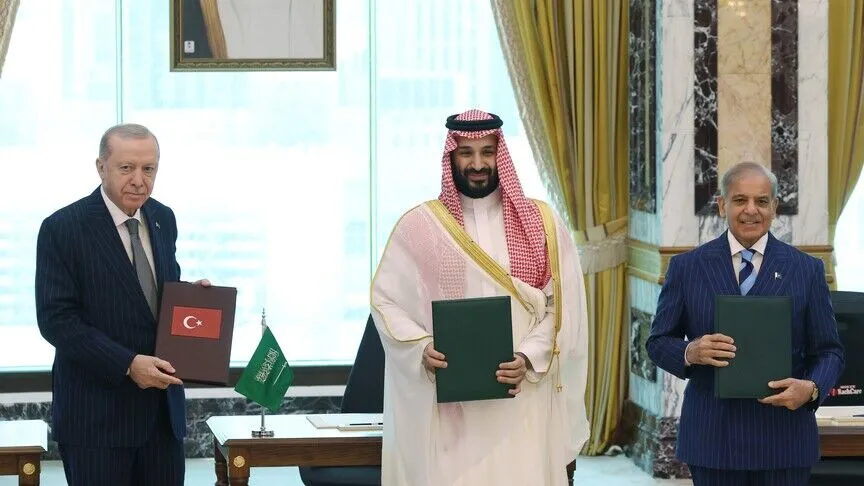
In short, navigating Trump’s looming flood of proposals requires a nuanced understanding of American perspectives and avoiding direct confrontation whenever possible. At the same time, Jordan must strengthen its position with robust Arab support. Elevating strategic relations with Saudi Arabia is particularly crucial, given its dominant role in the current and upcoming phases and its centrality to Trump’s economic and political ambitions, including regional peace efforts.
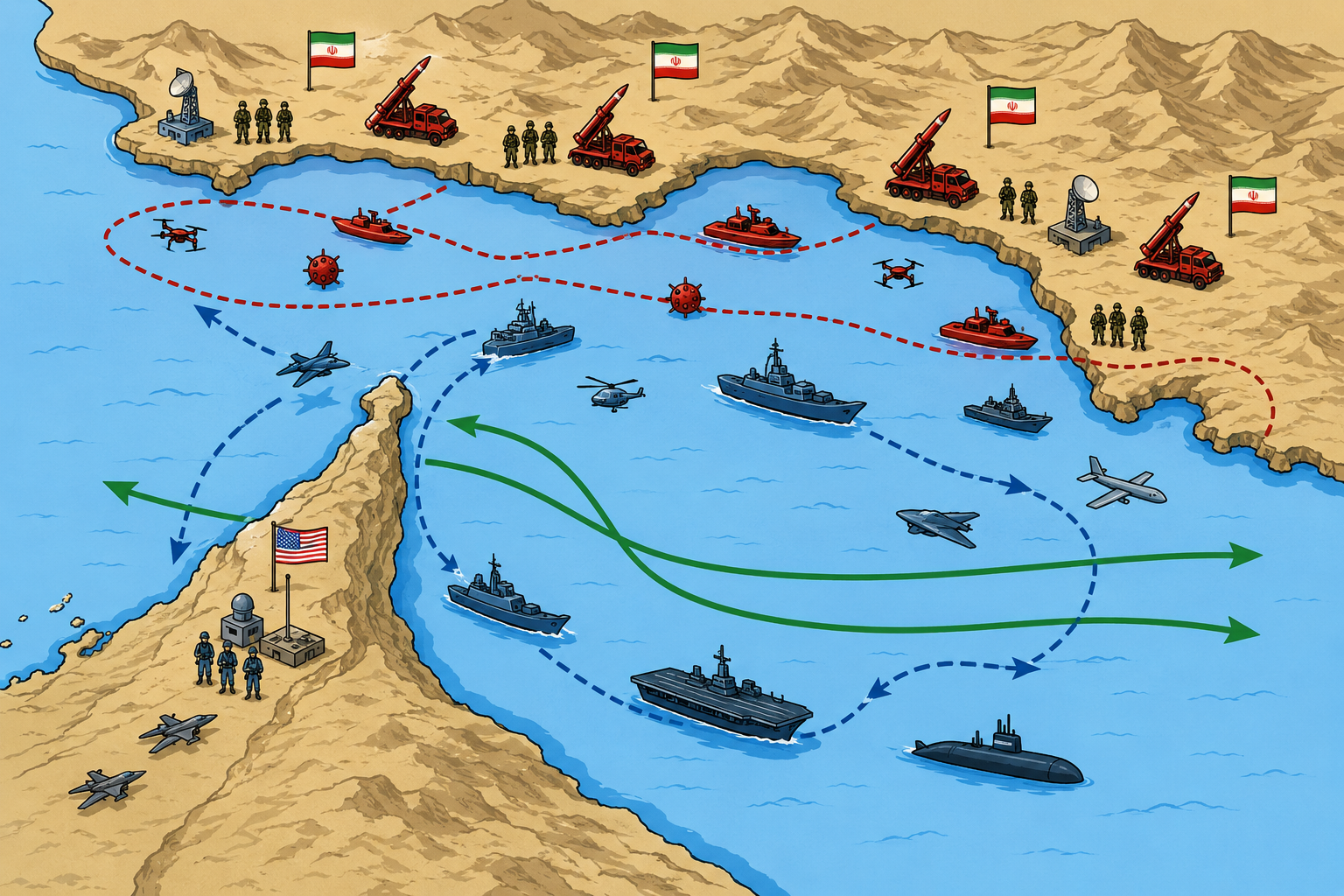
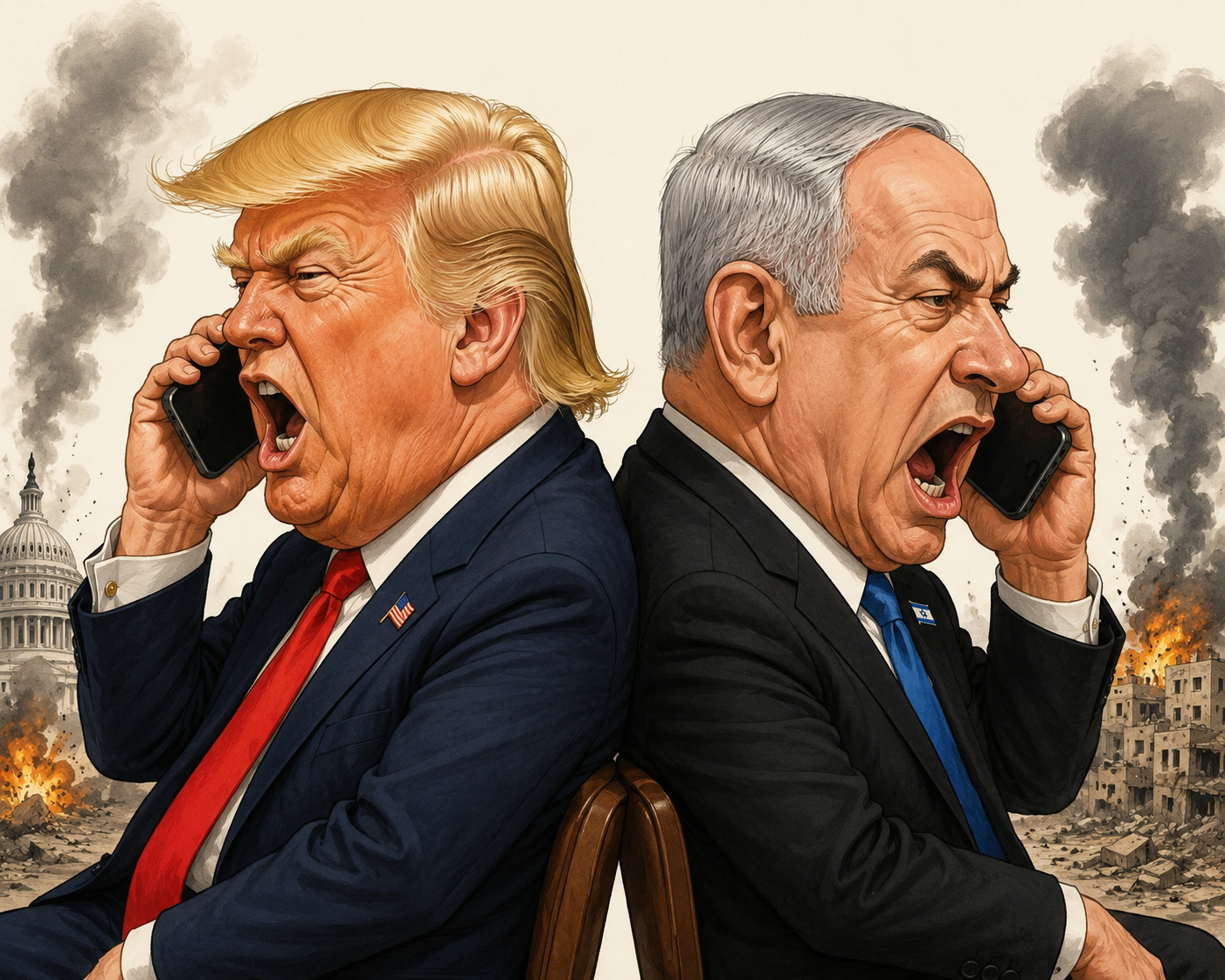
Nevertheless, Israeli Prime Minister Netanyahu’s visit to Washington may signal a new escalation in the region. The Gaza conflict remains unresolved, and tensions in the West Bank and Lebanon persist. If the conflict extends further to Iran, a broader escalation could stretch from Iraq to Iran, potentially resulting in the imposition of forced displacement as a grim humanitarian reality, especially if violence escalates once again in Gaza and intensifies in the West Bank.
Dr Amer Al Sabaileh is a professor and a columnist at the Jordan Times
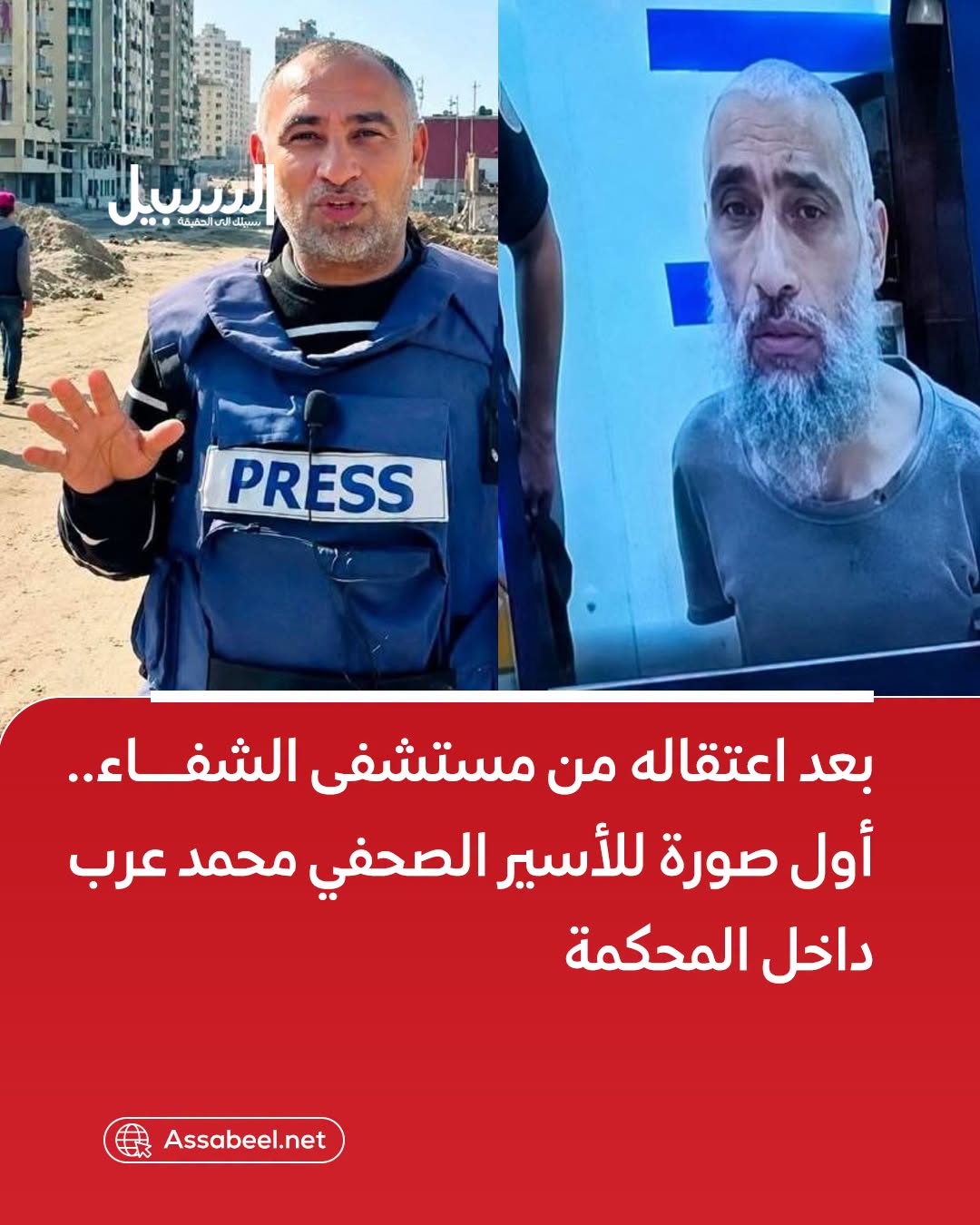
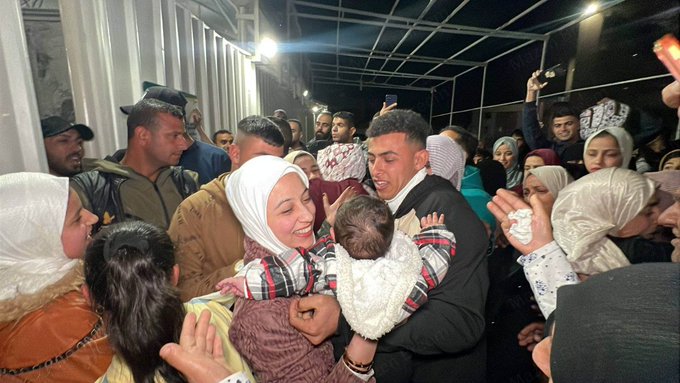
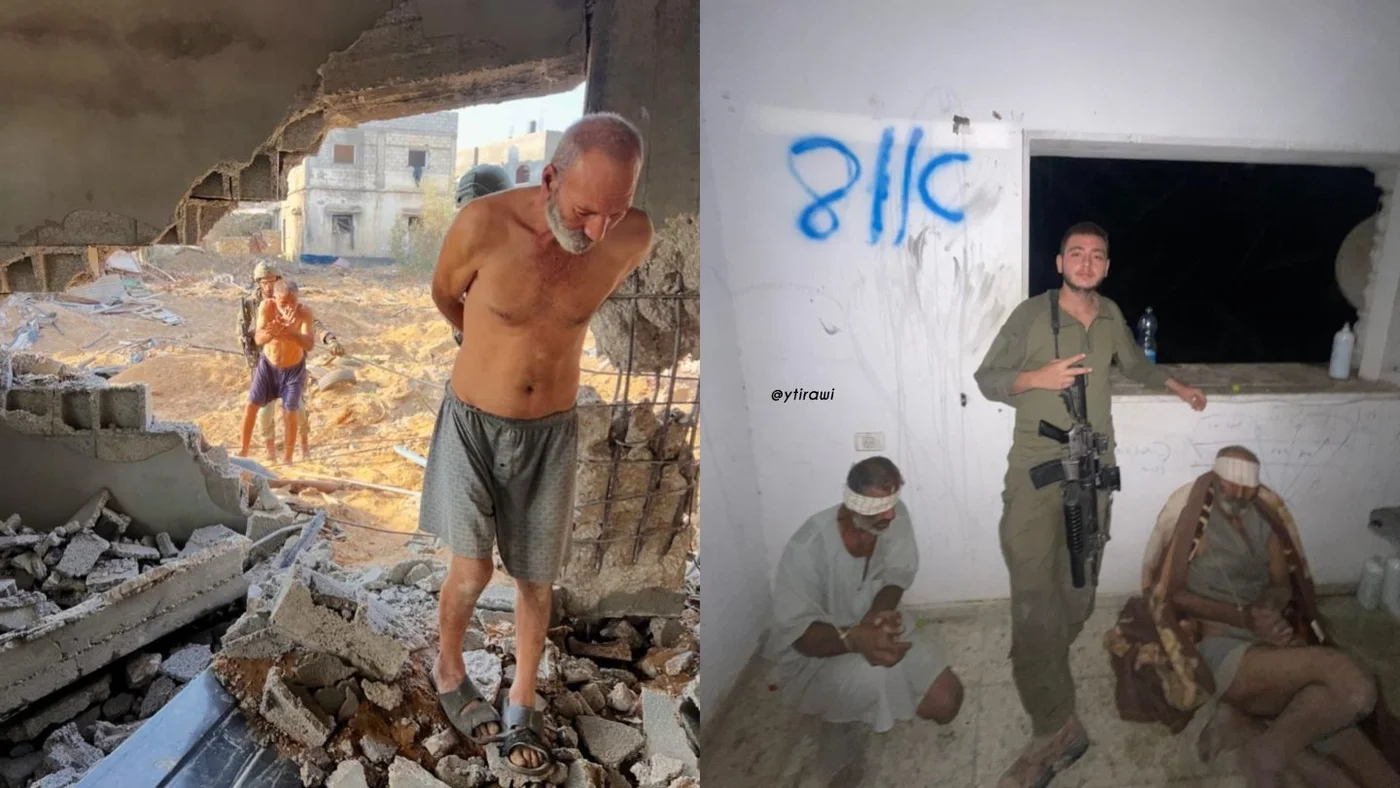
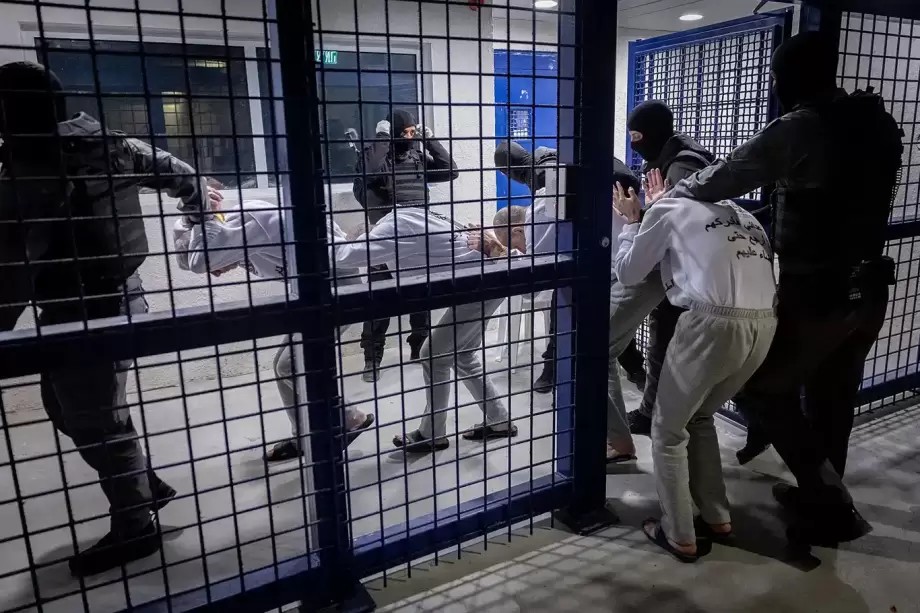
The poor health of Palestinian detainees and prisoners released by Israel as part of the ceasefire agreements in the Gaza Strip reflects the terrible conditions they endured while in custody, including torture, mistreatment, and degrading abuses that persisted until the very last minute.
The Israeli authorities released the detainees and prisoners in four batches, the last of which was last Saturday. The majority appeared to be in a serious state of decline, with each of them losing several kilogrammes of weight due to what appears to be intentional starvation.
Following their release, many of the inmates and detainees required immediate hospital transfers for critical medical examinations. One in particular seemed incapable of recognising his future after being denied treatment while in custody.
These circumstances demonstrate how Israel has transformed its jails into institutionalised torture facilities for Palestinian detainees and prisoners, including those who were convicted and imprisoned prior to October 7, 2023.
Until the final moments before their release, most of the detainees endured psychological torture in addition to mistreatment and beatings.
The Euro-Med field team recorded that, in addition to forcing the detainees to wear prison clothes and subjecting them to beatings and violence before and during their loading onto buses, Israeli forces also made many of them shave their heads – a deliberate and degrading measure meant to degrade their morale.
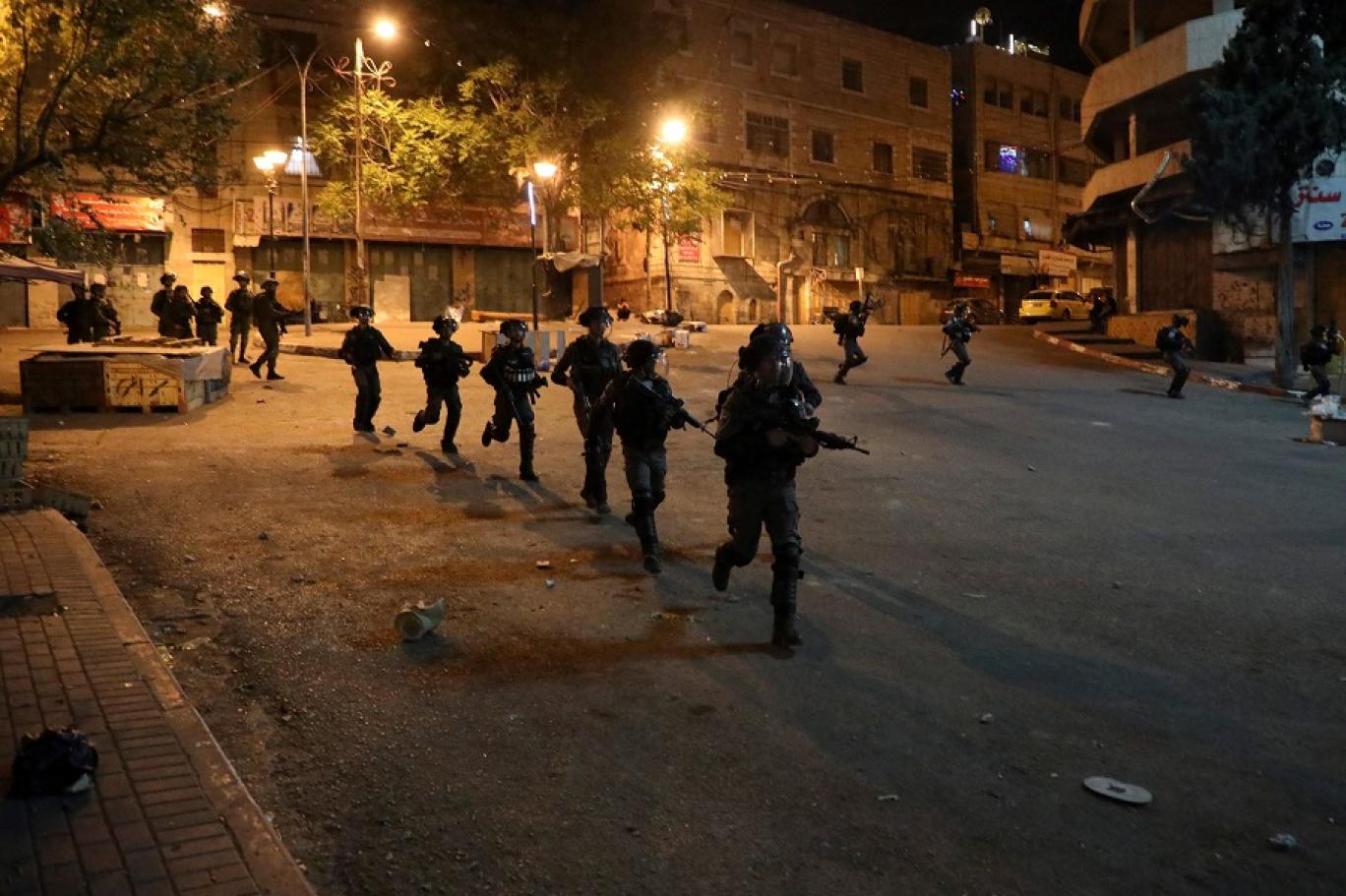
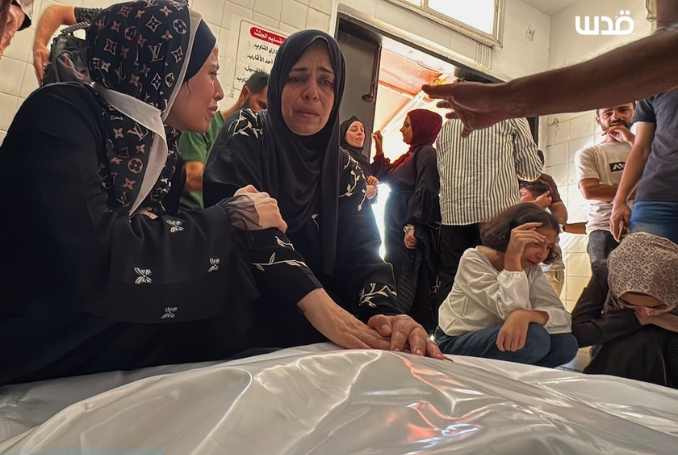
All prisoners and detainees were released under appalling conditions by the Israeli occupation forces, who also stormed their homes and locations designated to receive and celebrate their release. They attacked family gatherings, suppressing them with tear gas and bullets and injuring some people.
According to the testimonies of the released prisoners and detainees that Euro-Med recorded and analysed, the prison administrations’ violations extended beyond subpar detention conditions and turned into a systematic policy of retaliation against all Palestinian prisoners and detainees. Detainees were subjected to severe torture, intentional starvation, and prolonged solitary confinement as part of punitive measures that ramped up brutally after the events in the Gaza Strip in an attempt to punish them for nothing more than the fact that they were Palestinians. Since October 7, 2023, the conditions inside the prisons have seen an unprecedented deterioration.
According to the testimonies documented by Euro-Med, the Israeli occupation forces also tortured and beat the freed detainees, held them in buses with their hands bound for extended periods of time before releasing them, and subjected them to taunts and profanities that were intended to diminish their human dignity right up until the very end.
The day before their scheduled release, Israeli forces seized them and forced them to shave their hair, according to former prisoner “Haitham Jaber” from the town of Haris in the Salfit district. When he refused to shave his hair, the prison administration took him by force and shaved his hair all the way. “Jaber” went on to say: “The inmates endure extremely harsh living conditions, and the most extreme forms of torture, abuse, and degrading treatment were performed against us until the very end.”
The detainees were humiliated by being made to stand in a single queue and occasionally asked to walk on all fours, he said, demonstrating how the prison guards treated them like ‘animals’. Additionally, they were denied basic rights like access to water, as each room was only given one bottle of water per day, and the restrooms were completely devoid of water, making it impossible for them to relieve themselves.
Former prisoner Wael al-Natsheh, who has been behind bars since 2000 and has been sentenced to life in prison, said: “They played with our nerves.” Without providing us with any information or an explanation, they took us back to the prison for three hours after we had left for the buses. This led to anxiety and misunderstanding. We assumed that after giving us the impression that there would be significant issues in the exchange that would be challenging to resolve, he would assign us to the prison sections. He was merely playing with our nerves, as it turned out.
“The inmates who were scheduled to be released were gathered in Ofer Prison and were previously told that their release date was last Saturday,” he said. But they were imprisoned for roughly a week. According to him, the prison administration has been waging a “fierce attack” on the inmates over the past 16 months, causing them to starve, be beaten, be abused, sleep in the cold, and have their clothing and blankets taken away.
According to one of the kids the Euro-Med met and who was set free in the northern West Bank (Euro-Med does not reveal his identity for his own safety), everyone suffered in the prisons, particularly from malnourishment and beatings. He clarified that in order to avoid being arrested again, he was made to sign a pledge not to speak.
According to the testimonies of those who were released, the Euro-Med emphasised that these practices constitute a blatant violation of human rights and the rights of prisoners and detainees guaranteed by international law because they mirror the “abuse, humiliation, starvation, and systematic torture” that they endured both during their detention and after being released.
Additionally, he cautioned that the attacks are not just physical abuse but also have terrible psychological effects on the detainees and prisoners, which worsens their suffering and eventually causes their psychological condition to deteriorate. He continued by saying that the conditions the detainees were subjected to upon their release, the descriptions they gave of their conditions of confinement, and the reference to prisons as “graves for the living” are all blatant examples of an Israeli policy that violates international humanitarian law and human rights standards in order to destroy the Palestinian people’s will and subject them to the greatest amount of suffering and humiliation possible.
To end Israel’s systematic and pervasive crimes of murder, torture, and other grave violations against Palestinian prisoners and detainees, all *countires* and relevant international organisations must act swiftly and forcefully. Additionally, detainees who were arbitrarily arrested must be released immediately and unconditionally. The involved local and international organisations should be given immediate permission to visit the detainees and give them legal representation. Furthermore, Israel should face pressure to end all types of arbitrary detention, including administrative detention, which is a blatant violation of fundamental human rights and a manifestation of a repressive policy meant to undermine the Palestinian people’s will and social cohesion while denying them their legal rights.
In addition to taking all required legal actions to prosecute and try the occupation leaders accountable for these crimes, all nations and interested parties must launch an immediate, independent investigation into these crimes and grave violations.
All concerned countries must also assist the International Criminal Court in its efforts to look into these crimes, submit specialised reports to the court about the crimes committed against Palestinian detainees and prisoners in Israeli prisons and detention facilities, particularly after October 7, 2023, and issue arrest warrants for all of the perpetrators so that they can be prosecuted and brought before the International Criminal Court to stand trial for their crimes.
The crimes committed by the Israeli occupation army and other Israeli security forces against Palestinian prisoners and detainees from the Gaza Strip are considered crimes against humanity and full-fledged war crimes. They also constitute acts of genocide against the Palestinian people in the Strip because they are carried out in a systematic and brutal manner with the intention of eradicating the Palestinian people as a group, including through rape, torture, and other forms of sexual violence.
The international community must put pressure on Israel to immediately cease the crime of enforced disappearance against Palestinian detainees and prisoners from the Gaza Strip, to make public all secret detention facilities, to reveal the identities of all Palestinians it is detaining from the Strip, their whereabouts and fates, and to take full responsibility for their safety and well-being.