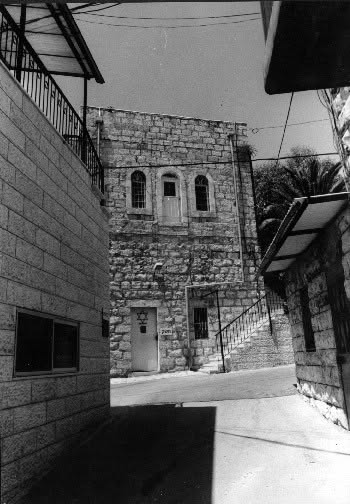
 Don’t Forget Dier Yassin
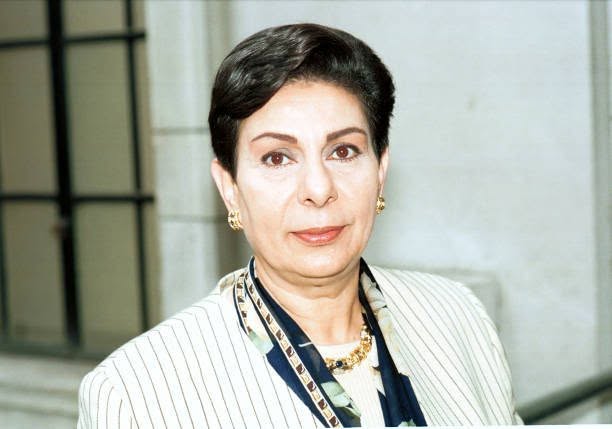
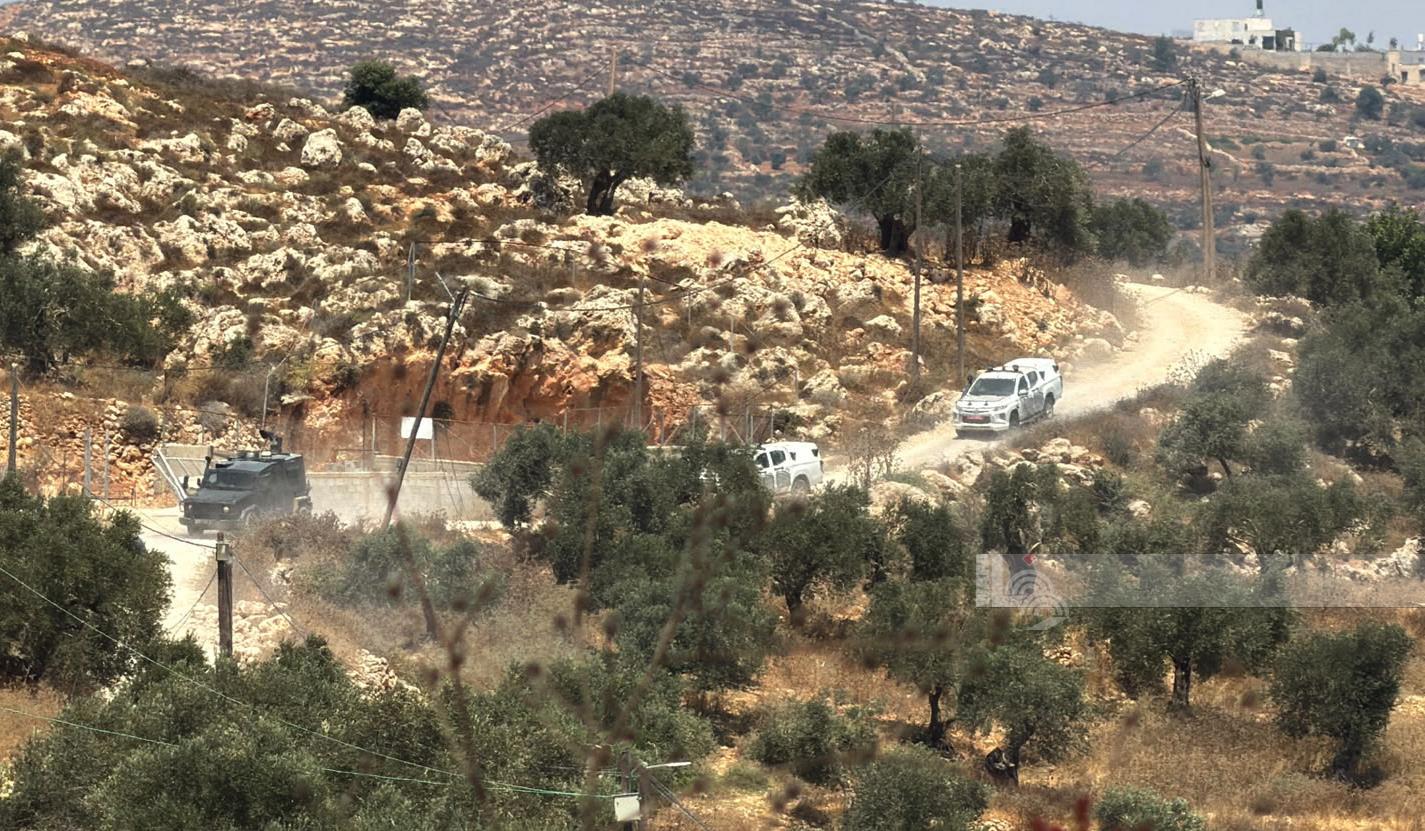
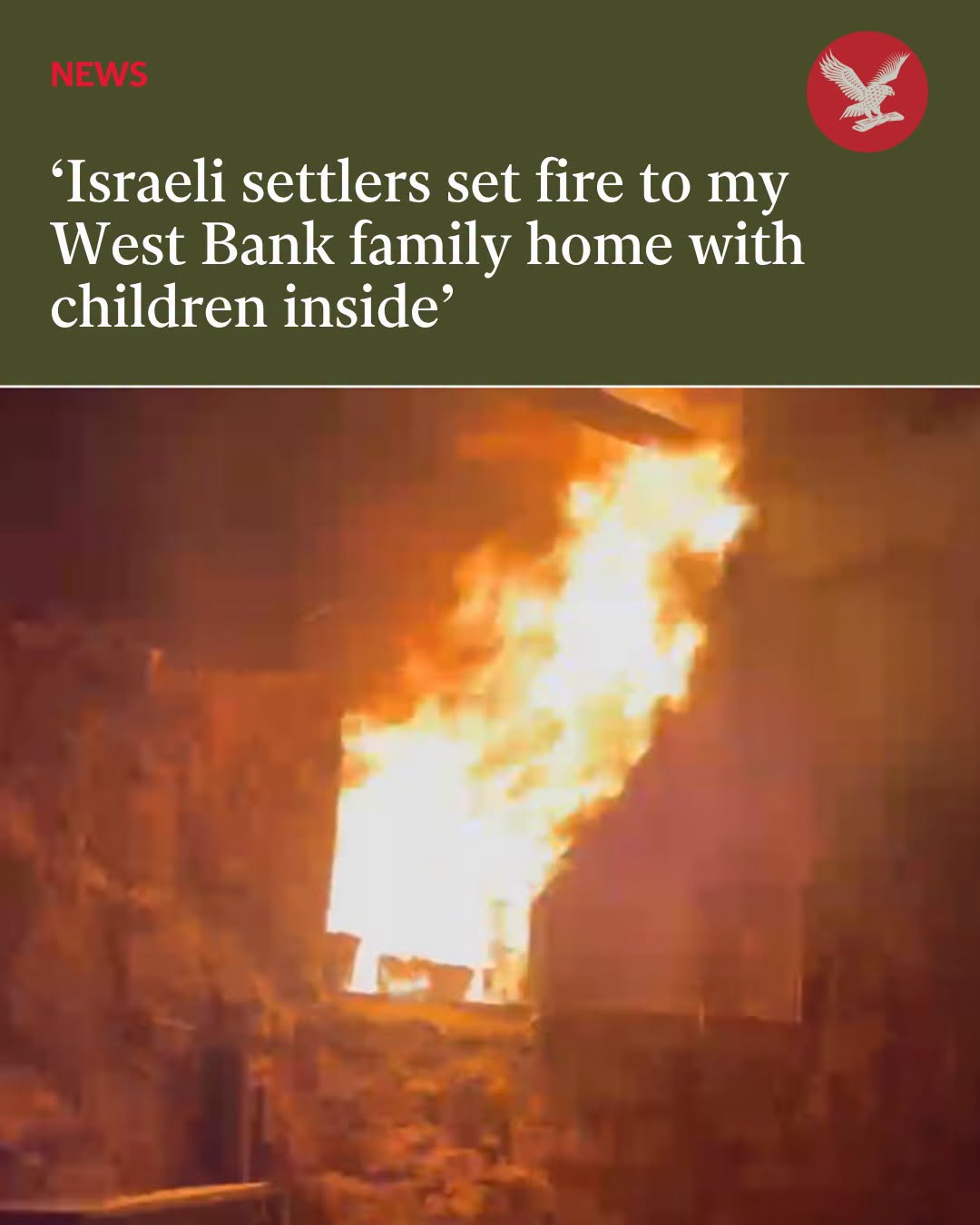
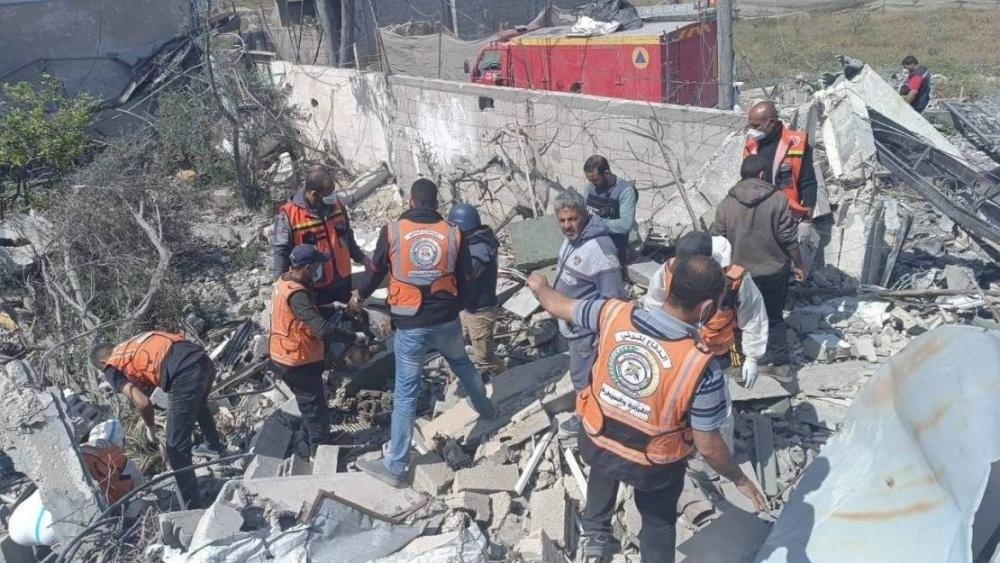
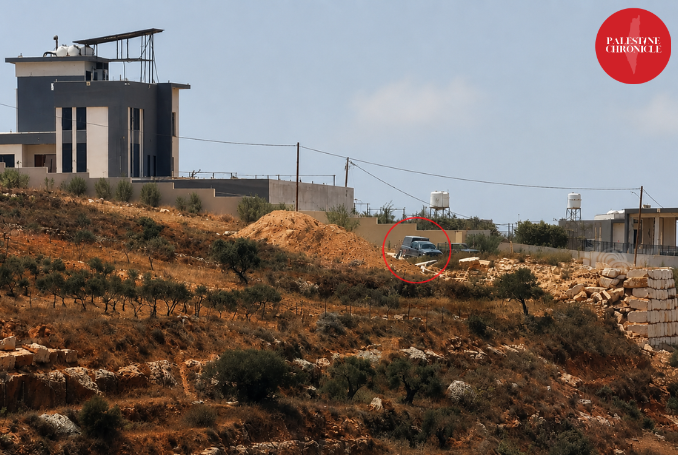 Israeli Army, Settlers Trap Three Palestinian Families in Their Homes for 11 Days
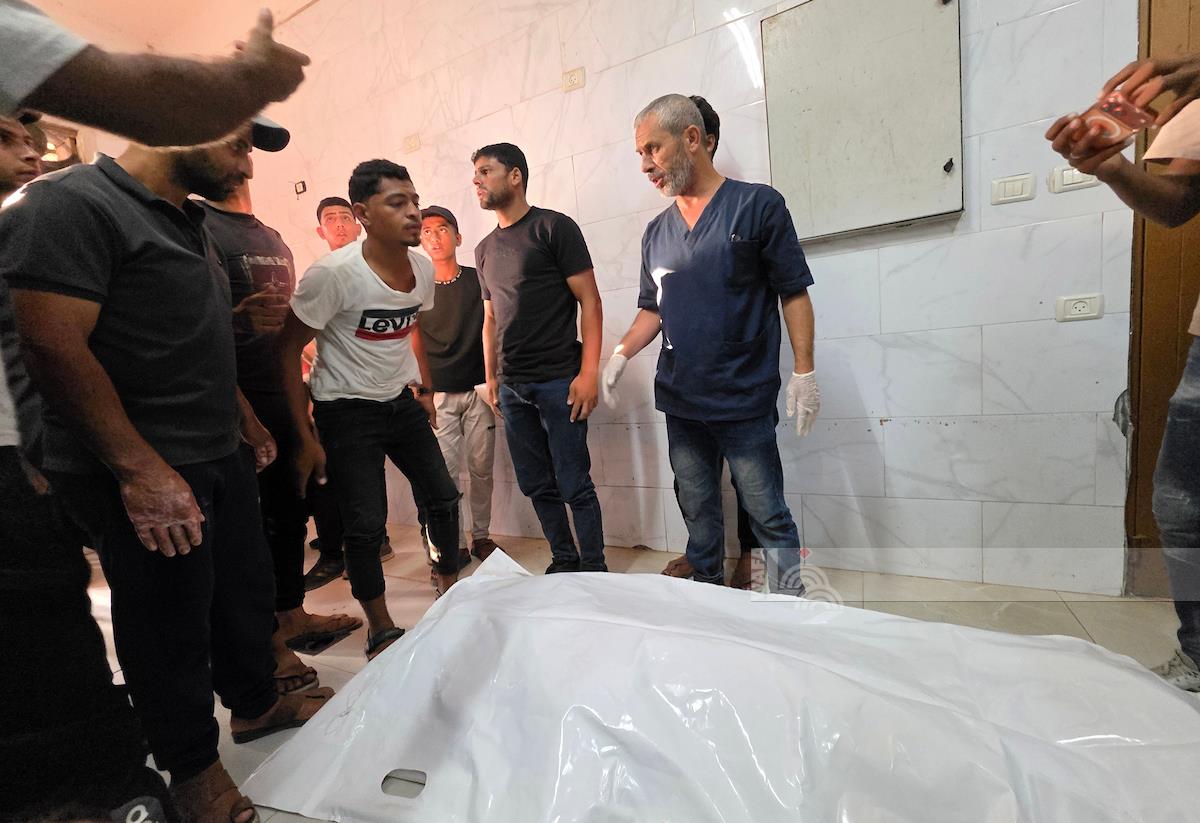
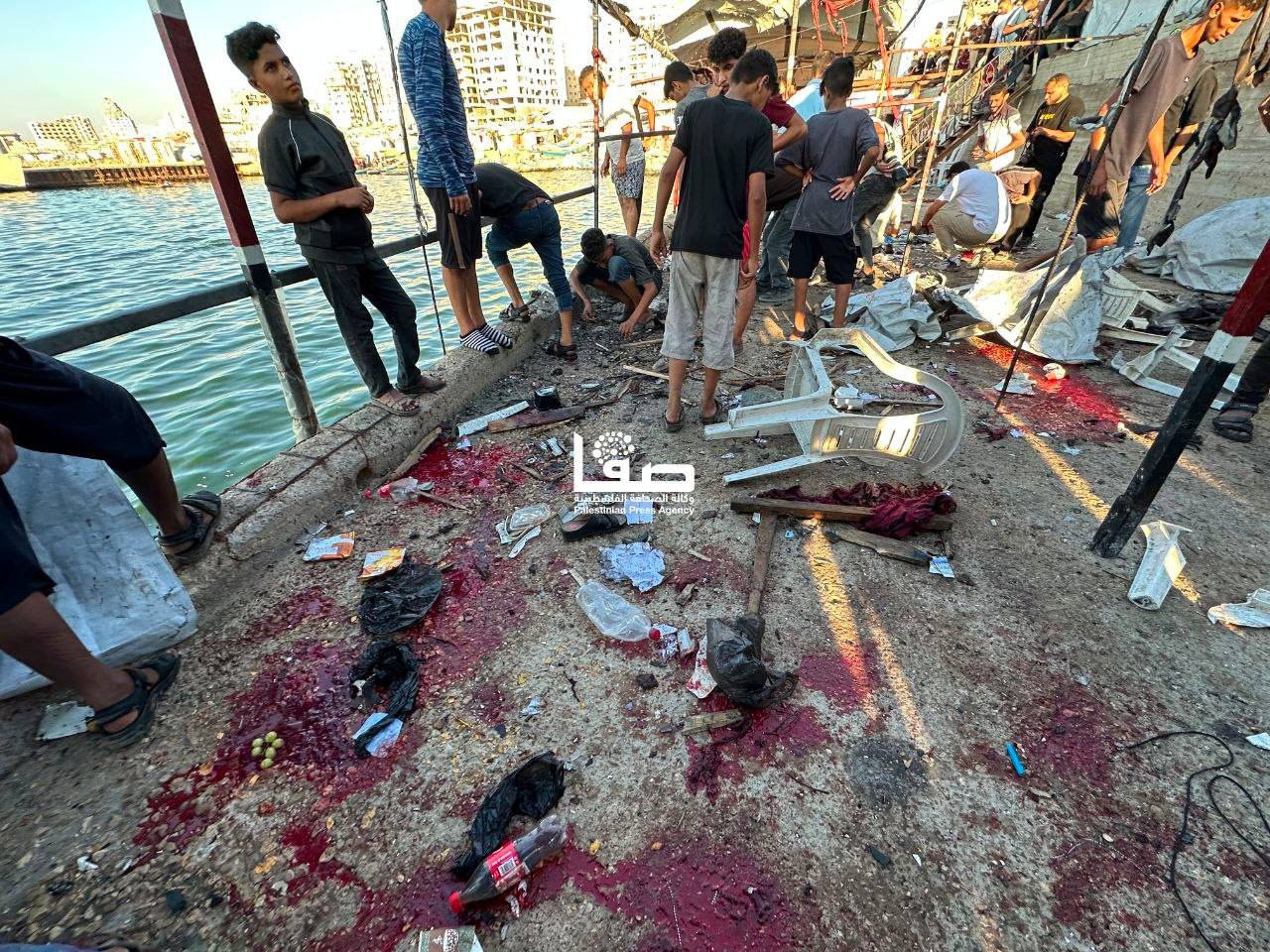 Israeli Strikes Gaza Port Café, Leaves 6 Dead, a Child and 14 Wounded
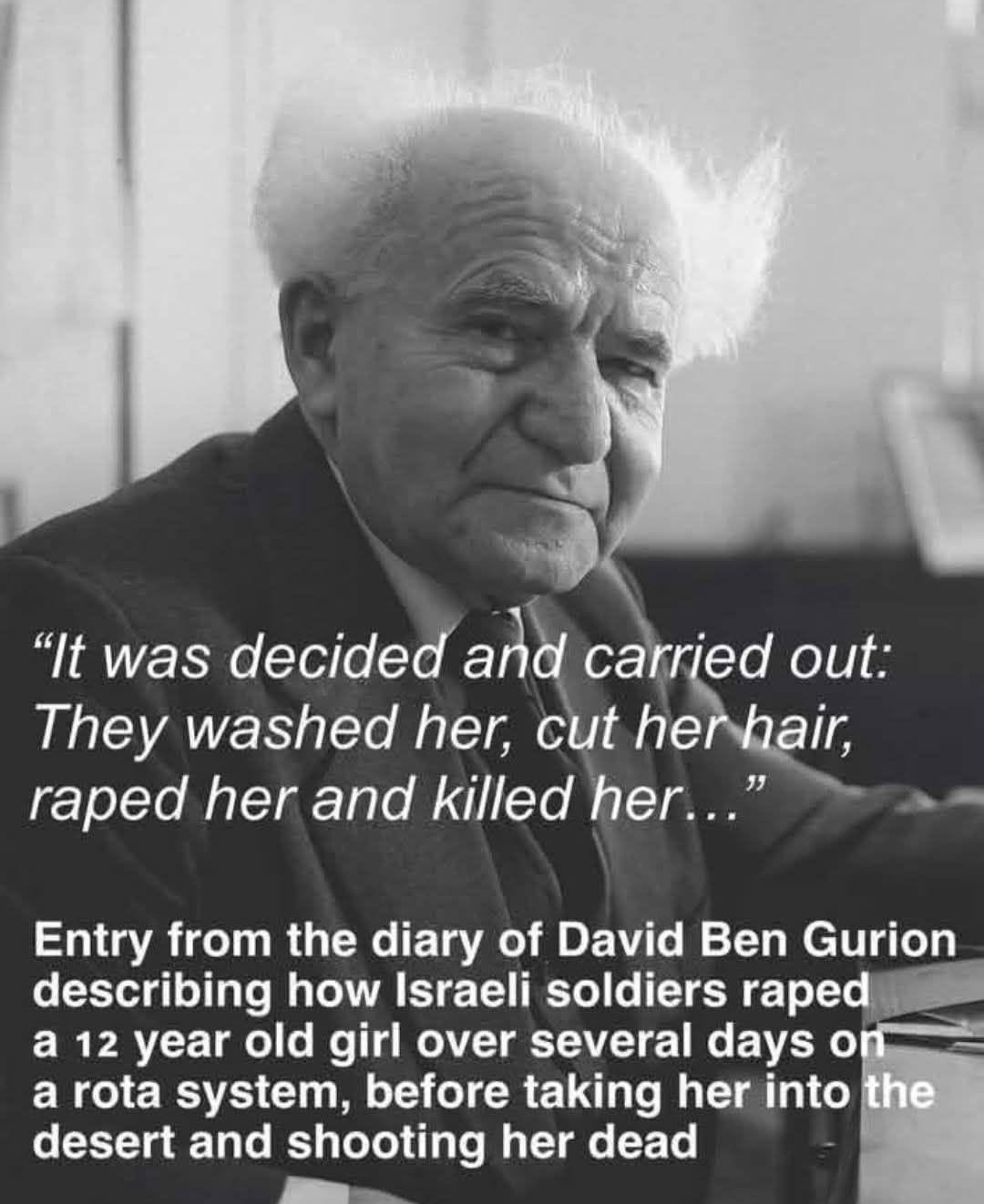 Your Ben Gurion! Revelations
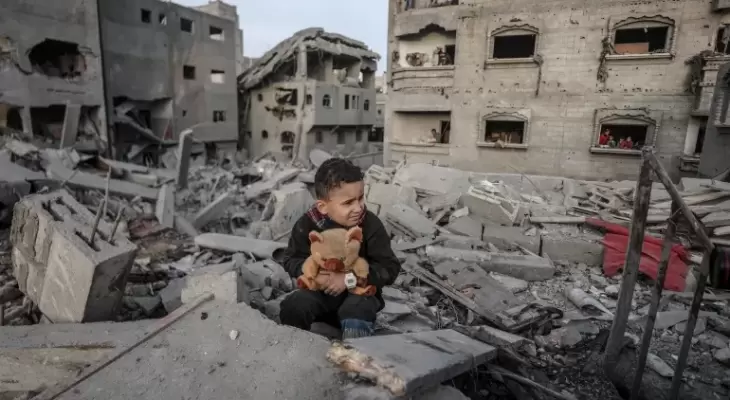
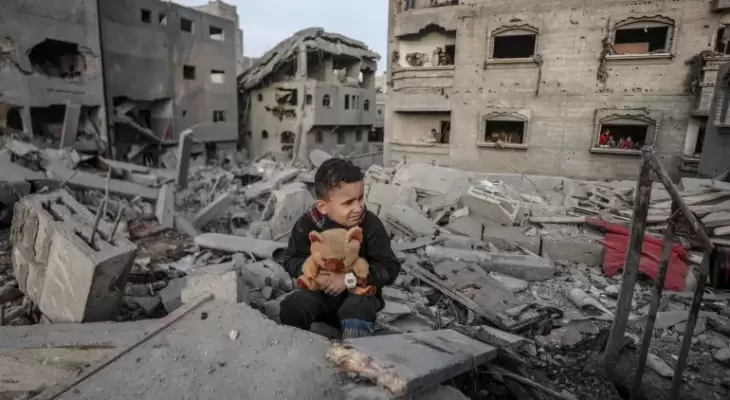
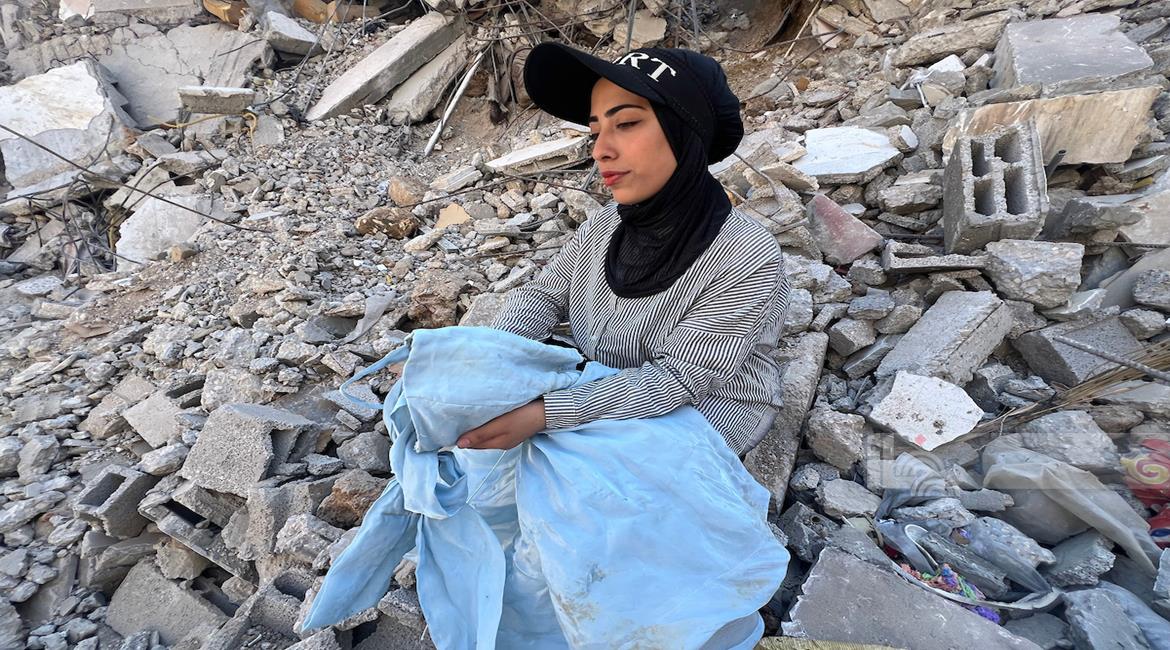
 Gaza’s Face of Destruction

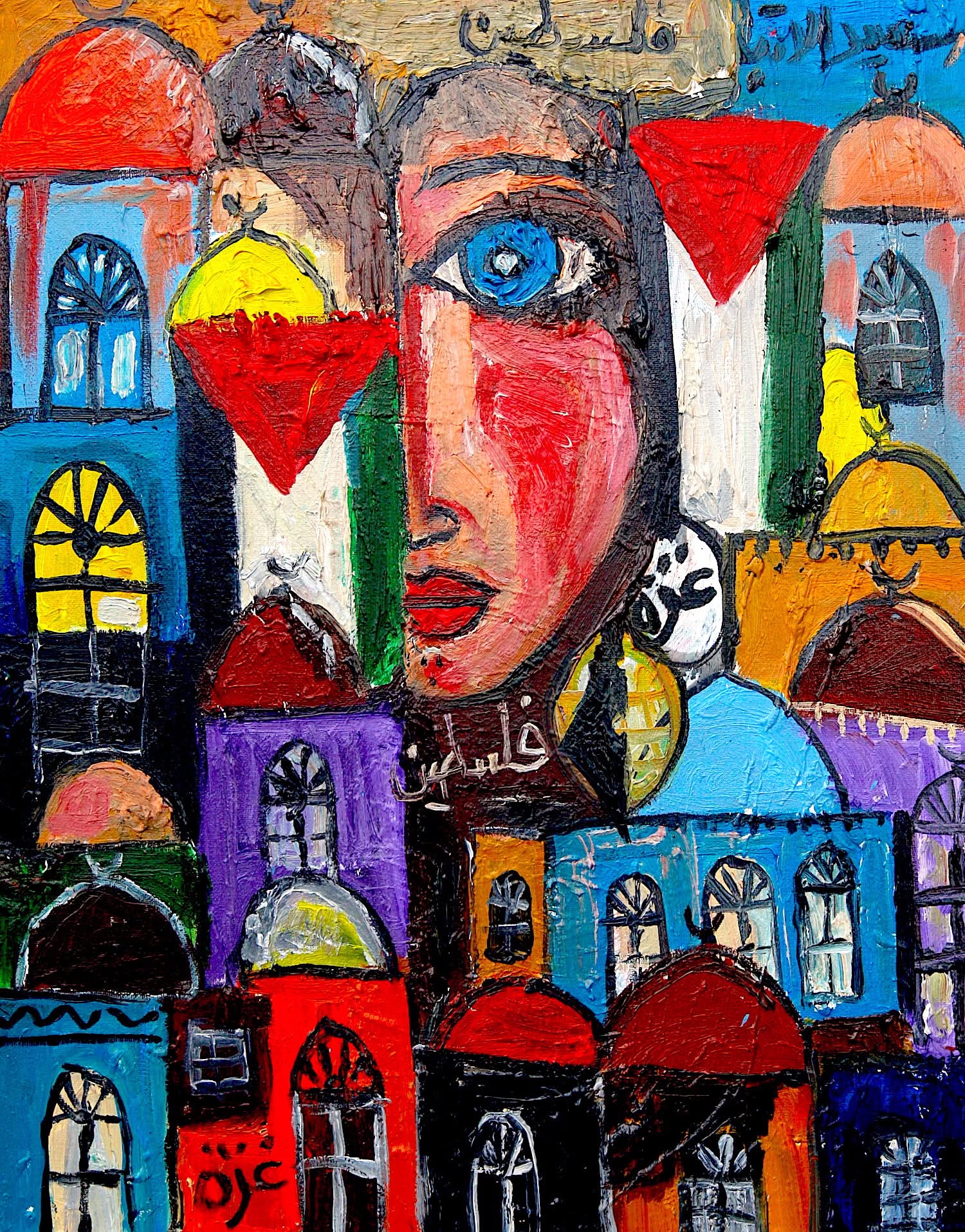
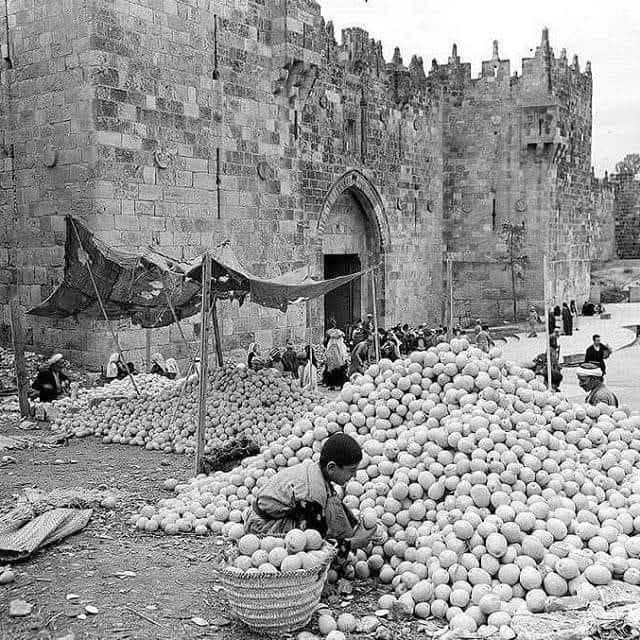
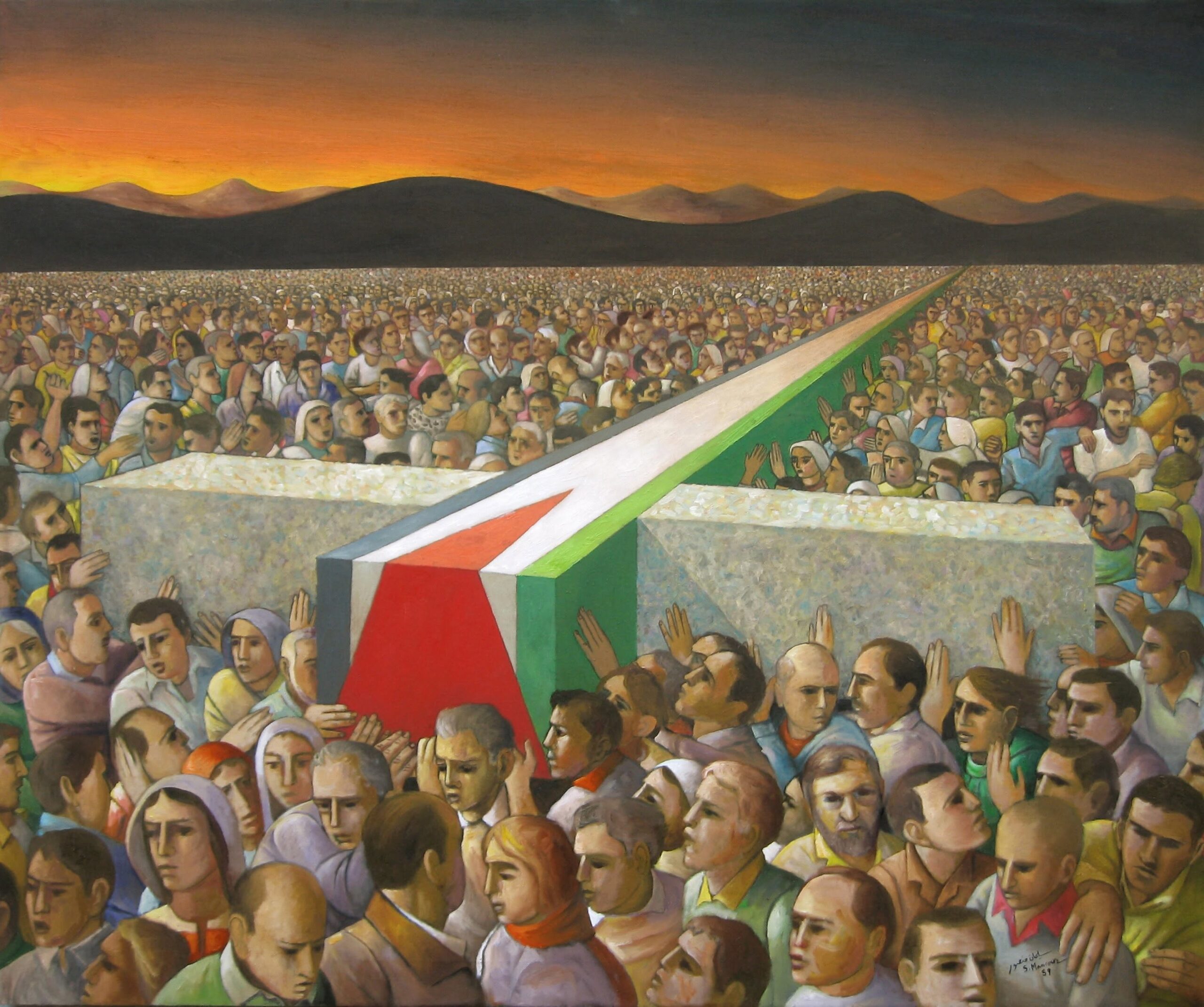
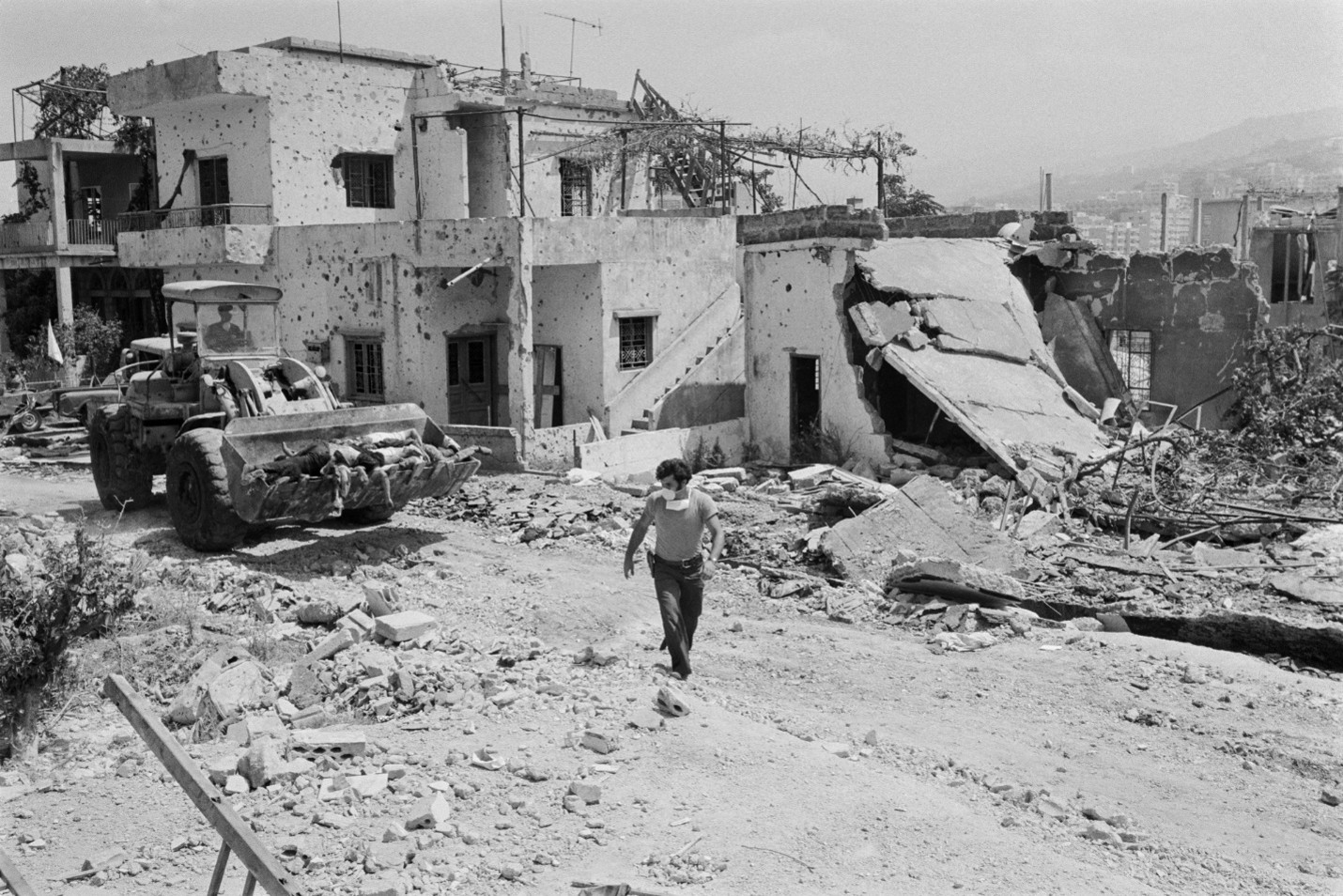
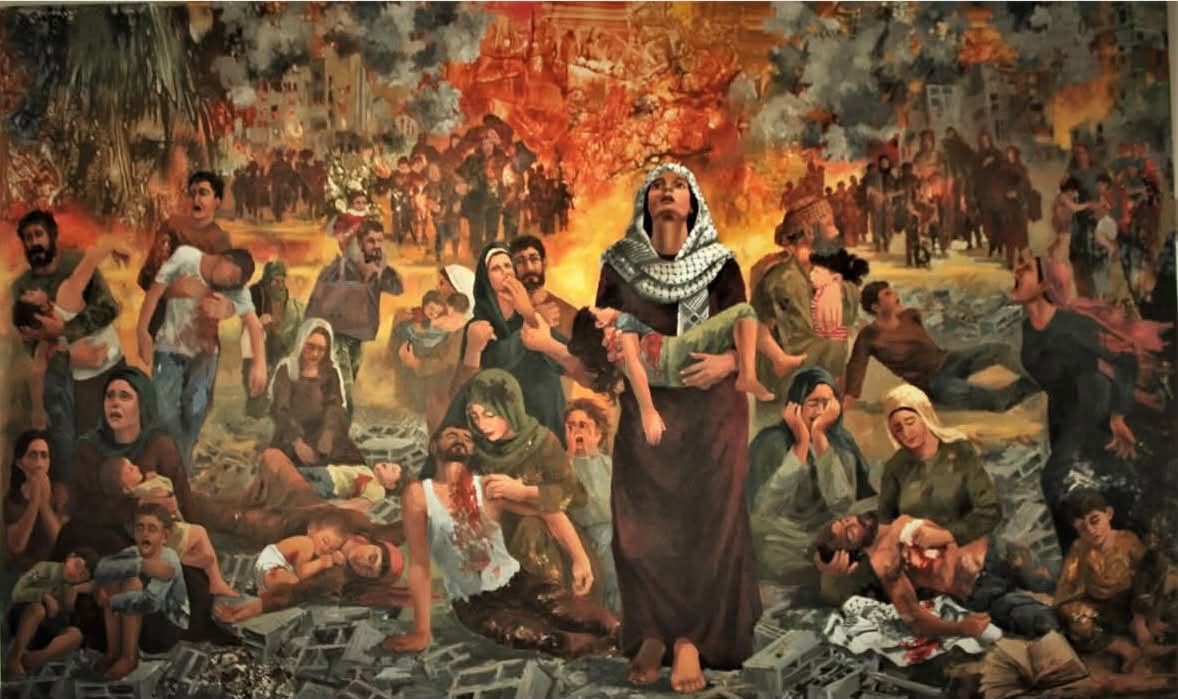
Don’t Forget Dier Yassin
Heba
- August 19, 2026
 Heba
Heba marwanmarwanmarwanmarwanmarwanmarwan
 CrossFireArabiamarwanmarwan
 Saleem Ayoub QunamarwanCrossFireArabiaCrossFireArabiaCrossFireArabiaCrossFireArabiamarwanCrossFireArabiaCrossFireArabiamarwanCrossFireArabiaHebaCrossFireArabiamarwanCrossFireArabiamarwanHebaCrossFireArabiamarwanmarwanHebaCrossFireArabiamarwanmarwanCrossFireArabiamarwanHebaCrossFireArabiaCrossFireArabiaCrossFireArabiaHebamarwanCrossFireArabiamarwanHebaCrossFireArabiaHebamarwanmarwanCrossFireArabiamarwanmarwanmarwanmarwanmarwanmarwanmarwanmarwanmarwanCrossFireArabiaCrossFireArabiamarwanmarwanCrossFireArabiaCrossFireArabiamarwanCrossFireArabiamarwanHebaHebamarwanmarwanCrossFireArabiamarwanmarwanmarwanmarwanCrossFireArabia
By Mohammad Abu-Rumman
Benjamin Netanyahu has placed the Iranian regime, the Wilayat al-Faqih system, before a fateful challenge through a harsh pre-emptive strike. While extremely risky, the strike was not decisive enough to settle the confrontation. Netanyahu himself did not expect that an ideological-nationalist regime like Iran’s would surrender and offer immediate concessions following the strike, without launching a retaliatory blow against Israel.
Despite Iran’s unprecedented powerful strikes on Tel Aviv, the reformist current in Iran, represented by Foreign Minister Abbas Araghchi, has also demonstrated its continued commitment to “the negotiating table” and to finding a way out of this war. Iran has deliberately avoided using its full missile capabilities against Israel to prevent the battle from reaching the point of no return.
Current indicators suggest that this war will likely not last long, nor will it expand geographically, because the destruction costs—for both sides—are immense. For Iran, this includes damage to its oil facilities, which are the backbone of its economy, as well as the protection of what remains of its nuclear program and infrastructure. For Israel, the fact that Iran managed to breach the Iron Dome and cause major direct damage in the heart of Tel Aviv and Haifa presents a reality that Israelis cannot endure.
In this light, there will likely come a tipping point at which both parties will be willing to end the conflict. The timing of that moment will be decided by the U.S. administration, which will step in to halt the military escalation. But when will this moment arrive? It will come when both sides realise that they can no longer achieve significant additional objectives, and that the cost of continuing the conflict far outweighs the cost of stopping it, especially given that a so-called “knockout blow” is impossible in such existential wars.
On the Israeli side, there are two major areas of superiority: First, Israel’s air force has successfully destroyed much of Iran’s air defense systems, allowing it to operate freely over Tehran and strike targets at will. Second, intelligence penetration, which could lead to further surprises that may force the Iranians to retreat or make subsequent concessions. However, Israel’s major vulnerability lies in its inability to withstand sustained, large-scale missile attacks, especially after a prolonged multi-front military conflict.
As for Iran, it has two primary objectives in the current military confrontation: To preserve the political legitimacy of the Wilayat al-Faqih regime, which is built on religious ideology and propaganda. Failing to respond or retreating now would reflect poorly internally and could erode the regime’s very source of legitimacy. To protect Iran’s deterrence capacity and prevent its regional standing from deteriorating—especially after losing the bulk of its regional influence in the aftermath of “Flood of al-Aqsa” (the Gaza war).
American intervention, whether military or diplomatic, will be decisive in ending this conflict. It is evident that President Donald Trump prefers a negotiated path, aiming for political, military, and economic gains. Netanyahu, however, is betting that a major military defeat for the Iranian regime will lead not only to concessions on its nuclear program (the primary stated objective) but potentially to changing or collapsing the regime itself, thereby neutralizing it within the regional power structure. This would constitute a strategic shift in the regional security equation in Israel’s favour.
Direct US military involvement remains unlikely, except in two scenarios: If Israel were to request assistance after a massive and successful missile strike against its territory. If the U.S. concludes that Iran will not back down unless there is a more dramatic shift in the military balance of power that compels it to return to the negotiating table and offer substantial concessions.
This equation was not the same two years ago. Back then, Iran had greater geopolitical space and extensive tools of influence in the region. However, what has occurred with the fall of Bashar al-Assad’s corridor (the Syrian axis), and the diminished power of Hezbollah and Hamas, has cost Iran critical advantages in the regional balance of power. After this war, there will be significant consequences even for Iran’s remaining influence in Iraq, which may become the final outpost lost by Tehran, ending a twenty-year effort (since the 2003 invasion of Iraq) to weave its intricate carpet of regional influence.
Mohammad Abu Rumman is the Academic Advisor of Politics and Society Institute in Amman and has contributed this article to The Jordan Times.
 Dr Khairi Janbek
By Dr Khair Janbek
We became accustomed for a while to the mutual bombardment of Iran and Israel for the first a couple of days. Then Israel started declaring that it had achieved its objectives whilst Iran maintained its own momentum, saying it is also teaching Israel a lesson.
But now the new flaring conflict is lasting longer than expected. We really don’t know for certain what are the objectives as the declared intentions keep changing on daily basis and the hidden objections tend to be irrelevant, at least for the time being because we have no clue about them.
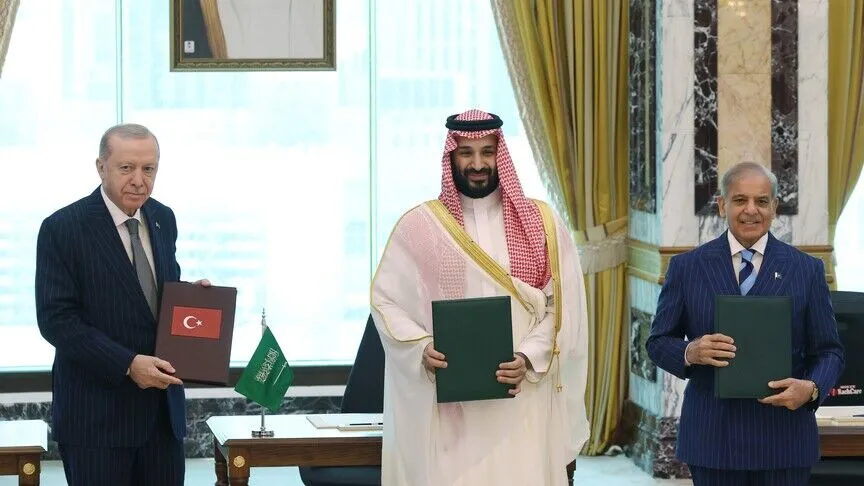
What is certain is that neither Israel nor Iran are naïve to think that, a protracted campaign of mutual bombardment, is in their interest. The reality however, is that a war of attrition is not in their interest of either, and may serve the interests of the two other regional powers: Turkey and Saudi Arabia.
But would both Israel and Iran willingly allow Turkey and Saudi Arabia to replace their influence? This is not very likely, as we can clearly see both sides are trying their best to drag others into the conflict by turning it into a regional conflgeration, by dragging the US and the EU on one side, and the Russians, Chinese, and Pakistanis on the other.
One at this juncture must say that a regional conflict, even by unintended consequences may lead to a wider global conflagration, quickly bringing in world powers and states that will not sit by the sidelines.
On the face of it, anyone cannot miss the fact that bombarding Iran came on the first day of the end of the two-month grace period which the US gave to Tehran to reach an ‘ironclad’ nuclear agreement. So at least on the face of it, the whole issue is related to forcing Iran to come back to the negotiating table with the US albeit with a weakened position.
But then again, the contradictory statement of the administration in Washington could mean anything or nothing, implying for certainty that it had prior knowledge of the Israeli attack on Iran.
Another idea which was thrown into the arena in a flip-flop manner, is that of helping in the process of regime change, but if one can say anything, is that when the Iraq-Iran war erupted, it was still in the early days of the Islamic Revolution and there was strong opposition to the mullahs regime.
And rather than creating a possibility for a regime, the war created a united nationalist response against the then Saddam Hussein regime in Iraq. In a sense what started with a serious possibility of regime change ended up uniting the forces of the country.
Therefore, if the intention of the Israelis is regime change, then they better think twice about. Still, Iran is a country of more than 92 million people, with a territorial space of about 1.6 million kilometers so anything is possible. Just for interest, it is argued that Iran is 75 times the size of Israel.
So where do both parties go from here? One thing is for sure: One doesn’t know the extent of damage the two parties can do to each others’ nuclear arsenals. But if Israel feels it may not be able to destroy the Iranian nuclear infrastructure but can make it costly for them to re-start their programme, that would be naive because the Russians, the Chinese, and Pakistanis would be more than happy to offer their expertise.
One must add here however, that in the Near East, things can change very quickly.
Dr Janbek is a Jordanian writer based in Paris, France. He has contributed this article to crossfirearabia.com.
CrossFireArabia
By Jamal Kanj
Israel’s latest strike on Iran had nothing to do with dismantling the Iranian (civilian) nuclear program. Despite Prime Minister Benjamin Netanyahu’s assertion that “the timing was fixed back in November 2024,” the real zero hour was designated only to undercut possible diplomatic framework that could have legitimized Iran’s nuclear development under international, verifiable, supervision.
This war is not a preemptive blow against Iran —it is a preemptive strike against diplomacy itself. The Trump administration made a grave error by keeping Israeli officials closely informed of the sensitive progress in the secret negotiations. This privileged access allowed Israel to strategically time its military strike to sabotage diplomatic efforts at a critical juncture—undermining further progress just as it was beginning to take shape, and before any agreement could fully mature.
Multiple independent leaks had pointed to progress in the Oman brokered negotiation between the U.S. and Iran, inclusive of intrusive International Atomic Energy Agency (IAEA) inspections, capped enrichment, and restart of oil exports under strict monitoring. An agreement of that sort would have undercut Israel’s decades-long doctrine that only isolation and coercion can keep Iran “in its box.”
Rather than accepting a rules-based diplomatic framework that Netanyahu could not control or veto, he chose to hinder the potential agreement—with F-35s and cruise missiles.
This war is also part of Israel’s long-standing obsession with maintaining its monopoly on nuclear technology in the Middle East. Far from a purely defensive measure, Israel’s broader strategy has consistently aimed at preventing any regional power from acquiring—not only the infrastructure required to develop nuclear capabilities—but even the scientific expertise and human capital necessary to pursue such knowledge.
Hours after the first explosions, U.S. officials solemnly declared, “America did not take part.” But the denial was tactical, not principled. By remaining officially aloof, the Trump White House hoped to keep a seat at any revived negotiating table while still wielding the Israeli strike as leverage. Donald Trump’s own split-screen rhetoric—calling the raid “excellent,” threatening Iran with “more to come,” yet urging Tehran to “make a deal”—spelled out the gambit: let Israel be the cudgel while the United States courts concessions.
On the other hand, and in response to American Secretary of State, Marco Rubio, claim that the U.S. is “not involved in strikes against Iran,” Israel declared that every phase of the attack had been “closely coordinated” with the Pentagon and that that US provided “exquisite intelligence” to attack Iran.
The yawning gap between the two narratives served both capitals. In Washington, it allowed officials to reassure anxious allies that the U.S. was not actively escalating another Middle East war. In Tel Aviv, Netanyahu exploited the ambiguity to provoke Iran into retaliating against U.S. forces—potentially drawing Washington deeper into Israel’s war. At the same time, he sent a calculated message to domestic hawks and regional adversaries: that Israel still enjoys unwavering American backing.
Netanyahu’s sinister calculus was familiar and transparent from Israel’s book to drag the US into its endless wars: derail the diplomatic channel, then dare Washington to pick up the pieces while Israel enjoys another round of strategic impunity.
Even in a region where Israel uses starvation as a weapon of war and genocide in Gaza, Israel’s choice to strike residential neighborhoods—ostensibly targeting senior officers, civilian leaders, and nuclear scientists—crosses a perilous line. The laws of armed conflict draw a bright red distinction between combatants and civilians; by erasing it, Israel has handed Iran moral and legal grounds to retaliate in kind. If Tehran targets the private homes of Israeli leaders and commanders, Tel Aviv cannot plausibly cry victim after setting that precedent.
The first wave of Iranian retaliation—targeting the Israeli Ministry of Defense headquarters in Tel Aviv, among other sites—marks the beginning of a new kind of war, one unlike anything Israelis have faced in previous conflicts. For the first time, a state with advanced missile capabilities has shown both the resilience to absorb the initial strike and the capacity to hit back ] deep inside Israel—an experience unprecedented in Israel’s 77 years of existence.
Unlike the sporadic and largely asymmetrical conflicts with non-state actors like the Resistance in Lebanon and occupied Gaza, this confrontation introduces a level of state-to-state warfare that challenges Israel’s long-held military superiority and assumptions of deterrence. What has unfolded so far with the Iranian retaliation is a harbinger of a more symmetrical and likely prolonged confrontation—one in which Israel’s own centers of power may be within range, and where the frontlines are no longer confined to Gaza, the West Bank, or southern Lebanon, but centered into the very core of Tel Aviv.
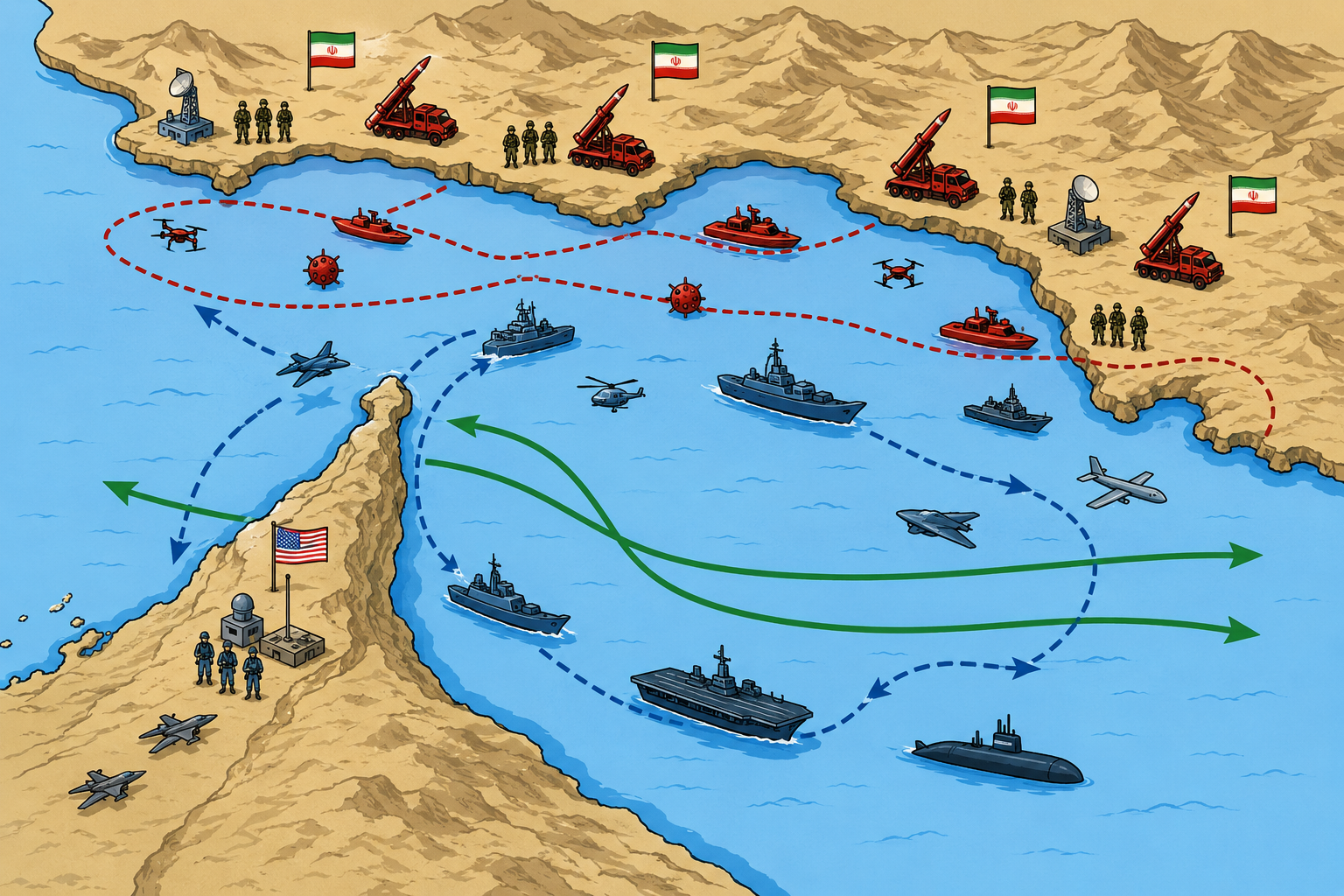
In the coming days, Washington’s true measure will be taken after the smoke clears. If U.S. Aegis destroyers in the Gulf or antimissile batteries in the region are activated to shoot down Iranian missiles and drones, America will cease to be an observer and become a co-belligerent.
Such presumably “defensive” steps quickly metastasize: one intercept invites another, and each exchange digs the United States deeper into a conflict created by a foreign country. History offers bleak guidance. Once American troops engage, momentum overrides strategy and the dynamics of war supplant planning. Political leaders feel compelled to “finish the job,” costs spiral, U.S. interests go unsecured, and the chief beneficiary is almost always the Israeli security establishment that triggered the crisis.
At the end of the day, Netanyahu’s success will not be measured by how many centrifuges he cripples or how many Iranian scientists he murders. It will be measured by whether he can lock the United States into yet another made-for-Israel Middle East war, paid for—strategically, financially, life, and morally—by Americans.
If Washington truly opposes escalation, it must say no—publicly and unequivocally—to any role in shielding Israel from the blowback it just invited. Anything less is complicity disguised as caution, and it will once again confirm that Israeli impunity is underwritten in Washington, even when it torpedoes America’s own diplomacy and ignites yet another Israeli-engineered war.

– Jamal Kanj is the author of “Children of Catastrophe,” Journey from a Palestinian Refugee Camp to America, and other books. He writes frequently on Arab world issues for various national and international commentaries. He contributed this article to The Palestine Chronicle
CrossFireArabia
Amidst the growing escalation between Iran and the Israeli occupation, a striking approach has emerged from Lebanese political writer and journalist Qassem Kassir. He addresses what he describes as the “importance of the battle of awareness” in this conflict whilst highlighting the media, political, and moral dimensions of this ongoing confrontation.
Open Battle on All Fronts
Kassir believes that “Iran is currently engaged in a direct confrontation with the Israeli occupation, which began after a clear and explicit Zionist aggression against its territory, without any legal or political justification, but rather as a joint American-Israeli decision aimed at curbing the Iranian nuclear project on the one hand, and undermining its regional presence, which supports resistance movements, on the other.”
In a statement received by Quds Press, Kassir goes further. He believes “this escalation may conceal deeper strategic objectives, including the effort to overthrow the Islamic regime in Iran and restore the pro-Western monarchy, which has long been a base of support for the United States and the Zionist entity in the region.”
The author asserts “the current conflict does not allow for equivocal positions or neutrality. Iran’s defeat, as he puts it, means “the fall of the Arab and Islamic region under the hegemony of the Zionist project.” This explains the declared—and even silent—positions of many Arab and Islamic countries rejecting the aggression, despite political differences or alignments with the United States.”
Battle of Awareness: Duty of The Stage
In confronting the media disinformation war, Kassir focuses on the “importance of awareness” at this stage, warning against being drawn into Israeli narratives or inaccurate news. He emphasizes the need to obtain reliable information from its sources, whether from the Iranian side or the enemy’s media, but with an informed and non-hasty analysis.
The author emphasizes that “high morale” is part of the confrontation. Despite the legitimate recognition of losses or weaknesses, awareness of the nature of the conflict, its continuity, and the possibility of it transforming into a regional or even international war, requires in-depth reading and a clear position.
Qasir concludes by emphasizing the importance of trusting the Iranian leadership and believing that “God supports those who support Him.” He places this confrontation within a holistic and political framework, requiring awareness and long-term preparation.
Tensions between Iran and the Israeli occupation have been escalating for years, against the backdrop of Iran’s nuclear program and Iranian support for the resistance in Palestine, Lebanon, and Syria. However, recent months have witnessed a qualitative development in the nature of the confrontation, with direct military operations being carried out, most notably the Israeli attack on the Iranian consulate in Damascus and Tehran’s unprecedented response by bombing the occupied territories last April.
Observers agree that the region has entered a new phase of open conflict, one that is being decided not only on the battlefield, but also in the media, public opinion, and the collective consciousness of the nation.
Since dawn on Friday, the occupying state, with tacit support from the United States, launched a massive attack on Iran with dozens of fighter jets, dubbed “Rising Lion.” During the attack, it bombed nuclear facilities and missile bases in various areas, assassinating prominent military leaders and nuclear scientists.
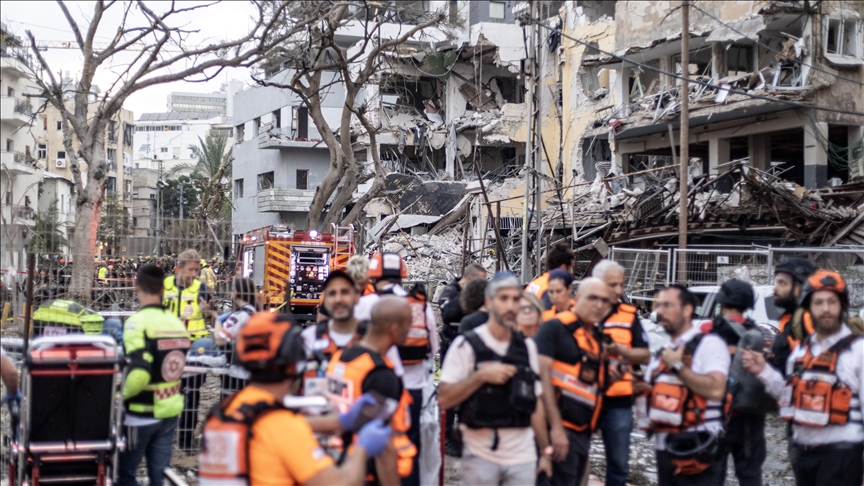
On the evening of the same day, Iran launched an operation dubbed “True Promise 3,” responding to the attack with a series of ballistic missile and drone strikes. The number of these strikes has so far reached six, according to Hebrew media. These strikes have resulted in dozens of deaths and injuries, as well as significant material damage to buildings and vehicles.
CrossFireArabia
By Dr Birsen Gaskell
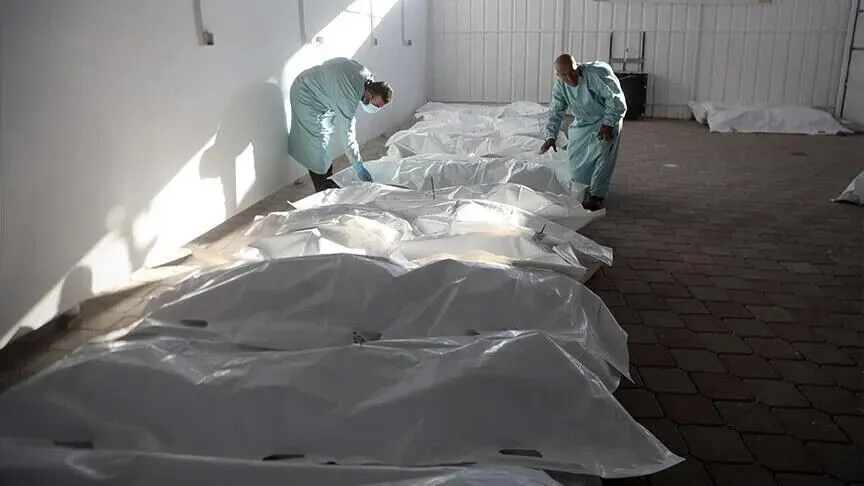
A piercing alarm wailing through the corridors of the hospital for the third time this evening. I swiftly climb down the stairs to the emergency room four floors down. A crushing dread fills my chest, as the wailing of the alarm signals a mass casualty is expected. I push through the crowd piling up in the ER: “Tafadal … tafadal (please go ahead).” A child drops a torn bag spilling pieces of bony flesh. A man shrieks, the meat is a small shredded arm, ashen fingers hanging loosely attached.
The child struggles to put the shredded arm back into the bag, he looks around for help. He sweeps the amputated arm aside, away from the passing crowd. His gaze falls on me just a moment. I quiver at the calm of his face. I search for tears, anger, fear, something recognizable in his eyes but the void there like a black hole sucks me in. Child, when did you stop being a child? He will later keep peering through the ajar ER door to see if the relative or friend whose torn off arm was shoved into a bag is still alive.
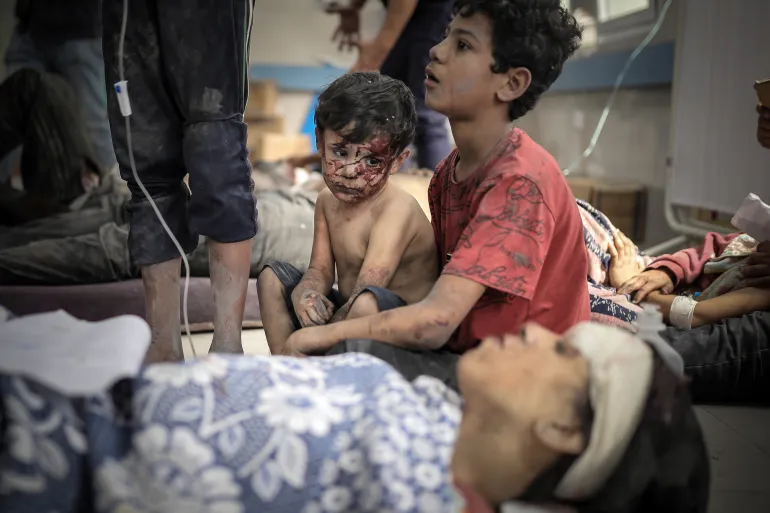
The resuscitation room is quickly filled with the smoke of burned flesh. Five bodies and some missing body parts are thrown onto the stretchers. The rest are taken to the next room, a plain room with another five stretchers. I scan the room, all the bodies seem limp, unconscious. I start with one by feeling for a pulse; a teenager, burned extensively with shrapnel wounds all over her chest and face. Her long curly hair seem to be still burning slowly. No pulse. I move to the next.
A toddler again with shrapnel wounds all over his bony little body. His arms and feet burned. He has an open skull, eye sockets blackened. He has a feeble pulse but he won’t make it. I move to the next one. Another burned child with a missing arm and crushed pelvis. A doctor is putting a chest drain on each side of his little chest. Chest drains are an easy call in the ER, the majority of patients have them as most blast injuries blow the chest cavity up with air sweeping from outside crushing the lungs down. The only way to get the lungs up again is putting tubes through the chest to deflate the air around the lungs. Sterility is no concern, chest drains are put in in a flash. I let the team carry on.
The next one is another child. I see shrapnel entries on his face, blast injuries on his bare feet. He’s unconscious but has a pulse. “Lazim oksijen (oxygen needed),” I shout. My voice is swallowed in the cacophony of the ER. I grab a nurse by the elbow, demanding oxygen. He goes out to fetch an oxygen cylinder but comes back empty handed. I scan the child with ultrasound. He has blood in his abdomen and around his lungs. A local doctor is with me now. Most doctors speak excellent English. I give my findings, we agree to send him to computer tomography (CT) to check for brain injury. We can’t treat patients with head injuries in this hospital. The only neurosurgical team is based in the European Gaza Hospital in southern Khan Yunis. Without adequate airway support, the child soon is ushered to the CT.
After a week here I’m used to hearing explosions
The fifth casualty is also a child. He is already intubated by the team but still bleeding from his crushed, half-amputated arm. The cloth wrapped round his arm as a tourniquet is soaked in blood. He has penetrating crushing injuries in his genitals and pelvis, his leg twisted. He is covered with so much blood, it’s difficult to inspect his injuries. With such severe injuries he’s unlikely to survive but there’s talk of moving him to an operating theater in order to stop his bleeding. I agree. We scoop him to a theater with no monitoring. His relatives grab the stretcher outside, carrying him swiftly. I rush to the stairs to alert the team in the theater. Before I reach the first landing, a shuddering blast fills my ears, shaking the windows and doors. The waves of the blast push me against the wall like a gale. I halt. That was close! But I quickly realize not close enough for me to stop. After a week here I’m used to hearing explosions, blasts, bombs in the background, some strong enough to shake the entire hospital building.
I soon find out the airstrike was just outside the main hospital gate. A tent with a Press sign was hit, setting off fire that soon will engulf the other tents around it. I now expect another wave of casualties. “Some have to be treated on the floor as the ER is pretty full now,” I think, then my thoughts shift to the child in the theater. I continue climbing the stairs. After a two-hour battle amputating his arm, exploring his abdomen and pelvis, and fixing his broken leg temporarily that painted the whole theater with blood, he makes it to the intensive care unit only to die the next day with organ failures. The mortality rate in the ICU is very high as well as in other parts of the hospital. Far too many patients with far too few resources, hardly any antibiotics or other meds, premature discharges to welcome new admissions, the hospital is often the last stop for the injured.
It is now 2 am. I feel a migraine kicking in, think I must drink some water but the taps aren’t safe to drink from. I must go to our accommodation room for a drink but I head towards the ER instead. The crowd outside the resuscitation room is bigger now. The cacophony is louder. It’s chaos in the ER, with some patients lying on the floor. I smell the familiar burned flesh. There’s ongoing cardiopulmonary resuscitation on a child whose body is covered with soot mixed with blood. The CPR is short lived, he’s dead. I watch his lifeless face, his eyes half open. I secretly feel relieved for him knowing he will no longer wake up to the sounds of explosions as he has been for the past nearly 600 days, no longer spending the day hungry and thirsty, no longer having to be displaced yet again from his makeshift tent or ruins of his city, no longer feel freezing cold overnight or scorching hot during summer days, no longer will miss his old school, his friends, his family, some of whom died or are thought to be dead. I stroke his dirty bare feet, think: “Now you’re safe little man, no one can hurt you.” Just then another crushing airstrike booms all around us! The lights go off.
Bombardment of Gaza never stops
The fourth floor of the main hospital building where the ICU unit is located in the middle is the designated assembly point for our team in case of a direct airstrike. I manage to climb the stairs to the assembly point with my cellphone flashlight. By the time I reach the assembly point the generator kicks in, the lights are back on. I don’t see anyone else from the team other than the usual traffic that never stops in and out of the ICU. I rush to the accommodation area, and we’re all fine. The strike was just outside the walls of the hospital’s east side.
We watch the massive smoke clouds billowing up right across the balcony of the accommodation. Dr. Osama instructs the team to stay in the accommodation for the time being, away from the balcony and windows. Ambulance sirens remain loud for hours to come. I lie down with a blooming migraine but can’t sleep as we spend the rest of the night with low-flying supersonic jets hovering the air above. Drones humming loudly as usual in between the sounds of jets. The bombardment of Gaza never stops.
I hear Rachael say: “Hold on.” Someone knocks on the door impatiently. “It’s for you,” says Rachael, seeing me raised in bed. What time is it? “Still very early” she says. I’m needed in theaters urgently. Anesthetic nurses are overwhelmed with no anesthetist around. My migraine is here to stay. I gobble up some painkillers and leave. Inside the theater room there’s so much blood on the floor, it swashes and ripples around every time I walk over. It’s a young girl with her chest cavity open. I see her heart fibrillating. “Lazim kalb compression (heart compression needed).” She doesn’t make it. The most efficient workers here are the cleaners. After returning from the bathroom, I see the operating room already clean and ready for the next case.
“Ahmad, where is Dr. Fayez?” I ask the anesthetic nurse. “In his office, he’s not well.” I find him having tea on a broken office chair. He offers me tea. I know that there’s no point in saying no as the hospitality of Palestinians always wins out. He turns on the mini plastic kettle behind him and pulls out some loose tea from the drawer of his table. “Feeling okay?” I ask. He doesn’t hear me as the kettle makes a buzz and vibrates violently. “You know what I really really miss, Doctor Birsen?”
He leaves me in suspense, brewing the tea in the kettle. “I miss drinking tea with sugar. Really miss tea with sugar so much. I don’t find sugar in the market anymore.” I nod. “You feeling okay?” “Better now … When we have a bad night I always get chest pain.” I say: “Ohh … shall we check you over?” He responds “It’s not new, doctor, I’m diabetic, hypertensive. Every time I hear a big explosion I get chest pain. I worry not about myself, but about my boys. They can’t survive without me.” He turns his face as his voice cracks. He wipes his eyes. Dr. Fayez has six boys. Touch between the genders is not customary here. But I put my hand on his shoulder for few seconds as he weeps quietly.
“They haven’t been out for the last 18 months. We don’t let them out to play, they’re always inside.” Their home took a hit by an airstrike on the neighboring house that knocked down part of their house down too. They survived with minor injuries. Since then they’ve been displaced five times. Now they live with other relatives in a damaged building with no windows. He was in Nasser Hospital when the neighborhood was invaded by ground troops.
When the staff and patients were led outside, he came very close to being abducted at a checkpoint. He told me: “I saw a toddler left alone screaming. I couldn’t leave him. I picked him and carried him with me. He kept screaming all the way to the checkpoint, IDF (Israeli army) soldiers who were pointing guns at us got annoyed by this. They let me through when most of the staff got held off and taken away. This small child saved my life.” I say: “You rest, Dr. Fayez, I’ll take over today.”
Many martyrs found in the ground
It’s going to be a long day. I desperately need my morning coffee. Our housekeeper Jamal makes coffee for me with the little coffee mocha I brought with me. I give half to him. We sip our coffee as we look out over the balcony. Several smoke clouds hang over the Rafah area. The air is very thick with the pollution of constant explosions. We watch the kids collecting garbage in the desolate ground of the hospital building.
The skeletons of ambulances, furniture, and hospital equipment and what’s left of them is scattered around. Some buried partially. Following the ground invasion almost a year ago, the Israeli army damaged and burned down the properties of the hospital. Children rummage around the hospital grounds every morning collecting anything they can find useful for burning fire. Every morning, when they should have been in school, they roam around the ruins of city to collect what’s left of it.
Jamal points to the hospital ground, says: “We found many shuhada (martyrs) in the ground.” He is talking about the mass graveyards that were dug out after the Israeli army withdrew from the area. The same evening on the same balcony, Jamal speaks in Arabic as my Jordanian colleague translates with a trembling voice. In December 2023, Jamal got trapped in Northern Gaza under a complete siege, constant bombardment, and a strict curfew lasting a month.
His neighborhood was reduced to ruins with decaying dead bodies scattered around. He saw his brother and his family home hit by a rocket and later made many attempts to save and retrieve their bodies. But with quadcopters hovering around, he couldn’t make it out. A week later from his windows he sees dogs eating human flesh, one of which he knows is his brother’s lifeless body. Jamal rubs his fists between his legs, says “Alhamdulillah” (praise be to God), and leaves us in silence.
Dr Birsen Gaskell, an anesthesia specialist, is a volunteer doctor for Doctors Without Borders. She visited the Nasser Hospital in Khan Younis, Gaza in April 2025.