 Former Jewish PM: Israel Has ‘Lost The United States…’
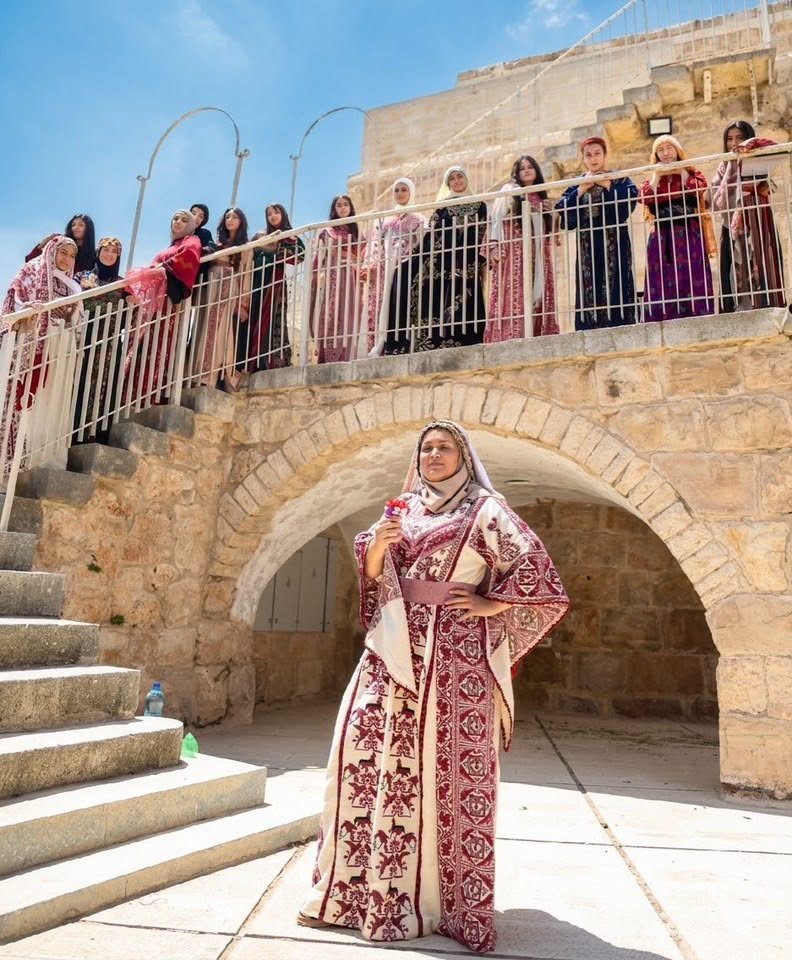 Palestine in Color Dresses
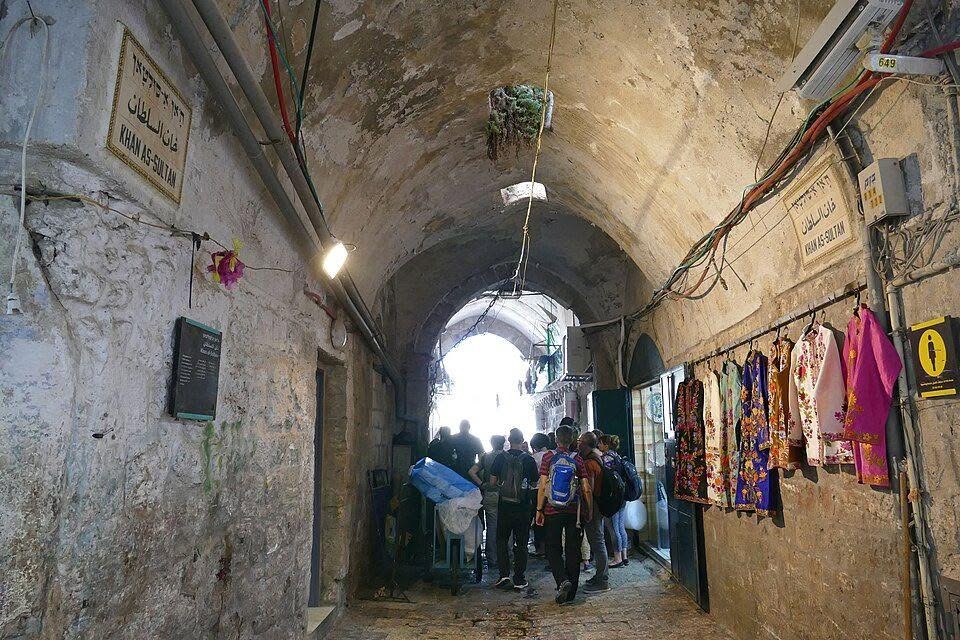 Khan al-Sultan Stands Proud in Jerusalem
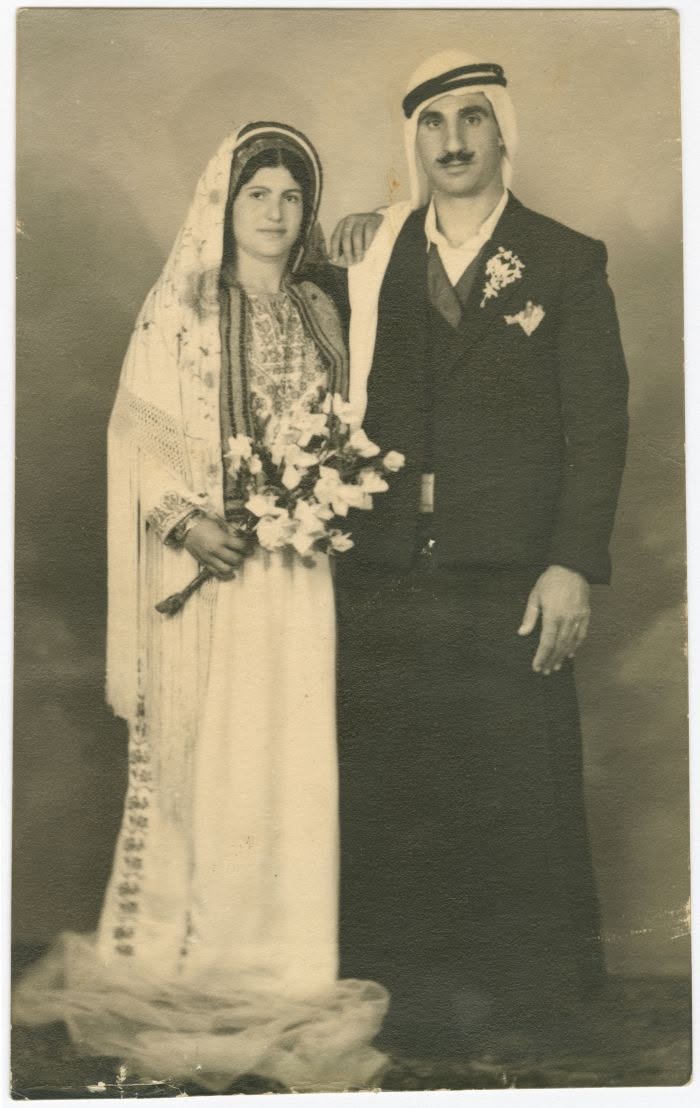
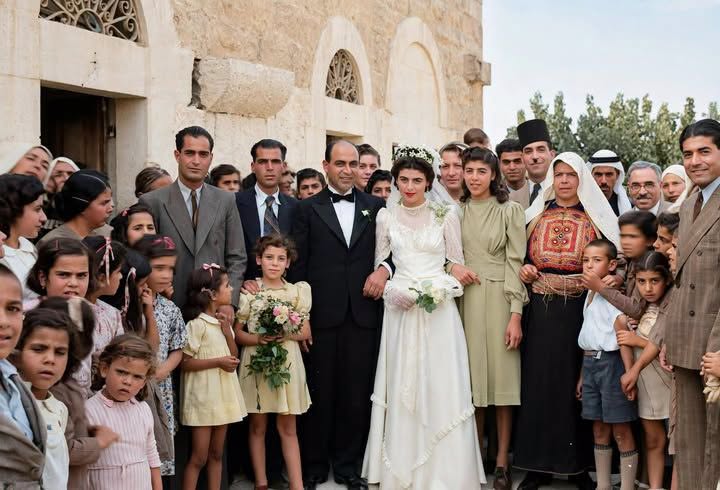 Christian Wedding in Beit Jala 1940
 Palestinian Photographer Khalil Raad With Family in Early 20th Century



 marwan
 Heba
Heba






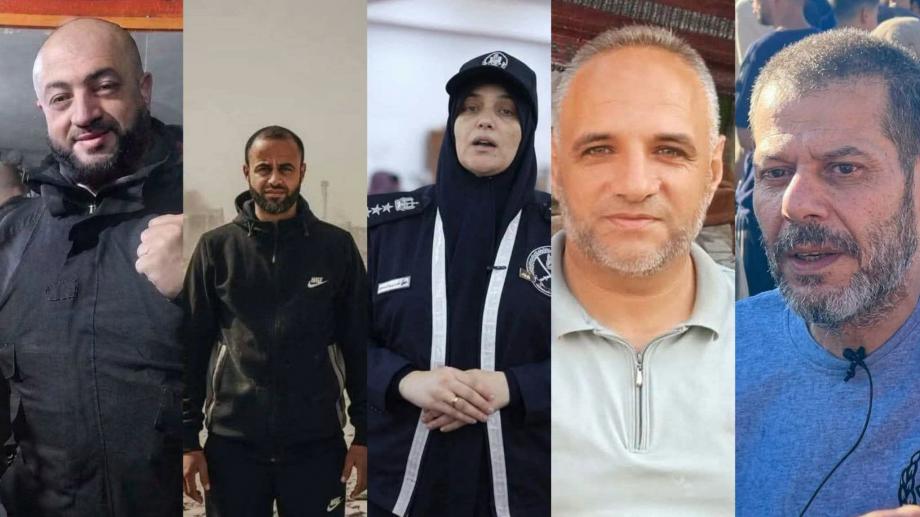
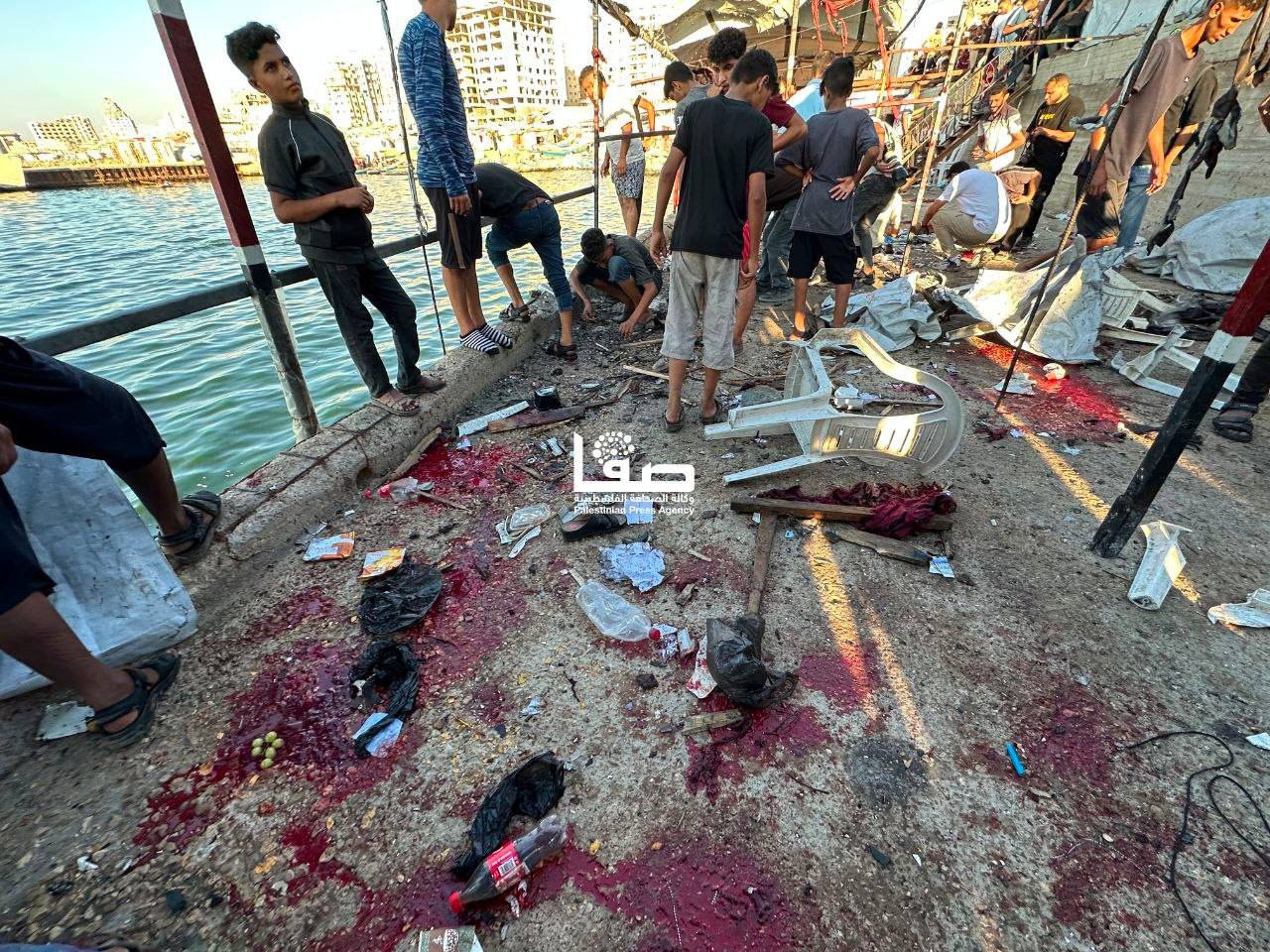


 Saleem Ayoub Quna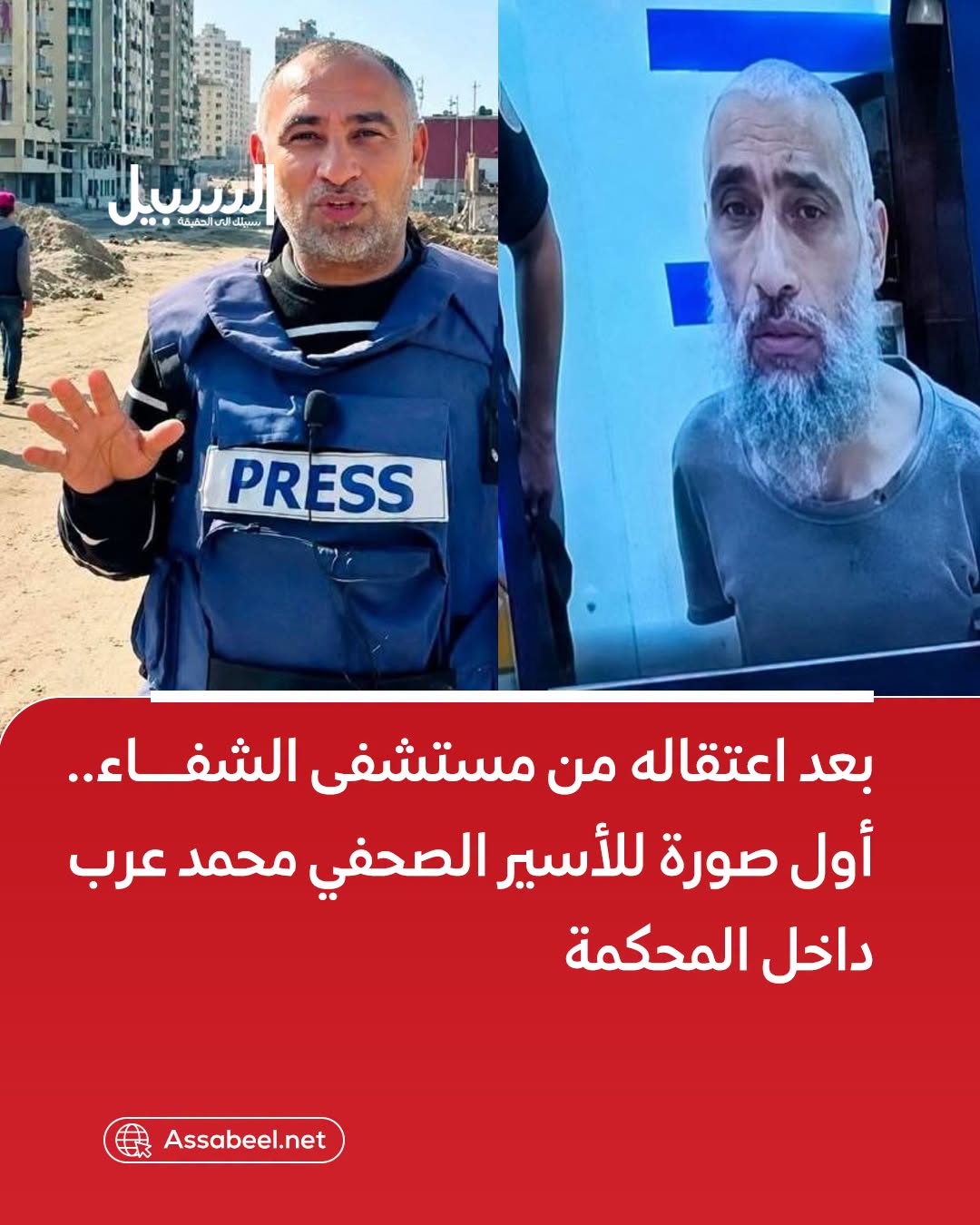
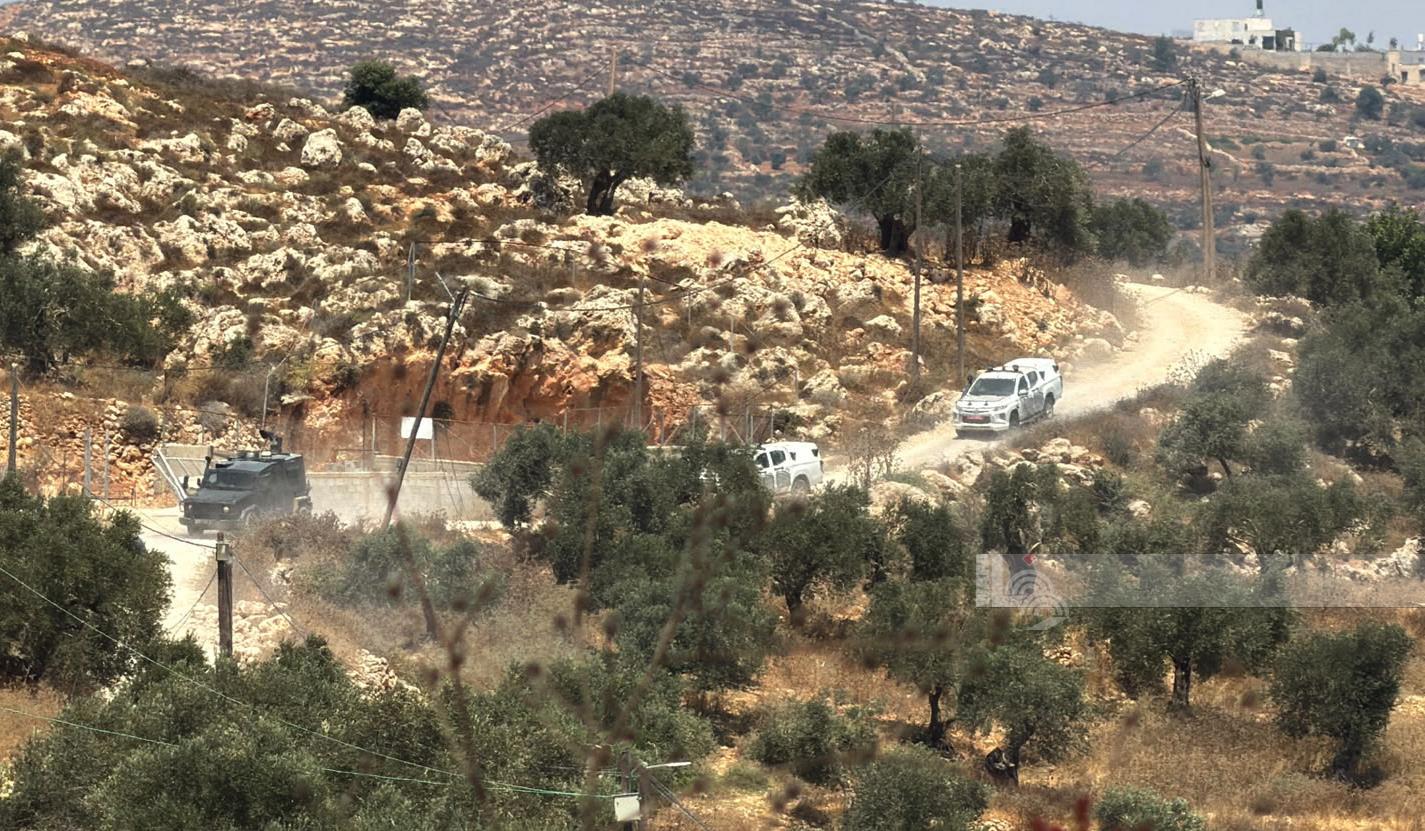


























Israeli Prisons: Places of Torture
 CrossFireArabia
- March 5, 2025
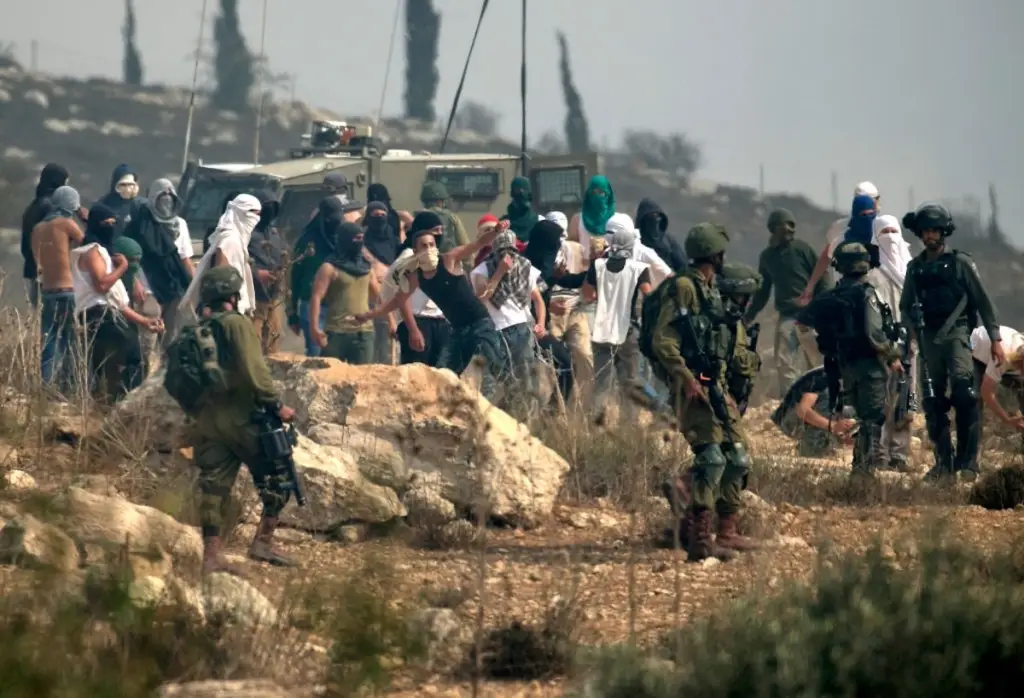
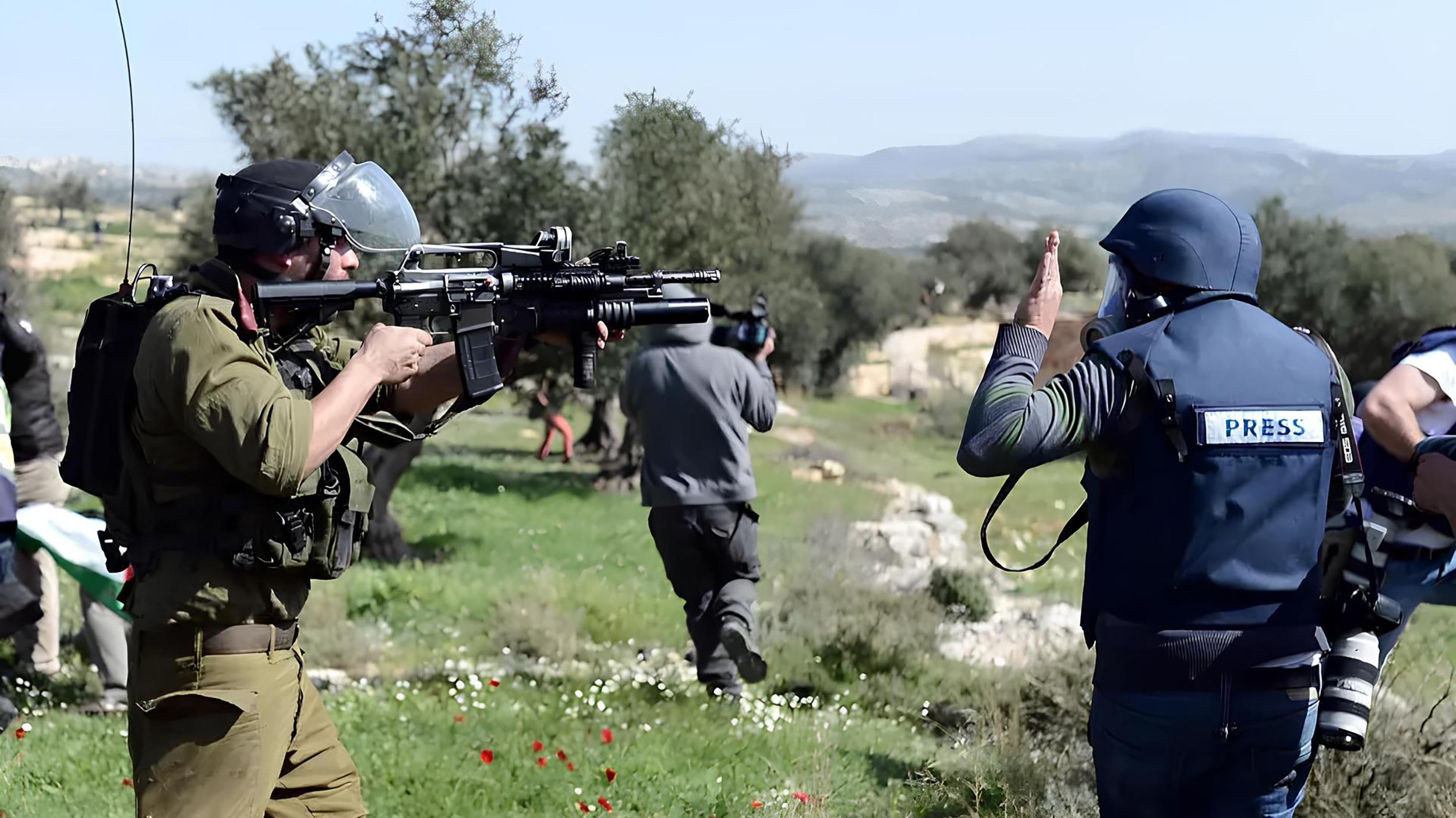
Since its establishment, Israel has been accused of policies aimed at displacing Palestinian communities and altering the demographic landscape of the occupied territories. The occupation has employed lethal tactics against Palestinians including killings, torture, and arrests. Since 1967, over 1 million Palestinians have been prosecuted under Israel’s military court system and subjected to detention.
For decades, Palestinian political prisoners have been used by the Israeli occupation as bargaining chips during negotiations of the so-called “peace process.” They have exercised all forms of brutality and torture against Palestinian prisoners in interrogation and detention centers in an attempt to extract confessions – whether true or false – by force, using both psychological and physical methods against them, in a blatant disregard for international law and countless international treaties and laws related to human rights. The current level of abuse, torture, and maltreatment of Palestinian detainees is unprecedented in terms of scale and frequency.
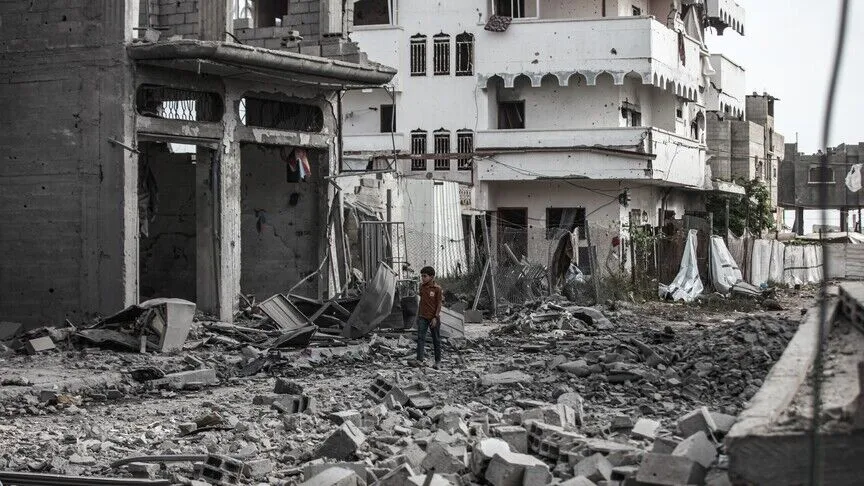
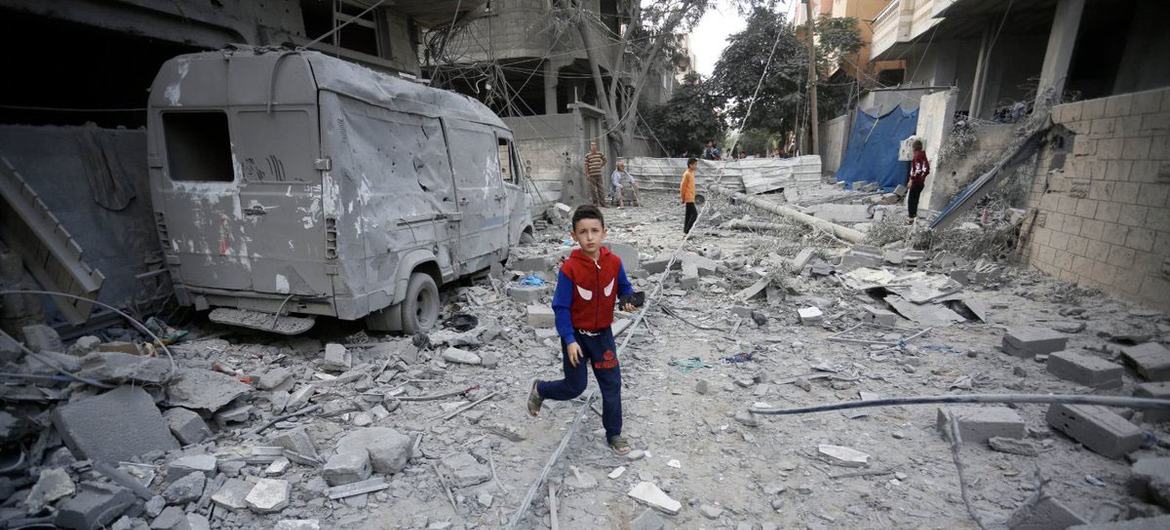
After Oct. 7, 2023, Palestinians saw a severe spike in the occupation’s long-standing violent policies and practices. The crisis extends beyond Gaza. Reports indicate systematic abuses within Israeli prisons and military camps, amounting to crimes against humanity, as defined under international law. At least 58 Palestinian political prisoners, including 37 people arrested from Gaza, have been murdered and martyred in the occupation’s custody since Oct. 7, 2023, including through torture, lethal beatings, starvation, and severe deprivation of medical treatment. The 58 people killed are only the ones whose identities have been revealed by the occupation. Dozens more have been killed and subject to enforced disappearance in Israeli custody with authorities refusing to reveal their identities. All of this is occurring amid international inaction, with the UN, and international human rights institutions and bodies, proving their inability to protect the Palestinian people and their rights.
Enforced disappearance and mass arrests
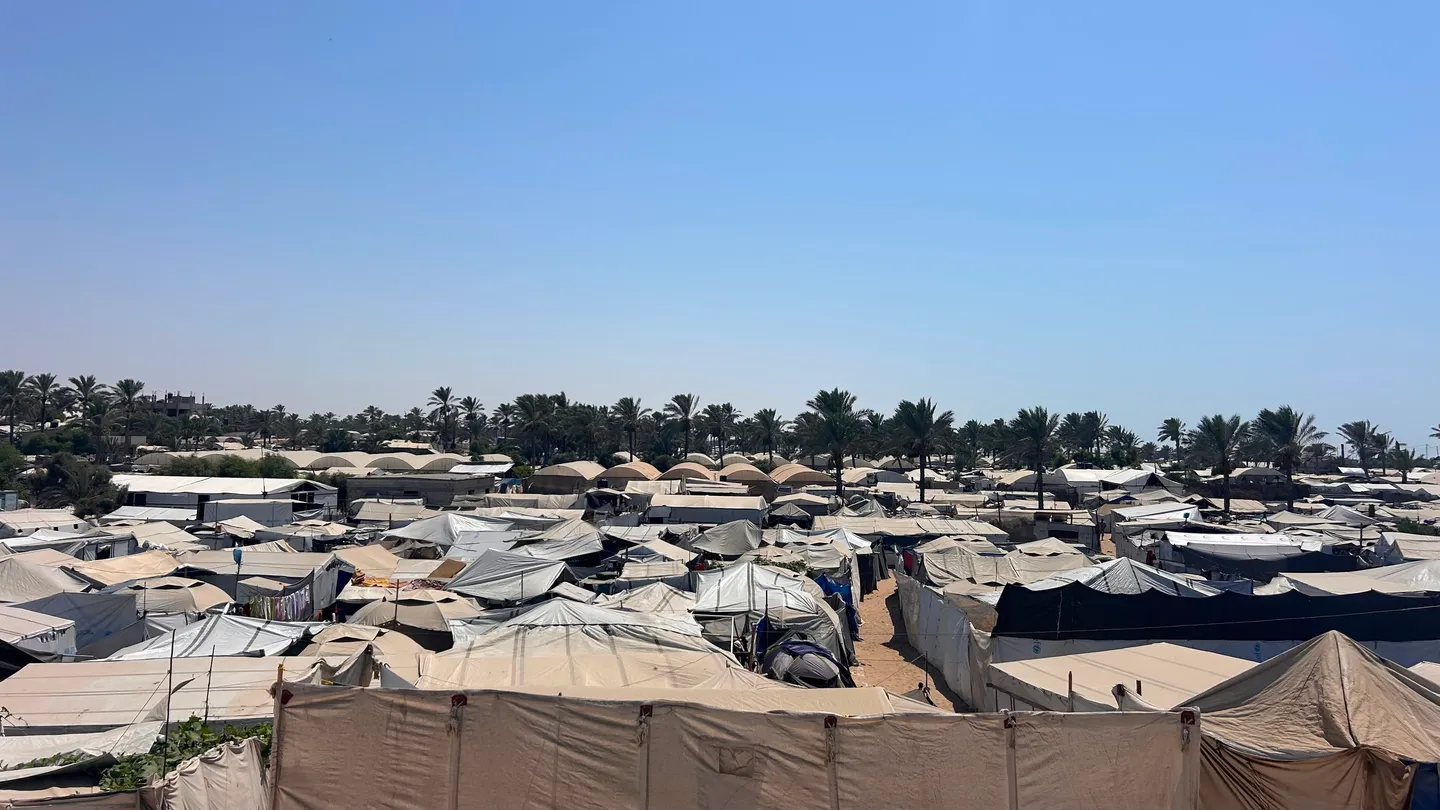
It is worth mentioning that Israeli occupation authorities are committing the severe crime of enforced disappearance against thousands of Palestinian detainees who have been arrested from Gaza since the start of the genocide, particularly from the beginning of the ground invasion. Thousands of civilians, including men, women, and children, have been abducted from different parts of the Gaza Strip, as well as thousands more who were working as laborers in the 1948-occupied territories prior to the outbreak of the war.
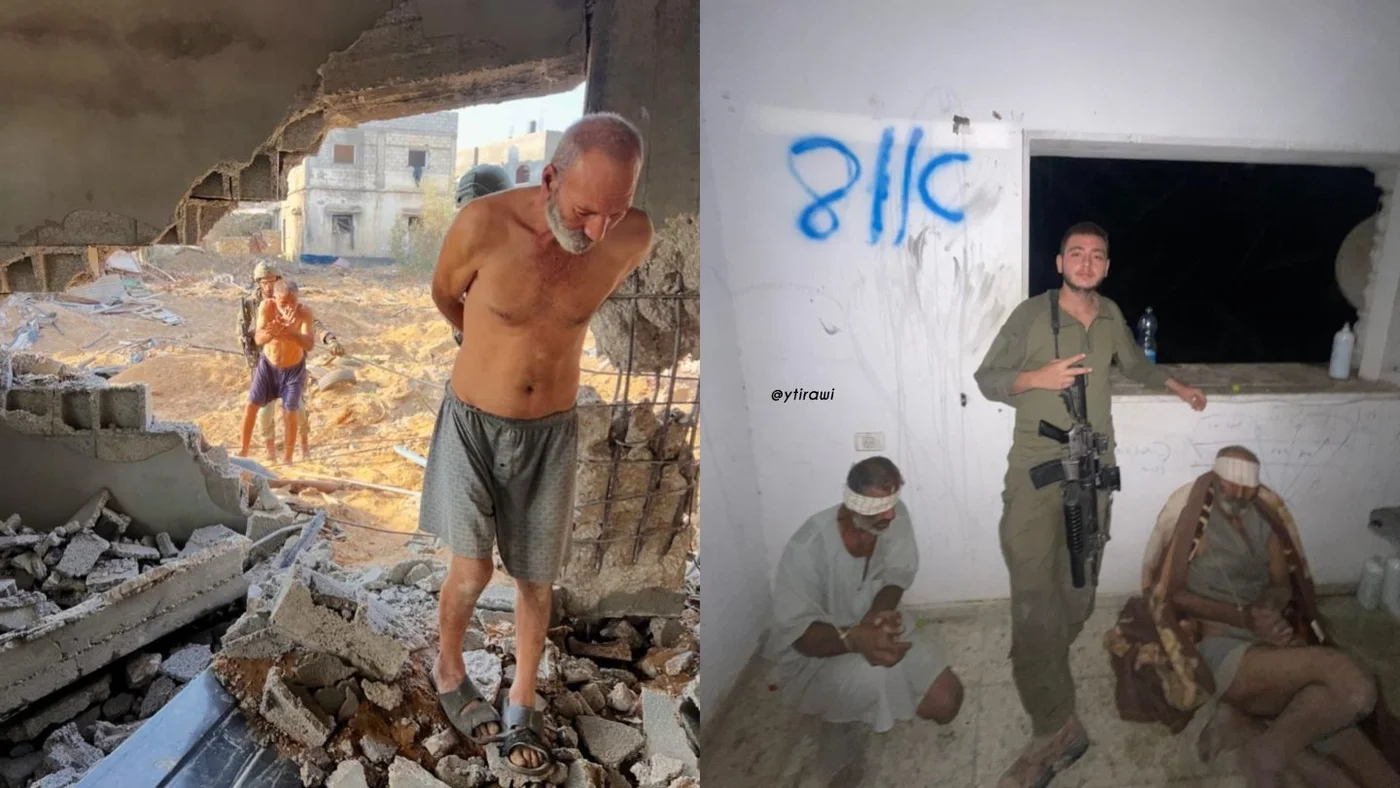
The crime of enforced disappearance is one of the main features of the genocide that went on for close to 500 days. Additionally, dozens of medical personnel were targeted with arrests during the Israeli army’s repeated invasions of hospitals, the largest of which was the invasion of the Shifa Hospital. Numerous videos circulated on social media showing Palestinian detainees in degrading conditions, including being stripped naked, blindfolded, and shackled in overcrowded spaces. Many were forced into tight groups in open areas, on the streets, and in military transport vehicles while restrained and exposed. They appeared in conditions that were highly degrading to human dignity and showed a severe disregard and contempt for Palestinian lives.
The Israeli judicial system has contributed to cementing the crime of enforced disappearance, further enabling the use of torture against detainees who were abducted from Gaza. Thousands of detainees from the strip were arrested and detained based on the “illegal combatants” law issued by the Knesset (Israeli parliament) in 2002, which fundamentally violates fair trial procedures and human rights. At the start of the genocide, the occupation made legal amendments to the “illegal combatants” law, which is similar in nature to its “administrative detention” military order used in the occupied West Bank.
Among the most significant amendments made to the illegal combatants law were as follows: Extending the detainee’s initial detention period for 45 days, judicial review after 75 days, and prohibition of detainees from meeting with their lawyers for 180 days. It is important to note that since the start of the genocide, the occupation has continued to refuse to allow the International Committee of the Red Cross to visit detainees and prisoners in jails and camps as per its mandate. These amendments further institutionalized policies associated with enforced disappearance, as Israeli authorities continue to withhold information on detainees from Gaza, including their identities and locations. As a result, several human rights organizations filed petitions to the Israeli Supreme Court demanding the identities of the detainees and their places of detention. In every instance, the Supreme Court affirmed its long-standing role as a fundamental tool in cementing crimes against Palestinians.
To this day, there is no clear or accurate information about the total number of Palestinians arrested from Gaza, including women and children, nor about the martyrs who were killed through torture or executions. The only available data, up until the beginning of February 2025, shows that at least 1,882 Palestinians arrested from Gaza are categorized as “illegal combatants,” and this data does not include all of the detainees held in military camps.
Prisoner rights groups highlighted that the occupation built and restored special military camps used to detain Palestinians abducted from Gaza, alongside the existing central prisons. Among the most notorious of these military camps was the Sde Teiman camp, where detainees were subject to severe sexual assault, including rape. Other military camps being used to hold detainees from Gaza are the Anatot and Ofer camps, which have also witnessed extreme violations against Palestinian prisoners. In November 2023, when the occupation began releasing laborers from Gaza who had been held in Israel’s military camps, the prisoners’ testimonies began to reveal the level of inhumane and humiliating violations they endured. This included severe beatings, starvation, dehydration, denial of medical treatment, and keeping detainees blindfolded and handcuffed 24/7, causing many of them to need limb removal surgeries.
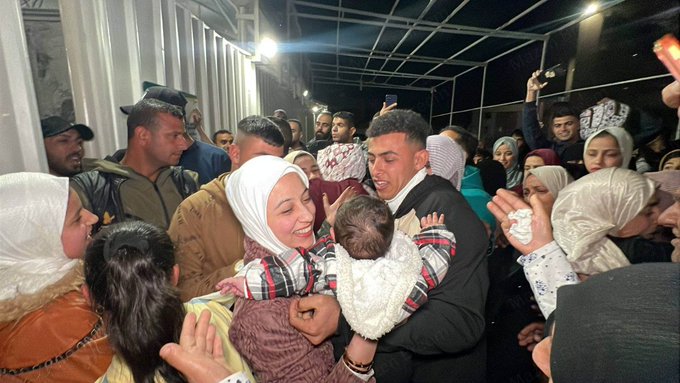
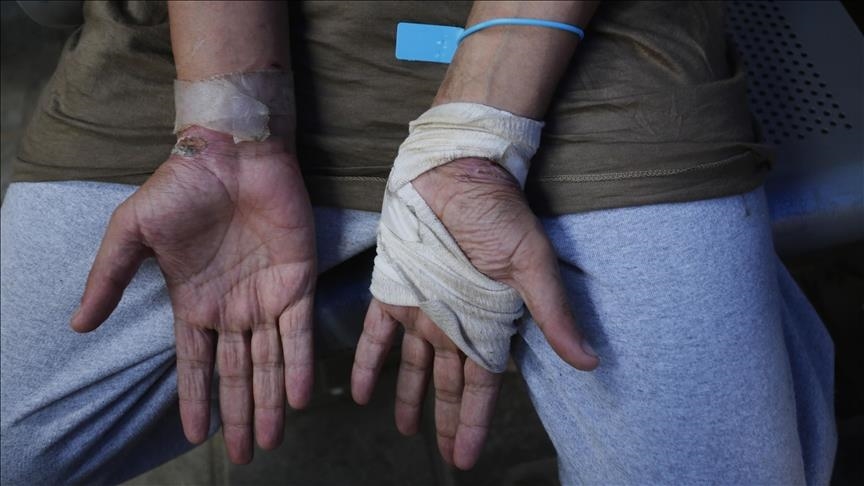
As time went on and more prisoners were released from Israeli custody, the testimonies only increased in terms of how horrific and shocking the crimes being committed were. The images of the detainees upon their release serve as a living testimony to the unfathomable violations committed against them. These revelations continued through several reports and journalistic investigations conducted about the Sde Teiman camp, including the leaking of a video showing soldiers gang-raping a Palestinian detainee.
International responsibility
As the genocide continues, some legal teams and human rights lawyers have been allowed limited access to a small portion of Gaza detainees. Their reports confirm systematic crimes, including extrajudicial executions, torture, and enforced disappearance. In this context, the Israeli occupation is employing the severe crime of enforced disappearance against thousands of detainees abducted from Gaza, which constitutes a crime against humanity according to the International Convention for the Protection of All Persons from Enforced Disappearance. This convention defines enforced disappearance as “the arrest, detention, abduction or any other form of deprivation of liberty by agents of the State or by persons or groups of persons acting with the authorization, support or acquiescence of the State, followed by a refusal to acknowledge the deprivation of liberty or by concealment of the fate or whereabouts of the disappeared person, which place such a person outside the protection of the law.”
We reiterate our call to the international human rights system to overcome its ongoing impotence in the face of this genocide, and to take clear decisions and actions to hold the Israeli occupation accountable. This all-out war and aggression against our people, including those held in the occupation’s military camps and central prisons, must be halted now, and not a second later.
Raed Mohammed Mahmood Amer is the president of the Palestinian Prisoners Association and wrote this article for the Anadolu news website.