Macron Says No to Gaza Expulsions

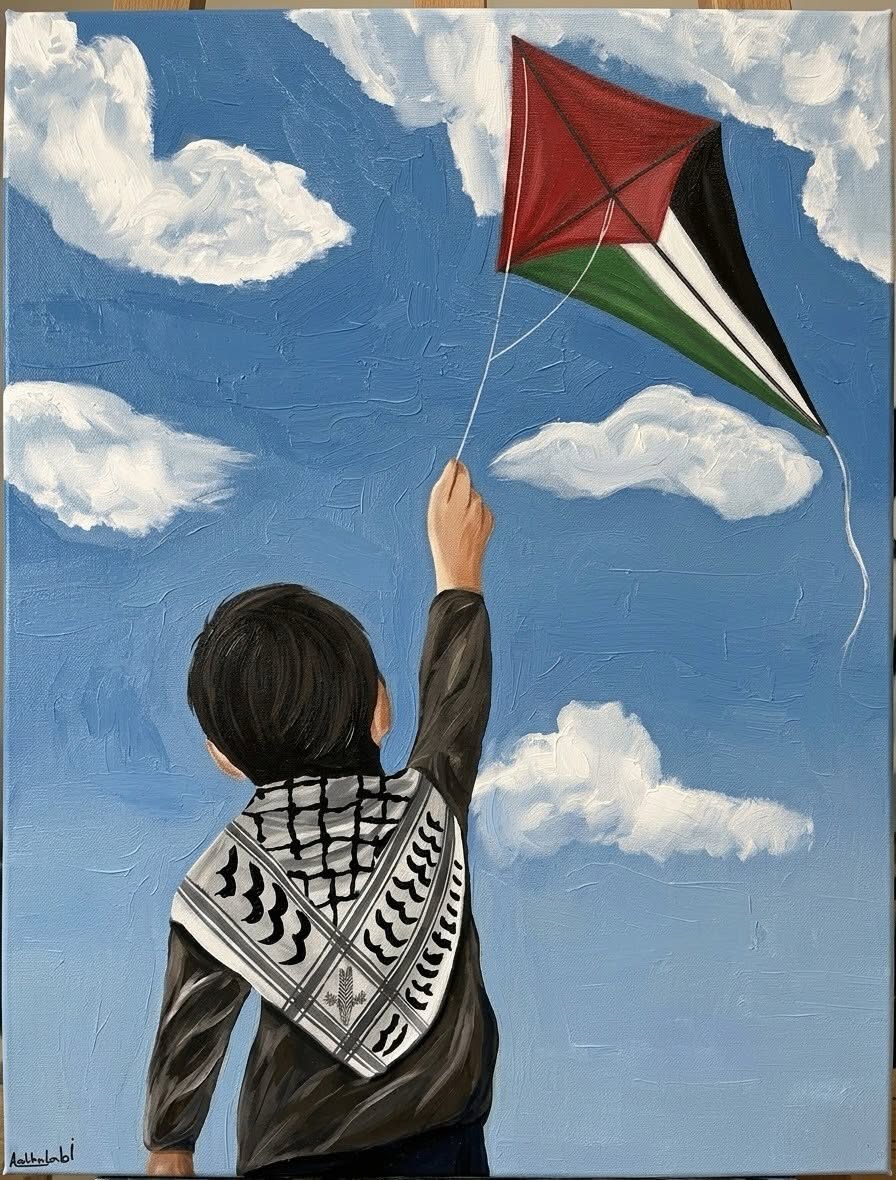
French President Emmanuel Macron has called for “respect” for Palestinians, rejecting US President Donald Trump’s reported plans for the mass deportation of Gazans.

Speaking to CNN on Tuesday, Macron said: “You cannot say to 2 million people, ‘okay, now guess what? You will move’,” emphasizing that this is not a matter of “real estate” but a “political operation.”

Macron also said any “efficient” response to rebuilding Gaza “doesn’t mean automatically that you should lack respect to people or countries,” highlighting the wishes of Palestinians to remain in their homelands and the unwillingness of both Jordan and Egypt to accept large numbers of Gazan refugees according to Anadolu.

France has voiced support for “Israel’s right to defend itself” following Oct. 7, 2023, while Macron criticize Israeli operations and policies on multiple occasions.

“I always reiterated my disagreement with (Israeli) Prime Minister Netanyahu,” Macron said. “I don’t believe, once again, that such a massive operation targeting sometimes civilian people is the right answer.”

France suspended arms exports to the Israel Defense Forces in October 2024, calling on other nations to follow suit.

On Feb. 4, Trump announced at a news conference with Israeli Prime Minister Benjamin Netanyahu that the US intended to seize Gaza and relocate its Palestinian population to neighboring countries, including Egypt and Jordan.

Trump’s plan has faced widespread rejection from Palestinians, Arabs, and the international community while receiving significant political support within Israel across various factions.

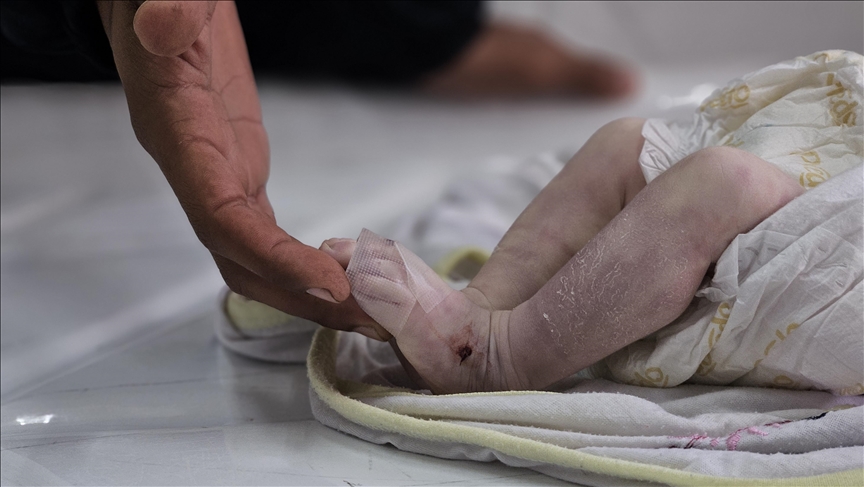
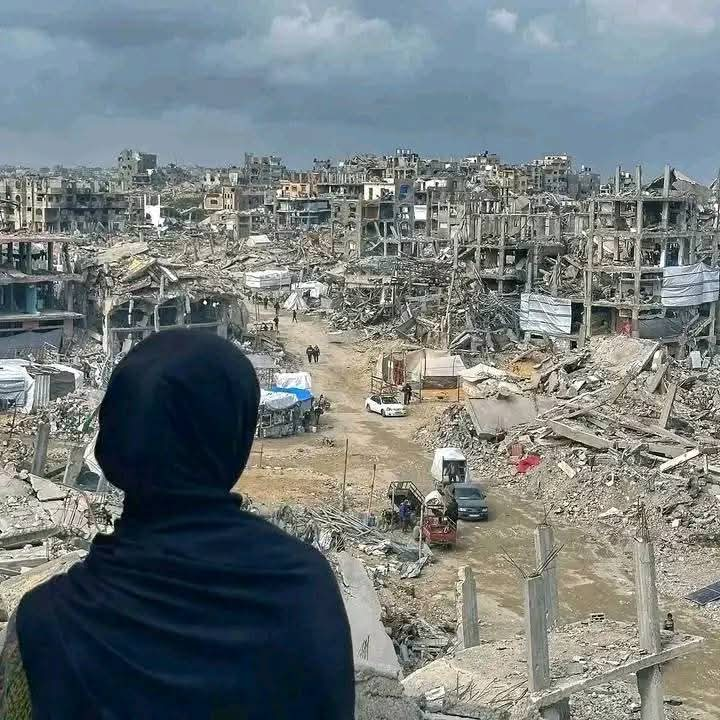
The Israeli attacks have killed over 48,200 Palestinians and devastated Gaza since the war on the enclave began on Oct. 7, 2023.

Continue reading
Jordan’s Red Lines

Jordan’s King Abdullah II will reject US President Donald Trump’s plan to take over Gaza and resettle Palestinians even if Washington cuts aid to the kingdom, local media said. 

Abdullah is set to meet Trump at the White House on Tuesday, in the first meeting between an Arab leader and the US president since he assumed office last month. 

The meeting comes shortly after Trump said Monday that he may cut aid to Jordan and Egypt if they don’t take in Palestinians from Gaza. 

The US is a key supporter of Jordan, having signed a memorandum of understanding in September 2022 under which Washington provides $1.45 billion in annual financial aid to the kingdom from 2023 to 2029. 

Last month, however, the Trump administration decided to freeze all foreign aid for 90 days to conduct a review process.  

Red lines 

In an article titled “The King and Trump: A Historic Meeting,” Al-Dustour editor-in-chief Mustafa Ryalat described the monarch’s visit to Washington as “historic in every sense of the word.” 

He emphasized that the meeting comes at a “highly sensitive political moment as crises escalate across the region, but the king carries with him the well-known red lines of Jordan.” 

Ryalat recalled that when Trump’s so-called “deal of the century” was rumored to include a plan for resettling Palestinians to Jordan as an alternative homeland, King Abdullah responded, “As a Hashemite, how can I back down on Jerusalem? Impossible. This is a red line. No to Jerusalem; no to an alternative homeland, no to resettlement [for Palestinians in Jordan].” 

Trump’s “deal of the century,” unveiled in 2020 as a proposal for resolving the Israeli-Palestinian conflict, was widely rejected by Palestinians and the broader Arab world as it heavily favored Israel at the expense of Palestinian rights. 

Ryalat acknowledged the difficulty of the current situation, stating, “Yes, the challenge is great, and yes, we are dealing with the most dangerous issue of the moment – forced displacement – but we, as Jordanians, led by our king, do not have the luxury of making deals at the expense of our principles. In our hands, we hold a firm position: No to resettlement.”  

3 possible scenarios 

In an article titled “The King-Trump Meeting: Three Scenarios for the Region’s Future,” Al-Rai editor-in-chief Khaled Al-Shuqran described the summit as a “critical turning point that could either reshape Washington’s position or deepen the crisis, with analysts focusing on three possible outcomes.” 

He said the king, as a strategic US ally, could succeed in persuading Trump to abandon his displacement plan and return to supporting the two-state solution as the only viable path to peace. 

Shuqran said another possible scenario includes US insistence on implementing the displacement plan, whether by forcibly transferring Gaza’s population to other countries or displacing them internally within the enclave. 

The Jordanian journalist said Tuesday’s meeting could also end without a resolution, leaving the situation unchanged, with Israel maintaining its occupation, continuing the siege on Gaza, and freezing peace negotiations. 

Shuqran warned that the third scenario “is the most dangerous because it fuels Palestinian despair and could trigger a third Intifada, potentially more violent than before, especially with rising extremism on both sides.” 

“This stagnation will drain the resources of neighboring countries like Jordan, Egypt, and Lebanon, all of which are already struggling with refugee crises, leading to further social and political instability in the region,” he said. 

“The US decision will determine not just the fate of the Palestinians, but also the future of regional alliances and the so-called ‘economic peace’ strategy that Trump’s administration has been promoting.”  

Blackmail 

In an article titled “Cutting US Aid to Jordan: We Will Not Bow, We Will Not Bargain,” journalist Awni Rjoub criticized Trump’s threat to halt financial assistance to Jordan, calling it “a new chapter of cheap political blackmail aimed at subjugating Jordan and forcing it to accept the rejected deal of the century.” 

“Trump believes that Jordan, a small country in size but strong in will, can be coerced with financial threats. He is gravely mistaken,” he said. 

“Jordan – its leadership and its people – will not bow. Our hands will not be forced, even if the entire world stands against us,” he added.    

Jordan’s leverage 

In the Al-Ghad newspaper, journalist Nidal Mansour highlighted the diplomatic significance of the king’s visit to the US. 

“This is a politically complex and sensitive visit that will showcase Jordan’s strategic leverage after decades of close relations with Washington. The outcome will define the next phase both politically and economically.” 

In an article titled “Before the King Meets Trump,” Mansour noted, “This may require shifts in alliances and strategies to confront upcoming challenges.” 

“What is certain is that Jordan-US relations are entering uncharted waters under Trump, and the world is watching closely.” 

Under the headline “Jordan, Trump, and the Bold Confrontation,” journalist Mundher Al-Houarat argued, “Trump has gone too far. He does not care about international law, making legal appeals futile.” 

Instead, he suggested that Jordan should “deepen alliances with China, Russia, and the EU, convene an emergency Arab League summit, and engage with US institutions and the UN.

However, given Trump’s unpredictable nature, these efforts may not yield the desired results.” 

He proposed a more direct approach: “To make Trump understand the consequences of his actions, Jordan must consider bold steps – such as hinting at freezing the Wadi Araba Peace Treaty (1994) with Israel, halting security and military cooperation with the US, and outright rejecting any aid that comes with conditions,” according to Anadolu.

Continue reading
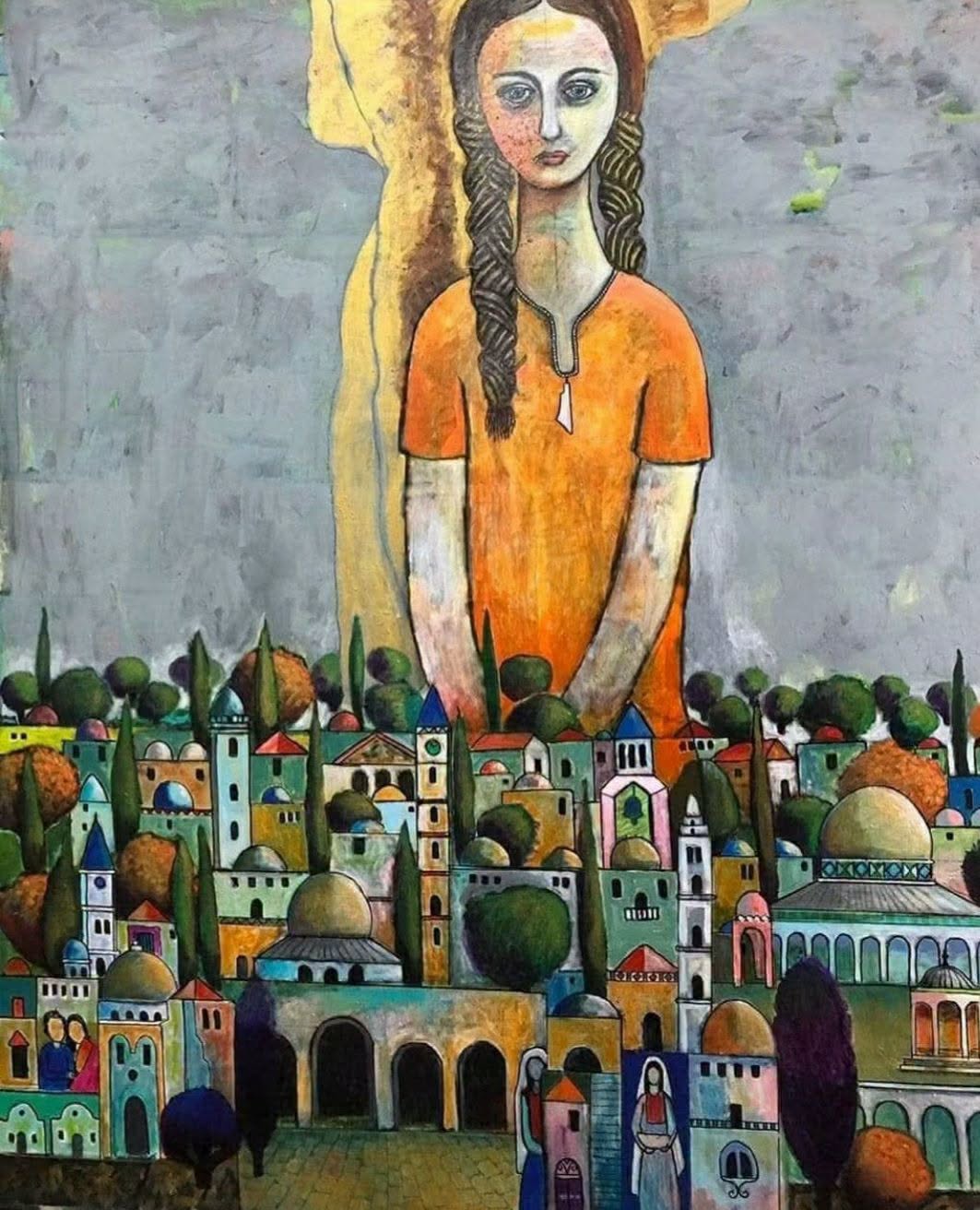
The Glittering Stone 

By Khaled Nusseibeh

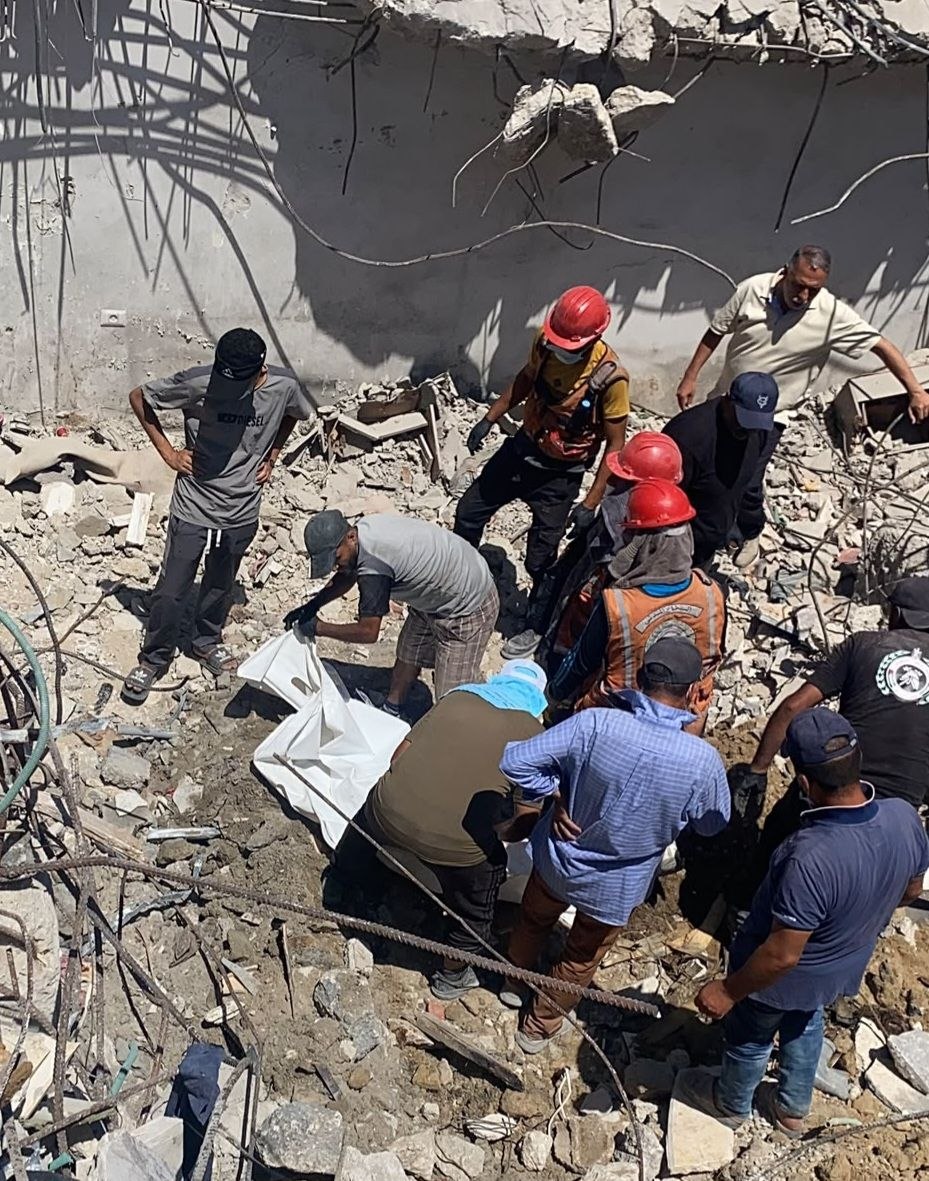
Perchance a demolition site

Is the breeding ground of a great culture

Areas decimated and people maimed

The sin being the will to be

And they are evincing prodigious resilience

Persevering in conditions of great harshness

The ceiling might have collapsed

But the earth is ready for rapid reconstruction

Undertaken by the brave men and children

Evincing invincibility in the face of great odds

One could not withhold a humble salute

To the women of legendary resistance

The targets of an unjust battle

To usurp, uproot and expel

But the roots are too deeply entrenched

In the beloved Gaza of Palestine

Truly, the bloodletting has been too profuse

Of people baffled by the extent of rancor 

The great lengths of guileful plotting 

To exacerbate a tragic diaspora 

However many a time the uprooting

The displacement is supplanted by a will to live

To restore the broken tents

To water a tiny garden of life 

Supporting families that were abandoned

To a fate knowable only to God

Perchance illusory peace may become a reality

Perverted by an inordinate penchant for war

And you Gaza are a glittering stone 

With a sparkle that will outlive the morbid plots

Khaled Nusseibeh is a translator, writer and a poet with several published poetry collections to his name. He holds a BA and MA Degrees from Colombia and Princeton universities in the USA. Mr Nusseibeh was born in Amman in 1961 and is a Jordanian of Palestinian origin.

Continue reading
Guterres: ‘Resumption of War Must be Avoided at All Costs’

UN Secretary-General Antonio Guterres on Tuesday called for avoiding the resumption of hostilities in the Gaza Strip, urging all parties to uphold the ceasefire agreement and engage in further negotiations.

“We must avoid at all costs the resumption of hostilities in Gaza that would lead to an immense tragedy,” Guterres said.

He also called on Hamas to follow through with the scheduled release of hostages next Saturday.


Guterres emphasized the need for “both sides” to uphold the ceasefire and resume “serious negotiations in Doha for the second phase.”

The UN chief’s remarks came amid heightened concerns over the fragile truce, as international mediators work to secure lasting peace in the region.

A three-phase ceasefire has been in effect in Gaza since January 19, pausing Israel’s assault that has killed over 48,000 people and devastated the region.

In the first phase, lasting until early March, 33 Israeli hostages are set to be exchanged for Palestinian prisoners, with the sixth swap planned this week.

In November, the International Criminal Court issued arrest warrants for Israeli Prime Minister Benjamin Netanyahu and former Defense Minister Yoav Gallant over war crimes in Gaza.

Continue reading
On Palestine: ‘No Power Can Uproot People From Their Land’ – Ahmed Al-Sharaa

Syrian President Ahmed Al-Sharaa has issued his first public comment on US President Donald Trump’s plan to expel Palestinians from Gaza. Speaking to “The Rest is Politics” podcast, hosted by Alastair Campbell, Al-Sharaa firmly rejected the idea, stating that no force can uproot an entire people from their land.

“I believe there is no power that can uproot a people from their land. Many countries have tried to do so and have all failed, especially during the last war in Gaza. Over the past year and a half, people have endured pain, killing, and destruction, yet they refused to leave their land,” he said.

Al-Sharaa emphasized that for over 80 years, all attempts to displace Palestinians have failed. “Those who left regretted their decision. The lesson every Palestinian generation has learned is the importance of holding onto the land. It would be neither wise nor morally or politically right for Trump to lead an effort to force Palestinians out of their land, in my opinion,” he added.

Drawing a comparison to US policies on immigration, the Syrian President questioned Trump’s stance. “Why does he expel Mexicans from America? And now he is doing the same thing here. I believe this is a serious crime that will ultimately lead to disastrous consequences and will not succeed,” he warned.

Trump recently reiterated his plan to “own and buy” Gaza, dismissing Palestinian objections and framing the issue as a real estate matter. He also suggested reallocating parts of Gaza to neighboring countries, further fueling controversy over his proposal according to the Quds News Network.

Continue reading