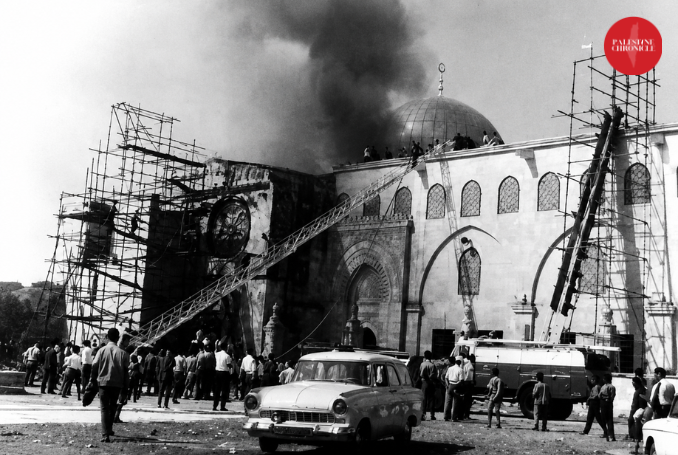
 The Day Al Aqsa Was Set on Fire
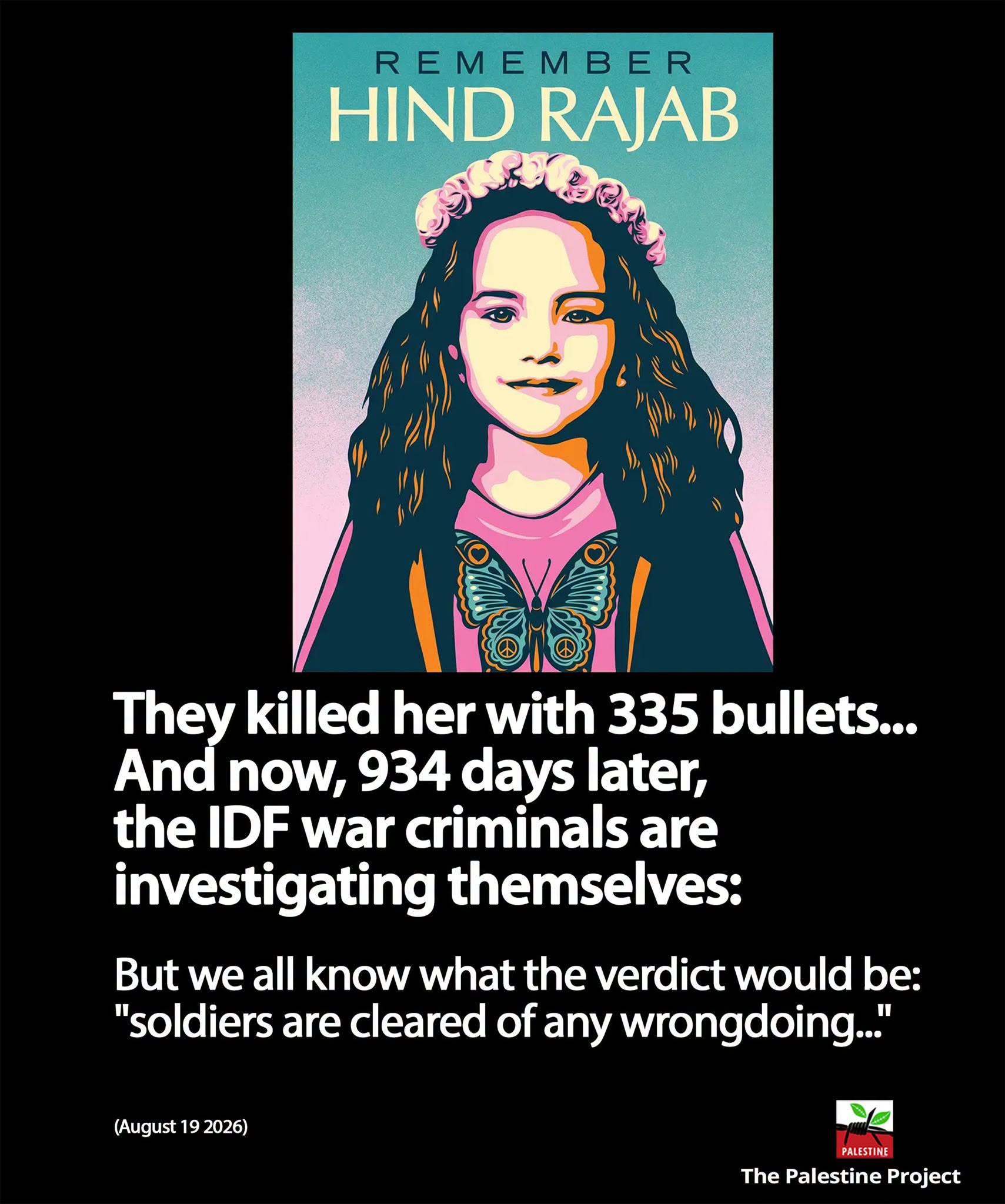
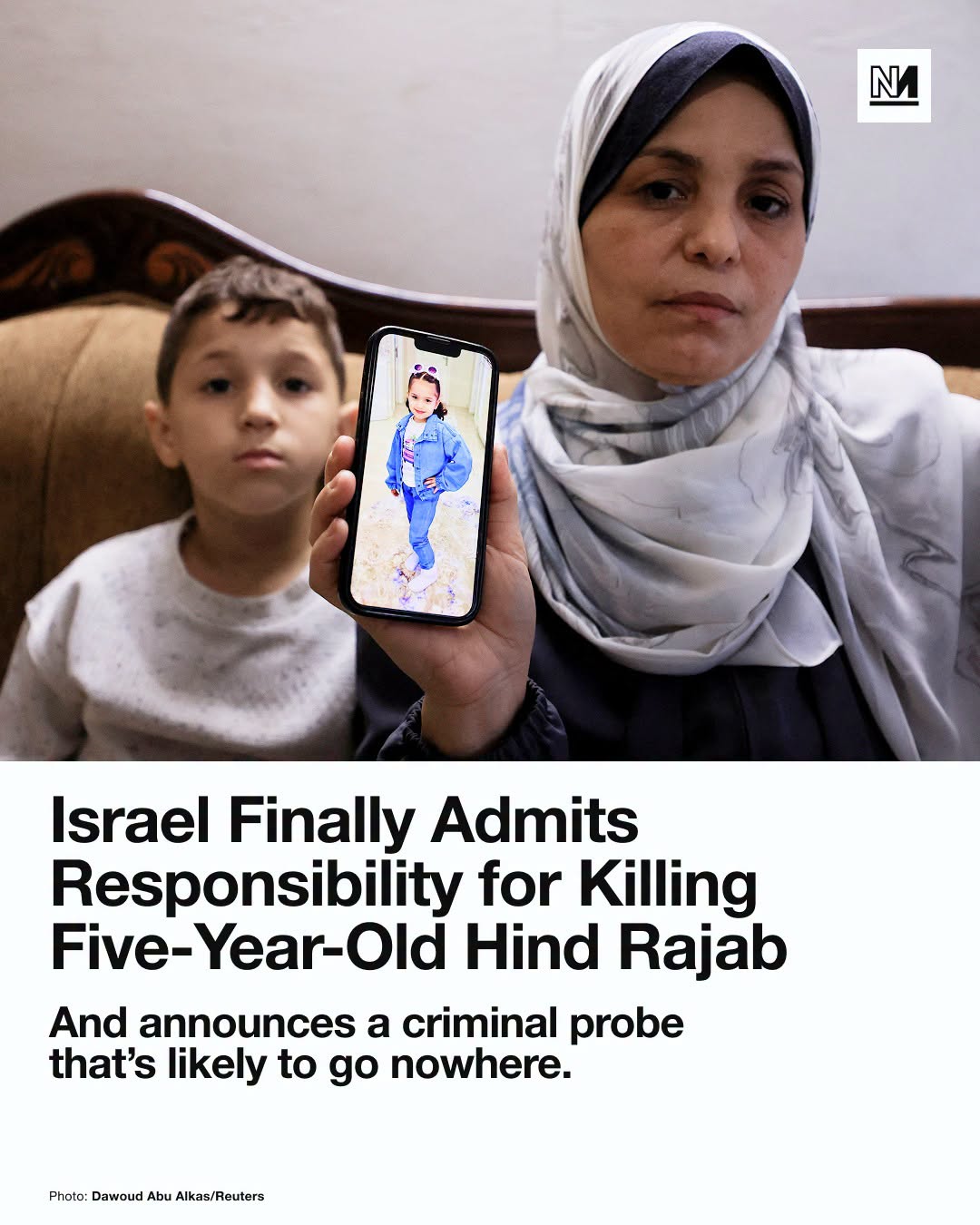 Israel Finally Admits to Killing Little Hind
 Sunset in Gaza
 ‘Israel Killed My Dad on His Farm,’ Says Daughter Zeinab
 The Gaza Mermaid





The Day Al Aqsa Was Set on Fire
 CrossFireArabia
- August 21, 2026
 CrossFireArabiaCrossFireArabiaCrossFireArabiaCrossFireArabiaCrossFireArabiaCrossFireArabiaCrossFireArabiaCrossFireArabia
 HebaCrossFireArabiaCrossFireArabiaHeba
 marwanmarwanmarwanmarwanmarwanmarwanCrossFireArabiamarwanmarwan
 Saleem Ayoub QunamarwanCrossFireArabiaCrossFireArabiaCrossFireArabiaCrossFireArabiamarwanCrossFireArabiaCrossFireArabiamarwanCrossFireArabiaHebaCrossFireArabiamarwanCrossFireArabiamarwanHebaCrossFireArabiamarwanmarwanHebaCrossFireArabiamarwanmarwanCrossFireArabiamarwanHebaCrossFireArabiaCrossFireArabiaCrossFireArabiaHebamarwanCrossFireArabiamarwanHebaCrossFireArabiaHebamarwanmarwanCrossFireArabiamarwanmarwanmarwanmarwanmarwanmarwanmarwanmarwanmarwanCrossFireArabiaCrossFireArabiamarwanmarwanCrossFireArabiaCrossFireArabiamarwanCrossFireArabiaCrossFireArabia
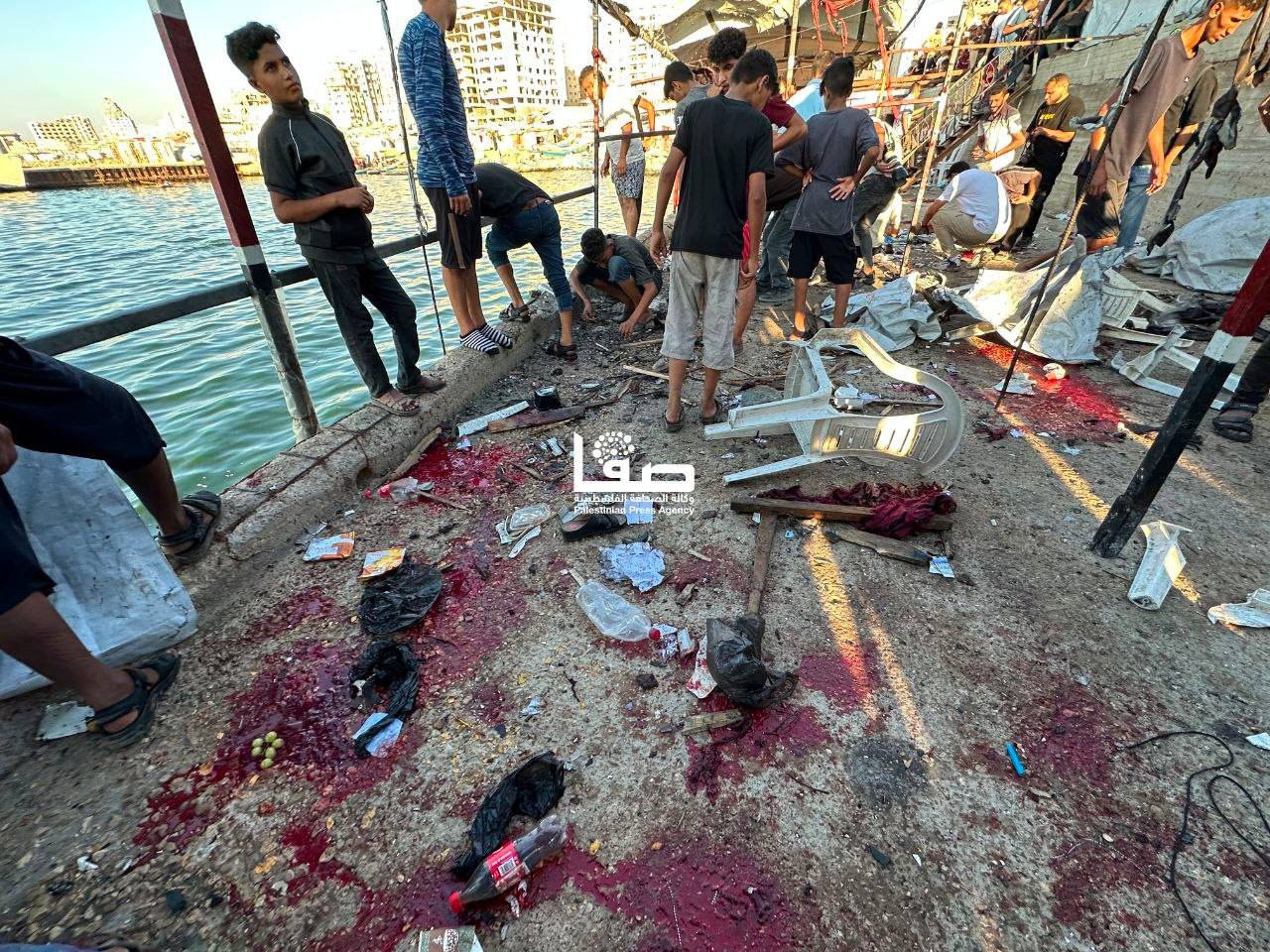
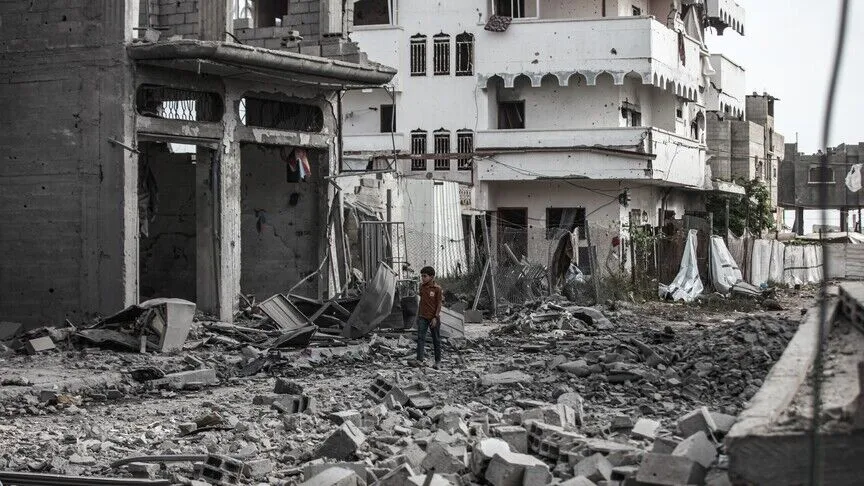
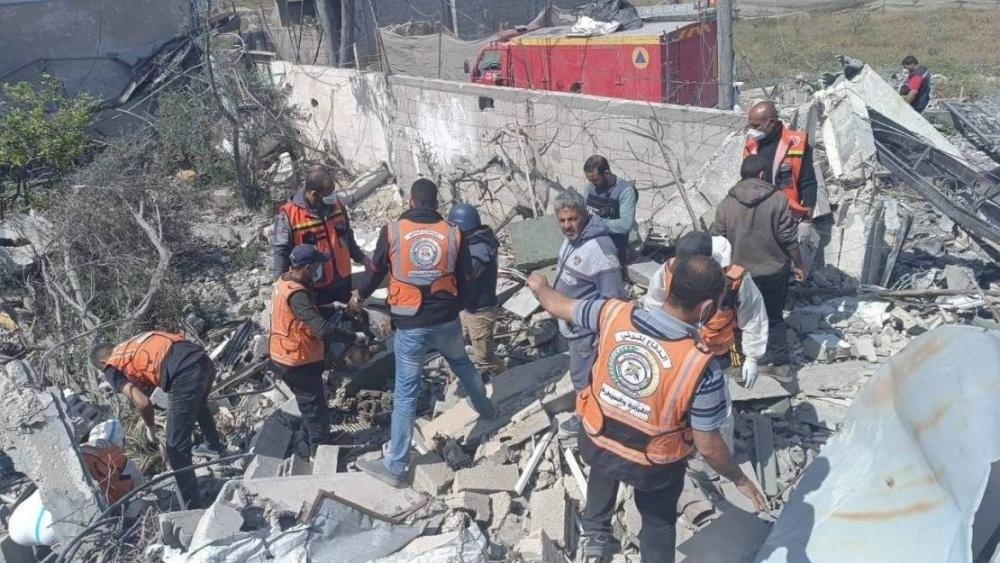
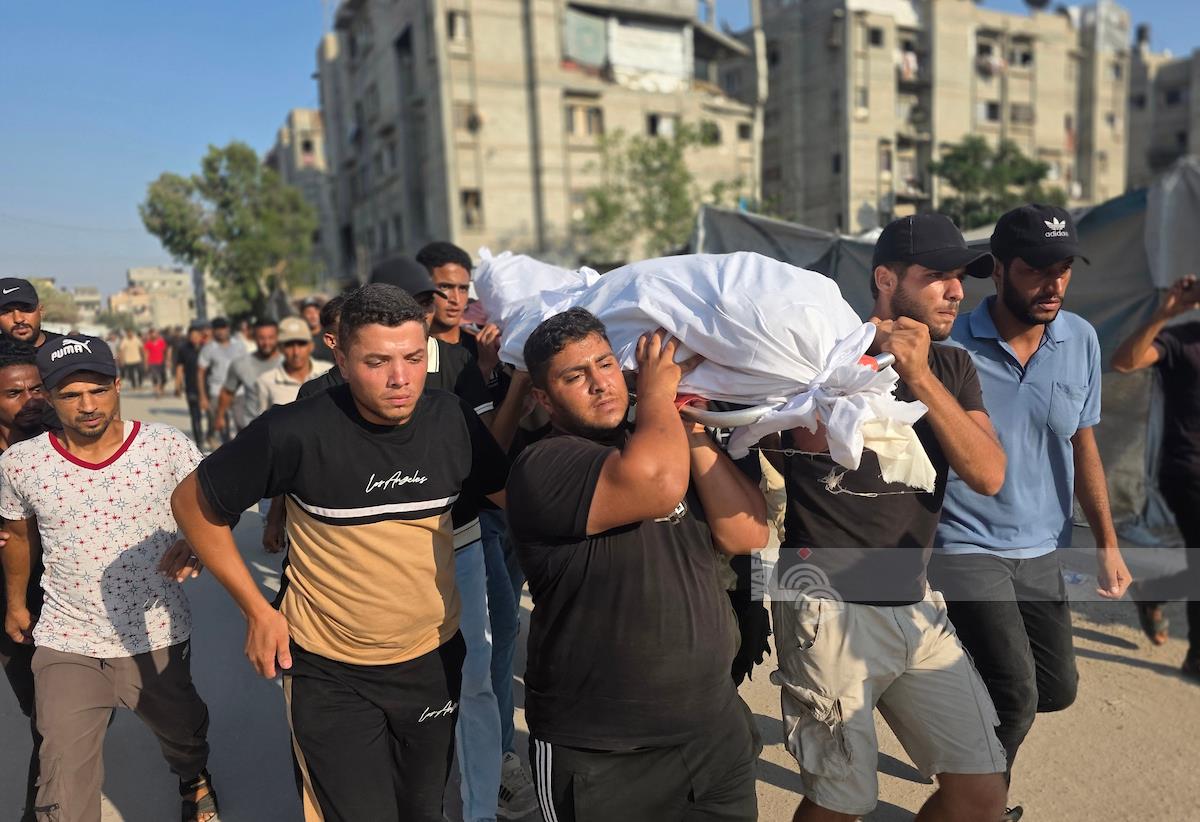
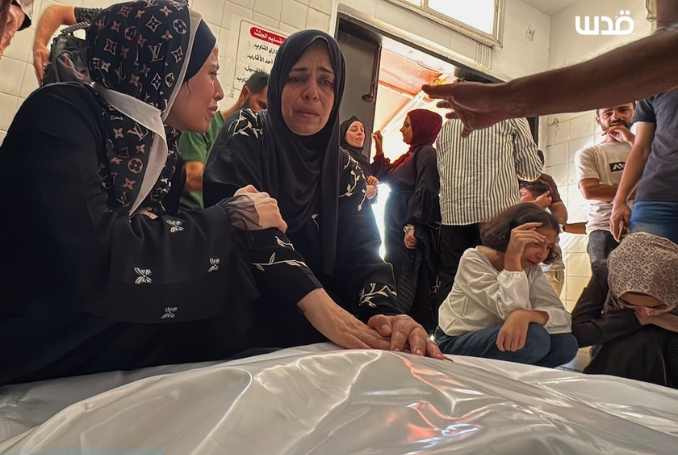
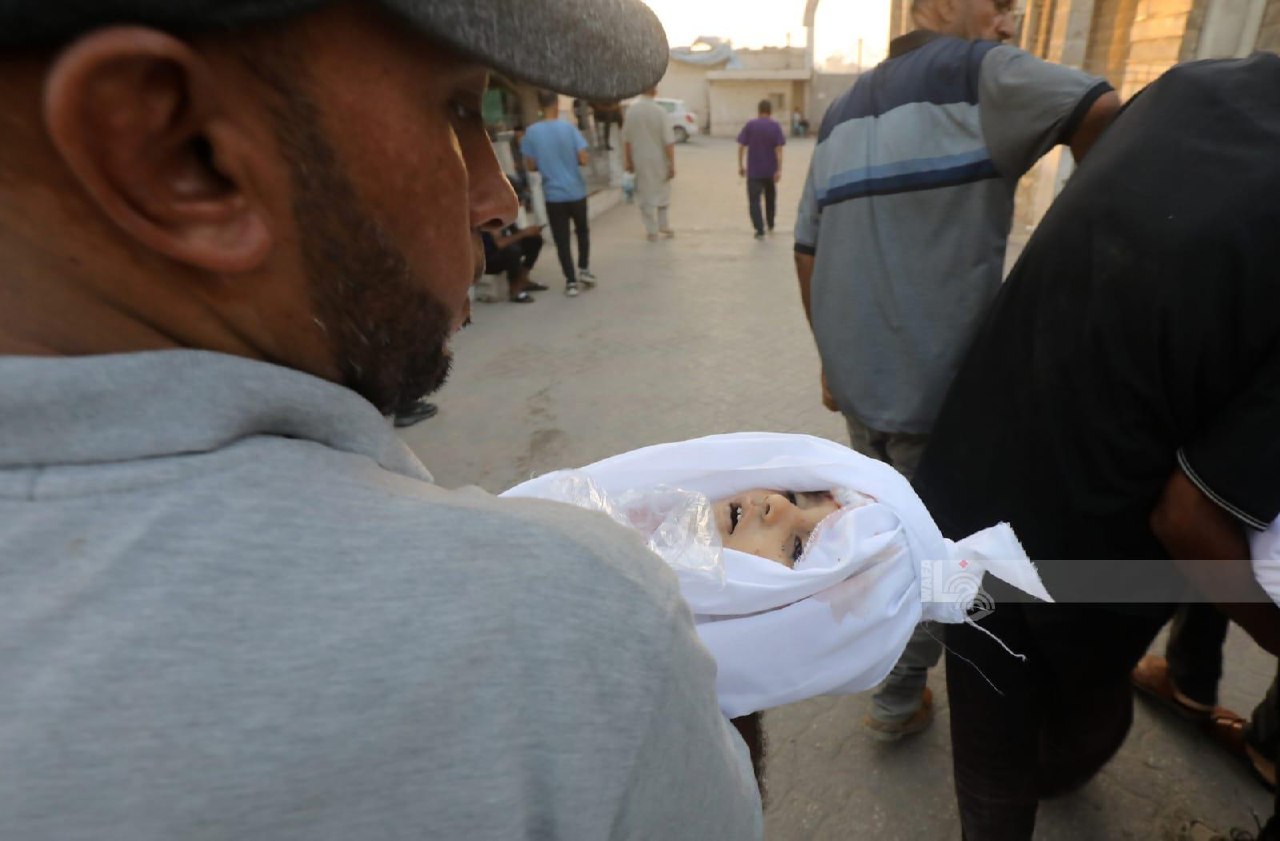
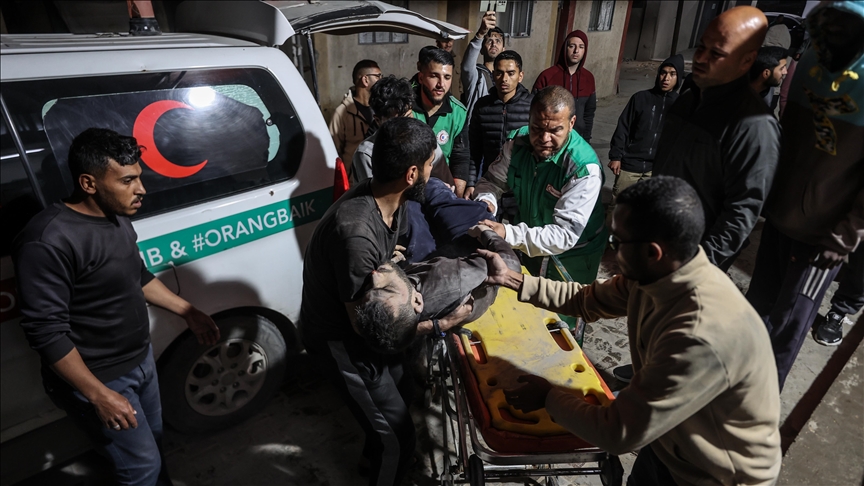
The Gaza local authorities on Tuesday morning said that over 322 Palestinians were killed and missing in a matter of five hours across the Gaza Strip as Israel resumed its genocidal war, breaking a ceasefire that lasted nearly two months.

The Israeli army, early Tuesday, conducted large-scale airstrikes on the Gaza Strip, the largest since the ceasefire with the Palestinian group Hamas took effect on Jan. 19.
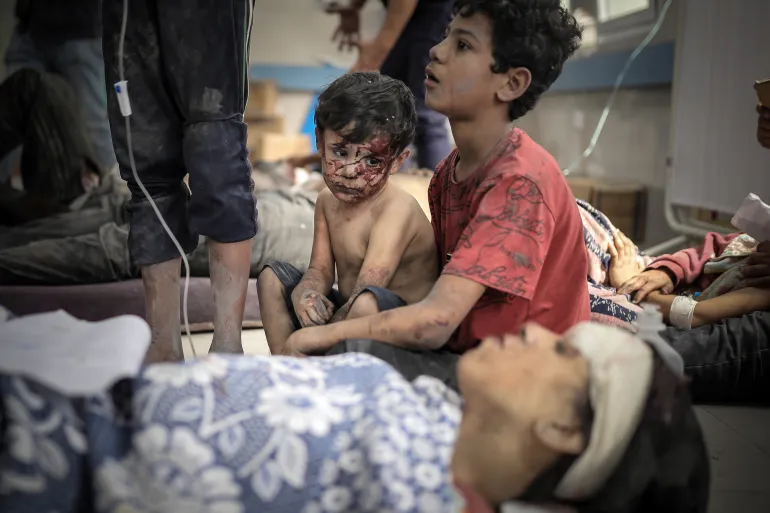
Gaza’s Health Ministry said the bodies of 254 Palestinians have so far been transferred to hospitals, along with 440 injured people.
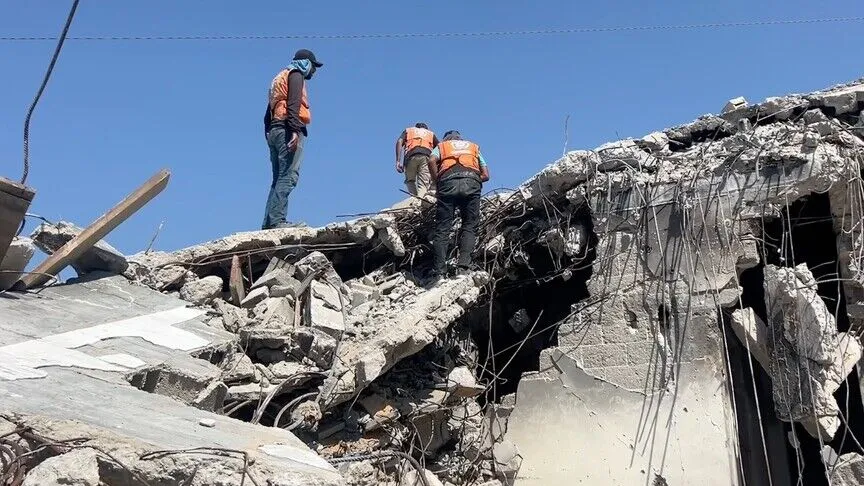
“Many victims remain under the rubble as efforts are underway to recover them,” the ministry added in a statement.
The Gaza Government Media Office said entire families are among the victims, who were killed together in the Israeli attacks, noting that ambulances and civil defense teams are unable to bring all victims to hospitals.
“These brutal massacres confirm once again that the Israeli occupation army only knows the language of killing, destruction, and genocide,” the statement said.
It added that the resumption of the massacres in Gaza comes along with the ongoing suffocating siege imposed on Gaza and the complete closure of the crossings, exacerbating a humanitarian crisis in Gaza and depriving over 2.4 million Palestinians of the basic necessities.
The media office urged the international community, including the UN Security Council and rights groups, to break the state of inaction and immediately act to ensure an end to these massacres in Gaza.
Earlier, the Israeli army said it is attacking Hamas targets in the Strip “to achieve the objectives of the war as they have been determined by the political echelon, including the release of all of our hostages, the living and the deceased,” according to Anadolu.
The Hamas group, for its part, said the Israeli government has declared war on Gaza by breaking the ceasefire agreement.
“We demand that the mediators hold (Israeli Prime Minister Benjamin) Netanyahu and the Zionist occupation fully responsible for violating and overturning the agreement,” it said in a statement.
Despite the ceasefire, local authorities in Gaza had reported almost daily violations by the Israeli army.
Israeli attacks have killed more than 48,500 Palestinians since October 2023, most of them women and children, and left Gaza in ruins.
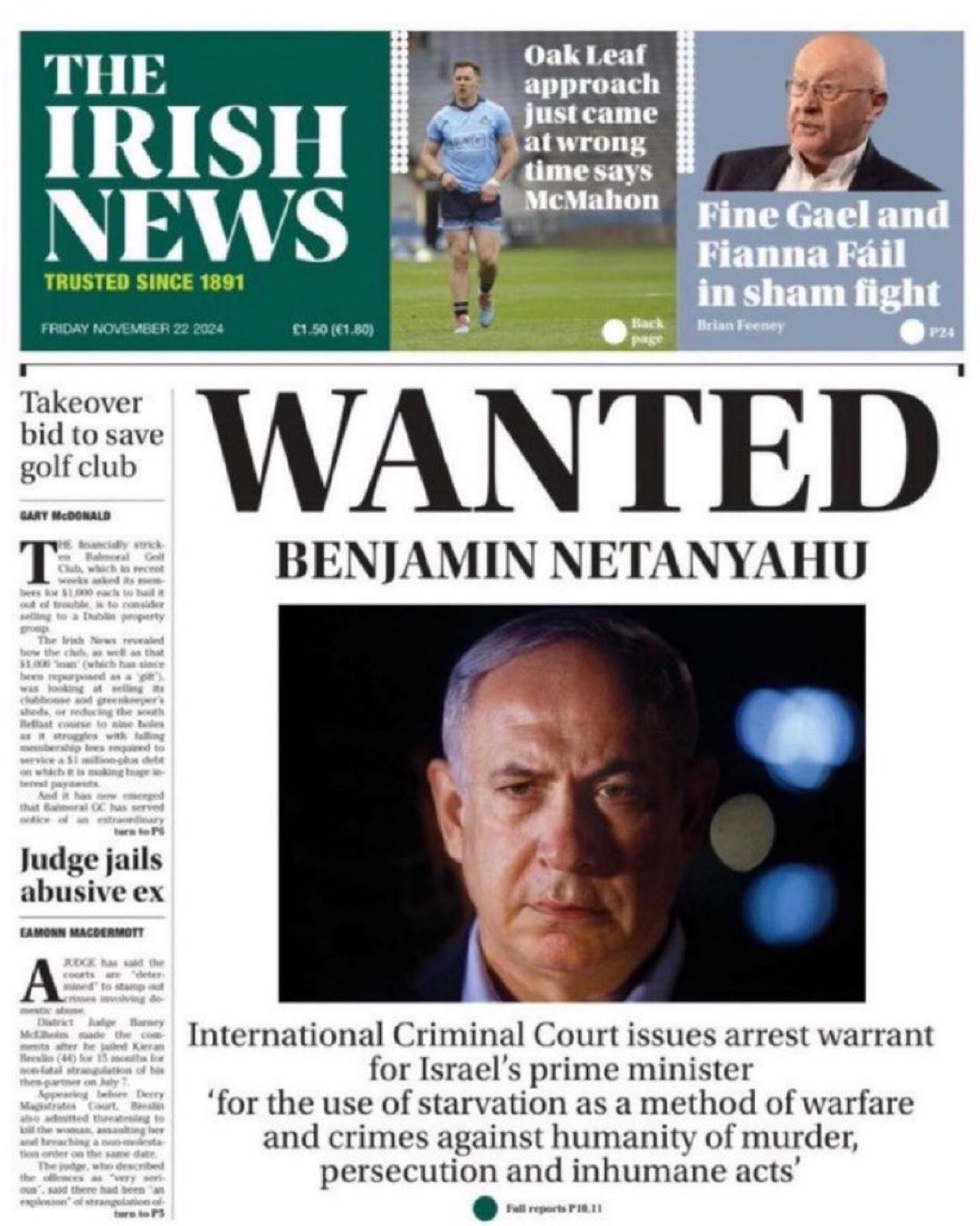
The International Criminal Court issued arrest warrants in November last year for Netanyahu and his former Defense Minister Yoav Gallant for war crimes and crimes against humanity in Gaza.
Israel also faces a genocide case at the International Court of Justice for its war on the enclave.
CrossFireArabia
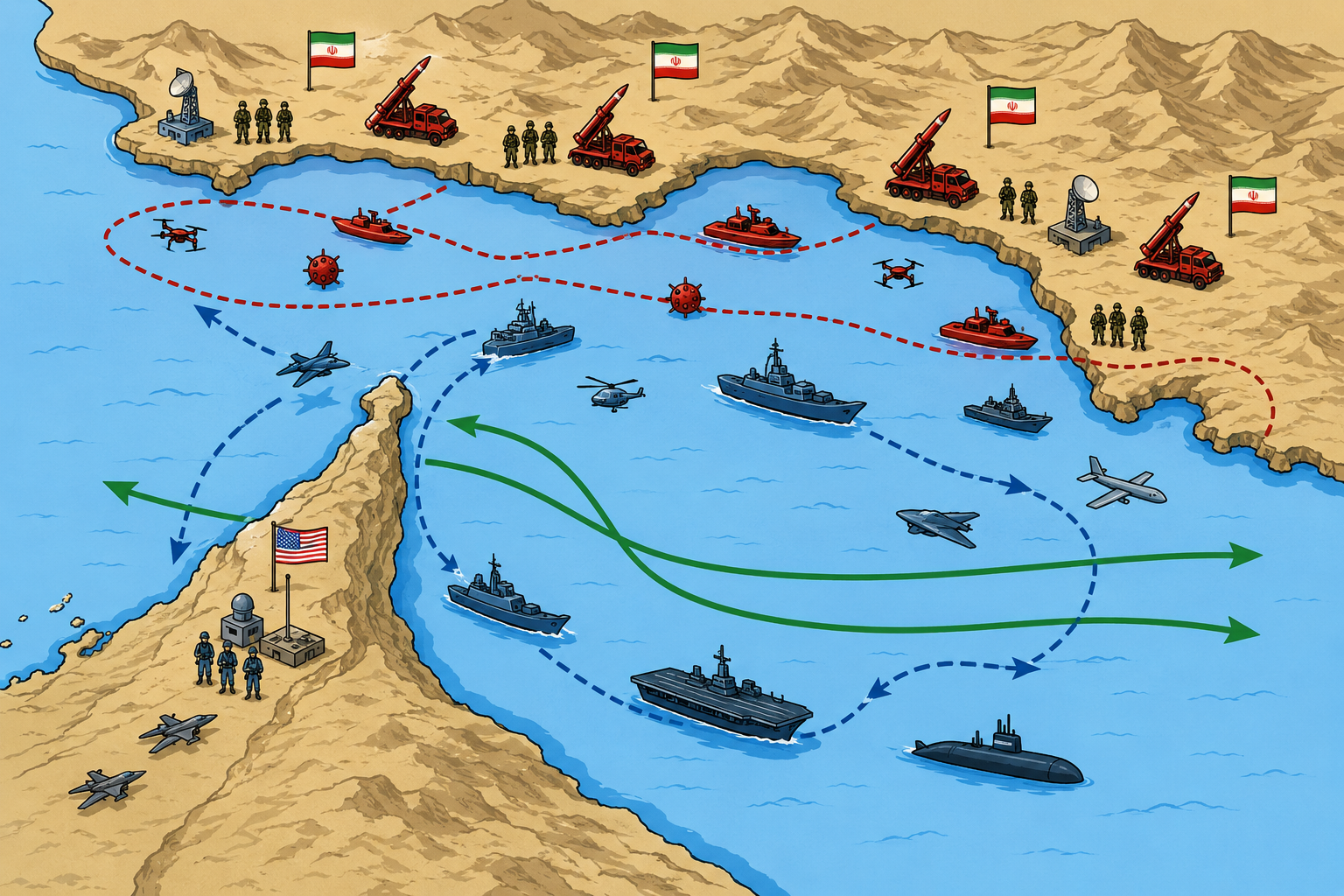
The Yemeni Armed Forces have announced a large-scale military operation against the US Navy in response to deadly American airstrikes on Yemen. The military confirmed that US forces launched 47 air raids targeting the capital, Sana’a, and seven other provinces.
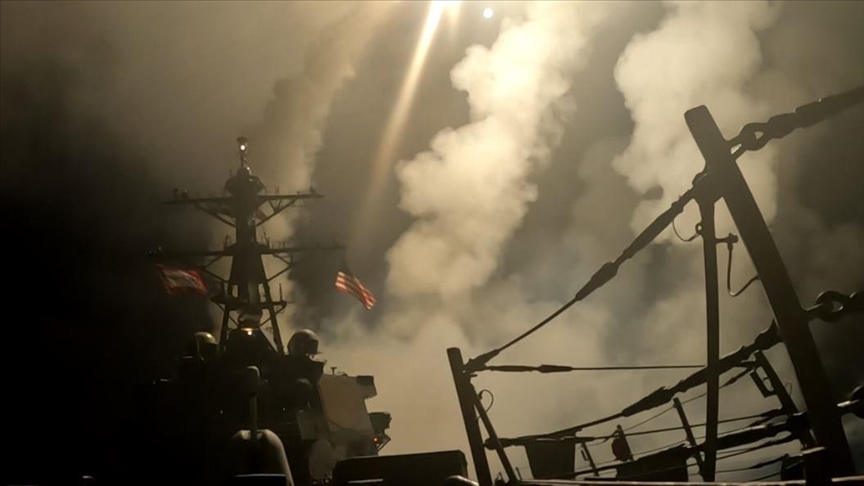
In retaliation, Yemeni forces carried out a military operation against the USS Harry S. Truman and its warships in the northern Red Sea. According to the statement, the attack involved 18 ballistic and cruise missiles, along with drones.
The Yemeni Armed Forces declared that they will not hesitate to target all US warships in the Red Sea and the Arabian Sea. They emphasized that the American assault will only strengthen Yemen’s resistance according to the Quds News Network.
Additionally, the military reaffirmed its commitment to enforcing the naval blockade on Israeli-linked ships. They stated that the blockade will continue until humanitarian aid reaches Gaza.
The Yemeni Ministry of Health had confirmed that the death toll from US airstrikes on multiple provinces rose to 31, with 101 people injured. Most of the victims are women and children.
Explosions shook the capital, Sana’a, as missiles struck several locations on Saturday. Local sources reported that residential areas were among the targets. Thick smoke and debris covered parts of the city. Houthi-affiliated media described the damage as severe.
Ansar Allah’s political office condemned the attack, calling it a direct act of war. The group stated that the US is serving Israel’s interests and vowed retaliation. Houthi leaders stated that the strikes would not stop their military operations against Israeli ships.
US officials confirmed the assault and warned that strikes could continue for weeks.
Since November 2023, the Houthis have targeted Israeli-linked ships in response to Israel’s genocide in Gaza. The US and UK launched earlier airstrikes on Yemen in 2024, hitting mostly civilian areas. The Houthis retaliated by expanding their operations against American and British warships.
CrossFireArabia
The Middle East has long been accustomed to dramatic events and repeated surprises. However, it is undeniable that what came before October 7 is fundamentally different from what followed.
This shift is not only due to the ongoing wars that have spread beyond Gaza to other fronts, nor solely because of the consequences these conflicts have triggered across the region. More significantly, it has exposed the harsh realities the region faces, from the collapse of the concept of the state and its implications to the erosion of national identities and the emergence of new ethnic, sectarian, and geographical standards reshaping political maps.
Over the past years, the failure of the nation-state model, coupled with its reduction to authoritarian concepts, has played a pivotal role in deepening the psychological division in many countries, a division that, in many cases, precedes geographical fragmentation.
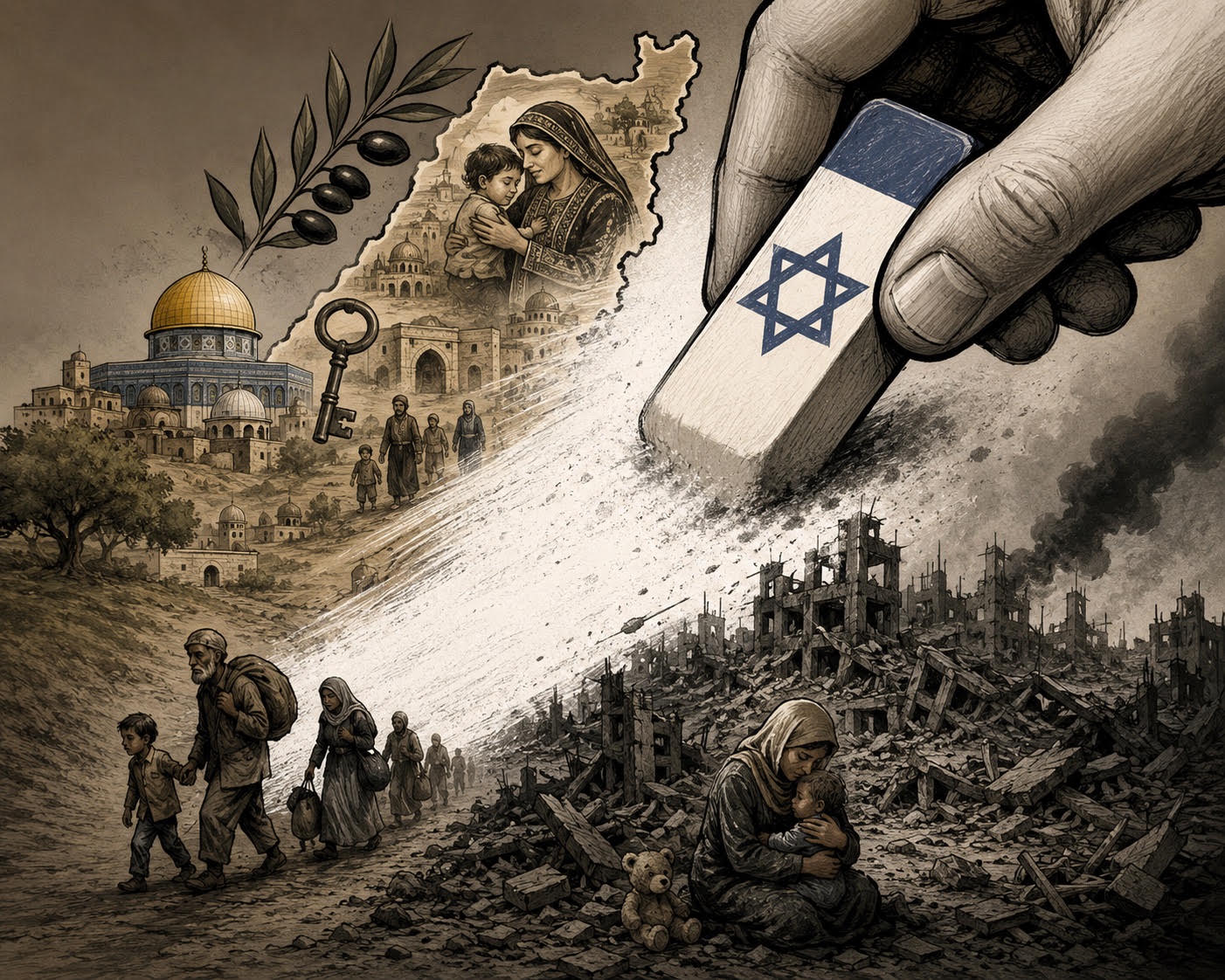
In the current geopolitical landscape, Gaza is no longer the Gaza we once knew. With the absence of a viable Arab-led solution, the US administration, despite its often-contradictory diplomatic statements, still keeps the depopulation of Gaza on the table as a practical resolution. Meanwhile, the West Bank is experiencing Israeli operations aimed at bringing about a radical transformation, one that all parties may soon have to accept as a new reality.
Syria, too, has entered a state of turmoil that makes it increasingly difficult to revert to its former political and territorial structure. Whether through shifts in internal power dynamics or anticipated geographical and political changes, Syria is on a path of transformation.
These unprecedented changes, which directly impact Jordan, impose urgent requirements for adaptation and strategic engagement with new realities. This new era demands a shift in priorities, making “Jordanian-focused thinking” a fundamental approach to navigating the geopolitical and security challenges unfolding across the region.
This strategic recalibration must take place on three levels. The first involves managing relations with the current U.S. administration, which has been in the White House for only a few weeks yet has already triggered a geopolitical earthquake on the global stage. For Jordan to remain a key regional player, it must employ new tools and diplomatic tactics that emphasize effectiveness and tangible results, especially considering that this administration is highly focused on reassessing the utility of aid provided to its allies.
The second is the regional shift, where several key issues stand out. The evolving relationship with Israel, which is shifting dramatically and deteriorating from bad to worse, requires a reconsidered strategy for future engagement. The relationship with Saudi Arabia, meanwhile, demands greater attention, not only because Saudi Arabia remains the only pillar of stability in the region but also due to its economic and political influence, which could prove crucial for Jordan in the coming phase. In this context, the concept of “political and economic integration” should be the foundation for shaping and strengthening ties between the two countries.
Perhaps the most pressing regional challenge is Jordan’s approach to Syria. Changes are already unfolding in the areas adjacent to Jordan’s northern border, creating a new reality that Jordan must navigate carefully. It is imperative to formulate a strategy that not only secures borders but also leverages new political and economic configurations to serve Jordan’s long-term interests.
The third is the domestic, and most important recalibration, how does Jordan adapt to these external shifts and their internal repercussions? This phase demands a new political discourse and a fresh approach to managing internal affairs. Shielding Jordan from external shocks, narratives of fragmentation, sectarian polarization, and social discord requires a two-pronged strategic response: strengthening the bureaucratic system and reinforcing national identity.
This necessitates a well-crafted national narrative, a reinvigoration of collective national consciousness, and tangible policy actions that signal the beginning of a new phase of resilience and transformation, one that will be the defining test of the coming period.
Dr Amer Al Sabaileh is a columnist in the Jordan Times