Putting The Cart Before The Horse

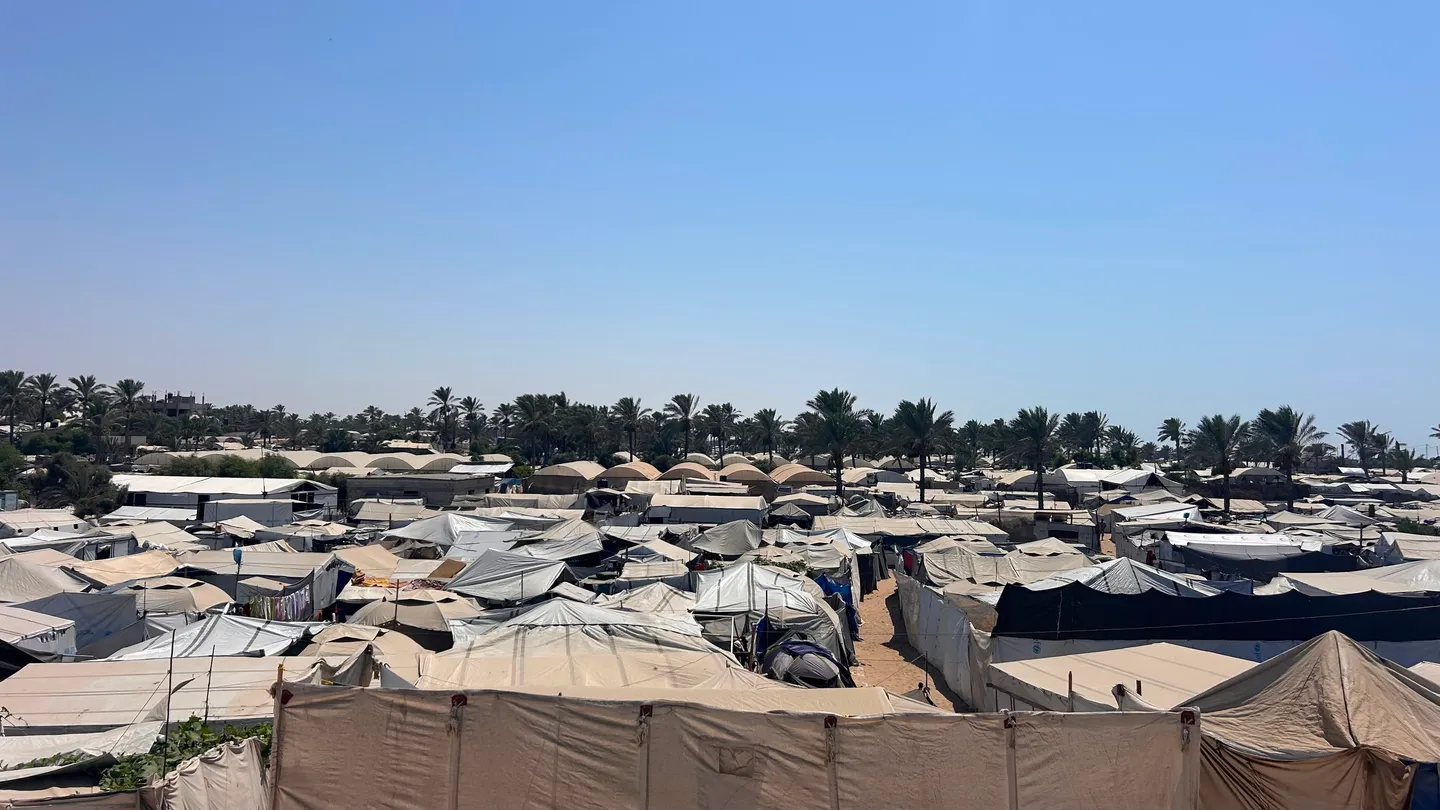
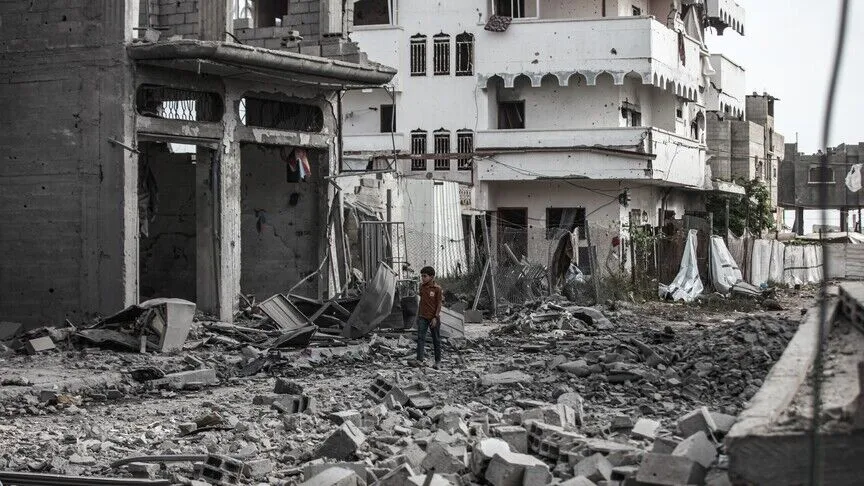
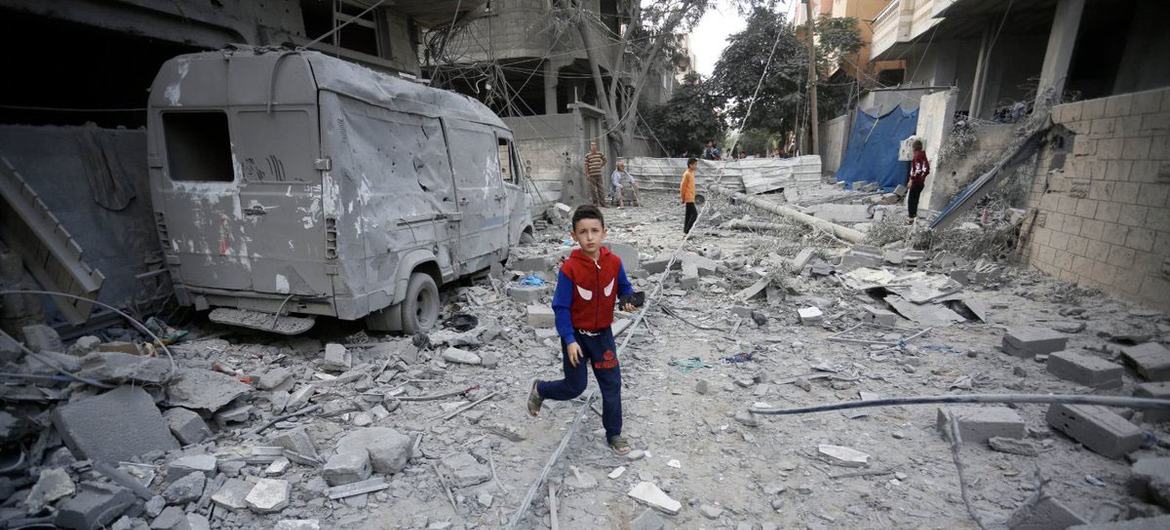
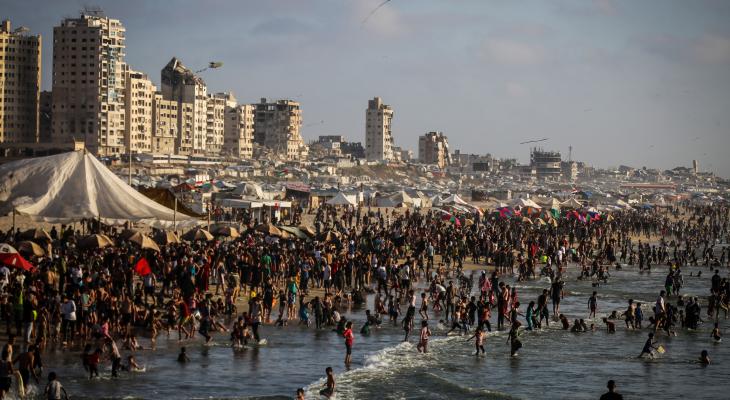
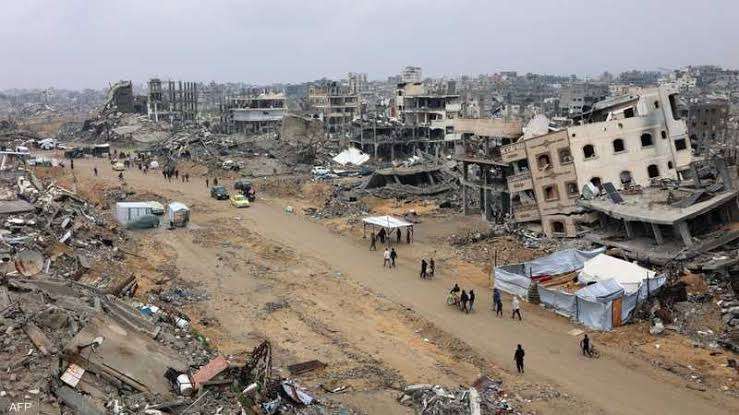
With the approach of the Cairo Summit to discuss the Palestinian issue and the reconstruction of Gaza, Arab leaders find themselves facing three main scenarios to make decisive decisions that determine the future of Gaza and the fate of the Palestinians the day after the cessation of the war. The dilemma is no longer limited to reconstruction only but also includes the political and administrative arrangements that ensure the stability of the sector and prevent the recurrence of the devastating conflict.
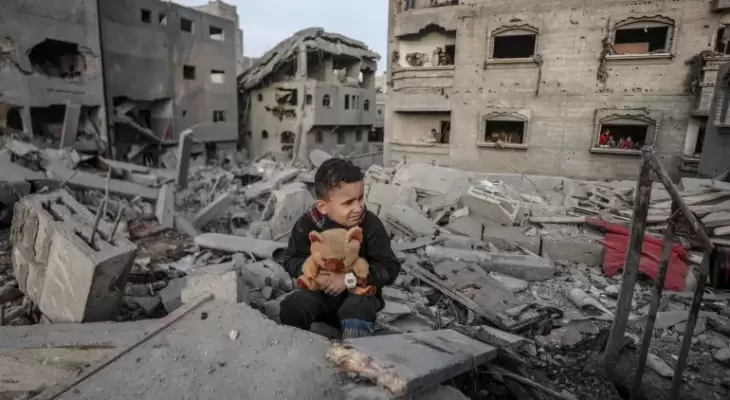
From the American side, it seems that the Trump administration is adopting a more stringent approach, as it recently stated the necessity of displacing Palestinians from Gaza as a “solution” to ensure regional security, which reflects its traditional position biased towards Israel and complicates any Arab efforts to find an independent solution for the sector.

 This American position raises great concerns in Arab and international circles, given the disastrous consequences it carries for the Palestinians and the entire region, especially in light of the widespread international rejection of forced displacement policies.

The first scenario involves adopting a comprehensive regional solution led by Arabs, aiming to place Gaza under temporary Arab administration, which may include Egypt and perhaps some Gulf states, in coordination with the Palestinian Authority. In this scenario, a transitional body would be established to administer the Strip, which would undertake reconstruction operations, organize basic services, and reorganize the security situation in a way that prevents the recurrence of the conflict. 

This body could also work to pave the way for comprehensive Palestinian elections to be held later, so that Gaza would be part of a unified Palestinian entity. 

This temporary administration would work to restructure institutions within the Strip, ensure the regular provision of health and education services, and rehabilitate infrastructure damaged by the war. It would also undertake the tasks of securing the crossings and ensuring the flow of humanitarian aid, while imposing strict control to prevent the infiltration of any elements that might contribute to destabilization. 

It is expected that the contributing Arab states would have different roles, as Egypt could handle security aspects, while the Gulf states would contribute to financing and reconstruction. This option requires Arab and international consensus, as well as internal Palestinian acceptance, which may be difficult in light of the differences between the factions. 

Israel may not view this scenario favorably, as it strengthens the Arab role in Gaza and limits its influence there. In addition, the success of this scenario depends on the Arabs’ ability to impose a unified vision and work to reduce external interventions that may hinder this solution. Ultimately, this scenario remains a realistic option, but it is fraught with challenges that require active diplomacy and strong political will.

As for the second scenario, it is to support the restructuring of the Palestinian Authority and grant it full control over Gaza after reaching internal understandings with the various factions, including Hamas. In this framework, the security services are integrated into a unified framework under the supervision of the Authority, and the administrative institutions are unified, with an Arab and international commitment to provide financial and logistical support to ensure the success of this transition.

One of the main pillars of this scenario is rebuilding trust between the various Palestinian factions, which requires intensive efforts from regional and international mediators, especially Egypt and the United Nations. This proposal also requires providing guarantees that the faction leaders will not be targeted or excluded from the political scene, which necessitates establishing a joint governance mechanism for a transitional period.

This scenario depends primarily on the ability of the Palestinian Authority to impose its effective control over the Strip, which is doubtful, especially in light of the deep differences between the West Bank and Gaza, and the lack of trust between the Palestinian parties. 

In addition, Hamas’s acceptance of this proposal may be conditional on effective participation in governance, which may not be acceptable to Israel or some regional powers. Moreover, this solution faces obstacles related to the extent of the international community’s ability to commit to funding reconstruction, and to ensuring that Israel does not obstruct any efforts aimed at strengthening the Palestinian Authority’s control over the Strip.

The third scenario, which may be the most complex, is to impose an international solution under the auspices of the United Nations, whereby international peacekeeping forces are deployed to oversee the administration of Gaza for a transitional period, during which the Strip is rebuilt, and the political conditions are prepared to find a comprehensive Palestinian settlement. 

In this scenario, the infrastructure is rehabilitated, security guarantees are provided to prevent the outbreak of new confrontations, while the way is opened for an internal Palestinian dialogue under international auspices to reach an agreement on the future of governance in Gaza. 

This scenario also includes international supervision of the rehabilitation of civilian institutions in Gaza, ensuring the distribution of aid, and preventing the use of resources in any military activities that may lead to a renewal of the conflict. 

It could also contribute to reactivating the peace process between the Palestinians and the Israelis through an international mechanism that ensures the implementation of any understandings reached. 

However, this option faces several obstacles, most notably the rejection by some Palestinian forces of any direct international intervention in Palestinian affairs, and Israel may refuse to deploy international forces near its borders, preferring to keep Gaza under siege or in a state of instability that keeps it weak and unable to pose a security threat. 

Moreover, any international intervention will require consensus among the major powers, which may be difficult to achieve in light of global political tensions. Each of these scenarios carries its own challenges, and the optimal choice remains linked to the extent of the Arabs’ ability to unify their positions and make bold decisions that go beyond narrow political calculations. 

The main challenge lies in reaching a solution that spares Gaza further destruction, establishes a new phase of stability and development, and ensures that the Palestinian issue is not exploited in regional conflicts. The question remains: Will the Cairo Summit be able to overcome Arab differences and present a unified vision to save Gaza and its future?

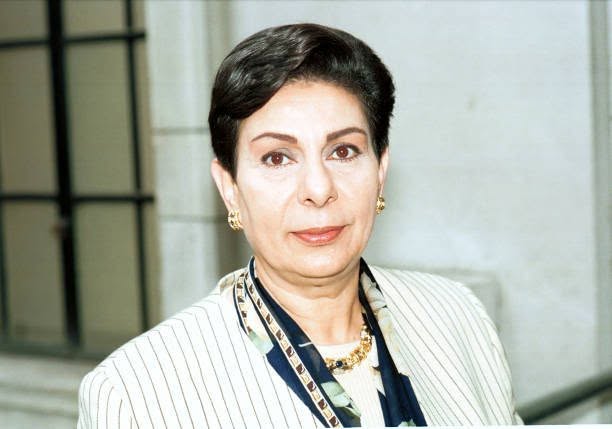
Hasan Dajah is professor of Strategic Studies at Al-Hussein Bin Talal University
Continue reading
Israel Braces Itself For a New Genocide on The West Bank

The Israeli Defence Minister has ordered the army to take control of three Palestinian refugee camps in the northern West Bank and block residents’ return. Euro-Med Monitor strongly condemns the move, which reveals a serious escalation of Israel’s apartheid and forced displacement practices against the Palestinian people, beginning with the 1948 Nakba.

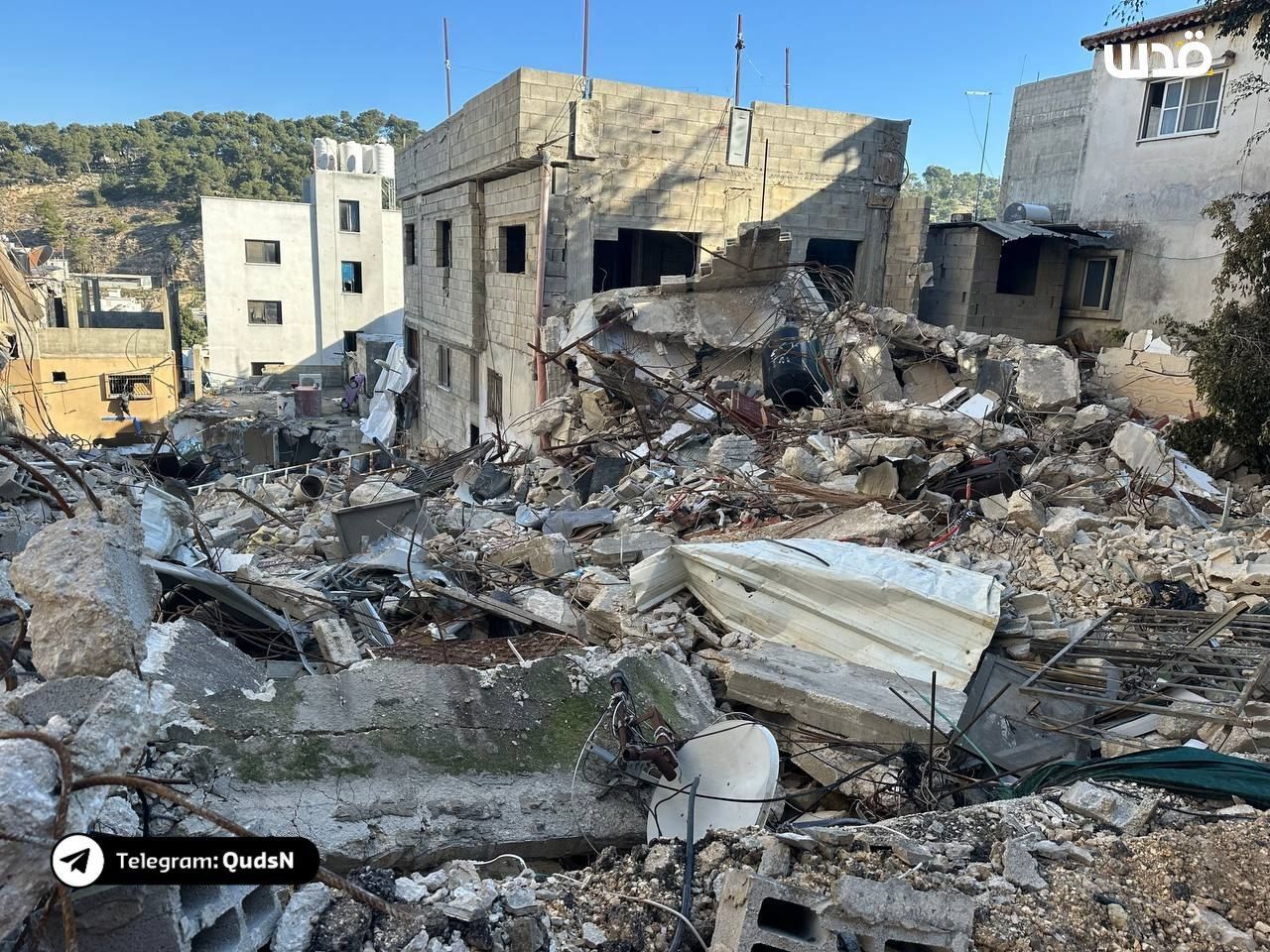
The Israeli Defence Minister has publicly confirmed the expulsion of approximately 40,000 Palestinian refugees from the Jenin, Tulkarm, and Nur Shams refugee camps in the northern West Bank, citing the need for combat in order to dismantle “terrorist infrastructure” in these areas. What is actually occurring on the ground, however, is the mass displacement of Palestinians from their places of refuge, along with the destruction of their homes, livelihoods, and civilian infrastructure, including water, electricity, and roads. Israel clearly aims to create a new reality that will prevent their short- and long-term return.

The Israeli army’s actions amount to war crimes and crimes against humanity, as they are conducting military operations in ways that flagrantly violate international law, which mandates the protection of civilians and civilian objects and prohibits their targeting or subjection to indiscriminate or excessive attacks. Such repeated and large-scale violations demonstrate Israel’s blatant disregard for its international legal obligations and pose a serious threat to the civilian population in the West Bank. Immediate international intervention is needed to ensure those responsible for these crimes are held accountable as swiftly as possible.

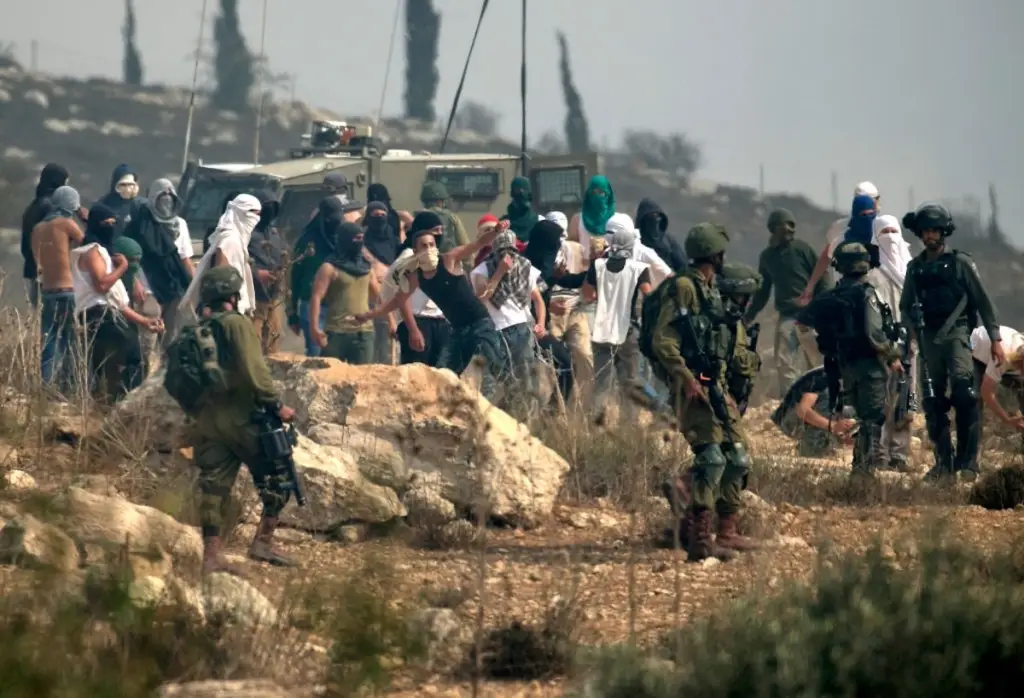
    The Israeli army’s deployment of tanks, its establishment of military sites within refugee camps, and its prevention of residents’ right to return reflect a deliberate effort to impose a military fait accompli   

Israel’s Ethnic Cleansing

Moreover, the Israeli army’s deployment of tanks, its establishment of military sites within these refugee camps, and its prevention of residents’ right to return reflect a deliberate effort to impose a military fait accompli. These actions violate international law and effectively undermine the agreements under which the Palestinian National Authority was formed.

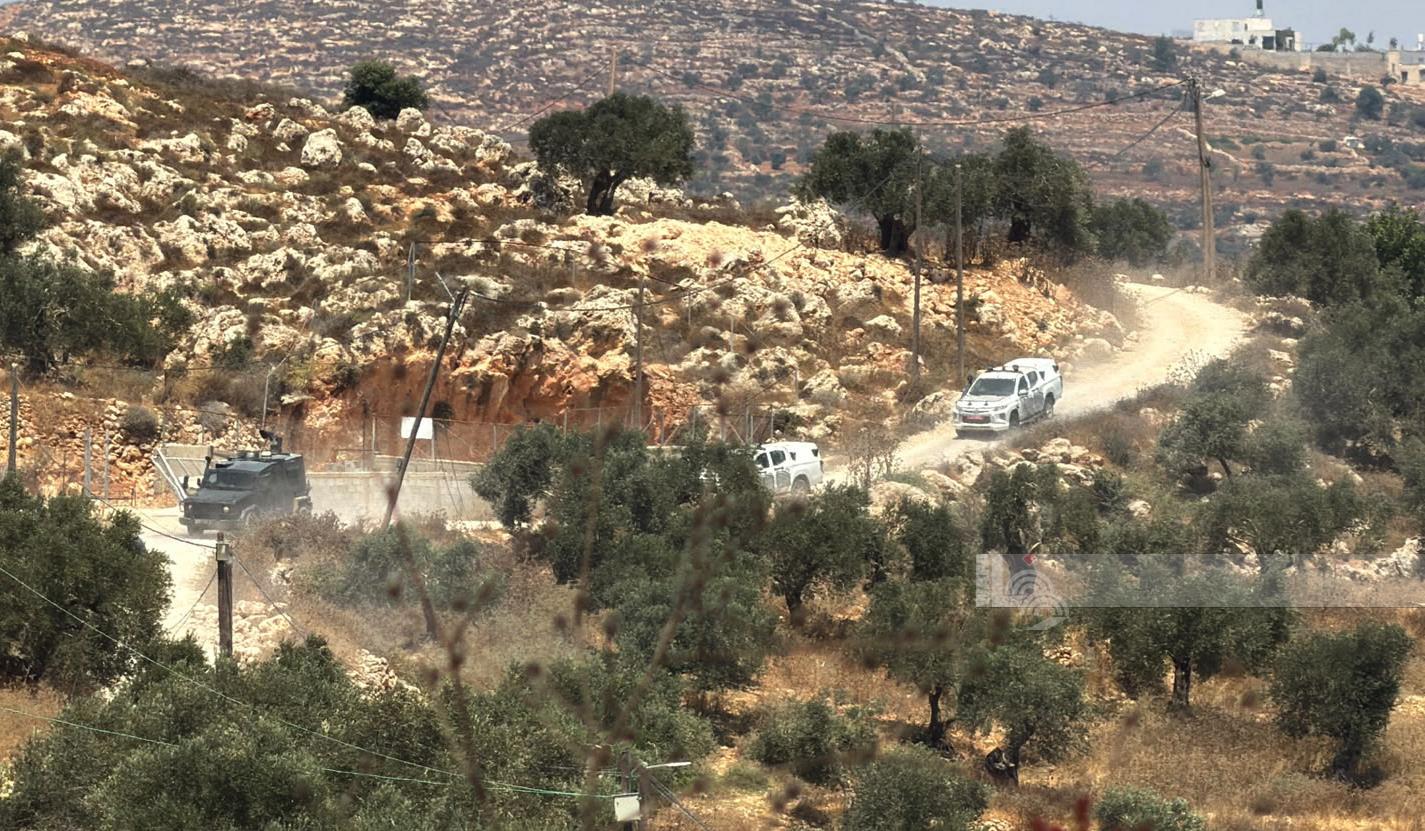
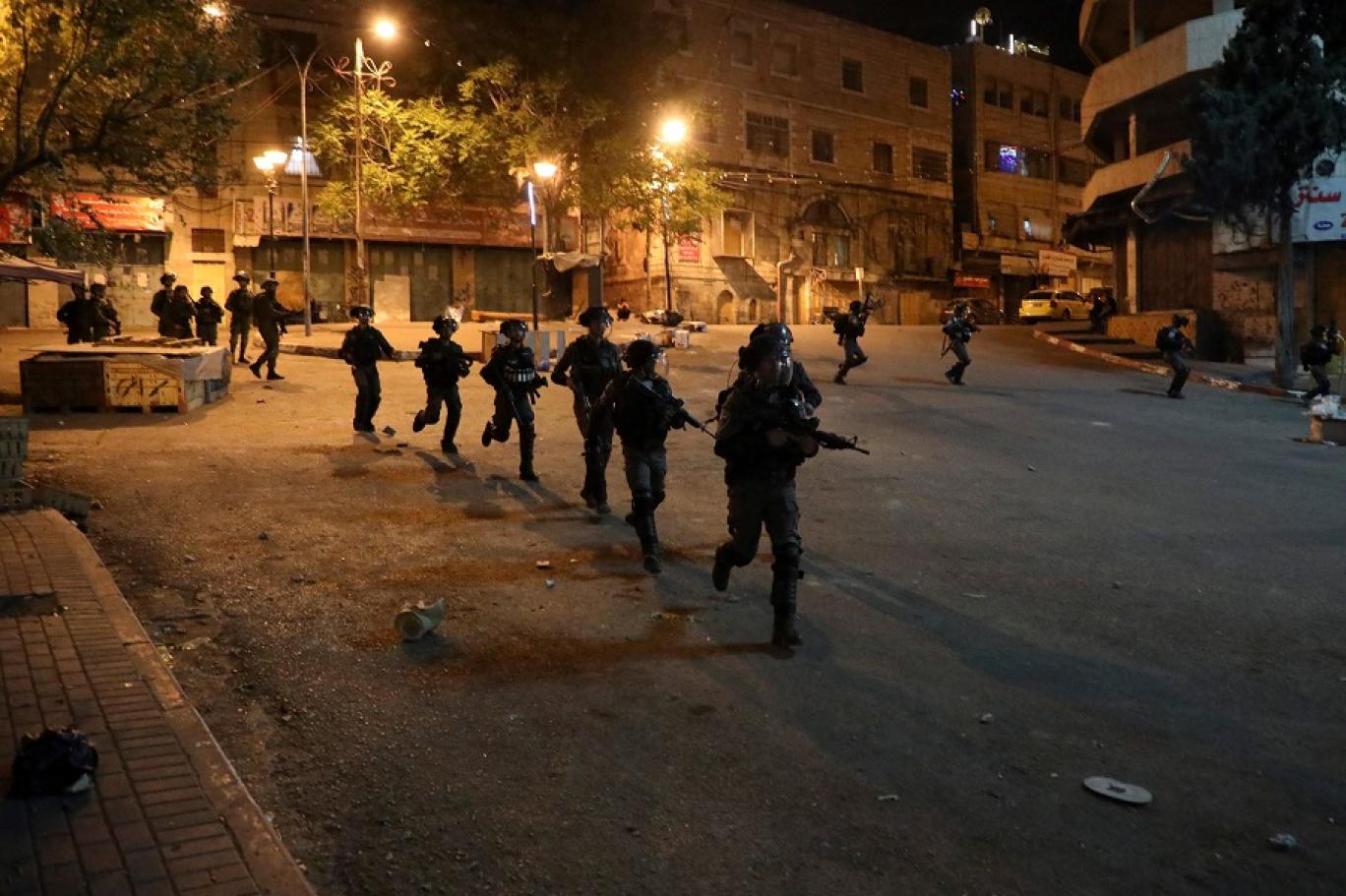
Euro-Med Monitor’s field team observed the movement of approximately three Israeli tanks late on Saturday evening. The tanks were travelling from Muqeible, near Israel’s Jalamah military checkpoint in Jenin, and positioning themselves near Jenin’s refugee camp, marking the first occurrence of its kind since 2002.

Israel’s deployment of tanks in densely populated residential areas within a purely civilian environment occurred 33 days after its army launched the large-scale “Operation Iron Wall” in Jenin and the Jenin refugee camp, which it later expanded to include Tulkarm and Tubas, leading to full Israeli control over the northern West Bank camps and the destruction of hundreds of homes. This indicates that the deployment of these heavy vehicles serves no security or military purpose, but is instead part of an Israeli attempt to establish military control over the region.

The Israeli army is systematically destroying the aforementioned areas despite there being no military necessity to do so, using bulldozers to pave new roads over the ruins of destroyed homes. Additionally, the army has been instructed to establish military sites within the camps in an apparent aim to alter the geographical reality of these areas and diminish the symbolic significance of the camps, which represent the Palestinian refugee cause following the displacement of Palestinians from their cities and villages in 1948. The presence of the Israeli army in these camps has destroyed any means of livelihood, leaving thousands of residents displaced, living either in temporary shelters or with relatives.

Euro-Med Monitor warns that Israel may attempt to impose a new fait accompli in all areas under Palestinian National Authority sovereignty, effectively breaking the agreements signed with it and nullifying its role in these areas. This could be a step towards annexing the West Bank and imposing Israeli sovereignty by force, which would be in line with the directives of right-wing Israeli ministers who have declared 2025 to be the year for sovereignty over the region.

Official Israeli statements suggest that the military assault will not be confined to the refugee camps in the northern West Bank, but will spread to other areas in both the northern and southern West Bank, putting hundreds of thousands of civilians at risk of death, injury, arrest, displacement, or loss of property.

Israel’s impunity over the past decades was made possible due to international inaction—or complicity—in the face of its crimes of aggression, apartheid, forced displacement, and land seizure over 77 years, as well as the global silence regarding the 15-month genocide in Gaza, has emboldened Israel to intensify and expand its aggression against the Palestinians and the territory it occupies. The ongoing lack of any deterrence or legal consequences increases the likelihood of more crimes being committed by Israel, which poses a serious threat not only to the rights of the Palestinian people but to the stability of the entire international system.

The recent advisory opinion of the International Court of Justice (ICJ) on Israeli policies and practices in the Occupied Palestinian Territory affirms the illegality of Israel’s presence in these areas. The Court confirmed that Israel must end its illegal presence as soon as possible, compensate those affected for their damages, and fulfill its other obligations toward the Palestinian people. The international community must exert effective pressure on Israel to adhere to international law, cease its military operations in the northern West Bank, withdraw from illegally occupied areas, allow residents to return, and halt its decades-long policy of destruction and displacement.

Euro-Med Monitor urges the international community to guarantee the rights of the Palestinian people to live in freedom and dignity; support their right to self-determination under international law; work to end the illegal Israeli occupation and settler colonialism in the Occupied Palestinian Territory; dismantle the system of apartheid and isolation imposed on Palestinians; lift the unlawful blockade on the Gaza Strip; ensure accountability for Israeli perpetrators; and guarantee the right of Palestinian victims to redress and justice.

EuroMed Human Rights Monitor

Continue reading
More Israelis Than Israelis

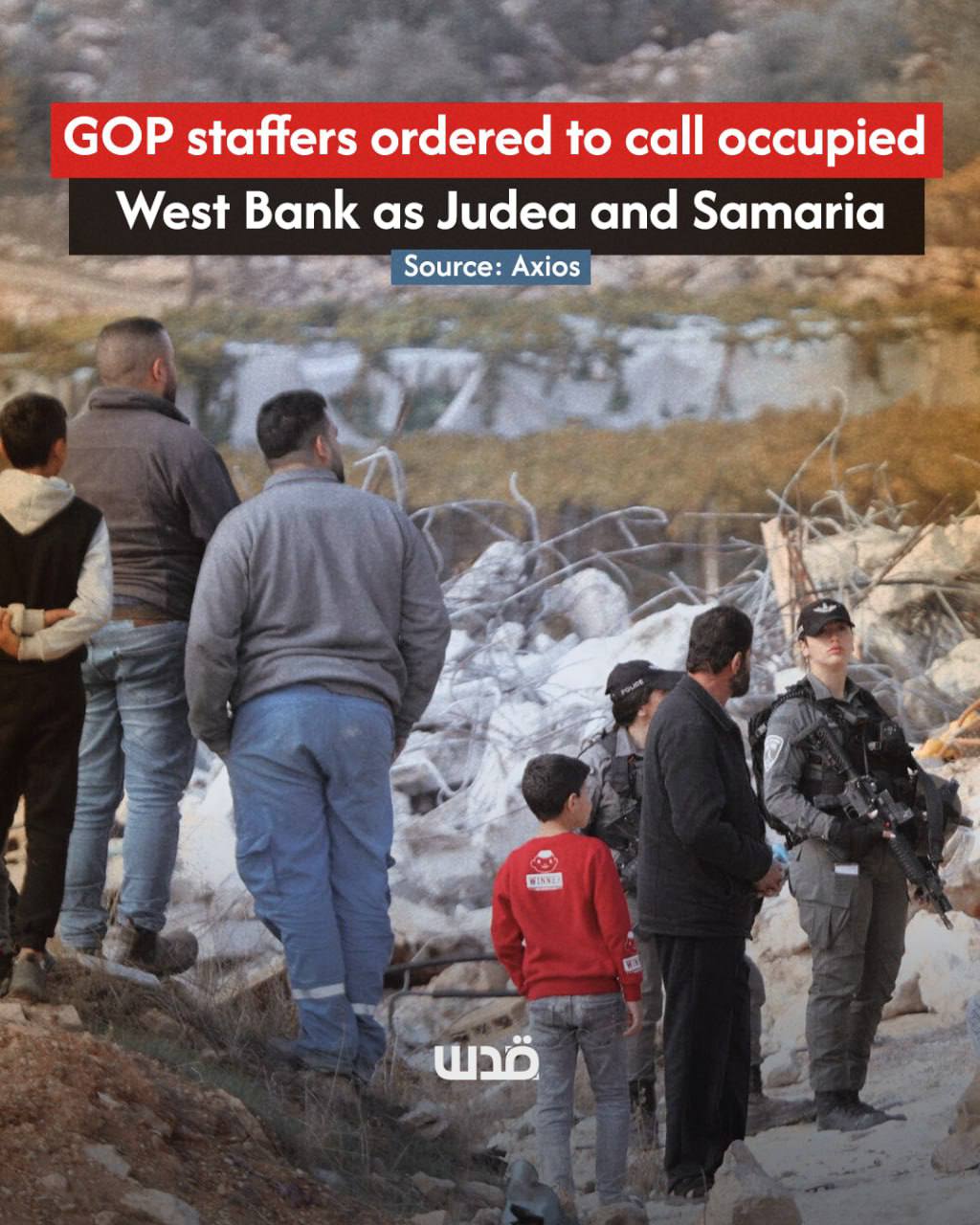
ouse Foreign Affairs Committee Chair Rep. Brian Mast ordered committee staff to refer to the Israeli-occupied West Bank as “Judea and Samaria,” according to a copy of an internal committee memo obtained by Axios.

Mast wrote that “in recognition of our unbreakable bond with Israel, the House Foreign Affairs committee will, from here forward, refer to the West Bank as Judea and Samaria in formal correspondence, communication and documentation.”

Continue reading
Microsoft Fires Employees For Israeli Complicity

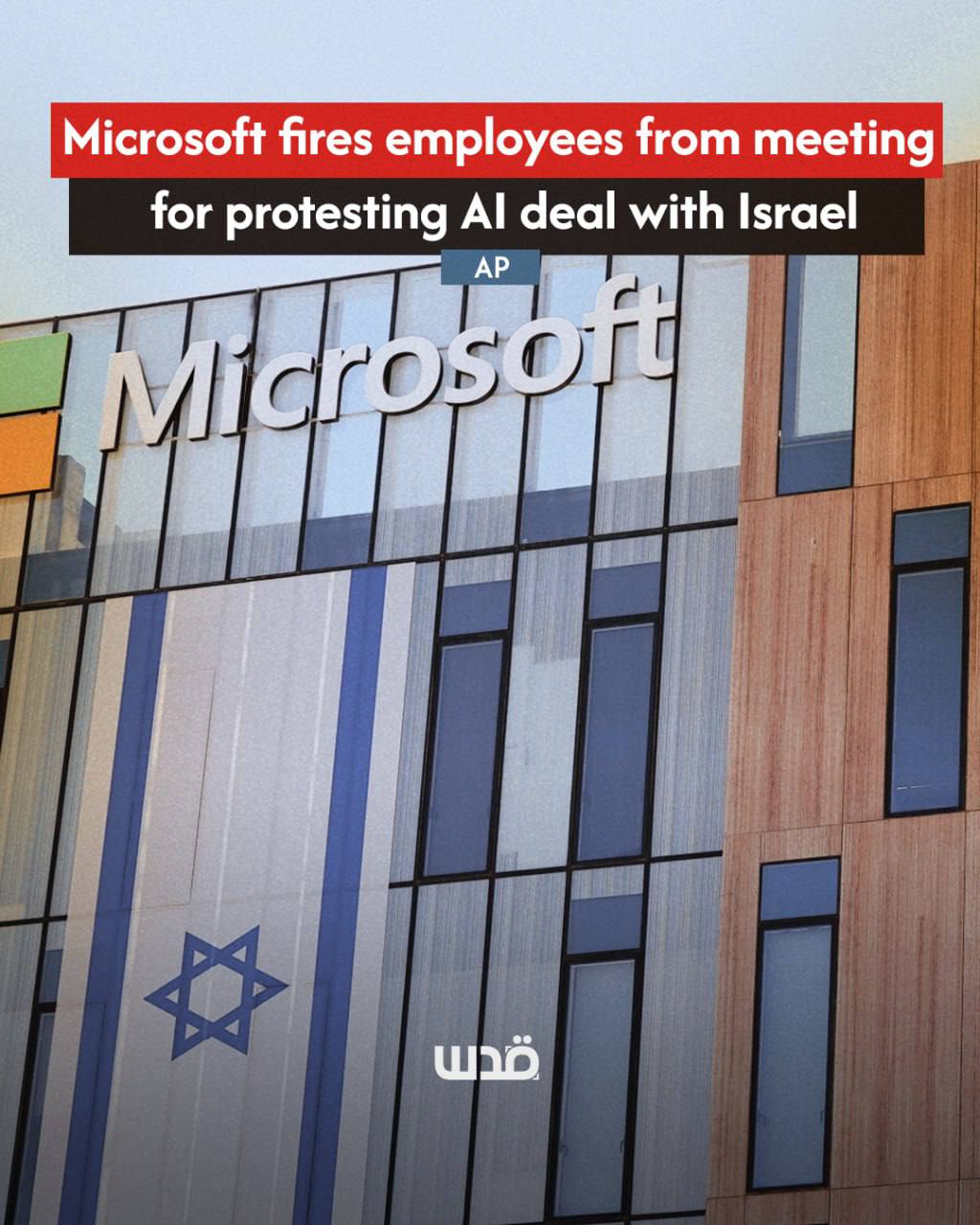
Tech giant Microsoft removed five employees from a live meeting after they had protested the company’s complicit in the Israeli crimes and its contract with the Israeli army, AP reported.

They protested for providing artificial intelligence and cloud computing services to the Israeli army, which it used to target civilians in war-torn Gaza.

It came after an investigation by AP found that an AI models from Microsoft and Open AI had been used in Israel’s military actions in Gaza.

Continue reading
Israeli Jailers Poured Acid on Me Says Released Prisoner Abu Tawila

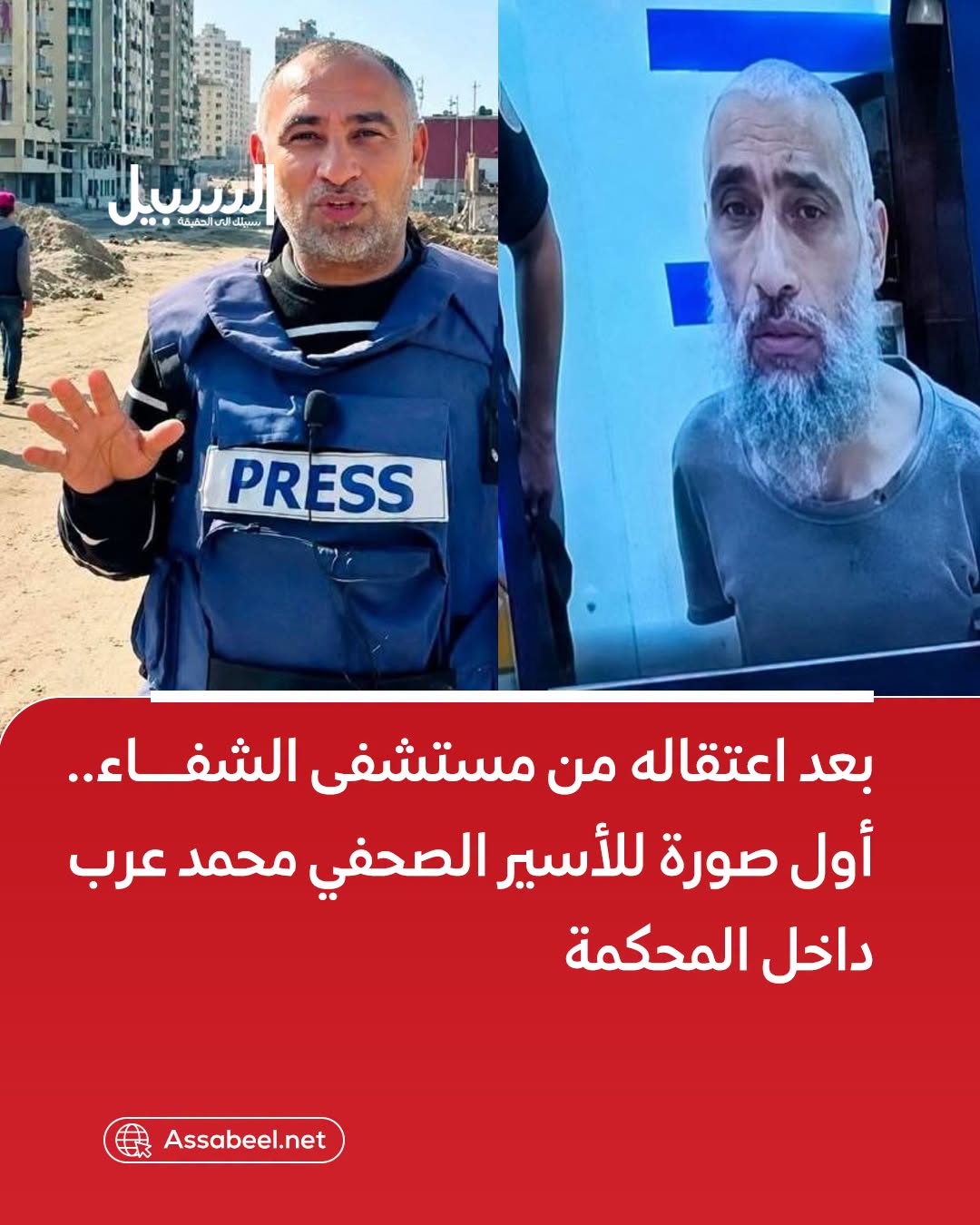
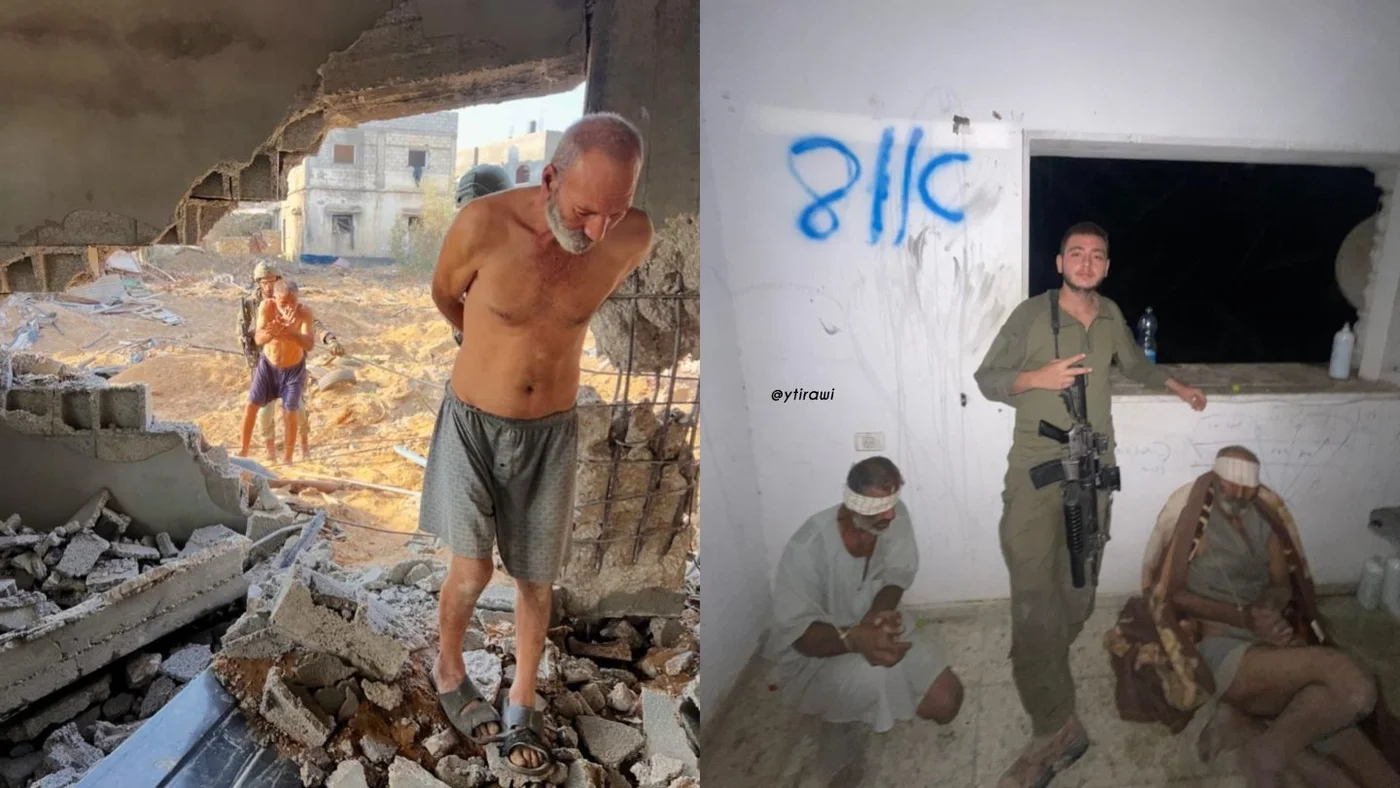
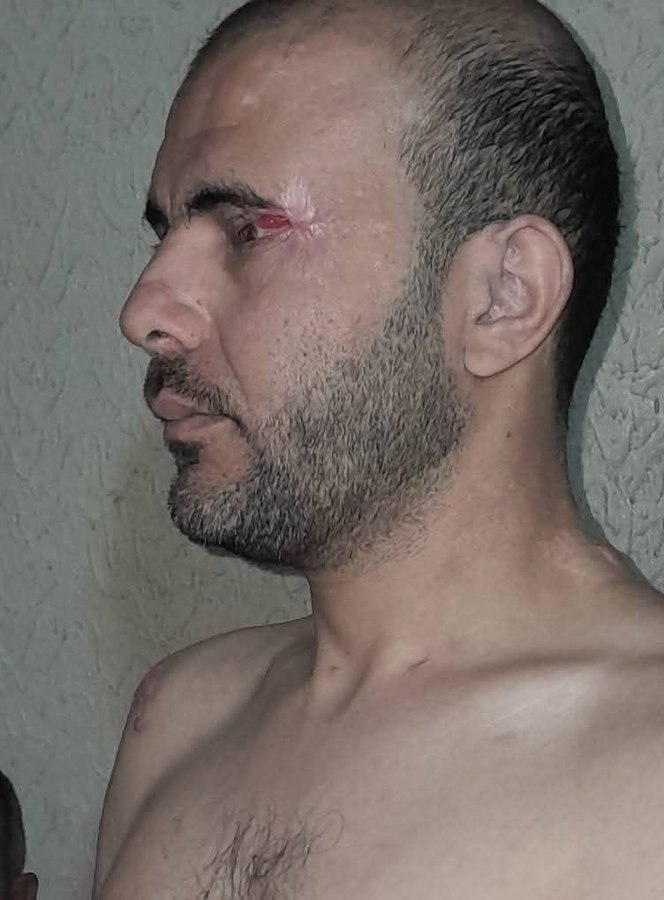
Mohammed Abu Tawila is one of many Palestinians who went through extreme conditions in Israeli jails. Recently released, Abu Tawila says Israeli jailers poured acid and other chemicals on his body during an interrogation.

Abu Tawila was kidnapped from Gaza and subjected to severe beatings, including punching him in the eye.

He was tortured with chemical substances, including chlorine, dishwashing liquid, laundry detergent, soap, and air fresheners.

“They were ignited on my body for three days.”

“My eye was included [in the torture]. One of them would keep punching me in the eye, while wearing gloves with something tough, that resembled bone,” he recounts.

Abu Tawila would later collapse on the rubble due to the severe beating.

Once the Israeli soldiers saw how his body had reacted to the acid attack and other chemicals, they transferred him to the occupied West Bank.

Abu Tawila remained in the hospital for a few weeks before his transfer to the notorious Ofer military prison.

“Of course, there was also torture in the occupied territories, from beatings, to insults and humiliation, not to mention hunger and sitting in the cold.”

“They [Israeli guards] would release dogs on us, storm in and beat us inside, tie our hands, and take us outside to the prison yards.”

“They would also kick us, causing our faces to swell and bleed,” Abu Tawila recounts.

In a recent post on X, Israel’s far-right politician Itamar Ben Gvir shared a video showing the abuse and humiliation of Palestinians in the Keziot prison, located in the Negev desert.

In the clip, a detainee can be seen kneeling and painting the prison walls, while an Israeli guard stands over him, pointing a weapon in his direction.

Several other prisoners are shown kneeling and facing the opposite wall.

Testimonies also describe regular beatings by guards, extreme overcrowding, humiliation and inadequate hygiene.

In early August 2024, the Israeli rights group B’Tselem accused Israeli authorities of systematically abusing Palestinians in “torture camps,” subjecting them to severe violence and sexual assault.

Human rights organizations say Israel continues to violate all rights and freedoms granted to prisoners by the Fourth Geneva Convention and international laws.

Palestinians subjected to ‘severe torture’ under Israeli detention: Euro-Med

Euro-Med says the terrible health conditions in which Palestinians were released from Israeli prisons indicate a pattern of torture and abuse until the very last moments.

Dozens of Palestinians killed in Israeli detention

In a statement released on Tuesday, the Palestinian Prisoners Society (PPS) said at least 59 Palestinians held by Israel have lost their lives since October 2023.

The PPS said 38 people of the group are from the Gaza Strip.

The PPS accused the Israeli authorities of hiding the death of scores of Palestinian prisoners in detention.

Separately, the Commission of Detainees’ Affairs confirmed that Musab Hani Haniyeh was the latest victim who died in Israeli custody according to PressTV.

Haniyeh, 35, from the southern city of Khan Yunis, was abducted on March 3, 2024. His family said Haniyeh was in good health before his detention.

More than 14,500 Palestinians have been kidnapped by Israeli forces across the occupied West Bank since October 2023. Dozens of them have died in detention in recent months.

Continue reading