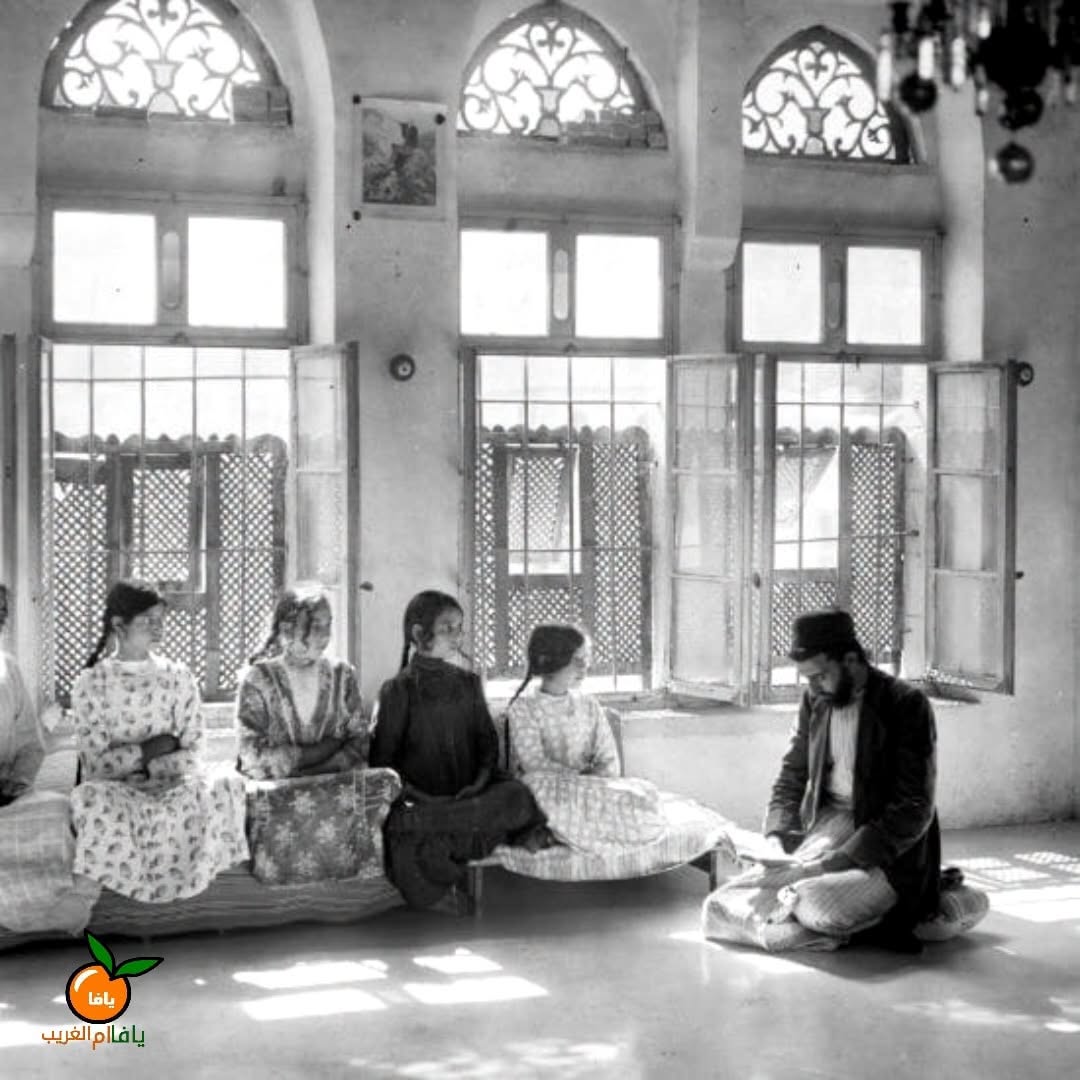
 Palestine in Color Dresses
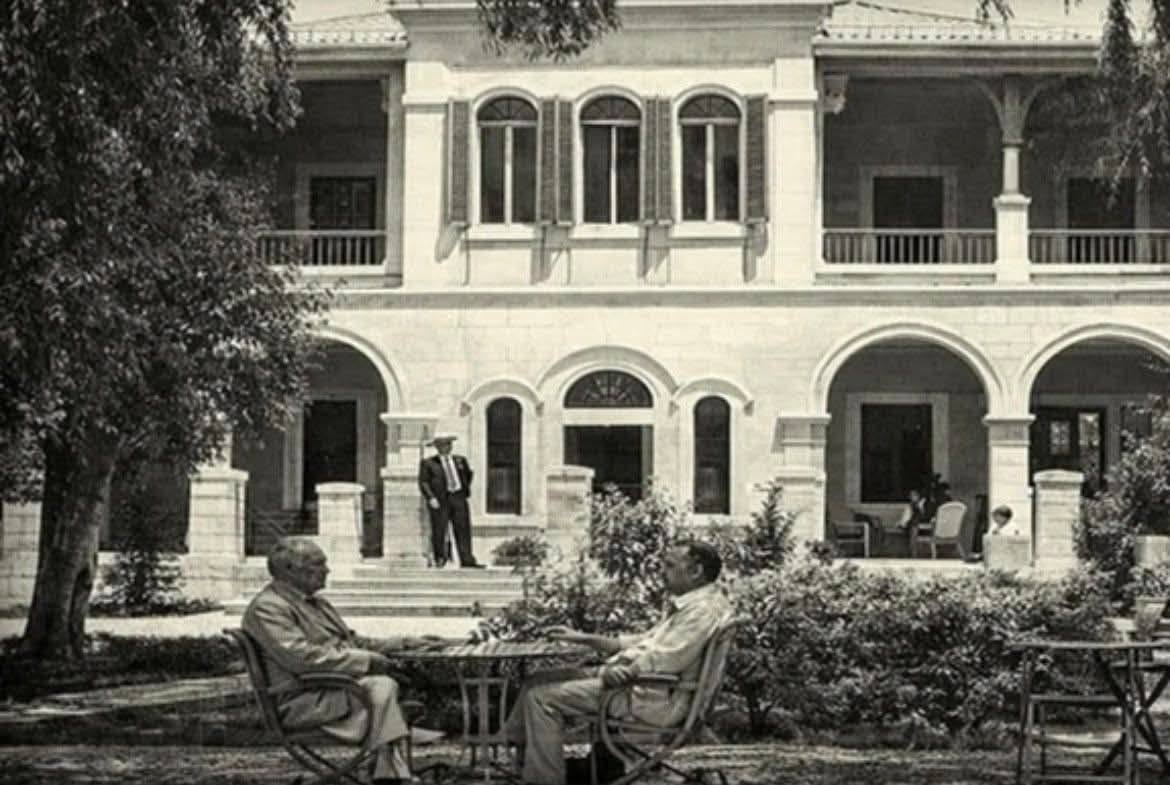
 Khan al-Sultan Stands Proud in Jerusalem
 Christian Wedding in Beit Jala 1940
 Palestinian Photographer Khalil Raad With Family in Early 20th Century
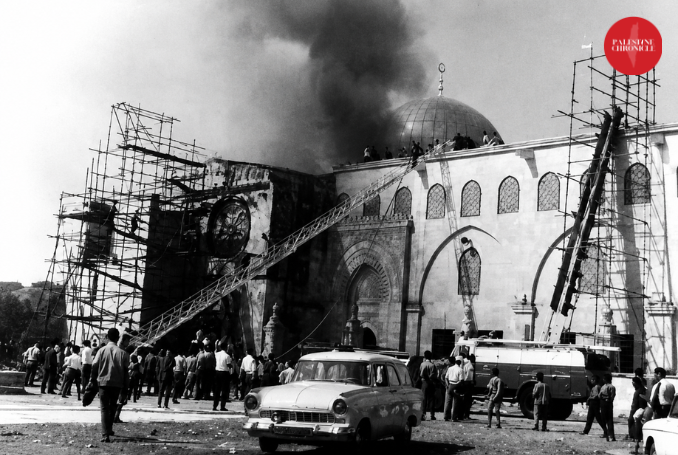 The Day Al Aqsa Was Set on Fire




Palestine in Color Dresses
 CrossFireArabia
- August 22, 2026
 CrossFireArabia
 marwan
 HebaCrossFireArabiaCrossFireArabiaCrossFireArabiaCrossFireArabiaCrossFireArabiaCrossFireArabiaCrossFireArabiaCrossFireArabiaHebaCrossFireArabiaCrossFireArabiaHebamarwanmarwanmarwanmarwanmarwanmarwanCrossFireArabiamarwanmarwan
 Saleem Ayoub QunamarwanCrossFireArabiaCrossFireArabiaCrossFireArabiaCrossFireArabiamarwanCrossFireArabiaCrossFireArabiamarwanCrossFireArabiaHebaCrossFireArabiamarwanCrossFireArabiamarwanHebaCrossFireArabiamarwanmarwanHebaCrossFireArabiamarwanmarwanCrossFireArabiamarwanHebaCrossFireArabiaCrossFireArabiaCrossFireArabiaHebamarwanCrossFireArabiamarwanHebaCrossFireArabiaHebamarwanmarwanCrossFireArabiamarwanmarwanmarwanmarwanmarwanmarwanmarwanmarwanmarwanCrossFireArabiaCrossFireArabiamarwanmarwanCrossFireArabia
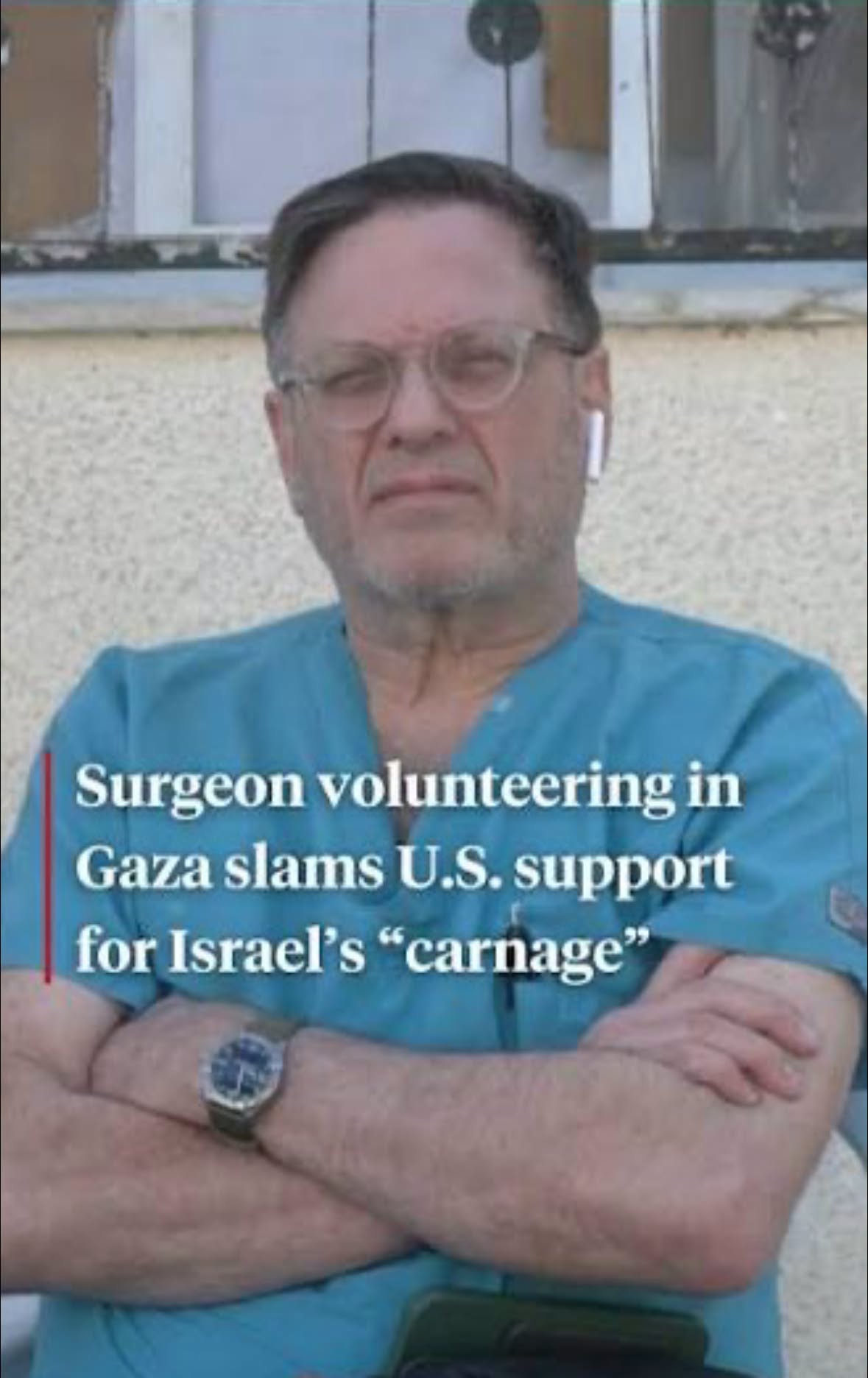
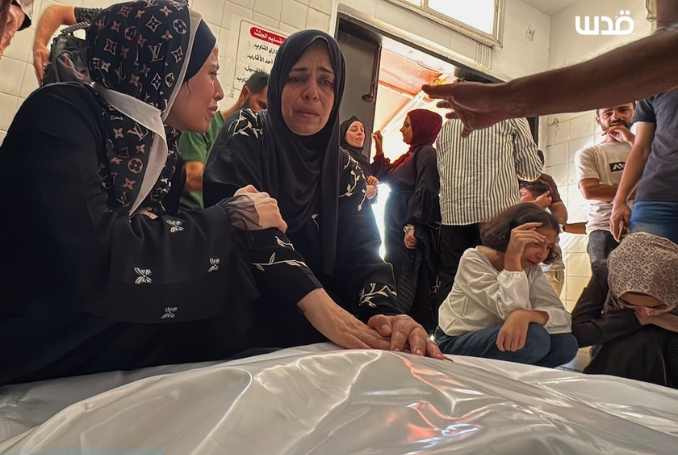
Palestinian women are placed at the center of life, according to Imane Maarifi, a French nurse of Moroccan descent who spoke to Anadolu about her volunteer work in Gaza.
“Palestinians have a deep respect for women. Women are really at the center of life, and you can immediately tell that they have been raised in this respect,” Maarifi said.
She described an unexpected sense of equality, noting that she mostly ate meals prepared by men, with women prioritized in serving, and the men being served afterward, if any food was left.
“I imagined, perhaps, a country with a more dominant patriarchy, but to my great surprise, that wasn’t the case,” she said.
Maarifi also observed that female workers were provided a room with a bathroom, while their male colleagues were assigned to a bare room.
“This was my first time in Palestine, and as a humanitarian worker, I was already received with great respect,” she added.
Maarifi highlighted that women in Gaza struggle to access basic materials, such as sanitary pads, while mothers always prioritize their children in all circumstances.
“What I saw among women there were mothers who couldn’t bathe every day because they preferred to use the water to bathe their children,” she said.
She also pointed to the “dire” food situation in Gaza, where constant rice consumption has led to severe digestive problems.
Maarifi noted that when mothers had access to fiber-based foods and dietary aids, they prioritized giving them to their children first.
“Of course, a mother always has that instinct, but in Gaza, under genocide, it becomes even stronger. They completely lose their sense of personal priorities — their only priority is their children,” she added.
She further emphasized that women are celebrated every day in Gaza.
“In Gaza, March 8 happens every day. Women are truly honored every single day. Maybe in the West, we should learn from them,” Maarifi concluded.
CrossFireArabia
This is what Sami Al Arian, a Palestinian professor and activist wrote on his X account:
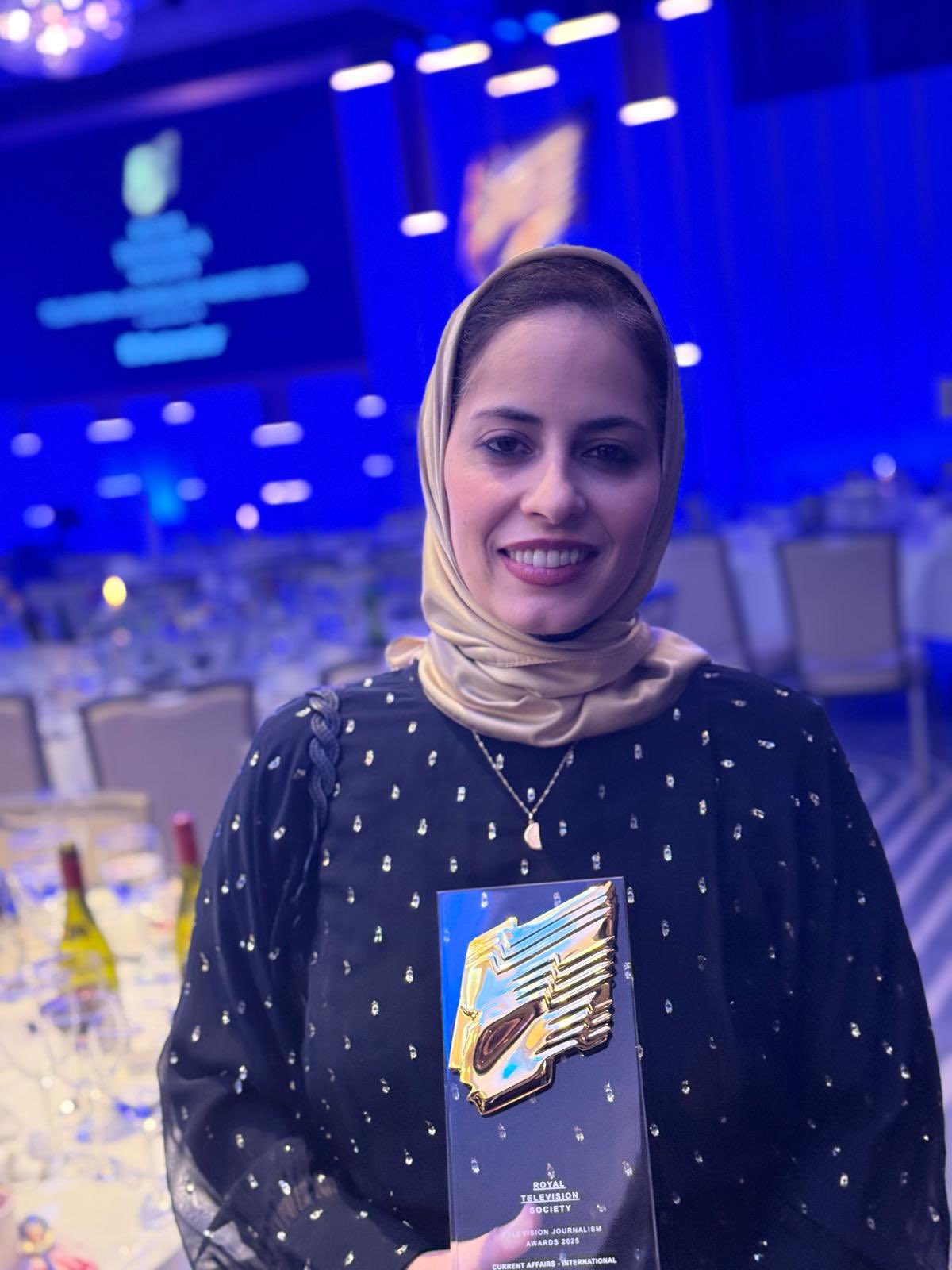
Very proud of my daughter Laila. She is the Executive Producer of Al Jazeera English Flagship ‘Fault Lines.’ Last night, she and her team won the 2025 best documentary award from the ‘Royal Television Society’ in London. The documentary was on the Gaza genocide and titled ‘The Night Won’t End.’
Congratulations to Laila and her team! May the suffering of Gaza and its valiant people end soon. Here is the link to this very powerful documentary.
CrossFireArabia
By Jamal Kanj
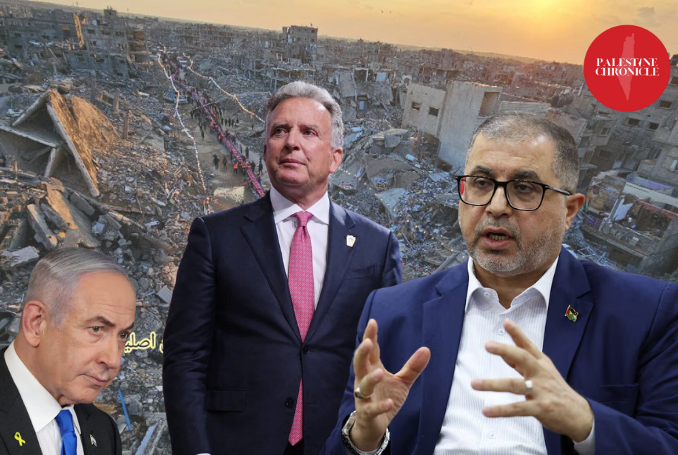
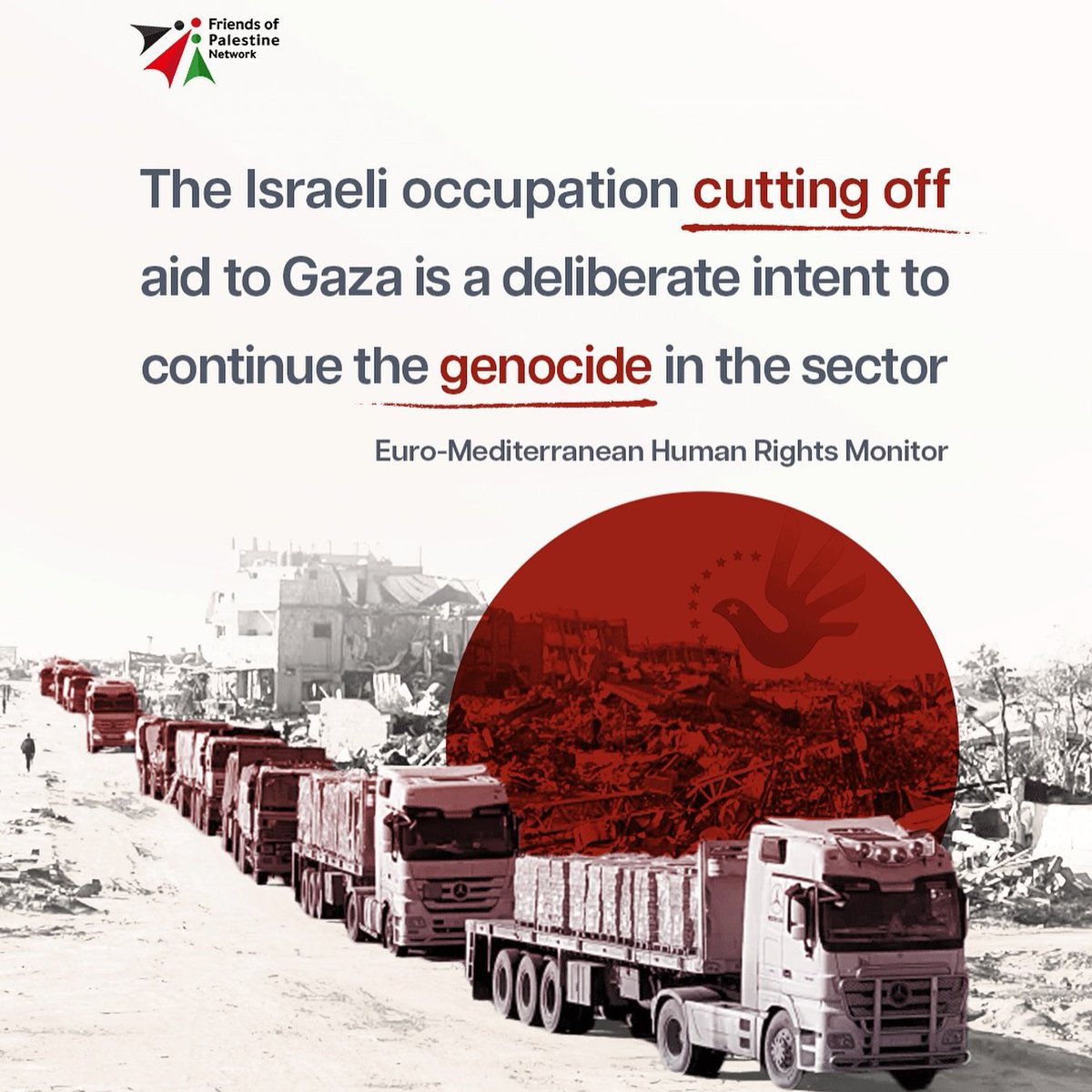
Netanyahu’s manipulation of the ceasefire agreement and US complicity in extending phase one reveal Israel’s ongoing strategy to delay peace and continue its genocidal actions against Palestinians.
The three-phase ceasefire agreement between Israel and the Palestinian Resistance, while offering a fleeting glimmer of hope for ending Israel’s genocidal assault on Gaza, was never likely to succeed. Benjamin Netanyahu’s decision to break the ceasefire by blocking food and medical aid from entering Gaza—furthering war-crime starvation—was not a matter of “if” but “when.”
The ceasefire agreement was carefully designed to be implemented in three distinct phases, each to be implemented sequentially, with the oversight and verbal guarantees from the three key mediators: the United States, Qatar, and Egypt.
The integrity of the agreement hinges on the mediators’ ability to ensure that all parties remain fully committed to honoring its terms. Otherwise, what credibility would the mediators’ signatures or the mediation process hold if Netanyahu could simply demand to renegotiate an agreement that took at least 8 months to finalize?
Netanyahu is leading negotiations on two conflicting fronts: one with the Resistance to exchange Israeli captives for Palestinian hostages held in Israeli dungeons, and second with the racist warmonger’s wing in his government.
In preparation to break the agreement, and to placate his warmonger ministers, Netanyahu changed the negotiating team for phase two by replacing the heads of Mossad and Shaback with his alter ego, Ron Dermer, minister of strategic affairs. Dermer, who during a war cabinet meeting in mid-October 2023, told US Secretary of State, Anthony Blinken, “There won’t be a humanitarian crises [sic] in Gaza if no civilians are there.”
Talks for the second phase were scheduled to start the first week of February, but Israel did not show up at the negotiation table. In a desperate bid to buy time and secure American support, Netanyahu dispatched Dermer to Washington over a week ago. His mission: to sell the idea of renegotiating the current agreement and extend the first phase.
This tactic is emblematic of Netanyahu’s broader strategy— exploiting diplomatic engagements to maintain the status quo, buying time and maximizing the number of released Israeli captives by extending phase one before finishing his genocide war and ethnic cleansing in Gaza.
The timing is no coincidence. With growing international scrutiny mounting over Israel’s genocide in Gaza and the West Bank, Netanyahu is investing in Washington’s habitual deference to Israeli demands. By stalling negotiations, Netanyahu hopes to delay difficult political reckonings required in phase two, mainly ending the Israeli blockade and aggression on Gaza.
The Trump administration complied with Netanyahu’s request, pledging to dispatch its Middle East special envoy, Steve Witkoff, to renegotiate the current ceasefire agreement and floating an Israeli demand to extend phase one for an additional 50 days. Trump’s decision to heed the Israeli prime minister’s request so swiftly only serves to validate Netanyahu’s view of the US when he was caught on tape back in 2001 saying that “America is a thing you can move very easily.”
By acquiescing to Netanyahu’s maneuvering, Trump not only reinforced this perception but also risked undermining his own standing as a world leader. The pattern of deference to Israeli interests continues to resonate as a stark reflection of the bizarre dynamics in US-Israel relations, where America’s Middle East foreign policy is exclusively franchised to Israel and its Washington Jewish lobby.
Netanyahu’s latest scheme is a reminder that as long as Washington remains willing to be “moved” at Israel’s convenience, meaningful progress toward peace will remain unattainable. Rather than acting as an impartial mediator, the US continues to function as a complicit enabler, reinforcing the very power imbalances that perpetuate Israeli depravity and Palestinian adversity.
In endorsing Netanyahu’s demand to renegotiate the existing agreement rather than negotiating an end of war in phase two, the Trump administration is effectively empowering Netanyahu’s prevarications. This allows Israel to prolong Palestinians’ suffering while appearing to engage in negotiations. In reality, the extension serves as a tool for Netanyahu to consolidate his power amid domestic political turmoil, neutralize international pressure, and further cement Israel’s occupation and apartheid policies.
By backing Netanyahu’s decision to halt humanitarian aid to Gaza—Trump, much like his predecessor—kowtows to Netanyahu’s wishes. America’s willingness to leverage its global influence in service of Israel is a major factor in the increasingly rigid Israeli position, enabling a racist Jewish government more invested in maintaining the status quo than in seeking genuine peace. Israeli intransigence is not merely an oversight—it is a deliberate policy intended to maintain Palestinian dispossession, statelessness, and subjugation.
Israel has also violated the ceasefire agreement with Lebanon by failing to fully withdraw from Lebanese territory within the 60-day timeframe stipulated under the American and French-mediated agreement. Additionally, it has breached the decades-old ceasefire treaty with Syria, launching countless air raids and occupying the buffer zone and army positions along the border.
Israel’s willingness to violate every agreement it signs is not a failure of diplomacy—it is a direct result of enabling a war criminal who has shown time and again that his only path forward is through bloodshed. If the international community truly seeks an end to this genocide, it must stop treating Netanyahu as a legitimate partner in peace and start holding him accountable for his crimes.
By denying Palestinians their agency and as long as Washington remains beholden to an Israel-centric foreign policy—shaped by doomsday messianic Christians and the Jewish lobby—Tel Aviv will continue to perpetuate repression, sustain aggression, and ensure the failure of phase two.

– Jamal Kanj is the author of “Children of Catastrophe,” Journey from a Palestinian Refugee Camp to America, and other books. He writes frequently on Arab world issues for various national and international commentaries. He contributed this article to The Palestine Chronicle
CrossFireArabia
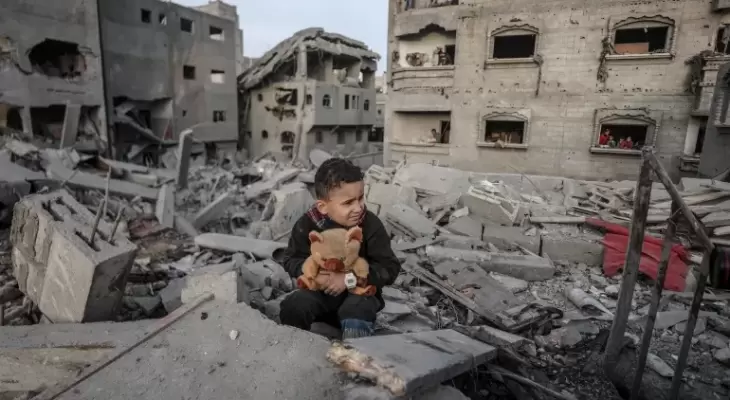
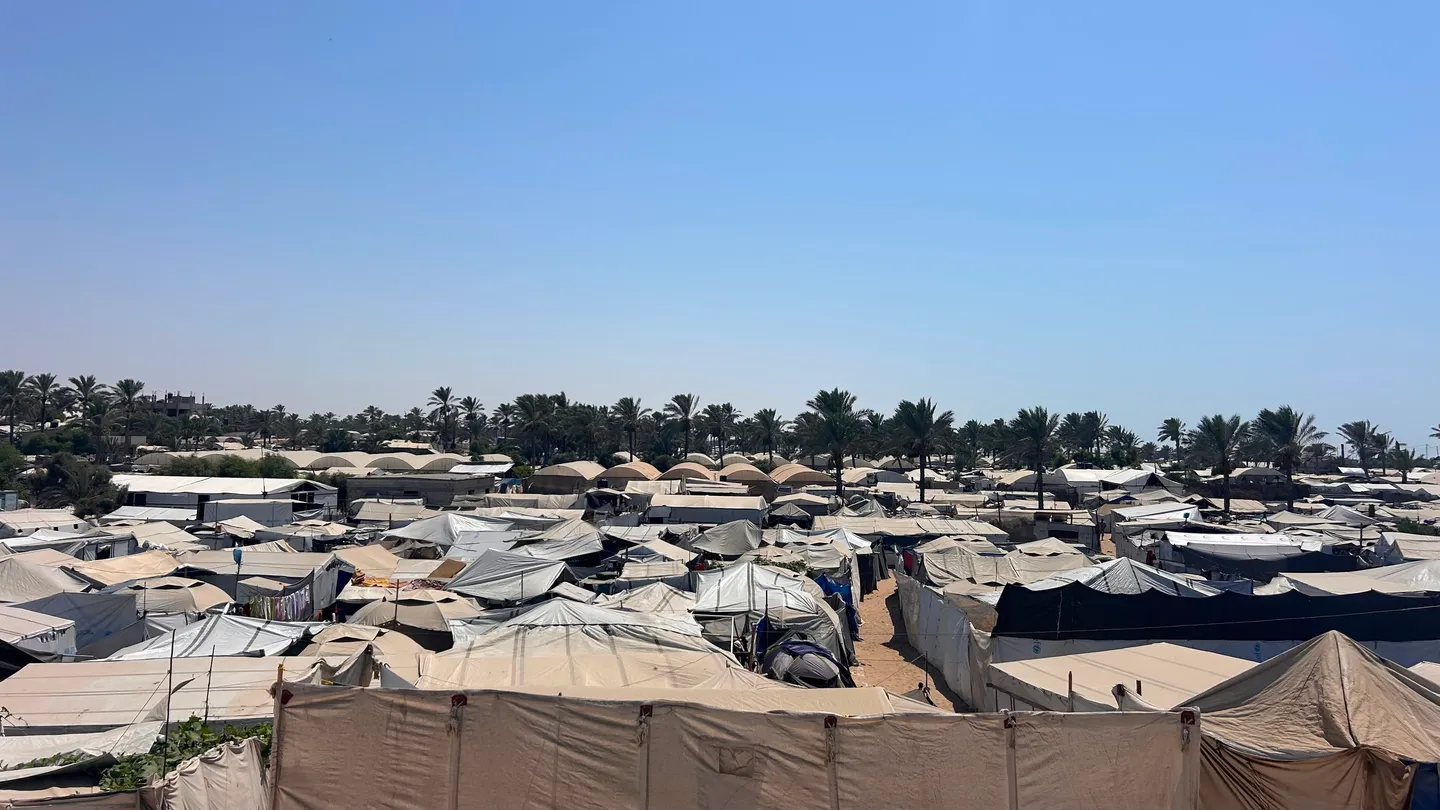
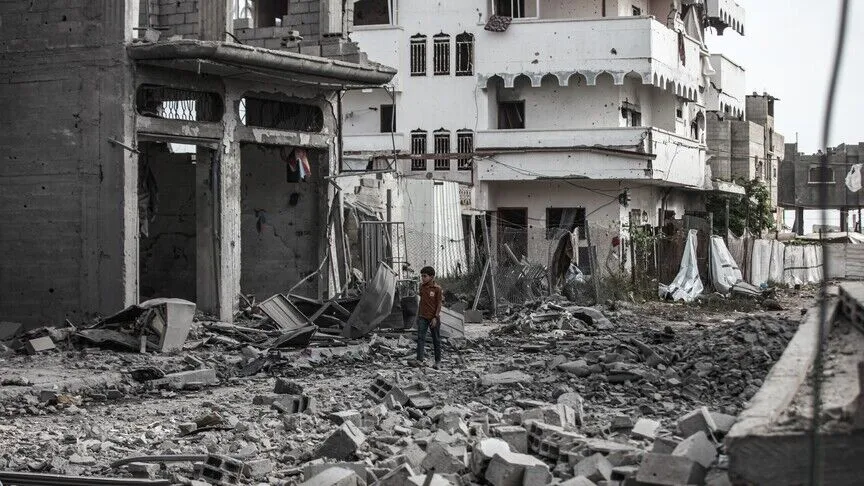
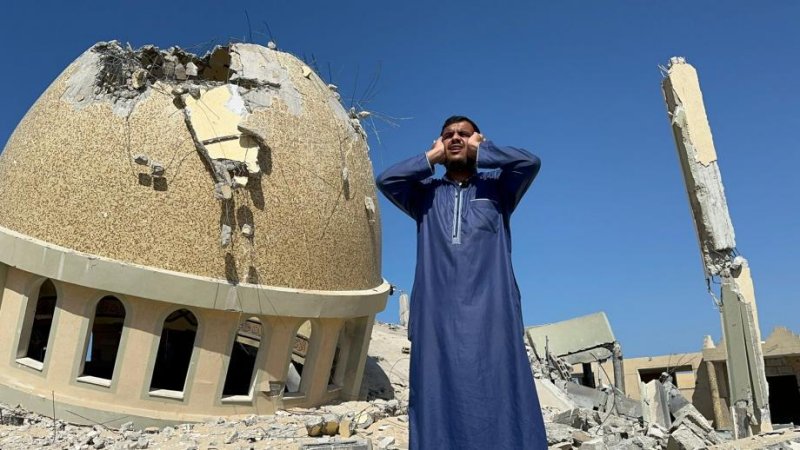
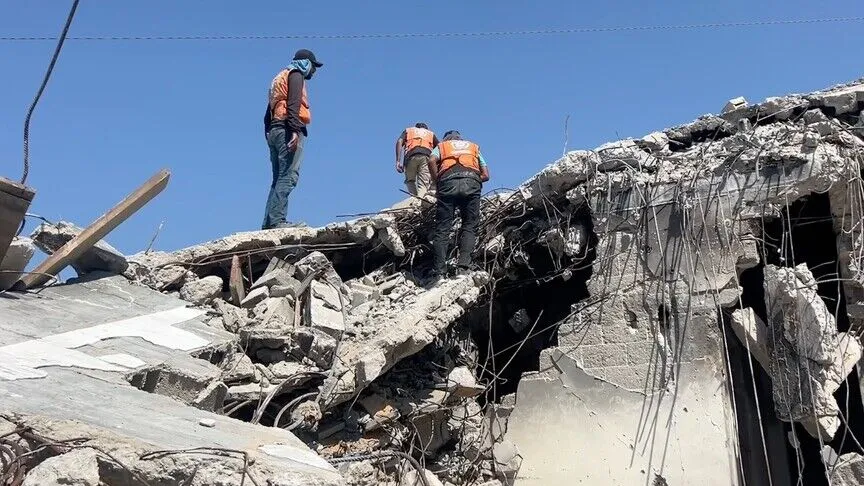
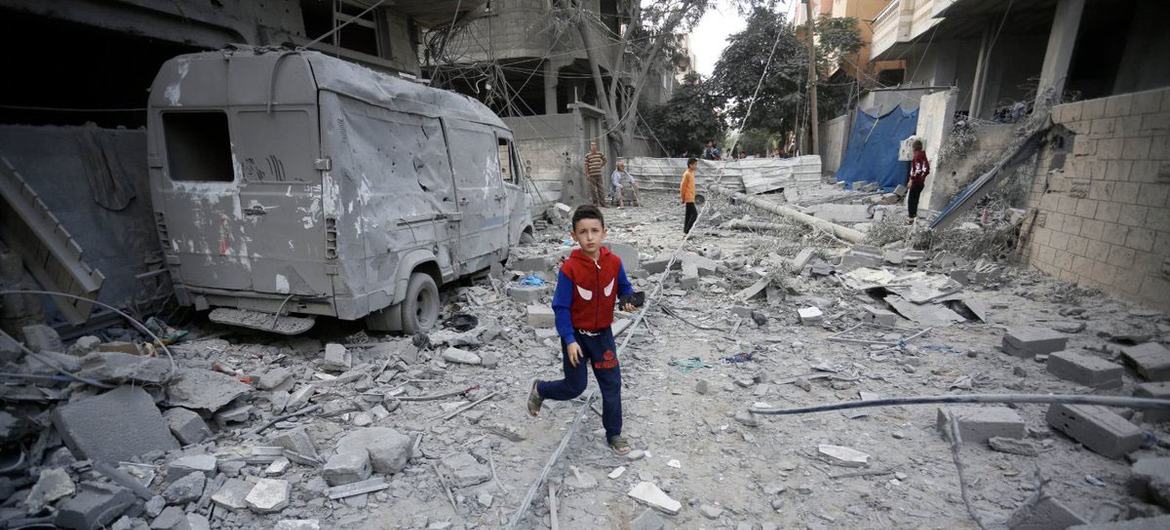
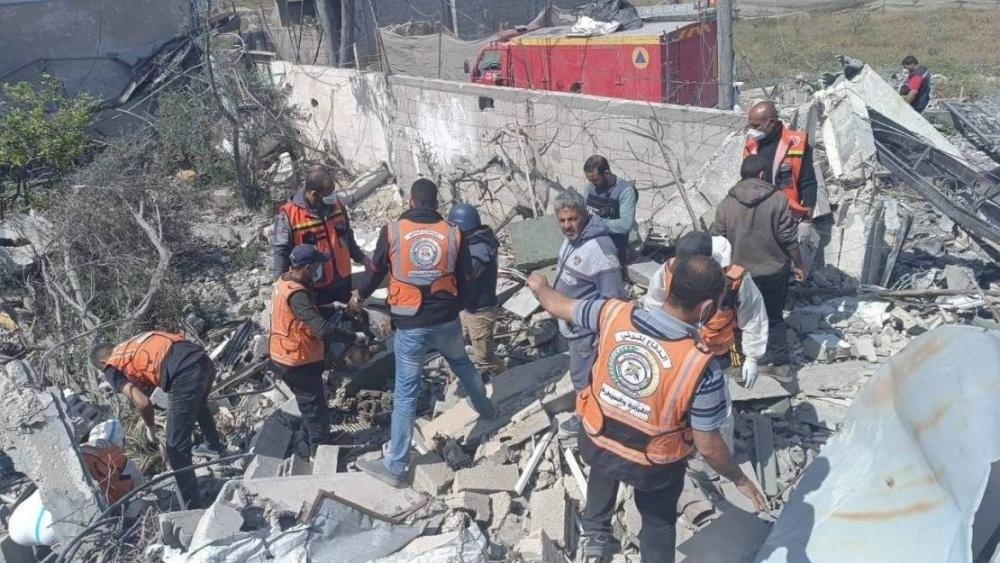
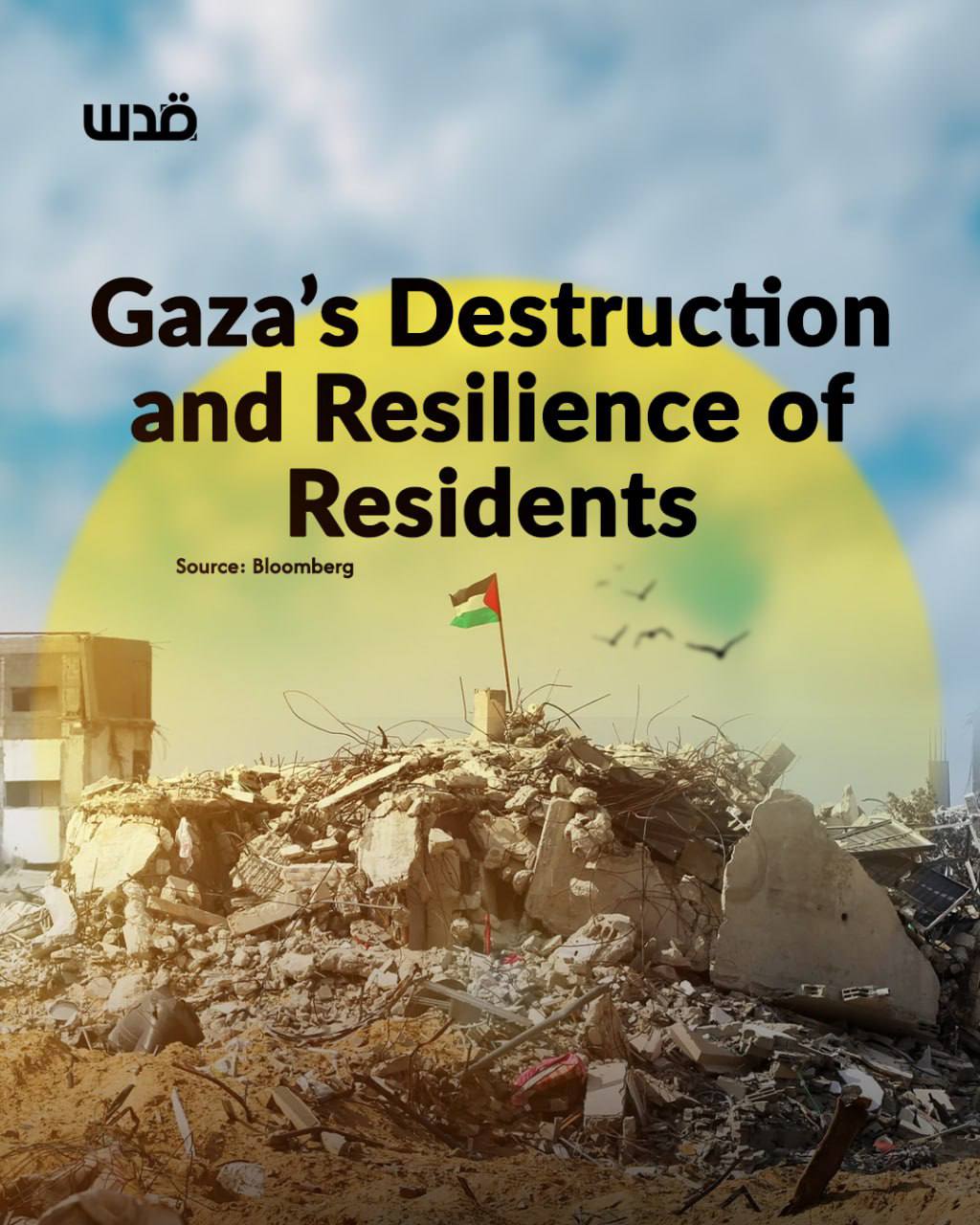
A recent Bloomberg investigation using satellite imagery of Gaza has revealed widespread devastation across all aspects of life in the region. Despite the immense destruction, the resilience of the Palestinian people continues to stand strong in the face of such adversity.