Health Crisis: 18,000 Await to Leave Gaza
 CrossFireArabia
- April 19, 2026
The Palestinian Red Crescent Society stated, Sunday, that only 700 patients were able to depart the Gaza Strip, to receive outside health care as of last 2 February, 2026 when the Rafah Crossing was partially opened.
The PRCS added that more than 18,000 patients and those that are injured are still waiting for permission to leave for medical reasons, amidst tight Israeli restrictions.
Raed Al Nims, PRCS spokesman told “Sawt Falestine” the current pace of evacuation is “very slow and does not match the growing needs,” whilst warning that the health crisis in the sector is worsening.
He added about 700 patients left the Gaza Strip for treatment, while more than 18,000 wounded and sick individuals are awaiting urgent medical care.
Al-Nims explained thousands of critical cases are at risk of death due to the lack of medical resources, adding: “Lives are at stake, and some patients have already died while waiting on long waiting lists due to the absence of life-saving medical services.”
He clarified that patient selection is based on medical criteria that takes into account the severity of their condition, but procedures related to security approvals delay their departure, exacerbating their health problems.
This comes amidst Israel’s control over the Gaza Strip crossings, including the Rafah crossing on the Palestinian side, while it continues to occupy more than 50 percent of the Strip’s area. This further restricts the movement of patients and limits their access to treatment outside Gaza.
Al-Nims called on the international community to intervene urgently to ensure the permanent opening of the crossings and to keep medical cases separate from any political or security considerations, while also stressing the need to provide safe and sustainable corridors for medical evacuations.
Since the reopening of the Rafah Crossing, Palestinians returning to Gaza have reported as being subjected to Israeli mistreatment, including detention and harsh interrogations lasting for hours, before being allowed to continue their journey into the Strip.
Before the war, hundreds of Palestinians left Gaza daily through the crossing, and hundreds more returned to the Strip in a normal flow of traffic. The crossing’s operations were managed by the Gaza Interior Ministry and the Egyptian authorities, without Israeli interference.
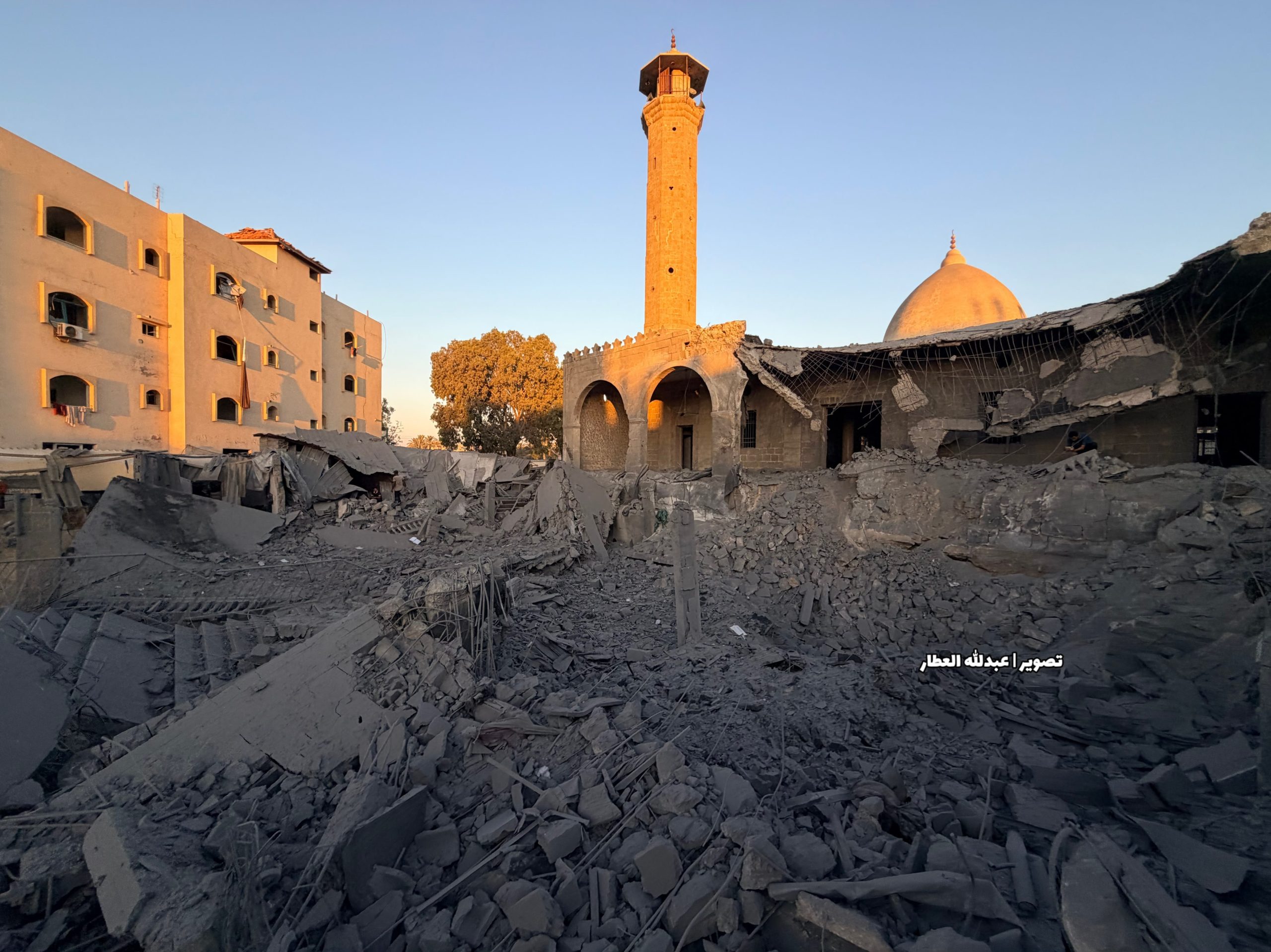
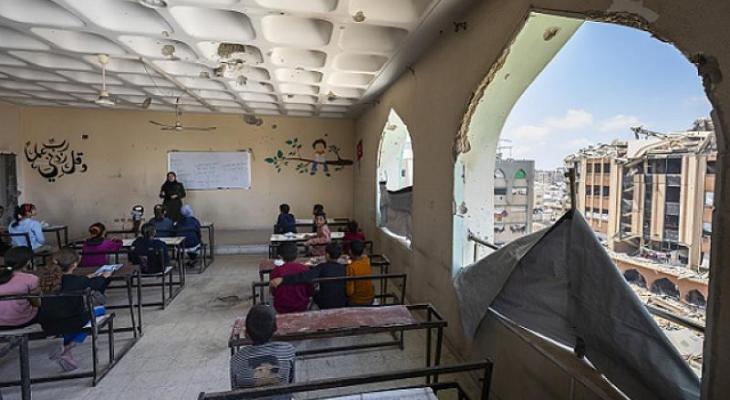
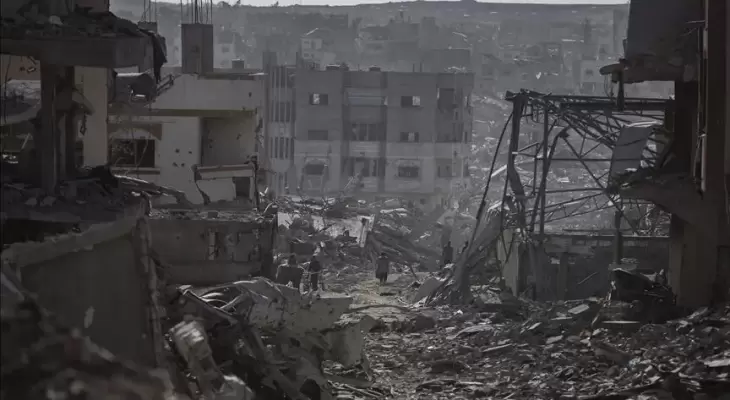
With American support, Israel launched a two-year war of genocide against Gaza on October 8, 2013, leaving more than 72,000 Palestinians dead and over 172,000 wounded, most of them children and women, and destroying 90 percent of the civilian infrastructure.
Despite the ceasefire agreement in effect since October 10, Israel continues its campaign of genocide through a persistent siege and daily bombardments, resulting in the deaths of 773 Palestinians and injuries to 2,171 others, mostly children and women, in addition to widespread material destruction. Israel is also preventing the entry of agreed-upon quantities of food, medicine, medical supplies, shelter materials, and prefabricated homes into Gaza, where some 2.4 million Palestinians, including 1.5 million displaced people, live in catastrophic conditions. Anadolu