Holocaust Survivors Against The Gaza Genocide
 CrossFireArabia
- July 20, 2026
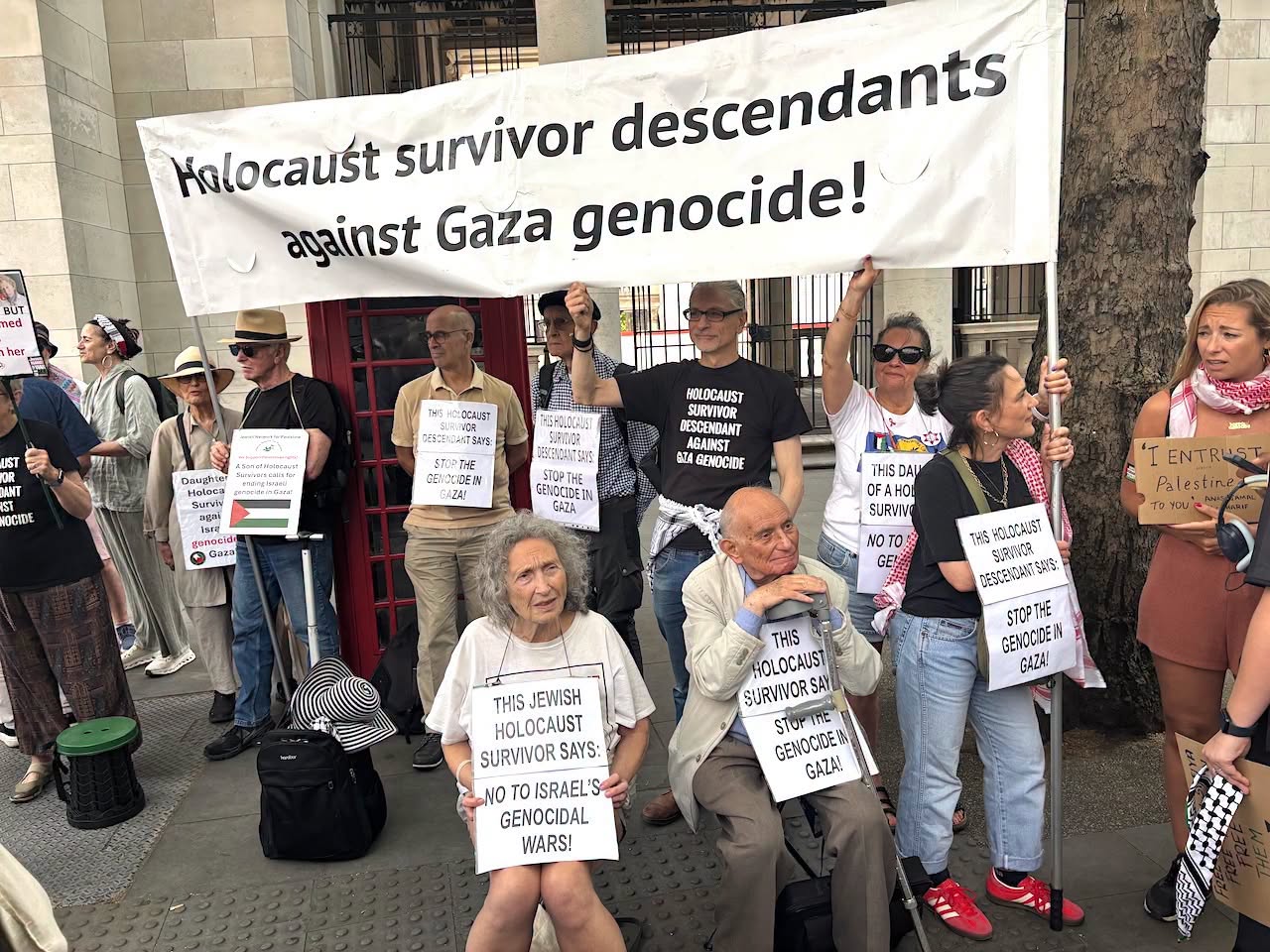
Holocaust survivors against the Gaza genocide -> Sunday, on the latest National March for Palestine in London, this particular group of campaigners, Holocaust Survivors and Descendants against the Gaza Genocide, highlighted, as they always do, the absolute hypocrisy of any Jewish people anywhere supporting Israel’s ongoing genocide of the Palestinians of the Gaza Strip.
The group includes two child Holocaust survivors, Stephen Kapos and Agnes Kory, seated in the centre of the photo, and numerous other descendants of Holocaust survivors, and their message is irrevocably powerful.
They condemn Israel’s ongoing genocide in the Gaza Strip, they compare their own experiences of Nazi oppression to the oppression currently inflicted on the Palestinians, they believe that “Never again” means “Never again for anyone”, and they take part in every protest to actively counter claims that the pro-Palestine marches are inherently antisemitic or represent “no-go zones” for Jewish people.
See the 25-minute documentary about the group, “Gaza it Rhymes With Me”, here: https://www.youtube.com/watch?v=CRtbBnHDSjM
Read the evidence they gave to the UK’s Foreign Affairs Committee here: https://committees.parliament.uk/writtenevidence/133248/pdf/
And see here for an international list of Jewish survivors and descendants of survivors of the Nazi genocide who “unequivocally condemn the massacre of Palestinians in Gaza and the ongoing occupation and colonization of historic Palestine”: https://www.ictuni.org/…/full_page_b_tel_final_final.pdf
Palestine Enigmatic
- CrossFireArabia
- July 20, 2026
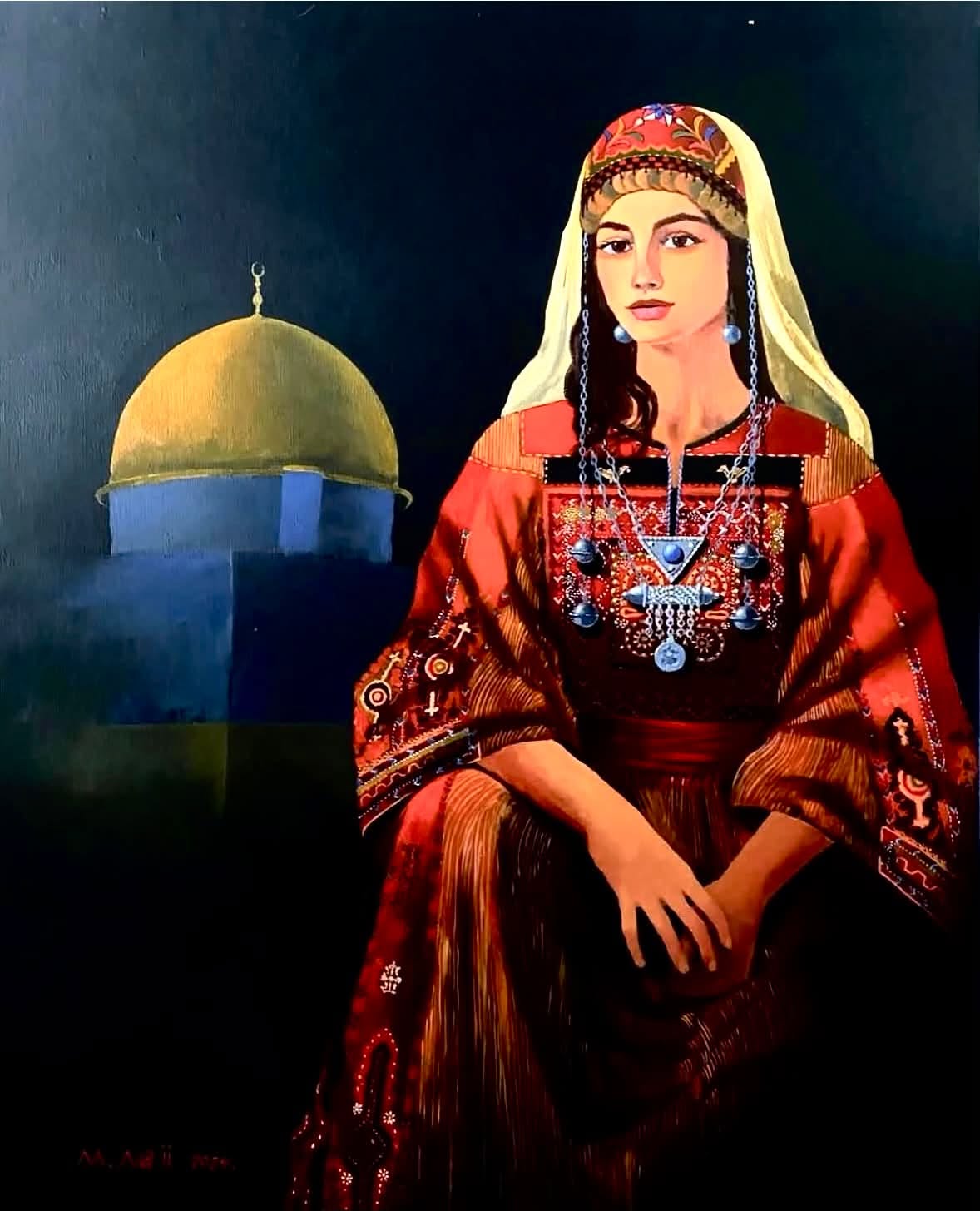
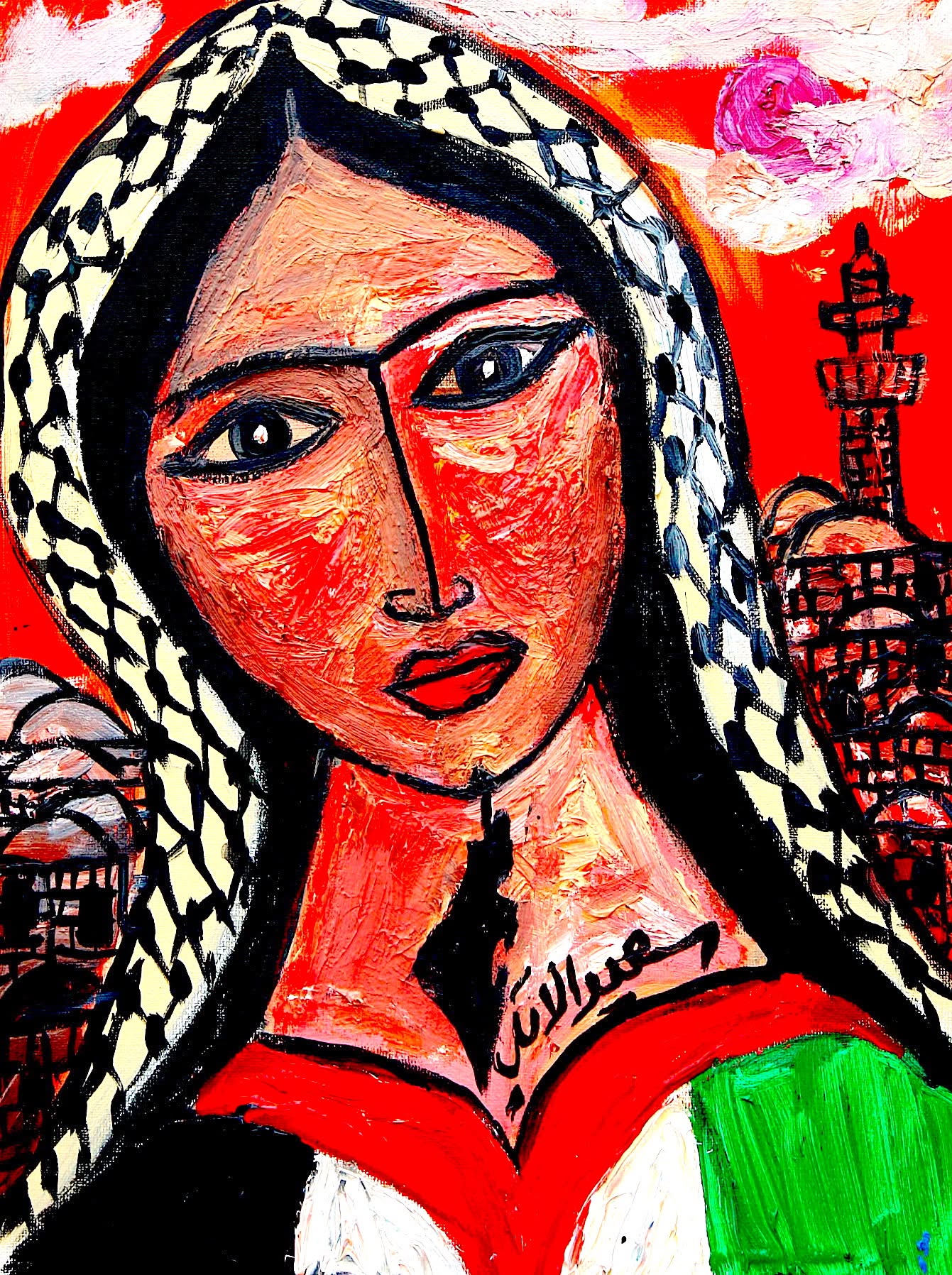
Said Elatab writes: My painting “The Sad Woman from Palestine ” in abstract expressionism in all color with Palestinian flag.
Said Elatab paints with such force and power. His paintings are rich and enigmatic, telling a story of oppression and injustice. To add visual uniqueness, he uses color in such a dramatic way to drive home his point of view. Consequently his art keeps the onlooker in awe, captivated and in perilous wonder. He is a unique painter of realistic imagination.
Unprecedented: More Israelis Targeted in World Than Ever
- CrossFireArabia
- July 20, 2026
Reports in the Israeli media reveals that there is a significant increase in complaints from Israeli travelers about being assaulted, spat on, verbally abused, refused service, and expelled from hotels and restaurants because of their visible Israeli identity.
The Hebrew news site Ynet reported that the Israeli Foreign Ministry is today observing a disturbing phenomenon, almost unknown on this scale in previous years, of Israelis abroad seeking assistance after being targeted in anti-Israel incidents.
The report added that between July 2025 and July 2026, 45 Israelis who experienced hostile incidents abroad required assistance and support from the ministry’s Israelis-in-Distress Administration.
Foreign Ministry officials stated that this number was virtually nonexistent in previous years and reflects the changing reality faced by Israelis worldwide since the outbreak of war.
The incidents included assaults, fights, spitting, verbal abuse, refusal to provide service, expulsion from hotels, cafes, and restaurants, and instances where Israelis felt threatened. “Over the past year, we have witnessed a phenomenon on a scale we have never encountered before: Israelis are contacting us after experiencing hostile incidents while abroad,” said Eliyahu Yifrach, Deputy Director General for Consular Affairs at the Israeli Foreign Ministry.
The website noted that between January and mid-July 2026, the Foreign Ministry received thousands of calls from Israelis worldwide seeking assistance after being attacked.
A total of 3,611 cases were referred to the Department of Israelis Abroad by the Foreign Ministry’s operations room, compared to 2,500 cases in 2025, all involving Israelis abroad.
Israelis are targeted because of their identity. Yifrach said the 2026 figures reflect both the continued increase in the number of Israelis traveling abroad and the complex security situation since the outbreak of war.
He said that emergency events, including Operation Lion’s Roar (the attack on Iran) and other regional crises, led to a significant increase in the number of requests for assistance the ministry dealt with.
Meanwhile, officials noted an increase in hostility and antagonism directed against Israelis abroad.
“In several countries, there have been reports of Israelis being identified because of their identity or outward Israeli characteristics and targeted with harassment, threats, and even physical assaults,” Yifrach said.
Distress calls from unfamiliar destinations
The Hebrew website noted that since the beginning of the year, the Foreign Ministry has also received distress calls concerning Israelis in countries not typically associated with large numbers of Israeli travelers.
These cases included 56 in Egypt, 45 in Turkey, 41 in Ukraine, 37 in Jordan, 33 in Japan, 13 in Morocco, and 12 in Oman, which does not have diplomatic relations with Israel.
The ministry also dealt with nine cases in the Seychelles, six in Indonesia, four in Malaysia, two in Bahrain, two in Iraq, two in Saudi Arabia, and two in Cuba, noting that Israel has no diplomatic relations with Indonesia, Malaysia, Saudi Arabia, or Oman.
He added that the escalating attacks on Israeli travelers have added a new dimension to the consular workload of the Israeli Foreign Ministry, with officials warning that Israeli travelers are increasingly being targeted not only because of their location but also because of their identity, as reported in Quds Press.
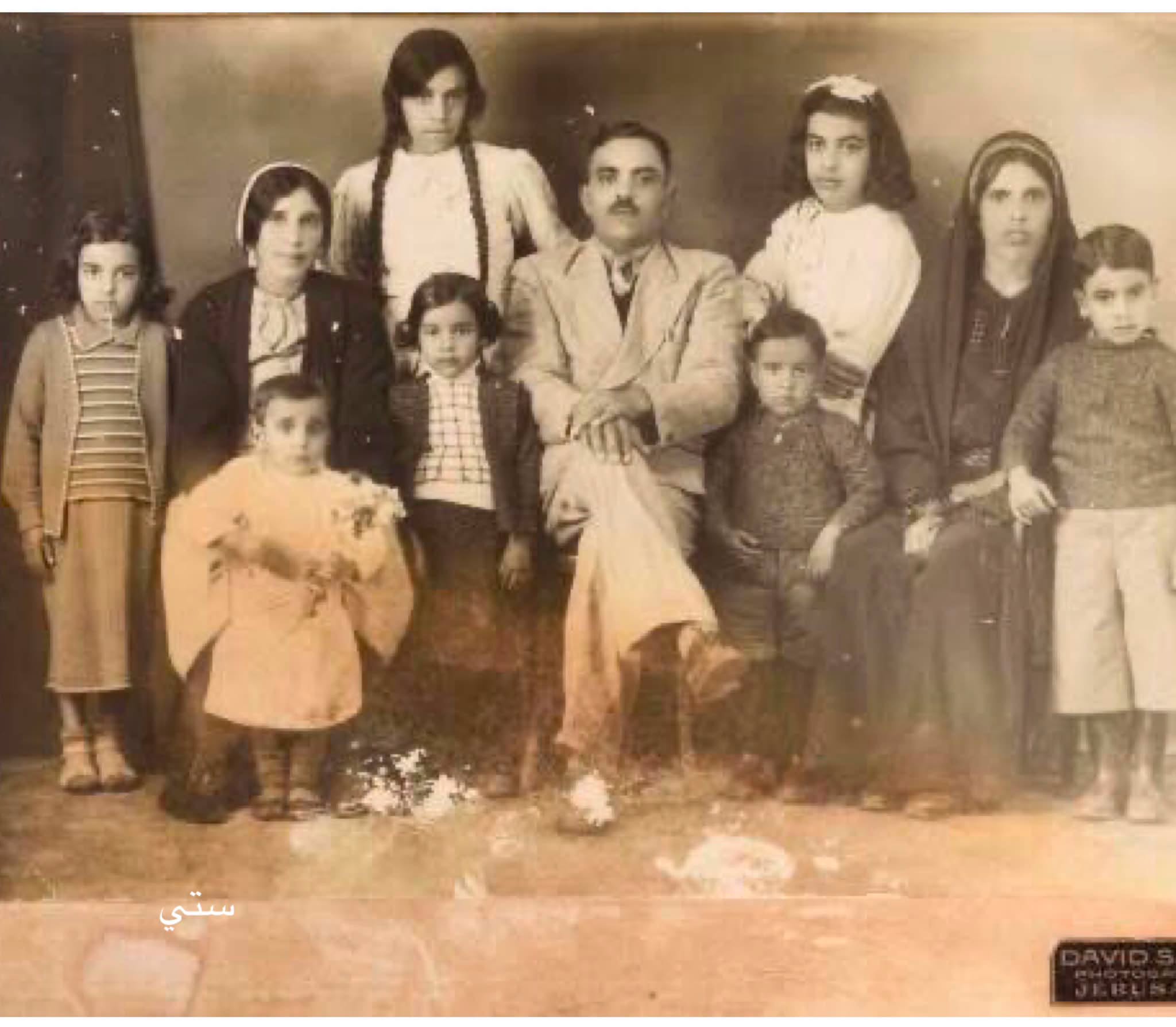
Palestinian Family Says Cheese For The Camera
- CrossFireArabia
- July 19, 2026
Photo taken by Palestinian photographer named Dawood Abdo in 1940. The photo was of a Palestinian family taken in a studio in Jerusalem. The family, unnamed, came all the way from the Barham village near Ramallah to have their picture taken, all spruced up. Non say cheese but all look serious for the camera!