Israeli Soldier Commits Suicide on Nahariya Beach

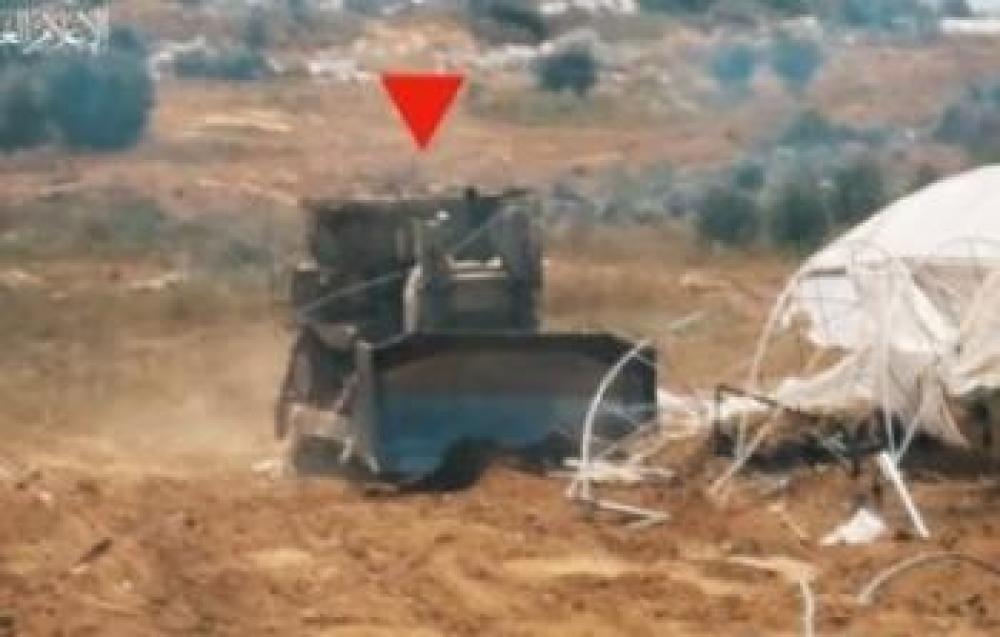
Israeli media revealed that an Israeli soldier committed suicide, Saturday, at the beach in Nahariya, north of Israel.

The Hebrew website Hadashot Bezman stated the soldier who took his life was from the reserve forces and he had been fighting in Gaza.

Earlier, the Israeli newspaper Haaretz revealed that 10 occupation officers and soldiers committed suicide since 7 October, 2023. It said a number of them  committed suicide in  the battles in the settlements surrounding Gaza according to the Arabic Quds Press website.

The Qassam Brigades, the military wing of Hamas, had announced it rescued an Israeli prisoner from trying to take away his life at his place of captivity in the Gaza Strip.

In mid-March, the Israeli army acknowledged that it had been facing the biggest problem in mental health since 1973 because of the Israeli-waged war in Gaza  since the start of the Battle of the Flood of Al-Aqsa.

According to Israeli army figures, 688 soldiers and officers were killed since the beginning of the war on 7 October, including 328 in ground battles in Gaza. The army’s data also indicates that 2,147 soldiers were wounded in ground battles in the Strip.

Continue reading
Erdogan Threatens to Invade Occupied Palestine

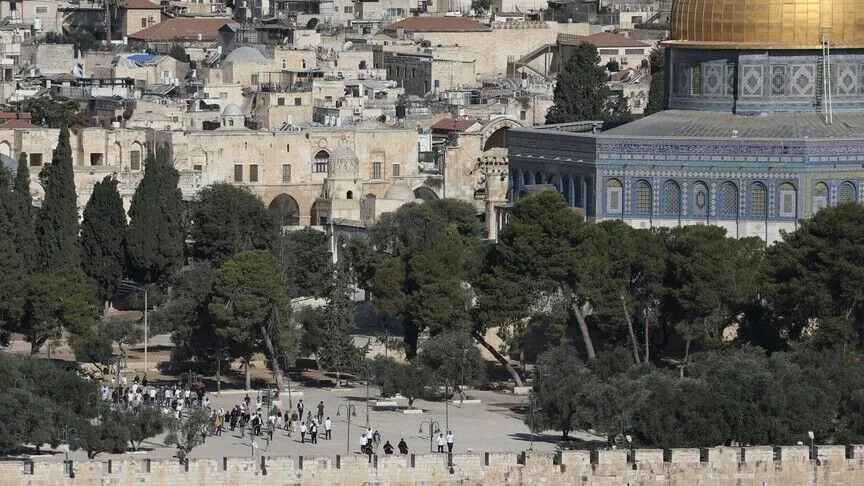
CEOSSFIREARABIA – Turkish President Recep Tayyip Erdogan said Turkey can use its force and enter into occupied Palestine to deter Israel from its aggression against the Palestinians.

Such a statement made by the Turkish president during a rally of his ruling Justice and Development Party, Sunday the Reza Province, north othe country.

It quickly became trending news on the social media.

“We must be very strong so that Israel can’t do these things to Palestine. Just as we entered Karabakh, just as we entered Libya, we might do the same to them. There is nothing we cannot do. Only we must be strong”, he said according to the Quds News Network.

Blogger Adham Abu Selmiya  says Erdogan’s speech is very, very important, quoting in translated form saying:

“This is the language the Zionist enemy understands… It is inconceivable for nations to let the Palestinian people be slaughtered from vein to vein without strong positions. We have been saying from day one that nations and its regimes can at least impose a no-fly zone to stop these massacres.”

Another  blogger simply posted “What is he waiting for”

His comments quickly irked the Israeli Foreign Minister Israel Katz who wrote: “Erdogan is following in Saddam Hussein’s footsteps and threatening to attack Israel. He just needs to remember what happened there and how it ended.”

One Palestinian website points out that Katz’s comments proves that the Iraq war was an Israel one and not an American initiated.

And “also ondicates a direct threat to use the Americans to fight for Israel in Turkey if Erdogna’s statement were to be implented.”

Continue reading
Golan Heights: Who is Dragging Who Into War?

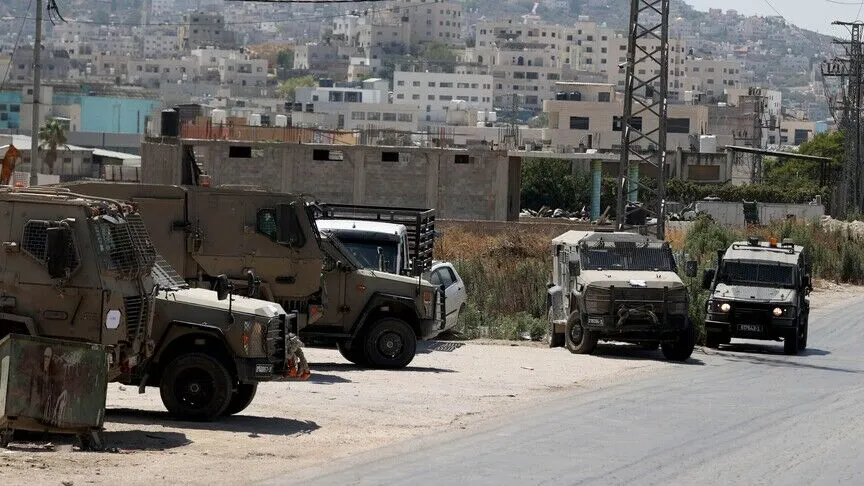
The UN mission in Lebanon warned on Sunday of a “wider conflagration” between Israel and Hezbollah following a deadly attack on the town of Majdal Shams in occupied Golan Heights, according to Anadolu.

In a joint statement, UN Special Coordinator for Lebanon (UNSCOL) Jeanine Hennis-Plasschaert, and head of UN Interim Forces in Lebanon (UNIFIL) Gen. Aroldo Lazaro Saenz, condemned “the death of civilians – young children and teenagers – in Majdal Shams.”

They urged “the parties to exercise maximum restraint and to put a stop to the ongoing intensified exchanges of fire.”

“It could ignite a wider conflagration that would engulf the entire region in a catastrophe beyond belief,” they added.

Israeli authorities say at least 12 people were killed and 35 injured as a rocket struck a football field in the town of Druze in Majdal Shams, northern part of Golan Heights.

Israel accused Hezbollah for the attack, but the Lebanese group has denied responsibility.

Israel and Hezbollah have traded cross-border fire since the Gaza conflict in October, leading to fears of an all-out war.

Israeli Defense Minister Yoav Gallant said they will ensure that Hezbollah “pays a price,” the Turkish news agency reports.

Continue reading
Why Don’t These Soldiers Want to Serve in The Israeli Army Again?

Three Israeli reserve soldiers who participated in the genocide war in Gaza have explained in a recent interview why they no longer want to be part of the military operation according to Quds News Network.

The three Israeli reservists told the Observer they would not return if called for military service in Gaza. All three previously undertook compulsory military service in the Israeli army and participated in the genocide war in Gaza.

For Israeli military paramedic Yuval Green, it was the command to burn down a house that made him decide to end his reserve duty after spending 50 days in the southern Gaza city of Khan Yunis earlier this year.

He had begun to have doubts about the paratrooper unit’s purpose three months earlier when he heard about Israel’s refusal to agree to Hamas’s demands to end the war, along with freeing prisoners.

Early this year, he said: “We were given an order. We were inside a house and our commander ordered us to burn it down.”

When he raised the issue with the head of his company, he added: “The answers he gave me were not good enough. I said: ‘If we’re doing all of this for no reason, I’m not going to participate.’ I left the next day.”

“I saw soldiers graffiting houses or stealing all the time. They would go into a house for a military reason, looking for weapons, but it was more fun to look for souvenirs – they had a thing for necklaces with Arabic writing that they collected.”

All three cite different motivations for their decision not to serve in Gaza again, from how the Israeli military is conducting the war to the government’s reluctance to agree to a prisoner deal, which offers an end to the war.

“Any reasonable person can see that the military presence is not helping to bring the hostages back,” said civics teacher Tal Vardi, who trained reserve tank operators.

“So if we’re not bringing back the hostages, all this is doing is causing more death on our side or the Palestinian side 
 I can’t justify this military operation anymore. I’m unwilling to be part of a military that’s doing this,” he said.

“If anything, some of these operations have endangered the hostages, and the army has also killed some by mistake,” he said, pointing to an incident last December, when Israeli forces shot dead three prisoners in Gaza who approached them waving white flags, in what the Israeli army said was a case of mistaken identity.

“It was bound to happen,” said reservist Michael Ofer Ziv, who said the incident provoked in him a powerful sense that once he finished his military service on the Gaza border, he would not return. The incident for him symbolized an overall lack of care and he was concerned about a system where mistakes such as this could occur.

Ziv returned to the Israeli army days after 7 October to serve as an operations officer, requiring him to spend long hours staring at screens showing a live drone feed of footage from a small section of the enclave.

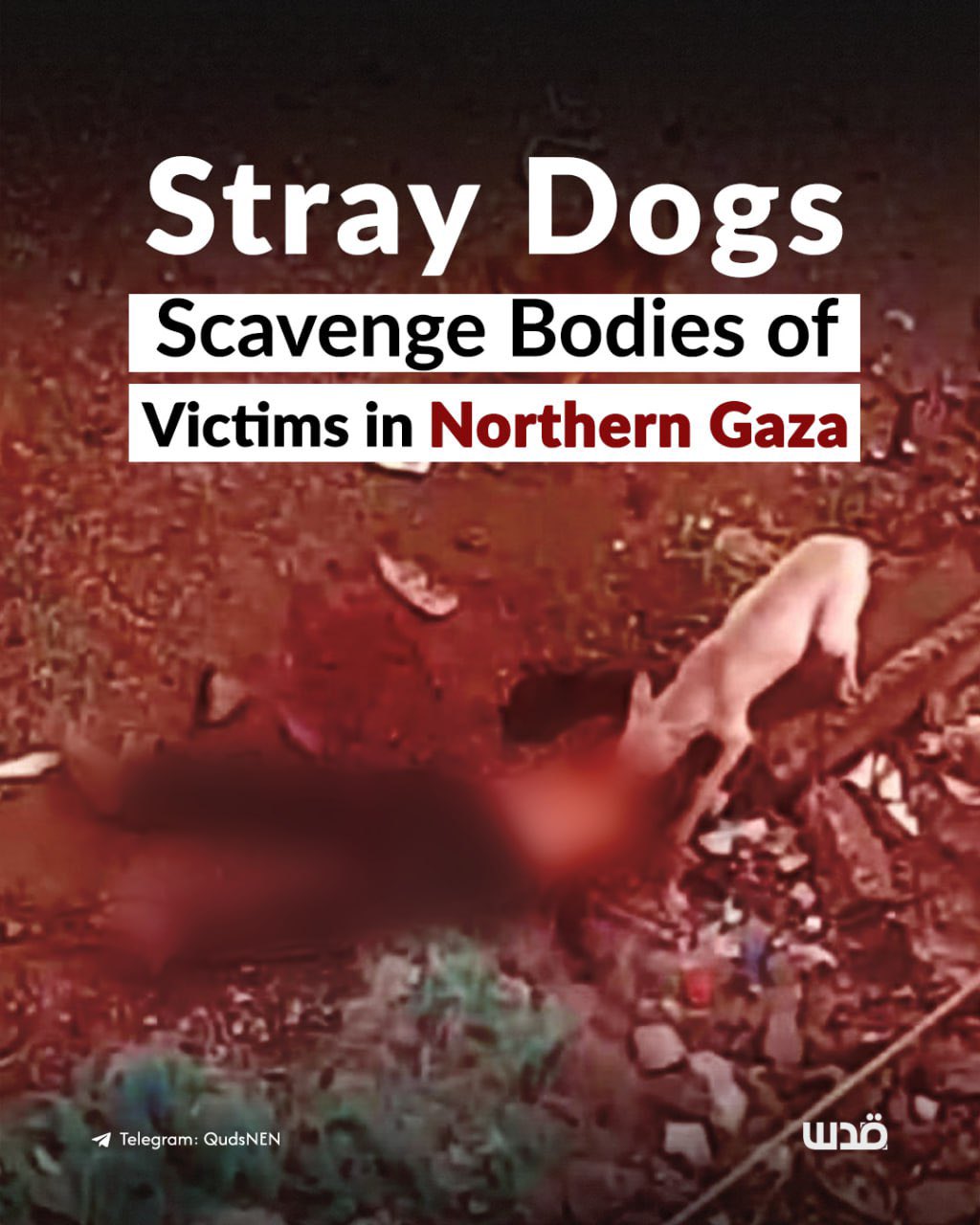
This meant days at a time observing daily Palestinian life, watching as stray dogs or cars crossed bombed-out streets.

“Suddenly, you see a building go up, or a car you’ve been following for an hour suddenly disappear into a cloud of smoke. It feels unreal,” he said. “Some were happy to see this, as it meant seeing us destroy Gaza.”

When ground troops from his unit entered the enclave, his role was to track their movements and activities for support, as well as request targets for airstrikes.

“We almost always got approval to shoot,” he said. The approval process with the air forces, he added, “was mainly bureaucracy”.

He was also dismayed at what he described as a lack of clarity for soldiers regarding the rules of engagement, which he said were far more explicit during his compulsory military service, and felt the rules during this war were far looser than anything he previously experienced.

“After they shot the three hostages last December, I tried to remember if I ever saw a document like this – I was supposed to,” he said. “I was sure there was a briefing to the soldiers, but without having any documents to lean on, it’s unclear what people understood.”

Ziv recalled crying in the bathroom after his unit lost track of an injured Palestinian child at a checkpoint. Such things, he said, made him question his own role in the war and the overall purpose of the war.

The decision to invade Rafah rather than seal a prisoner deal, he said, confirmed for him that he would not return to the military. When recently called upon to do so, he said, he told his commanding officer he could not come back.

“I came after 7 October as I felt like maybe they would rise to the occasion and use us in a way that could be of benefit. But I’m not willing to participate in this, as I don’t trust the government and what they’re trying to do.”

He added: “If something happens in the north, there’s a chance I’d go, but on the other hand, I know what it might be like. I know what we did in Gaza – there’s no reason to believe we’d act any differently in Lebanon.”

Quds News Network

Continue reading
10% of Gazans Killed, Injured, Under The Rubble

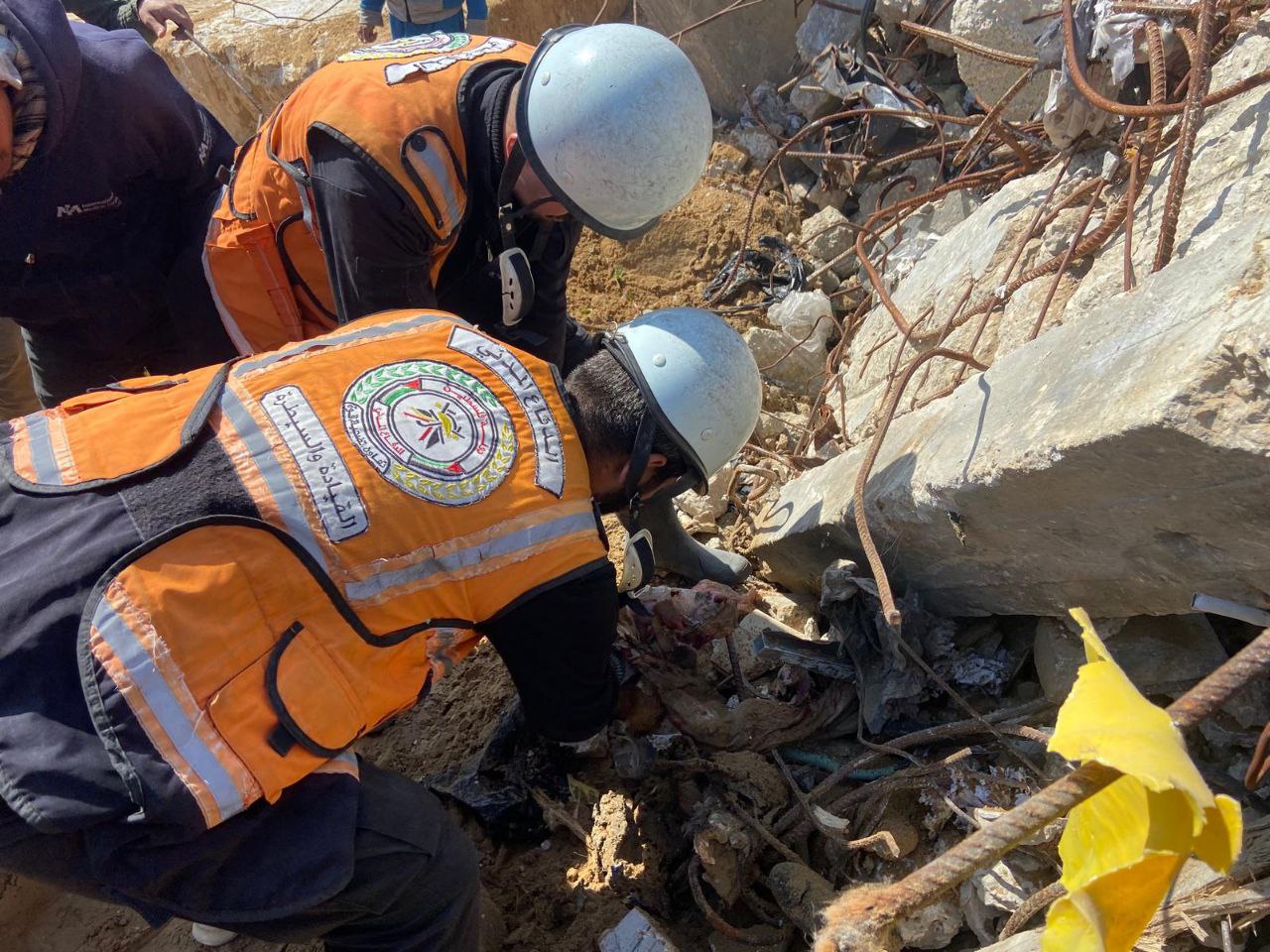
About 10% of the Gaza Strip’s population has been killed, injured, or is missing due to the 293-day genocide carried out by Israel in the Strip, ongoing since 7 October 2023 according to the Euro-Med Human Rights Monitor.

Euro-Med Monitor’s preliminary statistics indicate that about 50,000 Palestinians have been killed. This number includes those reportedly trapped under the rubble of destroyed buildings, or whose bodies are either stuck on roads or in border areas that have been completely destroyed, and thus cannot be recovered. More than about 100,000 others, meanwhile, have been injured. The majority of these victims were civilians, mostly women and children, while about 3,000 additional Palestinians have simply disappeared after being arrested from the Gaza Strip, with their fate remaining unknown.

The estimates provided by Euro-Med Monitor are based on data and statistics gathered by its field teams in neighbourhoods and camps located in the Gaza Strip, as well as from information received from relevant authorities and institutions, including several hospitals and medical teams. These indicate that at least 51,000 people have died as a result of the Israeli blockade of the entire Strip; denial of medical care; collapse of the health sector due to Israel’s targeting and blockade; insufficient ambulance services due to said targeting and blockade, as well as a severe shortage of basic medicines, particularly for patients with chronic illnesses and cancer; prevention of the ability to travel abroad for treatment; and the spread of infectious diseases and epidemics.

Accordingly, the natural death rate increased from an estimated 3.5 per 1,000 people prior to the start of the genocide to 22 per 1,000 people during the genocide.

The number of beds available in operating hospitals and field hospitals across the Gaza Strip is down to less than 1,500, which is insufficient to accommodate the needs of over two million people. This is in contrast to the 3,500 beds that were available prior to 7 October. The scarcity of medical supplies and equipment is making the bed shortage worse, as is the Israeli army’s ongoing, systematic, and widespread destruction of hospitals and health facilities. Additionally, there has been a notable rise in the number of wounded and sick, which has resulted in a weak medical response and serious health complications for these individuals, as well as avoidable deaths among the elderly.

The lack of clean water, extreme overcrowding, breakdown of sanitation infrastructure, build-up of waste, scarcity of cleaning and sterilisation supplies, and the frequent forced evacuations all contribute to the rapid spread of infectious diseases.

According to World Health Organisation (WHO) data, 990,000 cases of acute respiratory infections—574,000 of acute watery diarrhoea, 107,000 of jaundice syndrome, and 12,000 of bloody diarrhoea—were recorded as of 7 July 2024, with the actual number of infections likely much higher. Rashes and skin infections, particularly among children, are also on the rise. This trend correlates with a drop in routine vaccination rates and a higher chance of vaccine-preventable illnesses like the poliovirus, which was recently found to be present in the Gaza Strip’s wastewater.

Since Israel started its genocide more than 10 months ago, the people living in the Gaza Strip have endured constant bombardment; shooting; tank shelling; methodical and extensive destruction of houses and other civilian property, as well as essential infrastructure; and frequent attacks on makeshift shelters and tents for the displaced.

Israel is continuing to commit genocide against civilians in Palestine, with the intention of eradicating and destroying them by all possible means, including starvation, denial of medical attention and humanitarian aid, systematic evacuation, torture, and the imposition of living conditions that will eventually cause their destruction.

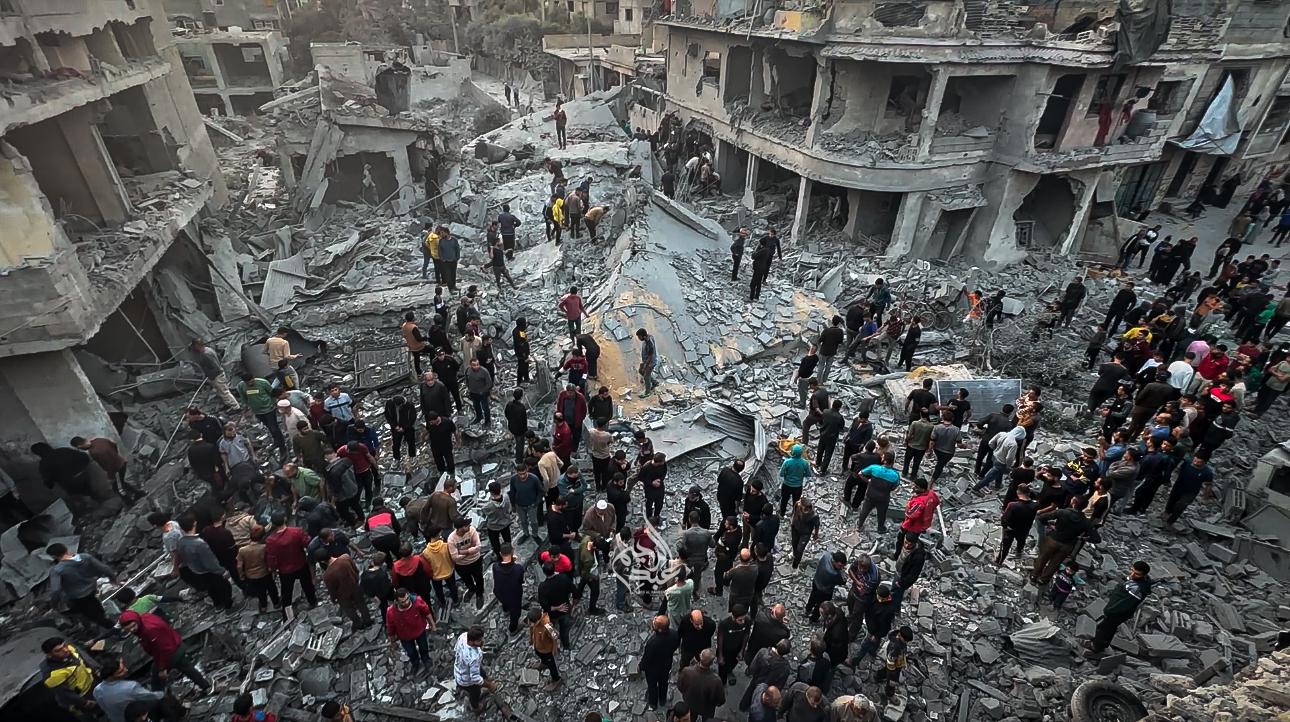
Israel’s fierce military assaults have caused over 70% of the Gaza Strip’s buildings to be destroyed or severely damaged, forcing over two million Palestinians (out of roughly 2.3 million) to evacuate. The majority of these people have been forced to relocate multiple times, leaving them to live in filthy, uncomfortable temporary tents that are susceptible to the elements, and rendering them especially vulnerable to infectious diseases that spread quickly in crowded areas.

The hardship faced by hundreds of thousands of forcibly displaced people across the Gaza Strip is extreme. This is particularly true inside United Nations shelter centres, where there is severe overcrowding—up to five or six families crammed into a single classroom—and exceptional danger due to the Israeli military’s frequent attacks on these facilities, the damage they cause, and the potential for contamination from explosive ordnance.

This is coupled with a lack of supplies for making adequate shelters, a shortage of drinkable water, and storage issues, plus deteriorating sanitation conditions which have resulted in sewage seeping into the streets in many displacement sites. Additionally, families are frequently forced to rely on extremely salted water for drinking, and deal with a lack of personal hygiene due to the absence of privacy, personal space, water, and hygiene supplies.

The intense heat and accumulation of solid waste also attract insects such as mosquitoes. Communities often burn waste piles in an effort to stop the spread of insects and diseases, but the release of toxic fumes poses additional health risks.

Furthermore, a great deal of food insecurity exists as a result of Israel’s persistent efforts to obstruct the entry of aid supplies. In addition to a lack of infant formulae, few tests available to identify malnutrition, and uneven distribution of nutritional supplements, women struggle to breastfeed their babies as a result of psychological trauma, stress, and malnourishment.

As a form of retaliation and collective punishment against the people of the Gaza Strip, Israel has steadily targeted civilians, civilan objects, and UN-flagged shelter centres in an effort to cause as many casualties as possible. This constitutes full-fledged war crimes and crimes against humanity under the Rome Statute, which governs the International Criminal Court, as well as violations of international humanitarian law and the 1949 Geneva Conventions.

Ensuring the health and dignity of the populace through access to water and sanitation is a fundamental human right that has gained international recognition. However, granting this right to Palestinians in the Gaza Strip will require ending Israel’s genocide, lifting the siege, and salvaging what remains in the enclave, which is not currently viable for life. Delays will either cause all sectors in the Strip to completely collapse, or incur further significant costs in terms of civilian lives and health.

The international community is responsible for ensuring that humanitarian aid reaches the Gaza Strip, including the northern part of the Strip, in a timely, safe, and efficient manner. This aid must include all of the basic food and non-food items needed to address the dire circumstances that the entire Strip’s population is experiencing. 

Pressure must be applied to Israel to reopen the main pipelines that typically supply water to the Gaza Strip, particularly those that enter the north of the Strip, as well as to guarantee the safety of technicians who need to repair and restore the water lines and their various sources while also maintaining sanitation facilities and services. Pressure should also be applied to Israel to ensure that enough fuel is imported to run the Strip’s water and sanitation infrastructure, which includes stations, water desalination plants, water wells, and mobile water cycles, and to facilitate the entry of the necessary supplies for repair and rehabilitation work on such infrastructure. These services are essential to the civilian population in the Gaza Strip, and protect them from the risk of health disasters.

An immediate and urgent ceasefire in the Gaza Strip is necessary and critical, and must be accompanied by measures designed to enable the distribution of medical supplies, food, clean water, and other resources to meet people’s basic humanitarian needs. All nations must fulfil their international obligations by ensuring Israel’s compliance with the rules of international law and the decisions of the International Court of Justice, enacting strong sanctions against Israel, and severing all political, financial, and military support and cooperation with it. This should include immediately halting arms transfers to Israel, including export permits and military aid.

Nations that provide Israel with weapons, military technology, and other forms of support, despite the presumed knowledge that this support is being used to commit international crimes against the Palestinians, must be held accountable for the crimes that have been committed in the Gaza Strip, including genocide.

This article is reprinted from the Euro-Med Human Rights Monitor.

Continue reading