 Pezeshkian: ‘Iran Will Not Surrender to Bullies’
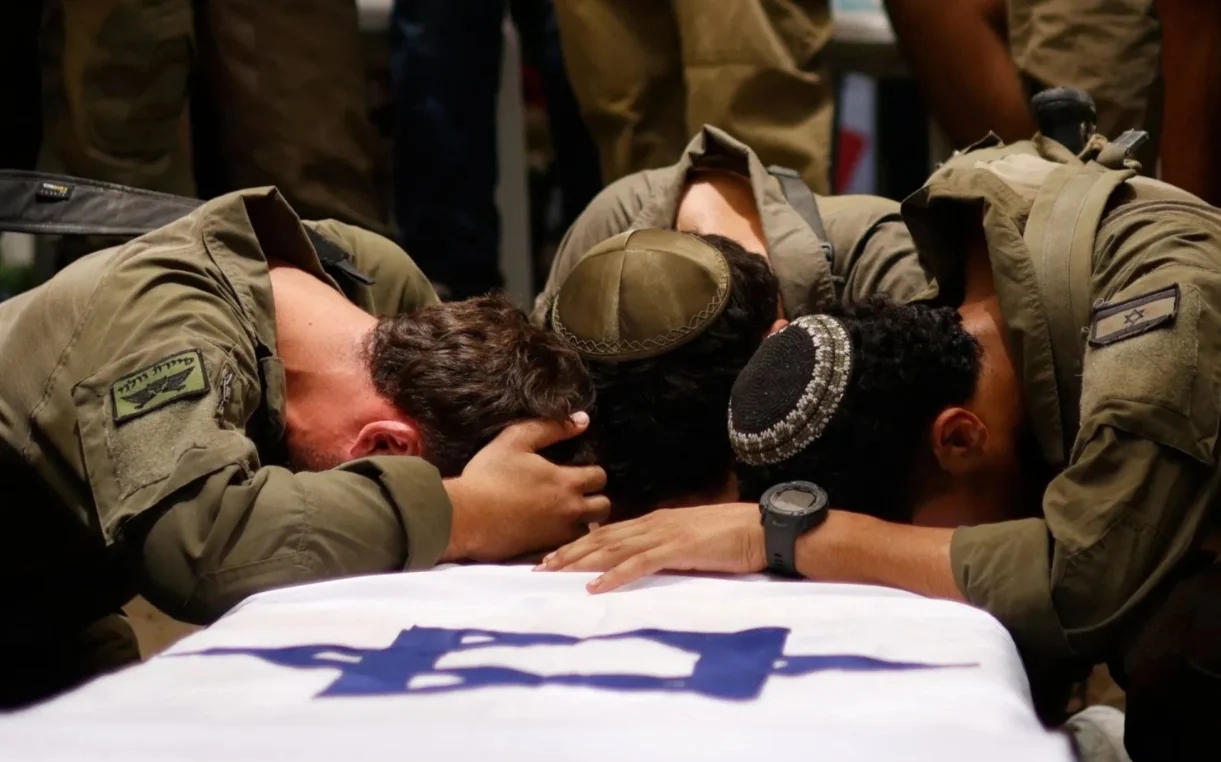
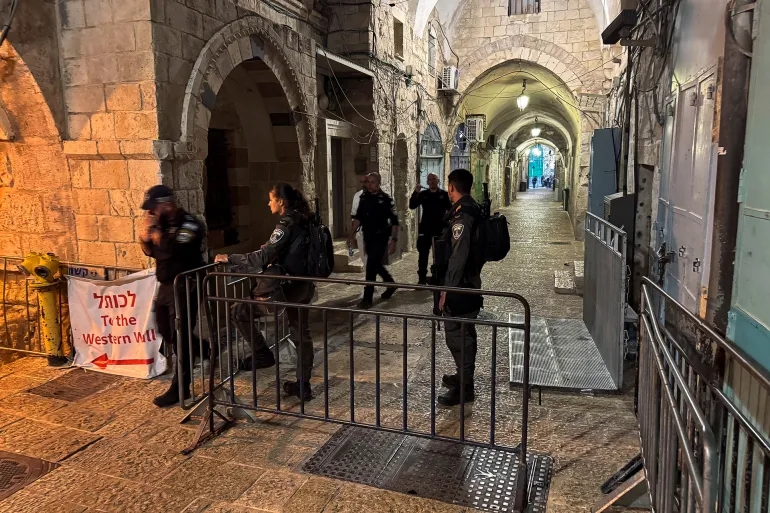 Israeli Soldiers Enforce Closure of Al Aqsa
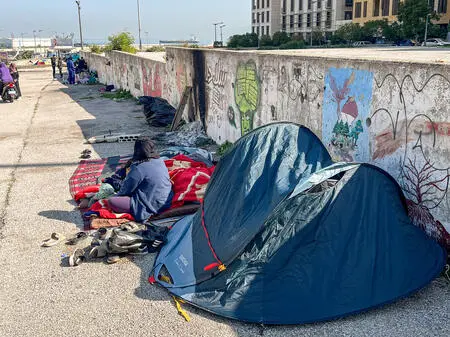 1 in 7 Displaced in Lebanon – NRC
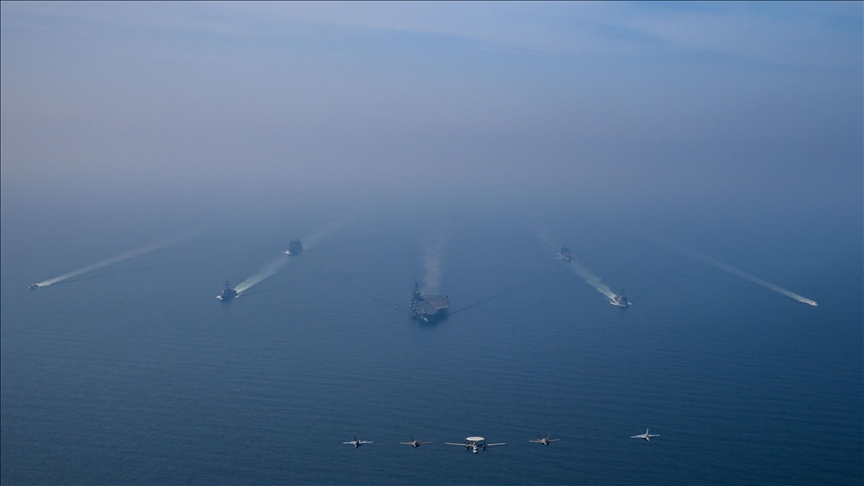 Hormuz: End of an Era of Martime Dominance
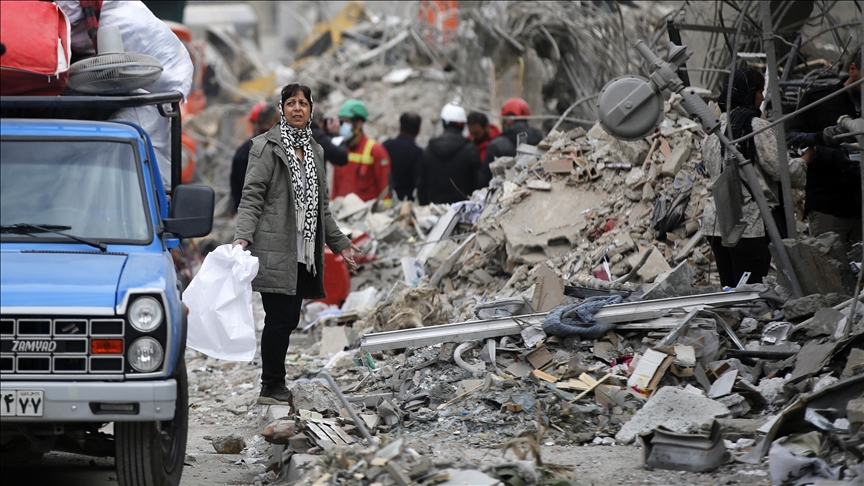
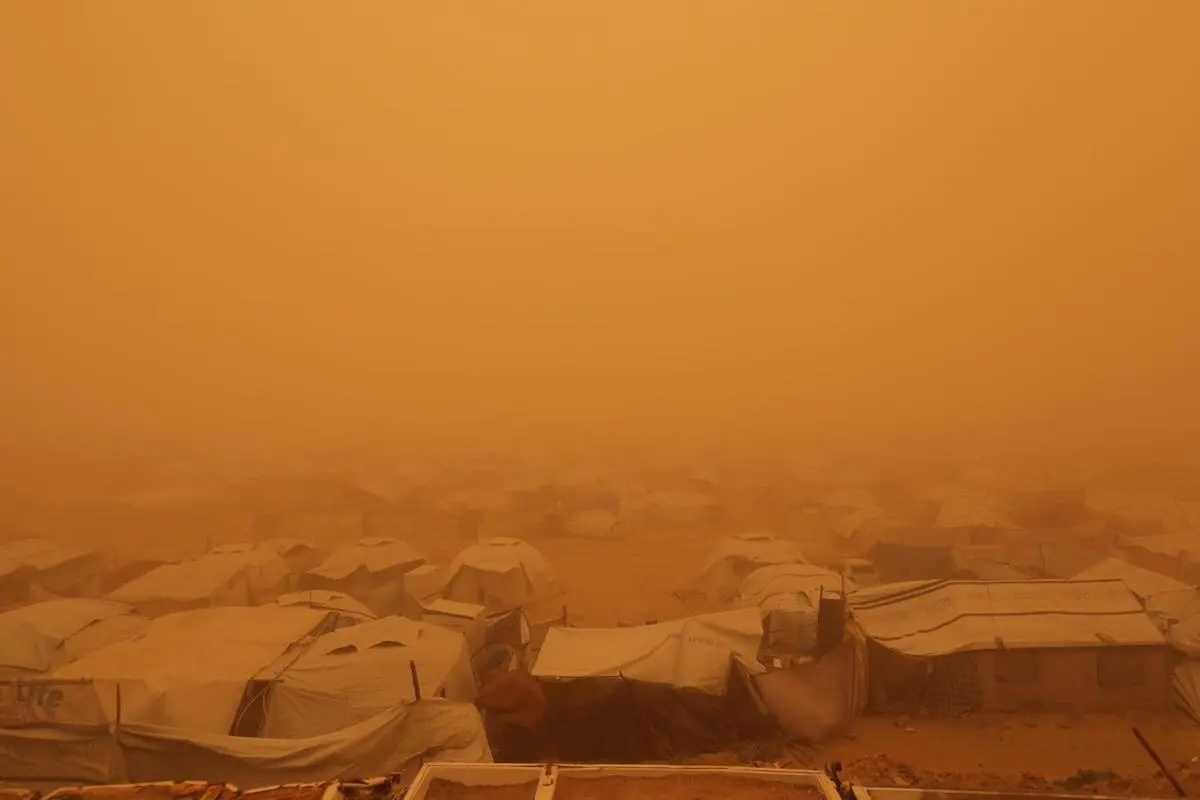 Gaza Faces Massive Dust Storm

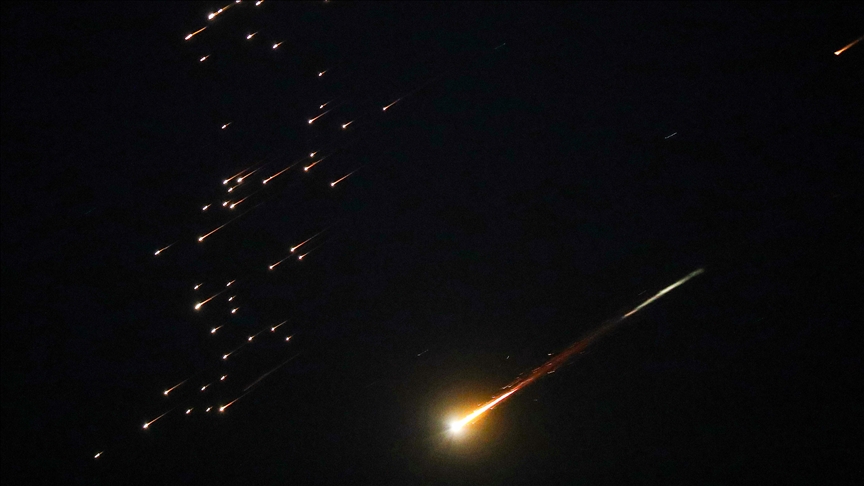
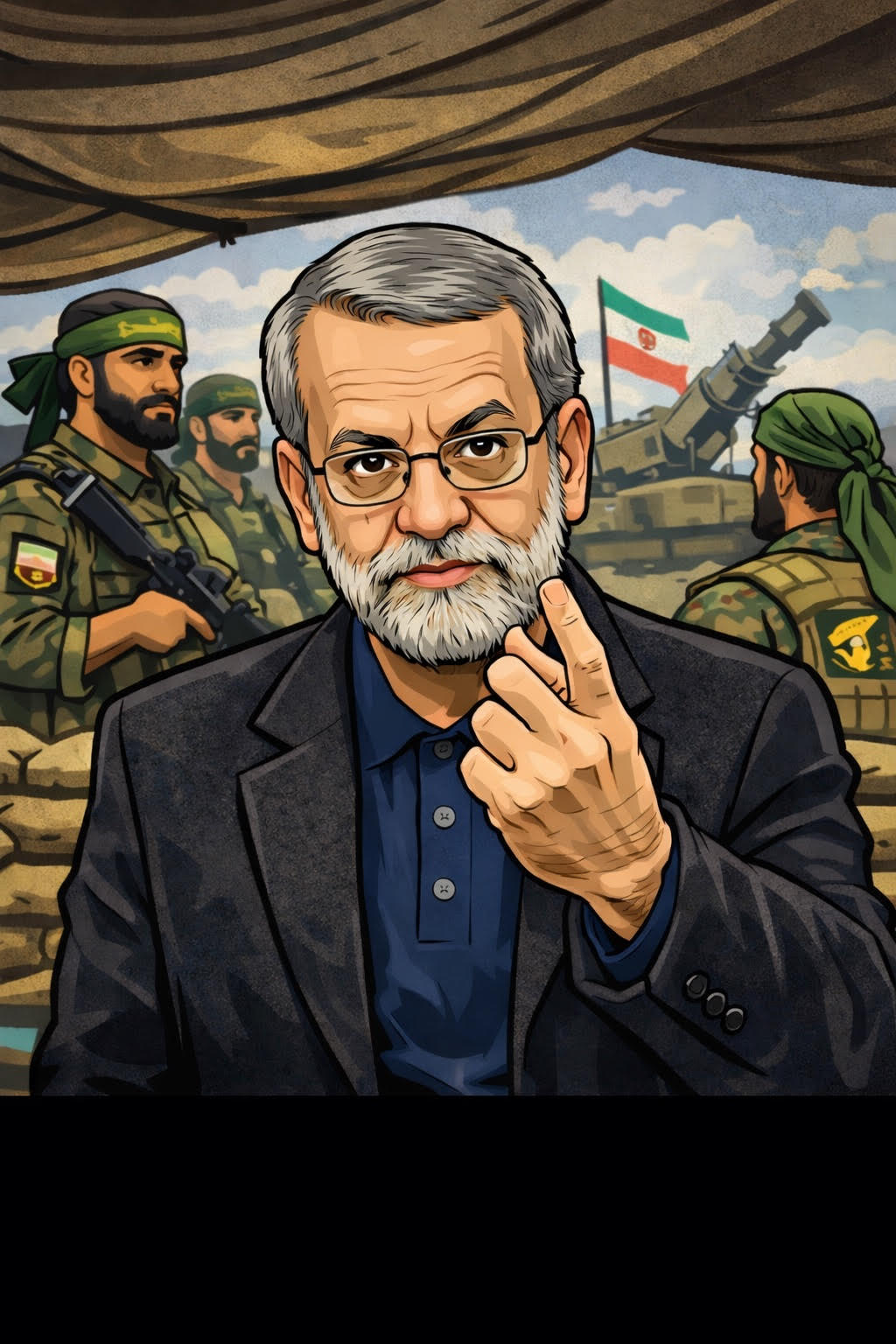
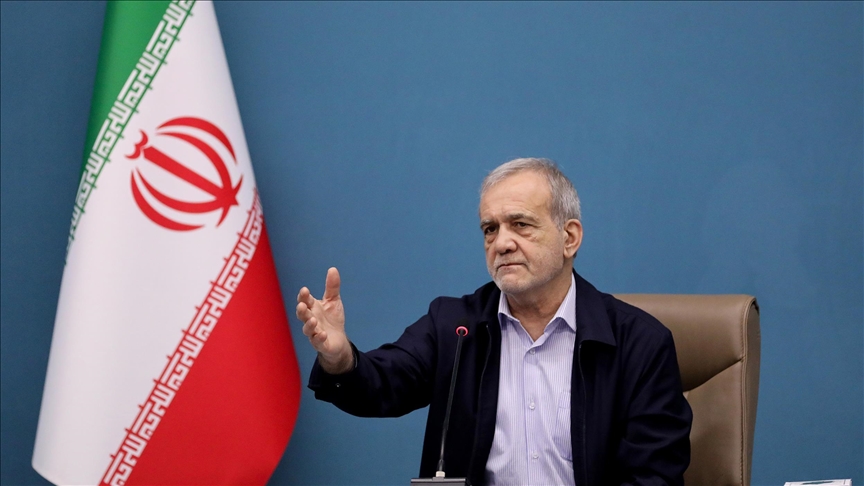
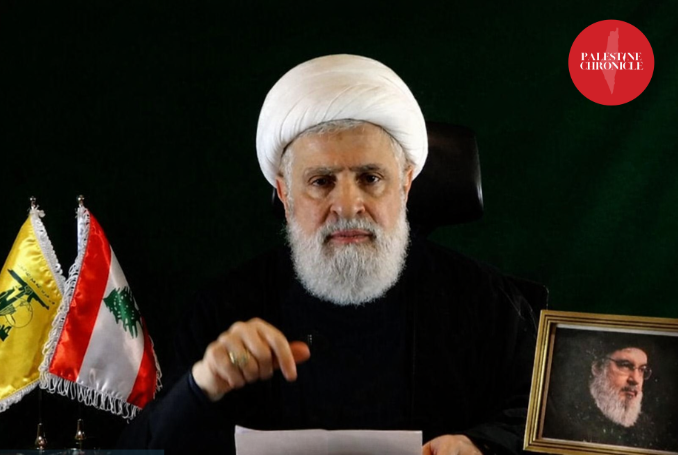
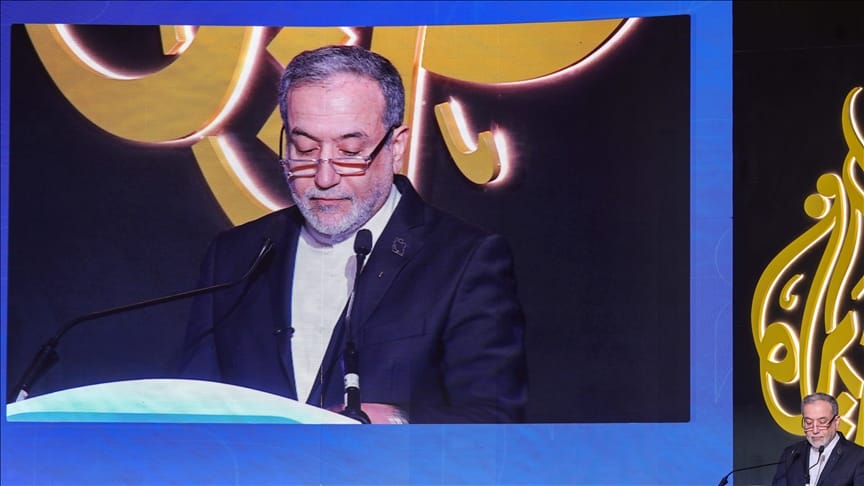
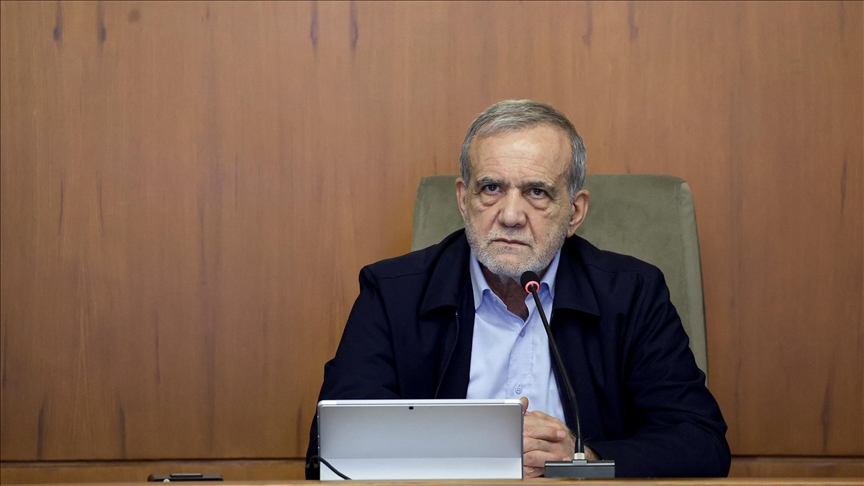
Pezeshkian: ‘Iran Will Not Surrender to Bullies’
 CrossFireArabia
- March 16, 2026
 CrossFireArabiaCrossFireArabiaCrossFireArabiaCrossFireArabiaCrossFireArabiaCrossFireArabiaCrossFireArabiaCrossFireArabiaCrossFireArabiaCrossFireArabiaCrossFireArabiaCrossFireArabiaCrossFireArabiaCrossFireArabiaCrossFireArabiaCrossFireArabiaCrossFireArabiaCrossFireArabiaCrossFireArabiaCrossFireArabiaCrossFireArabiaCrossFireArabiaCrossFireArabiaCrossFireArabiaCrossFireArabiaCrossFireArabiaCrossFireArabiaCrossFireArabiaCrossFireArabiaCrossFireArabiaCrossFireArabia
 Saleem Ayoub QunaCrossFireArabiaCrossFireArabiaCrossFireArabiaCrossFireArabiaCrossFireArabiaCrossFireArabiaCrossFireArabiaCrossFireArabiaCrossFireArabiaCrossFireArabiaCrossFireArabiaCrossFireArabiaCrossFireArabiaCrossFireArabiaCrossFireArabiaCrossFireArabiaCrossFireArabiaCrossFireArabiaCrossFireArabia
Approximately 50,000 worshippers performed the Isha and Ramadan Taraweeh prayers, Sunday, evening at the Al-Aqsa Mosque compound in Jerusalem, despite restrictions and heightened measures imposed by the Israeli occupation on worshippers’ access.
The Jerusalem Governorate said in a brief statement that tens of thousands of worshippers flocked to Al-Aqsa Mosque and performed the prayers in a spiritual atmosphere, despite Israeli military checkpoints and identity checks at the mosque’s gates.
Israeli forces have intensified their military presence in Jerusalem and its surroundings, including at the gates of the Al-Aqsa Mosque, in an attempt to restrict worshippers’ access.
According to the Governorate, over the past few days, more than 300 Jerusalemites were handed orders barring them from entering Al-Aqsa Mosque during the holy month of Ramadan, according to Wafa.
CrossFireArabia
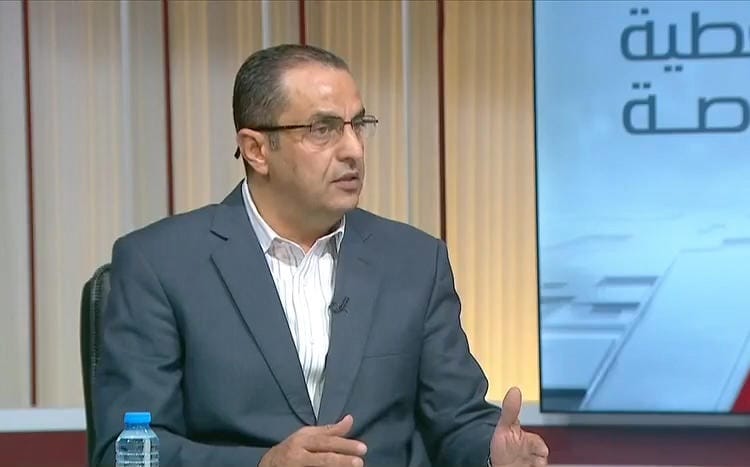
The Secretary-General of the Palestinian National Initiative, Dr. Mustafa Barghouti, stated the recent remarks by US Ambassador Huckabee in Tel Aviv reveal – as he described them – “dangerous convictions” and clear support for the so-called “Greater Israel” project, considering this proposal to be in conflict with the foundations of peace and international and humanitarian law.
Barghouti affirmed to Jordan 24 that the positions attributed to Huckabee reflect an ideological bias that is “racist and anti-peace,” and encourage the undermining of opportunities for a political solution, especially in light of the ongoing tensions in the Palestinian territories. He emphasized that any support for expansionist projects contradicts international law and deepens the instability in the region.
He added that the US administration must take a clear stance regarding these statements, considering that Huckabee’s continued presence in his position after these statements “sends a negative message” to peace efforts. He called for him to be “forced to resign” and held politically accountable, in order to preserve what remains of the credibility of the US role in the political process.
Barghouti concluded by emphasizing that the Palestinian people will continue their political and diplomatic struggle in international forums to confront any projects aimed at entrenching or legitimizing the occupation, calling on the international community to bear its legal and moral responsibilities.
CrossFireArabia
Military strategic expert Nidal Abu Zeid has stated that the remarks of US Ambassador in Tel Aviv, Mike Huckabee, regarding what he termed as “Israel’s right to control the Middle East, including Egypt, Lebanon, Syria, and Jordan” is a biblical inference that intersects with an expansionist political agenda. He added these remarks are inseparable from Israeli Prime Minister Benjamin Netanyahu’s previous statements on the Arabic-language channel i24NEWS about the “Greater Israel” project.
Abu Zeid told Jordan 24 that this approach also aligns with statements made by US President Donald Trump at the beginning of his term, when he referred to Israel as “small in a vast geographical area.” He believes that the convergence of these positions indicates a tacit US approval for Israeli expansionist ambitions at the expense of the neighboring countries.
He noted Huckabee’s remarks came during a meeting with American journalist Tucker Carlson, following a debate between them on social media. This debate culminated in an agreement to engage in a public media confrontation, which sparked widespread controversy in Arab circles and official condemnation from Jordan, Egypt, and several other Arab states.
Abu Zeid explained that the occupation, according to his analysis, seeks to impose a fait accompli policy starting from Ras al-Naqoura in Lebanon, passing through Mount Hermon and southwestern Syria, and reaching the West Bank, relying on a set of settlement laws aimed at consolidating control over the land.
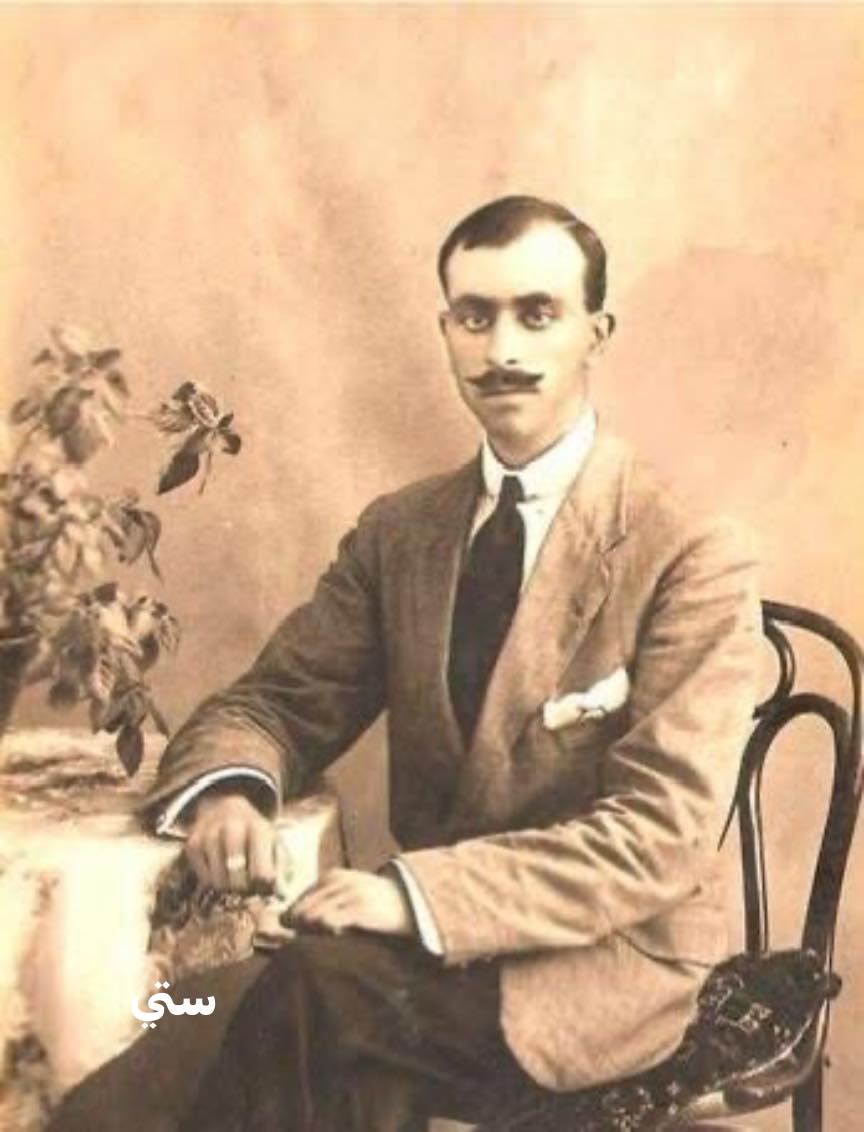
In this context, Abu Zeid recalled the story of the late Abdul Razzaq al-Rahahleh, a native of Salt, who served as the Director of Jerusalem Lands in 1967. After the occupation seized the West Bank, he managed to preserve the land documents for the Sheikh Jarrah neighborhood and hand them over to the Jordanian authorities at the time, which later contributed to establishing Palestinian ownership of the neighborhood’s land.
Abu Zeid concluded by saying that between Huckabee’s statements and the documents of the Salt native, the legal and historical truth remains: The land belongs to its rightful owners, and documented rights do not expire with time nor can they be nullified by political pronouncements. He asked: “How can someone who does not own the land give away what he does not deserve?”
CrossFireArabia
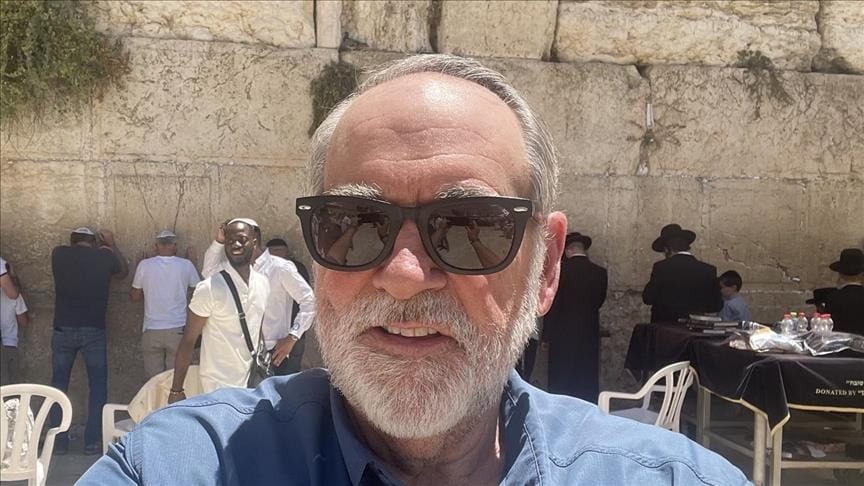
US Ambassador to Israel Mike Huckabee argued that Israel has a biblical right to the land stretching from the Nile to the Euphrates rivers, saying, “It would be fine if they (Israel) took it all,” on a podcast released Friday.
Huckabee made the remarks in an interview with US journalist Tucker Carlson, during which he defended Israel’s actions in the Gaza Strip and voiced support for the concept.
After Huckabee claimed Israel had a divine right to vast portions of the Middle East, Carlson asked him to clarify, “What land are you talking about?” Interpretations of the biblical phrase “river of Egypt” vary, with some scholars identifying it as a riverbed in the Sinai Peninsula and others as the Nile.
“It would be fine if they took it all,” Huckabee replied, referring to Israel’s biblical right to the territory stretching from the Nile River to the Euphrates.
“But I don’t think that’s what we’re talking about here today. … They don’t want to take it over, they’re not asking to take it over,” he said.
Huckabee said Israel is referring to the territory where the State of Israel currently exists and seeks to live in peace, emphasizing that Israel is not attempting to take control of Jordan, Syria, Iraq or any other country, but wants to safeguard its population.
Defends Israel’s nuclear capabilities, cites Iran as threat
Carlson brought up allegations that Israel developed its nuclear program using stolen US materials. Huckabee did not deny that Israel has nuclear capabilities.
When Carlson said, “I don’t want anyone to have a bomb, including Israel. I don’t know why we’re okay with Israel having nuclear weapons … It’s mass murder,” Huckabee argued that Iran poses a genuine threat because of its nuclear ambitions and long-standing anti-American rhetoric, maintaining that deterrence helps preserve peace rather than provoke conflict.
“What are the costs if they were to get a nuclear bomb? They’ve said for 47 years, ‘Death to America.’ They’ve targeted us. They’ve targeted President Trump specifically,” he said. Anadolu
CrossFireArabia
The whole Muslim world— 2 billion people—start fasting just before the sun raises to sun-down as commitment to God and his commands. The Sohour of eating before the sun raise is a religious ritual, designed to give us the strength to carry on the day till sundown when we break the fast.
Ramadan is a commitment to God, one of whose characteristics is to feel with the poor and hungry and realize the Almighty has bestowed upon you greater material things you should appreciate and not over-indulge in or use in excess.
We try to apply the teachings of the Quran and Islam during the holy month, and not indulge in over-eating after the breaking of the fast, but I suppose like anybody else we are guilty of not sufficiently feeling with the poor, despite the fact it is rife, and you see them everywhere men, women and children holding their hand out to you in the street and coming to your shop and asking for money.
But, this is human nature, the way we have been molded, from the day we were first conceived in the womb, that’s why Islam came to us as a source of spiritual salvation, as enlightenment, a methodology, a way of thinking, and a way of life to be connected to God.
I like Ramadan, because for one whole month our lives appear to be turned upside down. Our eating habits change, our sleeping habits change, we start praying on a regular basis, and maybe hear the word of God more often on our lips than we usually do in any other part of the year. Many start praying, the regular five times a day routine.
We are supposed to stop indulging in idle talk and stop talking about other people behind their backs and just keep to one self in spiritual solitude, praying to and thinking about the connection that binds us to God. In Islam, we are constantly told through the Koran to think how we are made, think of the universe, the earth and the skies, and ponder on the vastness and the extraordinary ability of that omnipotent being and examine that eclectic relations where we are supposed to obey commands, and are intrinsically related to the wishes of God, but at the same time have the freewill to make our decisions, and reach conclusions of our own.
I like Ramadan because we don’t spend much, we cut down on our spending habits, we eat what’s in the fridge, and that includes the leftovers, we eat lots of salad, or fatoush (bread and salad) and Qatayeef (small velvety bread with almonds or cheese and sugar) for sweetners, but try not to indulge, buy lots of Qamar Din (apricot drink ) for instance to prevent thirst.
My wife keeps telling me we are not representative of other people, who engage in a spending spree of over-buying food that necessarily goes to waste. We try to stick to basics, although consumption booms during the holy month.
We do however continue to drink Pepsi or Coke with guilt complexes about not boycotting the soft drinks because of being sold freely in Israel that is still widely regarded as an occupation state.
But we try console ourselves by saying the game of boycott is bigger than us, the fizzy soft drink maybe unbearable to resist despite the fact that more and more people maybe shying away. We say it’s a great game of power politics and economics and that the road to non-violent action is long and dreary, and needs commitment. Though many people are tutning to boycott these days because of the Israeli genocide in Gaza.
Instead we limit our devotion to the cultural, religious and spiritual aspects of life, ideas and feelings which we feel we have control over. We like to think of Ramadan as “civilizational”, enriching our soul, with good things in life ones that would please God. In themselves these are deep fulfilling issues but are they enough when so many things are wrong in this world!
Good for the tummy!
Ramadan has practical aspects as well. It is actually good for the stomach, it’s healthy, by a process of denial we are actually enriching our body. By ceasing to eat for one month, you are giving your stomach a rest, from the constant chewing and churning of food, from the everyday wants of avarice, indulging in unnecessary needs and unwanted desires.
As human beings, we constantly drive our selves beyond bodily needs, we eat, drink and copulate in excess, without realizing the damage we are doing to ourselves, our liver, intestines, heart and blood circulation.
In Ramadan our body clock sort of eases down, developing a slower pace to relax and push its muscles in the way it wants, by fasting we are in fact protecting our circulation system, stopping our hands from reaching for the cup of coffee all the time or the pack of cigarettes, from munching from the fridge at all hours of the day. Ramadan is about developing will-power and instituting a method to our life.
In Ramadan the focus shifts from superfluous wants to spiritual needs, with the net result of rejuvenating our bodies both physically and spiritually. Of course as Muslims, we need to increase that spirituality through constant prayers and the utterance of God on our lips which demands a certain amount of will-power to forego immediate pleasures like watching the television and Arabic soap operas which tend to be plenty of in Ramadan. We unfortunately fall guilty to these whims!
If we are fasting for strictly religious reasons, rather than those who just abstain for customary and social reasons—which is the case for quite a lot people—we don’t feel as hungry as the others because there is a purpose, objective and a goal in our fast.
Hunger and thirst is deflected through religious reverence, prayer and ablution that refreshes our very being and increases our will power to help our fellow-beings while devoting our mind, body and soul to a higher being, God.
Ramadan increases our spiritual perception, makes us more pious and in some cases humble. Ramadan lowers our threshold of selfishness, greed, individualism, immediate family interests. It makes the need for togetherness, collectiveness, know the needs of thy neighbor and extend a helping hand that much more greater.
Ramadan is about helping to build the nation and make it strong by making its communities wield together, it’s about kin and folk rather than parochialism and isolationism.
This article was piblished was published on the hackwriters website in 2007.