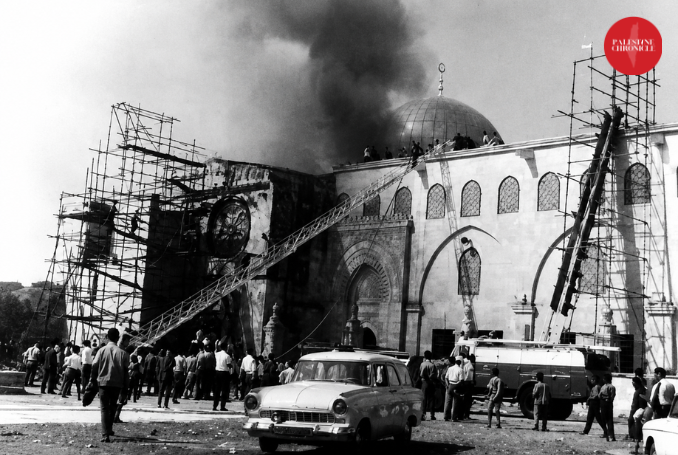
 The Day Al Aqsa Was Set on Fire
 Israel Finally Admits to Killing Little Hind
 Sunset in Gaza
 ‘Israel Killed My Dad on His Farm,’ Says Daughter Zeinab
 The Gaza Mermaid



The Day Al Aqsa Was Set on Fire
 CrossFireArabia
- August 21, 2026
 CrossFireArabiaCrossFireArabiaCrossFireArabiaCrossFireArabiaCrossFireArabiaCrossFireArabiaCrossFireArabiaCrossFireArabia
 HebaCrossFireArabiaCrossFireArabiaHeba
 marwanmarwanmarwanmarwanmarwanmarwanCrossFireArabiamarwanmarwan
 Saleem Ayoub QunamarwanCrossFireArabiaCrossFireArabiaCrossFireArabiaCrossFireArabiamarwanCrossFireArabiaCrossFireArabiamarwanCrossFireArabiaHebaCrossFireArabiamarwanCrossFireArabiamarwanHebaCrossFireArabiamarwanmarwanHebaCrossFireArabiamarwanmarwanCrossFireArabiamarwanHebaCrossFireArabiaCrossFireArabiaCrossFireArabiaHebamarwanCrossFireArabiamarwanHebaCrossFireArabiaHebamarwanmarwanCrossFireArabiamarwanmarwanmarwanmarwanmarwanmarwanmarwanmarwanmarwanCrossFireArabiaCrossFireArabiamarwanmarwanCrossFireArabiaCrossFireArabiamarwanCrossFireArabiaCrossFireArabia
By Dr Raad Mahmoud Al-Tal
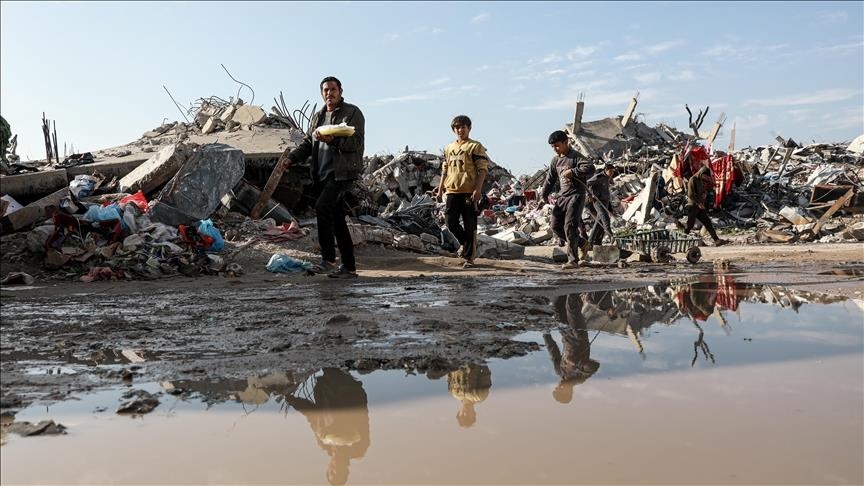
According to the Gaza reconstruction plan report from the temporary Arab Summit in Cairo, Gaza’s economy shrank by 83 per cent in 2024. Unemployment rose to 80%, and inflation reached 309.4 per cent in October 2024 due to severe supply shortages. On the humanitarian side, 91 per cent of Gaza’s population faces food insecurity, and this number is expected to rise to 1.95 million by April 2025. The healthcare system is collapsing, with 64 per cent of primary health centers out of service, and 25 per cent of the injured require long-term rehabilitation. Education is also in crisis, with 745,000 children out of school because schools were either destroyed or used as shelters. Over a million children need psychological and social support, and there are between 17,000 and 18,000 unaccompanied children, which makes child care even more difficult.
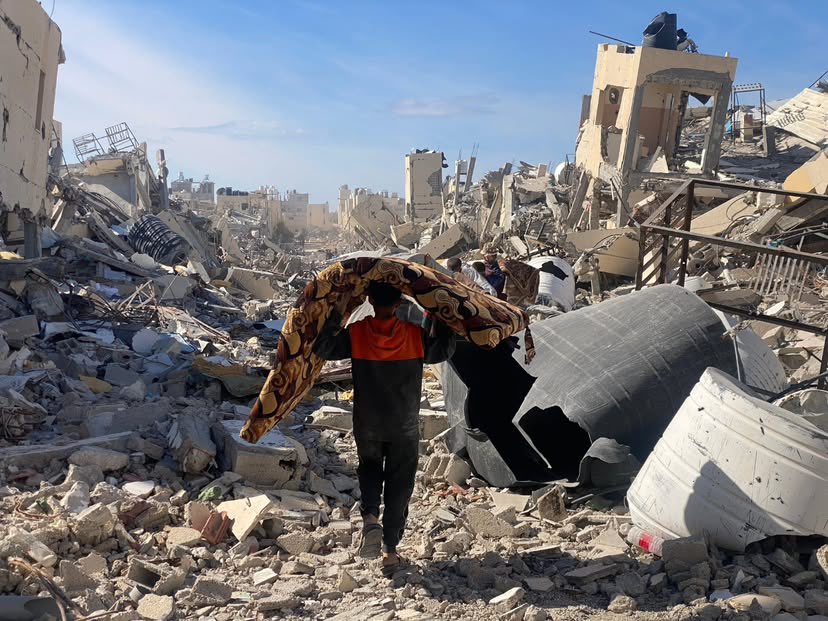
The damage in Gaza is divided into three categories: areas completely destroyed, which need the rubble cleared and infrastructure rebuilt from scratch; semi-destroyed areas, which need repairs to restore basic services; and lightly damaged areas, which require limited work to restore services and ensure ongoing reconstruction. The damage is assessed by comparing the current situation to how things were before the crisis, and the affected assets are classified into three levels: fully destroyed, partially damaged, and lightly damaged.
The reconstruction plan has two phases. The first phase, early recovery, will take 6 months and cost $3 billion. This phase includes clearing rubble, repairing main roads, providing 200,000 temporary housing units, and restoring 60,000 damaged homes. The second phase, which is the main reconstruction phase, will take 5 years and cost $50 billion. It is split into two parts: The first part, lasting 2 years at a cost of $20 billion, involves finishing the rubble removal, building 200,000 homes, repairing 20,000 acres of farmland, and setting up water desalination plants and sewage treatment facilities. The second part, lasting 2.5 years at a cost of $30 billion, involves building 200,000 more homes, developing ports, creating an industrial zone, and building a coastal road.
Housing has been the hardest-hit sector, with 15,000 homes completely destroyed. The plan aims to build 150,000 new homes and provide 100,000 temporary homes, costing $15 billion. About 30 per cent of Gaza’s farmland was also destroyed, requiring the rehabilitation of 10,000 hectares at a cost of $5.6 billion. The water and electricity sectors also need significant investment to keep providing essential services to the people. The total cost of reconstruction is estimated at $53 billion over 10 years. The funds for this will come from international donors, humanitarian organizations, and local investments. Around $4.5 billion will be for development projects, and $18 billion will go toward infrastructure.
For the reconstruction plan to succeed, it is important to get enough financial resources to fix the huge damage in Gaza. This will help restore normal life and improve the economic and social situation, leading to long-term sustainable development. To ensure the plan works, it is crucial to have different sources of funding. These could include the United Nations, international financial organizations, donor countries, investment funds, government agencies, development banks, and civil society groups.
An international trust fund will be set up to manage the funds efficiently, ensuring transparency and proper oversight. The Egyptian government will also hold a high-level conference in Cairo, in partnership with the Palestinian Authority and the United Nations, to gather the necessary support for the reconstruction plan. This conference will bring together donor countries, international and regional financial institutions, the Palestinian and international private sectors, and civil society organizations. It will be a key event to secure financial resources and suggest investment projects that can be implemented with the help of supporting organizations.
The writer is head of the Economics Department – University of Jordan – [email protected]
CrossFireArabia
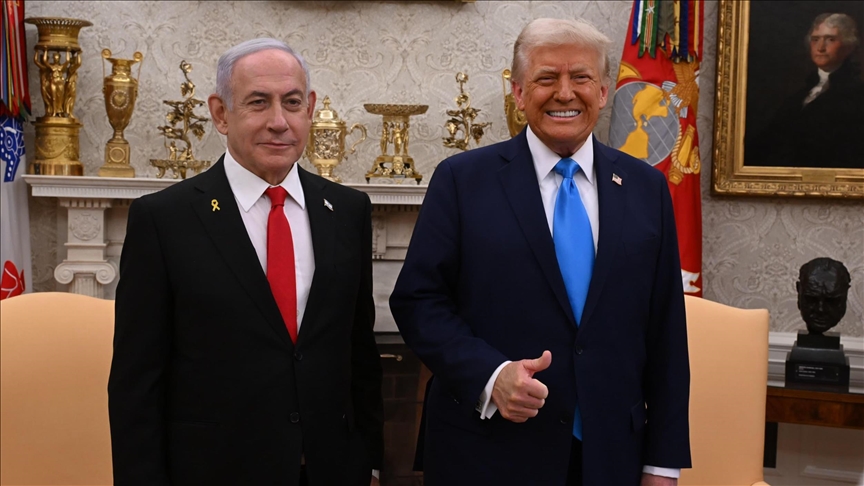
U.S. President Donald Trump appeared to reverse his controversial plan to forcibly expel Palestinians from Gaza, following widespread rejection, stating, “nobody is expelling any Palestinians” from the war-torn enclave.
During an Oval Office meeting with Irish Prime Minister Micheál Martin on Wednesday, a reporter asked about Trumps plans to expel Palestinians from Gaza and whether he had discussed the matter with the Irish leader. Trump responded, “Nobody is expelling any Palestinians,” according to the Quds News Network.
Trump had previously proposed permanently and forcibly displacing Palestinians from Gaza and transforming the area into what he called the “Riviera of the Middle East.” His plan envisioned a developed, Palestinian-free zone under US control and ownership, where “the world’s people” could reside.
He also suggested that Jordan and Egypt take in displaced Palestinians, a proposal that both countries firmly rejected. Legal experts, along with Palestinians, condemned the plan, calling it “ethnic cleansing.”
Hamas has welcomed Trump’s Wednesday remarks. Hazem Qassem, spokesperson for Hamas, said, “If President Trump’s statements represent a reversal of the plan of displacing the people of Gaza, they are welcomed. We call for this stance to be followed by holding the occupation accountable for implementing all ceasefire agreements,” urging Trump not to “align with the extremist right-wing Zionist agenda.”
Meanwhile Jordan, Thursday welcomed President Trump’s remarks made on Wednesday, which affirmed that the residents of Gaza would not be required to leave the war-torn Strip, according to a Foreign Ministry statement.
Sufyan Qudah, the ministry’s spokesperson, reiterated Jordan’s support for efforts aimed at achieving a peace that is acceptable to all parties, highlighting that both Jordan and the United States are partners in these efforts according to The Jordan Times.
Qudah also underscored the importance of securing a just and lasting peace, one that leads to the establishment of an independent and sovereign Palestinian state based on the 1967 borders, with East Jerusalem as its capital. He reaffirmed that the two-state solution remains the only viable pathway to ensuring long-term security, stability, and peace in the region.
Trump said on Wednesday that “nobody is expelling any Palestinians from Gaza,” in response to a question during a meeting in the White House with Irish Prime Minister Micheál Martin.
CrossFireArabia
By Michael Jansen
The Muslim world has added its considerable weight to the plan adopted by the Arab summit for the reconstruction of Gaza while Palestinians remain in the strip. A meeting last week in Jeddah at foreign minister level of the 57-member Organisation for Islamic Cooperation extended full support to the detailed plan drawn up by Egypt. Therefore, both the Arab world and worldwide Muslim Umma have rejected the proposal of Donald Trump to expel 2.3 million Palestinians from Gaza and transform the devastated coastal trip into a “Middle Eastern Riviera.”
The 91-page $53 billion Egyptian plan itself is a major accomplishment as it was drawn up in less than 30 days. Its framework was presented last month to a mini-summit in Saudi Arabia of the Gulf countries, Egypt and Jordan, and approved on by Arab foreign ministers ahead of the maxi-summit.
During the first six-month $3 billion stage of the plan Hamas would cease administering Gaza and a committee of Palestinian technocrats overseen by the Palestinian Authority would clear rubble from the main north-south Salaheddin highway. Palestinian residents would shift to seven relatively clear sites where 200,000 temporary housing units would be built to shelter 1.2 million. Additionally, 60,000 damaged buildings would be repaired to house thousands. Egypt and Jordan would train a Palestinian police force to enable a reformed Palestinian Authority to take over Gaza’s governance from Hamas. Nothing was said about disarming Hamas’ military wing which could be a contentious issue.
The second $20 billion two-year reconstruction stage would focus on permanent housing and rehabilitation of agricultural land, electricity, water, sewage and telecom-munications. The third 2.5-year stage costing $30 billion would continue with housing and build an industrial zone, a fishing port, a commercial seaport, and an international airport. Funding would be raised from donors in the Gulf, Europe, the US and international financial institutions. Disbursement and investment would be internationally supervised.
It is hardly surprising that the US and Israel should reject the Arab/Muslim plan. US National Security Council spokesman Brian Hughes issued a statement which said, “The current proposal does not address the reality that Gaza is currently uninhabitable, and residents cannot humanely live in a territory covered in debris and unexploded ordnance. President Trump stands by his vision to rebuild Gaza free from Hamas. We look forward to further talks to bring peace and prosperity to the region.” Trump, however, did not propose a Gaza free from Hamas but a Gaza free from Palestinians. This is neither acceptable nor legal under international law.
Despite, Hughes dismissal, Washington appears to be divided. Trump’s regional envoy Steve Witkoff said, “There’s a lot of compelling features” in Egypt’s plan for postwar Gaza, and observed that there was “a path” for Hamas to leave Gaza.
The Israeli foreign ministry said the Egyptian plan “fails to address the realities of the situation.” For the ministry these “realities” were created by the October 7th, 2023, raid on southern Israel by Hamas which killed 1,200. Naturally, the ministry reiterated Israel’s support for Trump’s plan as “an opportunity for the Gazans to have free choice based on their free will.” By this, the ministry meant bombed and starved Palestinians would freely choose to leave Gaza although Gazans have said they have chosen to stay in the strip despite dire conditions.
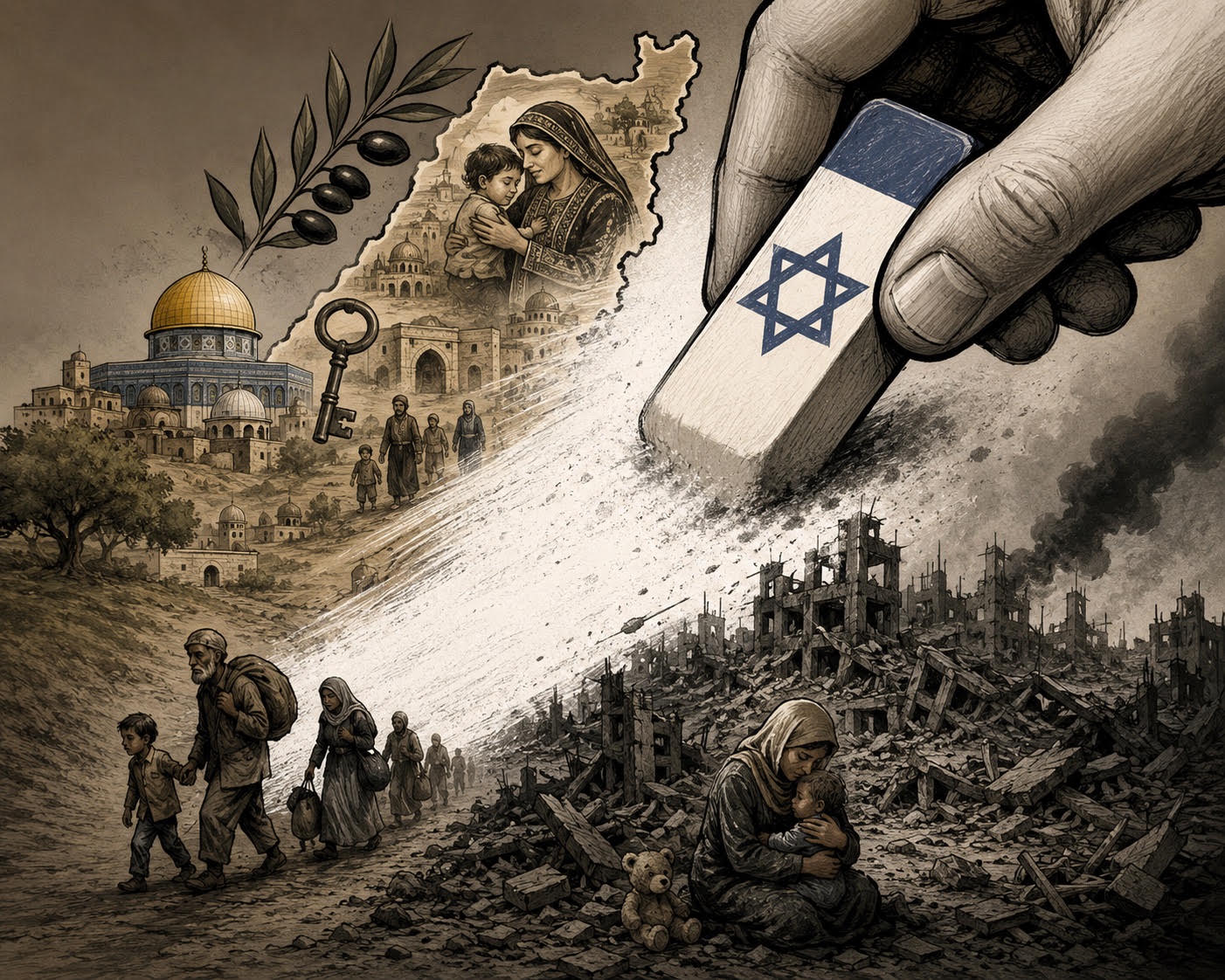
Gazans are determined to resist a second Nakba, their catastrophic 1948 expulsion from their cities, towns and villages. This left them homeless, landless and stateless and the world has done nothing to remedy their situation over the past 77-years although the “path” to a Palestinian state has been charted since 1988 when the Palestinian National Council issued the Palestinian Declaration of Independence and a call for a mini-state in East Jerusalem, the West Bank and Gaza, 22 per cent of the Palestinian homeland.
While 30 per cent of Gazans are indigenous, 70 per cent were driven into the Gaza strip from nearby areas. Many still live in UN refugee camps. More than 30,000 took part in the Great March of Return by protesting along the border between Gaza and Israel. The demonstrations began on March 30, 2018, and continued until December 27, 2019. The mainly peaceful protesters demanded the right to go home in areas conquered by Israel in 1948 and an end to the Israeli blockade of Gaza. Israeli snipers opened fire at protesters, killing 266 youngsters and injuring almost 30,000 others, Gaza’s health ministry reported. Many of the injured received crippling wounds in the legs.
These demonstrations should have been proof positive that Gazans are not going anywhere else. For them, Gaza is their home, their present and their future. The Arab plan is designed to provide a decent life for native Gazans and refugees alike in a scrap of territory which amounts to one per cent of their occupied Palestinian homeland.
The writer is a columnist in The Jordan Times.
CrossFireArabia
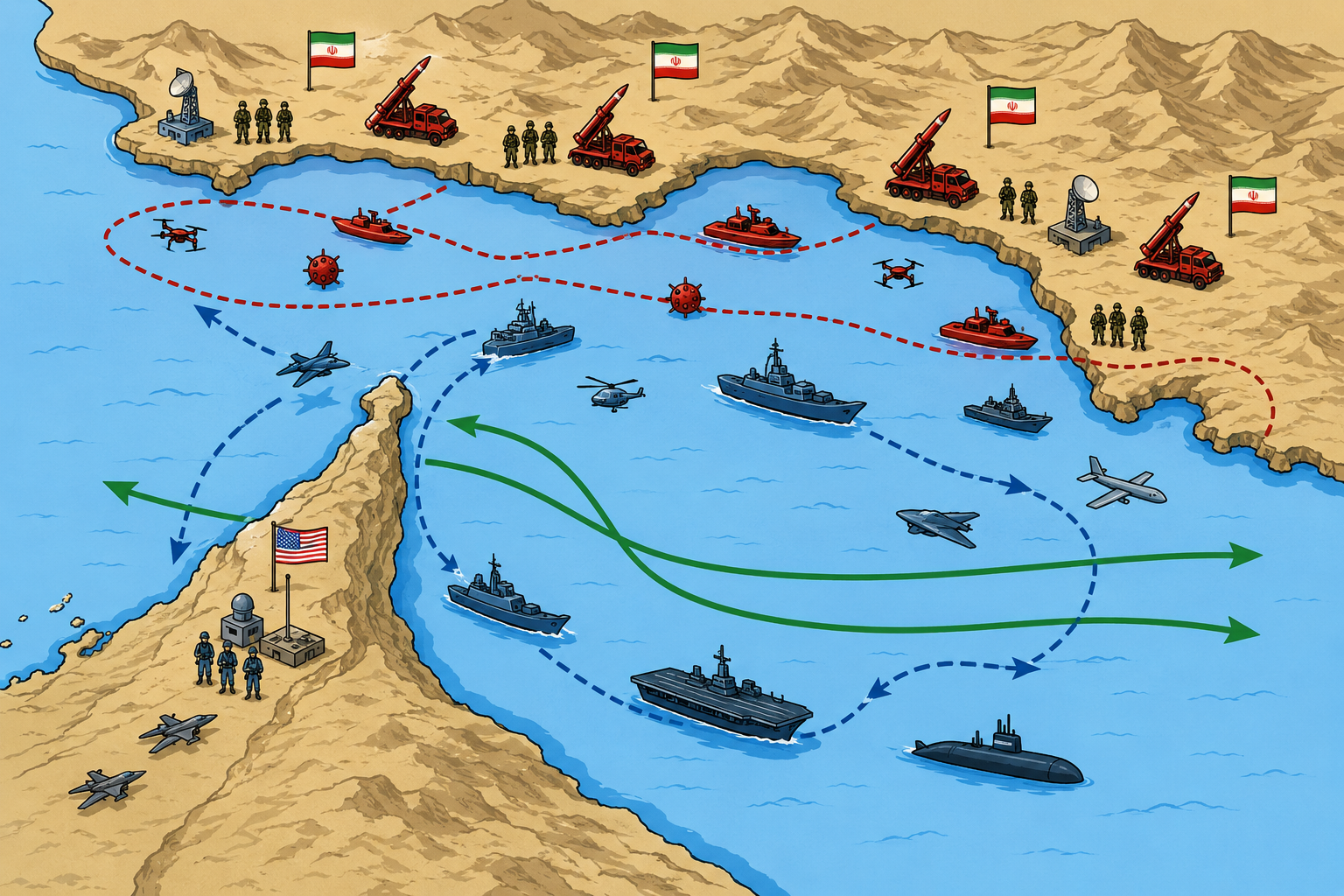
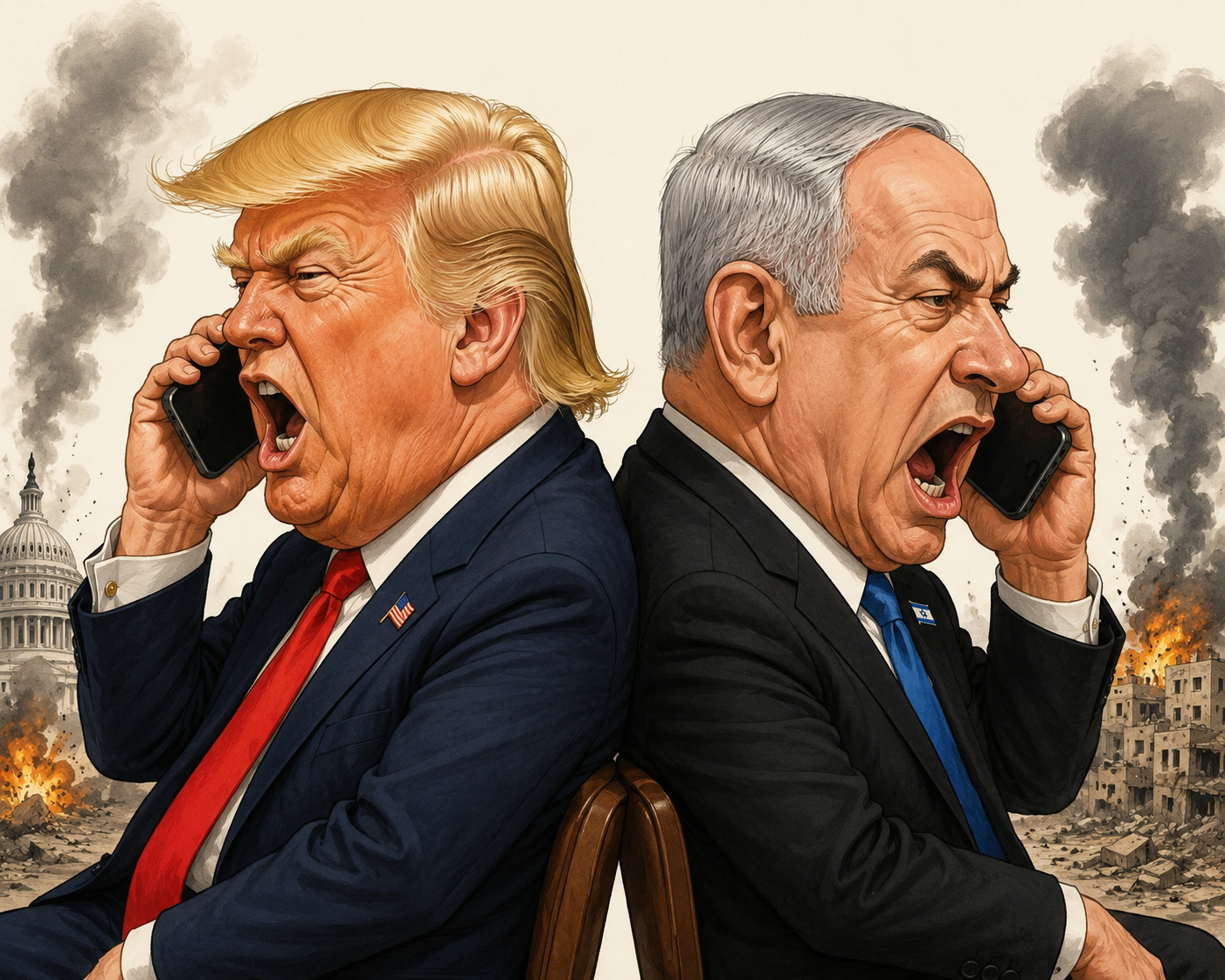
One couldn’t help but feel a tinge of pleasure in Iranian President Masoud Pezeshkian lashing out at Donald Trump. Without mincing his words, and certainly not sticking to diplomatic niceties, no doubt taking his cue from the new boss at the White House, Pezeshkian told the US president a few home truths.
Depending on the translation into English from Persian, he basically told the US president to “go to hell”. This is a phrase that is making great headlines all over the world for its intensity and meaning.
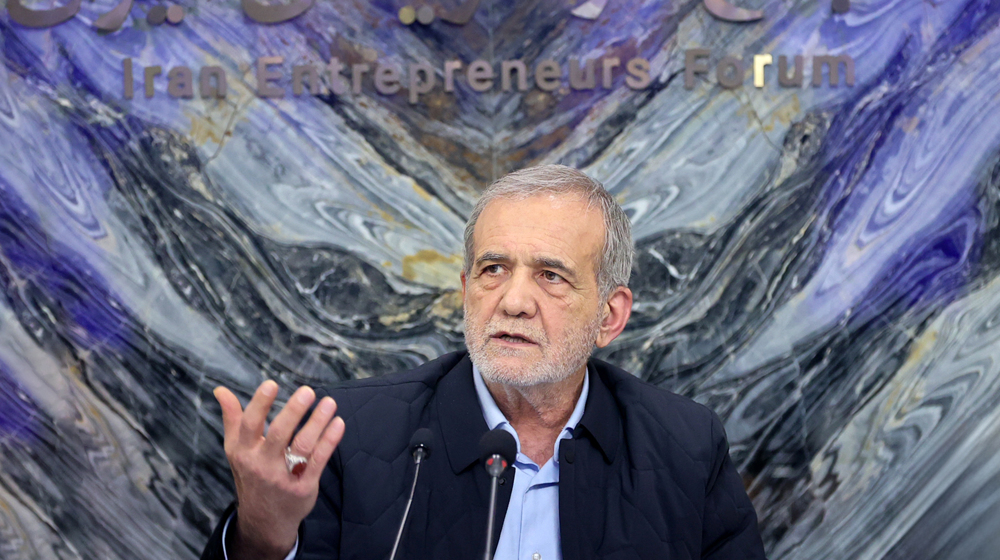
On its part, the social media is having a field day at Pezeshkian, to say the least “forthright” speech at the Iran Entrepreneurs Forum in which he lambasted Trump for the way he is called on Tehran to heed and either go back to the nuclear deal or face the mighty military of the United States.
He didn’t at all like how Trump framed his appeal for Iran to get back to the negotiations table when he spoke nonchalantly that “there are two ways Iran can be handled: militarily or make a deal.”
In turn, Pezeshkian and the Iranian leadership starting from Ayatollah Seyed Ali Khamenei to Foreign Minister Abbas Araghchi became particularly angry at this approach as Trump is now seeking to revive the 2015 Iran Nuclear Deal which he muzzled out of in 2018 during his first administration as one of the latest pieces of the US global, foreign and security policies.
Though denied by Iran, Trump said he sent a letter to Ayatollah Khamenei in which he told them to agree to a deal or face the military wrath of the United States with extended crippling sanctions on Iran’s oil sector, its exports and the shutting off of its global financing.
The subsequent utterings on the international media about Trump and his latest obsession in “controlling” the nuclear file of Iran has created a knee-jerk reaction among the country’s leadership which saw what Trump was doing was “coersive diktates” and imposition of maximalists pressure which today, they are in no mood to pay heed to because of so many factors including its ballistic missile attacks on Israel last October where up to 250 missiles landed on different sites of the country.
Pezeshkian, dubbed as a reformist president and one who is willing to listen, was startlingly critical at the way Trump invited, more like dictating, to get back to the nuclear deal under vastly different and stringent negotiating terms, and ones that would strip Iran of its nuclear aspirations and impose an additional and an even tougher monitoring and observation regime than the previously deal allowed for which Pezeshkian and other leaders rejected.
In plain, straight talking, again no doubt like Trump’s abrasive approach Pezeshkian leading a country on the threshold of becoming a nuclear power as many analysts suggest with more than 60 percent uranium enrichment capacity, said Iran would not negotiate with Washington while while being threatened. He essentially delivered the ultimate stab that the US president can “do whatever the hell you want”, as reported by the Iranian state media, Tuesday.
”It is unacceptable for us that they [the U.S.] give orders and make threats. I won’t even negotiate with you. Do whatever the hell you want”, Pezeshkian repeated at the behest of a country long standing up to the United States and to maintain cold and freezing relations with the United States.
Further, and to say the least, this was the ultimate snub delivered by the Iranian president who was in no mood to listen to the antics of the new US president wishing to wield his rhetorical stick around the world and was not afraid of telling him so.
Pezeshkian was especially irked him by the way Trump met the Ukraine President Volodymyr Zelensky in the White House recently calling it disgraceful and shameful and Iran would not listen to such talk as a way of moving the negotiations forward.
It was Trump, who initially pulled out of the Iran deal officially called Joint Comprehensive Plan of Action (JCPOA) signed by the then Barack Obama administration with international backing of five major UN powers including Russia, China, Britain, France and Germany in 2015.
Then Trump said the deal was a bad one and wanted to re-negotiate. But since taking the USA out of the deal, Tehran no longer found it necessary to continue to observe the strict regime imposed by JCPOA on Iranian nuclear facilities which slowly started to top up its uranium enrichment levels to where it is today.
As well, Pezeshkian was echoing the words of Ayatollah Khamenei who earlier rejected the prospects of direct talks, calling them neither “smart, wise nor honorable” while saying that Iran will not be bullied into negotiations.
This was seconded by Iran’s Foreign Minister Araghchi who made it perfectly clear on his X account that “we will NOT negotiate under pressure and negotiation, We will NOT even consider it, no matter what the subject might be, whilst emphasizing that dialogue must be rooted in mutual respect, not threats.”
For all the outward talk however, Iranian officials have stressed as they did so in the past that the country’s nuclear program has been always for peaceful purposes and is open about the country’s nuclear reactors and plants as proved in its current consultation with the different world powers of the United Nations Security Council.
The above-analysis is written by Dr Marwan Asmar, chief editor of the crossfirearabia.com website.