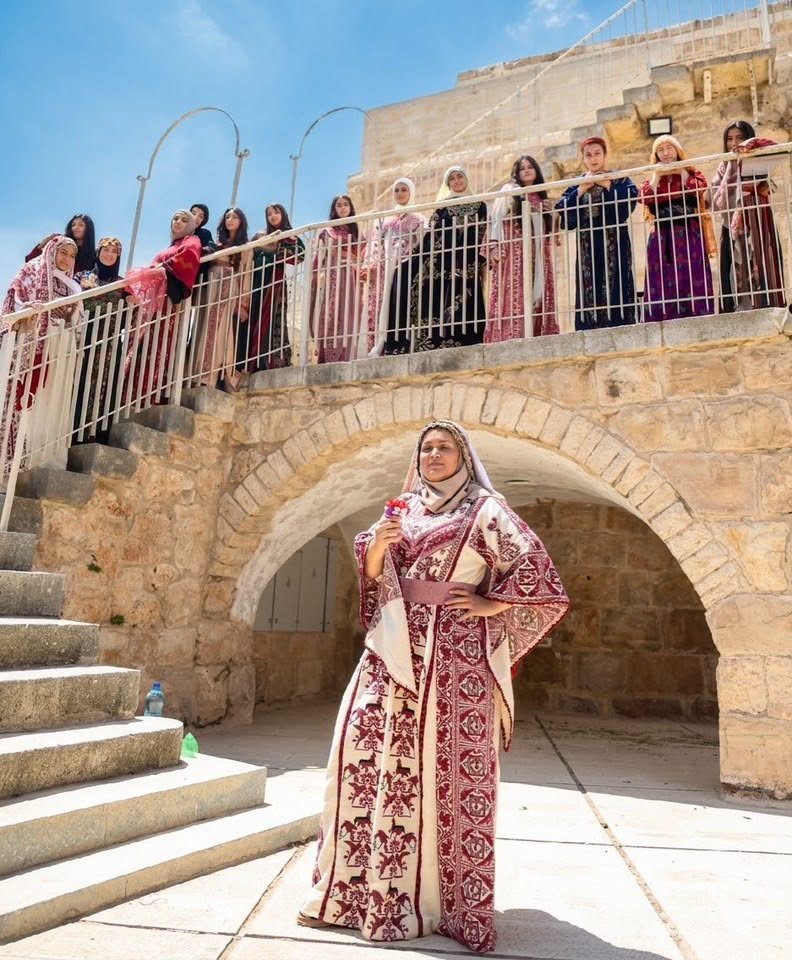
 Palestine in Color Dresses
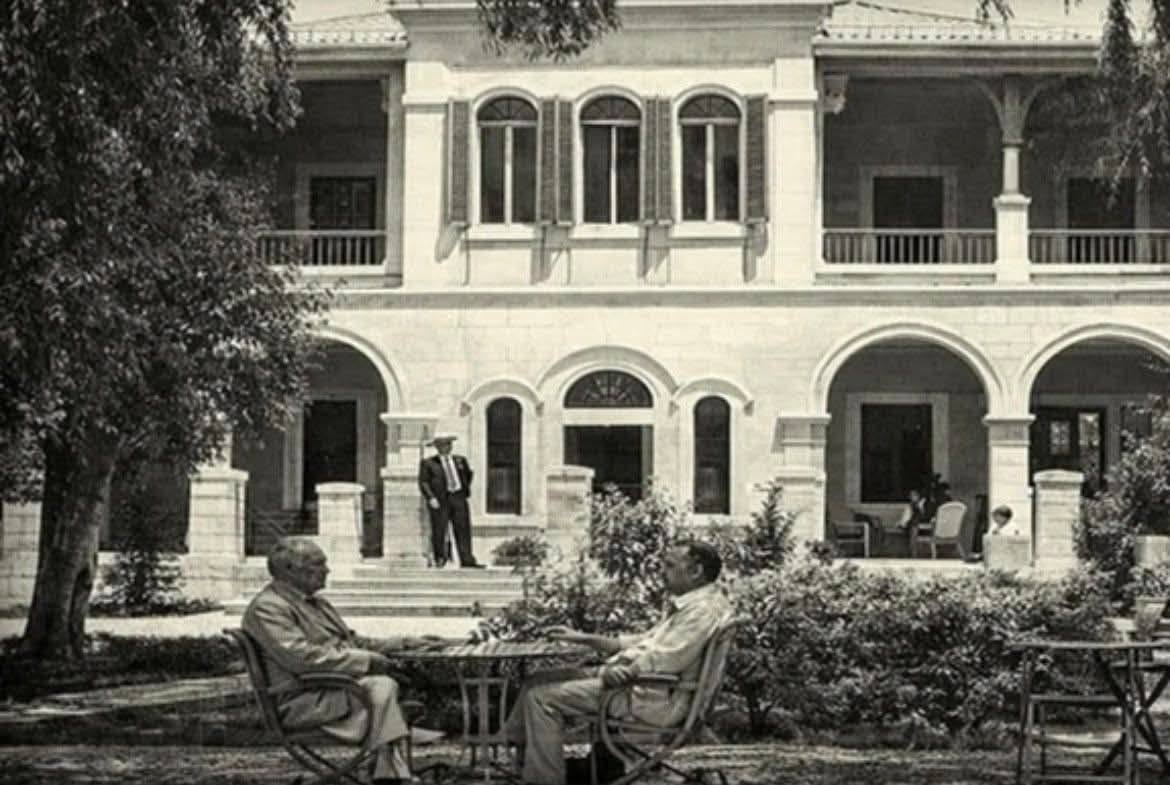
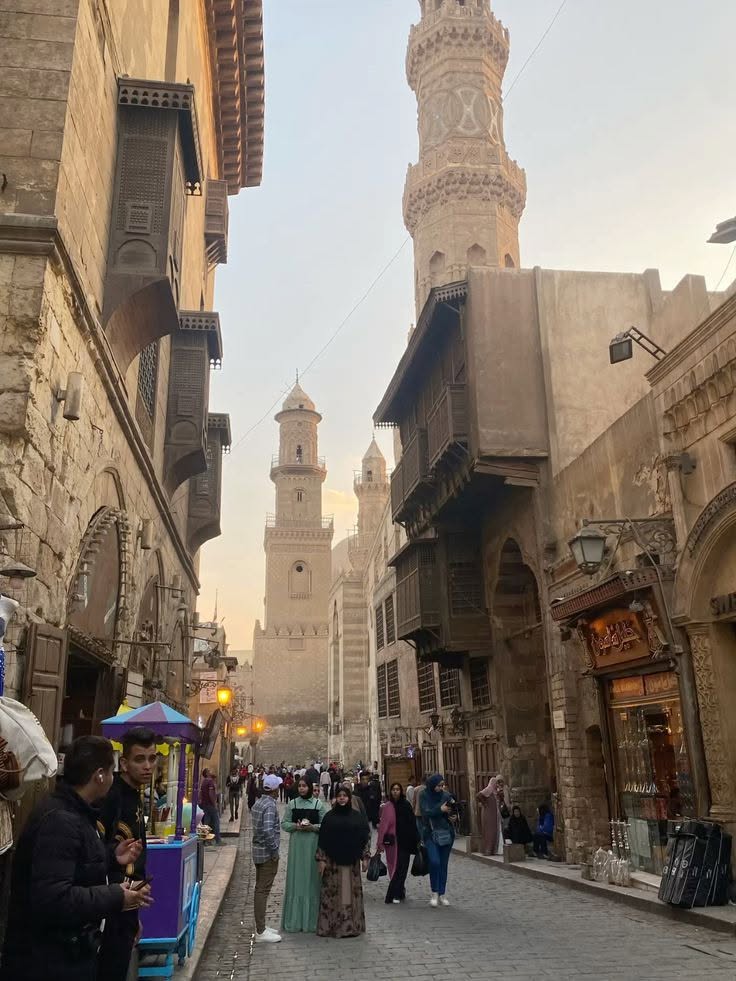
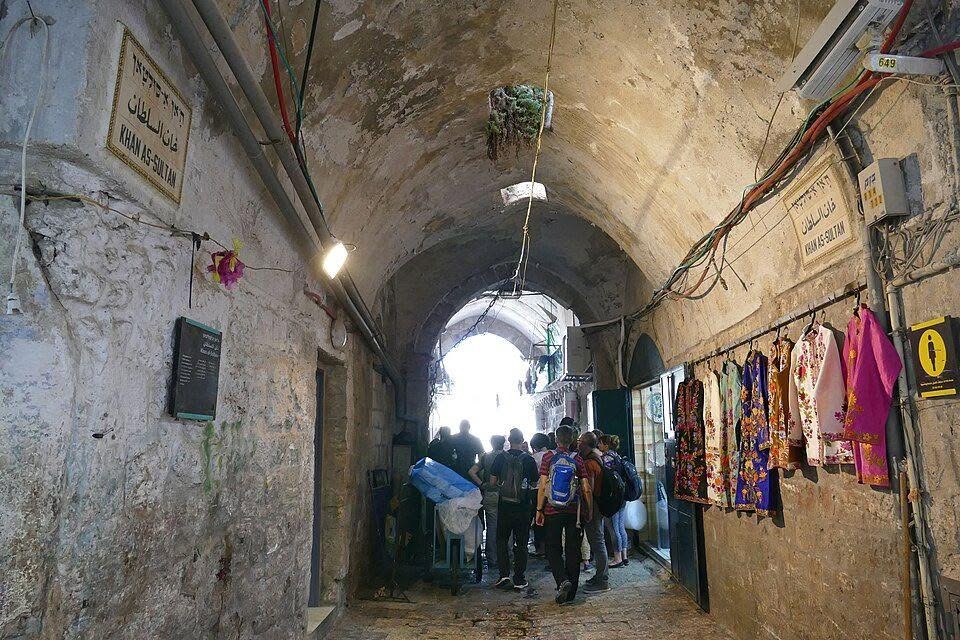 Khan al-Sultan Stands Proud in Jerusalem
 Christian Wedding in Beit Jala 1940
 Palestinian Photographer Khalil Raad With Family in Early 20th Century
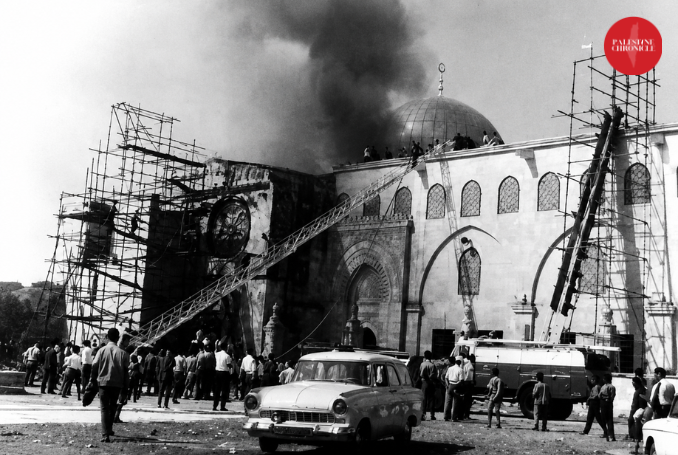 The Day Al Aqsa Was Set on Fire




Palestine in Color Dresses
 CrossFireArabia
- August 22, 2026
 CrossFireArabia
 marwan
 HebaCrossFireArabiaCrossFireArabiaCrossFireArabiaCrossFireArabiaCrossFireArabiaCrossFireArabiaCrossFireArabiaCrossFireArabiaHebaCrossFireArabiaCrossFireArabiaHebamarwanmarwanmarwanmarwanmarwanmarwanCrossFireArabiamarwanmarwan
 Saleem Ayoub QunamarwanCrossFireArabiaCrossFireArabiaCrossFireArabiaCrossFireArabiamarwanCrossFireArabiaCrossFireArabiamarwanCrossFireArabiaHebaCrossFireArabiamarwanCrossFireArabiamarwanHebaCrossFireArabiamarwanmarwanHebaCrossFireArabiamarwanmarwanCrossFireArabiamarwanHebaCrossFireArabiaCrossFireArabiaCrossFireArabiaHebamarwanCrossFireArabiamarwanHebaCrossFireArabiaHebamarwanmarwanCrossFireArabiamarwanmarwanmarwanmarwanmarwanmarwanmarwanmarwanmarwanCrossFireArabiaCrossFireArabiamarwanmarwanCrossFireArabia
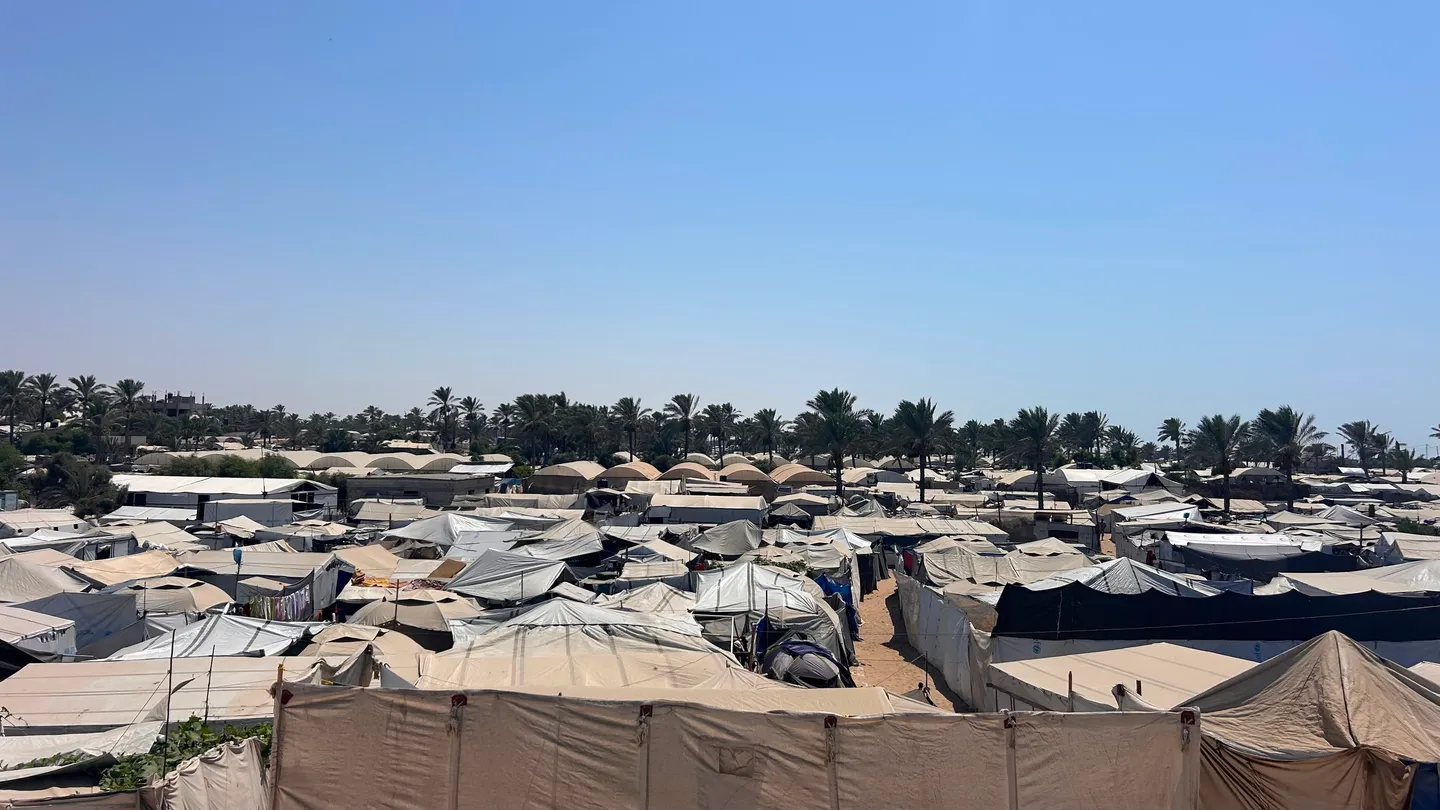
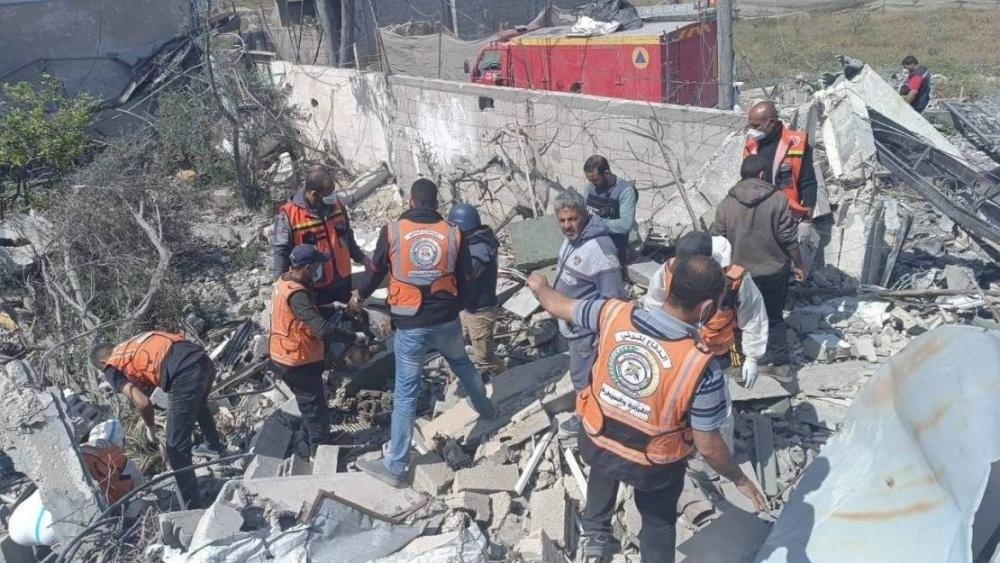
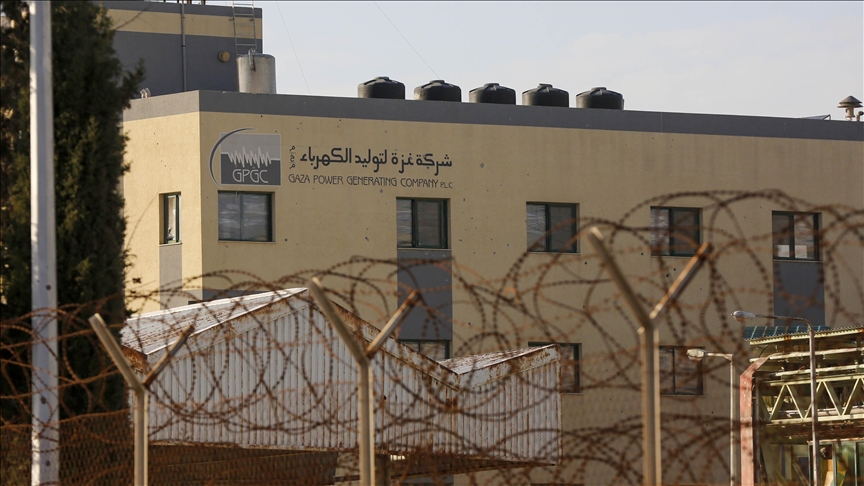
Local authorities in Gaza confirmed Monday a power cut in the Palestinian enclave by Israel.
“The Israeli occupation’s cutoff of electricity threatens a health and environmental disaster in Gaza,” Mohammad Thabet, a spokesman of the Gaza Electricity Distribution Company, told the local Al-Aqsa radio.
He said Tel Aviv had supplied electricity to Gaza through 10 power lines before the outbreak of Israel’s genocidal war according to Anadolu.
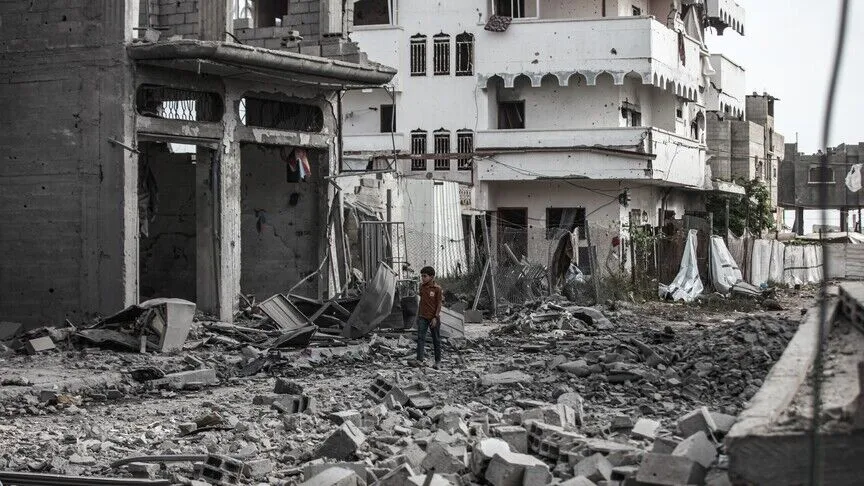
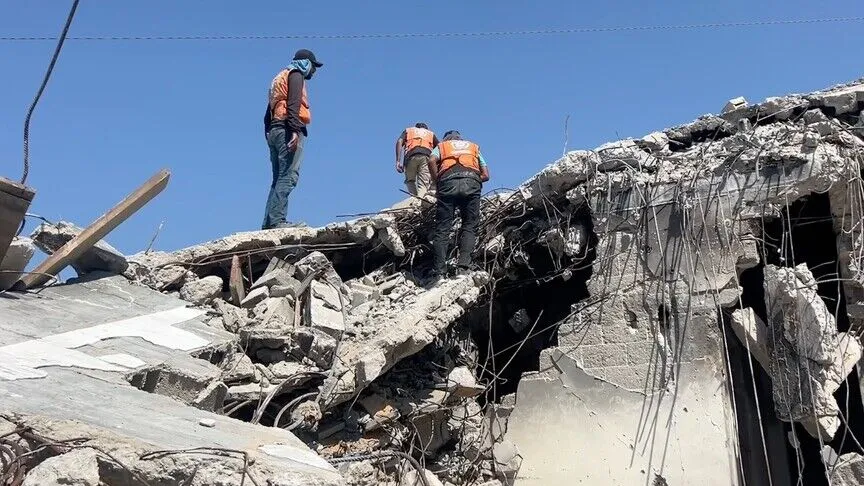
“Almost 70% of the electricity distribution networks and 90% of warehouses and stores in Gaza were completely destroyed” by the Israeli war, Thabet said.
The spokesman said that 80% of the distribution company’s vehicles were also destroyed in Israeli attacks since October 2023.
Israel cut off the electricity supply to Gaza on Sunday, in the latest move to tighten a stifling blockade on the enclave despite a ceasefire and prisoner exchange agreement.
UN Special Rapporteur Francesca Albanese said that the Israeli move amounts to a “genocide alert,” arguing that without electricity, there is no clean water.
She added that failing to impose sanctions or an arms embargo on Israel amounts to “aiding and assisting Israel in the commission of one of the most preventable genocides of our history.”
Last week, Israel stopped humanitarian aid from entering Gaza, prompting warnings from local and human rights groups of a return to widespread hunger for the Palestinian population.
The first phase of the ceasefire deal, which lasted 42 days, ended in early March without Israel agreeing to move to the second phase or halt the war.
Israeli Prime Minister Benjamin Netanyahu seeks to extend the first phase of the prisoner exchange to secure the release of more Israeli captives without fulfilling military or humanitarian obligations outlined in the agreement, appeasing hardliners in his government.
Palestinian group Hamas, however, rejects this approach and insists that Israel abide by the ceasefire terms, urging mediators to push for immediate negotiations on the second phase, which includes a full Israeli withdrawal and an end to the war.
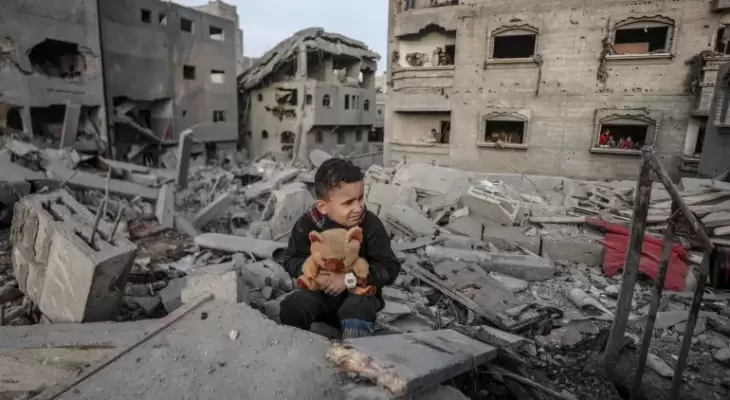
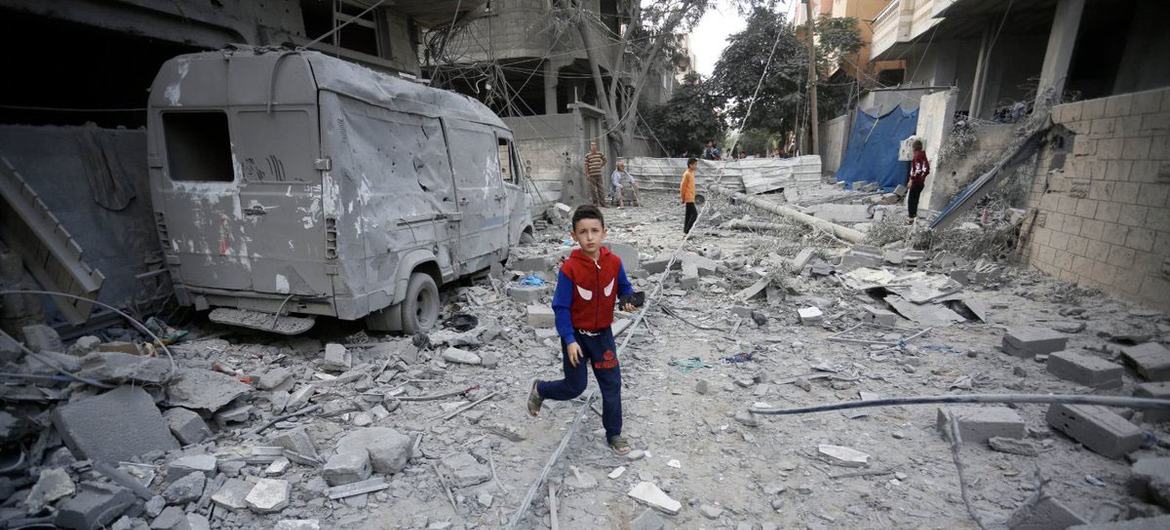
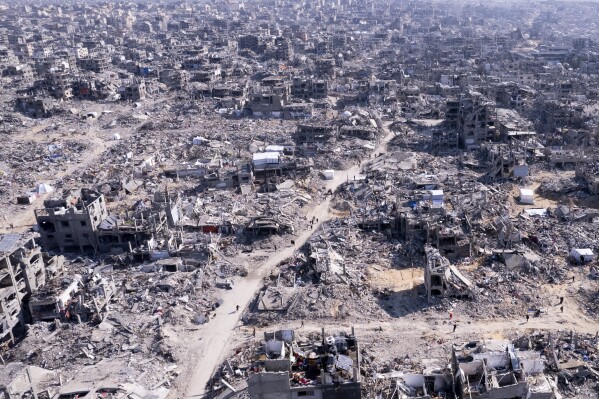
The ceasefire deal has been in place since January, pausing Israel’s genocidal war on Gaza, which has killed more than 48,450 people, mostly women and children, and left the enclave in ruins.
Last November, the International Criminal Court issued arrest warrants for Netanyahu and his former Defense Minister Yoav Gallant for war crimes and crimes against humanity in Gaza.
Israel also faces a genocide case at the International Court of Justice for its war on the enclave.
CrossFireArabia
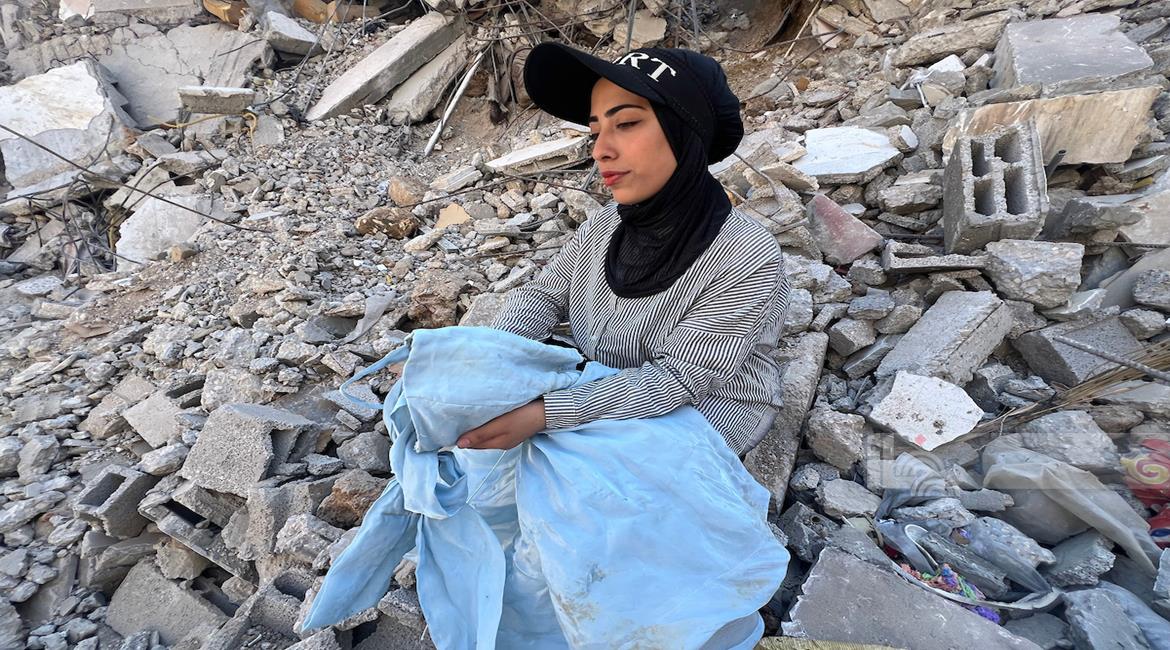
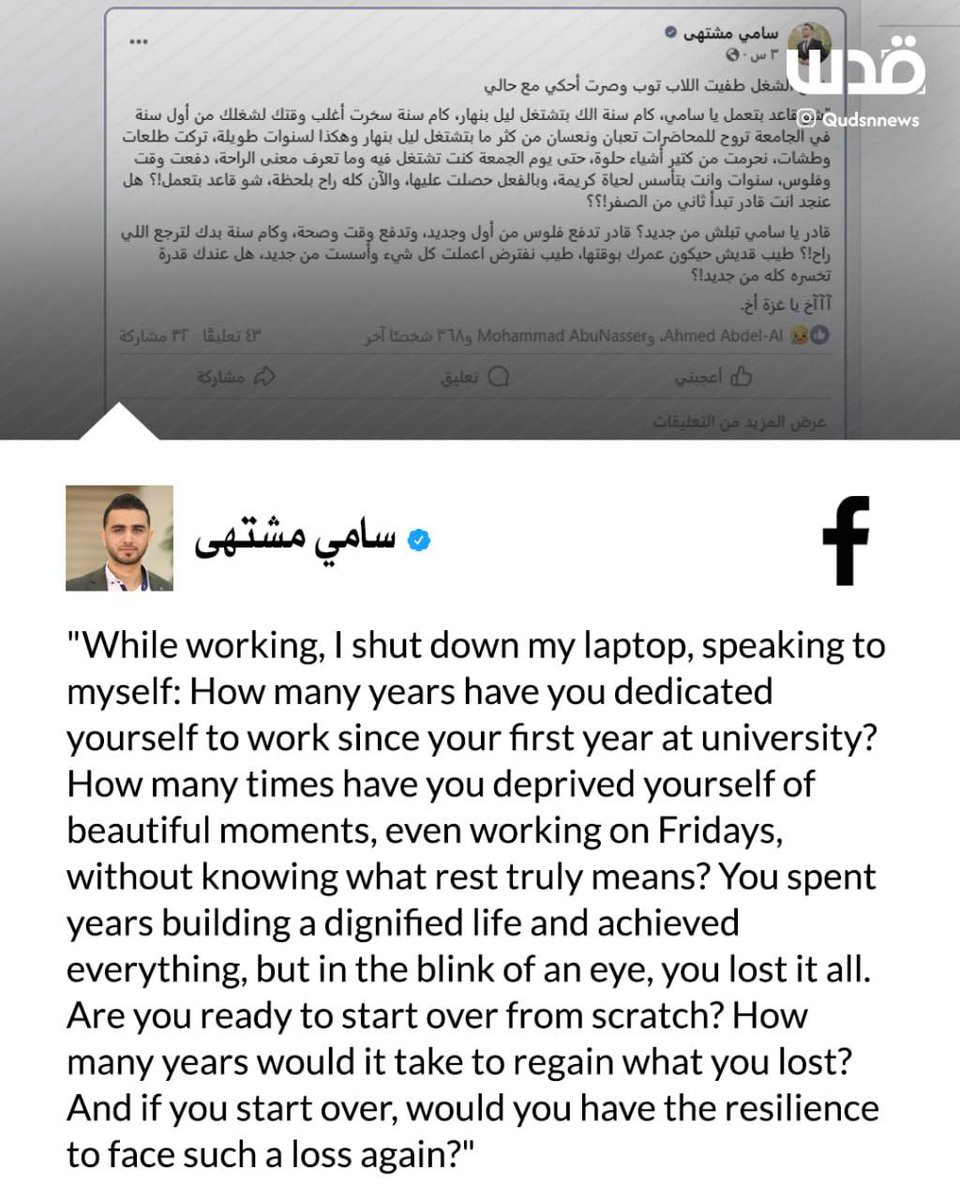
Palestinian broadcaster Sami Mushtaha from Gaza reflects on the devastating loss he endured during the recent Israeli genocide in the war-damaged region.
CrossFireArabia
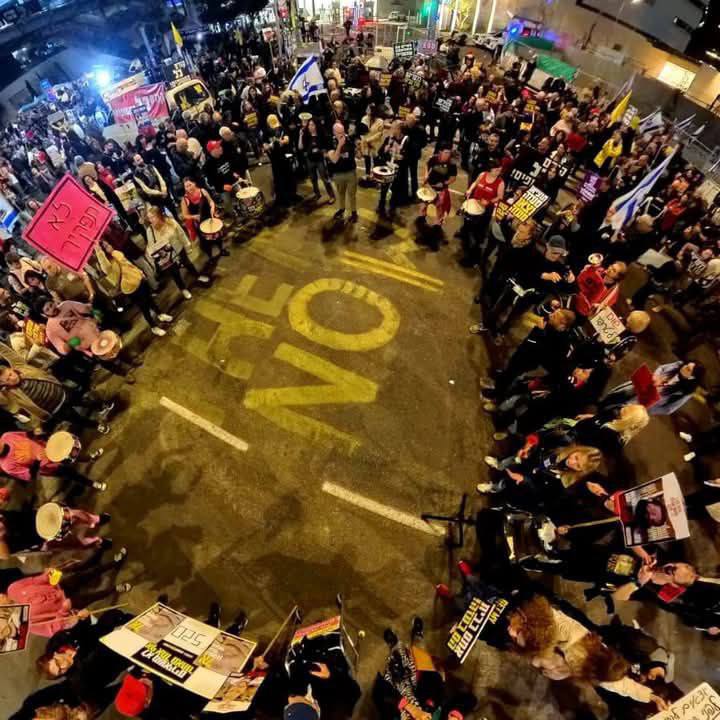
Israeli settlers are currently protesting in Tel Aviv, demanding an immediate prisoner exchange deal with the Palestinian resistance.
CrossFireArabia
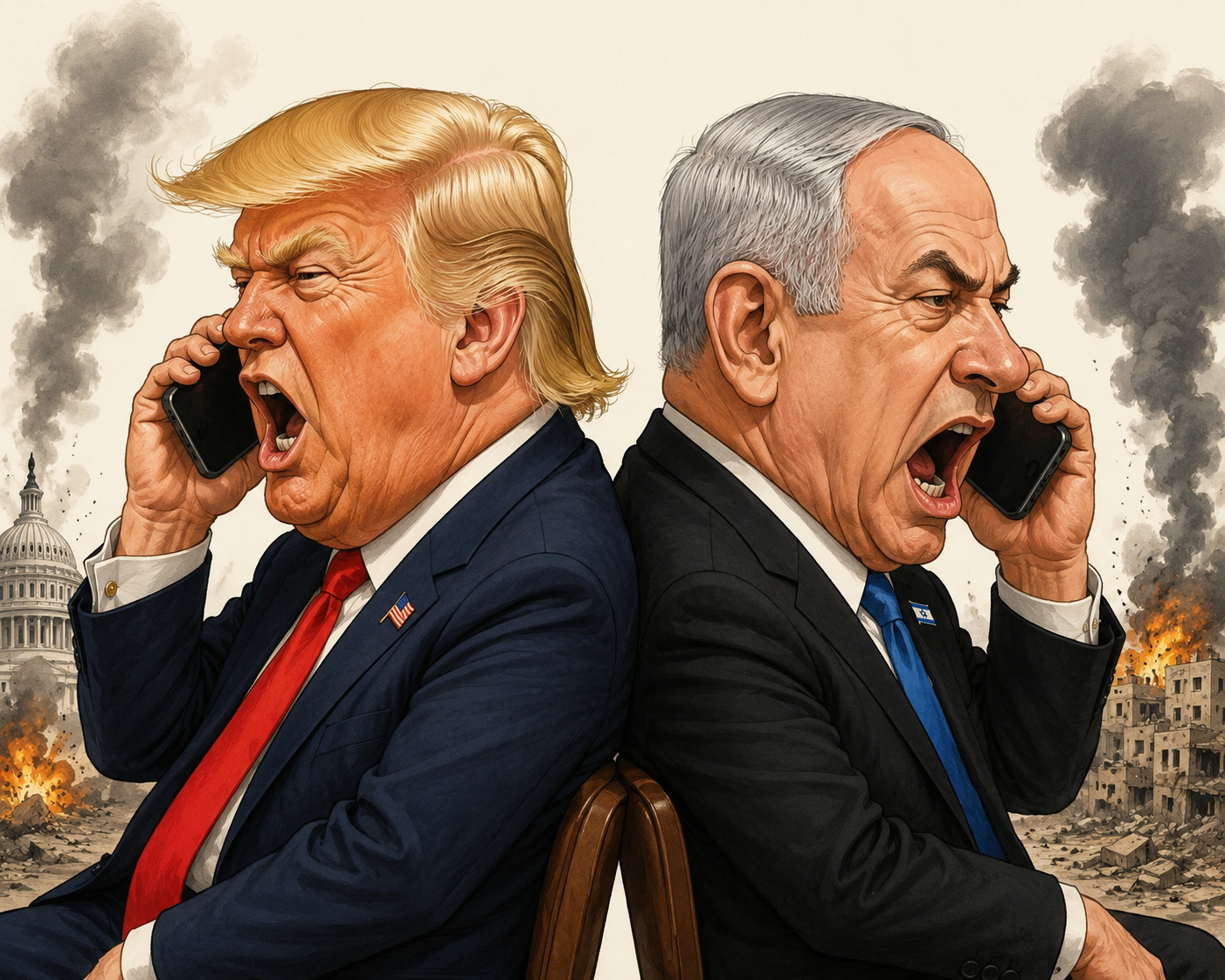
There are not enough leaks about the “backchannel” that began late last month in Doha between Trump’s envoy for hostage affairs, Adam Boehler, and leaders of Hamas’ political bureau (reports indicate that the Hamas delegation was led by Khalil al-Hayya). However, what is striking is that these talks coincided with an escalation in threats from both Trump and Netanyahu toward Hamas, warning of a resumption of war and a more severe course of action. Moreover, Israeli security sources indicate that there is a plan to begin the practical implementation of the displacement scheme announced by Trump!
The key question here is what lies behind the Trump administration’s decision to open a secret channel with Hamas at this specific time, especially when negotiations between Hamas and Israel regarding the second phase are stalling. This is particularly intriguing given that the Trump administration has shown a tougher stance toward Hamas than his predecessor, Joe Biden. Moreover, the Doha meetings coincided with Trump receiving a number of former detainees held by Hamas and issuing a strongly worded message, what he described as a serious threat. What is the significance of these parallel and simultaneous steps taken by the Trump administration toward Hamas?
Those close to the Trump administration suggest that this move is nothing more than a “tactical shift” in the US approach without any fundamental changes. The goal is to ensure that Hamas receives the message directly and forcefully, without intermediaries or misinterpretation. This explanation is logical and, in fact, the most likely scenario, as there are no real initiatives or substantial shifts in the US administration’s position. This is especially evident in the fact that the only stance issued by the U.S. National Security Council rejected the Egyptian-Arab proposal, reaffirming President Trump’s commitment to his plan.
So what message did Boehler convey to Hamas leaders? Or, in other words, what is the deal being offered to them? It is clear that the U.S. offer revolves around extending the first phase, or even calling it the second phase, in exchange for the release of all prisoners held by Hamas, including Americans, as well as the safe exit of Hamas and Qassam Brigades leaders from Gaza and the establishment of a long-term ceasefire in the Strip. However, does this include details about the day after the war? It remains unclear whether the U.S. message addressed that issue.
Nevertheless, the American stance remains unchanged, ending Hamas’ rule, disarming the movement, or effectively abandoning its military wing. It is also unknown whether the US has a specific policy if Hamas decides to transition into a political party that adopts peaceful resistance, for example.
Of course, the alternative Trump offers Hamas, should they reject these conditions, is the resumption of war, greater destruction in Gaza, and a forced displacement campaign against Palestinians. But the question that Hamas leaders are likely posing to Trump’s envoy is: What is the value of this threat if, in the end, what you are offering is nothing but the displacement of Palestinians? Why should we accept your terms, release the prisoners, lay down our arms, and leave Gaza if the outcome in both cases is the same? It is unclear whether Boehler had an answer to this question, or perhaps why Trump refuses the Arab plan, which is the most realistic and logical proposal presented so far.
On the other side, an important question arises: Is Hamas’ position unified between Doha and Gaza? There is significant room for interpretation and differences in the language coming from the Qassam Brigades on one hand and Hamas’ political bureau, particularly from one of the movement’s senior politicians, Mousa Abu Marzouk, on the other. It is also unclear whether Khalil al-Hayya is truly authorized to make such a crucial decision for the movement or what the limits of his mandate are. Is there any acceptance of the idea of a safe passage for the movement’s leaders in Gaza or laying down arms and transitioning into a peaceful movement? Or does Hamas still insist on maintaining both political and military strategies despite the severe imbalance of power and the massive destruction inflicted on Gaza and its people? All the choices are harsh and difficult.
Mohammad Abu Rumman is a columnist in the Jordan Times