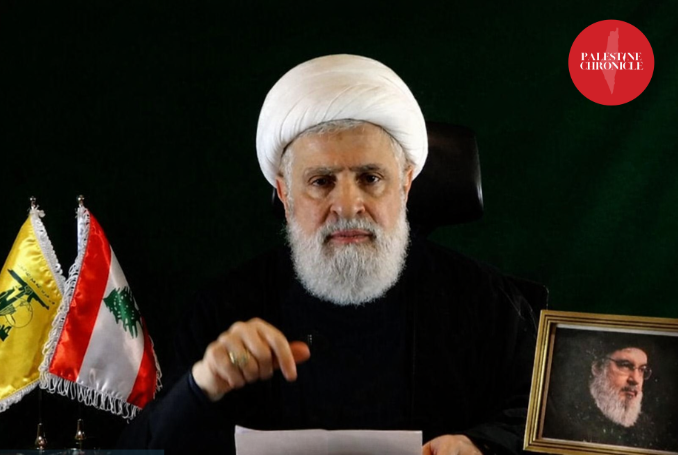
 Pezeshkian: ‘Iran Will Not Surrender to Bullies’
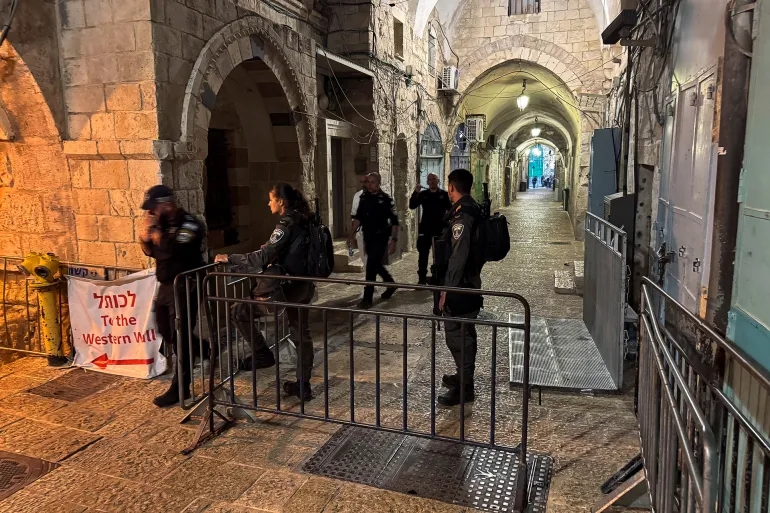 Israeli Soldiers Enforce Closure of Al Aqsa
 1 in 7 Displaced in Lebanon – NRC
 Hormuz: End of an Era of Martime Dominance
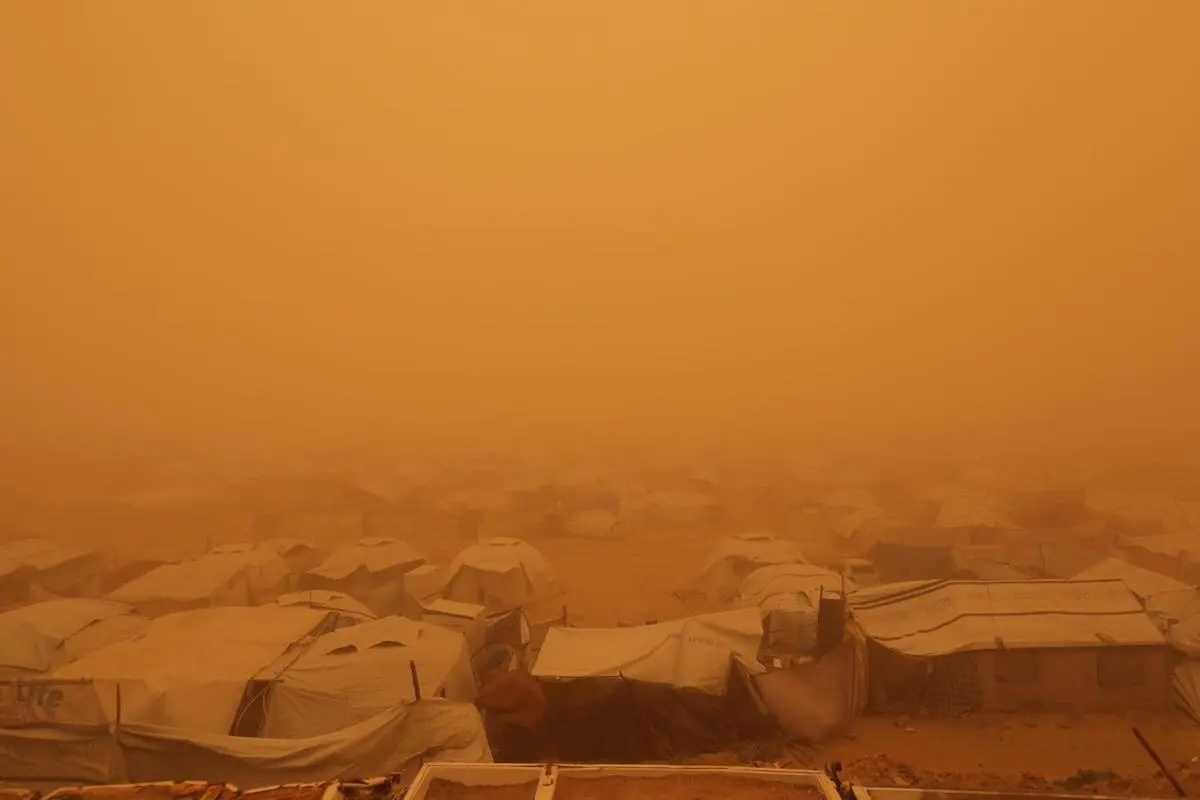 Gaza Faces Massive Dust Storm

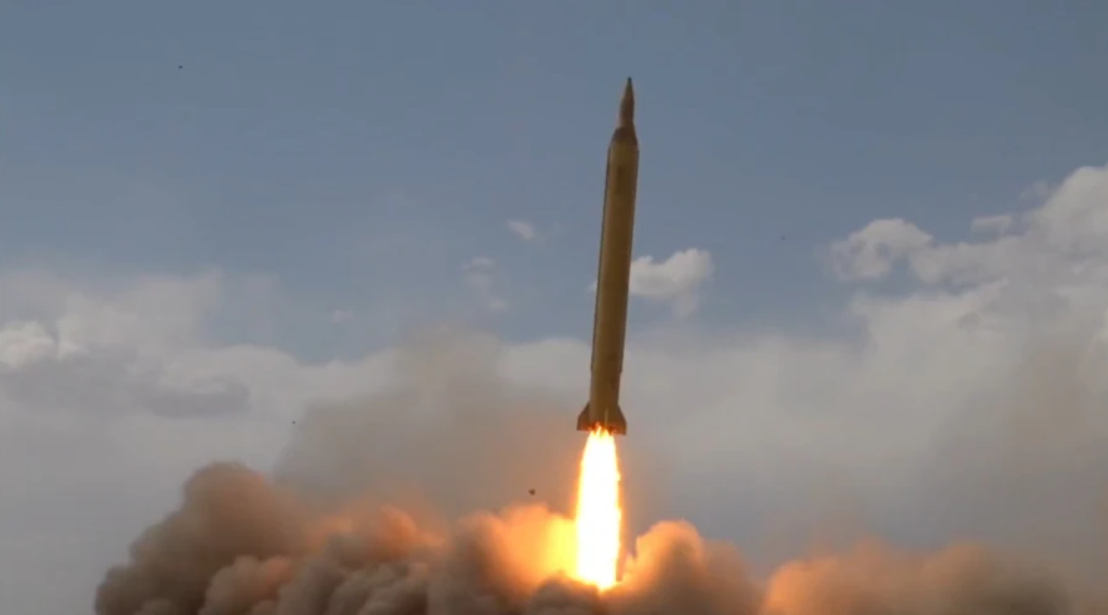

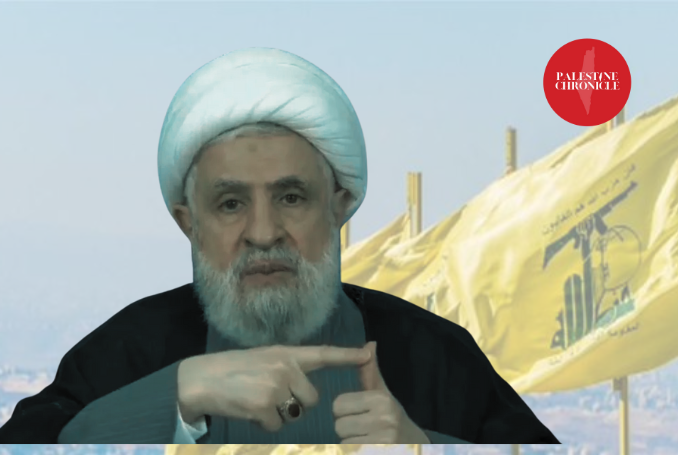
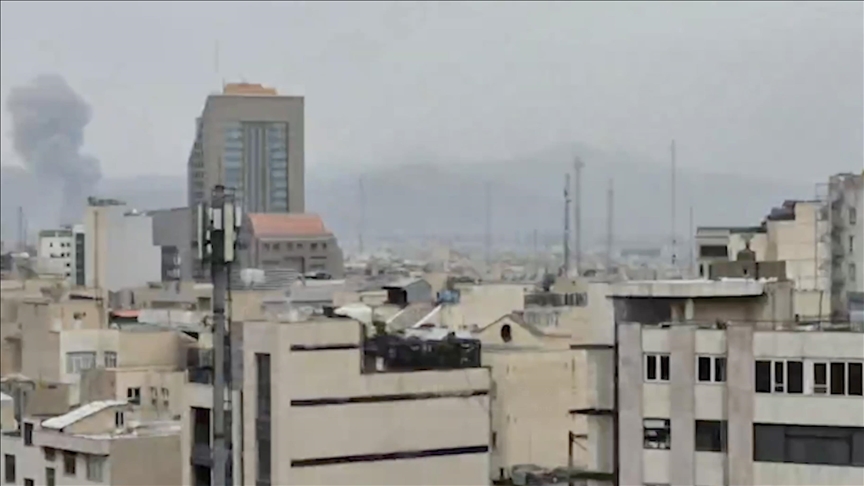
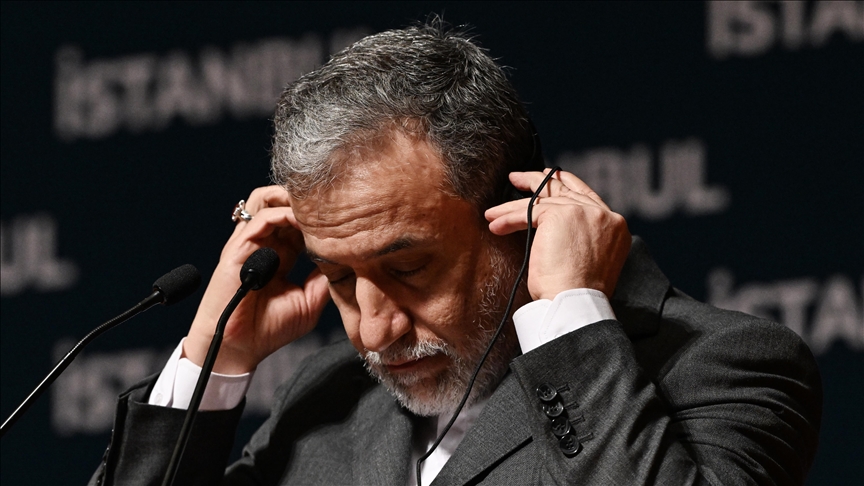
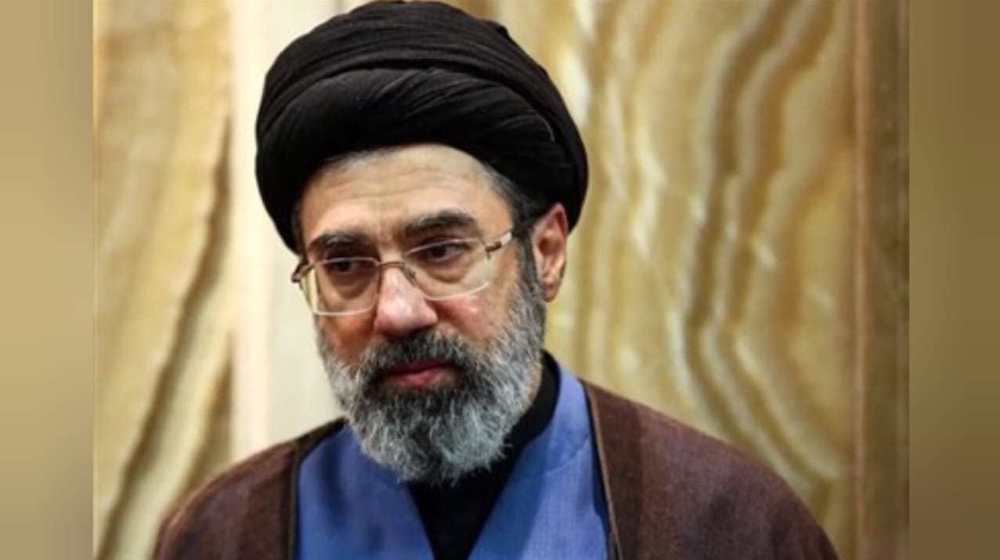
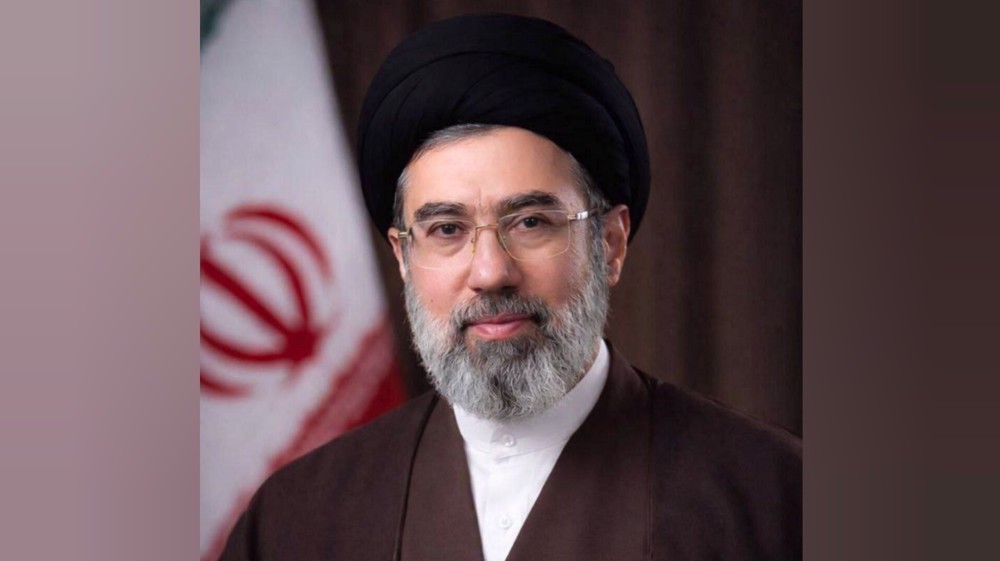
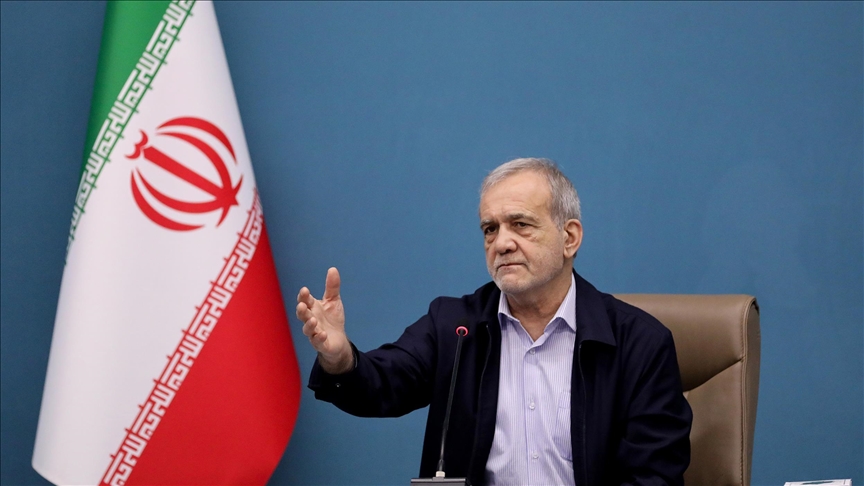
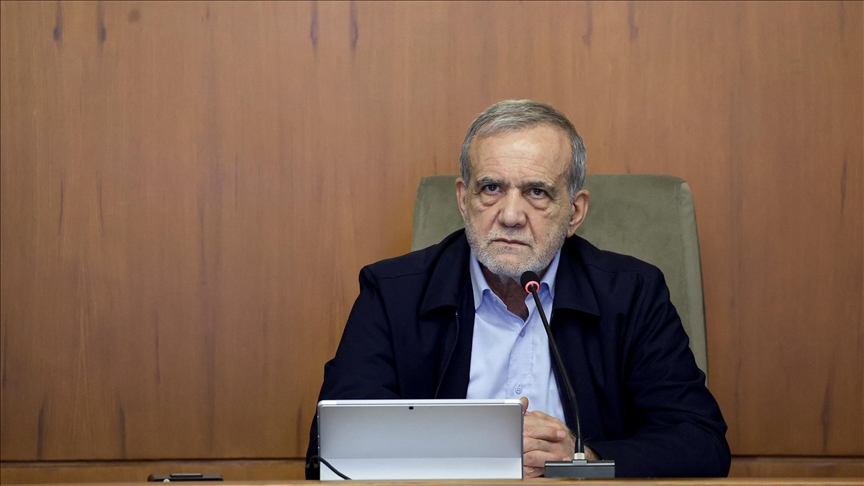
Pezeshkian: ‘Iran Will Not Surrender to Bullies’
 CrossFireArabia
- March 16, 2026
 CrossFireArabiaCrossFireArabiaCrossFireArabiaCrossFireArabiaCrossFireArabiaCrossFireArabiaCrossFireArabiaCrossFireArabiaCrossFireArabiaCrossFireArabiaCrossFireArabiaCrossFireArabiaCrossFireArabiaCrossFireArabiaCrossFireArabiaCrossFireArabiaCrossFireArabiaCrossFireArabiaCrossFireArabiaCrossFireArabiaCrossFireArabiaCrossFireArabiaCrossFireArabiaCrossFireArabiaCrossFireArabiaCrossFireArabiaCrossFireArabiaCrossFireArabiaCrossFireArabiaCrossFireArabiaCrossFireArabia
 Saleem Ayoub QunaCrossFireArabiaCrossFireArabiaCrossFireArabiaCrossFireArabiaCrossFireArabiaCrossFireArabiaCrossFireArabiaCrossFireArabiaCrossFireArabiaCrossFireArabiaCrossFireArabiaCrossFireArabiaCrossFireArabiaCrossFireArabiaCrossFireArabiaCrossFireArabiaCrossFireArabiaCrossFireArabiaCrossFireArabia
The Israeli army targeted another hospital in the Gaza Strip, disrupting medical services, according to Gaza’s Health Ministry.
“The Israeli army shelled Al-Helou Hospital in Gaza City with two missiles, making the entry to or exit from the hospital impossible,” the director of the Health Ministry Media Office, Ismail Al-Thawabta, told Anadolu on Sunday.
“Doctors and patients inside the hospital are living in a state of terror and severe fear, which has been worsened by the occupation’s deliberate cutoff of the hospital’s internet network to isolate it from the outside world and suspend medical services for civilians,” Thawabta said.
The official stressed that such actions by Israel constitute “crimes against humanity,” and a “full-fledged war crime was added to the (Israeli) occupation’s black record.”
At least 38 Gaza hospitals were destroyed or rendered out of service, 96 healthcare centers were targeted, and 197 ambulances were destroyed or damaged by the Israeli army since the start of its genocidal war in October 2023, according to Health Ministry data.
“The (Israeli) occupation also carried out 788 direct attacks on healthcare facilities, staff, and supply chains, and killed 1,670 medical workers while carrying out their humanitarian duty,” the director added.
He pointed out: “These documented figures are not just statistics, but clear evidence of the occupation’s policy of targeting the Palestinian people’s lives, health, and dignity.”
“These crimes will not be forgotten over time,” the official said, as he held Israel and the US fully responsible.
He called on the international community to assume its legal and moral responsibilities to stop this ongoing crime and protect civilians and the healthcare system in the Gaza Strip.
The Israeli army has killed over 66,000 Palestinians, most of them women and children, in Gaza since October 2023. The relentless bombardment has rendered the enclave uninhabitable and led to starvation and the spread of diseases.
CrossFireArabia
Leaks continue to emerge from Washington about the vision of the US administration and President Trump for the next phase in Gaza. From the so-called “Riviera” plan floated months ago, the discussion has now shifted to a proposal for a new governing structure: an “International Transitional Authority” that would oversee Gaza for no less than five years. If granted a UN mandate, this body would become the supreme political and legal authority in the Strip.
This is not the first time such ideas have surfaced. Throughout the past year, many debates revolved around possible frameworks for Gaza, including new local councils or administrative bodies—always with a firm insistence on excluding the Palestinian Authority’s return. But the latest leak appears more realistic than turning Gaza into a real estate project. It now points to a future shaped by new Palestinian technocrats, operating under international oversight, with figures close to Arab decision-making circles such as former UK Prime Minister Tony Blair being floated as possible players. The plan also shows more detail and coherence than previous notions, echoing elements from earlier UN initiatives, especially the principle of rejecting forced displacement or mass expulsion of Palestinians—something Netanyahu has openly opposed.
It is only natural that such ideas are presented not just as trial balloons but as potential answers to an intractable dilemma. The notion of internationalizing Gaza was laid out earlier, following the failure to stop the war and the inability to craft a viable local compromise. Any solution today is being imported from outside, yet still built on immovable foundations: stripping Gaza of weapons and removing Hamas from the Strip. This means we remain far from implementation. Demanding the release of all hostages, the disarmament of Hamas, and its full withdrawal reduces the problem to its simplest form, while in reality, the crisis is still at its peak, not at the stage of post-war arrangements.
The Arab role, increasingly visible in recent months, could prove decisive in shaping any solution. Gulf states, in particular, have stepped up their influence over the Trump administration’s regional outlook. This was evident in their opposition to annexation plans for the West Bank, which Trump raised in talks with Arab leaders. Israel, however, has already taken steps on the ground and shows no sign of reversing them. US pressure, therefore, is focused less on halting annexation altogether and more on blocking its formal declaration. Israeli Foreign Minister Gideon Sa’ar even clarified that the debate is not about annexing Palestinian-owned land, but about applying Israeli law to settlements in Area C, signalling a plan to consolidate control without directly clashing with Trump.
Against this backdrop, Netanyahu used his speech at the UN to stress that the war is far from over. While showcasing Israel’s achievements against Iran and its allies, he reaffirmed his concept of the “seven fronts war,” insisting the threat is ongoing and escalation remains possible. This message was clearly aimed at Trump, but Netanyahu also sought to tap into Trump’s interest in a peace legacy, hinting at possible peace with Syria and Lebanon. Still, he tied this to guarantees for minority rights—particularly for the Druze—framing concessions within security needs while keeping escalation elsewhere on the table.
All of this suggests that the region, from now until the coming anniversary of October 7, will remain open to potential flare-ups. Israel’s government, under pressure to deliver even symbolic victories, will continue to play both cards of potential peace and the threat of ongoing confrontation as the second anniversary of the October 7 attack approaches.
The author is a columnist for the Jordan Times
CrossFireArabia
The Palestinian group Hamas said Sunday that former British Prime Minister Tony Blair is “an unwelcome figure in the Palestinian context,” stressing it has not received any proposal through mediators regarding a ceasefire in the Gaza Strip.
The remarks came from senior Hamas political bureau member Husam Badran published by the group on Telegram.
They followed a report in Israel’s Haaretz daily quoting an Arab political source as saying the US administration has drawn up a plan to appoint Blair to head a temporary administration in Gaza.
Badran said linking any plan to Blair “is an ominous sign for the Palestinian people,” describing him as “a negative figure who deserves to stand before international courts for his crimes, especially his role in the war on Iraq (from 2003–2011).”
He went further, calling Blair “the devil’s brother,” and said he “has brought nothing good to the Palestinian cause, the Arabs or the Muslims, and his criminal, destructive role has been well known for years.”
Badran stressed that managing Palestinian affairs in Gaza or the West Bank is an “internal matter that must be decided through national consensus, not imposed by any regional or international party.”
“The Palestinian people are capable of managing themselves; we have the resources and expertise to run our own affairs and our relations with the region and the world,” he added.
He revealed that since December 2023, Hamas’ leadership had made an internal decision — shared with Palestinian factions and friendly states — that it does not want to continue governing Gaza alone, even before the escalation of war and destruction according to Anadolu.
On reported ceasefire proposals, Badran said: “We have not received any official proposal through mediators, which is the usual channel for such initiatives.”
He added that so far, everything being circulated “comes only through the media, whether attributed to (US President Donald) Trump or others.”
He noted this is not the first time that Washington, in coordination with Israel, has floated ideas and initiatives that later take time to be finalized and formally conveyed through mediators.
Earlier Sunday, Hamas said in a separate statement that ceasefire talks have been suspended since Israel’s failed assassination attempt against Hamas leaders in Doha, Qatar on Sept. 9 and that it has received no new proposals in this regard.
This comes after Trump last Tuesday presented a 21-point plan to Arab and Muslim leaders on the sidelines of the 80th UN General Assembly in New York aimed at ending Israel’s two-year war on Gaza.
On Aug. 18, Hamas agreed to a mediator proposal for a partial ceasefire and prisoner exchange, but Israel failed to respond, despite the plan matching an earlier initiative put forward by US Middle East envoy Steve Witkoff and approved by Tel Aviv.
The Israeli opposition and families of captives accuse Prime Minister Benjamin Netanyahu of blocking any potential deal to end the war and bring home their relatives in order to protect his political survival.
Domestically, Netanyahu faces corruption charges that could land him in prison if convicted, while the International Criminal Court has issued an arrest warrant for him on charges of war crimes and crimes against humanity against Palestinians in Gaza.
The Israeli army has killed over 66,000 Palestinians, most of them women and children, in Gaza since October 2023. The relentless bombardment has rendered the enclave uninhabitable and led to starvation and the spread of diseases.
CrossFireArabia
By Ali Saadeh
The structure of the Hebrew state is based on mercenaries, collaborators, and agents. As revealed in Gaza, Israel is no more than a gang of murderers and a terrorist organization in the guise of a “state.”
Therefore, it is of no surprise it currently sponsors gangs of drug dealers, murderers, and thugs, and has created mercenary groups and armed Palestinian militias to operate in parallel with the Israeli military forces and under the supervision of the Israeli General Security Service (Shin Bet).
The Israeli government is today arming Palestinian militias in Gaza, under the direct direction and orders of Benjamin Netanyahu to confront Hamas and other Palestinian resistance groups.
Tel Aviv acknowledges the existence of at least three groups it is supplying with weapons and are funding them in Gaza and pursue Hamas and Islamic Jihad fighters without revealing direct Israeli military involvement.
These militias do not receive regular Israeli weapons but supplied with weapons confiscated by the army from the resistance factions in Gaza and weapons seized from Hezbollah in southern Lebanon. This makes their combat gear appear more like “spoils of war” than Israeli military equipment.
In addition, their members receive monthly salaries and permits to carry weapons from the Israeli army, making them more like local mercenaries serving the occupation’s goals under Palestinian cover.
One of these militias, led by Yasser Abu Shabab and stationed in the eastern areas of Rafah, is the most prominent example of this formation and enjoys direct protection from the Israeli army. Other formations include young men from the clans and activists opposed to Hamas, many of whom belong to the Fatah movement.
According to Israeli sources, the tasks of these groups include gathering intelligence, monitoring areas emptied of Hamas and Islamic Jihad members, and participating in maintaining security in areas crowded with displaced civilians in the southern Gaza Strip, according to Haaretz.
While the Israeli army and the Shin Bet promote the idea that these militias would constitute a “local alternative” to Hamas in the medium term, indicators on the ground show otherwise. Hamas and the resistance factions continue to dominate the scene throughout the Gaza Strip.
These groups train openly under the noses of Israeli forces inside the Strip and move freely near invading units, in small formations of between five and 10 armed men.
To avoid confusion, the Israeli army began in recent weeks to code the locations of these militia members in its command and control system, just as it designates the locations of its own forces, and making them part of its field military plan.
According to army commanders, these militias are participating in “large-scale and important operations within sensitive areas.” However, they also warn of the risk of losing control over them, with some saying: “Tomorrow they might commit a massacre. Who will bear the responsibility then?”
Haaretz military correspondent Yaniv Kubitsch pointed out that arming mercenary militias to carry out dirty operations or massacres is not new, recalling what happened in Lebanon during the 1980s, when pro-occupation militias committed the Sabra and Shatila massacre in 1982 after the Israeli army besieged the camp.
According to Kubitsch, the army and the Shin Bet direct these militias to carry out missions, often in densely-populated areas in the southern Gaza Strip, where residents displaced from northern and central Gaza are concentrated.
Israeli media cites lessons from previous experiences in the region, from the South Lebanon Army to attempts to establish local entities in the West Bank, the experiences of the Sahwa (awakening) in Iraq, and the role of militias in Afghanistan and Syria.
He says,: “All of these are examples that demonstrate that local militias can turn against their back or spawn conflicting forces that weaken the state’s authority.”
Recently, Hussam al-Astal, former member of the Palestinian Authority’s security forces, emerged and announced the formation of such an armed group in the Qizan al-Najjar area, southeast of Khan Yunis, which has been completely evacuated.
Astal called on residents to move to areas under his control and provide them with food, water, and shelter. He told The Times of Israel that his group would welcome anyone hostile to Hamas and that he had enough food, water, and shelter for everyone.
He noted that in the coming days, he would work to welcome about 400 Palestinians after verifying their security IDs. He said he was responsible for the area, as was Yasser Abu Shabab, who was responsible for areas east of Rafah and parts of eastern Khan Yunis. He confirmed he was in contact with Abu Shabab but was operating independently.
Astal is no stranger to collaborating; he worked for several years in Israel and later with the Palestinian Authority’s security forces when they still controlled Gaza.
He spoke of coordination between his group and the occupation, noting he received support from several sources, including the United States, Europe, and unspecified Arab countries.
Al-Astal was detained by the Hamas government’s security services after they succeeded in luring him from outside the Gaza Strip to the territory, indirectly through one of his brothers, an officer in the Hamas government’s internal security service. He was investigated on charges of collaborating with the occupation at the time, regarding his involvement in the assassination of engineer Fadi al-Batsh in Malaysia in 2018.
In 2022, the Permanent Military Court in Gaza issued a death sentence against al-Astal after convicting him of killing al-Batsh.
After the outbreak of the war, al-Astal managed to escape from prison and attempted to flee towards Israel. However, after the emergence of Yasser Abu Shabab’s group in Rafah, he joined it and fought with it, before establishing his new group alongside other militants, most of whom were accused of collaborating with Israel and thus held in Gaza prisons.
However, the collaborator remains, in the eyes of his employer, a mere dirty tool he manipulates according to his own interests. When his usefulness expires, the enemy throws him in the trash can and leaves him to his inevitable fate, which is being recorded on the streets by the Palestinian people. This punishment has become imminent after the recent scenes of the resistance executing a group of collaborators.
This feature was written recently by Ali Saadeh in Arabic and published in Assabeel.