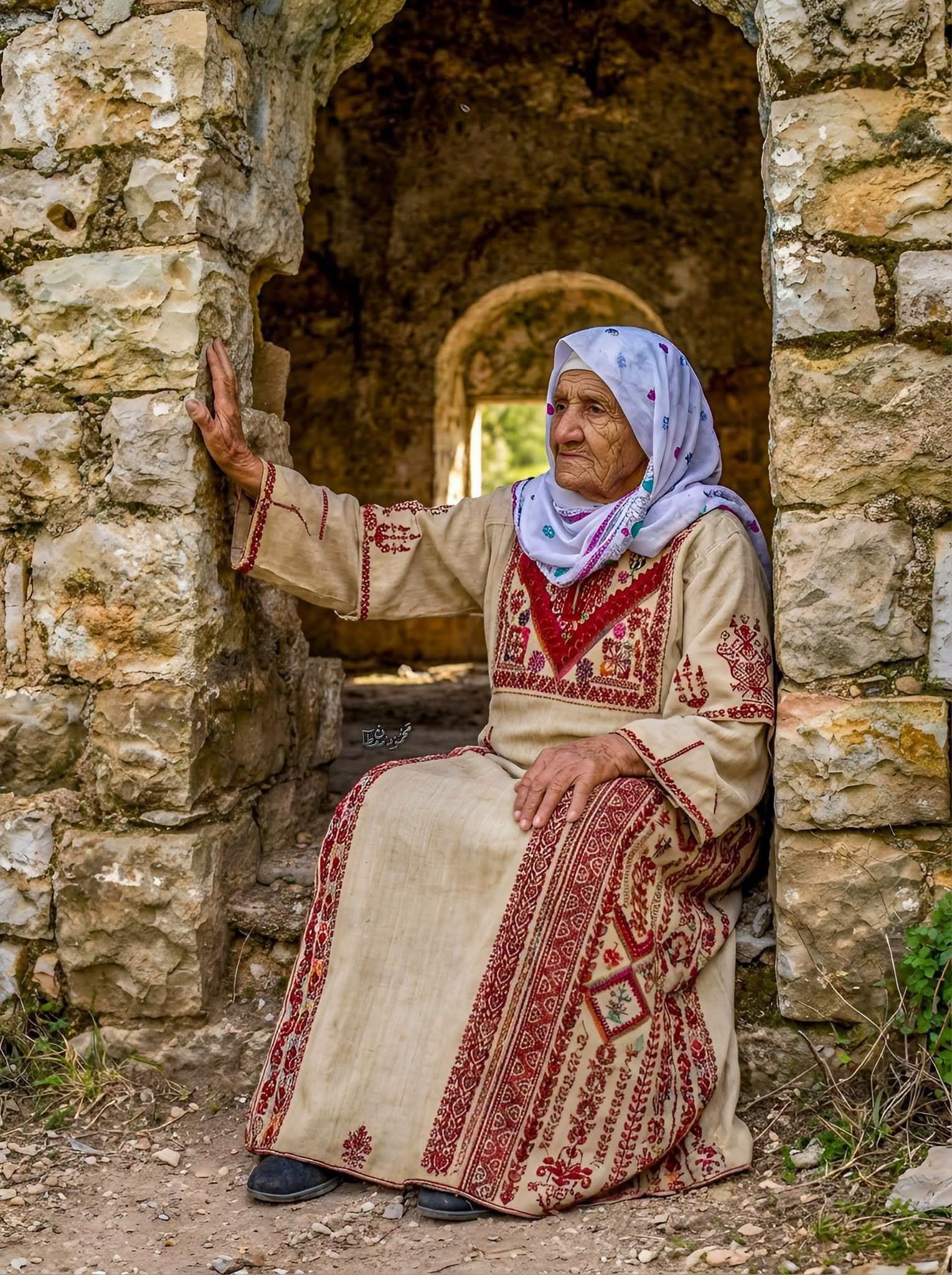
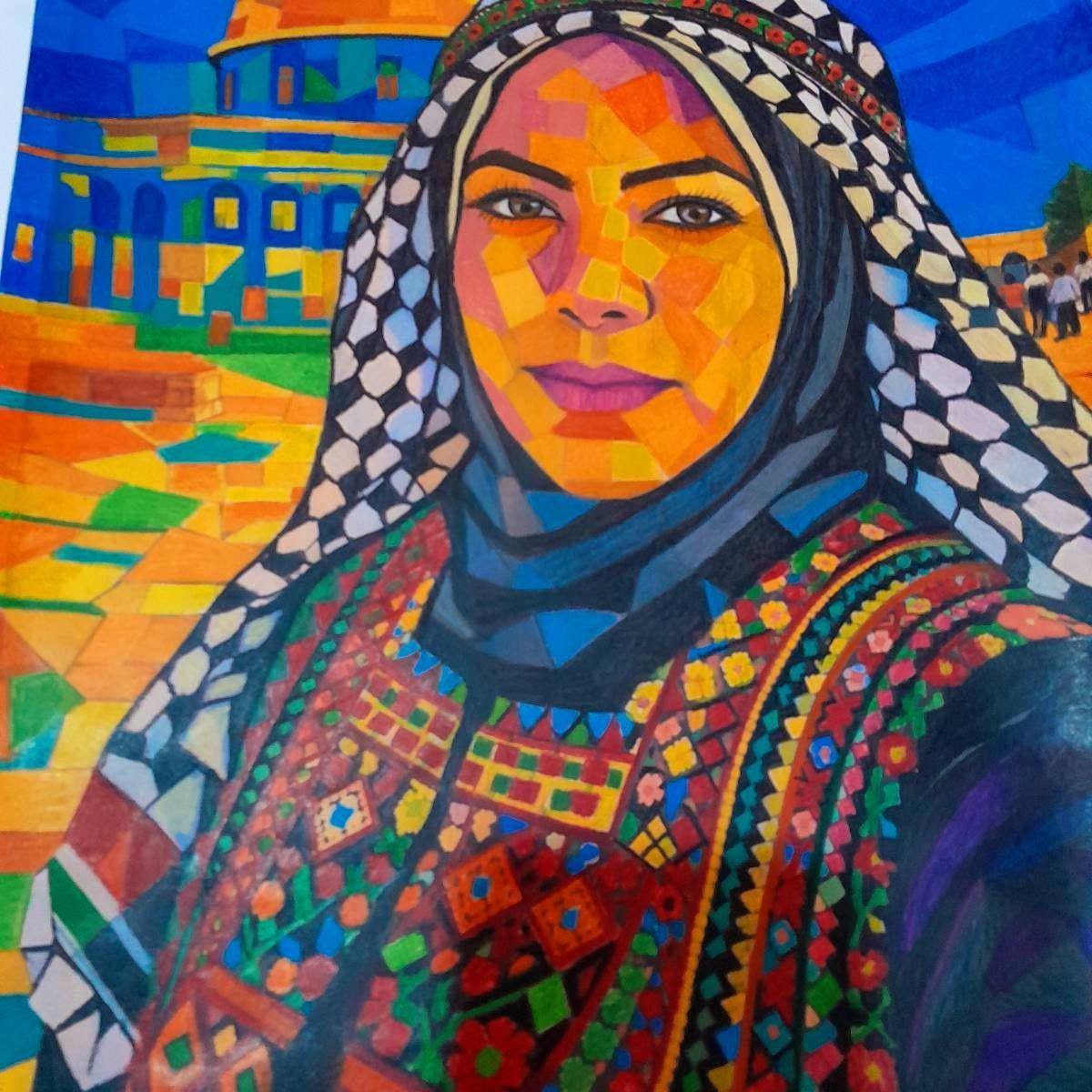
The Dress of Ramallah
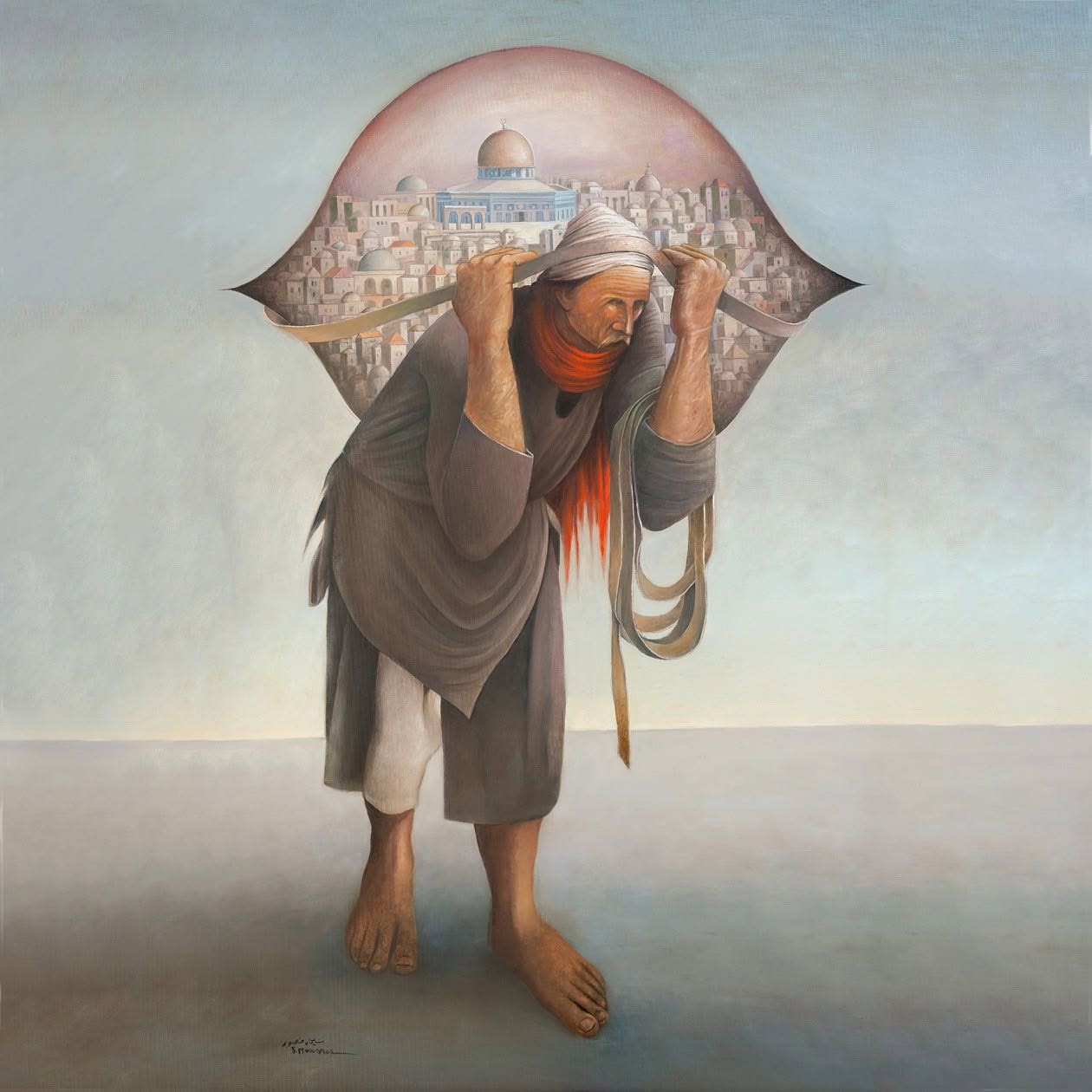
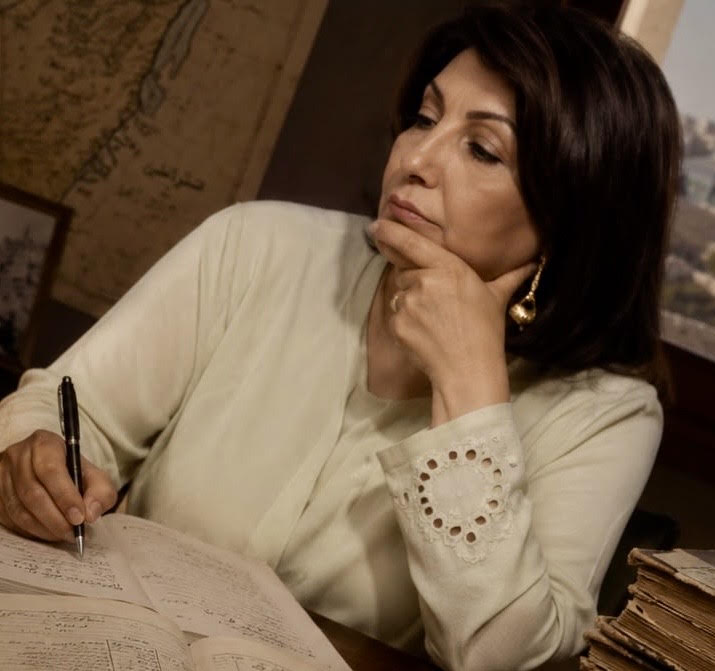
 Salman Abu Sitta: Safeguarding Palestinian Memory
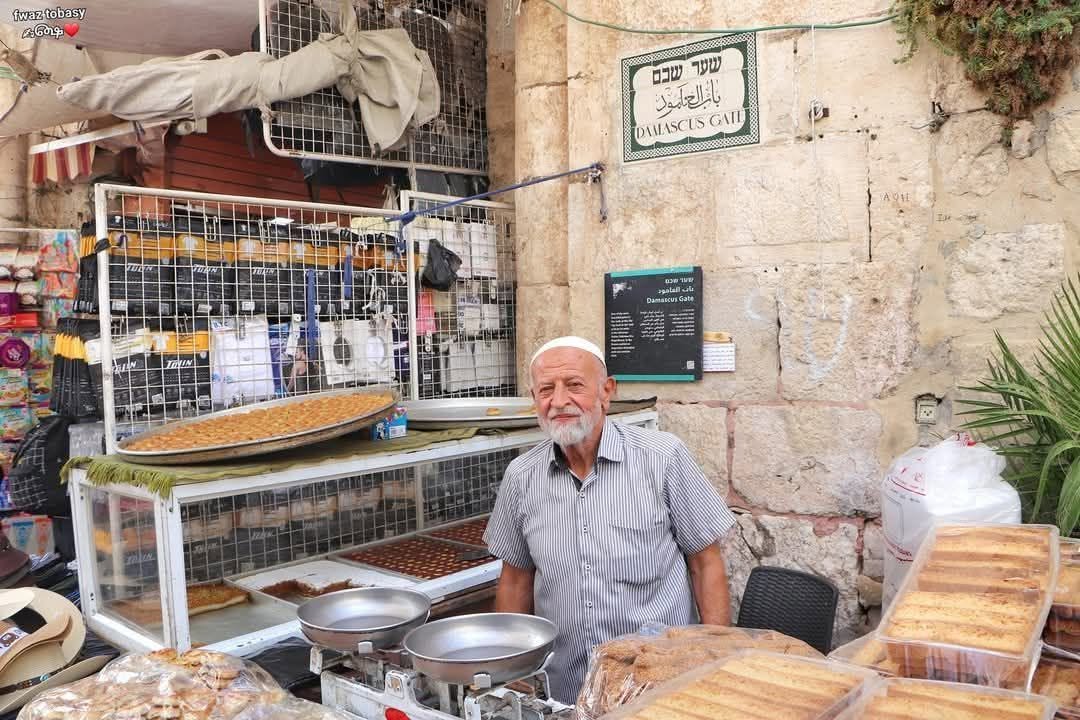
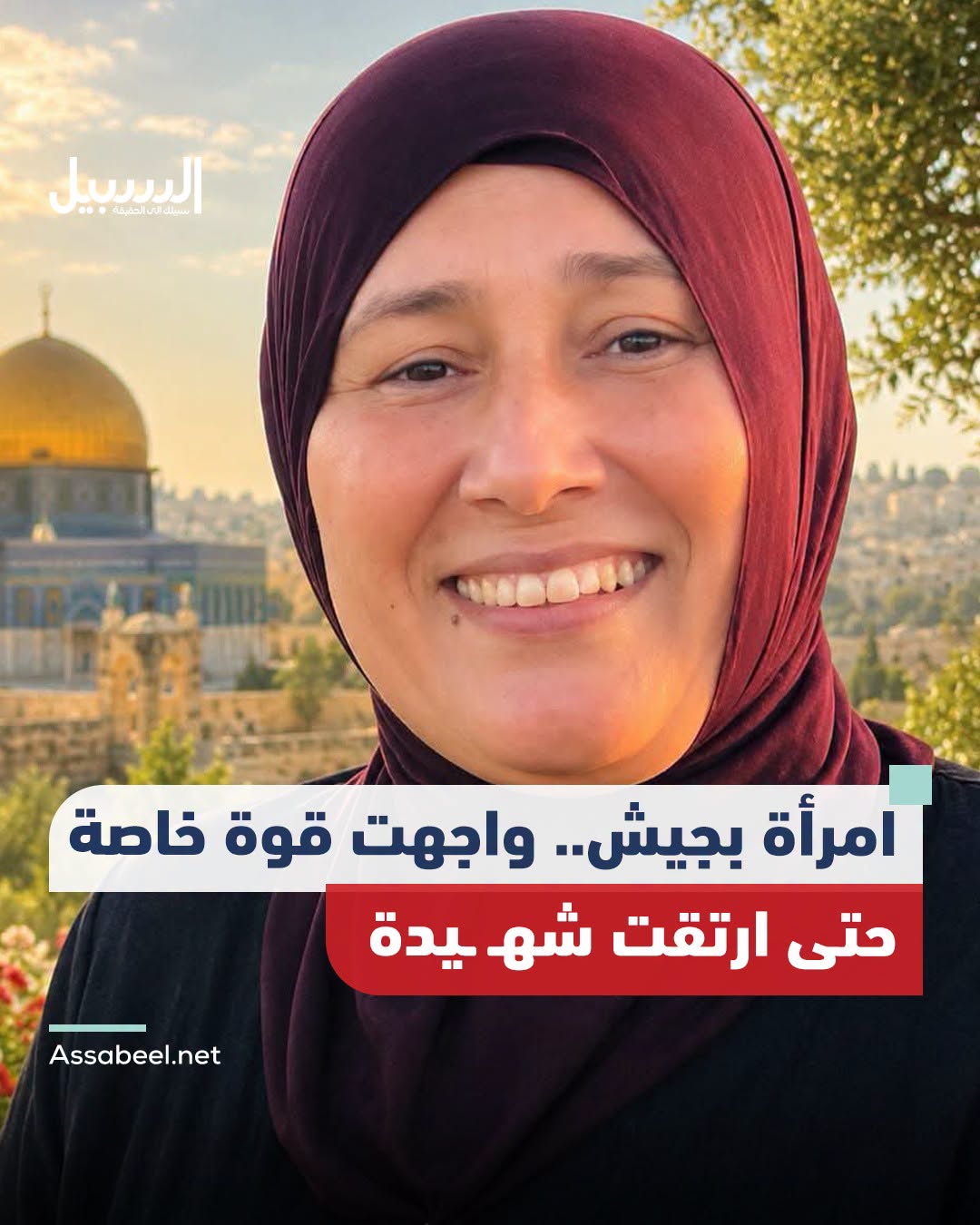
 Woman From Bethlehem
 Free Palestine
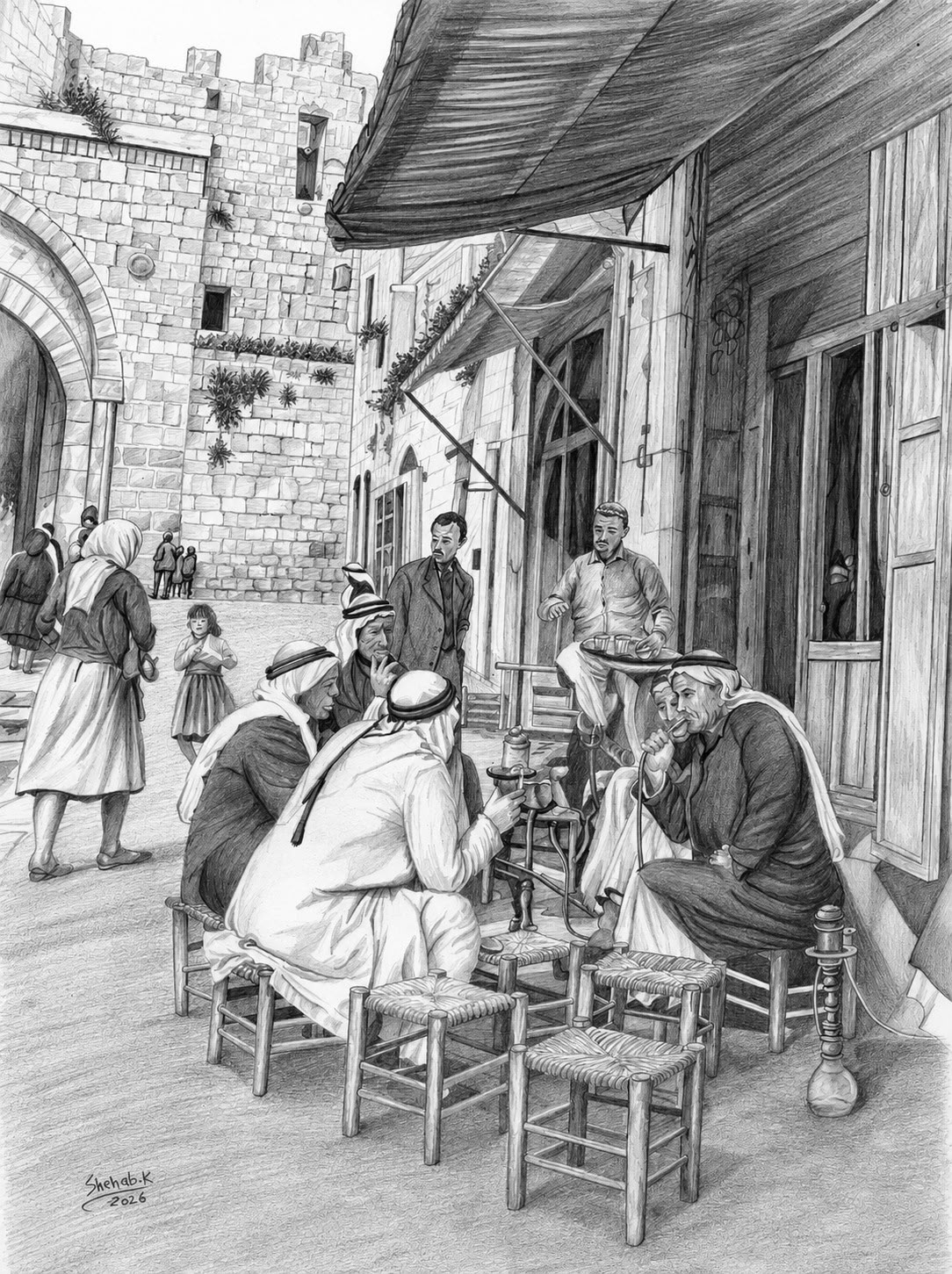
 Woman of The Vineyards


The Dress of Ramallah
 CrossFireArabia
- September 12, 2026
 CrossFireArabiaCrossFireArabiaCrossFireArabiaCrossFireArabiaCrossFireArabia
 Saleem Ayoub Quna
 marwanCrossFireArabiamarwan
 HebaHebaHebaCrossFireArabiaCrossFireArabiaCrossFireArabiaCrossFireArabiaCrossFireArabiaCrossFireArabiaCrossFireArabiaCrossFireArabiaCrossFireArabiaCrossFireArabiaCrossFireArabiaCrossFireArabiaCrossFireArabiaCrossFireArabiaCrossFireArabiaCrossFireArabiaCrossFireArabiaHebaHebamarwanCrossFireArabiaCrossFireArabiaHebamarwanCrossFireArabiaCrossFireArabiaCrossFireArabiaCrossFireArabiaCrossFireArabiaCrossFireArabiaCrossFireArabiaHebaCrossFireArabiaCrossFireArabiaHebaCrossFireArabiaCrossFireArabiaCrossFireArabiaCrossFireArabiaCrossFireArabiaHebamarwanmarwanHebaCrossFireArabiaHebaCrossFireArabiaCrossFireArabiaCrossFireArabiamarwanCrossFireArabiaCrossFireArabiaCrossFireArabiaCrossFireArabiaCrossFireArabiaCrossFireArabiaCrossFireArabiaCrossFireArabiaCrossFireArabiaCrossFireArabiaCrossFireArabiaCrossFireArabiaHebaCrossFireArabiaCrossFireArabiaCrossFireArabiaCrossFireArabiaCrossFireArabiaHebaHebaCrossFireArabiaCrossFireArabiamarwanCrossFireArabiaCrossFireArabiaHebaHebaCrossFireArabia
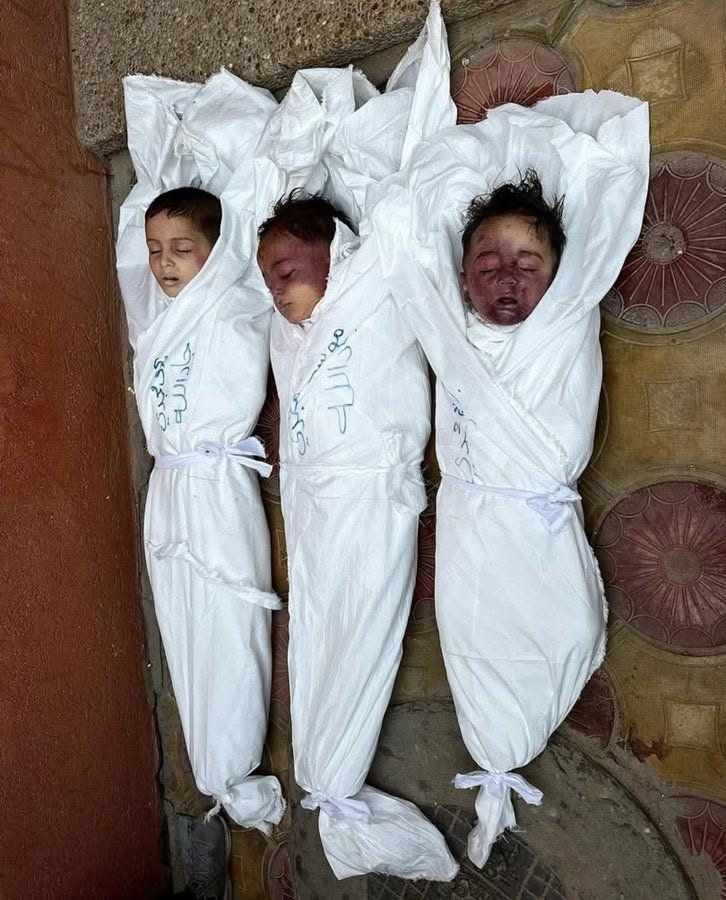
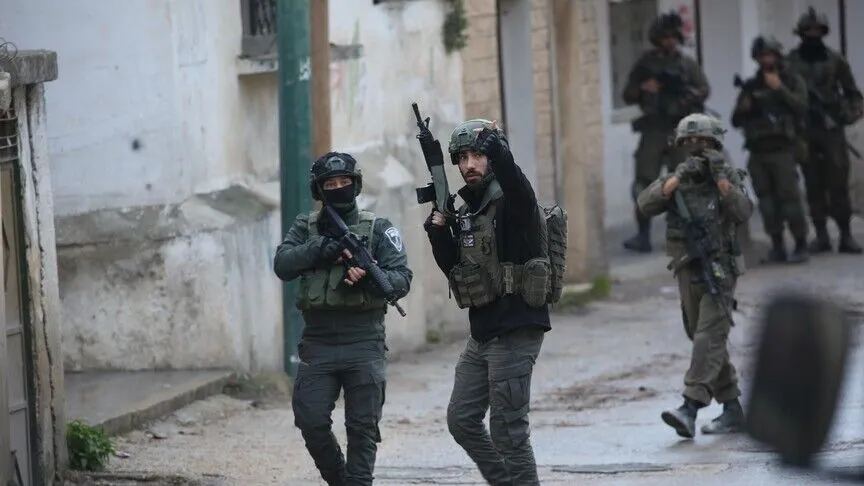
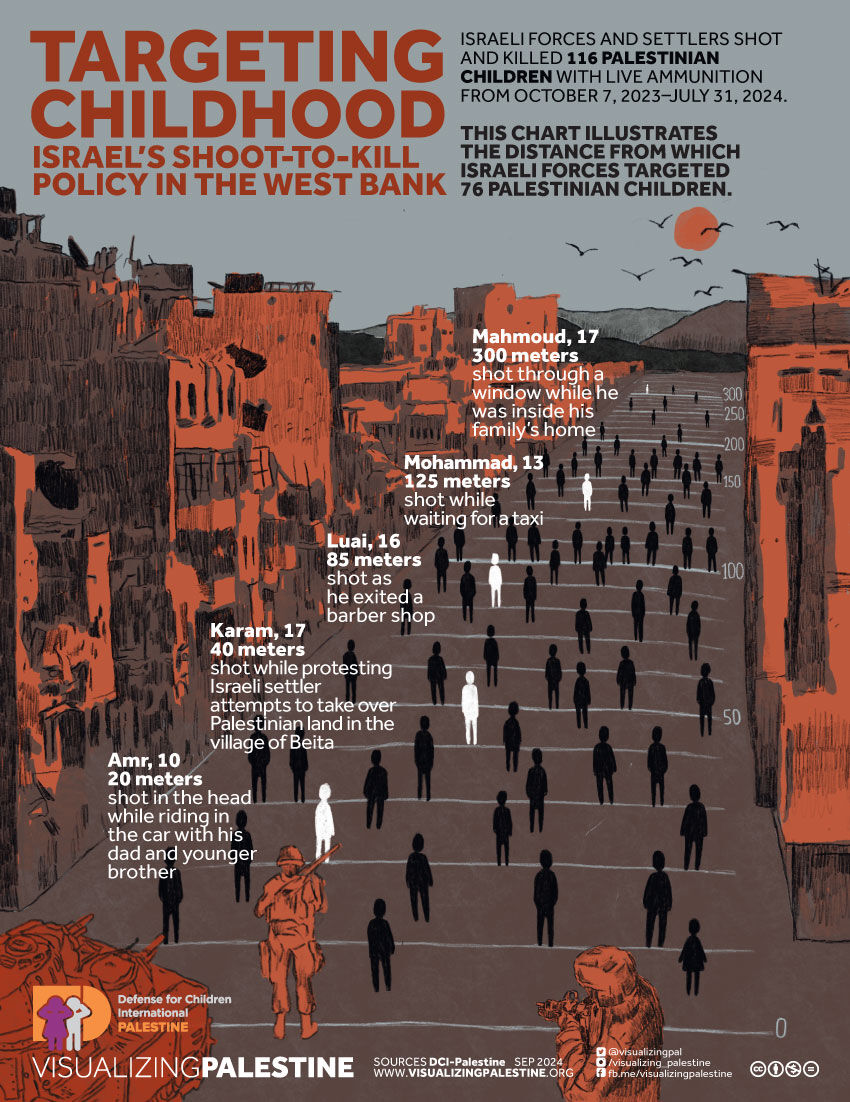
A new report from @DCIPalestine finds that Israeli forces and settlers killed Palestinian children in the West Bank at a rate of one every two days from October 7, 2023–July 31, 2024.
Twenty percent of the Palestinian children killed by Israeli forces and settlers in the occupied West Bank, including East Jerusalem, since 2000 have been killed after October 7, 2023 at a rate of one child every two days, Defense for Children International – Palestine said in a latest report released on 9 September, 2024.
The report, “Targeting Childhood: Palestinian children killed by Israeli forces and settlers in the occupied West Bank,” details and analyzes Palestinian child fatalities in the occupied West Bank, including East Jerusalem, between October 7, 2023, and July 31, 2024.
Israeli forces routinely targeted Palestinian children with live ammunition and aerial attacks, prevented ambulances and paramedics from reaching wounded children, and confiscated children’s bodies in violation of international law.
CrossFireArabia
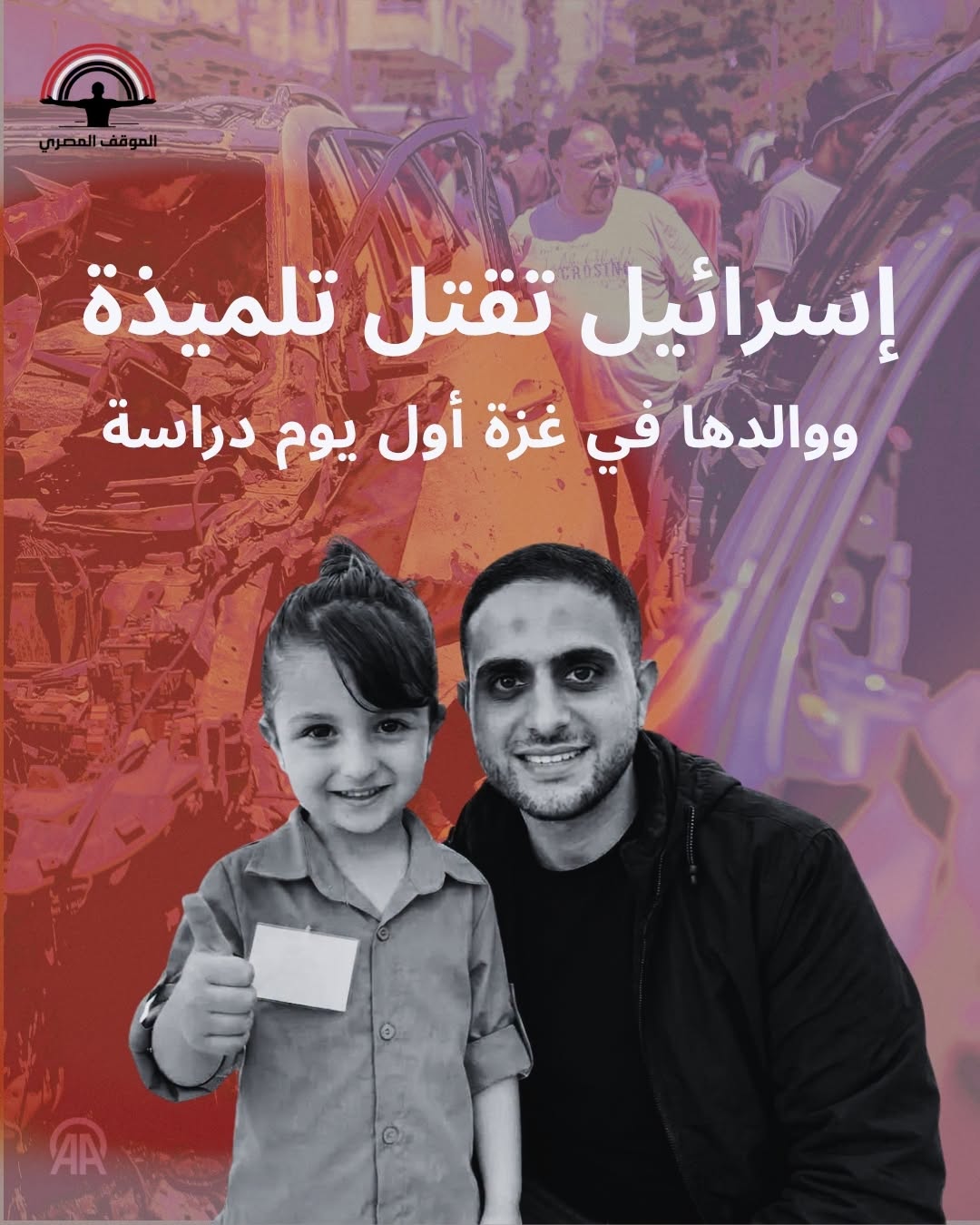
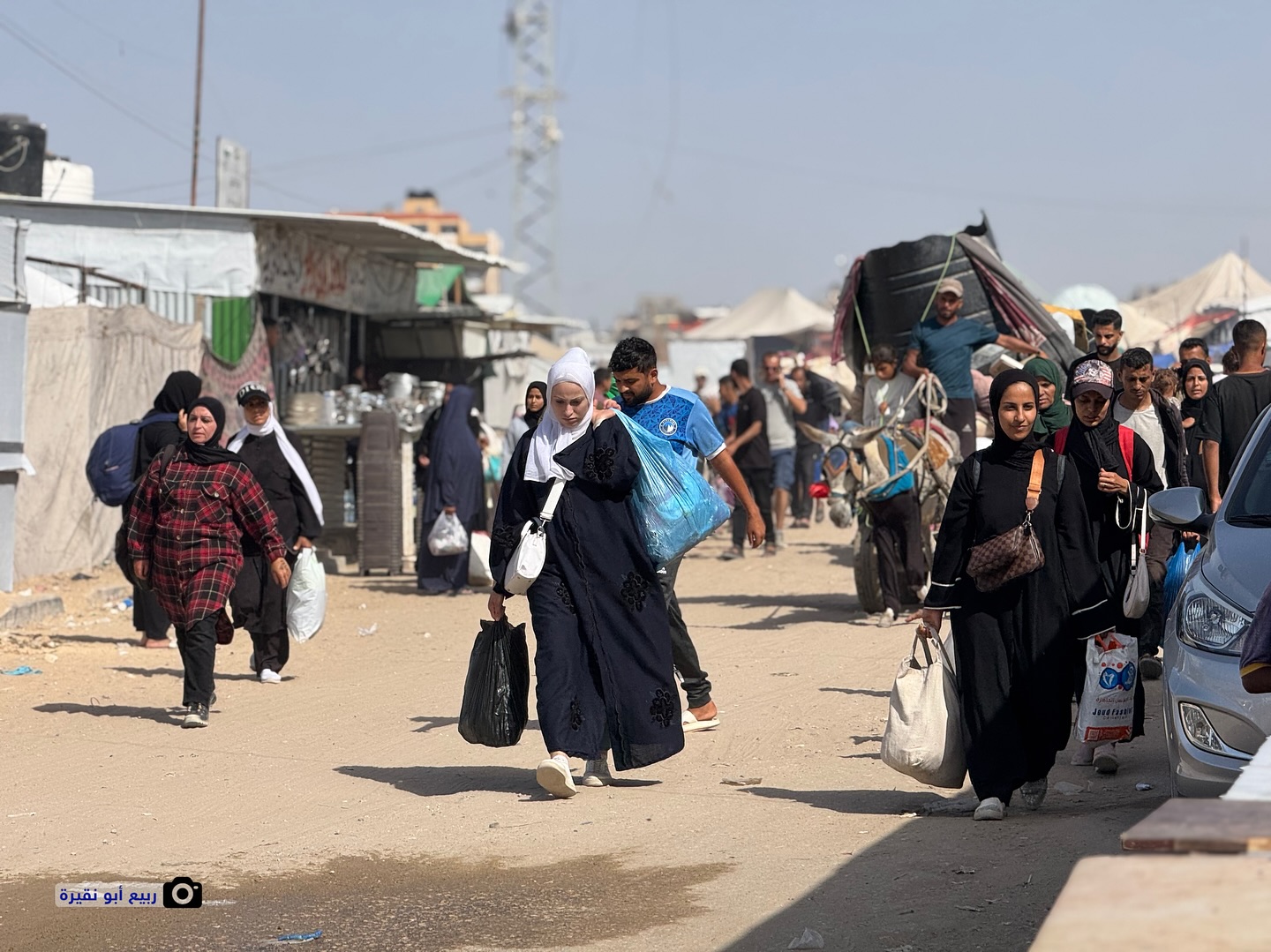
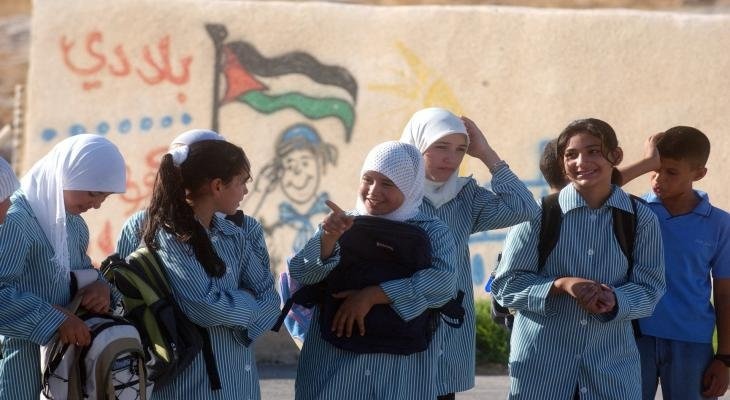
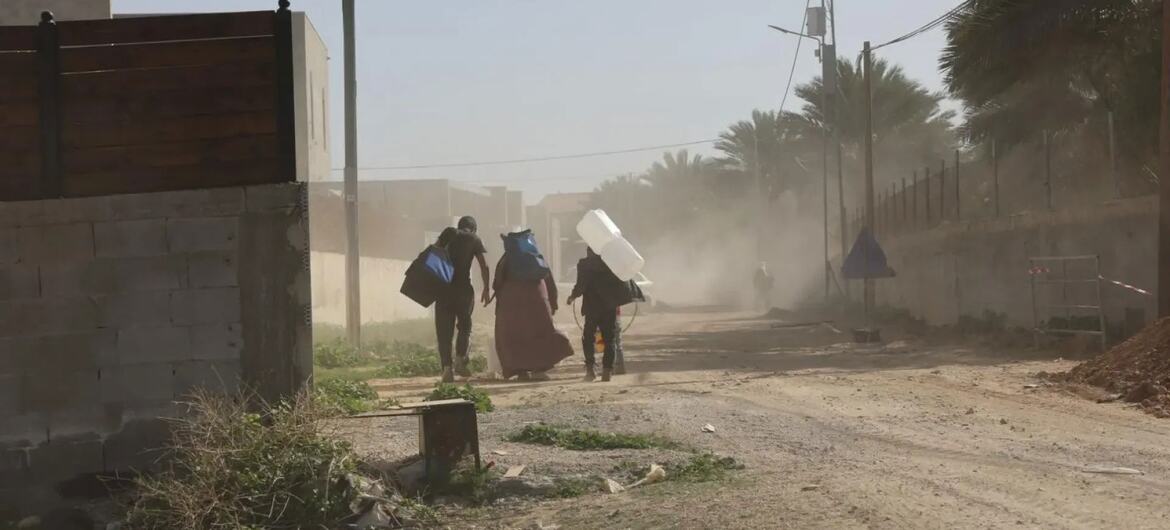
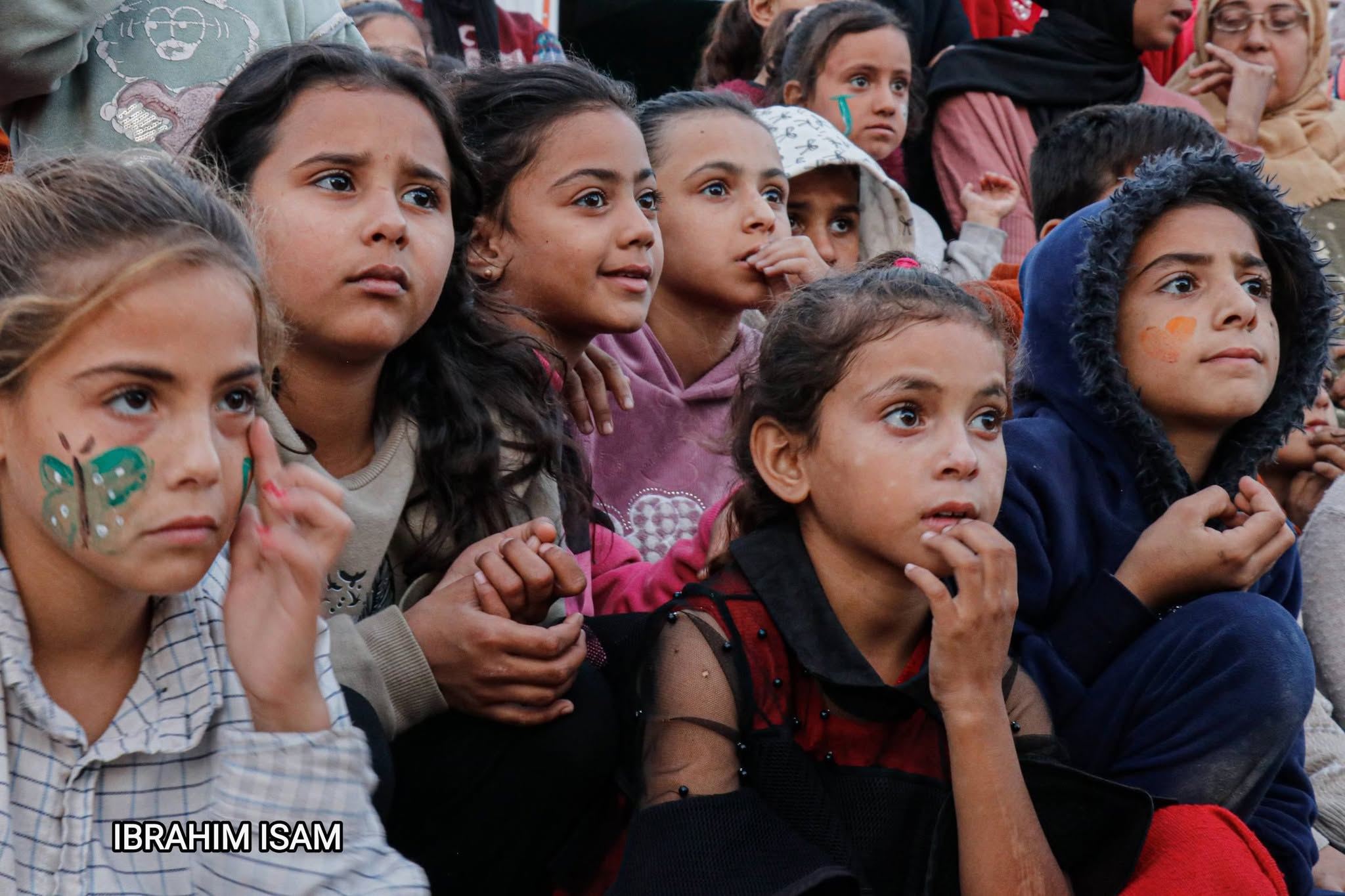
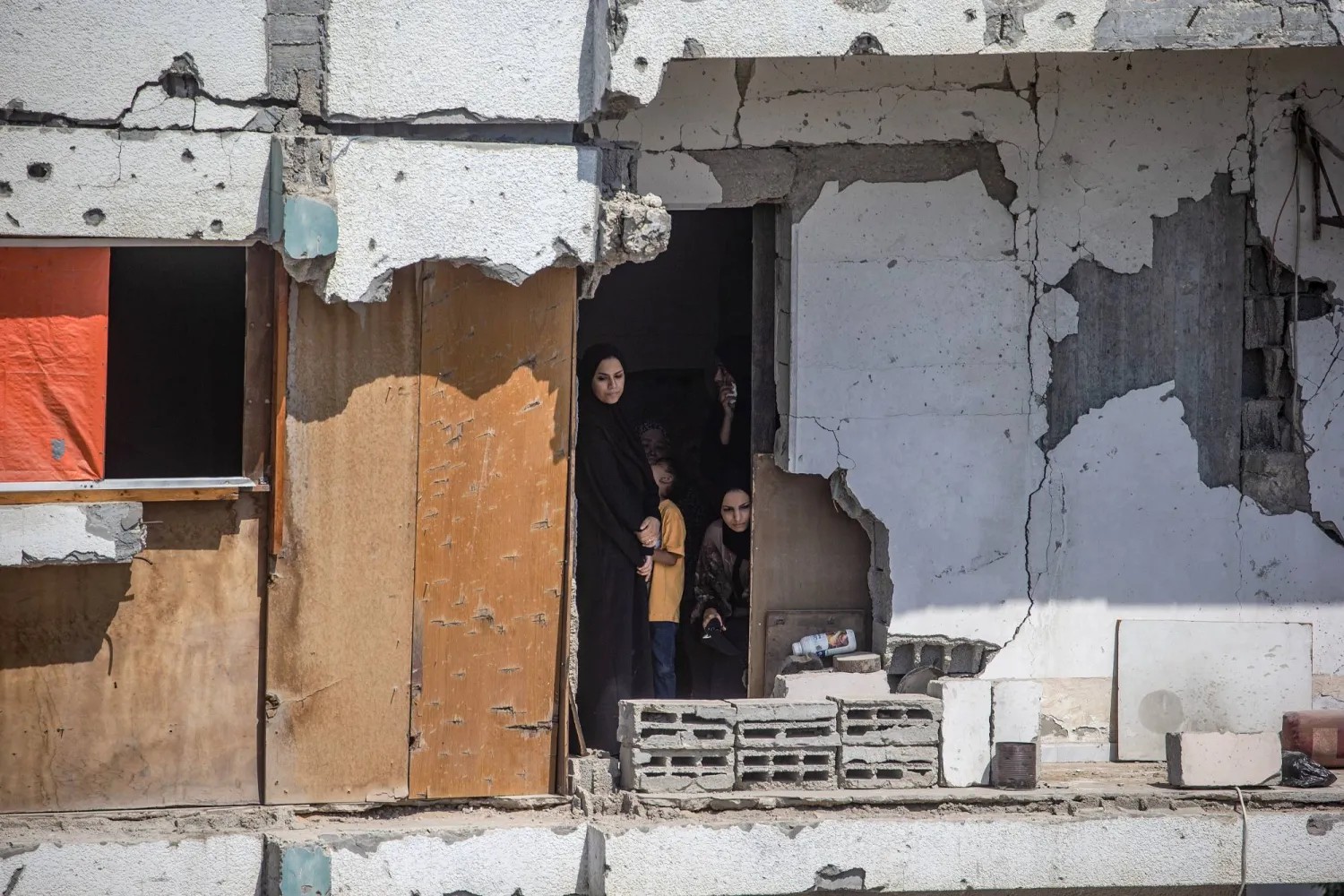
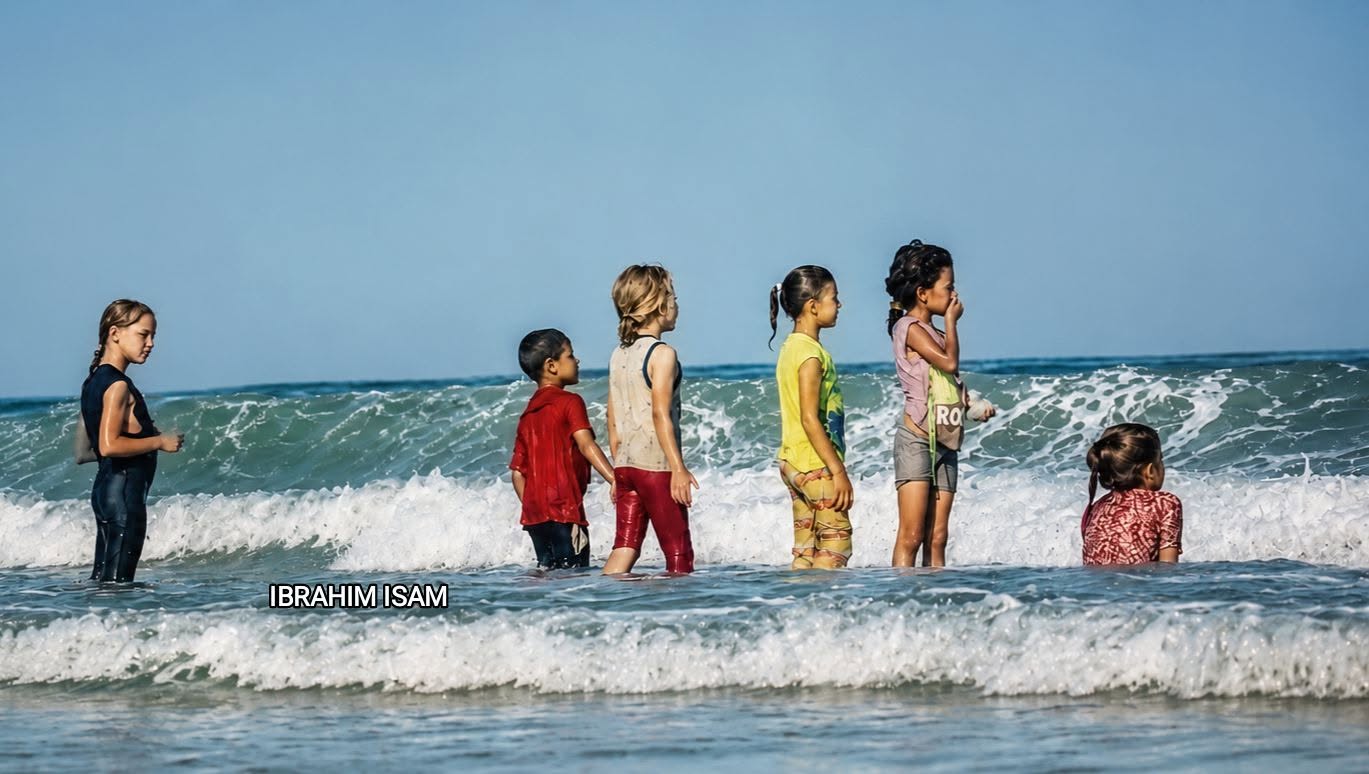
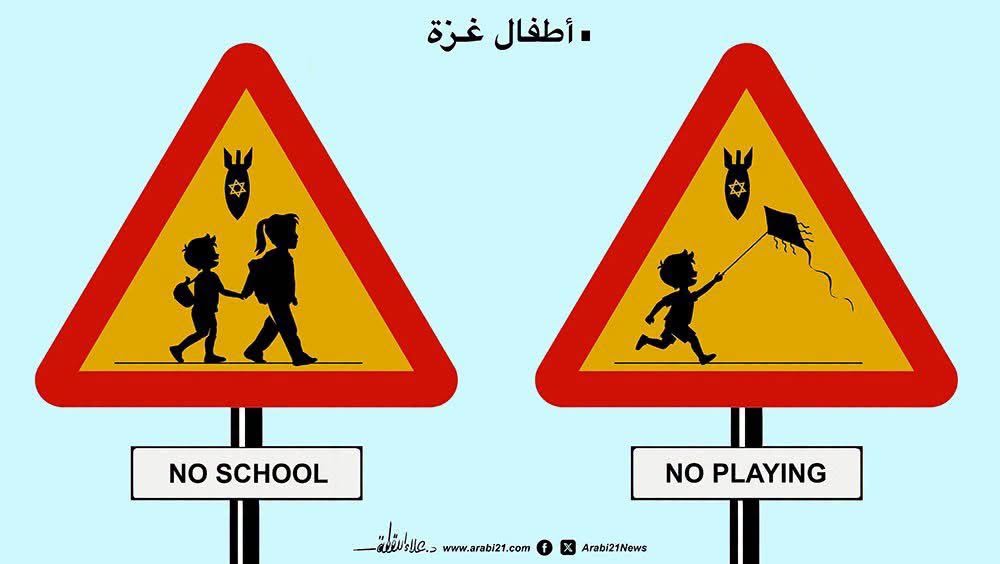
As children prepare for their first year and first day at school across several countries in the Middle East, at least 45,000 six-year-old children in the Gaza Strip are deprived of this right. The vast majority of them have been displaced from their homes and are facing a daily battle for survival.
The new school year was due to start across the State of Palestine today, but it has not resumed in the Gaza Strip where the intense conflict continues to take a dramatic toll on Gaza’s students, teachers and schools. The first graders join 625,000 children who have already been denied an entire school year, and with the conflict still ongoing, face the high risk of a second year without education.
“Children in the Gaza Strip have lost their homes, family members, friends, safety, and routine,” said UNICEF Middle East and North Africa Regional Director Adele Khodr. “They have also lost the sanctuary and stimulation provided by school, putting their bright futures at risk of being dimmed by this terrible conflict.”
Since October 2023, every school in the Gaza Strip has been shuttered. Among the students who were unable to learn last year are 39,000 students who missed their final year of school and couldn’t take their Tawjihi exams. This marks the first time in decades that a graduating class in the Strip has faced such a situation.
For older children, the disruption to their education has created uncertainty and anxiety. Without schooling, young people are at an increased risk of exploitation, child labor, early marriage, and other forms of abuse, and most importantly they are at risk of dropping out of school permanently.
For younger children, the absence of schooling threatens their cognitive, social, and emotional development. Parents are reporting significant mental health and psychosocial impacts among children, including feelings of increased frustration and isolation.
Children in the West Bank, including East Jerusalem are also affected as the school year starts. Increasing violence and movement restrictions since October 2023 have created new learning barriers for the 782,000 students there. Data from the Ministry of Education and the Education Cluster suggests that, on any day since October 2023, between 8 and 20 per cent of schools in the West Bank have been closed. Even when schools are not closed, the fear of violence, movement restrictions, and mental health concerns have led many students to skip school, leading to more learning loss.
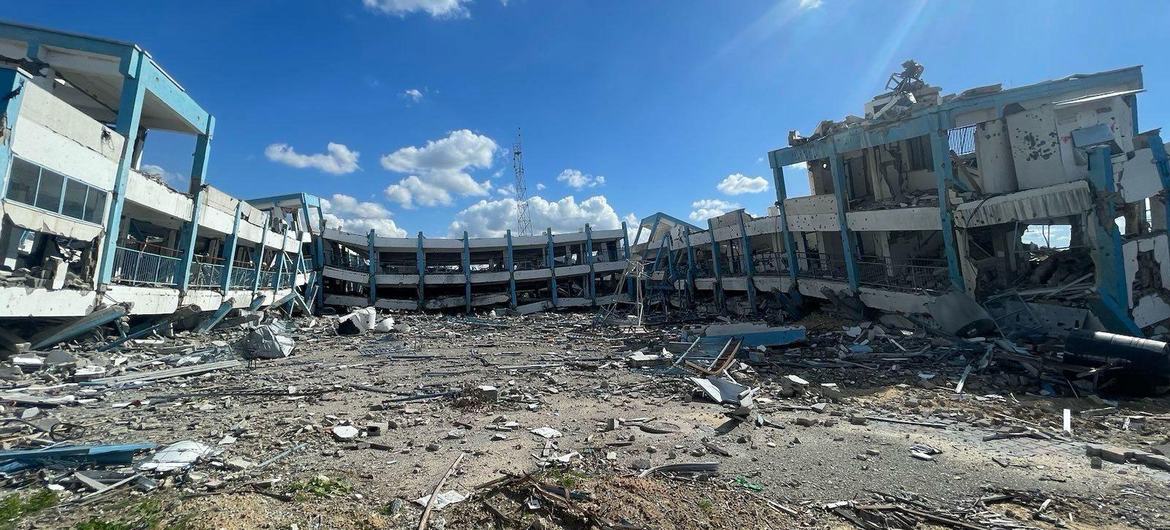
In both the Gaza Strip and the West Bank, including East Jerusalem, attacks on schools and education have increased in recent weeks. In the Gaza Strip, at least 84 per cent of schools require full reconstruction or significant rehabilitation before schooling can resume. In the West Bank including East Jerusalem, there has been 69 attacks on schools and 2,354 incidents affecting schools, students and teachers in or around schools, according to the Palestinian Ministry of Education.
Despite these overwhelming and critical needs, education continues to be one of the least funded sectors in humanitarian appeals. In the State of Palestine, UNICEF’s education programming faces an 88 per cent funding gap.
To respond to this situation, UNICEF and its partners have established 39 Temporary Learning Spaces in the Gaza Strip serving over 12,400 students. In addition, recreational activities, emergency learning kits, and Mental Health and Psycho-Social Support (MHPSS) are being offered to children, youth, caregivers, and teachers in shelters.
“We must find ways to restart learning and rebuild schools to uphold the right to education of the next generations in the State of Palestine,” Khodr continued “Children need stability to cope with the trauma they have experienced, and the opportunity to develop and reach their full potential.”
“All barriers preventing us from doing our important work must be lifted. We must urgently be able to bring education and recreational supplies into Gaza at scale, have safe spaces to run learning hubs, and have guarantees students and teachers can safely access, live or learn in school buildings. Above all else, we need a ceasefire in the Gaza Strip and a de-escalation in the West Bank so all children can return to the classroom and damaged schools can be rebuilt.”
CrossFireArabia
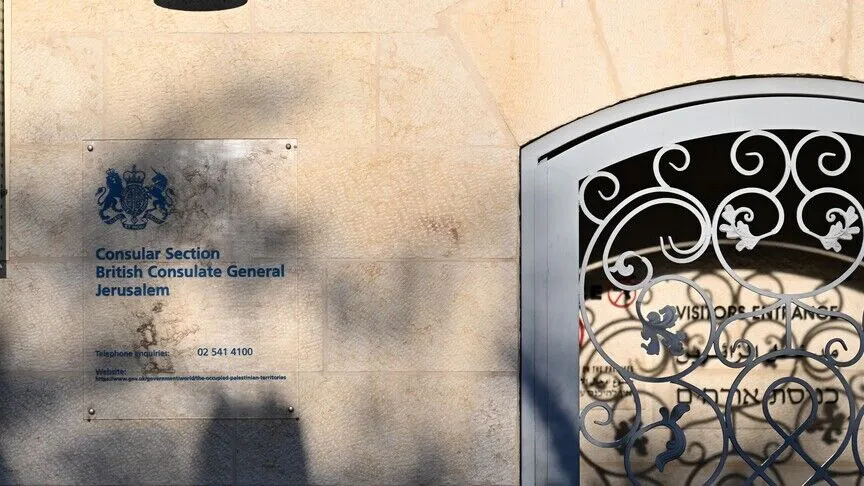
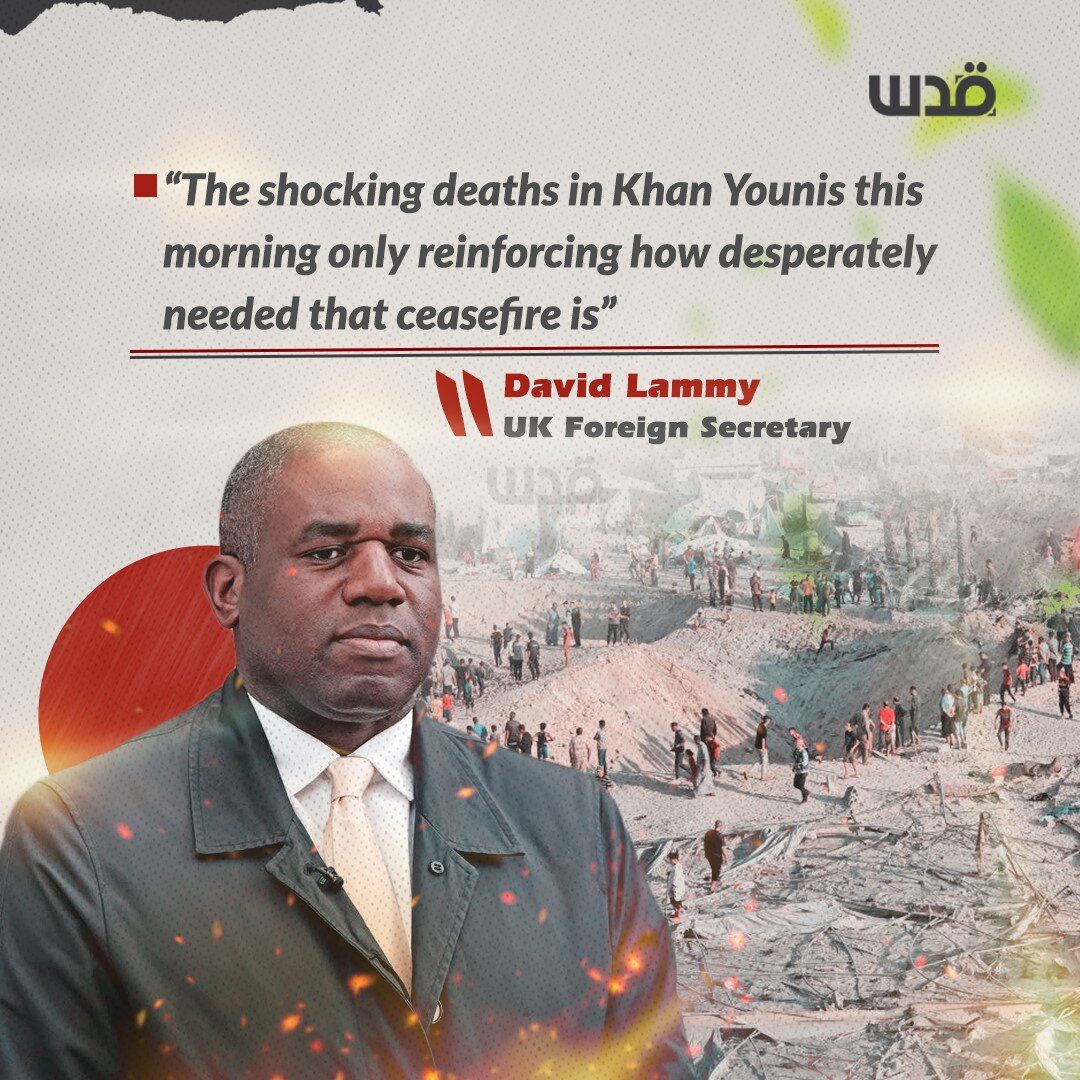
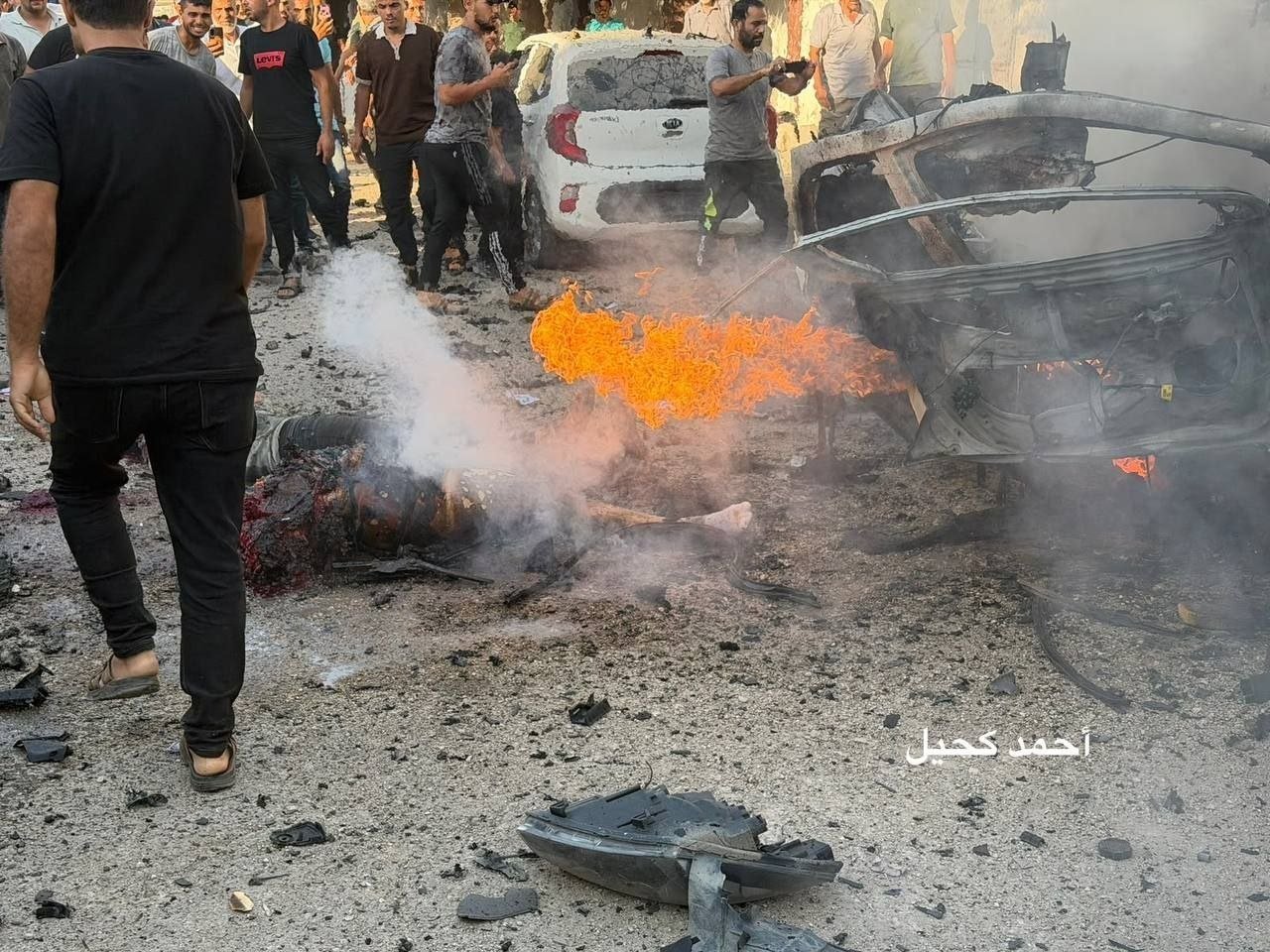
Following the UK’s announcement to halt 10% of arms sales to Israel, the new UK government has condemned the Israeli massacre of displaced Palestinians in the al-Mawasi area, which Israel had designated as a “safe zone.”
Norwegian Foreign Minister Espen Barth Eide has also condemned the deadly airstrike. In a statement on X, Eide criticized the attack on the so-called safe zone and stressed that all parties in the war must protect civilians and adhere to international humanitarian law.
CrossFireArabia
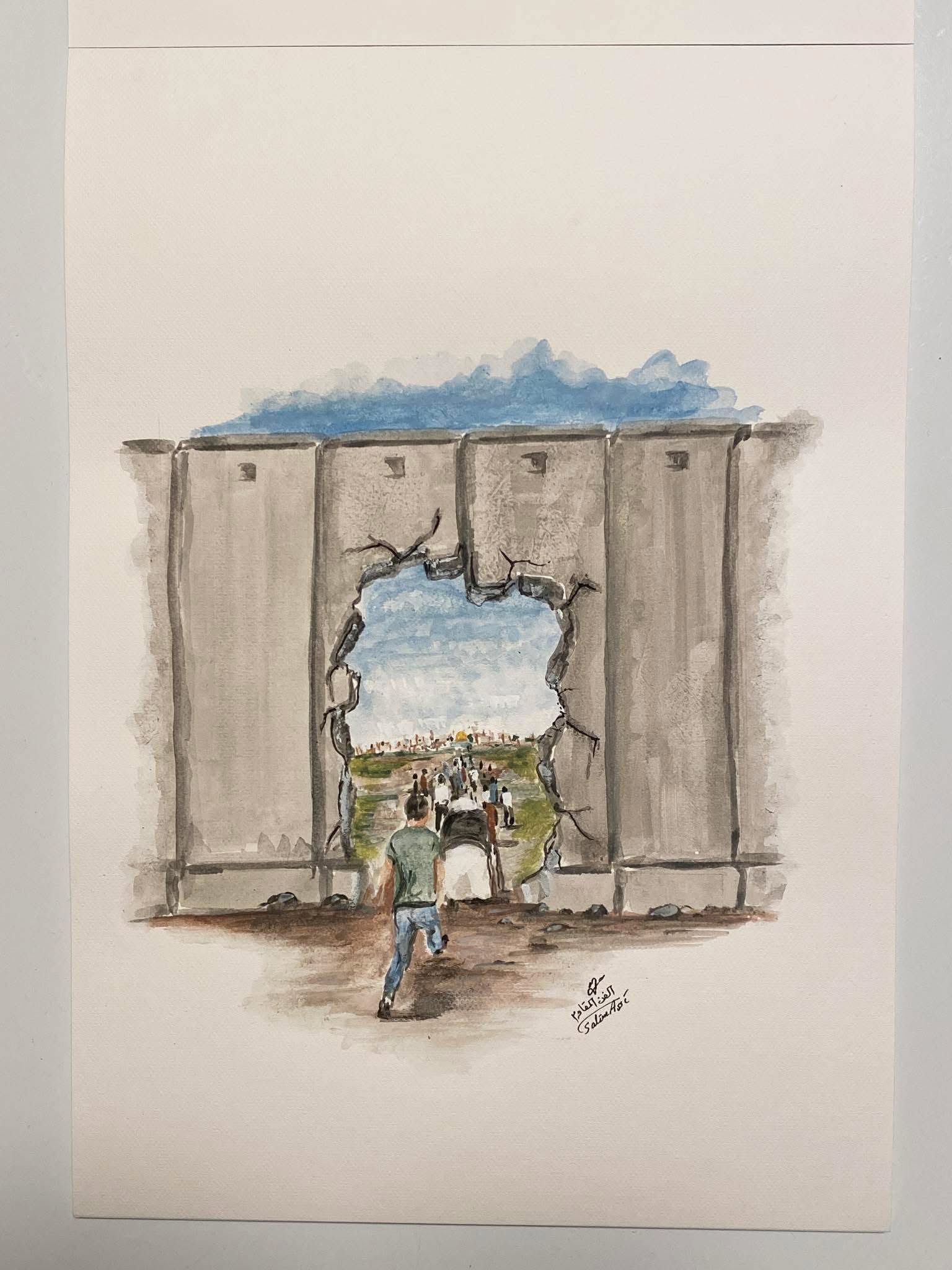
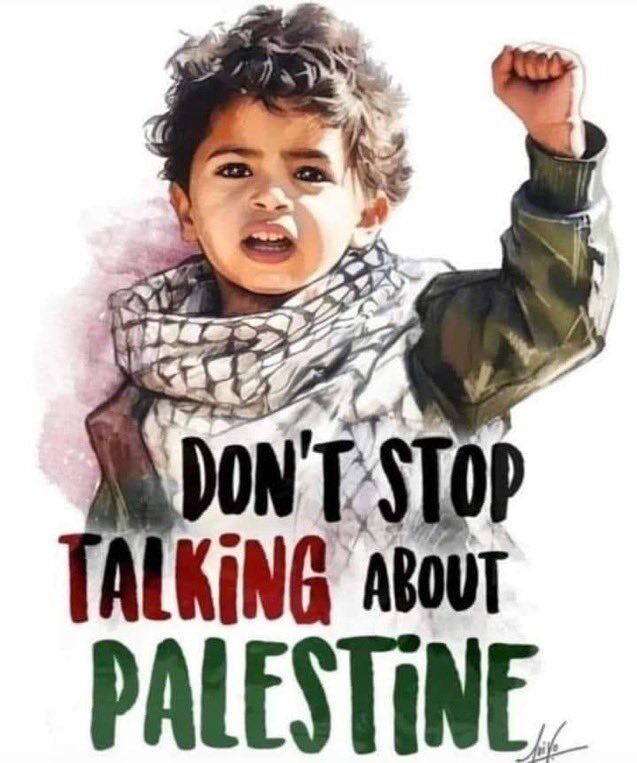
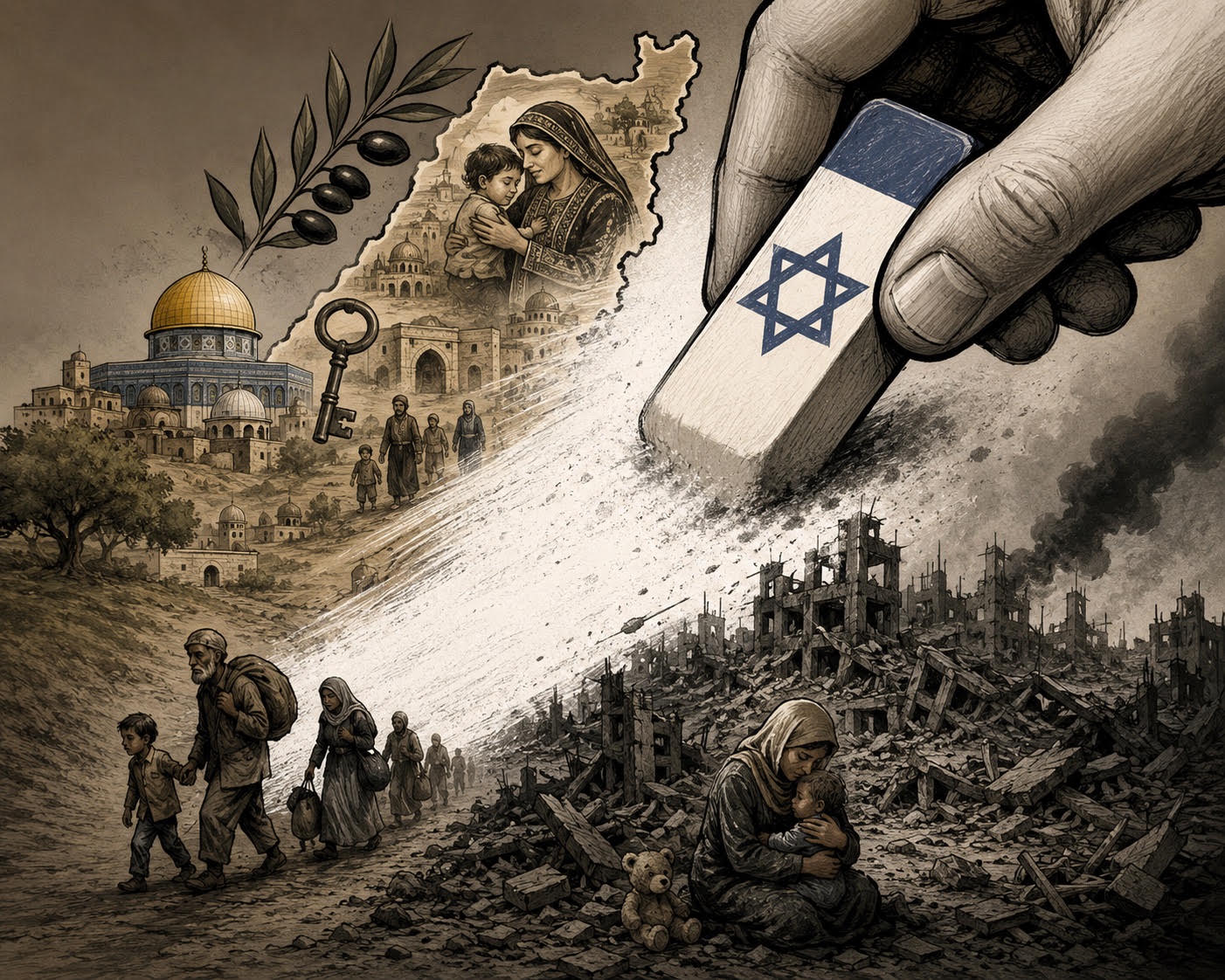
We must never stop talking about Palestine so that the 900,000 people who are kicked out of their country in 1948 when the Israeli entity was established return back to their original lands and territories.
CrossFireArabia
Experts are warning that millions of Palestinians in the Gaza Strip are breathing toxic and polluted air that is nothing short of a “death sentence.”
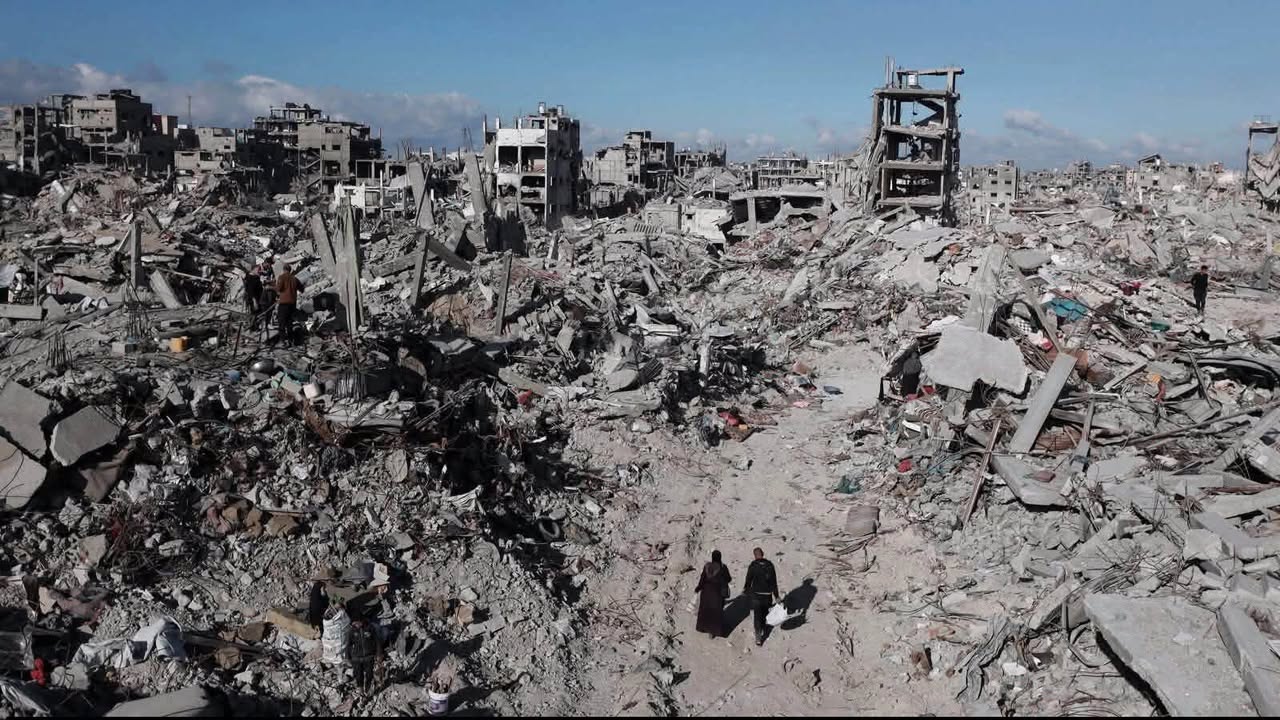
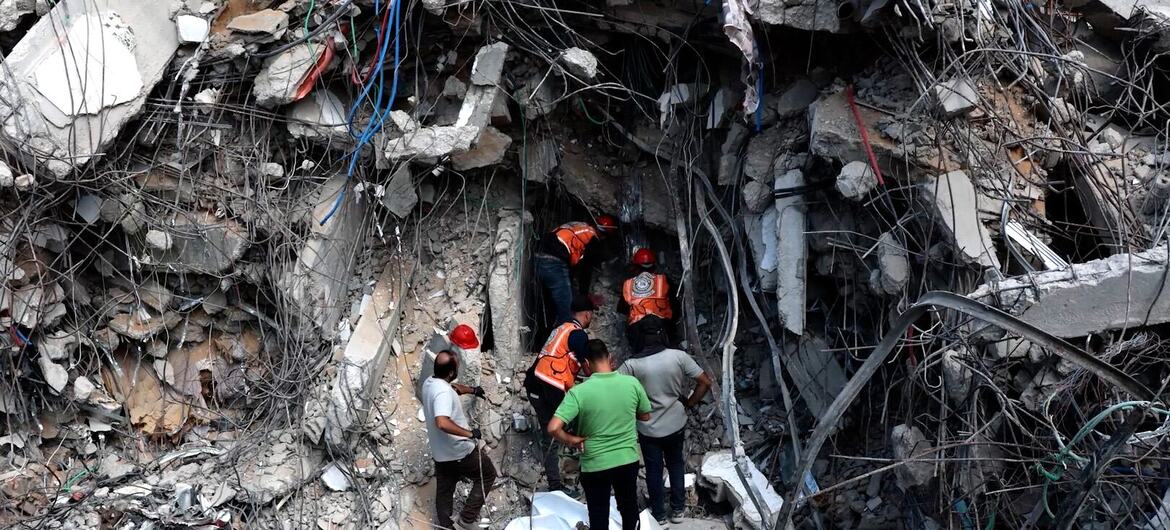
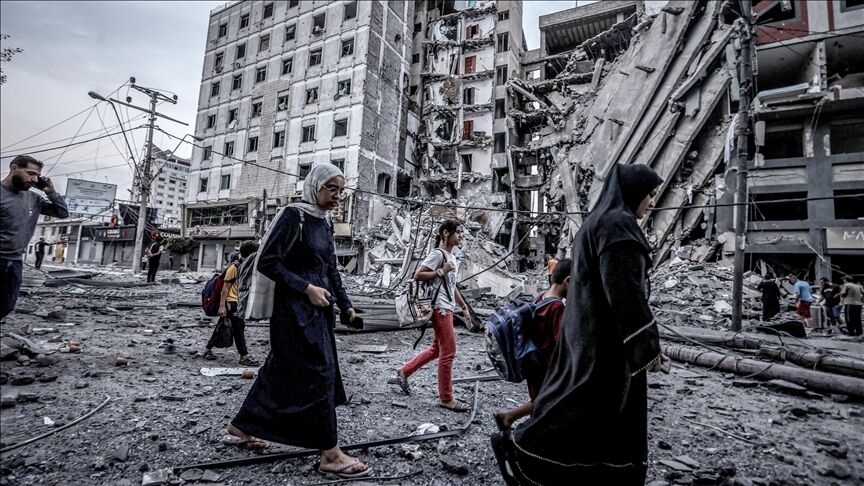
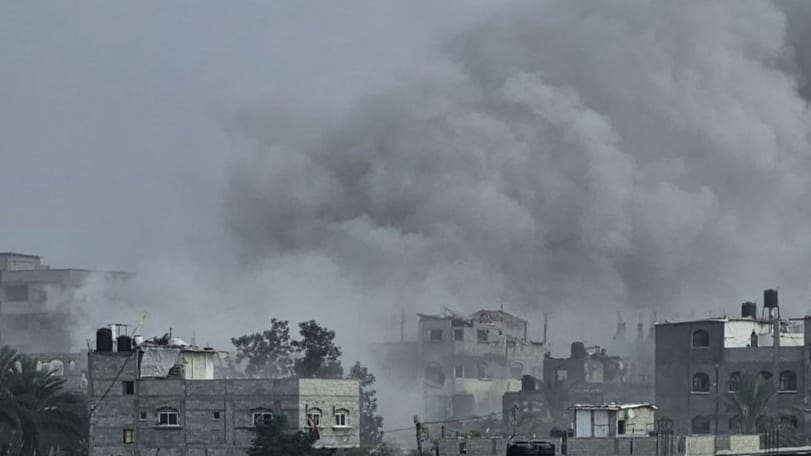
Hundreds of thousands of people in the besieged and bombarded enclave are suffering breathing problems and respiratory issues, and doctors say the scale of the problem will continue to grow as Israeli bombs disperse more chemicals into the air, mixing with dust from the unending mounds of rubble throughout Gaza.
The extent of the crisis will also become clearer when Gaza’s health system is restored and hospitals get back the ability to conduct tests and offer other basic services destroyed in Israel’s ongoing assault.
Dr. Riyad Abu Shamala, a Palestinian ENT specialist in Gaza, fears an increase in birth defects in the near future, along with cases of lung cancer, particularly once “hospitals resume operations and departments such as radiology, MRI, CT scan and others … are restored.”
“I believe the general situation will worsen due to the deterioration of living conditions, increased pollution, lack of sanitation, and the contamination of water and air,” he told Anadolu.
Since 7 October 2023, the World Health Organization (WHO) has recorded 995,000 cases of acute respiratory infections in Gaza.
Yara Asi, an academic specializing in health management, believes these numbers are likely a significant undercount.
“It’s much worse than we know because there are countless people that are in homes or in shelters with no access to physicians or hospitals to tell them about their ailments,” said Asi, an assistant professor at the University of Central Florida’s School of Global Health Management and Informatics.
Why are respiratory infections rising in Gaza?
The problem is rooted in “air pollution caused by dust, debris, chemicals from the destruction of buildings … and explosions,” said Abu Shamala.
Another major pollutant is vegetable oil that is being used as a substitute for diesel, he said.
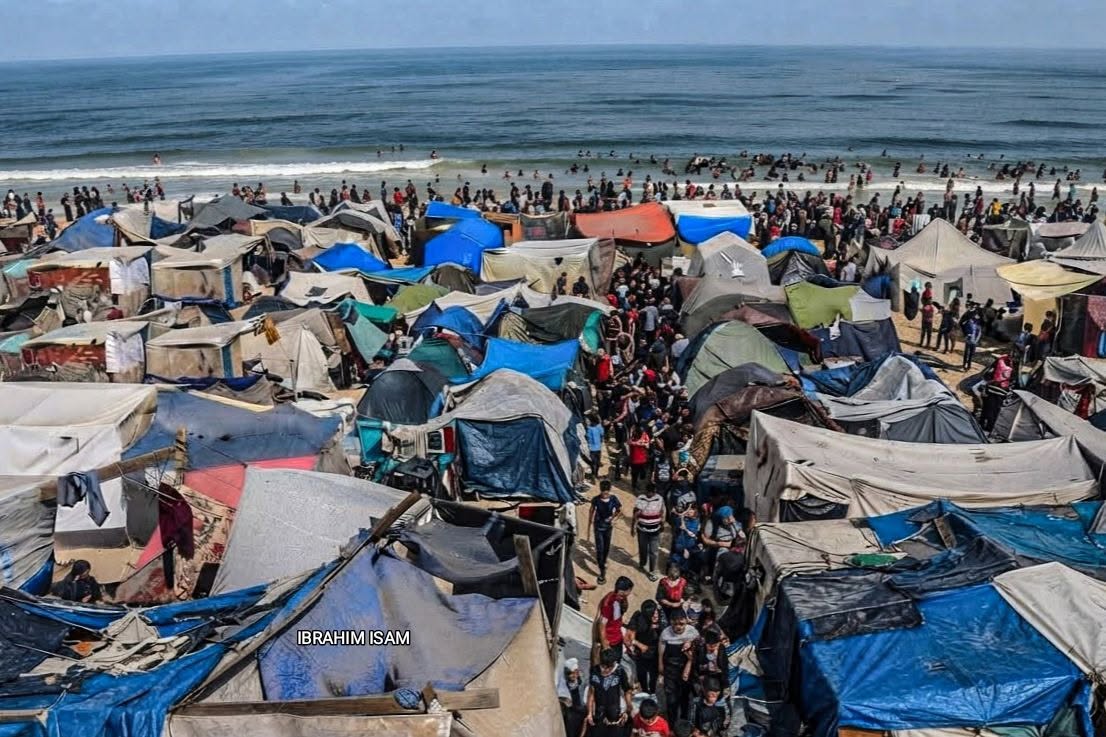
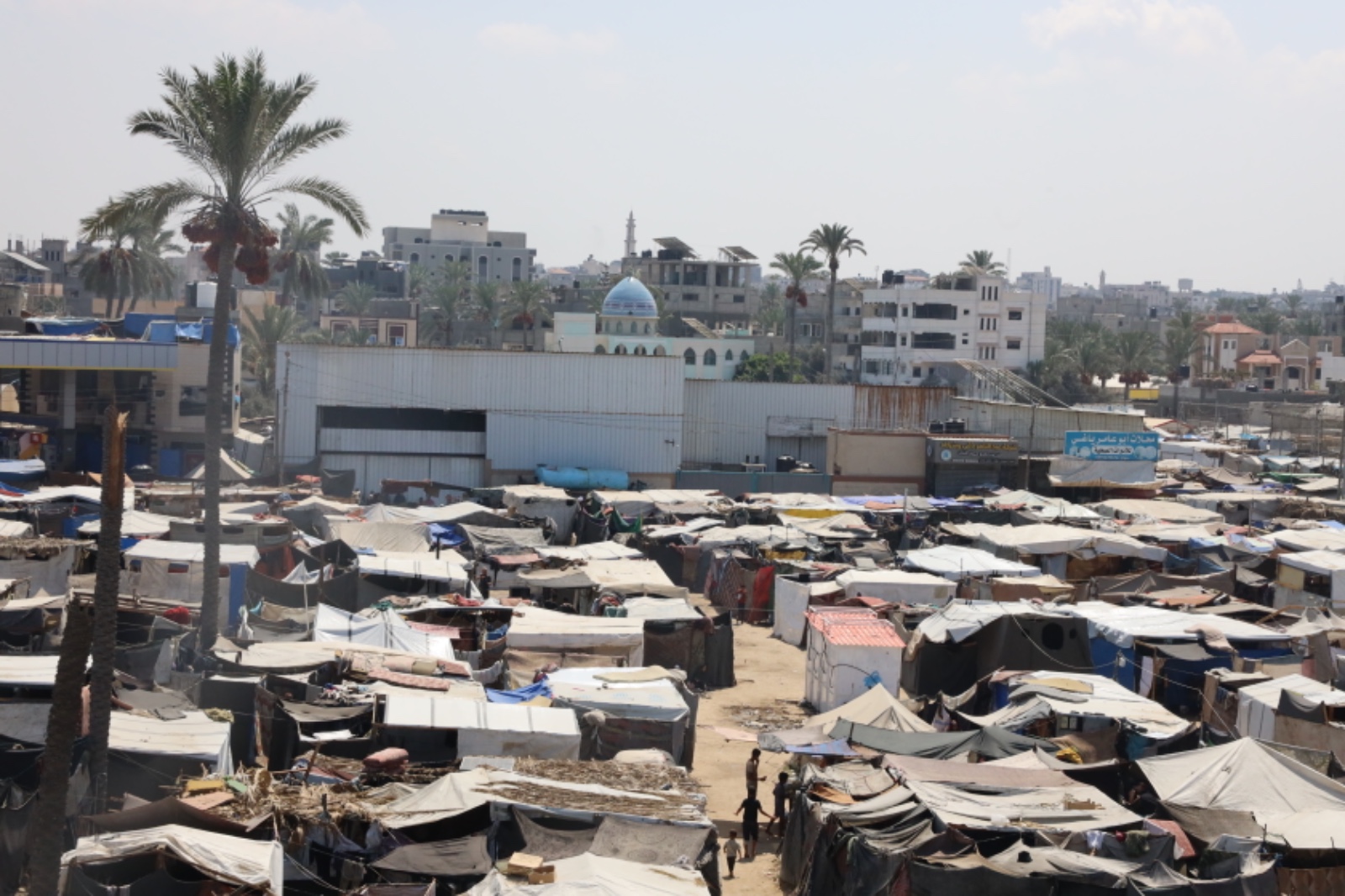
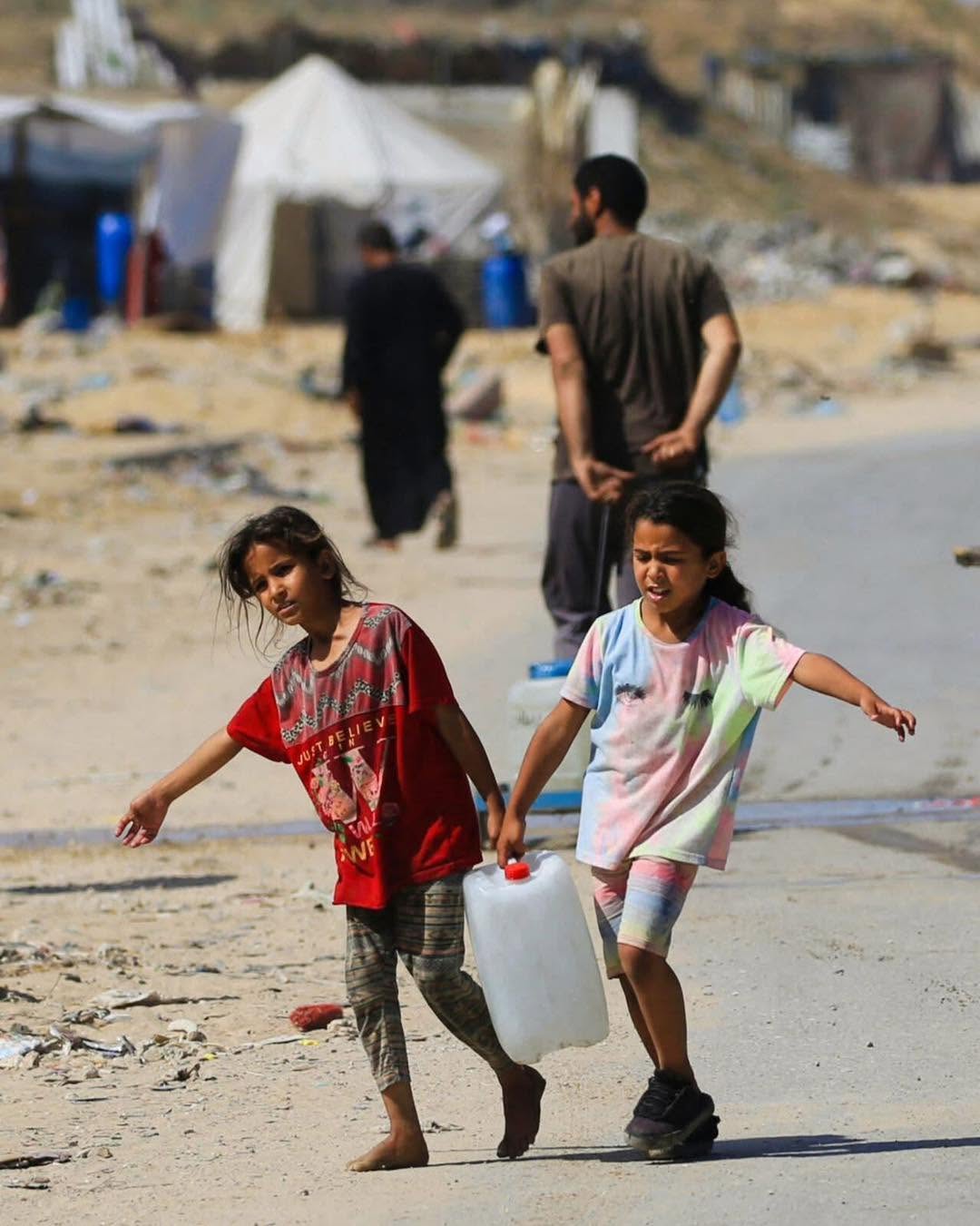
The living conditions in Gaza are dire, with severe overcrowding in displacement camps, thousands of tents in close proximity, and piles of garbage everywhere, which are exacerbating the health crisis, said the doctor.
Along with that is the weakened immunity of people who are malnourished and relying on canned food as the main source of sustenance, he said.
Abu Shamala said the most common respiratory ailments among Gazans right now are acute and chronic bronchial asthma, chronic obstructive pulmonary disease (COPD), pneumonia, bronchitis, sarcoidosis, and lung cancer.
Most people have symptoms such as severe cough, difficulty in breathing, phlegm with cough, including bloody phlegm, rapid breathing and wheezing, he added.
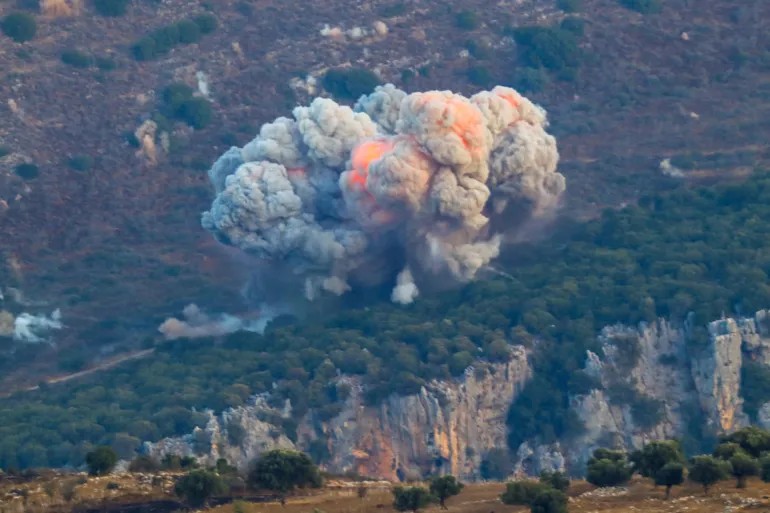
Since last October, Israel has dropped more than 70,000 tons of bombs on Gaza, and there is more than 40 million tons of rubble across the enclave.
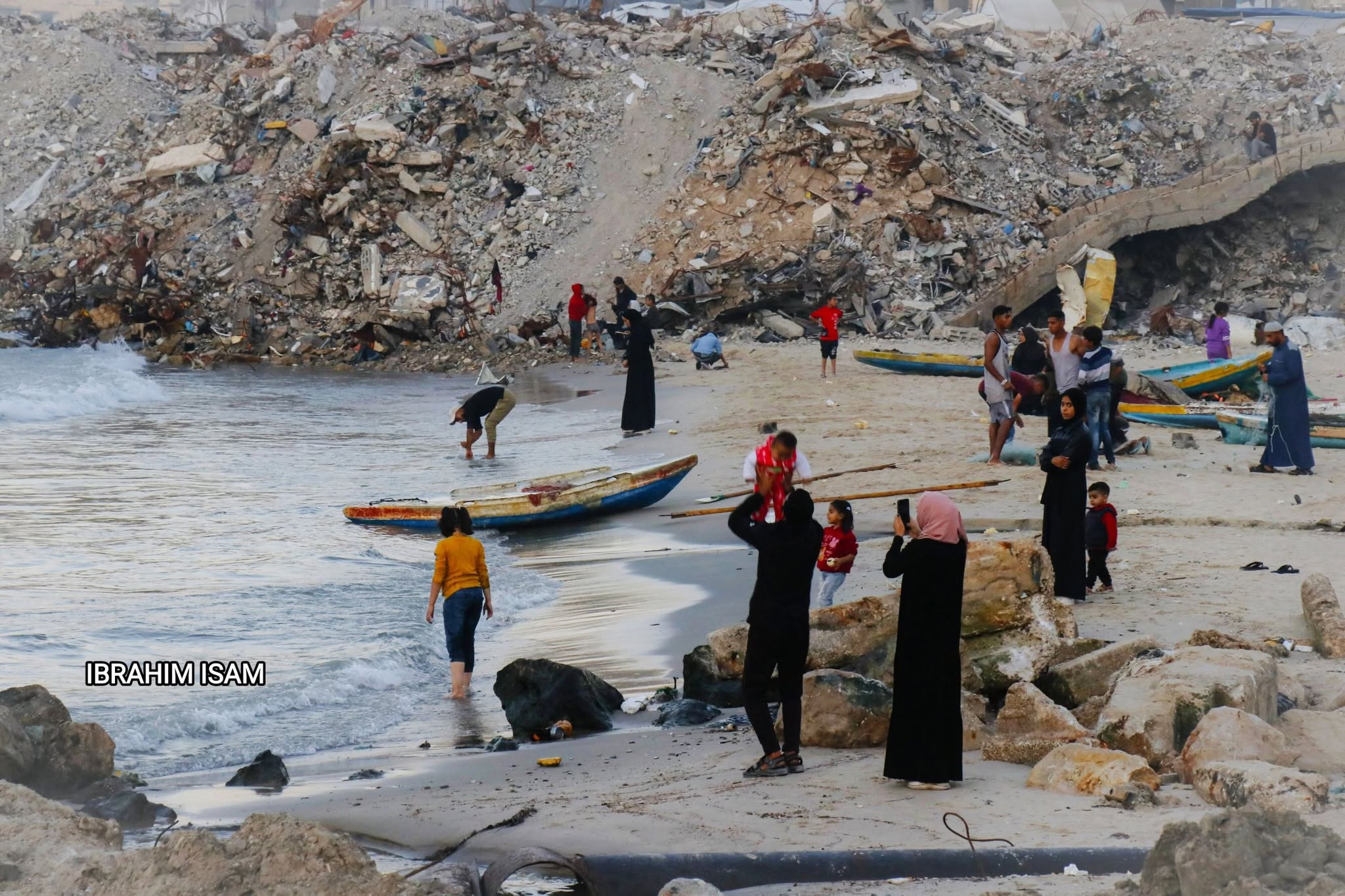
“There are thousands of tons of rubble and dust and people don’t have the tools to clear it. They don’t have the machinery, they don’t have appropriate masks, they’re just walking around in this environment,” said Asi.
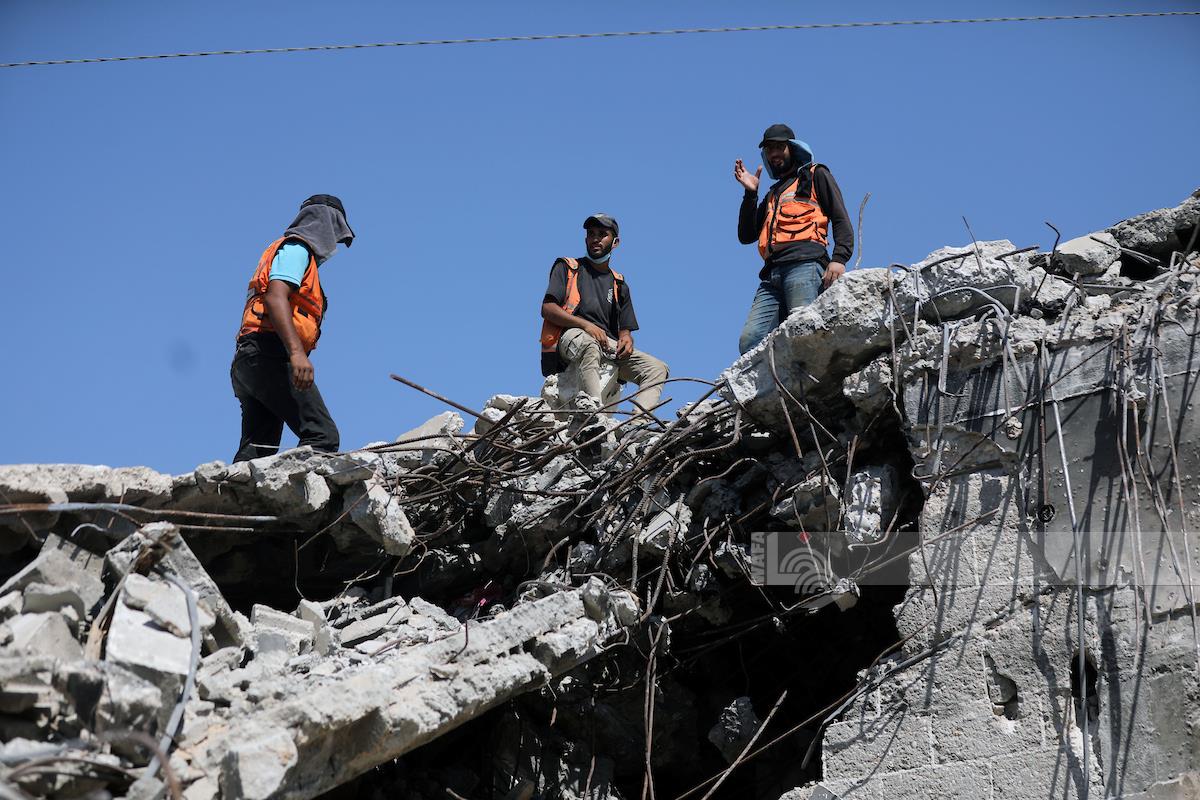
Civil rescue workers are literally inside destroyed buildings, trying to dig through the rubble with no protective gear, she said.
“This, of course, will also exacerbate respiratory illnesses,” said Asi.
Normally, smoking is the biggest cause for COPD, but Gaza’s case is entirely different, she said.
“This isn’t a population that is smoking. This is a population that is living amid ruins … with dust, smoke and toxic chemicals that they cannot avoid,” said Asi.
Is prevention possible?
Another major unknown and exacerbating factor, according to Asi, is the kind of warfare being seen in Gaza.
There is indiscriminate bombing all around civilian areas and with bombs packing thousands of pounds of explosives, she said.
“We’ve seen glimpses of this in Syria, but in many cases there, aside from areas under siege, people were able to escape. Here, they are trapped,” said the researcher.
“It’s kind of an unprecedented health crisis in many ways.”
Health problems for the people of Gaza “will unfold over the years … (and) we will have to manage and deal with it,” she said.
Asi finds it particularly frustrating that many of the diseases that are threatening Palestinian lives are completely preventable or treatable.
“We have the treatments. We have vaccines for many of them … All of that is gone, or never was in Gaza, because of the (Israeli) blockade,” she said.
She feels at a loss as to what Gazans can do to protect themselves.
“The ultimate fix … would be to leave Gaza entirely right now, but they cannot even do that,” she said.
“The only thing that will stop this at this point is a cease-fire, and a rigorous and sustained humanitarian effort that includes, in some cases, getting the most vulnerable people out of Gaza to receive the medical care they need.”
Long-term consequences
Asi warned that respiratory illnesses can have long-term consequences, including for babies, children, elderly people, people with compromised immune systems, people with cancer, and pregnant women.
“It is especially dangerous for children whose bodies, immune systems, and lungs are still developing,” she said.
There are studies on the link between exposure to viral infections or toxins and developing asthma or other types of wheezing disorders later in life, she added.
After the US dropped nuclear bombs on Hiroshima and Nagasaki, there were more cases of cancers and other genetic anomalies for decades, as was the case after the Iraq war, said Asi.
“We saw greater incidents of cancers and other ailments, especially in children that were born in those settings,” she said.
“Gaza is yet another setting of environmental disaster and destruction that children are growing up or being born in.”
She fears there will be a rise in “lung cancers, mouth cancers, chronic respiratory illnesses, and asthma.”
“This could be a death sentence for many in the near or short-term future,” she warned.