Can Israel Create A Lebanese Buffer Zone?

By Imad Rizk

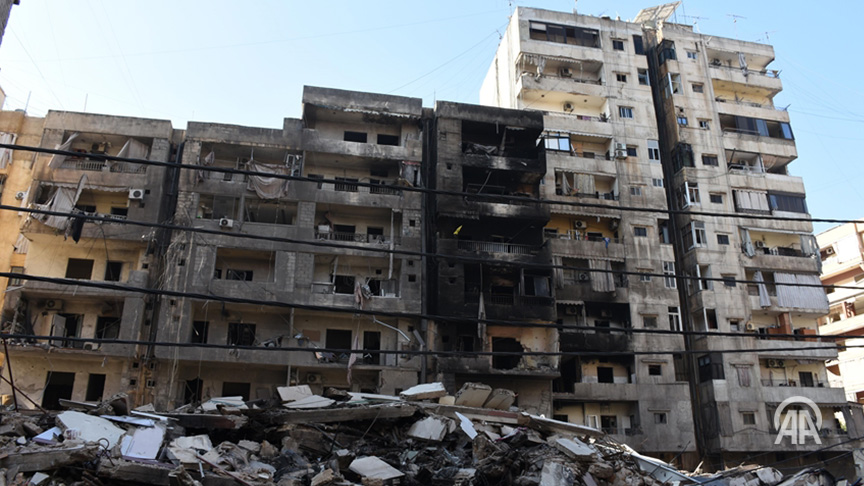
Since last Wednesday, the Israeli army has continued targeting the network of roads and bridges that link Lebanon to its south. In addition to pressuring the Lebanese government to make concessions in Lebanon and possibly beyond, the Israeli army claimed that targeting the Qasmiyeh bridge and other bridges is intended to prevent the transfer of military supplies to southern Lebanon. However, military experts questioned this justification, noting that Israeli aircraft maintain intense air dominance over the routes leading to the south, which undermines the credibility of this claim. Sources believe that targeting infrastructure, especially bridges and roads, aims to isolate the southern region in preparation for occupying it and turning it into a “buffer zone”.

After the 1982 invasion, Israel maintained a buffer zone in southern Lebanon for 15 years. It was meant to prevent attacks but instead created local resistance and required constant military presence, ending with a unilateral Israeli withdrawal in 2000.

Buffer zones as a military solution in the region were tested between 1985 and 2000. In the 2006 Lebanon War, Israel avoided re-occupying Lebanon, relying instead on air power and UN peacekeepers (United Nations Interim Force in Lebanon). Now, in 2026, Israel is returning to buffer zone thinking. Current discussions of a 10-15 km buffer zone show that Israel is returning to a doctrine it once abandoned as distancing itself from its enemy is more important than before.

Meanwhile, air raids continue to target the Lebanese capital, Beirut, and its southern suburbs. Residential areas and neighborhoods near Beirut and in the coastal city of Sidon are also being targeted under the pretext of assassinating figures and cadres linked to Iran’s Revolutionary Guard.

On the southern front, the Israeli army has been facing major difficulties in advancing and consolidating its positions since March 2. Hezbollah in Lebanon targeted Israeli troops at dozens of locations.

Ground combat tactics against the Israeli ground maneuver

Hezbollah carried out strikes against concentrations of soldiers and vehicles in different border villages. These attacks were carried out using rockets and artillery shells.

Operations extended beyond the border line, where Hezbollah support units targeted military positions and fixed barracks, as well as newly established sites in Jabal al-Bat and Nimer al-Jamal. Strikes also repeatedly hit the Avivim barracks, as well as Ramot Naftali, Branit, Hounin, Nahal Gershom base, and the Meron Air Surveillance Base.

Both Hezbollah and the Israeli army also carried out psychological and media operations associated with the ground maneuver, including threats, intimidation, low-altitude aircraft flights, and air raids conducted at night or at dawn. Settlers were also used in messaging to suggest that failure to negotiate would expose Lebanon to destruction similar to Gaza, or to incite Lebanese public opinion against a particular sectarian group and the environment that supports confrontation with Israel.

Overall assessment

In summary, the ongoing confrontation since March 2 reveals a gap between Israeli rhetoric and action. Despite statements about deploying three full military divisions, these forces rely heavily on air strikes to flush out Hezbollah fighters positioned inside villages and in the surrounding wooded terrain.

Hezbollah initially responded by targeting troop concentrations with rockets from outside the area south of the Litani River in the early days, and also struck D-9 bulldozers from areas far from the front line, while its special units advanced and seized forward positions. There was also discussion of advances along the Khiam-Marjayoun axis, with the understanding that the advance aimed to encircle the city of Nabatieh in the south and push through the Sahmar axis toward an unspecified town to reach Lake Qaraoun, similar to what Israel did on the Syrian front when it took control of the Yarmouk basin.

A notable development was the use of explosive drones similar to tactics used in Ukraine. On Friday, armed drones were used to strike a rear-area position on the Israeli side. This was considered the second major tactical surprise to enter the battlefield after the previous confrontation in 2024 during the “66-day battle.”

Israeli attacks on Iran and the entry of Iranian missiles targeting Israeli troop concentrations and fortifications around the town of Khiam suggest that the linkage of fronts — from southern Lebanon to Iraq and Iran — indicates that the Khatam al-Anbiya headquarters in Iran is directing a confrontation against Israeli destabilization and US military presence across a theater stretching from the eastern Mediterranean to the Gulf.

The author is the director of the Institute for Strategic and Communication Studies in Lebanon (Isticharia-ISCS). Anadolu

Continue reading
Analysis: Why Did Hezbollah Enter This War?

Hezbollah’s entry into the war reflects strategic calculations shaped by Israeli escalation, regional alliances, and Lebanon’s fractured politics.

Key Takeaways

  • Israel has repeatedly violated the ceasefire in Lebanon through airstrikes, raids, and surveillance operations.
  • Hezbollah’s response has so far remained limited compared to Israel’s sustained military actions.
  • Lebanon’s political leadership has failed to present a unified response to Israeli attacks on Lebanese territory.
  • Hezbollah’s intervention reflects strategic concerns about Israel’s long-term plans in Lebanon and the broader war against Iran.
  • The coordination between Iran, Hezbollah, Ansarallah, and Iraqi factions suggests the Axis of Resistance continues to operate collectively.

A Regional War Expands

Hezbollah’s decision to enter the ongoing regional confrontation did not occur in isolation. The latest escalation began when the United States and Israel launched major strikes against Iran, triggering waves of Iranian retaliation across the region.

The conflict quickly expanded beyond Iran itself. Iranian retaliatory strikes targeted US military assets and positions across the Gulf. The war rapidly assumed the character of a wider regional confrontation involving multiple actors aligned along competing geopolitical blocs.

Within this context, attention turned to Lebanon, where Hezbollah—one of the most powerful non-state actors in the Middle East—began limited military operations against Israeli positions along the border.

The central question quickly emerged: Why did Hezbollah enter the war?

The answer lies in a combination of military, political, and strategic considerations that go far beyond the immediate battlefield.

Did Hezbollah Violate the Ceasefire?

A central claim advanced by Israel and some Western governments – and even anti-Hezbollah factions in Lebanon itself – is that Hezbollah’s actions represent a violation of the ceasefire arrangements that followed previous rounds of conflict along the Lebanese border.

However, the reality on the ground presents a far more complex picture.

For months, Israel has carried out continuous violations of Lebanese sovereignty through airstrikes, drone surveillance, artillery fire, and cross-border incursions.

According to Lebanese government figures and reports by the United Nations Interim Force in Lebanon (UNIFIL), Israel has committed thousands of violations of Lebanese airspace and territory since the ceasefire arrangements took effect.

Lebanese officials have repeatedly documented Israeli overflights, drone operations, and missile strikes inside the country. UNIFIL has also confirmed frequent violations of Lebanese airspace by Israeli aircraft.

These actions have not been merely symbolic. Israeli strikes have caused civilian casualties and extensive destruction of homes and infrastructure in southern Lebanon.

Villages near the border have experienced repeated bombardments, forcing families to flee and damaging agricultural land and civilian property.

At the same time, Israeli officials have openly signaled that they have no intention of withdrawing fully from Lebanese territory or halting military operations.

Several Israeli leaders have stated publicly that Israel intends to maintain military pressure on Hezbollah and potentially establish a longer-term security presence along the border.

In this context, Hezbollah’s response—limited strikes against Israeli military positions—cannot easily be framed as the violation of a functioning ceasefire.

Rather, Hezbollah and its allies argue that no real ceasefire existed, given the scale and persistence of Israeli violations.

Did Hezbollah Violate Lebanese Consensus?

Another argument advanced by critics inside Lebanon is that Hezbollah’s intervention undermines national consensus and drags the country into a war it cannot afford.

Lebanon’s government, which maintains close ties with Western governments and the United States, has repeatedly blamed Hezbollah for escalating tensions.

However, the government has struggled to provide a convincing explanation of how it interprets Israel’s continued attacks on Lebanese territory.

While condemning Hezbollah’s actions, Lebanese authorities have largely failed to respond militarily—or even diplomatically in an effective way—to Israeli strikes.

The Lebanese state has not fired a single bullet at Israeli forces despite repeated attacks inside its territory. This has deepened the political divide within Lebanese society.

Lebanon has long been fractured along sectarian, ideological, and geopolitical lines. Some factions align closely with Western and Gulf states, while others view themselves as part of the Axis of Resistance, which includes Iran, Hezbollah, Ansarallah in Yemen, Palestinian resistance factons and several Iraqi factions.

Within this divided political landscape, there has never been a unified national consensus regarding confrontation with Israel.

For many Lebanese—particularly in communities that have historically borne the brunt of Israeli attacks—Hezbollah’s military posture is viewed as a form of deterrence rather than escalation.

So Why Did Hezbollah Enter the War?

Hezbollah’s decision to join the conflict appears to reflect a broader strategic calculation.

From Hezbollah’s perspective, the Israeli war was likely to expand regardless of its immediate actions.

Israeli leaders have repeatedly declared their intention to reshape the regional balance of power and weaken Iran and its allies.

For Hezbollah, the prospect of Iran being significantly weakened carries profound implications.

If Iran’s position in the region were severely damaged, Hezbollah could find itself facing Israel largely alone—while simultaneously confronting pressure from the United States, Western governments, and regional Arab powers aligned with Washington.

In such a scenario, Hezbollah could be isolated militarily and politically.

Entering the war now, while Iran remains actively engaged and regional allies are mobilized, allows Hezbollah to operate within a broader coalition rather than as an isolated actor.

It also ensures that Hezbollah retains influence over the eventual diplomatic outcome of the conflict.

Wars in the Middle East often conclude not with decisive military victories but through negotiated exits once the architects of war decide to pursue a political strategy.

By participating in the conflict, Hezbollah guarantees that it will have a seat at the negotiating table when such an exit strategy eventually emerges.

Does This Mean the Axis of Resistance Has Been Reborn?

Some analysts have framed the current coordination between Iran, Hezbollah, Ansarallah, and Iraqi factions as the “rebirth” of the Axis of Resistance.

But the reality may be more nuanced.

The Axis of Resistance was never destroyed. Instead, each actor within it has often had to adapt to its own domestic political realities.

Hezbollah operates within Lebanon’s complex sectarian political system. Iraqi factions must navigate Baghdad’s fragile state institutions. Ansarallah governs large parts of Yemen under conditions of war and blockade. Hamas remains focused on defeating the Israeli-US scheme aimed at disarming resistance and ethnically cleansing Palestinians from Gaza,

These differing political contexts often limit how openly each actor can coordinate with the others. Yet recent developments suggest that the axis is functioning in a coordinated manner.

Iranian strikes across the region, Ansarallah’s operations in the Red Sea, and Hezbollah’s engagement along the Lebanese border indicate a level of strategic alignment.

The current conflict has therefore revealed not the rebirth of the axis but its continued operational existence.

Our Strategic Analysis

Hezbollah’s intervention reflects a calculated strategic move rather than an impulsive escalation.

Israel’s continued military pressure on Lebanon, combined with the wider war against Iran, created conditions in which Hezbollah perceived long-term risks in remaining passive.

By entering the conflict in a limited but coordinated manner, Hezbollah seeks to shape the strategic environment before the war reaches a stage where diplomatic negotiations become inevitable.

In doing so, Hezbollah is signaling that the future of Lebanon—and the broader regional balance of power—cannot be determined without its participation.

Palestine Chronicle

Continue reading
Israel Sprays South Lebanon With Poison

The Israeli army’s spraying of chemical substances over vast agricultural areas in southern Lebanon and Syria is deeply alarming. The deliberate targeting of civilian farmland violates international humanitarian law, particularly the prohibition on attacking or destroying objects indispensable to civilian survival. Large-scale destruction of private property without specific military necessity amounts to a war crime and undermines food security and basic livelihoods in the affected areas.

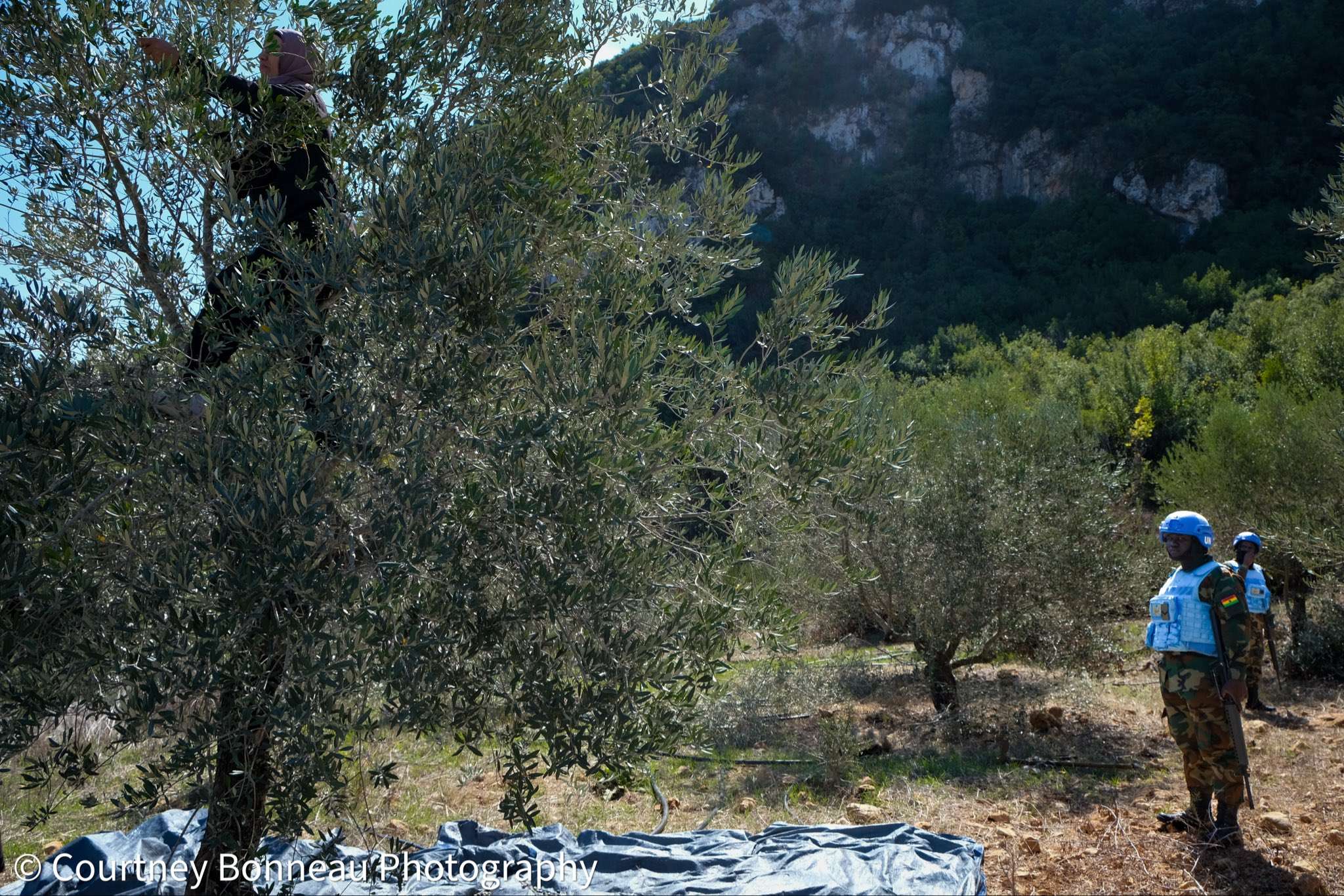
On the morning of Sunday, 1 February 2026, the United Nations Interim Force in Lebanon (UNIFIL) received notice from the Israeli army of planned aerial activity near the Blue Line and was asked to remain inside shelters. The alert disrupted the mission, leading to the cancellation of more than 10 field activities and the suspension of routine patrols along one-third of the line for over nine hours.

During the period in which international forces were forced to remain inactive, Euro-Med Human Rights Monitor documented Israeli aircraft spraying chemical substances over extensive agricultural areas, particularly in the town of Ayta ash-Shaab and its vicinity in southern Lebanon. This raises the risk of consequences beyond immediate crop damage, posing a serious threat to the rights to health and a safe environment through potential long-term contamination of soil and water resources.

The announcement by Lebanese Environment Minister Tamara Elzein that specialised teams had been dispatched to collect samples from the targeted sites for laboratory analysis reflects official concern about the possible use of internationally prohibited or highly toxic substances.

This incident cannot be viewed in isolation from the scorched-earth policy pursued by the Israeli army. It forms part of a pattern of systematic destruction of agricultural land, including the burning of approximately 9,000 hectares during recent military operations using white phosphorus and incendiary munitions.

The deliberate targeting of the means of life violates the laws of war and appears intended to undermine the living security of residents in the south and render their areas uninhabitable, thereby forcibly displacing them.

Euro-Med Monitor also documented Israeli aircraft spraying pesticides of unknown composition over farmland in the countryside of Quneitra in southern Syria on Monday and Tuesday, 26 and 27 January 2026. The direct targeting of civilian objects caused widespread crop destruction, posing a serious threat to economic and food security and violating farmers’ rights to work and to an adequate standard of living by destroying their primary sources of income without military justification.

The breach of territorial sovereignty and cross-border targeting of agricultural land constitute violations of the United Nations Charter and the principles of international law. The use of chemical substances of unknown composition, given their destructive effects on vegetation and their direct threat to public health, constitutes a grave breach of international humanitarian law, which prohibits methods or means of warfare that cause indiscriminate harm, unnecessary suffering, or widespread, long-term damage to the natural environment.

Such practices expose their perpetrators to international criminal accountability. Under Article 8 of the Rome Statute of the International Criminal Court, intentionally attacking civilian objects or destroying property without imperative military necessity constitutes a war crime. The use of chemical substances to devastate agricultural land satisfies the material elements of these crimes by inflicting widespread, long-term harm on the natural environment and the foundations of civilian life.

This conduct reflects a systematic operational pattern long implemented by Israel in border areas east and north of the Gaza Strip, where aerial spraying of lethal chemicals has been used to enforce buffer zones by destroying vegetation and dismantling the food basket, despite repeated international warnings about the catastrophic consequences for food security and public health.

Euro-Med Monitor previously documented similar attacks through a comprehensive evidentiary archive supported by laboratory analyses and expert testimony. The findings showed that the substances used were not conventional pesticides but highly toxic chemical compounds with destructive effects that are difficult to contain. The harm extended beyond seasonal crop loss to long-term contamination of soil and groundwater, damage to livestock, and the dismantling of environmental infrastructure, rendering the restoration of agricultural activity nearly impossible. Such conduct constitutes a compounded violation that strikes at the core of the rights to life and to a healthy environment.

Read within the broader context of continued military targeting of agricultural land with various munitions, these incidents reveal a systematic policy of destruction that exceeds any legitimate military objective. The approach appears intended to render agricultural areas uninhabitable by dismantling economic infrastructure and depriving residents of their fundamental means of livelihood. It amounts to collective punishment prohibited under international law and constitutes an unlawful method of pressure designed to create a coercive environment that drives forced displacement by stripping populations of the means necessary for stability and survival.

The international community, particularly the United Nations, must act immediately by establishing an independent fact-finding mission to collect samples from affected soil and crops in southern Lebanon and the countryside of Quneitra, subject them to thorough laboratory analysis, determine the chemical composition of the substances used, assess their toxicity, and evaluate any potential violation of the Chemical Weapons Convention or relevant international environmental protocols, thereby removing doubt about the nature of this targeting.

States Parties to the Geneva Conventions whose national legislation permits the exercise of universal jurisdiction must fulfil their legal obligations by initiating criminal investigations and prosecuting Israeli officials responsible for ordering environmental destruction and the use of weapons with indiscriminate effects. Such acts constitute war crimes and grave breaches not subject to statutes of limitation and require the activation of individual accountability mechanisms against those responsible, wherever they may be found.

The UN Security Council must issue a binding resolution condemning the grave Israeli crimes and consider the obstruction of UNIFIL’s work and its forced withdrawal during the violations a flagrant breach of Resolution 1701. Euro-Med Monitor stresses the need to guarantee farmers and landowners the right to fair compensation for the economic and environmental losses they have sustained, and to obligate Israel, as the aggressor, to bear the costs of land rehabilitation and the remediation of any long-term ecological damage resulting from this contamination.

The Lebanese and Syrian governments should submit formal declarations to the Registry of the International Criminal Court (ICC) under Article 12(3) of the Rome Statute, thereby accepting the Court’s jurisdiction over crimes committed on their territories.

Euro-Med Monitor emphasises that this step is now an urgent necessity to halt the continued policy of impunity and enable the ICC Prosecutor to initiate independent investigations into Israel’s attacks on civilian objects as war crimes whose consequences transcend national borders and threaten human security across the region. The announcement by Lebanese Environment Minister Tamara Elzein that specialised teams had been dispatched to collect samples from the targeted sites for laboratory analysis reflects official concern about the possible use of internationally prohibited or highly toxic substances.

This incident cannot be viewed in isolation from the scorched-earth policy pursued by the Israeli army. It forms part of a pattern of systematic destruction of agricultural land, including the burning of approximately 9,000 hectares during recent military operations using white phosphorus and incendiary munitions.

The deliberate targeting of the means of life violates the laws of war and appears intended to undermine the living security of residents in the south and render their areas uninhabitable, thereby forcibly displacing them.

Euro-Med Monitor also documented Israeli aircraft spraying pesticides of unknown composition over farmland in the countryside of Quneitra in southern Syria on Monday and Tuesday, 26 and 27 January 2026. The direct targeting of civilian objects caused widespread crop destruction, posing a serious threat to economic and food security and violating farmers’ rights to work and to an adequate standard of living by destroying their primary sources of income without military justification.

The breach of territorial sovereignty and cross-border targeting of agricultural land constitute violations of the United Nations Charter and the principles of international law. The use of chemical substances of unknown composition, given their destructive effects on vegetation and their direct threat to public health, constitutes a grave breach of international humanitarian law, which prohibits methods or means of warfare that cause indiscriminate harm, unnecessary suffering, or widespread, long-term damage to the natural environment.

Such practices expose their perpetrators to international criminal accountability. Under Article 8 of the Rome Statute of the International Criminal Court, intentionally attacking civilian objects or destroying property without imperative military necessity constitutes a war crime. The use of chemical substances to devastate agricultural land satisfies the material elements of these crimes by inflicting widespread, long-term harm on the natural environment and the foundations of civilian life.

This conduct reflects a systematic operational pattern long implemented by Israel in border areas east and north of the Gaza Strip, where aerial spraying of lethal chemicals has been used to enforce buffer zones by destroying vegetation and dismantling the food basket, despite repeated international warnings about the catastrophic consequences for food security and public health.

Euro-Med Monitor previously documented similar attacks through a comprehensive evidentiary archive supported by laboratory analyses and expert testimony. The findings showed that the substances used were not conventional pesticides but highly toxic chemical compounds with destructive effects that are difficult to contain. The harm extended beyond seasonal crop loss to long-term contamination of soil and groundwater, damage to livestock, and the dismantling of environmental infrastructure, rendering the restoration of agricultural activity nearly impossible. Such conduct constitutes a compounded violation that strikes at the core of the rights to life and to a healthy environment.

Read within the broader context of continued military targeting of agricultural land with various munitions, these incidents reveal a systematic policy of destruction that exceeds any legitimate military objective. The approach appears intended to render agricultural areas uninhabitable by dismantling economic infrastructure and depriving residents of their fundamental means of livelihood. It amounts to collective punishment prohibited under international law and constitutes an unlawful method of pressure designed to create a coercive environment that drives forced displacement by stripping populations of the means necessary for stability and survival.

The international community, particularly the United Nations, must act immediately by establishing an independent fact-finding mission to collect samples from affected soil and crops in southern Lebanon and the countryside of Quneitra, subject them to thorough laboratory analysis, determine the chemical composition of the substances used, assess their toxicity, and evaluate any potential violation of the Chemical Weapons Convention or relevant international environmental protocols, thereby removing doubt about the nature of this targeting.

States Parties to the Geneva Conventions whose national legislation permits the exercise of universal jurisdiction must fulfil their legal obligations by initiating criminal investigations and prosecuting Israeli officials responsible for ordering environmental destruction and the use of weapons with indiscriminate effects. Such acts constitute war crimes and grave breaches not subject to statutes of limitation and require the activation of individual accountability mechanisms against those responsible, wherever they may be found.

The UN Security Council must issue a binding resolution condemning the grave Israeli crimes and consider the obstruction of UNIFIL’s work and its forced withdrawal during the violations a flagrant breach of Resolution 1701. Euro-Med Monitor stresses the need to guarantee farmers and landowners the right to fair compensation for the economic and environmental losses they have sustained, and to obligate Israel, as the aggressor, to bear the costs of land rehabilitation and the remediation of any long-term ecological damage resulting from this contamination.

The Lebanese and Syrian governments should submit formal declarations to the Registry of the International Criminal Court (ICC) under Article 12(3) of the Rome Statute, thereby accepting the Court’s jurisdiction over crimes committed on their territories.

Euro-Med Monitor emphasises that this step is now an urgent necessity to halt the continued policy of impunity and enable the ICC Prosecutor to initiate independent investigations into Israel’s attacks on civilian objects as war crimes whose consequences transcend national borders and threaten human security across the region. Euro-Med Monitor

Continue reading
Israel Violates its Lebanese Accord 383 Times

The UN Interim Force in Lebanon (UNIFIL) on Saturday condemned the Israeli army’s destruction of a Lebanese army observation tower and the removal of a blue barrel marking the line of withdrawal between Lebanon and Israel.

According to a statement, UNIFIL said that its UN peacekeepers observed an Israeli army bulldozer “destroying a blue barrel marking the line of withdrawal between Lebanon and Israel in Labbouneh.”

It added that the bulldozer also destroyed “an observation tower belonging to the Lebanese Armed Forces immediately beside a UNIFIL position there.”

UNIFIL strongly condemned the incident, stating that the Israeli army’s “deliberate and direct destruction of both clearly identifiable UNIFIL property and infrastructure belonging to the Lebanese Armed Forces is a flagrant violation of resolution 1701 and international law.”

“We call on all actors to avoid any actions, including the destruction of civilian property and infrastructure, that could jeopardize the cessation of hostilities,” the UN force concluded according to Anadolu.

The UN Security Council Resolution 1701, adopted on Aug. 11, 2006, calls for a complete halt to hostilities between Hezbollah and Israel and the establishment of a weapons-free zone between the Blue Line and the Litani River in southern Lebanon, with exceptions for the Lebanese army and UNIFIL.

By Saturday evening, Israel had committed 383 violations of the cease-fire agreement, resulting in 32 deaths and 39 injuries, according to an Anadolu tally based on official Lebanese data.

Under the cease-fire terms, Israel is required to withdraw its forces south of the Blue Line – a de facto border – in phases, while the Lebanese army is to deploy in southern Lebanon within 60 days.

Data from the Lebanese Health Ministry indicates that since Israel’s onslaught against Lebanon began on Oct. 8, 2023, at least 4,063 victims have been killed, including women, children, and health workers, while 16,664 others have been injured.

Continue reading
Despite UN Appeals Israel Maintains Hardline Approach on Gaza

Civilian casualties and injuries continue to be reported across Gaza due to the ongoing hostilities, with most families unable to afford basic food as the humanitarian situation deteriorates, a UN spokesperson reported, Thursday. In Lebanon, the UN peacekeeping mission in the south of the country urged both Israel and Lebanon to prevent any actions that could threaten the fragile ceasefire.

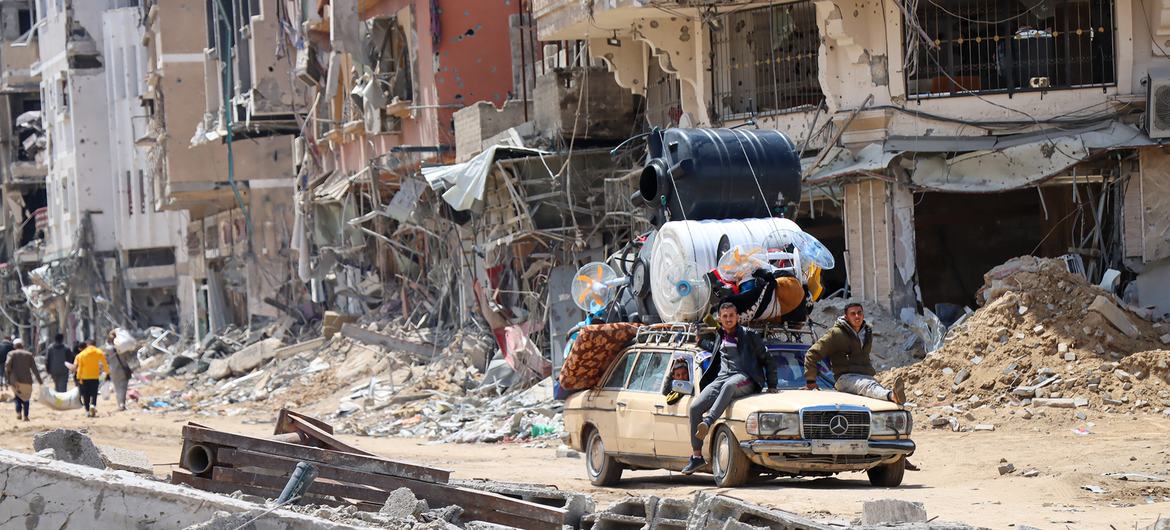
The relentless fighting in the Gaza Strip, which began last October, continues to cause widespread destruction and drive displacement, according to a note issued by the UN Spokesperson’s Office.

“The Office for the Coordination of Humanitarian Affairs (OCHA) stresses once again that civilians and civilian infrastructure, including hospitals, must be protected and spared from attacks,” the note stated.

The note also cited reports that Israeli authorities continue to deny and impede aid missions across the war-ravaged enclave.

“Out of 12 UN requests for coordinated humanitarian movements yesterday, six requests were denied outright, three were cancelled by the organizers due to security or logistical challenges, one was approved but faced impediments, and two others were facilitated and accomplished,” the note stated.

“One attempt to reach besieged parts of North Gaza governorate was denied yesterday and another one today,” it added.

Despite access restrictions and insecurity, aid organizations are working tirelessly to assist the most vulnerable as the humanitarian crisis in Gaza worsens.

With most families unable to afford basic food, prices have skyrocketed. Reports indicate that a 25-kilogram bag of wheat flour is now priced between $160 and $190.

“Humanitarian partners working to address hunger in Gaza estimate that as of mid-December, 10,000 metric tonnes of wheat flour are needed to distribute one bag of flour to all families in Deir al Balah, Khan Younis and Rafah,” the note said.

“Without this, food insecurity in central and southern areas of the Strip will only worsen.”

UN Mission urges protection of ceasefire in Lebanon

Meanwhile, the UN Interim Force in Lebanon (UNIFIL) stressed that any actions threatening the fragile cessation of hostilities, agreed last month between Israel and Lebanon, must cease.

“Israel and Lebanon have recommitted to full implementation of Security Council resolution 1701,” UNIFIL in a statement, calling on both parties to use the newly established Mechanism as agreed to address outstanding issues.

UNIFIL also called for the timely withdrawal of the Israel Defense Forces (IDF) and the deployment of the Lebanese Armed Forces (LAF) in southern Lebanon as part of the full implementation of the resolution as a comprehensive path toward peace.

It also noted concern over destruction caused by the IDF in residential areas, agricultural land and road networks in southern Lebanon, adding that such actions violate resolution 1701.

“UNIFIL stands ready to play its role in supporting both countries meet their obligations and monitoring progress,” the Mission said.

“This includes ensuring the area south of the Litani River is free of any armed personnel, assets or weapons other than those of the Government of Lebanon and UNIFIL as well as respect for the Blue Line.”

It added that UN peacekeepers will continue their mandated tasks, including monitoring and reporting all violations of resolution 1701 to the Security Council.

UN News

Continue reading