Will Israeli Stop Murdering Gaza Journalists?

Palestinian journalist Muhammed Abd Rabbou was killed, Tuesday evening, along with his sister when the Israelis bombed their home in the Nuseirat refugee camp in the central area of Gaza. 

Videoclips show bereaved Palestinians and his relatives painfully bid farewell to the slain journalist who was killed in a direct Israeli airstrike on his sister’s home.

The Gaza Government Media Office said Israeli forces have killed 172 media workers and wounded 186 others in Gaza and the occupied West Bank since 7 October, 2023. This is while some 51 others have been arrested.

Photojournalist Abed Rabo ascended to martyrdom following an airstrike that targeted an apartment belonging to the Abu Dalal family in the Nusseirat camp market in the central #Gaza Strip one blogger wrote.

A few days before Israeli warplanes bombarded the home of prominent Palestinian political analyst Arafat Abu Zaied in Khan Yunis, killing him along with two of his children.

About 60 media and human rights organizations have called on the European Union to freeze its association agreement with Israel and implement targeted sanctions, condemning Israel for “massacring journalists” in Gaza.

They noted that more than 130 Palestinian journalists have been killed in the ongoing Israeli war on Gaza, and that the killing of journalists, whether deliberate or reckless, constitutes a war crime.

Continue reading
West Bank on Fire Against Israeli Occupation

What was a premonition yesterday, today it has become a reality. What did not exceed the level of fear has now become part of daily circumstance.

In Jenin, Tulkarm, Nablus, Hebron, Tubas, Qalqilya – all cities of the West Bank – it has become necessary for the Israeli occupation army to be no less vigilant than in its battle in Gaza and/or southern Lebanon according to the Palestine Information Center.

Today, the battle is taking place on the sides of Israeli army barracks, checkpoints, and headquarters. The West Bank is today not just a support front for Gaza, but has become part of the front lines against Israeli occupation.

The resistance escalation in the West Bank has been the most feared by Israel since the outbreak of the Al Aqsa Flood Battle in Gaza; it is the closest front to it and therefore the most dangerous to the occupation.

Traditional military measures of searches, raids, arrests, and setting up checkpoints are no longer of any use. The resistance has prepared itself to confront all of this and diversified its method of resistance to the occupation including detonating explosive devices in Israeli vehicles which has never happened before.

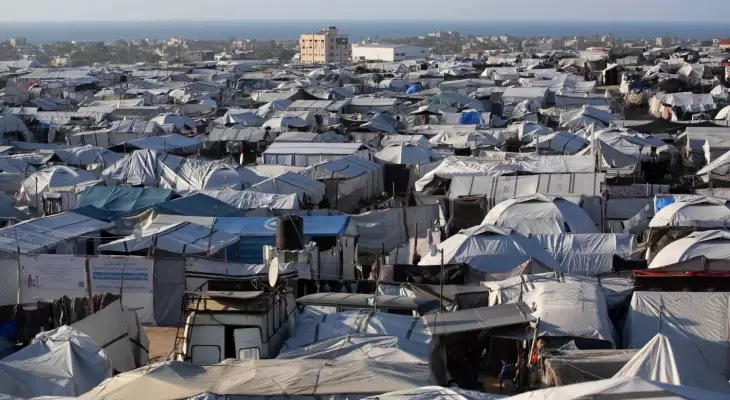
The resistance in the West bank has begun to intensify its attacks on the enemy and present its heroism and sacrifices to relieve the pressure on the Gaza Strip, suffering from the scourge of genocide and brutal massacres now for the 327th consecutive day. The number of martyrs and missing persons in Gaza has now exceeded 50,000, together with the destruction of all aspects of life in the Strip.

This is what prompted the West Bank resistance to act supporter to Gaza, with sacrifices of more than 640 martyrs and about 5,400 wounded, in addition to the thousands of detainees, since the outbreak of the Al-Aqsa Flood.

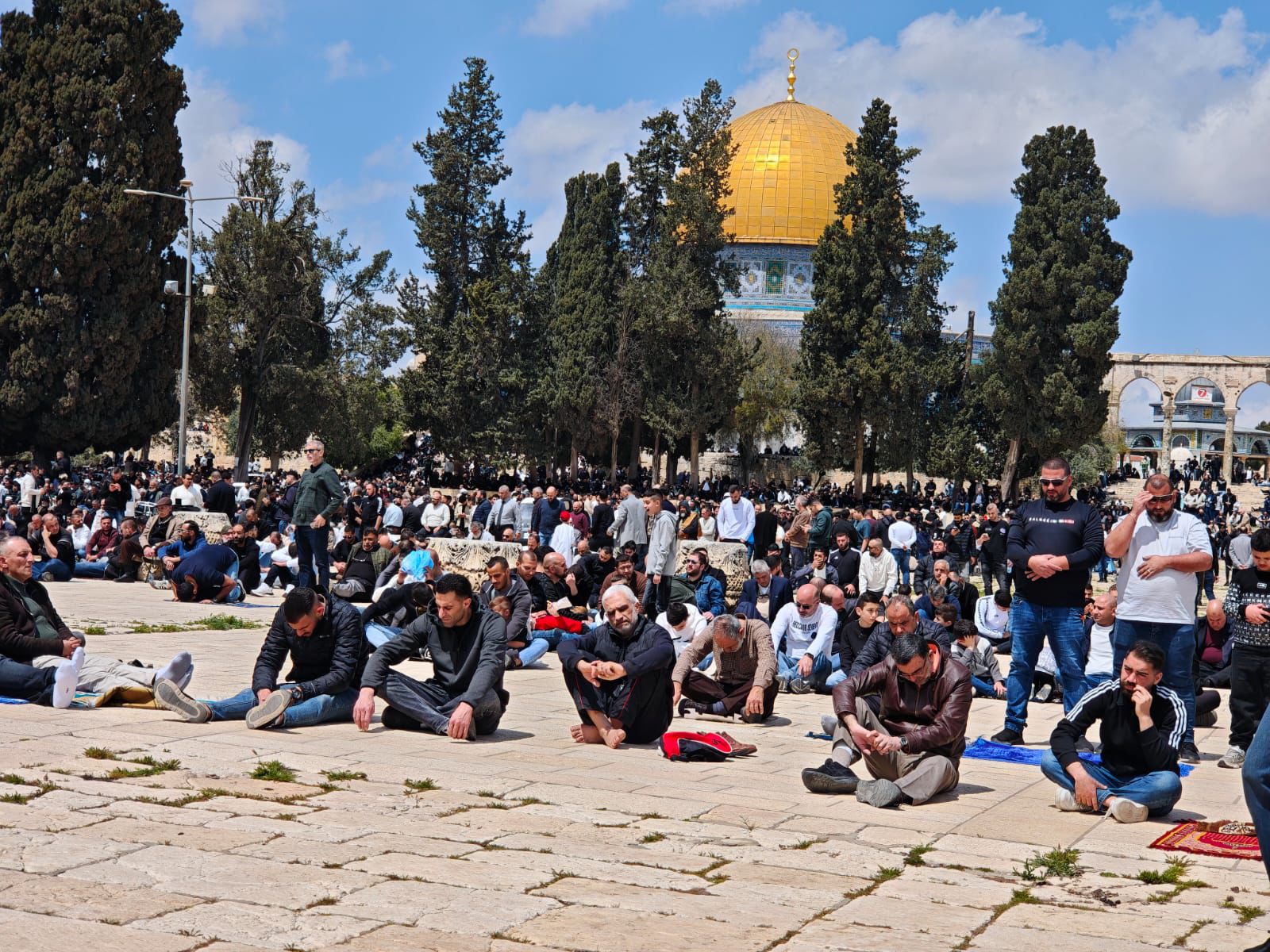
At the same time, the Israeli government sought to exploit the war in the Gaza Strip to implement its plans for settlement expansion and the establishment of new outposts in the West Bank with the absence of any accountability for these crimes. The extreme rightwing Israeli government of Benjamin Netanyahu sought to impose a new reality in Jerusalem increasing the settlers’ incursions incursions into Al-Aqsa Mosque, to the point were National Security Minister Itamar Ben Gvir announced his intention to build a synagogue on the grounds of the holly mosque.

The Israeli policy of Palestinian assassinations increased in intensity with the escalation of the resistance against the occupation forces. Hardly a day goes by without the West Bank burying one or more of its fighters in a cowardly Israeli targeting, the latest of which was the assassination of 10 martyrs in Jenin and Tubas as part of the extensive aggression announced by the occupation army in the northern West Bank.

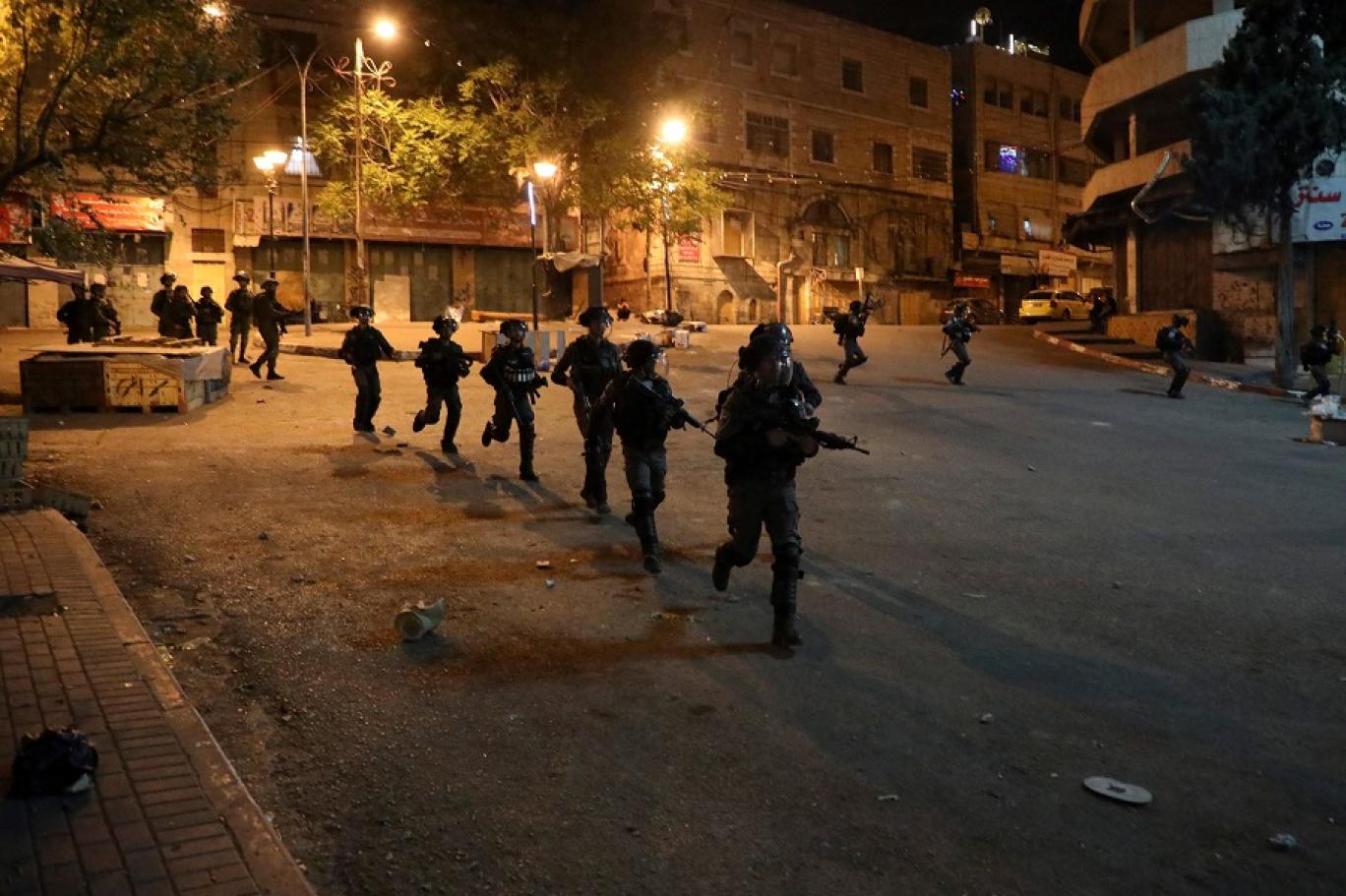
In a new criminal move, the occupation army announced, Tuesday, the start of what it called a “large-scale operation” in the cities of the northern West Bank of Jenin, Tulkarm, Tubas, the camps, and several neighborhoods of Nablus. According to Israeli media, the occupation army intends to destroy the infrastructure of the resistance in the northern West Bank through such aggression, describing it as the most violent and extensive since Operation Defensive Shield in 2002.

In conjunction with this announcement, the Mujahideen of Qassam Brigades, along with other resistance factions, engaged in an armed clash with the occupation forces in Tulkarm as Qassam Brigades detonated explosive devices in Israeli military vehicles as they stormed the Jenin camp, while targeting a military tower at the entrance to the Al-Arroub camp north of Hebron.

Saraya Al Quds of Islamic Jihad shot down an Israeli drone in the Nour Shams camp in Tulkarm while wounding a number of occupation soldiers at sniper positions fortified inside a house. It was also announced the detonation of an explosive device in a military bulldozer in Nablus, achieving direct injuries among its crew.

The occupation is trying to silence the voice of the resistance by committing more crimes in the West Bank but it is not succeeding as the latest military operations  of Al-Qassam Brigades fighters believe the Israeli army is drowning in a quagmire  in Nablus as fierce clashes with enemy forces in Balata camp are heightened.

The occupation’s announcement of the start of a new aggression in the West Bank, after months of escalation, is an official admission that the resistance in the West Bank is very strong, and that the Israelis know as stated by Israeli Foreign Minister Yisrael Katz on Wednesday morning:

“The threat in the West Bank must be dealt with like Gaza and a temporary evacuation of people must be implemented, as this is a war on everything.”

With this escalation, it can be said that the occupation has begun a difficult confrontation that may cost it a lot as the West Bank is causing the enemy great pain that has never been witnessed in the history of the conflict with it, and the military escalation with the Palestinian resistance groups may contribute greatly to the changing the scene taking place in Palestine, and on all axes of support.

Continue reading
Yemen: Ruining Lives Through War

Yemen is facing a nutrition emergency of catastrophic proportions, with three districts plunged into severe crisis and four more teetering on the edge of famine. This escalating disaster demands immediate global action and unwavering humanitarian support to avert further tragedy and safeguard countless lives.

While many countries face food insecurity and shortages, famine is only declared by the United Nations when certain conditions are met, using a scale known as the Integrated Food Security Phase Classification (IPC). A famine classification is the highest on the IPC scale, and is declared in an area where at least 20% of the population faces extreme food shortages, acute malnutrition rates exceed 30%, and two out of 1,000 people die from starvation on a daily basis. 

Sever crisis

For the first time, this level has been reported in Yemen by UN experts in three districts. A report published by the UN’s Integrated Food Security Phase Classification (IPC) Technical Group in Yemen, covering only areas under government control, found that two districts in Hodeidah Southern lowland and one in Taiz lowland (Makha) falls within Phase 5, which is considered the worst phase of the IPC, and four other districts—Mawza and Al Makha in Taiz lowland, and Hays and Al Khawkhah in Hodeidah lowland—are expected to follow by October 2024.

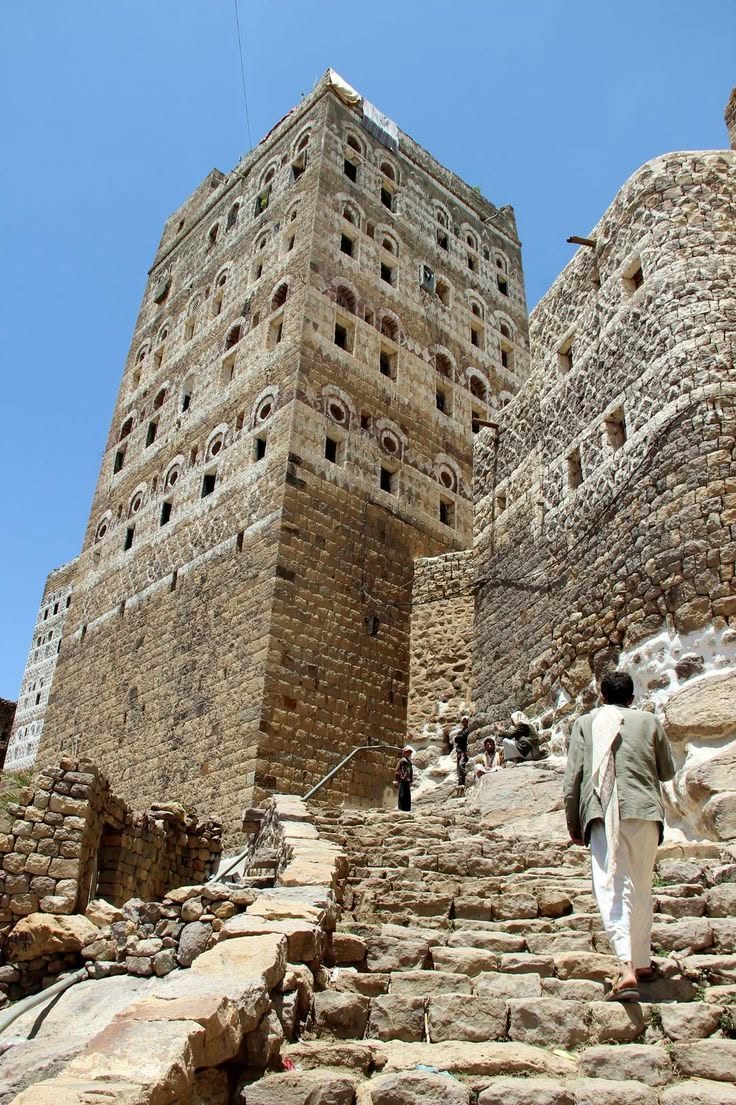
Yemen’s food crisis is a man-made result of the war there, with the most critical cases emerging along the war-torn country’s Red Sea coast. The protracted and devastating conflict that began in March 2015 continues to destroy Yemen, already one of the poorest countries in the Arabian Peninsula and the Middle East and North Africa (MENA) region. 

War ruins lives, uproots communities, and wrecks food systems, making it the primary cause of hunger in Yemen. In almost a decade, the conflict and its proxy war have killed more than 150,000 people there, caused economic collapse, and produced one of the world’s worst humanitarian crises.

Today, 21.6 million Yemenis—two-thirds of Yemen’s population—don’t know where their next meal is coming from, and more than 80% of Yemenis live below the poverty line.

War Ruins Lives

As per the IPC report, malnutrition rates in Yemen have significantly worsened due to a combination of drivers, including a lack of drinking water, a shortage of nutritious food, the spread of diseases such as cholera and measles, and broader economic downturn.

The number of acutely malnourished children in the country has increased by 34% compared with last year, including more than 18,500 children under the age of five who are projected to be severely malnourished within the coming months.

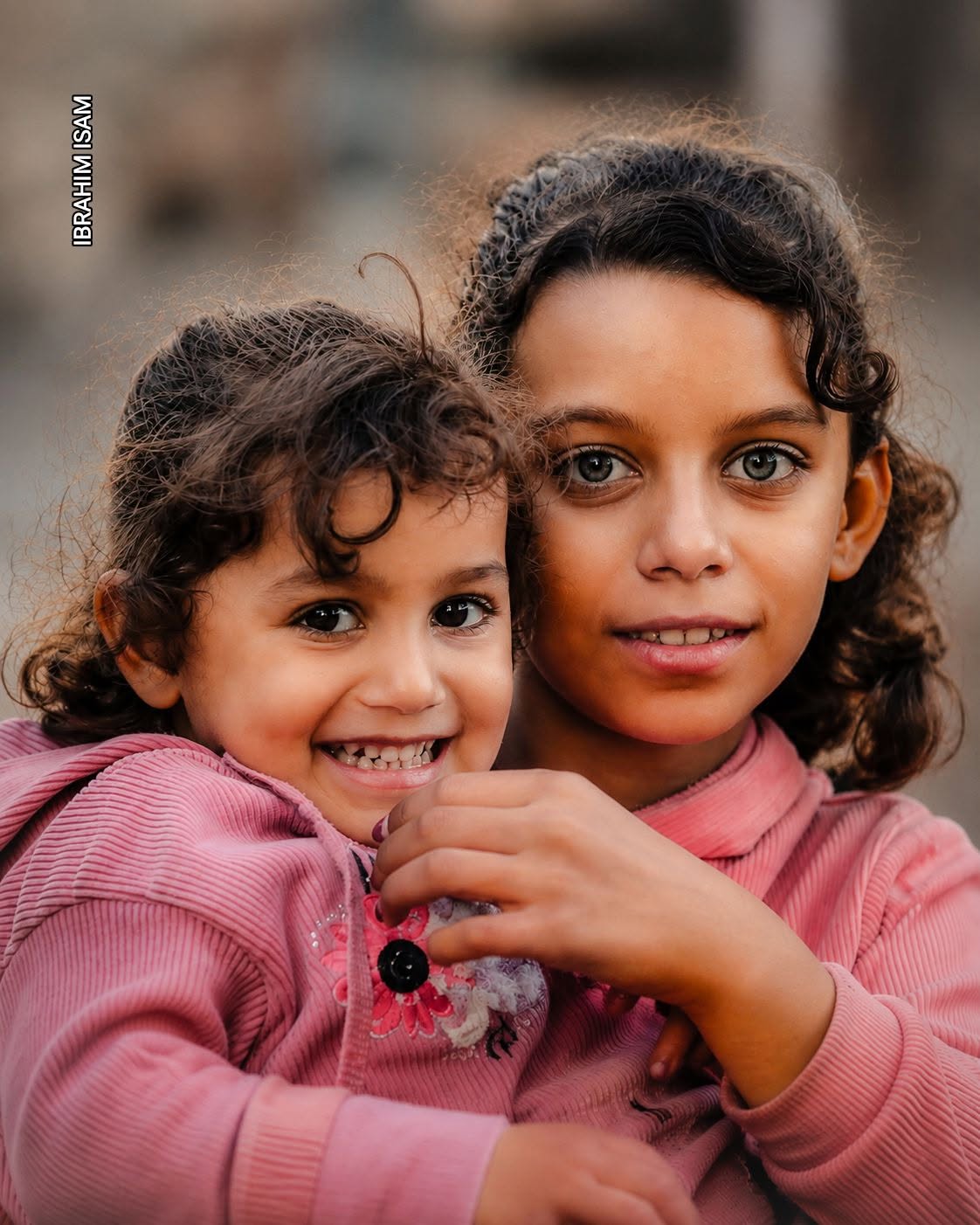
Women and girls suffer disproportionately from food insecurity and malnutrition, and coping mechanisms are becoming increasingly desperate. Women eat last and least, giving priority to children and other relatives or using money for other household needs. Around 223,000 pregnant and lactating women are expected to be malnourished by the end of this year. In addition, early marriage has increased since the escalation of the conflict, and girls as young as eight years old are being married off to reduce the number of family members to feed, or as a source of income in order to feed the rest of the family and pay off debts.

Beyond the four districts projected to slip into famine, according to the IPC report, all 117 districts in government-controlled areas are expected to suffer from “serious” levels of acute malnutrition by October 2024.

About half of the country’s population—or 18.2 million people—is in need of humanitarian aid this year, even those hundreds of miles from the front line, because Yemen is critically dependent on imports, humanitarian funding, and incomes that have been knowingly undermined by parties to the conflict.

Euro-Med Human Rights Monitor emphasises the urgent need for the international community to work towards securing an end to this crisis and an inclusive peace in Yemen, stressing the crucial importance of increased humanitarian support and intervention to mitigate the impacts of the famine and acute malnutrition, especially on the lives of vulnerable individuals like pregnant women and children. Euro-Med Monitor also calls on the parties to the conflict to address the health and nutrition emergencies in Yemen and ensure access to sufficient nutritious food and safe drinking water; and notes that this will require the international community to unlock financial commitments and implement political solutions to safeguard the country’s food security and the overall future of Yemen’s population, revitalize the shrinking economy, and pave the way for peace.

Continue reading
Israelis Face Deadly Resistance Battles After 11 Months

Military expert Major-General Fayez Al-Duwairi said that the Israeli army does not convey the true picture of what it is doing in the Gaza Strip. He added that the occupation army talks about a third phase of military operations that is supposed to be a stage of raids while it is continuing to kill civilians in many ways.

He added – in a military analysis on Al Jazeera – the suffering inflicted by the occupation on civilians in the Strip is not reflected on the Palestinian resistance, which created a new concept of asymmetrical warfare, dominated by the “tunnels war” where resistance fighters continue to  emerge from in specific times to carry out specific and deadly military missions.

Al-Duwairi pointed out the Palestinian resistance groups dominated by Hamas, Islamic Jihad and others are still, after about a year of war, capable of fighting and have a stockpile of weapons, fighters and fighters that are being recruited by the day according to Jo24. The war on Gaza was launched soon after 7 October, 2023.

He said Hamas did not take part in the last two wars – 2021 and 2022 – started by Israel on the Gaza Strip, which helped it provide a stockpile of weapons for this present war that is lasting longer than necessary because the world forgot about the atrocities of Gaza as he points out.

The military expert reiterated that the resistance, which continues to bomb the settlements and bases around the Gaza Strip and southern Tel Aviv, confirms its ability to continue the war for longer than anybody has expected.

At the same time it is finding it more difficult for the resistance groups to fight from “zero distances” because of the geographical alterations of Gaza. The Israeli army are now taking up positions far from residential areas with the exception of Tel Sultan, which has been witnessing violent battles for more than three months, he concluded.

Continue reading
Bassem Youssef: This Man Can’t be Silenced

Egyptian-American comedian Bassem Youssef announced, Tuesday, he is back on the social media platform X, following a week-long deactivation due to security and safety concerns. 

Youssef, known for his support for Palestinian rights, clarified he deactivated his account after receiving alarming messages suggesting his account may have been hacked and that there were potential safety issues involving people he knows.

“A few days ago, I deactivated my X account. Two reasons: I received concerning messages that gave me and my team the impression that my account has been hacked with the potential of being doxed; also, there were potential safety issues concerning people I know. I only take these issues seriously if it concerns other people, not me,” Youssef explained on X.

“So, I deactivated the account and started to research if this is legitimate or not and if both issues were related or not.”


Last week, his 12-million-followers account disappeared, and the last post was “Antisemitism was an accusation that used to freeze the blood on people’s veins. I see many people now realizing how this fear tactic is used to shut down conversations and scare people.”

He added, “It’s been overused and abused in order to intimidate people. Are you still scared to be called an antisemite by those Zionists? Vote and tell me in the comments. No, I don’t give a… anymore. Or: Yes, I’m still scared.”

Youssef admitted his initial post was unclear.

“In two days, there were many rumors and speculations; I admit the post was not clear. So, I posted again on all my other platforms that I am the one who deactivated my account, and I will be posting on other platforms in the meanwhile,” he said according to Anadolu.

Youssef also shared that he had not posted on any platforms during this time, as he was dealing with personal and health issues.

“My family members were under a lot of pressure, so I had to deal with all that. This caused a major burnout to all of us,” he said.

Although the safety concerns were alleviated and the hacking issue was resolved a few days later, Youssef felt the need to take a break from social media.

“Although the safety concerns were alleviated and the hacking issue was secured a few days later, I needed to get away from social media so I didn’t post anywhere,” he added.

Last October, Youssef did an interview with British journalist Piers Morgan on Israel’s brutal offensive on Gaza that went viral. 

His pointed and humorous critique of the Israeli onslaught against the Palestinians in Gaza and the West Bank got significant attention. 

Hala Diab, Youssef’s wife, is from Gaza, and her criticism of Israel also attracted attention. 

Youssef, a former heart surgeon, has lived and worked in the United States since around 2015 according to the Turkish news agency.

Continue reading