Hurrah Norway!
 CrossFireArabia
- December 18, 2024
Norway has refused to compete against the Israeli regime in the 2026 World Cup Qualifiers because of their ongoing brutal genocide.
 CrossFireArabia
Norway has refused to compete against the Israeli regime in the 2026 World Cup Qualifiers because of their ongoing brutal genocide.
CrossFireArabia
The Israeli army on Tuesday committed at least 12 more violations of cease-fire in Lebanon that took effect last month to end more than a year of cross-border warfare with Hezbollah, state media reported.
According to the official Lebanese National News Agency (NNA), the violations concentrated in the districts of Tyre, Marjayoun and Hasbaiyya in southern Lebanon, and in the districts of Rachaiya and Western Bekaa in the country’s east.
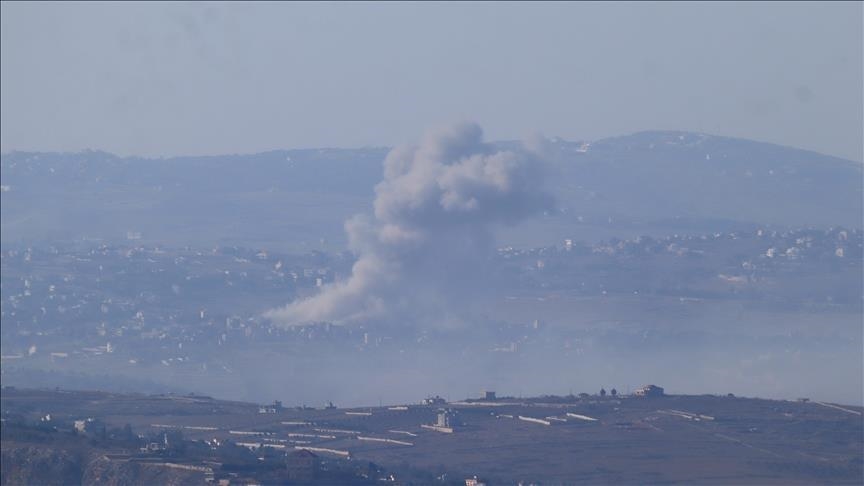
The violations included airstrikes, drones and fighter jets flights, destruction of homes, bulldozing streets and artillery shelling according to Anadolu.
In the Tyre district, an Israeli drone strike targeted a car in the town of Majdalzoun that left three people injured.
The Israeli army also bulldozed a number of roads and destroyed a home in the town of Naqoura. Several homes were also destroyed in the town of Kfarkela.
While artillery struck the towns of Kfarshouba, Halta and Sheba in the Hasbaiyya district, warplanes flew over the districts of Rachaiya and Western Bekaa at a medium altitude.
Lebanese authorities have reported around 248 Israeli violations of the truce since it came into force on Nov. 27.
Since then, according to an Anadolu tally based on Health Ministry figures, at least 30 people have been killed and 37 others injured in Israeli attacks.
Under the terms of the cease-fire, Israel is required to withdraw its forces south of the Blue Line – a de facto border – in phases, while the Lebanese army is to deploy in southern Lebanon within 60 days.
Over 4,000 people were killed and more than 16,500 injured in Israeli attacks in Lebanon, and over 1 million others displaced since October 2023, according to Lebanese health authorities.
CrossFireArabia
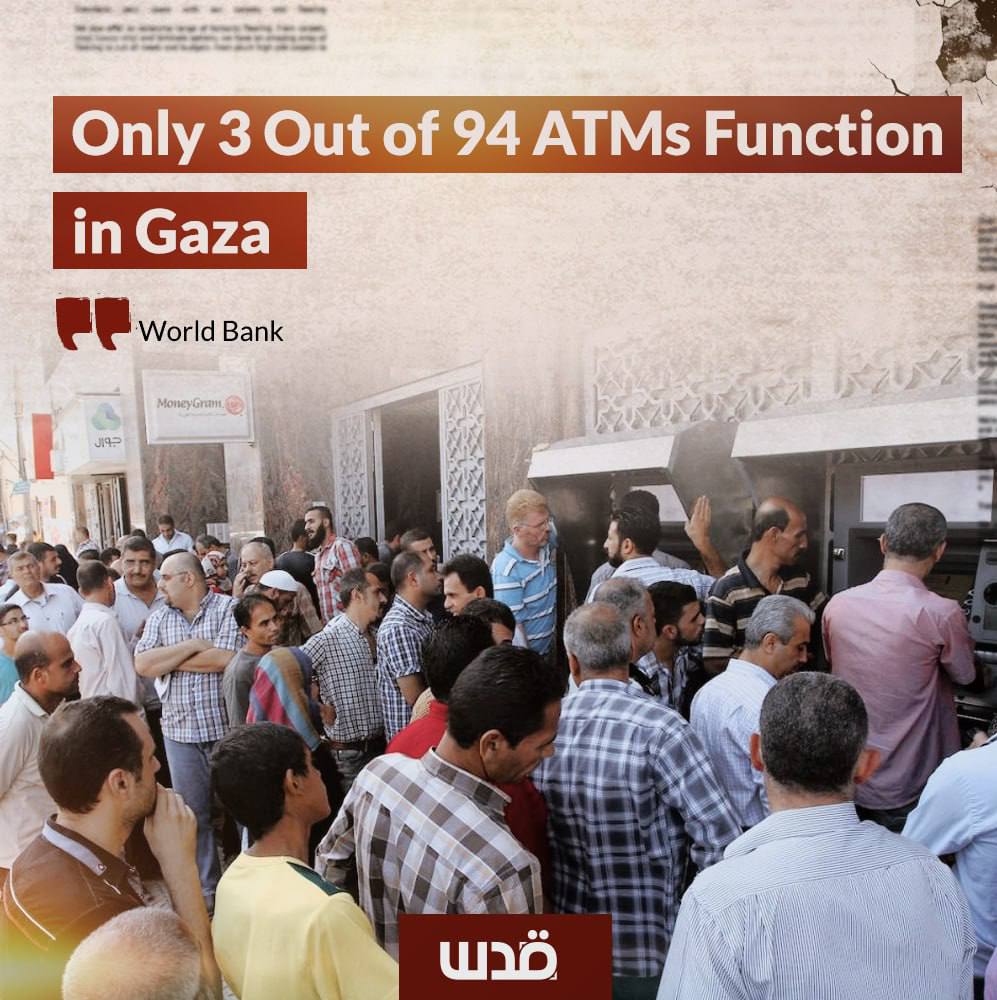
The World Bank stated that the ongoing Israeli war on Gaza since October 7, 2023, has led to an “unprecedented shift in modern history” for the Palestinian economy, which has been destroyed by Israeli attacks.
In their latest report, they revealed that the Israeli genocide has destroyed nearly 93% of bank branches in Gaza, with only 3 out of 94 ATMs still operational.
It added that Palestinians in Gaza are struggling to pay for basic goods such as food and medicine, as the collapse of the banking system disrupts the private sector.
CrossFireArabia
The Palestinian resistance group Hamas stated, Tuesday, it killed three Israeli soldiers in clashes in the northern Gaza Strip.
The group’s armed wing, the Qassam Brigades, said its fighters killed three soldiers at “point-blank range” and destroyed a personnel carrier in the Jabalia refugee camp.
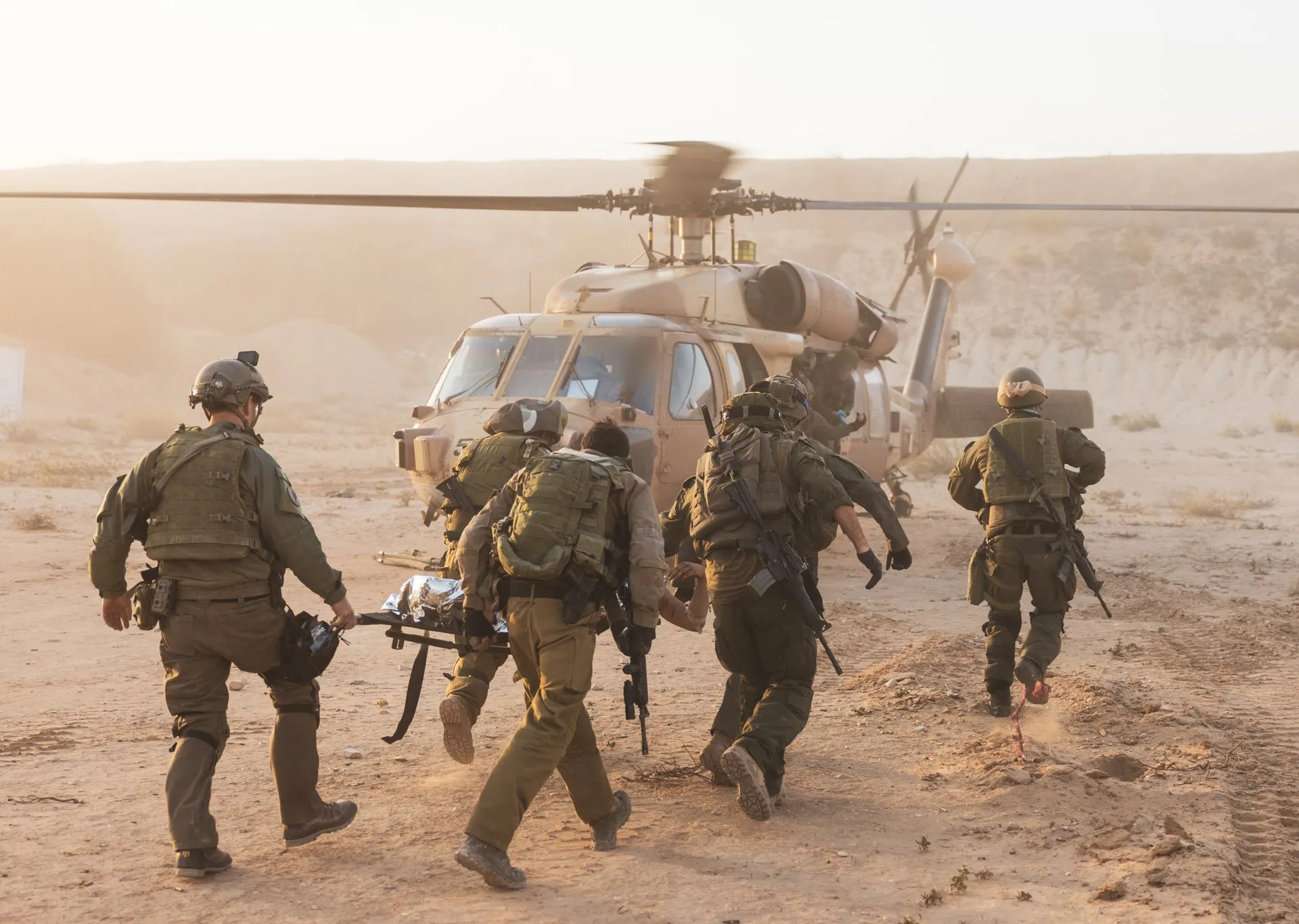
According to the statement, Israeli helicopters were seen evacuating dead and injured soldiers from the site.
The group also said in a separate statement that it had detonated a house in central Jabalia when 11 soldiers were inside, saying soldiers were killed and injured in the attack.
There was no comment from the Israeli army.
Israel has continued a genocidal war on the Gaza Strip that has killed more than 45,000 people, the majority of whom are women and children, since a Hamas attack on Oct. 7, 2023.
Last month, the International Criminal Court issued arrest warrants for Israeli Prime Minister Benjamin Netanyahu and former Defense Minister Yoav Gallant for war crimes and crimes against humanity in Gaza.
Israel is also facing a genocide case at the International Court of Justice for its actions in Gaza according to Anadolu, the Turkish news agency.
CrossFireArabia
The Israeli occupation army confirmed that 13,500 of its soldiers have been injured by the Palestinian resistance fire in the Gaza Strip.
The Physical and Health Rehabilitation Department of the Israeli Ministry of Defense reported a 20% increase in the number of those undergoing treatment, as the number of soldiers undergoing treatment increased from 62,000 to 75,000.
It added the new numbers, which are about 13,500, have been all injured in the so-called “Iron Swords” war (Flood of Al-Aqsa battle) in the Gaza Strip.The Rehabilitation Department of the Israeli Ministry of Defense stated that about 13,700 soldiers who are receiving support are injured in this war, and that 8,500 of them suffer from physical injuries, and 5,200 suffer from psychological disorders.
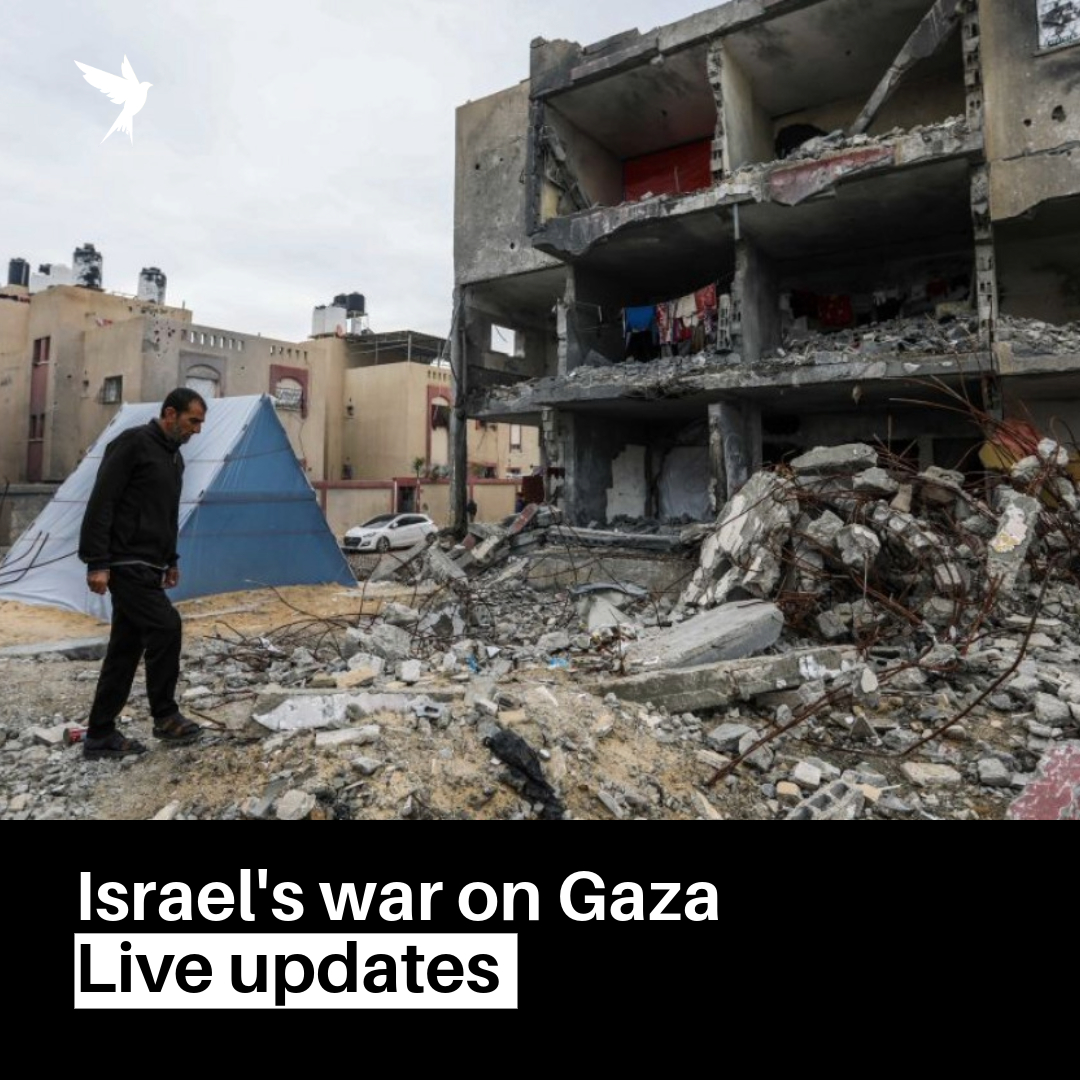
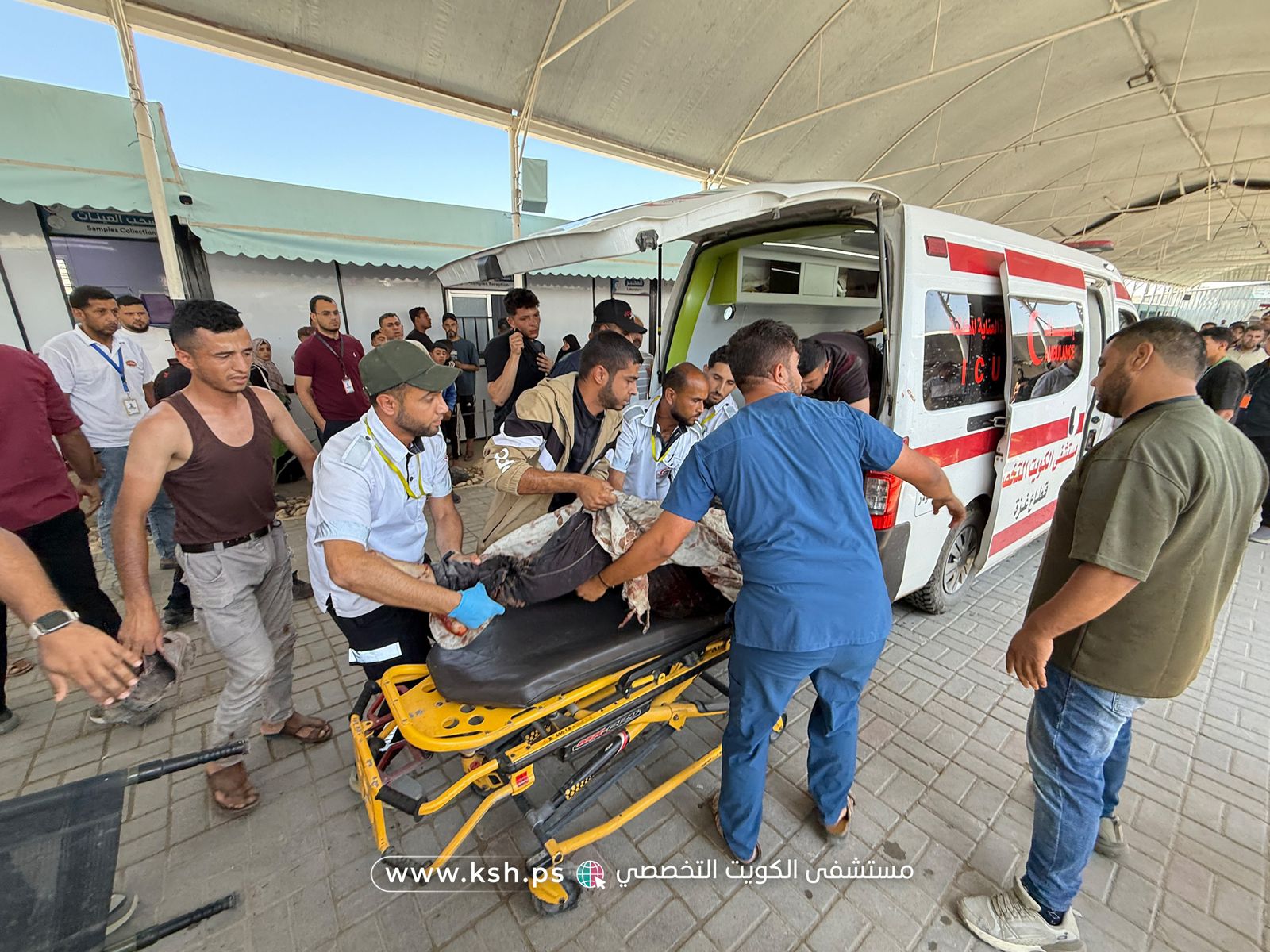
The Israeli occupation army, supported by the United States and Europe, has continued its aggression on the Gaza Strip since October 7, 2023, where its warplanes bombing the vicinity of hospitals, buildings, towers and homes of Palestinian civilians, destroying them over the heads of their inhabitants, and preventing the entry of water, food, medicine and fuel.
The aggression left about 152,000 Palestinian martyrs and wounded, most of them children and women, and more than 10,000 missing, amidst massive destruction and famine that killed dozens of children and elderly people, in one of the worst humanitarian disasters in the world according to Qudspress.