 Israeli Soldiers Enforce Closure of Al Aqsa
 1 in 7 Displaced in Lebanon – NRC
 Hormuz: End of an Era of Martime Dominance
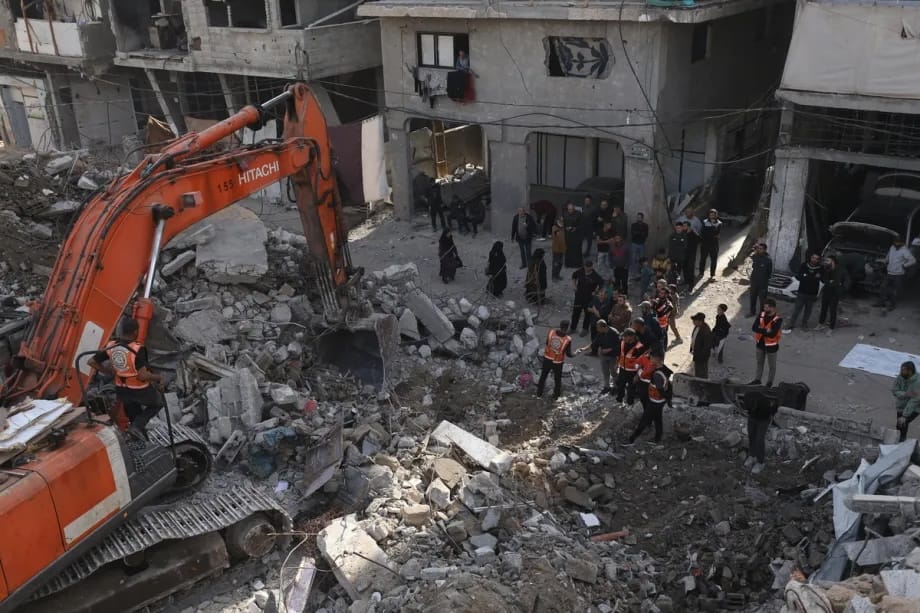
 Gaza Faces Massive Dust Storm
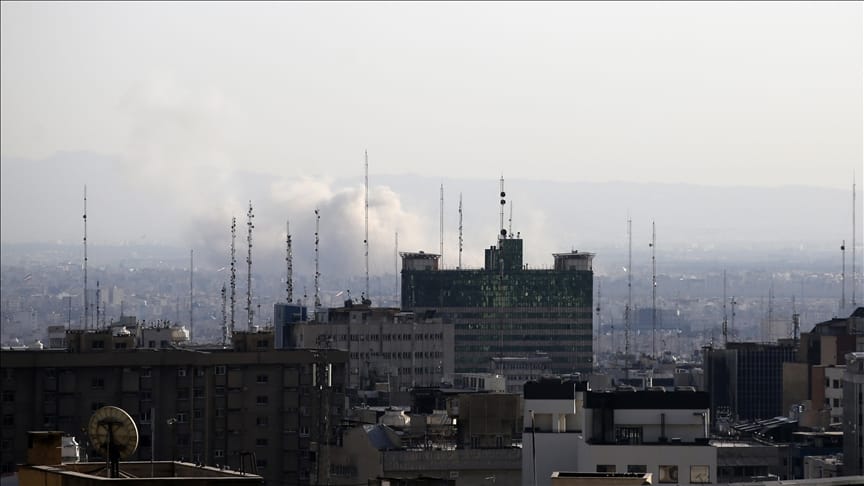
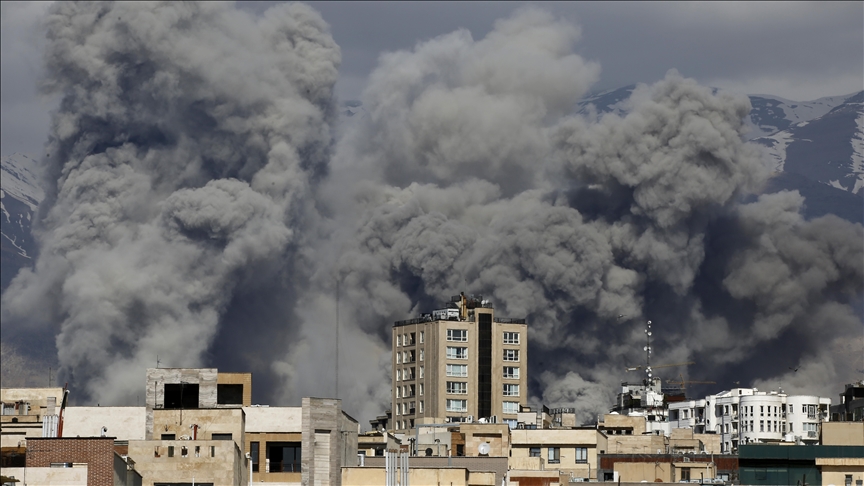
 US-Israeli Strikes Kill 503, Injures 5,700 Iranians


Israeli Soldiers Enforce Closure of Al Aqsa
 CrossFireArabia
- March 16, 2026
 CrossFireArabiaCrossFireArabiaCrossFireArabiaCrossFireArabiaCrossFireArabiaCrossFireArabiaCrossFireArabiaCrossFireArabiaCrossFireArabiaCrossFireArabiaCrossFireArabiaCrossFireArabiaCrossFireArabiaCrossFireArabiaCrossFireArabiaCrossFireArabiaCrossFireArabiaCrossFireArabiaCrossFireArabiaCrossFireArabiaCrossFireArabiaCrossFireArabiaCrossFireArabiaCrossFireArabiaCrossFireArabiaCrossFireArabiaCrossFireArabiaCrossFireArabiaCrossFireArabiaCrossFireArabia
 Saleem Ayoub QunaCrossFireArabiaCrossFireArabiaCrossFireArabiaCrossFireArabiaCrossFireArabiaCrossFireArabiaCrossFireArabiaCrossFireArabiaCrossFireArabiaCrossFireArabiaCrossFireArabiaCrossFireArabiaCrossFireArabiaCrossFireArabiaCrossFireArabiaCrossFireArabiaCrossFireArabiaCrossFireArabiaCrossFireArabiaCrossFireArabia
By Jassem Al-Azzawi
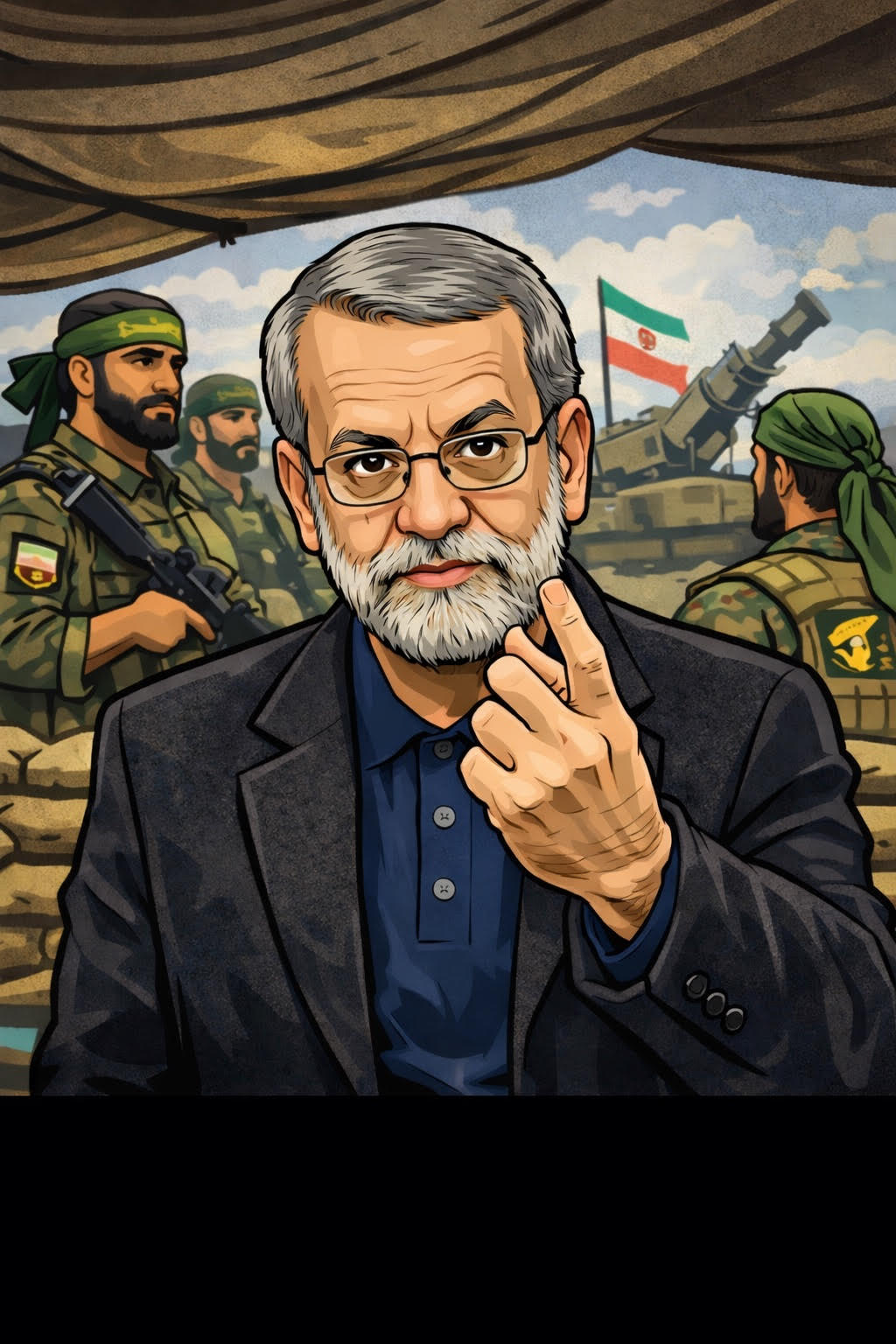
General Dan Kaine, Chairman of the Joint Chiefs of Staff, delivered a confidential warning to President Trump with the utmost candor—the kind of candor that democracies rely on and empires routinely ignore. He said: “We don’t have enough ammunition to win this war. It’s not going to be pretty.” This warning wasn’t born of cowardice; it was the last vestige of institutional integrity that still flickers within the halls of American military power.
Trump’s response was that of a circus clown, not a commander-in-chief. Through his “Truth Social” platform—that distorted mirror of American political life—he dismissed the warning with the arrogance of a street vendor, saying: “Oh, no, no, no. If we do it, we’ll win easily.” Thus, a sober assessment became mere publicity, and caution a lie.
But the biggest lie came later. When Kaine’s warning leaked, Trump not only rejected it but completely reversed it. With the confidence of a man who has never been held accountable for anything, he told the American public the general had said the exact opposite—that the United States had plenty of missiles, munitions, and everything else. “That’s not what he said at all,” Trump declared, putting words of false victory in the mouth of a man who had offered only warnings.
And General Cain remained silent
This silence is not just a footnote in this story; it is the story itself. By remaining silent, Cain allowed the American public to absorb the falsehood as truth. He did not say: “No, Mr. President, that’s not what I said.” He did not invoke his oath, nor the soldiers who would pay with their lives for the gap between political rhetoric and logistical reality. He chose the safety of silence over the danger of truth, and in doing so, he betrayed not only himself but the Republic. This is the rot at the heart of American militarism.
As historian Andrew Bacevich has long warned, the professional military has become more of an instrument of imperial ambition than a defender of democratic values, with senior officers more concerned with their next post than with the Constitution they swore to uphold. Kaine’s silence was not a mere slip of the tongue; it was a symptom of a deeper malaise.
The logistical picture Kaine described in private was not theoretical; the calculations were unforgiving.
Current stockpiles of interceptor missiles and precision munitions could not sustain a prolonged air campaign against a country three times the size of Iraq. The Wall Street Journal documented a “worrying gap” in U.S. missile stockpiles, noting that reserves were “far below” the requirements of intensive and sustained operations. Pentagon contractors were instructed to “double or even quadruple” production of Patriot, SM-6, and precision-strike missiles—a tacit admission that the arsenal built for Cold War scenarios is inadequate for the war being fought today.
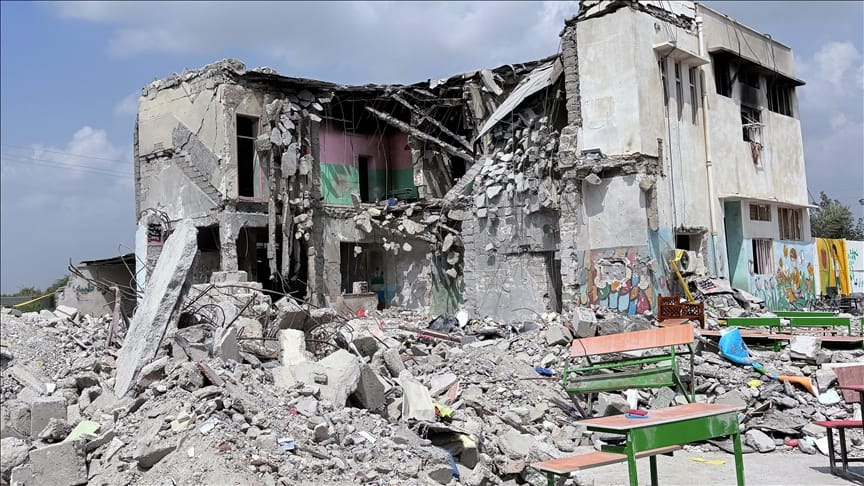
Consider Gaza: Israel, the most heavily armed military power in the Middle East, with complete air and naval dominance, has turned a tiny coastal strip into a moon-like landscape of devastation over two and a half years, yet it has not broken Hamas. Gaza is only 37 kilometers long. Iran, on the other hand, is a nation of 90 million people, with mountainous terrain, strategic depth, fortified infrastructure, and a combat-hardened Revolutionary Guard. The idea that it will collapse under a few weeks of American airstrikes is not strategy; it is wishful thinking. “God help us if this continues, if it gets to four weeks,” Colonel Daniel Davis warned on the Deep Dive podcast. He was speaking in military terms, and the same prayer applies. Politically.
When Trump now raises the prospect of sending ground troops, he is not escalating from a position of strength, but rather improvising from a position of denial. Admitting that air power and missiles alone cannot achieve the political objective is an admission that the original objective was never honestly assessed. This is the pattern of American wars at the end of an empire: Glittering promises, disastrous calculations, and then a grim and horrific reckoning paid in blood by those who had no seat at the table where the lies were told.
The costs are already piling up—not just in the currency of munitions and riches, but in the currency that empires always ultimately spend and regret most: credibility. America’s word, already devalued by two decades of contrived justifications for war, is getting cheaper by the day.
Democracies can tolerate miscalculations, and they can tolerate bad presidents, but what they cannot long tolerate is the institutionalization of a culture where the truth is whispered behind closed doors and swallowed whole in front of cameras. When the chairman of the Joint Chiefs of Staff allows his words to be weaponized for propaganda — when the man in charge of counting missiles refuses to correct a president who pretends they are plentiful — something far greater than military credibility collapses.
What is crumbling is the social contract between the governed and those who send them to their deaths.
Caine’s silence was not cautious; it was complicity. And in an imperial machine suffering from a shortage of ammunition and a shortage of truth, complicity is the only resource that seems inexhaustible, because when the missiles finally run out, slogans won’t replace them.
Reality will.
Al-Azzawi is an Iraqi writer who contributed this piece to Al Rai Al Youm which was translated and appeared in crossfire.com
CrossFireArabia
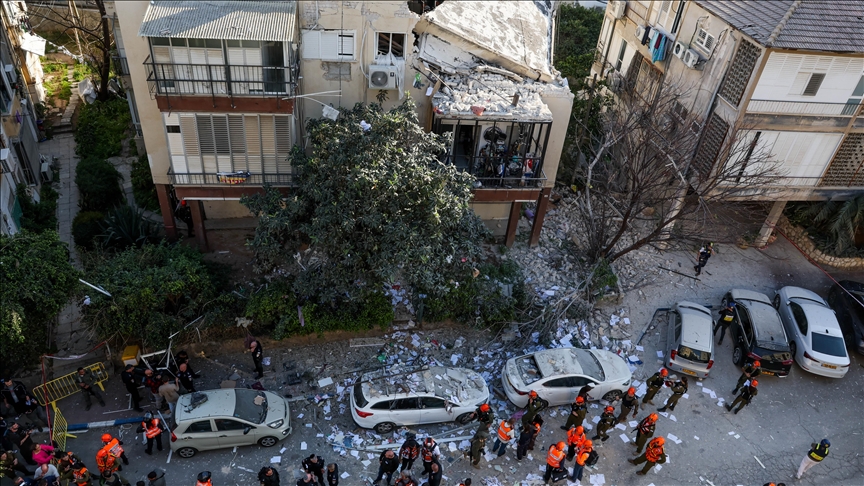
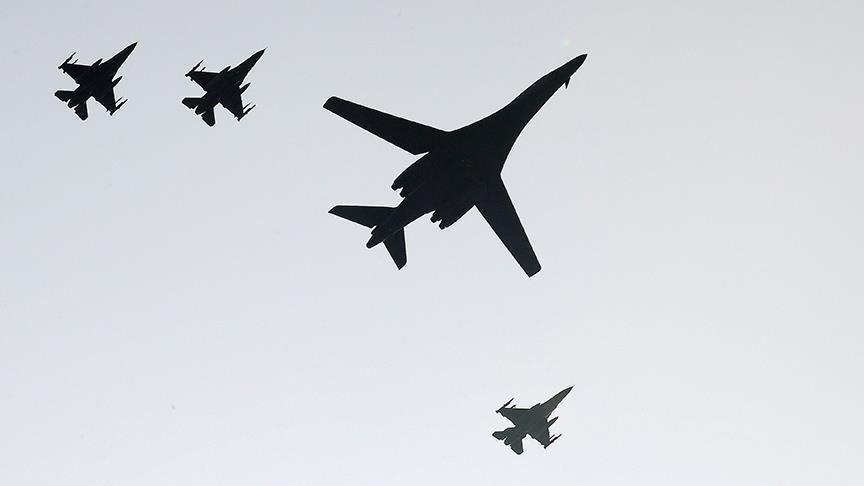
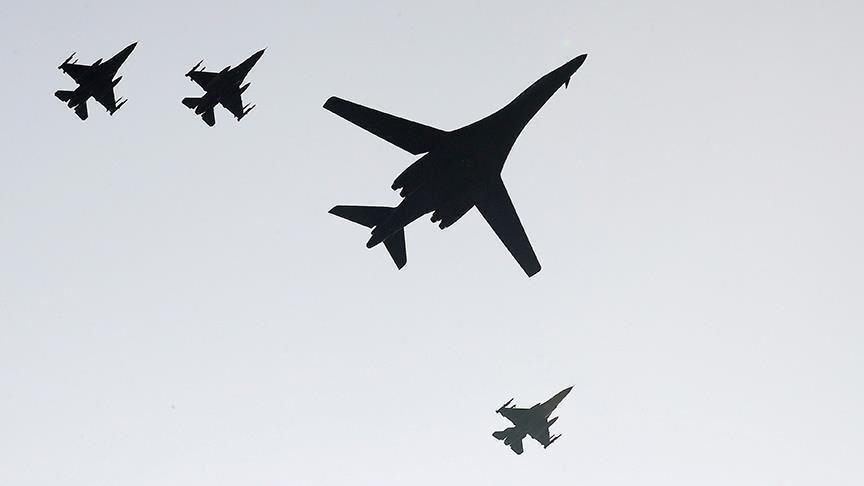
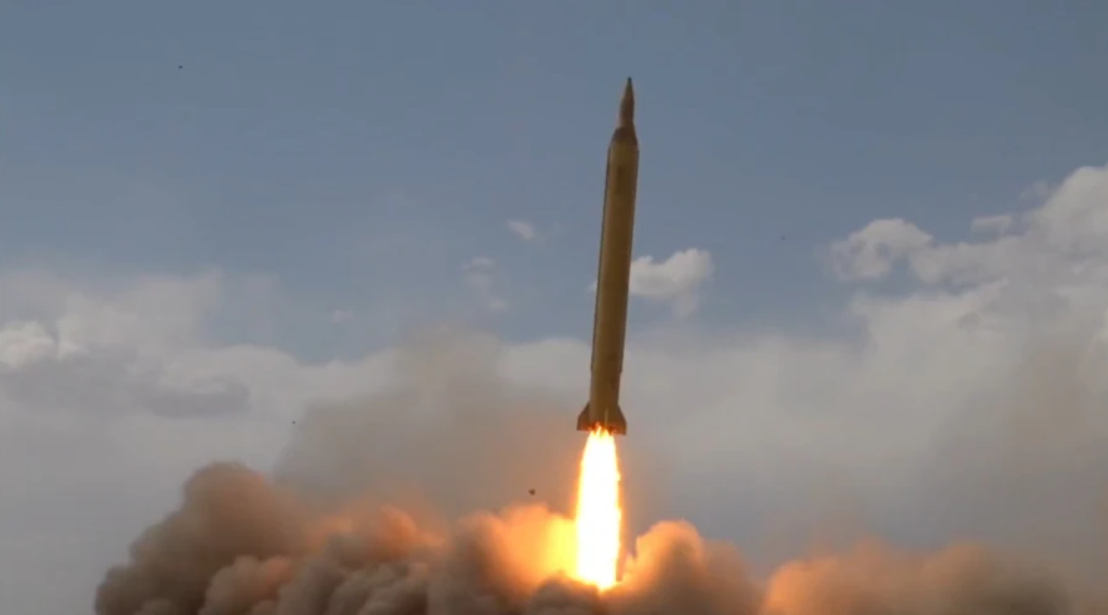
More than 3,000 precision-guided munitions and interceptors were used in the first 36 hours of the US-Israeli offensive against Iran, revealing a major weakness in the supply chain.
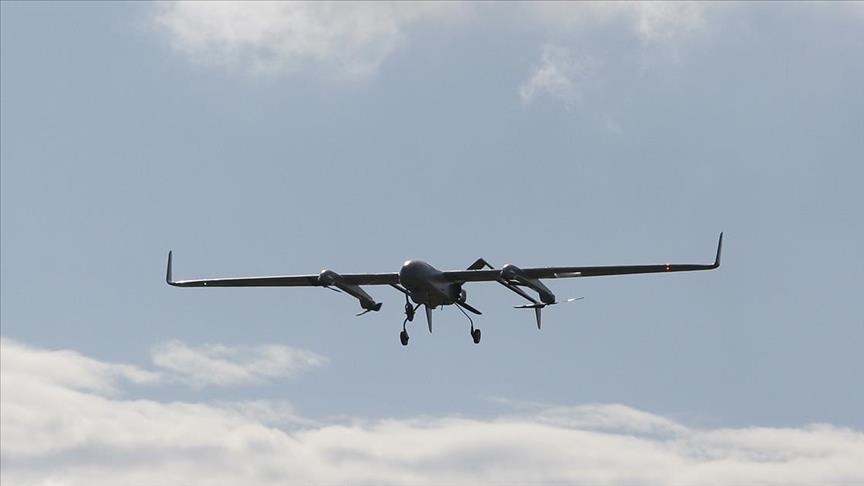
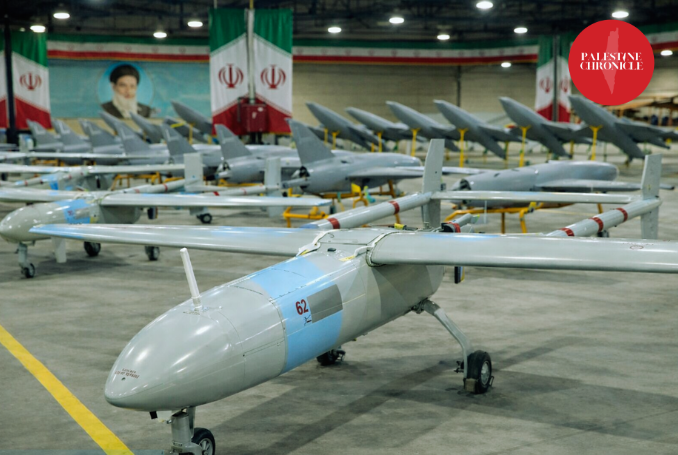
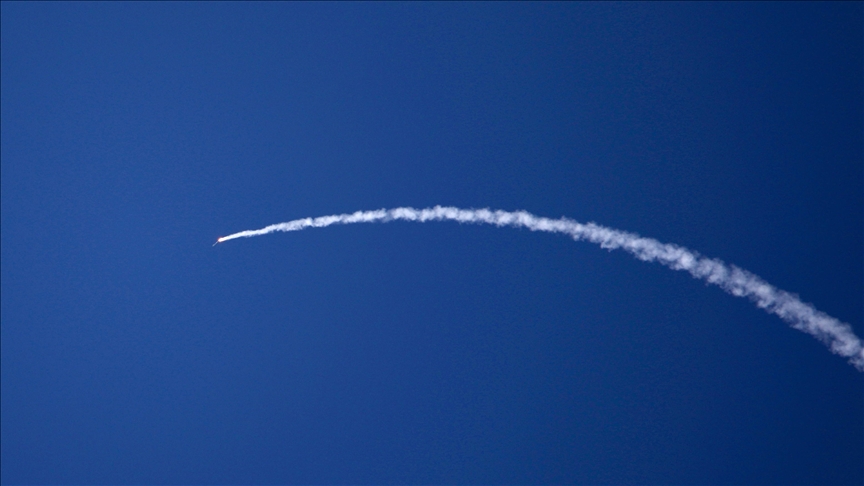
Estimates by the Payne Institute indicated that Iran launched over 1,000 weapons across the region, including around 380 ballistic missiles, 700 Shahed drones, and 50 air defense missiles, prompting large-scale interception attempts by the US, Israel, and Gulf countries that have been targets of Iranian retaliatory attacks.
During the opening phase of the campaign, US forces used a wide range of offensive weapons, including 210 JDAM precision-guided bombs, 120 Tomahawk cruise missiles, 120 low-cost drones, and 90 AGM-88 anti-radiation missiles targeting Iranian radar systems.
Israeli forces also conducted extensive strikes, using about 280 Spice-guided bombs, 140 smart bomb kits, 70 Rampage supersonic missiles, and 50 Delilah cruise or loitering missiles, according to the estimates.
Defensive systems were also heavily used to intercept Iranian attacks. The US fired approximately 180 SM-2/SM-3/SM-6 naval interceptors, 90 Patriot PAC-2/PAC-3 missiles, and 40 THAAD interceptors, while Israel deployed 70 Iron Dome Tamir interceptors, 40 Arrow missiles, and 35 David’s Sling interceptors.
Regional partners also participated in air defense efforts, with Gulf states launching about 250 Patriot PAC-3 interceptors and 30 THAAD missiles, the estimates showed.
The intense exchange of missiles and drones underscored a broader strategic challenge, according to media reports. While defensive systems have largely intercepted incoming attacks, the cost and volume of munitions used are placing significant strain on Western supply chains.
Replenishing these arsenals is not only a financial challenge but also a supply-chain issue tied to critical minerals, including cobalt, tungsten, and rare earth elements that are essential for guidance systems, electronics, and rocket motors.
Many of these materials are sourced from limited suppliers, with China dominating several key mineral markets, raising concerns that prolonged conflict could expose vulnerabilities in Western defense manufacturing capacity. Anadolu
CrossFireArabia
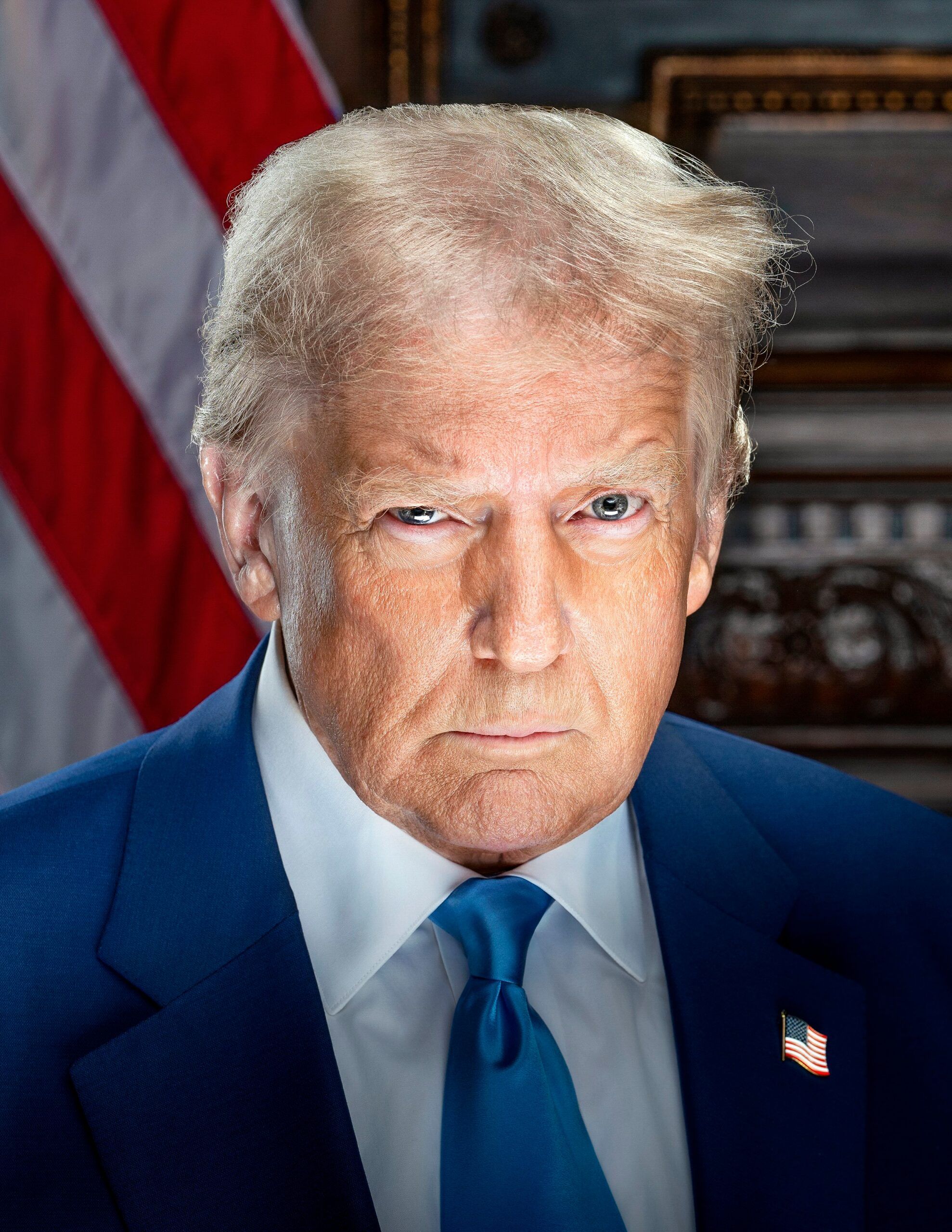
US president Donald Trump says sending American ground troops troops to Iran would be a waste of time. One blogger says in response it would mean alot of American troops would be killed.
 CrossFireArabia
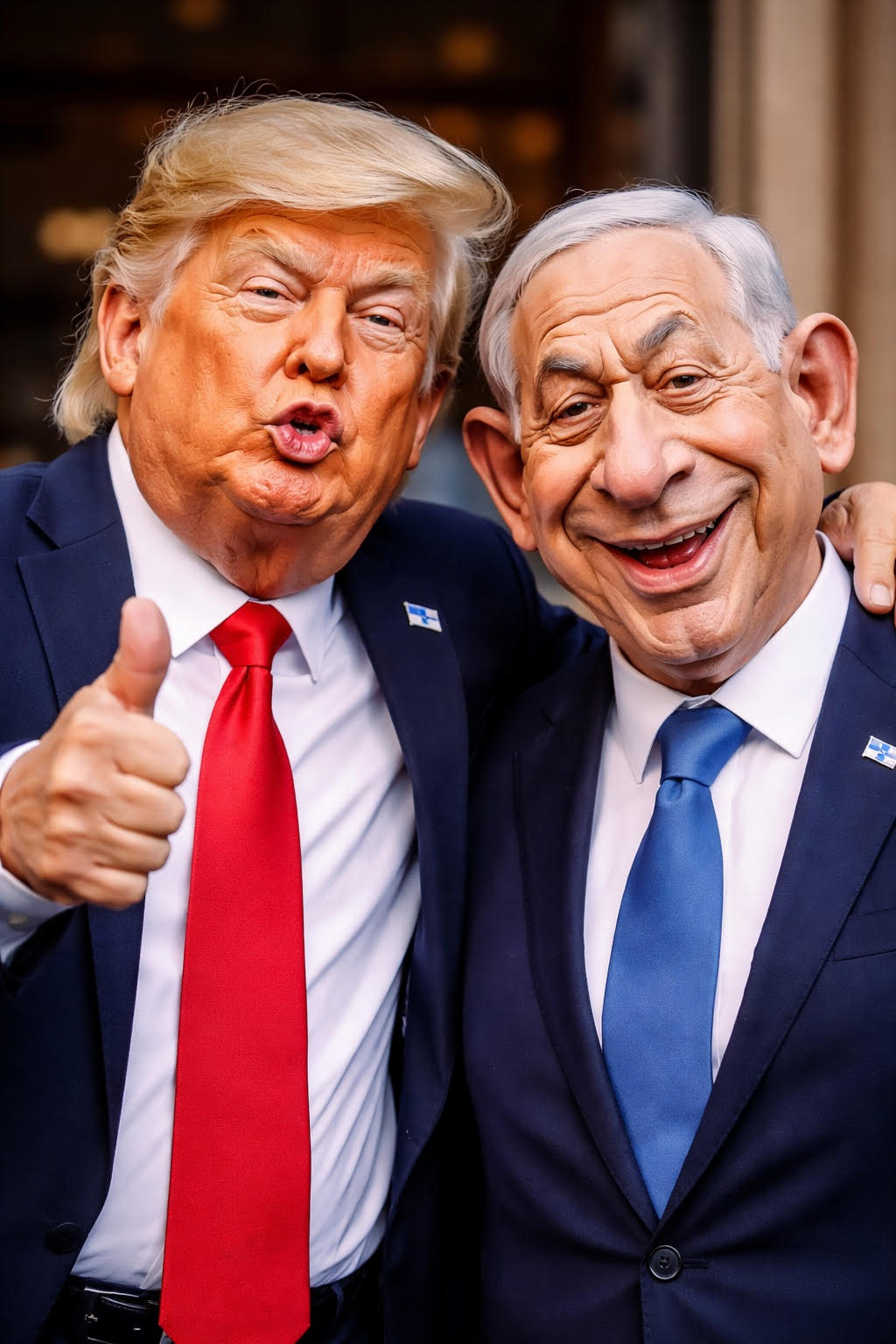
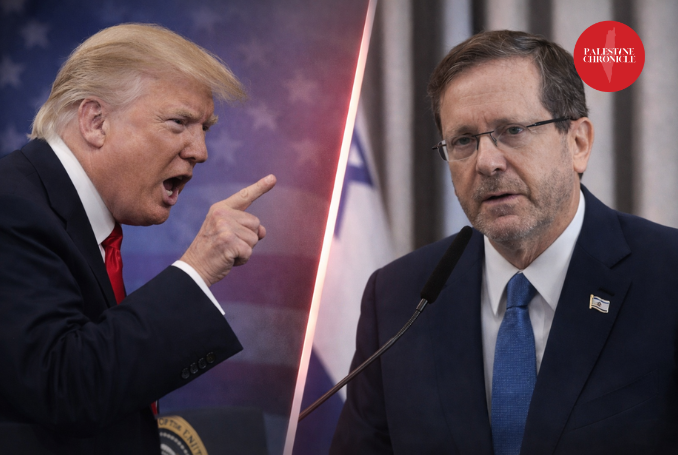
Trump calls Israeli President Isaac Herzog a “disgrace,” demanding an immediate pardon for Netanyahu during the escalating US-Israeli war on Iran.
US President Donald Trump sharply escalated pressure on Israel’s leadership on Thursday, calling Israeli President Isaac Herzog a “disgrace” and demanding that he immediately pardon Prime Minister Benjamin Netanyahu.
“President Herzog must give Bibi a pardon today. I don’t want there to be anything troubling Bibi other than the war with Iran,” Trump said in an interview.
Trump also attacked Herzog personally. “Herzog is a disgrace … he promised me five times to give Bibi a pardon,” Trump said.
The US president said he wants Netanyahu to focus solely on the war against Iran.
“Every day I talk to Bibi about the war. I want him to focus on the war and not on the f*cking court case. I want the only pressure on Bibi to be the fighting against Iran,” Trump said.
Trump added that he is refusing to meet Herzog until the pardon is granted.
“Tell him I am exposing him. That president better damn well give him the pardon right now — and stop using it as leverage for his own political career,” he said.
Trump has repeatedly called for Netanyahu to be pardoned, arguing that the corruption case against him is a political “witch hunt.”
Netanyahu has been on trial since 2020 on charges of bribery, fraud and breach of trust. The allegations include claims that he received expensive gifts, including cigars and champagne, from wealthy businessmen in exchange for political favors. Netanyahu denies wrongdoing.
Herzog’s office responded by rejecting external pressure and stressing that the decision will follow Israel’s legal process, according to Reuters news agency.
“Israel is a sovereign state governed by the rule of law,” Herzog’s office said in a statement. The statement also emphasized that the president would review the matter only after the legal process is completed.
“After the process is completed, the president will examine the request according to the law, the good of the country, and according to his conscience, without any influence from external or internal pressures of any kind,” the statement said.
Israeli officials also pushed back against Trump’s claim that Herzog had promised a pardon.
According to a senior Israeli official cited in reports, Herzog told Trump advisers that he would consider the request in line with legal procedures rather than promising a pardon.
Under Israeli law, the president has the authority to grant pardons. However, there is no precedent for issuing a pardon while a criminal trial is still ongoing.
Netanyahu submitted a request for a presidential pardon in November. His trial has been temporarily suspended because Israeli courts are operating under emergency wartime measures.