 Pezeshkian: ‘Iran Will Not Surrender to Bullies’
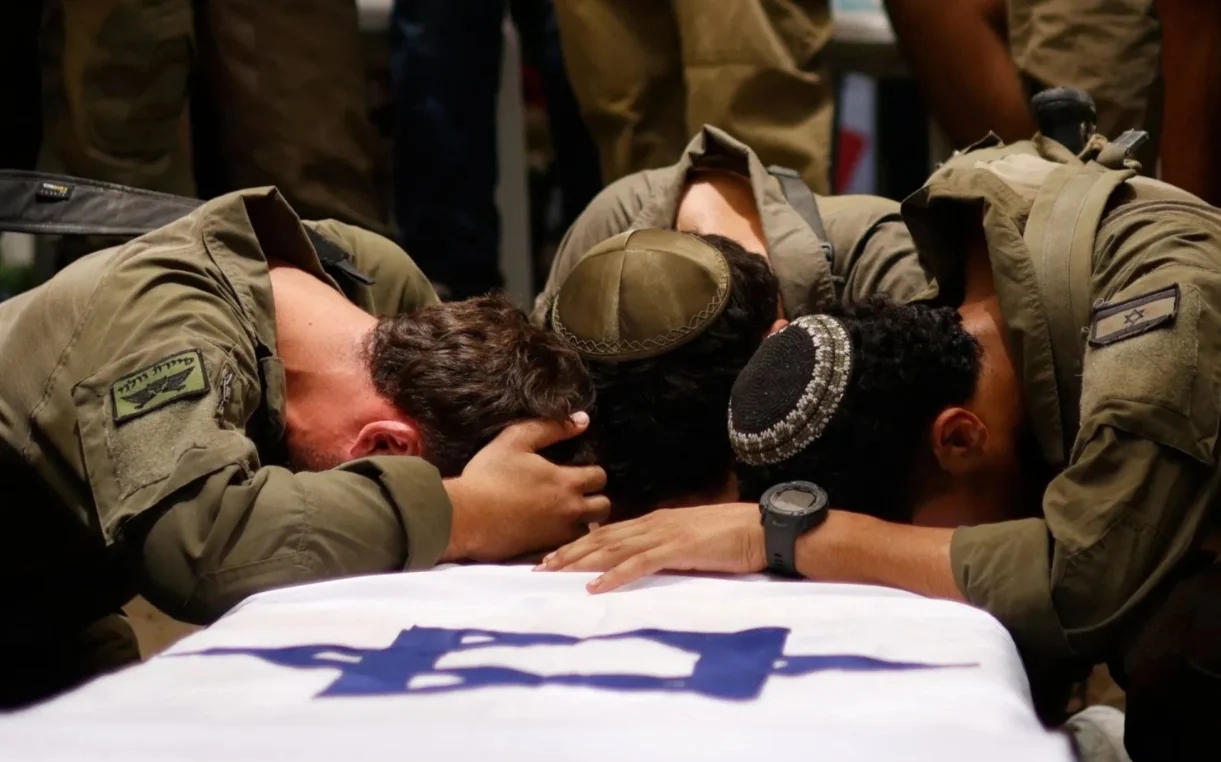
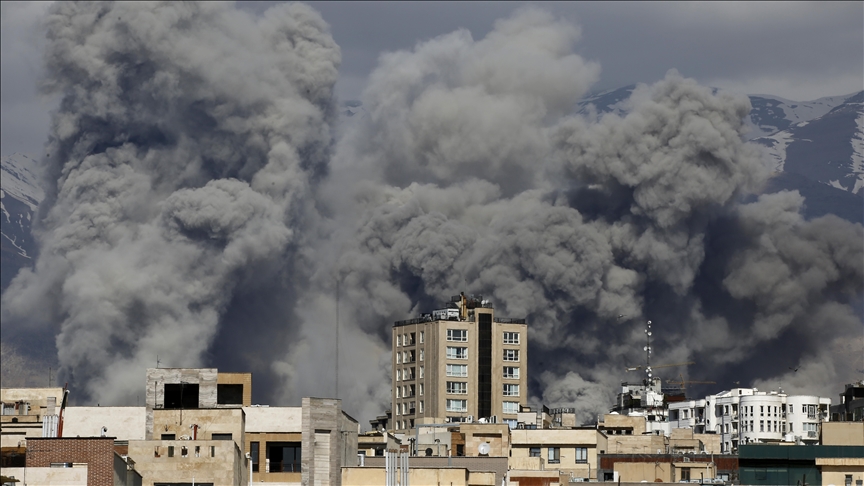
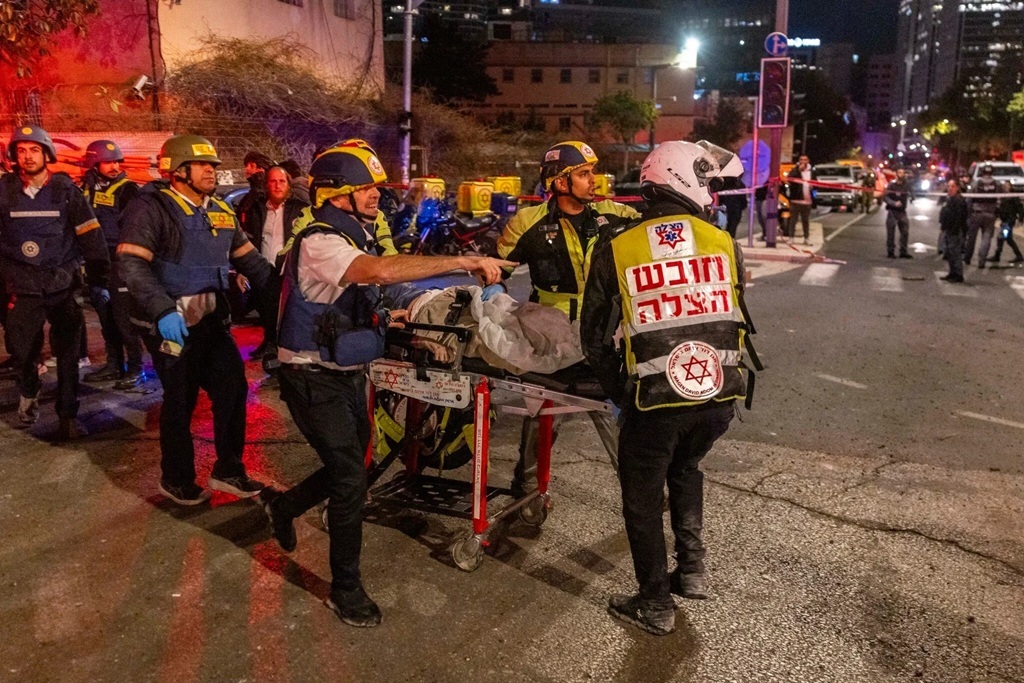
 Israeli Soldiers Enforce Closure of Al Aqsa
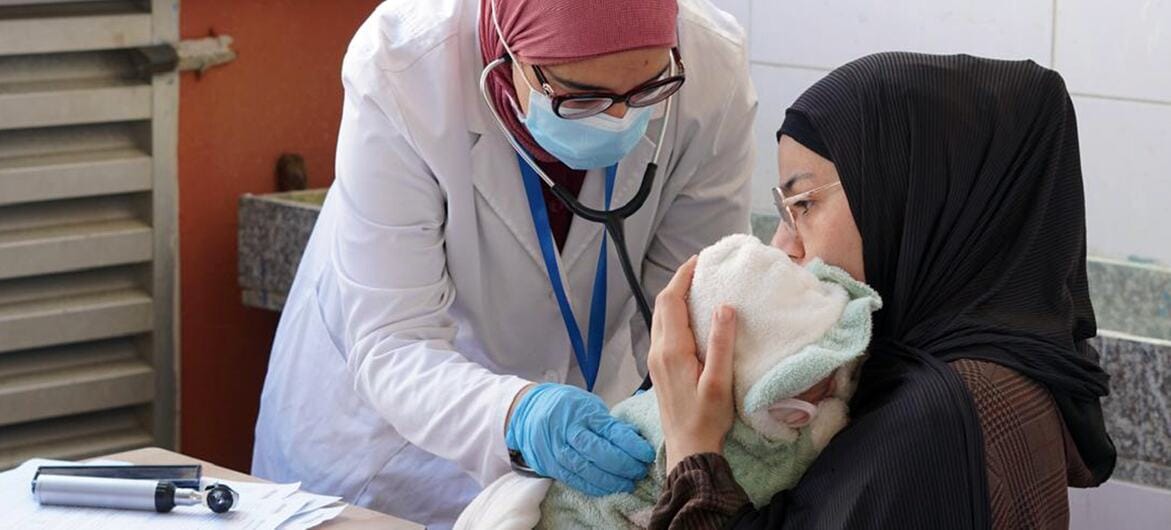
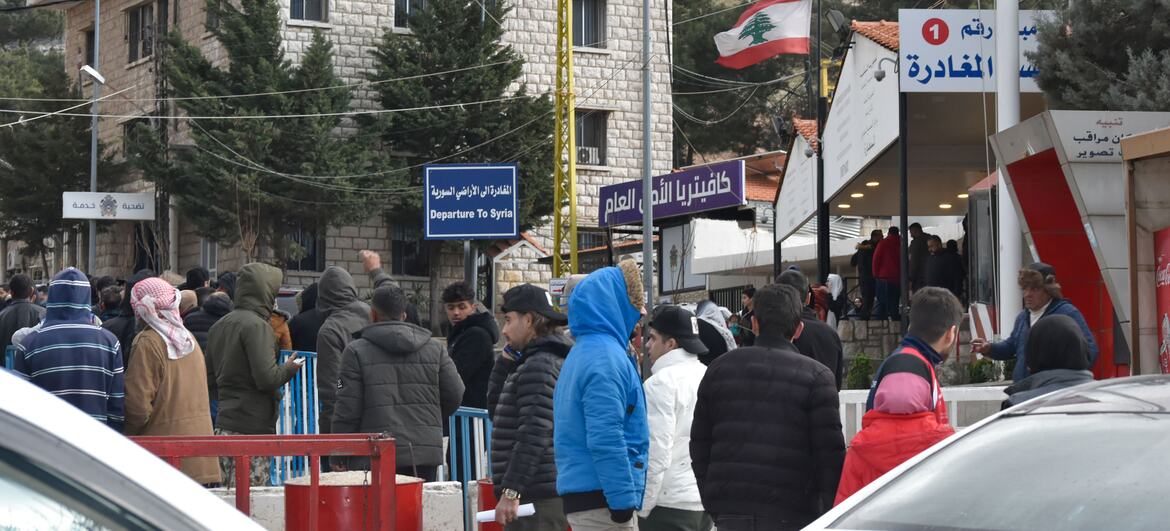
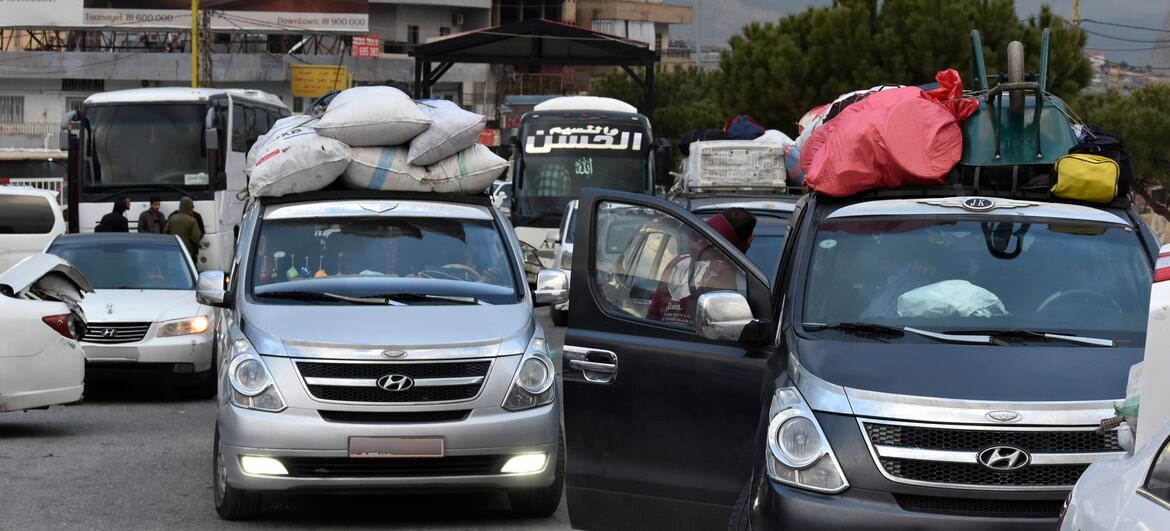
 1 in 7 Displaced in Lebanon – NRC
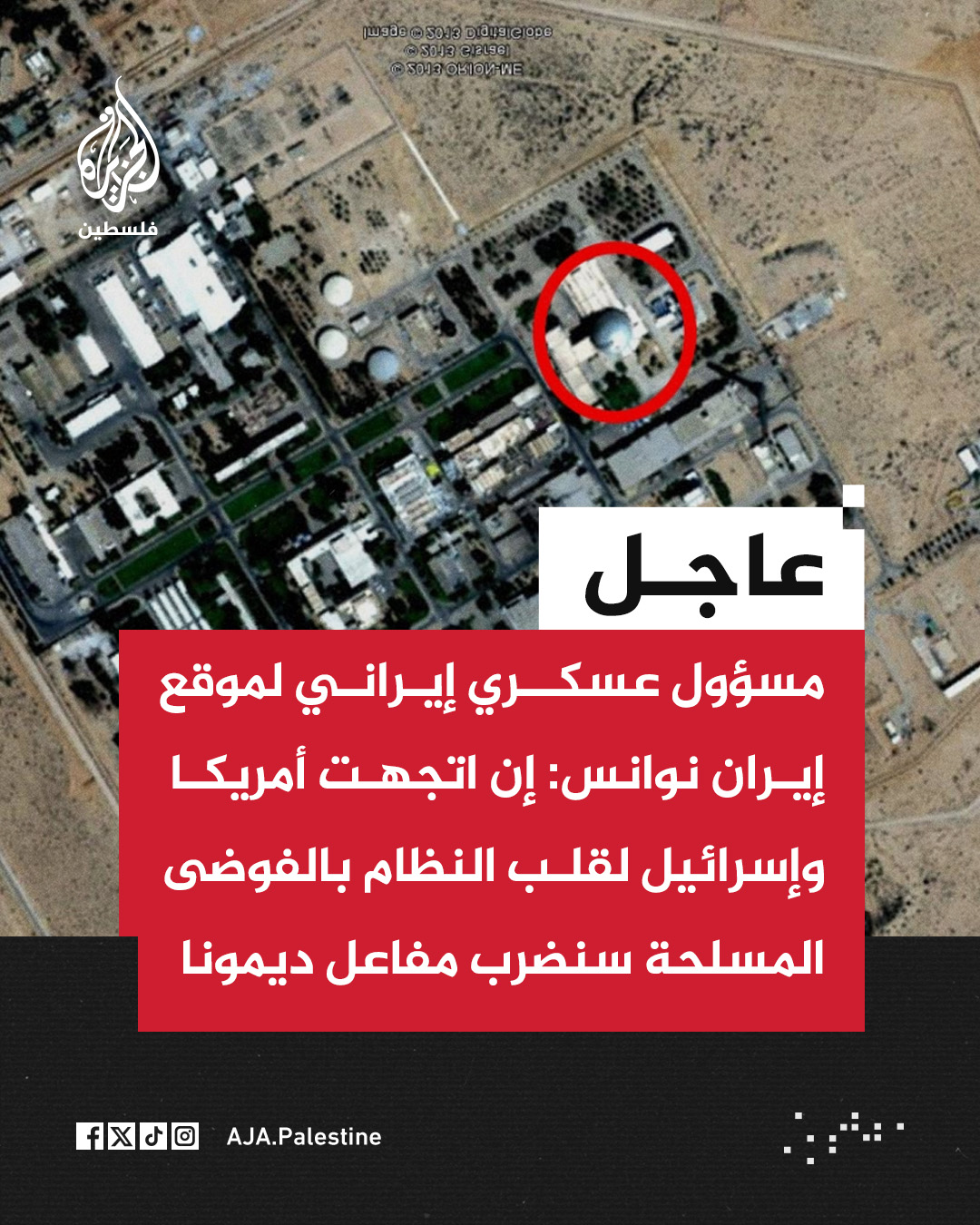
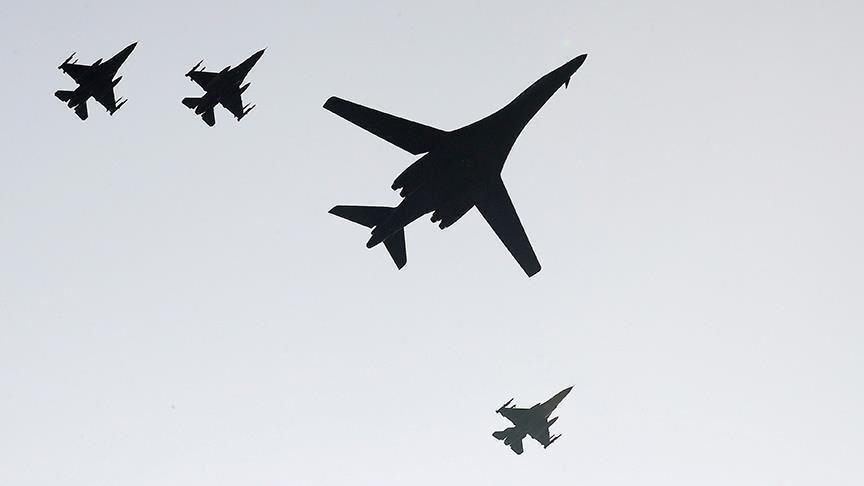
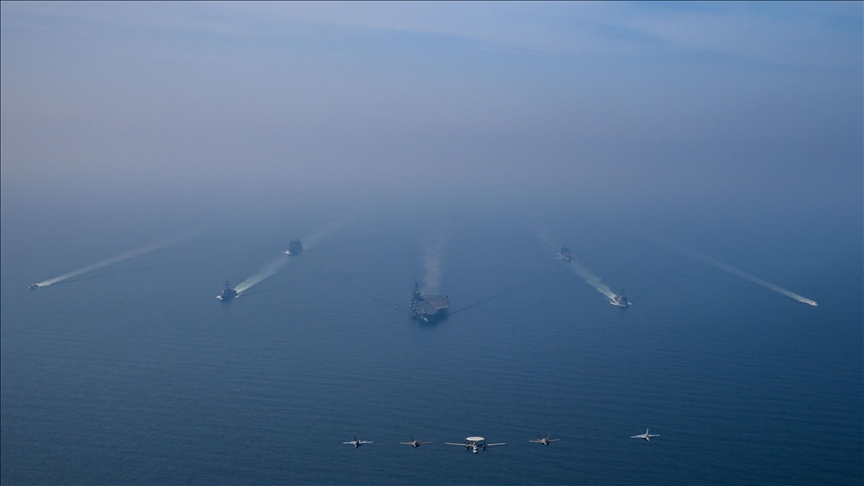 Hormuz: End of an Era of Martime Dominance
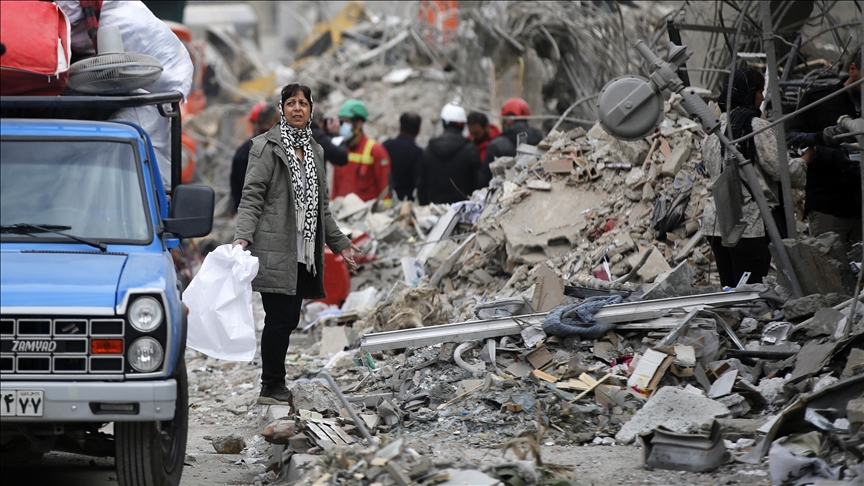
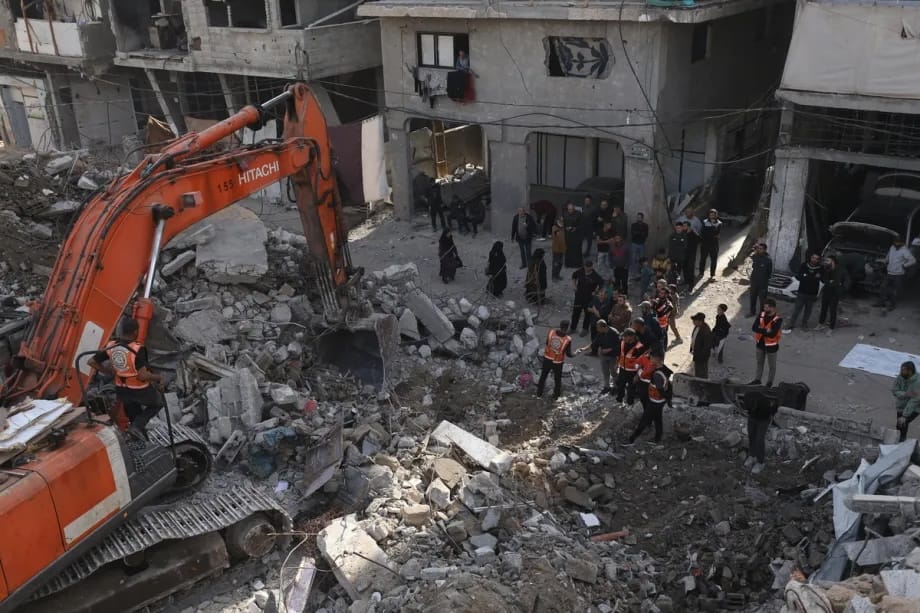
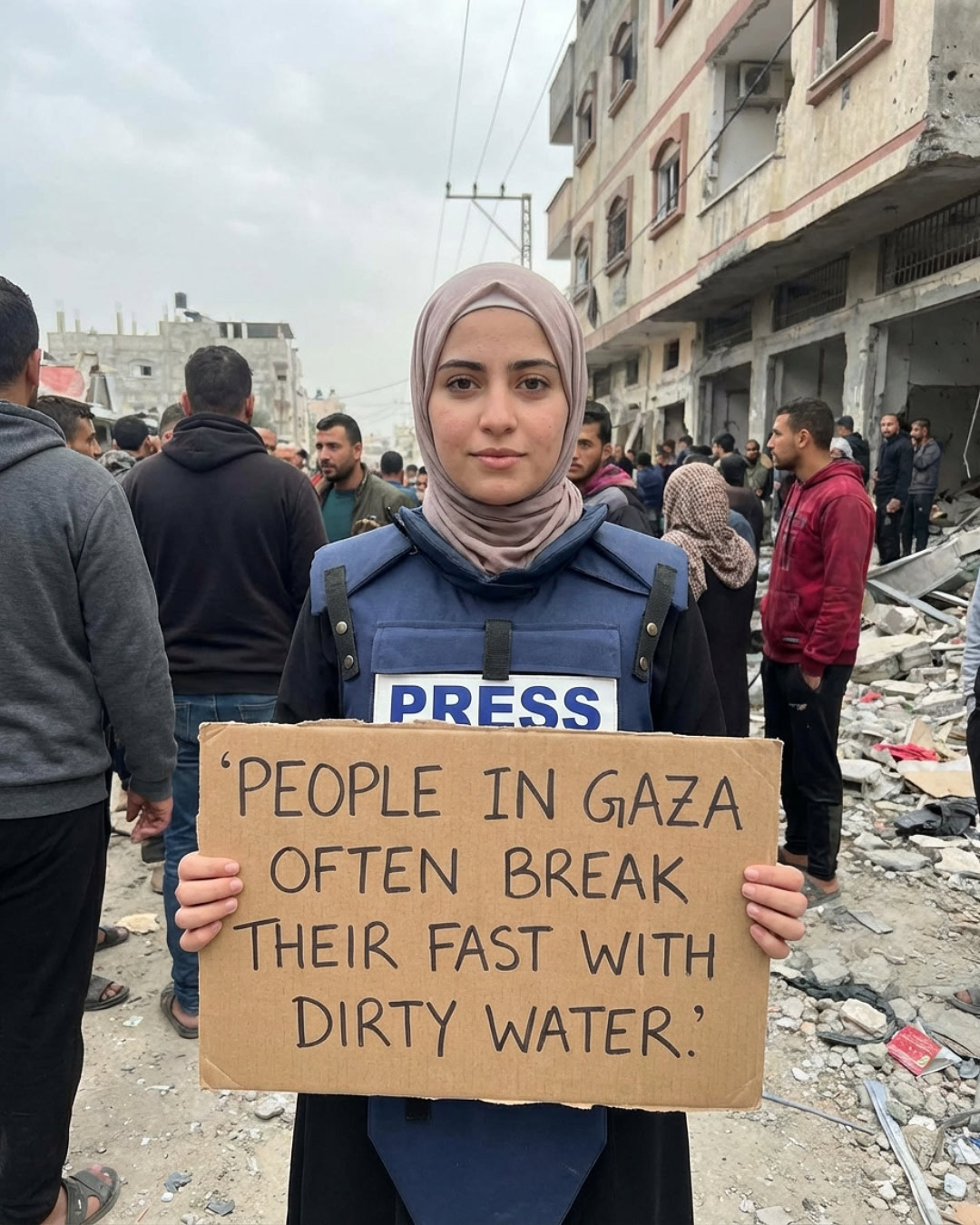
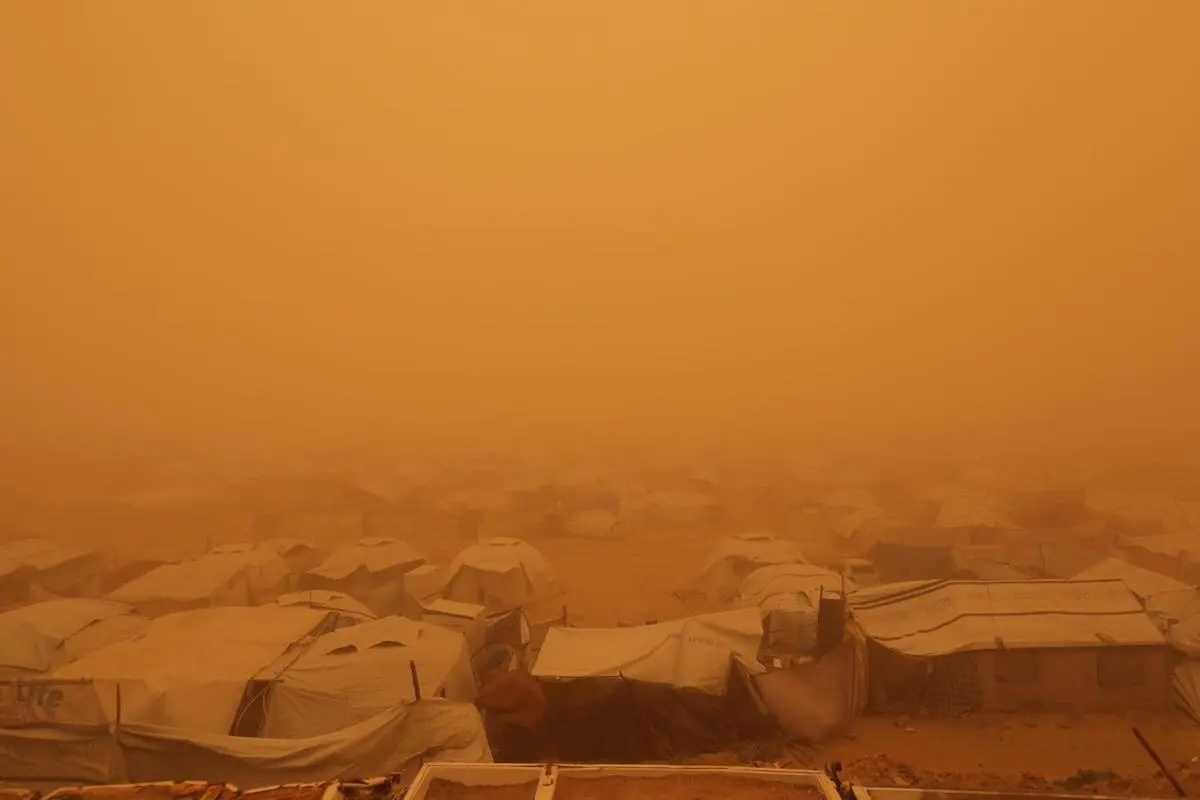 Gaza Faces Massive Dust Storm


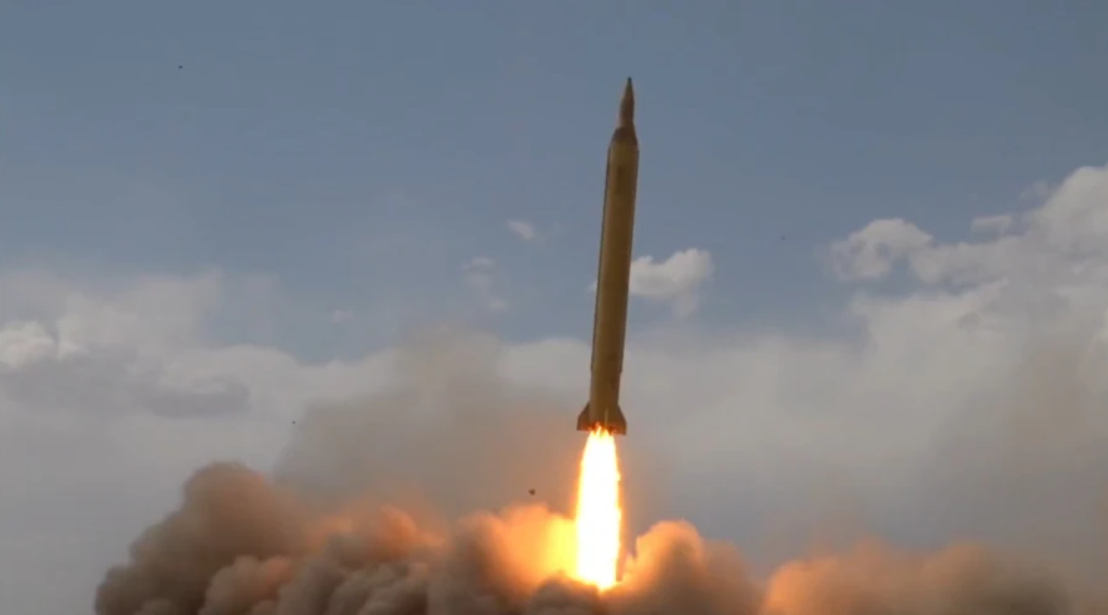
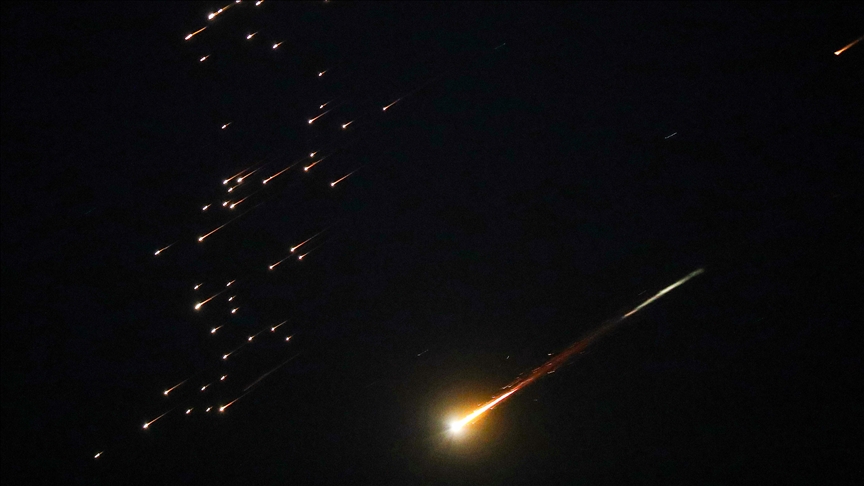
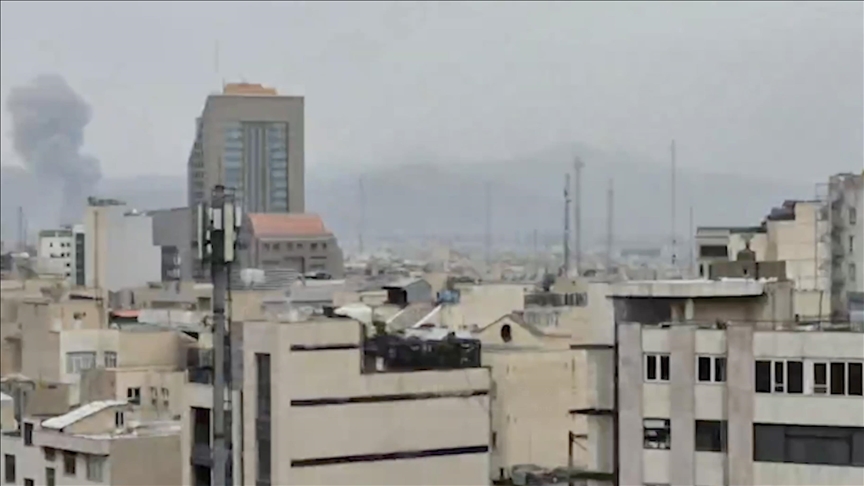
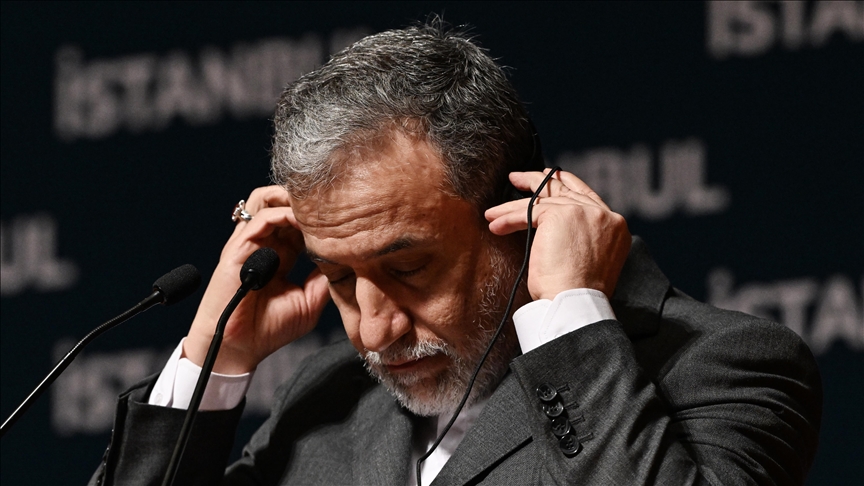
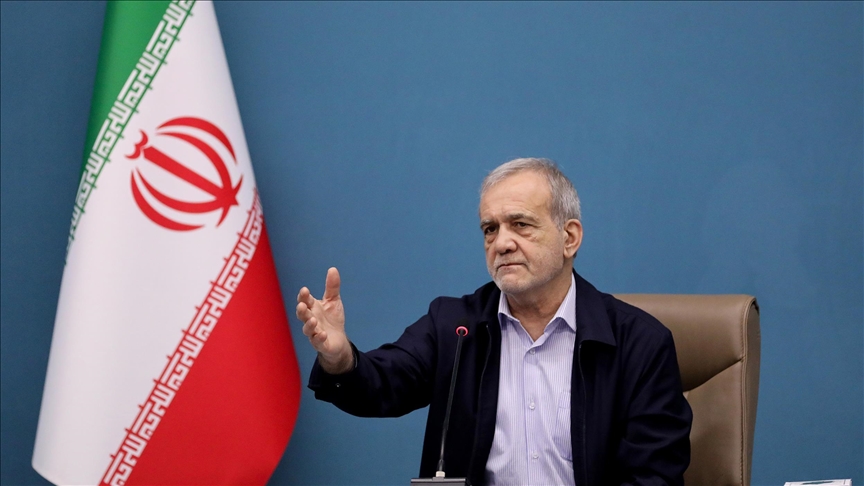
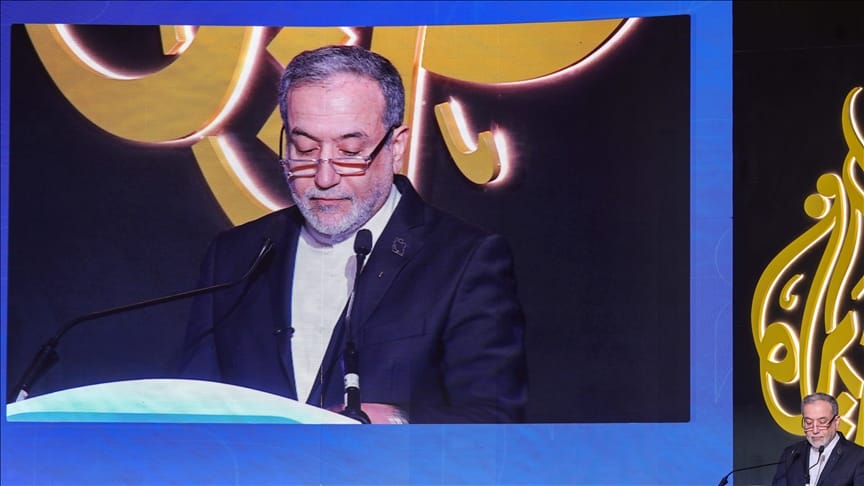
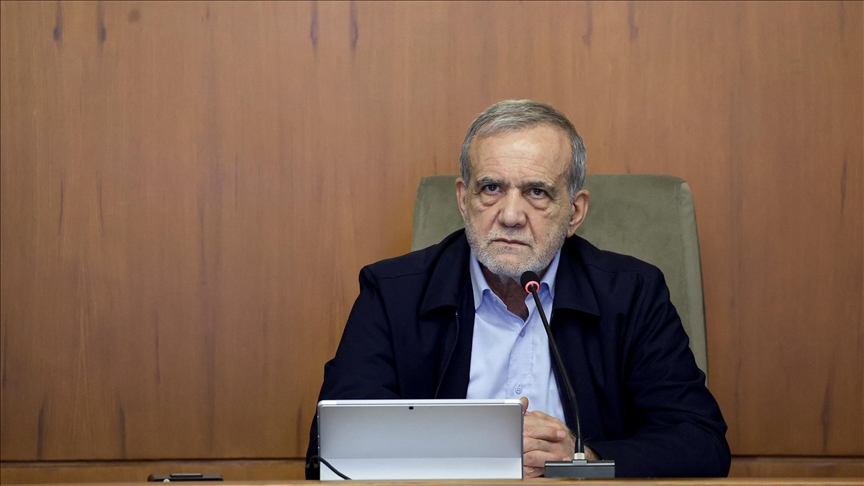
Pezeshkian: ‘Iran Will Not Surrender to Bullies’
 CrossFireArabia
- March 16, 2026
 CrossFireArabiaCrossFireArabiaCrossFireArabiaCrossFireArabiaCrossFireArabiaCrossFireArabiaCrossFireArabiaCrossFireArabiaCrossFireArabiaCrossFireArabiaCrossFireArabiaCrossFireArabiaCrossFireArabiaCrossFireArabiaCrossFireArabiaCrossFireArabiaCrossFireArabiaCrossFireArabiaCrossFireArabiaCrossFireArabiaCrossFireArabiaCrossFireArabiaCrossFireArabiaCrossFireArabiaCrossFireArabiaCrossFireArabiaCrossFireArabiaCrossFireArabiaCrossFireArabiaCrossFireArabiaCrossFireArabia
 Saleem Ayoub QunaCrossFireArabiaCrossFireArabiaCrossFireArabiaCrossFireArabiaCrossFireArabiaCrossFireArabiaCrossFireArabiaCrossFireArabiaCrossFireArabiaCrossFireArabiaCrossFireArabiaCrossFireArabiaCrossFireArabiaCrossFireArabiaCrossFireArabiaCrossFireArabiaCrossFireArabiaCrossFireArabiaCrossFireArabia
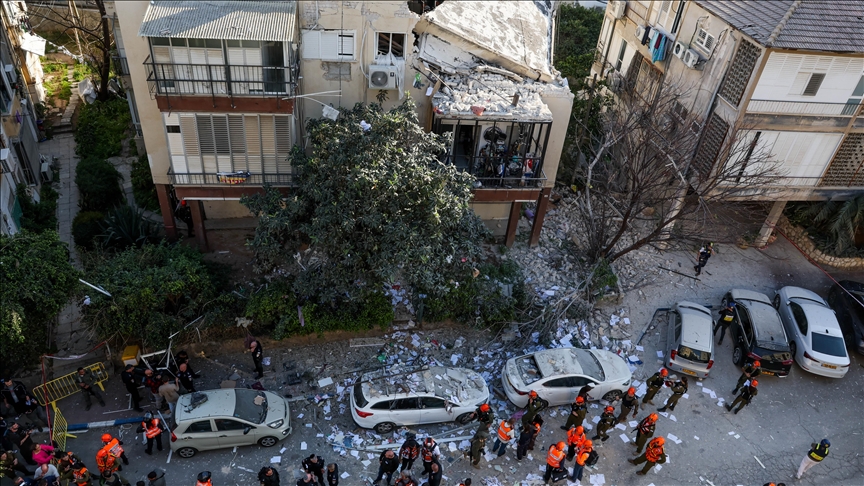
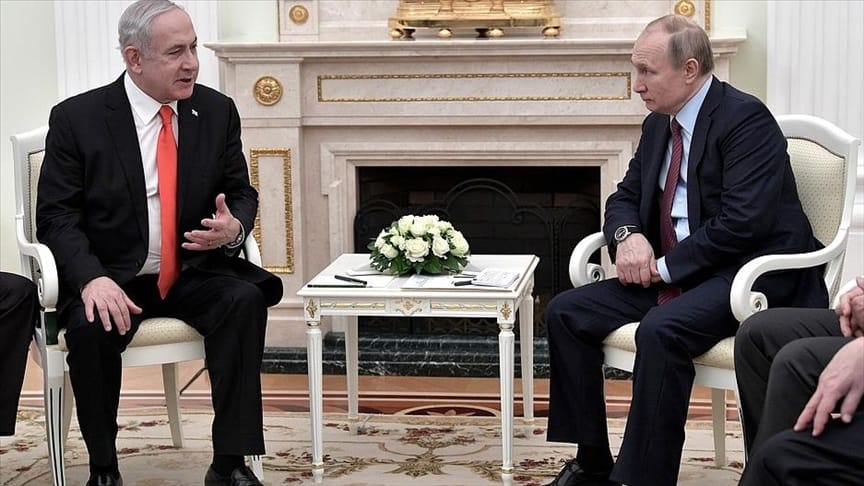
Israel’s Prime Minister Benjamin Netanyahu sought the help of Russian President Vladimir Putin to relay reassuring messages to Iran that Tel Aviv does not intend to attack it, amid fears of a preemptive strike by Tehran, Israeli media reported on Monday.
Public broadcaster KAN, citing unnamed diplomatic sources, said Netanyahu asked Putin to convey “reassurance” messages to Iran that Israel has no plans to launch an attack.
Accoring to the outlet, the messages were recently delivered to Iran, including through phone calls between Netanyahu and Putin, amid concerns that Tehran might move to strike Israel preemptively to avert a possible Israeli attack.
KAN reported that the Russian president said last October that he had been asked to pass along a message to Iran stating that Israel was “not interested in escalation.”
Netanyahu, however, told the Knesset on Monday that Israel sent a message to Iran that if Israel is attacked, it would face “very severe consequences.”
KAN said that there was concern within Israel that a miscalculation by Iran could lead to an attack driven by fears of an imminent Israeli strike.
In recent weeks, Israeli political and security leaders have held discussions on various security issues, including the Iranian file.
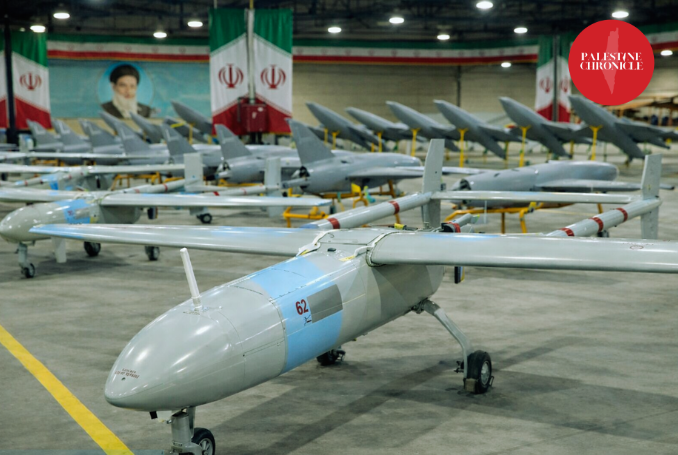
Speculation has recently increased in Israeli media about a potential Israeli strike on Iran, against the backdrop of what has been described as Tehran’s “rebuilding of its ballistic missile program.”
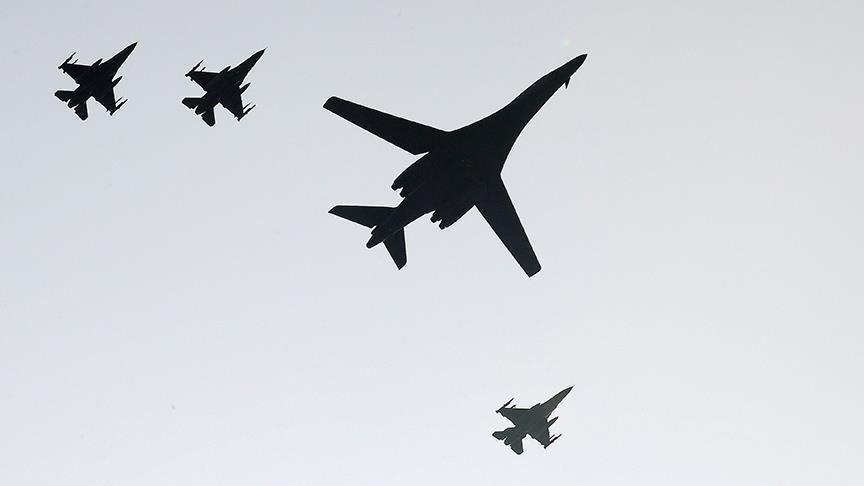
Israel launched a 12-day war against Iran in June, with Tehran retaliating with drone and missile attacks. The US military bombed three major Iranian nuclear facilities — Fordo, Natanz, and Isfahan — using bunker-buster bombs during the assault, before Washington managed to strike a ceasefire deal between the two arch-foes according to Anadolu.
CrossFireArabia
Severe weather conditions have led to further casualties and heightened health risks in Gaza over the past 24 hours, the UN aid coordination office (OCHA) reported on Monday.
Heavy seasonal downpours are compounding an already dire humanitarian situation, as rainstorms cause war-damaged buildings to collapse, flood tents and soak people’s belongings, OCHA said.
To respond swiftly to flood alerts, a coordinated system bringing together UN agencies and non-governmental organizations is distributing tents, tarpaulins, warm clothes, blankets and dignity kits across Gaza.
The UN and its partners are also mobilising heavy equipment to pump overflowing sewage – which poses serious health risks – away from residential areas. OCHA warned that the conditions have increased the risk of hypothermia, particularly among babies, as well as illnesses linked to sewage flooding.
Separately, humanitarian teams are assisting hundreds of people newly displaced from the At Tufah neighbourhood in Gaza City, where ongoing military operations have forced many residents to flee.
People who remain in, or have returned to, the As Sanafour area of At Tufah – often due to a lack of space elsewhere – report significant challenges in accessing water, food and basic services.
Other relief operations under the UN-coordinated humanitarian plan for the ceasefire are continuing.
Between 23 and 26 December, partners working on water, sanitation and hygiene dispatched tens of thousands of dignity kits, hygiene kits and bottles of shampoo across Gaza, reaching some 150,000 people in need, according to OCHA.
As of Sunday, partners addressing food insecurity had reached more than one million people – about half of Gaza’s population — through 60 distribution points with December’s monthly general food assistance.
In parallel, humanitarian partners distributed veterinary kits and animal feed to more than 2,000 families with livestock between 9 and 26 December, helping support local production and reduce aid dependency according to UN News.
CrossFireArabia
Amid staggering immediate needs, widespread trauma and mounting medical complications, what is unfolding in Gaza is not only a humanitarian catastrophe. It is an ecological collapse, one that threatens the very possibility of recovery and will affect Gaza’s population for generations to come.
While the human suffering is visible and relentless, the environmental devastation is less apparent and harder to grasp. Yet it is no less catastrophic. The human cost of Israel’s invasion of Gaza, launched after the Hamas attack on 7 October, is being compounded by a rapidly escalating environmental crisis.
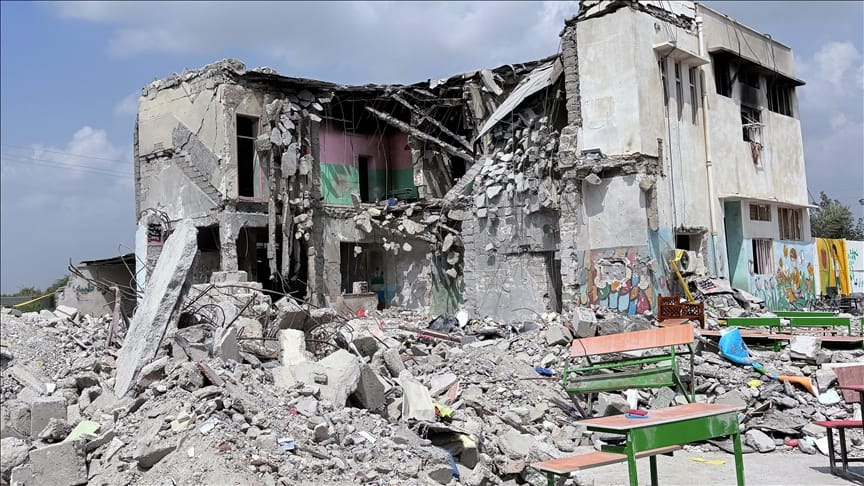
The destruction of essential civilian infrastructure — including water, sewage and waste management systems — has led to long-term toxic contamination of land and sea, posing severe health and environmental risks. Israel’s bombardment has filled Gaza’s landscape with a lethal mix of shattered concrete, asbestos dust and polluted water.
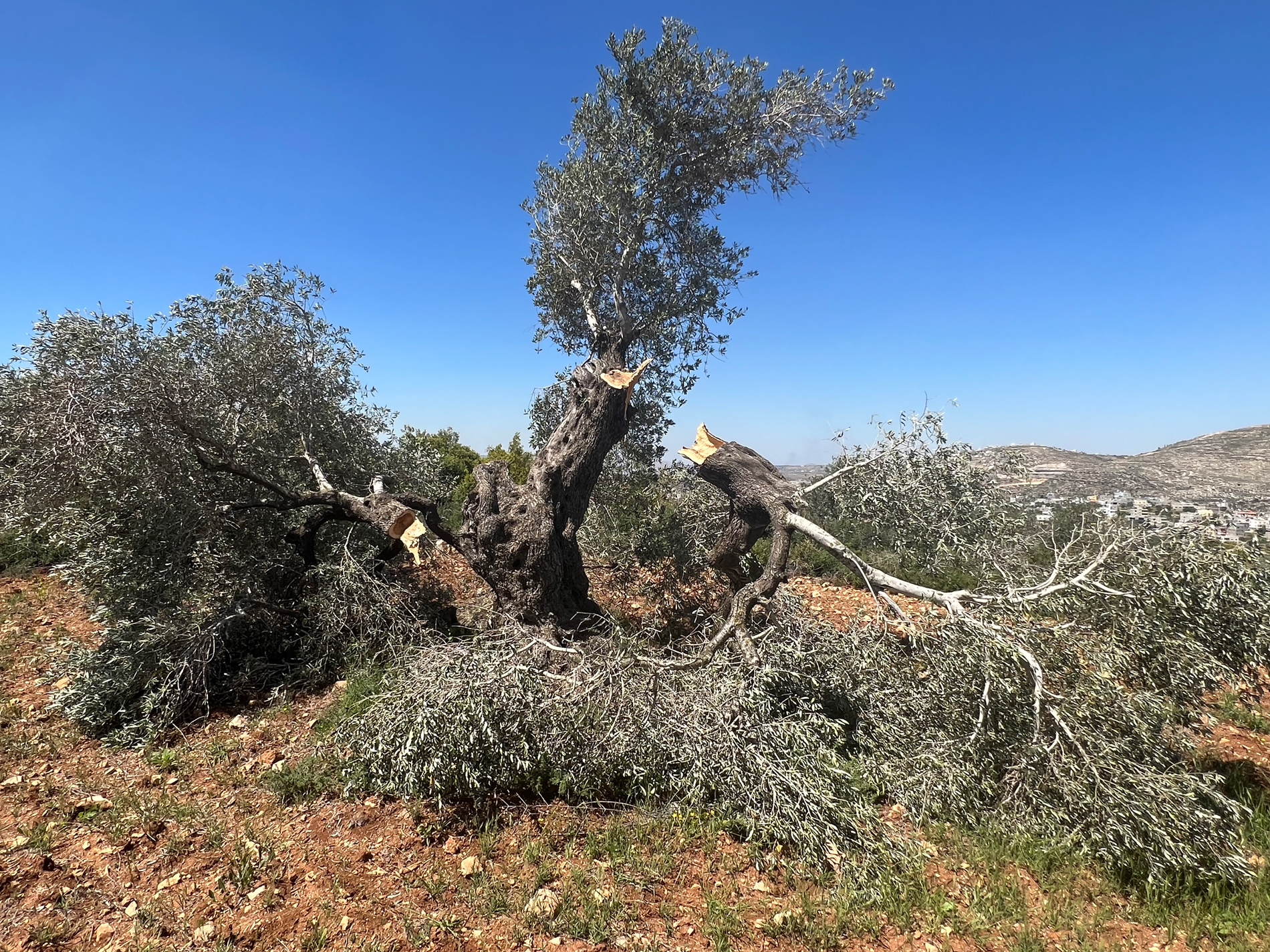
Olive groves and farmland have been flattened. Soil and groundwater are contaminated by munitions and toxins. The sea is choked with untreated sewage and waste, while the air is thick with smoke and fine particulate matter. Gaza’s environment is in freefall: poisoned water, ruined croplands and a shattered power grid are pushing the territory to the brink.
The United Nations and global medical and human rights organisations have repeatedly warned of famine, forced starvation, widespread environmental destruction and near-constant bombardment, citing grave violations of international law and describing Israel’s assault as genocidal.
As of late 2025, Gaza continues to endure a catastrophic environmental disaster that persists despite successive ceasefire agreements. Even after the latest ceasefire came into effect on 10 October, conditions on the ground have remained largely unchanged. Israeli air and artillery strikes continue, alongside the illegal destruction of civilian homes and reports of Israeli troops shooting Palestinian civilians.
Pollution is pervasive, in the air people breathe, the water they bathe in and drink, the food they consume and the surroundings in which they live. Israel’s war on Gaza has not only levelled neighbourhoods, displaced families repeatedly and crippled medical facilities, but has also poisoned the land and water upon which Gazans depend.
Much of Gaza’s agricultural land has been destroyed, leaving the territory in a state of severe food insecurity and famine, with food increasingly used as a weapon. Alongside the devastation of water, sewage and hospital infrastructure, Israel continues to restrict the entry of food, tents, warm clothing and life-saving medical supplies, leaving millions without basic necessities.
Children, in particular, are bearing the brunt. They are growing up amid one of the world’s most acute humanitarian crises, without adequate shelter, sanitation or warm clothing, and facing alarming levels of acute malnutrition.
Freshwater supplies are now severely limited, and much of what remains is unsafe. The collapse of sewage treatment facilities, the destruction of piped systems and the use of cesspits for sanitation have almost certainly contaminated the aquifer that supplies much of Gaza’s water, contributing to a surge in infectious diseases.
The scale and potential longevity of this damage have prompted calls for the destruction to be recognised as “ecocide” and investigated as a possible war crime. According to official estimates, Israeli forces have killed more than 70,000 Palestinians during more than two years of war. The UN estimates that 90 per cent of Gaza’s population has been displaced, with more than 1.5 million people in urgent need of shelter.
Environmental devastation, from heavily polluted water to the suspected impact of toxic weapons, has deepened an already apocalyptic humanitarian crisis. Flooding rains, combined with the lack of safe drinking water and even basic hygiene facilities such as handwashing, are accelerating the spread of disease. Health authorities are struggling to save lives, while essential medical supplies continue to be blocked from entering the enclave.
Unusually heavy rains, strong winds and flooding have further compounded the suffering, making conditions for displaced families even more dire. Months into a fragile ceasefire that has been repeatedly violated, the true scale of Gaza’s environmental destruction is becoming painfully clear — and the situation continues to deteriorate.
If this trajectory continues, it will leave a legacy of environmental damage that will undermine the health and wellbeing of Gaza’s population for generations. Ending the human suffering must be the immediate priority. Restoring freshwater systems, clearing debris and re-establishing essential services are urgently needed to save lives.
For Palestinians, neither safety nor reliable access to life-saving treatment or aid has materialised under the ceasefire. Beyond emergency relief, the recovery of vegetation, freshwater ecosystems and soil will be essential for food and water security. Gaza’s environmental recovery will depend on careful, inclusive and science-based planning, and on a political will to allow a future in which Gaza’s people can survive, rebuild and live with dignity.
The author Najla M. Shahwan is a contributor to The Jordan Times
CrossFireArabia
Another Palestinian baby lost his life in the Gaza Strip due to severe cold amid a widespread scarcity of shelters, the Health Ministry said on Monday.
A ministry statement said two-month-old Arkan Firas Musleh died as a result of harsh weather conditions, bringing the death toll of toddlers from cold to three since early December.
According to the Gaza Civil Defense, 25 people, including six children, have died from cold and the collapse of damaged buildings in Gaza amid freezing weather conditions in the war-torn enclave.
Spokesperson Mahmoud Basal said that 18 buildings that had been damaged in previous Israeli strikes had fully collapsed, and more than 110 others recorded partial collapse in the current low-pressure weather system, threatening the lives of thousands of displaced people sheltering in these buildings.
The spokesman added that 90% of tents sheltering displaced civilians were uprooted or flooded in heavy rains and strong winds across Gaza, with thousands of families left without any shelters or any clothes that could have protected them from the harsh weather according to Anadolu.
He called for urgently starting the reconstruction of Gaza and providing mobile homes that would protect the lives and dignity of Palestinians.
The Israeli army has killed more than 71,200 people, mostly women and children, and injured over 171,200 others since October 2023 in Gaza in a brutal assault that also left the enclave in ruins.
Despite a ceasefire that took effect in Gaza on Oct. 10, Israel still closes the territory’s crossings and prevents the entry of mobile homes and reconstruction materials, worsening the plight of nearly 2.4 million people in the enclave.
CrossFireArabia
By Prof. Dr. Yahya Amir Hagi Ibrahim
The strategic waters of the Red Sea and Gulf of Aden have once again become a flashpoint, with recent actions suggesting a dangerous escalation that threatens to unravel fragile stability and deliberately target international investments. Israel has shifted toward a posture that uses access to the Red Sea and Gulf of Aden as part of its broader regional strategy. At the same time, Türkiye is deepening its footprint in Somalia with long-term development projects spanning energy, infrastructure, and space technology. After Israel’s decision to recognize Somalia’s breakaway region, Somaliland, Somalian President Hassan Sheikh Mohamud pays a critical visit to Türkiye.
Houthis and Bab al-Mandab Strait
In response to Israel’s genocide on Gaza, Yemen’s Houthi rebels have launched drones, missiles, and maritime attacks targeting Israel and commercial shipping (toward Israel or flying the flag of Israel-supporting countries) in the Red Sea, Gulf of Aden and nearby waters. In response, Israel has conducted multiple airstrikes in Yemen.
More recently, Israel’s recognition of Somalia’s breakaway region, Somaliland, as an independent state in December 2025 marked a dramatic diplomatic shift. Israel became the first UN member state to formally recognize the breakaway region (situated near the strategic Bab al-Mandab Strait), drawing strong objections from Somalia, Türkiye, Egypt, and others who view the move as a threat to regional stability.
Alarmingly, these actions appear to deliberately focus on areas where Türkiye has made significant investments in stability and capacity-building, signaling steps aimed not just at military objectives but at broader stabilization. This calculated targeting strikes at the heart of a pivotal and transformative partnership between Türkiye and Somalia. Over recent years, this alliance has moved far beyond diplomacy into tangible, nation-building projects designed to foster economic growth and regional security. To see them threatened is to see a blueprint for progress put at risk.

Over the past decade, Türkiye has built a deep, multi-layered partnership with Somalia, positioning itself as a key security and economic partner. Ankara’s long-term involvement began in earnest with high-level visits in 2011 and expanded through defense, economic, and development agreements.
Central to this is hydrocarbon exploration: under agreements granting rights across some 15,000 square kilometers of Somali offshore blocks, the Turkish Petroleum Corporation (TPAO) has conducted seismic surveys and plans to begin oil drilling by 2026, potentially harnessing significant reserves.
Beyond energy, Türkiye desires to include cutting-edge technological infrastructure. Ankara is planning a space launch facility in Somalia, leveraging the country’s equatorial advantage for satellite launches and potentially missile testing. The project (part of broader cooperation agreements signed in 2024) is expected to strengthen Türkiye’s aerospace capabilities and deepen strategic ties.
Turkish capacity-building
Türkiye’s footprint also extends to security and capacity-building. The Turkish military operates Camp TURKSOM, its largest overseas base, which trains Somali forces and enhances naval and coastguard capabilities. Joint agreements signed in recent years include maritime security cooperation to patrol Somali waters for a decade, protecting both regional stability and economic activities. Additionally, Turkish infrastructure investments include modernization of airports, hospitals, fishery programs, and diplomatic compounds.
Türkiye’s strategy is structural, aimed at building Somali capabilities and mutual economic stakes. Whether through oil, space technology, or infrastructure, Ankara’s footprint in the Horn of Africa is designed for sustained impact.
The author who has contributed this piece to Anadolu, is the deputy chairman of RAAD Peace Research Institute, a Somaville University Mogadishu board member and lecturer on economic development.