Expert: Iran to Launch Strike on Israel Soon

Military expert Dr Nidal Abu Zeid said the resistance is provening it still has the ability to continue confronting the Israel occupation forces after 301 days. As evidence of that it launched a rockets barrage towards the Jewish settlements sorrounding Gaza from the southern region.

He added this is an area witnessing one of the largest military operations these days.

Abu Zeid added to Jo24 Israeli forces introduced a new brigade to fight in Gaza – so-called the Jerusalem Brigade affiliated to the Central Military Region – and not from the brigades of the Southern Military Region responsible for operations in Gaza.

Its confirms the extent of the attrition affecting the Israeli combat units from the Palestinian resistance groups in Gaza, the military expert said.

Abu Zeid pointed out the Israeli occupation army withdrew its Seventh Brigade in east of Khan Yunis recently due to the heavy losses they incurred amongst their ranks and has instead deployed the Jerusalem Brigade.

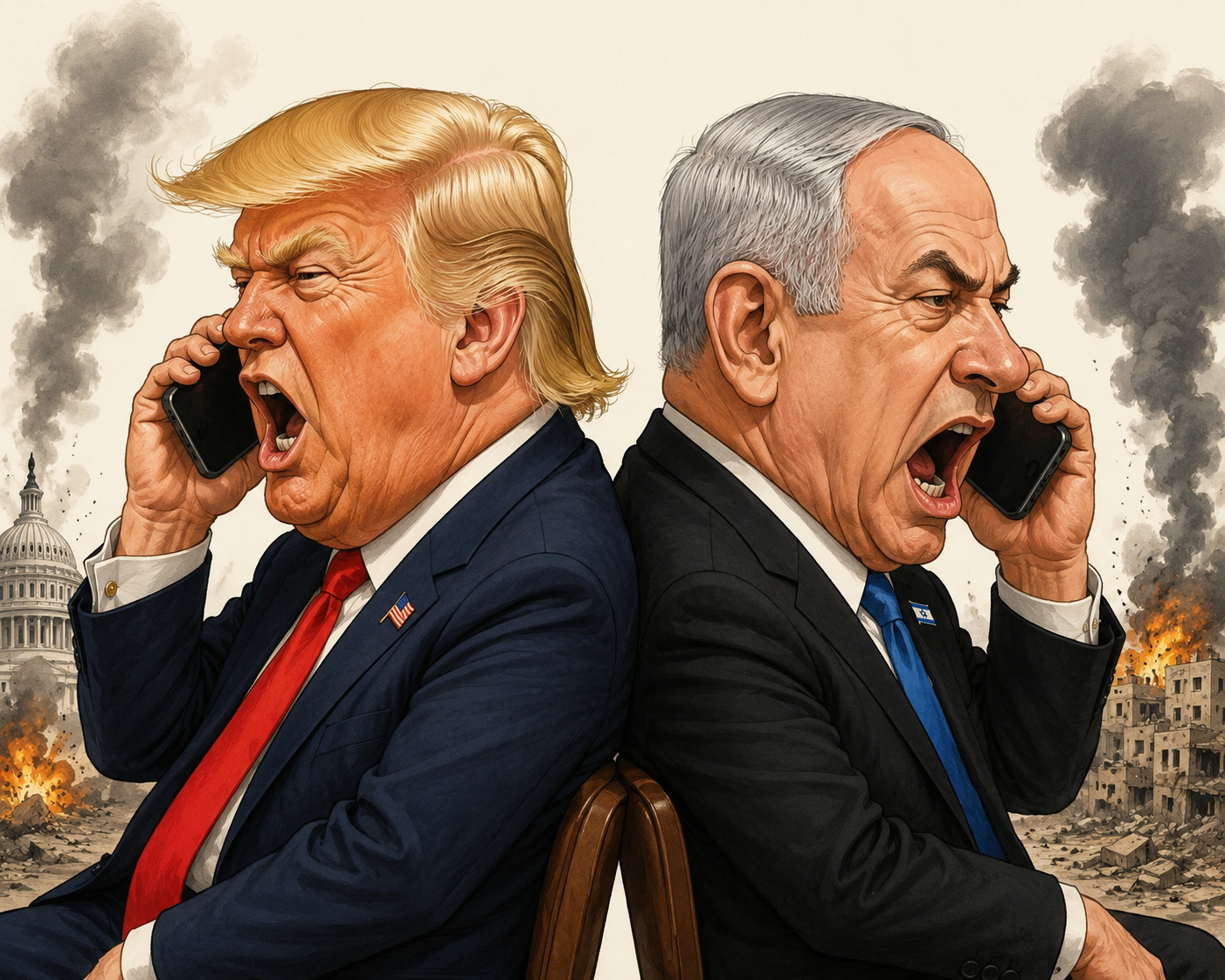
The continuing media statements about Hezbollah and Iran’s response to the assassination of martyrs Ismail Haniyeh and Fouad Shukr confirms that its coming military action on Israel will not be delayed, he said.

Waiting for the hit

This is especially in light of the repositioning of the Hezbollah units in southern Lebanon, withdrawal of Iranian militias from Deir Ezzor, Syria and the fact that most airlines stopped their flights to Ben Gurion Airport in Tel Aviv.

Abu Zeid explained the clip circulating about the explosion in the building where Ismail Haniyeh was in Tehran is not true. He noted this clip is an old one, published on the occupation army’s website targeting a house in Attara, north Ramallah.

He added the coincidence of its publication now with the New York Times item comes within Israel’s attempt to show the explosion was caused by a device placed inside the building where Haniyeh was staying.

Abu Zeid this is being stressed to shatter the image of Iranian intelligence and show its been compromised. He added however, all indications show the area targeted was by an advanced missile launched from outside Iran, specifically from a base in Azerbaijan.

Continue reading
Palestinian Prisoners: Torture, Sodomy And Dog Attacks

Palestinian prisoners released by the Israeli army after being detained in Gaza described the severe physical and psychological torture they experienced in prisons.

A group of prisoners who were detained and tortured by Israeli forces in the Gaza Strip and later released were brought to Al-Aqsa Martyrs Hospital in the city of Deir al-Balah in central Gaza by Palestinian Red Crescent Society teams.

The Palestinians, who showed signs of torture on various parts of their bodies and were exhausted, told Anadolu about the torture they endured according to Anadolu.

Mahmoud Basim Mahmoud Ahmed, one of the released prisoners, said the Israeli army forced prisoners to lie face down, set dogs on them and administered electric shocks.

Hunger strikers forced to eat feces

“You had to keep your hands tied above your head from 4 a.m. to midnight. If you turned right or left, they would set the dogs on you,” Ahmed said.

“They brought two pieces of bread a day. After eating the bread, you had to lie on your stomach for 24 hours. If you went on a hunger strike, they forced you to eat feces,” he said.

Ahmed said that some prisoners whom Israeli soldiers suspected of having connections with resistance fighters were taken to the 12th floor of the building for torture and then brought back down to the ground floor while being tortured.

“What we experienced there in 40-60 days felt like 12 years,” he added.

Forced to bark like dogs to use toilet

Said Abu Watfa, who was detained at the Kerem Abu Salem border crossing, said Israeli soldiers detained a group of young Palestinians at the border crossing for four hours, tied to a wall.

Watfa said the soldiers stripped the detained young Palestinians, administered electric shocks to their sensitive areas, broke their teeth and did not provide them with any medicine.

Watfa, who was subjected to various forms of psychological and physical torture during his detention, said: “At night, when we needed to go to the toilet, they would say ‘bark.’ We had to bark to go to the toilet. They forced me to bark, and similarly, they forced me to curse my government, my relatives, my sister and my wife.”

Detained with hands, feet shackled for 35 Days

Muin Muhammad Abdussatir Muhammad, who was detained in the Jabalia refugee camp and held in an Israeli prison for about four months, said: “We went through very tough days. They set dogs on us at night and tortured us a lot. We have never seen such torture.”

Marwan Mesad Shaar, a 20-year-old who was detained by Israeli soldiers while distributing aid and spent 31 days as a prisoner, said they experienced various types of torture such as electric shocks, beatings and humiliation.

Asked about the conditions in the Israeli prison, Shaar responded: “We weren’t living.”

Khalid Abulkerim, who was detained during a raid in the Shuja’iyya neighborhood in Gaza City and released after 35 days, said their hands and feet were always shackled during their imprisonment and that they experienced both physical and psychological torture as reported by the Turkish news agency.

Continue reading
Israel Makes Gaza Battleground of Infectious Disease

The Israeli authorities continue to enforce their ongoing arbitrary blockade of the Gaza Strip, refusing to allow humanitarian aid and necessities that are essential for survival—such as cleaning and personal hygiene supplies—into the Strip. This comes amid the spread of infectious diseases and on top of the precarious living conditions faced by the approximately 2.3 million Palestinians in the enclave, constituting a perpetuation of Israel’s comprehensive crime of genocide, which began on 7 October 2023.

Euro-Med Human Rights Monitor emphasizes that the consequences of Israel’s intentional worsening of the humanitarian situation in the Gaza Strip, by blocking people’s access to cleaning and personal hygiene products, medical equipment, and sterilization supplies, are dire. Nothing justifies subjecting the population to conditions that can cause widespread death, including by causing the spread of serious skin diseases and and infections, including hepatitis. 

https://x.com/EuroMedHR/status/1818950544188227969


Israel continues to systematically and arbitrarily deny hygiene supplies and equipment to all Gaza Strip residents, exacerbating the catastrophic health crisis that Israel has caused there. This crisis has been made worse by the population’s forced, widespread, and repeatedly occurring displacement, as well as the lack of personal hygiene supplies and disinfectants in shelters and camps housing hundreds of thousands of displaced people. Israel continues to prevent and obstruct the entry of the most basic supplies into the Strip, creating conditions that are ripe for the spread of infectious diseases, water pollution, and the absence of sanitation services, as Israeli army forces have destroyed these facilities.

Since the beginning of the genocide nearly, Israel has arbitrarily closed crossings into the Gaza Strip, blocking the entry of humanitarian supplies and the flow of food and water. These actions have resulted in a dangerous accumulation of crises that directly threaten the lives and health of the Gaza Strip’s residents, most notably due to their lack of access to food, clean water, medicines, medical supplies, sanitary tools, and cleaning supplies.

Aya Kamal Ashour Abed, a 20-year-old displaced mother of two at the Deir al-Balah Preparatory School for Girls in the central Gaza Strip, spoke with the Euro-Med Monitor team. “We are more than 30 people living in this classroom for about nine months,” she stated. “A few months ago, we numbered roughly 70, but after some of the displaced individuals relocated to tents outside the school, our numbers dropped somewhat.

“We only receive cleaning and personal hygiene supplies in small quantities every two or three months, despite the fact that our number is very high and we require them constantly,” Abed continued. “Sanitation supplies, like tissues, soap, and shampoo, are extremely expensive [or] even nonexistent in the markets.”

Added Abed: “A bar of soap, for instance, now costs 30 shekels (roughly nine USD) while a bottle of shampoo costs 90 shekels (roughly 25 USD). We do not have anything to eat, so how can we afford these amounts for basic hygiene?”

Abed, who was displaced from her home in the Jabalia refugee camp in the northern Gaza Strip following its bombing last October, said that her two sons had become afflicted with allergies and bacteria, for which she is unable to provide ointments because they are unavailable in UNRWA clinics. “I showed my son to the doctor, and he told me that his entire body is seriously infected with bacteria due to poor hygiene,” Abed told Euro-Med Monitor.

Obtaining sanitary pads—which are pricey and hard to find in local markets—is one of her biggest challenges. “Even though my children’s diapers are completely unusable, I have to cut them into tiny pieces and use them as sanitary pads,” Abed explained. “During my period, I also have to use a single pad for the entire day, which has led to numerous infections and rashes.”

Approximately 680,000 women and girls in the Gaza Strip are of reproductive age. These individuals lack access to menstrual pads and other essentials, and also face other challenges such as inadequate access to water, toilets, various hygiene products, and privacy. Additionally, they must use contaminated or unsterilised materials, which puts them at risk of developing infections that can lead to infertility and uterine cancer.

Since Israel has cut off electricity to the Gaza Strip, there is a growing risk to all residents caused by waste accumulation and sewage flooding of roads and markets due to the inability to drain it. Israel has destroyed most of the Strip’s vital infrastructure, including sewage networks, and forced over two million people—the majority of whom have been displaced more than once—into shelters and tents that lack the basic necessities of life, personal hygiene, and health care.

Forty-two-year-old Mohammed Saad Abu Haitham said that his family of eight, which resides in a tent in the Mawasi neighborhood of Khan Yunis in the southern Gaza Strip, is severely impacted by the lack of cleaning supplies, laundry detergent, and bar soap. Due to its scarcity, soap is unusually expensive and therefore difficult to purchase.

“We do not have the money to buy enough meals for our children, so we cannot buy cleaning materials and soap in light of their high prices and the lack of availability,” Abu Haitham told the Euro-Med Monitor team. “My spouse and kids’ hair has been infected with lice, and we all have skin diseases as a result of not washing and not using enough soap and shampoo.”

Food dyes are used instead of traditional dyes for making liquid soap and sterilisation products, which have not entered the Gaza Strip in months due to the Israeli closure of the crossings and the imposition of an arbitrary siege. These alternative and primitive cleaning products are made locally, are unsafe, and are generally insufficient in both quality and quantity when sold in the markets of the central and southern Gaza Strip.

Tens of thousands of cases of skin diseases, including eczema, have been reported to medical facilities as having cropped up in shelters and camps for displaced people living in tents. This is particularly concerning for women, as eczema often appears on the hands of people working to clean food utensils using antiquated and dangerous materials. Meanwhile, reports from the United Nations indicate that skin rashes and skin infections, especially among children, are sharply increasing in the Strip.

The Israeli authorities have placed an arbitrary and oppressive siege on the Palestinian people there, squeezing them into a tiny area with exceedingly limited resources; denying them access to food, clean water, and other necessities; and leaving them exposed to extreme heat.

The right to dignity is an internationally recognised human right that protects people from humiliation, among other forms of unethical treatment. It is meant to ensure fairness by providing the means for people to live in dignity, as well as other fundamental needs and rights, like the right to health and the right to water and sanitation. These rights are essential to maintaining human dignity and preserving the lives of the populace.

The only way to guarantee the rights of Gaza Strip residents is to put an end to Israel’s crime of genocide, lift the arbitrary siege on the Strip, and rescue what remains of the currently uninhabitable region. Delays will either cause the region to irreversibly deteriorate, or incur significant costs in terms of civilian lives and health.

The international community is required to guarantee the entry of humanitarian aid into the Gaza Strip, including the entry of non-food essentials needed to respond to the dire circumstances faced by the Strip’s entire population. Euro-Med Monitor stresses that swift and effective action must be taken to safely deliver aid to civilians across the entire Strip, including the northern section, which is particularly isolated right now. Additionally, the international community must prioritise providing adequate supplies of personal and family hygiene products, as well as products for menstruating individuals, plus sexual and reproductive health care services to prevent and mitigate further harm to women and children in particular, and the entire Palestinian population in general. These actions are mandated by international human rights law and relevant international obligations.

Pressure needs to be put on Israel, as the occupying force, to maintain sanitation facilities and services in the Gaza Strip, as well as to guarantee the safety of the technicians charged with repairing and renovating water lines and their various sources. The main water pipelines that enter the Strip need to be restored, particularly those that enter it from the north.

In addition to ensuring the entry of enough fuel to operate the Gaza Strip’s water and sanitation infrastructure, including desalination plants, water wells, and mobile toilets, it is crucial to exert pressure on Israel to permit the entry of materials required for repair work and rehabilitation of civilian infrastructure. These services are essential to the civilian population’s survival in the Strip, and will protect them from the threat of further health disasters.

Euro-Med Human Rights Monitor

Continue reading
Israel No Longer Wants The UN in Palestine

Scaling up aid delivery remains a challenge in Gaza as the war reaches the 300-day mark, the head of the UN humanitarian affairs office, OCHA, in the Occupied Palestinian Territory said on Thursday.

Andrea De Domenico was speaking from Jerusalem in his final briefing to journalists at UN Headquarters in New York as the Israeli authorities have not renewed his visa.

Reflecting on his time in the region, Mr. De Domenico recalled that the UN Secretary-General had previously said that Gaza was becoming a graveyard for children and “unfortunately he was right, and this is what Gaza became”.

He said the international community “has to answer the question of how much human suffering can be tolerated in the name of security.”

‘Systematic de-humanization of civilians’

Mr. De Domenico said that over the past 10 months, he had witnessed “the systematic dehumanization of civilians” in both Gaza and the West Bank, and “the absolute physical and psychological exhaustion of an entire population.”

He also voiced concern over “the growing anger towards Israel, awakening the dark forces that could fuel antisemitism”, noting that the UN continues to call for all leaders to speak out against antisemitism, anti-Muslim bigotry and hate speech, which only reinforce stigma and marginalization.

The top humanitarian said it was “kind of a coincidence” that his final briefing was taking place on the eve of the 300-day mark.

The war erupted in response to Hamas-led terror attacks in southern Israel on 7 October 2023 which left some 1,250 dead. More than 250 people were taken to Gaza as hostages, and 115 remain in the enclave.

Death and destruction mounting

Mr. De Domenico said recent weeks had seen more evacuation orders in Gaza, which sparked more displacement, and it was “particularly worrisome” that they affected areas that Israeli had unilaterally declared as safe zones.

More than 200,000 people were displaced but spontaneous returns have been occurring over the past few days.

“And we will keep on trying to deliver a response to those people in those areas,” he said. “The reality, though, remains that our ability to deliver has never gone up to scale.”

Meanwhile, the toll of the war is still increasing. More than 39,000 people in Gaza have killed, 91,000 injured, 90 per cent of the population -1.9 million people – is displaced, and 60 per cent of residential buildings have been destroyed, with an estimated 49 million tonnes of debris generated.

Furthermore, food insecurity is at its highest level, and polio was recently found in sewage samples.

“In this environment we do a lot,” he said. “We provide people with water, food, tents, clothing, hygiene items, nutritional supplements, and cash. We equip hospitals with bed stretchers, medicine, meals and facilities with medical evacuation.”

However, he said “all these efforts are nowhere near where they should be in terms of helping people”, highlighting the need to scale up operations.

He also pointed to “rays of hope”, such as the start that day of a programme to provide informal learning for some 30,000 children, which is being run by UNRWA, the UN agency that assists Palestine refugees, and the UN Children’s Fund (UNICEF)

West Bank violence

Mr. De Domenico also addressed the situation in the West Bank, where the UN has verified the killing of 572 Palestinians, including 141 children, since 7 October. Most were shot by Israeli forces and settlers. Fourteen Israelis were killed during the same period.

Demolitions have also continued, and they now seem to be “spreading all over and also affecting houses that are in areas that were for many years untouched”. In total, more than 1,300 structures been demolished, nearly 40 per cent of which were inhabited, displacing nearly 3,000 people.

At the same time, search and rescue operations “have become more and more frequent” and “seem to be more military operations rather than police enforcement operations”, resulting in “huge devastation to civilian infrastructure.

“We have seen, for example, streets completely demolished, and sewage network demolished, and that of course has an impact on public health.”

He also reported that the Israeli military’s “attitude” towards humanitarians is also becoming more aggressive.

“We have been systematically stopped at checkpoints and identified. They request the staff to step out of the vehicle, take out the keys. They want to ID every single staff and it seems that this is unfortunately a growing trend”.

Lack of permits and visas for staff is also becoming a problem for international non-governmental organizations in the West Bank.

Asked about his own situation, Mr. De Dominico said visas were previously given for a year and after the war began, they were shortened to three to six months.

He was recently given a one-month extension and warned that it would not be renewed.

“The straw that broke the camel’s back is the publication of the Children and Armed Conflict report from the United Nations, and they alluded to long-standing issue of reporting that OCHA has been doing,” he said.

“But this has been communicated verbally and there is no formal communication that I’ve received, despite asking repeatedly.”

Reliefweb

Continue reading
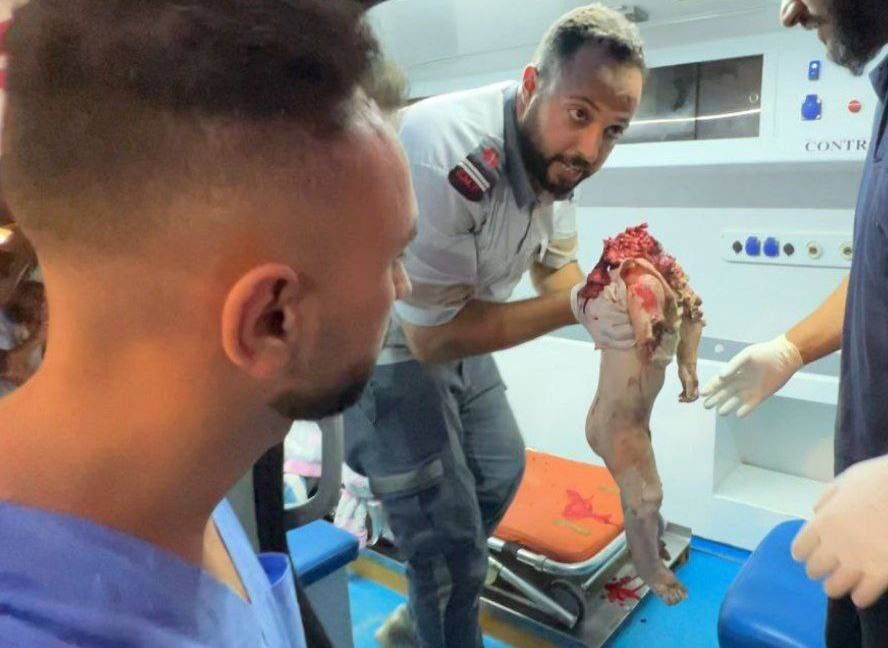
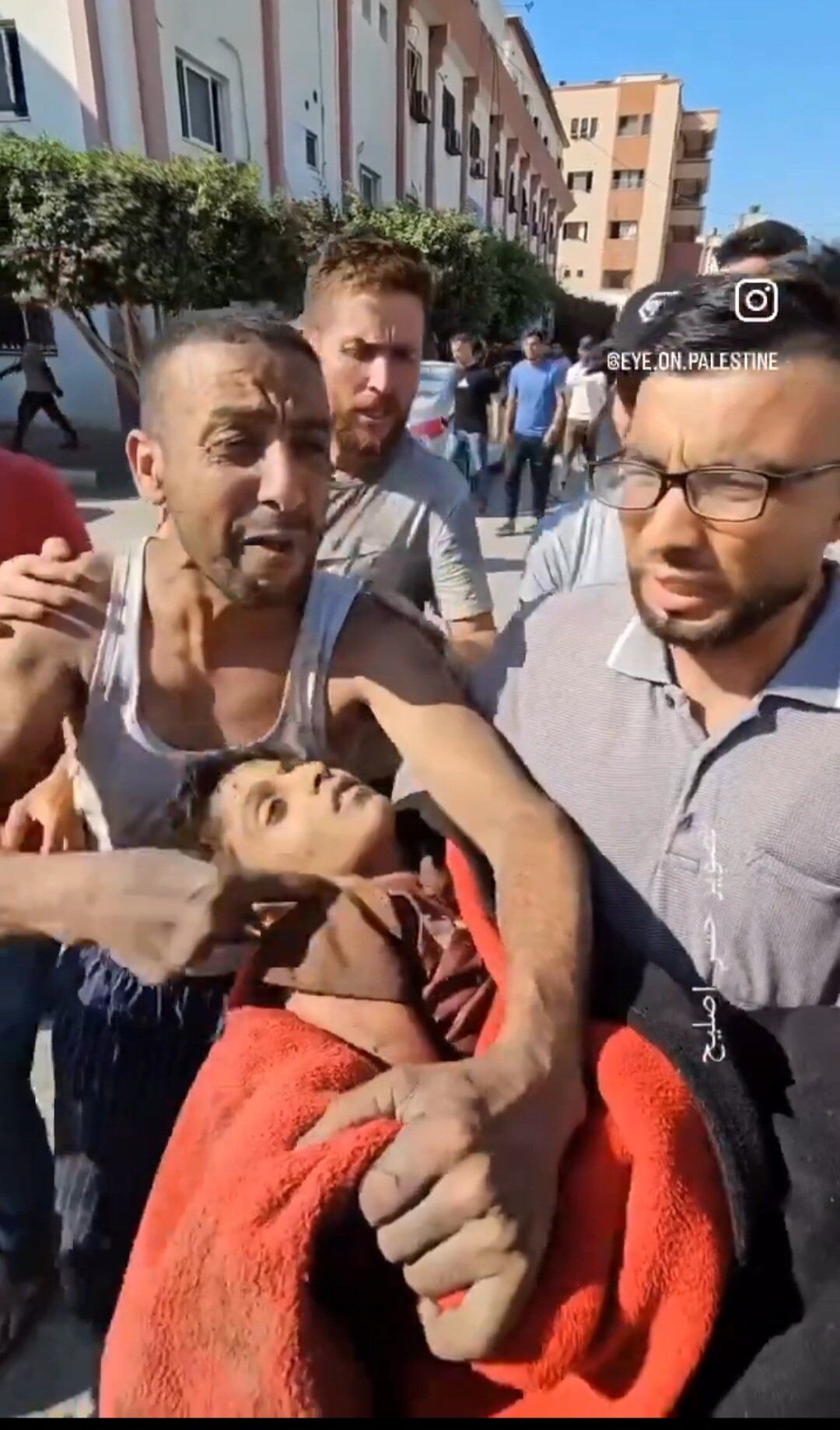
On Day 300: Israel Kills 16,314 Children in Gaza

After 300 days of the genocide of Gaza at least 16,314 Palestinian children were killed in Israel’s devastating offensive on the 364-kilometer Strip since last 7 October, 2023, local authorities said on Thursday.

The victims included 35 children who starved to death due to Israel’s crippling blockade on the enclave, Gaza’s Government Media Office said in a statement, on day 300 of Israeli massacres.

“Some 10,980 women, 885 medics, 165 journalists and 79 civil defense personnel were also killed on the Israeli onslaught,” it added according to Anadolu.

The media office said seven mass graves were discovered in Gaza since 7 October 7 from which 520 bodies were recovered.

Flouting a UN Security Council resolution demanding an immediate cease-fire, Israel has faced international condemnation amid its continued brutal offensive on Gaza.

Nearly 39,500 Palestinians have since been killed, mostly women and children, and over 91,000 injured, according to local health authorities, the Turkish news agency reported.

Continue reading