After Gaza Regional War Looms

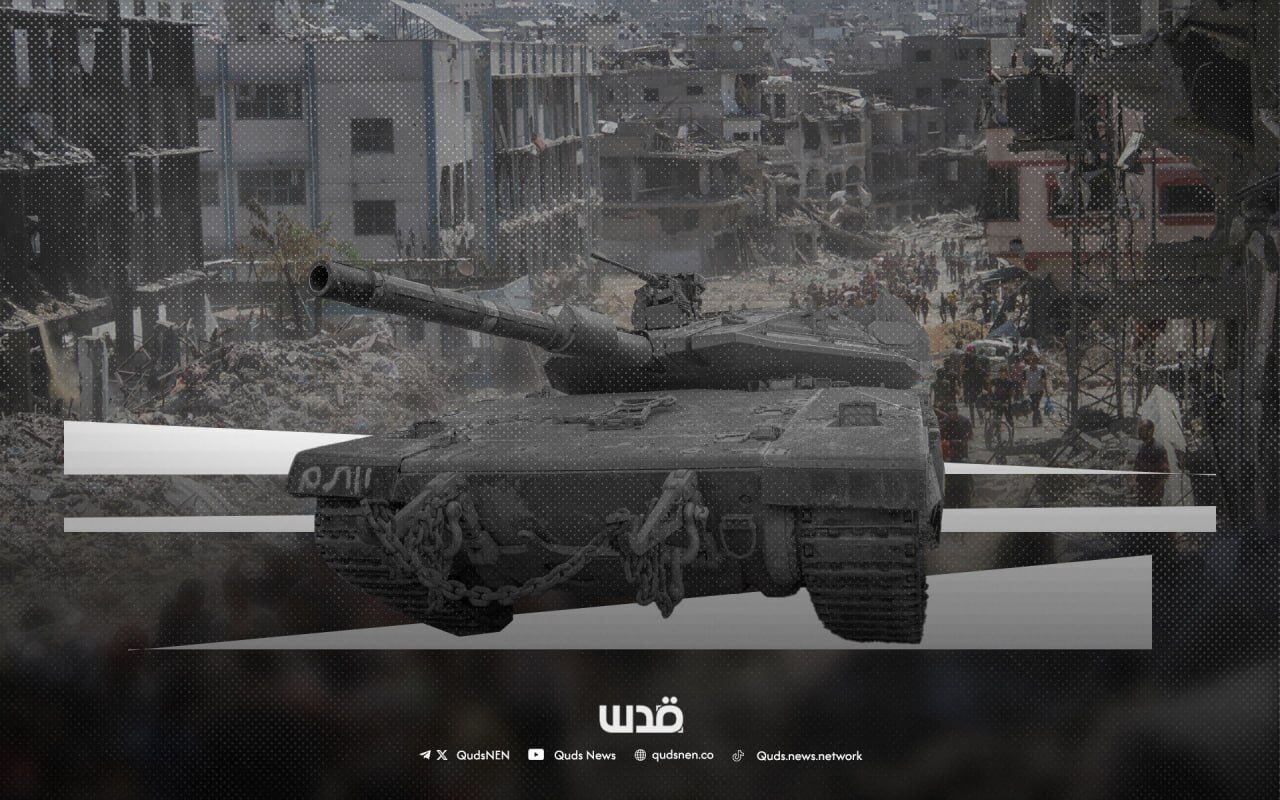
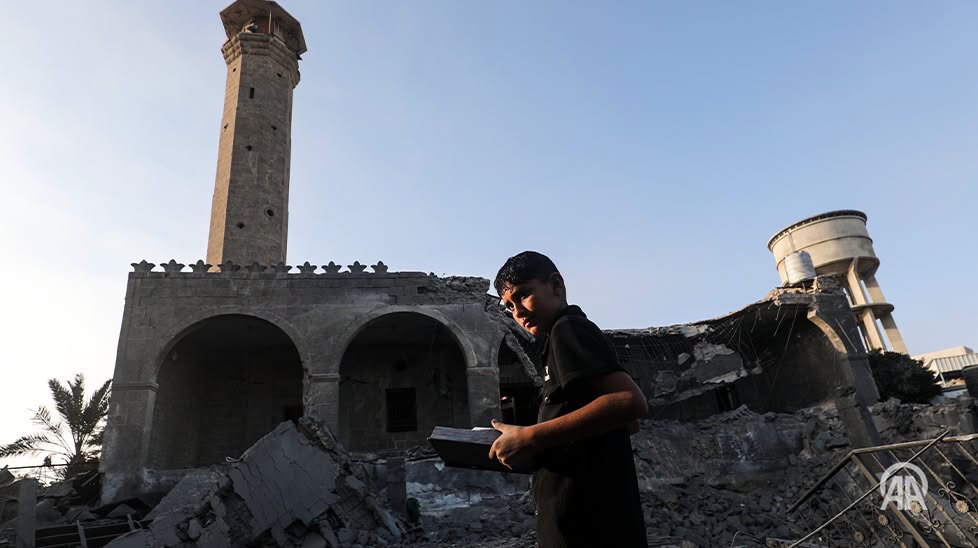
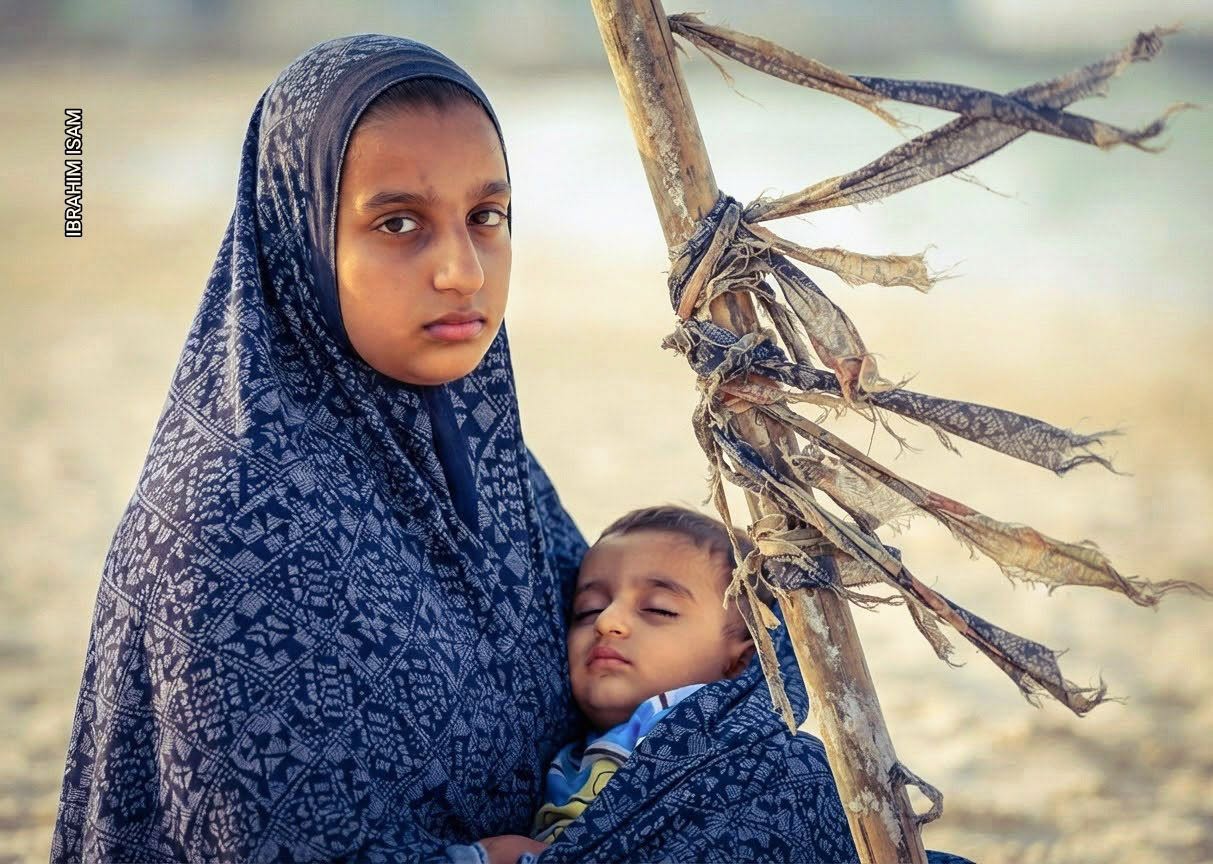
As the war in Gaza enters its second year, the Palestinian enclave is now unrecognizable, with most areas reduced to rubble. The Palestinian death toll exceeds 41,000 while over 95,000 people have been injured, a large number of them facing life-changing injuries. Thousands of people are estimated to be still buried under the rubble.

At the same time, 97 out of 251 people abducted in Israel on 7 October 2023, are still held hostage by Palestinian armed groups in Gaza, denied humanitarian visits. This horrific attack also cost the lives of 815 civilians.

Both Israel and Palestinian armed groups have committed a series of violations of international law resulting in significant civilian harm and the widespread destruction of key infrastructure across Gaza.

Over the last 12 months, each attack against civilians and civilian objects has further undermined the rules of war. This sets a dangerous precedent that threatens the stability and security of the region and beyond.

The devastation in Gaza has been fueled by the supply of foreign weapons from a wide range of States. These arms, including the use of explosive weapons in densely populated areas, have caused staggering levels of civilian harm.

As a result, civilians in Gaza have had nowhere safe to go amid near constant bombardment and ground operations. This was apparent within weeks of the outbreak of war. This is why we at Center for Civilians in Conflict (CIVIC) were among the first organizations to call for a #CeasefireNow.

Nearly 365 days after the start of the war in Gaza, we continue to call for an immediate ceasefire, the protection of civilians, and unfettered humanitarian access.

We now extend this call to Lebanon, where recent strikes have resulted in hundreds of civilian casualties and displaced more than one million people. With nearly 90 percent of Lebanon’s population living in urban areas, Israel’s continued used of heavy explosive in populated neighborhoods will undoubtedly cause further harm to civilians.

We are also gravely concerned about the ongoing retaliatory attacks between the Houthis, Israel, and its allies. These strikes have already targeted vital infrastructure, including power plants and seaports in Yemen, such as the Hodeidah port—a critical lifeline for delivering food and humanitarian aid to the Yemeni population.

With Israeli strikes in Gaza, Lebanon, Yemen, and Syria, as well as Iran’s missile attack against Israel on Tuesday evening, we stress the urgent need for immediate de-escalation across the region to prevent further civilian suffering, which has already reached unbearable levels.

Immediate action is necessary to halt the growing human cost.

We demand:

  • All warring parties to cease all their attacks against civilians and civilian infrastructure, including the designated so-called ‘safe zones’ in Gaza, and to stop violating international humanitarian and human rights laws.
  • The immediate release of hostages and all individuals detained unlawfully in Gaza and Israel.
  • All warring parties to allow unconditional, safe, and unhindered humanitarian access to affected populations.
  • An immediate end to the transfers of arms to Israel and Palestinian armed groups. In particular, we call for an end to US arms transfers to Israel, including the passage of recently introduced US Senate resolutions to suspend sales of weapons documented in extensive civilian harm and repeated apparent violations of international law.
  • All countries and world leaders to use their influence to secure an immediate ceasefire, ensure the protection of civilians and compliance with international humanitarian law, and support de-escalation across the region.
  • All warring parties to stop using explosive weapons in populated areas.
  • International, independent, and transparent investigations into all allegations of violations of international law, and ensure those responsible are held accountable.

It’s now time for international leaders and warring parties to demonstrate political courage and moral leadership, to prevent the world from falling into a state of normalized lawlessness, and to abdicate the double standards.

What has unfolded in Gaza and the region for the last 12 months is unparalleled in its intensity, brutality and scope. The response of global powers to this reality will shape the future of warfare for the better or the worse.

This statement is made by by Hichem Khadhraoui, executive director of the Center for Civilians in Conflict and posted on Reliefweb

Continue reading
Al Duwairi: Attack Shows Strong Iran, Israel’s Intelligence Failure

Military expert Major-General Fayez Al-Duwairi said the latest Iranian attack reflects a new intelligence failure for Israel, stressing it was different from its True Promise attack that took place last April, and reflects seriousness in its response.

The recent attack was carried out from several areas in Iran which reflects good preparation, especially since each batch of the trajectories headed towards specific targets. He noted the missiles used were hypersonic, which reflects Tehran’s seriousness in its response, Al-Duwairi said on Al Jazeera.

The military expert stressed the call by Israeli army spokesman Daniel Hagari for people to leave the underground shelters a few minutes before the Iranian Revolutionary Guard announced the launch of another wave of missiles represents a major intelligence failure on the part of Israel.

Al-Duwairi added this latest attack reflects great coordination for Iran, adding the great silence that preceded the launch is a credit to Tehran as it was different from the attack last April.

Although the results of the strike and its losses are not yet known, Al-Duwairi said the at least 250 missiles cannot but cause losses.

Possibilities of others entering

Israel said it will respond to this attack regardless of the repercussions, while Iran’s UN mission warned any Israeli response to this attack will be met with a devastating response.

The strategic expert pointed out Iran is still committed not to strike any US military bases in Middle East region, and that the Ain al-Assad base was targeted by the Islamic Resistance in Iraq. He said this puts us in a state of great confusion.

He said this latest attack on Israel will lead to the erosion of the strategic gains Prime Minister Benjamin Netanyahu keeps boasting about and in saying he will change the shape of the Middle East.

He pointed out Iran has already sent a clear message that any counterattack to this one will be met with a devastating response, indicating Israel may be subjected to strikes from the Houthi Ansar Allah group in Yemen and from the Lebanese Hezbollah.

Continue reading
Iran Attacks Israel With Ballistic Missiles

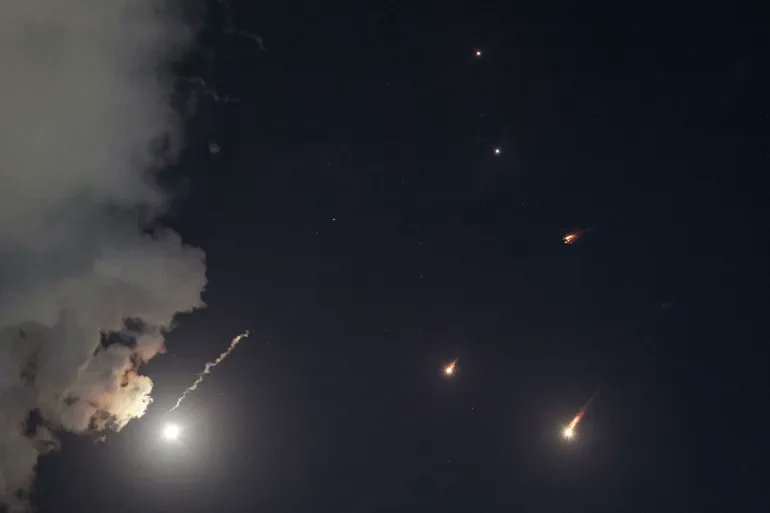
CROSSFIREARABIA – Iran has attacked Israel with ballistic missiles, Tuesday, evening. It was a massive attack coming from different locations in Iran launching missiles that hit Israel at point-blank.

The ballistic missiles argued to be made in two rounds, no more than five minutes within each other, amounted up to 250, although different media sources like Al Jazeera settled on 180 ballistic missiles that directly came across from Iran.

In a preliminary statement, the Islamic Revolutionary Guard Corps (IRCG) said the attack was in response to the assassination of Hamas leader Ismail Haniyeh, Hezbollah leader Hassan Nasrallah, and IRGC Commander Abbas Nilforoshan according to Anadolu.

The social media has been going crazy with commentary and images of the missiles coming in droves over Israel in a first-time development and hit different cities and strategic locations in Israel like Tel Aviv, Ashkelon and the Negev desert.

The Israeli army has been telling its citizens, all-day Tuesday, to stay in or near underground shelters because of the missiles, namely Fadi 4 rockets that were being fired by Hezbollah operatives from across the border.

Just before the blasts media outlets were saying that US intelligence sources were conveying to the Israelis than an attack from Iran was imminent and to be prepared for.

When the massive attack happened however, it was surprise jolts, coming over the Jordan night skies where it was visibly seen and heard.

“This operation is our legal right to defend ourselves,” the Revolutionary Guard pointed out in its statement. Iran’s mission to the United Nations stated that “If Israel dares to retaliate or commits malicious acts, our response will be devastating,” as reported by the Quds News Network.

Continue reading
Israeli Missiles Kill Syrian TV Anchor

Israeli warplanes kill three people in an attack on Damascus, Monday night, it is being reported on news websites and trending on the social media.

One of those killed was Safa Ahmad who worked in the Syrian state television in a attack that hit the Mezzeh neighborhood in Damascus.

The International Federation of Journalists condemned the attack on the female journalist. It stated on its website that it joins with its affiliate, the Syrian Journalists’ Union (SJU) in condemning “the heinous killing, and reiterates that the perpetrators of the deadliest conflict for journalists must be tried before the International Criminal Court, as international law requires that journalists are considered civilians and combatants are obliged to ensure their safety.”

The Syrian capital was subjected to three missile strikes, Monday night, and the death of the anchor was subsequently reported by her employer, the Syrian State Television.

This war has been deadly for journalists. On 24 September Hadi Sayed and Kamel Karaki were killed in Lebanon whilst on 30 September Wafaa Al Udaini was killed in Gaza, making her journalist number 174 to be targeted and killed in the Strip.

Continue reading
‘Stop The Bombs’ – Anti-explosives NGO

The International Network on Explosive Weapons (INEW) is deeply concerned over the increased airstrikes in towns and cities in Lebanon, as well as the rocket attacks launched against Israel.

This devastating escalation in hostilities is causing extensive suffering and harm to civilians. INEW calls on both Israel and Hezbollah to immediately stop the use of heavy explosive weapons in populated areas due to the high risk of harm to civilians, including death and injury as well as devastating humanitarian consequences due to displacement, destruction of housing and damage to critical infrastructure.

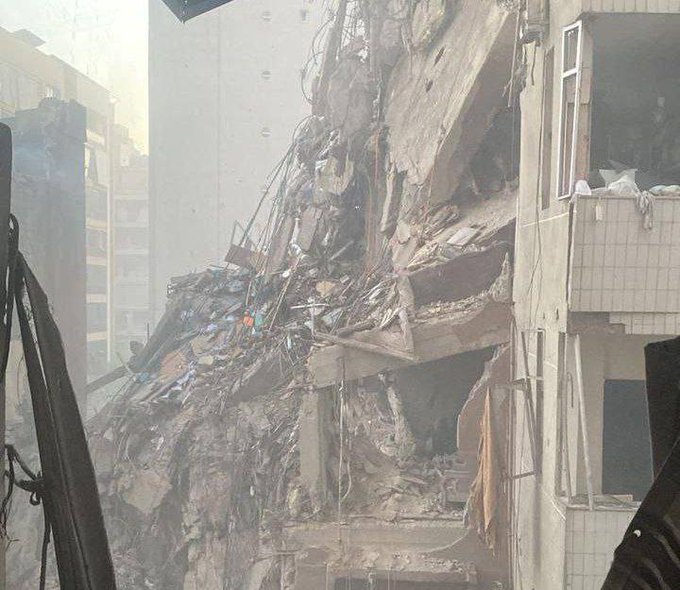
Israel’s aerial bombardment in Lebanon is one of the heaviest air raids in contemporary armed conflict. On 23 September, the Israeli military struck 1,600 targets in airstrikes in 41 towns and cities in Lebanon, according to Israeli military officials. These attacks reportedly killed nearly 600 people, including 50 children, while 1,700 have been injured, according to the Lebanese Ministry of Health. The death toll will continue to rise as it is assumed that people remain trapped under rubble. As bombardment intensifies, tens of thousands of people have fled their communities to find refuge elsewhere. National authorities have reported that more than 90,000 people have been newly displaced.

These attacks come in the wake of escalation from the Israeli-Palestine conflict where over 41,000 Palestinians have been killed and 95,000 injured in the Gaza Strip between 7 October, 2023 and 23 September, 2024, according to the Ministry of Health in Gaza.

The use of explosive weapons in populated areas is the one of leading causes of harm to civilians in armed conflict worldwide. Civilians are killed and injured, with many experiencing life-changing injuries and yet more suffering severe psychological harm and distress. Damage and destruction of vital infrastructure including housing, hospitals and schools causes further harm. Unexploded ordnance poses an ongoing threat to civilians during and long after hostilities have ended, impeding the safe return of refugees and displaced persons.

Israel and Lebanon should join the Political Declaration on Strengthening the Protection of Civilians from the Humanitarian Consequences Arising from the Use of Explosive Weapons in Populated Areas and take steps to immediately implement its commitments, including restricting and refraining from the use of explosive weapons in populated areas when such use is expected to cause harm to civilians and civilian objects.

INEW calls on the 87 states that have endorsed the Political Declaration to make good on their undertaking to “actively promote the Declaration” and to “seek adherence to its commitments” by the parties to the conflict. States that have joined the Political Declaration have done so in recognition of the devastating humanitarian impact that takes place when such use occurs.

Additionally, they have also committed to take action to address civilian harm, including through public statements, as a means to strengthen the protection of civilians, as well as urging to parties to conflict to restrict or refrain from the use of explosive weapons in populated areas, in order to promote the norms and standards that the Declaration seeks to establish.

Action by endorser states to promote the Declaration, and at this time in particular, is vitally needed action to better protect civilians from the effects of explosive weapons and armed conflict.

Reliefweb

Continue reading