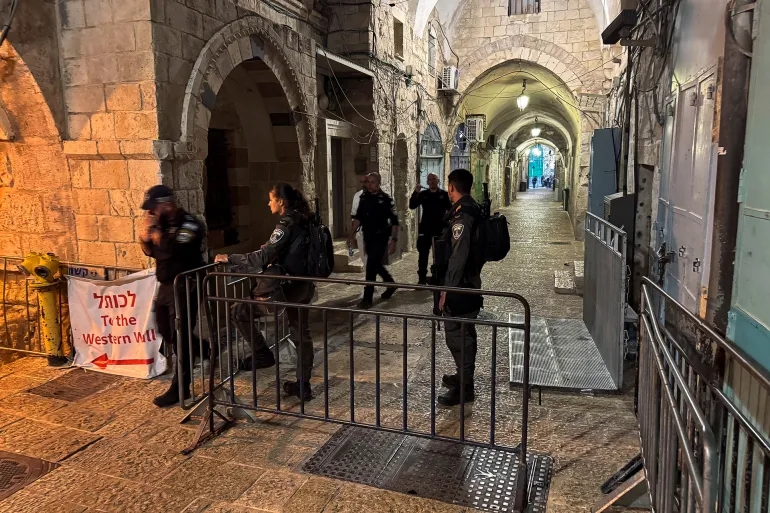
 Israeli Soldiers Enforce Closure of Al Aqsa
 1 in 7 Displaced in Lebanon – NRC
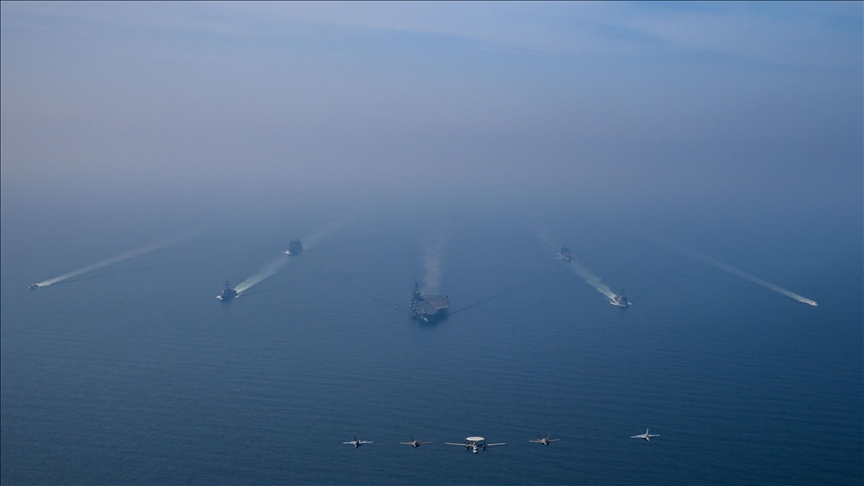 Hormuz: End of an Era of Martime Dominance
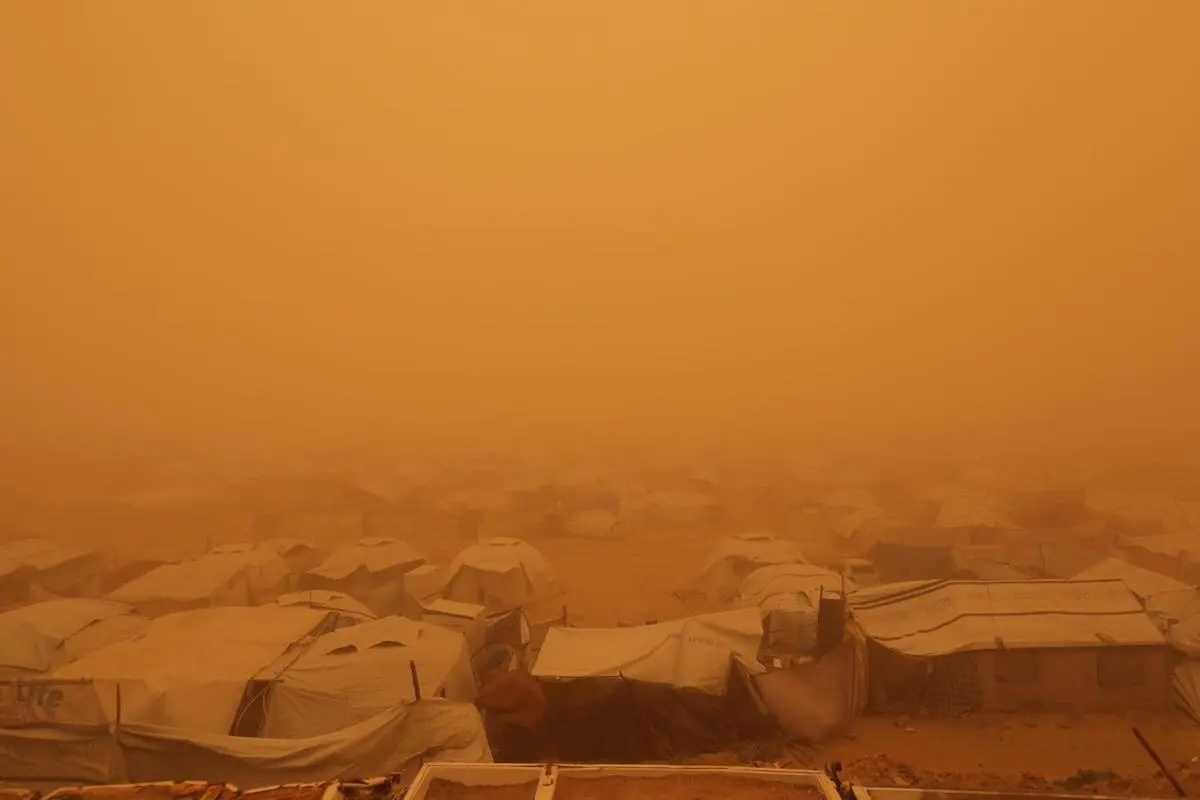 Gaza Faces Massive Dust Storm
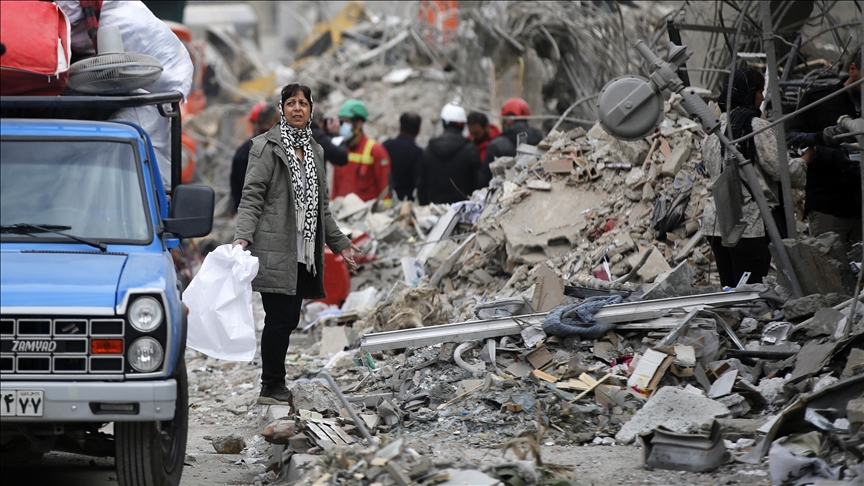 US-Israeli Strikes Kill 503, Injures 5,700 Iranians

Israeli Soldiers Enforce Closure of Al Aqsa
 CrossFireArabia
- March 16, 2026
 CrossFireArabiaCrossFireArabiaCrossFireArabiaCrossFireArabiaCrossFireArabiaCrossFireArabiaCrossFireArabiaCrossFireArabiaCrossFireArabiaCrossFireArabiaCrossFireArabiaCrossFireArabiaCrossFireArabiaCrossFireArabiaCrossFireArabiaCrossFireArabiaCrossFireArabiaCrossFireArabiaCrossFireArabiaCrossFireArabiaCrossFireArabiaCrossFireArabiaCrossFireArabiaCrossFireArabiaCrossFireArabiaCrossFireArabiaCrossFireArabiaCrossFireArabiaCrossFireArabiaCrossFireArabia
 Saleem Ayoub QunaCrossFireArabiaCrossFireArabiaCrossFireArabiaCrossFireArabiaCrossFireArabiaCrossFireArabiaCrossFireArabiaCrossFireArabiaCrossFireArabiaCrossFireArabiaCrossFireArabiaCrossFireArabiaCrossFireArabiaCrossFireArabiaCrossFireArabiaCrossFireArabiaCrossFireArabiaCrossFireArabiaCrossFireArabiaCrossFireArabia
By Abdul Bari Atwan
They truly don’t know Iran. By this, I mean the Israelis and the US, and even some Arab leaders, none of whom dared to condemn the aggression. But the aggression entered its sixth day without the regime falling, and/or the new interim leadership rushing to the nearest negotiating table to surrender. The following factors need to be considered.
The battlefields:
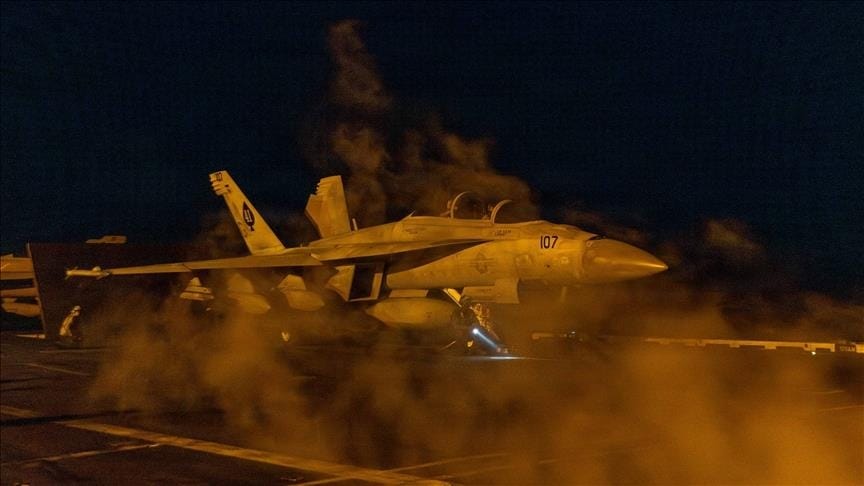
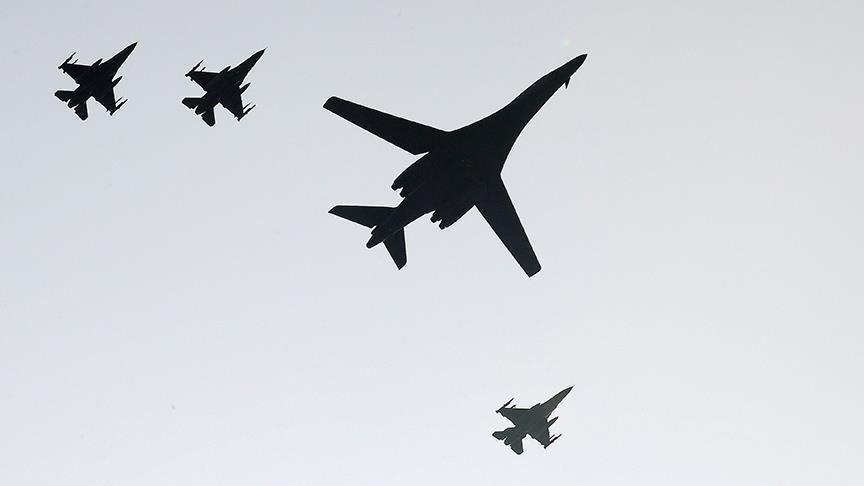
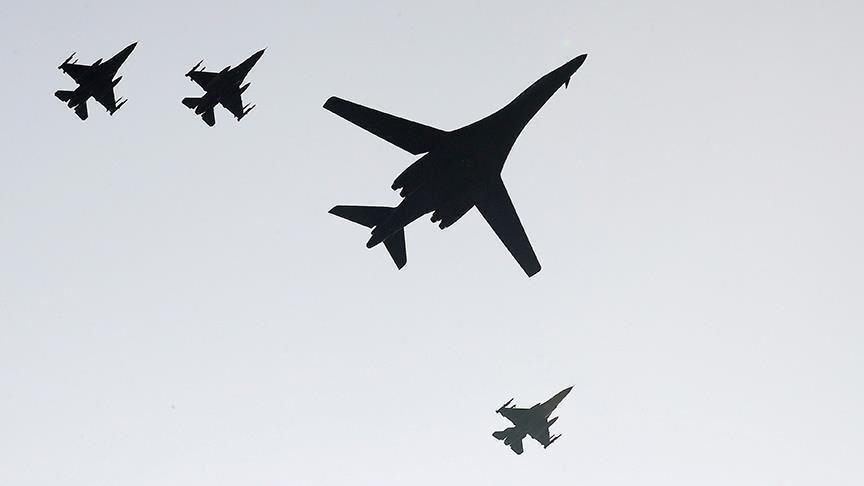
First: The downing of an advanced American fighter jet, the F-15, by Iranian missiles in the west of Iran, a firstever development. This suggests the Iranian military leadership may have developed new missiles capable of achieving this feat, or they acquired them from their Chinese and Russian allies, or both, particularly the Russian S-400 and S-500 missile systems.
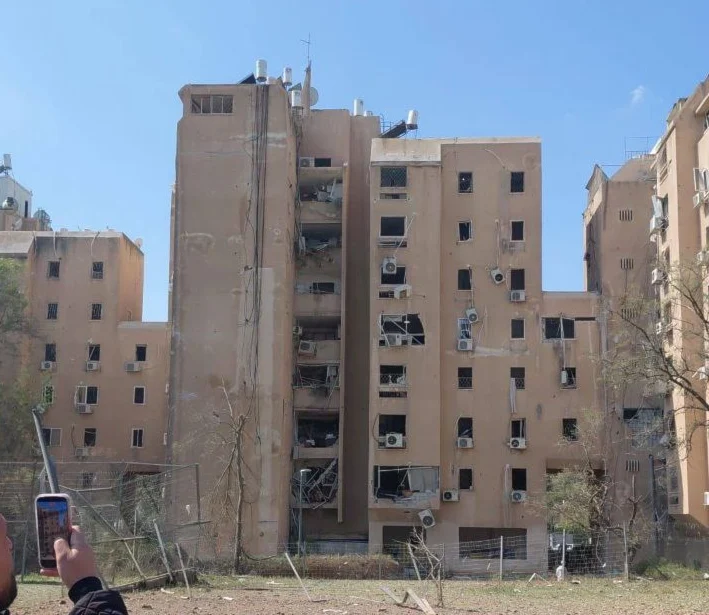
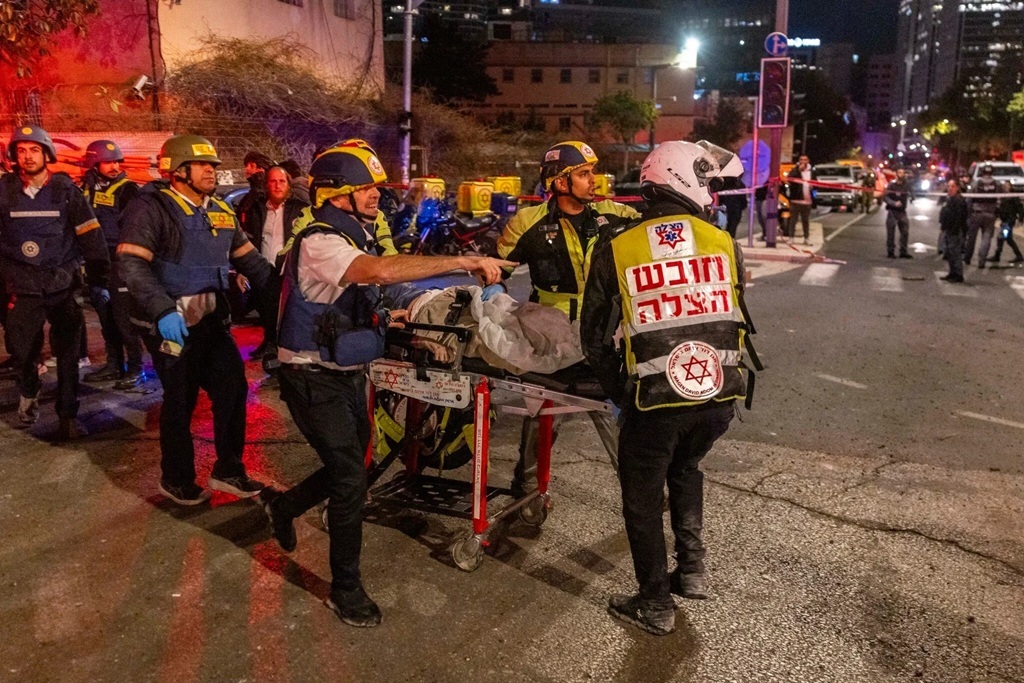
Second: The entry of Hezbollah’s ballistic missiles into the arena, striking deep inside Israel, specifically Tel Aviv and Haifa, for the first time after 15 months of restraint and the rebuilding of its military arsenal, and/or what was destroyed during the Israeli aggression. This means that no area in the Zionist entity will be safe.
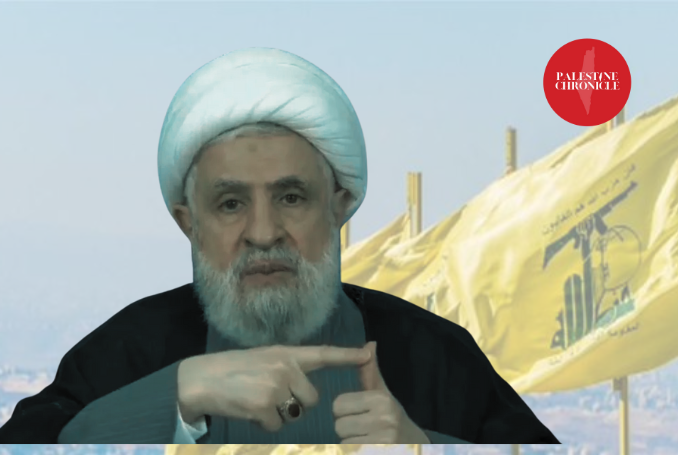
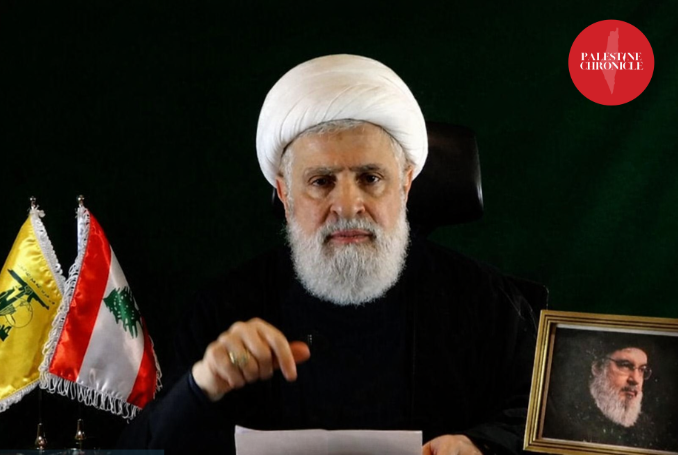
Third: The fiery speech delivered by Sheikh Naim Qassem, Secretary-General of Hezbollah, containing strong unprecedented tone statements most notably: “We will not surrender and we will defend our land, no matter the sacrifices and despite the disparity in capabilities. We will not surrender.”
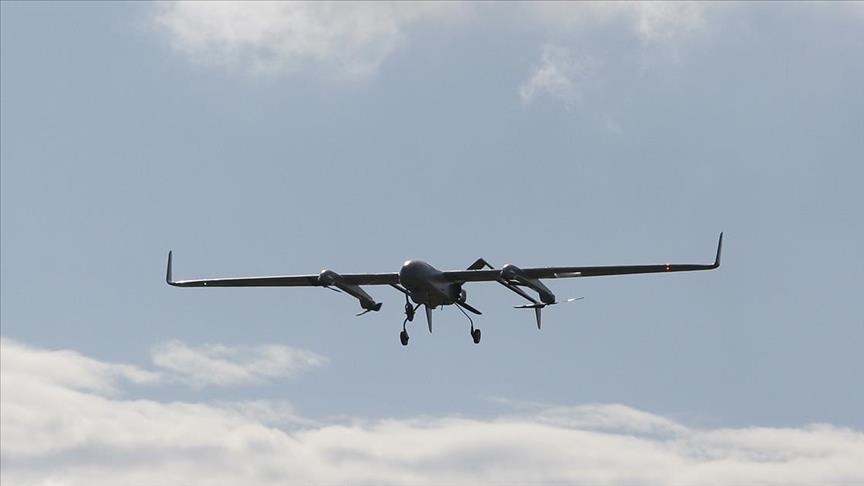
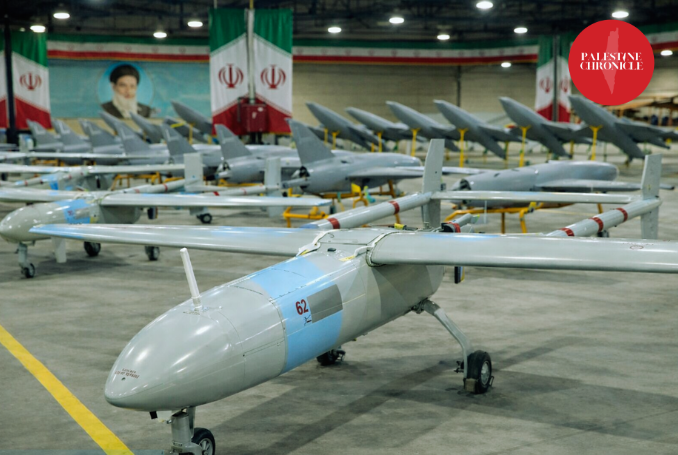
Fourth: The introduction of the fastest “infiltrating” drone into the Iranian Air Force for the first time. Named “Hadid 110,” it has a speed of 517 km/h and, according to Western military experts, is considered more efficient than its sister drone, “Shahed,” which performed well deep inside Israel. Its production costs only $35,000, while shooting it down costs $4 million.
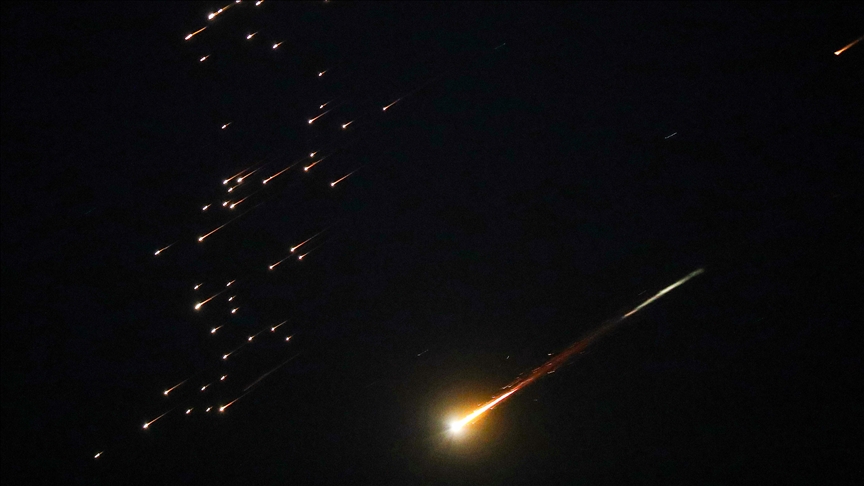
Fifth: Every day of resistance by the Iranian army and people costs the occupying state approximately $1 billion. As for America, the costs of the war has already nearly spiralled to $160 billion in the first six days. These preliminary estimates are likely to rise, especially after the bombing of aircraft carriers and the destruction of warships, the increasing number of dead and wounded, the largest military buildup since the Iraq War, and the rise in energy prices.
Sixth: The fulfillment of the promise to close the Strait of Hormuz, which means delivering two fatal blows. The first is to the Western economy because oil and gas prices would likely reach record-breaking figures, and the second, for the Arab states who host the US military bases. Closing the Strait means preventing their oil and gas exports from reaching global markets, and the losses will increase while oil and gas revenues decrease depending on the war’s duration and developments.
The Iranians wanted from the outset a regional war of attrition with no end in sight in direct opposite to the new American warefare military doctrine, which aims for short, swift, and clean wars (without American casualties). The Iranians resolved to bomb all those cooperating with the aggression in the region. This new Iranian theory was best and most clearly expressed by Sheikh Naim Qassem when he called on the Israeli army to prepare for many days of fighting with all available means.
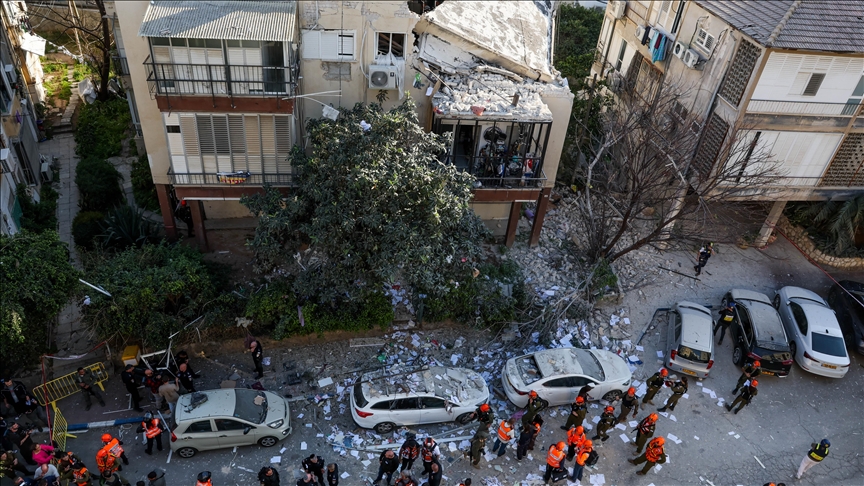
Defeat, surrender, and raising the white flag, individually or collectively, have no place in the Iranian military and political lexicon. In the first six days, the Iranian army launched 500 hypersonic missiles with multiple cluster warheads and more than 2,000 drones, resulting in the displacement of more than 7 million settlers to shelters and tunnels, and the destruction of large parts of Tel Aviv and Haifa.
Neither the 47-year-long starvation siege, nor three Israeli-American aggressions within a few years, nor the incitement of popular protests and the planting of spies among the protesters, nor the deployment of aircraft carriers and warships, nor inflation and the collapse of the national currency, succeeded in defeating the mighty and unwavering Iranian will, and consequently, in toppling or changing the regime.
Our proof is they baffled the Americans in negotiations that lasted more than two years in Vienna and in several other Arab and European capitals, and they never conceded. They rejected all American conditions, starting with halting enrichment and handing over 460 kilograms of highly enriched uranium, and even refusing to allow the inclusion of the Iranian missile industry or severing ties with resistance factions on the negotiating table.
Yes, arrogance, conceit, and the unfortunate complicity of some Arabs blinded them to the true nature of Iran, and they will pay a very heavy price, the most prominent feature of which will be the destruction of all Israeli gas infrastructure. In the Mediterranean, water and electricity stations, and the lack of distinction between settler and soldier, many assumptions have changed after the massacre of the children’s school in southern Iran… and time will tell.
This opinion was written in Arabic by the chief editor of Alrai Al Youm Abdul Bari Atwan and translated for crossfirearabia.com
CrossFireArabia
Hezbollah’s entry into the war reflects strategic calculations shaped by Israeli escalation, regional alliances, and Lebanon’s fractured politics.
Hezbollah’s decision to enter the ongoing regional confrontation did not occur in isolation. The latest escalation began when the United States and Israel launched major strikes against Iran, triggering waves of Iranian retaliation across the region.
The conflict quickly expanded beyond Iran itself. Iranian retaliatory strikes targeted US military assets and positions across the Gulf. The war rapidly assumed the character of a wider regional confrontation involving multiple actors aligned along competing geopolitical blocs.
Within this context, attention turned to Lebanon, where Hezbollah—one of the most powerful non-state actors in the Middle East—began limited military operations against Israeli positions along the border.
The central question quickly emerged: Why did Hezbollah enter the war?
The answer lies in a combination of military, political, and strategic considerations that go far beyond the immediate battlefield.
A central claim advanced by Israel and some Western governments – and even anti-Hezbollah factions in Lebanon itself – is that Hezbollah’s actions represent a violation of the ceasefire arrangements that followed previous rounds of conflict along the Lebanese border.
However, the reality on the ground presents a far more complex picture.
For months, Israel has carried out continuous violations of Lebanese sovereignty through airstrikes, drone surveillance, artillery fire, and cross-border incursions.
According to Lebanese government figures and reports by the United Nations Interim Force in Lebanon (UNIFIL), Israel has committed thousands of violations of Lebanese airspace and territory since the ceasefire arrangements took effect.
Lebanese officials have repeatedly documented Israeli overflights, drone operations, and missile strikes inside the country. UNIFIL has also confirmed frequent violations of Lebanese airspace by Israeli aircraft.
These actions have not been merely symbolic. Israeli strikes have caused civilian casualties and extensive destruction of homes and infrastructure in southern Lebanon.
Villages near the border have experienced repeated bombardments, forcing families to flee and damaging agricultural land and civilian property.
At the same time, Israeli officials have openly signaled that they have no intention of withdrawing fully from Lebanese territory or halting military operations.
Several Israeli leaders have stated publicly that Israel intends to maintain military pressure on Hezbollah and potentially establish a longer-term security presence along the border.
In this context, Hezbollah’s response—limited strikes against Israeli military positions—cannot easily be framed as the violation of a functioning ceasefire.
Rather, Hezbollah and its allies argue that no real ceasefire existed, given the scale and persistence of Israeli violations.
Another argument advanced by critics inside Lebanon is that Hezbollah’s intervention undermines national consensus and drags the country into a war it cannot afford.
Lebanon’s government, which maintains close ties with Western governments and the United States, has repeatedly blamed Hezbollah for escalating tensions.
However, the government has struggled to provide a convincing explanation of how it interprets Israel’s continued attacks on Lebanese territory.
While condemning Hezbollah’s actions, Lebanese authorities have largely failed to respond militarily—or even diplomatically in an effective way—to Israeli strikes.
The Lebanese state has not fired a single bullet at Israeli forces despite repeated attacks inside its territory. This has deepened the political divide within Lebanese society.
Lebanon has long been fractured along sectarian, ideological, and geopolitical lines. Some factions align closely with Western and Gulf states, while others view themselves as part of the Axis of Resistance, which includes Iran, Hezbollah, Ansarallah in Yemen, Palestinian resistance factons and several Iraqi factions.
Within this divided political landscape, there has never been a unified national consensus regarding confrontation with Israel.
For many Lebanese—particularly in communities that have historically borne the brunt of Israeli attacks—Hezbollah’s military posture is viewed as a form of deterrence rather than escalation.
Hezbollah’s decision to join the conflict appears to reflect a broader strategic calculation.
From Hezbollah’s perspective, the Israeli war was likely to expand regardless of its immediate actions.
Israeli leaders have repeatedly declared their intention to reshape the regional balance of power and weaken Iran and its allies.
For Hezbollah, the prospect of Iran being significantly weakened carries profound implications.
If Iran’s position in the region were severely damaged, Hezbollah could find itself facing Israel largely alone—while simultaneously confronting pressure from the United States, Western governments, and regional Arab powers aligned with Washington.
In such a scenario, Hezbollah could be isolated militarily and politically.
Entering the war now, while Iran remains actively engaged and regional allies are mobilized, allows Hezbollah to operate within a broader coalition rather than as an isolated actor.
It also ensures that Hezbollah retains influence over the eventual diplomatic outcome of the conflict.
Wars in the Middle East often conclude not with decisive military victories but through negotiated exits once the architects of war decide to pursue a political strategy.
By participating in the conflict, Hezbollah guarantees that it will have a seat at the negotiating table when such an exit strategy eventually emerges.
Some analysts have framed the current coordination between Iran, Hezbollah, Ansarallah, and Iraqi factions as the “rebirth” of the Axis of Resistance.
But the reality may be more nuanced.
The Axis of Resistance was never destroyed. Instead, each actor within it has often had to adapt to its own domestic political realities.
Hezbollah operates within Lebanon’s complex sectarian political system. Iraqi factions must navigate Baghdad’s fragile state institutions. Ansarallah governs large parts of Yemen under conditions of war and blockade. Hamas remains focused on defeating the Israeli-US scheme aimed at disarming resistance and ethnically cleansing Palestinians from Gaza,
These differing political contexts often limit how openly each actor can coordinate with the others. Yet recent developments suggest that the axis is functioning in a coordinated manner.
Iranian strikes across the region, Ansarallah’s operations in the Red Sea, and Hezbollah’s engagement along the Lebanese border indicate a level of strategic alignment.
The current conflict has therefore revealed not the rebirth of the axis but its continued operational existence.
Hezbollah’s intervention reflects a calculated strategic move rather than an impulsive escalation.
Israel’s continued military pressure on Lebanon, combined with the wider war against Iran, created conditions in which Hezbollah perceived long-term risks in remaining passive.
By entering the conflict in a limited but coordinated manner, Hezbollah seeks to shape the strategic environment before the war reaches a stage where diplomatic negotiations become inevitable.
In doing so, Hezbollah is signaling that the future of Lebanon—and the broader regional balance of power—cannot be determined without its participation.