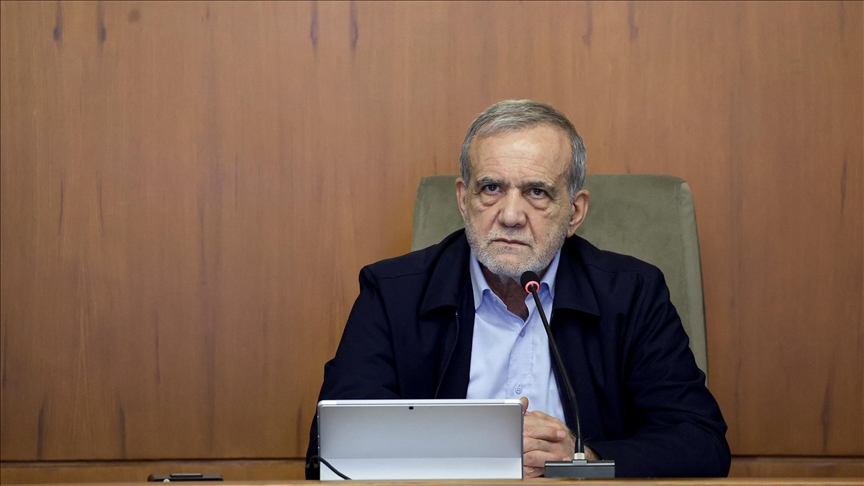
 Pezeshkian: ‘Iran Will Not Surrender to Bullies’
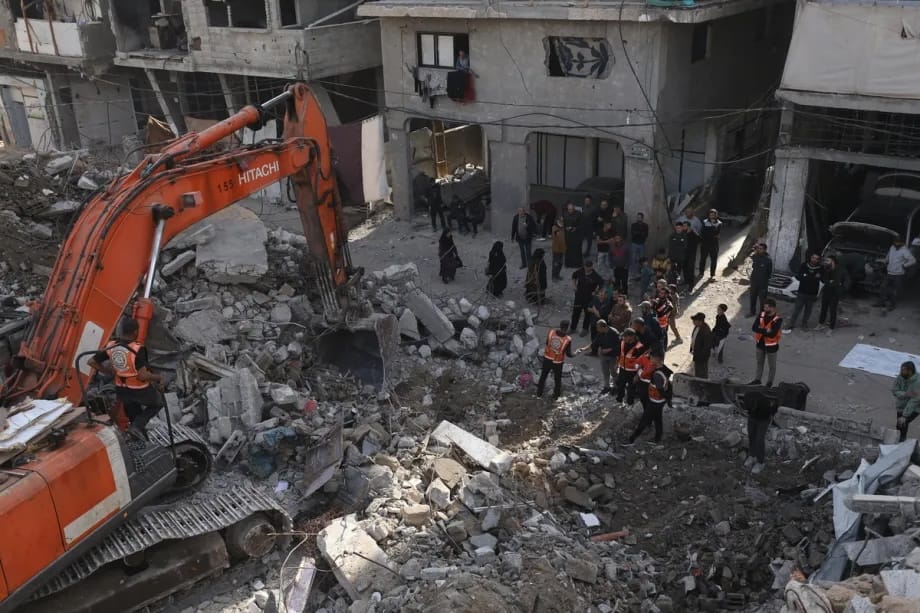
 Israeli Soldiers Enforce Closure of Al Aqsa
 1 in 7 Displaced in Lebanon – NRC
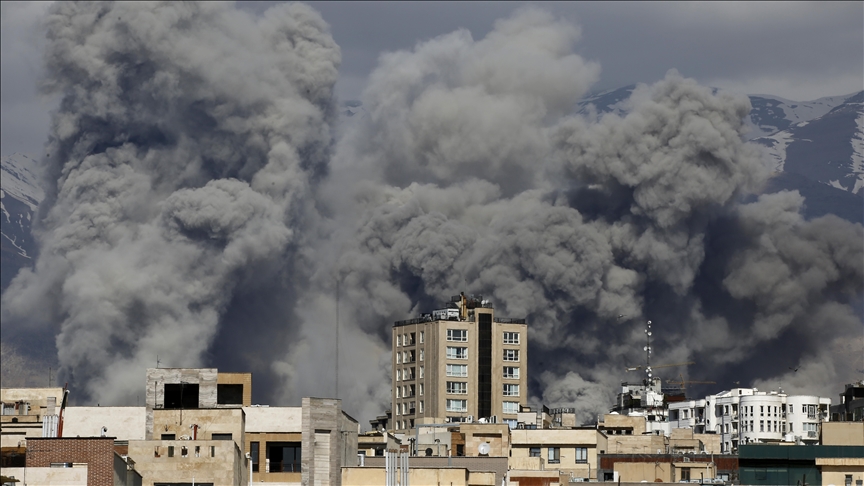
 Hormuz: End of an Era of Martime Dominance
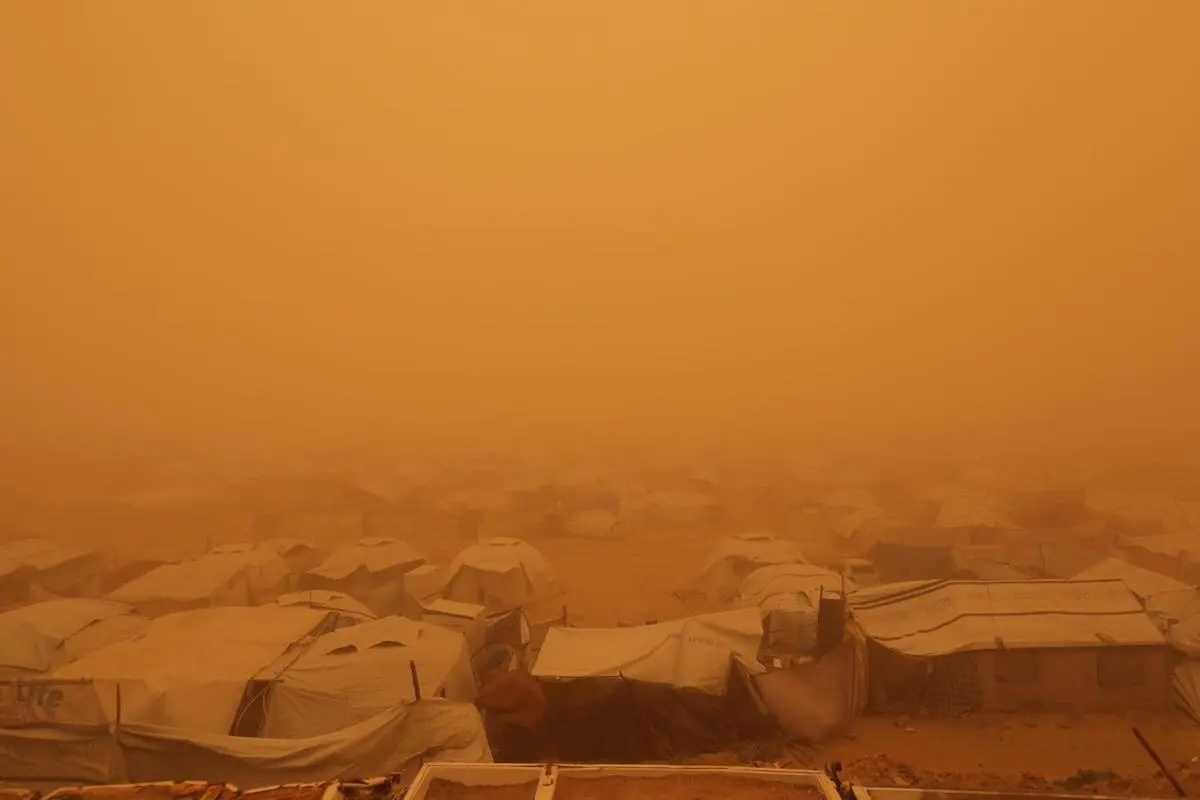 Gaza Faces Massive Dust Storm




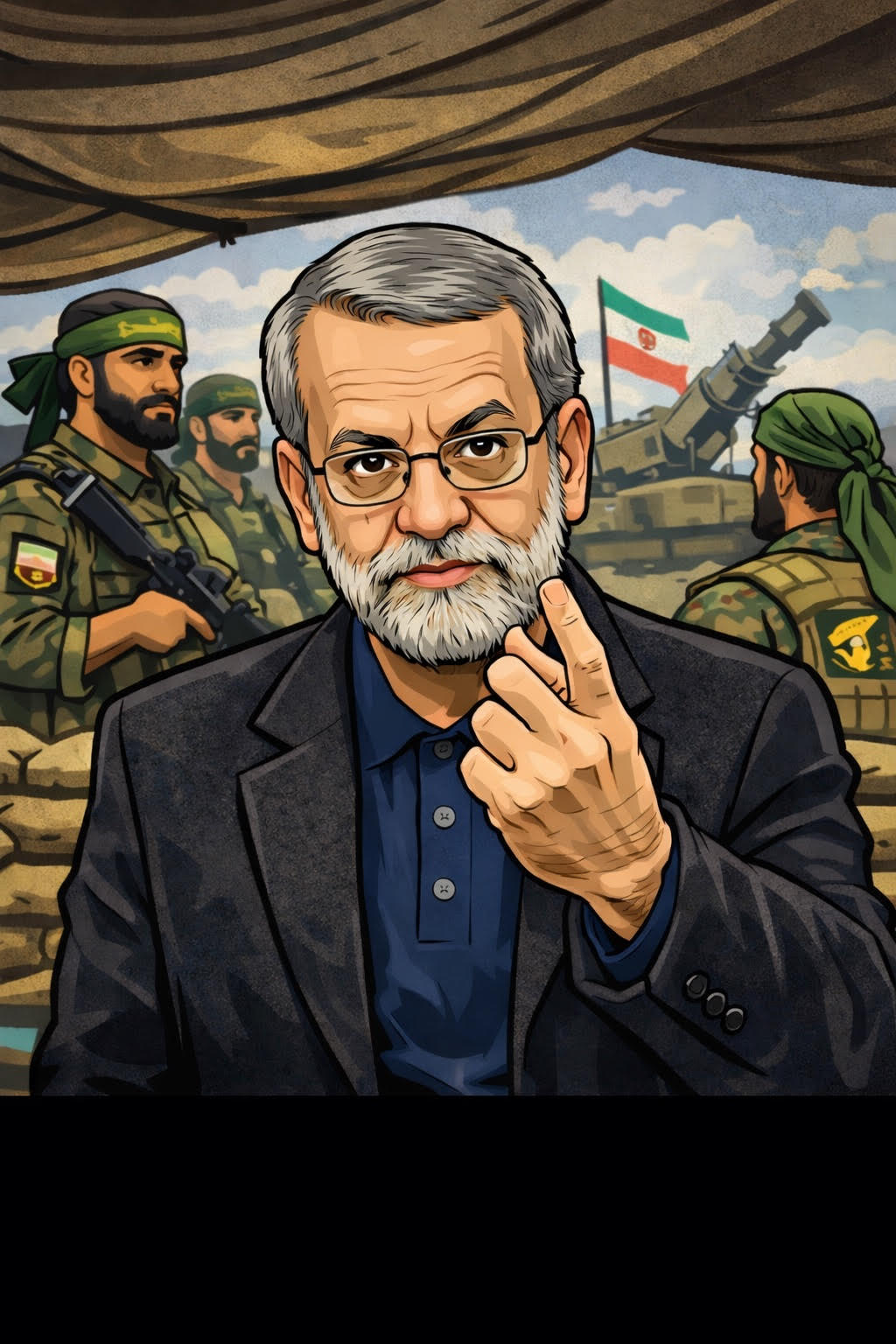
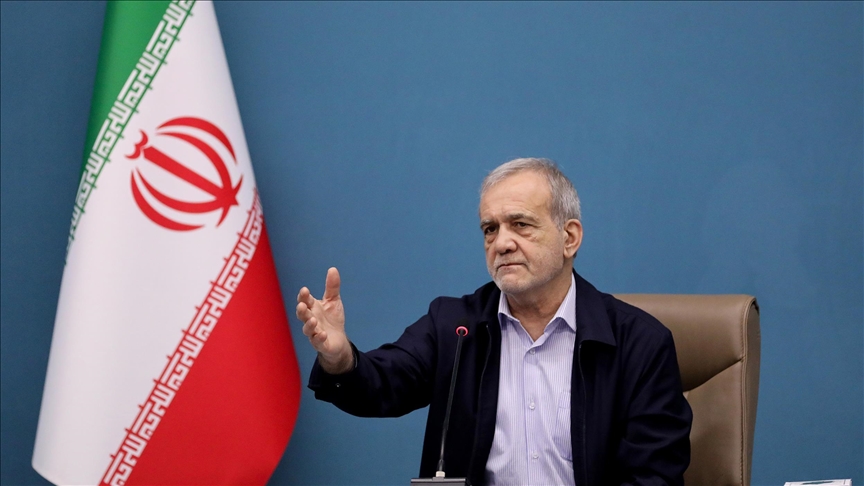
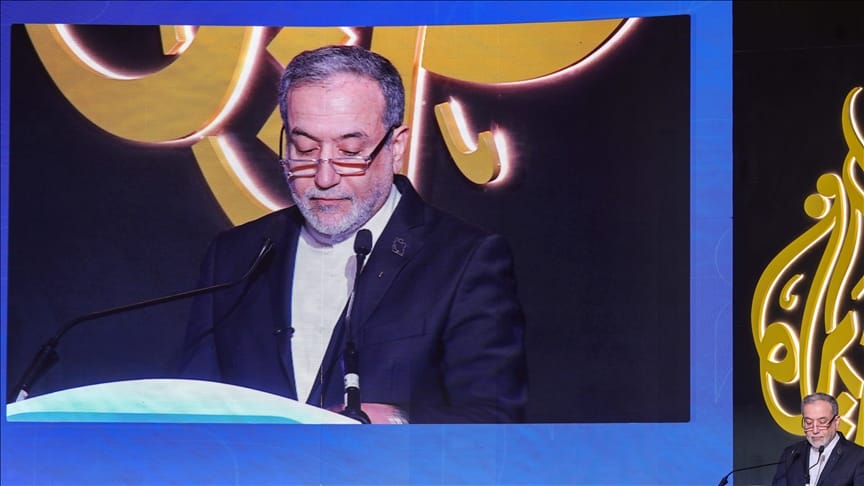
Pezeshkian: ‘Iran Will Not Surrender to Bullies’
 CrossFireArabia
- March 16, 2026
 CrossFireArabiaCrossFireArabiaCrossFireArabiaCrossFireArabiaCrossFireArabiaCrossFireArabiaCrossFireArabiaCrossFireArabiaCrossFireArabiaCrossFireArabiaCrossFireArabiaCrossFireArabiaCrossFireArabiaCrossFireArabiaCrossFireArabiaCrossFireArabiaCrossFireArabiaCrossFireArabiaCrossFireArabiaCrossFireArabiaCrossFireArabiaCrossFireArabiaCrossFireArabiaCrossFireArabiaCrossFireArabiaCrossFireArabiaCrossFireArabiaCrossFireArabiaCrossFireArabiaCrossFireArabiaCrossFireArabia
 Saleem Ayoub QunaCrossFireArabiaCrossFireArabiaCrossFireArabiaCrossFireArabiaCrossFireArabiaCrossFireArabiaCrossFireArabiaCrossFireArabiaCrossFireArabiaCrossFireArabiaCrossFireArabiaCrossFireArabiaCrossFireArabiaCrossFireArabiaCrossFireArabiaCrossFireArabiaCrossFireArabiaCrossFireArabiaCrossFireArabia
As the Islamic holy month of Ramadan set to start next week, Palestinians in the Gaza Strip are preparing to mark the fasting month by reviving the tradition of making Qatayef on makeshift wood-fired stoves.
In Gaza, the arrival of the holy month is not counted in days, but sensed in the aroma of this classic Palestinian dessert once again filling the markets after two years of devastating war.
In the “Garage Rafah Market” in the city of Khan Younis in southern Gaza, which used to be crowded with shoppers before the Israeli war, a number of shop owners are trying to revive their businesses as the fasting month approaches. Among them are Qatayef makers who have returned to lighting wood stoves amid the rubble.
In the middle of widespread destruction and near areas still occupied by Israel east of the city, shop owners continue their work under difficult conditions, including shortages of fuel and gas.

Deep-rooted Ramadan tradition
With more than 20 years of experience, Salim Al-Bayouk — known as the “King of Qatayef” in the market — continues to prepare the dessert by hand despite scarce resources and the lack of basic materials.
Bayouk, 54, told Anadolu that he began the business in the city of Rafah before moving to Khan Younis after Israel occupied the city, expressing his determination to continue despite the difficult circumstances.
Qatayef is considered “the queen of Ramadan desserts” among Palestinians, distinguished by its ease of preparation and low cost. It consists of a small pancake filled with nuts, cheese, or dates, then baked and soaked in sugar syrup.
Bayouk said during Ramadan, his work primarily depends on cooking gas, requiring about 25 kg daily. However, supply shortages have forced him to rely on wood in order to continue his profession.
Since a ceasefire agreement came into effect in October, Israel has allowed limited quantities of cooking gas into Gaza, while the enclave needs 20 truckloads daily, according to local officials.
Despite shortages and rising operating costs, Palestinians insist on continuing, rejecting displacement and holding fast to Ramadan traditions they refuse to let disappear from their city.
Bayouk said he reduced the price per kilogram to 10 shekels (about $3) and provides work for 10 to 15 workers during the season, emphasizing his commitment to remain despite the damage to his shop and his reliance on makeshift repairs.
Hundreds of other Palestinians across different parts of the Gaza Strip also continue this seasonal profession among tents, narrow alleys, and crowded camps.
They set up makeshift stoves and light wood fires to compensate for gas shortages, attempting to revive a Ramadan ritual they are accustomed to despite the restrictions.

Basic dish
For his part, Saeed Khalaf, 38, said that the street where the market is located used to be packed with shoppers before the war, and it was nearly impossible to walk through due to the crowding.
“Qatayef remains a basic dish on every family’s Ramadan table,” Khalaf said, expressing hope for the restoration of normal life, and the actual implementation of the second phase of the ceasefire deal.
The ceasefire ended an Israeli offensive that began in October 2023 and lasted two years, killing over 72,000 Palestinians and wounding over 171,000 others, while destroying about 90% of Gaza’s infrastructure.
Despite the ceasefire deal, the Israeli army has continued to violate it, killing at least 591 Palestinians and injuring more than 1,578 others, according to Gaza’s Health Ministry
The US announced in mid-January the launch of the second phase of the agreement after delays, saying the plan includes further Israeli troop withdrawals, transitional governance arrangements for Gaza, and the start of reconstruction efforts.
By Serdar Dincel for Anadolu
CrossFireArabia
Israeli Prime Minister Benjamin Netanyahu returned from Washington without the outcome he had clearly hoped for, or the outcome he had led his domestic audience to expect in the days before the trip.
The visit, hastily moved up by a week and framed by Netanyahu as urgent and decisive, ended with a brief, anodyne statement from his office. There was no joint appearance, no press conference, and no public declaration of alignment with President Donald Trump on Iran.
When Netanyahu met with Trump at the White House on Wednesday, Iran was top of the Israeli PM’s agenda. And on his way back to Israel, Netanyahu said he had made his feelings clear – “not hide my general scepticism about the possibility of reaching any agreement with Iran”.
For a leader who typically amplifies diplomatic achievements and personal rapport with American presidents — from his 2015 address to Congress opposing the Obama administration’s Iran deal to his close partnership with Trump during the Abraham Accords — the restraint was striking.
President Trump, for his part, said “nothing definitive” had been decided.
The White House made clear that negotiations with Iran remain ongoing following the first exploratory round of US–Iran talks aimed at testing parameters for a possible new nuclear framework.
That, in itself, was the headline Netanyahu had hoped to prevent.
Meeting defined by what didn’t happen
Netanyahu arrived in Washington, saying he would present Israel’s “guiding principles” for negotiations with Iran.
But there was nothing fundamentally new in those principles — nor in the message he delivered.
For more than three decades, Netanyahu has framed Iran as an existential threat to Israel, warning of its nuclear ambitions in international forums, including at the United Nations General Assembly in 2012, where he famously drew a red line on a cartoon bomb.
His objectives have been consistent: weaken Iran by any means available; prefer regime change if possible; and, failing that, ensure Iran is permanently deprived of nuclear capabilities and long-range missiles.
After last year’s direct, unprovoked Israeli attack on Iran, missile capabilities have become even more central to Israel’s demands.
In Washington, Netanyahu pushed a maximalist position:
He also opposes any ‘sunset clause’ seeking permanent restrictions that would entrench Israel’s strategic dominance in the region.
None of this aligns with the trajectory of US–Iran diplomacy.
While the Trump administration has yet to spell out the precise parameters of a potential agreement, early signals from Washington point to a more limited objective than Israel has been demanding.
The focus appears to be on extending Iran’s nuclear breakout timeline and preventing weaponisation — rather than eliminating uranium enrichment altogether or dismantling Iran’s ballistic missile programme.
In effect, the White House seems to be testing whether an imperfect but enforceable deal is achievable before turning to escalation.
That approach reflects a calculation that containing Iran’s nuclear advances, even partially, may be preferable to the risks of confrontation or military action.
At the same time, President Trump has sharpened his rhetoric.
He reiterated his commitment to negotiations but paired it with a stark warning: if Iran fails to reach a nuclear deal with Washington, the outcome would be, in his words, “very traumatic”.
For the first time, Trump also attached a timeframe to that ultimatum, suggesting that diplomacy has a limited window — roughly the next month — before consequences follow.
The message from Washington is deliberate ambiguity: diplomacy remains the preferred path, but the clock is now publicly ticking.
The timing of Netanyahu’s trip is critical. Netanyahu advanced the visit shortly after the first round of US–Iran talks, signalling urgency — and concern.
Israeli officials feared momentum: that negotiations might move ahead before Israel could shape their parameters.
That fear appears well-founded. While Trump continues to issue rhetorical threats toward Iran, his actions suggest a preference for testing diplomacy before escalating militarily.
Domestic pressures and political stakes
Netanyahu’s urgency is also driven by domestic considerations.
His governing coalition faces mounting pressures, including disputes over military conscription exemptions for ultra-Orthodox parties, budget constraints linked to prolonged wartime expenditures, and ongoing public dissatisfaction following the October 7 attacks and subsequent regional escalation.
A dramatic confrontation with Iran — or even the perception that he is leading one — would be politically transformative.
Iran remains one of the few issues in Israel that still commands near-consensus across coalition and opposition lines.
Netanyahu knows that. He has long positioned himself as the indispensable guardian against Tehran, and he needs to show Israeli voters that Washington remains closely aligned with him.
That explains the repeated emphasis, aimed at domestic audiences, on “coordination” with the US — even when public evidence of such coordination is thin.
According to Israeli assessments, Netanyahu brought intelligence to Washington intended to cast doubt on Iran’s intentions, including claims that Tehran is stalling negotiations, continuing executions, and refusing to engage seriously on missiles.
But if this intelligence was meant to derail diplomacy, it appears not to have succeeded.
Trump’s team — including Steve Witkoff, Jared Kushner, Marco Rubio, and others — listened.
But the White House has not embraced Israel’s conclusion that negotiations are futile.
Instead, it appears determined to test whether a deal is possible, even if imperfect. That leaves Israel preparing for an alternative outcome.
The prevailing assessment in Israel is that talks may ultimately fail — either because Iranian demands prove incompatible with US red lines, or because Israel’s demands make an agreement politically or technically impossible.
That is precisely why Netanyahu insists on keeping the military option alive.
Behind closed doors, the three-hour meeting likely went beyond negotiating positions to contingency planning: what happens if talks collapse, how far Israel can act independently, and what level of US support or tolerance it might expect.
Israel’s core demand remains unchanged: freedom of action.
Despite public expressions of unity, Netanyahu and Trump are approaching Iran from different strategic premises.
Trump appears to value flexibility and leverage, using the prospect of force to extract concessions while keeping diplomatic channels open.
Netanyahu seeks permanence: structural constraints that prevent Iran from re-emerging as a threshold nuclear power under any future political configuration.
What binds them — at least for now — is political self-interest. Both prefer to avoid public confrontation. Both face domestic calculations. And both understand the risks of escalation.
For Netanyahu, however, the Washington visit underscored an uncomfortable reality: Israel can influence US policy, but it does not control it.
Diplomacy is moving forward — whether Israel likes it or not. – TRTWorld
CrossFireArabia
Top Indian writer Arundhati Roy has pulled out of the Berlin International Film Festival (Berlinale) after criticizing “unconscionable statements” by members of the festival jury, who said that art should not be political when asked about the Israeli genocide in Gaza.
Roy had been scheduled to attend a screening of her 1989 film In Which Annie Gives It Those Ones in the Classics section of Berlinale 2026.
In a strongly worded statement, Roy said the selection of the film had initially filled her with warmth and nostalgia. She noted that she had long felt disturbed by the positions of the German government and several cultural institutions on Palestine. Still, she said she had consistently received solidarity from German audiences when speaking about Gaza, which encouraged her to consider attending the festival.
However, Roy said she changed her decision after hearing comments from members of the Berlinale jury earlier that day.
“Like millions of people across the world, I heard the unconscionable statements made by members of the jury of the Berlin film festival when they were asked to comment about the genocide in Gaza,” Roy wrote.
She described labeling the genocide a political issue then insisting that art should remain separate from politics as “jaw-dropping.” She added that such framing shuts down urgent conversations about a crime against humanity.
Roy stated clearly in her message that she believes events in Gaza amount to genocide against Palestinians by Israel. She further added that the United States and Germany, along with several European governments, support and fund Israel and therefore share responsibility.
“If the greatest film makers and artists of our time cannot stand up and say so, they should know that history will judge them,” she wrote, adding that she felt “shocked and disgusted.”
Roy concluded her statement by confirming that, “with deep regret,” she would not attend the Berlinale.
The controversy emerged after journalists asked Berlinale jury members to comment on the genocide in Gaza and Germany’s support for Israel, which also funds the festival.
Polish producer Ewa Puszczyńska, a member of the jury, refused to answer.
“There are many other wars where genocide is committed, and we do not talk about that,” Puszczyńska said. She described the issue as “complex” and claimed that it was unfair to ask jury members to comment on government policies.
Roy’s withdrawal adds to rising tensions within European cultural spaces over the Israeli genocide in Gaza. Artists, writers, and filmmakers have increasingly debated whether cultural platforms should take political positions. – Quds News Network
CrossFireArabia
Israeli forces fired at an Al Jazeera news crew on Friday as it covered an illegal settler attack in the town of Talfit, south of Nablus in the occupied West Bank, the broadcaster said.
The Qatar-based channel reported that soldiers shot toward its team, causing partial damage to camera equipment.
Al Jazeera correspondent Tharwat Shaqra said in a live broadcast that troops used live ammunition against the crew before firing a tear gas canister that directly struck and damaged filming gear.
She said the journalists were positioned in a clearly visible, open area and were targeted without being asked to leave the location.
The Israeli army did not immediately comment on the incident.
The shooting occurred as the crew was reporting on a settler attack in Talfit that left three Palestinians injured, according to the Palestinian Red Crescent. One person was shot and taken to hospital, while two others were beaten and treated at the scene.
Israel closed Al Jazeera’s operations inside Israel on May 5, 2024, and shut its offices in the West Bank on Sept. 22, 2024, with the closure order repeatedly extended.
On Dec. 23, 2025, Israeli Communications Minister Shlomo Karhi said the channel would be barred from operating “forever.”
Israel has intensified operations in the West Bank, including East Jerusalem, since launching its military campaign in Gaza on Oct. 8, 2023. Palestinians view the escalation, including killings, arrests, displacement and settlement expansion, as a step toward formal annexation of the territory.
At least 1,112 Palestinians have been killed and about 11,500 injured in the West Bank during that period, and more than 21,000 people have been arrested.
In a landmark opinion in July 2024, the International Court of Justice declared Israel’s occupation of Palestinian territory illegal and called for the evacuation of all settlements in the West Bank and East Jerusalem. Anadolu
CrossFireArabia
Saudi Foreign Minister Faisal bin Farhan called for an immediate halt to killings in Gaza and rebuilding the enclave, saying “dying in Gaza has not stopped” despite a ceasefire agreement with Israel.
Speaking Friday during a panel discussion at the Munich Security Conference, the minister said the ceasefire had failed to end fatalities in Gaza, stressing the need to stop the violence and begin rebuilding the devastated territory.
Prince Faisal also emphasized the need to preserve the unity of Gaza and the West Bank, saying stability in Gaza is essential to that goal. He underscored the importance of addressing Palestinian rights, including the right to self-determination.
His remarks come amid heightened tensions in the West Bank, after Israel’s government approved measures on Sunday aimed at changing the legal and civil reality there, including expanding enforcement powers into areas designated as A and B.
An Oct. 10 ceasefire agreement ended Israel’s two-year war that began on Oct. 8, 2023. Palestinian authorities say the conflict killed more than 72,000 Palestinians, wounded over 171,000 others and caused widespread destruction affecting 90% of civilian infrastructure. The UN estimates reconstruction costs at approximately $70 billion.
At least 591 Palestinians have been killed and over 1,578 others injured in Israeli attacks since the ceasefire, according to Gaza’s Health Ministry.
Munich is hosting the 62nd Munich Security Conference from Friday through Sunday under tight security, as diplomats describe the current period as the most turbulent since the end of the Cold War, marked by escalating conflicts and growing uncertainty over the future of the global order. Anadolu