After more than 14 months of the war of extermination on Gaza, the Israeli army continues to target Palestinian medical teams through killing, arrests, torture and disappearances.
The latest is the martyrdom of 31-year-old Thabat Ibrahim Muhammad Salim, a volunteer doctor at Al-Aqsa Martyrs Hospital in Deir al-Balah in central Gaza, on 5 January, 2025.
Since the onset of the extermination war the Israeli army has been continuously targeting hospitals and purposely breaking down the health care system.
The Israeli attacks are not limited to health facilities, but include medical staff of doctors, nurses, medical technicians and routinely subjecting them to arrest, imprisonment and torture. Dr. Hussam Abu Safiya, director of the Kamal Adwan Hospital, who was forcibly taken away since 27 December, 2024, is the best witness of this after he refused to heed to Israeli calls for the forced evacuation of the hospital.
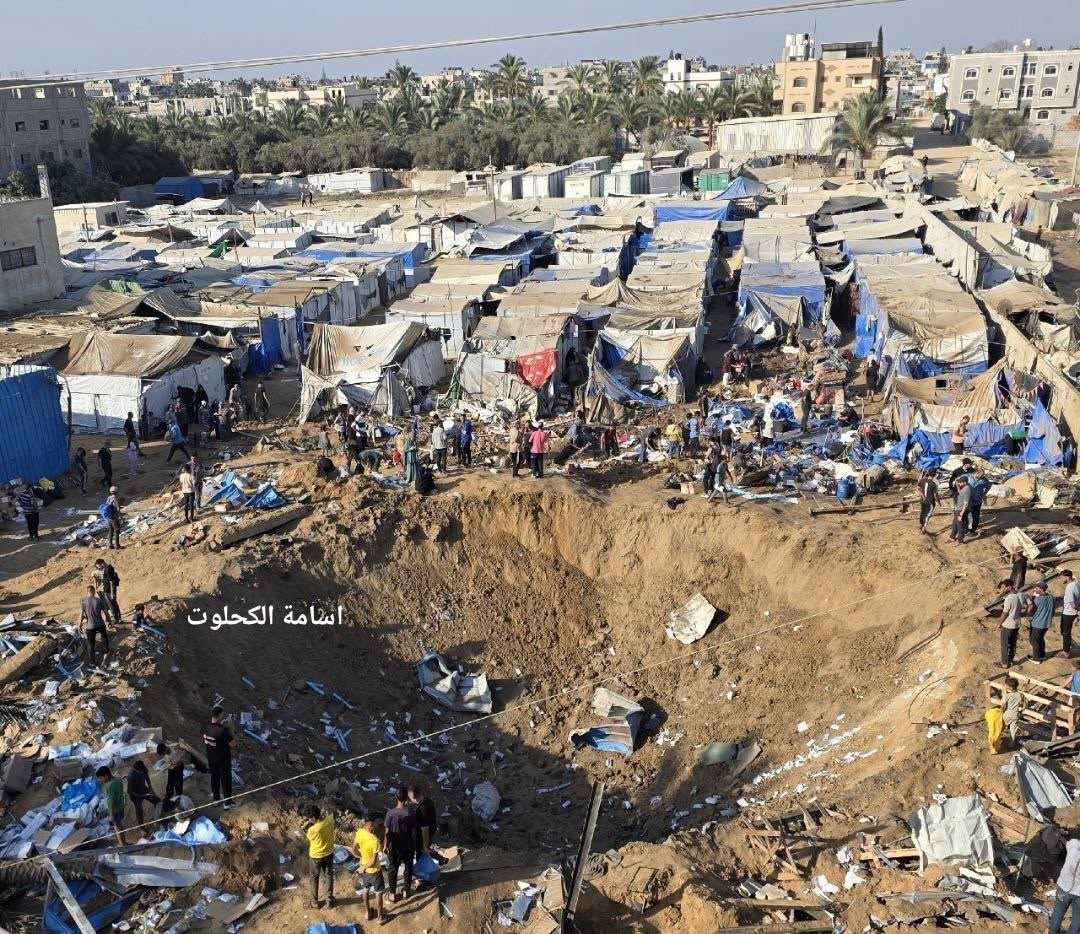
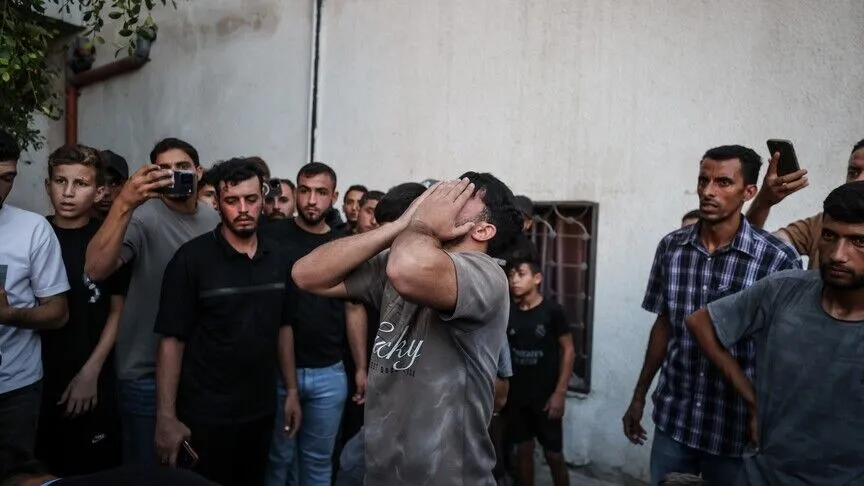
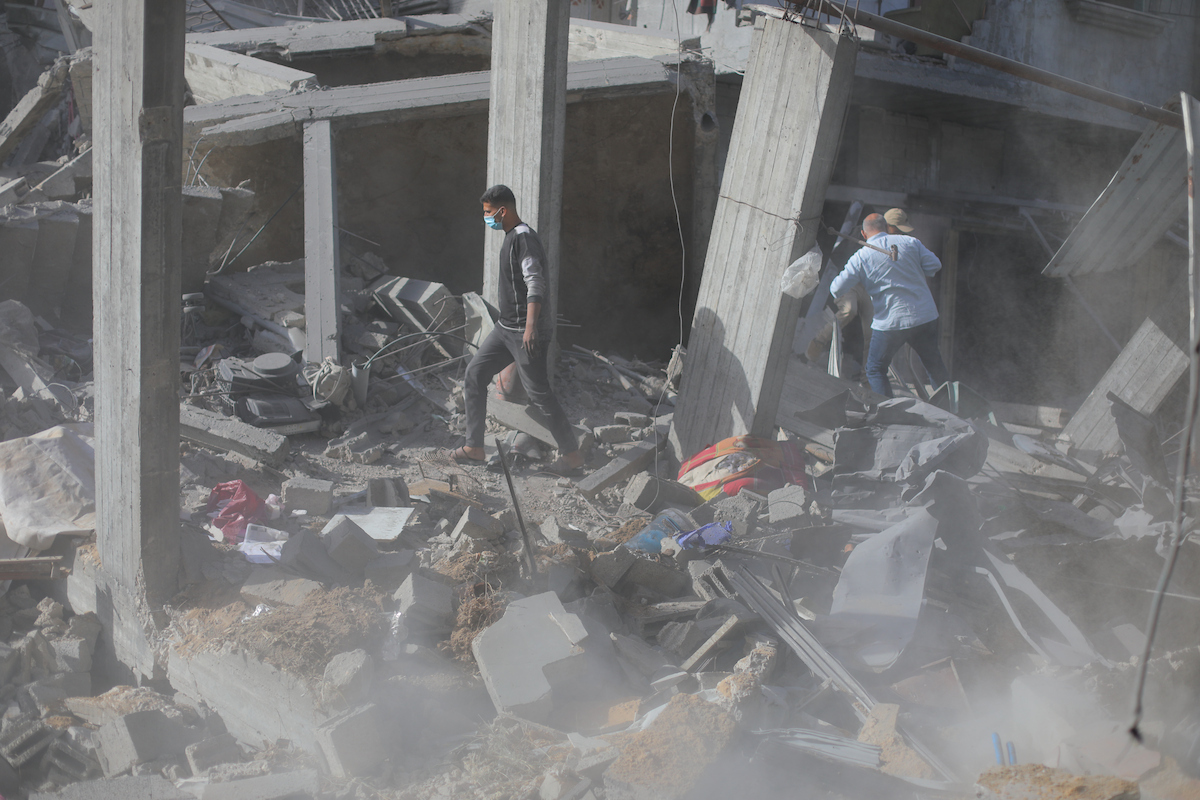
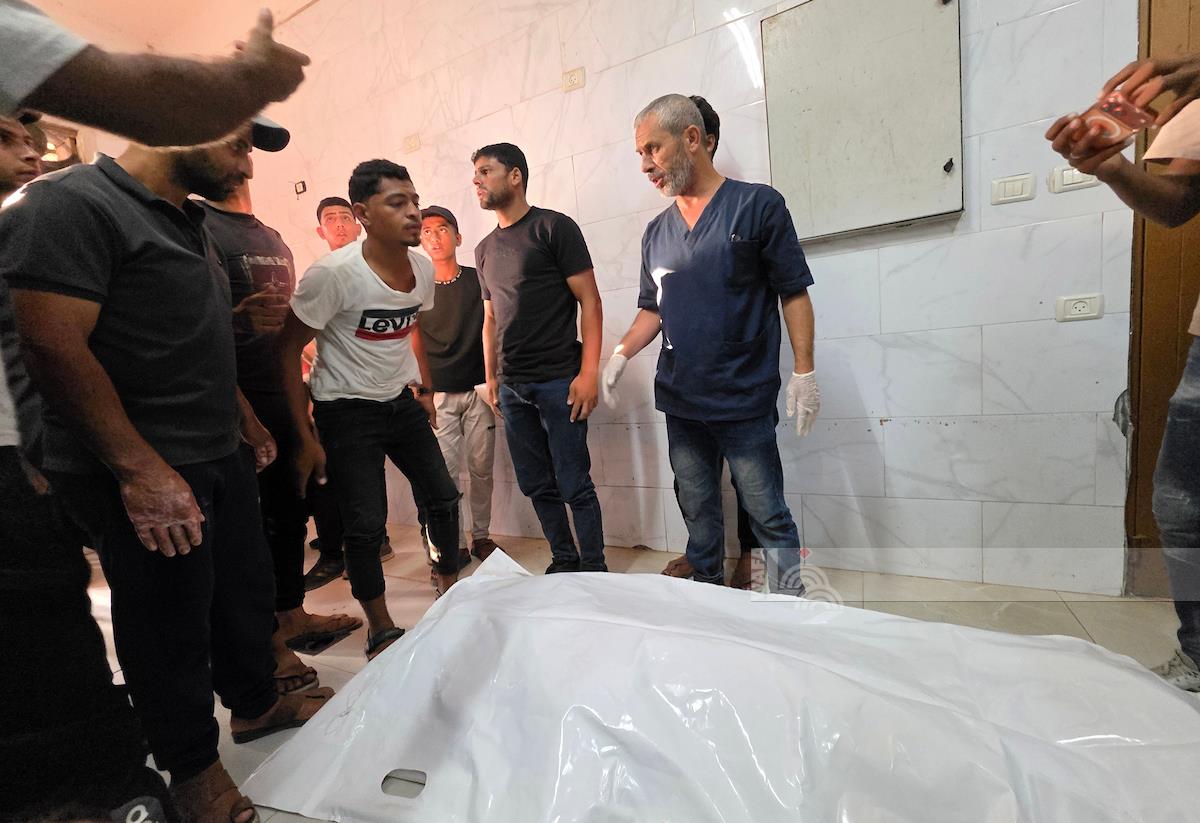
The attacks on Gaza are constant. Last Sunday evening, the Israeli warplanes attacked the Abu Jarbou family home in Block 1 in the Nuseirat camp in central Gaza resulting in the martyrdom of four women, including Dr. Thabat Salim. She was greatly mourned.
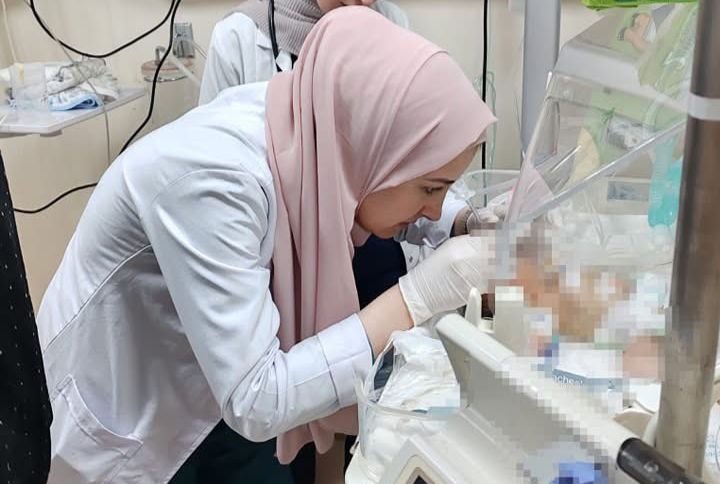
Dr. Muhammad Halas shared a picture of Dr. Thabat working in the neonatal department, and accompanied it with a comment about the dedication of the late doctor: “Dr. Gaza Thabat Salim, worked without a salary and tirelessly, suffered from hunger, fear, cold and hope. Thebat is a real doctor to the point of martyrdom.”
Director-General of the Health Ministry Dr. Munir Al-Barash said on the X platform: “Dr. Thabat Salim, born in 1994, is a distinguished nursery doctor who mastered the skills and procedures of premature babies amidst the harsh conditions of war. She worked faithfully for nearly a year, before she was martyred a short while ago as a result of the Israeli occupation army’s bombing of a house in the Nuseirat camp.”
Journalist Wael Abu Omar wrote: “Thabat Salim, a doctor and Quran memorizer, studied medicine abroad and is fluent in three languages: Russian, Ukrainian and English. Fate took her to her friend’s house after finishing her work at Al-Awda Hospital, and while she was eating lunch, the house was targeted by the Israeli warplanes. She was identified by her hand only.”
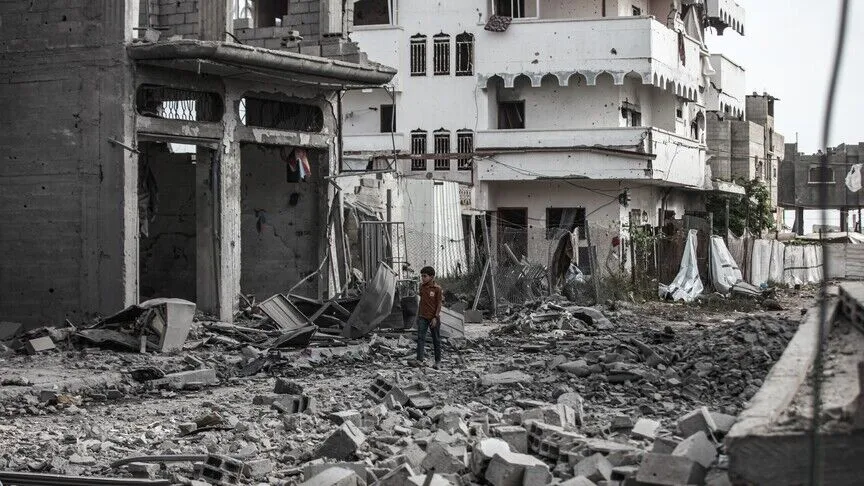
The series of focused attacks on the health sector and its cadres in this war is clear that the aim by the Israelis is to dismantle and destroy this sector entirely as a central part of its military strategy to kill life in the present and future of the Gaza Strip.
Palestinian-British doctor Ghassan Abu Sitta is leading a project through the Institute for Palestine Studies to document the targeting and destruction of the health sector in Gaza. He explains the targeting of the health sector is a main pillar of Israel’s failed plan to permanently displace the residents of the Gaza Strip, starting from the north and moving on to the rest of the regions. The occupation’s targeting of all vital sectors, and not limiting it to the destruction of the health and medical facilities, shows that the occupation aims to create a war environment to destroy life as a whole and not just the health sector.
Claiming militarization of hospitals
Since the first days of the extermination war, the Israeli occupation authorities sought to erase the Palestinian population of Gaza by making the Strip unfit for life, and what better way than to target and annihlate the health sector.
On 9 October, 2023, on the third day of the war, the Israeli occupation bombed the Beit Hanoun Hospital in northern Gaza, causing extensive damage. This was the beginning of a series of direct targeting of health sector facilities.
Five days after the bombing of the Hospital, the occupation army bombed the Oncology Diagnostic Center at the Al-Ahli Baptist Hospital in Gaza City. Through phone calls to the directors of 22 hospitals in the northern Gaza Strip, the occupation gave “orders” to evacuate them. Everyone, including the working crews there, refused to comply with the evacuation order, and insisted on keeping the health sector operating in light of the war as a professional, moral, and national necessity.
Experts say what is happening in the Gaza Strip, from targeting medical personnel and systematic destruction of the health sector, is not a historical precedent, but has been happening for years within the context of the Palestinian-Israeli conflict, “but the precedent is actually in the form and extent of the destruction.”
The common factor between every storming of a Palestinian camp, village or town is blocking the road to ambulances and paramedics, preventing them from reaching the wounded, and blocking the roads between the storming area and health centers, which leads to an increase in the death toll.
Looking at the process of targeting some hospitals clearly reveals the systematic intention to destroy the health sector in total. The occupation army follows a similar methodology in every hospital: first, they throw allegations these hospitals serve as pockets for Palestinian resistance, orders for the hospital administration to evacuate, then bomb the hospital’s surroundings, then direct bombing, imposing a tight siege, then storming these facilities, destroying the whatever is left of the infrastruction, then grab and frequently kill the people inside.
In some cases, the occupation shortens the siege phase and moves directly to destroying, as it did in Beit Hanoun, Algerian Specialized, and International Eye Hospitals, and even went further to directly liquidating doctors, kidnapping them, and forcible disappearance.
1000 Medical Staff
According to Ministry of Health data published last September, Palestine lost about 1000 health workers, including specialist doctors, surgical and anesthesia technicians, nurses, physical therapy, paramedics, radiology and medical analysis technicians and expert administrators in the field of health sector management. The data also shows the occupation forces arrested and forcibly kidnapped more than 300 people.
Exhausted after a long day of injuries
The killing of Dr. Thabat Salim came within the framework of a series of continuous attacks since the beginning of the war of extermination. In April 2024, Dr. Adnan Al-Barsh, one of the most prominent surgeons in Gaza and head of the orthopedics department at Al-Shifa Hospital, was arrested by Israeli forces. He was transferred to Ofer Prison where he was subjected to severe torture that led to his martyrdom.
Dr. Mohammed Abu Salmiya, director of Al-Shifa Hospital and one of the most prominent doctors in Gaza, was arrested by Israeli forces on November 23, 2023, during the war on Gaza. Abu Salmiya spent more than seven months in Israeli prisons, where he was subjected to harsh conditions. After his release in July 2024, he spoke about his suffering inside the prisons, describing the conditions as the worst since 1948, calling for serious international action to free Palestinian prisoners.
In October 2023, Dr. Omar Saleh Farwana, the dean of the Faculty of Medicine at the Islamic University, was martyred in an Israeli bombing that targeted his home, killing 16 members of his family. He was the dean of the Faculty of Medicine at the Islamic University, and had more than 30 years of experience in treating infertility and IVF.
A day earlier, on October 14, Dr. Medhat Saidam, a burns doctor and surgeon at Al-Shifa Medical Complex, left the complex after seven consecutive days to check on his family, according to a statement by the Ministry of Health. Shortly after his arrival, an Israeli missile fell on the family home, killing the well-known doctor and all of his members where they remain under the rubble of their home.
On November 12, 2023, Dr. Hammam Al-Louh, a specialist in internal medicine and kidney transplantation, was killed in a bombing that targeted his home, where his father was with him.
In circumstances similar to the crime tool, scene, and victims, the medical sector lost on November 18, 2023, the director of internal medicine at Al-Shifa Complex, Dr Raafat Labad, who was one of the most prominent internal medicine and immunology doctors in the Gaza Strip.
The harvest of the Israeli war machine continued to include the head of the Department of Pathology at the Islamic University and Dar Al-Shifa Hospital, Dr. Ali Dabour, who was martyred in his home with his mother and son, and Dr. Hammam Al-Deeb, a distinguished orthopedic surgeon at the specialized clinic at the private Arab Hospital.
Assassination suspicion
Ministry of Health Director-General in Gaza Strip, Munir Al-Barsh, believes that doctors started to be assassinated soon after the start of the war of extermination post-October 7, 2023. He says “the most important component of life in the Gaza Strip is health, and the occupation wanted to deprive Gaza of its vital element of security, which is public health, by targeting doctors, killing hope in people’s souls and pushing them to emigrate and flee.” He explains the Gaza Strip now “needs 35 years to compensate the doctors who were killed, especially those with specific specialties.”
The Fourth Geneva Convention and its two additional protocols provided protection for the medical sector and its workers, including ambulance drivers and everyone who helps the wounded during wartime. The agreement went on to state the two conflicting parties must inform each other before the start of fighting where the hospitals are located at. While international humanitarian law stipulates that medical units should not be violated, but protected in accordance with Article 2 of the 1977 Protocol, the Israeli occupation authorities have not adhered to this since the beginning of the occupation of Palestine in 1948.
This article was reproduced from Arabic in the Palestine Information Center.

 Gaza’s Vanishing Minarets: Israel Destroys More Than 1,000 Mosques Since 7 October 2023
 Art in Revolution: The Dove, The Girl and The Rope
 ‘Dr of The Poor’ Passes Away in Nablus
 Getting Ready For School in Gaza
 Beware! Qusra and The Next Nakba

 marwan
 Heba
Heba







 Saleem Ayoub Quna







 CrossFireArabia