 Flying Kites and The Politics of Fear
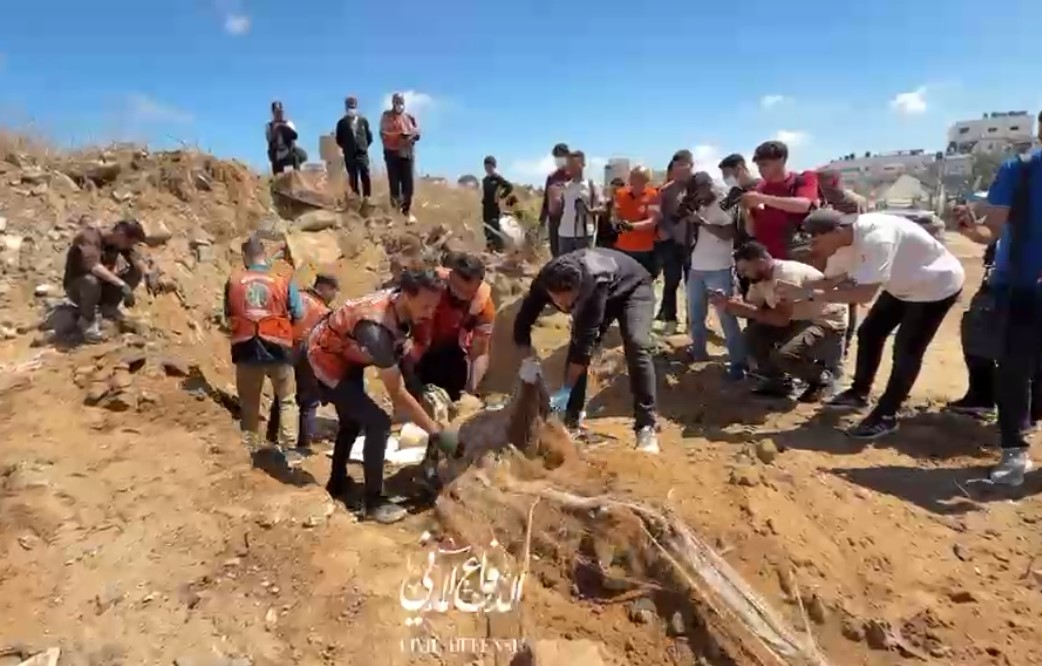
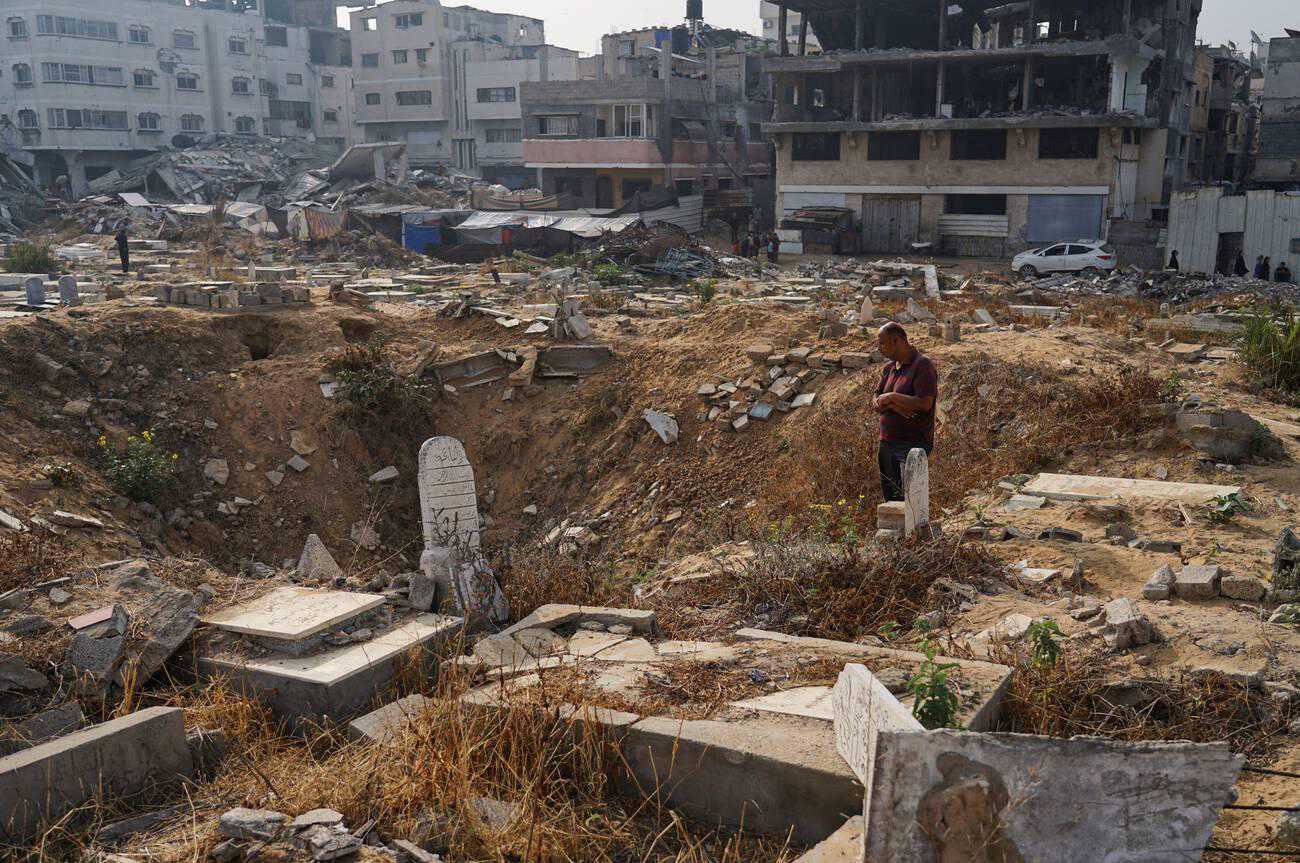
 ‘No Rest Even in Death:’ Israel Holds on The Bodies of 1700 Palestinians
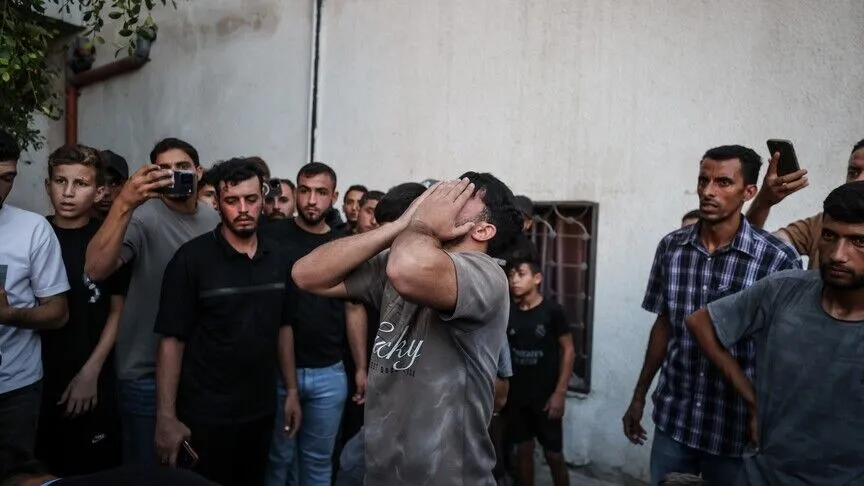
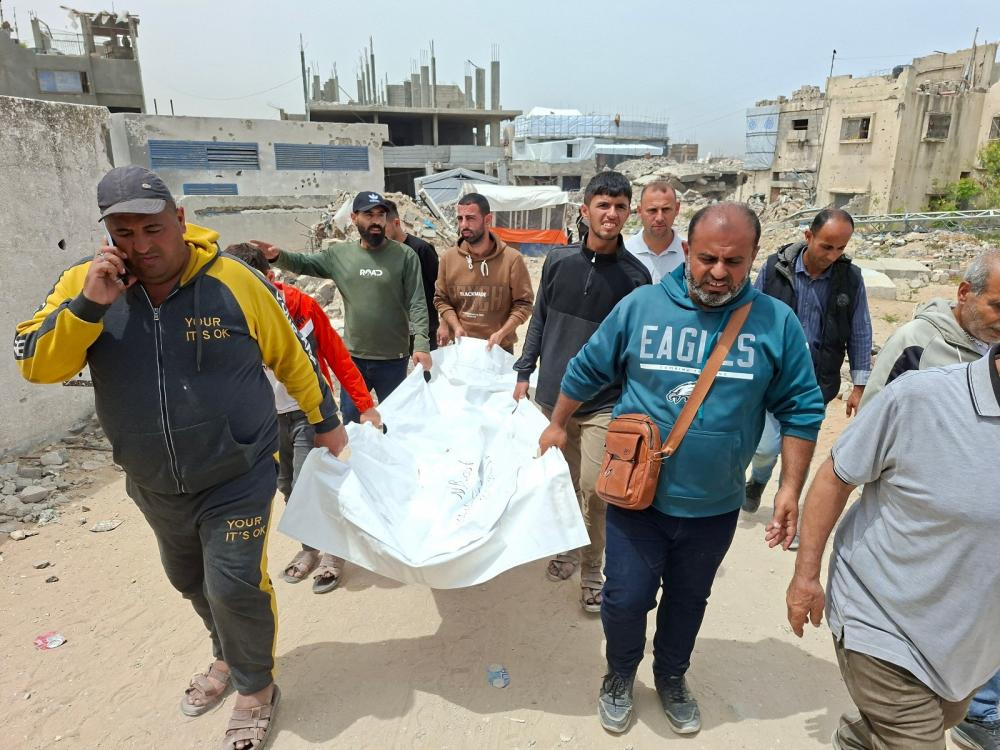
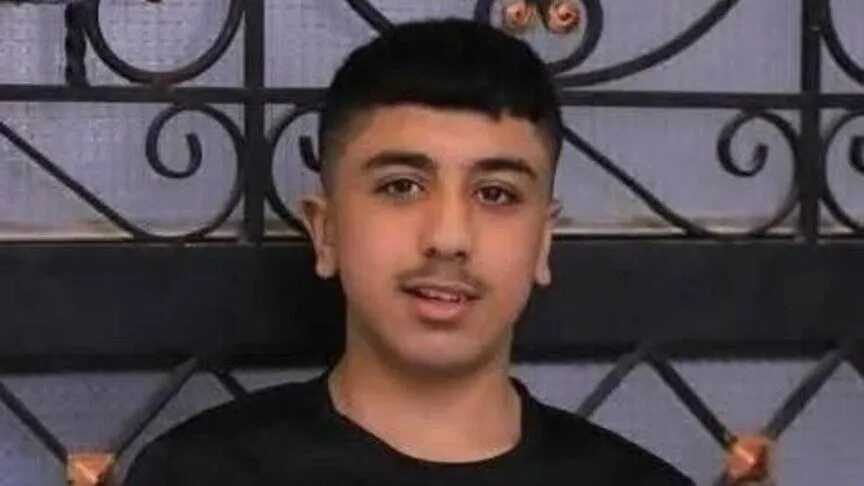 Israeli Army Forced to Release The Body of a 15-Year-Old it Kept For 9 Months
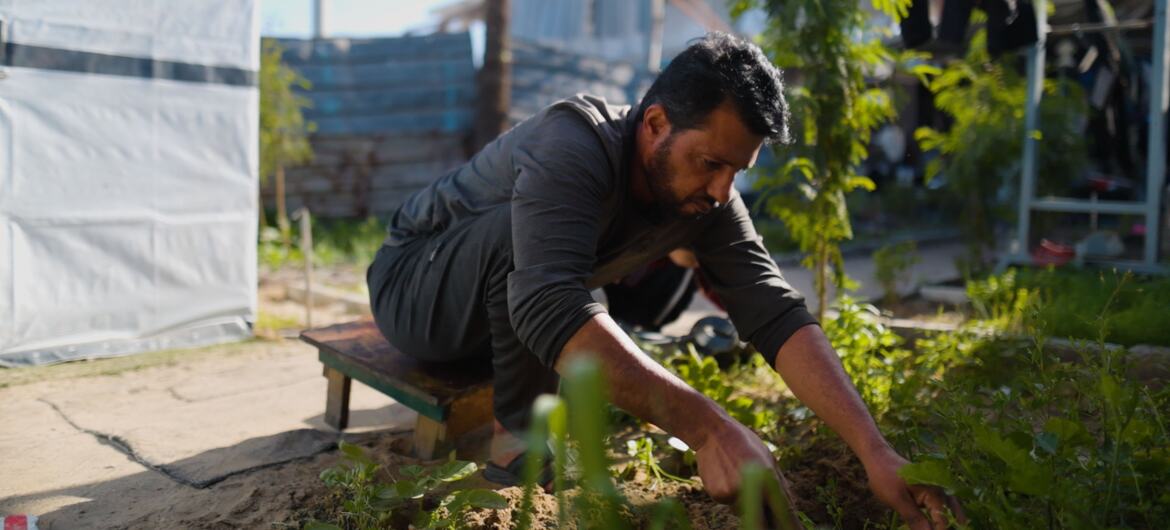
 ‘My Tent, My Museum’
 Tradition and Identity

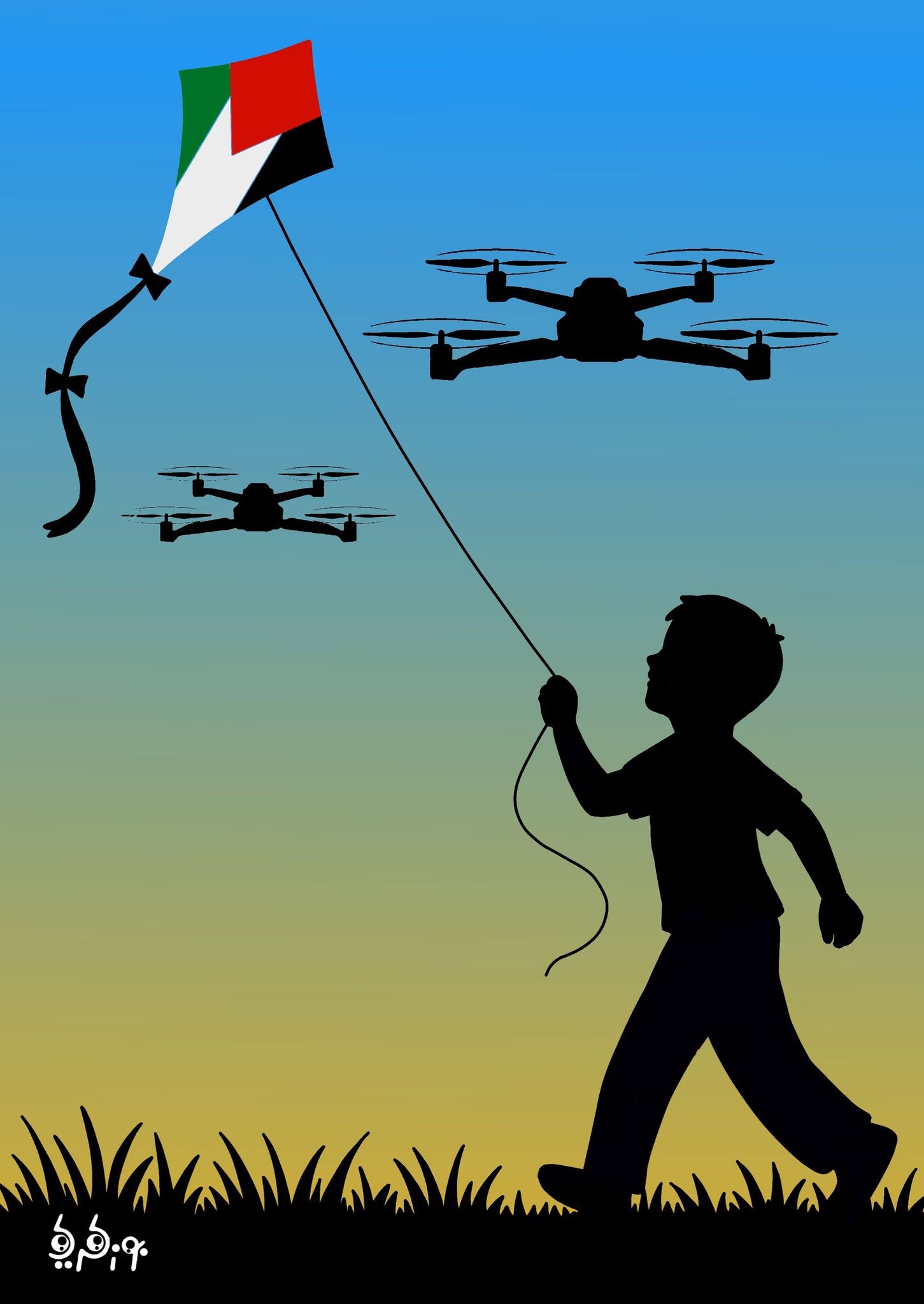
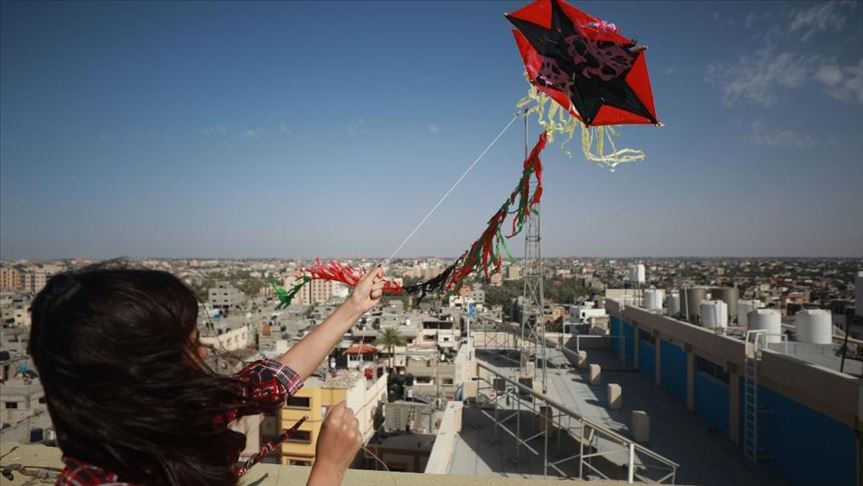
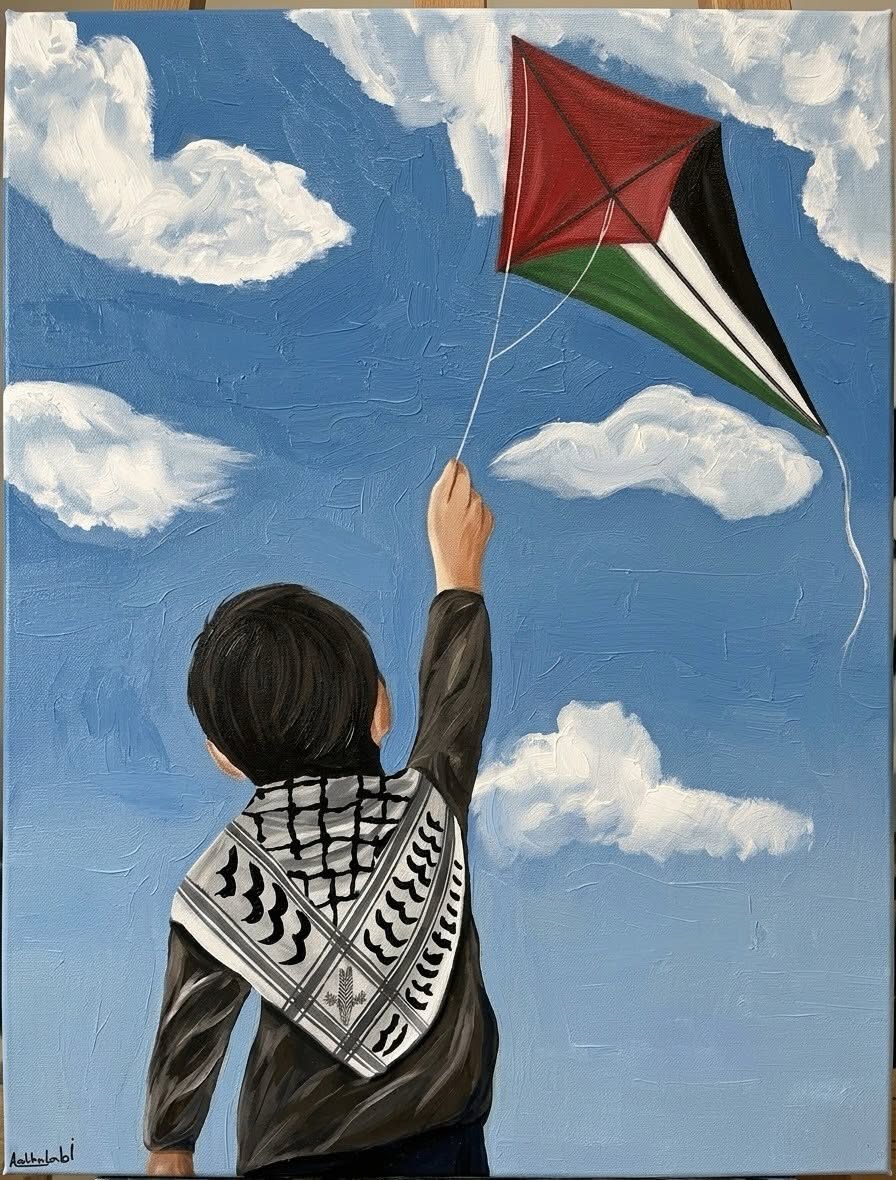
Flying Kites and The Politics of Fear
marwan
- August 27, 2026
 marwan
 CrossFireArabiaCrossFireArabiamarwan
 HebaCrossFireArabiaHebaHebamarwanCrossFireArabiaCrossFireArabiaCrossFireArabiaCrossFireArabiaHebamarwanHebaCrossFireArabiaCrossFireArabiaCrossFireArabiaCrossFireArabiaCrossFireArabiamarwanHebaCrossFireArabiaCrossFireArabiaCrossFireArabiaCrossFireArabiaCrossFireArabiaCrossFireArabiaCrossFireArabiaCrossFireArabiaHebaCrossFireArabiaCrossFireArabiaHebamarwanmarwanmarwanmarwanmarwanmarwanCrossFireArabiamarwanmarwan
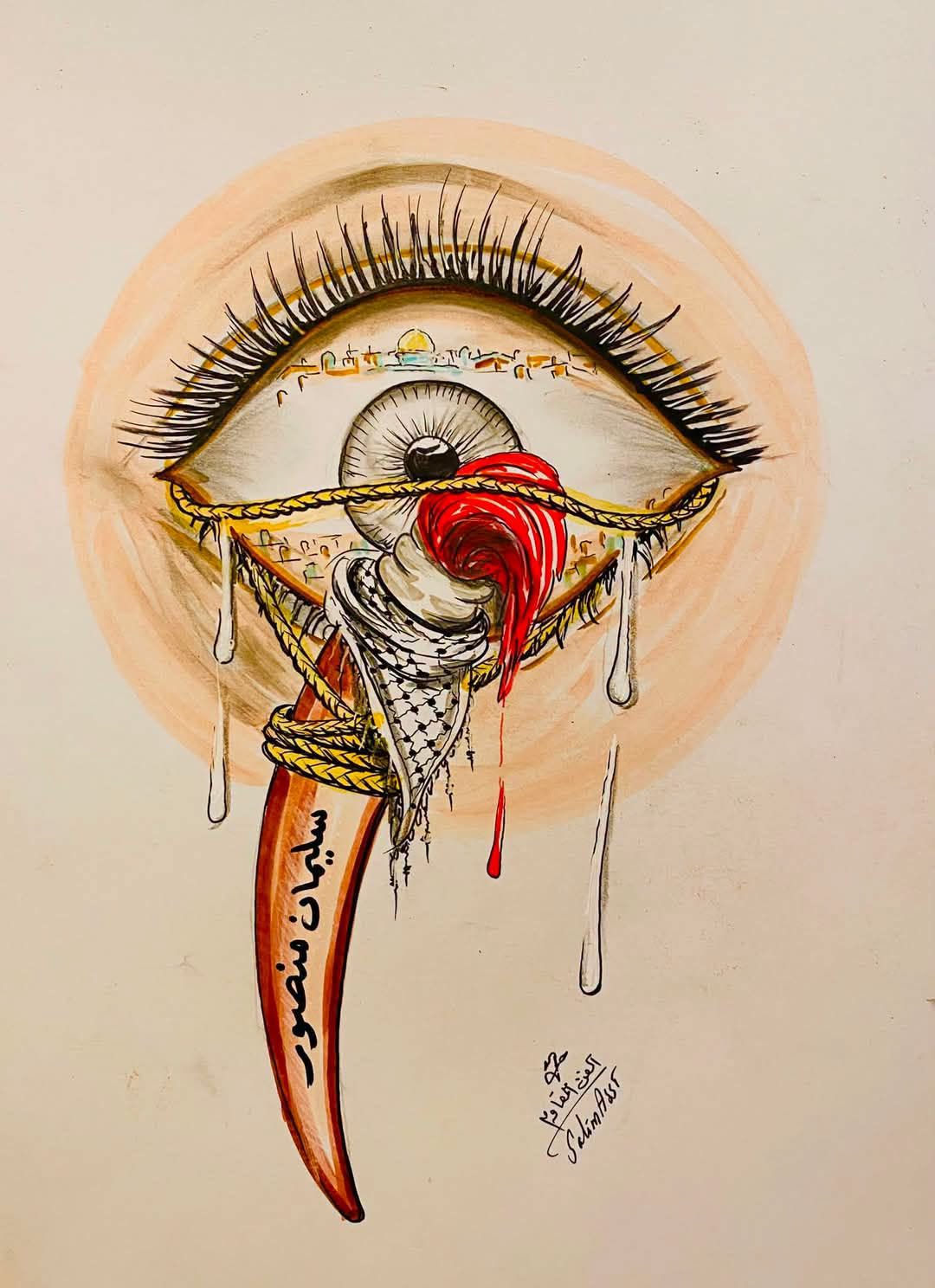
 Saleem Ayoub QunamarwanCrossFireArabiaCrossFireArabiaCrossFireArabiaCrossFireArabiamarwanCrossFireArabiaCrossFireArabiamarwanCrossFireArabiaHebaCrossFireArabiamarwanCrossFireArabiamarwanHebaCrossFireArabiamarwanmarwanHebaCrossFireArabiamarwanmarwanCrossFireArabiamarwanHebaCrossFireArabia
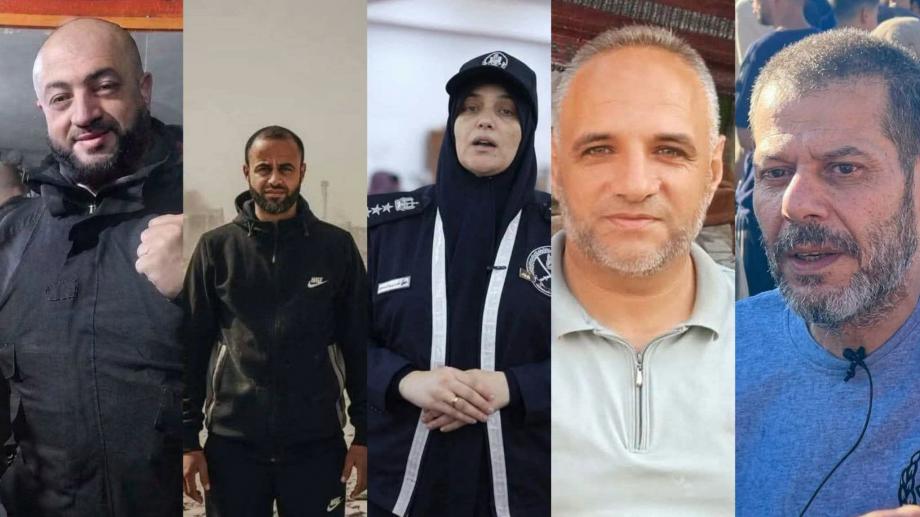
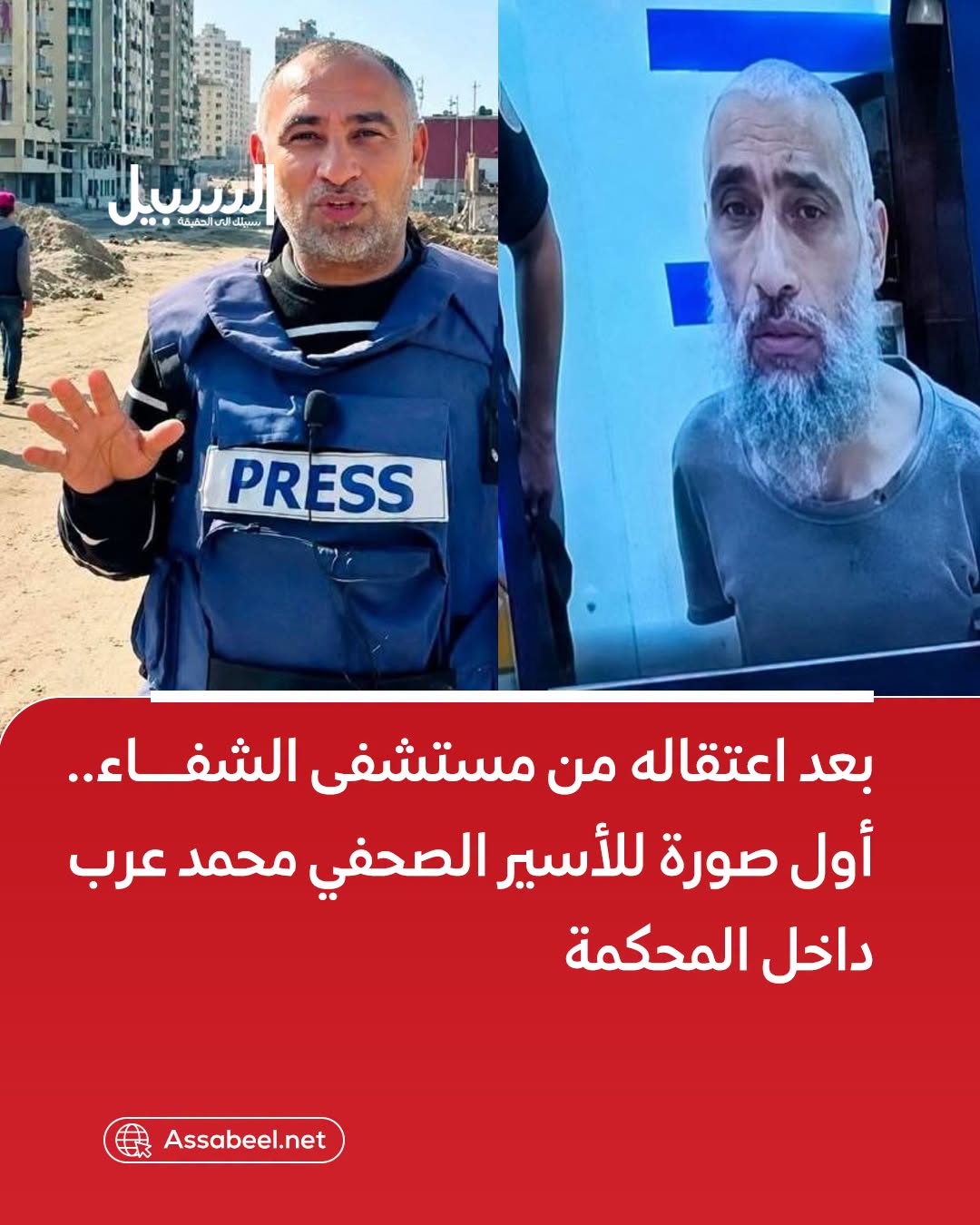
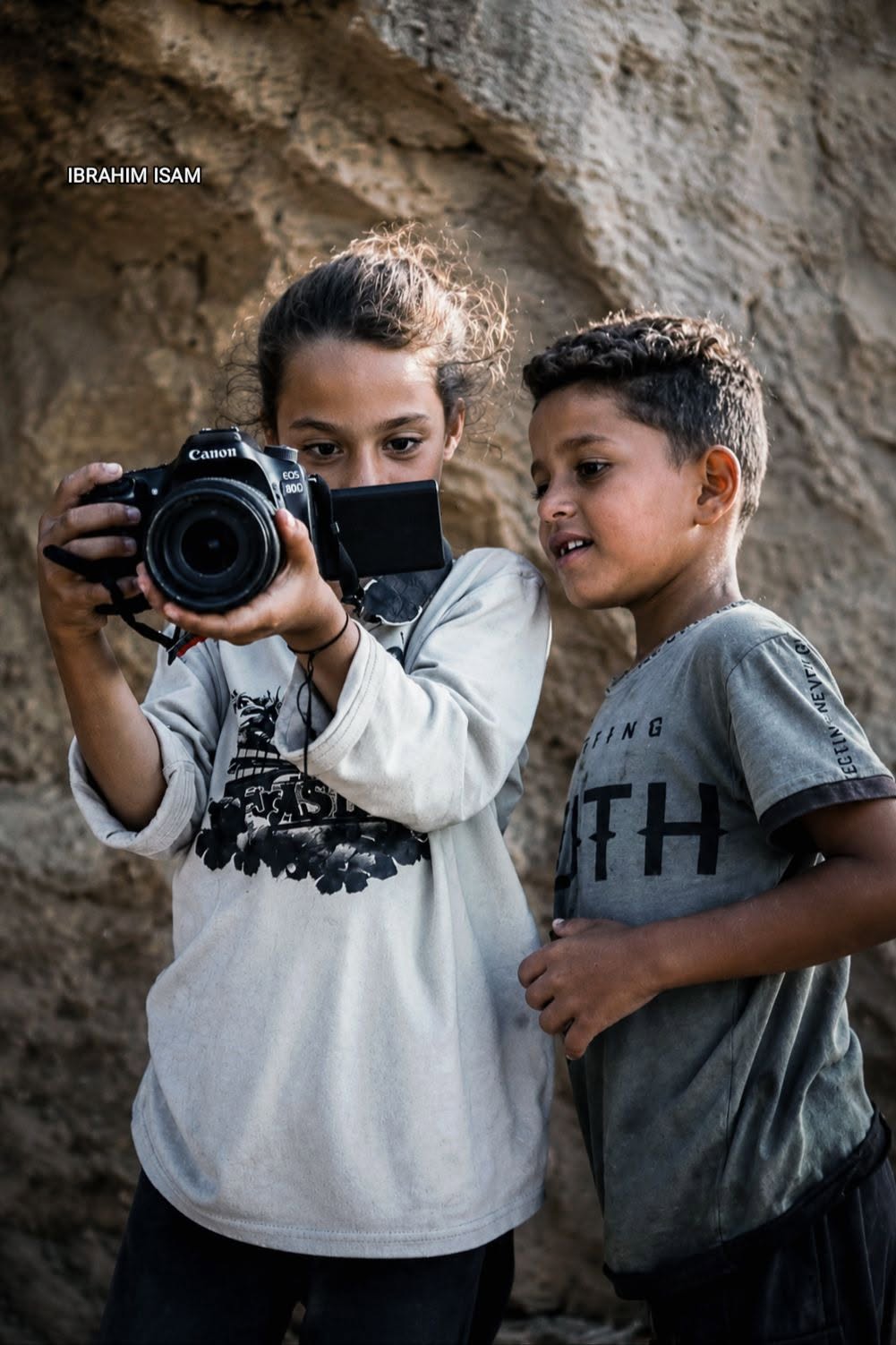
Israeli attacks against the Gaza Strip in December killed 10 Palestinian journalists, according to a media group.
The Israeli military committed 84 violations and crimes against Palestinian journalists last month, the Palestinian Journalists Syndicate said Saturday.
Israel “continues its methodology of targeting Palestinian journalists to the point of committing massacres against them,” it said.
It also noted that eight family members of journalists were killed, three homes of media personnel were destroyed and five reporters suffered severe injuries from shrapnel and gunfire.
The syndicate reported that 20 journalists faced detention and were barred from covering events, while seven were imprisoned. Additionally, there were 11 documented incidents of live ammunition being fired at journalists.
Ten journalists endured severe physical assaults, while three cases of equipment damage and theft were reported in the West Bank and the Gaza Strip according to Anadolu.
A statement Jan. 3 by the Gaza Media Office said the number of journalists killed in the Israeli army’s attacks on Gaza since Oct. 7, 2023, has risen to 202.
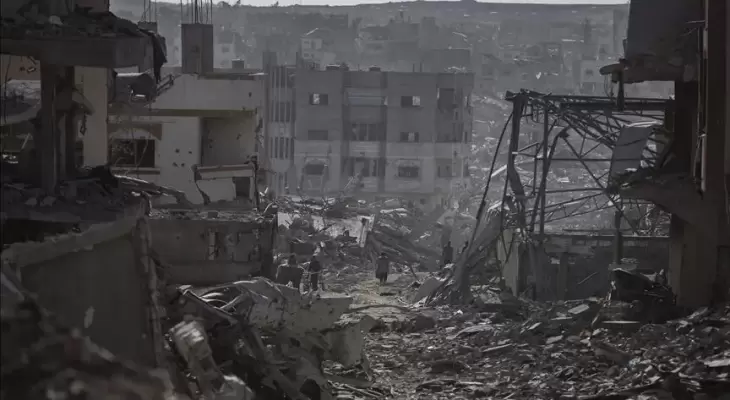
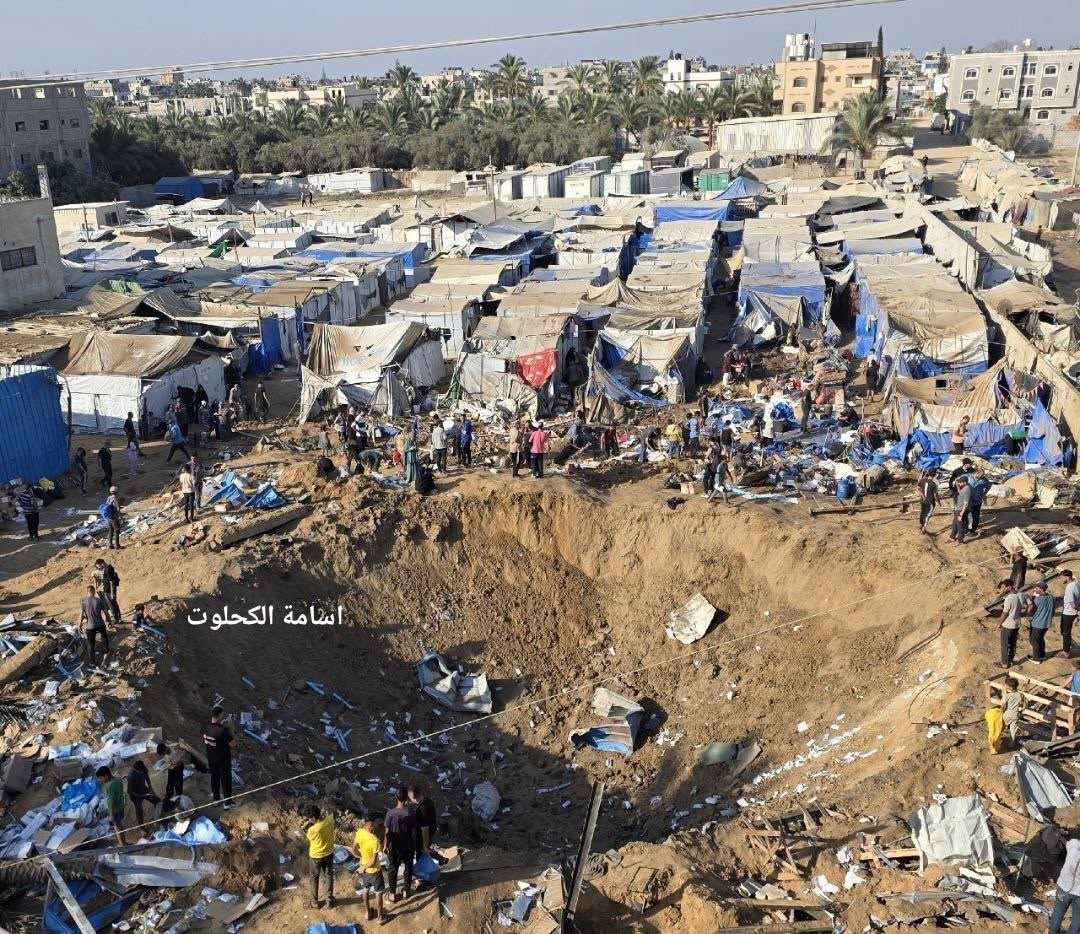
The Israeli army has continued a genocidal war on Gaza that has killed more than 45,600 victims, most of them women and children, since an attack by the Palestine resistance group, Hamas, on Oct. 7, 2023, despite a UN Security Council resolution calling for an immediate cease-fire.
The International Criminal Court (ICC) issued arrest warrants in November for Israeli Prime Minister Benjamin Netanyahu and his former Defense Minister Yoav Gallant on charges of war crimes and crimes against humanity in Gaza.
Israel is also facing a genocide case at the International Court of Justice for its military actions in Gaza.
CrossFireArabia
Military analyst for the Israeli channel i24News, Yossi Yehoshua, confirmed that the Hamas movement has “succeeded in rebuilding its capabilities and recruiting new fighters, while Israel is still stuck in a complex situation, which is difficult to get out of, and is waiting for the deal to be concluded.”
The Israeli military analyst believed waiting for the deal is “the most correct and logical way out for Israel, otherwise it will continue to remain stuck in the mud,” explaining “no plan can be useful through the use of force and pressure on Hamas to sign an agreement.”
Yehoshua acknowledged Hamas is capable of recruiting the number of fighters it wants with young men amongst them, indicating this number is increasing, whilst also pointing out that the Islamic Resistance Organization “has doubled its fire as of lates, recently firing about 30 rockets towards the Gaza envelope.”
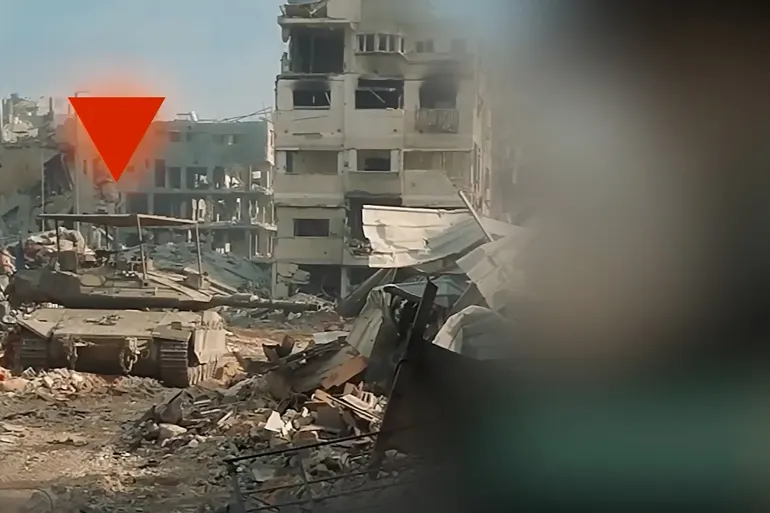
As for Israel, it is facing problems in their operations in the camps in central Gaza. Although it “carried out airstrikes, Israel faces a problem in carrying out ground activity, due to concerns that the bodies of Israeli prisoners and living prisoners are there.”
Former Israeli Minister, Haim Ramon, confirms that the achievements made by the Israeli army in the battlefields outside Gaza, “confirm the depth of the failure in the Strip,” after its “inability to achieve the main goal of the war, which is to overthrow the Hamas rule and eliminate its military capabilities.”
Ramon pointed out, in an article in the Israeli Maariv, the Hamas military force is still operating, and its civilian rule still extends throughout the Gaza Strip, despite being subjected to severe blows, and the martyrdom of both Yahya Sinwar and Ismail Haniyeh, along with thousands of other fighters according to Jo24.
CrossFireArabia
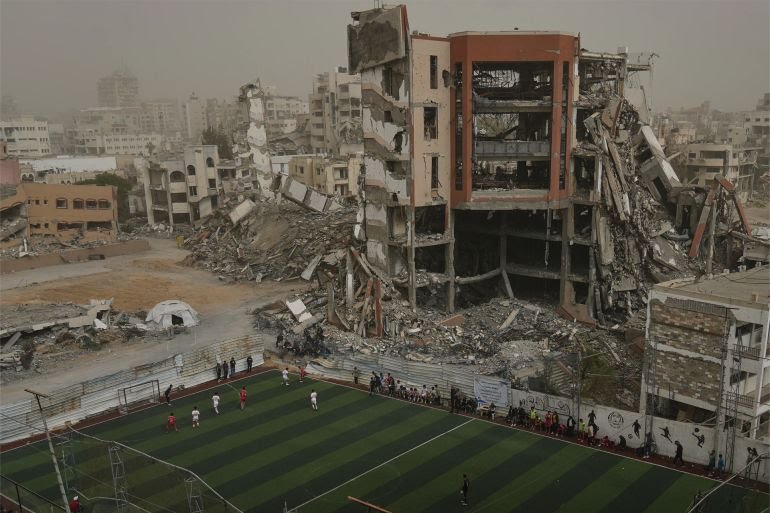
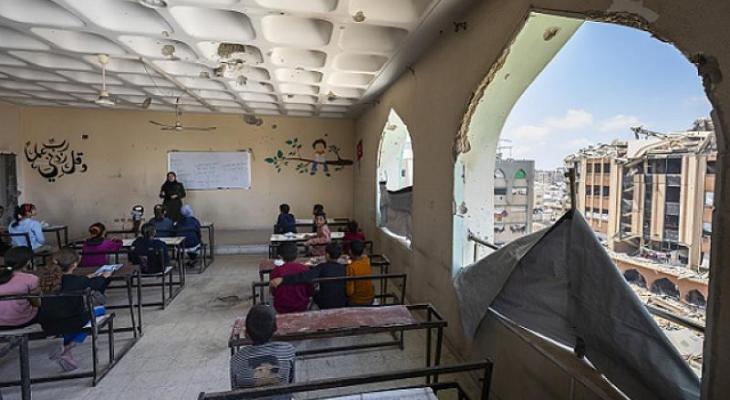
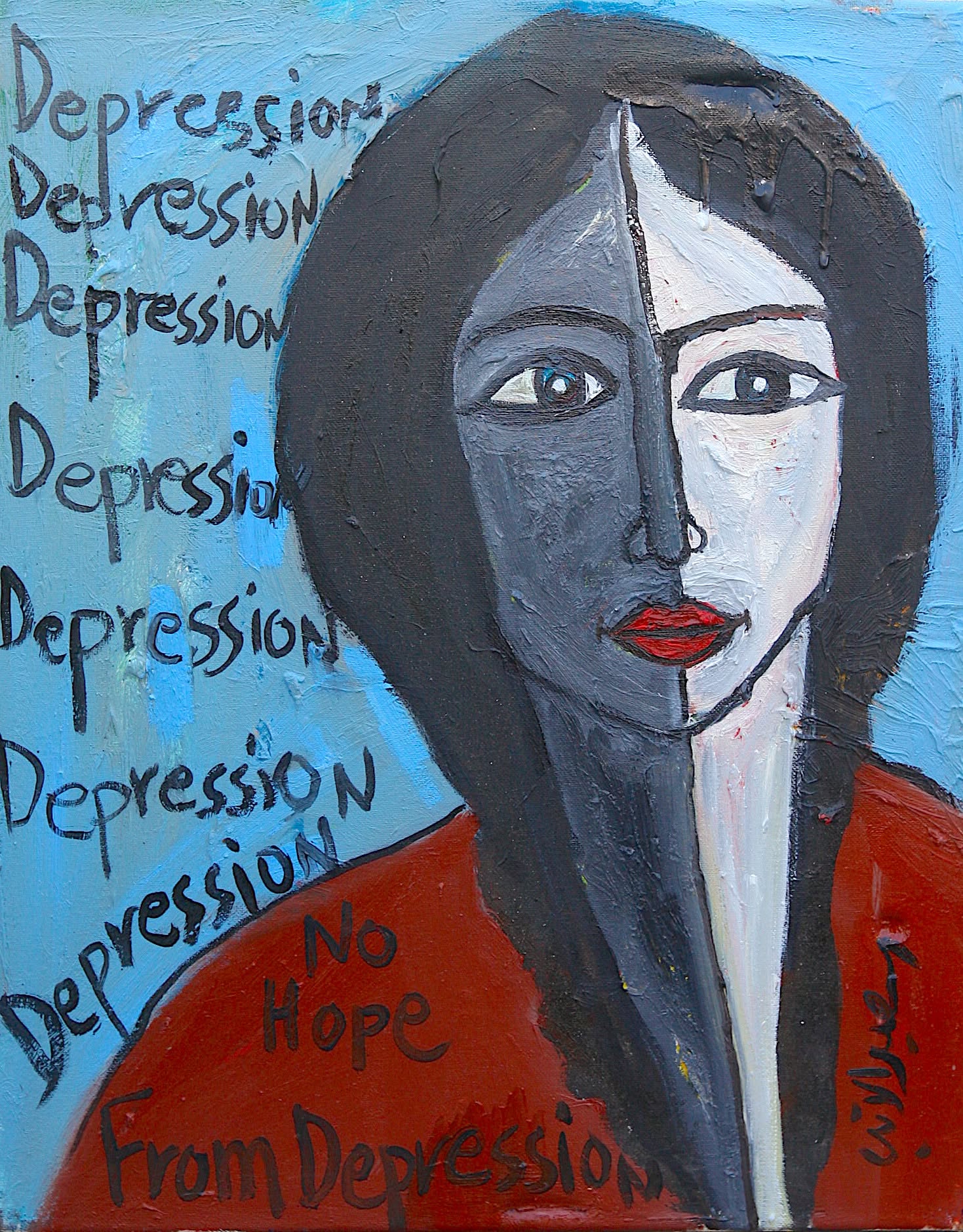
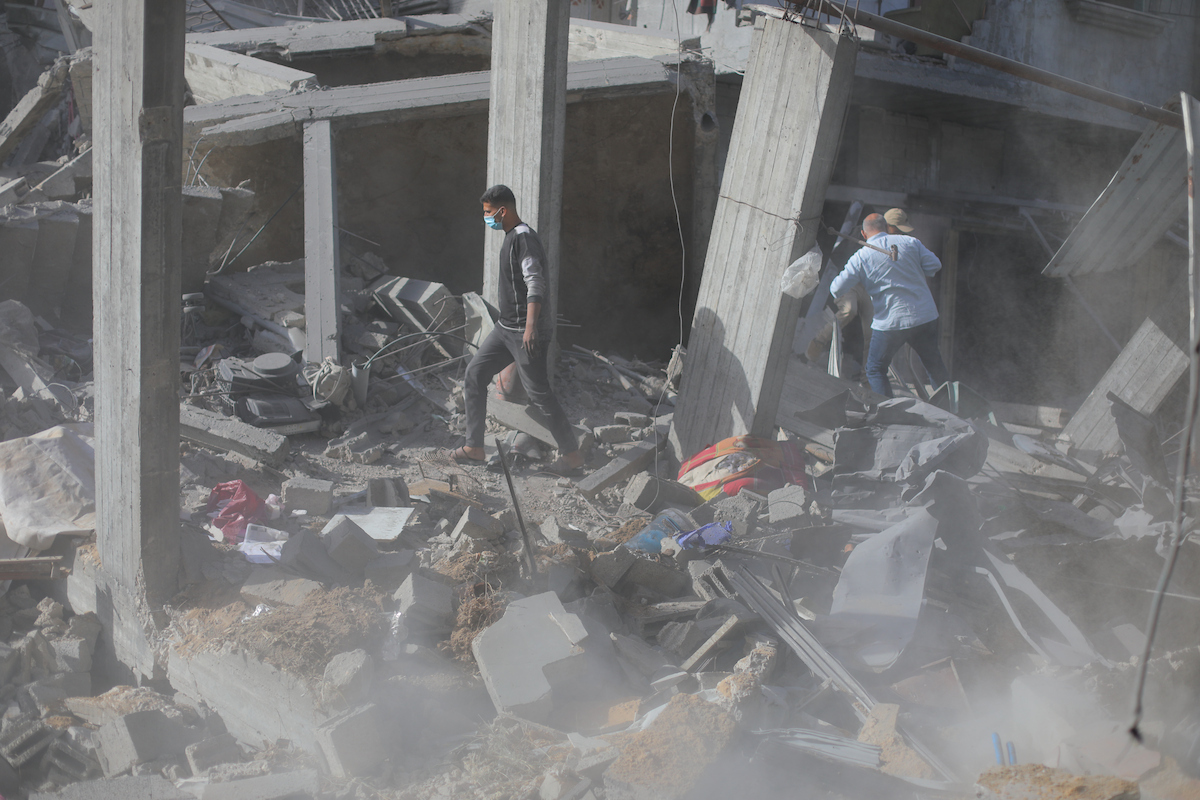
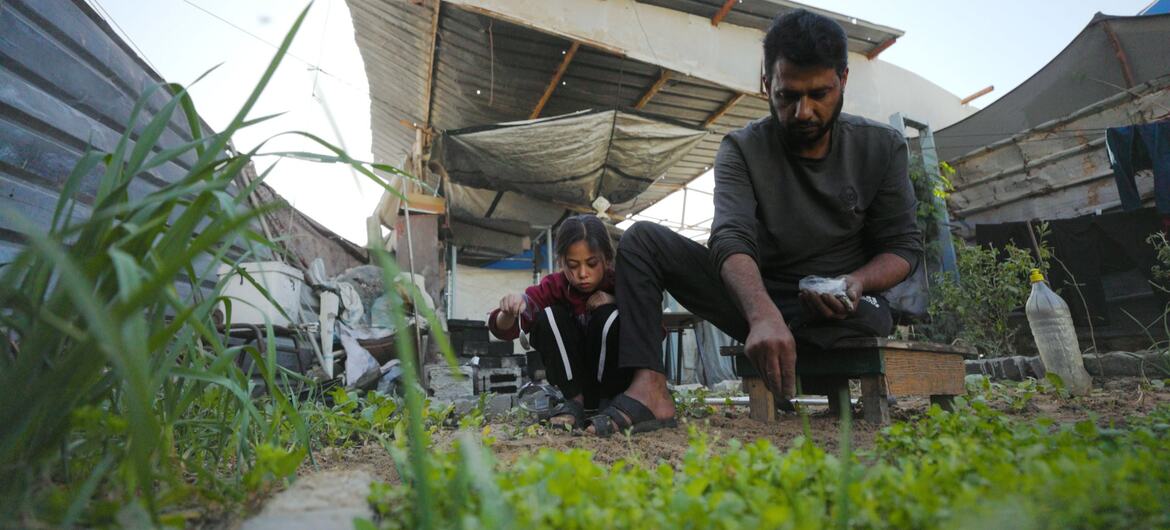
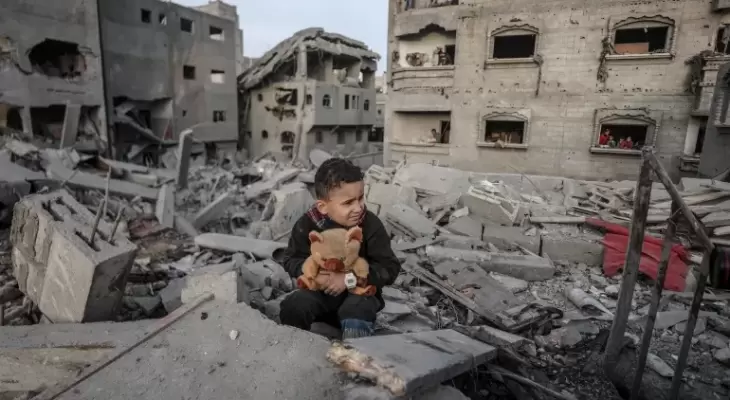
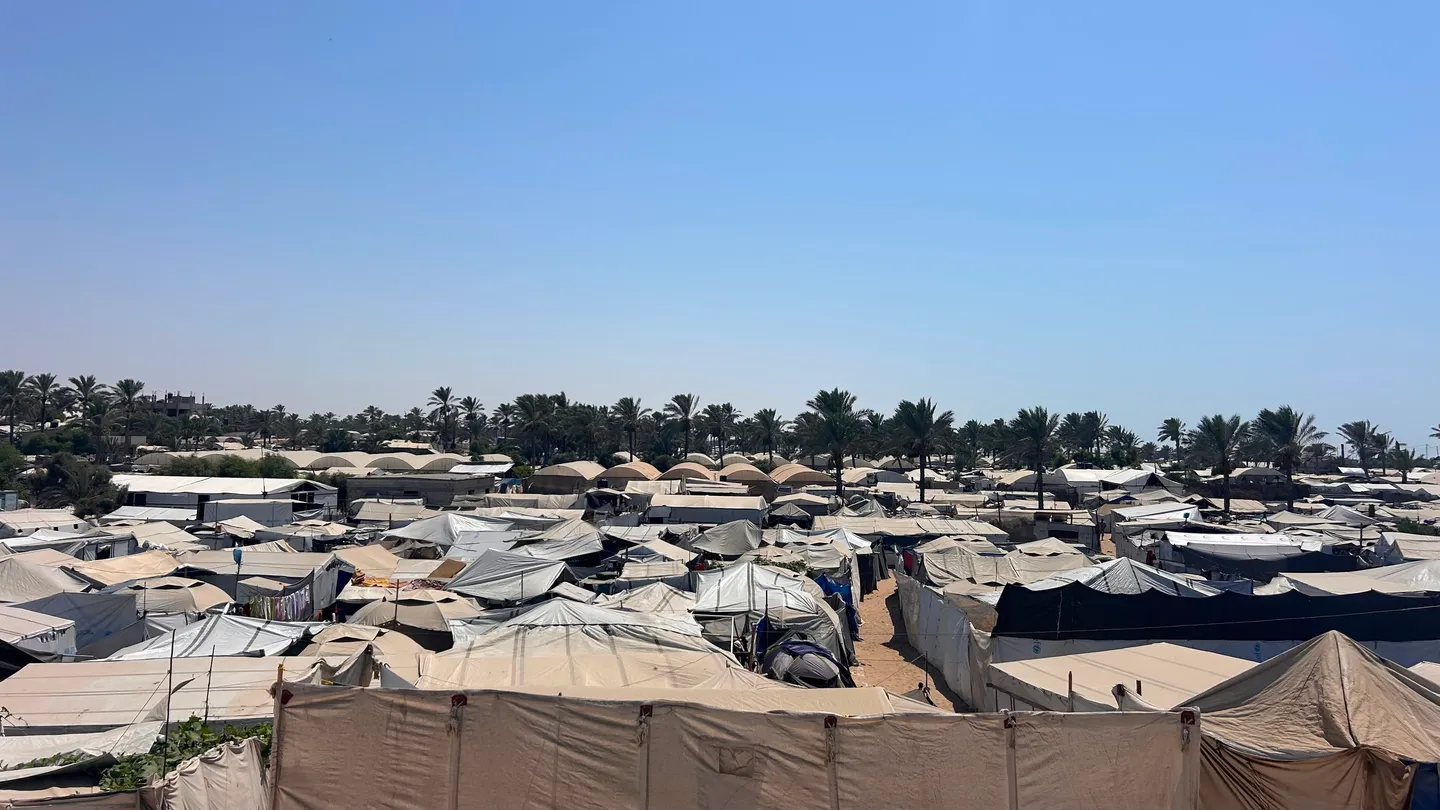
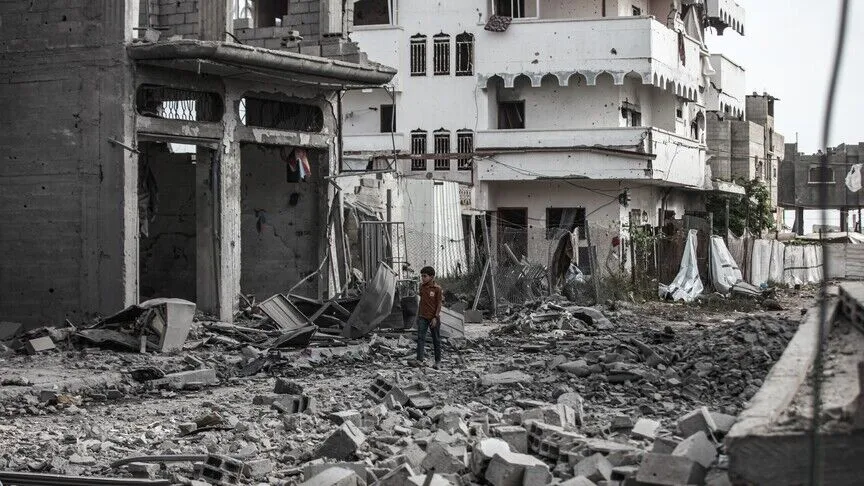
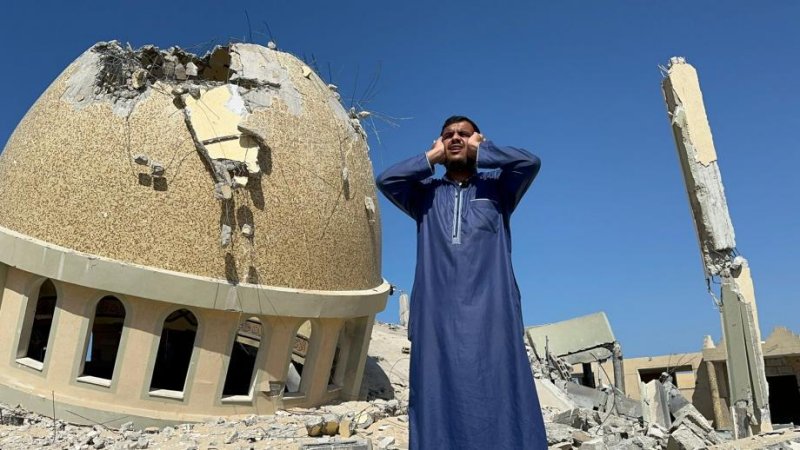
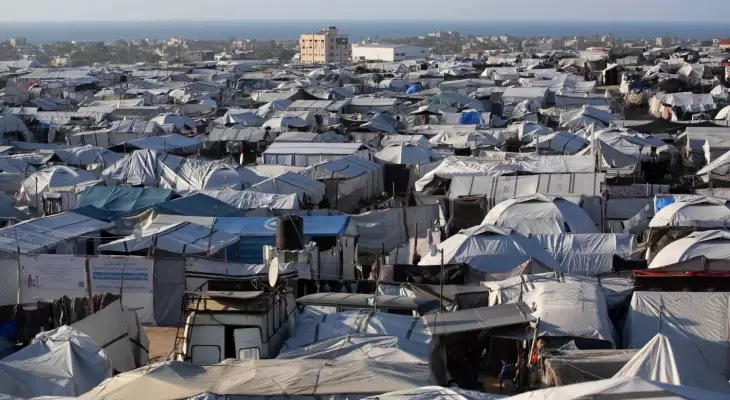
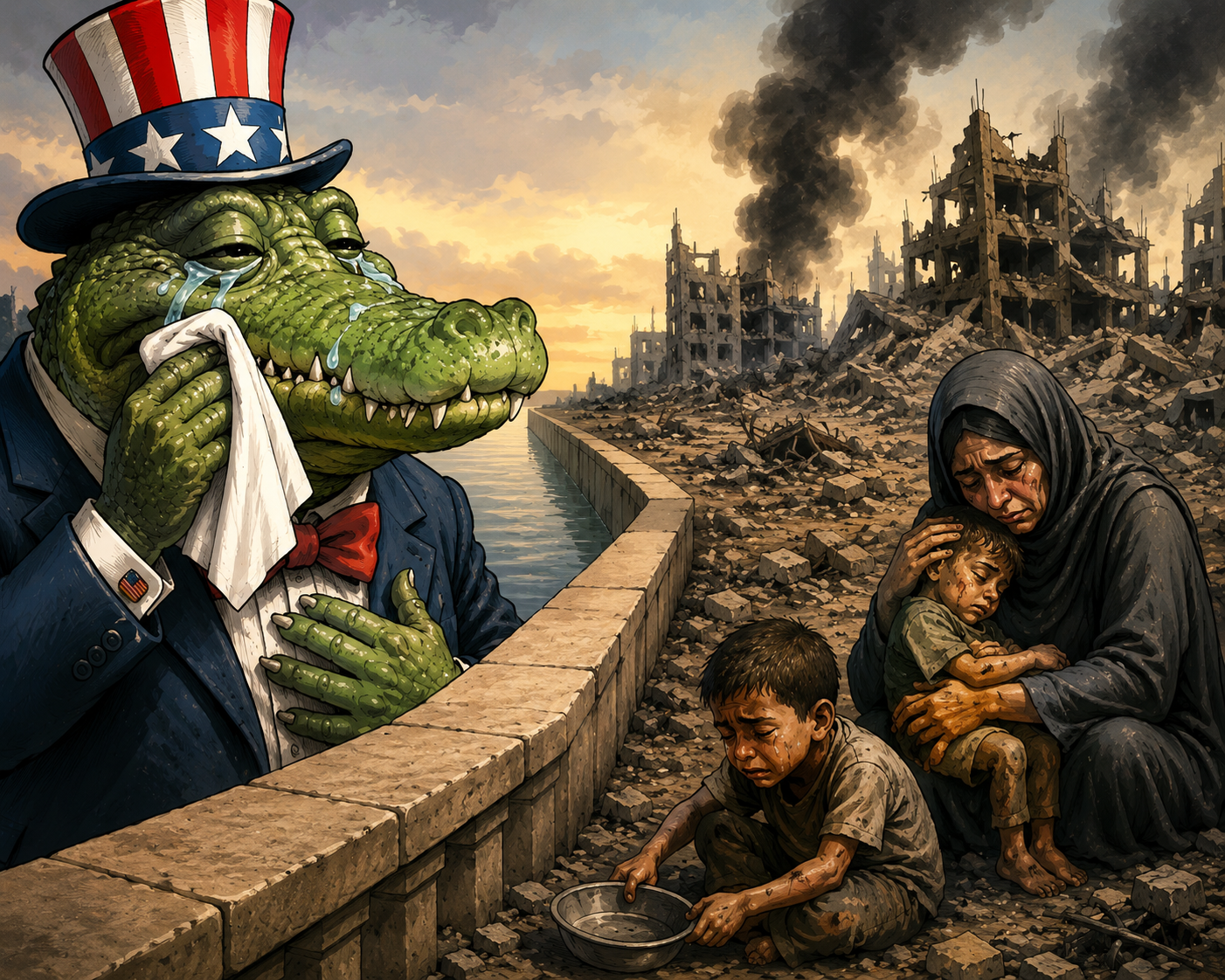
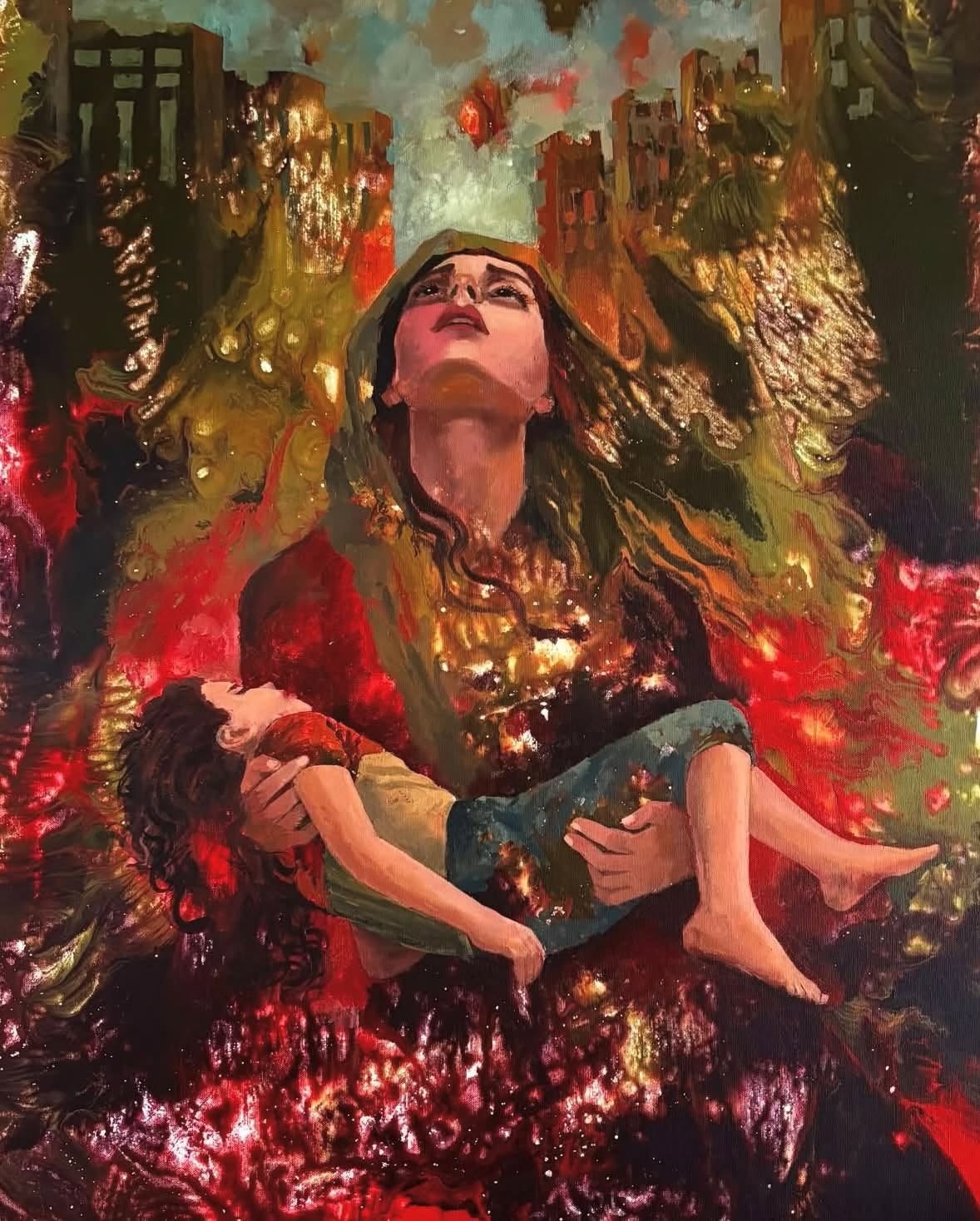
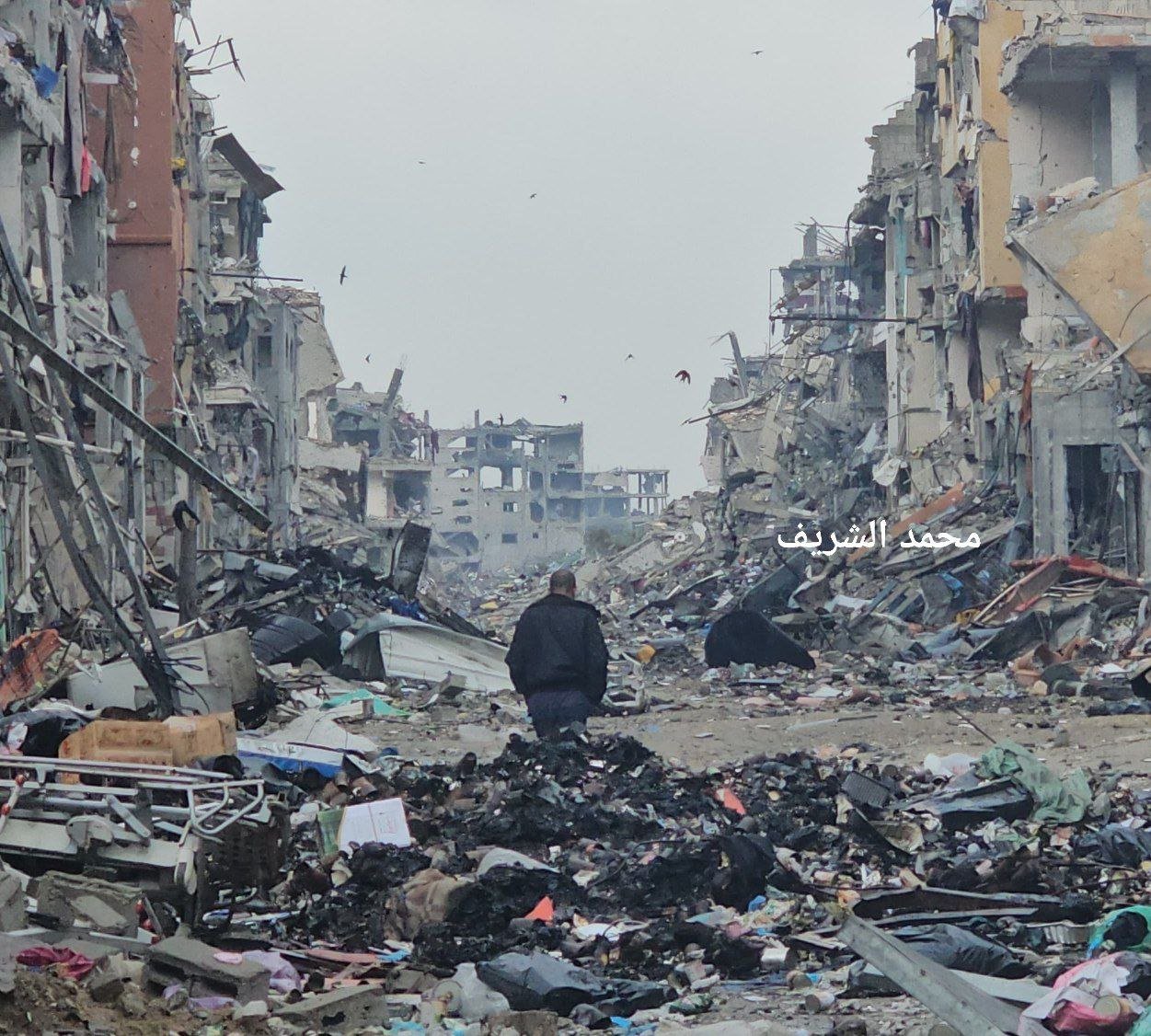
In Gaza, under the noise of planes and the sounds of shells, people stand defenseless except for their faith, defying all forms of oppression and genocide. Psychological warfare, which is considered one of the main tools of the Israeli occupation, aims to break the will of man and plant fear and despair in the hearts of civilians according to Jo24.
But surprising and interesting at the same time is mulling over the fact that this war have not achieved its goals. On the contrary, this slaughter revealed the fragility of traditional psychological theories in the face of the power of faith.
Psychology, as we know it, provides a superficial explanation for human behavior in the face of mounting pressures. It talks about accumulated helplessness, the collapse of the soul under the weight of constant fear, and the inevitability of surrender in the face of the lack of basic needs.
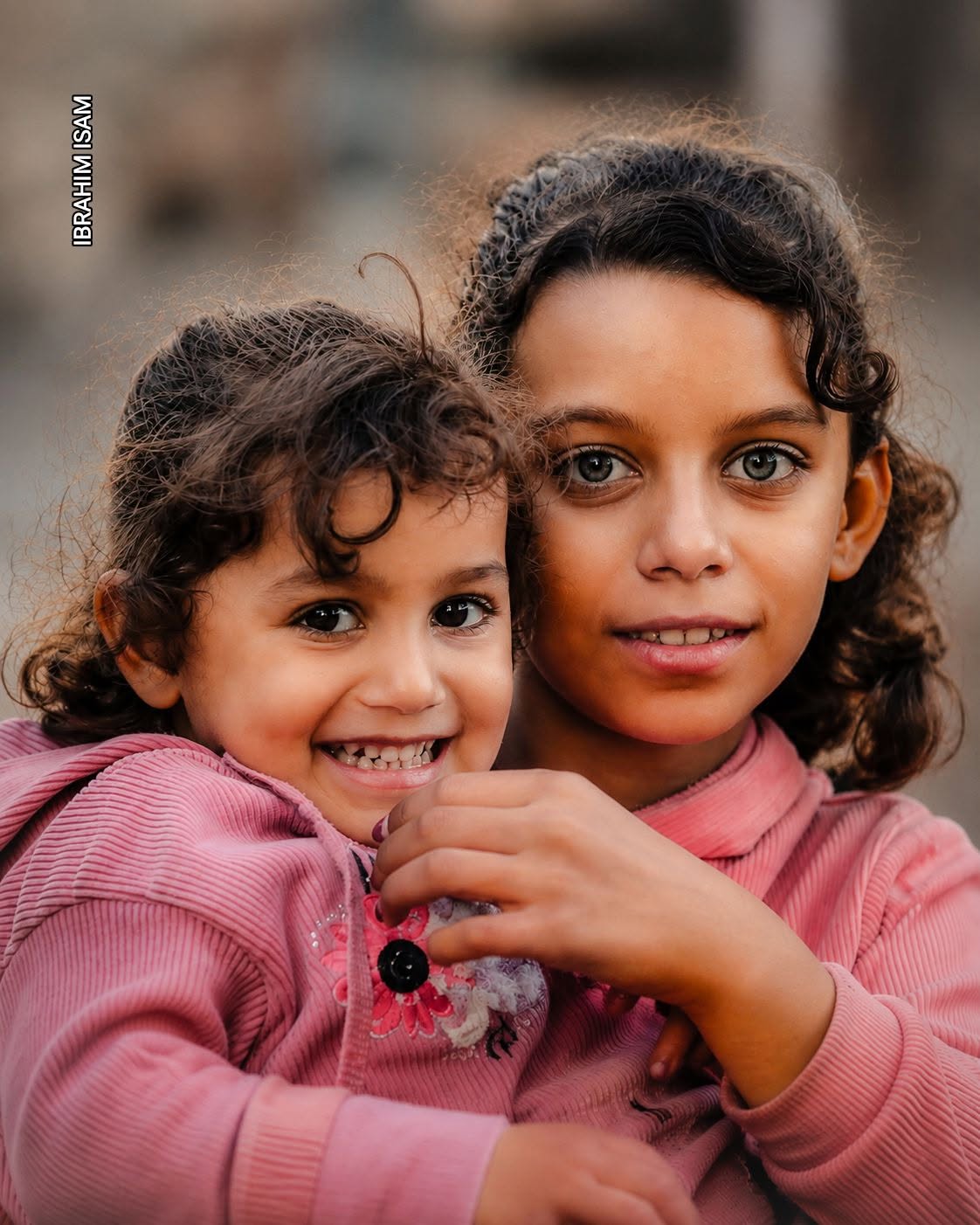
But Gaza provides a model that destroys these assumptions. How can a people living under siege and bombardment continue to cling to their will and dignity? How can a child who lost his family smile and stand in the face of tanks? How can a woman who lost everything become a symbol of defiance and steadfastness?
The answer lies in something deeper than material psychological concepts; it is the power of faith. In Gaza, faith in God is not just an inner feeling or a spiritual practice, but rather it is an integrated system that provides strength and reassurance, and redefines the concept of steadfastness.
When the people of Gaza see their lives, land, and children must be protected, they, their inner beings, become psychological fortresses not to be shaken, no matter how fierce the war on them becomes.
What is Gaza offering is not just resistance to the occupation, but a call to reconsider everything we have learned about the human psyche. Psychology, which assumes that man is a fragile creature that breaks under pressure, finds itself helpless in the face of the Gaza model.
This small, besieged enclave offers a lesson to the world: For faith is not just a belief, it is a force of energy that frees man from his fear, and makes him capable of confronting the most powerful armies.
In the end, Gaza is not just a political or humanitarian issue, but it is a philosophical battle that raises fundamental questions: Do we need to review the foundations on which we built our understanding of the human psyche? Can faith, in all its simplicity and depth, be the most powerful weapon in the face of injustice? Gaza answers without hesitation: Yes.
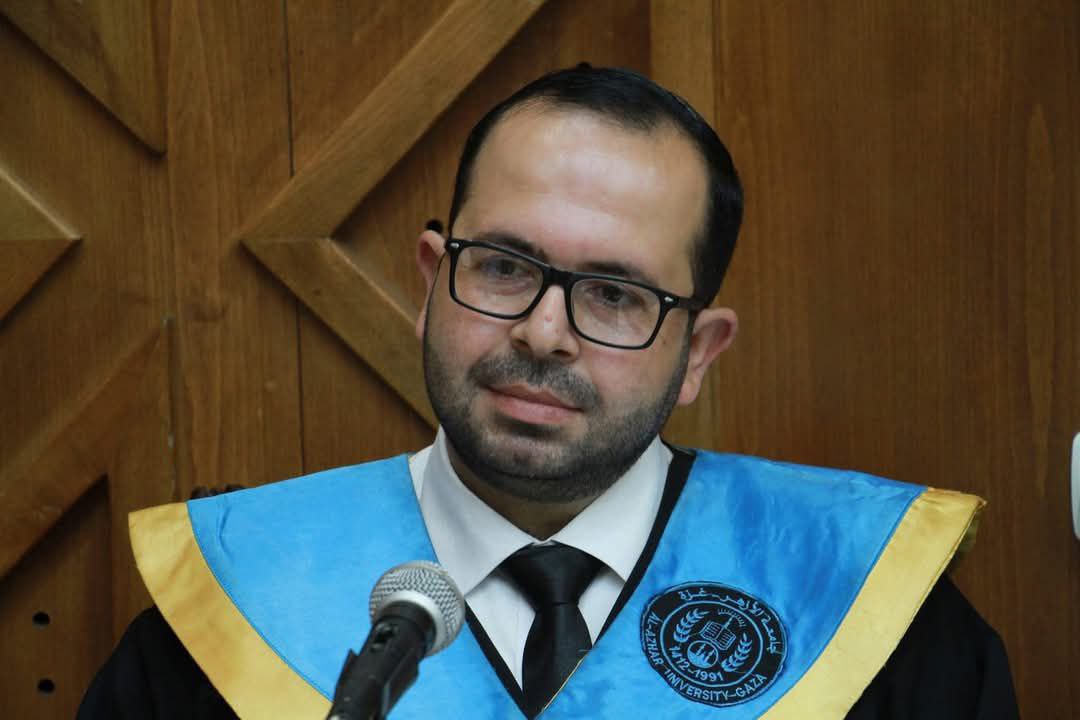
This piece is written by Professor Hani Al-Damour and published in Jo24.