 Flying Kites and The Politics of Fear
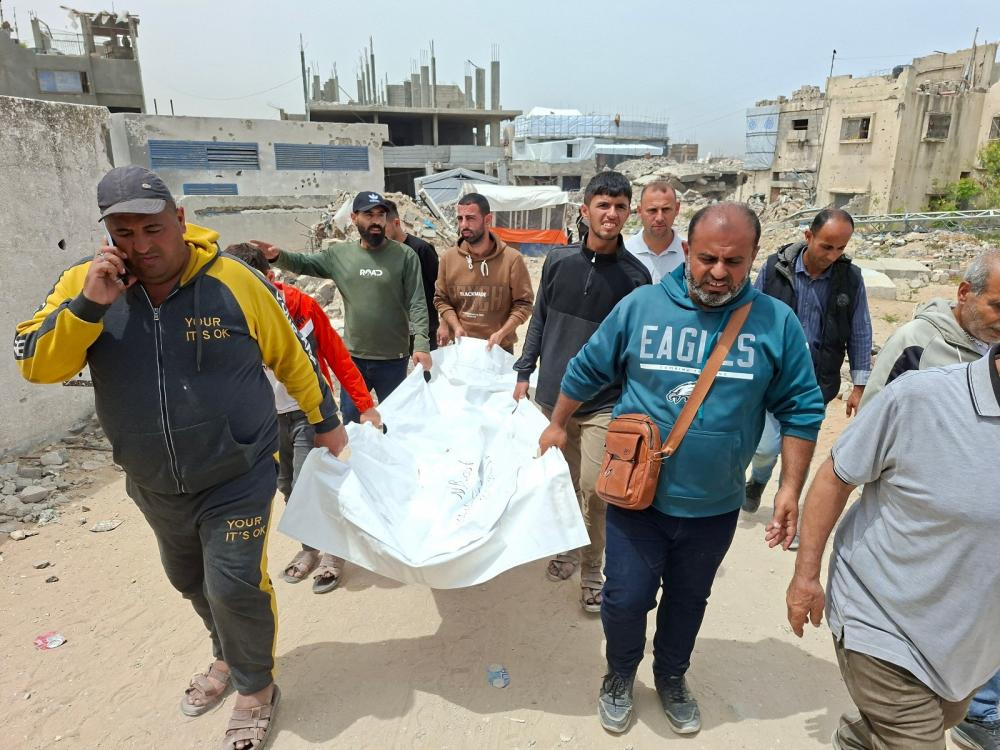
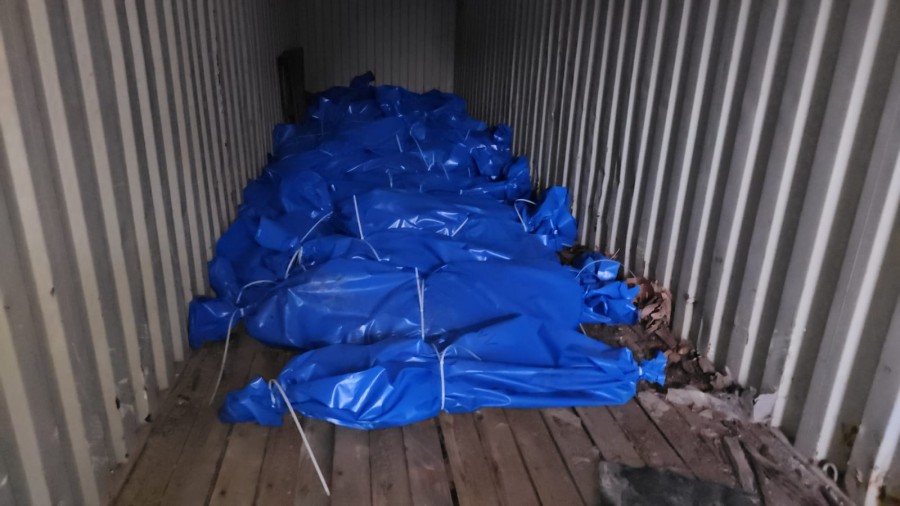 ‘No Rest Even in Death:’ Israel Holds on The Bodies of 1700 Palestinians
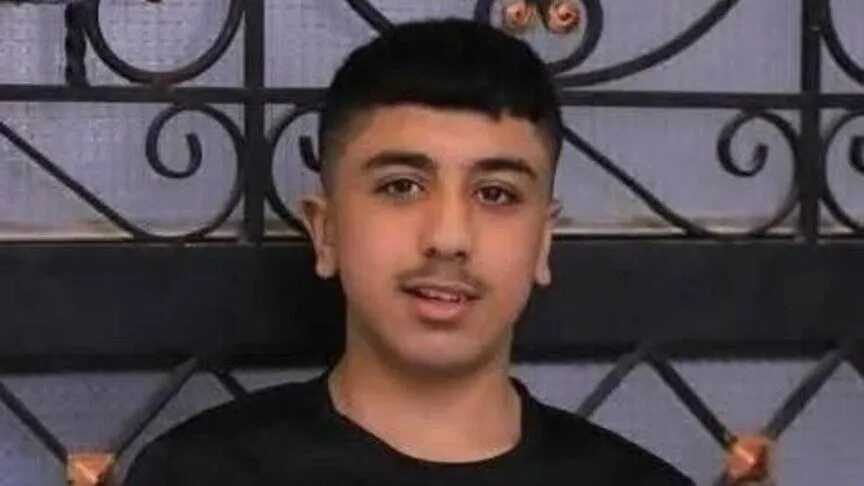 Israeli Army Forced to Release The Body of a 15-Year-Old it Kept For 9 Months
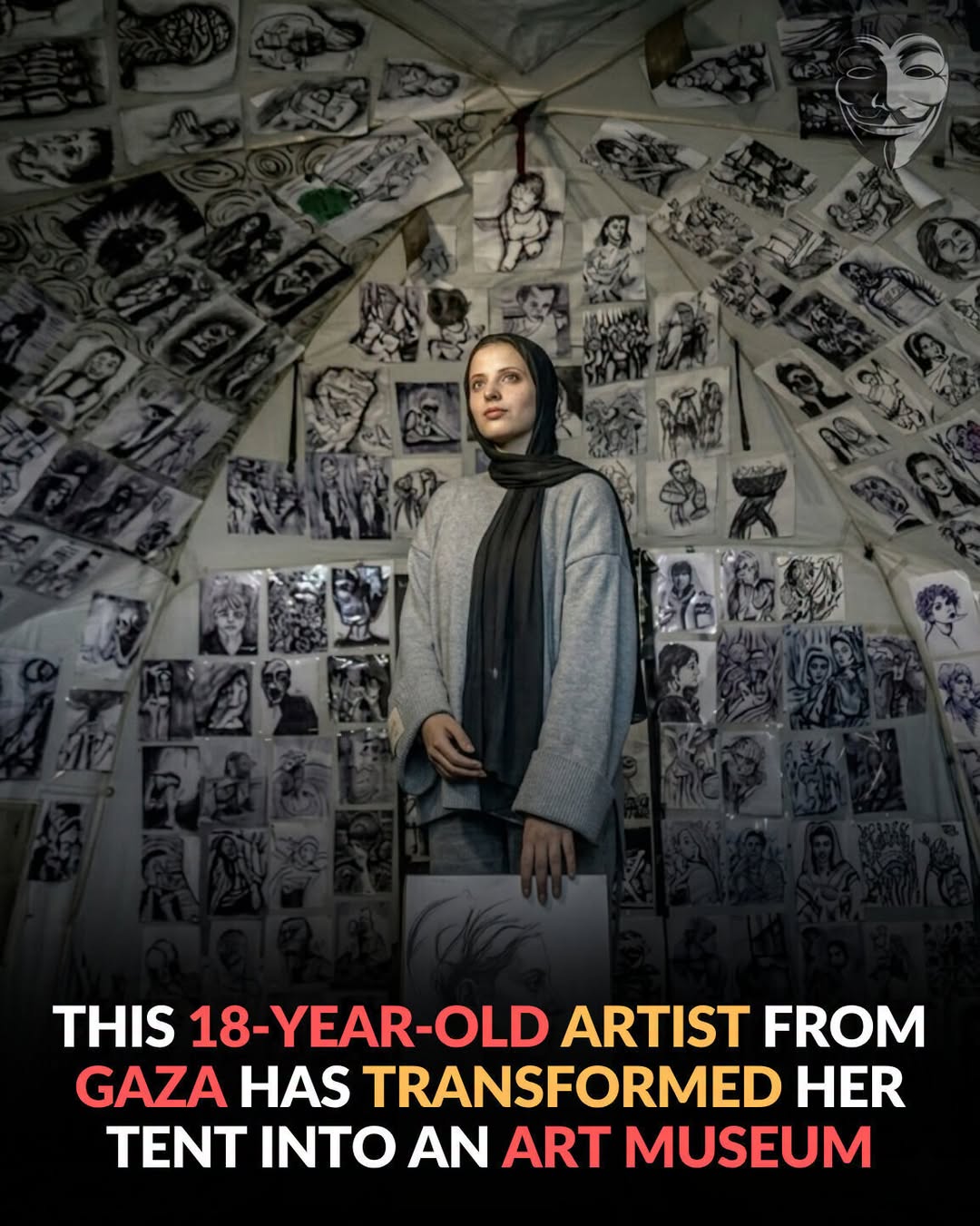 ‘My Tent, My Museum’
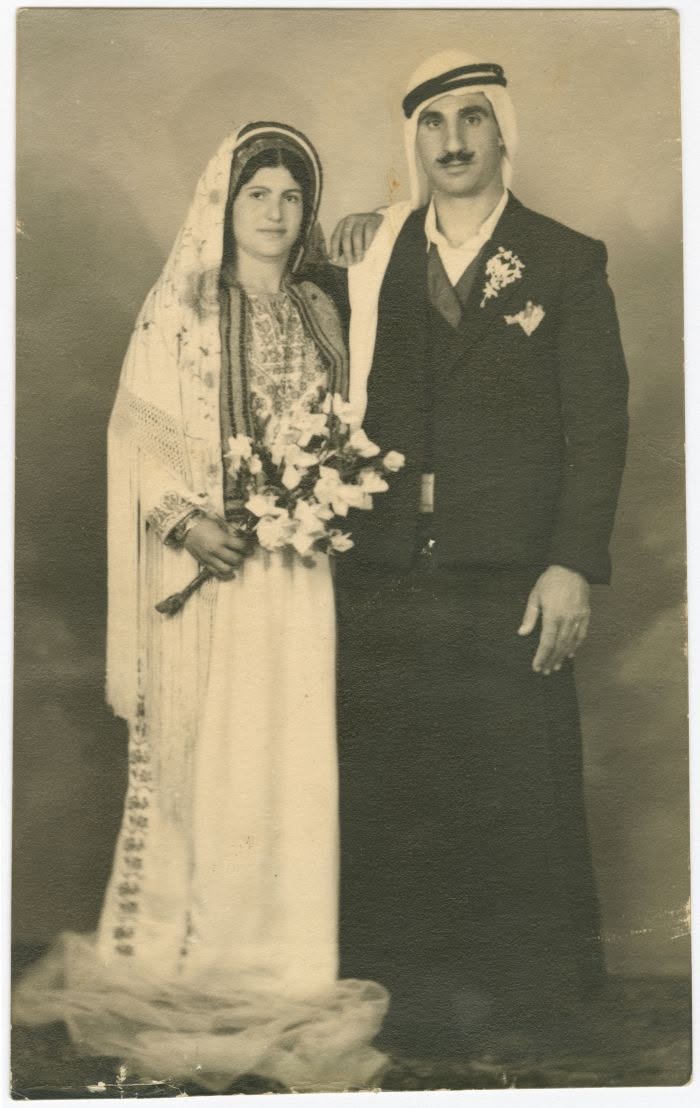
 Tradition and Identity

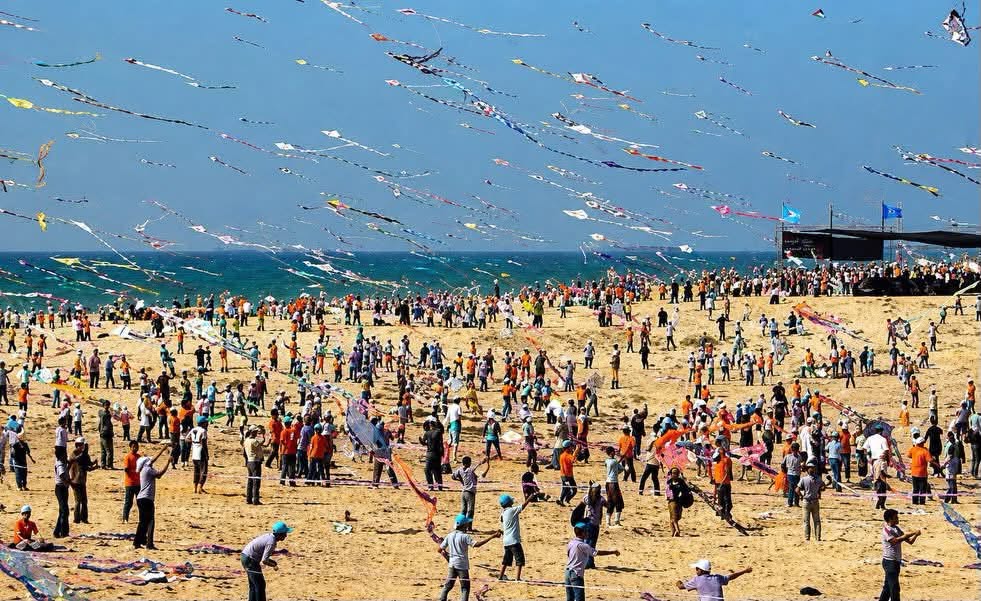
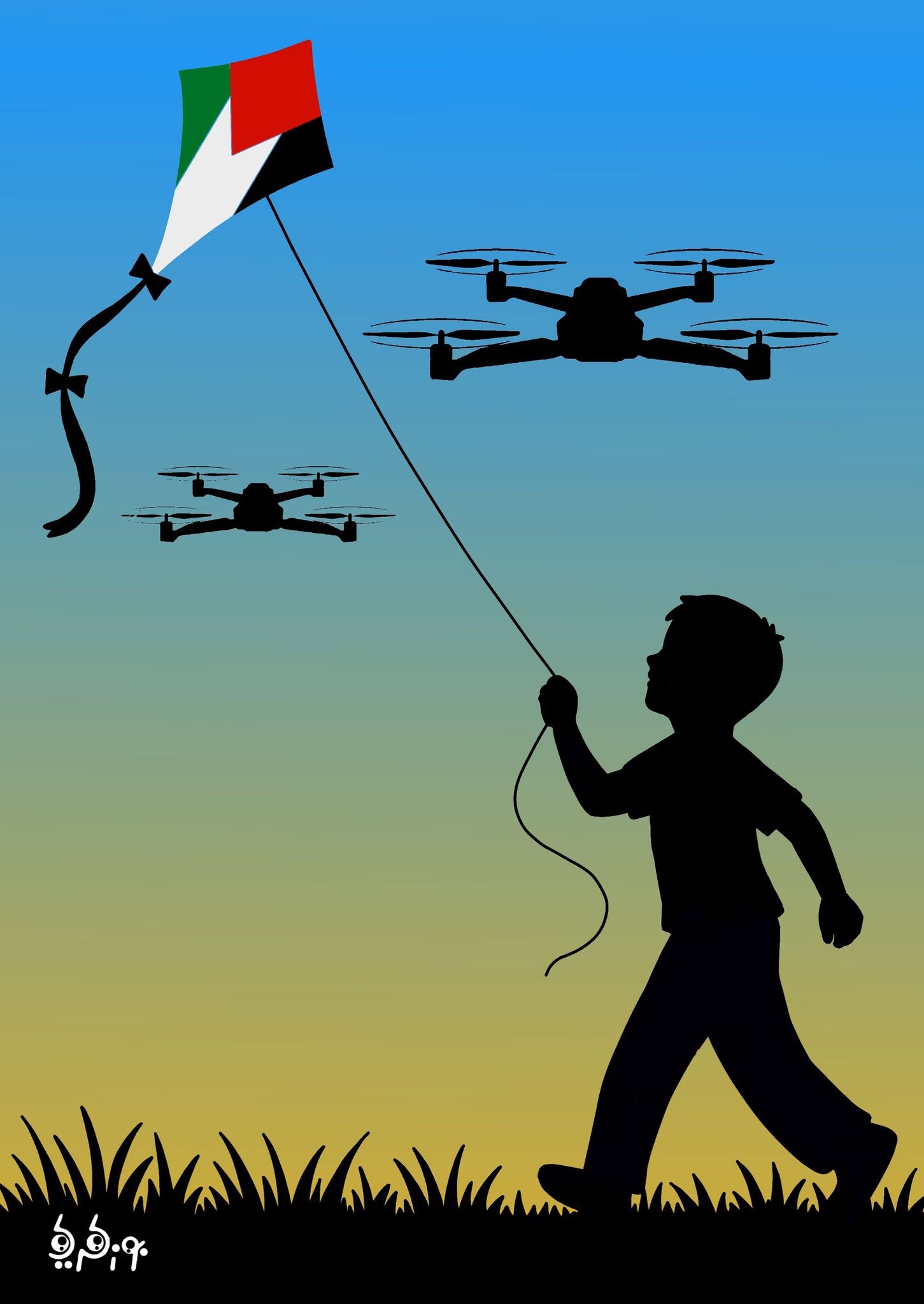
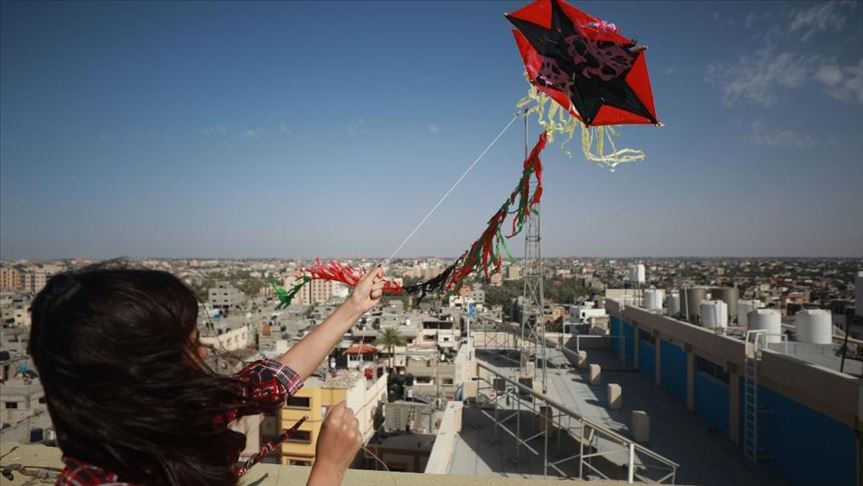
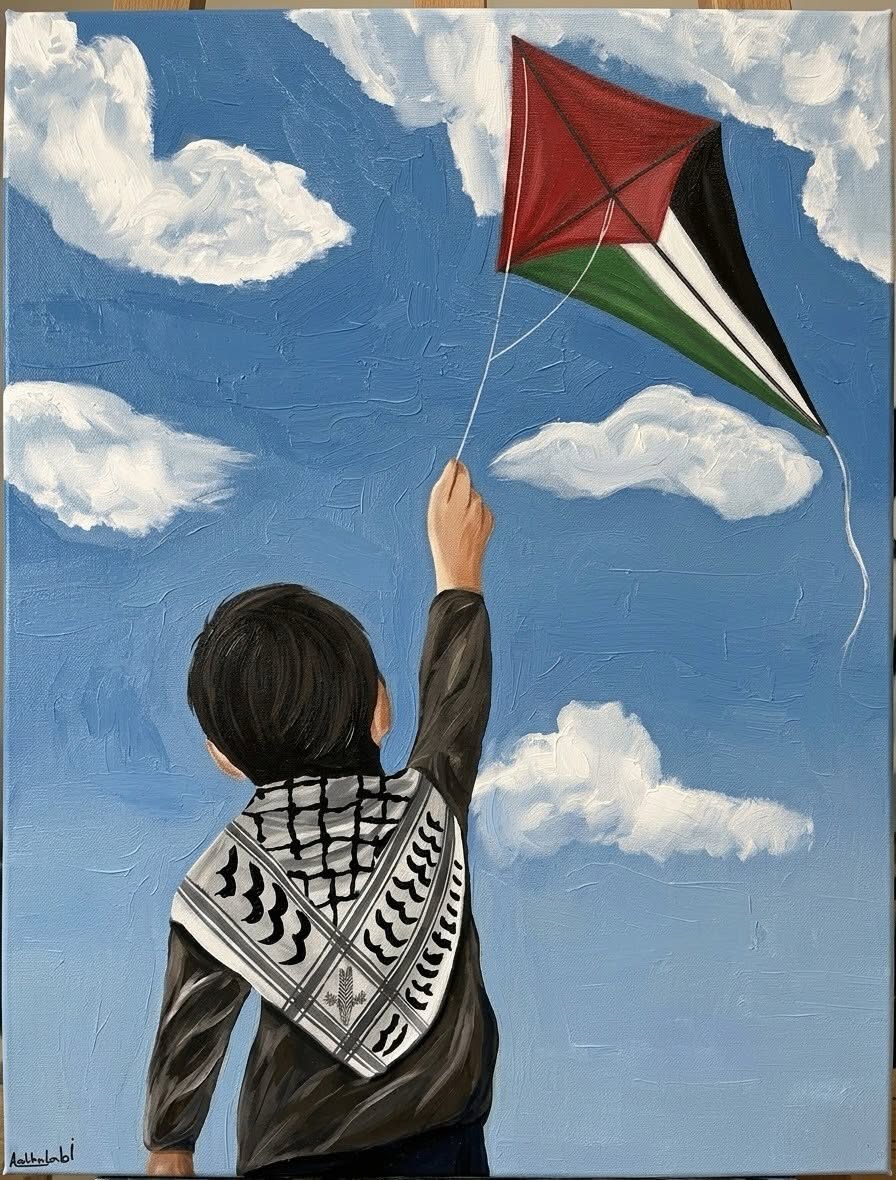
Flying Kites and The Politics of Fear
marwan
- August 27, 2026
 marwan
 CrossFireArabiaCrossFireArabiamarwan
 HebaCrossFireArabiaHebaHebamarwanCrossFireArabiaCrossFireArabiaCrossFireArabiaCrossFireArabiaHebamarwanHebaCrossFireArabiaCrossFireArabiaCrossFireArabiaCrossFireArabiaCrossFireArabiamarwanHebaCrossFireArabiaCrossFireArabiaCrossFireArabiaCrossFireArabiaCrossFireArabiaCrossFireArabiaCrossFireArabiaCrossFireArabiaHebaCrossFireArabiaCrossFireArabiaHebamarwanmarwanmarwanmarwanmarwanmarwanCrossFireArabiamarwanmarwan
 Saleem Ayoub QunamarwanCrossFireArabiaCrossFireArabiaCrossFireArabiaCrossFireArabiamarwanCrossFireArabiaCrossFireArabiamarwanCrossFireArabiaHebaCrossFireArabiamarwanCrossFireArabiamarwanHebaCrossFireArabiamarwanmarwanHebaCrossFireArabiamarwanmarwanCrossFireArabiamarwanHebaCrossFireArabia
Most Zionists don’t believe that God exists but most of them believe that He promised them Palestine – Ilan Pappe.
CrossFireArabia
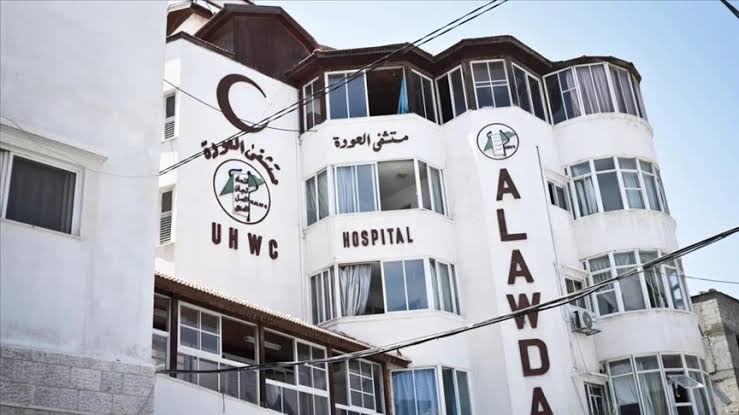
The Israeli army on Friday threatened the Al-Awda Hospital management, its medical staff and patients inside to immediately leave the hospital, “otherwise, it will be struck with everyone inside.”
The Israeli army has already attacked the Kamal Adwan Hospital and the Indonesian Hospital putting them out of service, while the Al-Awda Hospital in Jabalia in northern Gaza is still struggling to offer services.
According to a statement by the Al-Awda Hospital management, the Israeli army ordered the medical staff and patients to immediately leave.
Earlier, the Palestinian Information Centre said the Israeli forces stormed the Indonesian Hospital in northern Gaza, threatened its staff and patients, and ordered its immediate evacuation.
The doctor in charge of the hospital stated that the facility had run out of all medical supplies, calling for urgent international action to save the lives of wounded civilians according to Anadolu.
Last Friday, Israeli forces also stormed Kamal Adwan Hospital, set it on fire, rendered it out of service, and detained over 350 people inside, including its director Hussam Abu Safiya.
Since the onset of Israel’s genocidal war on Gaza on Oct. 7, 2023, the Israeli military has been targeting Gaza’s health sector, bombing and besieging hospitals, issuing evacuation orders, and preventing the entry of medical supplies, especially in northern Gaza, which was re-invaded on Oct. 5.
The Israeli army has continued a genocidal war on the enclave that has killed over 45,650 people, mostly women and children, since Oct. 7, 2023, despite a UN Security Council resolution calling for an immediate cease-fire.
In November, the International Criminal Court issued arrest warrants for Israeli Prime Minister Benjamin Netanyahu and his former Defense Minister Yoav Gallant for war crimes and crimes against humanity in Gaza.
Israel also faces a genocide case at the International Court of Justice for its war on the enclave.
CrossFireArabia
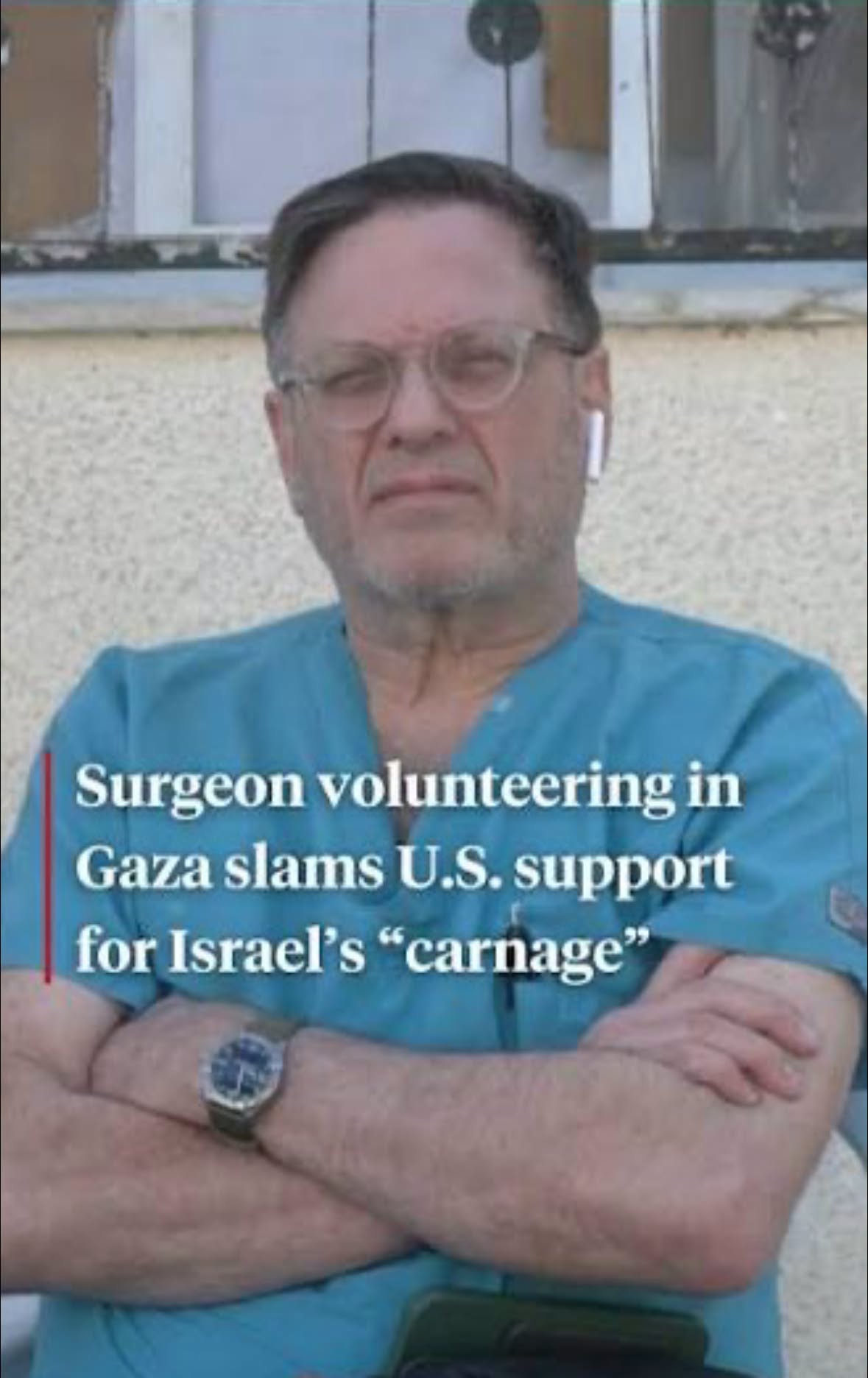
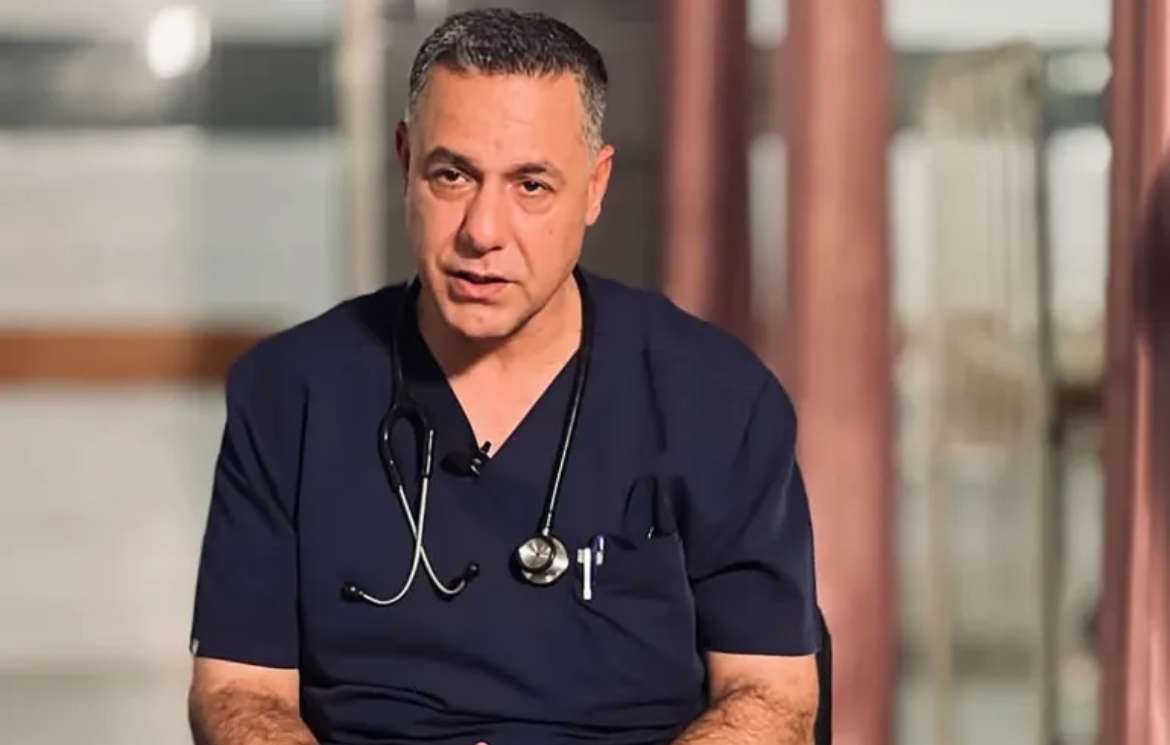
The Israeli government bears full responsibility for the life of Dr. Hussam Abu Safiya, the director of Kamal Adwan Hospital in northern Gaza, amid alarming indications of torture and ill-treatment since his detention in late December.
Euro-Med Human Rights Monitor has received information that Dr. Abu Safiya’s health has deteriorated due to the torture he endured during his detention, particularly while being held at the Sde Teyman military base in southern Israel. Euro-Med Monitor warns of the grave risk to his life, following patterns of deliberate killings and deaths under torture previously suffered by other doctors and medical staff arrested from Gaza since October 2023.
Euro-Med Human Rights Monitor has documented testimonies confirming that Israeli soldiers physically assaulted Dr. Abu Safiya immediately after he left the hospital on Friday, 27 December 2024. He was then directly targeted with sound bombs while attempting to evacuate the hospital in compliance with orders from the Israeli army.
According to testimonies gathered by Euro-Med Monitor, the Israeli army subsequently transferred Dr. Abu Safiya to a field interrogation site in the Al-Fakhura area of Jabalia Refugee Camp. There, he was forced to strip off his clothes and was subjected to severe beatings, including being whipped with a thick wire commonly used for street electrical wiring. Soldiers deliberately humiliated him in front of other detainees, including fellow medical staff. He was later taken to an undisclosed location before being transferred to the Sde Teyman military camp under Israeli army control.
Euro-Med Human Rights Monitor has also received information from recently released detainees at the Sde Teyman military camp, confirming that Dr. Abu Safiya was subjected to severe torture, leading to a significant deterioration in his health. This occurred despite him already being injured by Israeli air strikes on the hospital, where he worked tirelessly until the facility was stormed and set ablaze by Israeli forces.
The Israeli army has attempted to mislead the public regarding Dr. Abu Safiya’s detention and torture. Pro-Israeli media outlets circulated a misleading promotional video portraying his treatment as humane, even though he was tortured and humiliated immediately after filming.
Euro-Med Monitor warns of the severe implications of Israel’s denial of Dr. Abu Safiya’s detention, describing this as a deeply troubling indicator of his fate and detention conditions. This denial also reflects a blatant disregard for binding legal standards.
Physicians for Human Rights – Israel (PHRI) submitted a request on behalf of Dr. Abu Safiya’s family to obtain information and facilitate a lawyer’s visit on 2 January 2024. However, the Israeli authorities claimed to have no record of his detention, stating they had no indication of his arrest.
Euro-Med Monitor expresses deep concern that Dr. Abu Safiya may face execution during his detention, similar to the fate of Dr. Adnan Al-Bursh, head of the orthopaedics department at Al-Shifa Hospital in Gaza City, who was killed under torture at Ofer Detention Centre on 19 April 2024. Dr. Al-Bursh had been detained along with colleagues from Al-Awda Hospital in December 2023.
Likewise, Dr. Iyad Al-Rantisi, head of the obstetrics department at Kamal Adwan Hospital, was killed due to torture at an Israeli Shin Bet interrogation centre in Ashkelon, one week after his detention in November 2023. Israeli authorities concealed his death for more than seven months.
Dozens of doctors and medical staff remain subjected to arbitrary detention and enforced disappearance in Israeli prisons and detention centres, where they face severe torture and solitary confinement, according to testimonies from former detainees.
The detention of Dr. Abu Safiya must be understood within the context of Israel’s ongoing genocide in Gaza, which has persisted for nearly 15 months. His arrest, torture, and potential execution form part of a broader strategy aimed at destroying the Palestinian people in Gaza—both physically and psychologically—and breaking their will.
This strategy includes not only the deliberate destruction of the health sector and the disruption of medical staff operations, particularly in northern Gaza, but also an attack on the symbolic and humanitarian role represented by Dr. Abu Safiya. Despite the grave crimes committed against Kamal Adwan Hospital, its staff, and patients, especially in the past two months, Dr. Abu Safiya remained unwavering in his dedication to providing essential medical care and fulfilling his medical duties.
Euro-Med Human Rights Monitor calls on all concerned states, international entities, and UN bodies to take immediate and effective measures to secure the unconditional release of Dr. Abu Safiya. His fundamental rights to life, physical safety, and dignity must be protected, shielding him from torture or any cruel, inhuman, or degrading treatment.
Euro-Med Monitor also urges international and local human rights organisations to be granted full access to visit Dr. Abu Safiya, monitor his health condition, provide necessary medical treatment, and ensure he is free from human rights violations until his release.
Furthermore, Euro-Med Monitor reiterates its call for the United Nations to deploy an international investigative mission to examine the grave crimes and violations faced by Palestinian detainees in Israeli prisons. It calls for the immediate release of those detained arbitrarily, for international and local organisations to be granted visitation rights, and for detainees to have access to legal representation.
Euro-Med Monitor expresses regret over the continued inaction of Ms. Alice Jill Edwards, the Special Rapporteur on Torture, who has failed to address these atrocities. It condemns her bias and deliberate negligence in fulfilling her mandate and calls for her dismissal. A new Special Rapporteur who is neutral and committed to universal human rights principles must be appointed.
Additionally, Euro-Med Monitor urges the Special Rapporteur on Extrajudicial, Summary, or Arbitrary Executions, the Working Group on Arbitrary Detention, and the Working Group on Enforced or Involuntary Disappearances to conduct immediate and thorough investigations into crimes committed by the Israeli military in Gaza. It calls for direct engagement with victims and families, as well as for reports to be submitted to pave the way for investigative committees, fact-finding missions, and international courts to prosecute Israeli crimes, hold perpetrators accountable, and compensate victims in line with international law.
Euro-Med Human Rights Monitor renews its call for relevant states and entities to fulfil their legal obligations to halt the genocide in Gaza. This includes imposing a comprehensive arms embargo on Israel, holding it accountable for its crimes, and taking effective measures to protect Palestinian civilians. Immediate steps must also be taken to prevent forced displacement, ensure the return of residents, release arbitrarily detained Palestinians, and facilitate the urgent entry of life-saving humanitarian aid into Gaza without obstacles. Finally, Euro-Med Monitor demands the withdrawal of Israeli occupation forces from the entire Gaza Strip.
CrossFireArabia
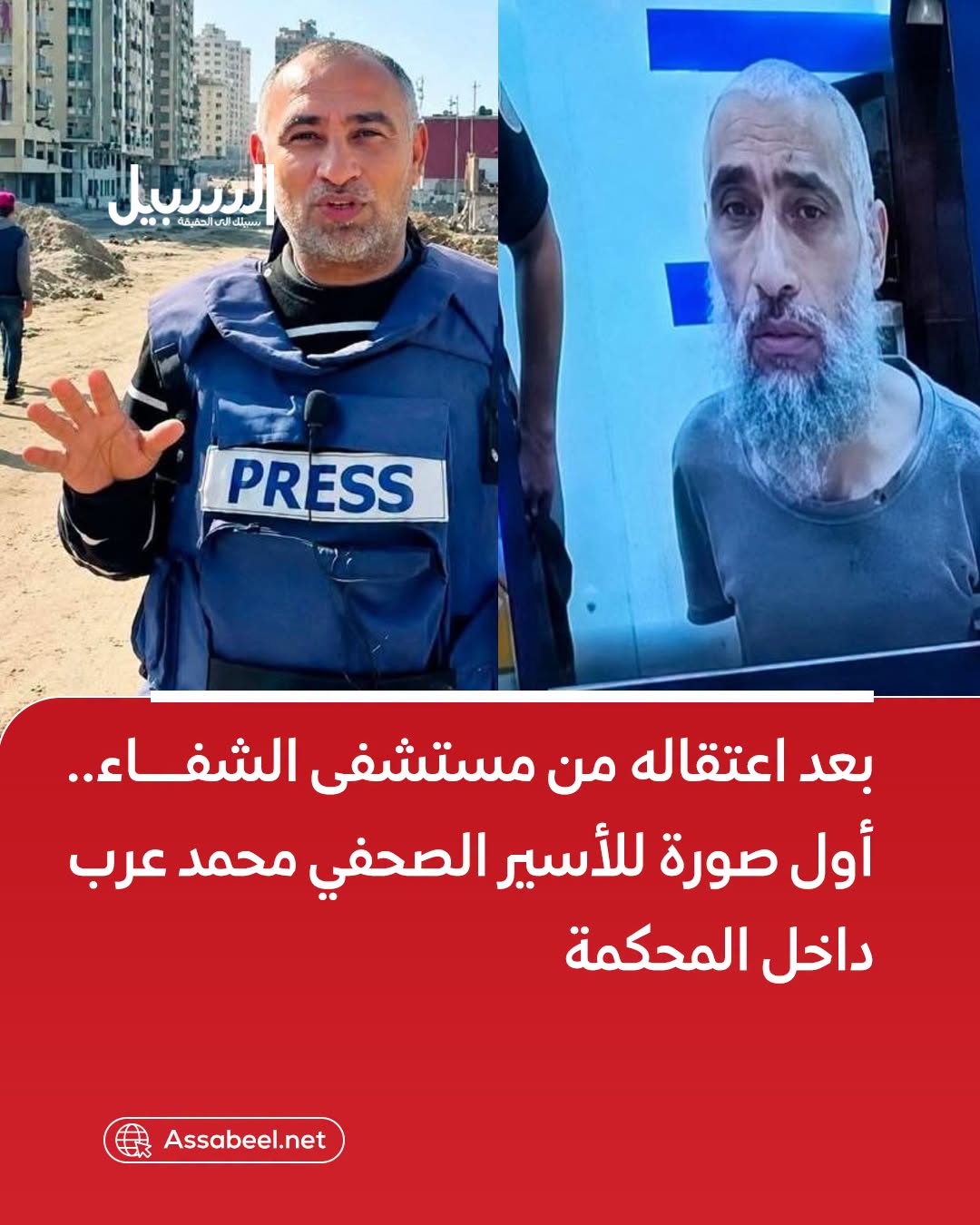
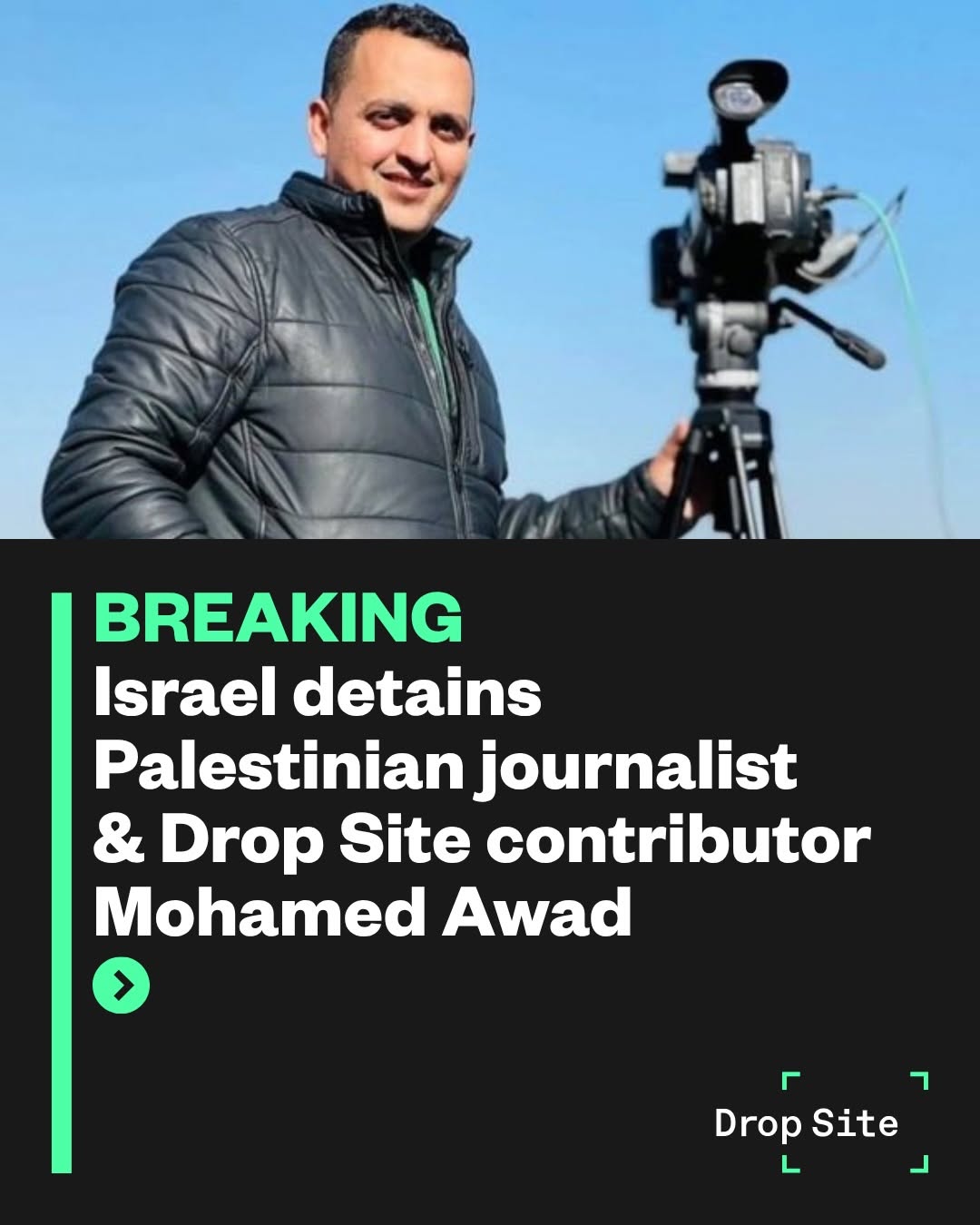
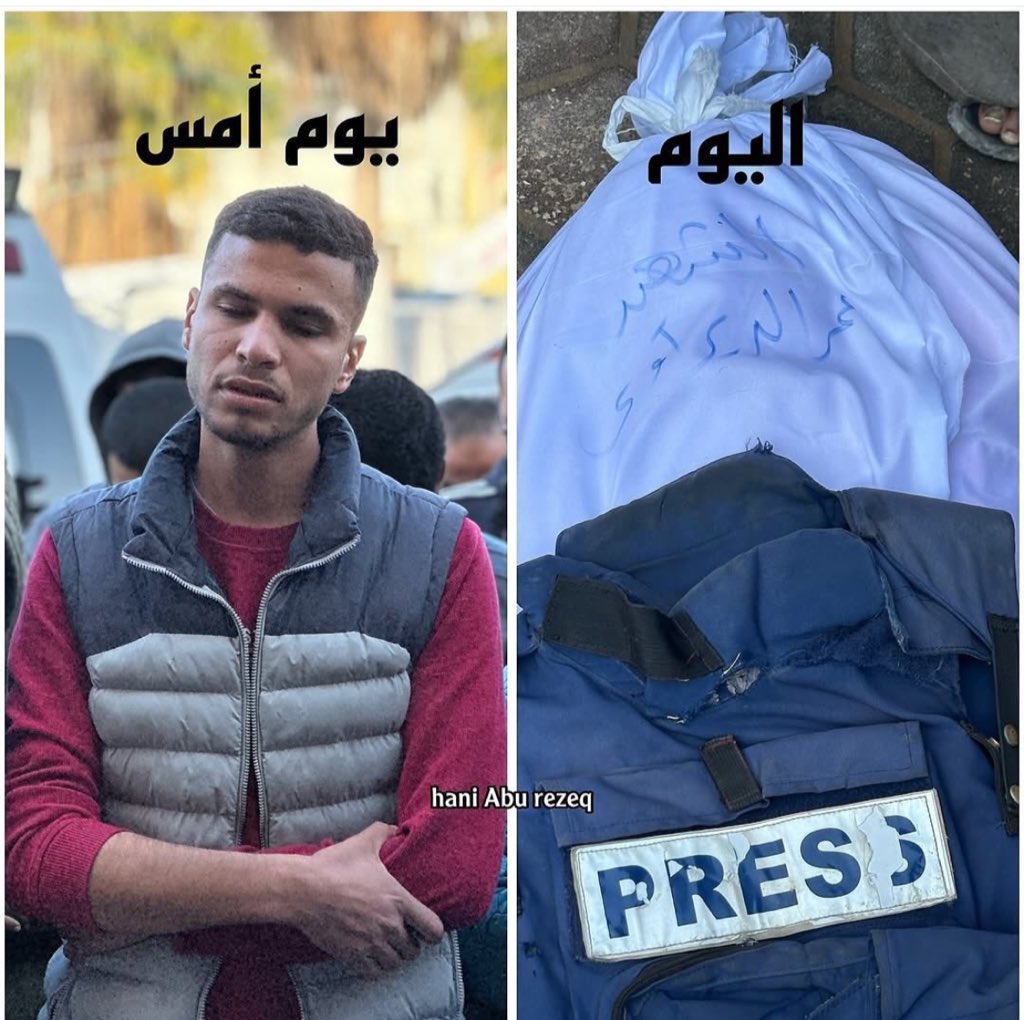
202 Palestinian journalists have been killed in Israeli attacks since the start of the ongoing Israeli genocidal war in Gaza, according to Gaza’s Government Media Office.
The last victim was journalist Omar al-Dirawi who was killed in an Israeli airstrike targeting his family’s home in al-Zawaideh in central Gaza on Friday morning according to Quds News Network.
The office condemned Israel’s killings of journalists, calling on the international community and rights groups to condemn Israeli crimes and prosecute them in international courts.
“Bloody Year”
Israel’s genocidal war on Gaza has been considered the deadliest for journalists and media workers in the world in 30 years.
Critics accuse Israel – which banned foreign reporters from entering Gaza – of targeting journalists in the Palestinian territory to obscure the truth about its war crimes there.
“Deliberately targeting journalists is a war crime under international law. This attack must be independently investigated and the perpetrators must be held to account,” Programme Director at Committee to Protect Journalists (CPJ), Carlos Martinez de la, said.
In a recent report, the International Federation of Journalists (IFJ) described 2024 as a “particularly bloody year.”
According to the IFJ’s annual report, as of December 10, 2024, 104 journalists have been killed worldwide since January 1, with more than half of them in Gaza.
Seventy-five percent of all reporters killed in the world in 2023 were killed between October 7 and the end of last year.
IFJ Secretary General Anthony Bellanger described 2024 as “one of the worst years” for media professionals. He condemned the “massacre taking place in Palestine before the eyes of the entire world.”
In a separate report, Reporters Without Borders (RSF) said Palestine is the most “dangerous country for journalists, recording a higher death toll than any other country over the past five years.” The report covers data up to December 1.