 Palestinian Hassan Arar Freed After 22 Years in Jail
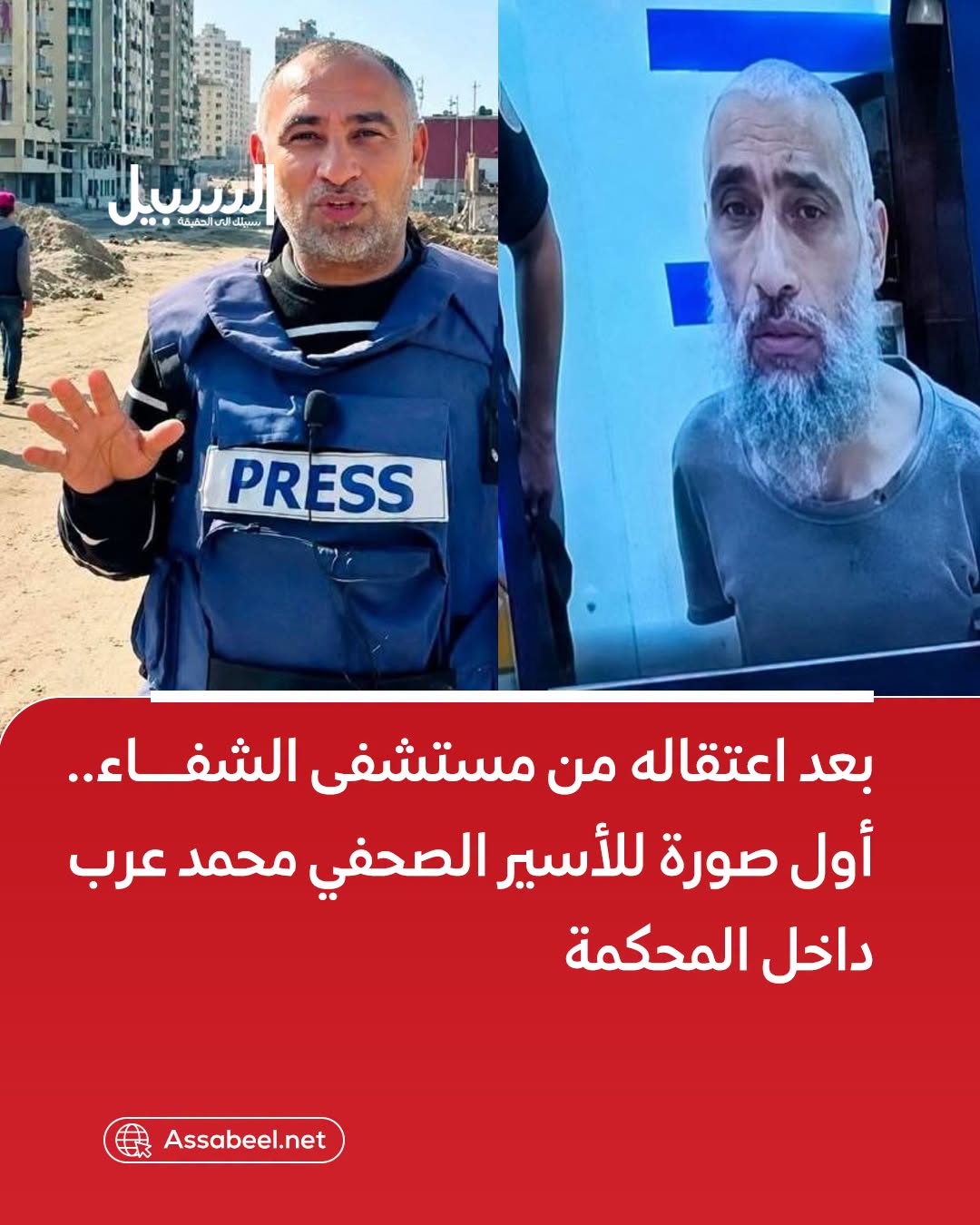
 ‘My Curious Camera’
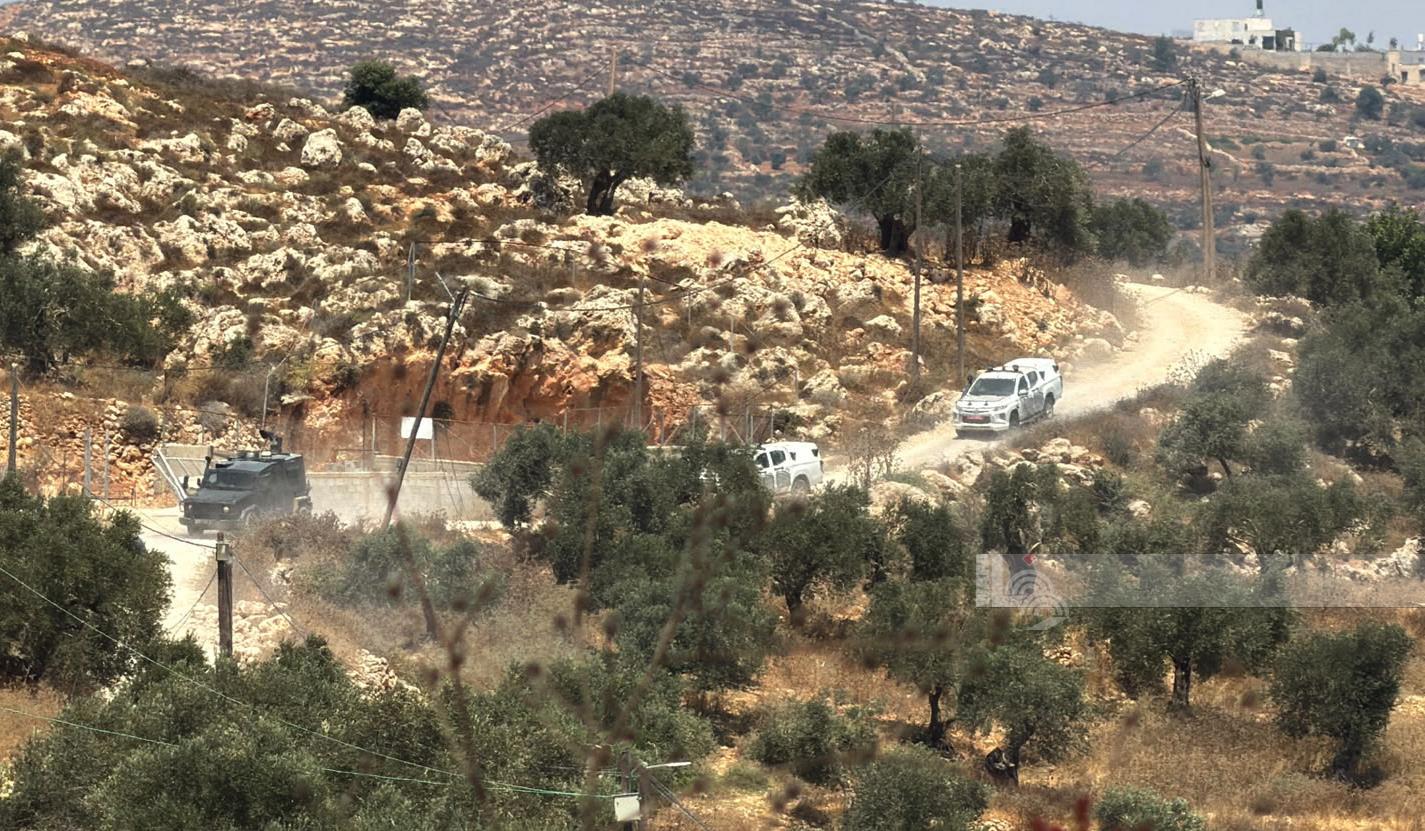
 The Road to Bethlehem
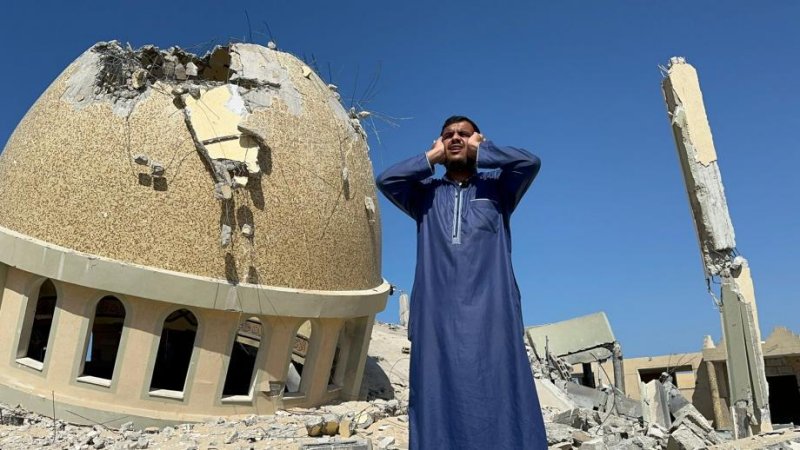
 My Homeland, My Palestine
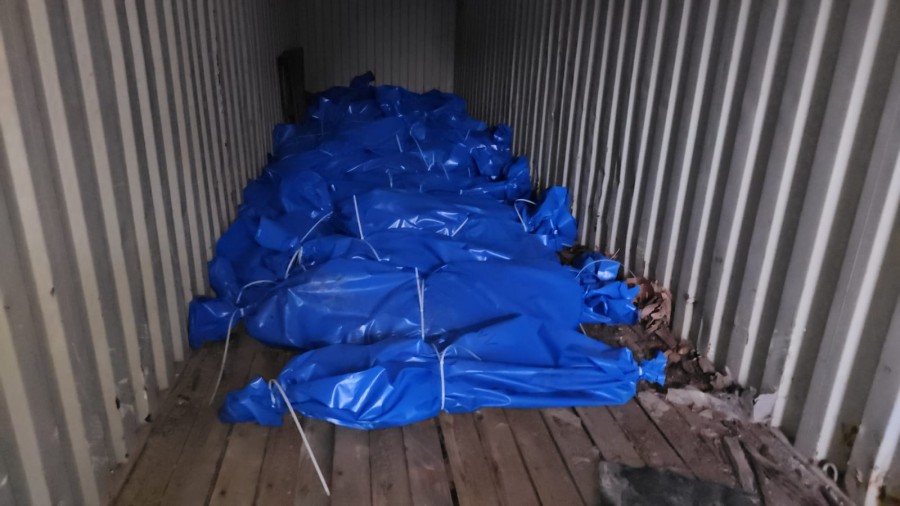
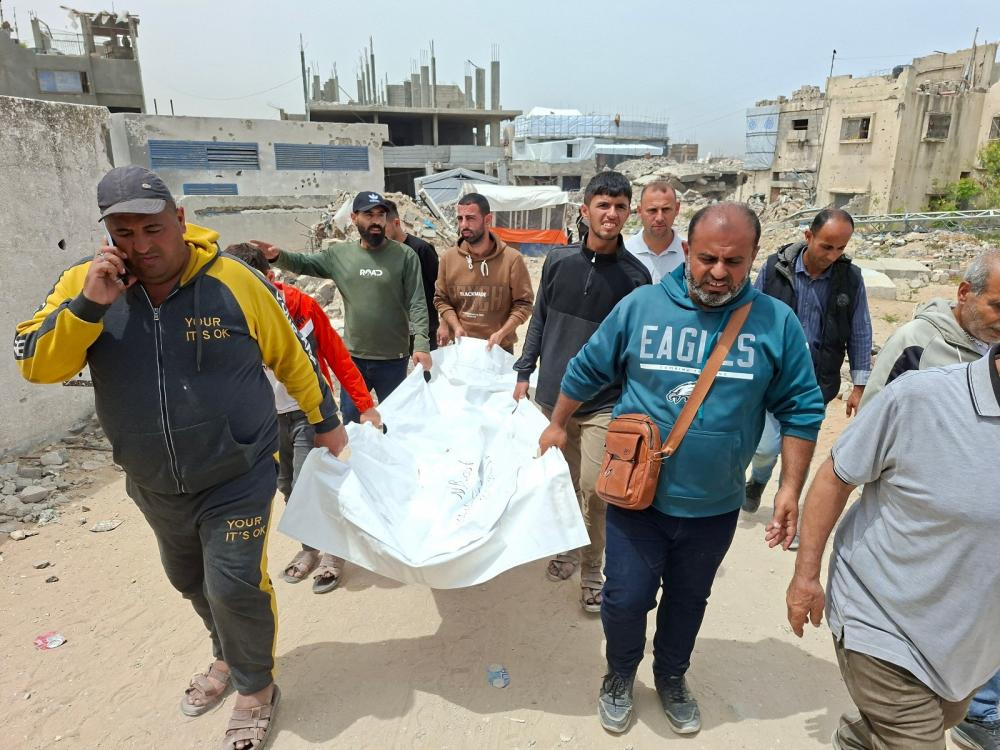
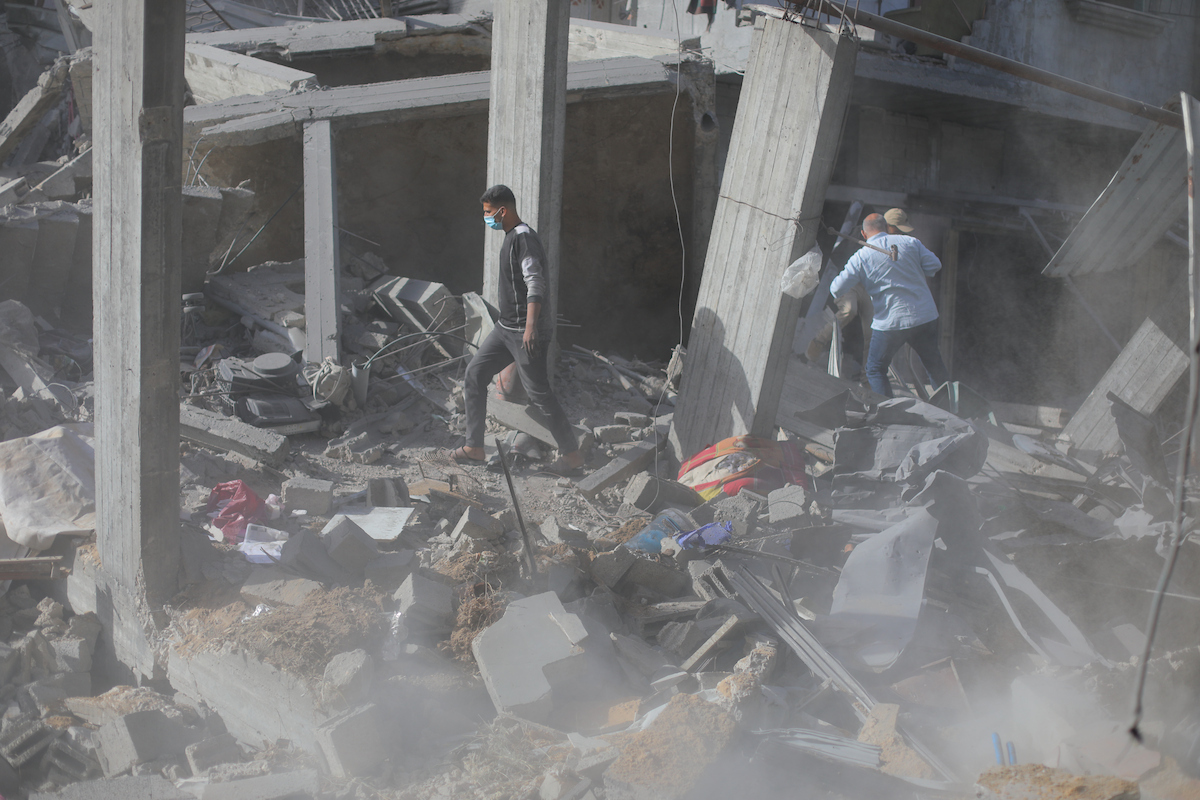
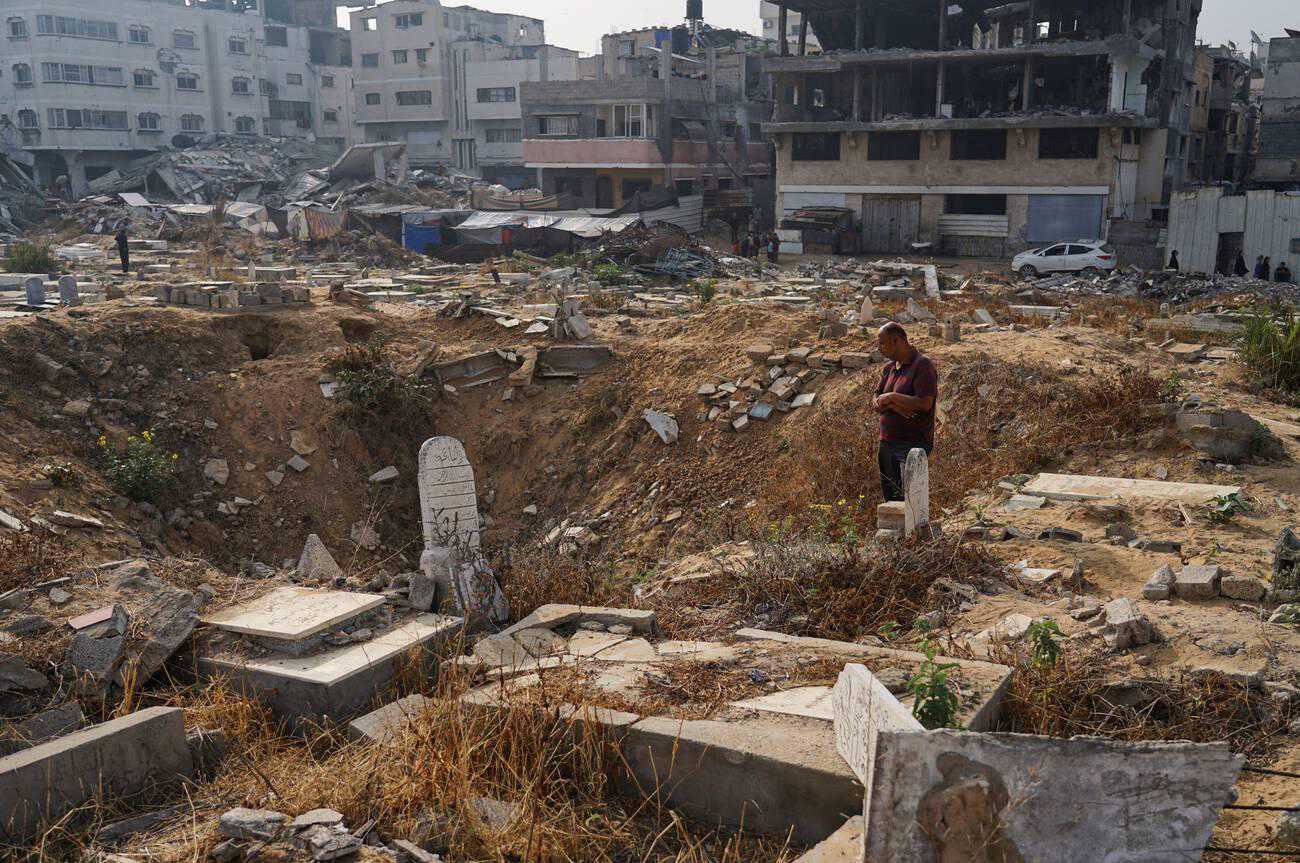
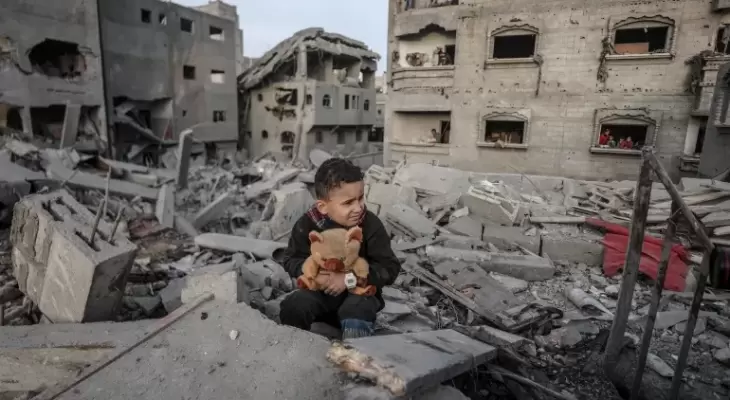
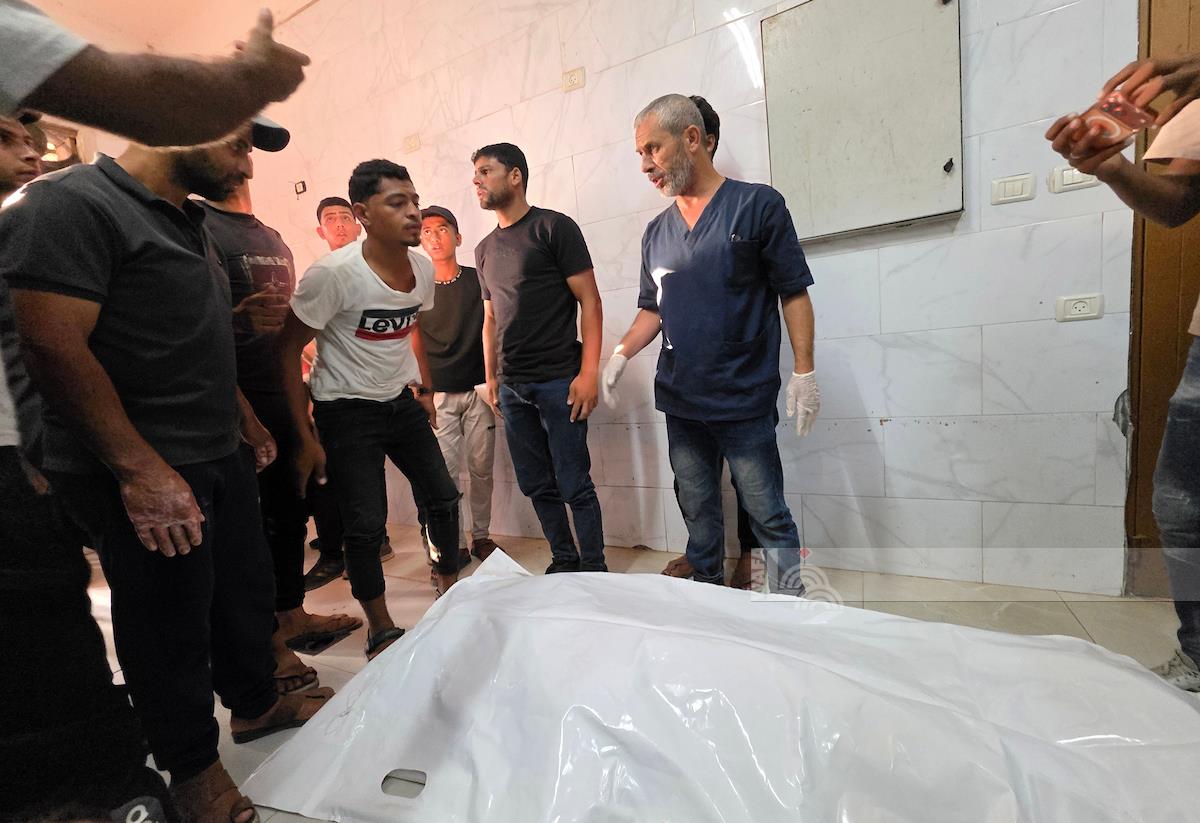
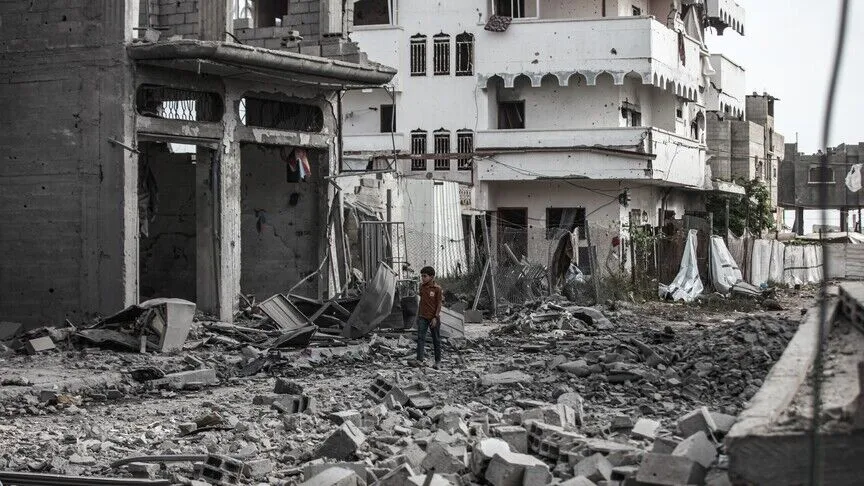
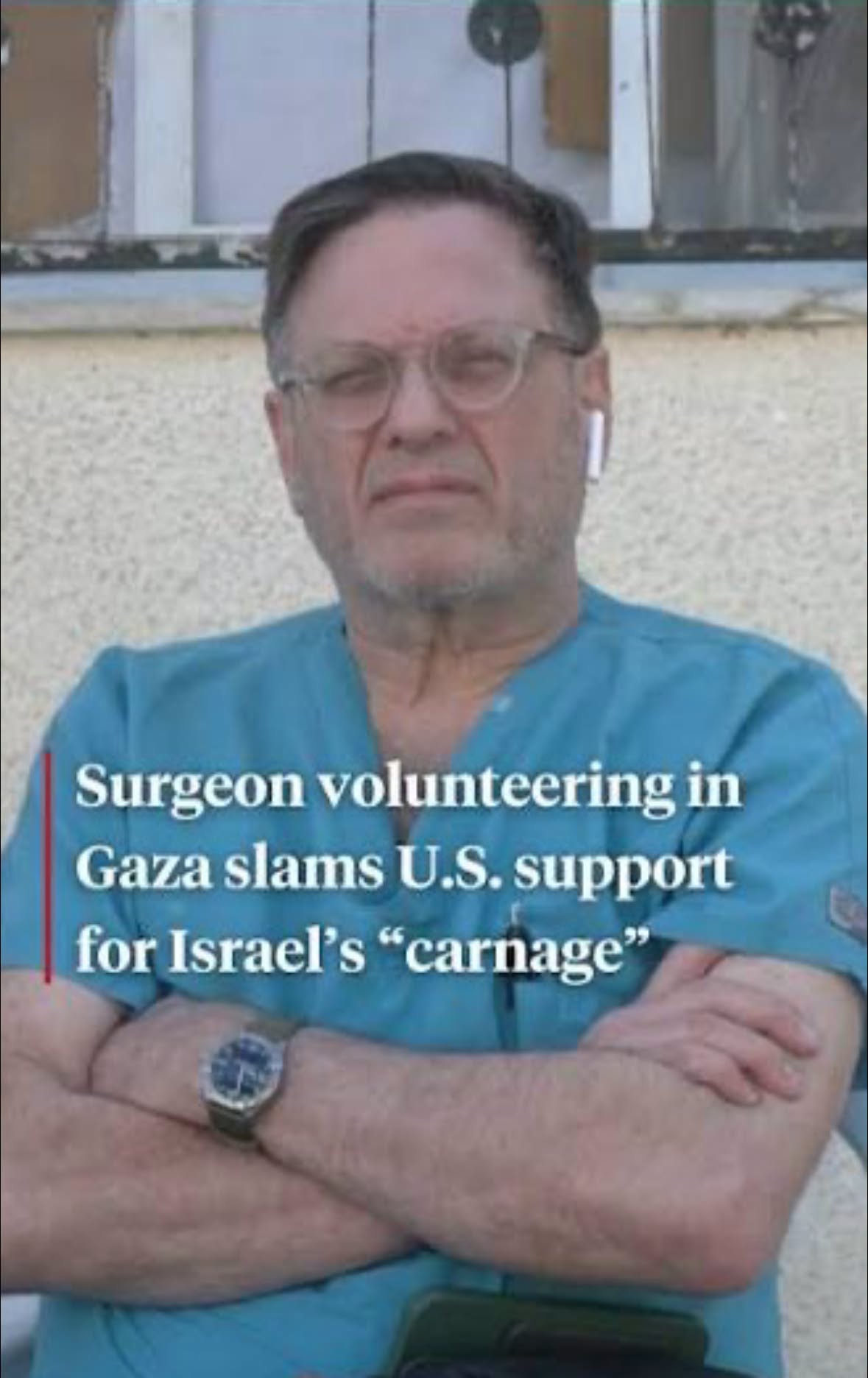
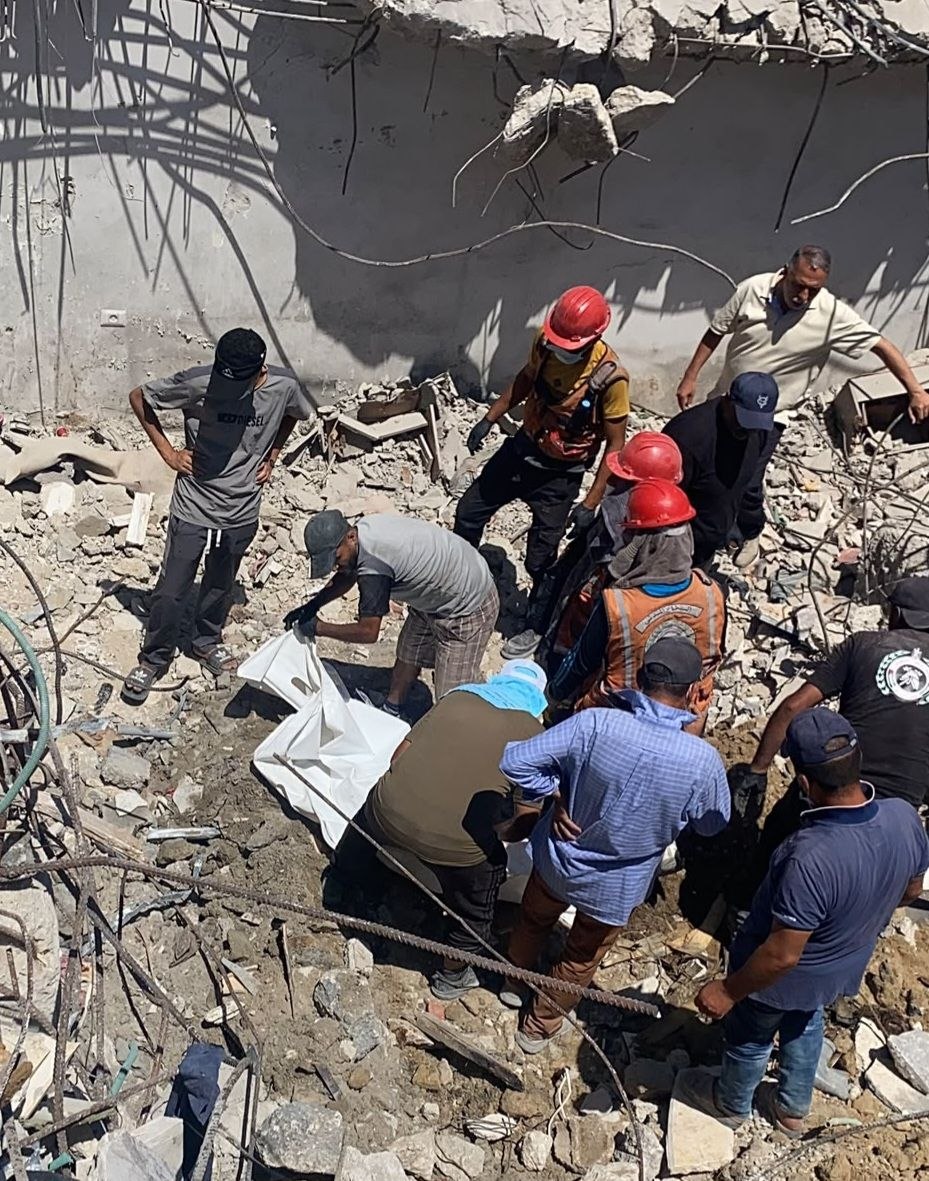 233 Bodies Recovered From Under The Gaza Wreckage, 174 Still Missing




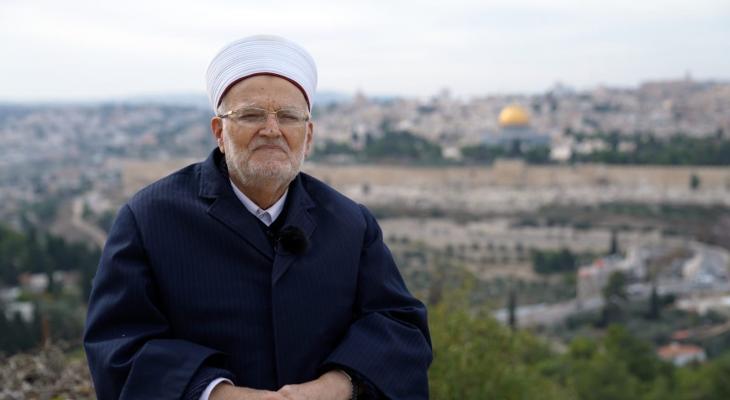
Palestinian Hassan Arar Freed After 22 Years in Jail
marwan
- August 28, 2026
 marwan
 CrossFireArabiaCrossFireArabiaCrossFireArabiamarwanCrossFireArabiaCrossFireArabiamarwan
 HebaCrossFireArabiaHebaHebamarwanCrossFireArabiaCrossFireArabiaCrossFireArabiaCrossFireArabiaHebamarwanHebaCrossFireArabiaCrossFireArabiaCrossFireArabiaCrossFireArabiaCrossFireArabiamarwanHebaCrossFireArabiaCrossFireArabiaCrossFireArabiaCrossFireArabiaCrossFireArabiaCrossFireArabiaCrossFireArabiaCrossFireArabiaHebaCrossFireArabiaCrossFireArabiaHebamarwanmarwanmarwanmarwanmarwanmarwanCrossFireArabiamarwanmarwan
 Saleem Ayoub QunamarwanCrossFireArabiaCrossFireArabiaCrossFireArabiaCrossFireArabiamarwanCrossFireArabiaCrossFireArabiamarwanCrossFireArabiaHebaCrossFireArabiamarwanCrossFireArabiamarwanHebaCrossFireArabiamarwanmarwanHebaCrossFireArabiaCrossFireArabia
By Abdul Bari Atwan
What are the options Israel and America’s has to confront the continuing Yemeni drones and hypersonic missiles? Is it bombing Tehran and/or implementing the latest Syrian case in Sanaa? Why not rule both out?
The Israeli occupation, government and settlers, are today in a state of hysterical panic due to the never-ending hypersonic ballistic missile attacks and the advanced drones bombing the heart of Tel Aviv and causing serious human casualties and huge fires.
This state of hysteria is reflected in four distinguishing signs:
First: Threats by more than one Israeli official to launch a massive attack on Yemen similar to that on Gaza whilst carring out assassination campaigns targeting the political and military leaders of Ansar Allah, especially Abdul-Malik al-Houthi.
Second: More than two million Israeli settlers took refuge in shelters, and sirens sounded in more than 80 locations in occupied Palestine over the past four days.
Third: Closing the airspace of Ben Gurion Airport to air traffic, which created confusion, chaos, isolation, and moral collapse.
Fourth: Failure of Israeli celebrations of two major successes achieved according to Hebrew newspapers, namely: In Imposing a ceasefire in Lebanon, stopping attacks from the southern Lebanese border, and the second by toppling the Syrian regime, the jewel of the resistance axis as boasted by Netanyahu that it was he who played the biggest role in achieving this.
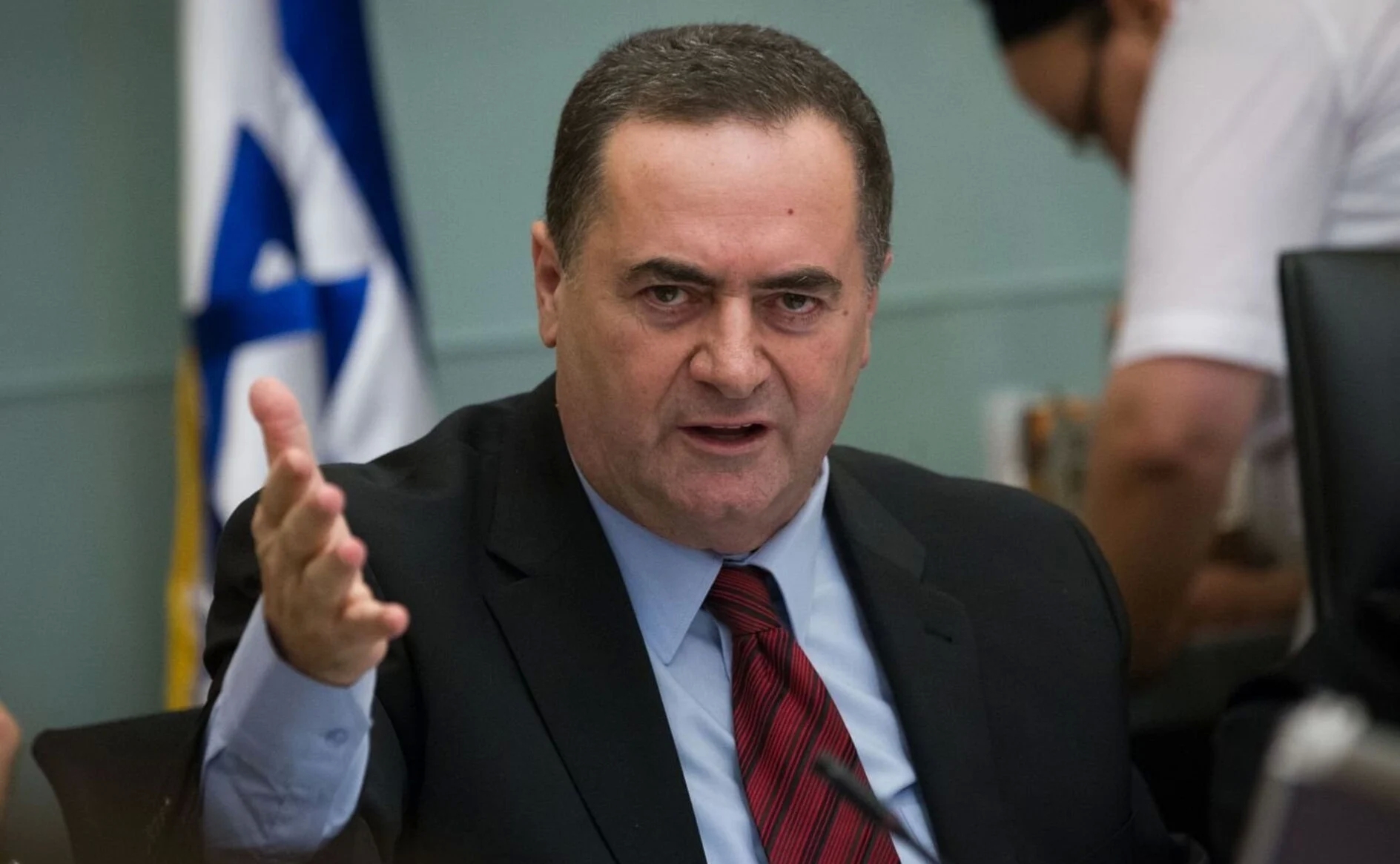
Israeli Minister of War Yisrael Katz broke with all established Israeli norms by officially acknowledging, for the first time, responsibility for the assassination of the Ismail Haniyeh in Tehran, Hassan Nasrallah in Lebanon, and Yahya Sinwar in Rafah.
Katz threatened the Houthis leaders that they would face the same fate, and that the destruction that occurred in Gaza and Beirut would be repeated in Sanaa and Hodeidah.
But what terrifies the Israelis most, and worries their leadership is the arrival of the incessant Yemeni missiles and drones to the heart of major Zionist cities, like Tel Aviv, Haifa, Ashkelon, and Eilat with millions of settlers descending into shelters.
Indeed, this points to the failure of Israel’s highly advanced air defense systems to intercept these missiles, prevent them from reaching their targets, and inability to provide security and protection for the settlers in these major cities.
Perhaps the threats of Israeli officials to launch attacks on Yemeni cities reflect the extent of the pain they are suffering as a result of these incoming deadly projectiles.
These, and before them the Israeli, American and British air strikes on Sana’a and Hodeidah, have not achieved the goals of deterring Yemeni missile attacks and stopping their bombing of the Israeli depth.
On the contrary, they gave completely opposite results with their continual launching of hypersonic missiles and drones, and more dangerously, the downing of the advanced US F-18 jet, and the damaging of American aircraft carrier Harry Truman in the Red Sea and its escape to the north to prepare to leave the region, like its predecessors, the Eisenhower, the Lincoln, and many other naval destroyers.
The Yemeni military statements by Brigadier-General Yahya Saree in the past three days confirmed the bombing of Tel Aviv, Ashdod and Ashkelon deep inside Israel will continue as long as the extermination war on Gaza continues.
These statements were backed by the launch of more hypersonic missiles and drones in quick and direct responses to the Israeli threats, which means Yemen is not afraid and is responding in kind, has patience, and is ready to sacrifice.
Yemen has become the spearhead of the axis of resistance, and main front after the situation in Lebanon calmed down following the ceasefire agreement, and the commitment of the Islamic resistance there despite the violations. It is not unlikely that the Israeli occupation state, with American support, and perhaps Arab support as well, will present two main military options in the coming few days:
First: Going to the head of the octopus, i.e. Iran, as described by the Israelis, by launching an expanded tripartite Israeli-American-British attack to destroy it, according to the recommendation of Mossad Chief David Barnea as targeting Sana’a and Hodeidah again will not stop the Yemeni attacks with missiles and drones from reaching the occupied Palestinian depth.
Second: Repeating the Syrian scenario in Sana’a, i.e. an attempt to undermine and exhaust the Houthis by supporting the other Yemeni military groups and movements hostile to it by supplying them with modern weapons, providing air cover for their attacking forces, and mobilizing regional support for this step.
Launching a large tripartite aggression on Yemen may fail and give adverse results, and the same can be said about the expected attack on Iran, and it will be the occupying state and its military bases that may be exposed to bombing with thousands of ballistic and supersonic missiles, because the loss of the resistance axis of its last, most powerful and effective arena (Yemen) means its end and its Iranian leadership, and the creation of a new Middle East led by a “Greater Israel”.
However great Yemen will not surrender, and will not be defeated, as history tells of its victory over all previous invaders. Its steadfastness for more than eight years in the US-backed Gulf War against it confirms it will withstand any new Israeli-American-British targeting it, as its internal incubator is strong and solid and difficult to break due to the rallying of people around its leadership, which is embodied in the massive million-person demonstrations every Friday now for several months in solidarity with our people in the Gaza Strip.
Abdel Bari Atwan is the Chief Editor of Al Rai Al Youm
CrossFireArabia
Israeli Defense Minister Israel Katz admitted, Monday, for the first time, it was Israel that was responsible for the assassination of former Hamas leader Ismail Haniyeh, and it is Israel that participated in the overthrow of the former Syrian regime of Bashar Al Assad.
Katz’s remarks came during a ceremony held by his army after the Yemeni escalation against the Iraeli occupation.
Katz addressed Sanaa, saying: “We overthrew the Assad regime in Syria, we struck the axis, and we will strike Sanaa.”
He continued his threats, saying: “We will damage their strategic infrastructure and kill their leaders, just as we did to Haniyeh, Sinwar, and Nasrallah in Tehran, Gaza, and Lebanon.”
The Iranian Revolutionary Guard announced the martyrdom of the head of the political bureau of Hamas, Ismail Haniyeh, in an assassination operation in Tehran, about five months ago, at dawn on 31 July, 2024.
The Israeli Maariv newspaper confirmed that the security and military establishments acknowledged their concern due to the escalation of the Yemeni threats. It described the Yemeni scene and structure as “very complex”, and that Yemen is not an “ordinary enemy,” according to JO24.
CrossFireArabia
The family of Hanni Bleiweiss, the late aide to Netanyahu, plans to file an $2.18 million lawsuit against the Netanyahu family, alleging abuse, humiliation, and health damage during her service, according to Israeli reports.
The lawsuit follows revelations of text messages between Bleiweiss and Sara Netanyahu, indicating efforts to target perceived enemies, prompting police complaints against the Israeli prime minister’s wife.
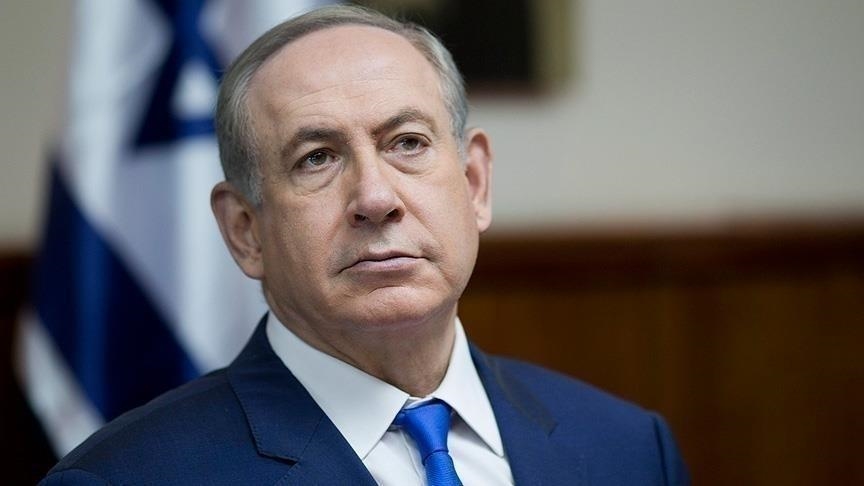
Meanwhile Netanyahu appeared in court in Tel Aviv Tuesday for the sixth time to testify in his corruption trial.
According to Israeli Channel 12, Netanyahu continues to defend himself in the case known as “4000”, in which he is accused of providing regulatory favors to Shaul Elovitch, then-owner of Bezeq telecommunications company and the Walla news site, in exchange for favorable coverage for him and his wife according to Anadolu.