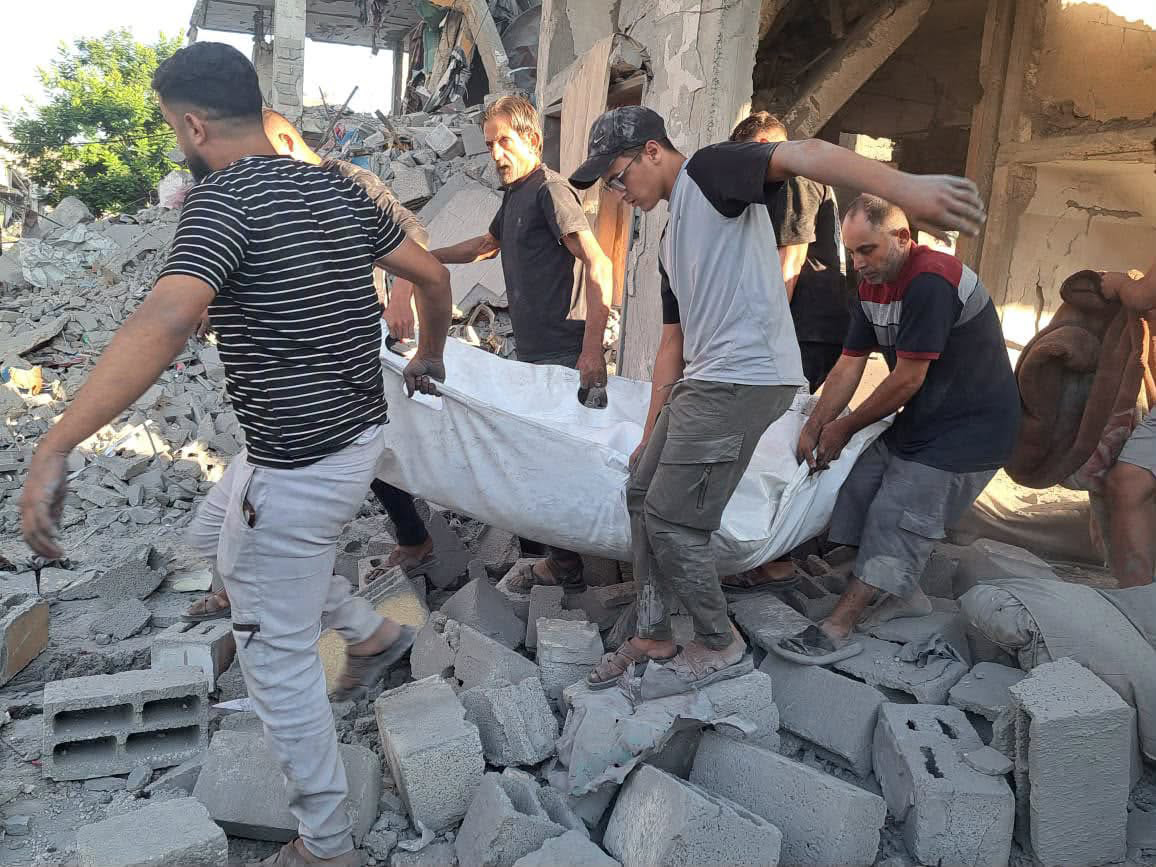
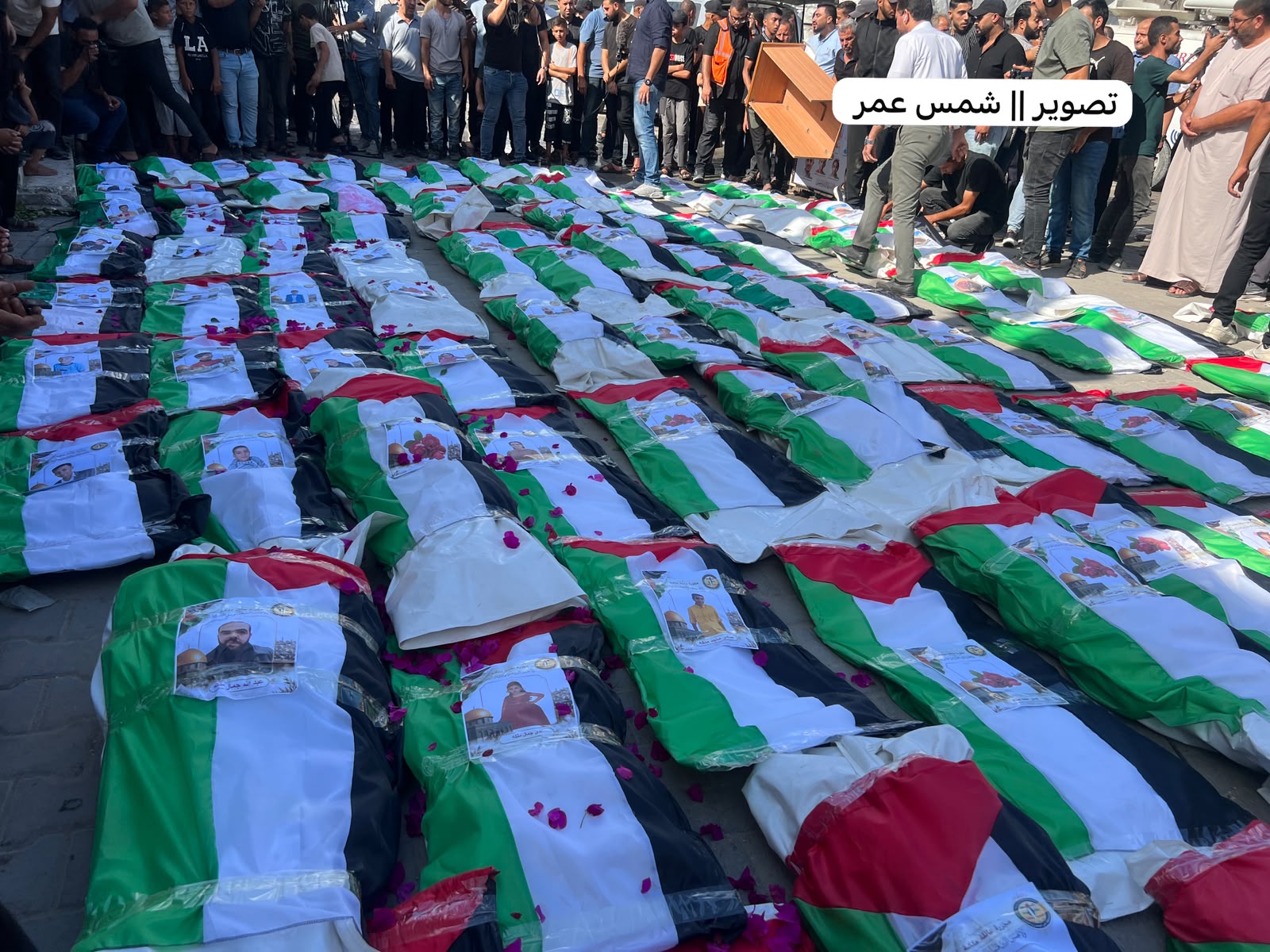
 Israel Strikes at House, Kills Family of Four
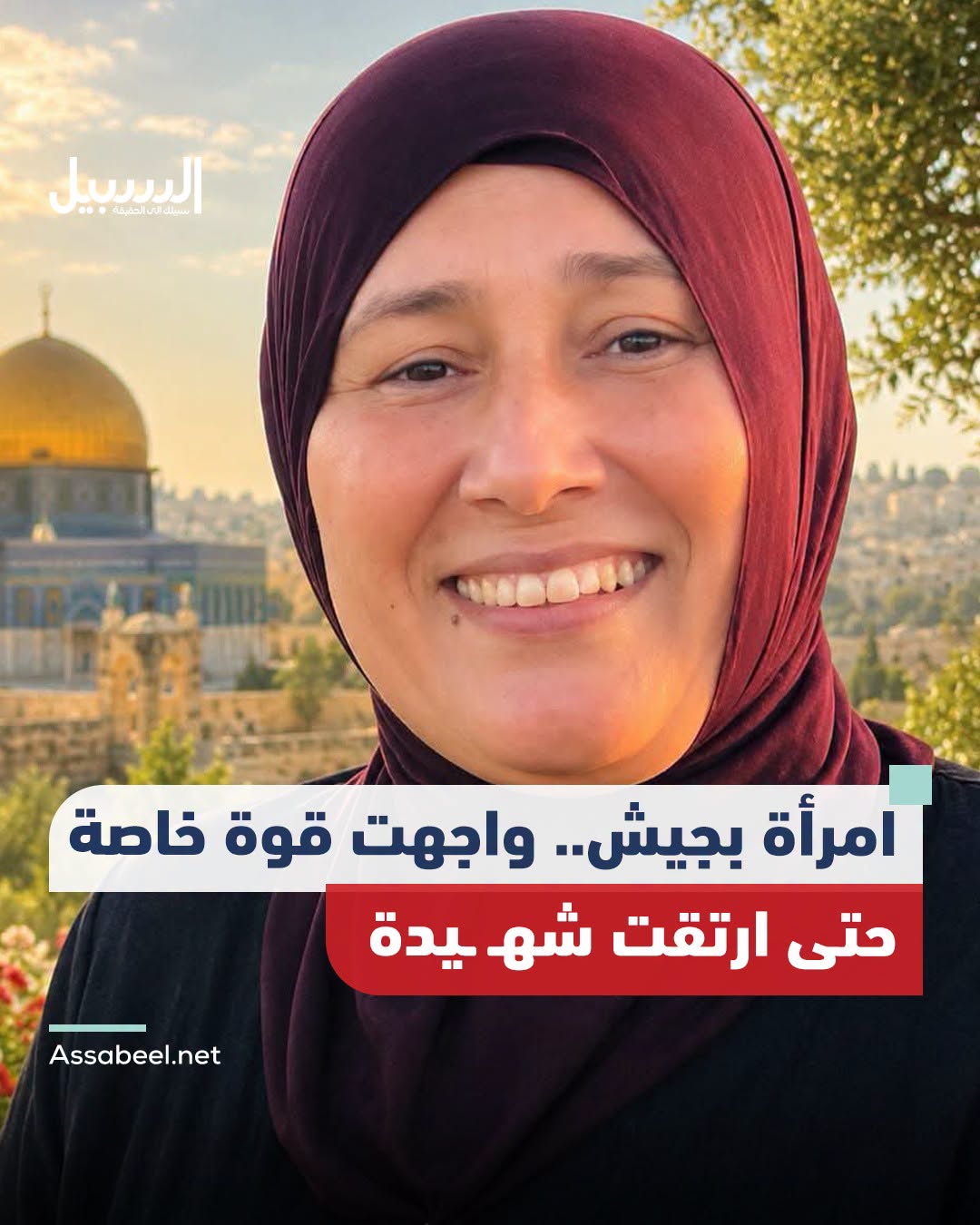
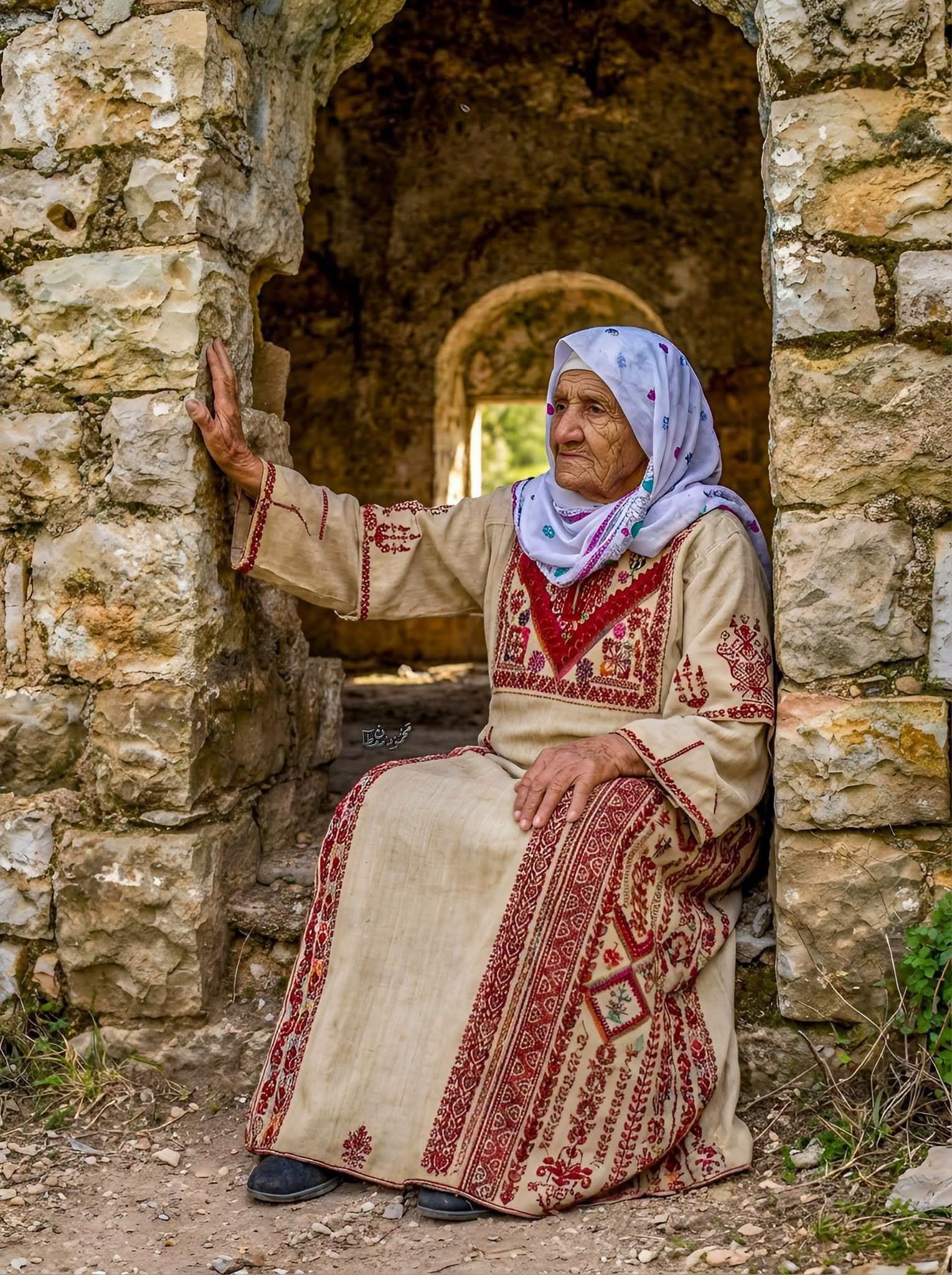 A Morning Whisper
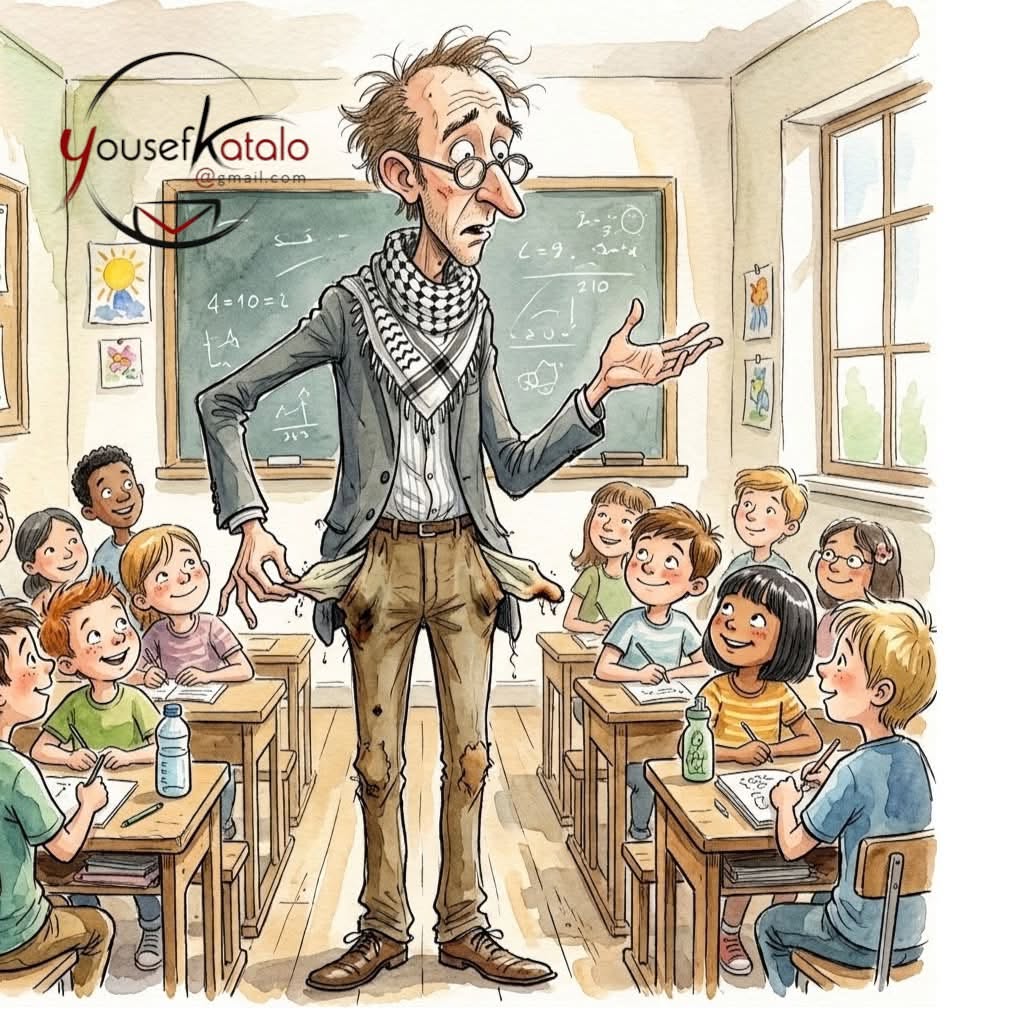
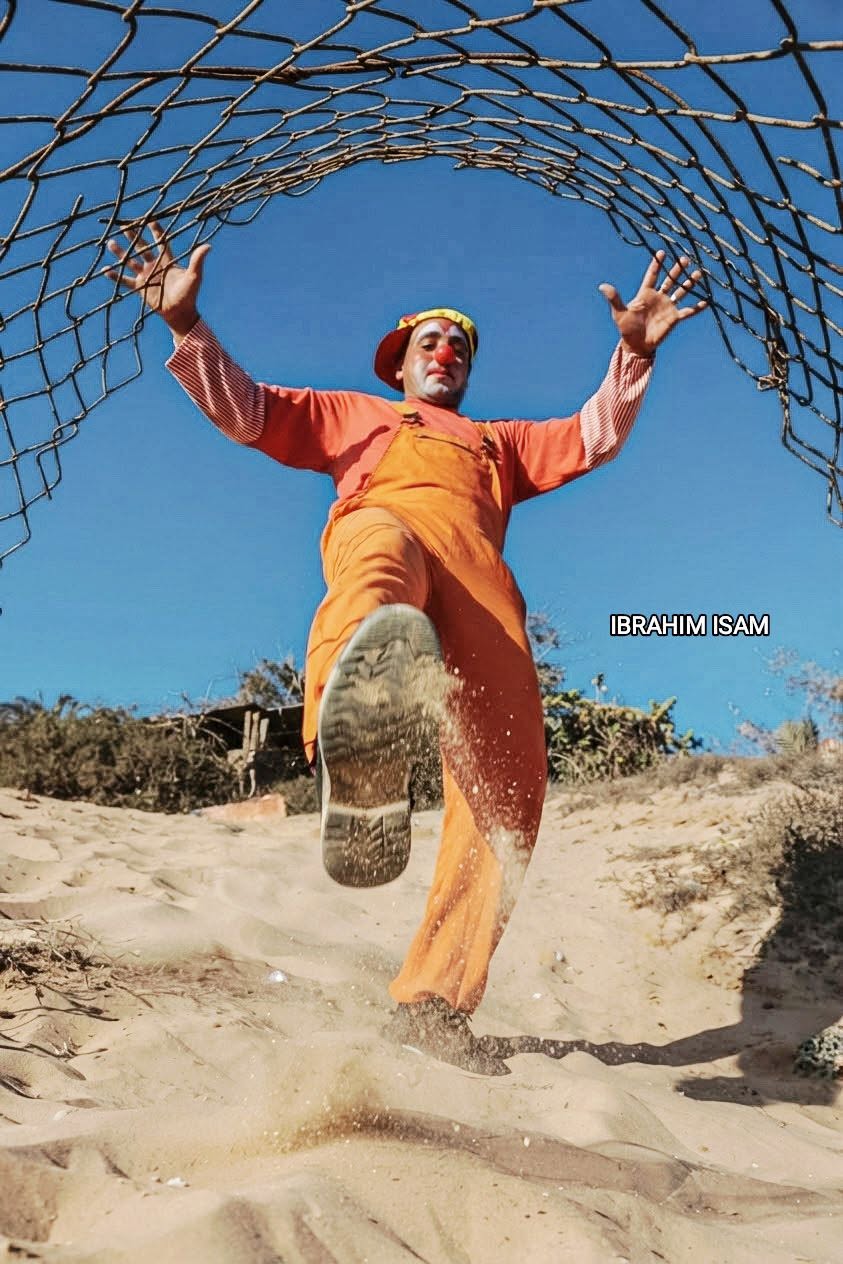
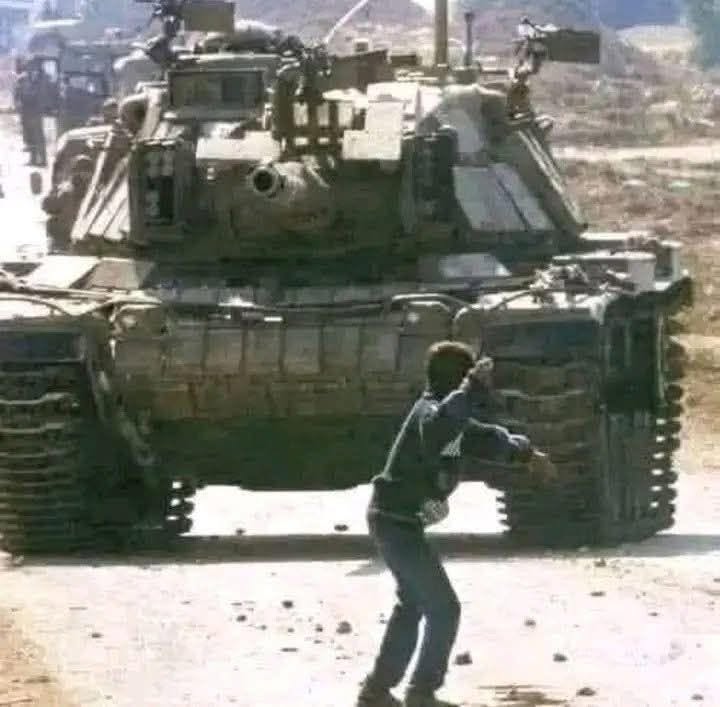 Fares Odeh: Come on!
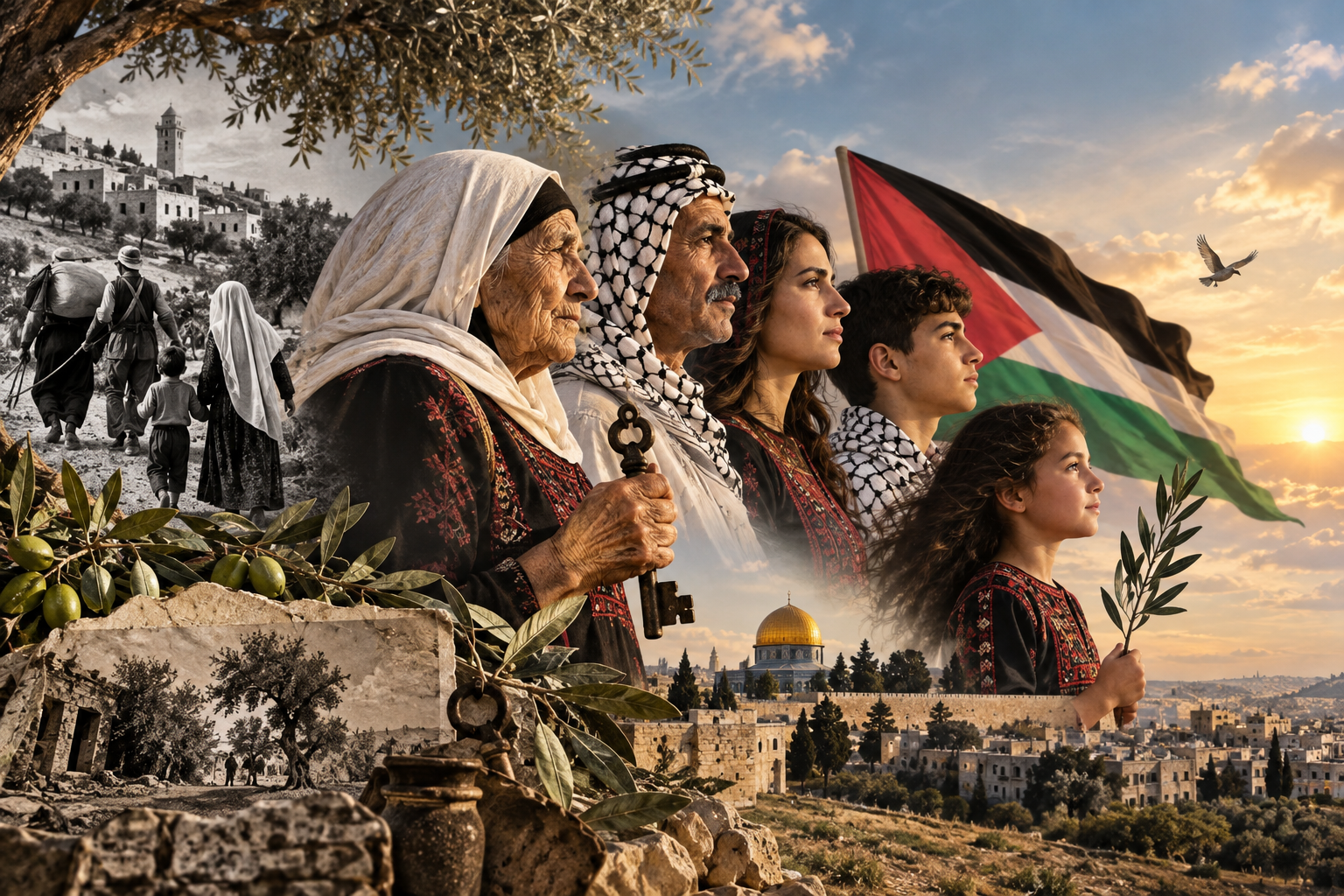
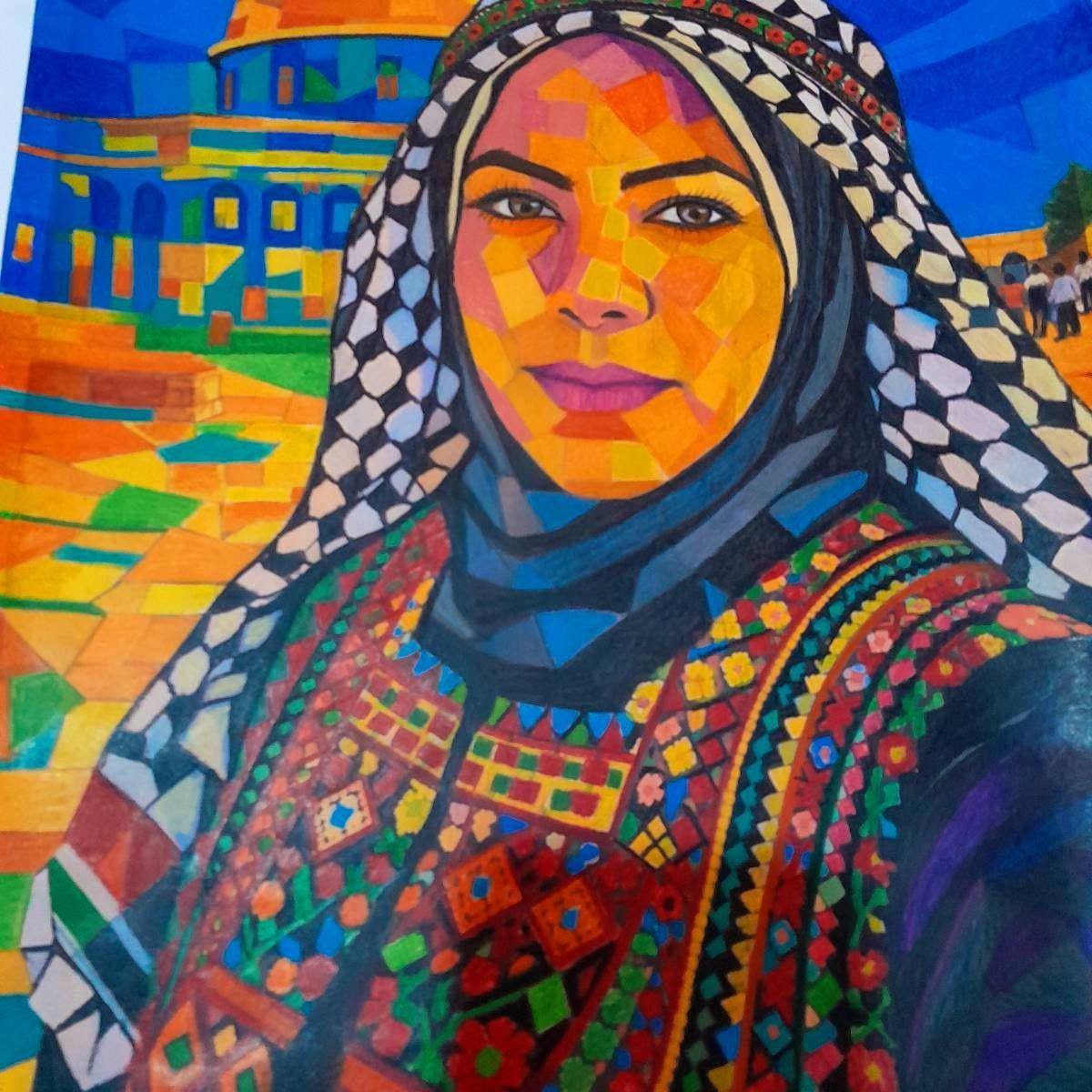
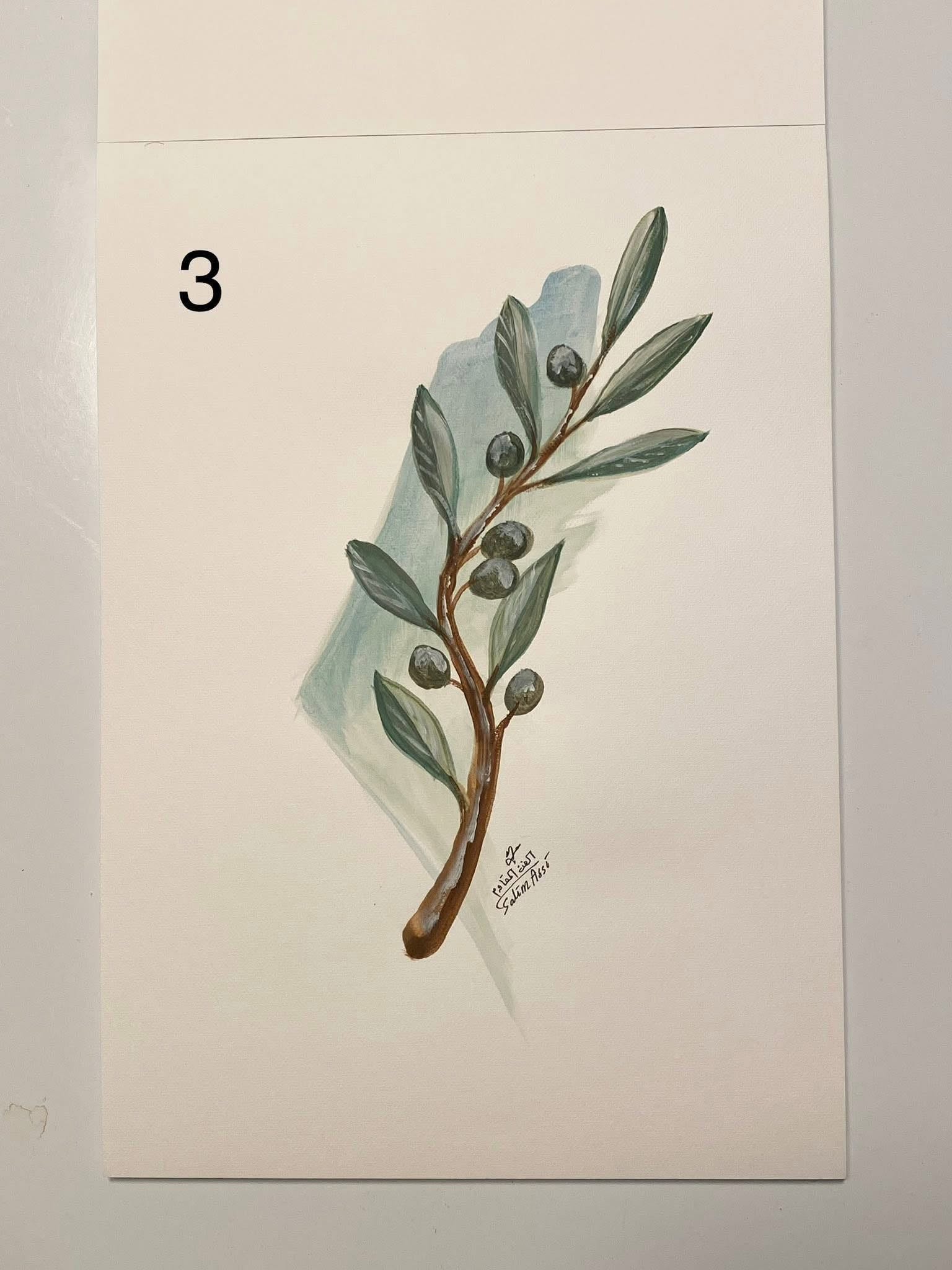
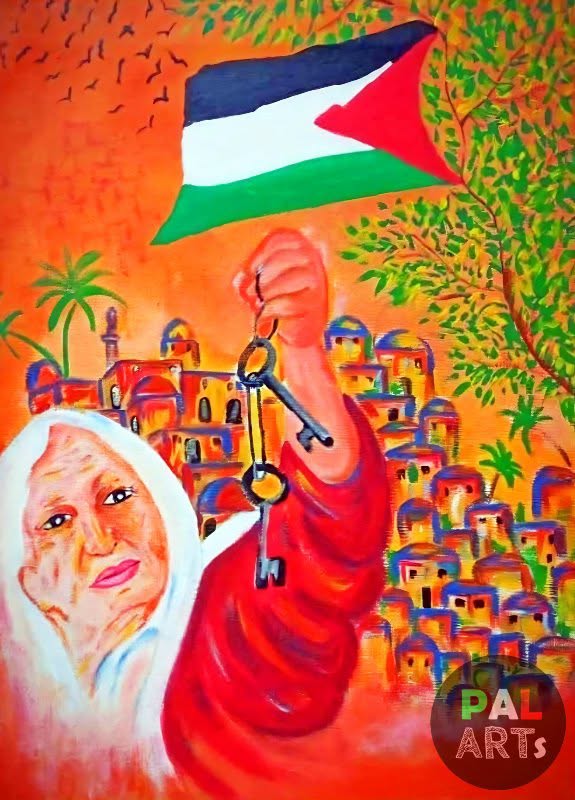 Keys of Return and Hope
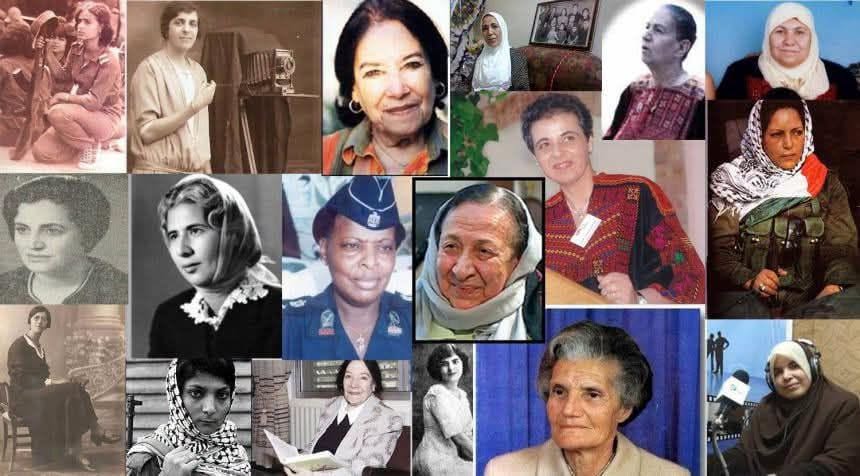
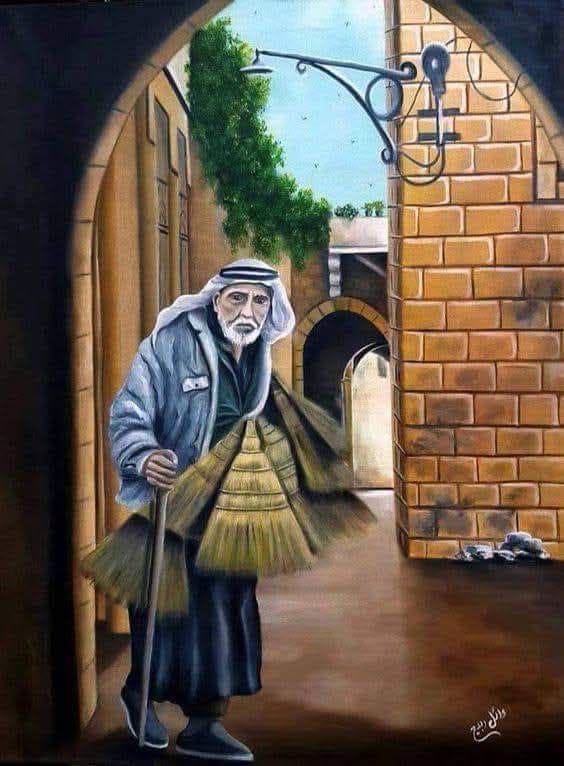
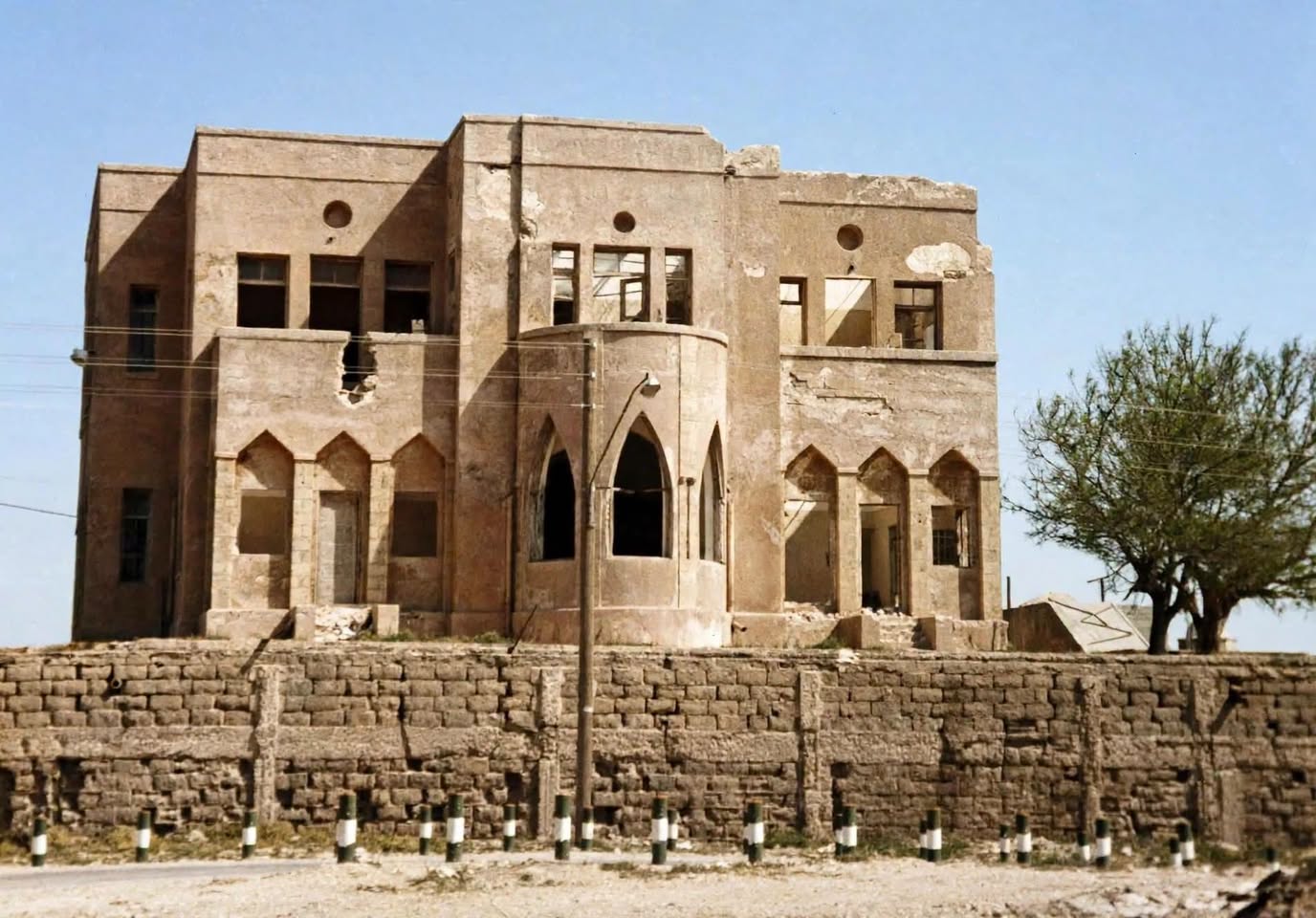
 A Palestinian Hospital in Yafa, 1933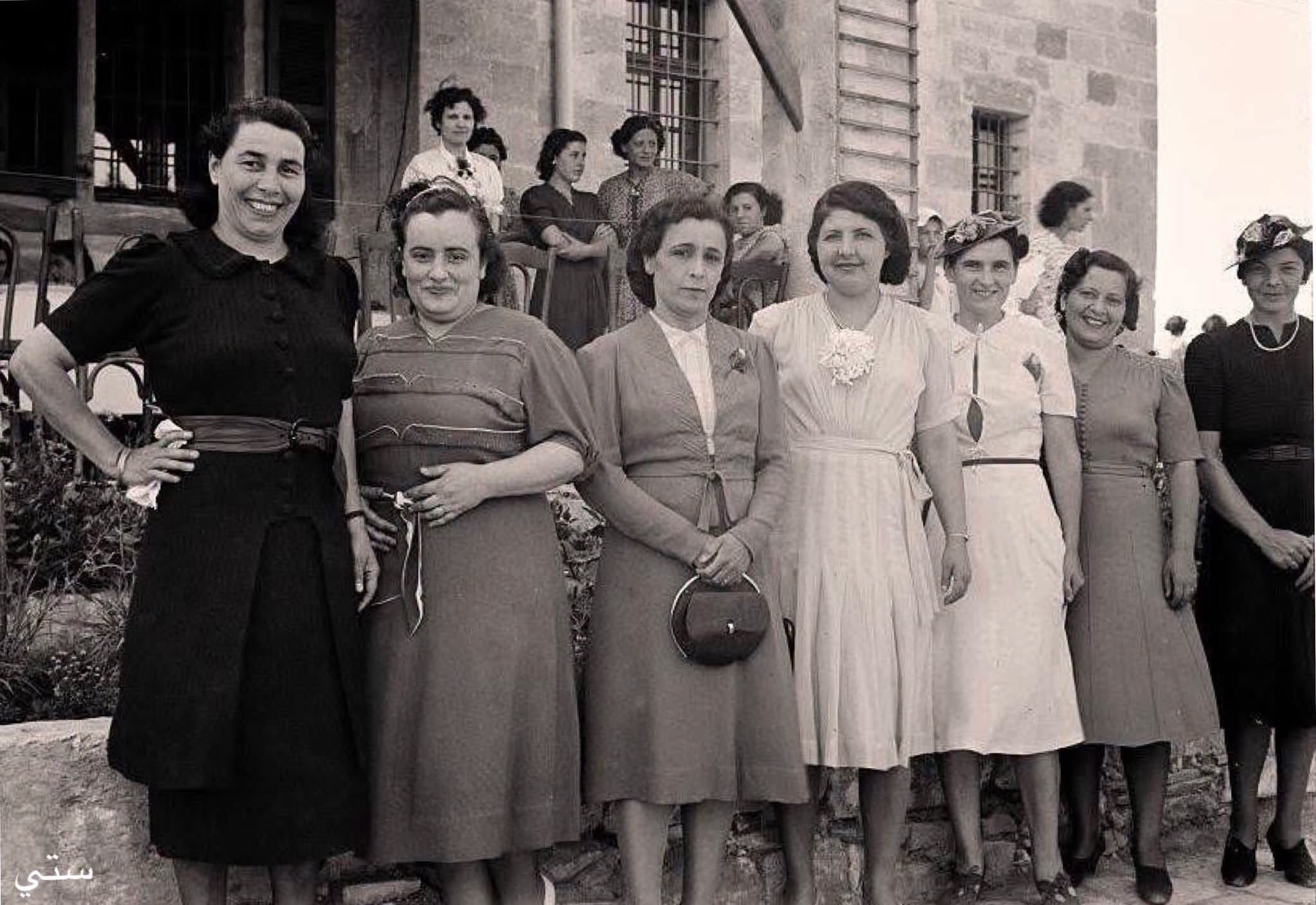
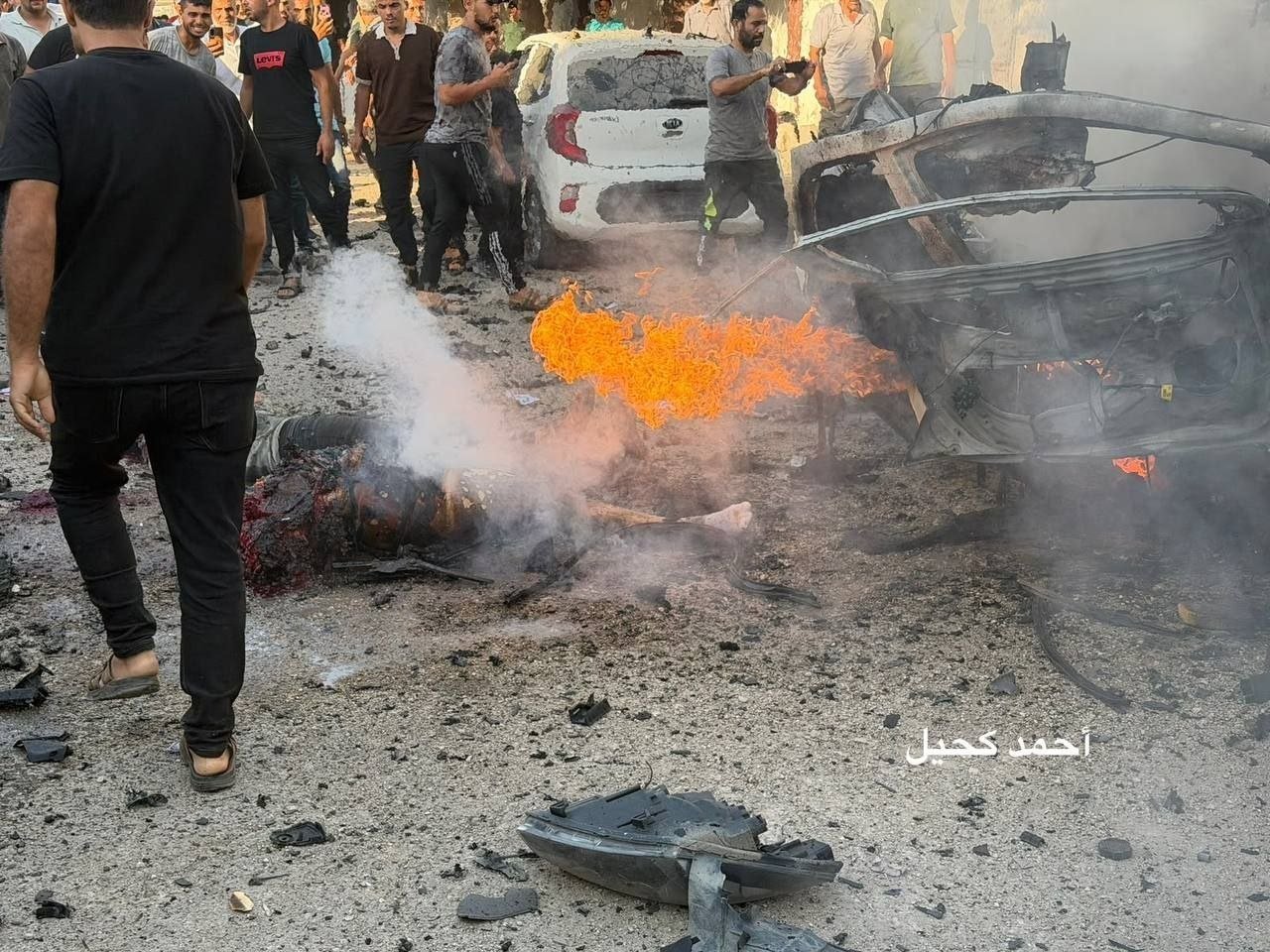
Israel Strikes at House, Kills Family of Four
 CrossFireArabia
- September 10, 2026
 CrossFireArabiaCrossFireArabiaCrossFireArabiaCrossFireArabiaCrossFireArabiaCrossFireArabiaCrossFireArabiaCrossFireArabiaCrossFireArabiaCrossFireArabiaCrossFireArabiaCrossFireArabiaCrossFireArabiaCrossFireArabiaCrossFireArabiaCrossFireArabiaCrossFireArabiaCrossFireArabia
 HebaHeba
 marwanCrossFireArabiaCrossFireArabiaHebamarwanCrossFireArabiaCrossFireArabiaCrossFireArabiaCrossFireArabiaCrossFireArabiaCrossFireArabiaCrossFireArabiaHebaCrossFireArabiaCrossFireArabiaHebaCrossFireArabiaCrossFireArabiaCrossFireArabiaCrossFireArabiaCrossFireArabiaHebamarwanmarwanHebaCrossFireArabiaHebaCrossFireArabiaCrossFireArabiaCrossFireArabiamarwanCrossFireArabiaCrossFireArabiaCrossFireArabiaCrossFireArabiaCrossFireArabiaCrossFireArabiaCrossFireArabiaCrossFireArabiaCrossFireArabiaCrossFireArabiaCrossFireArabiaCrossFireArabiaHebaCrossFireArabiaCrossFireArabiaCrossFireArabiaCrossFireArabiaCrossFireArabiaHebaHebaCrossFireArabiaCrossFireArabiamarwanCrossFireArabiaCrossFireArabiaHebaHebaHebaCrossFireArabiaCrossFireArabiamarwanCrossFireArabiaCrossFireArabiaCrossFireArabiaCrossFireArabiaCrossFireArabia
Israel has destroyed hundreds of dunams of agricultural land, depriving Palestinians in the northern Gaza Strip of agricultural land and resources vital to survival, all in support of its illegal blockade of the Strip and tight restrictions on the entry of food supplies for almost a full year. This is an expression of Israel’s insistence on committing genocide against Palestinians in the enclave.
This destruction is part of a larger Israeli plan that dates back to last October. Under this plan, Israeli forces have worked to eliminate almost 80% of the agricultural land in the Gaza Strip from use by Palestinians. Israel has done this either by isolating it in preparation for its forcible annexation to the so-called “buffer zone” or by bulldozing or destroying it by other means, such as bombardment—all of which are in violation of international law.
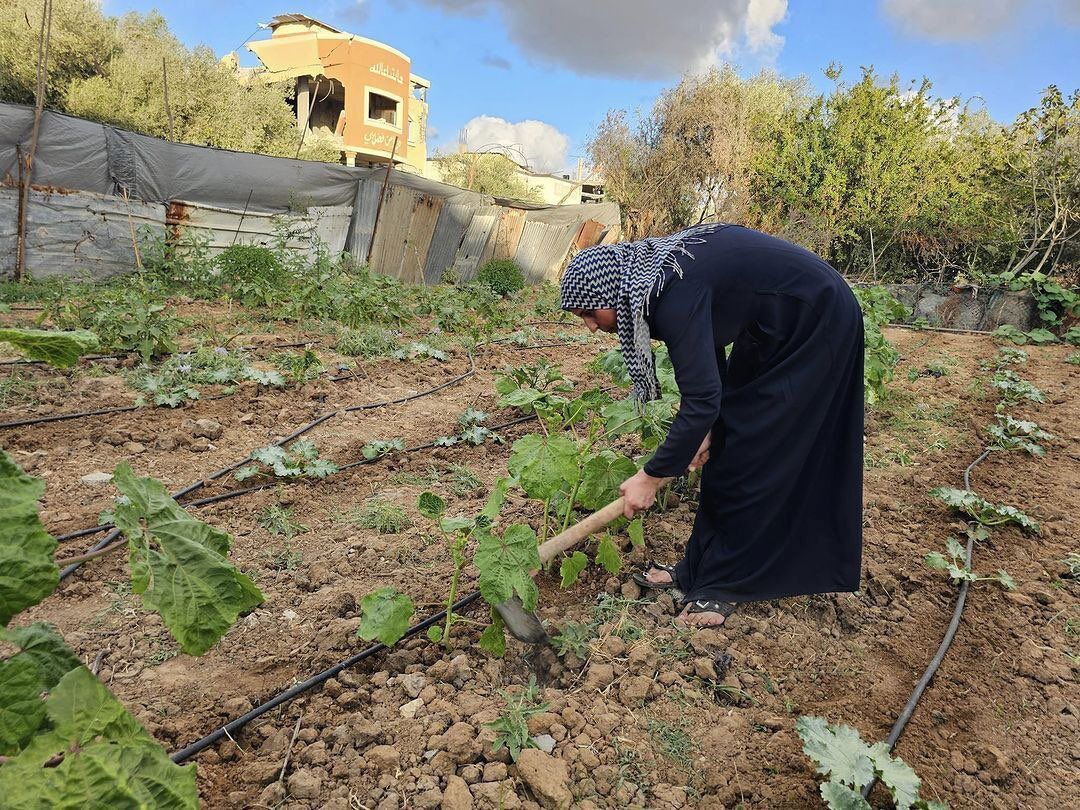
According to the Euro-Med Monitor field team, Israeli forces stormed the area of Al-Shimaa in Beit Lahia, northern Gaza, early on Tuesday morning, 25 September 2024. Accompanied by military bulldozers, the forces began their bulldozing operations, destroying more than 500 dunums of newly-replanted agricultural land, which was supposed to sustain the needs of the people living in northern Gaza, who are subject to an arbitrary siege and systematic starvation by Israel.
The Israeli destruction of these agricultural lands, the majority of which were filled with eggplants, reflects Israel’s insistence on preventing the Palestinian people from depending on the region’s agricultural food basket during a period when sufficient supplies of vegetables and other foods are being kept out of the northern Gaza Strip. This has led to a severe famine, to the point where a significant portion of the people in the north have been forced to eat tree leaves and bake ground-up animal feed instead of flour.
Twenty-four-year-old farmer Yousef Saqr Abu Rabie of Beit Lahia told Euro-Med Monitor about the significant losses he incurred on Monday and Tuesday, 23-24 September, as a result of the bulldozing of dozens of dunams north of the town. Abu Rabie stated that although his land is outside of the “security zone” established by Israel at the start of the war, the bulldozing operations still occurred, and that the now-bulldozed crops had been bearing fruit that the people of northern Gaza were depending on given Israel’s restrictions on the entry of fruits and vegetables into the northern Gazan markets.
As part of its crime of genocide, ongoing since 7 October 2023, Israel has worked over the past year to systematically and extensively destroy the Gaza Strip’s food basket of fruits, vegetables, and meat, along with all other components of local food production, in addition to blocking the entry of food and humanitarian aid. This has resulted in famine in the Gaza Strip.
Israeli forces have bulldozed or otherwise destroyed all agricultural lands along the “security fence” separating the eastern and northern Gaza Strip at a depth of nearly two kilometres, removing approximately 96 square kilometres in a clear attempt to annex them to its “buffer zone”, in violation of international law. An Israeli “buffer” road and zone splitting Gaza City through its centre, meanwhile, and the creation of Israel’s Netzarim axis to keep sections of the Strip separate, have resulted in the destruction of approximately three square kilometres of agricultural lands. Thus, the agricultural lands destroyed by Israel to enable the creation of its “buffer” areas, specifically, represent about 27.5% of the Gaza Strip.
The Israeli occupation army has worked to destroy almost all buildings and facilities on the vast majority of these lands, which are now within the “buffer zone” and are off-limits to residents and farmers. These lands represented the majority of agricultural land in the Gaza Strip and included hundreds of farms built on hundreds of dunams that were planted with vegetables and fruits, as well as hundreds of farms raising poultry and livestock.
Outside of this “buffer zone”, additional land has been destroyed by Israeli incursions or aerial and artillery bombardment, resulting in the destruction of at least 34 square kilometres of agricultural land and the streets that service it. This brings the total percentage of destroyed land in the Gaza Strip to 36.9%, or more than 75% of the Strip’s area designated for agriculture.
Of the very few remaining areas set aside for agriculture, the majority are in the region of Al-Mawasi in the southern Gaza Strip, west of Khan Yunis, which is now home to hundreds of thousands of people who have been forcibly displaced.
In addition to Israel’s destruction of thousands of farms, greenhouses, water wells, tanks, and stores housing agricultural equipment, Euro-Med Monitor field teams recorded the intentional killing of numerous farmers while these individuals were working or attempting to access their lands. Since the start of the genocide, the Israeli army has also killed several fishermen and destroyed the majority of fishing boats and fishing ports in the Gaza Strip. These actions have negatively impacted the availability of healthy food for over 2.2 million Palestinians living in the Strip, and the repercussions of this are expected to last for years after the withdrawal of the Israeli military.
Farmers are finding it difficult or impossible to access areas that have been spared from the Israeli bombing, due to the ongoing bombardment and ground incursions into numerous areas. Additionally, the lack of electricity, destruction of water wells, and scarcity of fuel all make it difficult to cultivate new areas and irrigate them with water. This occurs while aid supplies are being blocked from reaching residents and displaced people in the Strip by Israeli army forces.
The ongoing Israeli military assaults have detrimental effects on soil, air, water quality, agricultural land, public health, and the environment. These effects compound over time, and at some point, may result in startling increases in the death rate.
The internationally recognised human right to food, water, and sanitation is a basic right that protects population health and dignity. It can only be realised if the international community puts an end to Israel’s crime of genocide; removes the illegal blockade on the Gaza Strip; and salvages what remains of the besieged enclave, which is currently uninhabitable on all fronts. Delays will cause the Strip to deteriorate further, cost more civilian lives, and heavily affect people’s health outcomes.
The international community must act swiftly and forcefully to end to Israel’s crime of genocide in the Gaza Strip, which involves both the direct killing of, and the imposition of unbearable living conditions on, the Palestinian people there. Israel is attempting to rob Palestinians of all hope of survival by turning the Strip into a place without any of the basic necessities of life.
The international community should make sure that humanitarian aid—particularly the basic food and non-food supplies required to respond to the humanitarian crisis safely and effectively—reaches the Gaza Strip swiftly, particularly the northern part of the Strip.
In order to save the civilian population in the Gaza Strip from the threat of further health disasters, pressure must also be applied to Israel to permit the entry of materials required for infrastructure rehabilitation and repair. This includes ensuring that there is enough fuel entering the Occupied Palestinian Territory to run desalination plants and wells, among other water and sanitation facilities.
 Dr Khairi Janbek
By Dr Khairi Janbek
When we think of contemporary Iran, one always believes that the Arab Middle East had always been dominated by the three Non-Arab American allies; Iran under of the Shah, Turkey and Israel.
One thinks that those “neighborhood police stations’ were the guarantors of stability through their convergence, and at times contradictions, in the age of Cold War and oil. However, the Shah of Iran was deposed and the Anti-communist Cold War ended, but that didn’t mean that oil stopped becoming important nor that Russia and China were no longer threats.
One would say, that the rehabilitation of Iran and possibly turning it into a negotiations partner aims at keeping the third angle of the police stations triangle going, because non of the Arab countries, no matter how much they tried, could never replace Iran, because no Arab police station is permitted to emerge as a third angle.
Having said that, it would be beyond naive to think that the expansion of Iran’s power and influence happened by stealth or escaped the notice of the US and NATO.
After after all Iran grew to become a Red Sea country through its influence on the Houthis in Yemen, a Mediterranean country through its influence in Syria as well Lebanon through Hezbullah and the major Gulf country through its supporters in Iraq.
In fact this Iranian domination of space is what has created a common space between all its long-arm organisations in the region.
Essentially, if we compare Iran to an octopus, all those various groups are its tentacles, and they all serve the purpose of Iran’s strategic interests, albeit not through a push-button approach, but through not taking any action which would not please their Persian master.
Of course, this puts Iran in a strong position to be a major player in the region and an inescapable negotiations partner for the US, which is also convenient for the Americans, in order to remind their Arab allies who is their protector in a region policed by Turkey, Israel and Iran.
Of course this takes us to the point of saying that, for all intents and purposes, for the Americans a trusted adversary is more important than distrusted friends, and that it would be absurd to think that all those long arms of Iran in the Arab world can be amputated by military means; they certainly can be weakened, but without the consent of Iran and without the right price, so long as it remains behind them, nothing much can change.
At this point, from what one can only see, is that no one in their right mind or otherwise, will permit a war to emerge in which Israel is pitted against Iran and the US as well as NATO putting all their weight behind Israel and forcing the Arabs to choose their camp.
That would be the scenario of the end of the world as we know it, or with major civil wars in the Arab countries controlled by the tentacles of Iran, and which no one wants.
Dr Khairi Janbek is a Jordanian writer based in Paris, France
CrossFireArabia
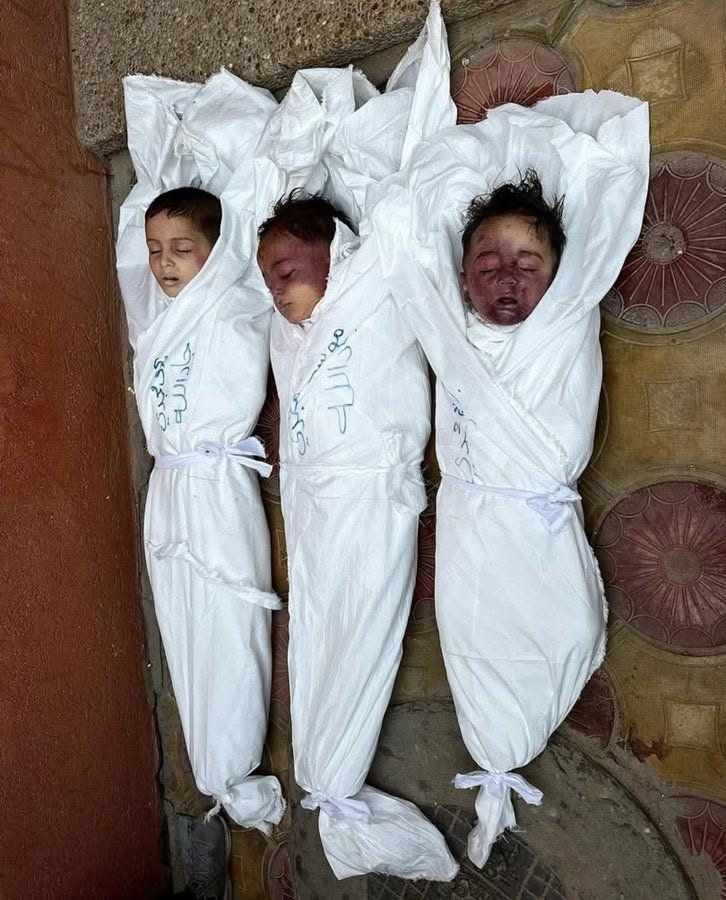
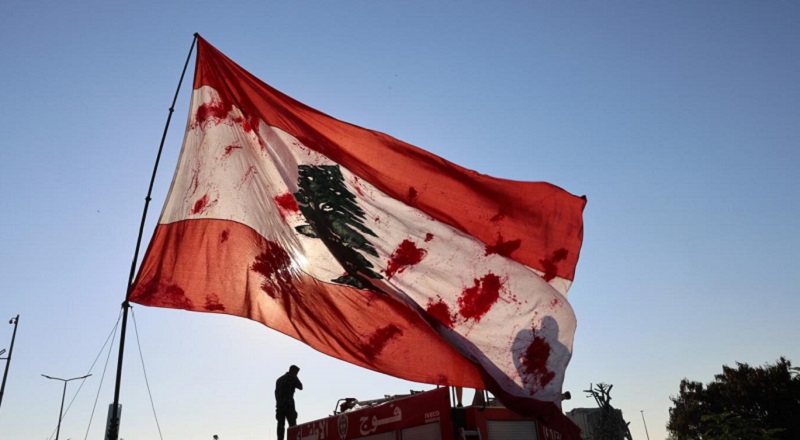
The average number of children killed per day in Lebanon this week is more than double the number of children killed per day during the country’s devastating 2006 conflict.
An estimated 400 children, or about 12 children per day, were killed during the 33-day 2006 conflict[1]. Now, 50 children were killed in a span of two days, on Monday and Tuesday of this week according to the Lebanese Ministry of Public Health. The ministry also expects that more children remain buried under the rubble of destroyed buildings across the country.
The escalation in recent days has killed and injured thousands, spurred mass displacement, caused extensive damage to infrastructure and instilled an unimaginable fear in the daily lives of people across the country.
“As this week continues the devastation mounts, piling tragedy upon tragedy,” said Edouard Beigbeder, UNICEF Representative in Lebanon. “The attacks on Lebanon are killing and injuring children at a frightening rate and devastating any sense of safety and security for hundreds of thousands of children across the country.”
The conflict comes on top of the already fragile situation for tens of thousands of families in Lebanon. The country has been impacted by a string of unrelenting crises in recent years, including the massive Port of Beirut explosion, the impact of the COVID-19 pandemic, and the fifth year of a crippling economic collapse that has sent poverty rates soaring.
A November 2023 survey conducted by UNICEF in Lebanon found more than 8 in 10 households had to borrow money or buy on credit to purchase essential grocery items, a 16 percentage point increase over six months. The same survey found that in the South Governorate, 46 per cent of households said their children were anxious and 29 per cent were depressed.
In the last 72 hours alone hundreds of thousands of people are estimated to have been displaced to host communities and over 70,000 people to shelters, according to the Lebanon Disaster Risk Management Unit. Before the intense military operations of this week, more than 111,000 people, including more than 39,000 children, had already been displaced from villages and towns in the south of Lebanon. It is most likely that they are being displaced for a second time now.
Amid the extensive damage to civilian infrastructure this week, water pumping stations constructed or rehabilitated by UNICEF in the Bekaa and South Governorates have been damaged, leaving 30,000 people with no access to clean drinking water.
In response to the rapidly deteriorating situation, UNICEF in collaboration with the government of Lebanon, has provided essential supplies to shelters, including thousands of bottles of clean drinking water, hygiene kits, education and recreation supplies for children, blankets and sleeping bags, personal hygiene items for women and girls, and nutrition supplies including supplements and baby food. UNICEF is also providing psychosocial support, including child protection services, education, and recreational activities at many shelters.
UNICEF has urgently initiated critical repairs on damaged water and sanitation facilities, dispatched 20 mobile health units to provide life-saving medical care and immunizations, and delivered 100 tons of emergency medical supplies to hospitals facing severe shortages and stock-outs.A further 25 tons of emergency supplies are due to arrive in Lebanon in the coming days and 53 tons are under procurement.
“The situation in Lebanon, already teetering on the brink, has moved from crisis to catastrophe. The suffering of children must stop,” Beigbeder continued. “The only way to do this is through an immediate de-escalation. A full-scale conflict would have a devastating impact on the country’s 1.3 million children.”
UNICEF urgently calls for all parties to uphold their obligations under international humanitarian law to ensure the protection of civilian objects and civilians, including children, humanitarian workers and medical personnel. This includes facilitating the safe movement of civilians seeking safety.
UNICEF remains committed to responding to the increasing needs. UNICEF requires $US39 million to implement its 2024 conflict response plan but has only received $US7.6 million to date. More funds are urgently needed to support the children of Lebanon during this dramatic escalation.
CrossFireArabia
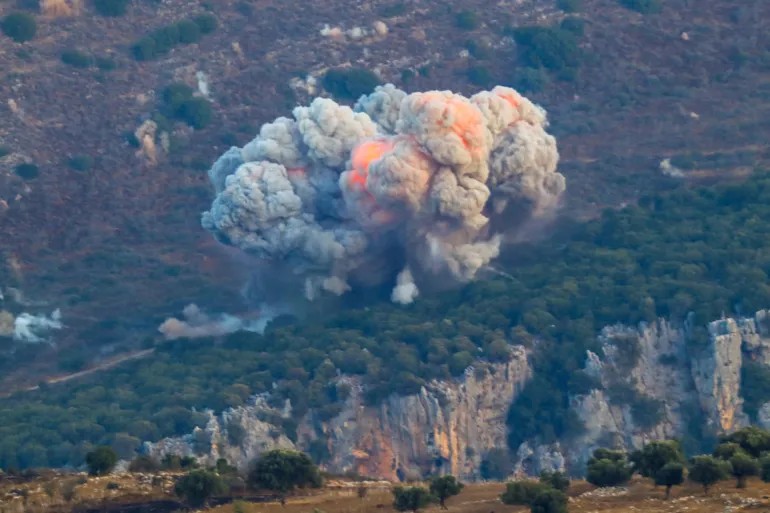
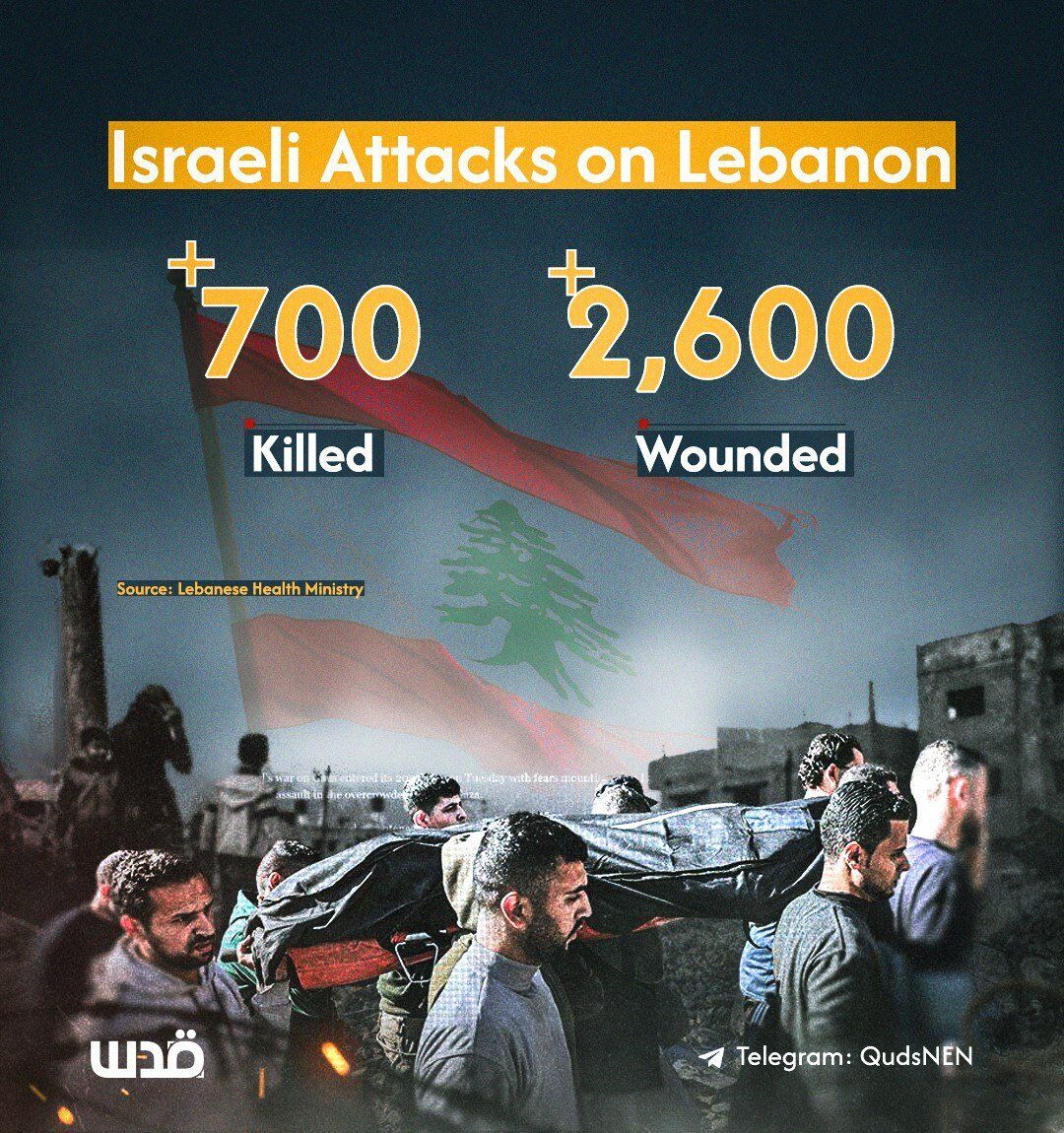
The Lebanese Health Ministry reported that more than 700 people have been killed and 2,600 others injured since the Israeli occupation intensified its deadly bombings in southern Lebanon on Monday.
CrossFireArabia
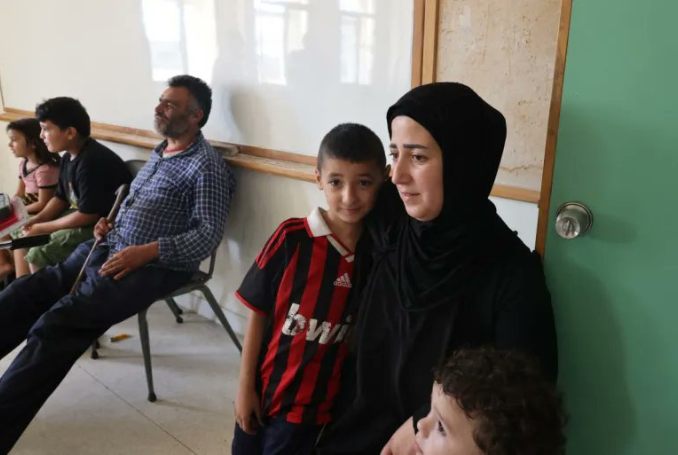
“I saw the whole mountains leading to Naqoura. There were flames, black dark smoke like clouds. It was really like a mirage. It was like a dream, like a bad dream, weird dream. And that’s how the nightmare started.”
A Lebanese woman has told the Guardian








![‘A [Lebanese] Bad Dream’](https://crossfirearabia.com/wp-content/uploads/2024/09/mini_magick20240927-4904-xb0sp0.jpg)