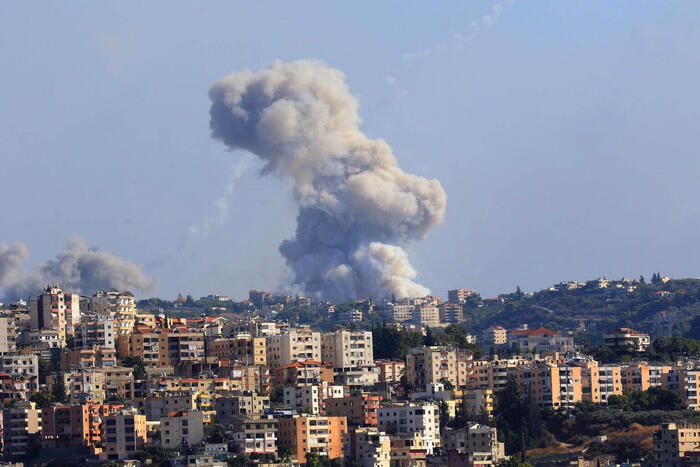
Israeli Planes Bombard Civilian Areas in Lebanon

The Israeli army’s escalated military attacks against civilians and residential areas in Lebanon, particularly in the South and Bekaa regions, along with the issuance of evacuation orders, raising alarm in the region. Urgent international intervention is required to prevent the massacres and other atrocities being carried out by Israel in the Gaza Strip for more than 11 months from occurring in Lebanon as well.

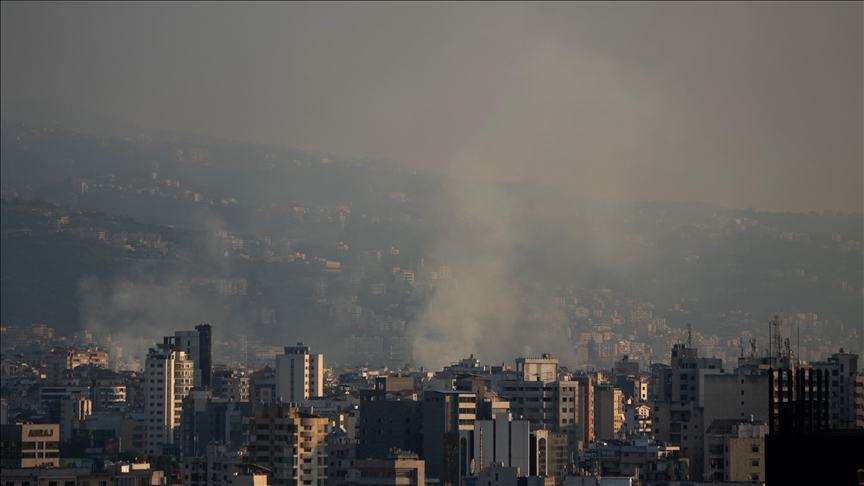
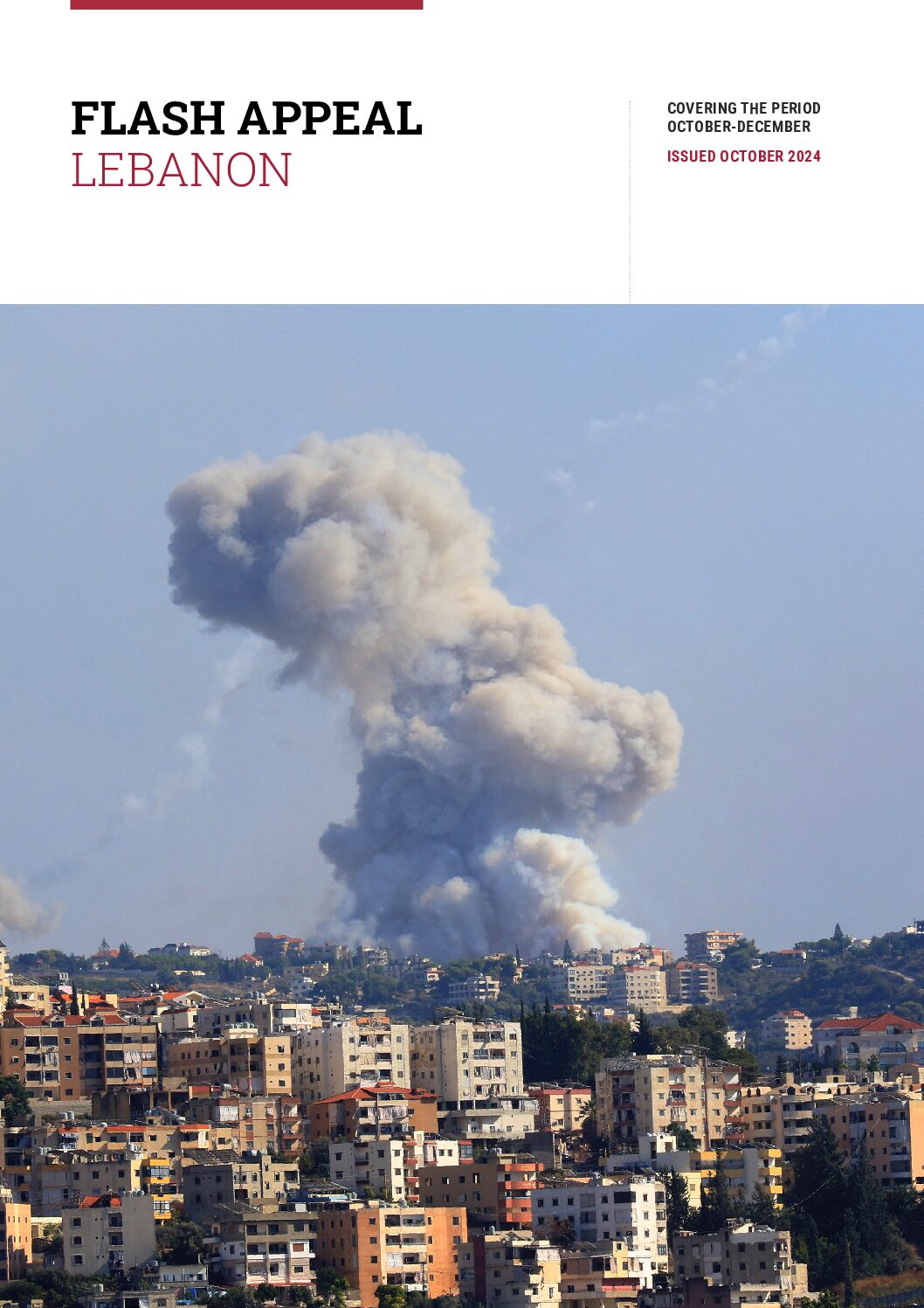
Israel’s army carried out over 330 raids in over 117 Lebanese towns and cities today, 23 September 2024, according to the Euro-Med Monitor field team. These raids were directed towards civilian residential areas in southern Lebanon and various areas of the Bekaa region. As a result, 274 people—including 21 children—have been killed and over 1,024 individuals—including women, children, and paramedics—have been injured as of the early afternoon hours. As of the time of writing, Israeli airstrikes are still in progress, with the frequency of shelling attacks on residential areas rising.

In both the Gaza Strip and Lebanon, the Israeli army deliberately denies civilians enough time to escape the areas being bombed, offering them no real protection from the dangers arising from military operations. Instead, Israel randomly and directly targets civilian buildings, including the buildings of surrounding hospitals and schools.

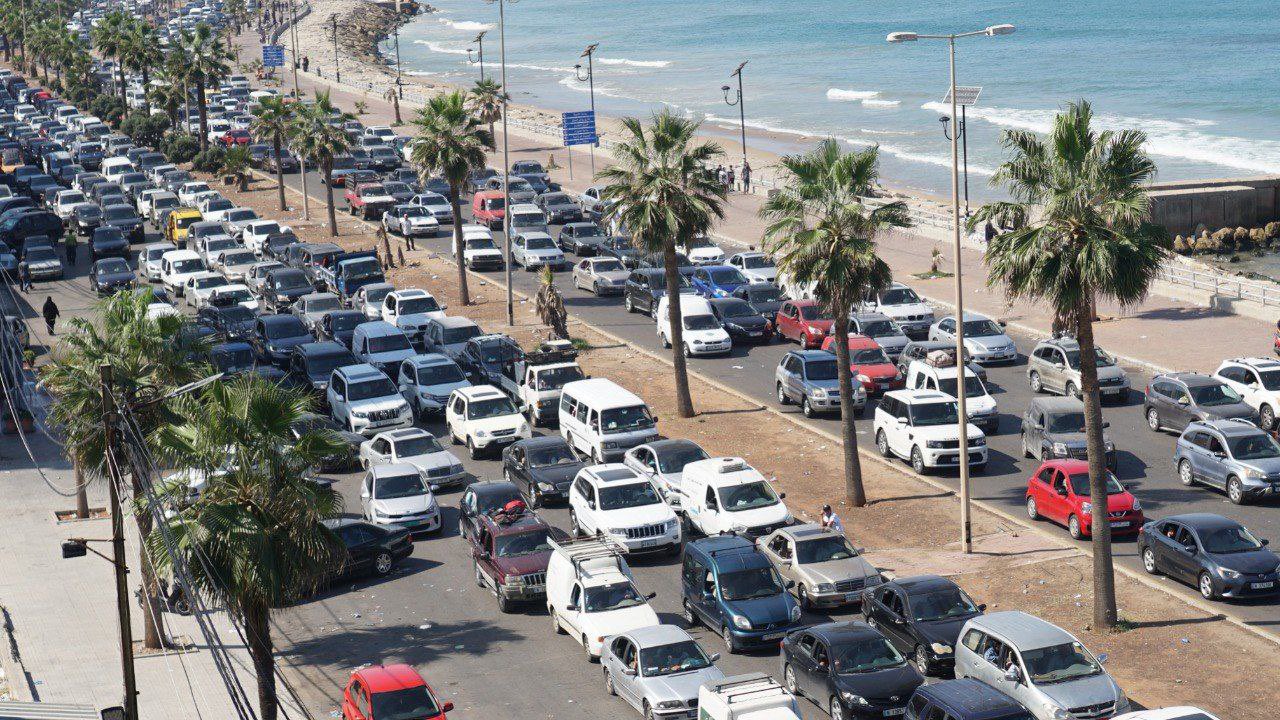
For instance, the inhabitants of Lebanon’s Bekaa Valley, which spans an area of about 4,429 square kilometres, were given just two hours to evacuate when the Israeli army issued evacuation orders. However, it would take many citizens at least three hours to leave areas within the valley. Moreover, the Israeli army neglected to designate safe zones to which people could escape—just as it has been doing in the Gaza Strip—showing that Israel either ignores the legal obligation to direct people to safe zones, or targets areas it has designated as safe. Since Israel began bombing Lebanon, dangerous conditions as well as significant challenges to the evacuation process have been documented.

The Israeli army is required by international humanitarian law to take all reasonable measures prior to any military attack in order to prevent, or at the very least reduce, harm to civilians and civilian property. This entails, among other things, providing the civilian populace with a sufficient amount of warning prior to the commencement of the attack; allowing them enough time to flee; and, unless circumstances dictate otherwise, enabling them to take protective action and relocate to safe areas.

International humanitarian law states that civilians who are unable or unwilling to leave an area are still protected as civilians, and that Israel is still obligated to protect them to the extent that they need to be shielded from harm simply because of their presence in the area.

In addition to towns in the Bekaa Valley, the Israeli army struck over 117 towns in the south of Lebanon, including some that saw serial and repeated raids, like Aitaroun, Ansar, Kfar Reman, Haris, Sarafand, and other villages in the districts of Tyre, Sidon, and Nabatieh. The Israeli army also announced that it had begun a third wave of raids and aggression against Lebanon.

Israel also used drones to light fires in southern Lebanon’s forests at the same time as it conducted warplane strikes, suggesting that Israel has been burning agricultural lands with white phosphorus—a weapon that is prohibited by international law due to the severity of burns it can cause. These burns often reach the bones of victims, and the severe fires caused by white phosphorus can destroy property, buildings, crops, and soil. It is likely that the Israeli military has been using white phosphorus in its attacks on Lebanon since its first attack on the country following the start of its genocidal war in the Gaza Strip on 8 October 2023.

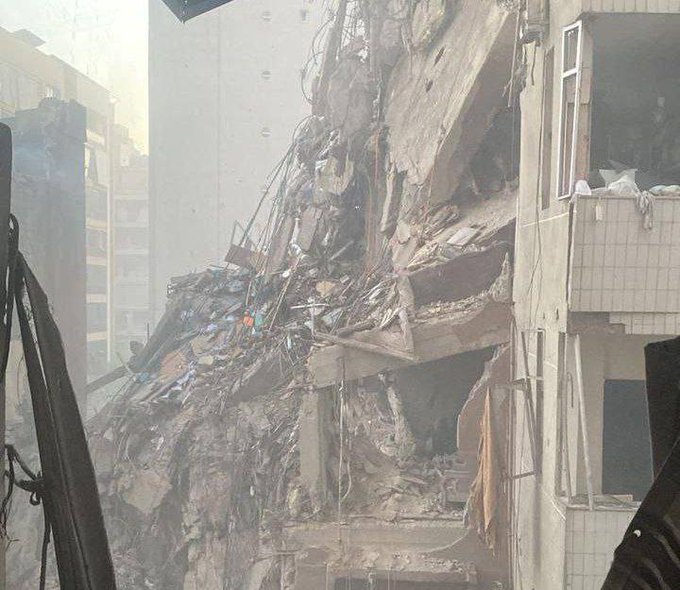
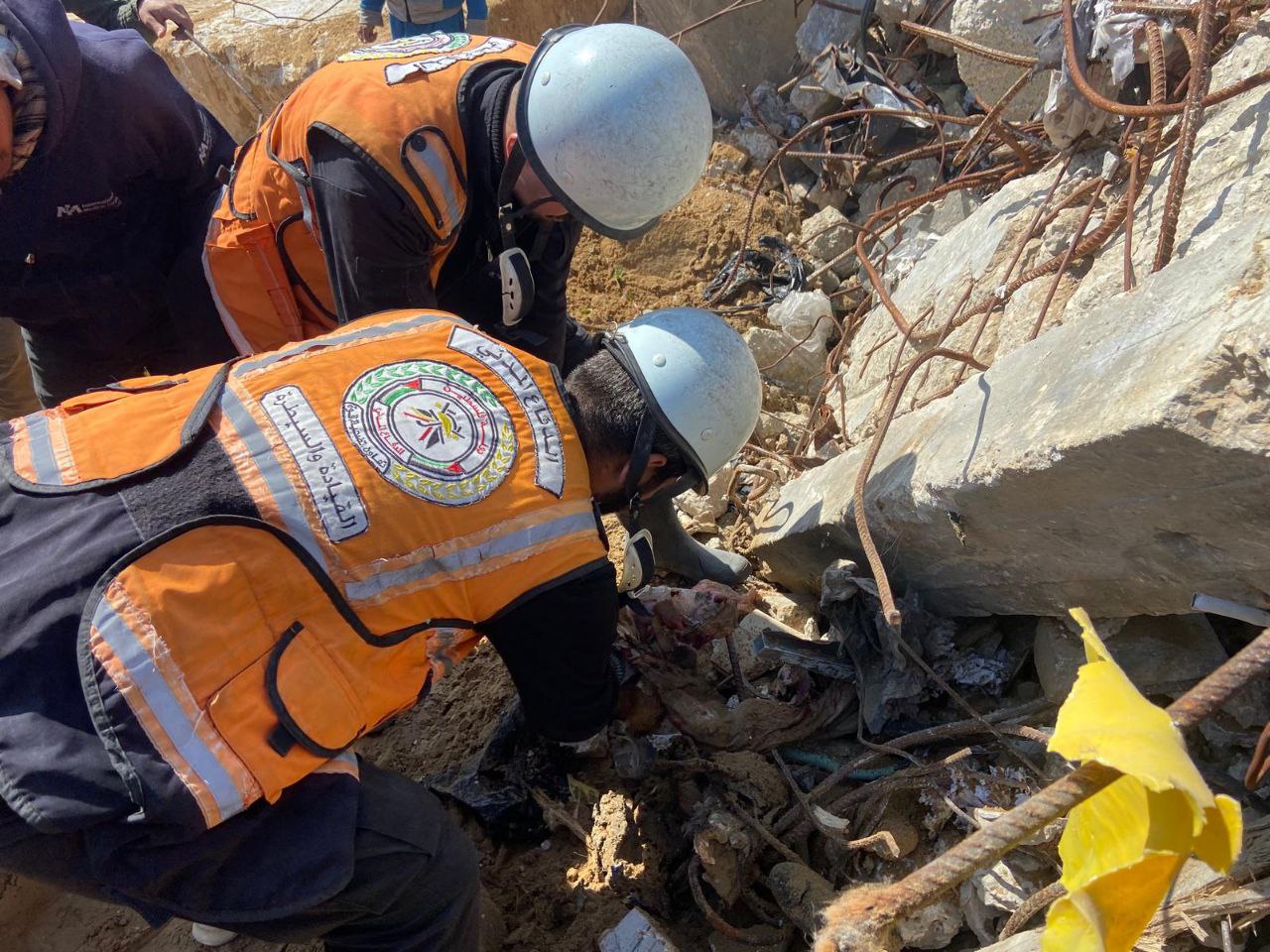
Today’s military build-up in Lebanon follows an Israeli army raid on Friday 20 September 2024 into Beirut’s southern suburbs. The raid caused the collapse of two residential buildings, killing over 37 people—including children—and leaving more bodies trapped under the rubble, with the search for victims still ongoing.

Israeli forces launched a random and illegal attack on Lebanon earlier, on 17 September 2024, using radio and pager explosions. The attacks resulted in at least 32 fatalities, including two children as well as medical staff members, and 3,250 injuries, including to a diplomat. There were 200 cases of critical injuries, and 500 serious injuries to the eyes and limbs specifically.

All of the aforementioned Israeli attacks are grave breaches of the Fourth Geneva Convention, the Additional Protocol, and international humanitarian law in general. These treaties require warring parties to always distinguish between civilians and combatants and offer special protection to vulnerable populations like journalists and the elderly, in addition to providing special protection to women and children. The Fourth Geneva Convention on the Protection of Civilians, its regulations, the Fourth Hague Convention, and Article 48 of the First Additional Protocol all attest to this; customary rules of international humanitarian law also support this.

International humanitarian law also prohibits indiscriminate attacks that do not distinguish between military and civilian targets, including attacks that do not target specific military objectives or that use combat means or methods incapable of being directed at a specific military objective.

The international community must act swiftly to stop Israel from repeating its genocide in the Gaza Strip in Lebanon, by safeguarding Lebanese civilians and stopping the situation from deteriorating further. Additionally, effective sanctions must be placed on Israel, such as a complete ban on arms exports, and Israel must be cut off from all forms of political, intelligence, and financial support. Finally, Israel must be held responsible for its ongoing crimes against peoples that occur on their own territory.

EuroMed Human Rights Monitor

Continue reading
Israeli Warplanes Target Beirut

An Israel airstrike targets the southern district of Beirut. Israeli warplanes have been targeting Hezbollah positions since Monday morning.

The Israeli army states it targeted a total of 11,000 Hizbollah positions all around the country according to Israel’s Channel 14.

Israeli Defense Minister Yoav Gallant claims Israel destroyed what Hezbollah built in 20 years.

Continue reading
Israel Kills 100 People in 200 Raids on Lebanon

The Ministry of Health in Lebanon announced that “100 people were killed and more than 400 injured as a result of Israeli raids on various areas in eastern and southern Lebanon. In turn Hezbollah stated it bombed Haifa and the Galilee with missiles.

Israeli warplanes launched more than 250 raids on various areas in eastern and southern Lebanon this morning, Monday.

Al Jazeera’s correspondent said the raids targeted the towns of Mays al-Jabal, Aitaroun, Houla, Taybeh, Markaba, Bani Hayyan, Jabal al-Rayhan, the heights of Iqlim al-Tuffah al-Tiri, Bint Jbeil, Hanin, Zawtar, and the Nabatieh region in southern Lebanon.

Continue reading
War Heats up as Hezbollah Trade Attacks With Israel

Hezbollah announced, Sunday morning, it  bombed an Israeli military industries complex in northern Haifa with dozens of rockets in an initial response to the pager and wireless explosions.

A party statement indicated it bombed “the military industries complexes of the Rafael Company, which specializes in electronic means and equipment, and is located in the Zevulun area north of Haifa, with dozens of Fadi 1, Fadi 2, and Katyusha rockets.”

Hezbollah rockets

Hezbollah had earlier announced at dawn, Sunday, it targeted the Ramat David base and airport for the second time with dozens of rockets.

In a statement it stated it “announces, for the second time in two hours, it targeted the Ramat David base and airport with dozens of Fadi 1 and Fadi 2 rockets, in response to the repeated Israeli attacks that targeted various Lebanese regions and led to the deaths of many civilian martyrs.”

In contrast, the Israeli army announced in the past hours, Hezbollah launched about 115 “air threats” towards northern Israel, adding firefighting teams were working to extinguish the fires that broke out as a result.

The Israeli Broadcasting Authority reported that about 120 rockets were fired from Lebanon on Saturday night.

The Israeli Channel 13 reported Hezbollah focused on security and economic sites and facilities, and there was damage, especially in the Haifa and Kiryot areas, for the first time since August 2006.

Israel Today reported the army estimates that Hezbollah will continue to fire rockets in the coming days without expanding the scope of the targeting.

Injuries and fires

The Israeli Ambulance Service, Magen David Adom reported four people were injured by shrapnel from rockets fired by Hezbollah at the city of Haifa.

Meanwhile, three Israelis were injured near the city of Kiryot, and a number of people were injured as a result of several rockets falling in the occupied southern Golan Heights, according to the Israeli Walla website.

The Maariv newspaper quoted the Israeli ambulance as saying that there was one injury in the Lower Galilee as a result of Hezbollah rockets, while it reported that there were no injuries as a result of the shelling of the areas of Yokneam, Afula, and the Ramat David base.

On the other hand, the Israeli Broadcasting Authority said that some residents of the Kiryat Tiv’on settlement said that the shelters they tried to hide in were closed.

Israel Hayom reported firefighting teams were working to put out a fire that broke out near Migdal HaEmek, most likely caused by interceptor missile fragments. The Marj Bin Amer Regional Council also said that a missile fell and caused a fire in the area between Kfar Rauch and Yokneam.

Lebanon bombing

On the other hand, Channel 12 reported that Israeli warplanes have launched raids on sites in the Majdal Zun area in Lebanon.

The Israeli army said that the strikes will continue and increase in intensity against Hezbollah.

Al Jazeera’s correspondent reported that Israeli raids targeted the vicinity of the town of Yatar and the area of ​​the Nabaa al-Tasa stream in southern Lebanon.

The Israeli raids also targeted the towns of Aitaroun, Taybeh, Zebqin, the town of Khiam, and the vicinity of the town of Zrarieh in southern Lebanon.

Continue reading
War and The Displaced in Lebanon’s South

Five months of armed conflict along Lebanon’s southern border have resulted in hundreds of deaths and caused huge disruption to people’s lives, forcing more than 91,000 people from their homes and exacting a significant toll on their financial stability and psychological wellbeing.

Exchanges of fire across the border between Israeli forces and Hezbollah and other groups began on 8 October 2023 and show no signs of abating, while the conflict has recently spread to northeastern Lebanon with Israeli forces bombing the Baalbek-Hermel governorate.

Many of the displaced people left their homes with no possessions and struggle to get hold of basic necessities such as food and blankets. More than 60 families are living in an abandoned hotel repurposed into a shelter in Al-Merouaniye, some 60 kilometres from the border. One of its residents is Ali Hammoud, a barber and a father of three from Rab Al-Thalathine, who fights back tears as he recounts his family’s ordeal.

“My older son has had three mental crises,” he says. “We go to sleep, wake up, and repeat this every day. We are worried that our kids will develop mental problems from this situation. The same routine, day in and day out, is more burdensome to a child than an adult.”

Médecins Sans Frontières (MSF) teams are providing displaced people who fled the border region with psychological first aid. “We’re seeing an increase in depression and anxiety disorders,” says Felicitas Steinhoff, MSF mental health activity manager, who warns of the psychological toll of prolonged displacement.

“In terms of mental health, I think people are really good at coping with short-term stress, but what we see here is families who have been displaced from their homes for over five months now and who are living with a lot of uncertainty around when and even if they might be able to go back,” she says.

Our mobile medical team also provides people with care for chronic diseases and makes regular visits to a clinic in Nabatiyeh governorate, alongside the border.

The team provided 373 consultations since the start of 2024 in both locations. Manahel Rammel, who fled her home in the border town of Oudaisseh on 8 October, says that children and young people are suffering the most. “Young people aged between 18 and 20 sit around without any idea of what they want to do,” she says. “Their future is gone. The future of youth is gone.”

Manahel’s own daughter is fortunate to be studying in Beirut, but Manahel is unable to visit her there due to the high cost of transport. Like many people across Lebanon, Manahel already struggled to make ends meet before the current crisis, but being displaced has exacerbated her financial difficulties.

Lebanon is grappling with its fourth year of severe economic turmoil, which has seen two-thirds of its population pushed into poverty. The current violence has halted or severely impacted many people’s livelihoods, leaving them unable to meet even basic needs.

Ali initially sought refuge in Beirut, but after his savings were exhausted, he moved to the shelter in Al-Merouaniye. “We left our homes with nothing but the shirts on our backs,” says Ali.

“During the truce [a four-day truce in November 2023], we went back to pack some essentials and clothes just to warm ourselves… I had some savings, but they all ran out. I stayed in Beirut for two months and I spent all my money before eventually moving to this shelter,” he says.

While the walls of the abandoned hotel offer some safety and warmth to the families sheltering there, they – like thousands of other displaced people across Lebanon – are clearly in need of comprehensive and sustained assistance as they face an uncertain future.

“If I could rub a magic lantern right at this moment, I would wish to be back home in my village,” says Ali. “We have no solution, only God knows where we’re headed.”

Reliefweb

Continue reading