 NGO Documents 48 Resistance Acts Against Israel
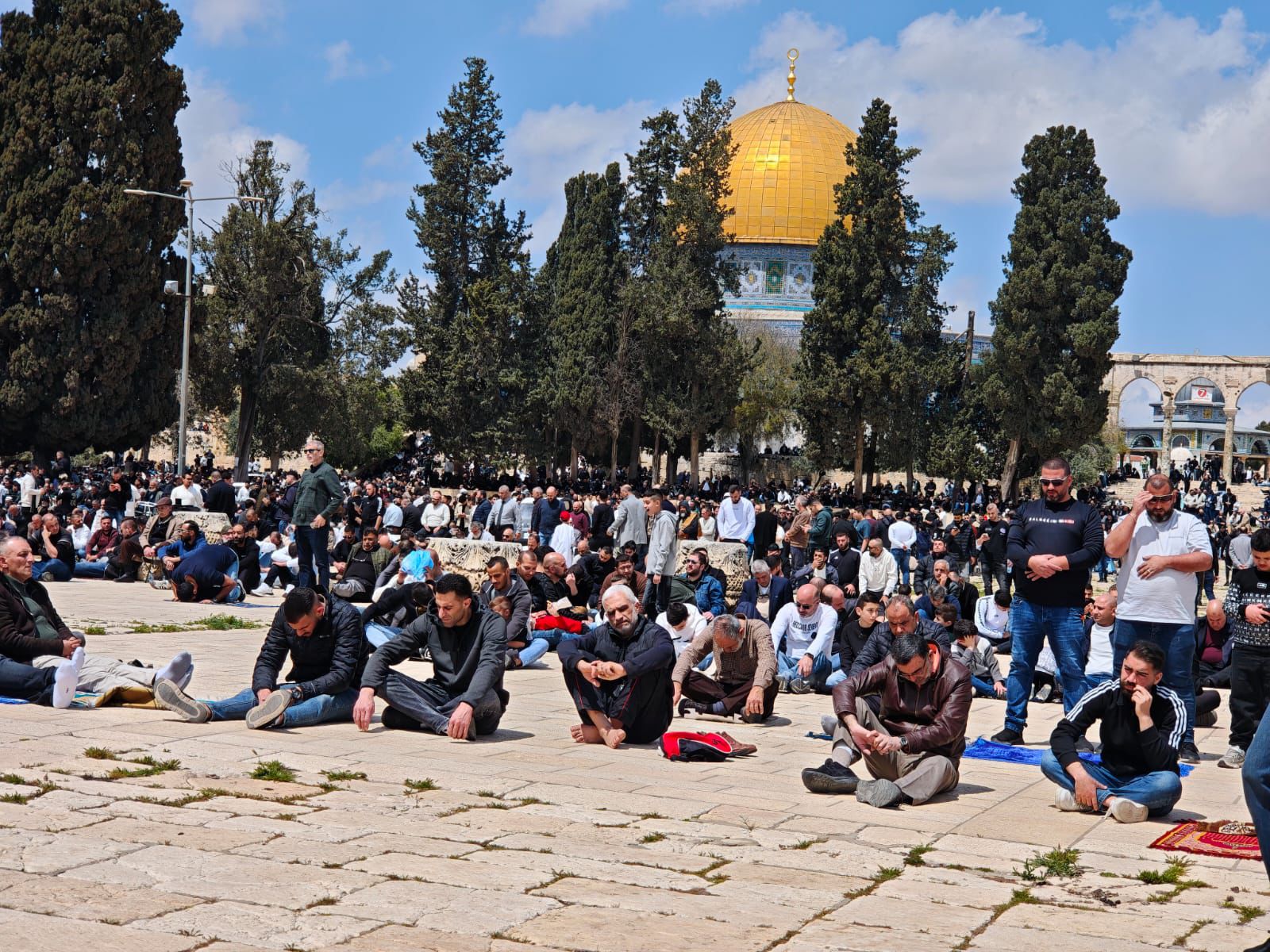
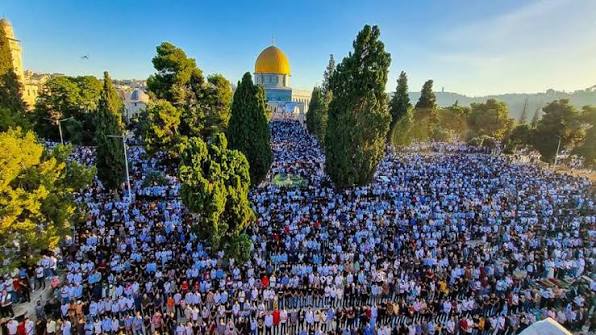
 70,000 Attend The Friday Prayers in Al Aqsa
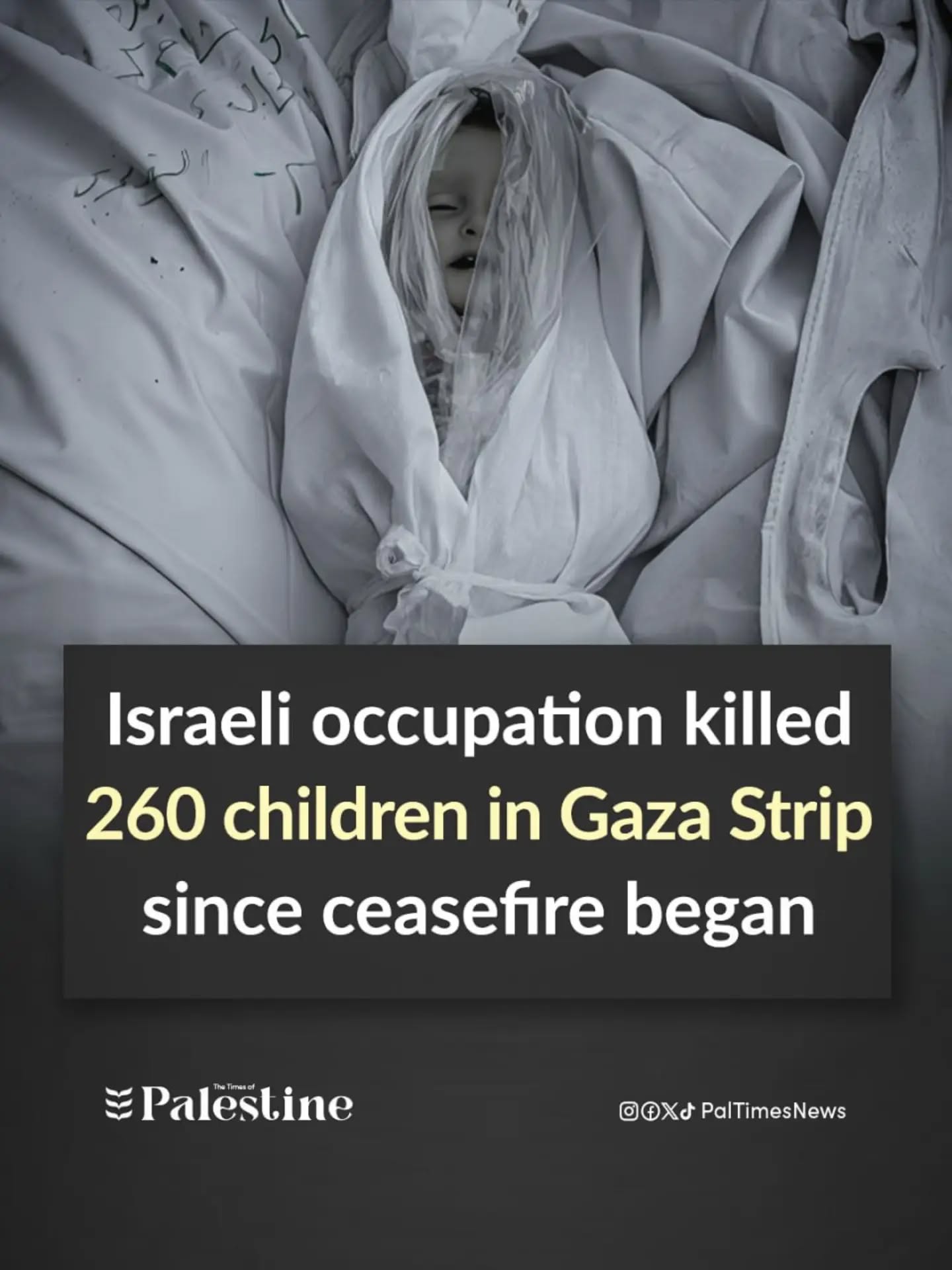
 Israel Targets a Hospital in Gaza With a Quadcopter Bomb
 Ghasan Kanfani: The Novelist, Activist, Fighter, Marxist and Musician
 Palestine in Color



 marwan

 Saleem Ayoub Quna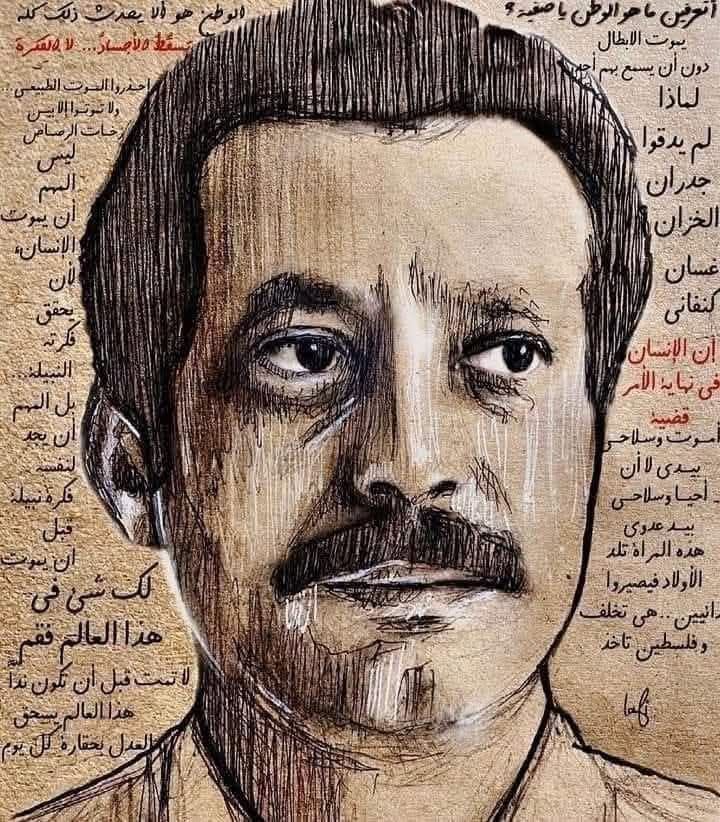



How is an Extremist Marketed in Syria?
 CrossFireArabia
- December 16, 2024
As the Syrian regime collapsed, Israel shifted its efforts towards redrawing the security geography and penetrating deeper into Syrian territory in an attempt to establish a future reality where some strategic Syrian land would remain under Israeli control and surveillance. These efforts included targeting Syria’s military infrastructure and dismantling its army’s arsenal, with the aim of creating a demilitarised Syria and rendering its geography unusable in any future equation that might target Israel.
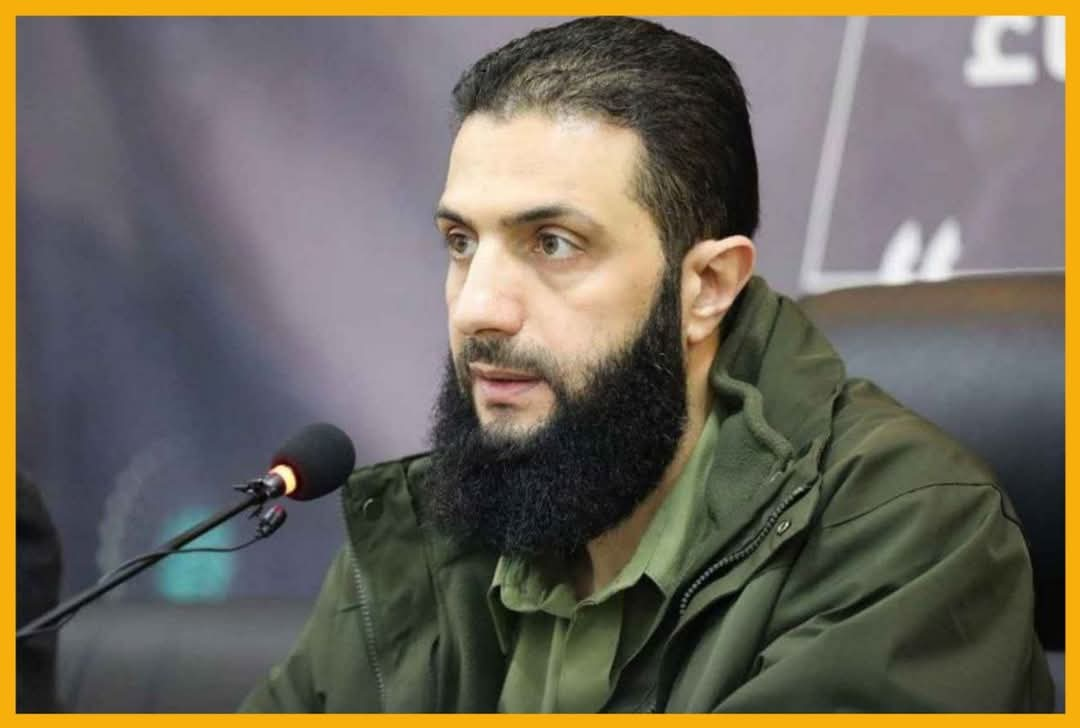
While the world has been preoccupied with tracking the movements of the leader of Hay’at Tahrir al-Sham (HTS), Abu Mohammad al-Jolani (Ahmad al-Sharaa), his transformation in presence and rhetoric has drawn attention. This appears to be part of a strategy to market him as a suitable political option for the next stage. Despite his repeated assertions about respecting diversity within Syrian society, maintaining the country’s unity, and ensuring a democratic transition, doubts remain about HTS’s ability to translate these statements into practical action.
Al-Jolani, who currently leads the Syrian scene as a figure representing an ideological stance, may face serious challenges in accepting others, managing differences, or embracing the principle of power-sharing. His initial steps, forming a homogeneous government and attempting to dominate power, indicate a lack of a genuine strategy to address Syria’s social complexities and political legacy. The regime’s collapse may lead to significant difficulties in dealing with this legacy, both in its security and bureaucratic aspects. Such an approach could provoke expected reactions from various internal factions, such as the Druze and Kurds, or even within Idlib itself, who see this monopolisation of political decisions as a threat to their interests and future.
While simplifying al-Jolani and HTS’s rise to power by emphasising the oppressive image of the previous regime may make the Syrian scene appear clearer, the complexity of the current reality cannot be ignored. International support from the US and regional backing from Turkey may not fully guarantee a political transition, as the real challenge lies in how HTS handles extending its influence over the entirety of Syrian territory, a goal yet to be achieved. Additionally, integrating all segments of Syrian society into a national project remains nearly impossible for an ideologically driven organisation that struggles to embrace political diversity or power-sharing principles.
In recent years, the Biden administration took a notable step in Afghanistan by withdrawing and leaving the country to the Taliban, later marketed desperately as a reformed, moderate movement. Today, this phenomenon is being repeated with HTS, as promises to remove it from the terrorist list, distinguish it from other extremist groups, and present al-Jolani as a progressive, politically competent figure gain traction. However, removing HTS from the terrorist list warrants careful consideration of the potential repercussions. Most extremist groups may adopt escalation and rebellion as a primary strategy in the coming phase, particularly in their competition with each other and in their efforts to gain recognition as viable governing entities. This trend could extend beyond Syria’s borders.
Additionally, this development may reignite aspirations among Islamic parties, which retreated after the Arab Spring, to resume their pursuit of power. The symbolism of certain actions since the Syrian regime’s collapse, such as al-Jolani’s speech at the Umayyad Mosque, framing the event as a victory for the Islamic nation rather than a triumph for Syria’s opposition, and the newly appointed Prime Minister Mohammad al-Bashir delivering his first address from a Friday sermon pulpit at the same mosque, reflects an ideological agenda being marketed as the product of a political rather than religious revolution.
Political transition in Syria remains a challenging and complex process due to historical, social, economic and institutional factors. The risk of internal conflict remains significant, as many Syrian factions have yet to express their stance or acceptance of current developments. Furthermore, ceding control of their areas of influence will not be easy. The position of Daesh also remains ambiguous, with its movements since the regime’s fall unclear.
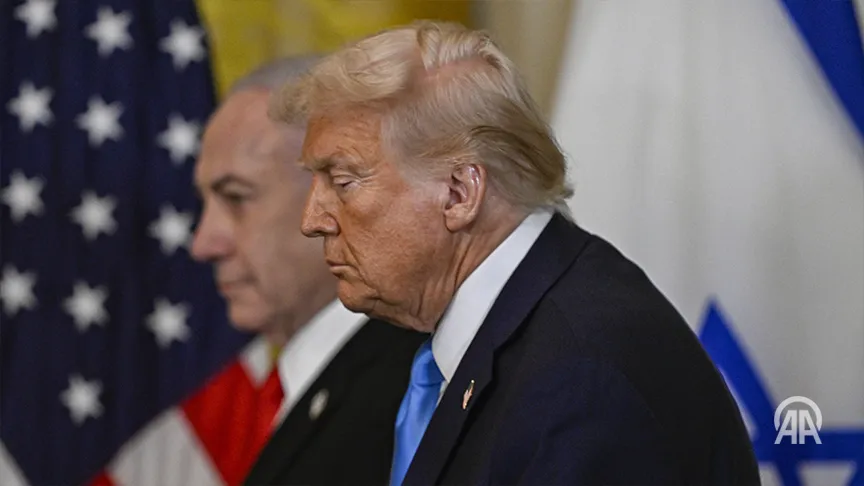
The region may be on the brink of significant repercussions resulting from what has happened and how things will develop in Syria, both politically and in terms of security. The next phase may also see Israel advancing practical measures on the ground before the Trump administration returns to the White House, including annexing areas of the West Bank, securing its borders with Lebanon and Syria, and striking farther targets which Israel considers to be fronts of Iranian influence extending from Iraq to Yemen and even inside Iran.
Dr Amer Al Sabaileh, a professor in the University of Jordan, is a columnist in The Jordan Times