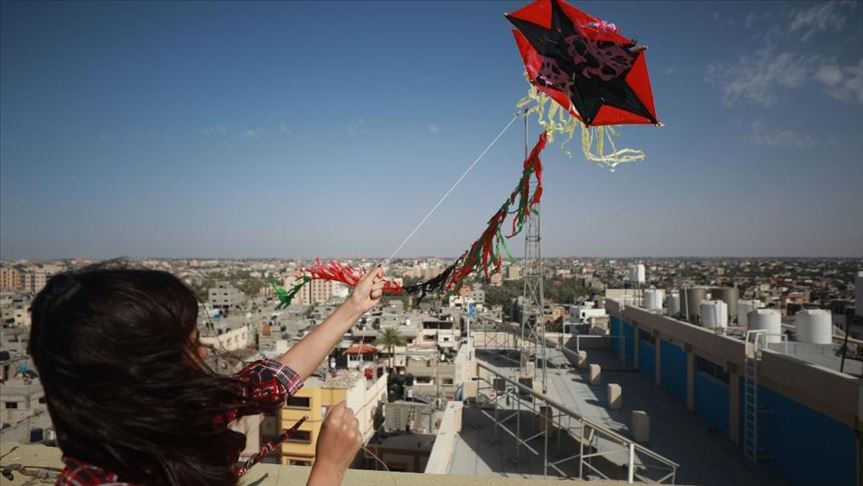
 Getting Ready For School in Gaza
 Beware! Qusra and The Next Nakba
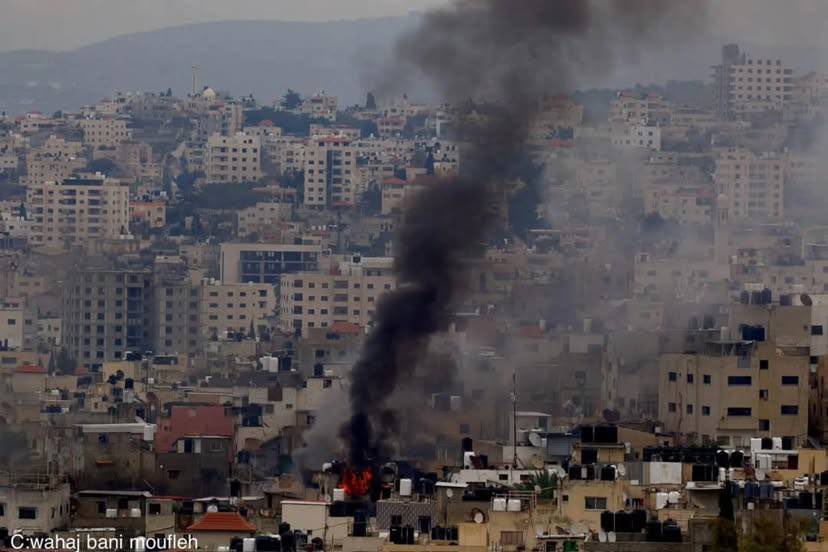
 Israeli Settler Attacks Spiked by 63 percent in the Occupied West Bank
 A Jerusalem Wedding, 1945
 A Prisoner to Remember



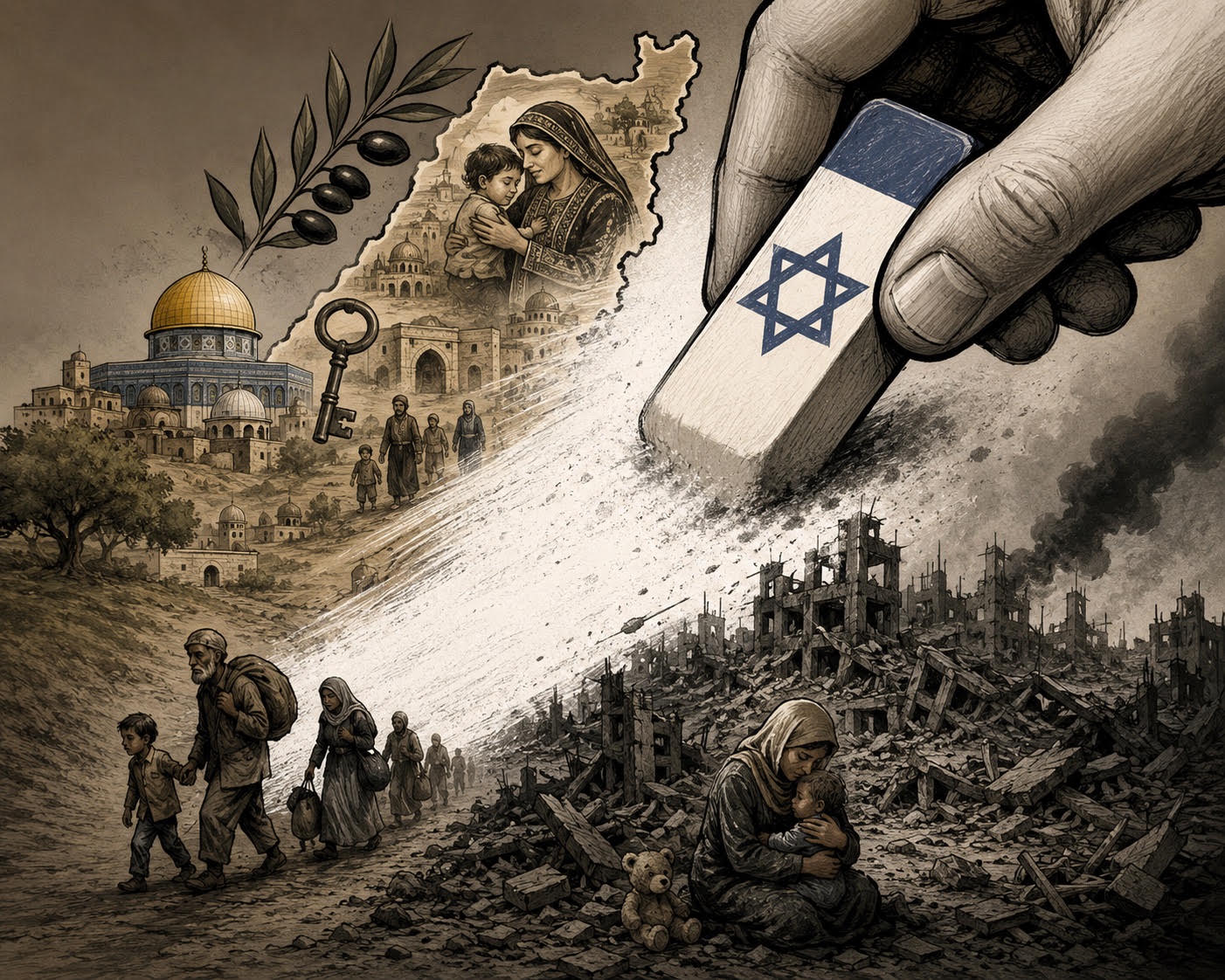

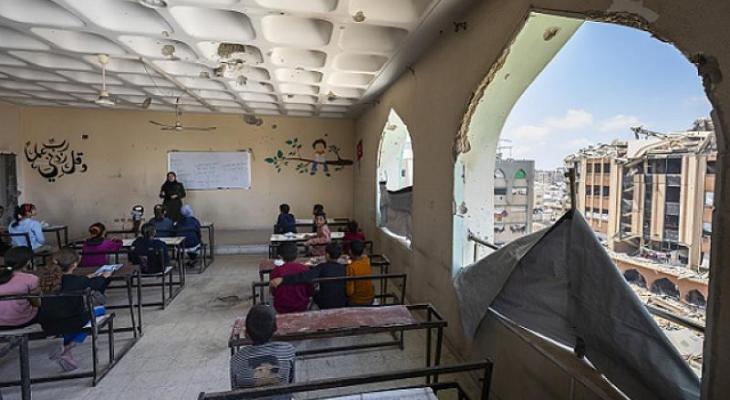
Getting Ready For School in Gaza
 CrossFireArabia
- August 26, 2026
 CrossFireArabia
 HebaHeba
 marwanCrossFireArabiaCrossFireArabiaCrossFireArabiaCrossFireArabiaHebamarwanHebaCrossFireArabiaCrossFireArabiaCrossFireArabiaCrossFireArabiaCrossFireArabiamarwanHebaCrossFireArabiaCrossFireArabiaCrossFireArabiaCrossFireArabiaCrossFireArabiaCrossFireArabiaCrossFireArabiaCrossFireArabiaHebaCrossFireArabiaCrossFireArabiaHebamarwanmarwanmarwanmarwanmarwanmarwanCrossFireArabiamarwanmarwan
 Saleem Ayoub QunamarwanCrossFireArabiaCrossFireArabiaCrossFireArabiaCrossFireArabiamarwanCrossFireArabiaCrossFireArabiamarwanCrossFireArabiaHebaCrossFireArabiamarwanCrossFireArabiamarwanHebaCrossFireArabiamarwanmarwanHebaCrossFireArabiamarwanmarwanCrossFireArabiamarwanHebaCrossFireArabiaCrossFireArabiaCrossFireArabiaHebamarwanCrossFireArabiamarwanHebaCrossFireArabiaCrossFireArabia
Israeli Diaspora Affairs Minister Amichai Chikli canceled a planned visit to Brussels over fears of arrest, according to the Israeli Prime Minister’s Office. The office cited “concrete warnings” and guidance from security officials but did not provide specific details. Chikli was scheduled to attend an event at the European Parliament and meet with Brussels’ zionist lobby.
Belgian authorities reportedly informed Israel that Chikli would not enjoy diplomatic immunity, as his visit was not an official state trip. Security sources told Israeli media that the National Security Headquarters warned of attempts to arrest Chikli, though no direct threat was identified.
The incident follows the International Criminal Court’s (ICC) arrest warrants for Israeli Prime Minister Benjamin Netanyahu and former Defense Minister Yoav Gallant in November. The ICC warrant cited crimes against humanity and war crimes committed between October 8, 2023, and May 20, 2024. Several countries, including France and Hungary, have stated they would not enforce the warrants, while others, like Germany and Norway, indicated they would comply.
Although several western countries announced that they would not comply with the ICC warrant, dozens of rights groups and activists have been filing lawsuits against Israeli officials and soldiers, resulting in many if them canceling their trips according to the Quds News Network.
 Dr Khairi Janbek
By Dr Khairi Janbek
If you remember in the films, when the big mafiosi harms a friend or an ally, says, usually I had nothing against him, I even liked him, but this is pure business.
One is using this adage, because it simply reminds me of what president Trump said about the Jordanian monarch and the Egyptian president. He expressed his affection towards both, and said he got on well with them and liked them, but wants them to take refugees from Gaza and settle them in their own territories.
Now, doesn’t Mr Trump know that this move presents an existential threat to all? Or is he indifferent to their concerns, the fact being that, it’s nothing personal, just a businesslike solution to the Gazan Palestinians, whom in fact do not wish to leave their land as things stand now.
Unfortunately, this proposal stems from a very long history of the notion that, Israel is a very small country, and the Arab world is vast, and since the Palestinians are Arabs then they can be absorbed in other Arab countries!
Of course, this notion does not take into consideration that the Palestinians do not wish to leave their lands and seek justice in their own homeland, but then again there is an Arab contribution to this dimension which emerged in the so-called post-Arab-Israeli peace process, albeit in all probability unintentionally.
The fundamental idea of land for peace, which implicitly and explicitly meant land and state for the Palestinian people; which is incidentally a political notion, is that the Palestinian problem becomes a humanitarian issue that of refugees demanding the right of return.
In essence a people without land, or unspecified area of land doesn’t not constitute a nation. One is not going to bore everyone with justice and injustice, rather wishes to say why is it assumed by Mr Trump that the Palestinians should not have a say in their independent destiny? Why doesn’t he address them directly, after all the US is one of the guarantors of the Oslo accords, which incidentally gave legitimacy to the PNA.
Having said all that, where do we go from here, and for whom is Gaza supposed to be built for? If it is supposed to be built for the Gazans would that mean the Gazan status in Jordan and Egypt is a temporary proposal, in other words until Gaza is rebuilt? And who will rebuild Gaza?
These are very important details which cannot be swept aside without discussions involving the Egyptians, Jordanians and the PNA. But can Mr Trump’s idea really be worth considering and entertaining in terms of practicalities or is it on top-of-the-head remark?
The writer is a Jordanian columnist based in Paris
Saleem Ayoub Quna
By Saleem Ayoub Quna
One must really feel sad to discover that, he or she, has been used or manipulated for a long time by others who pretend otherwise! It will be much worse if one does not do something about it, afterwards.
This is I discovered when I accidentally learned more about the most prestigious international prize called the “Nobel Prize” in its five major categories: Physical science, chemistry, medical science, literature and peace.
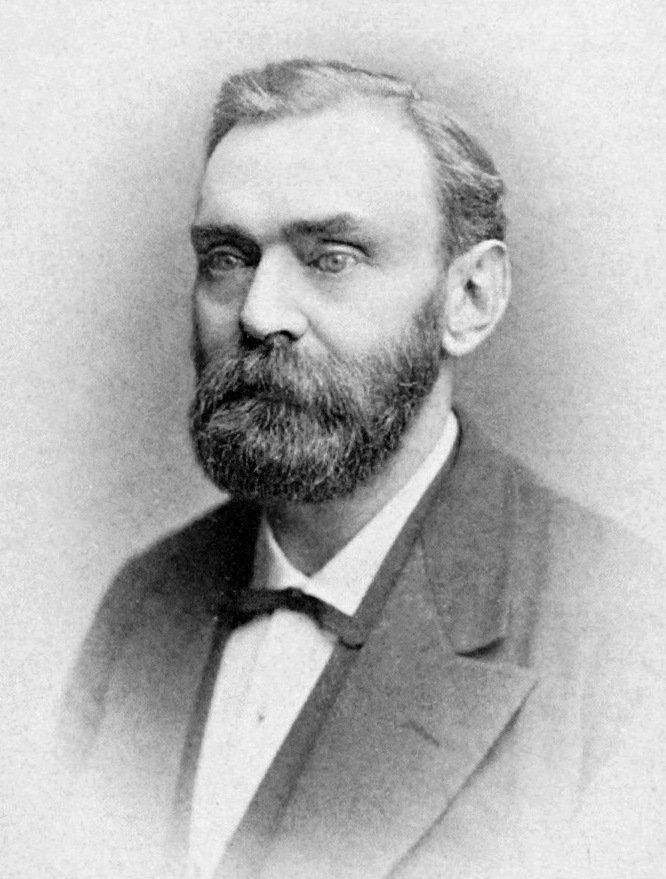
This prize is well known worldwide for two main reasons. But we tend to focus on one and disregard the other. The first reason is the prize founder’s name, “Alfred Nobel”, became associated with the most important award man can aspire in modern times, in terms of money and prestige. It is the most prestigious and sought after award in the world!
The other less known reason, but nevertheless no less important, is that its holder’s name is the only one which is, exclusively, linked to the invention of “dynamite” in the late 19th century! That invention was a turning point not only in this man’s life or his country, but in the course of world history. Dynamite was first used to dig out tunnels, build dams, railways, open canals between oceans and so forth. Automatically, that helped, already advanced industrial nations in Europe, to develop and strengthen their economies and improve scientific achievements at home and abroad.
The invention of dynamite which is a kind of ammunition, gradually proved to be most profitable and rewarding enterprise for those involved in it. The appetite to use them became phenomenal to the extent that the number of humans killed, just after the historical invention, drastically surpassed all those who were killed, anteriorly, by other more conventional weapons or natural disasters. The whole issue later became an integral part of manufacturing military hardware which kept developing and expanding until the world reached the era of “weapons of mass destruction” that is causing all the pain and trouble facing people everywhere on this planet since then.
While this multi-faceted tragedy and drama is going on, many people around the world, especially among the cream of the cream strata of scientists, intellectuals, inventors and leaders, and they are in the thousands, working independently or for famed institutions, are counting the days and hours, to see their names, at least, nominated for one the five categories prize, without the slightest effort on their part to know the original story behind all of this big historical farce.
A second turning point in the life of Alfred Nobel took place in 1888. That year a brother of his with the name of Ludwig who was visiting the city of Cannes, south of France, passed away. Alfred had five brothers. A local French newspaper, taking Ludwig for Alfred, picked the news and ran a report on its front page with a dramatic title: “The merchant of death died”!
When Alfred read the paper he was upset. He started contemplating ways to redress this personal dilemma and re-polish his tarnished reputation. It was not until 1895, i.e. seven years after he was described as merchant of death, and just one year before he died, that he decided to include in his will a paragraph that detailed the criteria and conditions of specified financial rewards under a special fund called the “Nobel Prize”, to be granted to all candidates, regardless of their nationality, religion, color or ethnical background. In that year, Alfred’s business empire included 90 operating factories of dynamite and ammunition scattered around the world!
However, the first award distributing ceremony did not take place until 1901 in Stockholm on the 5th anniversary of his death.
Among the hundreds of nominees for the different categories of the award and since its inauguration in 1901, the Nobel Prize was declined by two candidates only: A Vietnamese politician and negotiator named LE DUC THO who was nominated along with no other than Henry Kissinger, to share the Nobel Peace Prize, saying that he did not deserve it because peace was not achieved in Vietnam yet at that time in the year 1973.
The second candidate who declined the prize for literature was the French philosopher and writer Jean-Paul Sartre, saying that he always declined official honors.
Conclusion: Trying to be nominated for the Nobel Prize especially for “Peace”, let alone accepting it is not so different from believing in fake prophets or opportunist politicians whose actions and deeds categorically contradict their preaching and teaching. I have no illusion that any of those who genuinely work for peace on this earth, but “circumstantially” get nominated for the Nobel Peace Prize, will one day, refuse to be trapped in this silk web!
This opinion was especially written for Crossfire Arabia by Saleem Ayoub Quna who is a Jordanian author writing on local, regional and international affairs and has two books published. He has a BA in English Literature from Jordan University, a diploma from Paris and an MA from Johns Hopkins University in Washington. He also has working knowledge of French and German.
CrossFireArabia
United States President Donald Trump announced his plan to expel the Palestinians in the Gaza Strip from their homes there, and has called on neighbouring nations to accept the Palestinians into their countries. These remarks, which were made after Israel egregiously violated international law by committing genocide against the Palestinian people in the Strip for over 15 months—including by destroying all essential necessities for life in the enclave—are deeply concerning.
The Palestinians, who are already suffering from the devastating effects of Israel’s attempts to annihilate them, should not have to pay a further price for this genocide by being forcibly displaced outside of their homeland. Israel, as the occupying power, is the only entity that must take moral and legal responsibility for the crimes it has committed in the Gaza Strip, pay reparations to the Palestinians, and rebuild the Strip as quickly as possible.
Since the Fourth Geneva Convention expressly forbids the forced displacement of populations under occupation, any plans to do so would be a blatant violation of this agreement. The facilitation of these plans would also violate the Palestinian people’s inalienable right to stay on their land and in their homeland, a right which is protected by international law, and would be crimes against humanity and war crimes. In addition to being an international crime, the forced displacement of Palestinians is a component of a larger plan to strengthen the systematic expulsion and forced relocation crimes Israel has been committing against Palestinians for many years.
In addition to directly supporting Israel’s expansionist and colonial policies, which systematically aim to remove Palestinians from their lands in favour of its illegal colonial settlement projects, Trump’s statements call for the evacuation of Gaza’s population by forcing neighbouring countries to absorb refugees from the Strip. This runs counter to the strong historical and cultural ties that bind Palestinians to their land.
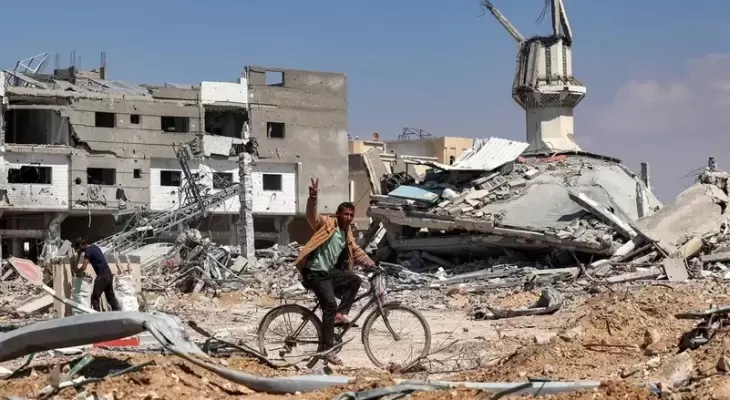
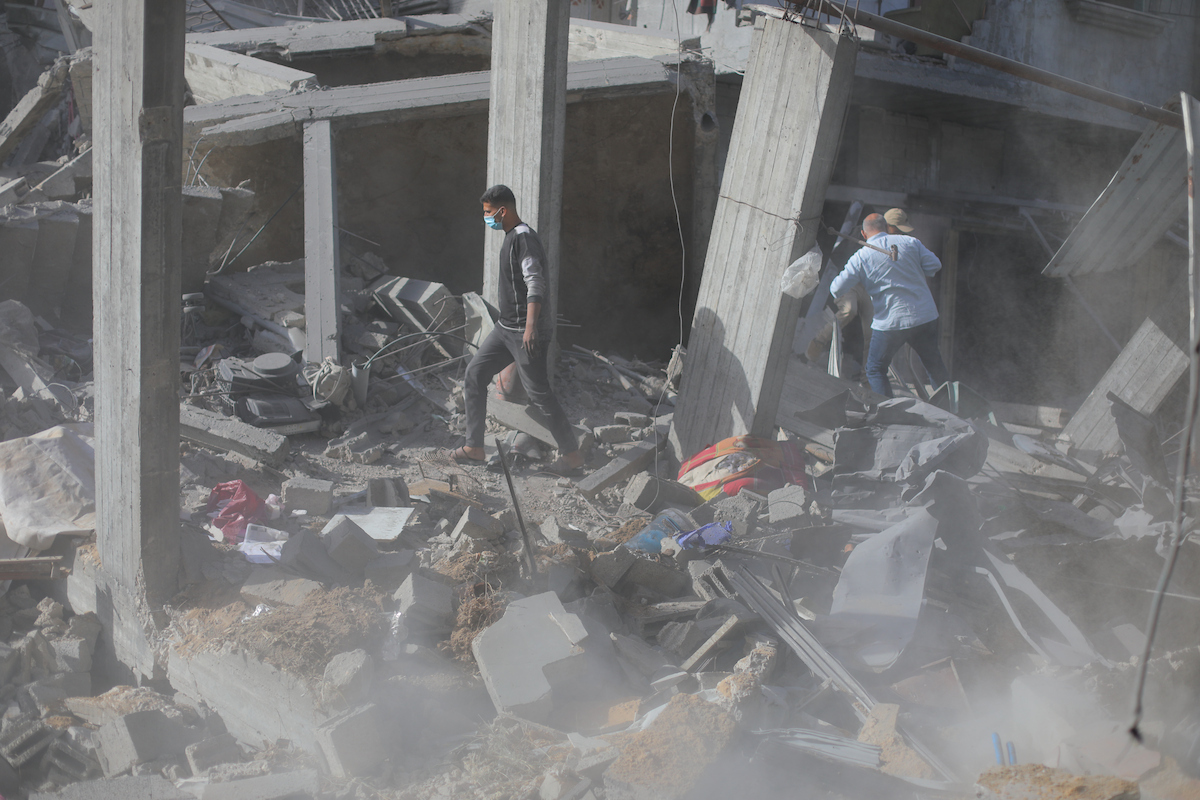
For months, Israel has been committing genocide by carrying out mass killings against civilians and methodically demolishing Gaza Strip cities, neighbourhoods, and infrastructure in an effort to drive Palestinians from their land and force them to flee. In order to weaken the Palestinians’ ability to survive on their land, and to establish a coercive environment that forces them to flee, these policies have gone beyond simply killing, destroying, and starving them. They have also included destroying the essentials of life, such as access to water, electricity, education, and health care.
Trump stated today (26 Sunday) that more Palestinians from the Gaza Strip should be sent to Jordan and Egypt, and that he is pleading with the leaders of the two nations to allow them to do so because the Strip is “in a state of chaos”.
Since the reopening of the Rafah land crossing with Egypt, which was closed last May, Israel has purposefully bombed cities, residential neighbourhoods, and infrastructure in the Gaza Strip, including streets, schools, and essential facilities there. Israel’s deliberate attempt to either kill or drive Palestinians from their land is especially obvious given the dearth of basic necessities in the besieged enclave, such as homes and infrastructure like water, electricity, communications, Internet, and school networks. In addition, statements made by Israeli ministers and officials publicly promote voluntary migration.
Israel has been committing genocide in the Gaza Strip since 7 October 2023, and the destruction of entire Palestinian cities and neighbourhoods by the Israeli army is a glaring example of this crime and a key instrument of its execution.
This crime has gone beyond simply killing 10s of thousands—or potentially hundreds of thousands—of Palestinians and progressively destroying the lives of over two million people by removing their basic necessities for survival. It has also included the total destruction of Palestinian cities and their architectural and cultural heritage; the erasure of the Palestinian people’s national and cultural identity; the forced relocation of Palestinian people from their lands, and the imposition of this permanent displacement; the dismantling of their communities; and the obliteration of their collective memory in an attempt to eradicate their physical and human existence as well as their past, present, and future.
A regional and global stance opposing Trump’s claims of deporting Gaza Strip residents is absolutely necessary. Mass displacement as a solution to the current conflict not only ignores the underlying causes of the issue but also exacerbates the injustices already experienced by the Palestinian people, and denies them their rightful self-determination and safe residence in their homeland. Trump’s claims, along with any actions that follow, are likely to exacerbate tensions and undermine regional stability.
The international community must fully uphold the principles of international law and adopt solutions that respect Palestinian rights. These solutions should include ending Israel’s illegal occupation of Palestinian territories, holding Israel accountable for its ongoing crimes, and establishing a clear path to achieving justice for the Palestinian people. Additionally, the international community should ensure that all Palestinian refugees and displaced persons are able to return to their original areas in accordance with relevant international resolutions, rather than supporting any policies that would uproot Palestine’s indigenous population in favour of Israel’s colonial policies.
CrossFireArabia
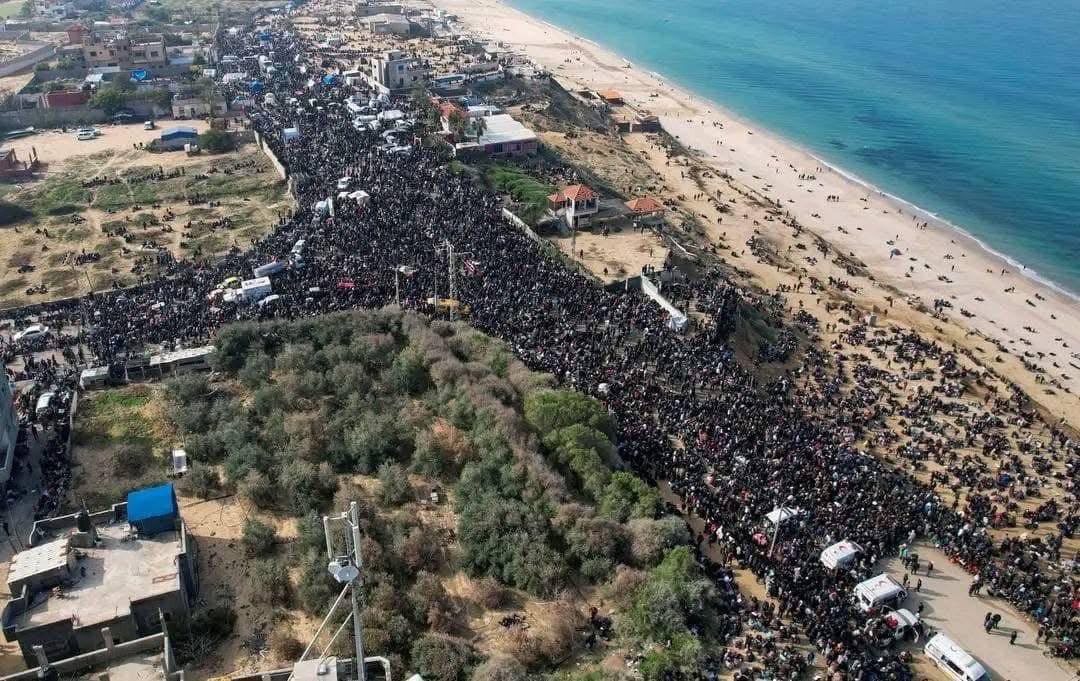
Tens of thousands of displaced Palestinians in Gaza are crossing today the Netzarim Corridor and returning home to their loved ones in northern Gaza for the first time since Israel’s genocide on the enclave began.
Israel’s military said Palestinians will be allowed to cross al-Rashid Street by foot starting at 7am (05:00 GMT) and Salah al-Din Street by vehicle from 9am (07:00 GMT) on Monday.
Earlier on Sunday, Israel had blocked tens of thousands of Palestinians waiting to return to their homes in northern Gaza. Ismail al-Thawabta, director general of Gaza’s Government Media Office, said there were “between 615,000 and 650,000” people waiting to go past the Israeli military positions in the Netzarim Corridor, which runs through the centre of the Gaza Strip according to the Quds News Network.