Up to 3,000 Palestinians have been forcibly disappeared in Gaza, while thousands more remain beneath rubble, according to a new study.
Key Developments
- The Palestinian Center for Missing and Forcibly Disappeared Persons estimates that between 2,500 and 3,000 Palestinians have faced enforced disappearance since the war began.
- Its study documented disappearances during Israeli raids, displacement, passage through military checkpoints and attempts by Palestinians to obtain food or return home.
- The center estimates another 4,000 to 5,000 people remain beneath Gaza’s rubble, as the overall Palestinian death toll reached 73,449.
Thousands Forcibly Disappeared
Between 2,500 and 3,000 Palestinians are estimated to have been subjected to enforced disappearance in the Gaza Strip since the beginning of Israel’s genocidal war, according to a new study by the Palestinian Center for Missing and Forcibly Disappeared Persons.
Released in conjunction with the International Day of the Victims of Enforced Disappearances, the study examined 317 documented cases to identify recurring patterns in the circumstances and locations in which Palestinians have vanished.
The center stressed that the sample does not represent the total number of missing Palestinians in Gaza, but provides an indication of the broader patterns surrounding their disappearance.
Of the 317 cases examined, 302 involved males, accounting for more than 95 percent of the sample. The documented cases also included 41 children and 17 elderly Palestinians.
Gaza Governorate recorded the largest number, with 89 cases, followed by North Gaza with 74 and Khan Yunis with 59.
The circumstances surrounding the disappearances varied significantly.
https://www.palestinechronicle.com/thousands-await-evacuation-as-gazas-medical-crisis-deepens-who/embed/#?secret=BDpxWE4BOo#?secret=j5W7y2JxIp
Seventy-six Palestinians disappeared during Israeli military raids on homes or while neighborhoods were under siege, according to the study.
Another 60 disappeared while attempting to check on their homes or return to retrieve basic necessities.
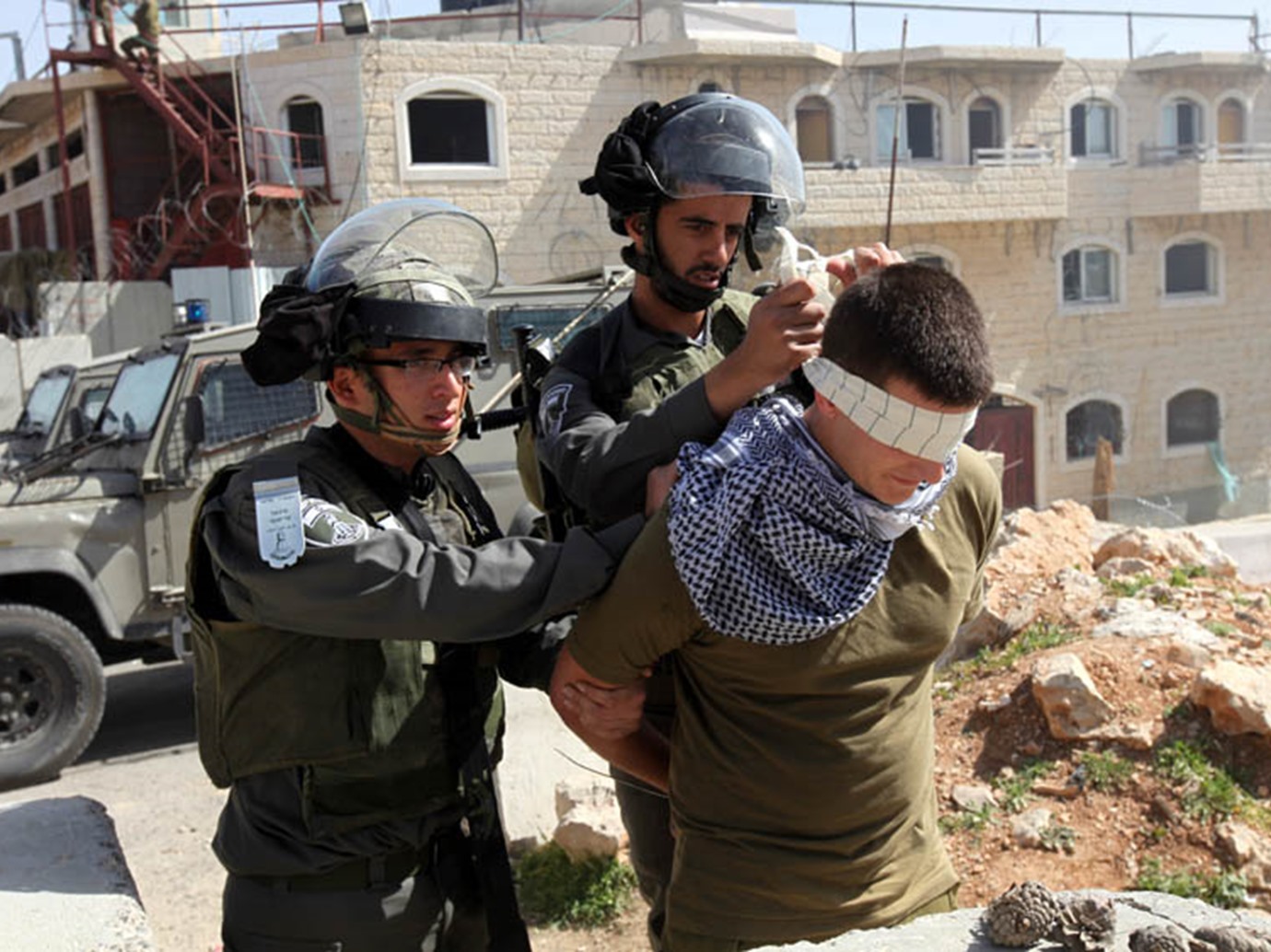
The center documented 42 cases involving Palestinians who disappeared while fleeing their homes or passing through Israeli military checkpoints.
Another 39 cases occurred while civilians were attempting to obtain food or waiting for humanitarian aid trucks.
Hunger, Arrests and Unanswered Questions
The study highlighted the role that Gaza’s severe food insecurity has played in exposing Palestinians to dangerous areas controlled or monitored by Israeli occupation forces.
Hunger had pushed civilians to risk entering military zones in search of food, the center said.
In several cases, Israeli reconnaissance aircraft were reported monitoring the movements of Palestinians shortly before contact with them was lost.
Family members and eyewitnesses also reported seeing Palestinians being detained by Israeli occupation forces before all information about their whereabouts ceased, according to the study.
The center warned that restrictions imposed on the International Committee of the Red Cross, including preventing access to Palestinian detainees, have made determining the fate of the missing significantly more difficult.
Families are consequently left without information about whether their relatives have been killed, detained or transferred to undisclosed locations.
The center called for the creation of an independent international mechanism to investigate enforced disappearances in Gaza, establish the fate and whereabouts of missing Palestinians and hold those responsible accountable.
https://www.palestinechronicle.com/israel-kills-two-in-gaza-targets-tent-sheltering-displaced-palestinians/embed/#?secret=zHHTKUROkG#?secret=HdJuCbS3eI
Thousands More Remain beneath Rubble
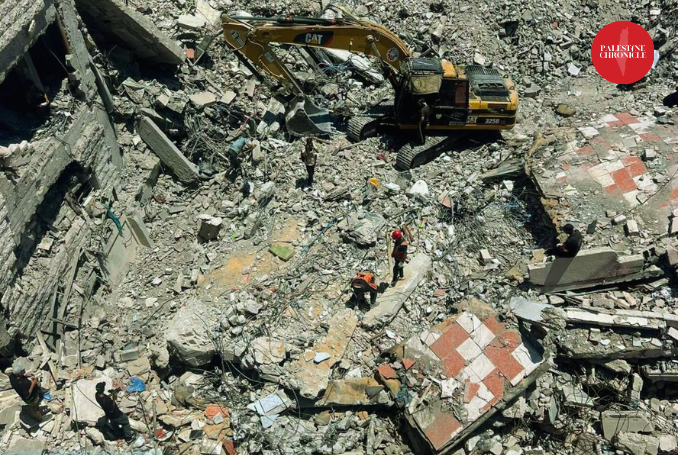
Separate from those classified as forcibly disappeared, the center estimates that approximately 4,000 to 5,000 Palestinians remain trapped beneath the rubble of buildings destroyed during Israeli attacks.
Gaza’s Health Ministry has repeatedly said that Palestinians remain beneath destroyed buildings and on roads that ambulance and Civil Defense teams cannot reach.
On Saturday, the ministry said the overall death toll from Israel’s genocidal war had risen to 73,449, after hospitals received nine Palestinians killed over the previous 48 hours, along with another body recovered from the rubble.
Another 18 Palestinians were wounded during the same period.
Since the ceasefire took effect on October 10, 2025, Israeli violations have killed 1,313 Palestinians and wounded 4,361, according to the ministry.
The overall toll since October 2023 has reached 73,449 Palestinians killed and 174,472 wounded.
Israel’s war has also destroyed approximately 90 percent of Gaza’s civilian infrastructure, while the UN has estimated that reconstruction will cost around $70 billion. Palestine Chronicle


 CrossFireArabia