 Pezeshkian: ‘Iran Will Not Surrender to Bullies’
 Israeli Soldiers Enforce Closure of Al Aqsa
 1 in 7 Displaced in Lebanon – NRC
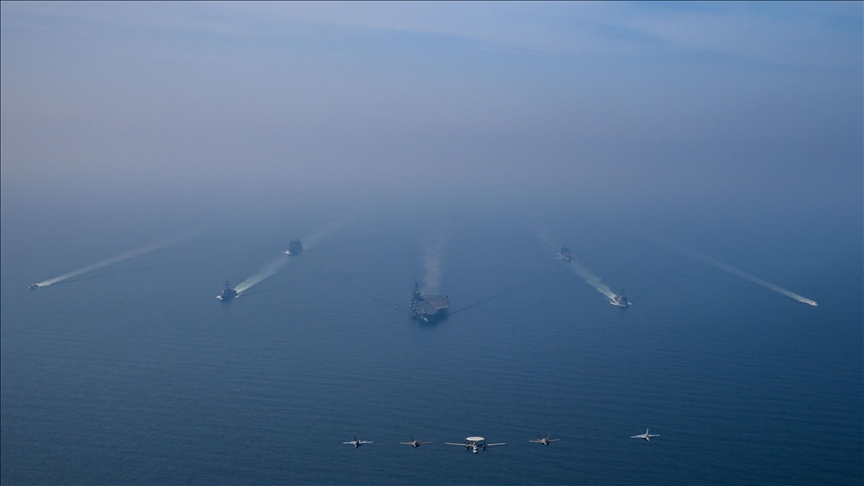 Hormuz: End of an Era of Martime Dominance
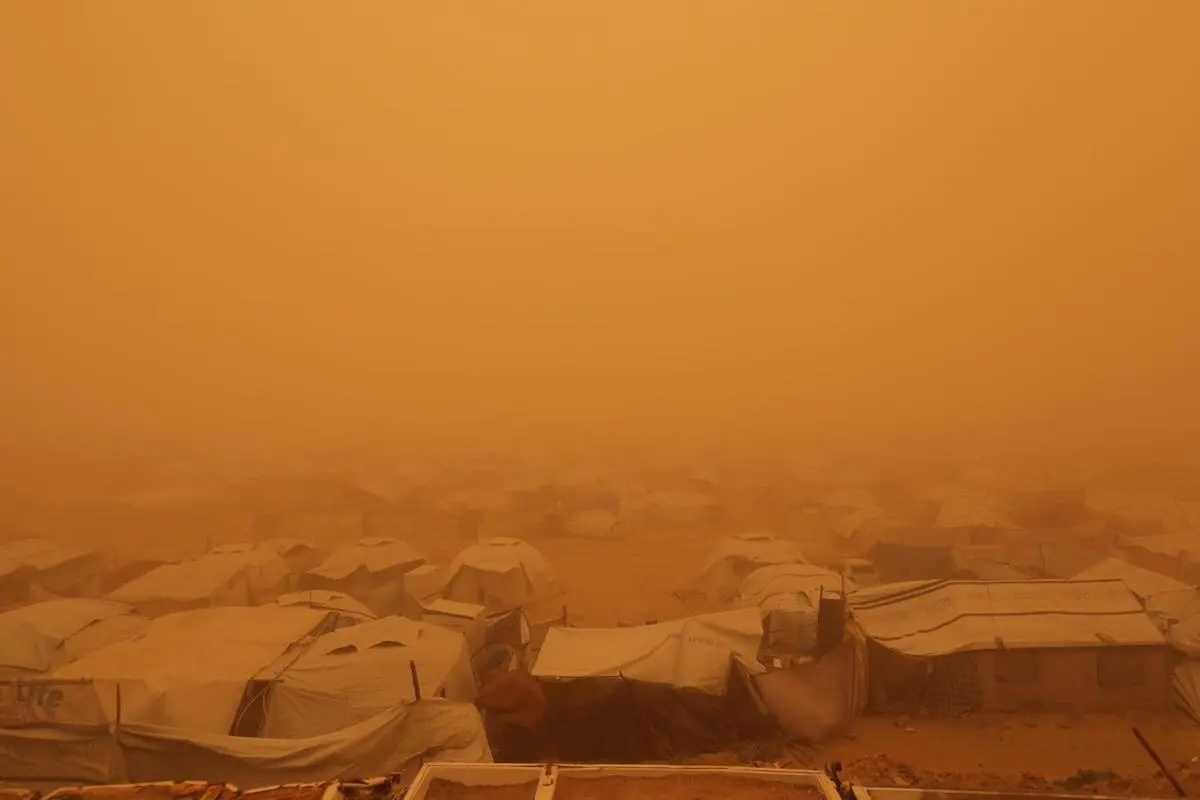 Gaza Faces Massive Dust Storm


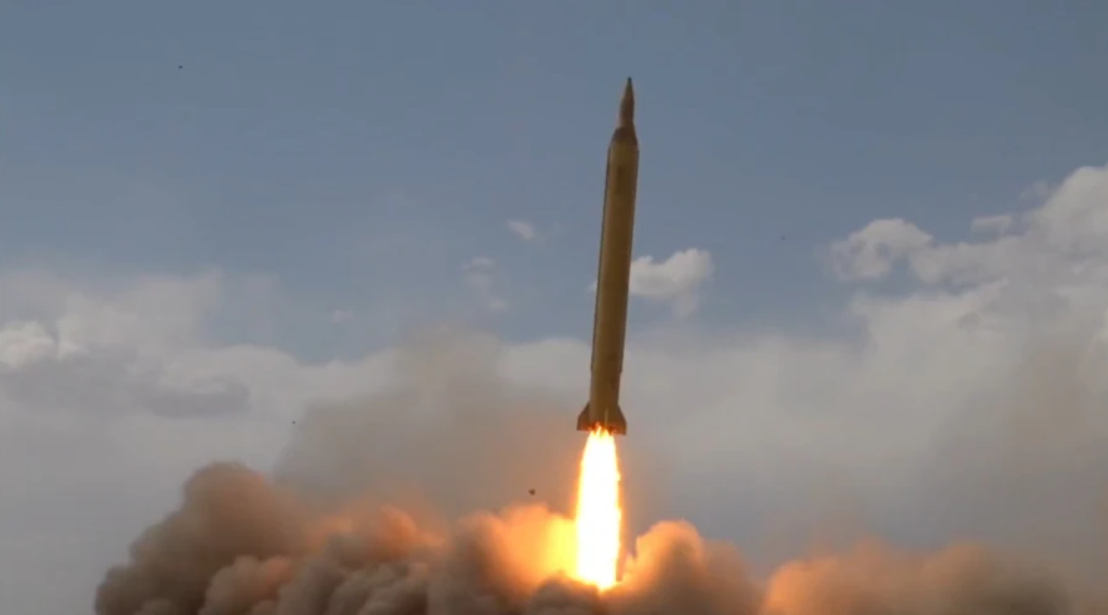
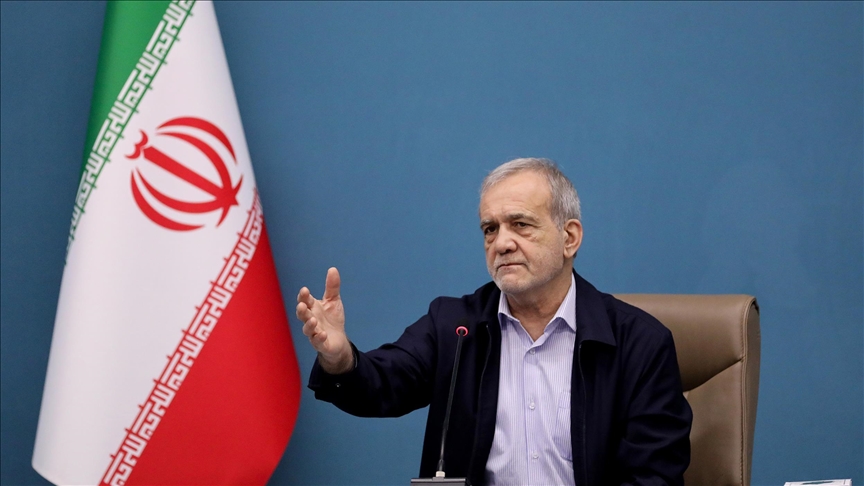
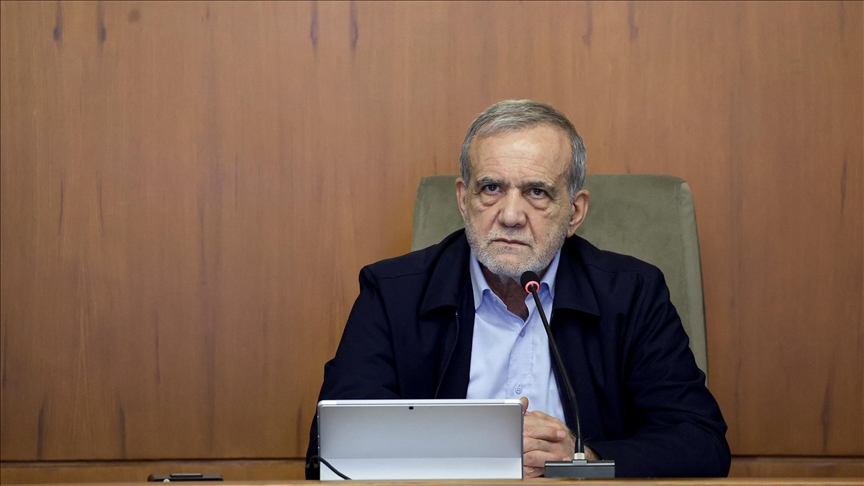
Pezeshkian: ‘Iran Will Not Surrender to Bullies’
 CrossFireArabia
- March 16, 2026
 CrossFireArabiaCrossFireArabiaCrossFireArabiaCrossFireArabiaCrossFireArabiaCrossFireArabiaCrossFireArabiaCrossFireArabiaCrossFireArabiaCrossFireArabiaCrossFireArabiaCrossFireArabiaCrossFireArabiaCrossFireArabiaCrossFireArabiaCrossFireArabiaCrossFireArabiaCrossFireArabiaCrossFireArabiaCrossFireArabiaCrossFireArabiaCrossFireArabiaCrossFireArabiaCrossFireArabiaCrossFireArabiaCrossFireArabiaCrossFireArabiaCrossFireArabiaCrossFireArabiaCrossFireArabiaCrossFireArabia
 Saleem Ayoub QunaCrossFireArabiaCrossFireArabiaCrossFireArabiaCrossFireArabiaCrossFireArabiaCrossFireArabiaCrossFireArabiaCrossFireArabiaCrossFireArabiaCrossFireArabiaCrossFireArabiaCrossFireArabiaCrossFireArabiaCrossFireArabiaCrossFireArabiaCrossFireArabiaCrossFireArabiaCrossFireArabiaCrossFireArabia
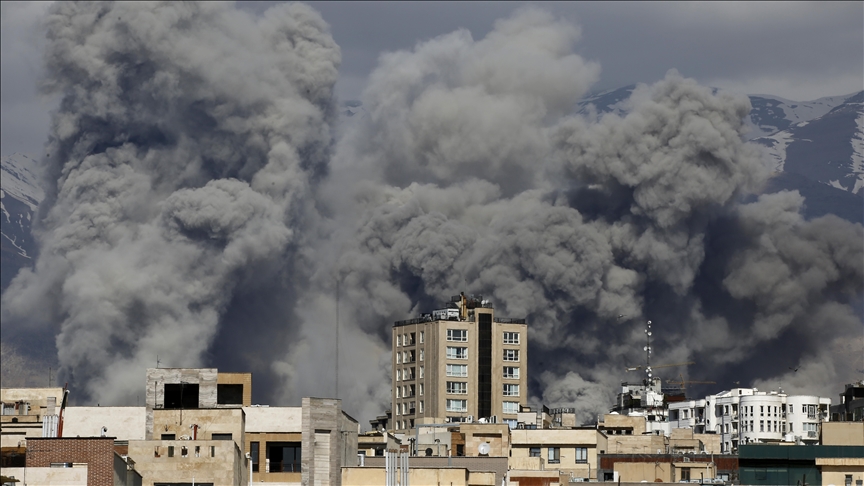
UN Secretary-General António Guterres and the heads of UN agencies have condemned Saturday’s joint Israeli and US attacks on Iran and the Iranian retaliatory strikes on Israel and the Gulf Regions.
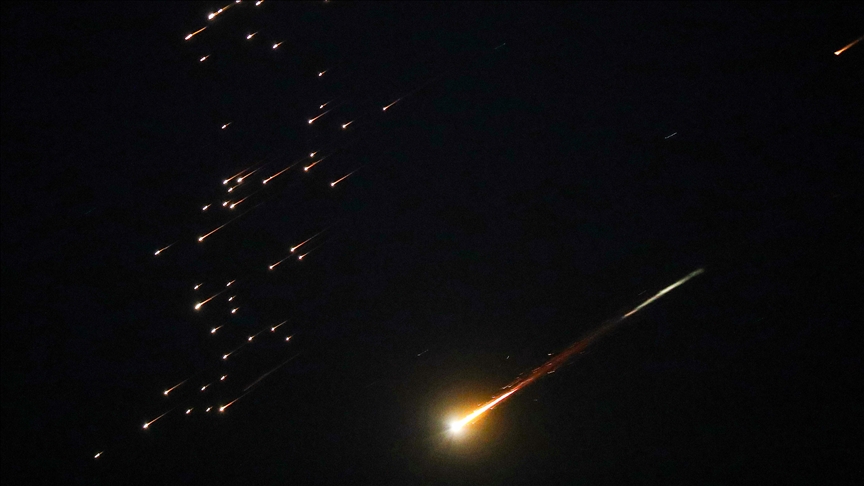
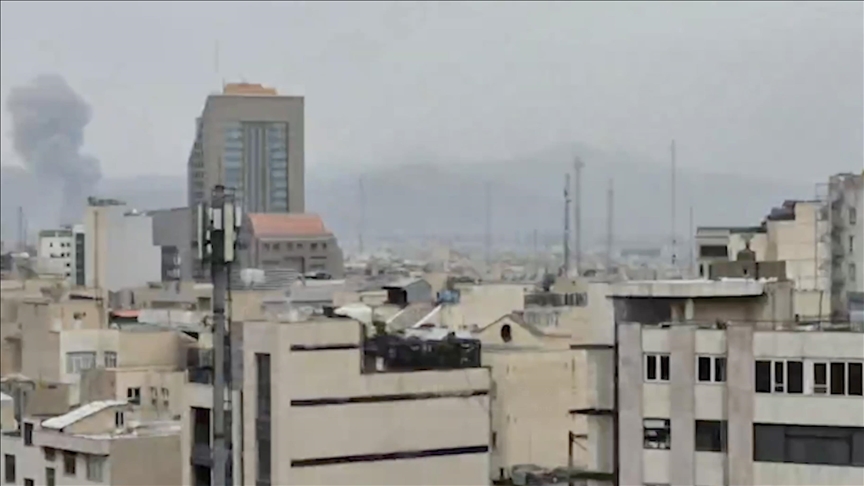
The attack on Iran reportedly targeted military sites as well as the leadership of the Iranian regime. Explosions were heard in Israel and Gulf countries after Iran launched a wave of drones and missiles.
Mr. Guterres declared that the military escalation in the region undermines international peace and security, and recalled that all Member States must “respect their obligations under international law, including the Charter of the United Nations,” which prohibits “the threat of the use of force against the territorial integrity or political independence of any state, or in any other manner inconsistent with the Purposes of the United Nations.”
The UN Chief called for an immediate cessation of hostilities and de-escalation and warned that a failure to do so risks a wider regional conflict with grave consequences for civilians and regional stability.
Senior officials added their own responses on Saturday morning: Volker Türk, the High Commissioner for Human Rights said that bombs and missiles are not the way to resolve differences but “only result in death, destruction and human misery.” Civilians, he noted, “end up paying the ultimate price.”
Mr. Türk called for all parties to return to negotiations in order to avoid a wider conflict that would mean further civilian deaths and “destruction on a potentially unimaginable scale, not just in Iran but across the Middle East region.”
World Health Organization (WHO) Director-General Tedros Adhanom Ghebreyesus said in a statement that he was deeply troubled by the situation and urged leaders to “choose the challenging path of dialogue over the senseless route of destruction.”
A Security Council meeting to discuss the attacks has been called by French President Emmanuel Macron. The meeting is scheduled for 4PM Eastern Time on Saturday.
Follow the meeting live on UN News and on UN WebTV
CrossFireArabia
A record of 129 journalists and media workers were killed worldwide last year, with Israel responsible for two-thirds of the global total, the Committee to Protect Journalists (CPJ) reported, Wednesday.
The New York-based committee said 2025 was the deadliest year for the press, with the majority of those killed were Palestinian journalists and media workers killed by Israel in the Gaza Strip.
“Journalists are being killed in record numbers at a time when access to information is more important than ever,” CPJ Executive Director Jodie Ginsberg said in a statement.
“Attacks on the media are a leading indicator of attacks on other freedoms, and much more needs to be done to prevent these killings and punish the perpetrators. We are all at risk when journalists are killed for reporting the news.”
CPJ said more than three-quarters of journalist deaths in 2025 occurred in conflict zones.
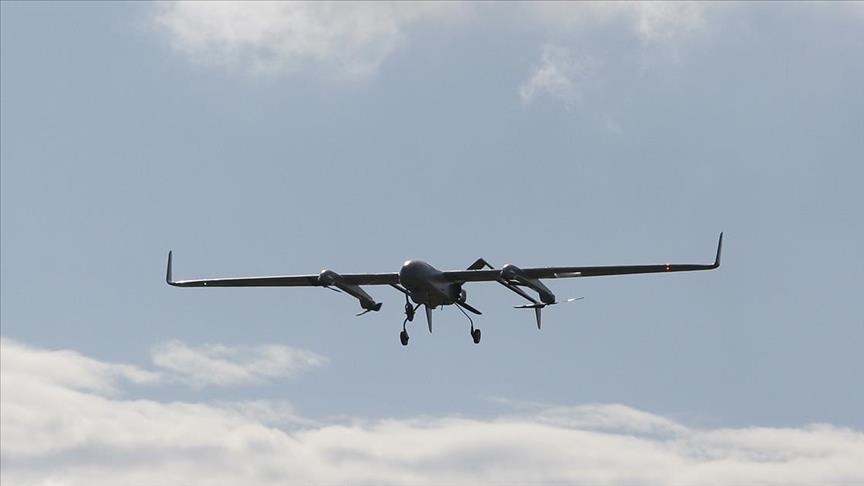
The committee noted an increase in the use of drones to kill journalists last year, with 39 journalists killed by drones, including 28 reporters in Gaza by the Israeli army.
CPJ said that nine journalists were killed in Sudan and four in Ukraine last year.
“The numbers were still very low compared to Israel, which remains a significant exception,” it added.
The committee said that the rising number of journalist deaths “is fueled by a persistent culture of impunity,” with very few transparent investigations conducted into the 47 cases of targeted killings of journalists in 2025.
“No one has been held accountable in any of the cases.”
It warned that the continued failure of government leaders to protect the press or hold their attackers to account “lays the groundwork for more killings, including in countries not at war.”
CPJ called for radical reform in the ways governments investigate journalist killings “in order to bring perpetrators to justice, including establishing an international investigative task force and imposing targeted sanctions,” Anadolu reported.
The Israeli army has killed more than 72,000 people, mostly women and children, and injured over 171,000 others in Gaza in a two-year offensive since October 2023.
The assault was halted under a US-backed ceasefire that took effect on Oct. 10. Despite the truce, Israeli forces have committed hundreds of violations through shelling and gunfire, killing at least 615 people and injuring over 1,600 others, according to Gaza’s Health Ministry.
Israel has also escalated its assaults in the occupied West Bank since the Gaza war, killing at least 1,112 Palestinians and wounding about 11,500 others during the same period.
 Dr Khairi Janbek
By Dr Khairi Janbek
Even from the moment of its inception, the UN was subjected to constant criticism and derision. Though it started as a coalition of the willing in order to deal with differences and sources of conflict in a peaceable and/or diplomatic manner, the term willing remained nebulous.
The strong and mighty wanted to bend this will to suit their interests, and the weak and the needy wanted to bend this will for their own protection. Still in this dialectical formula the need for the UN remains as the only viable formula which offers the possibility of negotiations in the Churchillian wisdom of jaw jaw, better than war war, and it remains in this sense, the standard which provides the vaneer for international legality and the semblance of consensus.
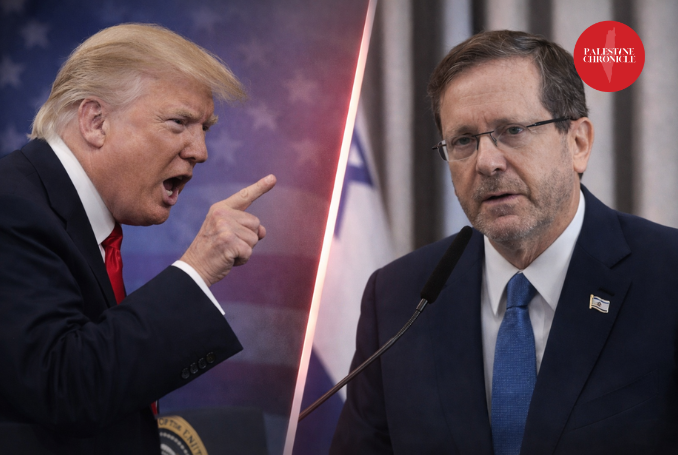
Then suddenly and apparently, the concept of the Donald Trump Board of Peace emerged on the scene, thought of, initially, as an effort to deal with the mayhem of Gaza, and to which one may add ironically and cynically, that the most two concerned parties – Palestinians and Israelis – are out of its functioning. On top of this, the notion was propelled in the media that this Board is really an attempt to replace the UN.
So in this context we can assume what is meant is that if the UN started, all these years ago, as a coalition of the willing, today’s Board of Peace is a coalition of the frightened, of states who want to stay on the good side of Trump. This is aside from the reluctant opportunists whom seek some benefits out of becoming a member of this entity.
On the face of it, one can say that the real purpose of its establishment is not to replace the United Nations per se, but a serious attempt to bypass the UN and redefine international relations in accordance with the Trump notion of who is the enemy of peace and who is its friends, with the essential outlook of not needing the international organization at all. Under the new legality, it is Trump who lays down the law, and the one whom distributes the spoils. As for the UN it remains in his eyes as a gathering for losers.
But if we go back to the beginning, in fact the Board of Peace, not only got the blessing of the UN for its creation, but also the support of the Security Council with resolution 2038, but then again, it was linked to the reconstruction and ‘stabilization’ of Gaza, while the current format of the Board emerged on the sidelines of the recent World Economic Forum meetings.
Now irrespective of some in the international community wanting to spite Trump or of waning his influence, there is a serious and big concern that President Trump and the fact that he is presiding over this Board, will mean that the talked about peace will be the peace of the strong imposed by the strong. In itself this rings many alarm bells on the strategic level for many regions in the world about the kind of peace Trump is talking about.
Among the myriad of world conflicts, currently the Palestinian problem, Ukraine war, and Iran, stand out as the most deadly and critical. So in what shape the proposed peace will come?
Dr Janbek is a Jordanian writer based in Paris.
CrossFireArabia
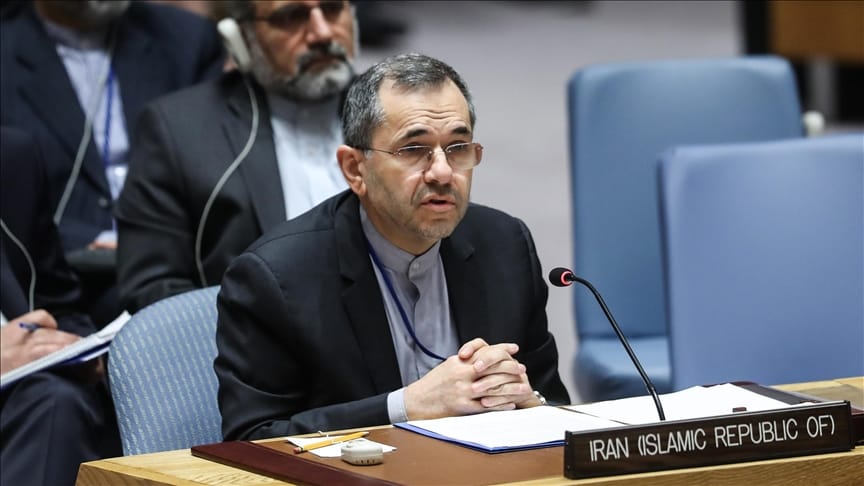
Iran’s Deputy Foreign Minister Majid Takht-Ravanchi said on Tuesday that Tehran is ready to reach a nuclear agreement with Washington “as soon as possible” as the two sides prepare for a new round of negotiations in Geneva.
Iran will do “whatever is necessary” to make that happen, Takht-Ravanchi, a member of Iran’s negotiating team, said in an interview with the US broadcaster NPR.
He said the Iranian delegation will enter the negotiating room in Geneva with “full sincerity and good faith,” while hoping the goodwill will be reciprocated by the Americans according to Anadolu.
“If there is political will on all sides, I believe an agreement can be reached very quickly,” he said.
A veteran diplomat and former Iranian ambassador to the United Nations, Takht-Ravanchi was also involved in the negotiations that led to the landmark nuclear deal in 2015.
Iran and the US have held two rounds of indirect nuclear negotiations under Omani mediation since last month, following efforts by regional countries, particularly Türkiye, to revive nuclear diplomacy that was suspended after the US-backed Israeli attack last June.
Following the last round of talks in Geneva, both sides expressed optimism and said they had agreed on “guiding principles” that could pave the way for a potential agreement.
The deputy foreign minister said they intend to continue indirect talks with the American side in Geneva “within the same framework” as in Muscat and Geneva.
On whether a draft proposal being prepared by Iran will include matters beyond the nuclear issue, Takht-Ravanchi said the subject of the negotiations will remain the nuclear issue, and that is “agreed upon by all parties.”
He further stressed that a war would be impossible to contain once it starts, describing it as a “real gamble” from Tehran’s perspective.
“Let us focus on diplomacy, because diplomacy will benefit everyone. There is no military solution to Iran’s nuclear file,” he said, warning that the entire region would suffer the consequences of war if it breaks out.
The senior diplomat also dismissed speculations that Iran would attack its neighbors, such as the United Arab Emirates or Saudi Arabia, in the event of war, saying Iran would instead target US assets in the region.
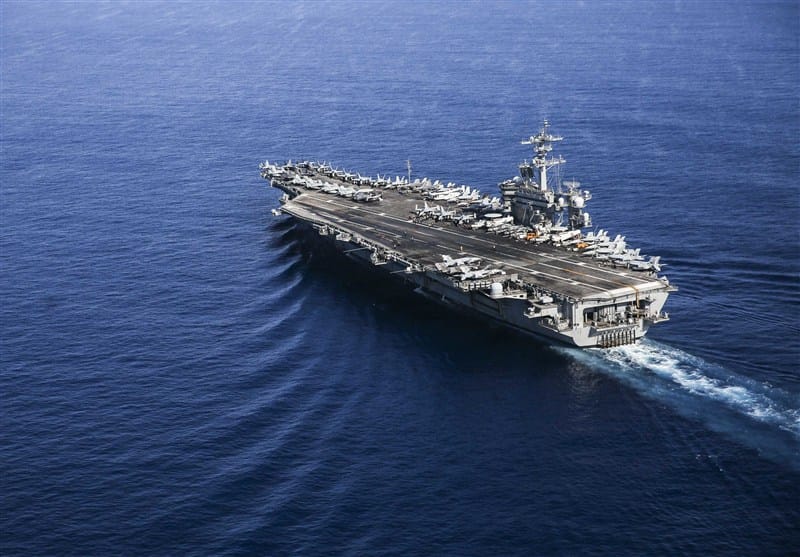
The ongoing talks between Tehran and Washington come amid a massive US military buildup in the Gulf region and President Donald Trump’s threat to take military action if the nuclear talks fail.
Iran’s Islamic Revolutionary Guard Corps (IRGC) has held several military drills as part of preparations for any potential war.