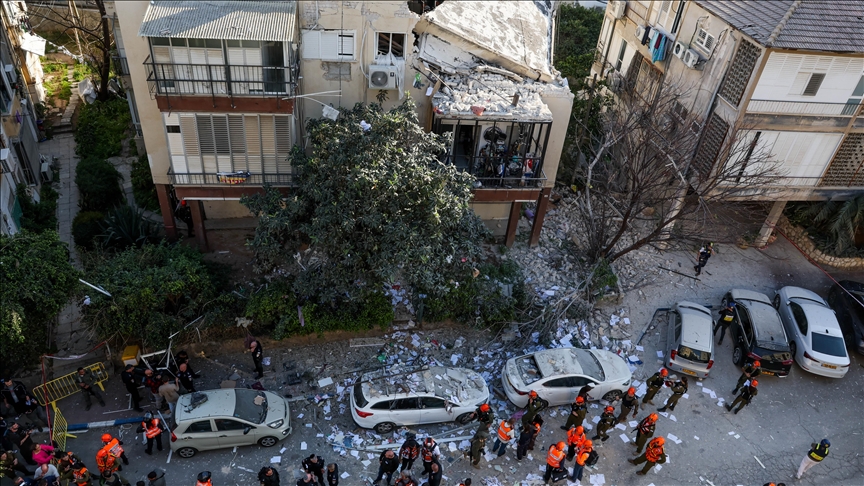
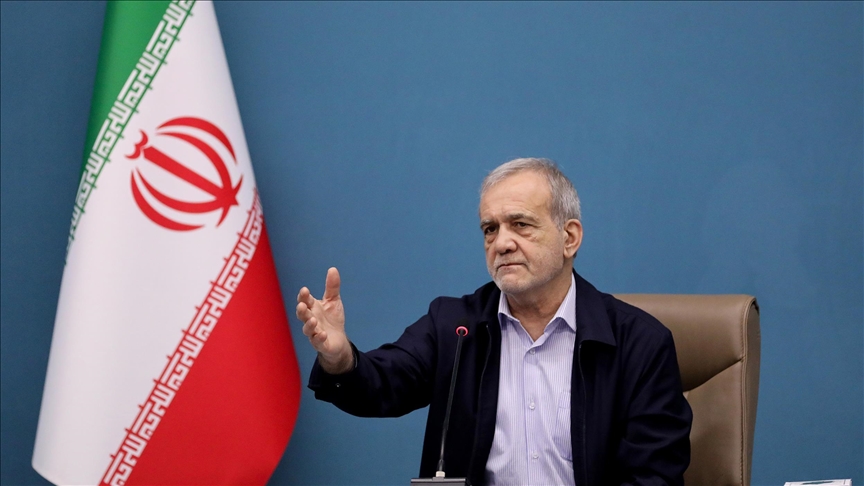
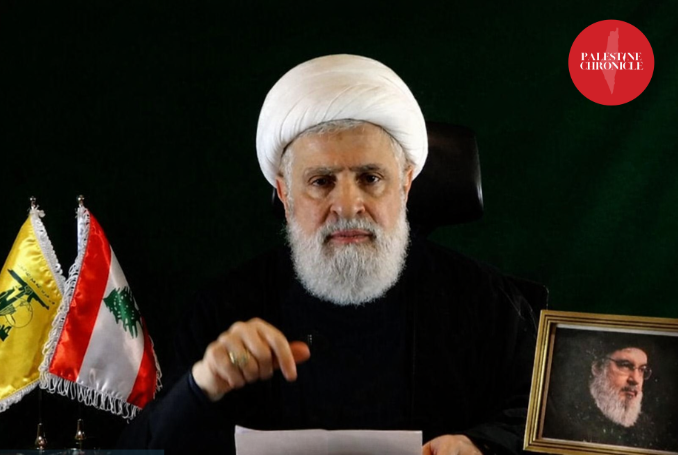
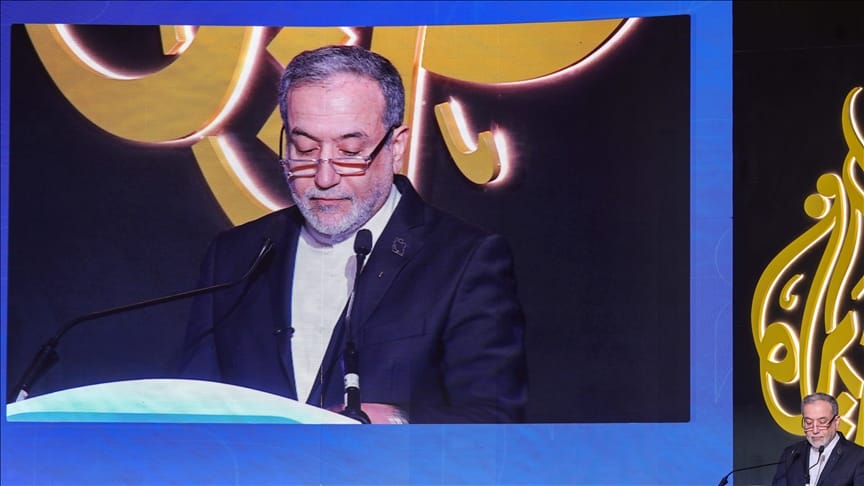
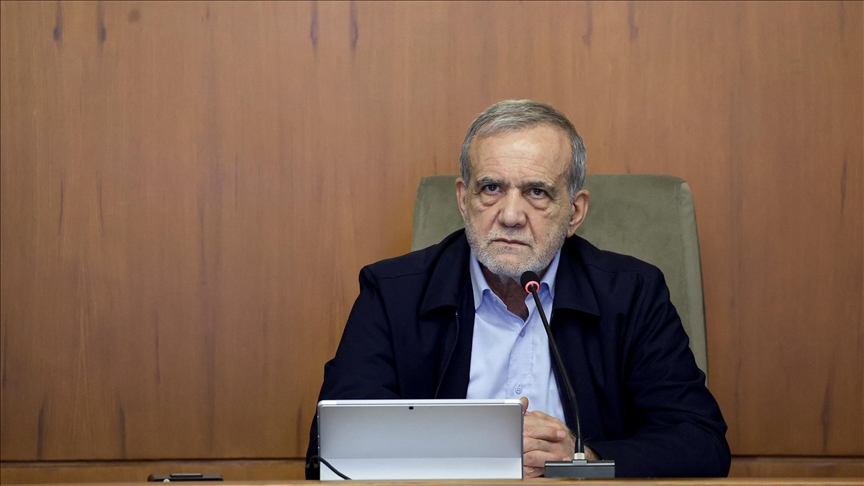
 Pezeshkian: ‘Iran Will Not Surrender to Bullies’
 Israeli Soldiers Enforce Closure of Al Aqsa
 1 in 7 Displaced in Lebanon – NRC
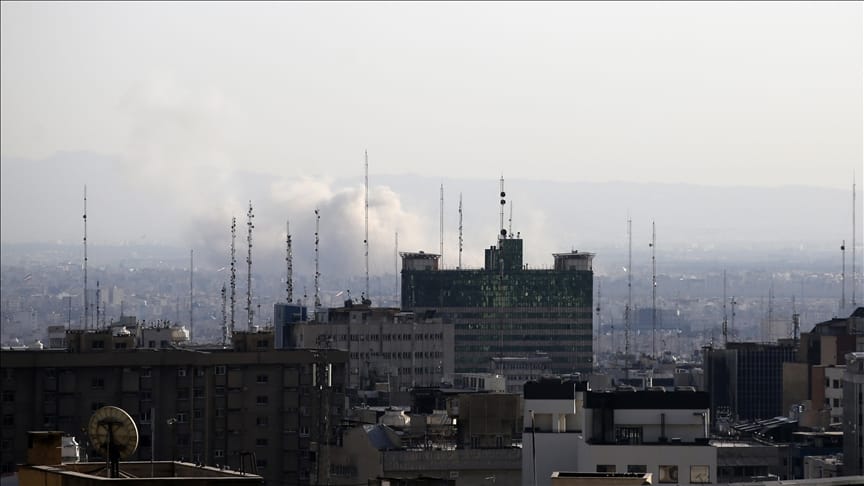
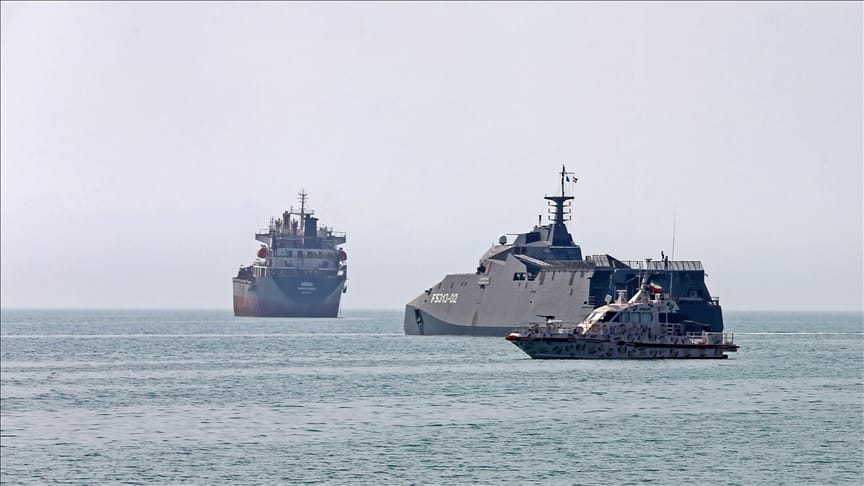
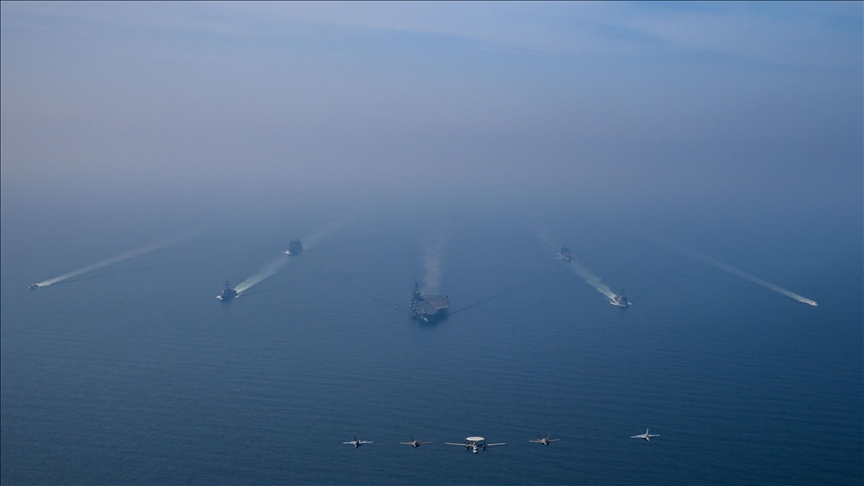 Hormuz: End of an Era of Martime Dominance
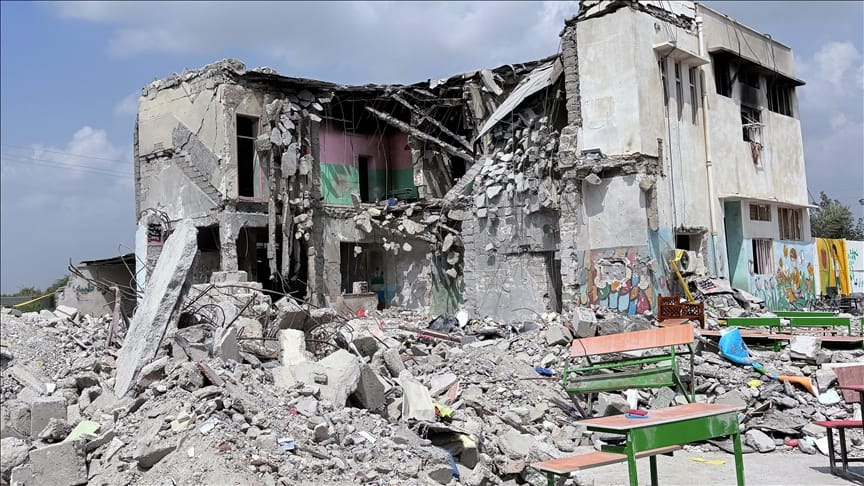
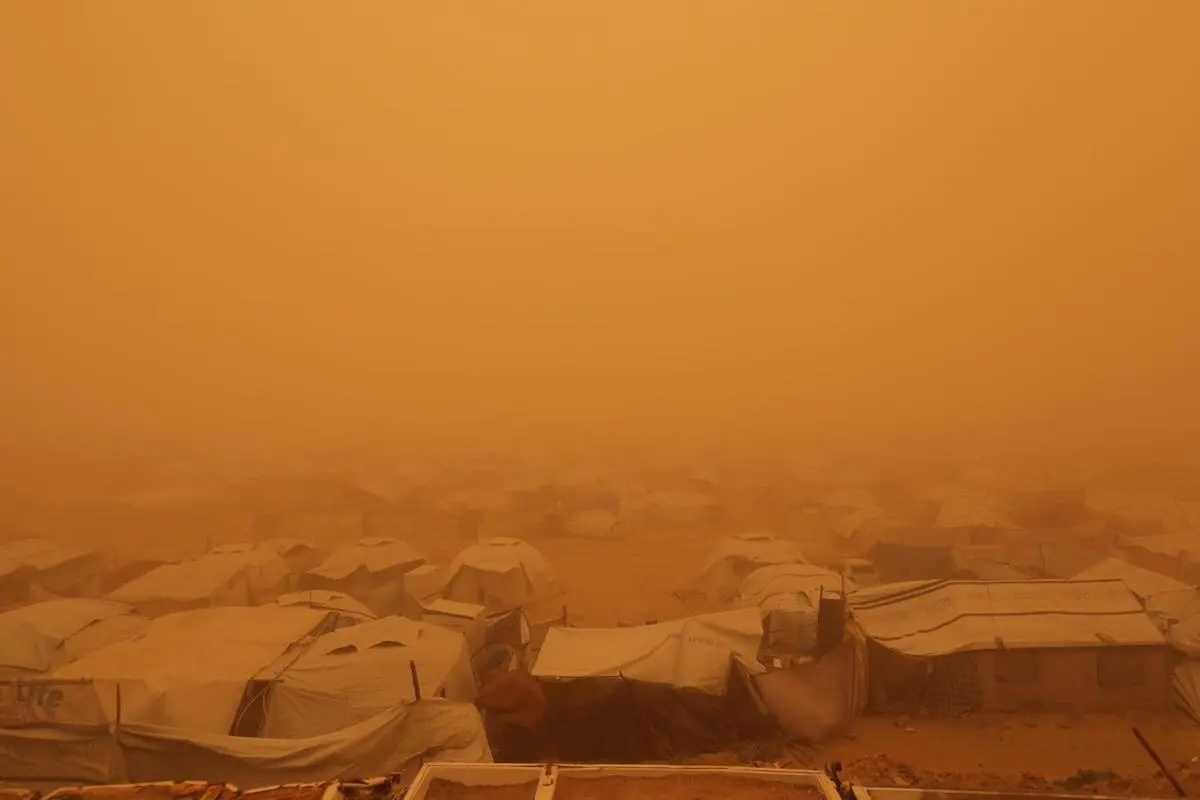 Gaza Faces Massive Dust Storm




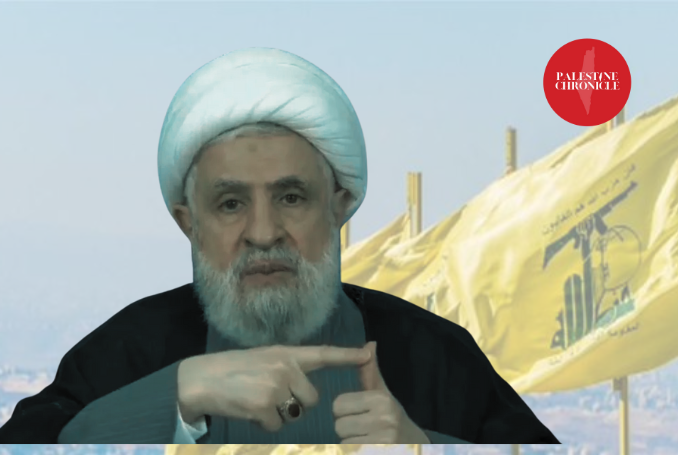
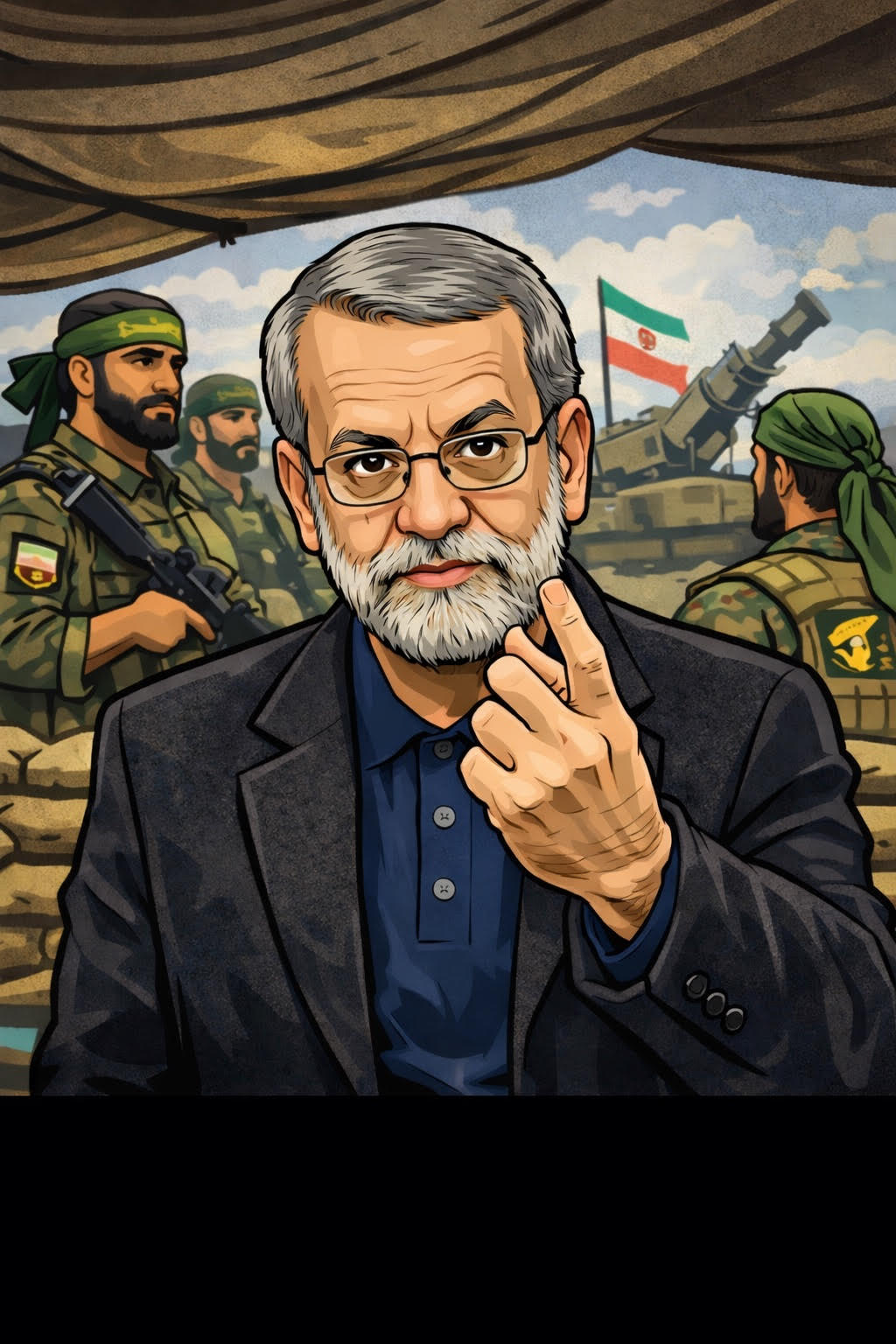
Pezeshkian: ‘Iran Will Not Surrender to Bullies’
 CrossFireArabia
- March 16, 2026
 CrossFireArabiaCrossFireArabiaCrossFireArabiaCrossFireArabiaCrossFireArabiaCrossFireArabiaCrossFireArabiaCrossFireArabiaCrossFireArabiaCrossFireArabiaCrossFireArabiaCrossFireArabiaCrossFireArabiaCrossFireArabiaCrossFireArabiaCrossFireArabiaCrossFireArabiaCrossFireArabiaCrossFireArabiaCrossFireArabiaCrossFireArabiaCrossFireArabiaCrossFireArabiaCrossFireArabiaCrossFireArabiaCrossFireArabiaCrossFireArabiaCrossFireArabiaCrossFireArabiaCrossFireArabiaCrossFireArabia
 Saleem Ayoub QunaCrossFireArabiaCrossFireArabiaCrossFireArabiaCrossFireArabiaCrossFireArabiaCrossFireArabiaCrossFireArabiaCrossFireArabiaCrossFireArabiaCrossFireArabiaCrossFireArabiaCrossFireArabiaCrossFireArabiaCrossFireArabiaCrossFireArabiaCrossFireArabiaCrossFireArabiaCrossFireArabiaCrossFireArabia
By Ismail Al Sharif
‘…As though you and your superiors had any right to determine who should and who should not inhabit this world – we find that no one, that is no member of the human race, can be expected to want to share the earth with you. This is the reason, and the only reason, for which you deserve to be hanged,” – Hannah Arendt, German-Jewish philosopher.
When you read the sentence: “We had to create conditions more painful than death,” you might think it’s taken from a horror novel or a dystopian narrative that depicts future or imaginary societies in which values collapse, injustice prevails, and environmental and social devastation rages. It’s the “corrupt city,” the exact opposite of utopia, the ideal city.
You might think the sentence appeared in one of Ahmed Khaled Tawfik’s “Utopia,” George Orwell’s “1984,” or Albert Camus’s “The Plague.” You might think it was a line in the testimony of a serial killer who plagued the police for a full decade before dozens of bodies were discovered buried in his garden.
But would you believe that this statement was uttered by Minister of “Zionist Heritage,” Amichai Eliyahu? He wasn’t angry, he wasn’t agitated, and no spittle was flying from his mouth. He said it with calm, measured calm, wearing a smart suit and tie, his face sporting a trimmed beard that, at first glance, you might mistake for a dignified sheikh or a holy man.
His statement was devoid of any emotion, like a routine uttering from a government employee, explaining to people that the power outage was due to a heat wave, or that the road closures were due to temporary maintenance work.
Have you ever wondered how decisions to commit genocide are made? And how countries became complicit in these?
My direct answer: Decisions to commit genocide are made when they are put on the agenda, when they are announced from golf courses or discussed at dinner tables. When children and women are killed by bombs, and hospitals and shelters are destroyed, a dapper bureaucrat takes the stage.
He starts his day with a jog around his house, has breakfast with his children, kisses his wife goodbye, asks her what she needs from the market, and instructs his children to behave.
This same bureaucrat takes center-stage to defend genocide, beautifying it, whilst sanitizing it linguistically, using flowery terms such as: “Precision strikes,” “human shields,” “collateral damage.”
He like other bureaucrats are creative in manipulating the vocabulary: Torture is transformed into “interrogation,” starvation into “economic pressure,” and ethnic cleansing into “security buffer zones” or “humanitarian cities.” Even death traps are remarketed under glamorous names, such as the “Gaza Humanitarian Foundation.”
Let’s return to the Minister of “Zionist Heritage,” who concludes his statement by saying: “Death is no longer enough. It must be painful, prolonged, and free from any international accountability.”
Even the most brutal of tyrants in history were careful to conceal their intentions when committing crimes. When the Qarmatians slaughtered pilgrims in Mecca in 317 AH, they claimed they were doing so to destroy idols. When the pilgrims committed the Euphrates Massacre against the people of Iraq, the pretext was “sedition.” Even when the United States committed the My Lai massacre during the Vietnam War, it described it as “military engagement.”
But this time, and for the first time in history, this man comes out publicly and admits to committing genocide, while dressed in his finest suit and tie. It is the most brutal and horrific genocide in our modern history and under our eyes.
Perhaps, one day, criminals like him will be brought to justice and charged with war crimes. They will defend themselves coldly: “We were following orders,” or “it was just a business procedure,” without pain, without remorse, and without the slightest sense of guilt or responsibility.
This is exactly what Hannah Arendt described as the “banality of evil.”
This article by Ismail Al Sharif was originally written in Arabic for the Addustour daily.
CrossFireArabia
In a dramatic move of events, a Houthi drone landed in the courtyard of an Israeli hotel in Eilat, Wednesday afternoon, to the surprise of a sleepy, touristic city with sharp bangs and explosions.
The drone sending blast waves and injuring 22 people three of which were critical as reported by the Israeli media, is creating an atmosphere of alarm and fear. This latest hit is seen as a first for incoming drones to Israel.
The blast, a rarity in itself, because most of these drones and ballistic missiles that travel more than 2000 kilometers from Yemen to Israel, are shot down in mid-air. Up till recently these drones were seen as a bit of nuisance for the Israeli army.
But not this one. The latest strike is seen as a wake up call to Tel Aviv particularly as it is the third to come in two weeks with the Houthis managing to target the Ramon Airport twice – and damaging its departure lounge. The airport has become Israel’s next major international airport next to Eilat and regularly brings in European tourists.
Also, the latest strike is an upkeep of a Houthi promise that these projectiles will not stop as long as the Israeli war on Gaza continues – now coming up to the end of its second year and killed over 65,000 people – and it has been good on its word as recognized by the Israeli media.
The fact that the drone landed outside a touristic hotel and injured over 22 people shows that Houthis are a formidable force and no amount of action will stop them. This is while the latest targeting is seen as a major escalation and source of concern, because now, civilians are being involved with casualties rammed up.
Since 7 October 2023, the Israeli military, through airborne planes bombed Yemen cities a total of 16 times but to no avail. This is in spite of the fact that Israeli planes bombed ports, oil facilities, electrical grids with the last bombing killing the Houthi prime minister and the government in late August 2025.
But the Houthis have not relented nor they plan to. From last July onwards they targeted Israel, including Ben Gurion Airport, Tel Aviv, Haifa and Eilat almost every other day. As well. Since 19 October 2023 when the targetting started in support of the people of Gaza, the Houthis fired hundreds of drones, missiles and ballistic missiles towards Israel and which the latter have been unable to stop them.
In a bid to downplay the extent of the fallout, the Israeli government kept saying the incoming projectiles were/are negligible. However, such an assessment ignored the fact it created chaos in the Ben Gurion Airport and disrupted air traffic control while diverting planes from Tel Aviv to other destinations.
This is not to say anything about the fact the sirens boomed in every town and settlement from Tel Aviv, south to occupied Jerusalem sending millions of Israelis to underground shelters and creating many disruptions to the daily lives of people.
The latest direct targeting on an Eilat hotel may be seen as an embarrassment to the Israeli defences, including its billion-dollar Iron Dome and other military paraphernalia for they misfired and were unable to shoot-down the “uneffective drone” from the air.
Military experts say the reason why they were not able to track the drone and shoot it down was related to the fact that the Yemen projectile flew at a low altitude and thus was able to reach its target. The Iron Dome and similar defences are designed to deal with incoming high altitude ballistic missiles. In this case, two very expensive – millions of dollars – counter-missiles were fired at the incoming drone but missed, thus causing the extensive damages and injuries on the ground not to say anything to the pride of Israeli military superiority.
CrossFireArabia
More than 900,000 Palestinians in Gaza City are refusing to leave their homes despite relentless Israeli bombardment aimed at forcibly displacing residents, local authorities said Wednesday.
In a statement, Gaza’s Government Media Office said residents are “holding firm to their right to remain” and categorically rejecting Israeli attempts to drive them south, even as entire neighborhoods come under heavy fire.
It accused the Israeli army of conducting a “systematic deception campaign” by advertising tents, aid, and humanitarian services that “do not exist on the ground.” Such claims, it said, are aimed at forcing civilians to abandon their homes and neighborhoods.
The office added that government teams have documented a rise in families moving south in recent weeks, attributing it to Israel’s “barbaric crimes” and intensified military operations.
Israel launched Operation “Gideon Chariots 2” earlier this month, aiming at the complete occupation of Gaza City. Nearly one million Palestinians, most of them displaced from other parts of the enclave, remain trapped under relentless bombardment.
The Israeli army has killed more than 65,300 Palestinians, most of them women and children, in Gaza since October 2023. The relentless bombardment has rendered the enclave uninhabitable and led to starvation and the spread of diseases according to Anadolu.
CrossFireArabia
By Avi Shlaim
In a historic shift, Britain has officially recognised the state of Palestine, a century after the Balfour Declaration set the course for its dispossession.
Prime Minister Sir Keir Starmer first announced in July that the UK would take this step at the UN General Assembly’s annual meeting in September unless Israel met certain conditions, including agreeing to a ceasefire in Gaza, lifting the ban on humanitarian aid, and reviving the prospect of a two-state solution.
Prime Minister Benjamin Netanyahu reacted furiously to the announcement, saying the decision rewarded “Hamas’s monstrous terrorism”. His Foreign Minister, Gideon Saar, threatened “a unilateral decision”, like formally annexing the occupied West Bank, if British and European recognition of Palestine were to go ahead.
At this historical juncture, Britain’s recognition of Palestine as a state is pathetically little, and a century too late.
In 1917, Britain, in the infamous Balfour Declaration, pledged its support for the establishment of a “national home” – that is, a state – for the Jewish people in Palestine.
At the time, the Jews made up just 10 percent of the population of Palestine, and they owned only two percent of the land. Yet, in British eyes, the 10 percent merited the right to self-determination, whereas the 90 percent did not.
To add insult to injury, the Balfour Declaration referred to the Palestinian majority as “the non-Jewish communities in Palestine”, thereby negating their existence by defining them in terms of what they were not.
As Edward Said pointed out, it was a classic colonial document. From 1922 until 1948, Britain ruled Palestine under a League of Nations Mandate, said to be a “sacred trust of civilisation”, to prepare the country for self-government as per their duty under the Mandate.
Instead, Britain betrayed this trust by preparing the country to be taken over by European Jews.

Jewish refugees land at Haifa, Palestine, May 19, 1946; a reminder of the early waves of Jewish immigration that Britain’s policies facilitated while sidelining the Palestinian majority (AP/File).
The history of the British Mandate in Palestine is essentially the story of how Britain stole Palestine from the Palestinians and handed it over to the Zionists.
The cornerstone of the Mandate was to prevent elections until the Jews became the majority.
Britain enabled the tiny Jewish population to embark on the systematic takeover of the whole country, a process that continues to this day. It also thwarted the peaceful coexistence of Jews, Muslims, and Christians that prevailed in Palestine before the imposition of British colonial rule.
Britain abused the Mandate to sponsor and promote Zionist settler-colonialism on the one hand while suppressing Palestinian nationalism on the other.
In this sense, the current Israeli incursion into Gaza is a direct consequence of the Balfour Declaration, which mandated unbridled Zionist takeover of the whole land of Palestine.
This is why Britain’s decision to recognise Palestine today, while carrying historical weight, rings hollow unless it is matched by meaningful action to undo the damage of a century of complicity.
From hollow gestures to present-day complicity
Since 1948, under both Conservative and Labour governments, British policy has been marked by conspicuous support for Israel and total indifference to Palestinian rights, most notably the natural right of the majority to national self-determination.
In 2014, the House of Commons passed a motion for recognising Palestine as a state, supported by 274 MPs with 12 voting against. The vote was a clear reflection of the views and sentiments of Britain as a whole.
Then-prime minister David Cameron, however, dismissed the result as just a symbolic and non-binding gesture that would not affect in any way the foreign policy of his government.
In 2017, on the centenary of the Balfour Declaration, 13,500 people signed a petition calling on the British government to issue an apology for the Balfour Declaration.
Then-premier Theresa May replied that the government had nothing to apologise for; on the contrary, it was proud of the vital role that Britain had played in creating a state for the Jewish people in their ancestral homeland. There was no mention of the Palestinians or of their right to their homeland.
After 1967, a deep contradiction marked British policy on Israel/Palestine. Britain ostensibly supported a two-state solution to the conflict, that is to say, an independent Palestinian state alongside Israel, consisting of Gaza and the occupied West Bank, with a capital city in East Jerusalem.
But while advocating a two-state solution, Britain recognised only one state – Israel –ignoring Israel’s consistent rejection of a Palestinian state.
The prospect of a hazy two-state solution remains a convenient but hypocritical cloak for failing to act against creeping Israeli annexation of the occupied territories.
The prospect of a hazy two-state solution remains a convenient but hypocritical cloak for failing to act against creeping Israeli annexation of the occupied territories.
Avi Shlaim
The debate about recognising Palestine was reignited by Israel’s genocidal war on Gaza following the Hamas cross-border blitz of October 7, 2023.
Since that day, the Israeli military have rained death and destruction on the tiny enclave: killing over 64,000 people (mostly women and children); bombing 89 percent of the houses and civilian infrastructure; seriously damaging the healthcare facilities; targeting schools and universities and UN facilities; forcibly displacing 90 percent of the civilian population, in some cases upward of ten times; and using starvation as a weapon of war.
In the course of waging this savage war – ‘Operation A Thousand Swords’, to give it its official name – Israel is also committing the crime of all crimes: genocide.
The Israeli genocide in Gaza is the darkest chapter in the history of the twenty-first century. Despite the horrors that are unfolding daily in front of our eyes, British policy continues to lean strongly in favour of Israel, providing the offender with diplomatic, logistical, intelligence, and military support.
Britain abused its position as a permanent member of the Security Council by vetoing resolutions for a ceasefire in Gaza. The Royal Air Force continues to fly surveillance missions over Gaza and to supply the Israeli forces with valuable intelligence.
The RAF base in Akrotiri, Cyprus, is placed at the service of the Israeli military. Israeli transport planes can stop in RAF bases in Scotland on their way to pick up arms and ammunition from the US.
These same bases are used as a logistics hub for US special forces flights to and from Israel. Yet, British complicity in Israeli war crimes does not stop there.
Even more disturbing is the fact that Britain is Israel’s third biggest arms supplier, after the US and Germany. In September 2024, the UK suspended some licences for arms sales to Israel, but these amounted to less than 10 percent of the total.
So this move amounted to little more than a token gesture to placate the angry public.

Britain’s most egregious moral failure in relation to the war in Gaza lies in shirking its responsibility under the 1948 Convention for the Prevention and Punishment of the Crime of Genocide.
“Genocide” is defined in the convention as the “intent to destroy, in whole or in part, a national, ethnic, racial or religious group”. Most Israeli experts in Holocaust studies, notably Omer Bartov, believe that what Israel is doing in Gaza is a classic case of genocide.
The International Court of Justice in The Hague ruled that the charge of genocide is plausible and ordered Israel to take a series of steps to prevent genocidal rhetoric and actions.
And just last week, a UN investigation confirmed what was known all along: that Israel is committing genocide in Palestine.
Israel defiantly ignored these orders. The British government maintains that there is no conclusive evidence that Israel is perpetrating genocide in Gaza, so it is business as usual.
But under the convention, signatories do not have the luxury of waiting until genocide has taken place before bemoaning it. They have a duty to act to prevent genocide; in Gaza, the British government has singularly and lamentably failed.
Recognition without action
It is against this horrifying backdrop that the British government has decided to recognise the state of Palestine. This recognition is long overdue, but it is still welcome.
It means that four out of the five permanent members of the Security Council now support Palestinian statehood − the other three being Russia, China, and France. The odd one out is the United States, Israel’s closest and most powerful ally.
Although British recognition by itself will change nothing on the ground, it represents a strong political statement, and it removes the contradiction in advocating a two-state solution while recognising only one.
What it will not do is to stop the carnage and destruction, the humanitarian disaster, the genocide in Gaza, and the ethnic cleansing of the occupied West Bank. Diplomatic recognition is, in fact, being used by British policy-makers as a cloak for inaction.
What Britain should do is sanction Israel, suspend all military and intelligence cooperation, and end all arms sales to Israel, as well as the purchase of military hardware and technology from Israel.
RelatedTRT World – British MPs push Starmer to expel Israeli envoy, impose arms ban over Gaza war
Israel’s genocidal campaign in Gaza is the most burning issue facing Britain and the rest of the international community today. Failure to act only contributes to Israel’s impunity. It also undermines the rule-based international order, which was put in place after World War II to prevent another Holocaust.
Britain’s half-hearted recognition of Palestine as a state, whilst aiding and abetting the monstrous Israeli war machine, brings to mind the apocryphal tale of Emperor Nero, who played his lyre while the Great Fire of Rome (AD 64) ravaged the city.
Will the British Government continue to play its fiddle whilst Gaza is razed to the ground, or will it finally listen to the masses whom it claims to represent, and acknowledge its own legal and moral obligation to act?