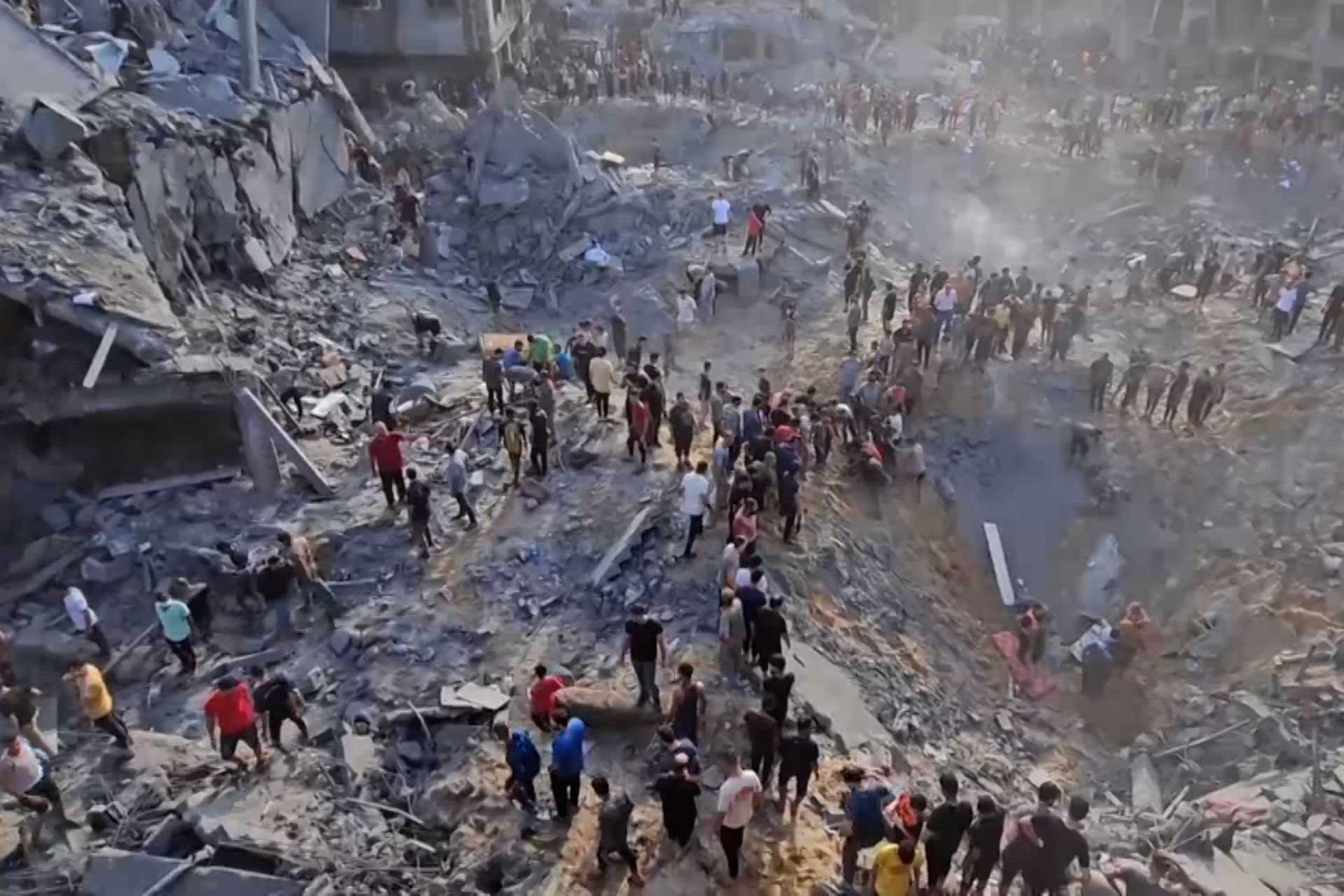
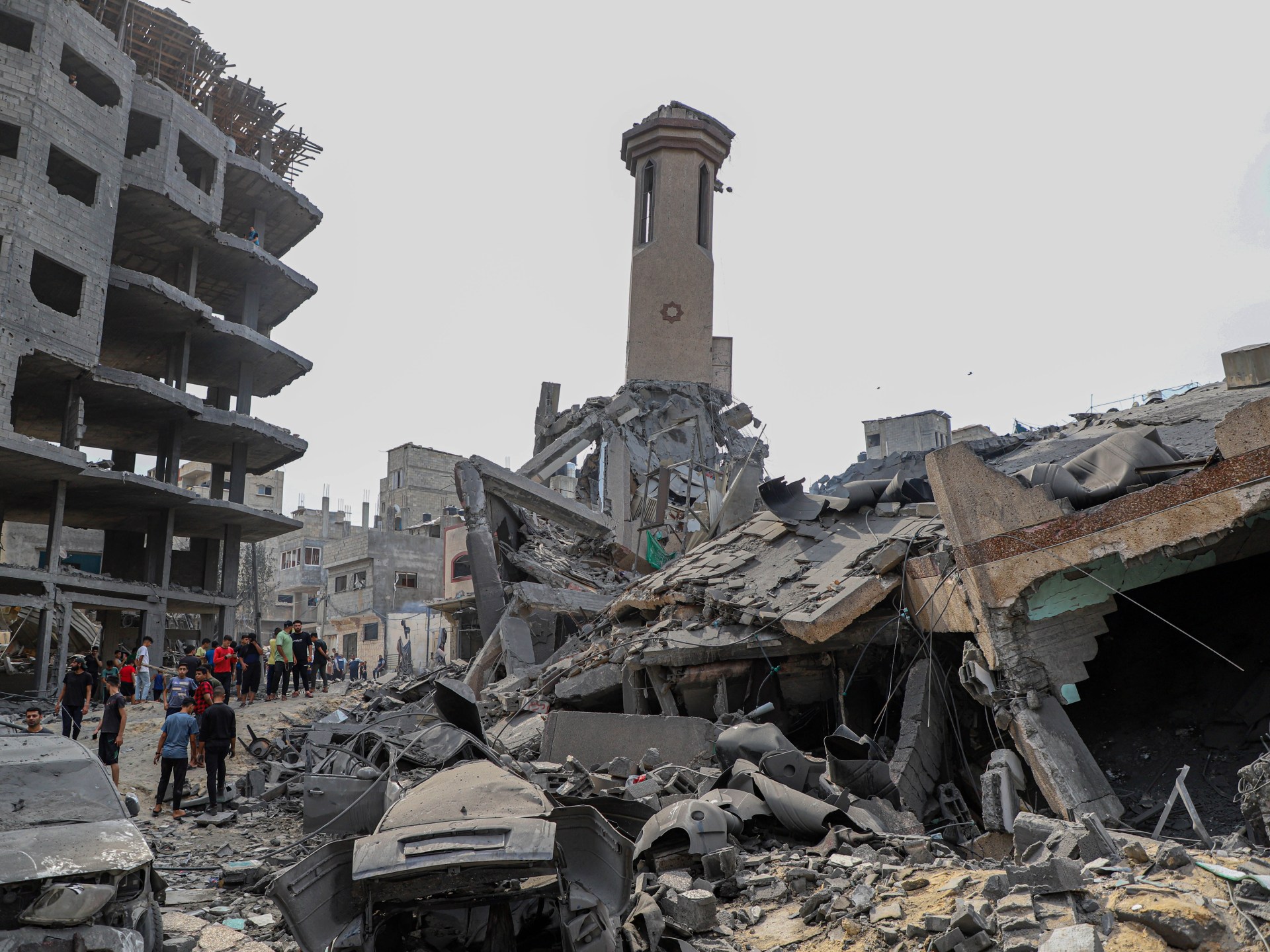
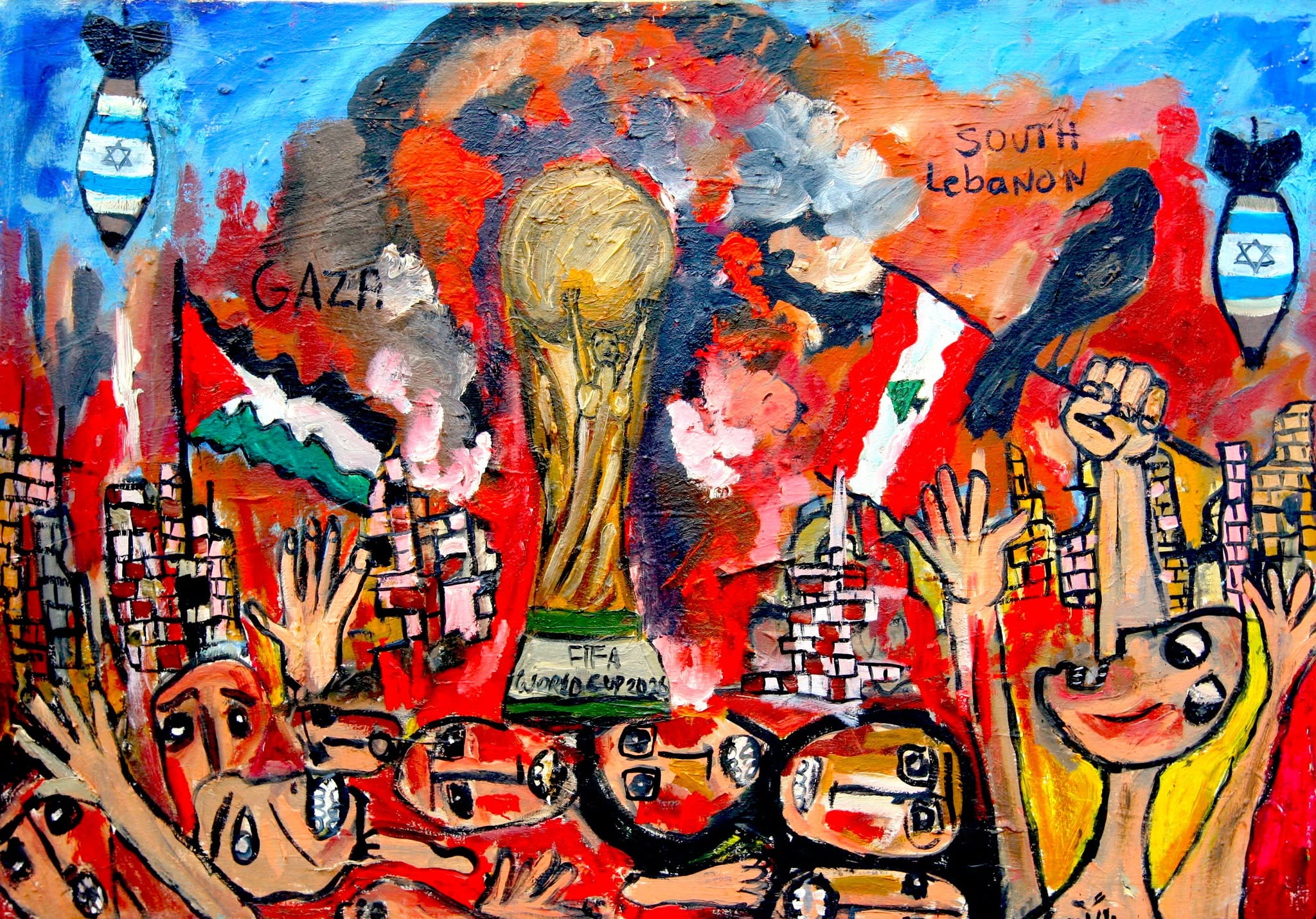
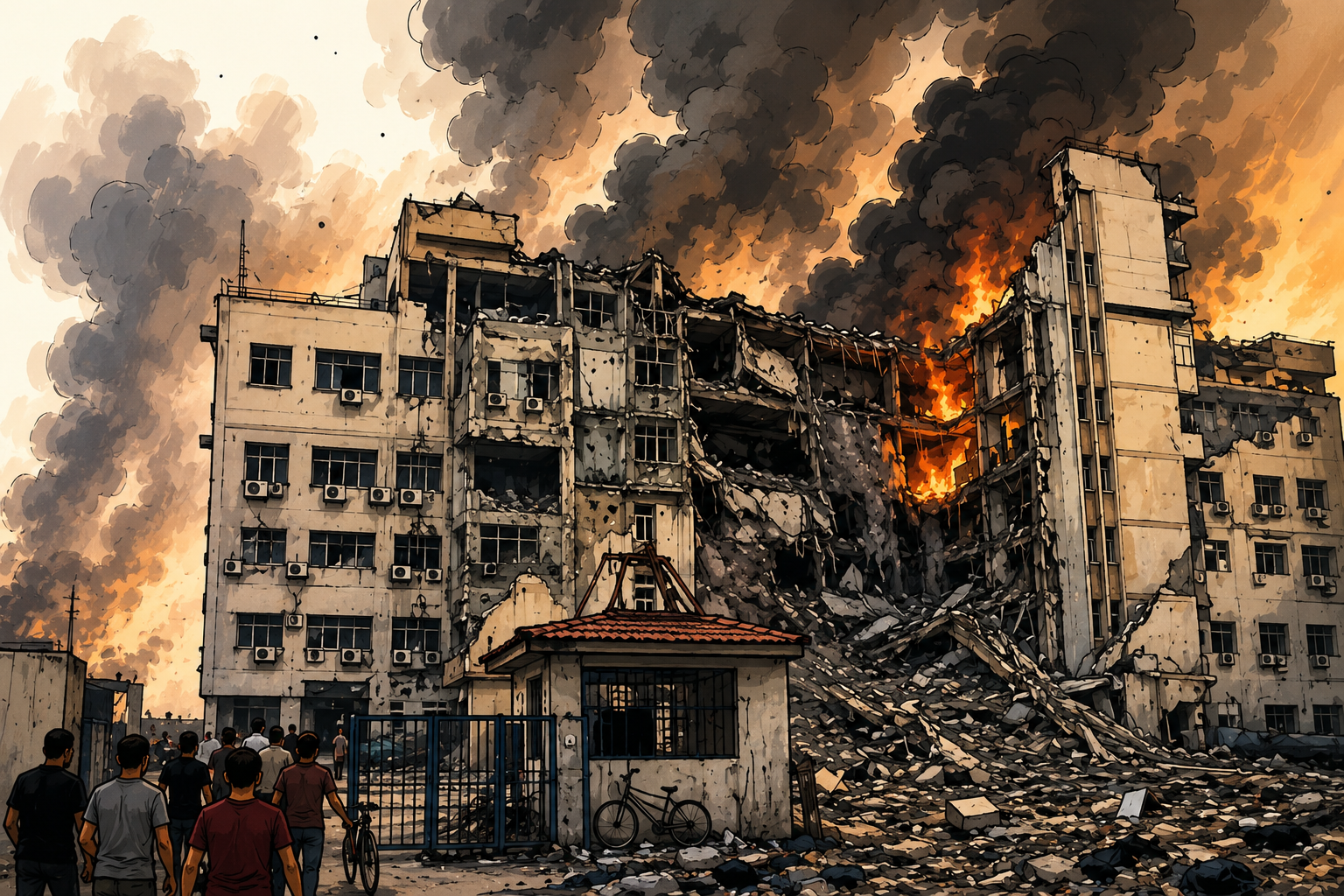
 Documenting Genocide, Denying Genocide
 Pain of Gaza is a ‘Non-stop’ Israeli Stain
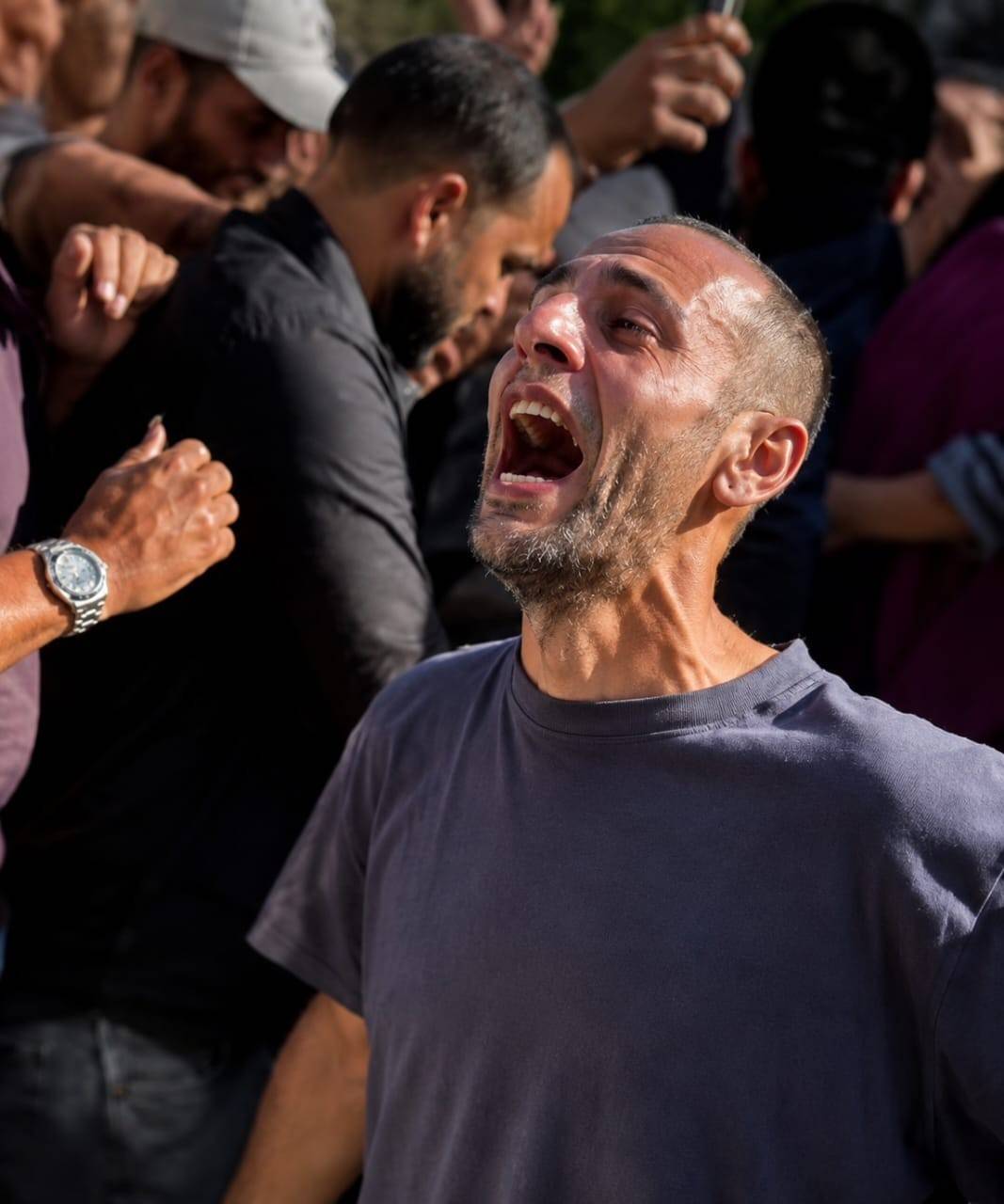 Freed Majdalawi Shouts Aloud For Palestinian Prisoners
 Aldous Huxley on Propaganda, Censorship
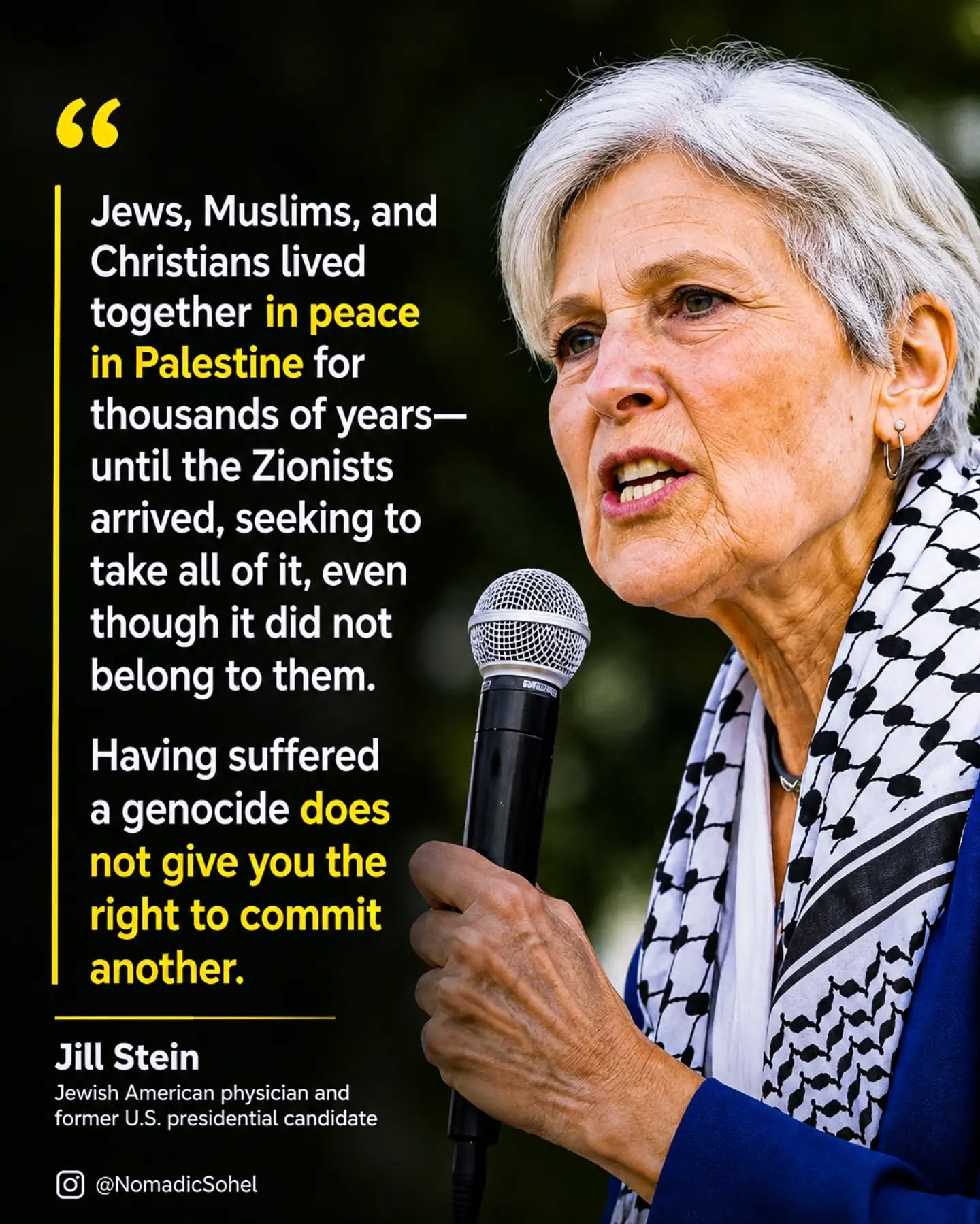 Jill Stein Speaks The Truth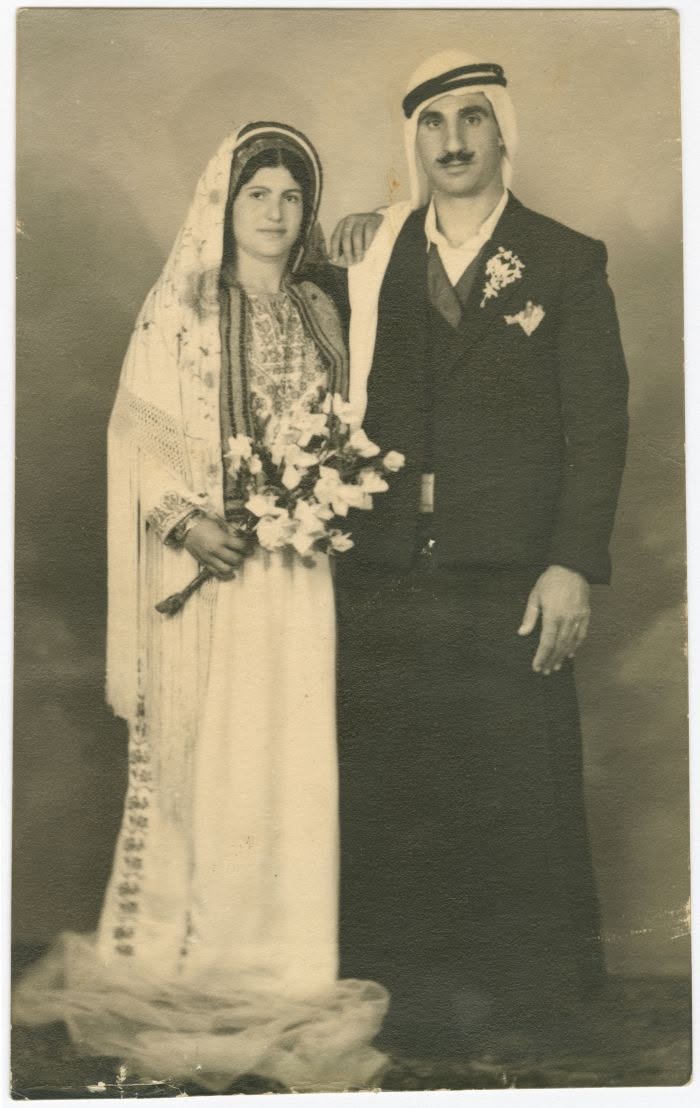
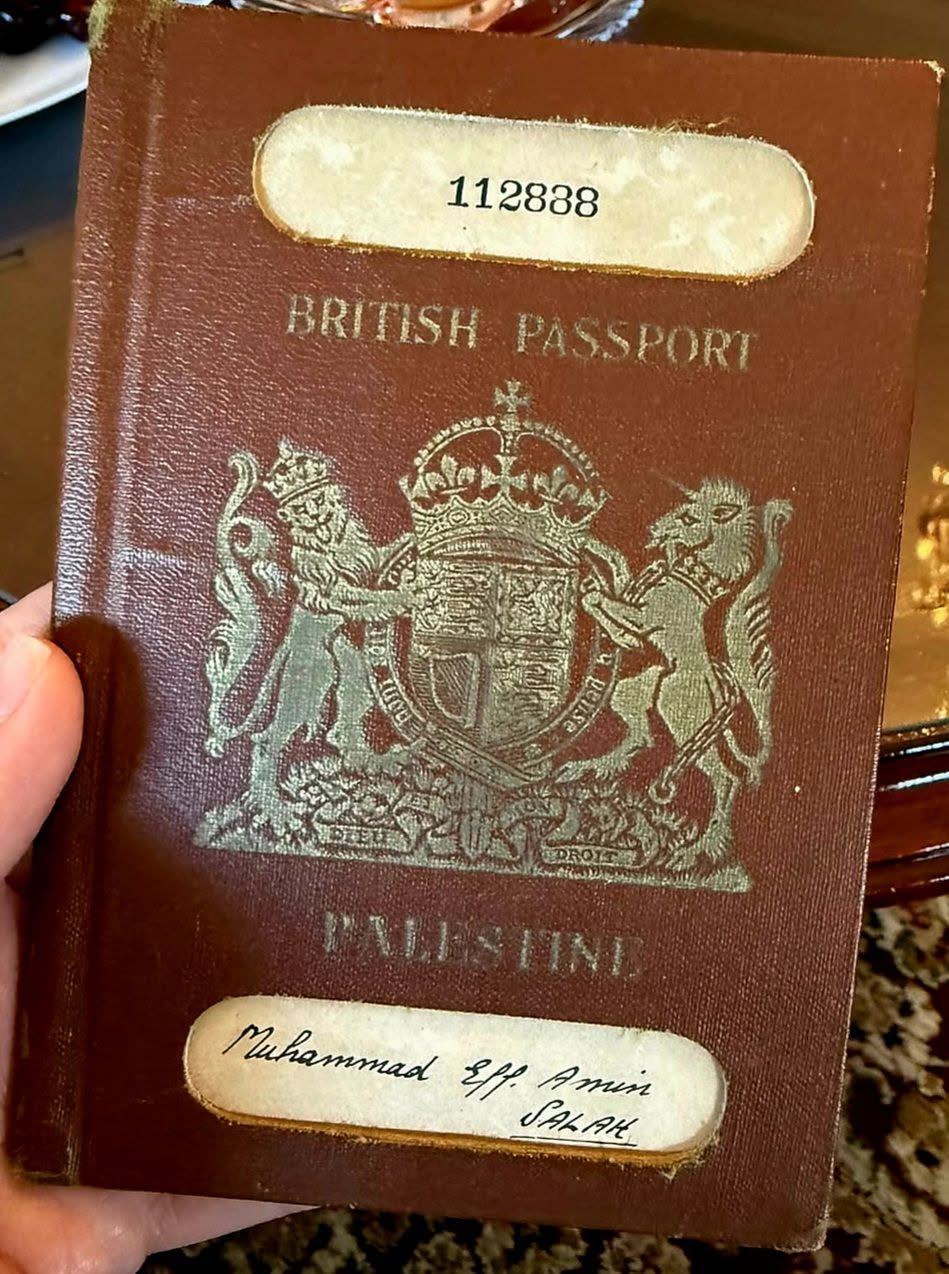

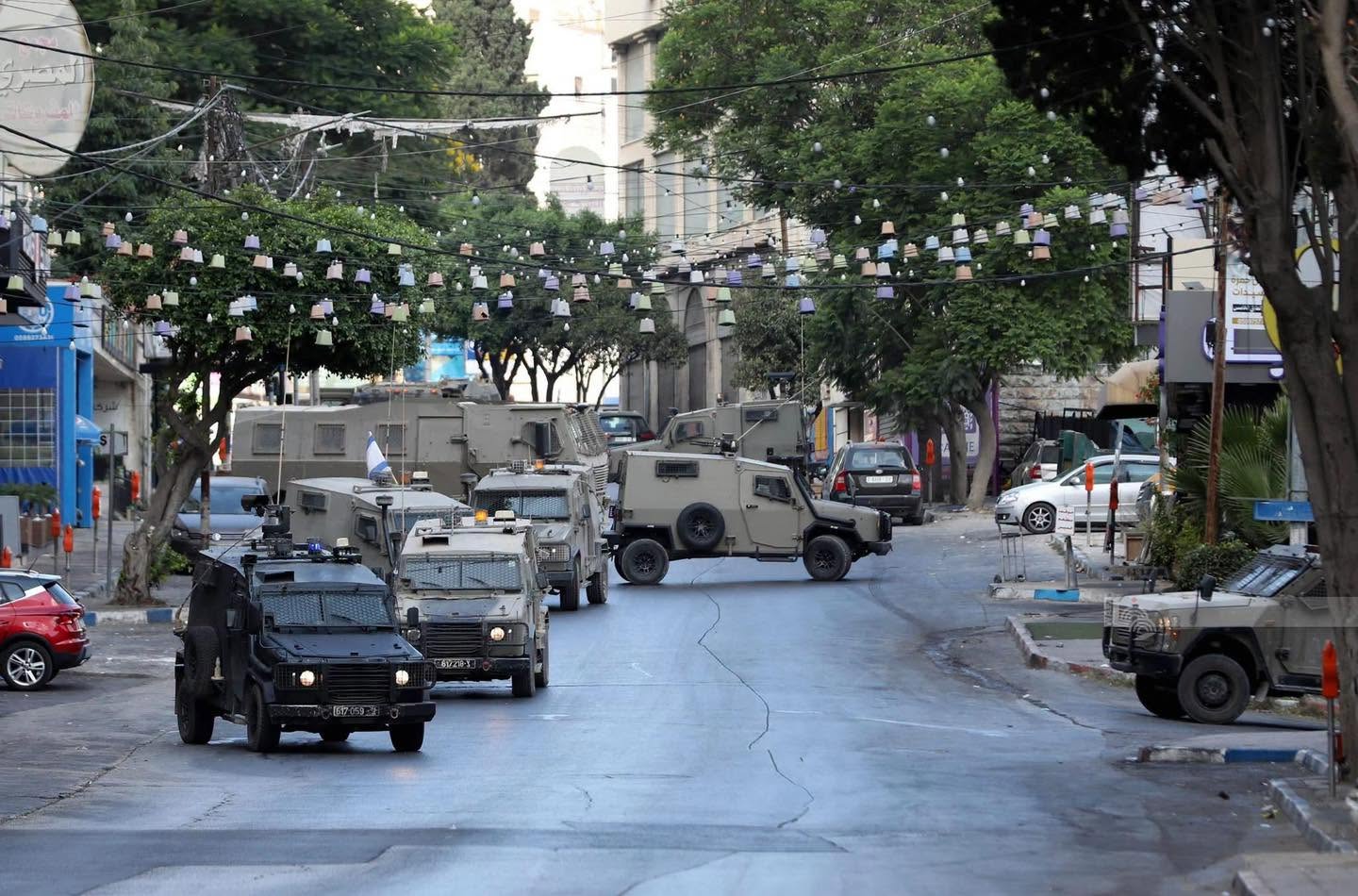
Documenting Genocide, Denying Genocide
marwan
- July 29, 2026
 marwanmarwan
 CrossFireArabiaCrossFireArabiamarwanCrossFireArabiamarwanmarwanCrossFireArabiamarwanmarwanmarwanmarwanmarwanmarwanmarwanmarwanmarwanmarwanmarwanmarwanmarwanmarwanmarwanmarwanmarwanmarwanmarwanmarwanCrossFireArabiamarwanCrossFireArabiamarwanmarwanmarwanmarwanmarwanmarwanCrossFireArabiamarwanmarwanmarwanmarwanmarwanCrossFireArabiaCrossFireArabiaCrossFireArabiaCrossFireArabiaCrossFireArabiaCrossFireArabiaCrossFireArabiamarwanmarwanCrossFireArabiaCrossFireArabiaCrossFireArabiaCrossFireArabiamarwanmarwanmarwanmarwanCrossFireArabiaCrossFireArabiaCrossFireArabia
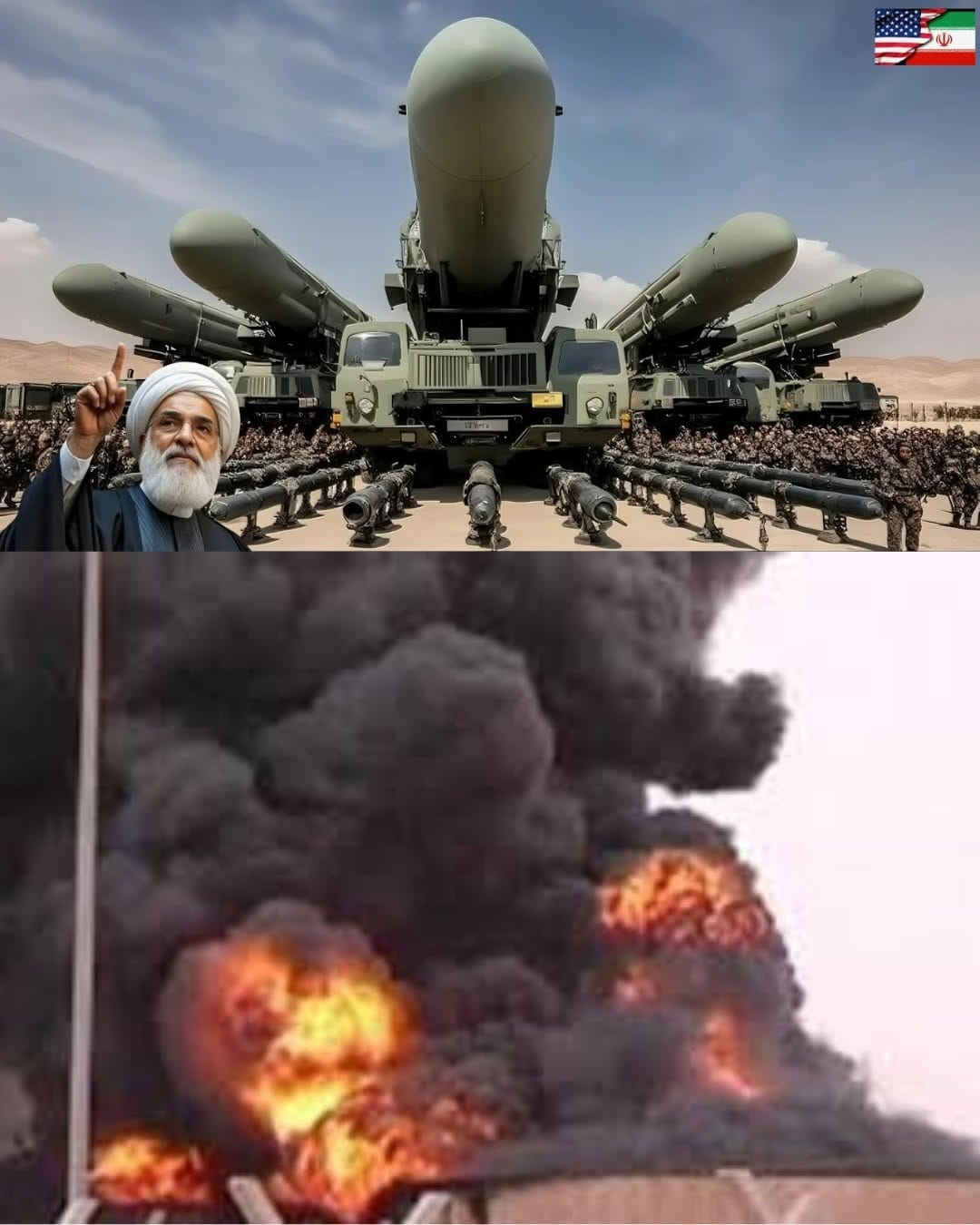
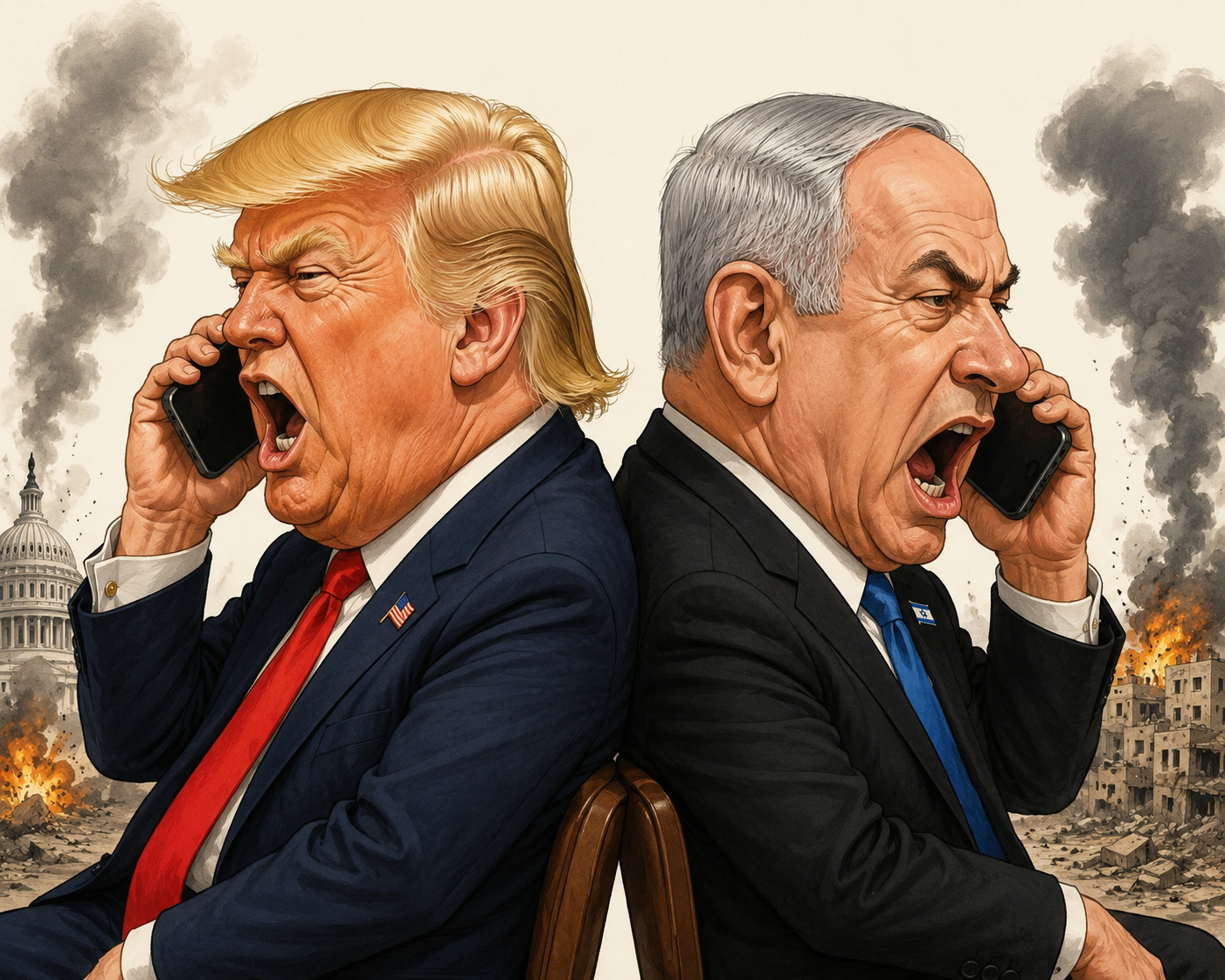
US President Donald Trump has paused a plan by the military to forcibly seize Iran’s enriched uranium, CNN reported Friday, citing sources.
The US military’s top officer made a secret, hurried trip to US Central Command headquarters in Florida late last month to receive an in-person briefing on plans for a potential ground operation in Iran aimed at seizing the country’s stockpile of highly enriched uranium, according to the report.
The briefings were considered so urgent and sensitive that Gen. Dan Caine, chairman of the Joint Chiefs of Staff, cut short a meeting of senior NATO officials in Brussels and flew back to Tampa on May 19, the report said.
The high-level discussions highlight how close the administration came to approving the risky operation. Caine later presented the military options to Trump, the report said.
Trump ultimately paused the plan after being warned it could trigger severe Iranian retaliation, prolong the conflict, and further destabilize the global economy. He was also concerned about the possibility of significant US casualties, according to the report.
Planning for the operation occurred even as Trump repeatedly said the US and Iran were nearing an agreement to reopen the Strait of Hormuz and conclude negotiations over Iran’s nuclear program, according to the report. Anadolu
CrossFireArabia
As Palestinian factions meet in Cairo to discuss Gaza’s future governance, aid groups and analysts warn that realities on the ground are moving in the opposite direction of the ceasefire framework meant to pave the way for reconstruction and recovery.
While negotiations continue, Israel has expanded its control over large parts of the enclave, strikes have continued, humanitarian access remains severely restricted and reconstruction has yet to begin, leaving Gaza’s more than 2 million residents trapped in a deep humanitarian crisis.
“The implementation of the first phase of the Gaza ceasefire has remained limited and inconsistent, particularly due to repeated airstrikes,” Riham Jafari, advocacy and communications coordinator at ActionAid Palestine, told Anadolu.
Around 1,000 people have been killed and 3,000 injured since the ceasefire began, according to Gaza Health Ministry figures.
In September, US President Donald Trump announced a 20-point plan outlining a framework, with the first phase including a ceasefire and prisoner exchange between Israel and Palestinian factions.
However, implementation of the agreement remains unfulfilled amid ongoing Israeli military operations and mounting humanitarian restrictions.
Israel deepens territorial control
While the ceasefire framework envisioned a gradual Israeli withdrawal, analysts say developments on the ground point in the opposite direction.
Under the Trump plan, Israeli forces initially withdrew to a demarcation known as the Yellow Line, leaving Israel in control of roughly 53% of Gaza’s territory. Since then, Israeli officials have acknowledged expanding their control further.
In May, Israel said it had increased its control to 60% of the Gaza Strip and Israeli Prime Minister Benjamin Netanyahu said he had instructed the military to take control of up to 70%.
Rob Geist Pinfold, a lecturer in international security at the Defence Studies Department at King’s College London, said Israeli policy has focused on maintaining long-term military control while avoiding direct responsibility for Gaza’s population.
“Israel’s plans for Gaza have been remarkably consistent: refuse any direct rule over or responsibility for the territory’s impoverished residents, take and hold as much territory within Gaza as possible whilst emptying it of residents and stop any credible external actor from rebuilding Gaza.”
According to Pinfold, Israel does not need to occupy the entire territory to achieve its objectives.
“Indeed, doing so would be counter-productive for Israel without ethnically cleansing the territory of its 2 million inhabitants, since it would find itself responsible for their welfare,” he said.
Instead, he said, Israel appears to be seeking greater strategic depth through buffer zones and allowing its military to operate freely against perceived threats. The expansion also further entrenches Israel into Gaza and makes future withdrawals less feasible, he added.
“Israel is happy to expand further into the territory, however, as a way to squeeze Hamas and keep the possibility of a comprehensive ‘voluntary migration’ – that is, in fact, not voluntary – open,” he said.
Pinfold argued that Israel has been able to act with impunity as the US focuses on other priorities, including negotiations with Iran.
Jafari said plans to place 70% of Gaza under Israeli control raise serious concerns for Palestinians confined to the remaining territory.
“Such a move would further restrict the already limited space available to civilians, many of whom have been repeatedly displaced during the ongoing conflict and are struggling to access shelter, food, water, healthcare and other essential services,” she said.
Humanitarian promises unfulfilled
Aid agencies say many commitments outlined in the ceasefire framework’s first phase have yet to be implemented.
Under the agreement, Gaza was expected to receive between 500 and 600 aid trucks daily. According to Jafari, actual deliveries have averaged between 150 and 250 trucks a day, with many carrying commercial rather than humanitarian goods.
More than 95% of Gaza’s population depends on humanitarian aid for daily food.
“Aid is being weaponized by obstructing it,” said Jafari.
Humanitarian groups say the consequences extend beyond food shortages.
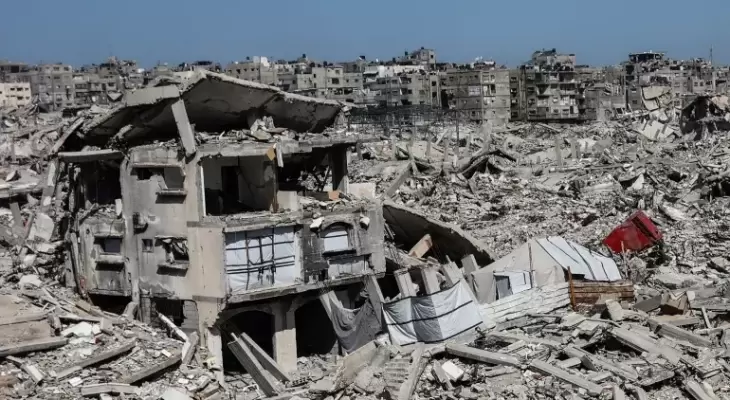
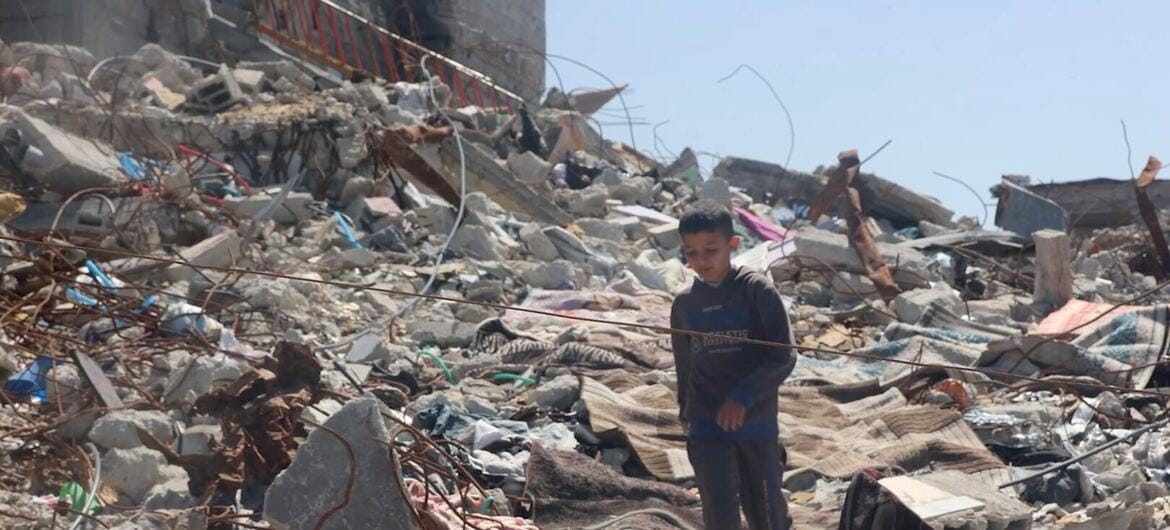
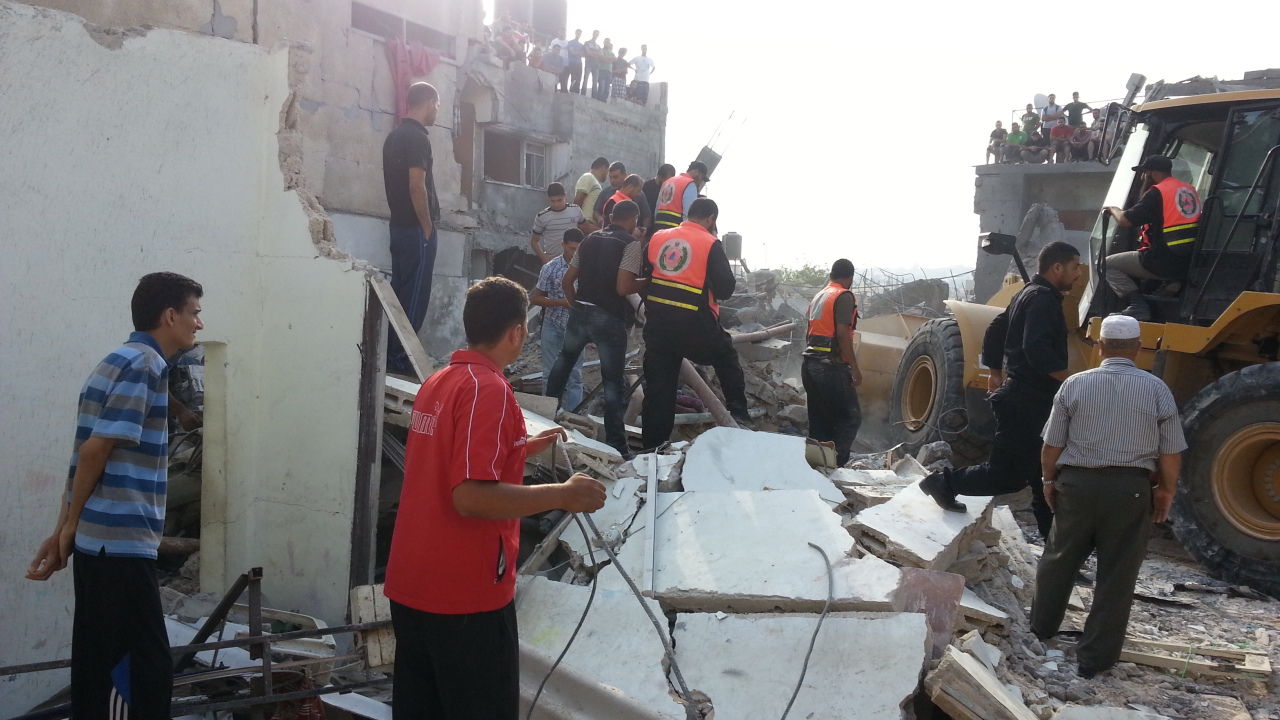
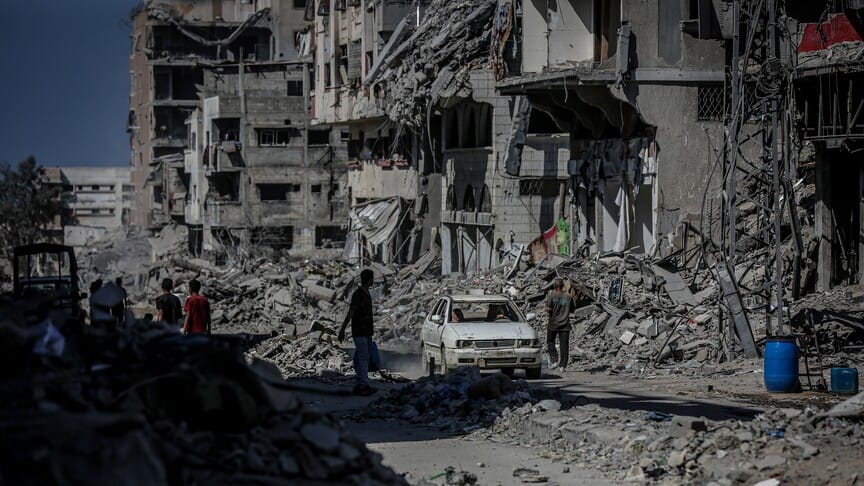
Large parts of Gaza remain covered in rubble, with bodies still believed to be trapped beneath collapsed buildings. Damaged sewage systems, mounting waste and overcrowded displacement sites have contributed to growing public health concerns.
“Access to safe water is limited, and solid waste is accumulating in residential areas. This is attracting pests and rodents that contaminate food and living spaces and increase cases of illness, particularly among children,” said Jafari.
According to assessments cited by UN agencies, rodents and other pests were reported at roughly 80% of sites hosting displaced families, affecting an estimated 1.45 million people.
Reports from Gaza have shown children and others suffering from rodent bites, large infestations and a growing number of skin conditions like scabies. At the same time, hospitals have limited essential medications to treat those affected.
Despite ongoing mitigation efforts with pesticides, Jafari said that health risks remain high.
Closure of key crossings
Humanitarian organizations say access restrictions continue to hamper relief efforts.
Since May 24, Israeli authorities have kept the Zikim Crossing in northern Gaza closed, leaving Kerem Shalom as the last remaining crossing for approved cargo entering the enclave.
The Rafah crossing between Gaza and Egypt is strictly limited to pedestrian traffic.
“Furthermore, on 1 June, Israeli forces began routing humanitarian convoys through a new road, with a new checkpoint, to reach Kerem Shalom from inside Gaza,” Jafari said.
“As a result, only some of the supplies planned to be collected from Kerem Shalom could be picked up and the volumes of incoming fuel dropped.”
Israel also temporarily closed the Kerem Shalom and Rafah crossings following an Iranian missile attack on June 8 before reopening them in subsequent days.
On Wednesday, the UN said Kerem Shalom had been reopened but congestion and operational limits continued.
Reconstruction remains stalled
Despite reconstruction being a central objective of the ceasefire framework, experts say virtually no rebuilding has begun.
Former UN Special Rapporteur on the Right to Adequate Housing Balakrishnan Rajagopal said Gaza’s housing stock and civilian infrastructure remain devastated.
“Housing and civilian infrastructure has been totally destroyed and is still being destroyed, including in Gaza City a few days ago,” he said. “Estimates are that over 90% of the built environment is damaged or destroyed.”
He argued that meaningful reconstruction cannot begin until military operations cease, access restrictions are lifted and supplies can enter Gaza in significantly larger quantities.
“This is a grave situation in terms of violation of international law and a fundamental challenge to the idea of an international community based on rule of law,” Rajagopal said.
CrossFireArabia
Throughout the U.S.-Israeli war with Iran, President Donald Trump has constantly flailed in his campaign to portray it as a historic success. The blunt reality is that what Trump announced as a quick and easy war of regime change rapidly transformed into a quagmire. For the past two months, Trump has struggled to find a way to declare victory, alternating between claims that Iran is begging him for a deal and threats to destroy Iranian civilization.
On Thursday morning, Trump threatened to hit Iran “very hard.” Later in the day, Trump claimed a deal was now at hand, suggesting it could be signed as early as this weekend. “Based on the fact that discussions with the Islamic Republic of Iran have been brought to the highest level of Iranian leadership and approved, I have, as President of the United States of America, cancelled the scheduled strikes and bombings against Iran this evening,” Trump wrote on Truth Social. “Discussions and final points have been, in both concept and great detail, approved by all parties involved.”
Trump has made such claims more than three dozen times since the initial two-week ceasefire was signed on April 7, and behind the scenes, Iranian officials maintain they have stood firm in protecting their own red lines in any deal framework.
This time, however, the initial response from Tehran indicates that a deal may well take shape. According to Iranian officials and state-affiliated media outlets, a breakthrough occurred this week when Trump backed off a series of new demands and ultimatums and accepted a deal that would adhere to a framework ironed out in May in indirect negotiations between Tehran and Washington.
On Friday morning, Drop Site’s Jeremy Scahill spoke to one of the top Iran analysts, Dr. Hassan Ahmadian, Associate Professor of Middle East Studies at Tehran University. Since the war began, Ahmadian has become one of the most prominent Iranian commentators in the Islamic world because of his viral appearances on Al Jazeera Arabic.
“The United States has hit the hard rock of a formidable force that stopped its aggression and they have to deal with it,” said Ahmadian. “President Trump realized that he cannot change the failure, the military failure of the war into a diplomatic win.”
They discuss the events leading up to Trump’s announcement on Thursday, Iran’s red lines—including the unfreezing of assets and an end to the war on Lebanon—and how Israel will seek to sabotage a deal while continuing its overt and covert actions targeting Iran. They also discuss the economic impact on Iran and the domestic political situation.
CrossFireArabia
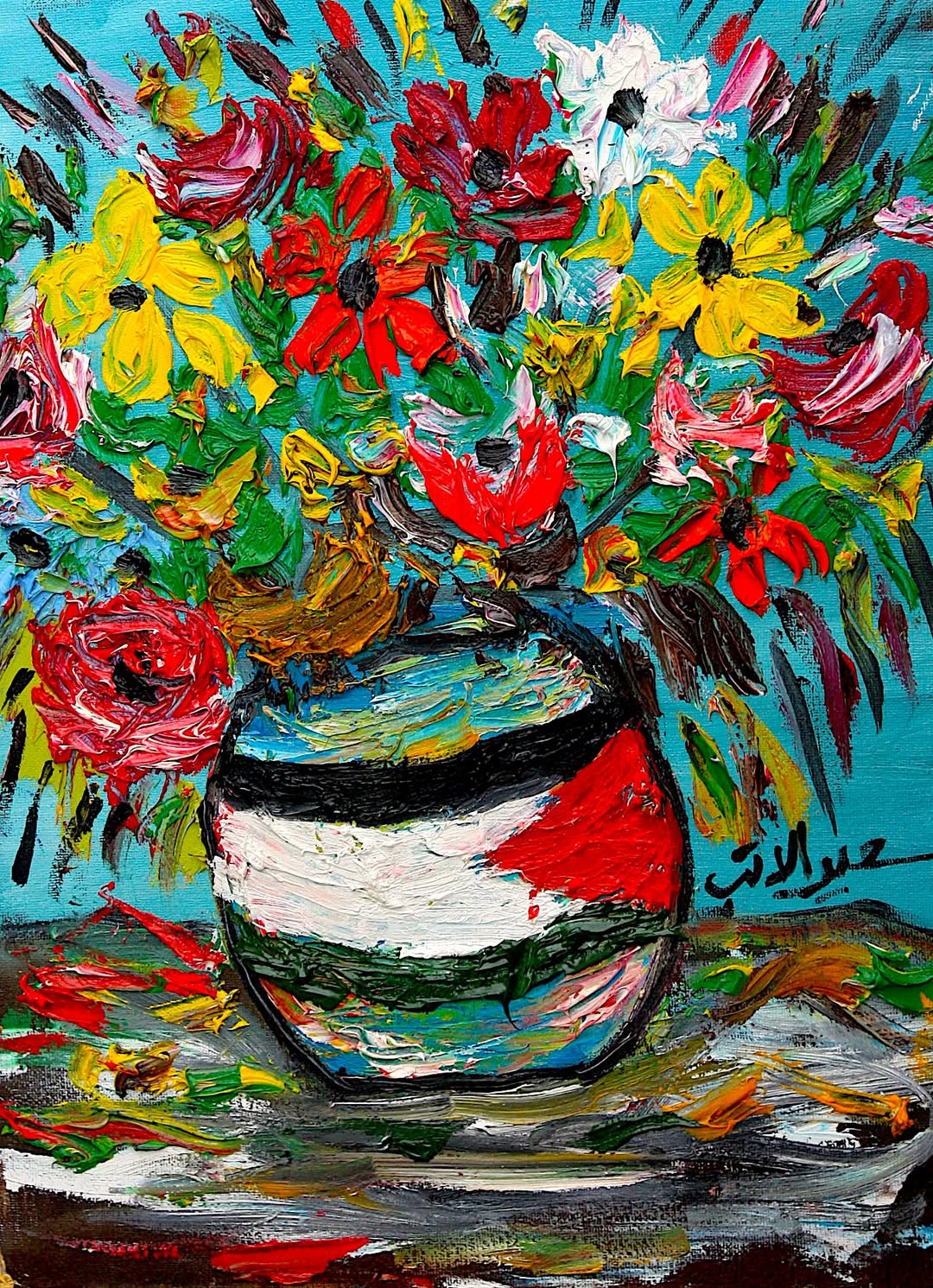
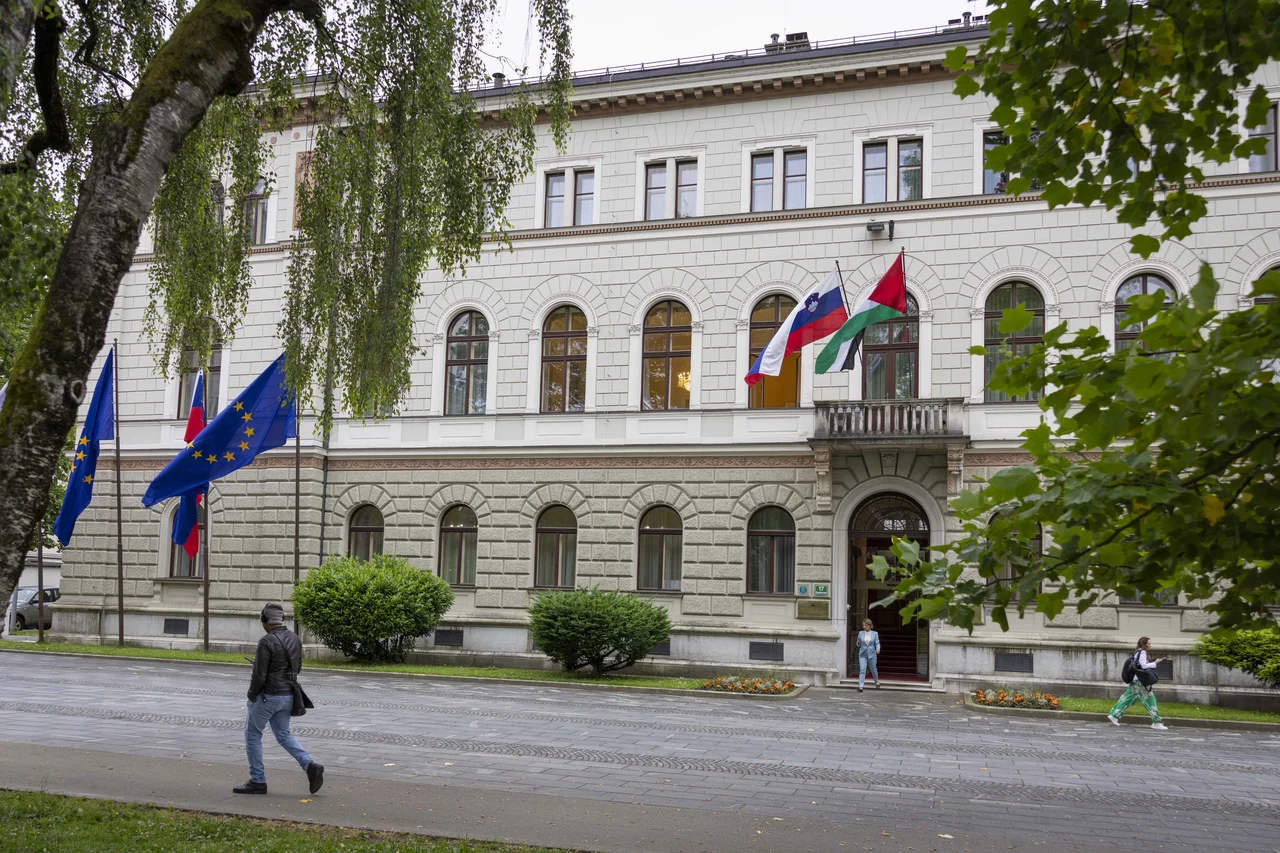
Slovenian President Nataša Perč-Mušar raised the Palestinian flag on the presidential palace in Ljubljana, Saturday. This is a symbolic gesture following its removal from government headquarters after conservative Prime Minister Janez Janša assumed power following the March 22 elections.
In a post on the X platform, Perč-Mušar said the flag would remain flying on the front of the palace for a week before being moved inside for public display. She described the move as carrying political and moral significance regarding the Palestinian cause and international law as reported in Quds Press.
She added the Palestinian flag, in addition to its national symbolism, now reflects what she termed grave violations of international humanitarian law in Palestine and other areas, highlighting the ongoing suffering of Palestinians in Gaza and the West Bank.
The president emphasized that “the genocide against the Palestinians has not stopped,” and the residents of Gaza and the West Bank do not live in conditions that guarantee their human dignity, considering the raising of the flag an expression of solidarity with the legitimate rights of the Palestinian people.
The move coincided with a rising political controversy in Slovenia surrounding allegations of foreign interference in the recent general elections, including accusations concerning the role of the Israeli intelligence firm Black Cube. But this have been denied by relevant political figures in the country.
The government of former Prime Minister Robert Golbow had officially recognized the State of Palestine in 2014 and imposed restrictions on the export, import, and transit of military equipment to and from Israel. Janša opposed these measures and called for a public referendum on them.
This comes amidst ongoing Israeli violations of the ceasefire agreement in the Gaza Strip, which, according to available data, have resulted in hundreds of martyrs and thousands of wounded, in a war that has continued since October 2013 and has caused widespread destruction in the besieged territory.
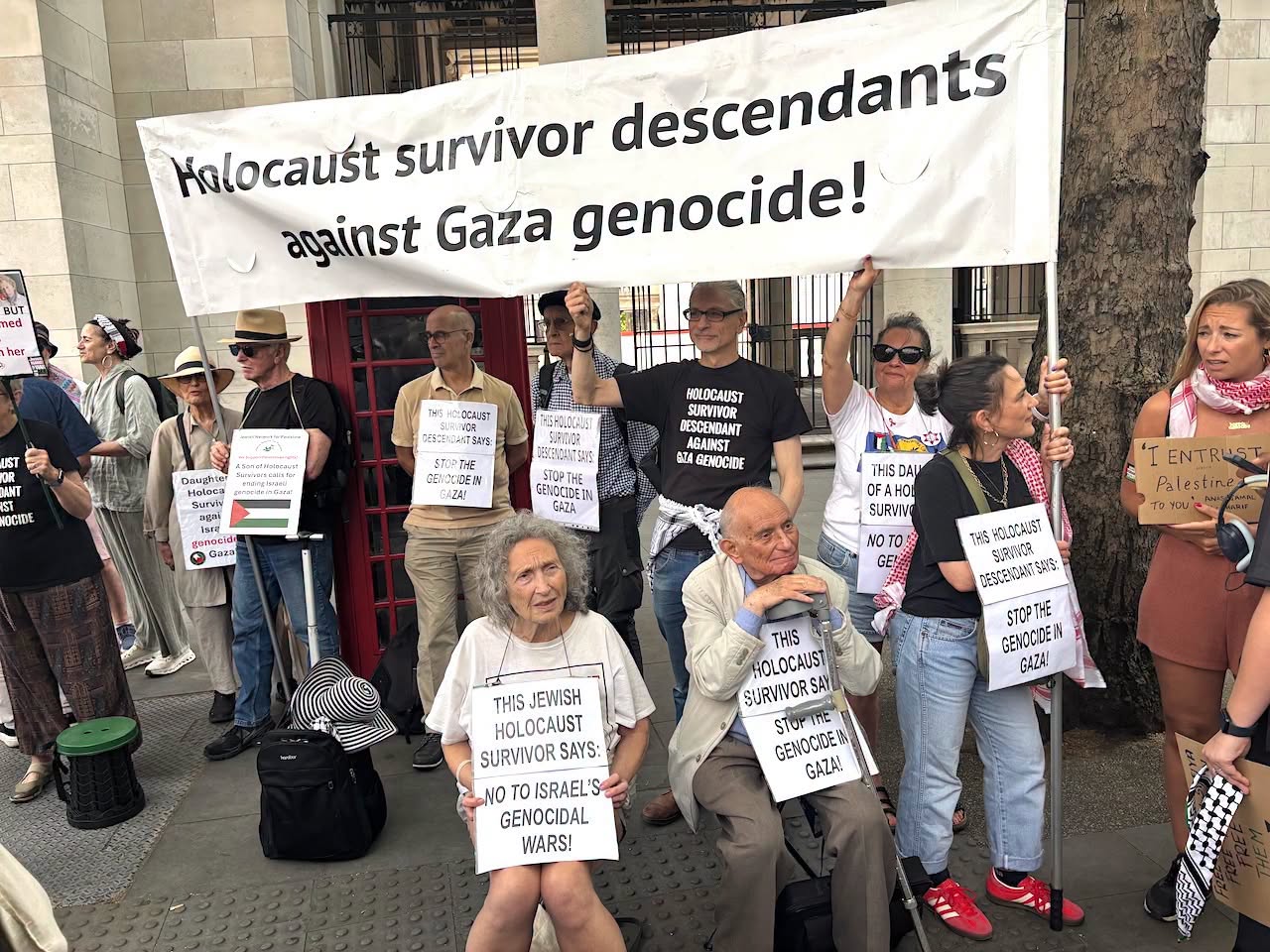
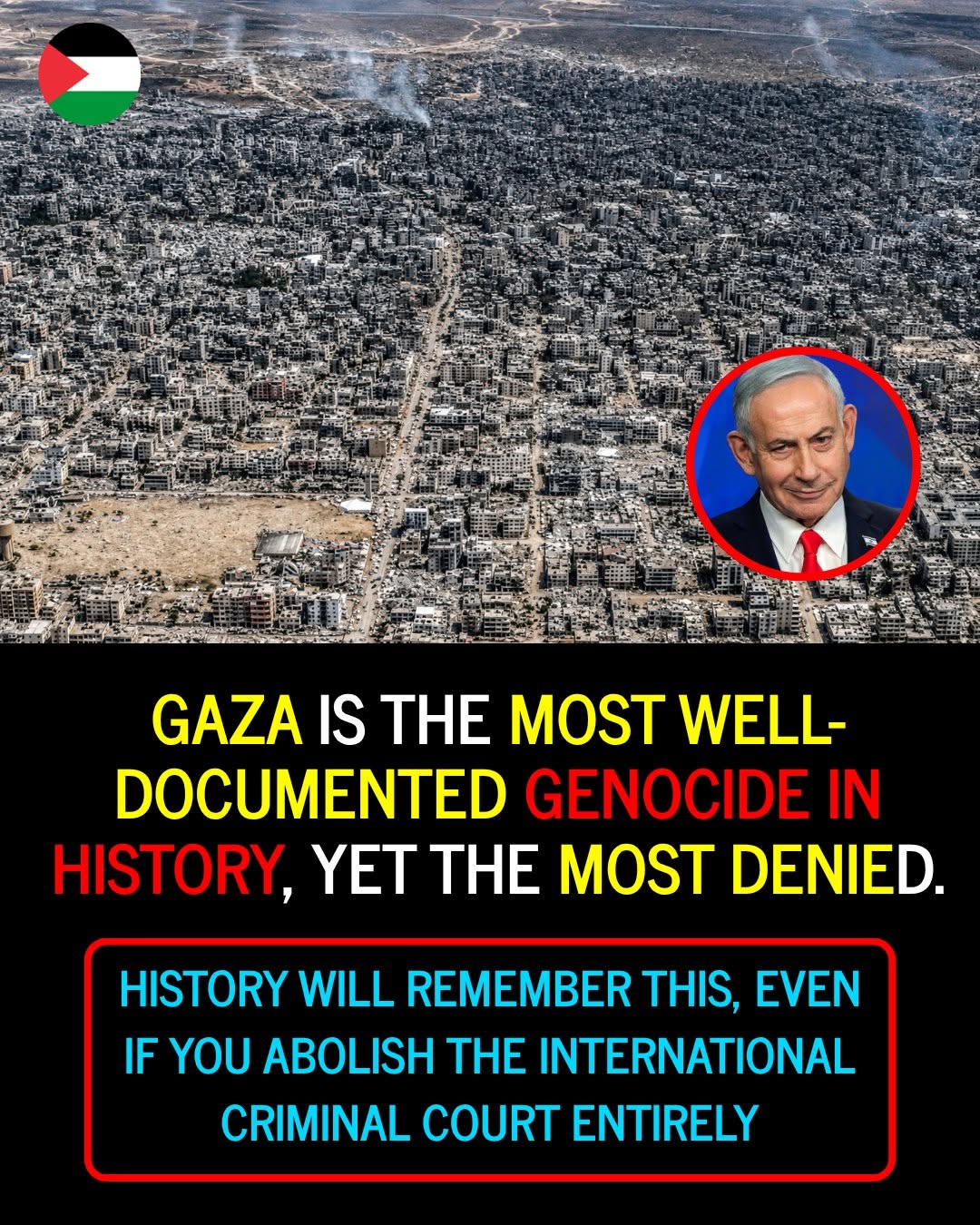
Since October 8, 2023, Israel, with American and European support, carried out a genocide in the Gaza Strip, including killing, starvation, destruction, displacement, and arbitrary arrests, ignoring international appeals and orders from the International Court of Justice to halt its operations.
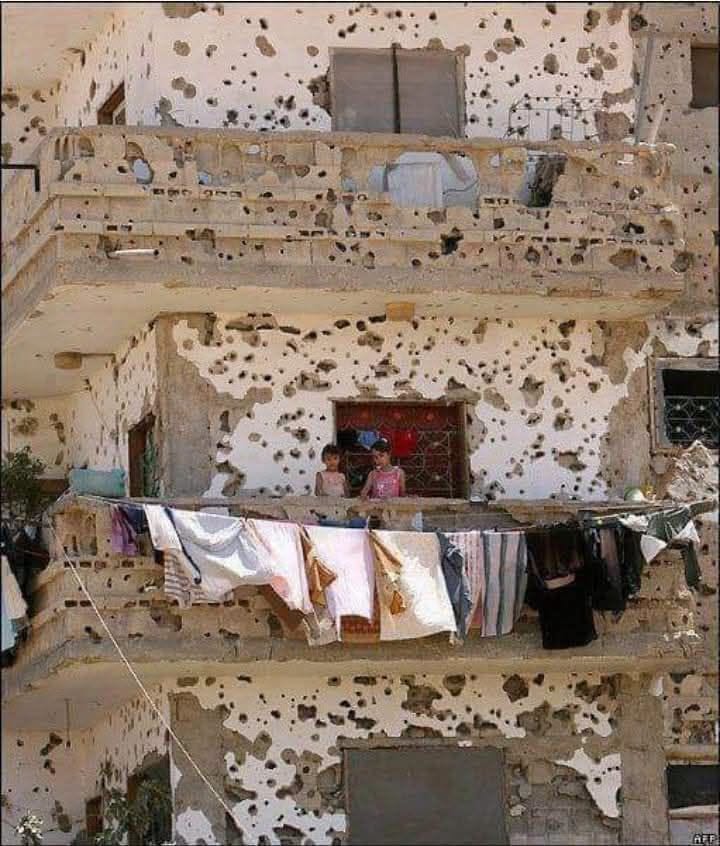
This genocide has left more than 246,000 Palestinians dead or wounded, most of them children and women, and more than 11,000 missing. In addition, hundreds of thousands have been displaced, and famine has claimed the lives of many, mostly children. Furthermore, the Gaza Strip has suffered widespread destruction, with most of its cities and towns effectively erased from the map.
CrossFireArabia
By Dr Marwan Asmar
Despite the ongoing Israeli fire on the Gaza Strip, hundreds of people celebrated the wedding of 40 bride and grooms whose limbs were amputated as a result of the genocide on the enclave started on 7 October, 2023.
The collective wedding held last Wednesday in the Mowasi area, south Khan Younis, was organized by the Palestinian Qanateer Welfare Society and with the support of donations from the people of Morocco.
“This celebration is for the physically-challenged and amputees made so during the war,” said Hazem Sulieman, one of the participants in the event.
“Some of the people getting married today are amputees and some who lost an eye,” he added.
The United Nations estimates that there are between 4500 and 6000 in Gaza who have lost one or more of their limbs. While UNRWA states that, today, Gaza has the largest group of child amputees in modern history.
The following day, Thursday, another collective wedding of 62 brides and grooms were held in the Mowasi area. They were displaced people from the Khuza’ village and came from the Al Najjar extended family.
“We want to send a message of steadfastness and hope despite the harsh humanitarian conditions we are living under,” said one of the grooms.
The Al Najjar family lost 200 martyrs in this war yet this is the second collective wedding it holds despite the destruction that exists around them.
The Israeli army has killed nearly 73,000 people and injured over 173,000 others, mostly women and children, in a brutal offensive in Gaza since October 2023, that has also caused widespread destruction to 90% of the enclave’s civilian infrastructure.
Dr Marwan Asmar is a writer based in Amman and is the editor of www.crossfirearabia.com