 Aldous Huxley on Propaganda, Censorship
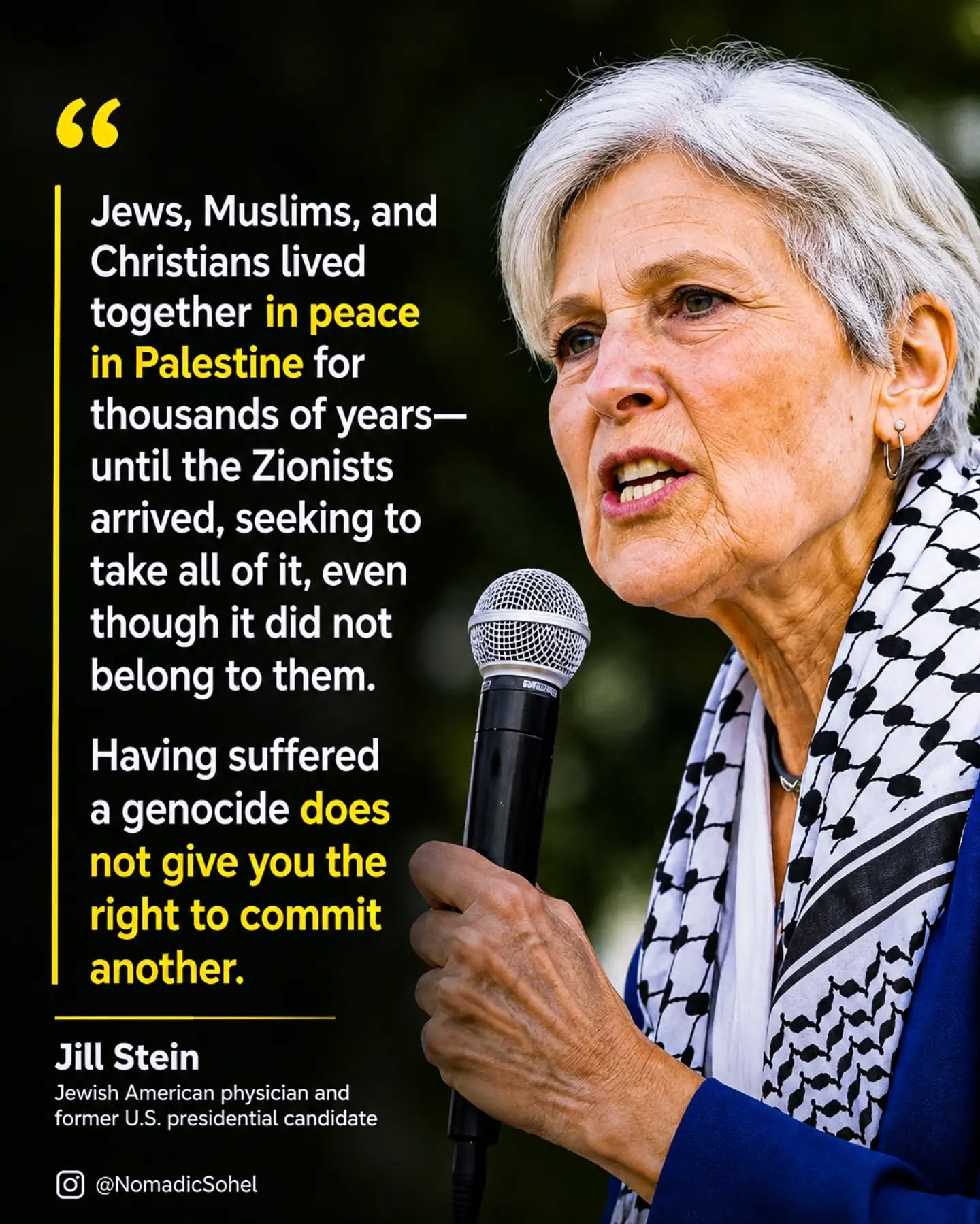 Jill Stein Speaks The Truth
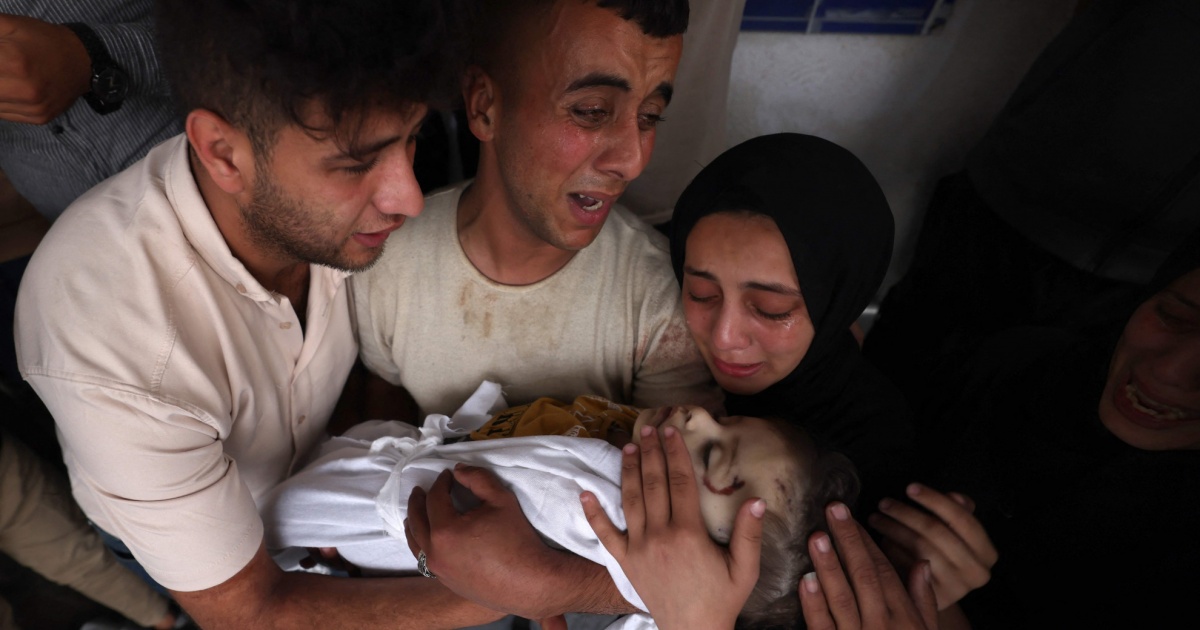
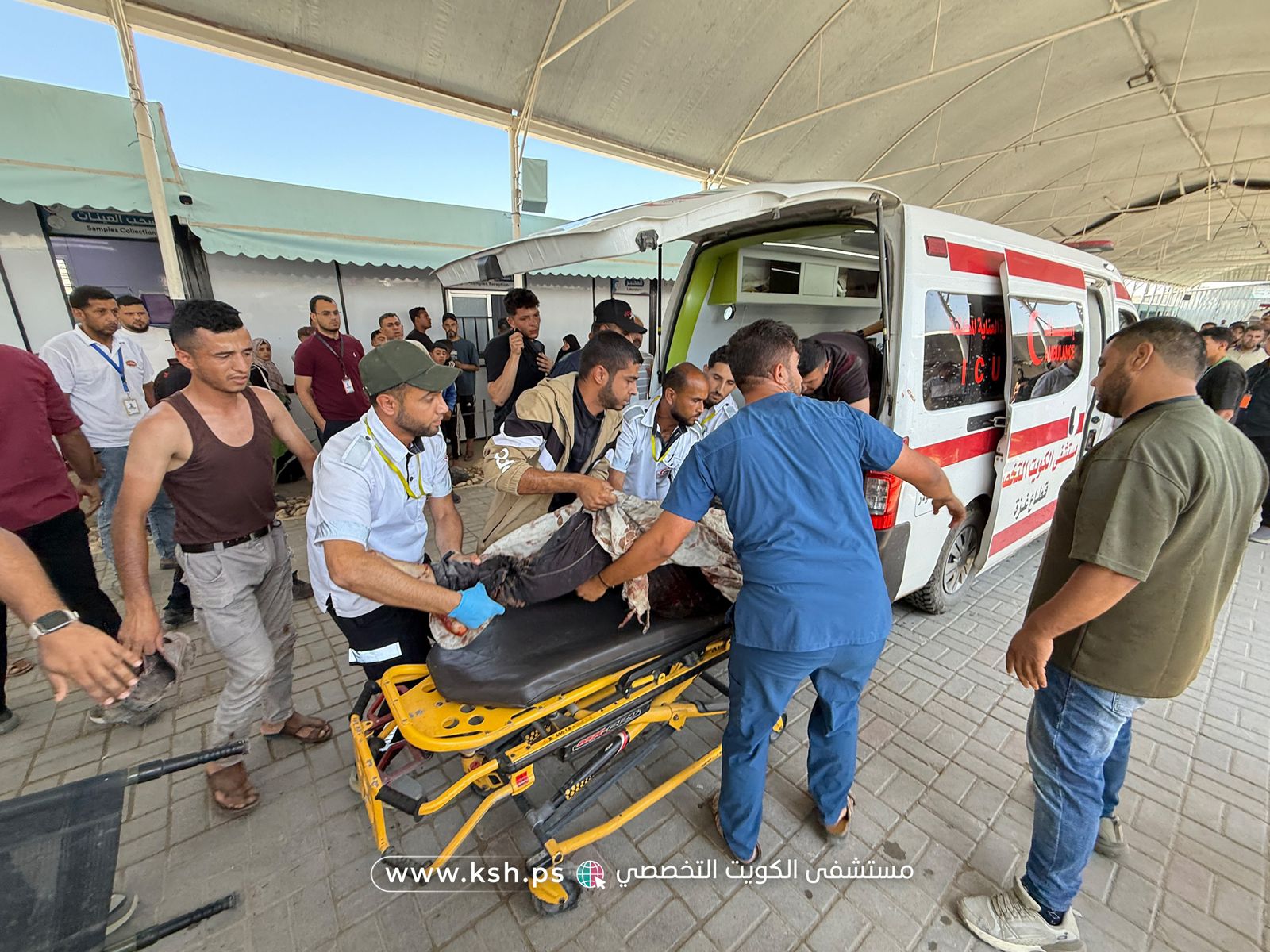
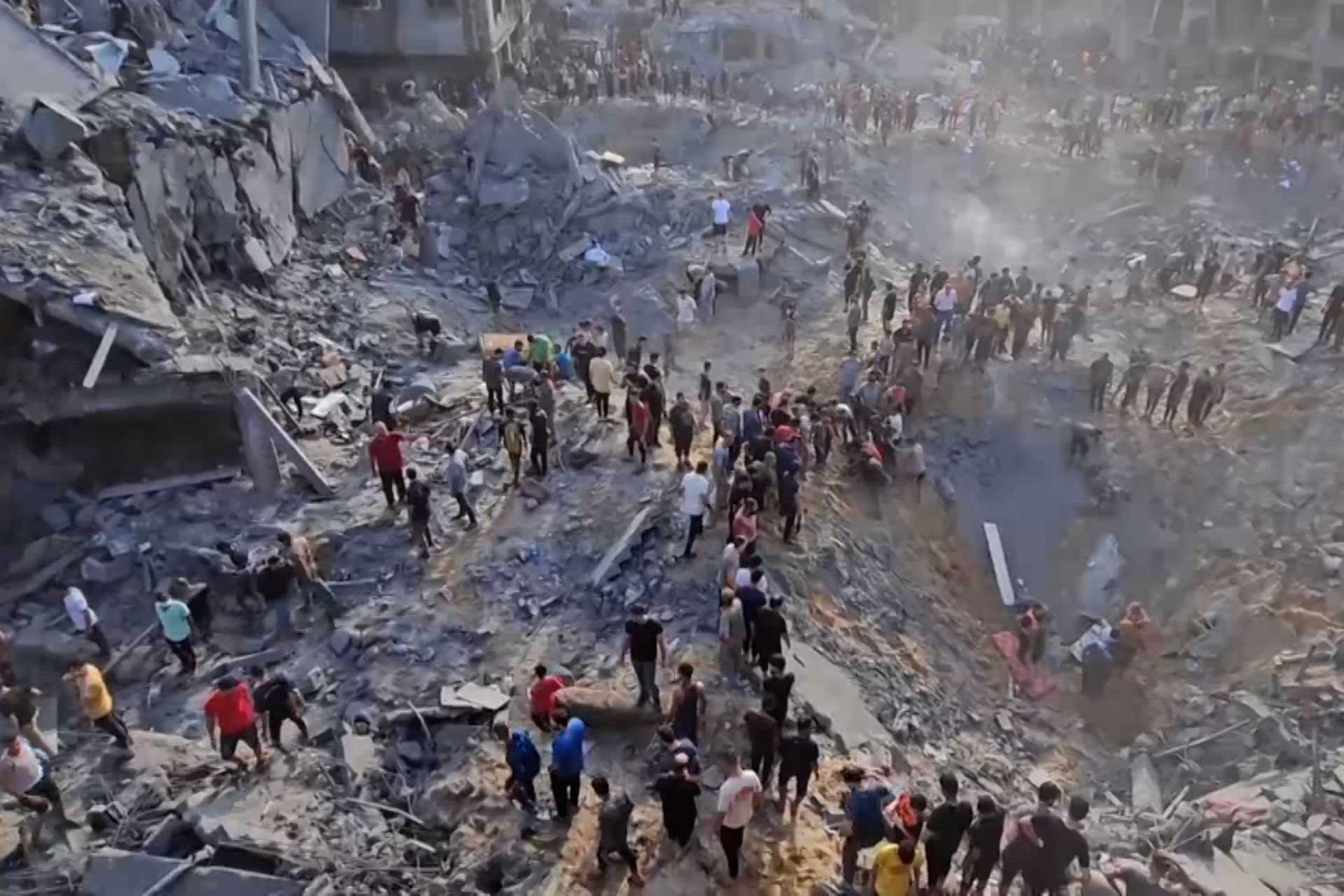 In Gaza: Number of Killed Spikes to 73,333, Leaves 174,023 Wounded
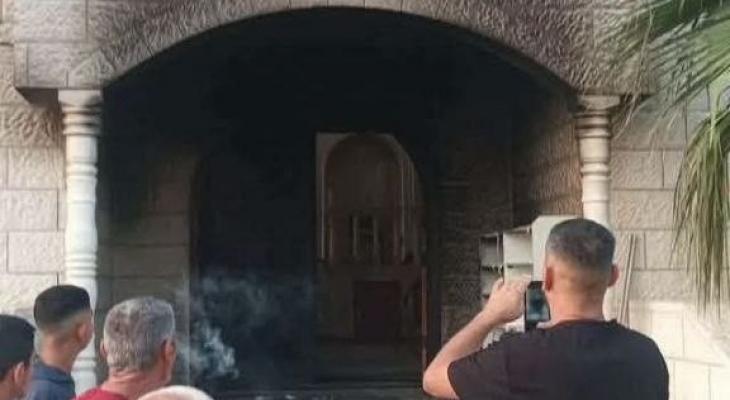
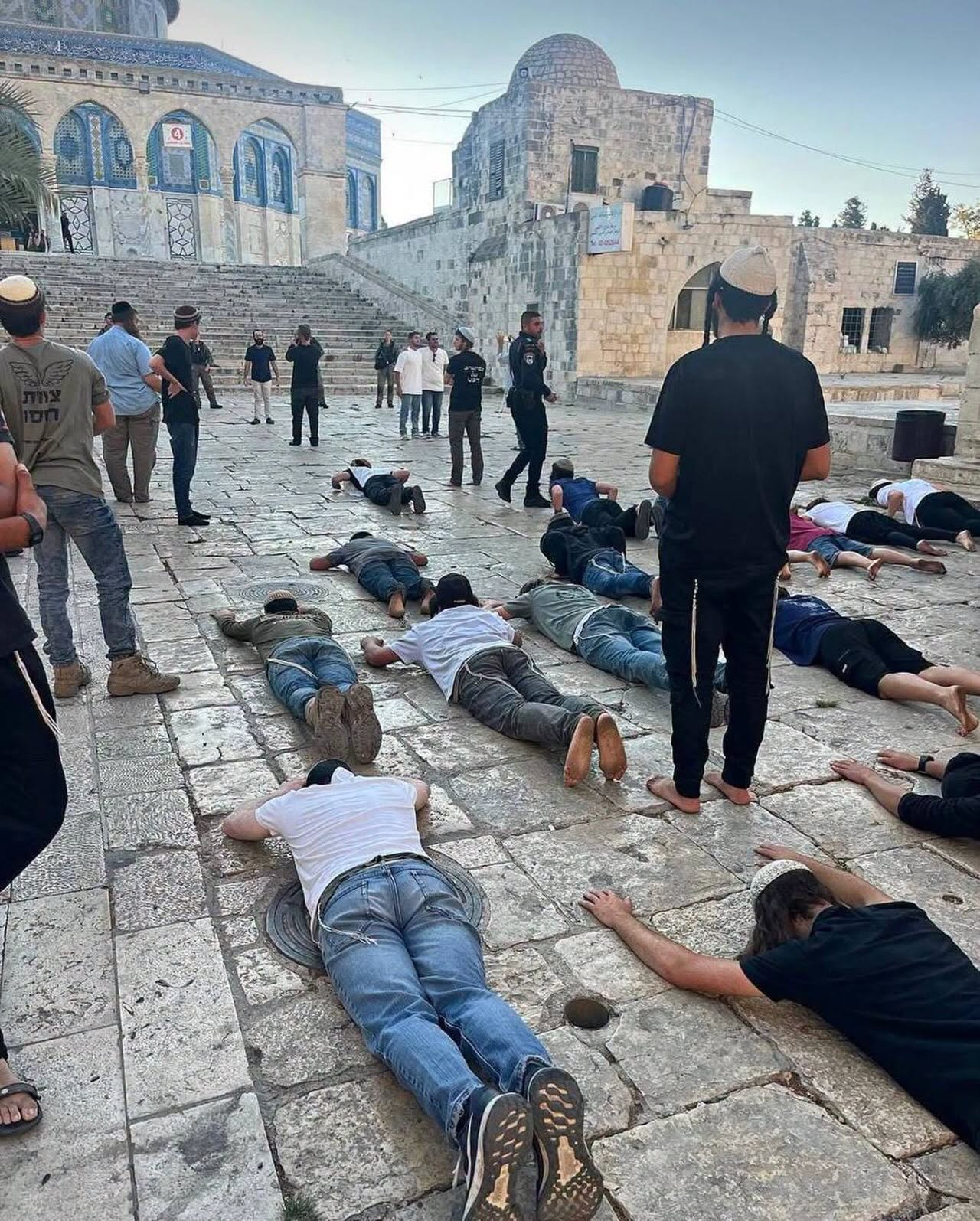
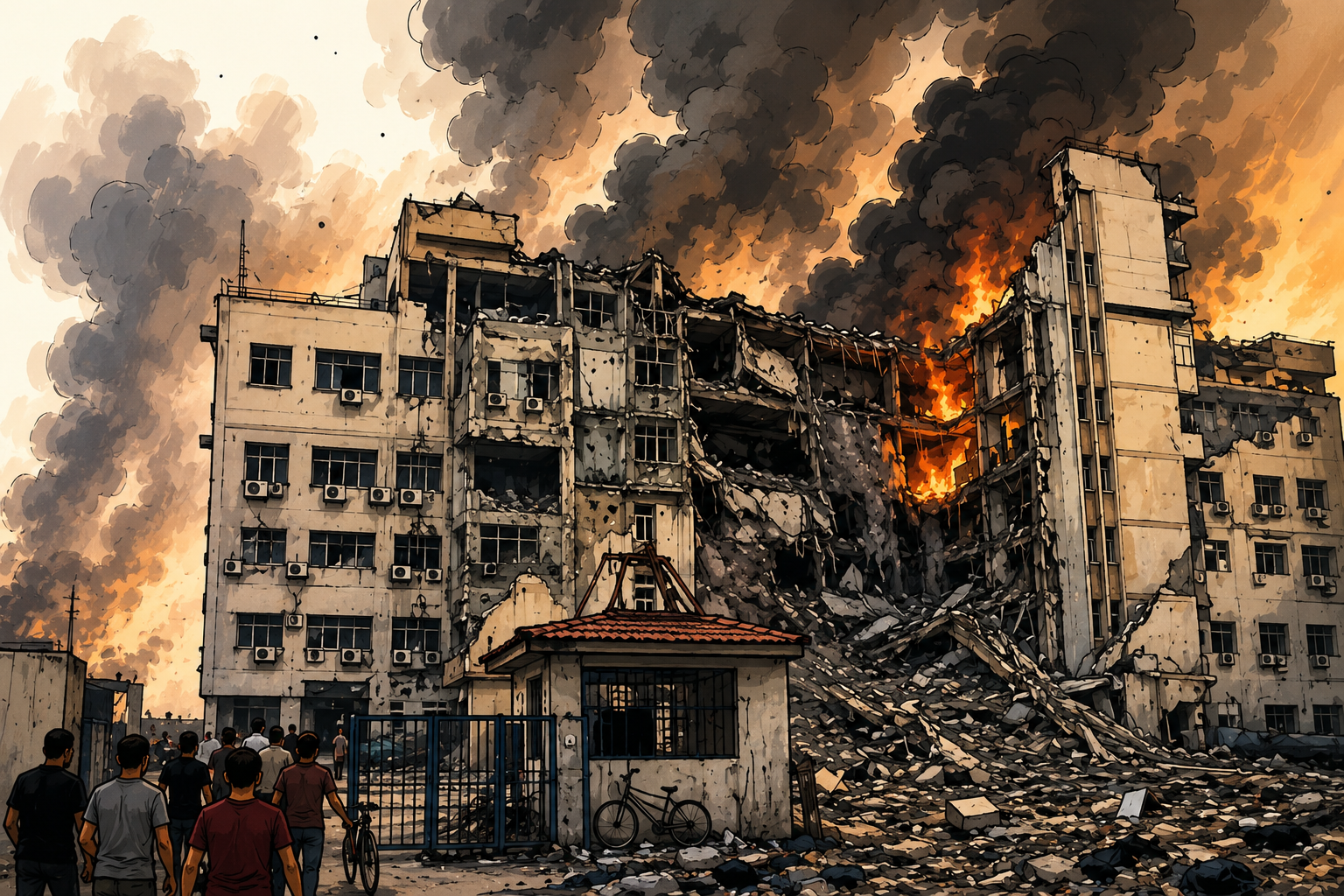
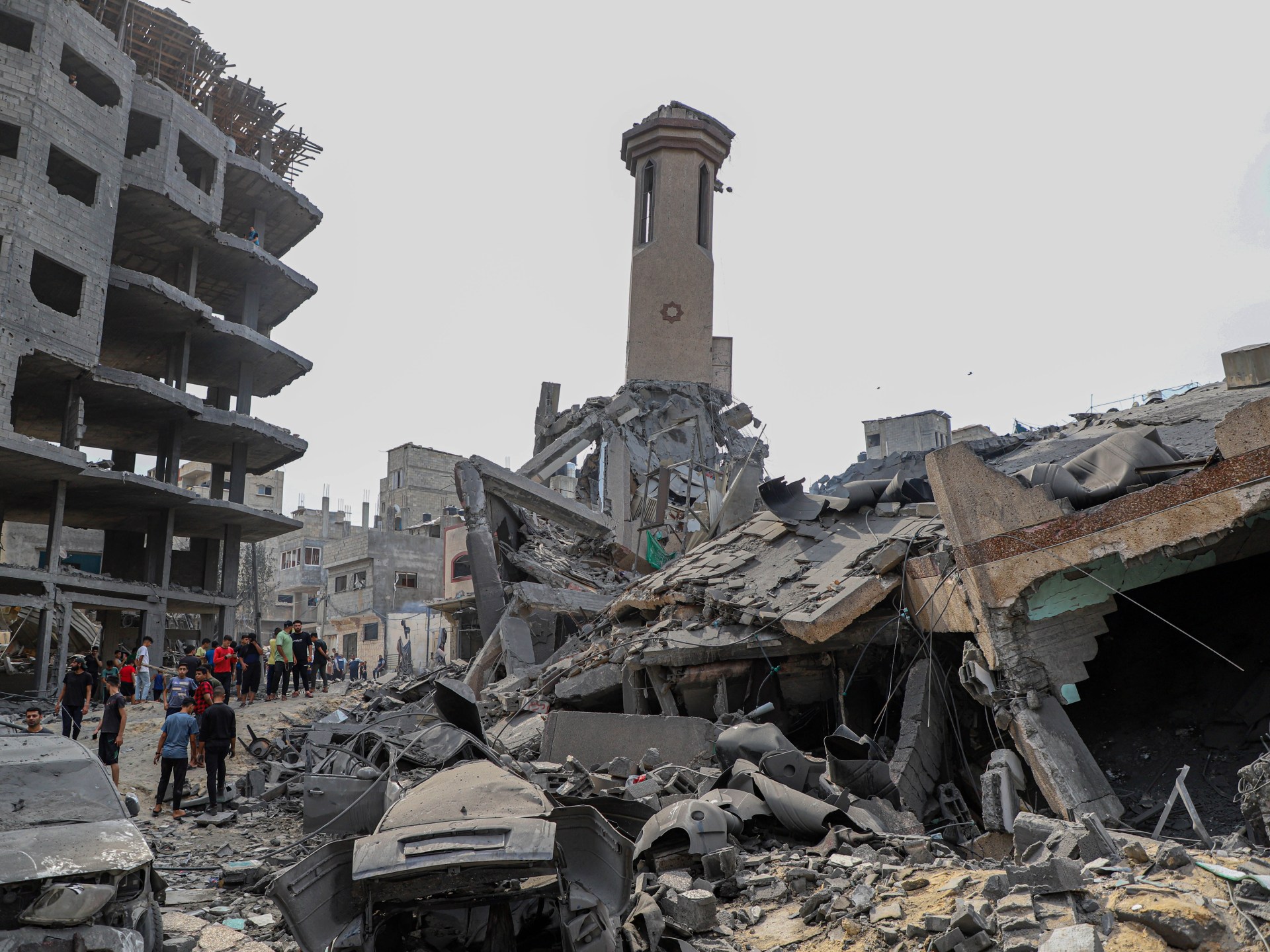 Israel Bombs Mosque in Gaza, Leaves 100s of Displaced Homeless
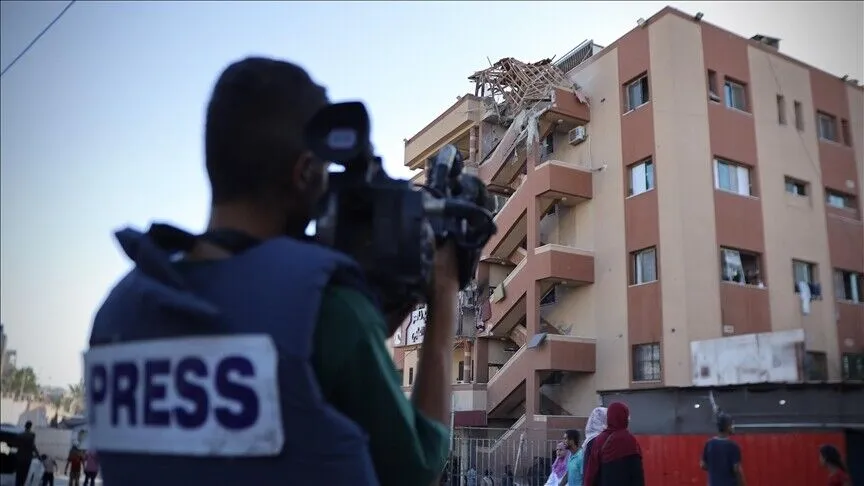
 ‘Save Our Journalists’


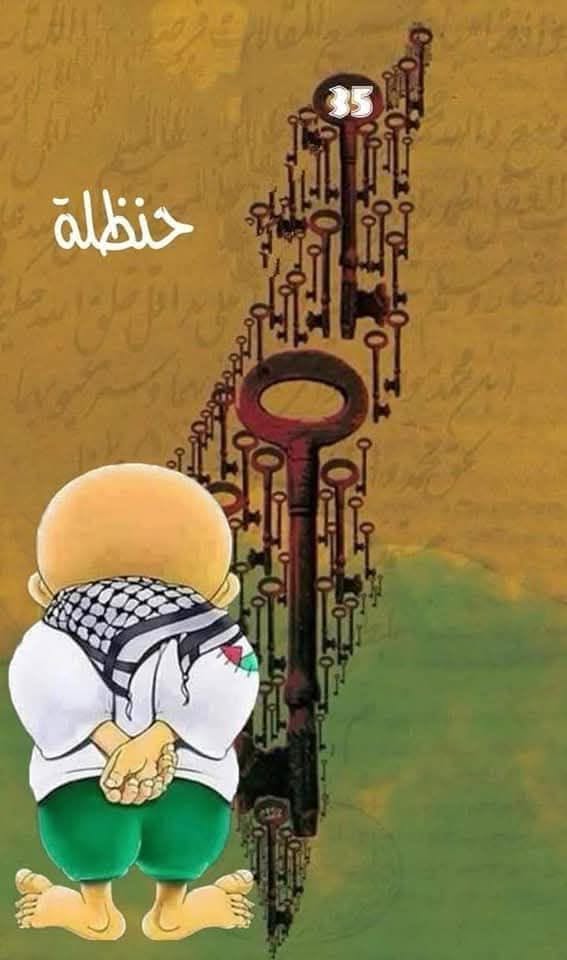
Aldous Huxley on Propaganda, Censorship
 CrossFireArabia
- July 28, 2026

 marwanCrossFireArabiaCrossFireArabiamarwanCrossFireArabiamarwanmarwanCrossFireArabiamarwanmarwanmarwanmarwanmarwanmarwanmarwanmarwanmarwanmarwanmarwanmarwanmarwanmarwanmarwanmarwanmarwanmarwanmarwanmarwanCrossFireArabiamarwanCrossFireArabiamarwanmarwanmarwanmarwanmarwanmarwanCrossFireArabiamarwanmarwanmarwanmarwanmarwanCrossFireArabiaCrossFireArabiaCrossFireArabiaCrossFireArabiaCrossFireArabiaCrossFireArabiaCrossFireArabiamarwanmarwanCrossFireArabiaCrossFireArabiaCrossFireArabiaCrossFireArabiamarwanmarwanmarwanmarwanCrossFireArabiaCrossFireArabiaCrossFireArabiaCrossFireArabiaCrossFireArabiaCrossFireArabia
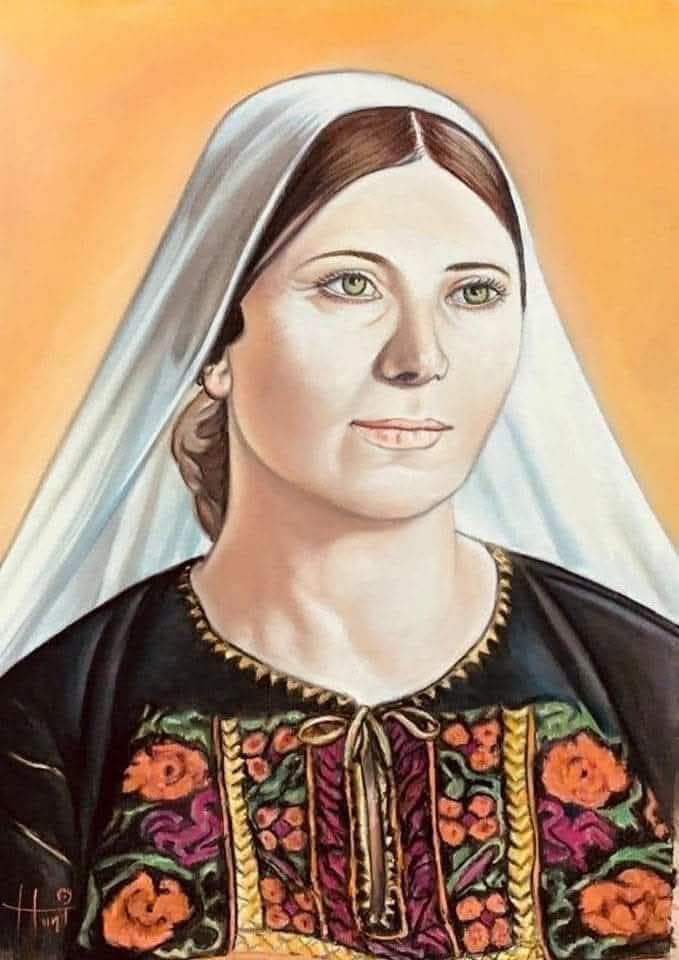
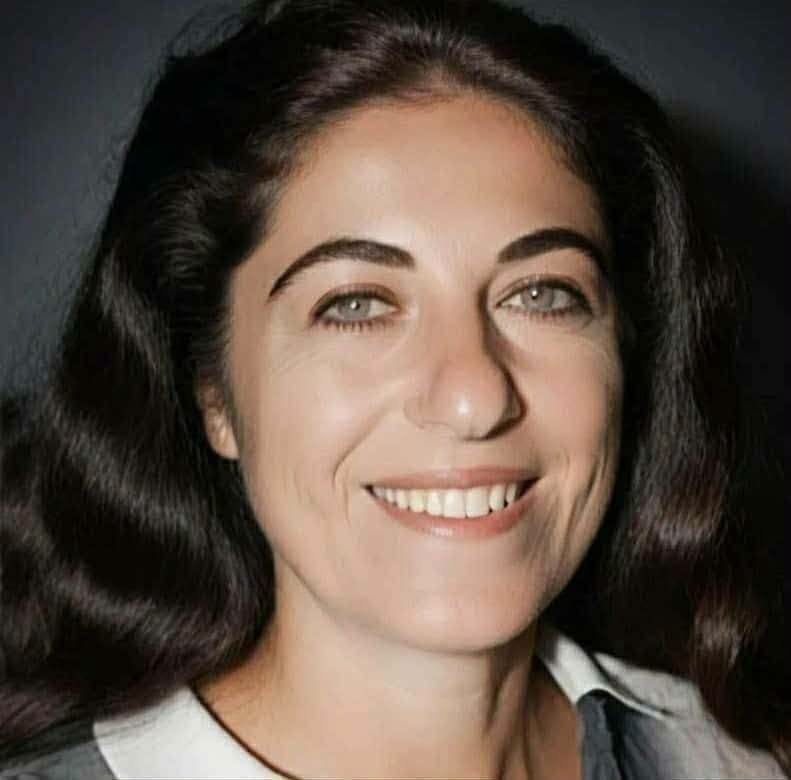
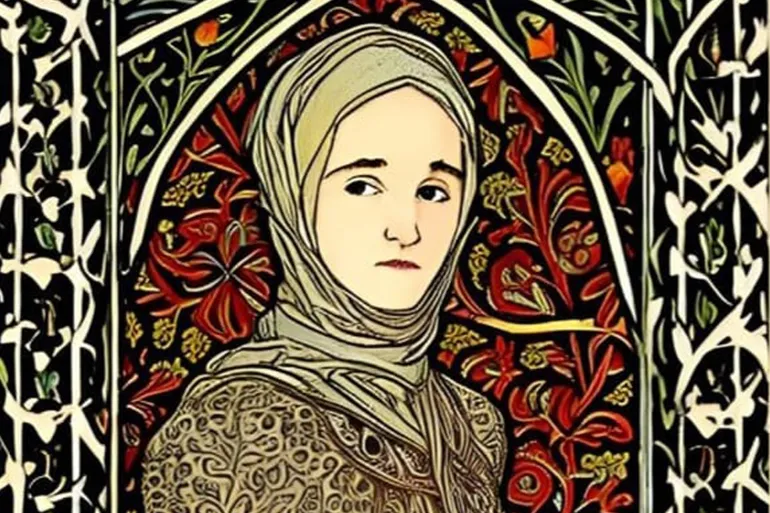
A Briton who embraced Islam in the late 1880s, is described as the first woman to convert to Islam in Liverpool. This is despite facing fierce opposition from her Christian family and social circle.
Her journey with Islam began during her involvement with the “Temperance Movement”, which advocated alcohol prohibition. There, she first heard the name of Abdullah Henry Quilliam who speak about Prophet Muhammad (peace be upon him), describing him as “the great Arab who abstained from intoxicants.” This sparked her curiosity and prompted her to learn more about Islam.
When she expressed interest in Islam, Quilliam advised her to begin reading the Quran and presented her a translated copy. Few weeks later she embraced Islam. Shortly after that, she, with Quilliam and another convert, Ali Hamilton, founded the Liverpool Islamic Society in 1887.
Despite the personal challenges she faced, as well as the campaigns of incitement and hostility directed at the Society, Fatima steadfastly continued her missionary work.
The Society contributed to introducing Islam to a growing number of Britons, and Fatima played a prominent role in inviting women to Islam, including her sisters Clara and Annie, along with other women who became prominent Muslim women in Liverpool society.
Early Life:
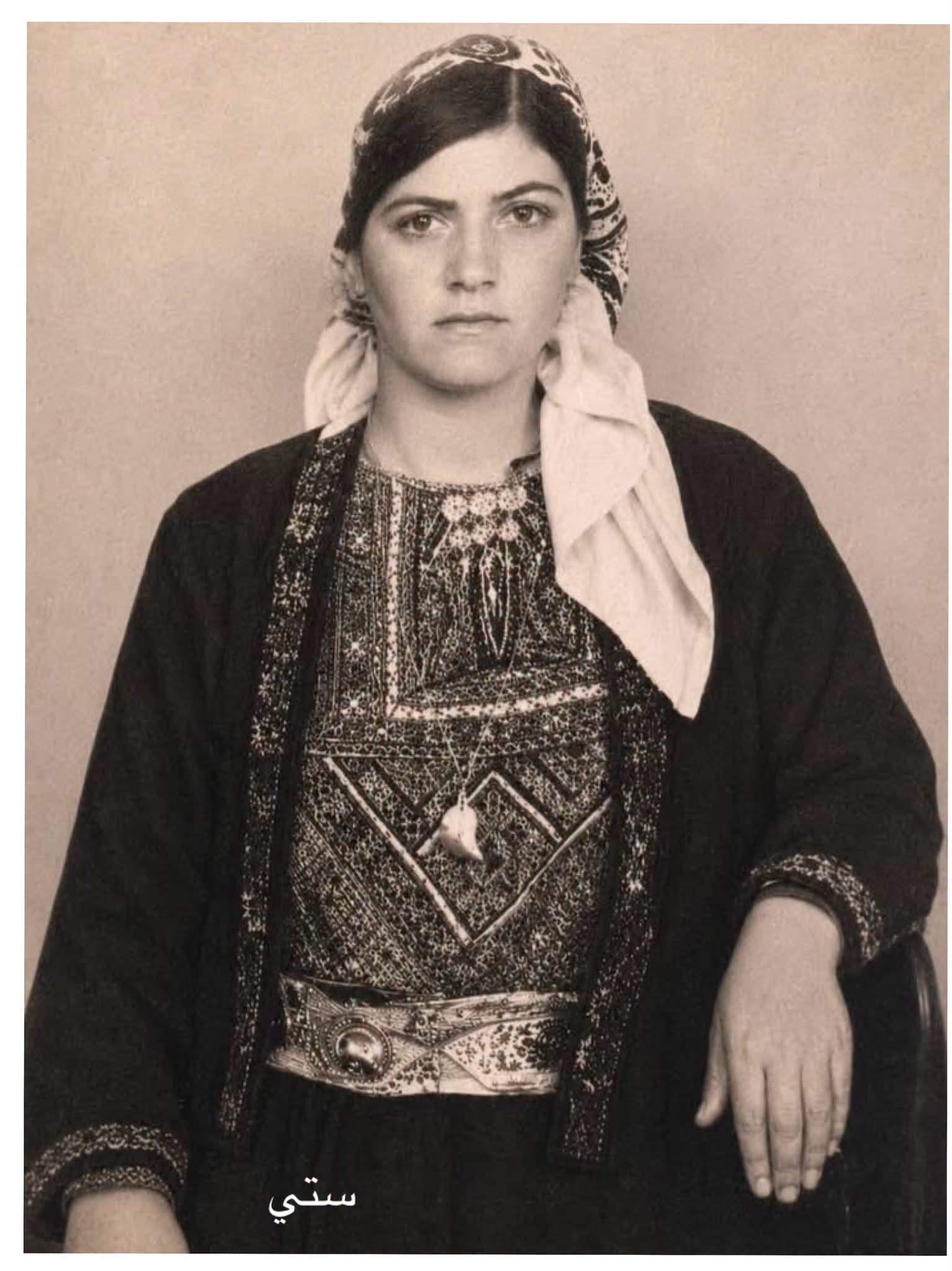
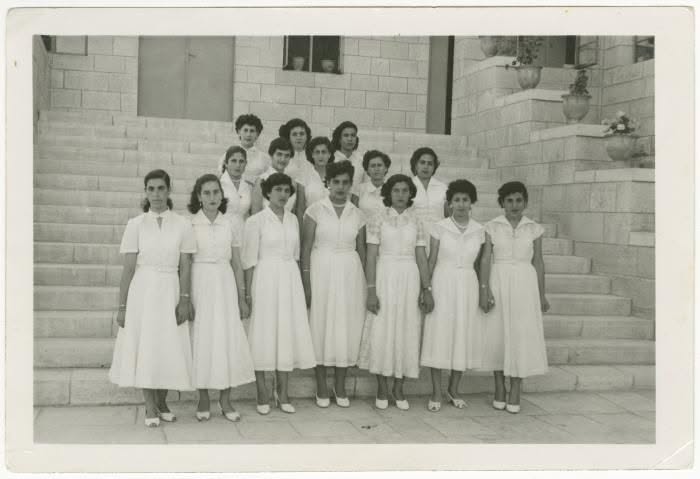
Frances Elizabeth Murray was born on January 5, 1865, in Birkenhead, England, into a strict Christian working-class family. Her father, of Irish descent, worked as a porter.
Despite modest living conditions, Frances was able to receive an education, benefiting from the compulsory education law passed in 1870, making her one of the first students to benefit from this educational transformation.
From her early childhood, she displayed an independent personality and an inquisitive mind, and was known for her courage in acting according to her convictions and defending them without hesitation.
In her early twenties, Frances became involved with the Temperance Movement, a social movement that sought to reduce alcohol consumption and ultimately prohibit it altogether. She served as secretary of the movement’s Liverpool branch.
During her Temperance Movement activism, she first met Abdullah Henry Quilliam, a preacher of Islam in Britain. She listened to him deliver a sermon in which he spoke of “the great Arab who abstained from intoxicants,” in reference to Prophet Muhammad (peace be upon him).
From that moment, her curiosity about Islam began. Quilliam advised her to start by reading the Quran, giving her a translated copy and saying, “Don’t believe what I or others say about Islam. It’s better to discover it for yourself. Read the Quran.”
Within weeks, in June 1887, Frances declared her conversion to Islam, taking the name Fatima, despite fierce opposition from her family. Her mother even tried to take the Quran from her to burn it, and her family forced her into marriage, considering her a burden. She also faced severe social rejection; her home was pelted with stones, and its windows were repeatedly broken. However, this did not deter her from her decision.
The Liverpool Muslim Society was founded in July 1887 by Fatima, along with Quilliam and Ali Hamilton. Its aim was to spread the message of Islam and explain its teachings. Members met every Friday in a rented building to pray, recite the Quran, and study religious matters.
From its inception, the society faced significant challenges. Troublemakers and instigators would disrupt the meetings, even going so far as to smear Fatima’s face with horse dung on several occasions. Despite these obstacles, she remained steadfast. Within its first two years, the society attracted 11 new converts to Islam.
As the pressure mounted, they were forced to vacate their premises and moved in 1889 to a more spacious and attractive location on Brougham Terrace.
With the relaunch of the association as the Liverpool Islamic Institute, Fatima became its most prominent figure, representing it both nationally and internationally, especially as its presence grew outside Britain, particularly in British India at the time, where Fatima’s poetry and prose were published in the Allahabad Review.
Marriage and Later Years of Activism:
Fatima married Hubert Henry Cates and successfully converted him to Islam, along with her sisters Clara and Annie. Several other women also embraced Islam through her efforts, including Alice “Amina” Bertha Bowman, Hannah “Fatima” Rogda Robinson, Leah “Zuleikha” Banks, and Amy “Amina” Mukish.
Amidst this success, her marriage marked a turbulent period in her life. Although sources mention her husband’s conversion to Islam, this marriage did not end her suffering but rather added new challenges. She endured various forms of abuse at his hands, including an attempt on her life.
When she filed for divorce in December 1891, she encountered legal restrictions dating back to 1857 that denied women the right to divorce, and she was only able to obtain a legal separation for one year. However, their marriage was effectively over, and the couple lived separately until Keats’s death in 1895.
During this time, Fatima reduced her activity at the institute and spent periods away from Liverpool, traveling to the East and devoting some of her time to her hobby of landscape photography in southern England.
In 1900, Fatima contracted influenza, which developed into pneumonia and led to her death. She was given an Islamic burial at Anfield Cemetery, but her grave remained neglected for a long time until a Muslim man named Hamid Mahmood tracked it down and rebuilt it. A Muslim woman from Liverpool named Amira Scarsbrick raised the necessary funds, and the grave was rebuilt on November 4, 2022.
The marble headstone bears a verse from Fatima Keats’s poetry: “Let us always heed the warning God has given, so that we may walk safely on the path that leads to heaven.”
CrossFireArabia
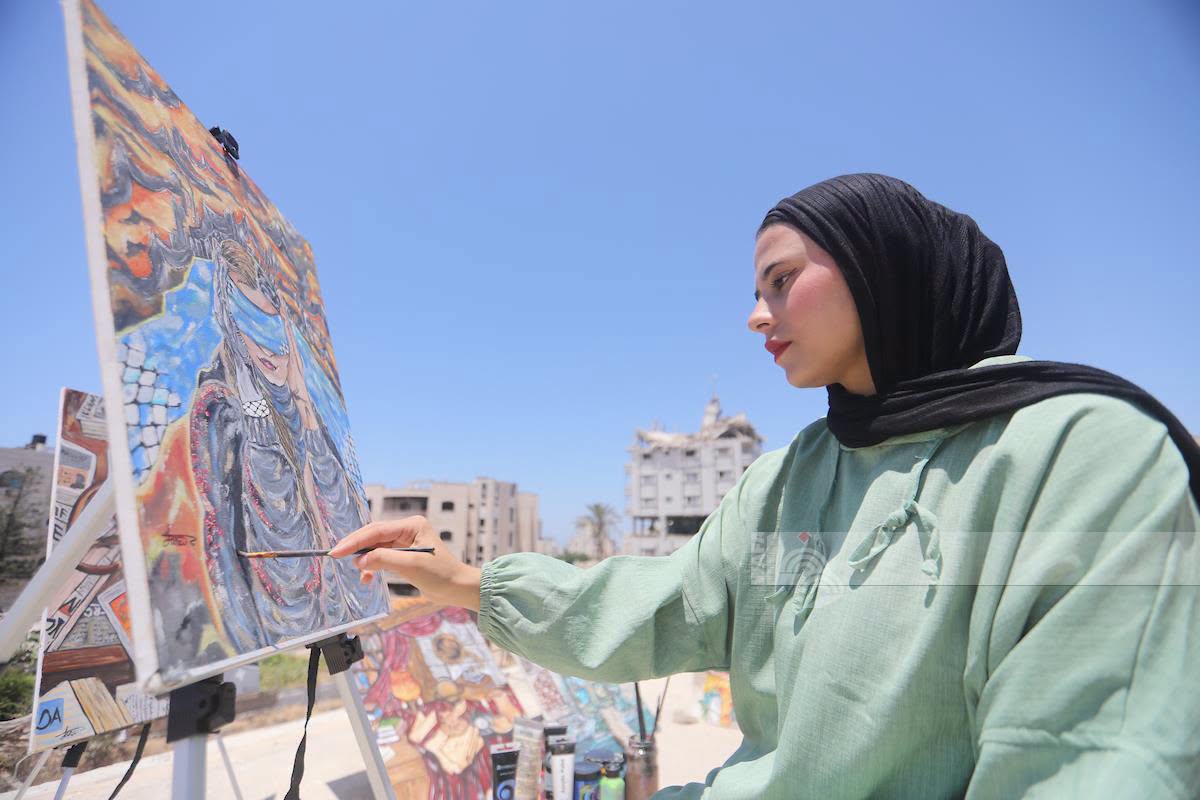
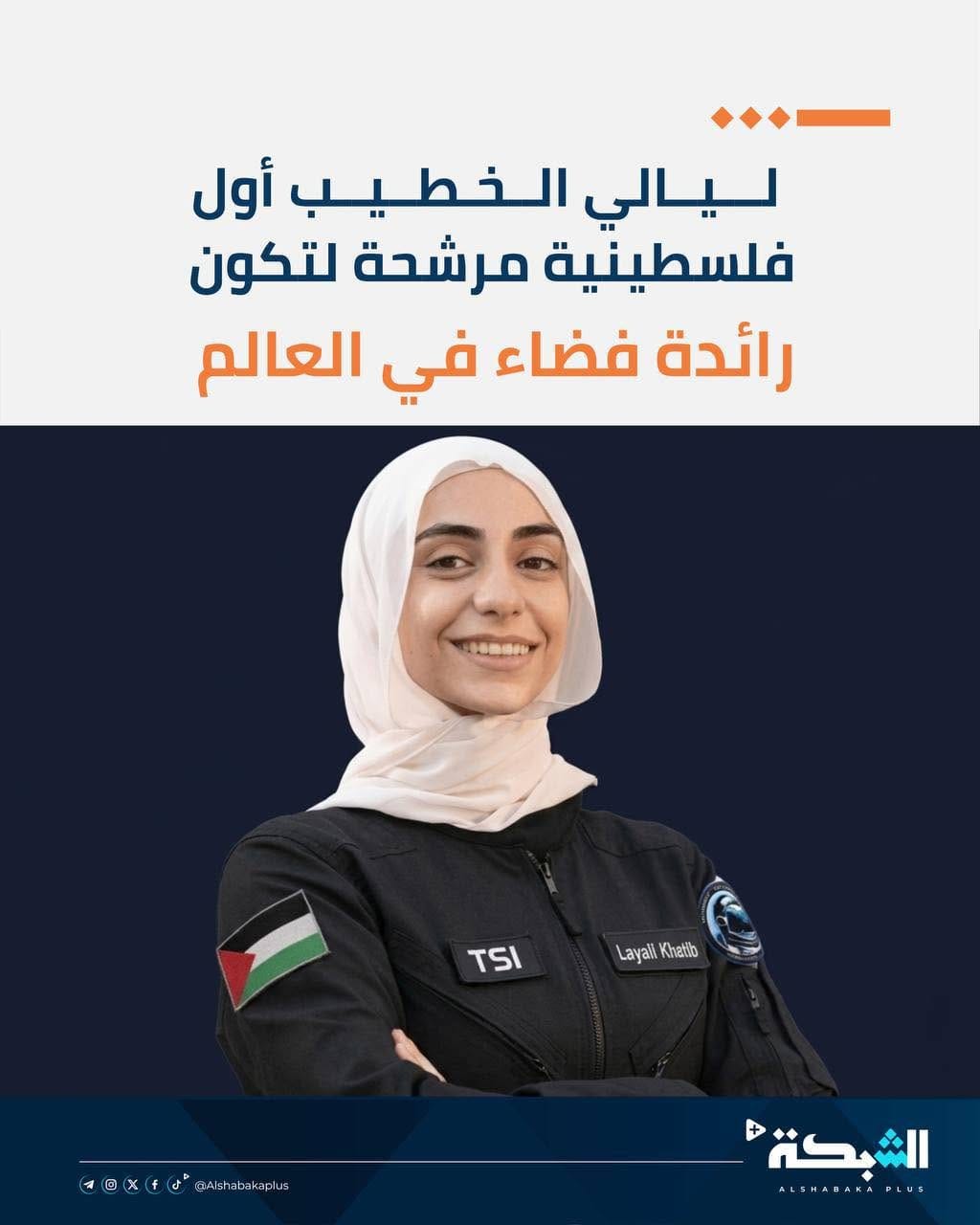
Palestinian student Layali Al-Khatib, 18, an engineering student at Palestine Polytechnic University, has achieved a remarkable scientific milestone after passing complex international tests and standards, becoming the youngest astronaut candidate in the world.
This achievement comes after years of passion for astronomy and specialized research in gravity and space robotics, in addition to her participation in international conferences and competitions. Layali affirms that her success represents an achievement for Palestine and a message of hope for Arab youth aspiring to enter the field of space science.
CrossFireArabia
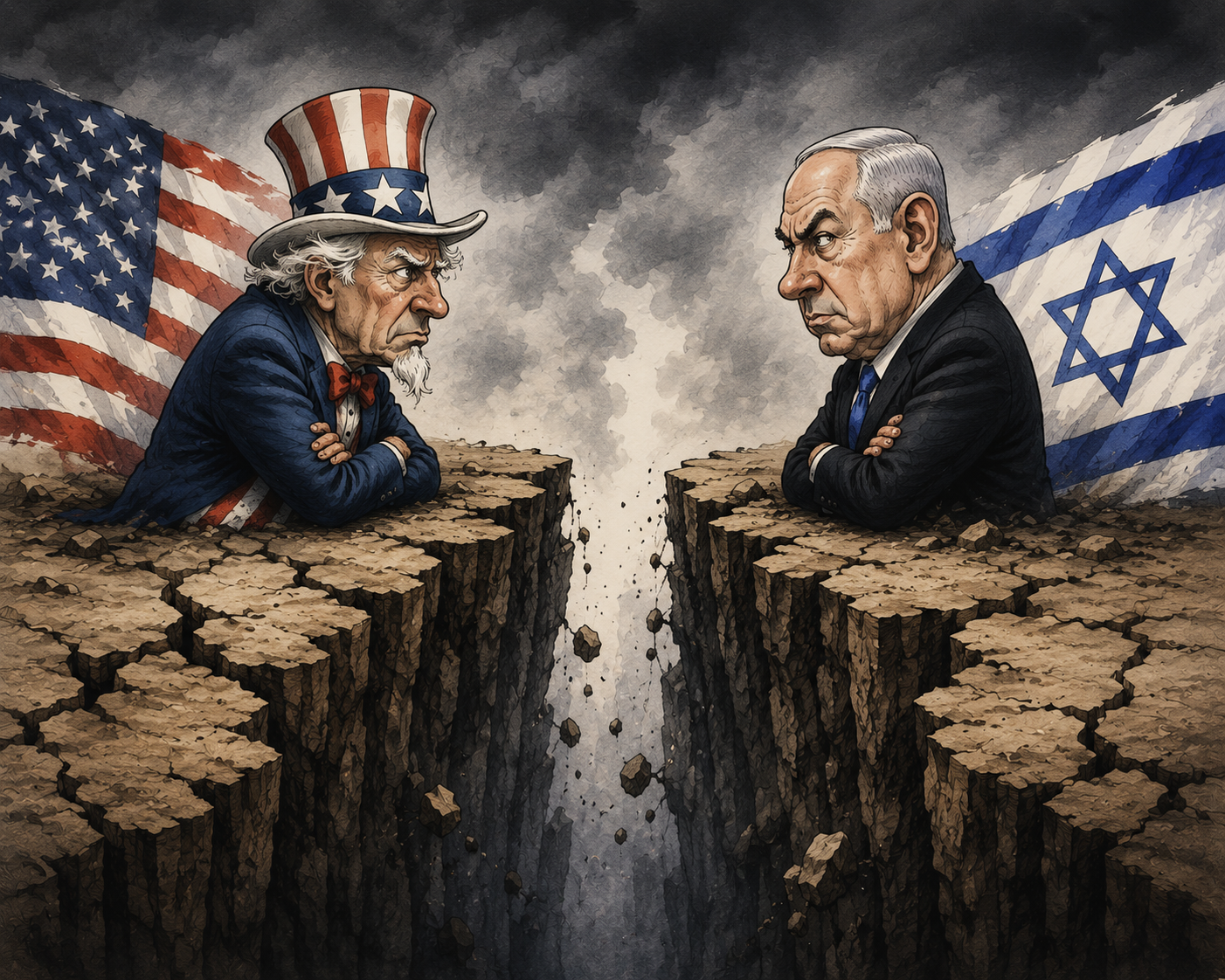
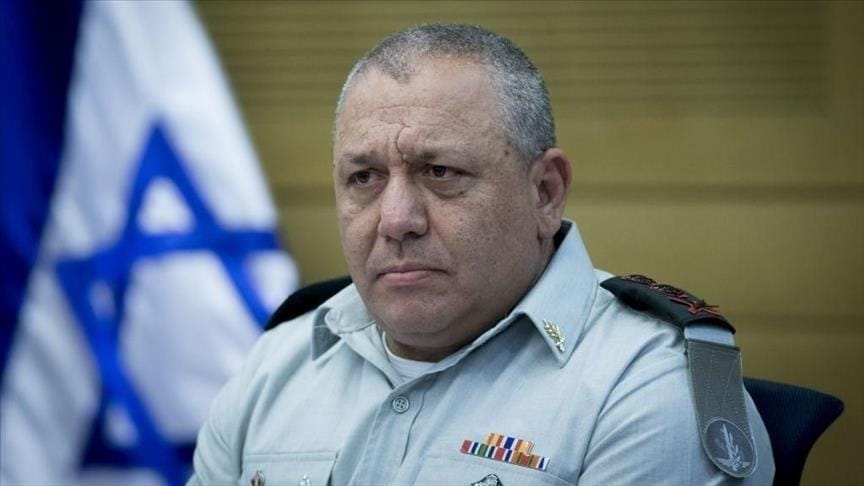
Despite the wars in Gaza, Lebanon, and Iran, Prime Minister Benjamin Netanyahu has failed to achieve a decisive victory in any of them said Israeli opposition leader Gadi Eisenkot, head of the Yesh Atid party.
He asserted that “alongside the remarkable military achievements, in the past two years and eight months, there has been no decisive political progress on any front,” Eisenkot told the Hebrew-language news outlet i24NEWS.
“The military achievements are evaporating due to political and personal constraints, and because of the prime minister’s approach of ‘one war after another,'” he said
“The goal of using military force is to improve the strategic situation for years to come, and this simply hasn’t happened,” he added.
In the interview, Eisenkot attacked Prime Minister Netanyahu and the extremist Minister of National Security, Itamar Ben-Gvir, arguing that Netanyahu’s relationship with US President Donald Trump “ties the hands of the Israeli army.”
Eisenkot accused Ben-Gvir of harboring a “fascist vision” and of “failing” in managing internal security.
He said that internal security had deteriorated under his leadership to the point where crime within the Arab community was comparable to that in Mexico and Colombia.
He described Ben-Gvir as “a man who walks around with a noose around his neck, unfit for Israeli public life.”
Eisenkot reiterated his refusal to join the “Together” alliance, which includes former Prime Minister Naftali Bennett and opposition leader Yair Lapid according to Quds Press.
CrossFireArabia
Anadolu has launched a dedicated website for its “Gaza Trilogy” project, a three-volume publication series documenting crimes committed by the Israeli government in Gaza through evidence, eyewitness testimonies and international legal assessments.
Prepared by Anadolu’s Publications Directorate, the trilogy consists of The Evidence, The Witness and The Perpetrator, which examine developments in Gaza through the framework of evidence, testimonies and international legal decisions related to the Rome Statute of the International Criminal Court (ICC).
The collection, which has played an important role in bringing the genocide tragedy in Gaza to global attention, is now available digitally through the website gazatrilogy.com.
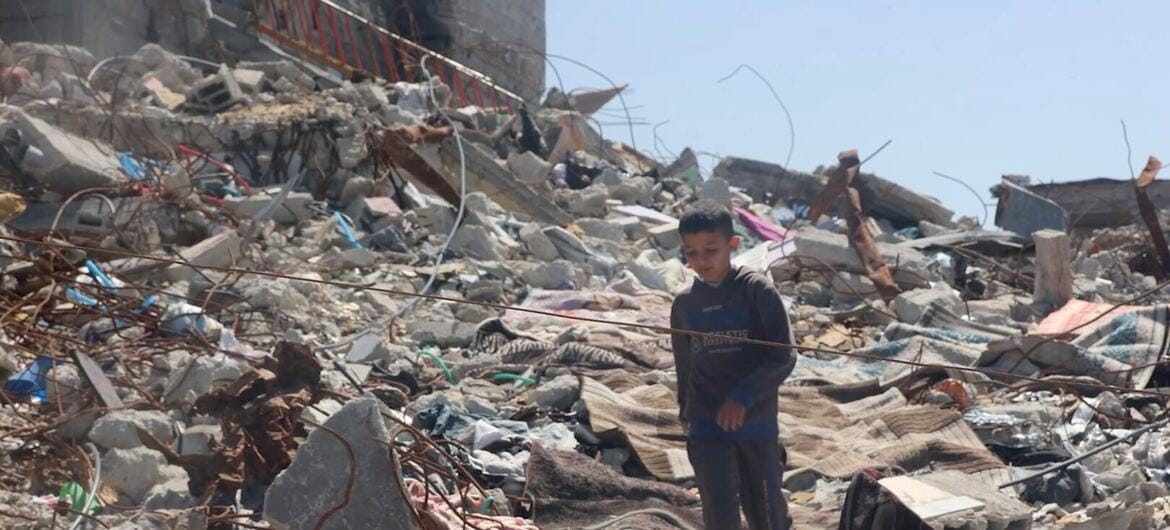
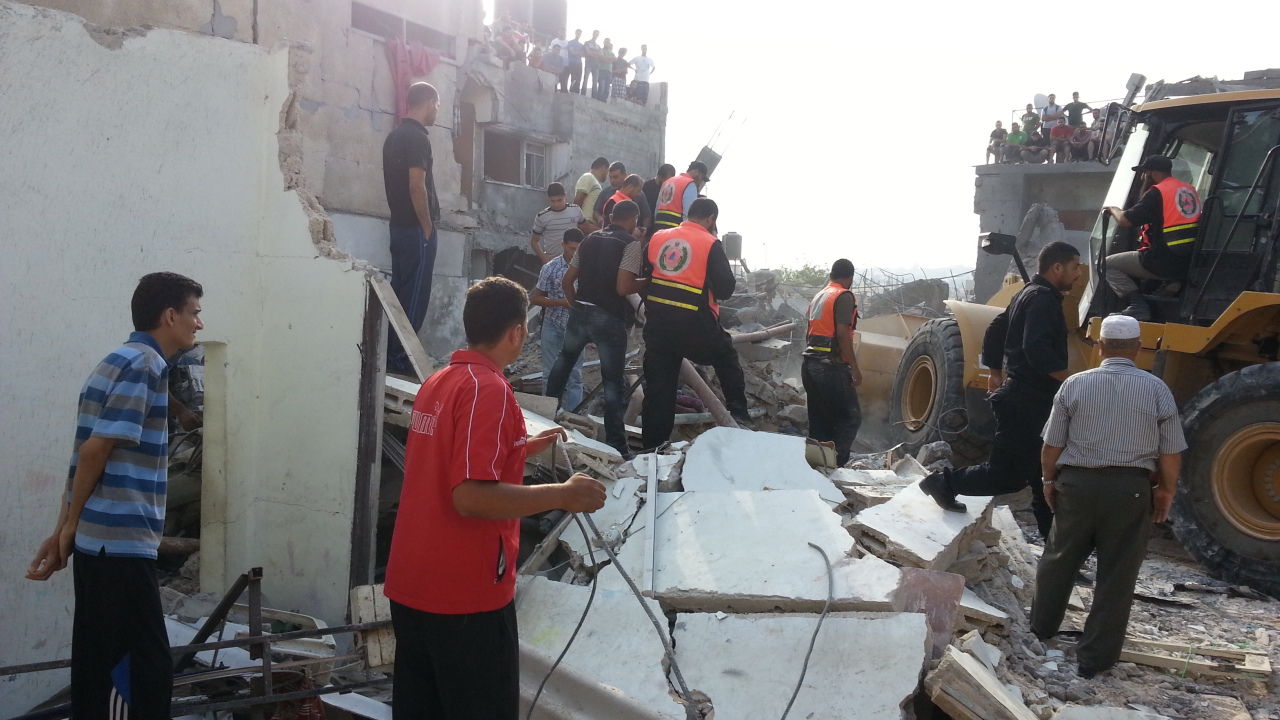
The first volume, The Evidence, documents Israel’s genocide in Gaza through photographs and footage captured by the agency’s journalists on the ground.
The publication presents visual documentation of the destruction caused by Israeli military operations.
Now in its 10th edition, The Evidence states that Israel’s attacks on Gaza, launched in October 2023 under the government of Prime Minister Benjamin Netanyahu, have resulted in the greatest destruction and loss of life witnessed since the 1948 Nakba, or “Great Catastrophe.”
The book argues that principles of international law and the laws of war were repeatedly violated during the ongoing military campaign.
The volume was compiled with the aim of meticulously documenting and globally tracking violations that have drawn widespread international criticism.
Drawing heavily on reports and photographs produced under difficult conditions by Anadolu correspondents in Gaza, The Evidence offers firsthand accounts of events in the enclave while serving as a reference work for international efforts seeking accountability for crimes committed by the Netanyahu government.
The second volume, The Witness, records accounts from individuals directly affected by the conflict and seeks to preserve their experiences for the historical record.
Now in its fourth edition, the book focuses on the human stories behind The Evidence and highlights testimonies that underpin international justice efforts regarding war crimes committed in Gaza under Netanyahu’s government.
The volume includes accounts from Palestinians who endured continuous violence, were targeted in locations where they sought refuge, including hospitals, aid organizations, refugee camps and border crossings, and who faced severe food shortages during the conflict.
Shaped primarily by testimonies from Palestinian and Turkish journalists, as well as members of various sectors of society accessible under wartime conditions, The Witness also portrays as the failure of some international actors to prevent the tragedy, while alleging that others ignored it or provided political protection.
The final volume, The Perpetrator, focuses on those responsible for the violence in Gaza, documenting crimes committed by Israeli authorities and their supporters.
Published as the concluding installment of the trilogy, the book seeks to complete a comprehensive record of Israel’s actions in Gaza.
The Perpetrator primarily examines the Netanyahu government as bearing primary responsibility for the violence and destruction in Gaza.
The book argues that the administration includes extremist figures, some of whom it says have also violated Israeli law, and examines statements and actions reflecting support for the killing of children, the destruction of civilian homes and environmental devastation.
The volume also documents individuals and institutions across politics, business, academia and the cultural sphere that have been directly or indirectly connected to the conflict through military or political support for the Israeli government.
The book records these connections as the hope and determination that those involved will one day be held accountable. Anadolu