Key of Return
 CrossFireArabia
- September 3, 2026
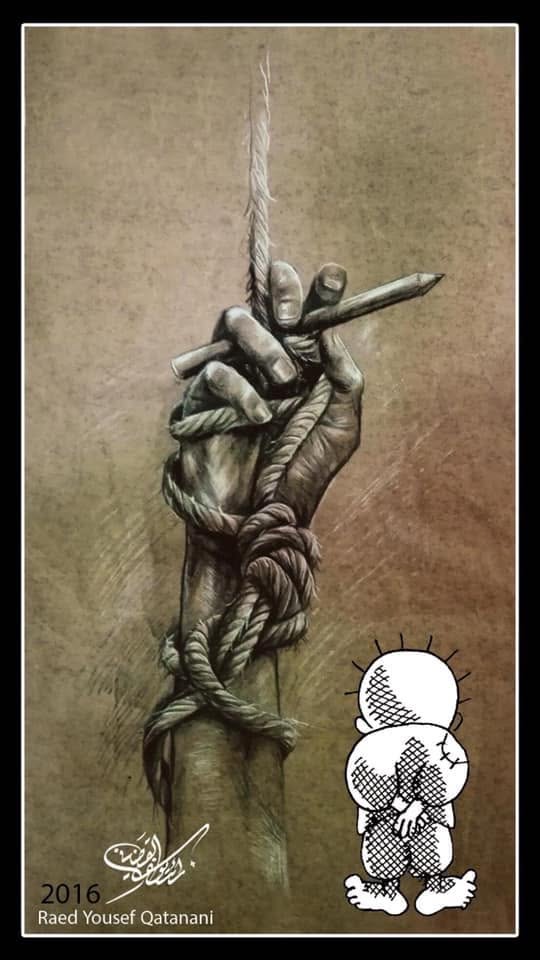
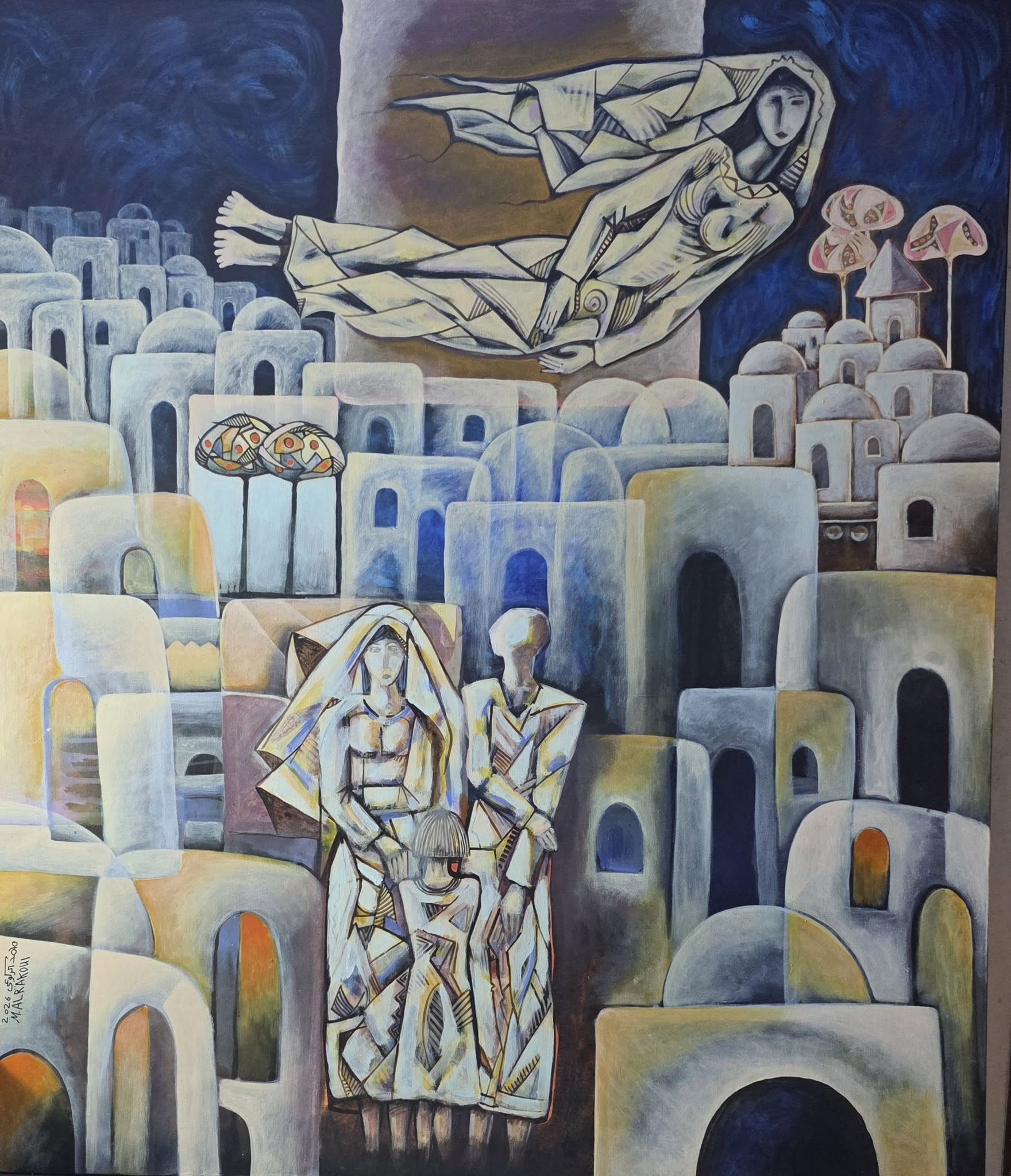
The right of return will continue to wave high as long as the key remains symbol.
 CrossFireArabia
The right of return will continue to wave high as long as the key remains symbol.
 Heba
Heba
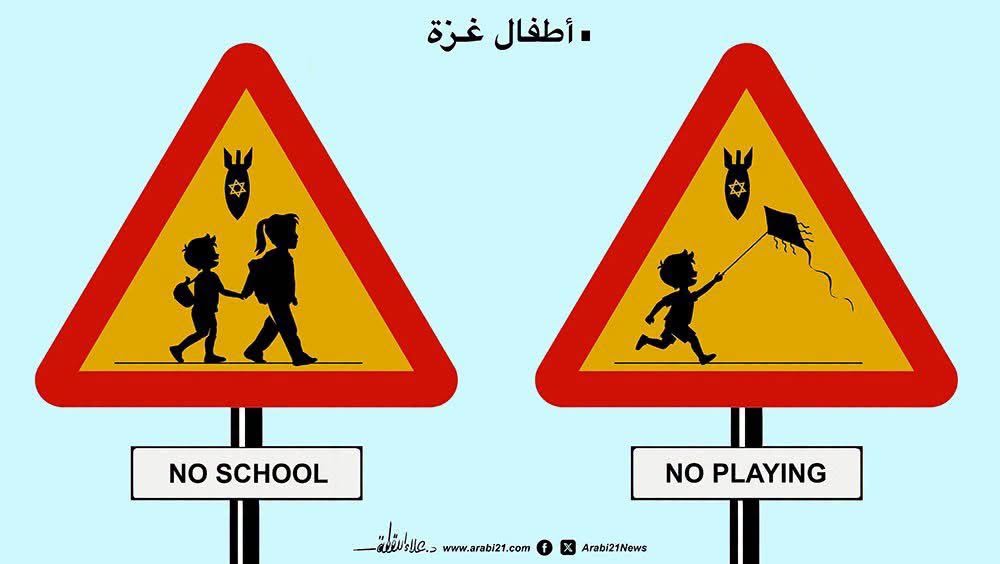
Artist Raed Yousef Qatanani. This is a tribute to the late Palestinian artist/cartoonist Naji Ali who was shot in a London Street in July 1987.
CrossFireArabia
Palestinian doctor and prisoner Hussam Abu Safiya, director of Kamal Adwan Hospital in northern Gaza, said Israeli prison guards continue to beat him, deliberately deprive him of sleep and threaten him to prevent him from informing his lawyer about the conditions of his detention.
Abu Safiya made the remarks during a new testimony conveyed by his attorney, according to a statement Wednesday from Physicians for Human Rights Israel.
Abu Safiya has been held by Israel without charge or trial since December 2024.
During a visit by his attorney Sunday, Aug. 30, he said “prison guards continue to assault him, punching and kicking him and beating him with batons across his body, including sensitive areas.”
“He also reported being deliberately deprived of sleep through persistent noise and loudspeakers used throughout the night,” the statement said.
According to a written statement submitted by his attorney, “he was assaulted following his previous attorney visit and warned not to speak about the conditions of his detention.”
Physicians for Human Rights Israel said it is pursuing legal proceedings demanding that an independent physician be permitted to examine Abu Safiya.
The group said it applied July 7 for permission for internist Amit Tirosh to examine him, but the request was not approved.
Abu Safiya subsequently petitioned an Israeli administrative court through the group, while the Israel Prison Service recently requested additional time to submit its response.
The group said “there is no justification for further delay” and called for the examination to be allowed immediately.
According to information provided by Abu Safiya, he was transferred Aug. 10 from the underground Rakefet facility, where he had been held in solitary confinement, to the prison service’s medical center at Ramla prison.
He said he remained there for about a week and underwent tests that revealed several health problems.
In a submission to the court, the group said Abu Safiya’s transfer to the prison medical center “in itself indicates serious medical needs that cannot be adequately addressed in ordinary prison wards,” arguing that this warrants a second and independent medical opinion.
It said official medical records obtained from the prison service documented an injury to Abu Safiya’s left eye, as well as complaints he made to medical staff about injuries to his head and chest.
The group said Abu Safiya’s latest testimony “confirms that the pattern of deliberate mistreatment against him is continuing.”
It added that his medical condition requires further examinations and treatment while the prison service continues to delay access for an independent doctor to examine him.
In a separate legal development, the group said Israel’s Supreme Court had given authorities until Sept. 13 to clarify their position on a request to release 14 Palestinian doctors from the Gaza Strip, including Abu Safiya, who are being held by Israel without charge or trial.
According to the group, the court asked whether the Israeli army chief of staff, or an official authorized by him under the law, had specifically considered the request to release the 14 doctors while taking into account their status as medical professionals.
The court also requested that, if the authority had been exercised, officials identify who had made the decision.
Abu Safiya was arrested Dec. 27, 2024, after Israeli forces raided Kamal Adwan Hospital and took him out at gunpoint after destroying the facility and rendering it inoperable.
Israel is holding more than 9,400 prisoners, including 92 women and more than 370 children, according to Palestinian and Israeli rights groups. The groups say detainees have faced torture, starvation and medical neglect, resulting in dozens of deaths.
Israel’s genocide on Gaza has killed more than 73,000 Palestinians and injured over 174,000 others, most of them women and children, while destroying about 90% of the territory’s infrastructure. Anadolu
CrossFireArabia
There was nothing particularly special about the place.
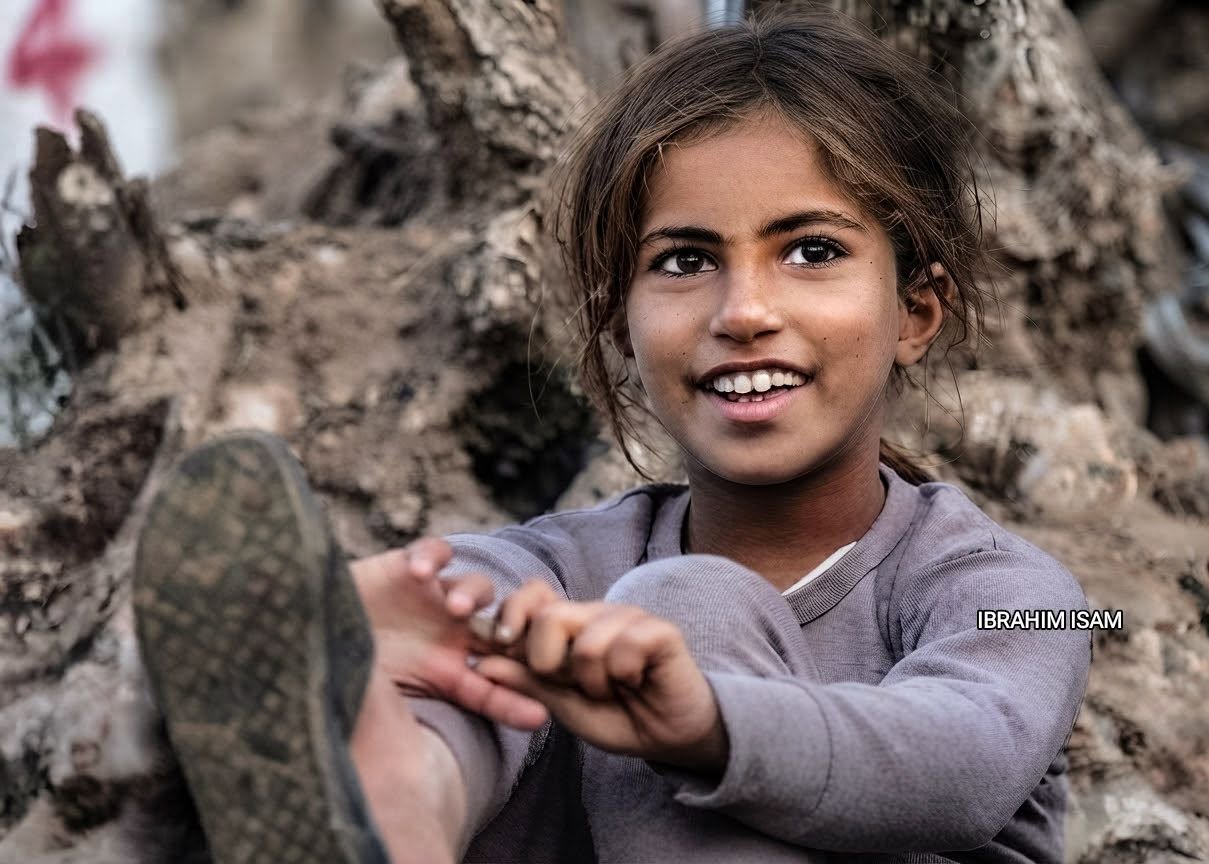
A camp slipper, simple clothes, an unguarded way of sitting, and a smile that came without being asked for.
Perhaps someone might dislike this slipper.
To me, it is part of this moment, part of the life of a child who still finds a small space for joy in the middle of displacement.
I do not know what will remain in her memory from these days.
But I know that this smile was real.
And in those few minutes, she was simply a child watching a film made for children.
And that, on its own, is something worth preserving.