Israel’s War on Truth

The number of journalists killed in Gaza since Oct. 7, 2023 is unprecedented in human history. More media workers have lost their lives in the Gaza war than in World War II, the Vietnam War or the 1990s conflicts in the former Yugoslavia. Tallies vary because of different counting methodologies. The International Federation of Journalists puts the toll at 148 deaths while others record a figure of over 200. For context, there were around 1,000 journalists working in Gaza at the start of 2023, so the mortality rate is significant. Of course, the overall toll in this war is horrendous; more than 45,000 have perished, according to the authorities in Gaza. However, the death toll among journalists is dramatically higher than that among any other occupational group.

Explaining such an extraordinary proportion of lost lives is necessarily speculative – but there are factors that are impossible to ignore. The Israeli Defense Forces have access to sophisticated monitoring equipment, such as Pegasus, which secretly infects mobile phones and discloses their precise locations. They have AI-powered systems known as “Lavender” and “Gospel” to select targets and program weapons systems to precise geo-locations. They also have a fleet of deadly drones.

Obstacles to reporting

Neither of these are the only circumstantial evidence that something terrible is in progress. International reporters have been barred from Gaza since the war’s outset. Foreign correspondents have repeatedly petitioned to pass through the Rafah crossing to witness events for themselves, and they have been consistently denied. The Foreign Press Association in Jerusalem has stated: “Never before has Israel enforced such a long and strict information blackout. It has repeatedly rejected our appeals for access, (and) fought us in court to uphold this draconian ban.”

During the same period, the Israeli daily paper Haaretz has been sanctioned by its own government, and the Qatari television station Al Jazeera has been banned from operating in both Israel and the West Bank. The most profound effect of this campaign is felt in Gaza, of course, but such an attack on free reporting has an impact all around the world.

Call for international action

As long as the Israeli government pursues such a policy, and is facilitated by its allies, it provides cover for all those around the world who would undermine media freedom. So, what then can be done by those of us who support free and unfettered journalism?

The first step is to recognize the extraordinary bravery of those who continue to report from Gaza. They deserve every form of support that we can provide. In recent months, the IFJ, working with UNESCO, has launched three journalists’ solidarity centers in Gaza where reporters work, recuperate, socialize and access training. Alongside many other agencies, the IFJ also directly aids journalists through their union, the Palestinian Journalists’ Syndicate. Anyone can support this work via the IFJ’s International Safety Fund.

No less important is the demand for an international investigation into what has happened to journalists in Gaza. Karim Khan, the chief prosecutor of the International Criminal Court has already announced that he has “reasonable grounds to believe that Benjamin Netanyahu and Yoav Gallant bear criminal responsibility for war crimes and crimes against humanity.” It is critical that Khan’s investigation progresses and that its findings are examined in a court of law. Only when this happens will there be a chance for Palestinians to start believing that international law protects them.

International law needs to be more accessible

Such a long wait for the ICC to take up this case – and previous crimes such as the killing of Shireen Abu Akleh in 2022 – makes it clear that obtaining international justice for journalists is a significant challenge. For this reason, the IFJ has long campaigned for a specific UN Convention on the Safety of Journalists. This would not create new rights, but would make international law more accessible when journalists are targeted. Adoption of such a Convention in the next few years will be of little comfort to those who have lost their lives in Gaza. It would, however, be a recognition of the service that journalists provide and the sacrifice that this often demands.

Without journalists, the people of the world would have little idea of how lives beyond their own neighborhoods are impacted by global events. Most of us may have cause to disagree with the perspectives of some or many individual journalists, but the more reporting is available to us, the more voices are heard, the better we will be able to make up our own minds about what is important. Emphasizing the international legal provisions that protect journalists will improve the safety for all – whether they work in war zones or at home alone.

The above piece is written by Tim Dawson who is the deputy general secretary of the International Federation of Journalists for Anadolu.

Continue reading
Day 460 of Israel’s Genocide

Daily briefing by the Ministry of Health in Gaza on day 460 of the ongoing Israeli genocide:

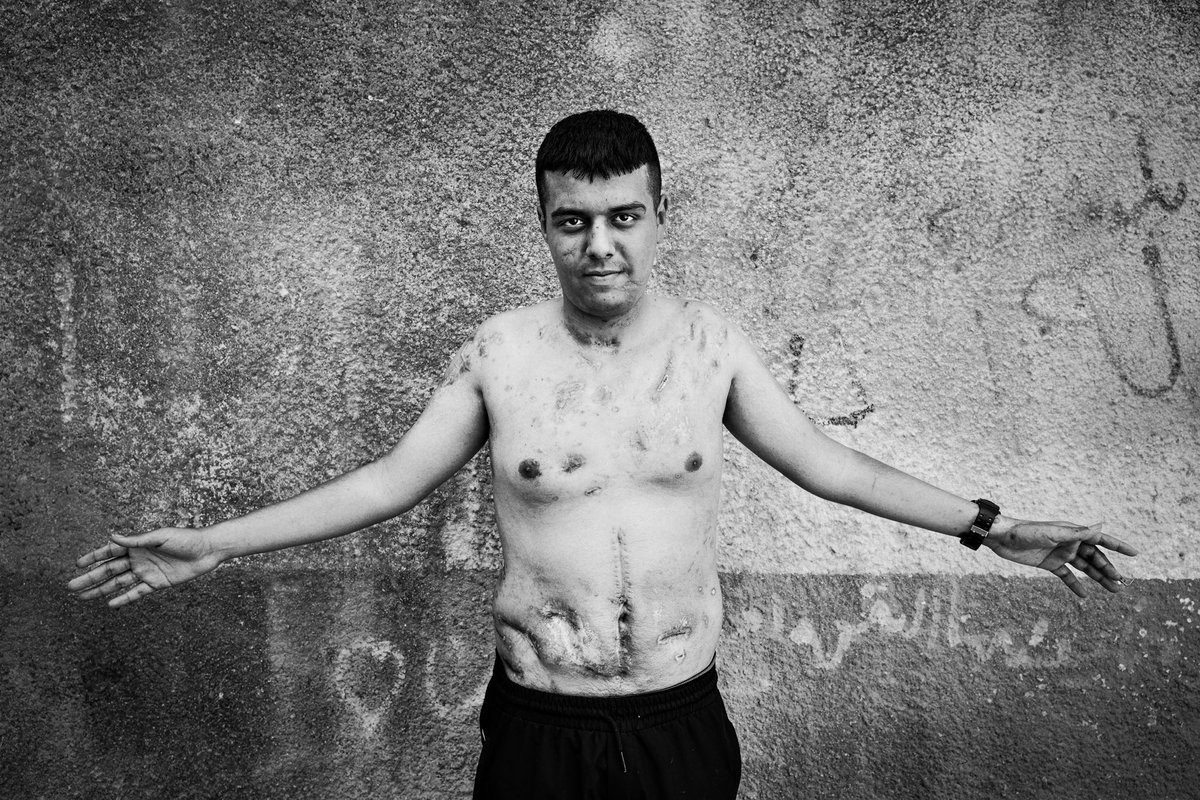
The Israeli occupation committed six massacres against families in the Gaza Strip over the previous 24 hours, resulting in 51 documented fatalities and 78 people injured.

The documented Palestinian death toll has now reached 45,936 individuals killed and 109,274 others injured since October 7, 2023.

Many victims are still unaccounted for, either buried under the rubble or scattered on the streets, and rescue and civil defense teams are unable to reach them.

Continue reading
‘We Are Supporting a Genocide in Gaza’

Sony Thang quotes

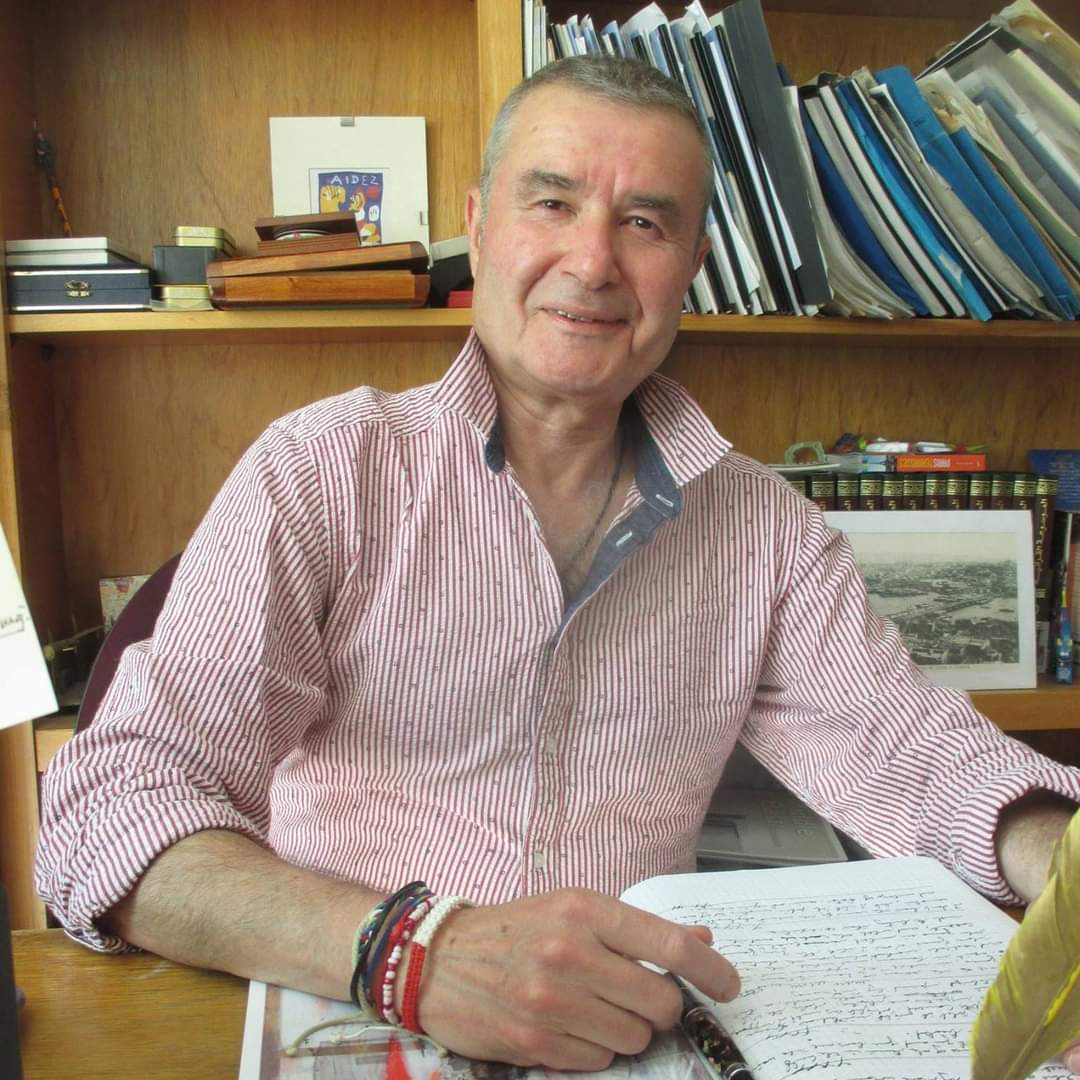
Political scientists John Mearsheimer:

“I think once you get outside of the West, almost everybody thinks that the United States and the Europeans are morally bankrupt.

I mean, we are supporting—and I’m choosing my words carefully here—we are supporting a genocide in Gaza. It’s a genocide that people see on their computers and on their TVs on a daily basis.

So they know exactly what’s going on here, and the hypocrisy is just quite stunning. Because the West makes a big deal of the fact that it is morally virtuous, that we are, you know, an exceptional Nation—we stand taller, we see further.

And when you think about the fact that we’re complicit in a genocide, I mean, it looks like hypocrisy in the extreme. So I think outside the West, people understand full well that we are morally bankrupt. And I think even inside the West, there are lots of people who have just begun to lose hope that we have our moral gyroscopes in place when it comes to dealing with the Middle East.”

These are excerpts from remarks by Professor John Mearsheimer, American political scientist and international relations scholar, in an interview with Judge Napolitano, January 3, 2025.

Continue reading
Gaza: Faith Versus Psychology and Genocide

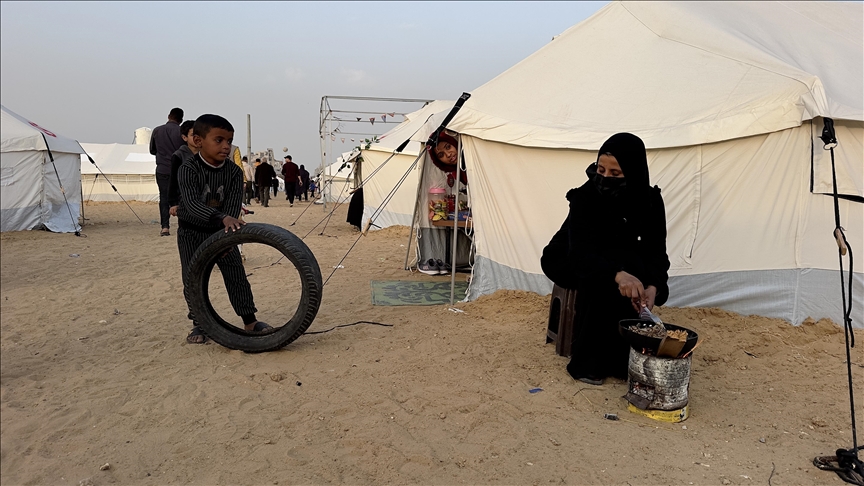
In Gaza, under the noise of planes and the sounds of shells, people stand defenseless except for their faith, defying all forms of oppression and genocide. Psychological warfare, which is considered one of the main tools of the Israeli occupation, aims to break the will of man and plant fear and despair in the hearts of civilians according to Jo24.

But surprising and interesting at the same time is mulling over the fact that this war have not achieved its goals. On the contrary, this slaughter revealed the fragility of traditional psychological theories in the face of the power of faith.

Psychology, as we know it, provides a superficial explanation for human behavior in the face of mounting pressures. It talks about accumulated helplessness, the collapse of the soul under the weight of constant fear, and the inevitability of surrender in the face of the lack of basic needs.

But Gaza provides a model that destroys these assumptions. How can a people living under siege and bombardment continue to cling to their will and dignity? How can a child who lost his family smile and stand in the face of tanks? How can a woman who lost everything become a symbol of defiance and steadfastness?

The answer lies in something deeper than material psychological concepts; it is the power of faith. In Gaza, faith in God is not just an inner feeling or a spiritual practice, but rather it is an integrated system that provides strength and reassurance, and redefines the concept of steadfastness.

When the people of Gaza see their lives, land, and children must be protected, they, their inner beings, become psychological fortresses not to be shaken, no matter how fierce the war on them becomes.

What is Gaza offering is not just resistance to the occupation, but a call to reconsider everything we have learned about the human psyche. Psychology, which assumes that man is a fragile creature that breaks under pressure, finds itself helpless in the face of the Gaza model.

This small, besieged enclave offers a lesson to the world: For faith is not just a belief, it is a force of energy that frees man from his fear, and makes him capable of confronting the most powerful armies.

In the end, Gaza is not just a political or humanitarian issue, but it is a philosophical battle that raises fundamental questions: Do we need to review the foundations on which we built our understanding of the human psyche? Can faith, in all its simplicity and depth, be the most powerful weapon in the face of injustice? Gaza answers without hesitation: Yes.

This piece is written by Professor Hani Al-Damour and published in Jo24.

Continue reading