Tel al-Zaater: 50 Years On! Memory of a Massacre

The Tel al-Zaatar Massacre: An Unforgettable Palestinian Wound.

On August 12, 1976, the Tel al-Zaatar camp fell after a 52-day siege, opening one of the bloodiest and most painful chapters in the history of the Lebanese Civil War.

Tel al-Zaatar was more than just a refugee camp.

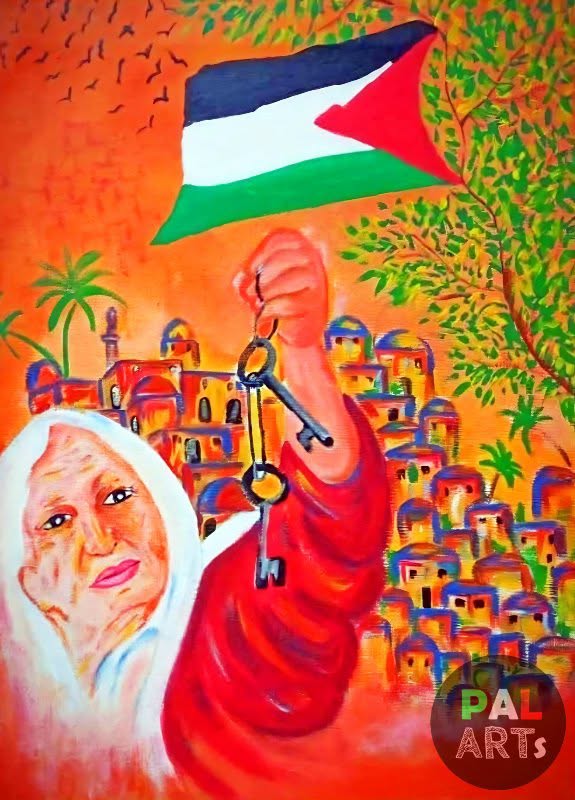
It was a temporary home for Palestinians uprooted from their land after the Nakba. They carried the keys to their homes and the memories of their villages, trying to build new lives in exile.

But the war reached them.

52 Days Under Siege


In the summer of 1976, the camp was besieged amidst the escalating Lebanese Civil War and the conflict between Lebanese and Palestinian factions, complicated by regional interventions.

For long days, the camp’s residents lived under bombardment and siege, suffering from severe shortages of water, food, and medicine.

Children, women, the elderly, and the sick were among those trapped. Hunger gnawed at bodies, fear filled homes, and the bombardment transformed daily life into a constant wait for death.

As the days passed, the siege was no longer merely a military operation; it had become a humanitarian catastrophe.

https://www.facebook.com/reel/1363859902542025

August 12th… The Day the Camp Fell


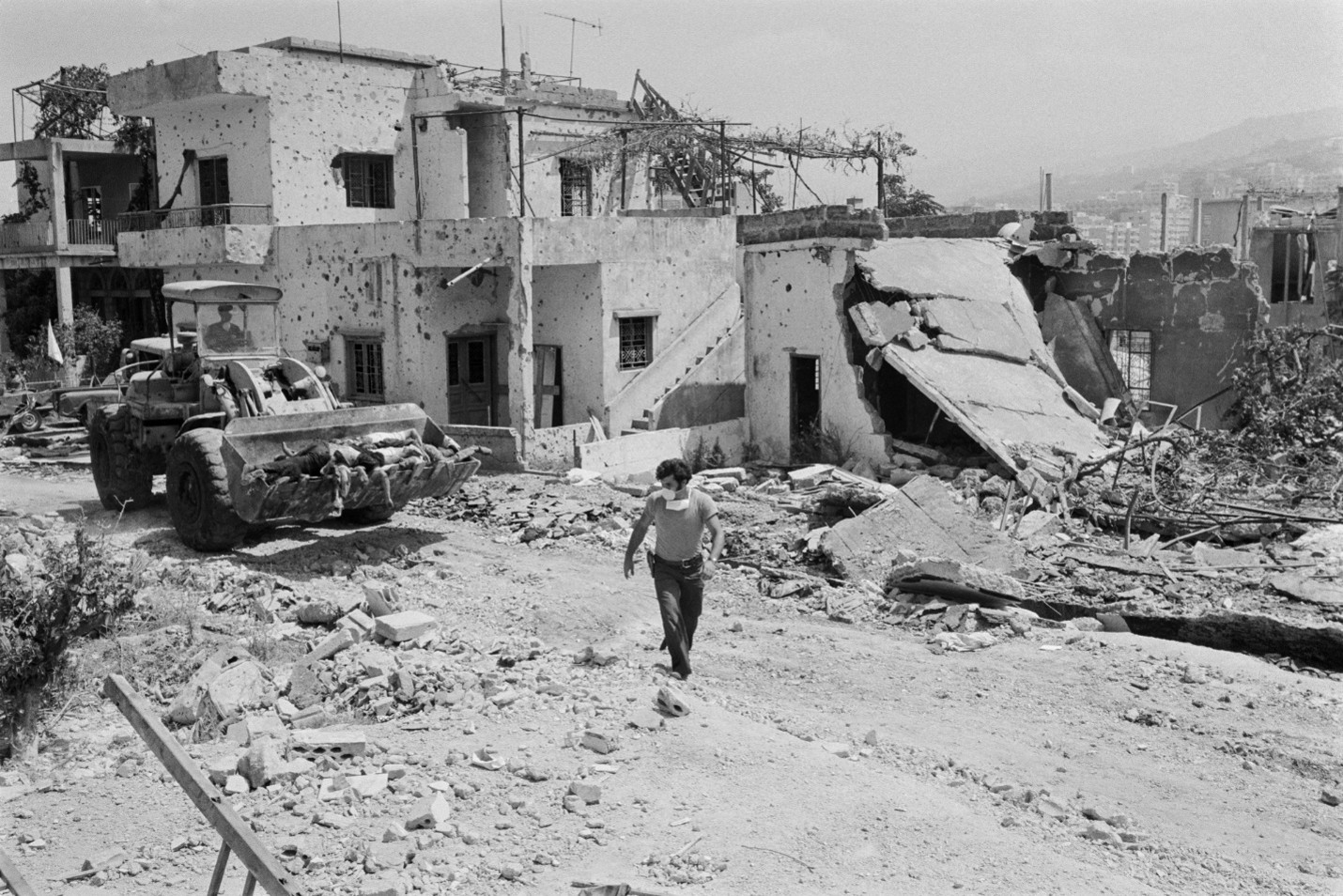
On August 12th, the camp’s defenses collapsed, and the attacking forces entered Tel al-Zaatar.

Widespread killings of residents took place, and a large number of civilians were killed.

Historical sources differ in their estimates of the number of victims; some speak of hundreds, others of thousands killed during the siege, the battles, and the fall of the camp, while the fate of many missing persons remains unknown.

Some civilians were also killed while attempting to leave the camp, despite arrangements being made to evacuate the residents.

Here, the numbers are not the whole story.

Behind every number is a human being.

Behind every name is a mother waiting for her son.

Behind every picture is a child who never had the chance to grow up.

Behind every destroyed house is a family that lost its place, its memories, and its security.

A Camp Destroyed… But a Memory Remains

After the fall of Tel al-Zaatar, the camp was destroyed, and its remaining residents were displaced.

The survivors scattered to different parts of Lebanon and beyond, but they carried with them something the war could not destroy:

Memory.
Memory of the siege.
Memory of the hunger.
Memory of the bombing.
Memory of those who left and never returned.

And the memory of the camp that was once a home, then became a witness to one of the war’s most horrific tragedies.

Tel al-Zaatar is not just a page from the past.

The Lebanese Civil War may have been complex, involving Lebanese, Palestinian, Syrian, and regional factions, and during which massacres and violations against civilians from various groups occurred.

But understanding the complexities of war never means forgetting the victims.

Nor does it mean reducing history to cold, hard numbers.

Tel al-Zaatar was a human tragedy.

And its victims were human beings with names, faces, dreams, and families.

That is why, every August 12th, the memory returns to the camp. We remember those who were killed.

We remember those who lost their loved ones.

We remember the survivors who lived the rest of their lives carrying the scars of those days.

And we remember Palestine, which the refugees carried with them to the camp, and then carried what remained of when they were forced to leave again.

From the Nakba to the camp, and from the camp to the diaspora… the Palestinian has always carried his memory with him.

And Tel al-Zaatar is one of those memories that must never be erased.

We don’t need hatred to remember.

We need the truth.

We don’t need revenge for the past.

We need not to forget.

May God have mercy on the martyrs of Tel al-Zaatar, and protect the survivors and their descendants, and may mercy be upon all the martyrs of war and displacement in Lebanon and Palestine.

Tel al-Zaatar remains in our memory… and memory never dies.

Tel_al_Zaatar

Tel_al_Zaatar_Massacre

August_12

Tel_al_Zaatar_Memory

Palestine

Lebanon

Nakba

Continue reading
Palestinian House, Palestinian Architecture

CROSSFIREARABIA – This is a historic heritage house in the Katamon neighborhood of Jerusalem. It is distinguished by its authentic Palestinian architecture dating back to Palestine in the pre-1948 period. The house used to belong to the Qassis family. It then has a distinct a architectural style, combining carved Palestinian stone, ornate balconies, architectural arches, and traditional green-shuttered windows. From Palestine Heritage

Continue reading
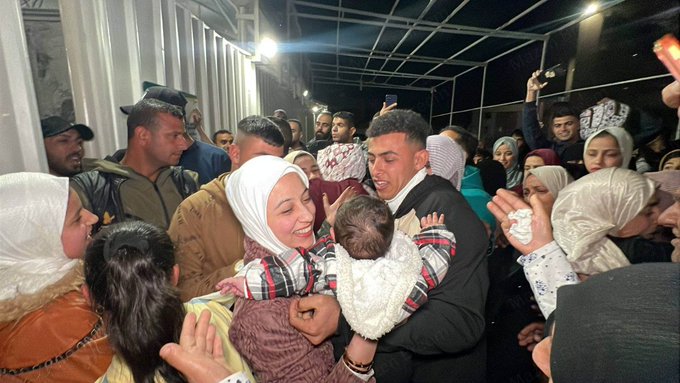
UN Reports Grave Israeli Violations of Gaza Returnees

CROSSFIREARABIA – The UN Office for Human Rights in The Palestinian Territories expressed its alarm over continuing reports of Palestinians returning to Gaza through the Rafah/Karem Abu Salem crossings are being subjected to physical assaults, degrading treatment and strip searches by Israeli soldiers and “armed individuals” working with the Israeli occupation. The UN Office stated it received reports the soldiers/individuals working with them are confiscating medicines, medical apparatuses, educational certificates, monies and personal belongings without establishing proper mechanisms for the return of these items. Many people returning to Gaza between 7 July and 4 August said many of the belongings and medicines were confiscated according to the Palestine Information Center.

Continue reading
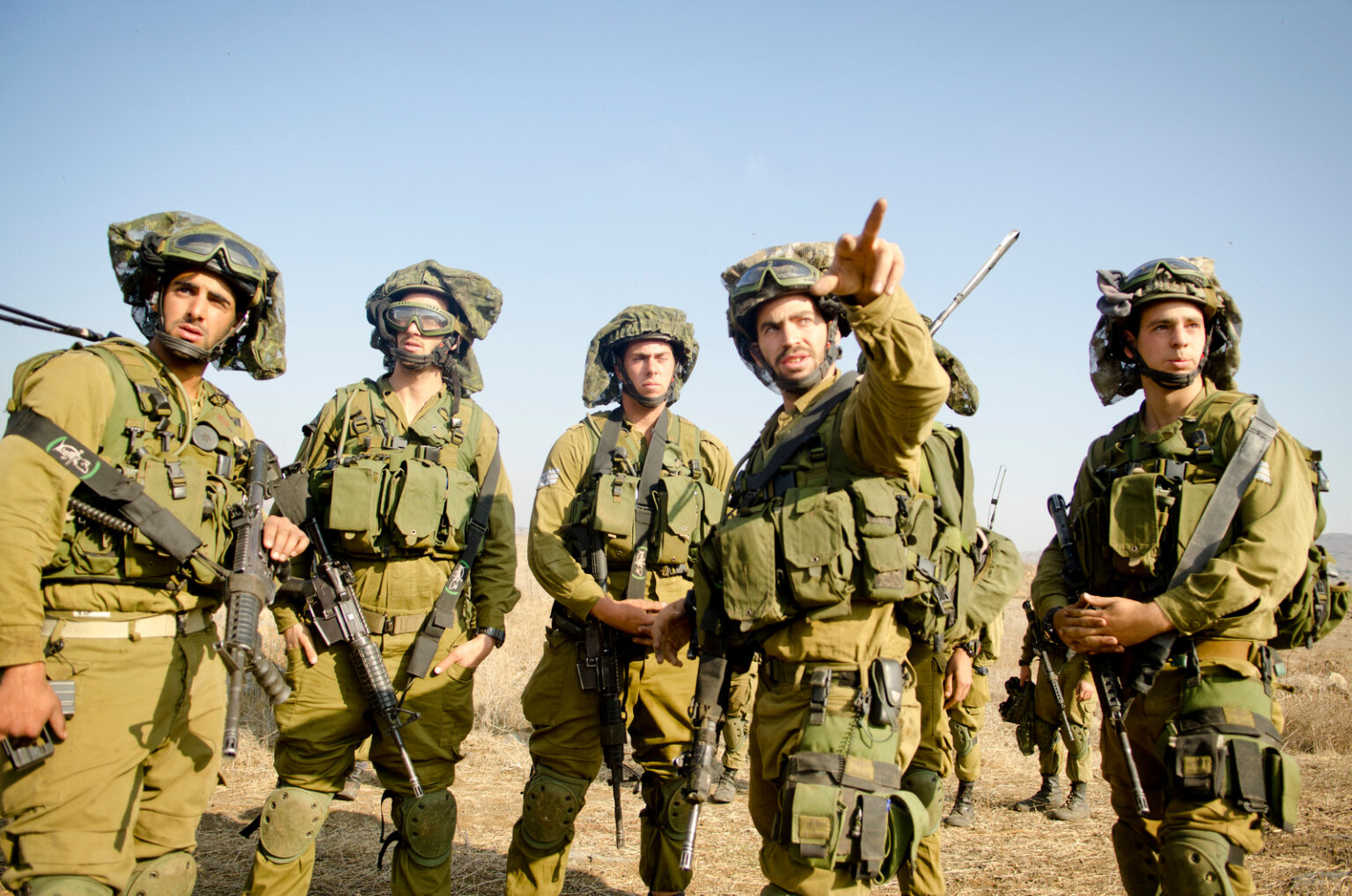
300 Israeli Soldiers Call For an End of ‘Settler Terrorism’

More than 300 Israeli reserve soldiers, Wednesday, called on army command to take decisive action to stop what they described as “Jewish terrorism” in the occupied West Bank, referring to settler attacks on Palestinians. They warned that the continuation of these attacks endanger soldiers.

The Israeli newspaper Yedioth Ahronoth reported that more than 300 reserve soldiers signed a petition titled “A Letter from Reserve Soldiers Against Jewish Terrorism,” addressed to Israeli Chief of Staff Eyal Zamir.

The petition coincided with the continued presence of extremist settlers near the town of Qusra, south of Nablus in the northern West Bank, where Palestinians say three families are living under a de facto siege.

The signatories accused the army command of failing to provide the necessary authority and resources to prevent the recurrence of settler attacks. They emphasized that they are repeatedly deployed to separate Israelis and Palestinians in what the army calls “friction incidents,” without having the actual mandate to prevent violence before it occurs.

The petition stated: “We are reserve soldiers who have served hundreds of days since October 7, 2023, including in the West Bank, where we risked our lives for Israel’s security. However, we feel that the army leadership is abandoning us in the field and failing to support us.”

The signatories added: “We are repeatedly asked to extinguish fires, but no one guarantees that the leaders of nationalist terrorism will be stopped and eradicated,” referring to settler attacks.

The petition warned that the inaction of the military leadership, coupled with the political support enjoyed by some of those involved in these attacks, is endangering the soldiers.

The soldiers asserted that the lack of clear directives and the overlooking of “Jewish terrorism” have contributed to soldiers being wounded and others killed in incidents related to these disturbances, according to the petition.

The signatories called on the Chief of Staff to “take decisive action to stop and eradicate Jewish terrorism” and to provide the forces with “clear tools and an explicit mandate” to prevent attacks.

Criticism from Reserve Soldiers

The newspaper quoted Reserve Major Aviad Hominer-Rosenblum, one of the petition’s signatories, as saying: “Soldiers are repeatedly forced to risk their lives due to the escalation of Jewish terrorism and the deliberate provocations instigated by inciters.”

He added: “Our reputation is being tarnished by the military establishment’s failure to address Jewish terrorism at its root, and by the actual involvement of soldiers, especially local defense personnel, in these dangerous incidents.”

The newspaper also quoted Reserve Captain Tom Benhasi as saying that the events in Qusra “are not an isolated incident, but rather part of a broader pattern in the West Bank.”

He added that armed settler groups “operate with little intervention, while the army often finds itself complicit in protecting the actions of an extremist minority instead of enforcing the law.”

Benhasi emphasized that “criminal violence against Palestinians does not enhance security; rather, it endangers soldiers, fuels tension in the region, and harms everyone’s security.”

In recent years, the West Bank has witnessed an escalation in settler attacks on Palestinians, with a noticeable increase in their frequency during recent months according to Quds Press.

Continue reading