Israel Fails in Jenin Despite Massive Onslaught

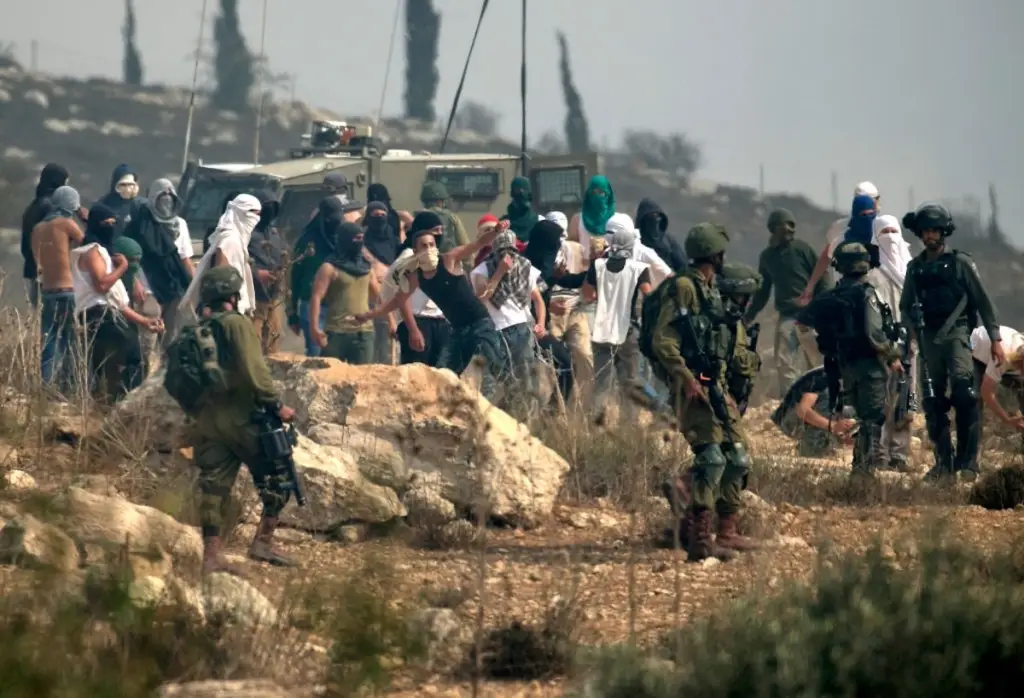
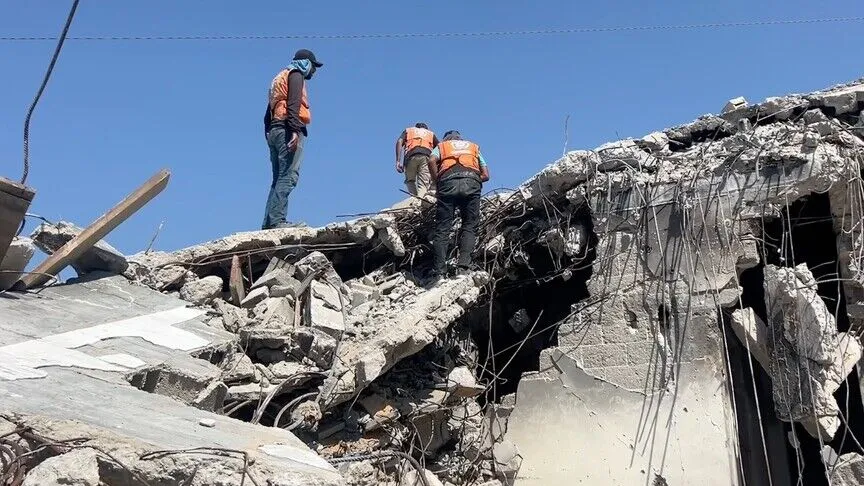
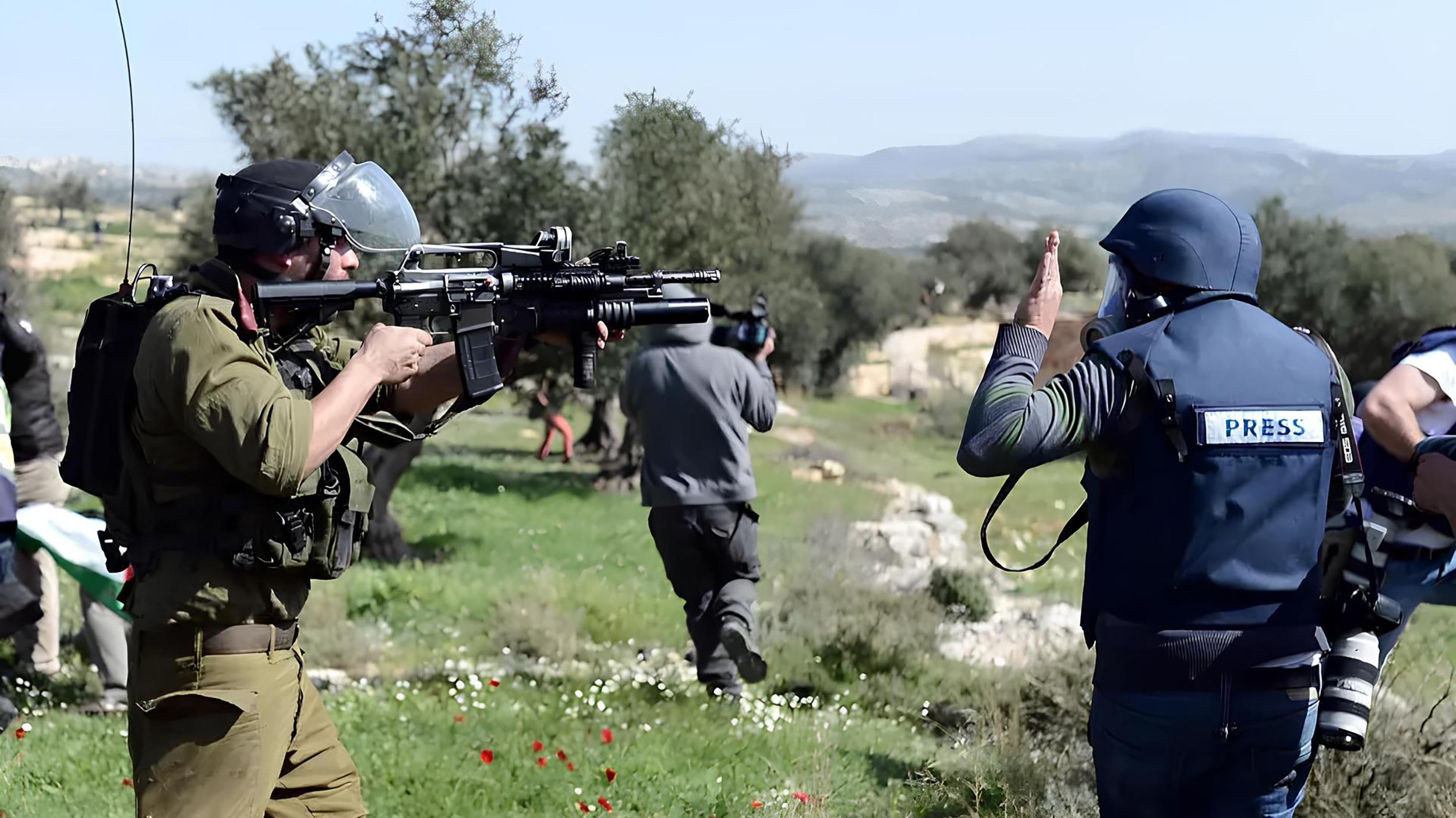
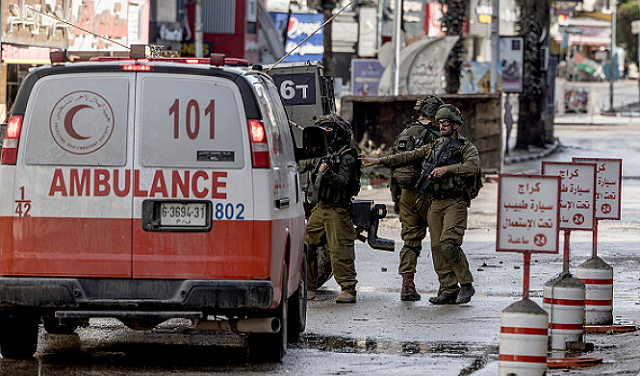
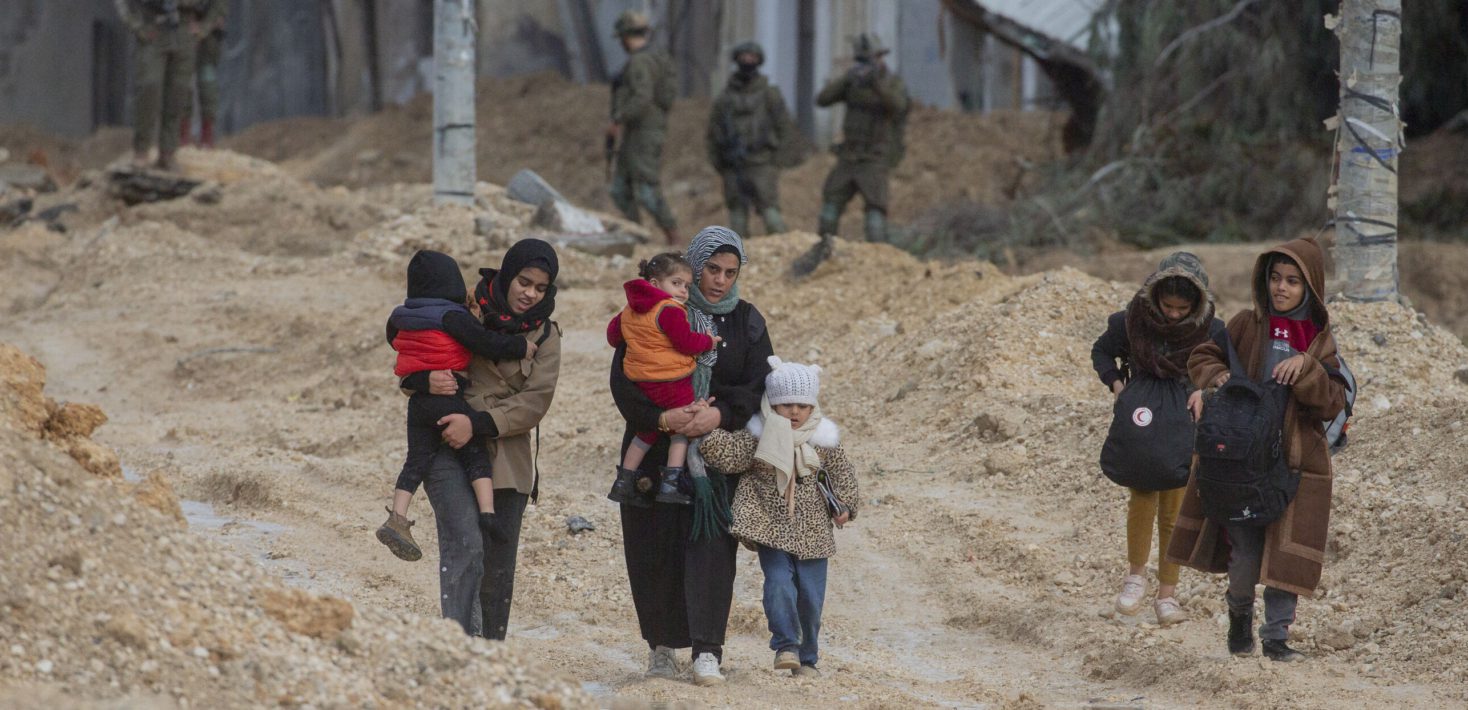
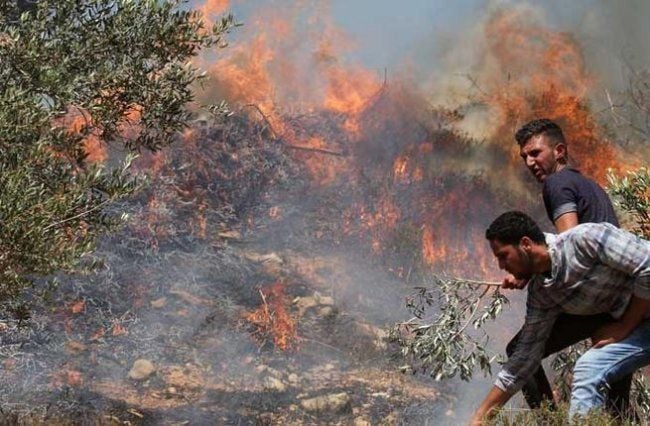
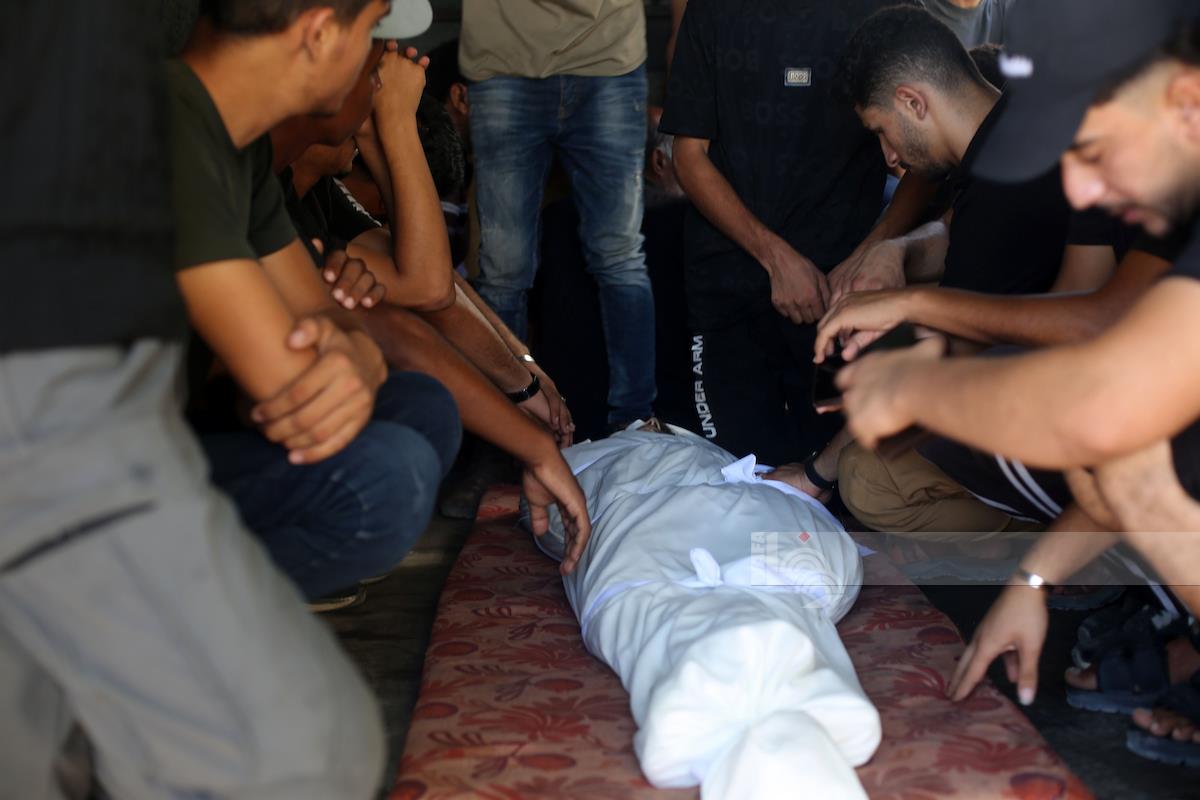
The Israeli army on Tuesday killed a Palestinian young man in Jenin amid the ongoing offensive in the northern occupied West Bank that has been taking place since Jan. 21.
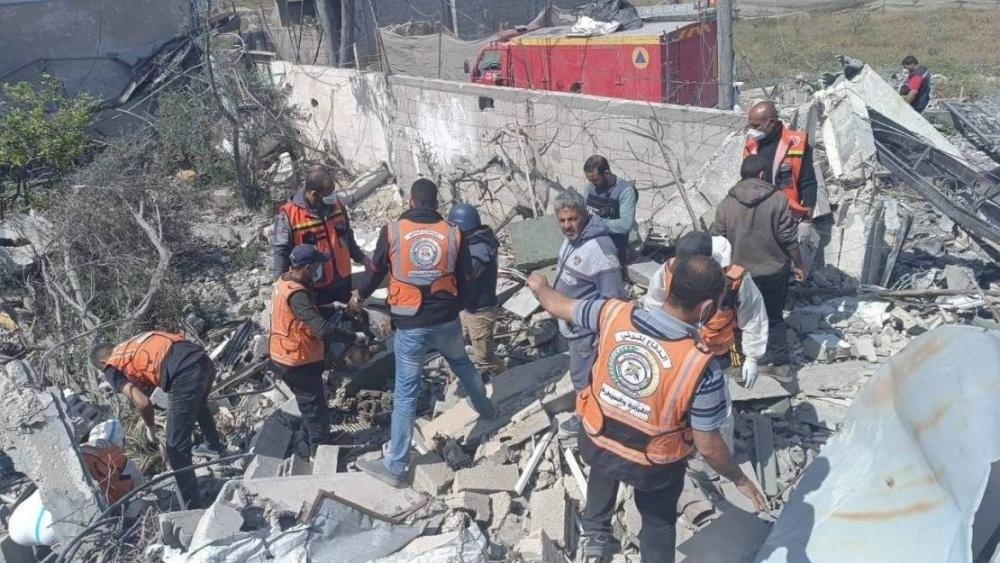
The Palestinian Red Crescent Society said in a statement that the Israeli army handed over to its medical teams “a martyr in his twenties in the Eastern neighborhood of Jenin.”

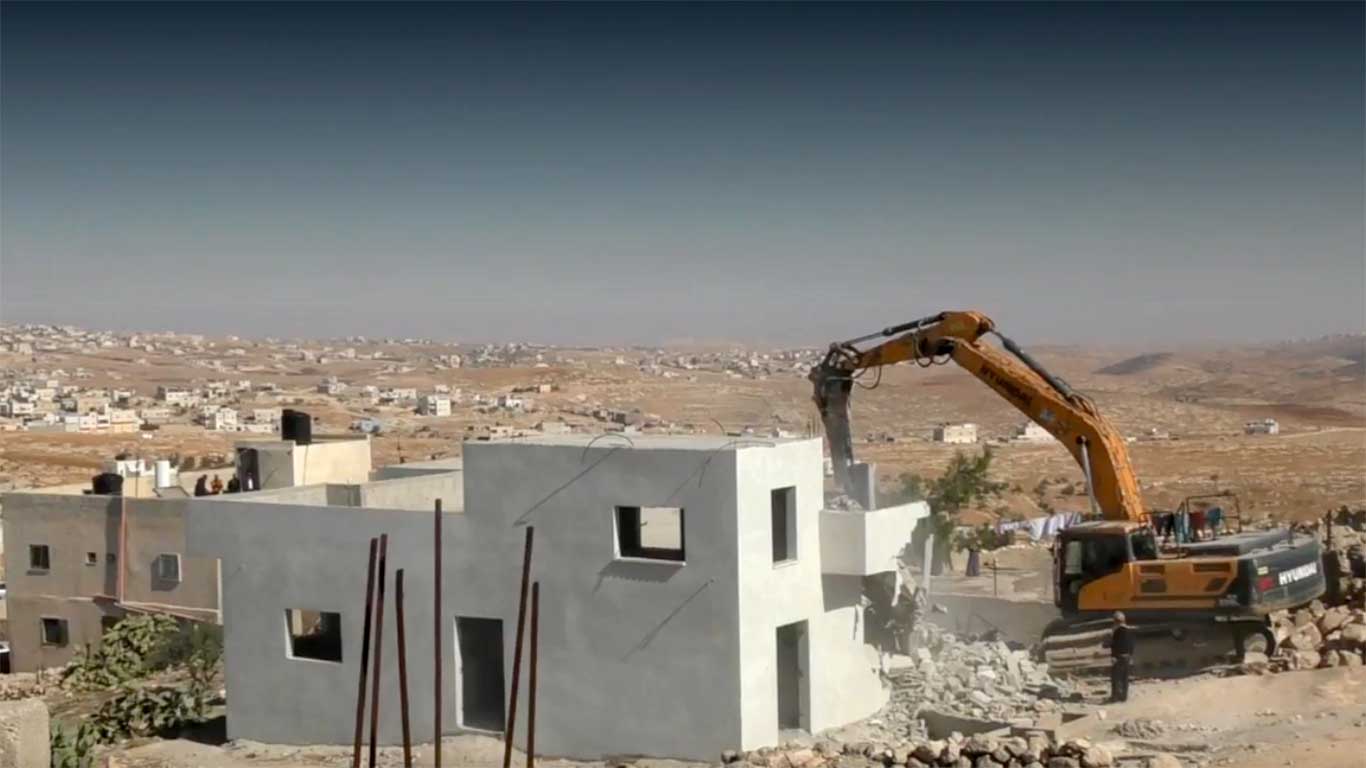
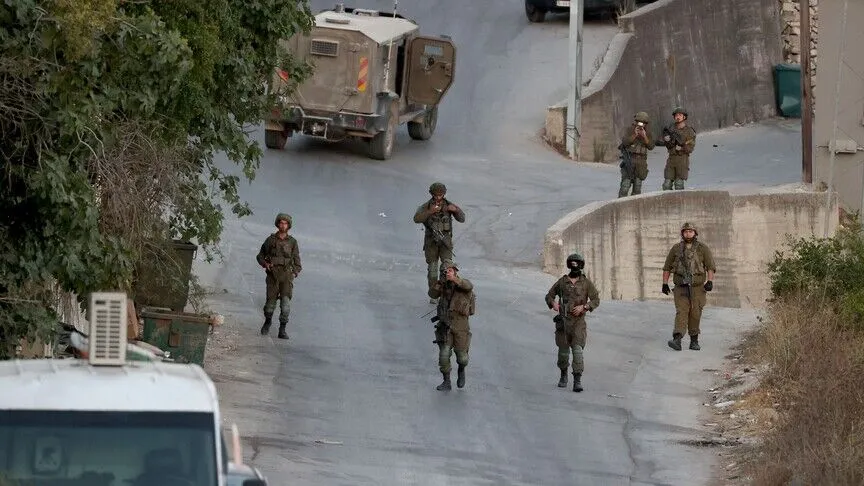
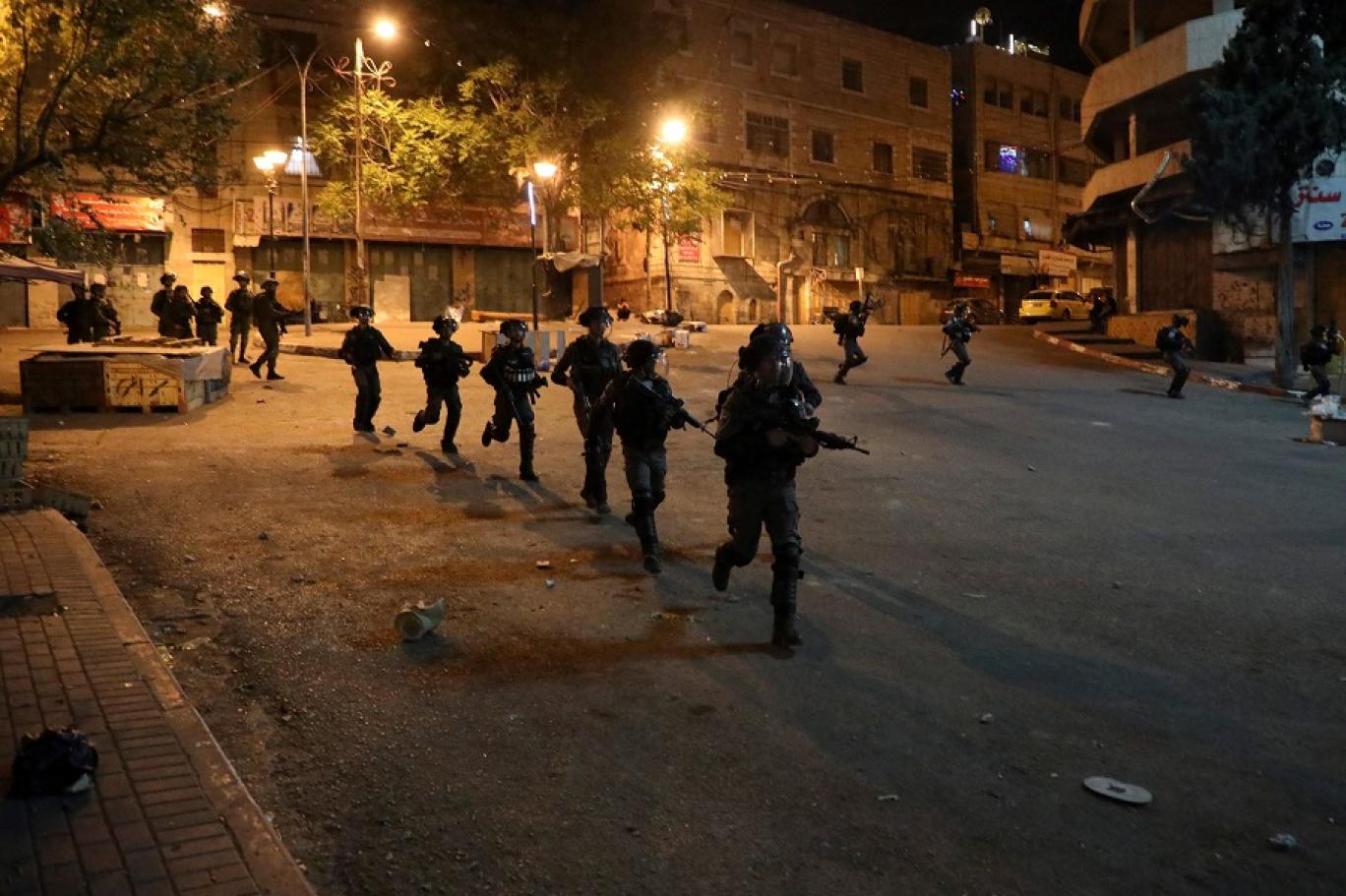
Eyewitnesses told Anadolu that a large number of Israeli forces, escorted by bulldozers, broke into the eastern neighborhood of Jenin at dawn on Tuesday.

Armed clashes between the Israeli forces and Palestinian fighters, along with sounds of explosions, were reported in the area, the witnesses also said.

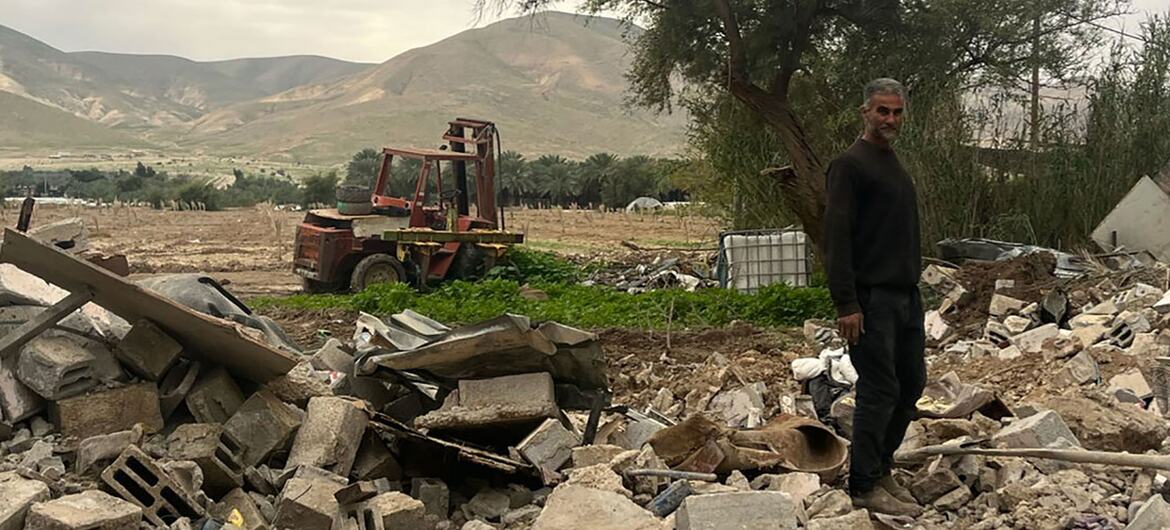
They added that the Israeli bulldozers embarked on destroying infrastructure in the neighborhood, including razing of roads.

The Israeli army has been conducting operations in the northern West Bank since Jan. 21, killing at least 65 people and displacing thousands.

Palestinian authorities have warned that the continued military offensive is part of a broader plan by Benjamin Netanyahu’s government to annex the West Bank and declare sovereignty over it, which could officially mark the end of the two-state solution.

The raids were the latest in the military escalation in the West Bank, where at least 928 Palestinians have been killed and nearly 7,000 injured in attacks by the Israeli army and illegal settlers since the start of the onslaught against the Gaza Strip on Oct. 7, 2023, according to the Palestinian Health Ministry.

The International Court of Justice declared in July last year that Israel’s long-standing occupation of Palestinian territories is “unlawful,” demanding the evacuation of all settlements in the West Bank and East Jerusalem.

Continue reading
Libya Denies Its Willing to Resettle Palestinians

Libya’s Government of National Unity on Monday denied a report by Western media claiming Tripoli is willing to accept Palestinian refugees, reiterating its stance for the right of the Palestinian people to live on their land with dignity.

A statement by the media office of the prime minister said it “categorically denies” the report on the website of American Thinker, an online news portal, on “Libya’s readiness to receive numbers of Palestinian refugees,” reports Anadolu.

“These allegations are completely fabricated and never been issued by any official Libyan body,” the statement added.

It said that the report’s writer, Jerome Corsi, is not a “professional journalist and has a record of publishing misleading information that has no credible sources.”

The statement reiterated Libya’s firm stance in supporting the Palestinian cause and the right of the Palestinian people to live with dignity on their land.”

On March 2, the American Thinker published the report, Libya Offers to Welcome Palestinian Refugees, claiming that the Tripoli-based Libyan government “has told the US government that Libya will take 100,000 to 200,000 refugees from Gaza.”

US President Donald Trump has repeatedly called for “taking over” Gaza and resettling its population to redevelop the enclave into what he called “the Riviera of the Middle East.” The idea has been vehemently rejected by the Arab world and many other nations, who say it amounts to ethnic cleansing.

Continue reading
Israel Threatens to Resume War…

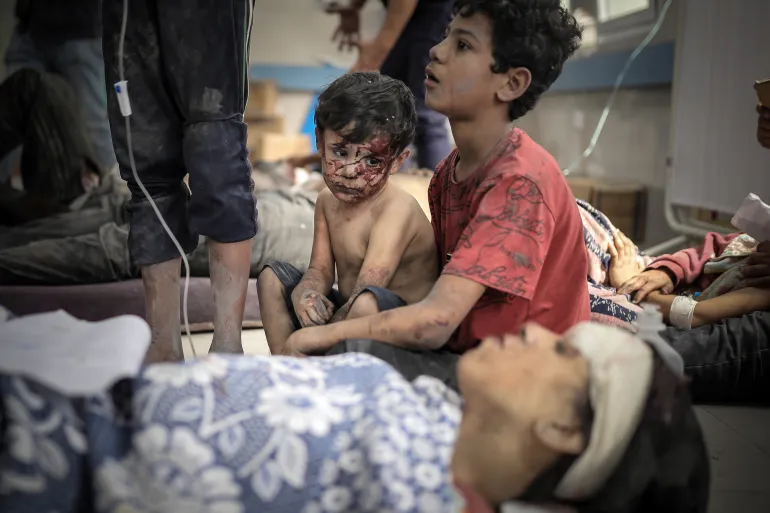
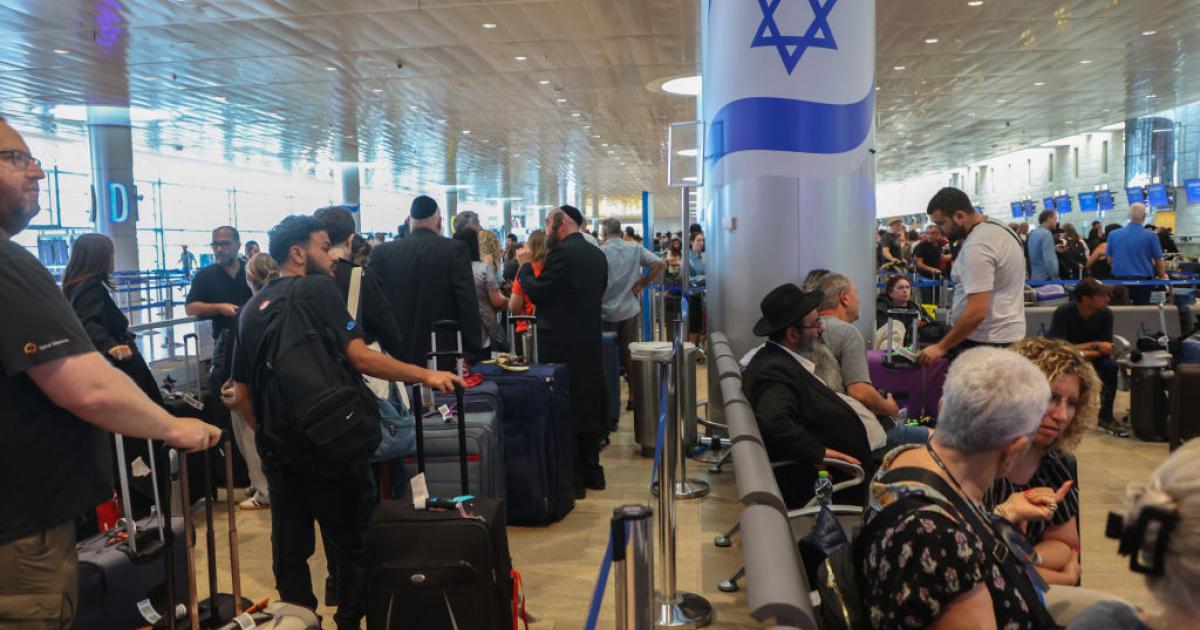
Israel has threatened to resume its genocide war in Gaza, setting a deadline of 10 days for Hamas to release the remaining captives, a move that violates the ceasefire agreement.

Israel’s Channel 12, citing an Israeli official, said on Monday that the occupation government has set a deadline 10 days from now for Hamas to release the remaining captives in Gaza before a return to war.

“We are currently at a dead end regarding the deal negotiations,” the official told Channel 12.

At the parliament on Monday, Israeli Prime Minister Benjamin Netanyahu threatened, “I tell Hamas: If you do not release our hostages, there will be consequences that you cannot imagine.”

Defence Minister Israel Katz later said if Hamas did not free the captives, “the gates of Gaza will be locked, and the gates of hell will open”.

“We will return to fighting, and they will face the (army) with forces and methods they have never encountered—until a decisive victory,” he said in a statement.

Israel Violates Ceasefire

Israel has imposed a block on all aid entering Gaza following the end of the first phase of the ceasefire deal. Netanyahu’s office issued a statement on Sunday morning confirming the decision.

The move, which coincides with the holy month of Ramadan, came after Hamas refused to accept the extension of the first phase of the ceasefire deal.

Israel said that it had accepted a last-minute proposal put on the table by the US president’s special envoy for the Middle East, Steve Witkoff, for a temporary ceasefire over Ramadan and Passover.

According to Israel, the proposal also outlined the release of all captives still in Gaza in two stages, with the second stage contingent on negotiating a permanent ceasefire.

“With the end of phase one of the hostage deal, and in light of Hamas’ refusal to accept the [US envoy Steve] Witkoff outline for continuing the talks – to which Israel agreed, Prime Minister Netanyahu has decided that starting this morning all entry of goods and supplies into the Gaza Strip will cease,” the statement said.

“Israel will not allow a ceasefire without the release of our hostages. If Hamas continues its refusal, there will be further consequences.”

Hamas refused to extend it, noting it will only release captives in phases, per the ceasefire agreement, which Israel is now refusing to continue.

It said it would only accept moving to the second stage, which was supposed to guarantee the definitive end of the assault, an Israeli withdrawal from Gaza, and the release of remaining captives.

Hamas also slammed Israel’s decision to block the entry of aid and adopt the US proposal. In a statement, the movement said this “is a blatant attempt to renege on the agreement and evade negotiations for its second phase.”

“Netanyahu’s decision to block the entry of all humanitarian aid into Gaza is a cheap blackmail and a war crime in an appalling violation of the ceasefire deal. Mediators and the international community must act to place pressure on the occupation and put an end to its punitive and immoral measures against more than two million people in the Gaza Strip.”

Hamas stated that Israel has continued to violate the ceasefire since it took effect, which has resulted in the killing of over 100 people in Gaza and the disruption of the humanitarian protocol. This includes blocking the entry of sheltering and relief aid, further aggravating the humanitarian catastrophe in Gaza. According to Gaza’s Government Media Office, Israel has committed around 962 violations of the ceasefire agreement according to the Quds News Network.

Continue reading
Javad Zarif and Iran’s Political Feud

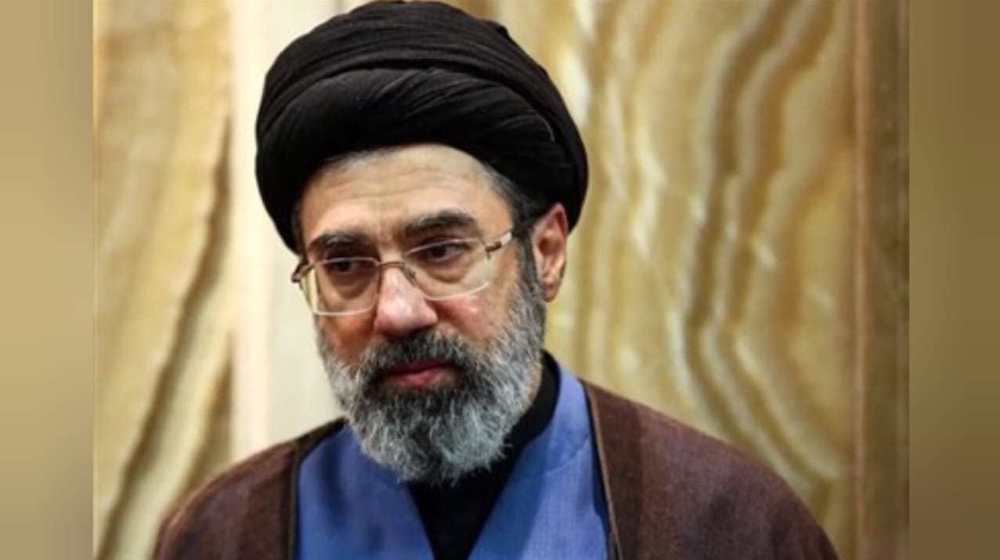
After a long-running legal row over his appointment, Iran’s deputy president for strategic affairs, Javad Zarif, announced his resignation on Monday.

In a detailed post on X, the former top diplomat said he had worked with dedication in President Masoud Pezeshkian’s government over the past nine months but endured “the most vile insults, slanders, and threats directed at myself and my family” over the past six months.

He described this period as “the most bitter” of his 40-year political career, referencing the controversy surrounding his appointment as the country’s vice president according to Anadolu.

Many of his critics argued that his appointment violated the Constitution, as his children — born in the US — are natural-born citizens of the US.

“Over the past four decades, I have endured countless insults and accusations for my small role in advancing national interests, from ending the imposed war to bringing the nuclear case to completion, and I have remained silent in the face of a flood of lies and distortions to protect the country’s interests,” he wrote in his resignation letter.

Zarif, who served as foreign minister for eight years under President Hassan Rouhani and played a key role in the 2015 Iran nuclear deal, said he was invited by the judiciary chief, who pointed to the country’s current state and advised him to return to academia “to prevent further pressure on the government.”

“I hope that with my departure, obstacles to the people’s will and the government’s success will be removed,” Zarif said.

The former top diplomat had been under intense pressure from conservative political circles, which urged parliament to remove him from his government post.

Notably, Zarif, who had campaigned for Pezeshkian during the elections, also led the committee responsible for selecting candidates for various ministries and government departments.

There had been speculation about his resignation in the past too but he always dismissed them.

There has been no word so far from the president’s office on whether he will accept the resignation. But sources say the resignation will be accepted to prevent further pressure on the government.

On Sunday, Economy Minister Abdolnasser Hemmati was impeached by the parliament over mounting economic woes and depreciating national currency rial.

Continue reading
How Israel Destroyed Rafah?

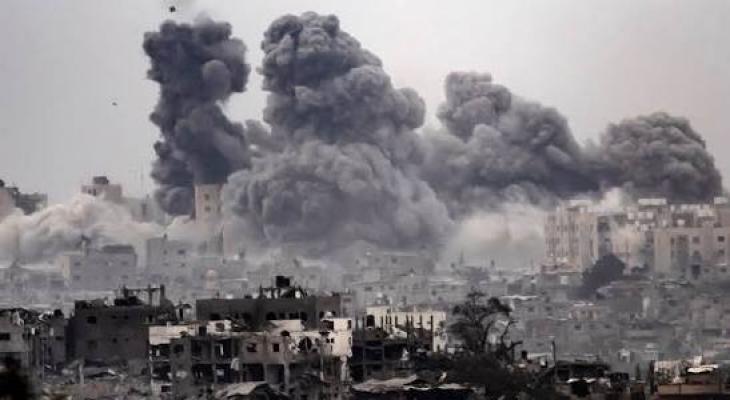
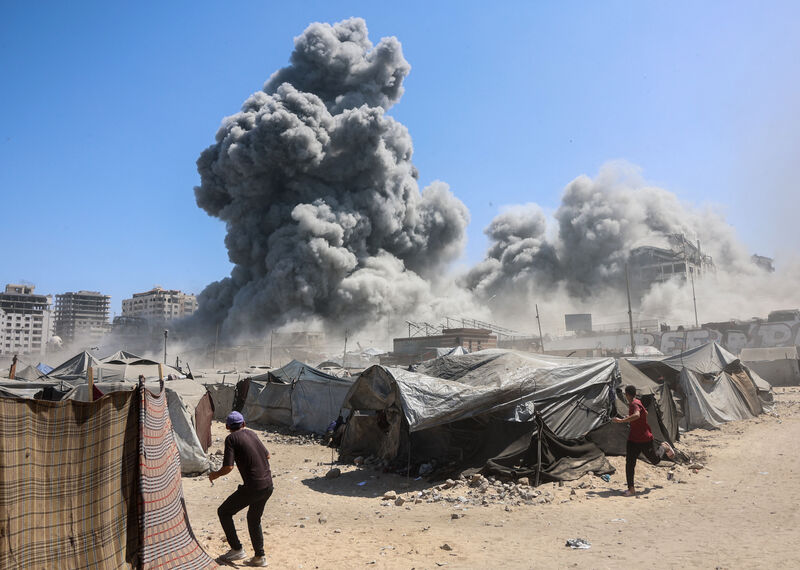
Israeli forces continue to attack Gaza residents in violation of the terms of the ceasefire agreement, the first phase of which took effect on 19 January. Airstrikes and gunfire targeting civilians and their property continue in various areas of Gaza, resulting in hundreds of deaths and injuries. Meanwhile, the entry and distribution of humanitarian aid – particularly medical equipment, hospital supplies, tents, mobile homes, and essential machinery for rubble removal and body recovery – remains severely hampered. As a result, civilians face deteriorating humanitarian conditions due to the widespread destruction of infrastructure and essential services. In Rafah, displaced residents continue to be prevented from returning to their homes, while Israeli forces are systematically demolishing both private and public buildings in the city.

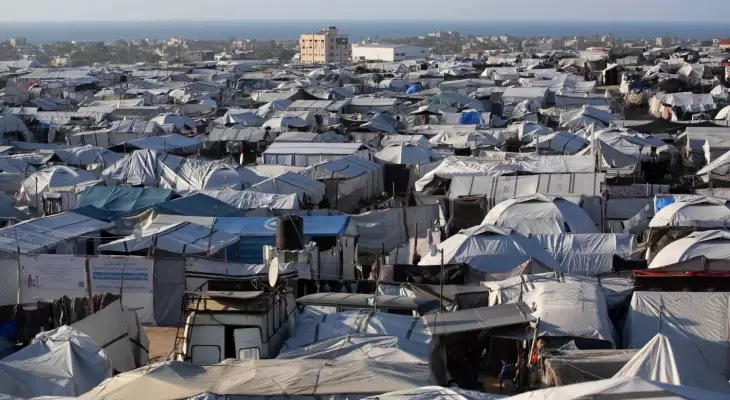
Israeli forces redeployed along Gaza’s borders in the first phase of the ceasefire agreement continue to maintain absolute control and a heavy military presence in most areas of Rafah in southern Gaza for the 10th consecutive month. Field reports indicate that since the invasion of Rafah in early May 2024 and the seizure of the Palestinian side of the Rafah crossing, the Salah al-Din axis (Philadelphi Corridor), and other parts of the city, Israeli forces have systematically destroyed infrastructure. Explosions and the sound of military machinery remain constant on the outskirts of the city, while residents are still barred from returning to most areas. The majority of Rafah’s displaced population remains in makeshift tents in central Gaza and in Al-Mawasi, Khan Younis.

According to information gathered by Al Mezan, Israeli forces have not kept within the designated areas outlined in the ceasefire agreement and continue to maintain positions deep inside Rafah – more than one kilometer inside the city center, extending to the eastern garage area, the Palestinian-Egyptian border to the south, and the eastern perimeter fence. These areas remain highly dangerous, where any movement is met with artillery fire, sniper attacks, and aerial bombardment.

According to the Rafah Municipality, 200,000 of the city’s 300,000 residents are still unable to return. No organizations have been able to access many of the areas that are still under Israeli control, including Abu Al-Saeed in Tal Al-Sultan – stretching from the coast to the Rafah Crossing – as well as neighbourhoods deep within the city, such as Al-Awda and Al-Najma squares. Of Rafah’s total area of 60,000 dunams, 60% has been declared a restricted and highly dangerous zone.

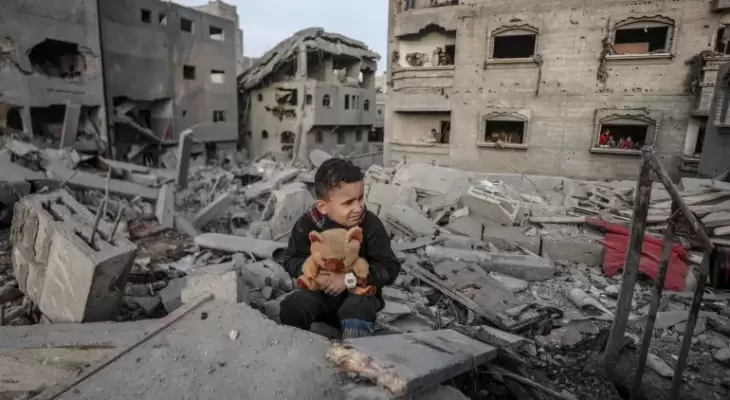
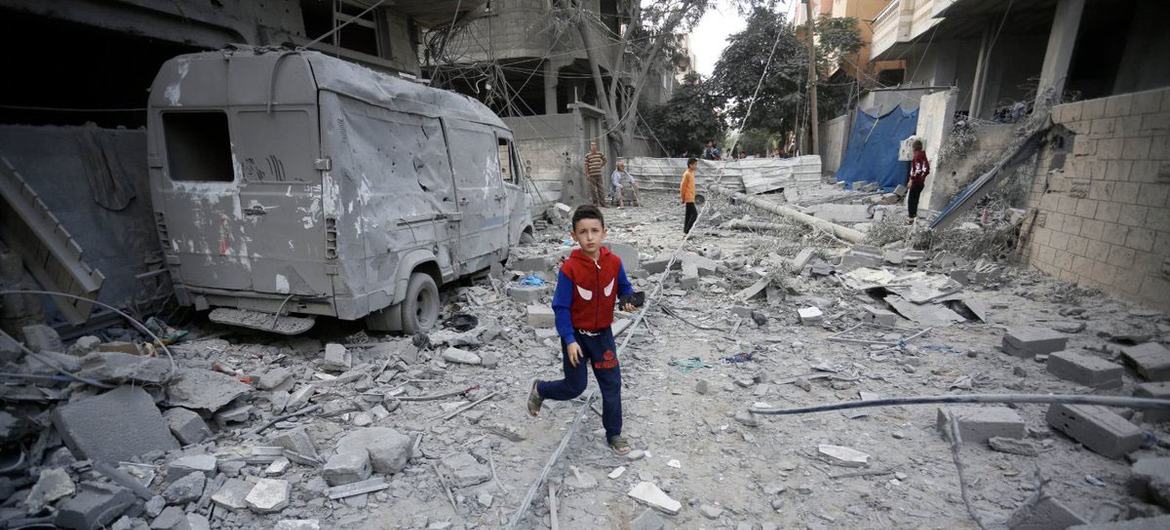
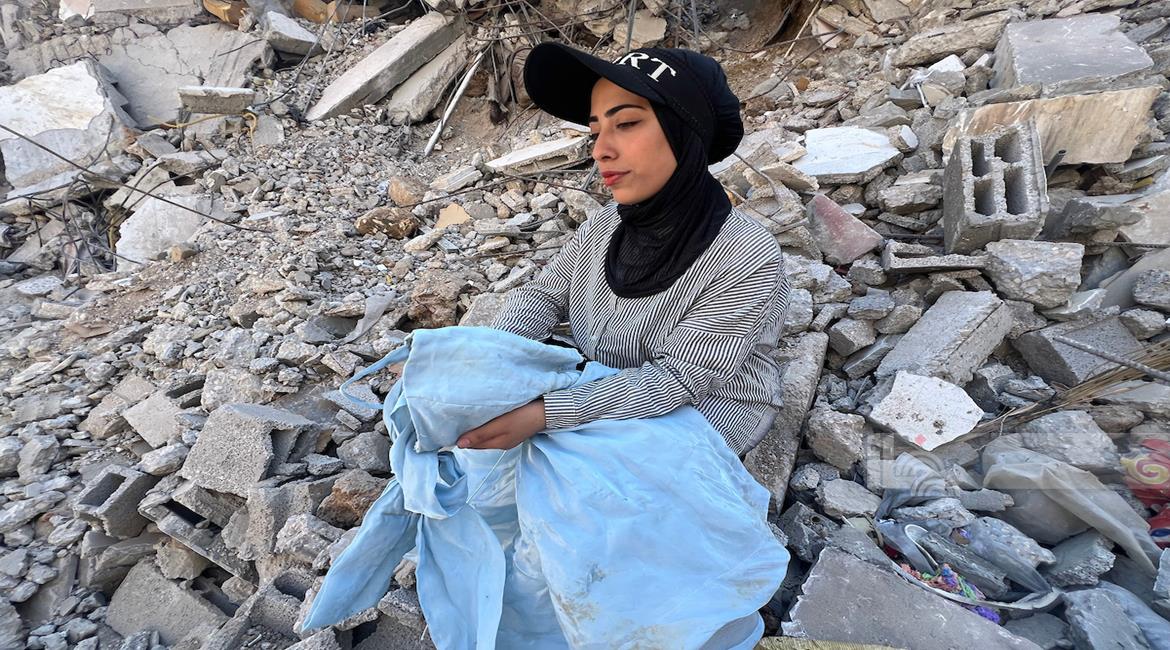
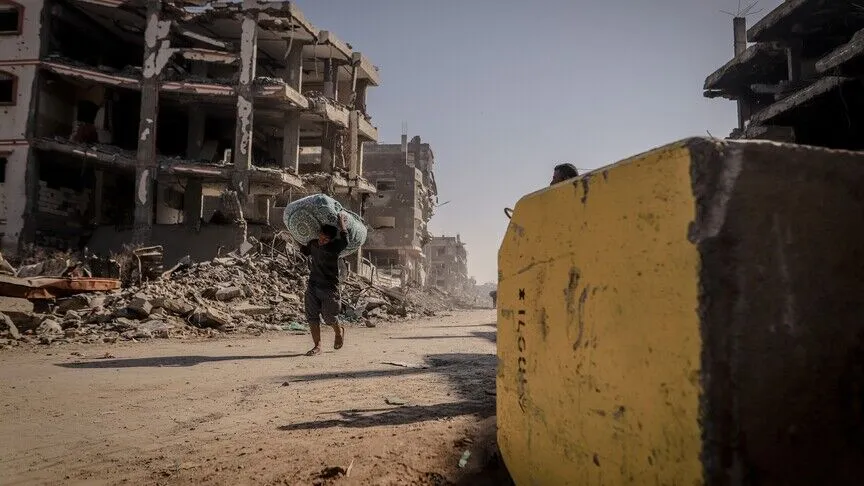
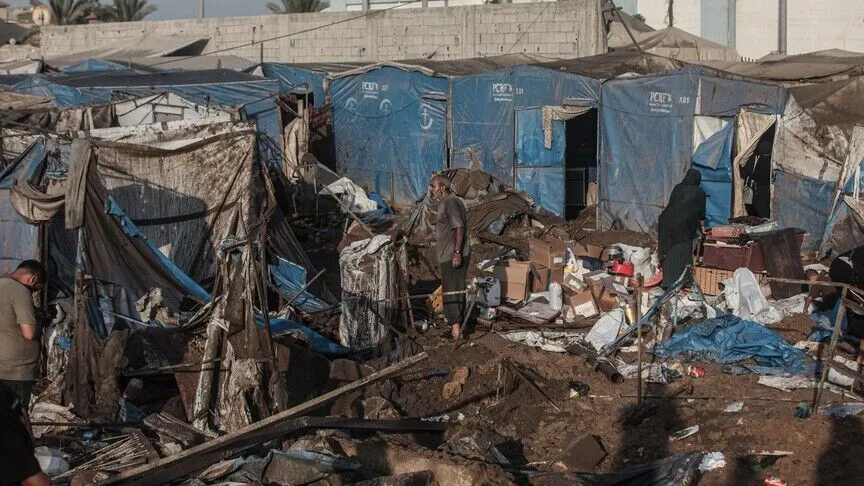
More than 90% of Rafah’s neighbourhoods have been completely or partially destroyed, with severe damage to residential buildings, roads, and essential public infrastructure – including health, government, and commercial facilities. The damage is particularly concentrated in the southern and western parts of the city, where six out of fifteen neighbourhoods and five refugee camps have been completely levelled. In addition, nine medical centers were destroyed, including the Abu Yousef Al-Najjar Hospital – the only government hospital in Rafah – the Kuwaiti Hospital, and the Indonesian Field Hospital. Approximately 70% of sewage and water pumps have been destroyed, while electricity and communications networks have nearly totally collapsed. The amount of rubble in Rafah is estimated at 20 million tons, with many bodies still believed to be trapped beneath it.

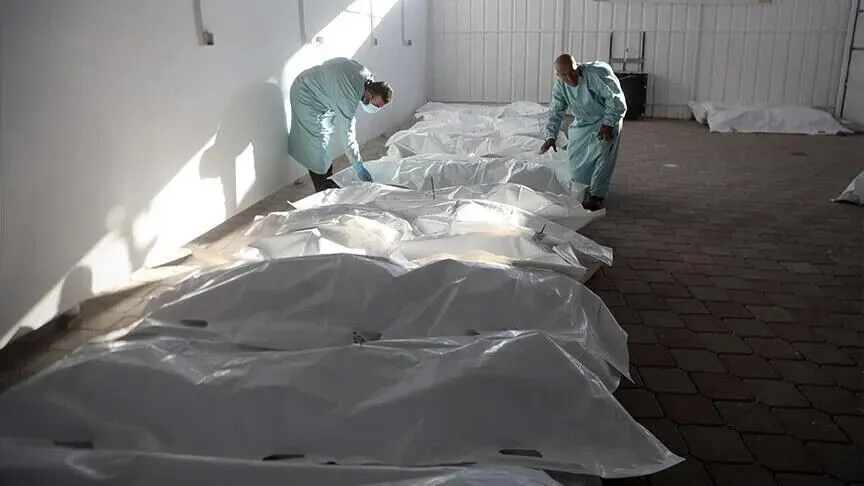
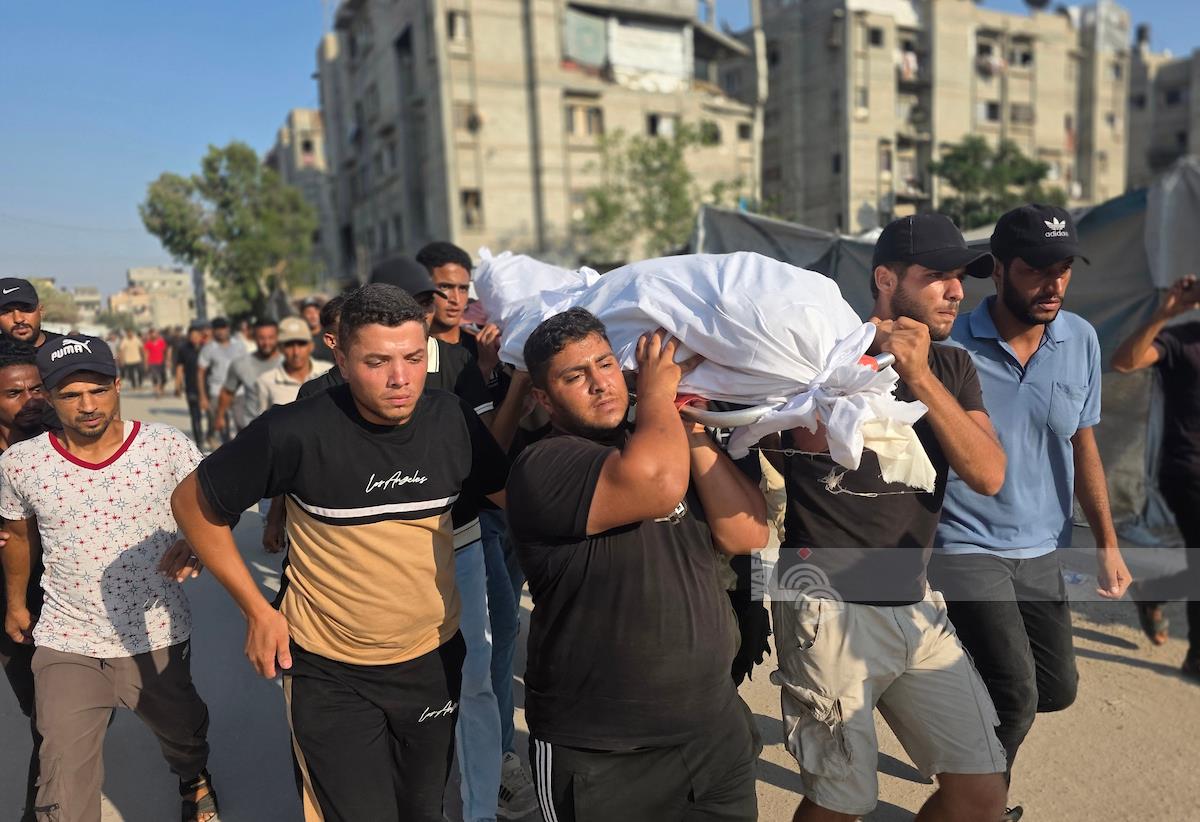
According to the Gaza Ministry of Health, Israeli forces have killed 111 civilians and injured 916 others since the ceasefire came into effect. The Rafah Municipality reports that approximately 40% of these casualties occurred in Rafah, as residents attempted to check on their homes and agricultural lands. The most recent victim, Hanaa Tawfiq Suleiman Hassanein (Al-Ghouti), was killed on 21 February 2025 when an Israeli tank fired at her home in the Al-Jeneina neighborhood, in the eastern part of Rafah, shortly after she returned home.

Mr. Mohammed Hassan Abu Sultan, 35 years old, married and a father of two, shared his experience of attempting to return to his home in Rafah:

“In early May 2024, my family and I were forced to flee to Deir al-Balah, and later to Al-Mawasi, Khan Younis, where we struggled to live in a tent with meager resources. When the ceasefire was announced on 19 January 2025, I was overjoyed, believing that I could finally return home and leave the hardships of displacement behind. But the next day, I discovered that the Israeli forces had not completely withdrawn from Rafah. A few days later, I tried to check on my house in the Al-Jeneina neighbourhood. When I arrived in Rafah, I was shocked by the extent of the destruction. Before I even reached my neighbourhood, I and others who were going to inspect our homes came under fire. I barely escaped. I later learned that the gunfire came from an Israeli crane positioned south of Al-Jeneina, with tanks stationed on nearby sand dunes. Every day I hear of more civilians being killed or injured as they try to check on their homes. I am still living in a tent in Al-Mawasi, Khan Younis, enduring the bitter cold and poor conditions, waiting for the full withdrawal of Israeli forces so that I can return to my home – even if it has been destroyed.”

Similarly, Mohammed Mahdi Mousa Al-Dawoudi, 38 years old, married and a father of four, recounted his attempt to return to his home in Rafah after the ceasefire took effect:

“On 28 May 2024, my family and I, like many others, were forced to flee our home in the Tal Al-Sultan neighbourhood of Rafah due to intense bombardment and the advance of Israeli forces. We took refuge in a small tent in Al-Mawasi, Khan Younis, where we endured displacement and harsh living conditions. The ceasefire was announced on 19 January 2025, after we had waited for several months to return home. I finally went back to check on my home, but when I arrived in Tal Al-Sultan, I was horrified to see entire neighbourhoods reduced to rubble. As we inspected the aftermath of the bombardment in the area, Israeli forces positioned along the Philadelphi Corridor (the Egyptian-Palestinian border) opened fire on us. I barely made it back to Al-Mawasi. I later learned that most Rafah residents are unable to return due to Israeli gunfire and military presence in the eastern and southern parts of the city. Many civilians have been killed trying to reach their homes. I remain displaced in a tent, struggling to survive the freezing temperatures, waiting for the Israeli forces to completely withdraw so that I can return to what remains of my home.

As of the time of this press release, Israeli forces continue to maintain control over most areas of Rafah, attacking residents with gunfire and other weaponry, particularly those attempting to return to their homes. The ongoing Israeli operations include the widespread demolition of homes and infrastructure, especially in the Al-Awda and Tal Al-Sultan neighbourhoods, in what appears to be a deliberate effort to alter the city’s landscape and render it uninhabitable.

Al Mezan unequivocally condemns Israel’s ongoing crimes, perpetrated in furtherance of the continuing genocide in Gaza, particularly in Rafah. We call on the international community to take urgent and concrete measures to end the genocide, stop the systematic destruction of Rafah, and ensure the safe return of displaced residents. Immediate steps must be taken to hold those responsible accountable, including full support for the International Criminal Court and other accountability mechanisms, the imposition of a two-way arms embargo on Israel, and targeted sanctions against individuals and entities complicit in these crimes. The international community must also review and suspend bilateral agreements and diplomatic ties that enable Israel’s violations, work toward dismantling the unlawful occupation, and uphold the Palestinian people’s right to self-determination.

Reliefweb

Continue reading