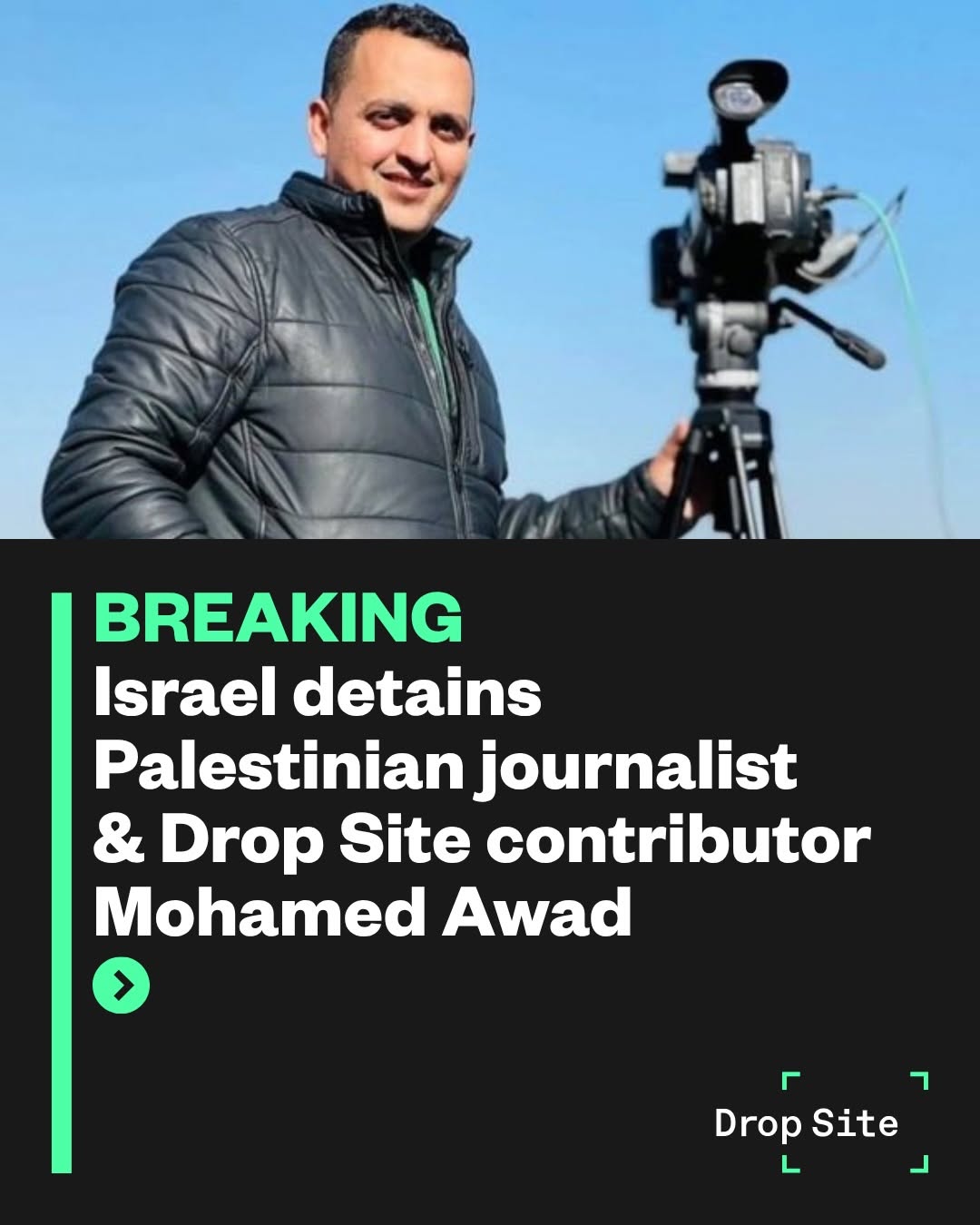
 Gaza: Lolo Heriz Finally Buried After 975 Days
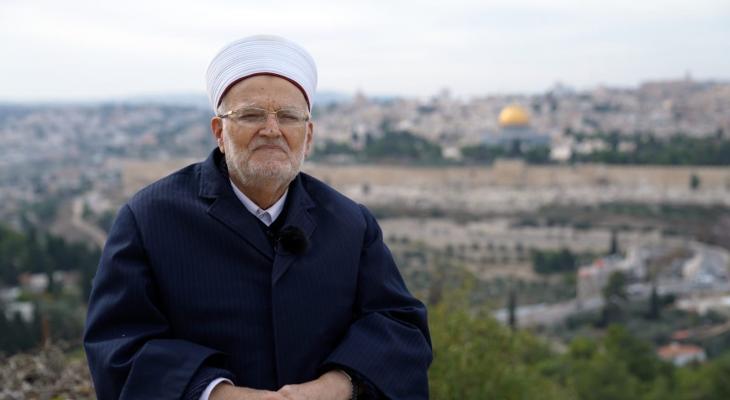 57th Year of Al Aqsa Burning: ‘The Fire Continues’ Ekrima Sabri Warns
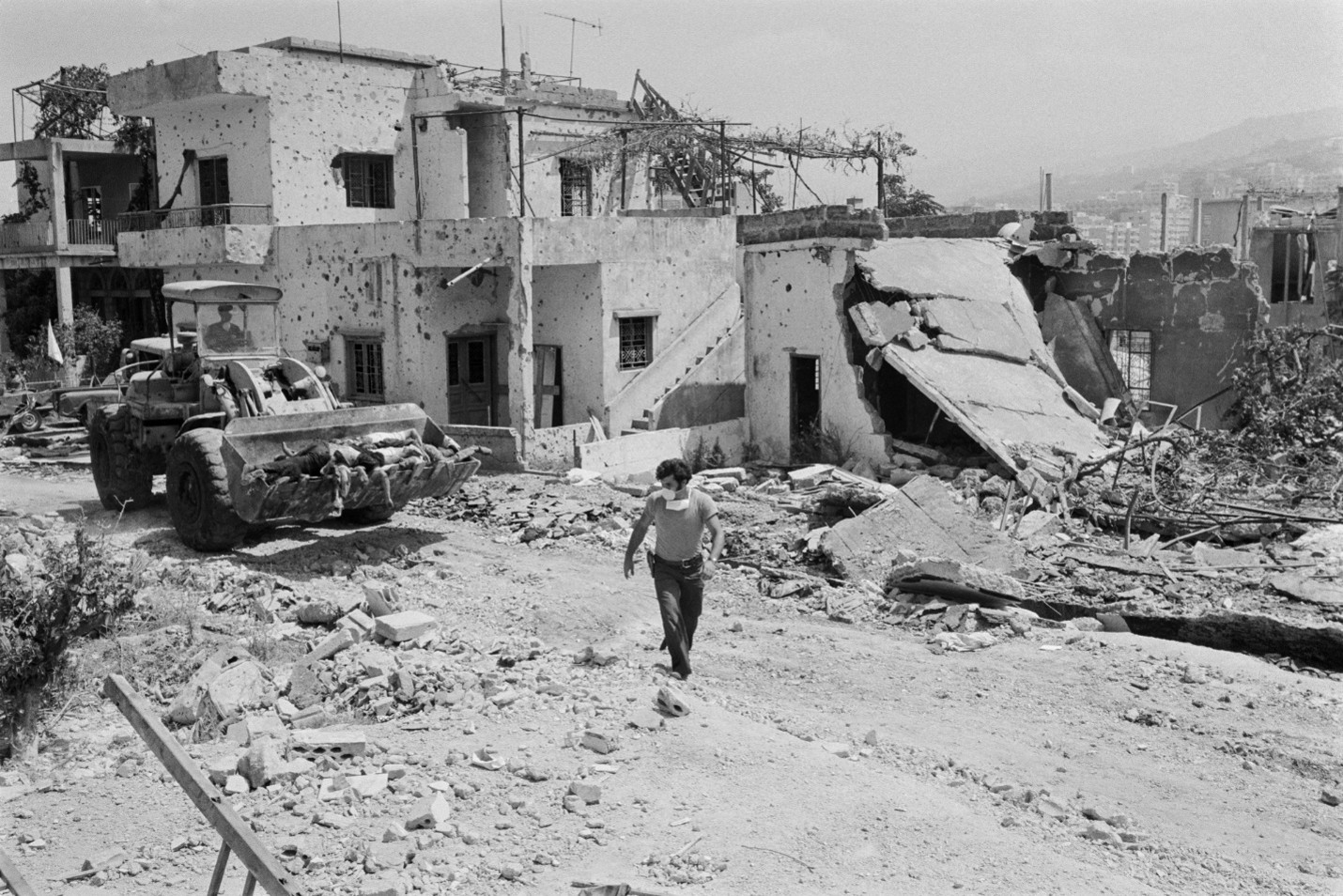
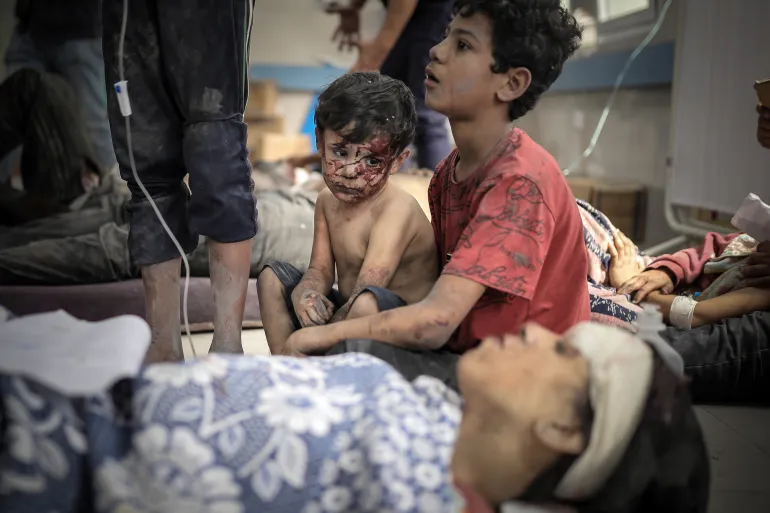
 Remember Hind Rajab
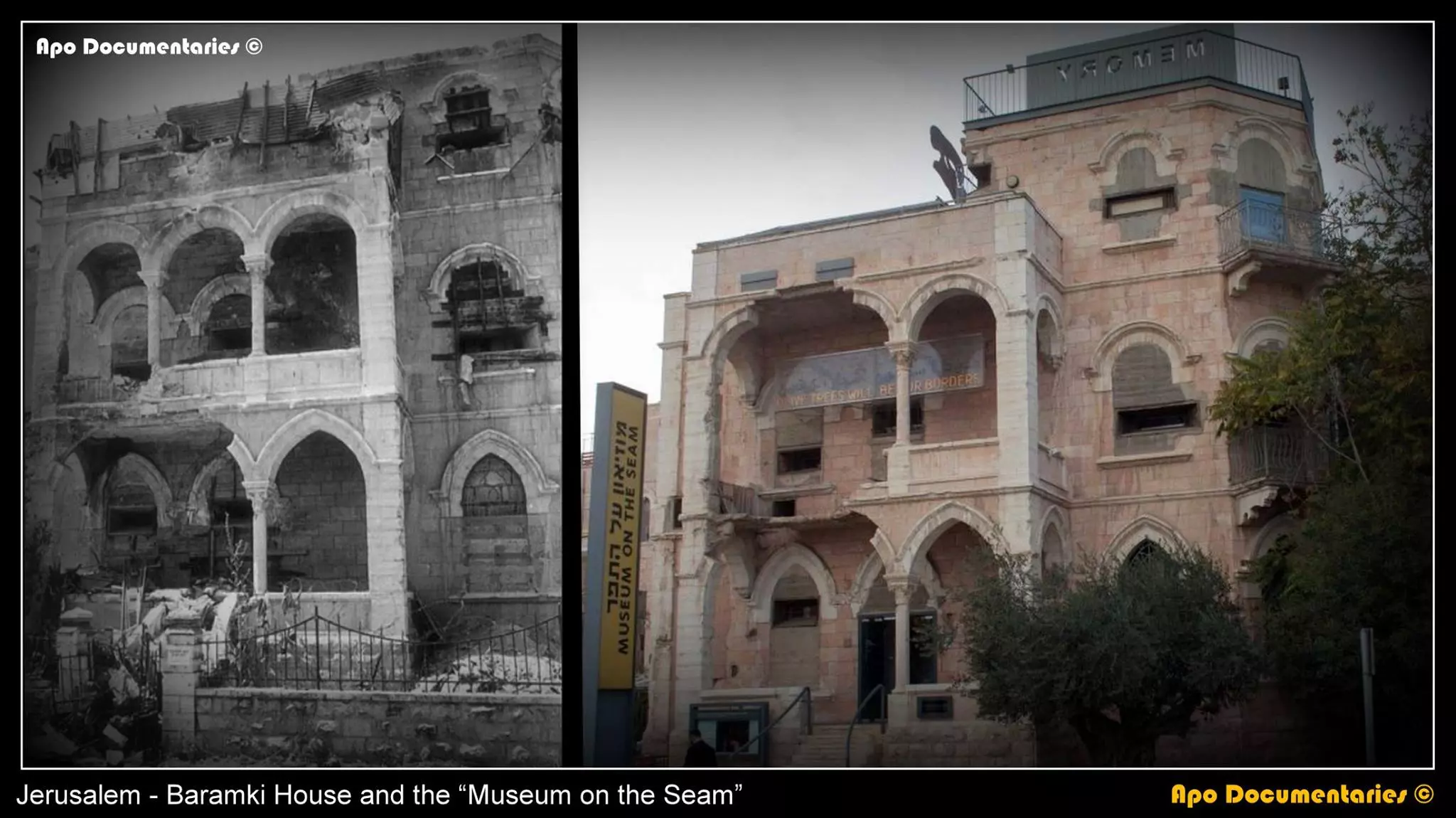
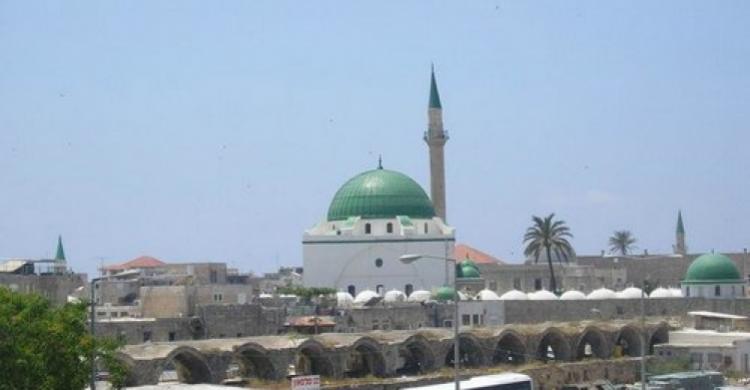
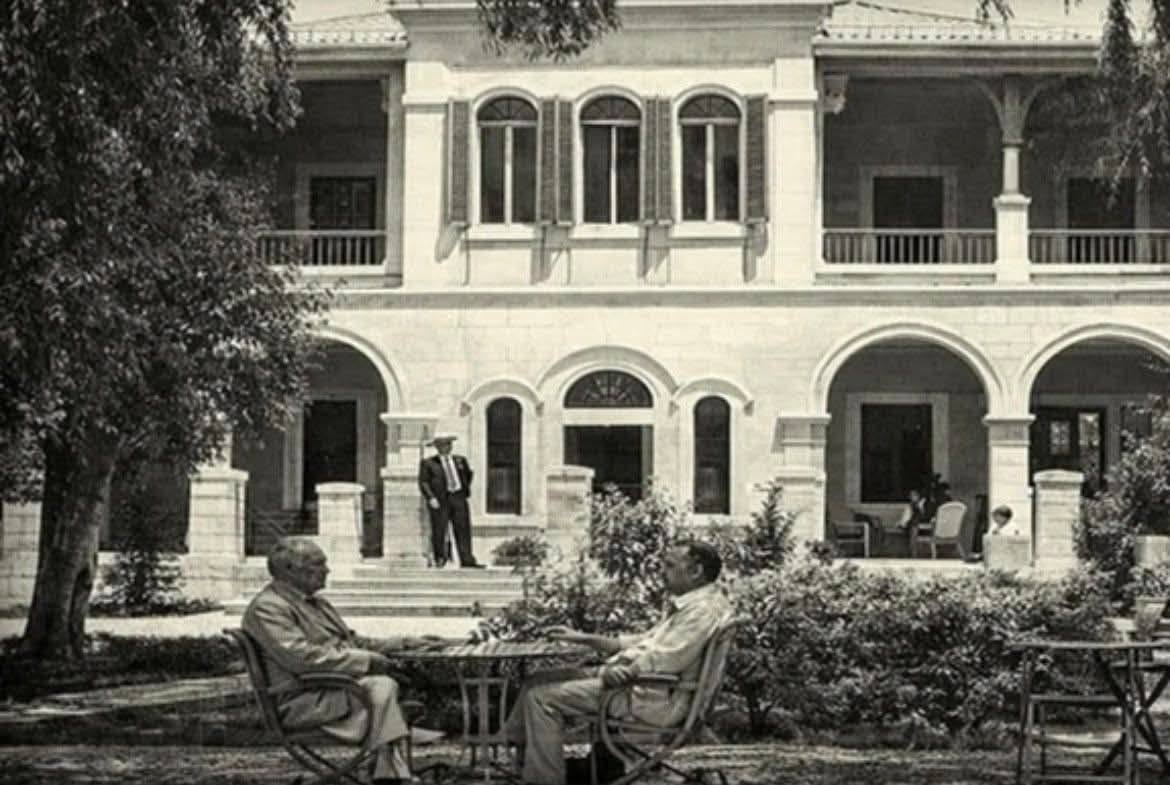 A ‘Palestinian’ Palace in Jerusalem
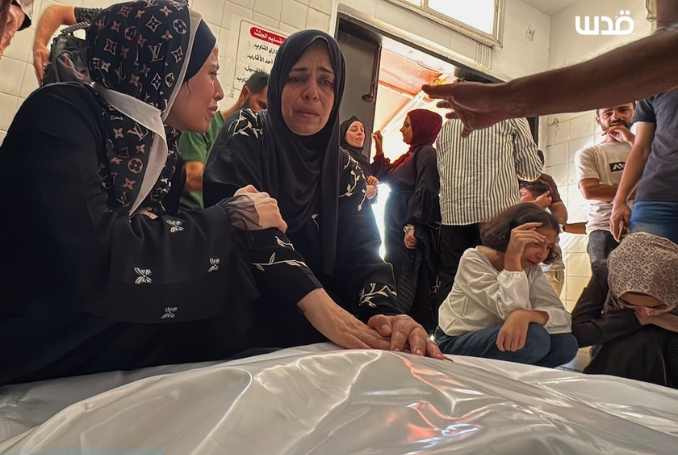
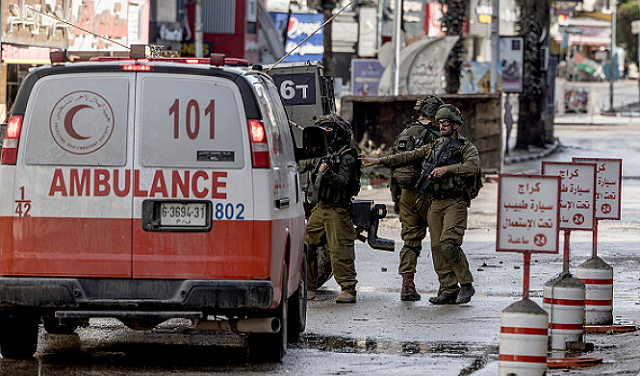
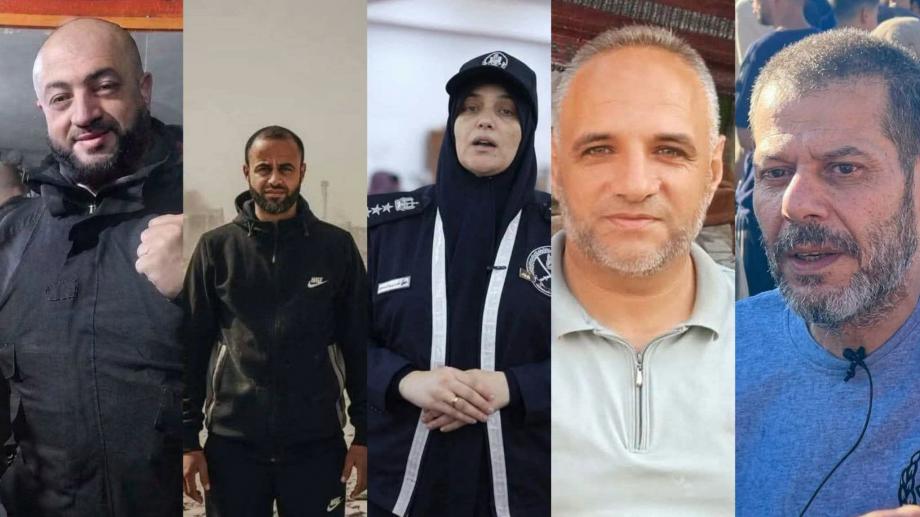 Israel Bombs Police Station, Kills Group of Officers



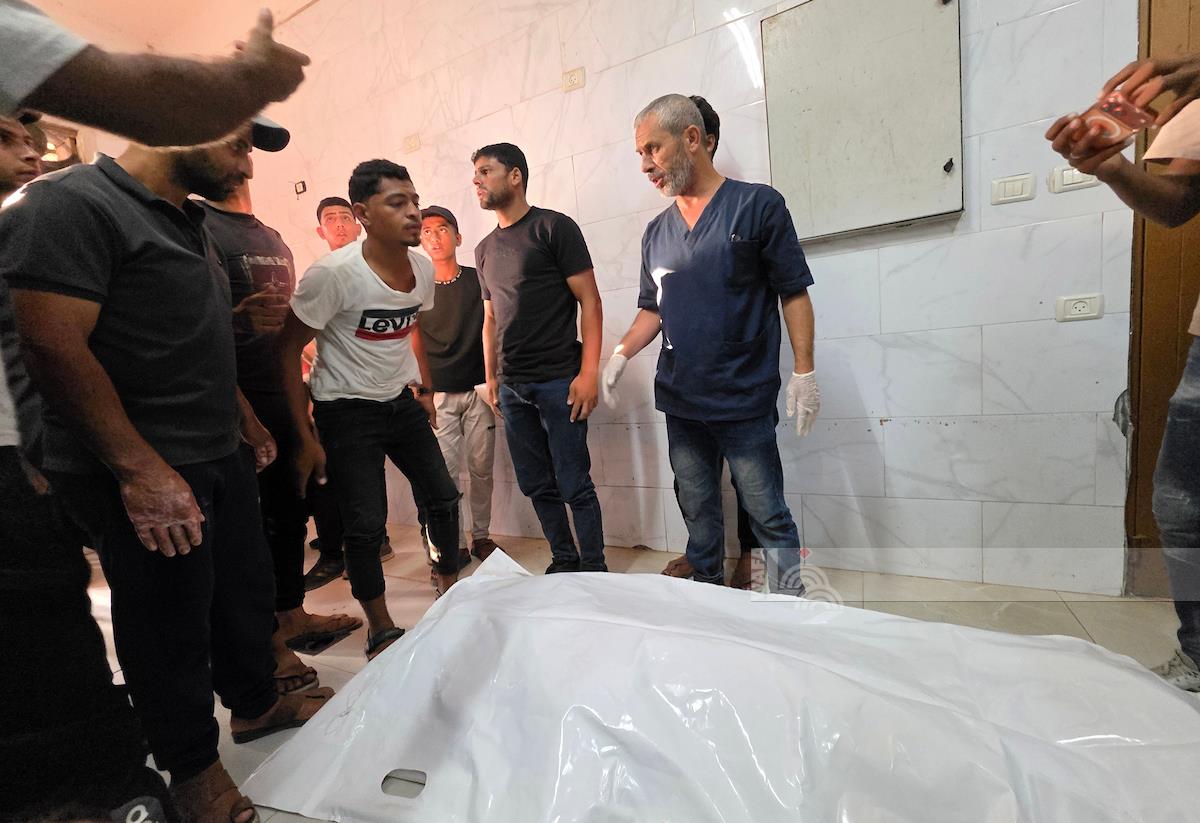
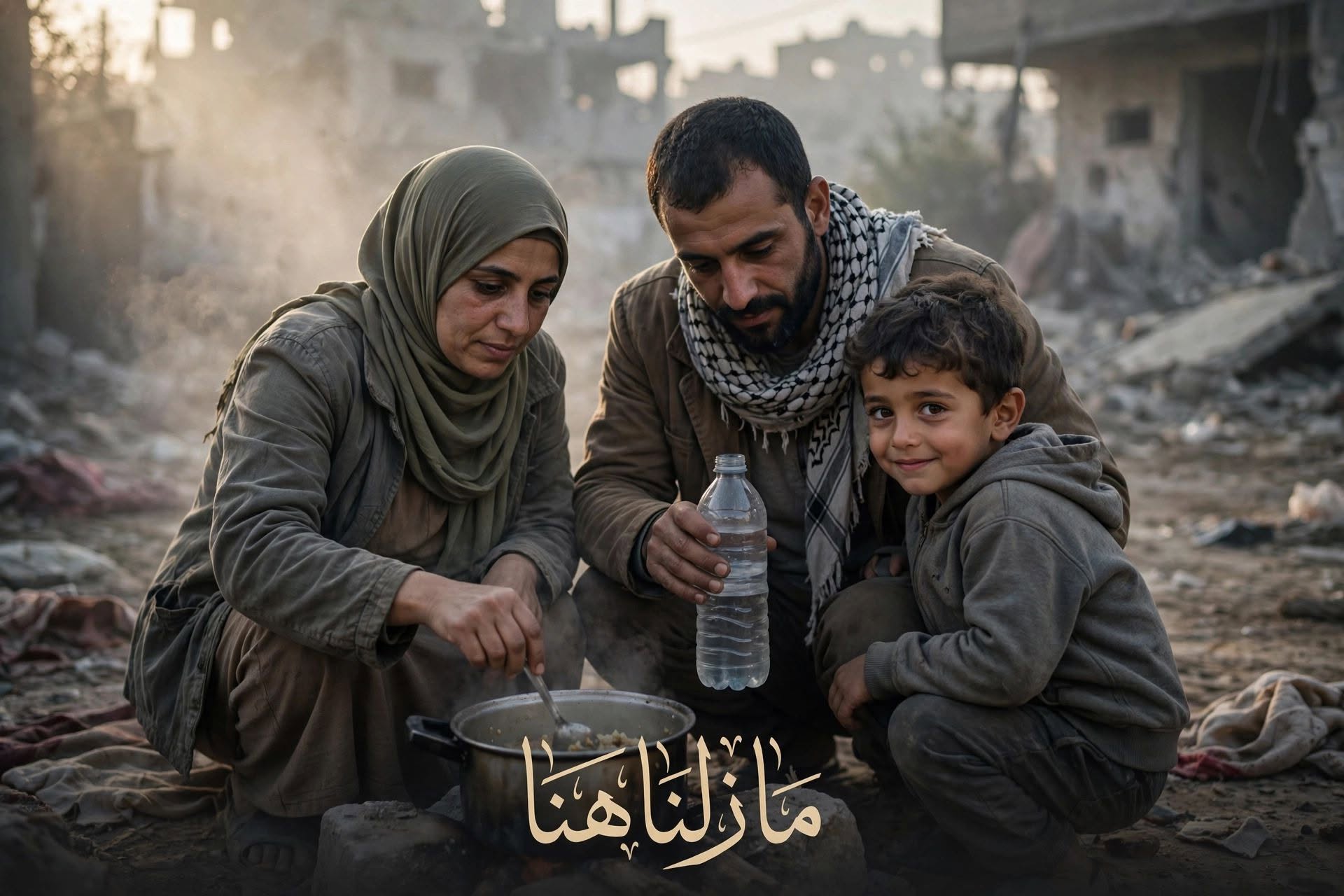
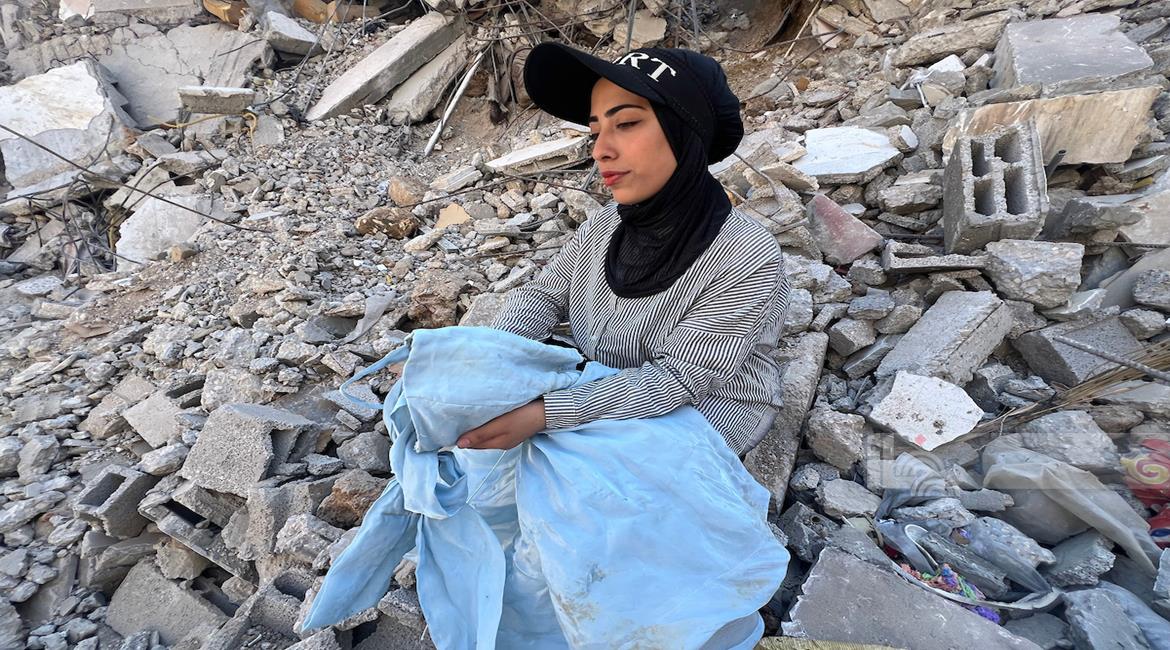
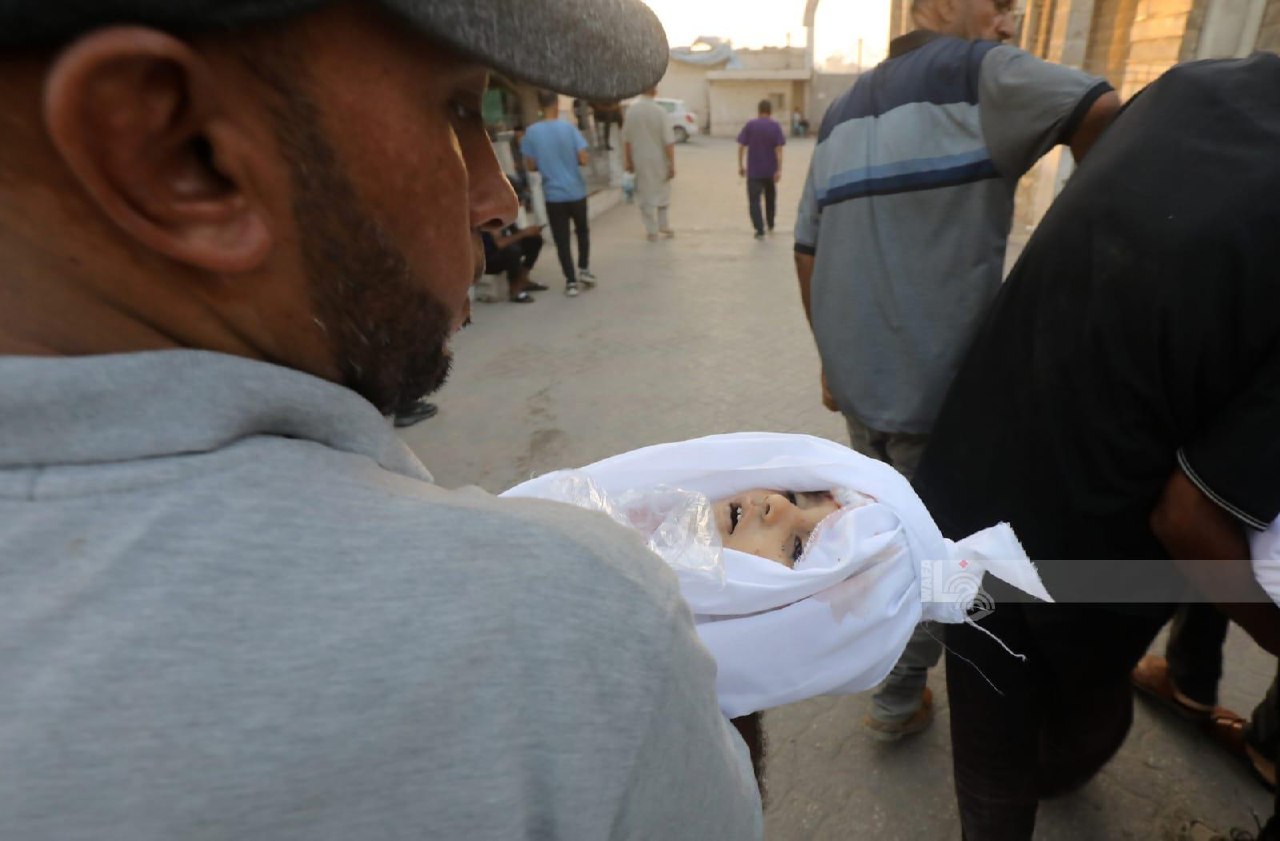
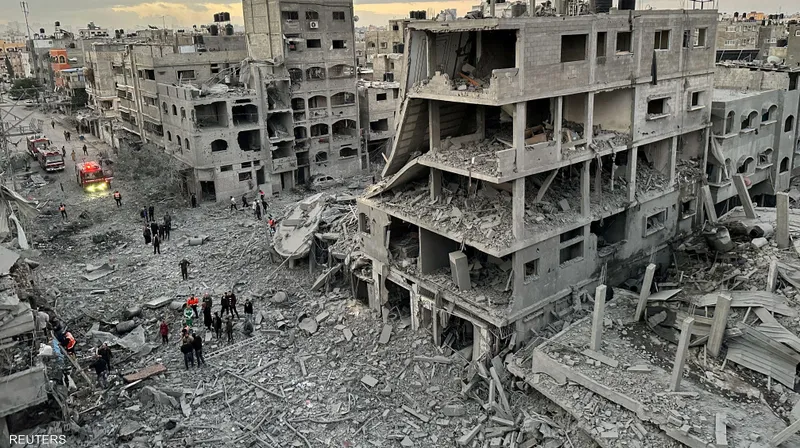
Gaza: Lolo Heriz Finally Buried After 975 Days
 CrossFireArabia
- August 20, 2026
 CrossFireArabia
 HebaCrossFireArabiaCrossFireArabiaHeba
 marwanmarwanmarwanmarwanmarwanmarwanCrossFireArabiamarwanmarwan
 Saleem Ayoub QunamarwanCrossFireArabiaCrossFireArabiaCrossFireArabiaCrossFireArabiamarwanCrossFireArabiaCrossFireArabiamarwanCrossFireArabiaHebaCrossFireArabiamarwanCrossFireArabiamarwanHebaCrossFireArabiamarwanmarwanHebaCrossFireArabiamarwanmarwanCrossFireArabiamarwanHebaCrossFireArabiaCrossFireArabiaCrossFireArabiaHebamarwanCrossFireArabiamarwanHebaCrossFireArabiaHebamarwanmarwanCrossFireArabiamarwanmarwanmarwanmarwanmarwanmarwanmarwanmarwanmarwanCrossFireArabiaCrossFireArabiamarwanmarwanCrossFireArabiaCrossFireArabiamarwanCrossFireArabiamarwanHebaHebamarwanmarwanCrossFireArabiamarwanCrossFireArabia
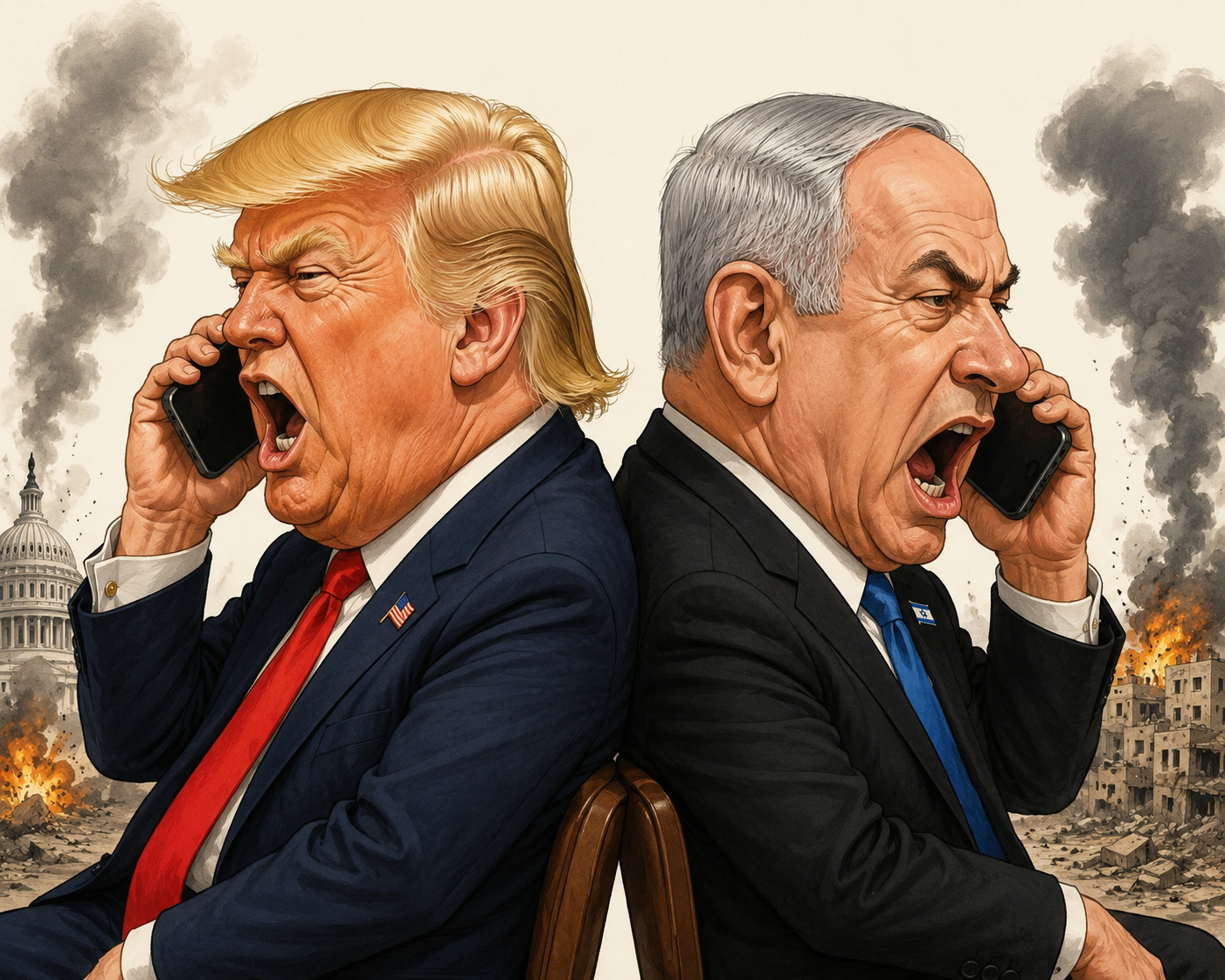
Israeli Army Radio has reported that personalities close to US President Donald Trump informed the Israeli Strategic Affairs Minister, Ron Dermer, that the US president had decided to cut off contact with Prime Minister Benjamin Netanyahu.
The Army Radio explained that these acquaintances close to Trump informed Dermer that Netanyahu was manipulating the US president, stressing that what Trump hates most is being perceived as being manipulated.
The radio quoted an Israeli official as saying that Minister Dermer’s conversation with senior Republican officials, did not work because of his displayed arrogance.
This came hours after a report in the Israel Hayom newspaper asserting that the US president is “disappointed” with Netanyahu and intends to take “steps” in the Middle East “without waiting for him.”
Since the start of his new presidential term on January 20, 2025, Trump has offered diverse and unlimited support to the Netanyahu government, which has been waging a genocidal war against the Palestinians in the Gaza Strip since October 7, 2023.
However, the Israel Hayom daily quoted an unnamed sources as saying that “there is a decline in the personal relations and mutual disappointment between Netanyahu and Trump.”
The newspaper added that two senior sources close to Trump said, in closed conversations in recent days, that he has decided not to wait for Israel any longer and is moving forward with steps in the Middle East without “waiting for Netanyahu.”
The sources did not elaborate on the nature of the steps Trump intends to take unilaterally, but there is a complaint in Tel Aviv that Trump sometimes acts without coordination with Israel.
The most recent example is the ceasefire agreement reached by the United States and the Yemeni Houthi group, which does not include Israel and which Israel was unaware of before its announcement according to Al Jazeera.
CrossFireArabia
A recently rediscovered painting by 19th-century Ottoman painter Osman Hamdi Bey sold for £1 million ($1.3 million) at a London auction Tuesday, drawing strong interest from collectors and institutions.
Preparing Coffee, from 1881, resurfaced after more than a century in private European collections, known until recently only from a black-and-white photograph taken in the same year by renowned photographers Jean Pascal Sebah and Policarpe Joaillier.
The sale made it the highest-valued lot in an auction that saw 50 artworks sold in rapid succession.
It was acquired by an anonymous buyer through a phone bid.
First acquired around 1910 by Prince Sadiq Yadigarov, an art collector from Georgia, it passed to his son Archil, and then, around 1930, to a private collector in Vienna — related to Archil by marriage — where it remained by descent until 2008.
Since then, it has been held in another Austrian private collection until its recent emergence.
Set within a richly tiled, colonnaded interior — perhaps an imagined harem complex in Istanbul’s Topkapi Palace — it depicts two young women preparing a ritual coffee.
The setting is fictional but constructed with exquisite attention to detail, a “sumptuous and jewel-like impression of luxe,” as Sotheby’s catalogue describes it.
Born into an elite Ottoman family, Hamdi Bey was sent to Paris in the early 1860s to study law but instead found his calling in painting and archaeology.
By adopting Western artistic technique to depict Eastern subjects, Hamdi Bey not only responded to the growing 19th-century market for Orientalist art but also used his deep understanding of Muslim culture to create nuanced, respectful portrayals of Ottoman life according to Anadolu.
CrossFireArabia
Hamas congratulated Cardinal Robert Prevost on Thursday for being elected the new pope, urging him to follow in the footsteps of Pope Francis, who was a strong advocate for the Palestinian cause and condemned Israel’s genocide in Gaza.
Prevost, who will be known as Pope Leo XIV, was elected as the new pope by the Cardinals in a two-day conclave and will be the first American pontiff in history.
Hamas said in a statement it “extends its sincere congratulations to His Holiness Pope Leo XIV on the occasion of his election as Head of the Catholic Church.”
“We wish him success in fulfilling his spiritual and humanitarian mission at a time when the world faces profound crises and tragedies—chief among them, the ongoing brutal Israeli aggression against the Palestinian people in the Gaza Strip.”
“We highly value the principled and courageous humanitarian positions taken by the late Pope Francis, including his repeated expressions of solidarity with the Palestinian people and his firm stance against the occupation and its repressive policies.”
“We look forward to His Holiness Pope Leo XIV continuing this ethical and moral path—standing with the oppressed, advocating for justice, and engaging actively within international forums to help end the crime of genocide and ethnic cleansing being perpetrated by the Israeli occupation against children, women, and unarmed civilians in Gaza.”
“We also call for action to halt the ongoing violations against Islamic and Christian holy sites throughout Palestine, and reaffirm the importance of upholding human dignity and religious sanctity everywhere.”
Pope Francis was a staunch advocate for Palestinians and kept in regular contact with Catholics in Gaza amid Israel’s assault. That included daily calls with the priest at the Holy Family Church in Gaza City, the only Catholic church in the Palestinian enclave.
Upon his death, Francis also donated his so-called “popemobile” to Gaza to serve as a mobile children’s clinic.
Pope Leo XIV has not said much publicly about Gaza, making it unclear if he will emulate his predecessor according to the Quds News Network.
CrossFireArabia
Israel dropped 100,000 tons of explosives on the Gaza Strip since launching its genocide 19 months ago, killing or leaving missing over 62,000 Palestinians and committing more than 12,000 massacres, the Gaza government media office stated on Thursday.
The statement detailed key statistics of the war that began Oct. 7, 2023. It stated that Israel’s bombardment led to over 62,000 Palestinian deaths or disappearances, including more than 10,000 still trapped under rubble with unknown fates, the office said.
Israel carried out over 12,000 massacres, including 11,926 against Palestinian household members, completely erasing 2,200 families and 6,350 people from civil registries.
The campaign also targeted cemeteries, with Israeli forces stealing 2,300 bodies from Gaza graves and establishing seven mass graves inside hospitals, 529 of whom have been recovered so far.
Regarding the health crisis, the office reported over 2.1 million cases of infectious diseases caused by forced displacement and the collapse of Gaza’s health infrastructure, including 71,338 cases of hepatitis.
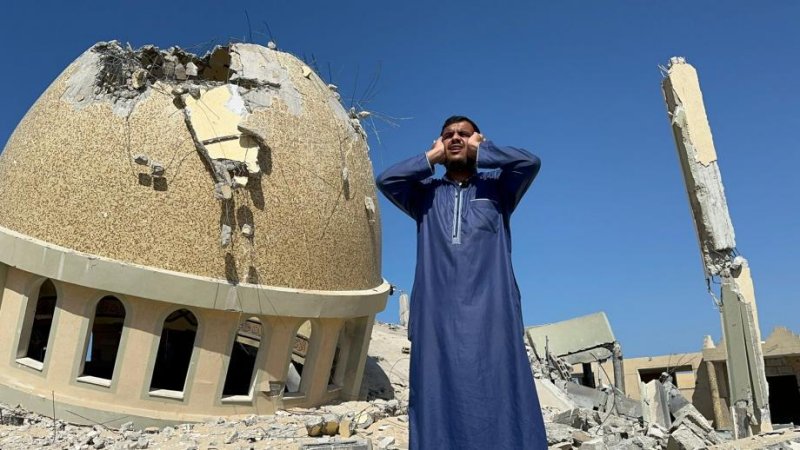
The destruction extended to religious and humanitarian infrastructure, with Israeli forces demolishing 828 mosques completely and 167 partially, targeting three churches, and destroying 19 of 60 cemeteries either fully or partially.
As part of a starvation policy, Israel struck 66 relief facilities, including 29 food charity kitchens and 37 aid centers, while blocking 37,400 aid and fuel trucks since fully closing border crossings over two months ago according to Anadolu.
The Israeli army has launched a brutal military onslaught on Gaza, killing nearly 52,800 people, mostly women and children, since Oct. 7, 2023.
The International Criminal Court issued arrest warrants last November for Israeli Prime Minister Benjamin Netanyahu and his former Defense Minister Yoav Gallant for war crimes and crimes against humanity in Gaza.
Israel also faces a genocide case at the International Court of Justice for its war on the enclave.
CrossFireArabia
US President Donald Trump said Wednesday that there will likely be an announcement concerning the situation in the besieged Gaza Strip within the next 24 hours.
“We’re going to see what’s happening. A lot of talk going on about Gaza right now. You know that, right? So you’ll be knowing probably in the next 24 hours,” Trump said, one day after teasing a “very big announcement.”
Trump declined to specify what the announcement would concern when asked Tuesday, but said it would be “as big as it gets.”
He maintained, however, that it would be “very positive,” and could happen as soon as Thursday, the same time frame as the Gaza announcement he previewed.
It is not clear if Trump was addressing the same matter when he vaguely referred to the Gaza announcement, but his special envoy for the Middle East, Steve Witkoff, is reportedly slated to brief members of the UN Security Council on a US and Israeli proposal to facilitate aid deliveries in Gaza.
Earlier reports stated Israel’s Security Cabinet recently approved an aid delivery plan for Palestinians in the enclave via private US security contractors based on handing over aid boxes to individuals.
The UN and all aid groups working in Gaza, however, have rejected the plan, arguing it violates international humanitarian principles.
UN Secretary-General Antonio Guterres last month opposed the plan.
The Trump administration is reportedly seeking support from other countries while urging the UN to cooperate according to Anadolu.
“To the best of our knowledge, this is an unofficial briefing done in the US mission,” Greece’s UN mission told Anadolu, as it holds the Council presidency for May.
The closed-door meeting comes days before Trump’s Middle East tour, which includes a summit with Gulf leaders on Iran and Gaza.