 Palestine: Heritage, Folklore
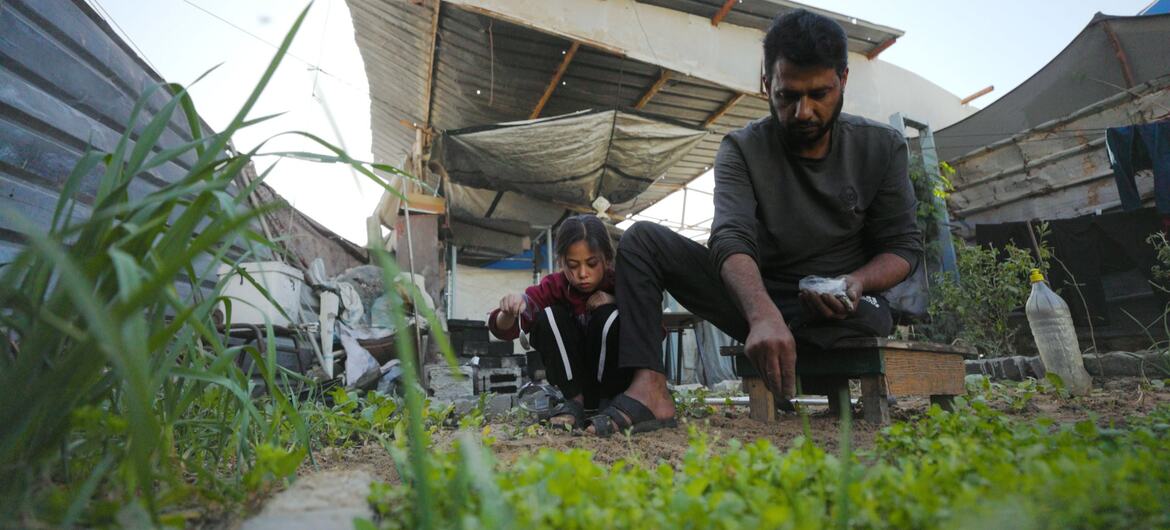 Gaza: Only 3% of Land Safe to Grow Food
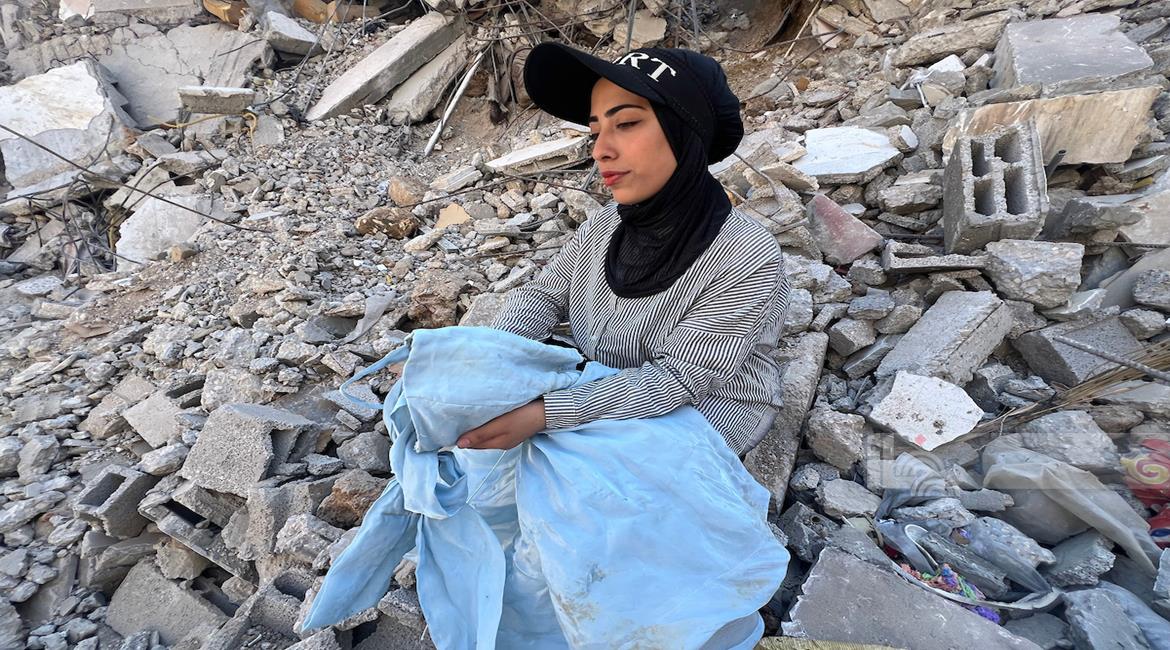
 Gaza: Lolo Heriz Finally Buried After 975 Days
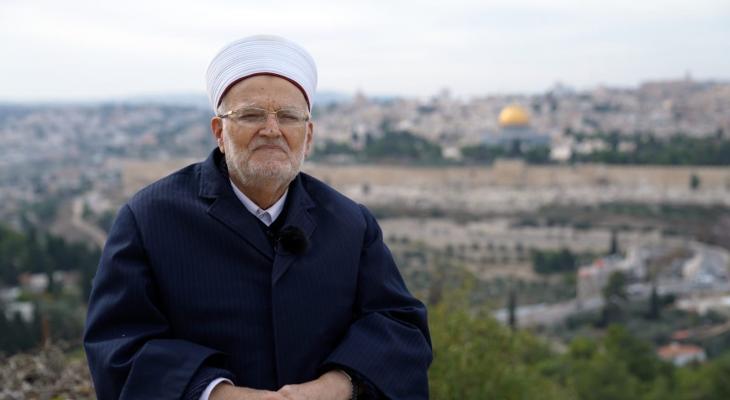 57th Year of Al Aqsa Burning: ‘The Fire Continues’ Ekrima Sabri Warns
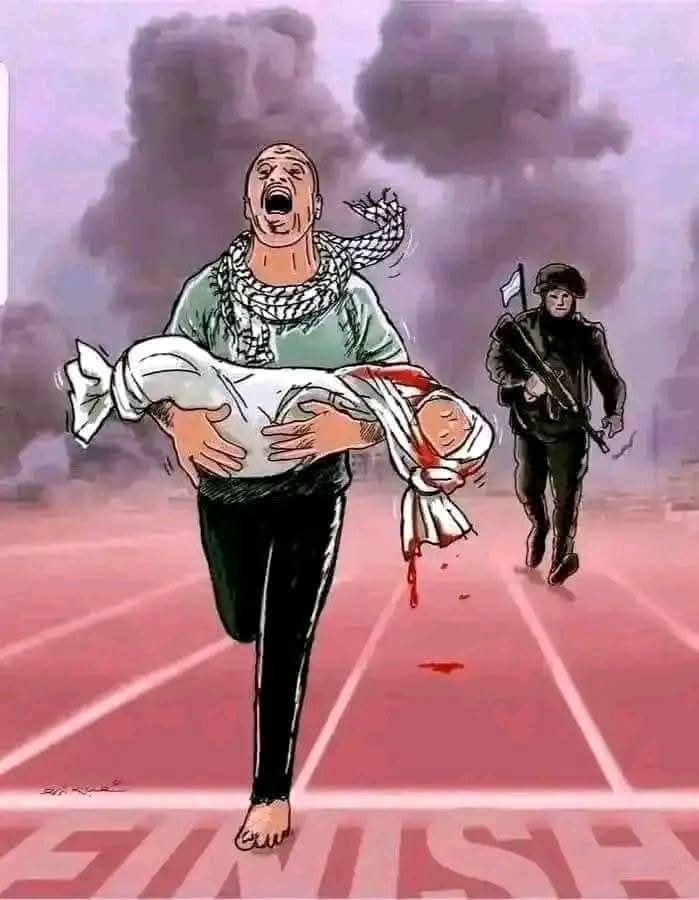
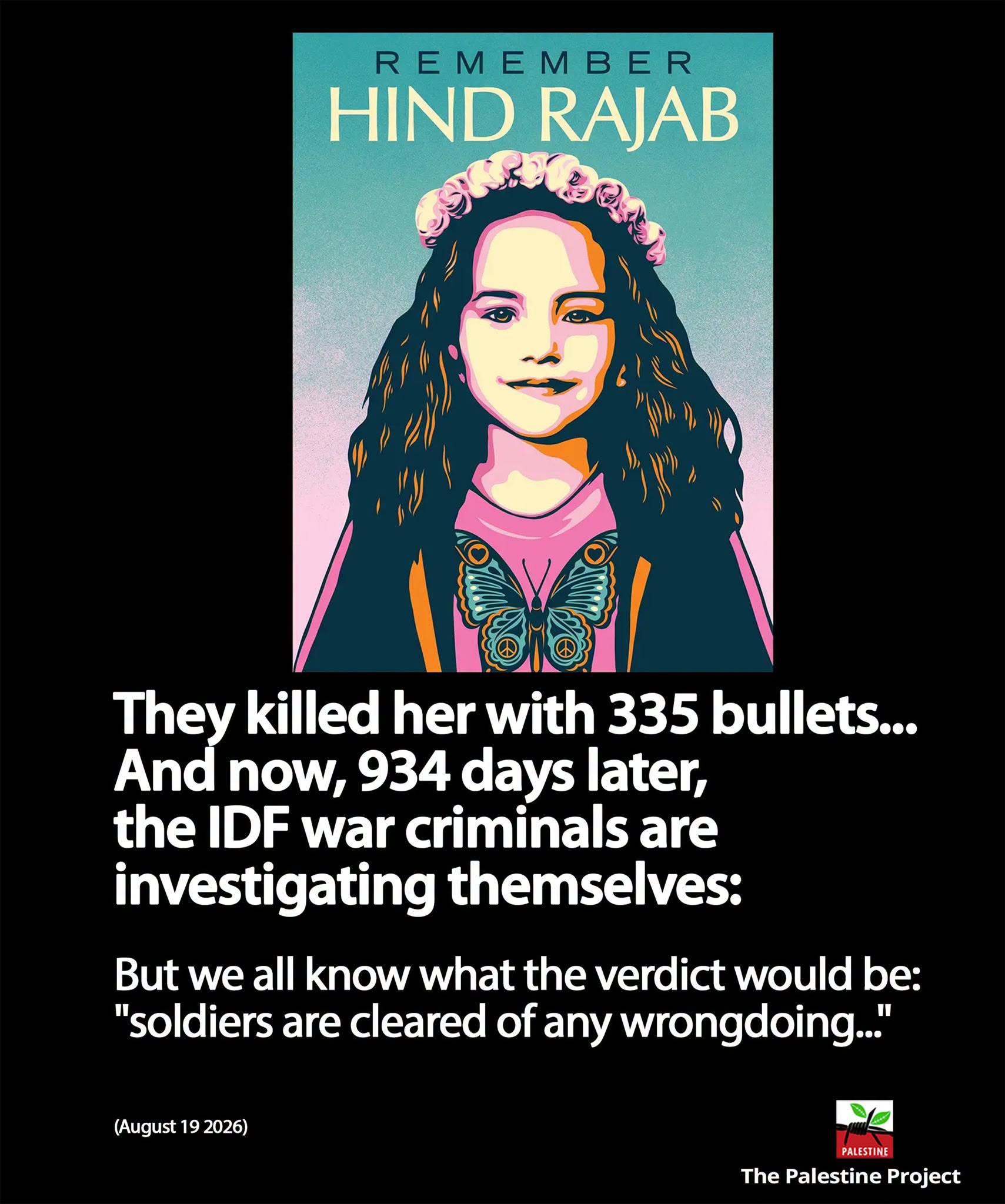 Remember Hind Rajab
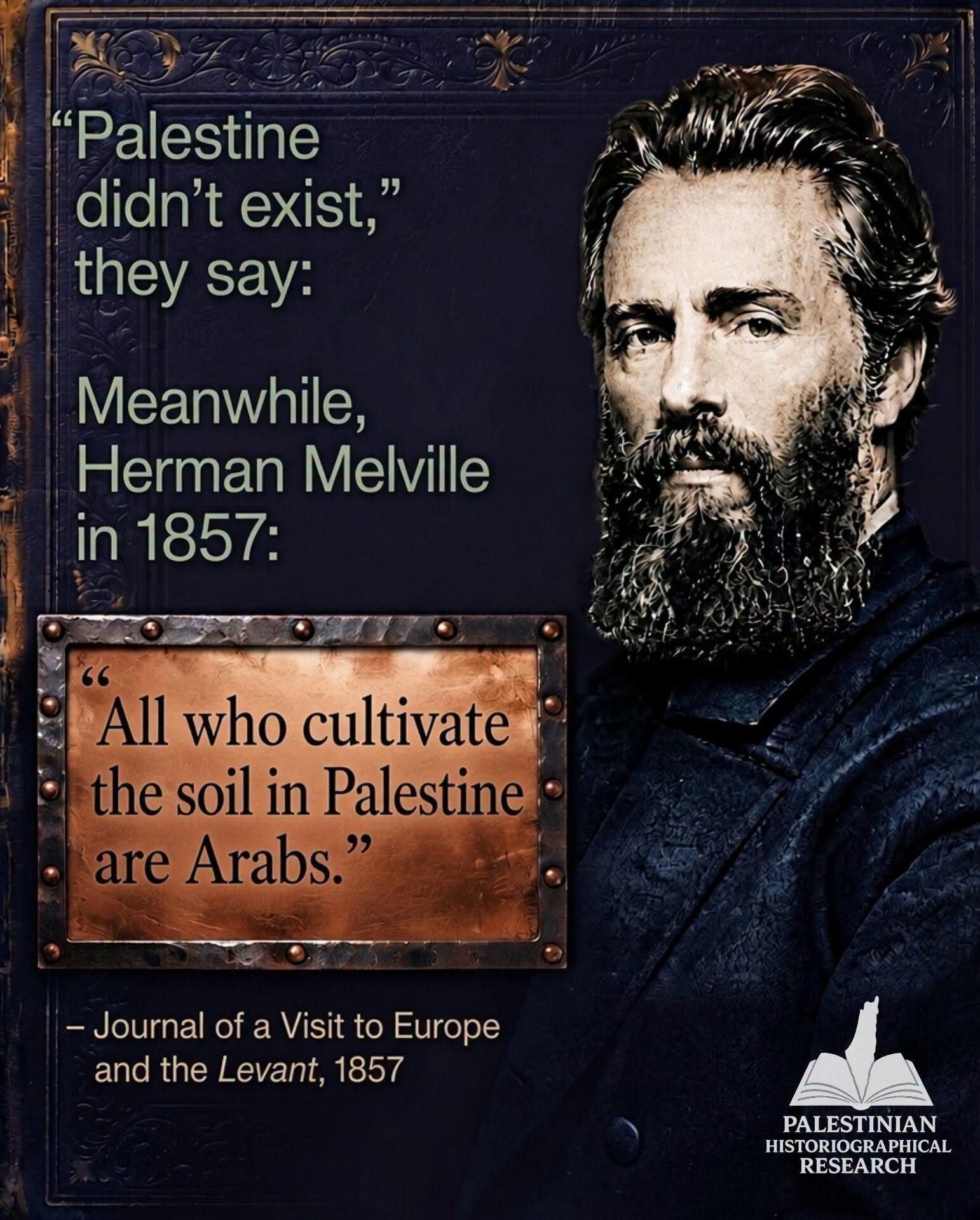

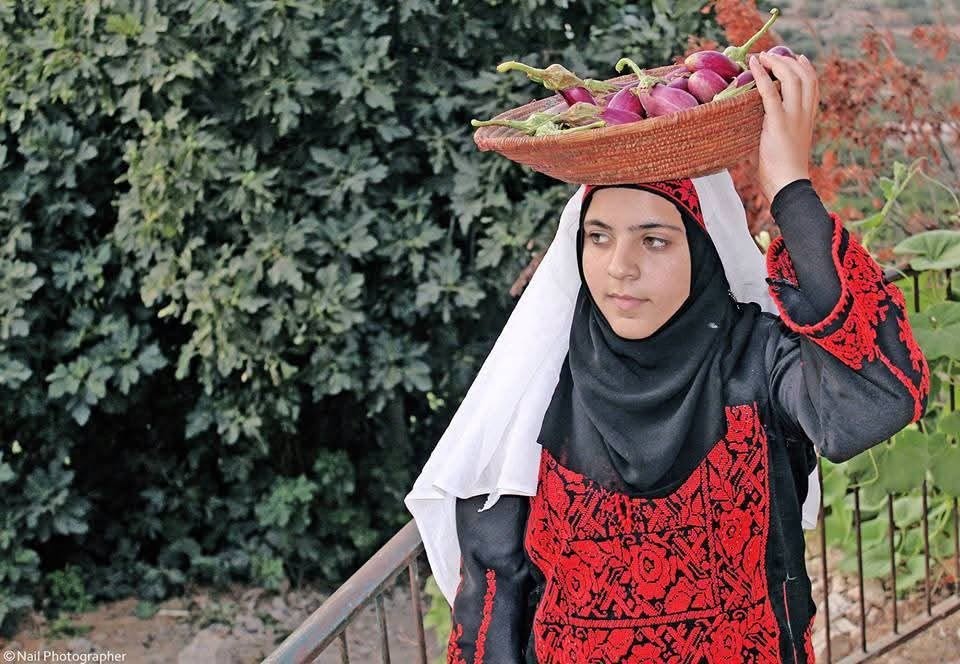
Palestine: Heritage, Folklore
 CrossFireArabia
- August 20, 2026
 CrossFireArabiaCrossFireArabiaCrossFireArabia
 HebaCrossFireArabiaCrossFireArabiaHeba
 marwanmarwanmarwanmarwanmarwanmarwanCrossFireArabiamarwanmarwan
 Saleem Ayoub QunamarwanCrossFireArabiaCrossFireArabiaCrossFireArabiaCrossFireArabiamarwanCrossFireArabiaCrossFireArabiamarwanCrossFireArabiaHebaCrossFireArabiamarwanCrossFireArabiamarwanHebaCrossFireArabiamarwanmarwanHebaCrossFireArabiamarwanmarwanCrossFireArabiamarwanHebaCrossFireArabiaCrossFireArabiaCrossFireArabiaHebamarwanCrossFireArabiamarwanHebaCrossFireArabiaHebamarwanmarwanCrossFireArabiamarwanmarwanmarwanmarwanmarwanmarwanmarwanmarwanmarwanCrossFireArabiaCrossFireArabiamarwanmarwanCrossFireArabiaCrossFireArabiamarwanCrossFireArabiamarwanHebaHebamarwanmarwanCrossFireArabiaCrossFireArabia
For over a year and five months, the people of Gaza have endured an unrelenting war of extermination—one that has robbed them not only of life’s comforts but of its very essence. Eighteen months of ceaseless suffering, where mere survival has become an act of defiance. The Israeli genocide in Gaza has drained every ounce of their strength—physically, mentally, and emotionally. And for those not granted the mercy of a single, swift death, every moment is a slow, agonizing descent into an unspeakable catastrophe. A never-ending cycle of death inflicted upon them by Israel—where one does not simply perish once, but dies a thousand deaths every day.
Under the relentless barrage of missiles raining down upon us, every passing moment is a gamble with fate. If we escape death today, there is no certainty that it will not claim us tomorrow—for in Israel’s eyes, we are all targets. As if the ceaseless bombardment were not enough, we are also stripped of life’s most basic essentials: food, water, electricity. Existence itself has been reduced to an endless procession of lines—one for a sip of clean water, another for a brief charge of a phone, yet another for a meager ration of humanitarian aid.
But among all these hardships, one of the most crushing has been the loss of cooking gas. With the suffocating blockade and the total closure of border crossings, the last fragile thread connecting us to a semblance of normalcy has been severed. Preparing a meal has become an ordeal, an insurmountable task that drapes every household in Gaza with the weight of exhaustion and despair.
Even before the total closure of Gaza’s crossings during Israel’s war of extermination, access to cooking gas was already scarce, failing to meet the population’s basic needs. Nowhere was this crisis felt more acutely than in the north, where gas barely trickled in—even during the rare moments when Israel allowed limited supplies into the south.
When a brief ceasefire was brokered—only to be swiftly shattered by Israel—residents of northern Gaza were once again left without their share. And the moment the ceasefire ended, the crossings were slammed shut once more, plunging people back into uncertainty, forcing them to navigate survival in the face of the unknown.
Malak Radwan, a resident of northern Gaza, recalls: “The first time we managed to get any cooking gas was after the ceasefire in February, 2025. But it didn’t come from our area—we had to depend on our relatives in the south to share what little they had.”
In southern Gaza, gas distribution operated through a system known as “Gas Lists,” where families were registered in a turn-based queue to receive their cylinders. Even then, the allocated amounts were woefully insufficient to meet the needs of the population. Yet, despite its scarcity and inflated cost, gas was still seen as a rare privilege—one that people clung to with gratitude.

But as the siege tightened and Israel’s total closure of the crossings dragged on, these lists became little more than illusions of hope—long, stagnant lines that might never move. According to the Government Media Office in Gaza, the Israeli occupation has prevented the entry of 18,600 aid trucks and 1,550 fuel trucks, including those carrying cooking gas, further exacerbating the suffering of the Palestinian people. Left stranded in uncertainty, families were forced to seek out alternative ways to cook, even as every other resource around them faded into oblivion.
They say necessity is the mother of invention, but what happens when all means of invention have vanished? Can the resort to primitive methods still be considered innovation in the face of such overwhelming disaster?
In Gaza, residents have been driven to rely on primitive cooking methods—each effort a dangerous gamble that weighs heavily on their bodies, their souls, and their fragile mental state.
Once, gathering around a coal fire to brew tea on a cold winter’s night was a beloved family ritual, a moment unmatched in its warmth. But now, that same fire has been forced upon us as a way of life—one that ignites not only our stoves but also the anguish in our hearts.
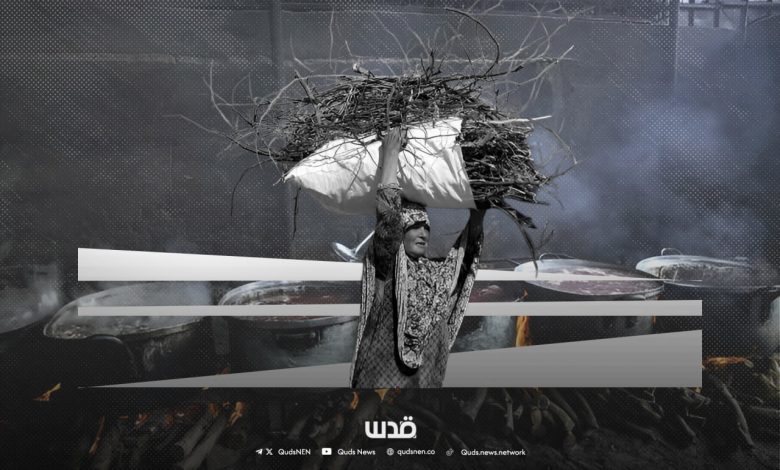
Yet, even firewood has become a distant luxury. Its price has soared, driven by the scarcity of trees, forcing some to scavenge shattered wood from the ruins of bombed homes or burn whatever fragments of furniture they have left. Never did we envision a day when we would be compelled to set our own belongings aflame just to prepare a meal.
“My fingers seem to melt with the fire every time I light it,” my mother sighs.
With firewood becoming prohibitively expensive, many have resorted to standing in yet another queue—this time in front of makeshift clay ovens, hoping to cook whatever food they have left. Umm Mohammad, a displaced woman from northern Gaza, has started her own small business: operating a clay oven where she bakes bread and prepares meals in exchange for a few Shekels.
“I began this work to support myself after losing everything during my displacement to the south. At the same time, I wanted to help those who have no means of cooking in their homes or tents,” she says.

For many families, even a few shekels are out of reach. The only remaining option is to rely on community kitchens—yet another queue to stand in, another obstacle in the endless struggle for survival. These kitchens provide just one meal a day, forcing many to subsist on cold canned food for the rest of their meals. Even the single meal was denied to them by the Israeli occupation. According to a report issued by the Government Media Office in Gaza, the Israeli occupation has directly targeted 60 charity kitchens and aid centers in a ruthless campaign aimed at starving the Palestinian people in Gaza. This has resulted in 80% of Gazan citizens losing their source of food.
The impact has been especially harsh on children and the elderly, who desperately need warm, nutritious food to sustain them.
And this is yet another burden we set aside amid the bleakness of our lives. Here in Gaza, the closure of border crossings is not the only barrier worsening the disaster of cooking gas shortages. As Gazans, we do not have the luxury of choosing our daily meals, nor do we have the privilege of enjoying a well-balanced diet. Every day, we are forced to go to the market, only to face the recurring frustration of missing food supplies. We are compelled to prepare meals we do not desire because no alternatives exist, and to eat unbalanced meals because we cannot afford anything better. Here, every moment we endure is a catastrophe in itself.
The crisis extends far beyond the inability to cook—it has dire implications for both health and society. Malnutrition has become rampant due to the lack of proper food preparation, leading to widespread cases of general weakness and anemia, especially among children.
Respiratory illnesses have also surged, as people are forced to burn wood and coal inside their homes, inhaling thick smoke with every breath. This has exacerbated the suffering of the sick and elderly.
Amani Al-Ghefari, a resident of northern Gaza, recounts her ordeal: “As someone with nearsightedness who wears corrective glasses, the smoke from burning wood has not only worsened my vision but has also caused a constant burning in my eyes, accompanied by migraines and relentless coughing. The most harrowing consequence, however, has been the physical strain—splitting firewood has taken a severe toll on my joints, leading to months of painful physical therapy.”
But the catastrophe is not limited to physical health—it has deeply scarred the psyche of every Gazan. Food is no longer just a means of sustenance; it has become a haunting memory of life before the genocide. The warmth of family gatherings around a meal has been replaced by a daily struggle for mere survival.
One mother confesses in anguish:
“I can no longer cook a warm meal for my children. I feel helpless, unable to provide for their most basic needs.”

Amidst this suffering, numerous humanitarian organizations have made urgent appeals for aid to enter Gaza. The World Food Programme has expressed concern over the closure of 25 bakeries it supports in Gaza, due to a lack of fuel and flour. Yet, Israel continues its punitive policies, blocking fuel and essential supplies. Human rights advocates persist in calling for the immediate reopening of crossings and the unrestricted flow of aid to all areas of the Strip.
What is happening in Gaza is not merely a humanitarian crisis—it is an orchestrated catastrophe. Life as we knew it has been obliterated, and the suffering has surpassed all conceivable limits. Now more than ever, there is an urgent need for decisive international intervention to save the people of Gaza and to lift the inhumane siege that deprives them of even the most basic right—to cook their own food.
Silence is no longer an option. Every passing moment means more hunger, more pain, more devastation. Supporting Gaza is not just a humanitarian duty—it is a moral imperative that the world can no longer afford to ignore.
CrossFireArabia
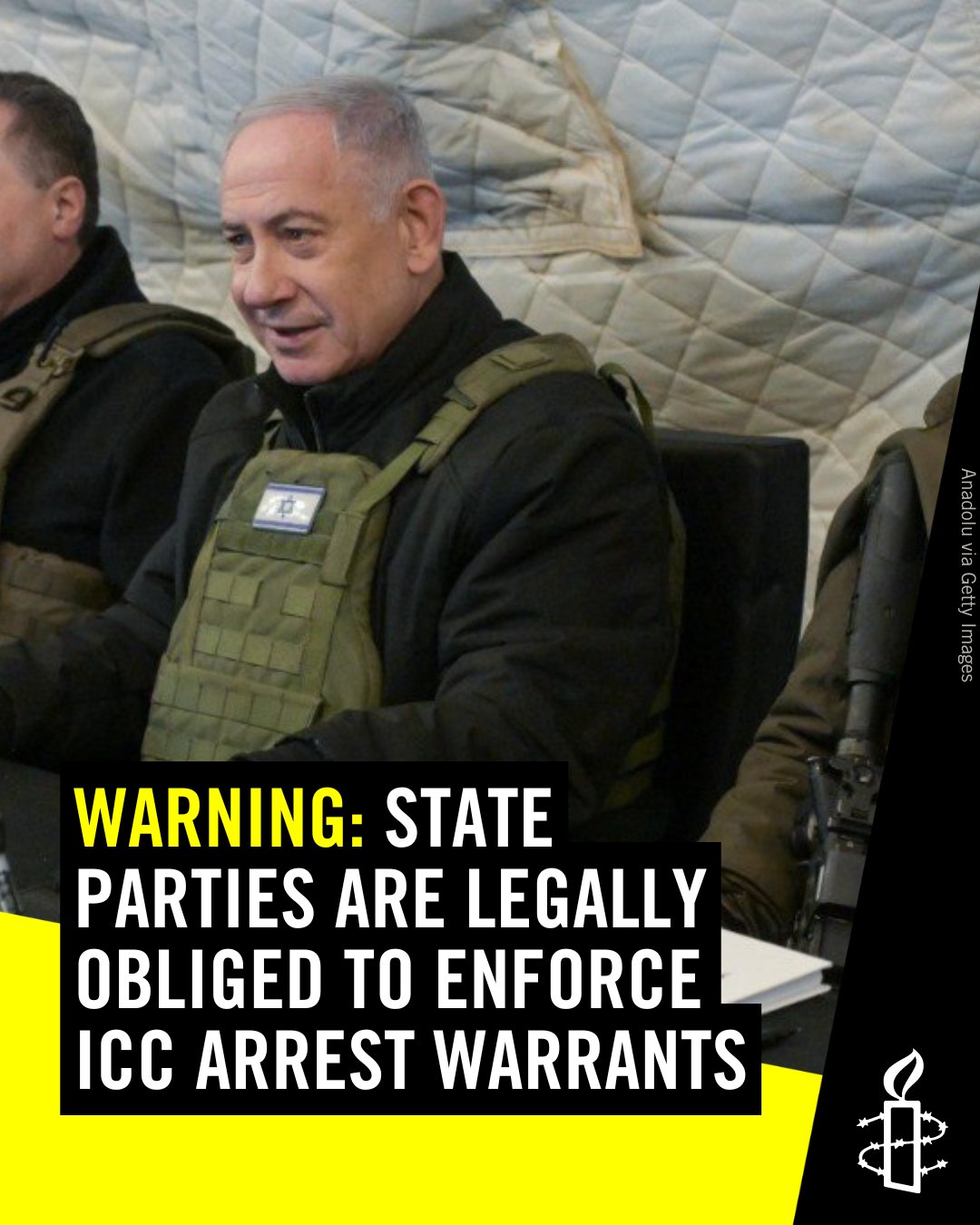
Responding to reports that Hungary’s Prime Minister Viktor Orbán has invited and plans to host Israel’s Prime Minister Benjamin Netanyahu in Hungary on Wednesday, Erika Guevara-Rosas the head of Global Research, Advocacy and Policy of Amnesty International said:
“Prime Minister Netanyahu is an alleged war criminal, who is accused of using starvation as a method of warfare, intentionally attacking civilians and the crimes against humanity of murder, persecution, and other inhumane acts. As a member state of the International Criminal Court (ICC), Hungary must arrest him if he travels to the country and hand him over to the Court. Any trip he takes to an ICC member state that does not end in his arrest would embolden Israel to commit further crimes against Palestinians in the Occupied Palestinian Territory.
“Netanyahu’s reported visit should be seen as a cynical effort to undermine the ICC and its work, and is an insult to the victims of these crimes who are looking to the Court for justice. Hungary’s invitation shows contempt for international law and confirms that alleged war criminals wanted by the ICC are welcome on the streets of a European Union member state.
“Netanyahu’s visit to Hungary must not become a bellwether for the future of human rights in Europe. European and global leaders must end their shameful silence and inaction, and call on Hungary to arrest Netanyahu during a visit which would make a mockery of the suffering of Palestinian victims of Israel’s genocide in Gaza, its war crimes in other parts of the Occupied Palestinian Territory and its entrenched system of apartheid against all Palestinians whose rights it controls.
“Amnesty International calls on the ICC Prosecutor to investigate and prosecute all Israel’s crimes. Hungary should equally do so by applying universal jurisdiction principles. Powerful leaders, like Netanyahu, accused by the ICC of war crimes and crimes against humanity, must no longer enjoy the prospect of perpetual impunity.”
“The ICC was established to ensure accountability for victims of genocide and other crimes under international law, and so that crimes which shock the human conscience would “never again” be accompanied by impunity. In ‘bringing power to justice’, the ICC is now facing a global backlash from powerful leaders seeking to undermine the international rule of law and stamp out the prospect of accountability for the most powerful.”
In November 2024, the ICC issued arrest warrants against Israeli Prime Minister Benjamin Netanyahu and former Defence Minister Yoav Gallant, as well as al-Qassam brigades commander Mohammed Diab Ibrahim Al-Masri, on charges of war crimes and crimes against humanity.
Since then, leaders from ICC member states France, Germany, Italy, Hungary and Poland have stated or implied that they would not arrest Benjamin Netanyahu if he travelled to their respective countries. The United States has also enacted sanctions against the ICC Prosecutor, Karim Khan.
A cornerstone principle of the ICC’s founding Rome Statute is that all individuals subject to ICC arrest warrants must be arrested and surrendered to the Court without recourse to immunity when they are within the jurisdiction of ICC member states, including on their territory.
CrossFireArabia
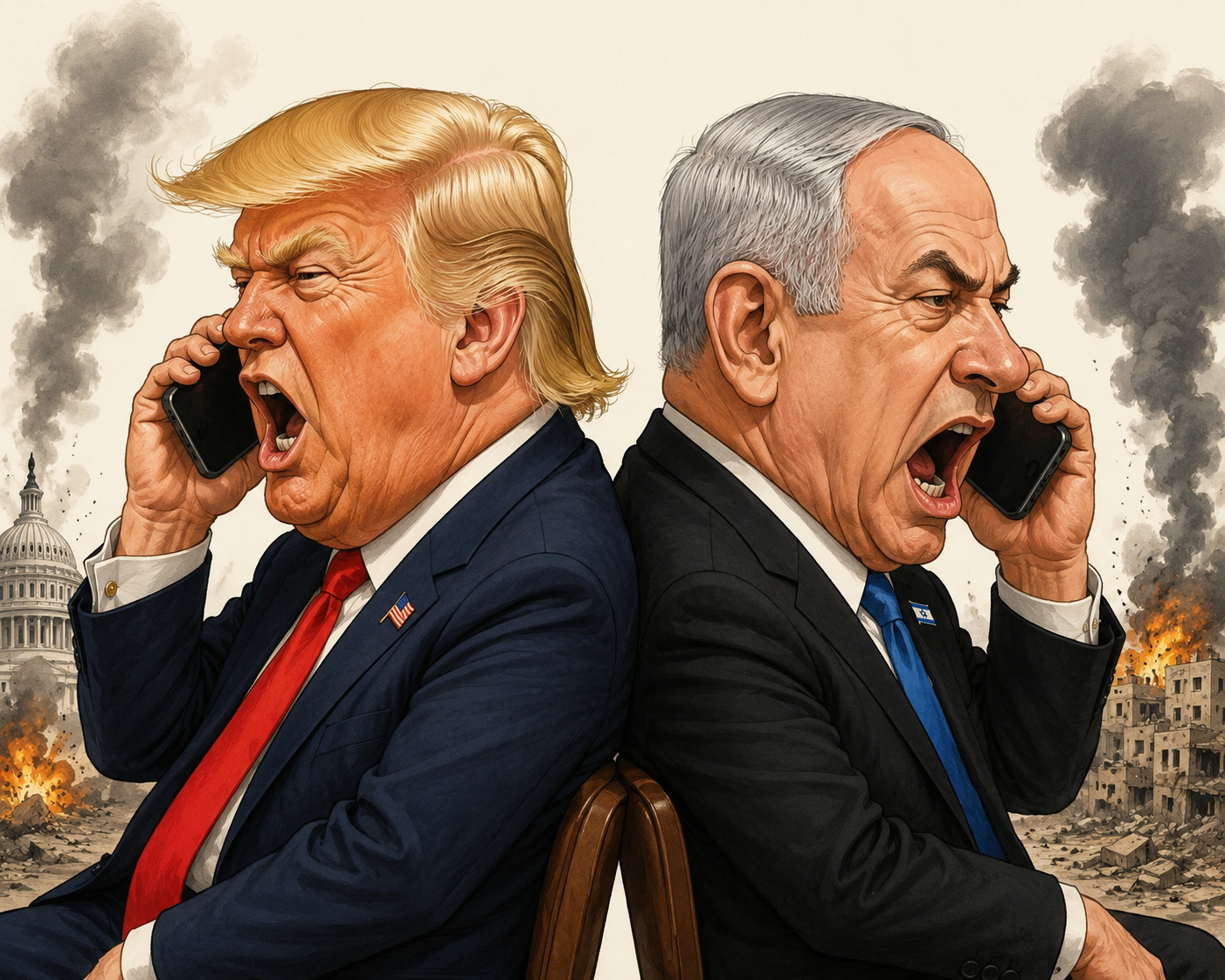
Experts say the Middle East region is poised on an impending war with the top protagonists being the USA, Israel and Iran. They stand on a military pedestal of violent conflict where Armageddon has become the new catchphrase.
The man at the center of it all is US president Donald Trump who has been elected on a so-called global “peace” ticket but is fueling the worldwide escalation with his rhetoric.
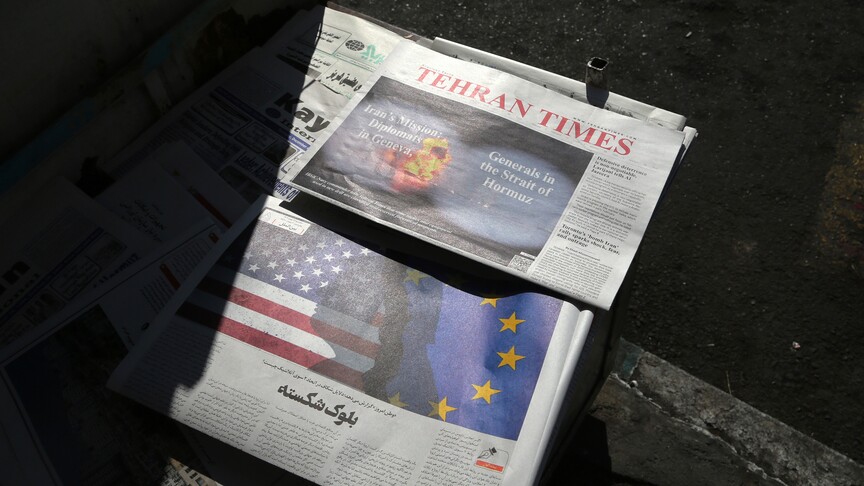
He is telling Iran, nay warning it, to either hitch out and agree to a new accord on the country’s nuclear file or face the American wrath where its Persian cities and nuclear facilities would be wildly attacked in a first-time development that is turning international relations upside down.
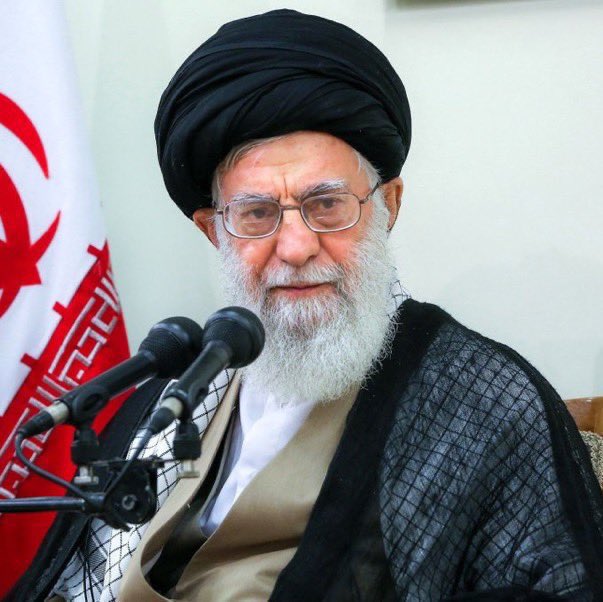
And so a war of words began between Tehran and Washington since Trump sent a stern letter to Iran’s spiritual leader, Ayatollah Ali Hosseini Khamenei, telling him to submit to a new nuclear agreement to stall his country’s nuclear facilities or face extensive US bombing.
This was a callous, stark warning. The international system has never, till now, faced such discursive diplomatic parlance, even at the height of the Cold War between the United States and the Soviet Union.
The Iranian leadership saw Trump’s verbiage as an outright threat and refused to submit, even telling US president that Iran will not be bullied and he can to “go to hell”, a comment made by Iranian president Massoud Pezeshkian. He was speaking for the Ayatollah and the top leadership in the country.
Since then however, and in spite of the occasional utterings, recently made by Iran’s Foreign Minister Abbas Iraghchi that Tehran would respond quickly and heavily to any outside attack, both sides have been involved in a “jostling affair” issuing different and irk statements short of the war-mongering tirade Trump started.
Military brink
Today, and on the face of it, both sides appear to want to pull back from the military brink. The Iranians are now saying they would be prepared to negotiate but only indirectly through Oman, the country that has traditionally served as a consummate link between Washington and Tehran.
Whilst the Trump administration may be contemplating such a fact, although it’s on record for stating it would prefer direct face-to-face negotiations involving fully-fledged American and Iranian expert teams in the field of nuclear weapons and proliferation, Washington has not closed the doors to such an offer from Tehran and it is still considering it which means it might be softening its position.
But there is another snag to this. Iranian officials have stated they want confidence-building measures from the Trump administration and don’t believe in negotiations under threat but this appears to be what is happening today.
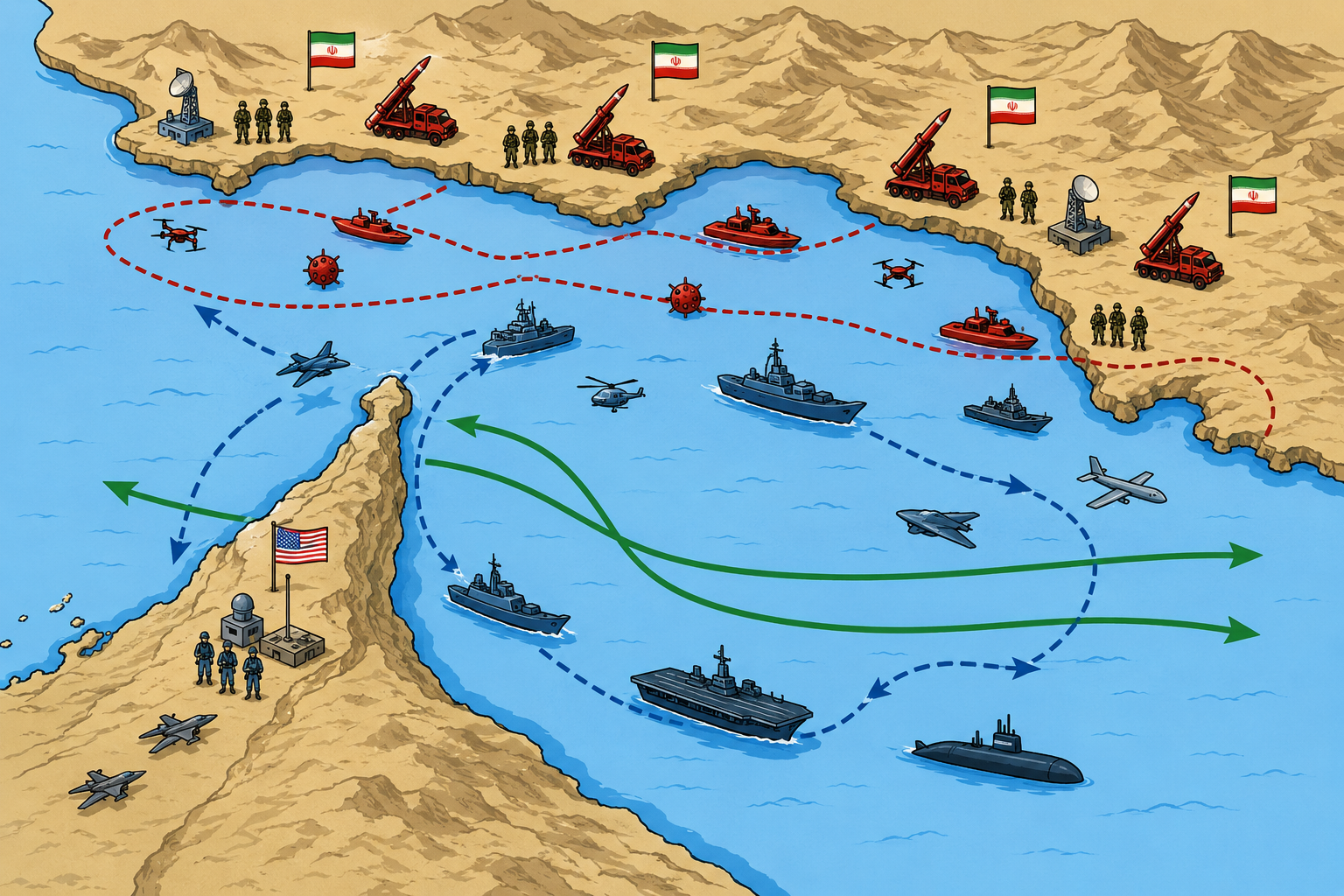
As the diplomatic chit chat continues, Washington is sending military reinforcements with jet fighters, mass bombs and missiles to the Indian Ocean, Arabian Sea and the Red Sea as part of their stepped-up fight against the Houthis and potentially against Iran, both of whom are against the Israeli military onslaught on the Gaza Strip which is being financed by the USA.
Thus, what is happening now is that both sides are involved in sending out mixed signals despite the military escalation and war of words with Trump in what is becoming his customary U-turns. He is now saying that he doesn’t want a fight with Iran and is prepared for negotiations.
But the ball is turning so to speak. For one thing Israel has long sought deadly strikes on Iranian cities and nuclear facilities and for it, today this is a “golden opportunity” being flanked and supported by US warships in the area.
Israel sees such a series of strikes as more urgent than before because after 2018 when Trump got the USA out of the nuclear deal, Iran started once again to boost its uranium enrichment program and many argue it’s very near to achieving a nuclear bomb and capability.
But that may be over-stating the fact, because Iran has always stated its nuclear program is for peaceful purposes and its officials have maintained an official dialogue with the countries it originally made a deal with in 2015 officially named as the Joint Comprehensive Plan of Action (JCPOA).
So the current escalation may be tinged with diplomatic talk for although Trump maybe rash in what he says, there is usually a back up plan up his sleeve of not reaching beyond the military brink with brinkmanship being played at the highest levels.
This comment is written by Dr Marwan Asmar, chief editor of the crossfirearabia.com website.
CrossFireArabia
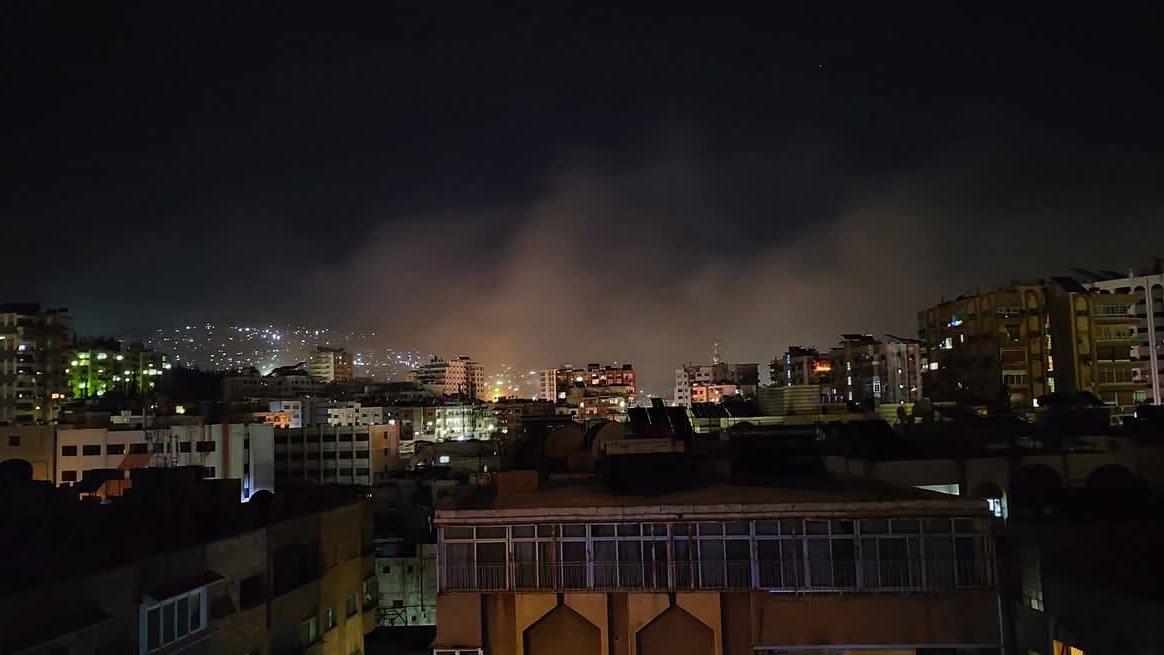
Israel will not leave Syria alone! Israeli raids, Wednesday evening, struck the Scientific Research Institute in the Barzeh neighborhood in Damascus according to Sana, the Syrian news agency.
Israeli warplanes went on to strike the Hama military base with more than 11 air raids, Sana pointed out. later reports show that the military airport was targeted 17 times.
The Israeli Channel 12 added that an additional target was the T4 military airport in rural Homs.
The Israeli raids, almost daily, started months ago on Syria and its capital, Damascus, and increased after 9 December 2024 when there was a change of regime in the country.
Residents in Damascus said they heard loud explosions after the intense air raids that targeted the scientific building in Barzeh.
But before that Israel has been conducting deadly air raids, literally mounting to thousands on Syria for years under the now ousted Baath regime of President Bashar Al Assad.
Israel then claimed it was targeting Hezbollah and Iranian bases but there were many deaths and injuries.
Israel occupied most of the Syrian Golan Heights after the 1967 Arab-Israel war, and took advantage of the fall of the regime and occupying the country’s buffer zone and declaring the collapse of the 1974 disengagement agreement between the two sides.
CrossFireArabia
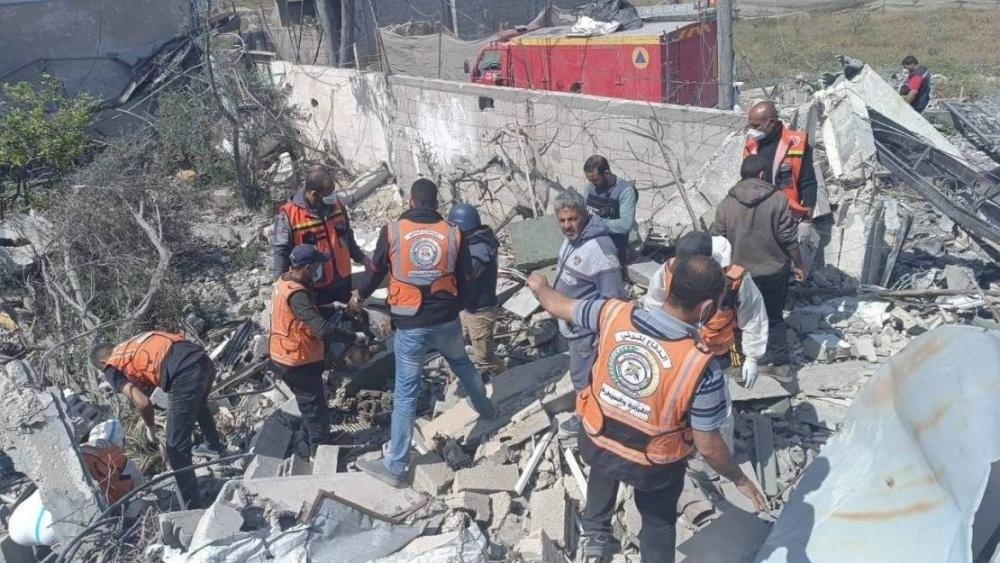
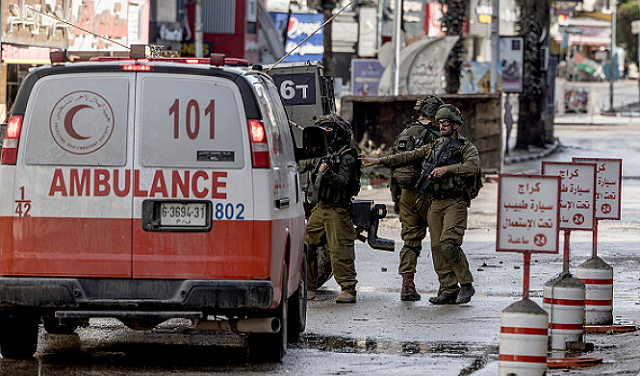
The international community must hold Israeli officials and responsible individuals accountable for the deliberate killing of 15 paramedics and first responders from the Palestinian Red Crescent and Civil Defense. The victims—killed by the Israeli military in Rafah, in the southern Gaza Strip—also include an employee of the United Nations Relief and Works Agency for Palestine Refugees (UNRWA). This killing is part of Israel’s widespread and systematic attacks on humanitarian, medical, and UN workers, all of whom are protected by international law.
According to field evidence, Israeli forces killed eight Palestinian Red Crescent paramedics, five Civil Defence personnel, and one UNRWA employee; all were on duty at the time of their targeting. The crime has been referred to as “the largest mass execution of humanitarian workers in the history of modern warfare”. Following the total destruction of the workers’ vehicles, the majority of their bodies were subsequently interred in a deep pit that was then filled with sand. This horrifying scene serves as further evidence of Israel’s ongoing genocide in the Gaza Strip, and is a major crime that is a serious breach of international humanitarian law.
The crime is just one of a string of intentional assaults that have been directed at humanitarian and medical workers since 7 October 2023. Since then, Israel has killed over 1,400 medical personnel, 27 Red Crescent paramedics, and 111 Civil Defense personnel as part of a systematic campaign to destroy the Gaza Strip’s health and relief infrastructure to kill Palestinians, while simultaneously aiming to destroy their means of subsistence as well.
A Palestinian Red Crescent ambulance left Rafah’s Hashash neighbourhood early on Sunday (23 March 2025) to evacuate injured individuals who had been hit by Israeli attacks. However, the medical staff inside the ambulance suffered injuries themselves as a result of the Israeli occupation forces’ intense fire. Three more ambulances were sent to evacuate the injured, including the crew members hurt in the initial attack, as the situation worsened. The area was then abruptly surrounded by a strict security cordon by the occupation forces, which has since cut off all communication with medical personnel.
That same day, a Civil Defense rescue team in Rafah’s Tal al-Sultan neighbourhood received urgent calls to travel to al-Hashash area. The calls stated that Israeli occupation forces had unexpectedly invaded the area, killing and injuring dozens of people and trapping medical personnel. Though the call was answered by a team of six Civil Defense personnel, communication with the team was lost shortly after they left to do their job.
One of the crew members was severely beaten by the Israeli occupation forces and then released that evening. The rest—the UNRWA employee, five Civil Defense personnel, and eight Red Crescent paramedics—were killed.
Additional ambulance and Civil Defense crews were able to reach the scene on Friday 28 March, following international coordination, and discovered the mission leader, Civil Defense officer Anwar Abdul Hamid al-Attar, dead, with his body shredded. The rescue crews that arrived Friday also found all of the Red Crescent vehicles, fire trucks, and ambulances completely reduced to charred metal.
Despite being protected by international humanitarian law, the paramedics were directly targeted, as evidenced by the ripped remains of the safety gear discovered at the crime scene. Additionally, evidence shows that the Israeli occupying forces not only killed the victims, but also covered up their crime by using bulldozers and other large equipment to bury the bodies in a mass grave.
The bodies of the eight Red Crescent paramedics were recovered by rescue crews on Sunday 30 March 2025, the first day of Eid al-Fitr. One crew member is still missing, and is thought to be being held by the Israeli military. The bodies of the UNRWA employee and five Civil Defense personnel were also discovered on 30 March.
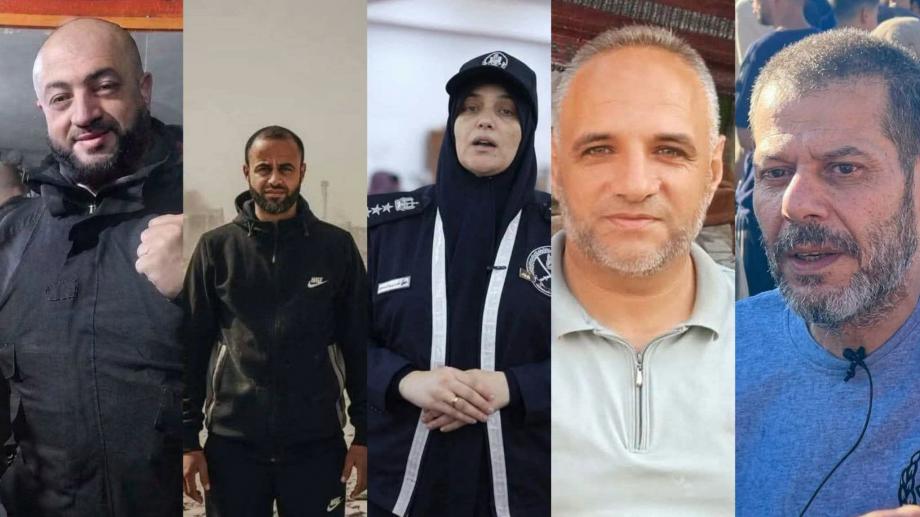
The Palestinian Red Crescent has identified the following victims: Mohammed Bahloul, Ashraf Abu Labda, Mohammed Al-Hila, Raed Al-Sharif, Mustafa Khafaja, Ezz El-Din Shaat, Saleh Muammar, and Refaat Radwan. The victims from the Civil Defense are Yousef Rasem Khalifa (ambulance officer), Fouad Ibrahim Al-Jamal (ambulance driver), Ibrahim Nabil Al-Maghari (firefighter officer), Samir Yahya Al-Bahabsa (firefighter officer), and Zuhair Abdul Hamid Al-Farra (firefighter driver). The victim who worked for UNRWA is Kamal Mohammed Shahtout.
“As soon as the incident occurred, we entered the site west of Rafah with OCHA crews, “Sufyan Ahmed, a member of the Civil Defense team involved in the effort to recover the victims’ bodies, said in a statement to Euro-Med Monitor. “The Israeli army told OCHA that the bodies of the victims were found next to a fire truck and an electrical pole. Using a small bulldozer, we started our excavation at the spot the army had designated. One body was discovered. After examining it, it was determined to be the body of the mission leader, Anwar Abdel Hamid al-Attar.”
He continued: “We used OCHA to get in touch with the army and enquire about the whereabouts of the other bodies. They replied that the bodies were in the same hole from which we had taken al-Attar’s body, next to the electrical pole. We dug deeper into the hole and kept looking, but we could not find anything. We then had to leave the site because the army had given us a limited amount of time.
“We went to the site the following day and waited at a nearby location, awaiting the army’s approval to enter,” he added. “After roughly five hours, we were told that entry was refused, so we departed. The following day, we anticipated being granted access to the site, but were still denied permission. After a few days of waiting, we received approval yesterday, Sunday, and were able to access the site. We were told that the army would stay with us until they told us where the bodies were interred so that we could start the excavation process.”
Explained Ahmed: “When we got to the site, a quadcopter was flying overhead, showing us where the bodies were buried. We received a sign pointing to the graveyard from the drone. We were shocked to learn that the designated site was far from the one where we had previously been informed the bodies were interred. At that moment, we recognized that they had been attempting to delay, procrastinate, and waste our time the first [few days]. We, the Civil Defense staff (two paramedics and two drivers), convened briefly after the new location was determined to devise a strategy for safely retrieving the bodies. We had prior experience on similar missions and had the required equipment.
“We started digging right away, discovered a body, and recovered it. We dug out another body that we found underneath. We then found a third body underneath. We dug further until all of the Red Crescent and Civil Defense personnel’s bodies were found in the same hole. The body of an UNRWA employee was the only one still missing. We asked OCHA about its location, and they told us that it was close to the ‘barracks’ area, west of Rafah.
The bodies had distinct features, but they were in the early stages of decomposition. When they were examined, it was evident that a barrage of bullets had struck them. Based on my observations, the injuries were located in the chest region. A closer look revealed that some of the victims had still been alive despite their injuries—they were apparently buried alive with their feet bound.
“Among the bodies we looked at was Ibrahim al-Maghari’s. His body was covered in severe bruises and showed evidence of torture, and his legs seemed bound. After being shot in the back of the head, his face was completely ripped apart. Regarding Fouad al-Jamal’s body, he was shot in the head from a very close distance, causing his skull to shatter, [giving the appearance of] crushed bones. We discovered that every employee of the Palestinian Red Crescent had been shot in the left and right sides of the head.
After getting permission from the Israeli army, we removed the bodies with immense grief and suffering, moved them to ambulances, and left the site for the hospital.”
Ahmed went on, “We saw bags, blankets, clothing, and other items belonging to thousands of citizens who had been displaced that day, when we first arrived at the scene of the incident and collected the body of Anwar al-Attar. However, these items were absent when we returned to the site a few days later, indicating that the incident site had been altered and tampered with.”
He affirmed: “We were joined by a Red Cross delegation and a forensic physician with expertise in autopsies when the bodies were recovered. Along with documentation experts, we were joined by a delegation from UNRWA and OCHA. All of them observed the process of recovery.”
Another Civil Defense crew’s testimony, which was obtained by Euro-Med Monitor, claims that the victims were cruelly tortured and killed by the occupation forces. The body of one Civil Defense member was wearing handcuffs, while others were discovered in a state of partial undress, and additional victims were found to have suffered from extreme torture that led to their deaths, such as having more than 20 bullets fired into their chest. Most of the victims’ bodies were discovered in a mass grave that was two to three metres deep, this testimony confirms, suggesting that Israeli soldiers forced the victims out of their cars, killed them in cold blood, and then buried them to hide any evidence of the crime.
The Geneva Conventions, which provide protection for medical personnel, relief and humanitarian workers, and United Nations personnel, are gravely violated by this heinous crime, which also blatantly violates international humanitarian law. This is one of many full-fledged war crimes committed by Israel as part of its genocide against Palestinians in the Gaza Strip. The international community must take prompt legal action and hold Israel and its allies accountable, as Israel is clearly attempting to eradicate the Strip’s Palestinian population, either by killing them directly or by destroying the institutions that support their existence—the gravest possible crimes.
All states must swiftly launch international criminal investigations to bring every perpetrator to justice. This includes using national courts to hold their own citizens accountable for any crimes related to Israel’s genocide, as well as supporting the International Criminal Court’s work and assisting the Court in any way possible, such as by issuing arrest warrants and turning over any criminals to the appropriate authorities. In order for states to fulfill their responsibilities under international law, Israeli citizens or dual citizens who have committed crimes against the Palestinian people must be prosecuted under the principle of universal jurisdiction.
Every state, both individually and collectively, must fulfill their binding legal obligations and act quickly to end the genocide in the Gaza Strip. Since this is a fundamental, non-negotiable right of a population under international law, states should take all reasonable steps to protect Palestinian civilians in the Strip; protect medical, humanitarian, and UN personnel there; lift the blockade on the enclave; and permit the immediate and unhindered entry of humanitarian aid. There is no legal exception that would permit Israel to deny this aid to the Palestinian people.
The international community must impose economic, diplomatic, and military sanctions on Israel due to its egregious and ongoing violations of international law. These sanctions should include a travel ban; a freeze on the financial assets of officials linked to crimes against Palestinians; a suspension of military cooperation; and a ban on arms sales to—and purchases from—Israel. In addition, trade privileges and bilateral agreements that give Israel economic advantages and allow it to carry out crimes against Palestinians must besuspended as part of these sanctions.
The United States and other nations that give Israel any kind of support or assistance in connection with the commission of its egregious crimes, including aid and contractual relationships in the military, intelligence, political, legal, financial, media, and other areas that contribute to the persistence of such crimes, should be held accountable and prosecuted.