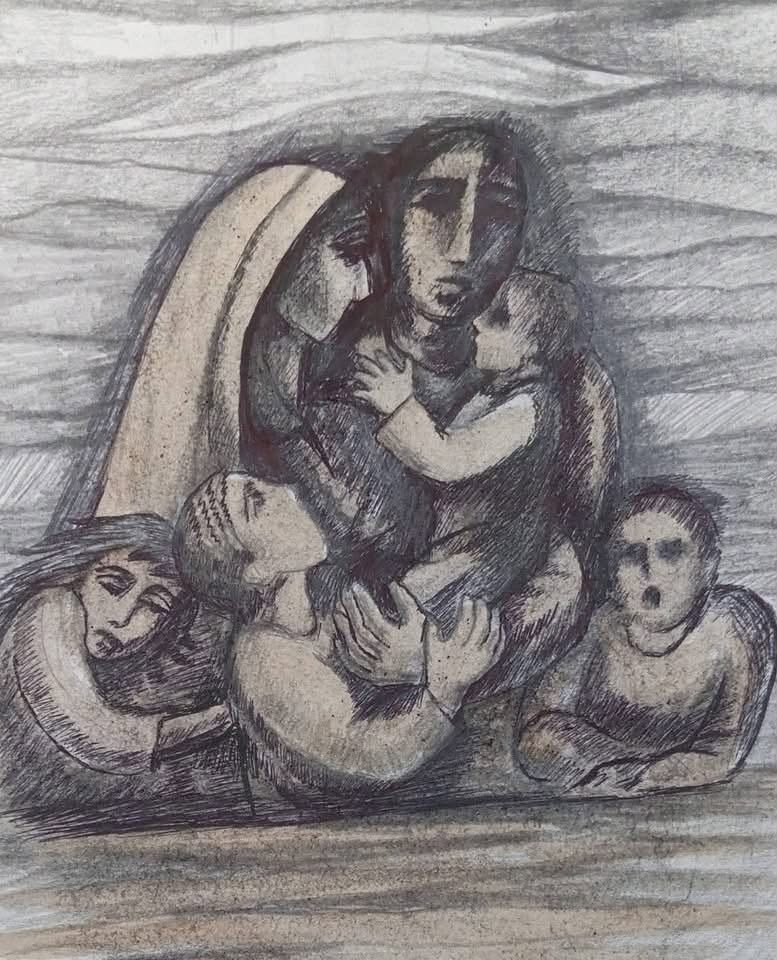
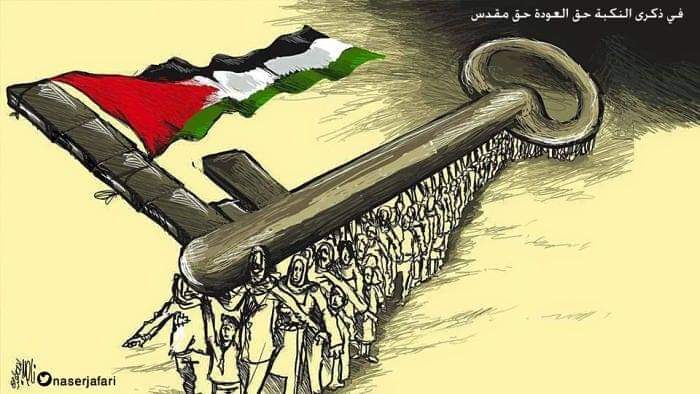
 The Firewood Gatherer
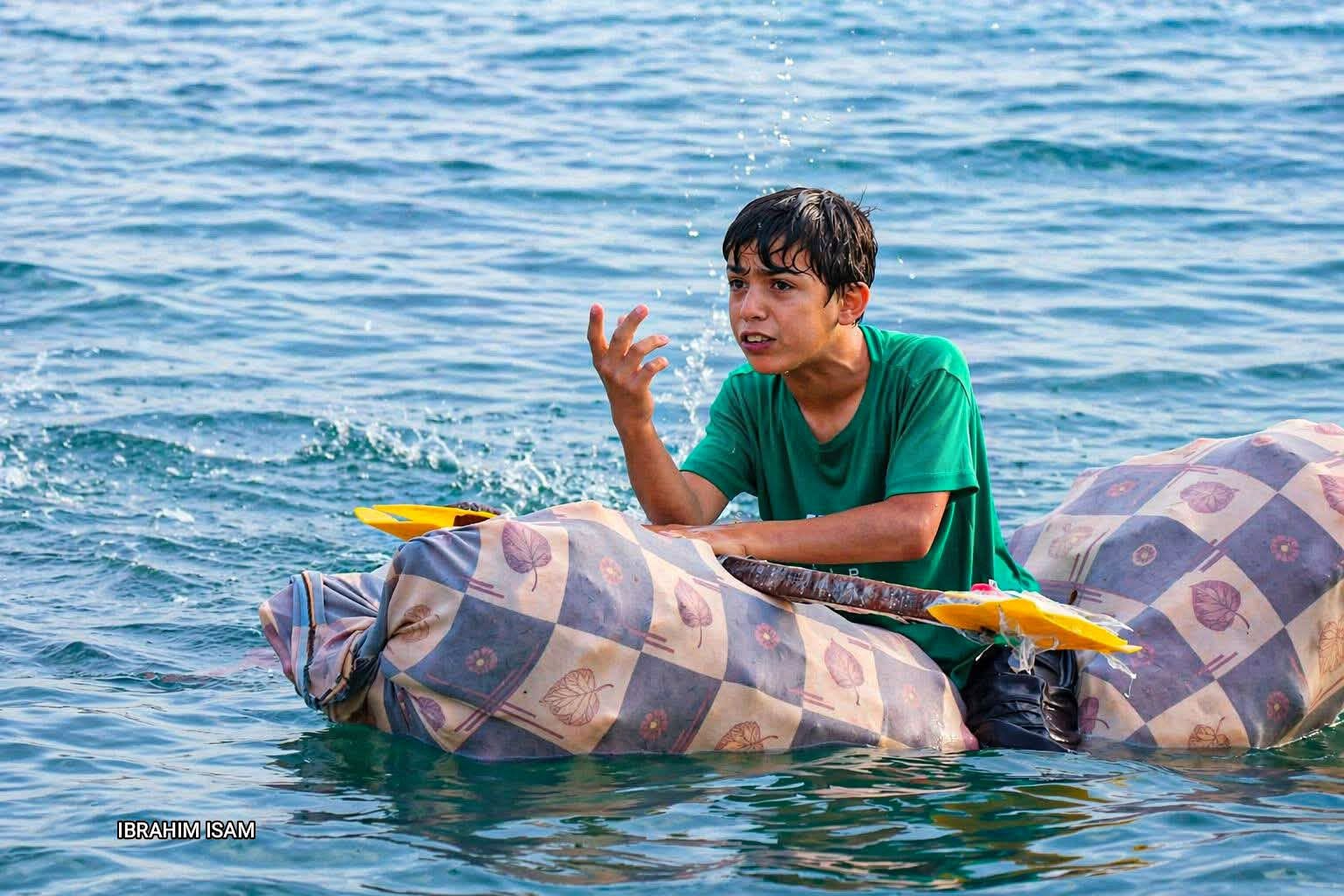 The Gaza Curse? Israel’s Water Crisis and the Pollution That Refuses to Respect Borders
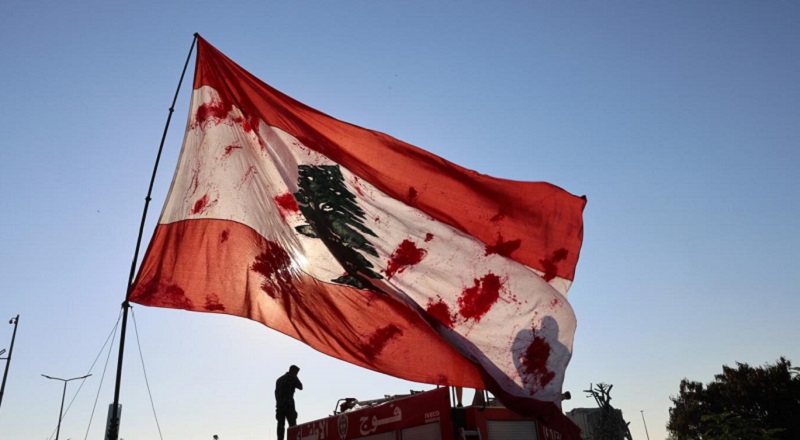
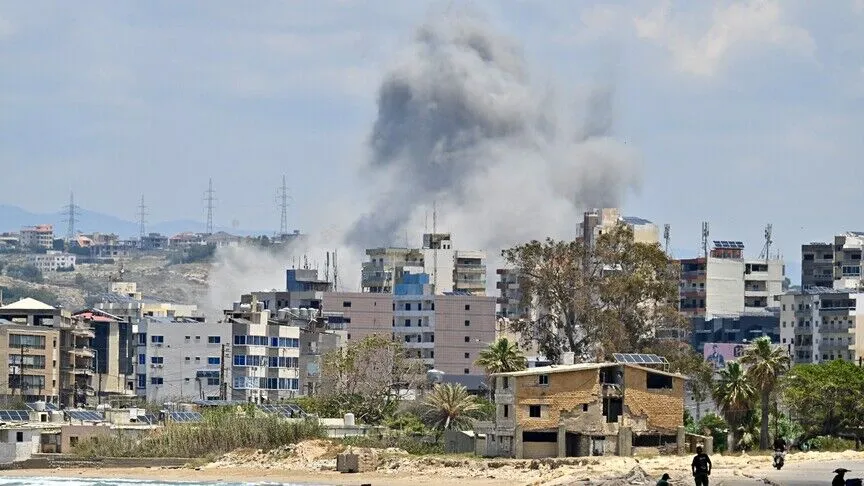
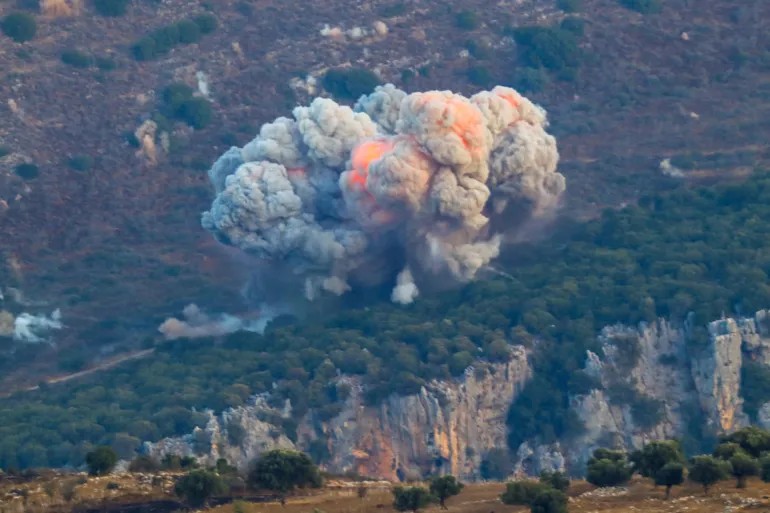 Israeli Kills 5, Injures 24 in Strikes on Lebanon
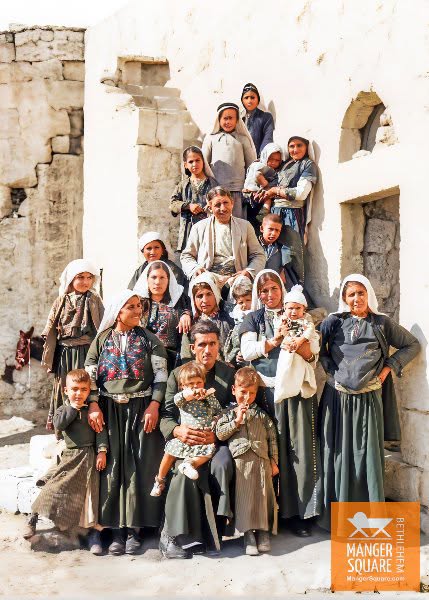
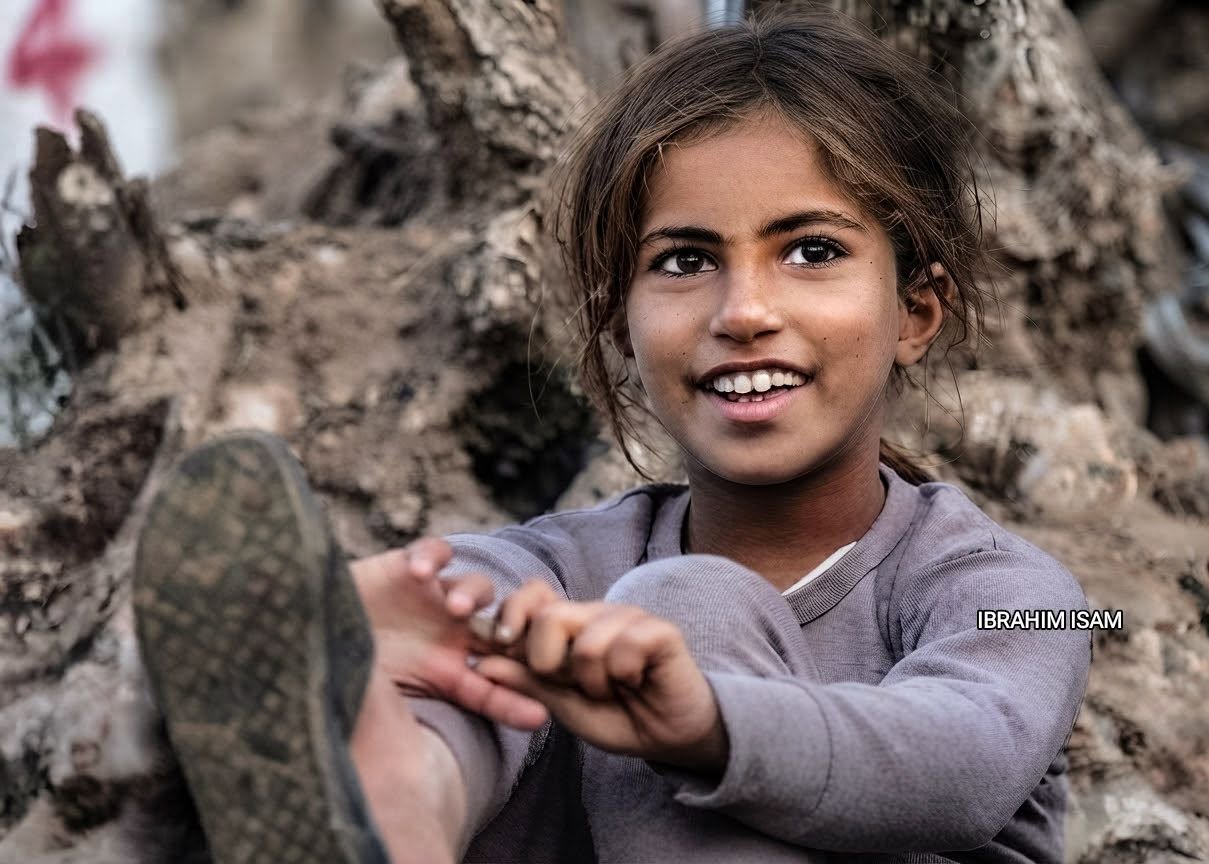
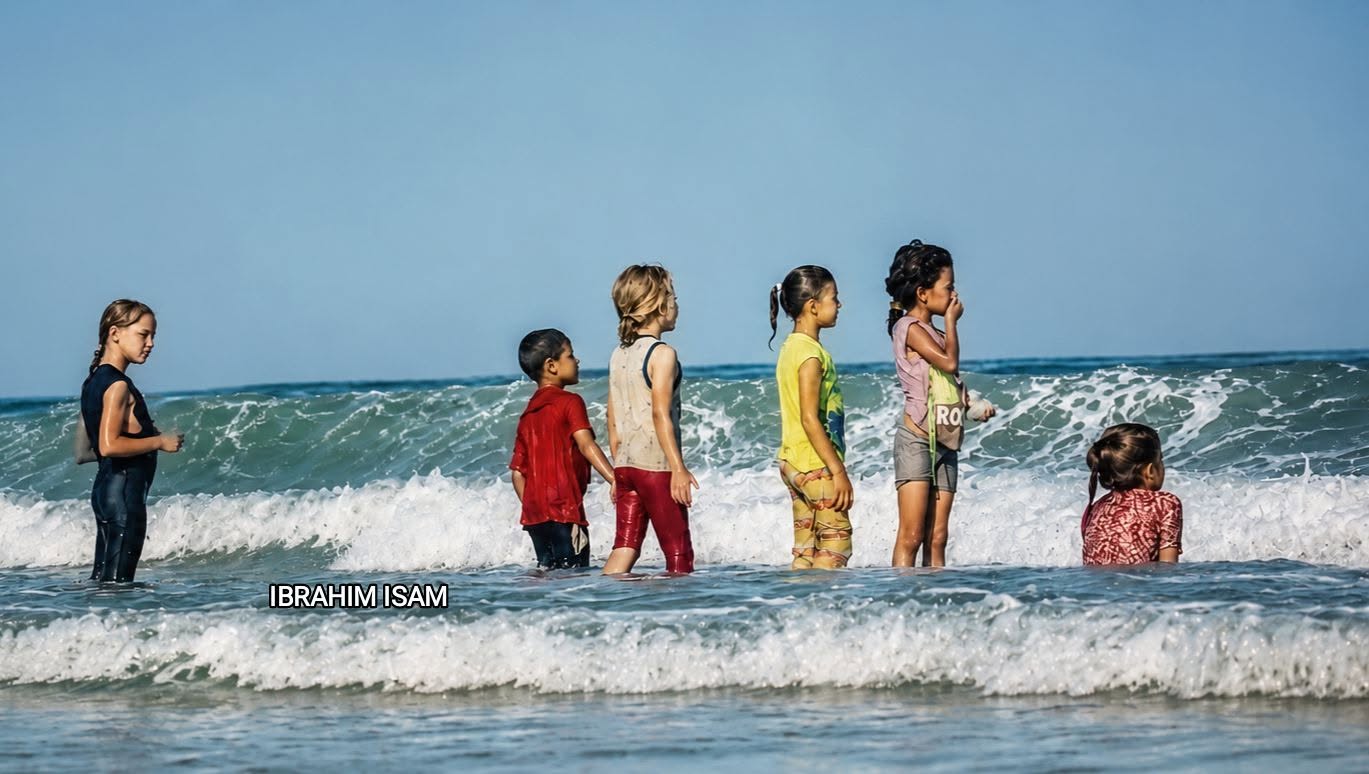
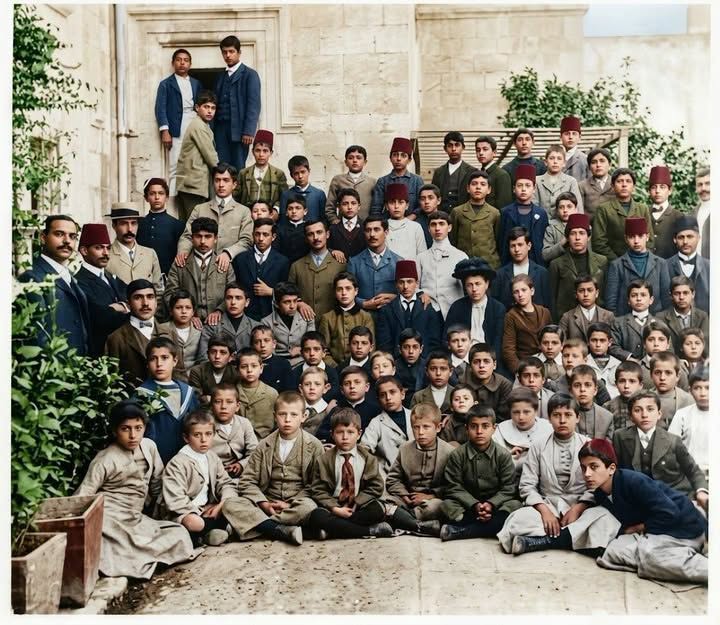
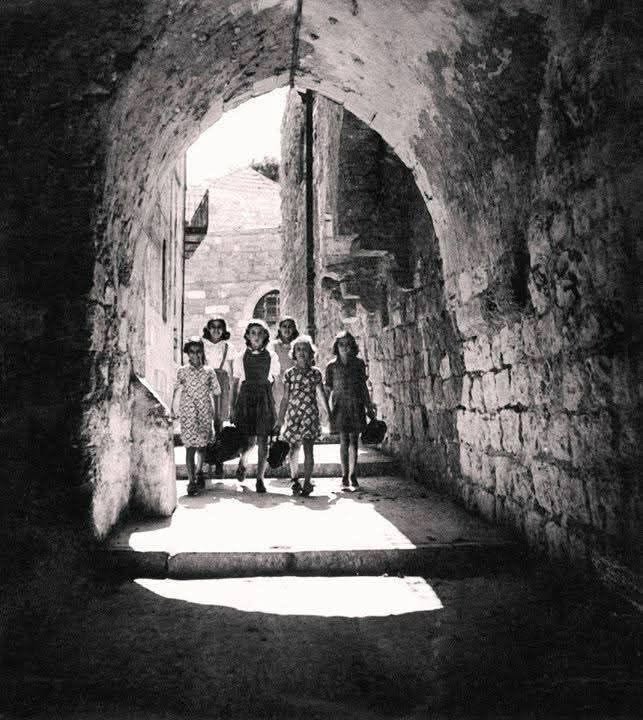 Pupils in Safad, 1944
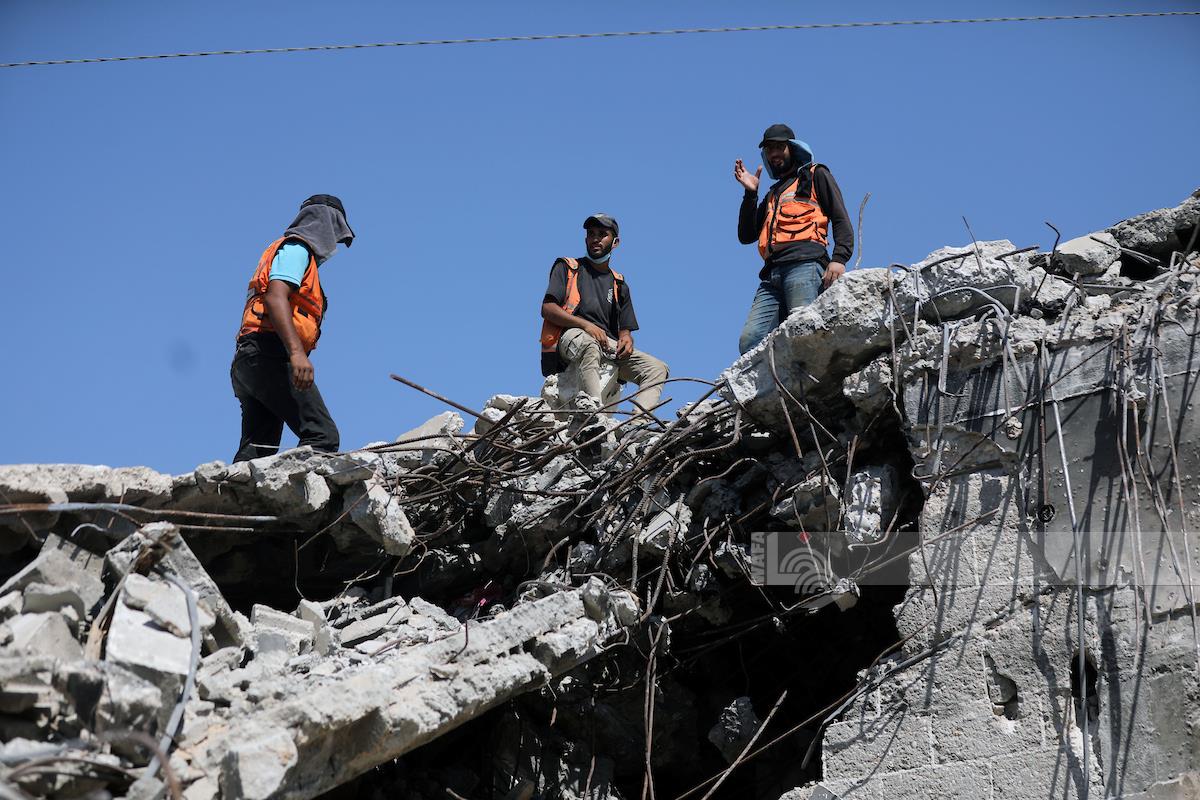
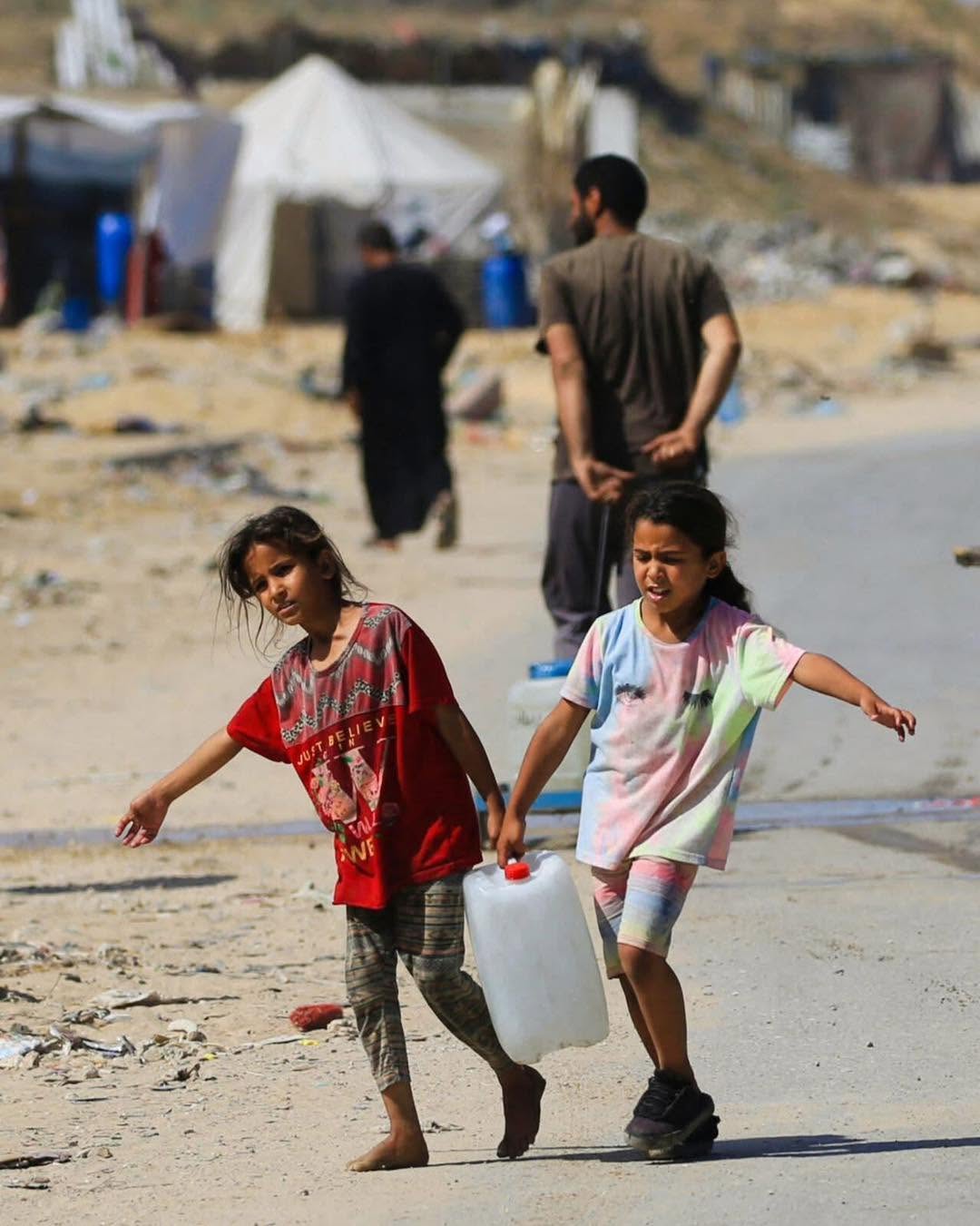
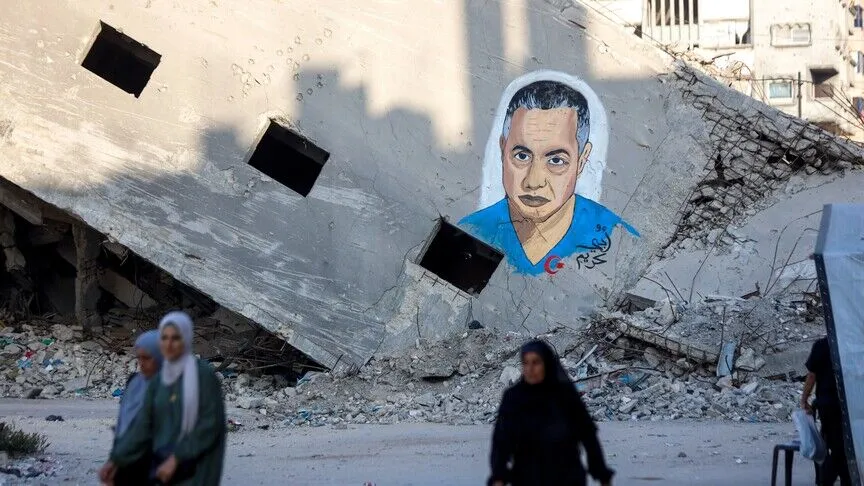
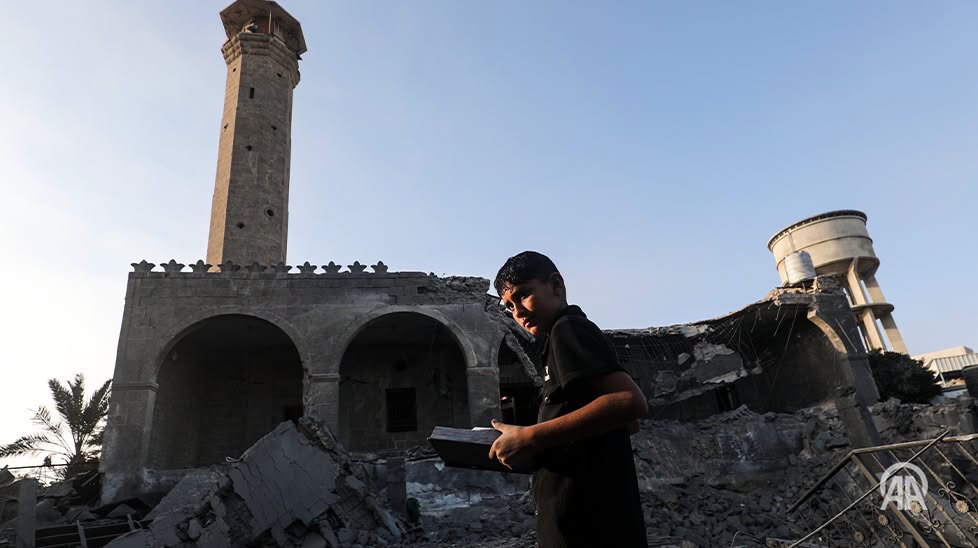
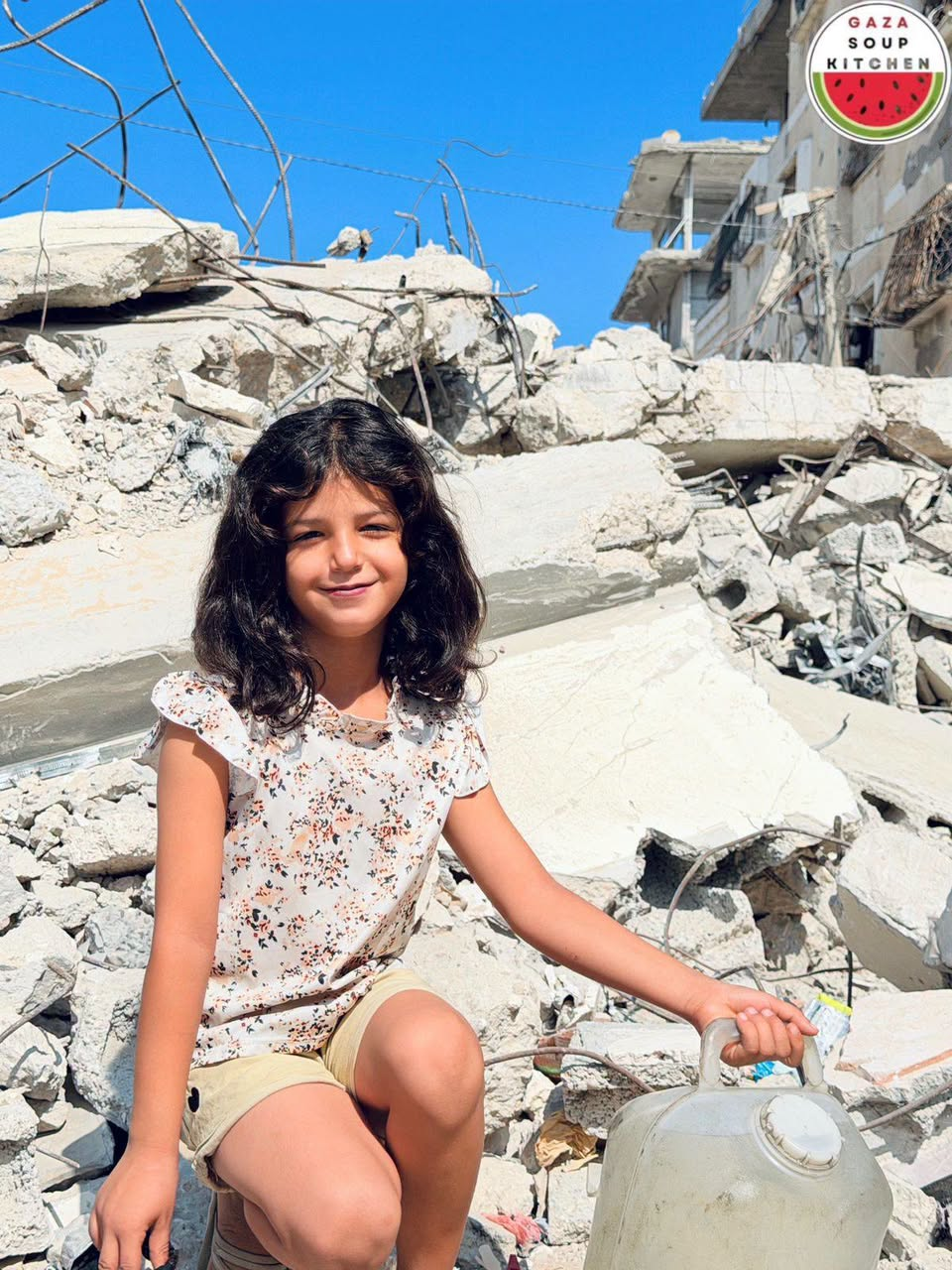 Searching For Water Amid The Rubble

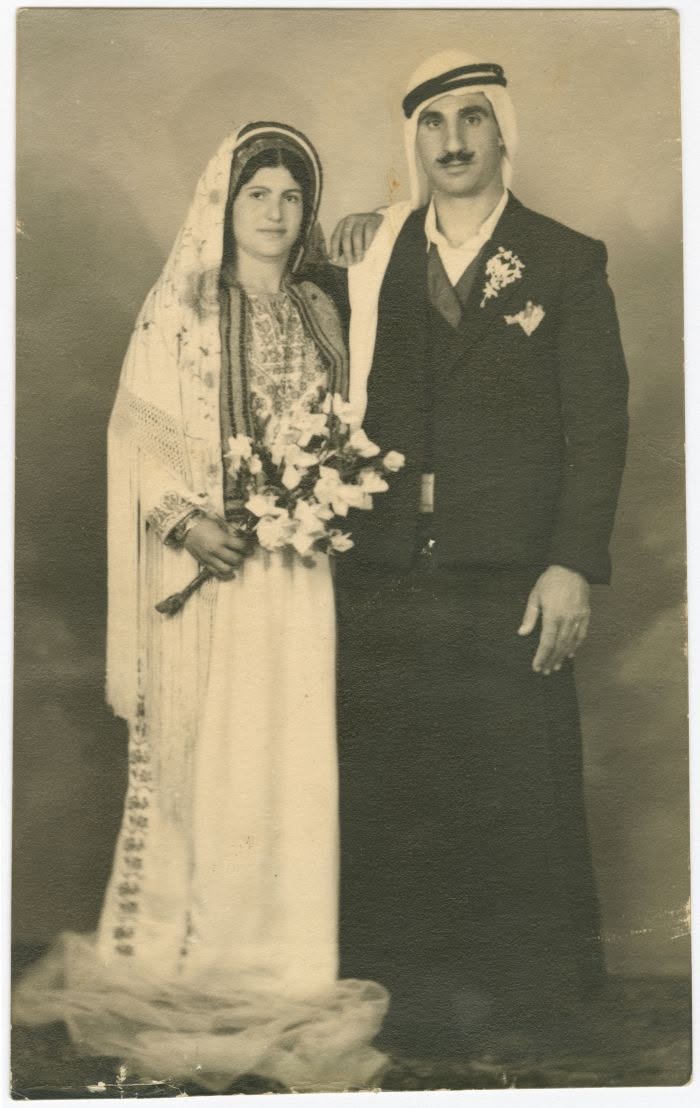
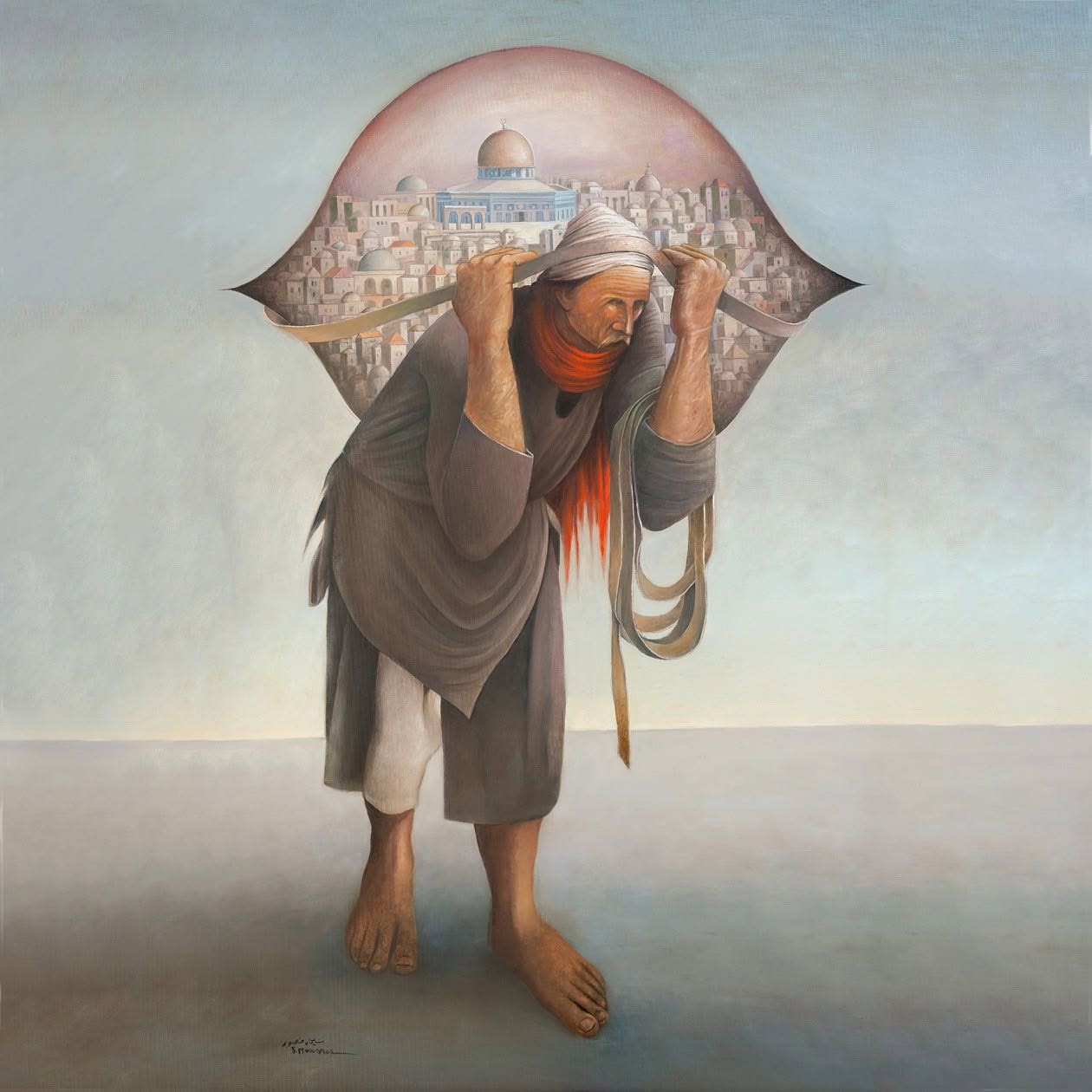
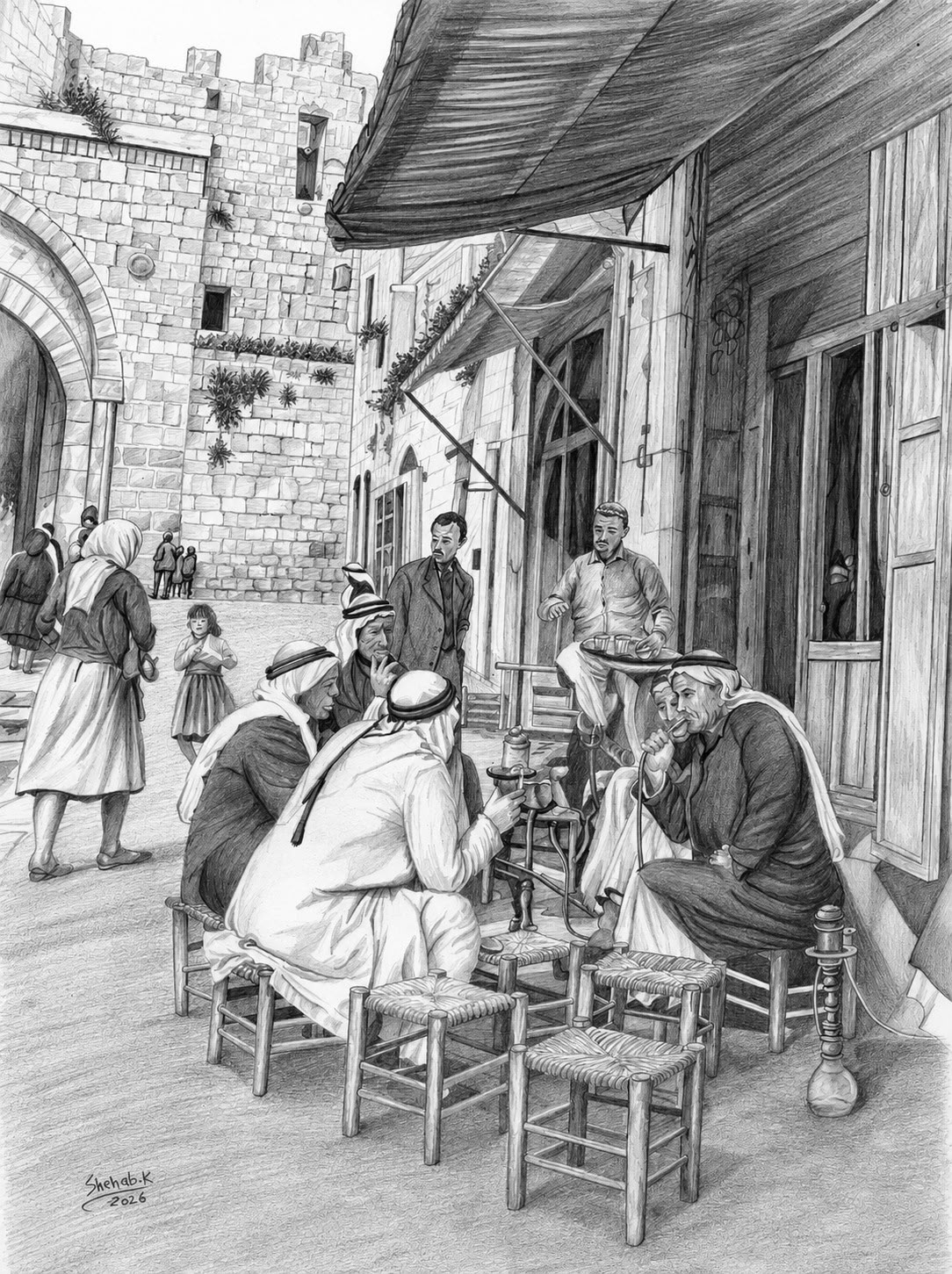
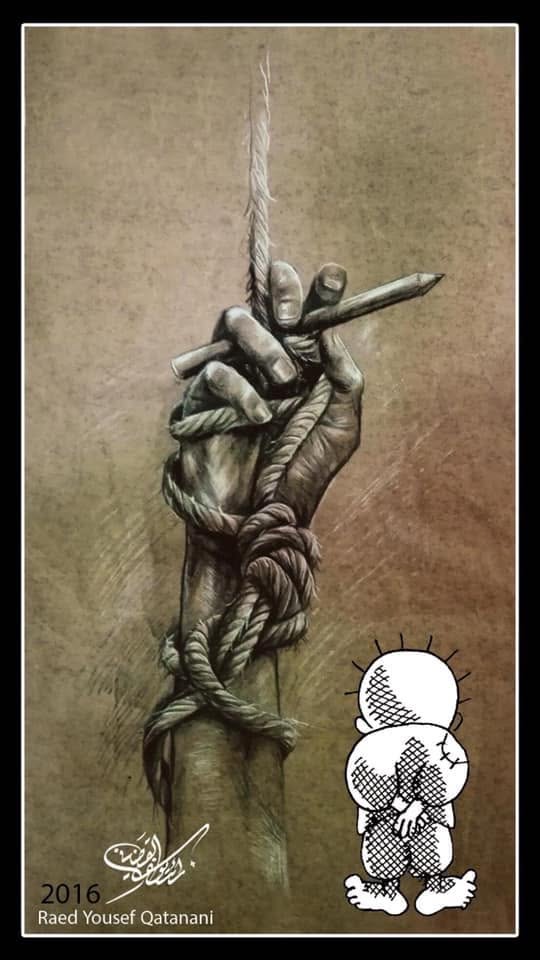
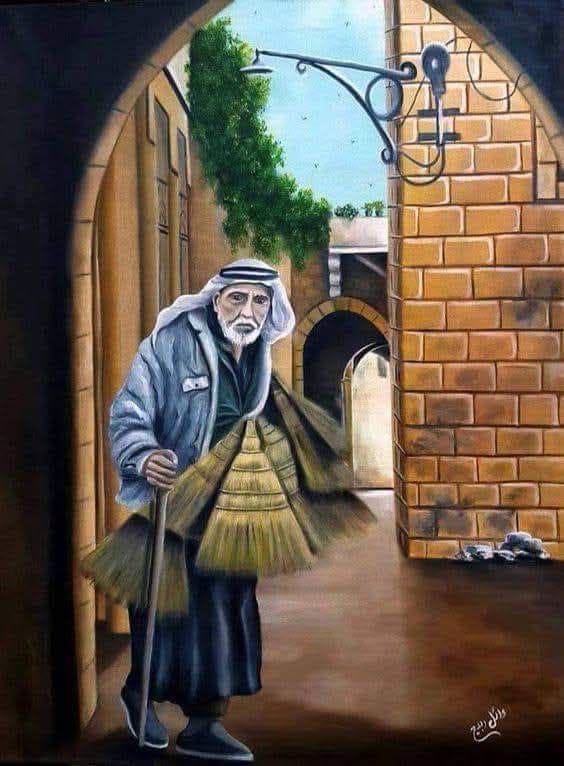
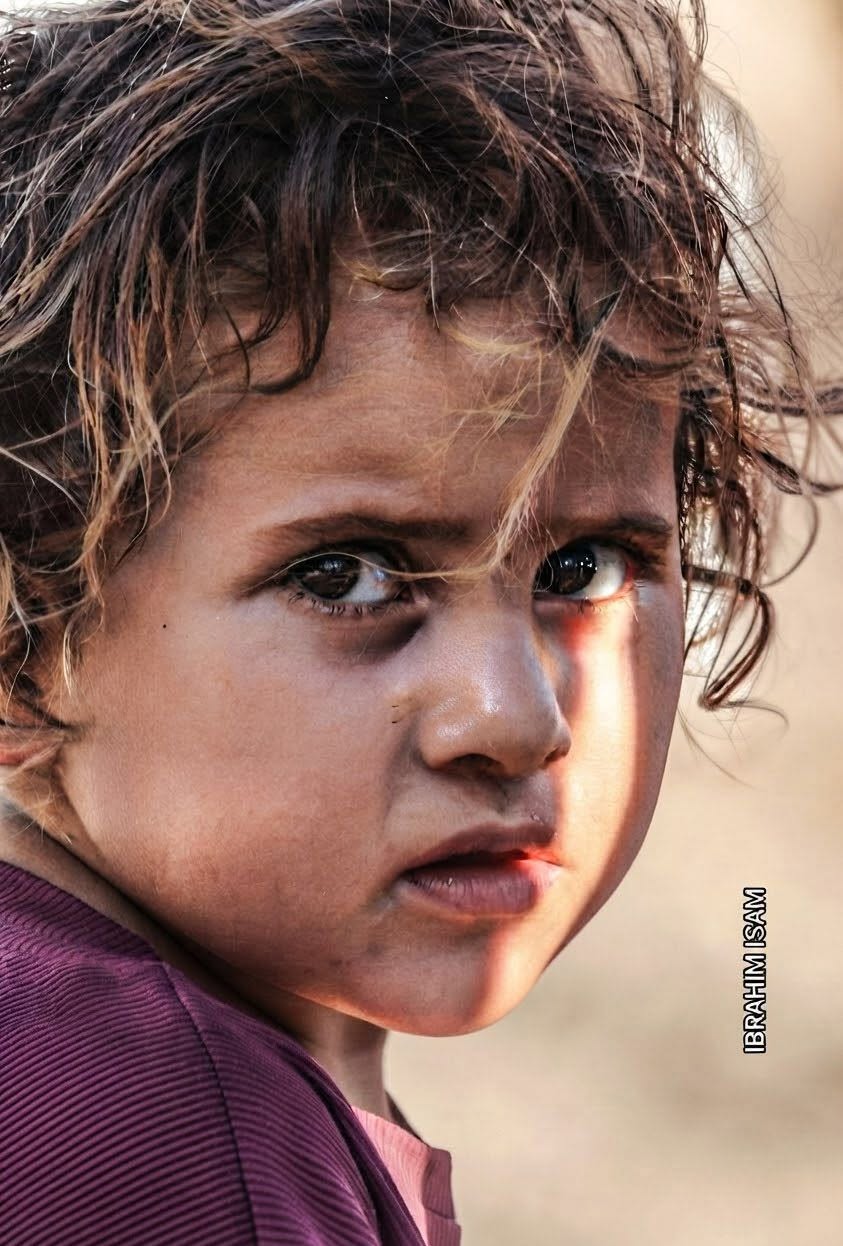
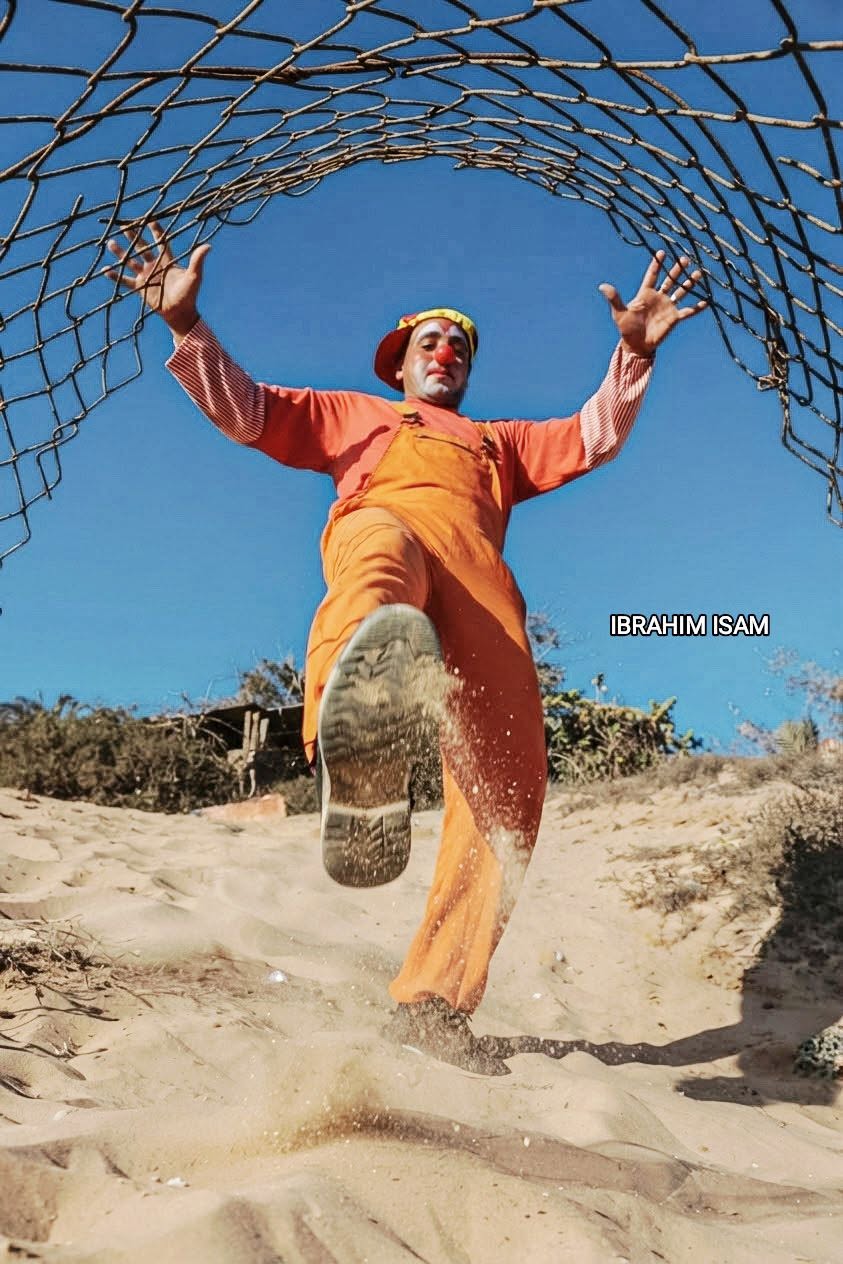
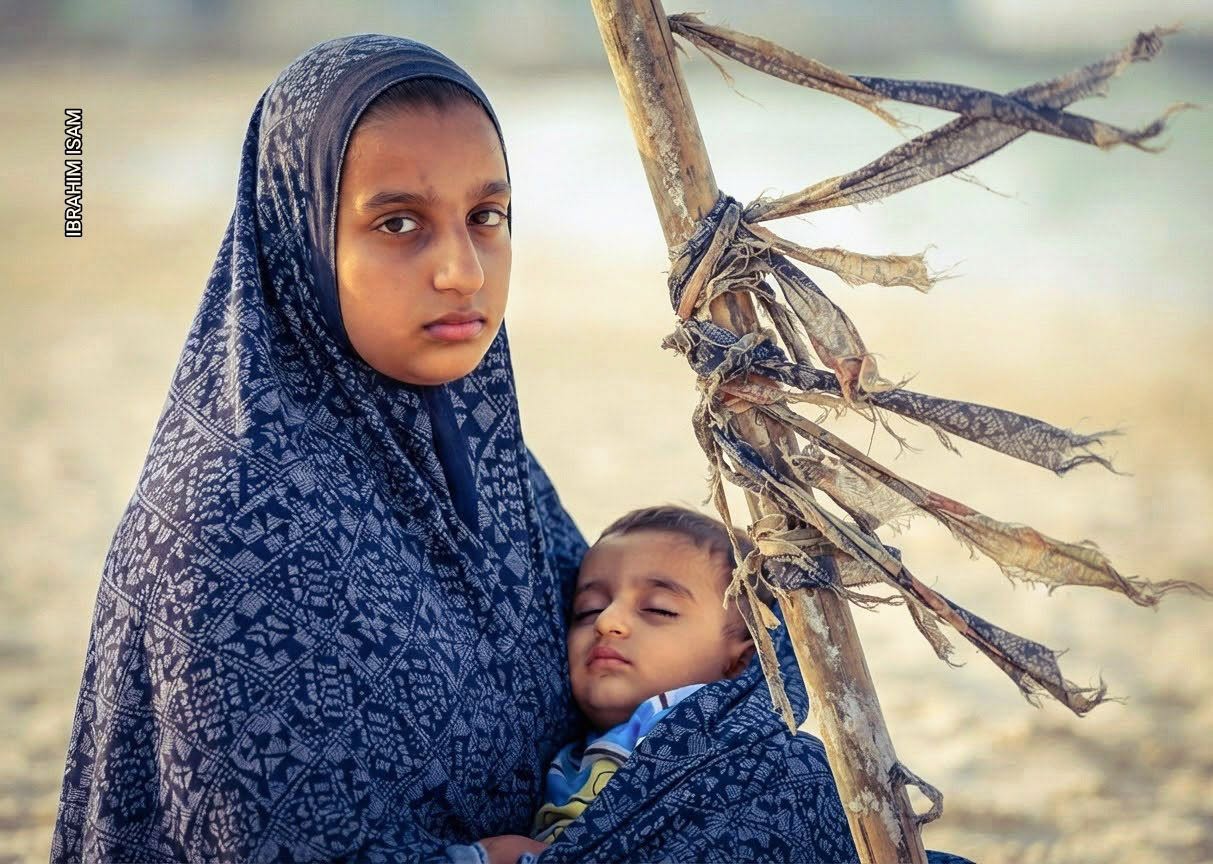
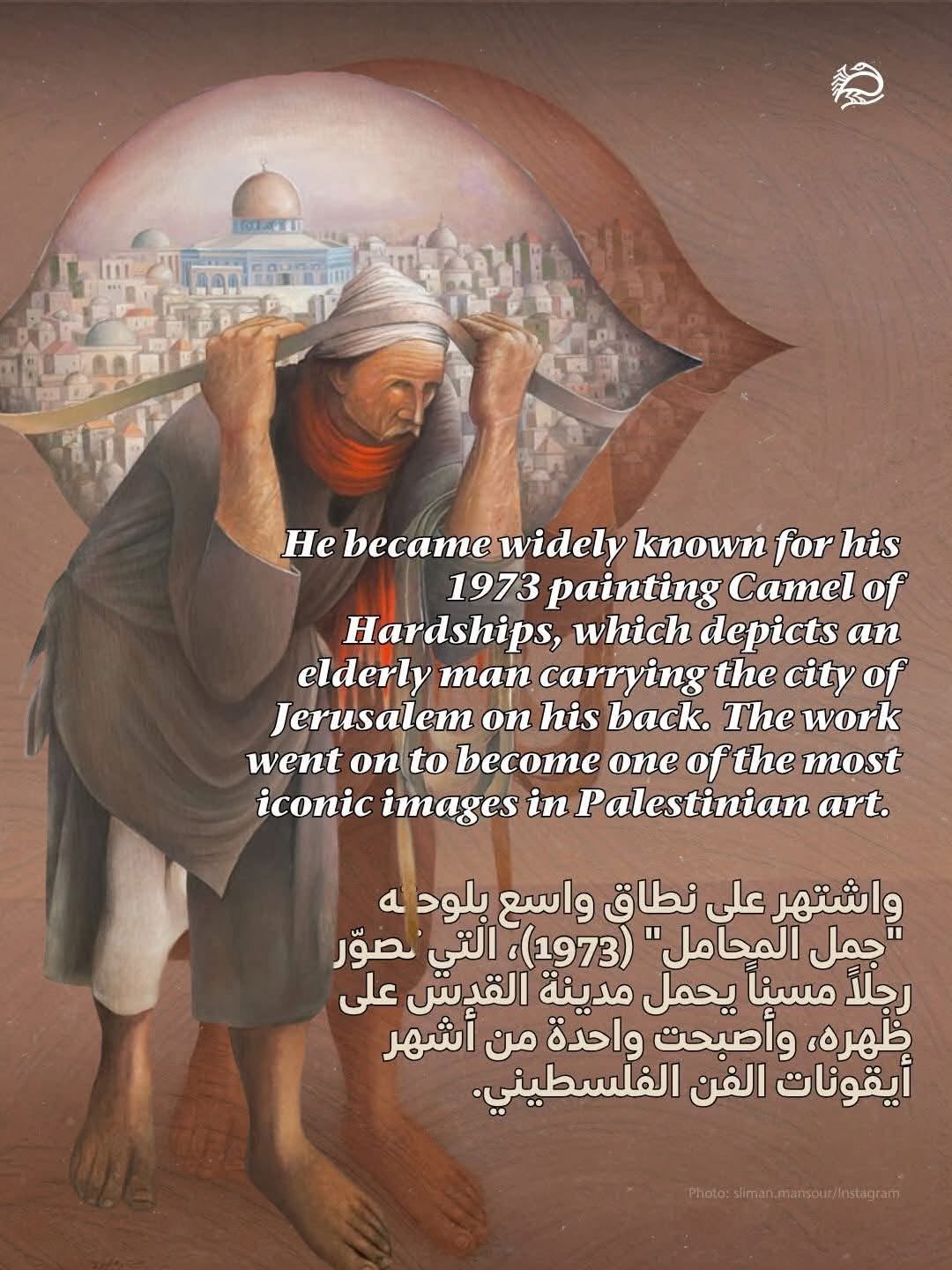
The Firewood Gatherer
 CrossFireArabia
- September 5, 2026
 CrossFireArabia
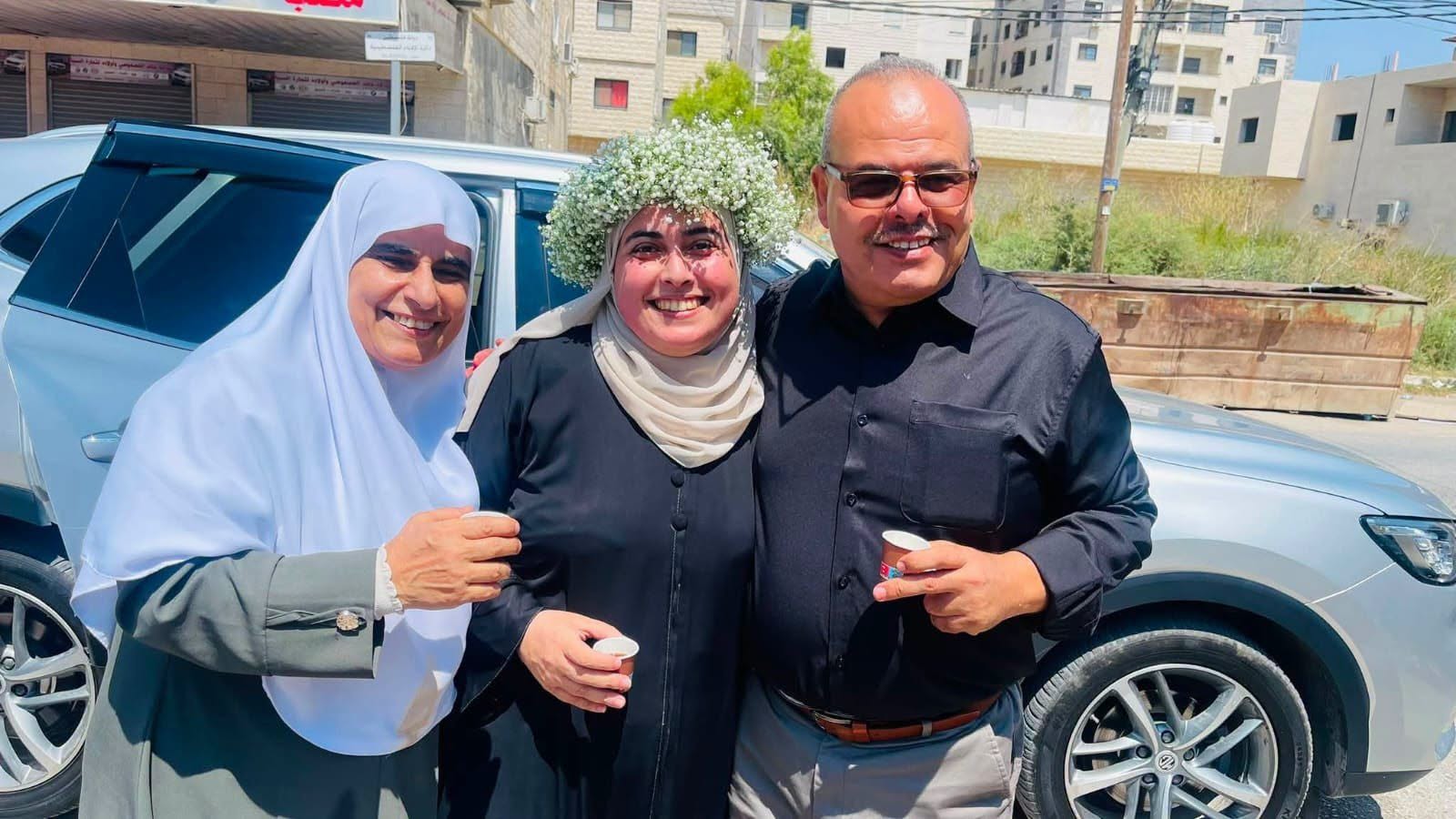
 Heba
Heba marwanmarwanHebaCrossFireArabiaHebaCrossFireArabiaCrossFireArabiaCrossFireArabiamarwanCrossFireArabiaCrossFireArabiaCrossFireArabiaCrossFireArabiaCrossFireArabiaCrossFireArabiaCrossFireArabiaCrossFireArabiaCrossFireArabiaCrossFireArabiaCrossFireArabiaCrossFireArabiaHebaCrossFireArabiaCrossFireArabiaCrossFireArabiaCrossFireArabiaCrossFireArabiaHebaHebaCrossFireArabiaCrossFireArabiamarwanCrossFireArabiaCrossFireArabiaHebaHebaHebaCrossFireArabiaCrossFireArabiamarwanCrossFireArabiaCrossFireArabiaCrossFireArabiaCrossFireArabiaHebaHebaHebaHebaCrossFireArabiaCrossFireArabiaCrossFireArabiaCrossFireArabiaCrossFireArabiaCrossFireArabiaHebamarwanmarwanCrossFireArabiaCrossFireArabiaCrossFireArabiaCrossFireArabiaCrossFireArabiaCrossFireArabiaCrossFireArabiaCrossFireArabiaCrossFireArabiaCrossFireArabiaCrossFireArabiaHebaCrossFireArabiaCrossFireArabiamarwanmarwanCrossFireArabiaCrossFireArabiaCrossFireArabiamarwanCrossFireArabiaCrossFireArabiaCrossFireArabia
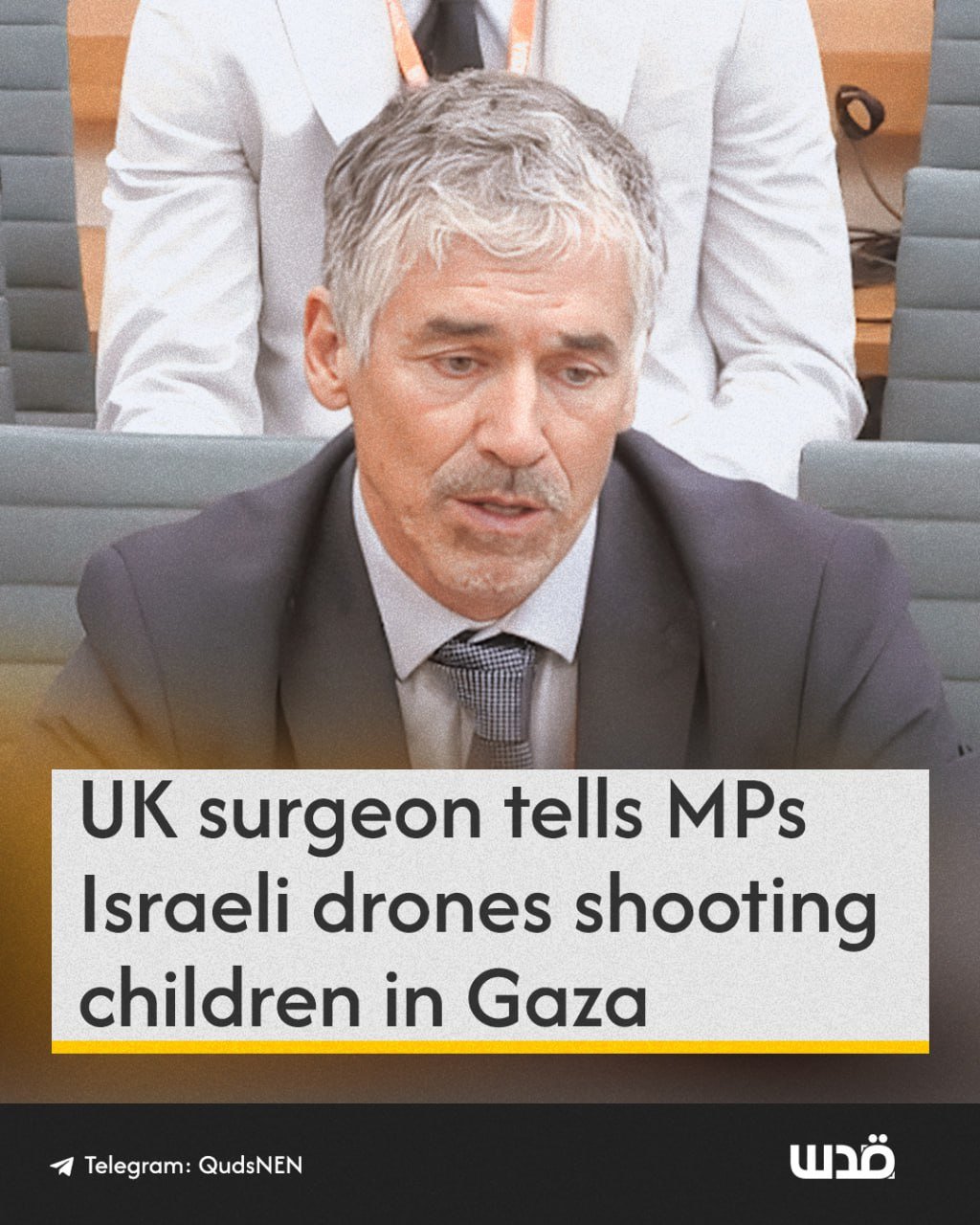
“Drones would come down and pick off civilians, children”
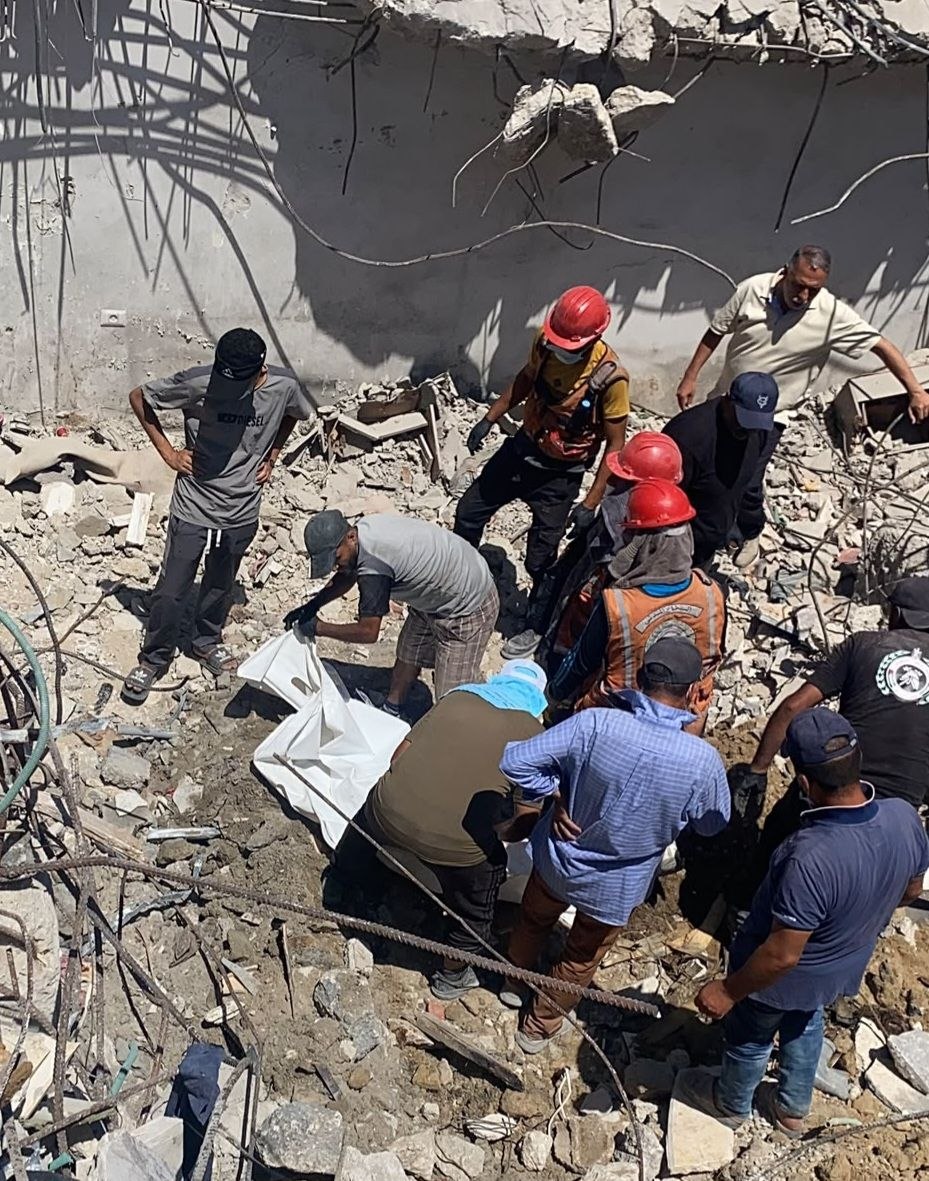
British surgeon Nizam Mamode, retired NHS doctor who recently returned after working at Nasser Hospital, broke down in UK Parliament as he described Israeli occupation quadcopters deliberately shooting Palestinian children.
He said at least once or twice daily, there were “mass casualty incidents,” meaning that 10 to 20 people were killed and up to 40 seriously injured, estimating that at least 60 percent of the people treated at these times were women and children.
“This is not an occasional thing. This was day after day after day operating on children who would say, ‘I was lying on the ground after a bomb dropped and this quadcopter came down and hovered over me and shot me’,” Mamode said.
CrossFireArabia
There must be “due reckoning” for horrific violations and possible atrocity crimes in Gaza, the UN human rights chief said on Friday following the release of a new report outlining actions taken by Israeli forces during the ongoing war with Hamas.
The report details the horrific reality faced by both the people of Israel and Gaza since 7 October 2023, with the UN High Commissioner for Human Rights Volker Türk stressing the imperative for Israel to fully and immediately comply with its obligations under international law and the rules of war.
“It is essential that there is due reckoning with respect to the allegations of serious violations of international law through credible and impartial judicial bodies and that, in the meantime, all relevant information and evidence are collected and preserved,” he said.
The UN High Commissioner said this is even more critical and urgent, given the totality of conduct set out in the report and taking into account most recent events, including Israel’s ongoing operations in northern Gaza and its adoption of legislation affecting the activities of the UN agency for Palestine refugees, UNRWA.
The detailed analysis of violations covers the six-month period from November 2023 to April 2024, and broadly examines the killing of civilians and breaches of international law that in many instances could amount to war crimes.
If committed as part of a widespread or systematic attack directed against a civilian population, further to a State or organizational policy, these violations may constitute crimes against humanity, according to the report.
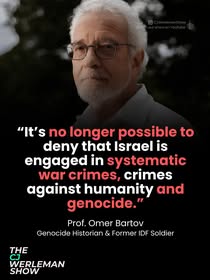
The report warned that if those violations were committed with intent to destroy, in whole or in part, a national, ethnic, racial or religious group, they may also constitute genocide.
“The International Court of Justice (ICJ), in its series of orders on provisional measures, underscored the international obligations of Israel to prevent, protect against and punish acts of genocide and associated prohibited conduct,” according to the report.
Palestinian armed groups have also conducted hostilities in ways that have likely contributed to harm to civilians, according to the report.
On 7 October 2023, Hamas and other Palestinian militants committed serious violations of international law on a wide scale, the report stated, including attacks directed against Israeli and foreign civilians, killing and mistreatment of civilians, sexual violence, destruction of civilian objects and taking of hostages.
These acts could amount to war crimes and crimes against humanity, according to the report, which noted that following 7 October, Hamas and other armed groups celebrated those attacks and violations, which was both “deeply troubling and totally unacceptable”.
Mr. Türk recalled States’s obligations to act to prevent atrocity crimes, urging them to support the work of accountability mechanisms, including the International Criminal Court (ICC) in relation to the current conflict.
The report also pointed to repeated statements from Israeli officials positing the end of the conflict as contingent upon Gaza’s entire destruction and the exodus of the Palestinian people.
In addition, it documented efforts to rationalise discrimination, hostility and violence towards, and even the elimination of, Palestinians.
The report showed how civilians have borne the brunt of the attacks, including through the initial “complete siege” of Gaza by Israeli forces, as well as the Israel Government’s continuing unlawful failures to allow, facilitate and ensure the entry of humanitarian aid, destruction of civilian infrastructure and repeated mass displacement.
This conduct by Israeli forces has caused unprecedented levels of killings, death, injury, starvation, illness and disease, the report stated.
The UN rights office, OHCHR, has been verifying the personal details of those killed in Gaza by strikes, shelling and other conduct of hostilities, finding close to 70 per cent to be children and women, which indicated a systematic violation of the fundamental principles of international humanitarian law, including distinction and proportionality.
The continuation of these attacks, killing evenly across the population, “demonstrates an apparent indifference to the death of civilians and the impact of the means and methods of warfare selected”, the report stated.
The most represented of verified fatalities are children.
CrossFireArabia
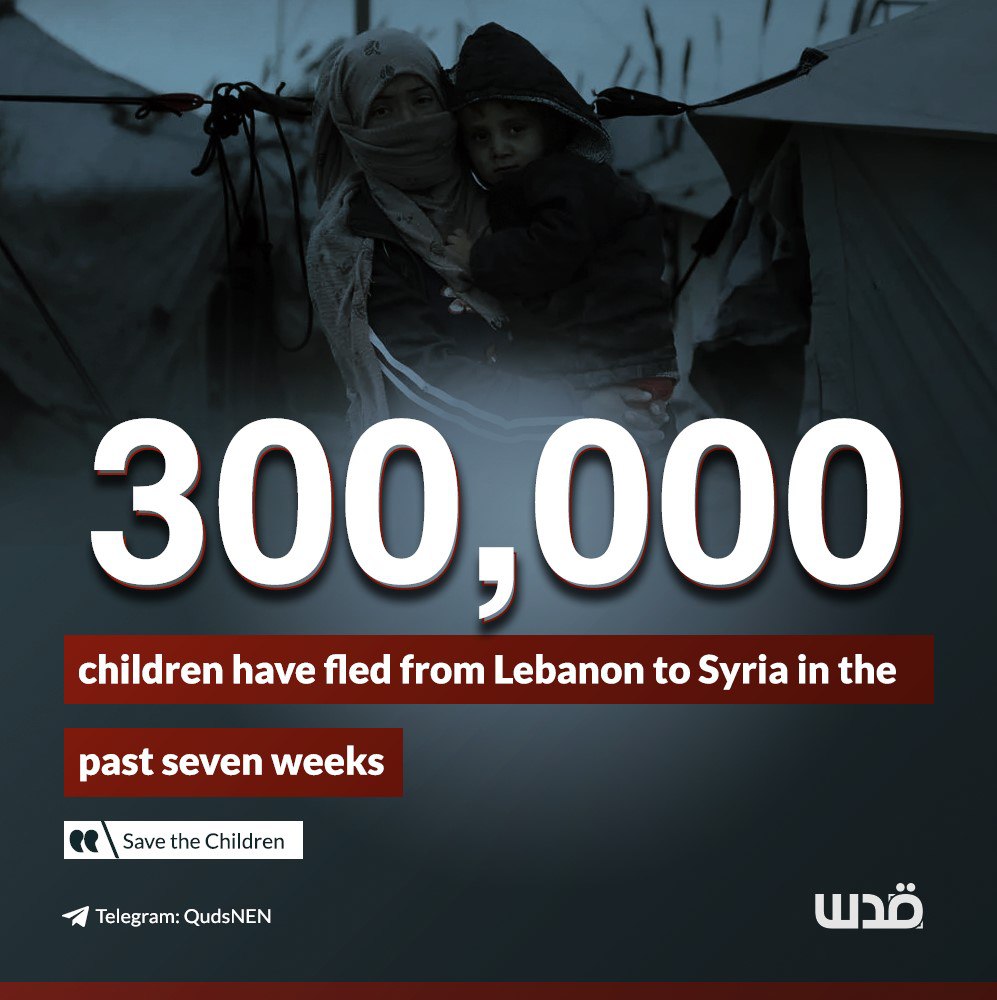
About 300,000 children have fled from Lebanon to Syria in the past seven weeks to seek safety from the worsening conflict, only to arrive in a country where humanitarian needs have never been higher, Save the Children organisation said.
Many children are travelling alone, separated from parents or families, and are at risk of abuse, food shortages and illness as winter looms.
The UN estimates that approximately 60 per cent of the people being displaced from Lebanon to Syria are children and adolescents with many arriving in desperate need of medical care, shelter, food and water.
CrossFireArabia
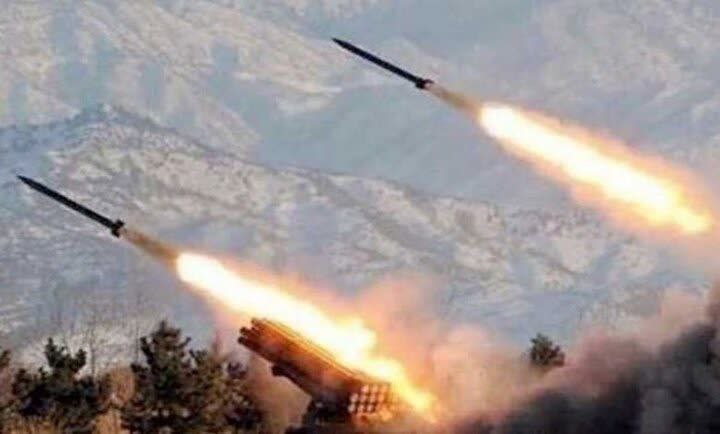
The Lebanese group Hezbollah launched approximately 100 rockets toward Haifa and the Krayot region in northern Israel, Israeli media reported.
Israeli reports indicate that this was the heaviest barrage of rockets and the most intense shelling in that specific area since the start of the war.
The rockets were reportedly launched from border sites, areas that the Israeli army previously claimed were under its control.
Direct casualties were reported in the Krayot area, with ambulance crews dispatched following initial reports.
According to the Times of Israel, at least three people were wounded in Bi’ina.
The heavy missile barrage also targeted Haifa, as well as Route 22 in Kiryat Bialik and Kiryat Ata.
Sirens sounded across Haifa, the Krayot, the central Galilee, and the industrial zone between Acre and the Krayot.
Haifa Mayor Yona Yahav told Channel 12 that the scale of the attack was among the largest since Hezbollah began shelling northern towns on October 8.
Al-Mayadeen’s correspondent reported that the latest missile salvos toward northern Israel included two ballistic missiles, signaling a shift to higher-grade weaponry.
Hezbollah claimed responsibility, stating they targeted “a training base for the Paratroopers Brigade in the Karmiel settlement.”
The attack comes only one day following statements by the newly-appointed Israeli Defense Minister Israel Katz, claiming that “Israel has defeated Hezbollah”.
“Now it is our job to continue to put pressure in order to bring about the fruits of that victory,” Katz said during a ceremony at Israel’s foreign ministry on Sunday.
Northern Front
Since the start of the Israeli war on Gaza, on October 7, 2023, the Lebanese movement Hezbollah has engaged directly, but relatively in a limited way in the war against the Israeli occupation.
Israel escalated its aggression with the cyber-terror attacks on September 17 and 18, which claimed the lives of at least 37 people including children, and injured around 3000 others.
This went hand in hand with a series of assassinations of Hezbollah leaders, including that of the Secretary-General of the resistance party Hassan Nasrallah on September 27.
These developments coincided with unprecedented bombings and airstrikes by Israel’s army on different cities across Lebanon particularly in the south, Bekaa and the southern district of Beirut.
The Lebanese Ministry of Health announced on November 10 that 3,189 Lebanese were killed and 14,078 were injured since the beginning of the Israeli aggression on Lebanon.
(PC, Al-Mayadeen)
CrossFireArabia
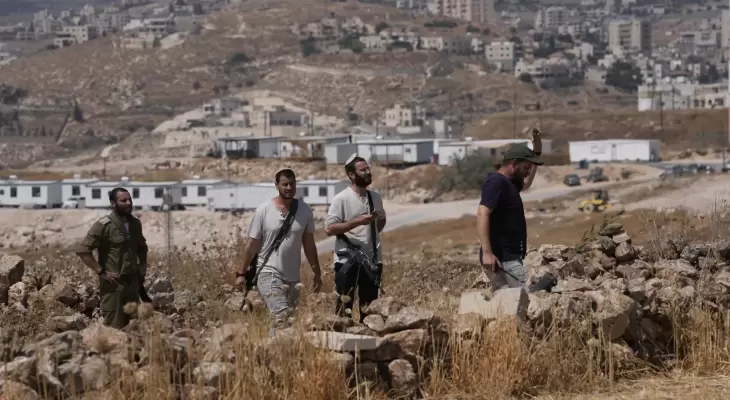
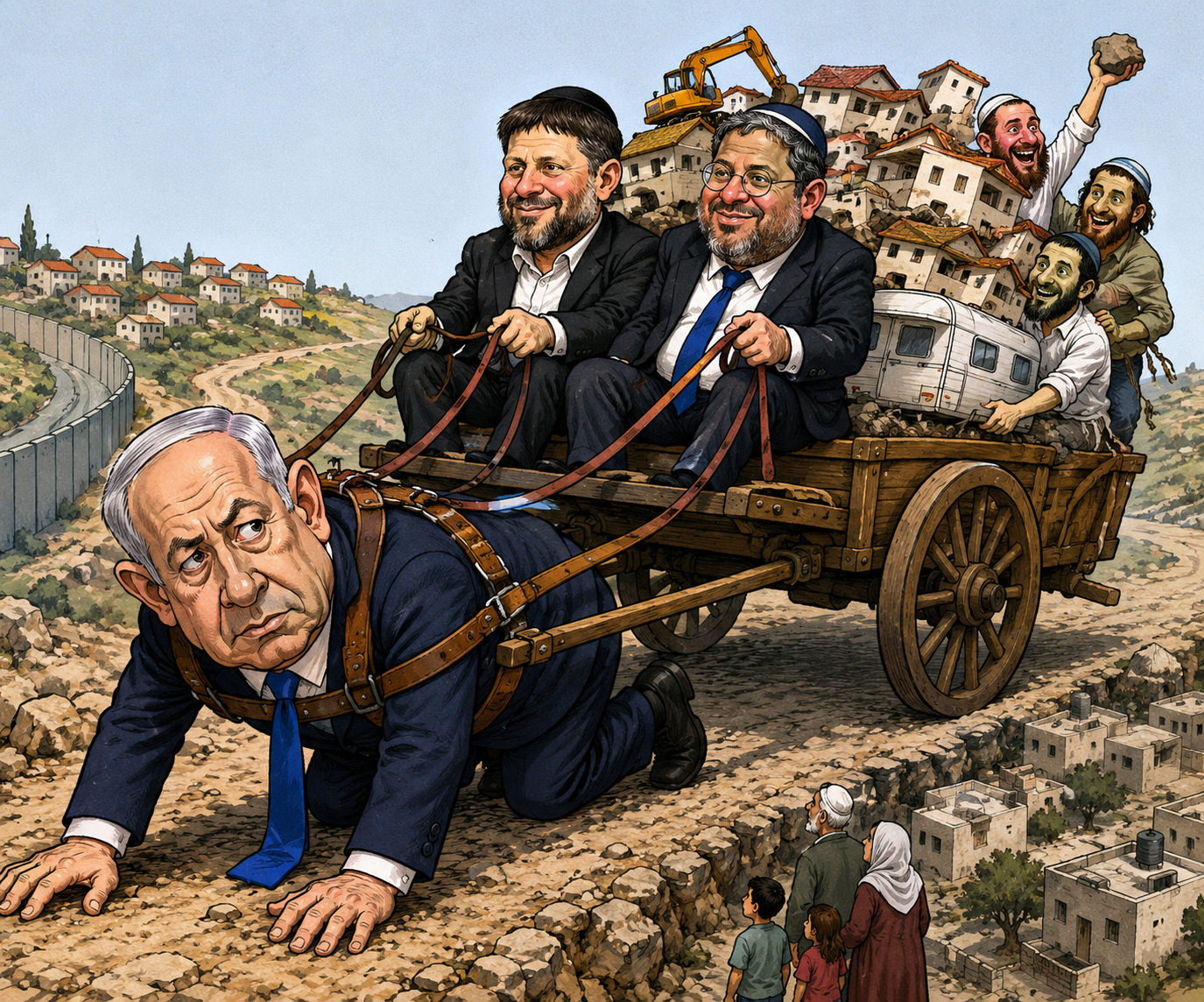
A call by Israel’s far-right Finance Minister Bezalel Smotrich to annex the occupied West Bank has drawn a wave of condemnations across the Arab world.
On Monday, Smotrich said he instructed Israel’s Settlement Division and Civil Administration to initiate the groundwork for infrastructure to “apply sovereignty” in the West Bank.
The Qatari Foreign Ministry called the Israeli minister’s call a “blatant violation of international law.”
A ministry statement denounced the call as a “dangerous escalation that would hinder the chances of peace in the region, especially with the ongoing brutal war on the Gaza Strip and its horrific repercussions.”
It called on the international community “to stand firmly against the occupation’s settlement, colonial and racist policies, and its repeated attacks on the Palestinian rights, especially its ongoing crimes in the West Bank.”
“The repeated Israeli statements that violate international laws and resolutions clearly reveal that the occupation is the obstacle to any efforts for peace and stability” in the region, the ministry said.
The Egyptian Foreign Ministry decried Smotrich’s call as a “flagrant violation of international law and international humanitarian law.”
“The irresponsible and extremist remarks by a member of the Israeli government clearly reflect Israel’s rejection of adopting the peace option in the region,” the ministry said in a statement.
Jordan termed the Israeli minister’s call “racist” and “extremist”
It called Smotrich’s statements a “blatant violation of international law and the inalienable right of the Palestinian people to establish their independent state with sovereignty along the June 4, 1967 borders and its capital in occupied Jerusalem.”
This June, Smotrich confirmed reports from The New York Times that he had a “secret plan” to annex the West Bank and thwart any efforts to incorporate it into a future Palestinian state.
In July this year, the International Court of Justice (ICJ) issued a landmark opinion that declared Israel’s decades-long occupation of Palestinian land “illegal” and demanded the evacuation of all existing settlements in the West Bank and East Jerusalem.
According to the Israeli public broadcaster KAN on Tuesday, Israeli Prime Minister Benjamin Netanyahu plans to reintroduce the annexation of the West Bank to the agenda of his government when US President-elect Donald Trump takes office.
In 2020, Netanyahu planned to “annex” the illegal Jewish settlements in the West Bank and the Jordan Valley, based on the so-called Middle East peace plan announced by Trump in January of the same year.
Territories Netanyahu planned to annex at that time constitute about 30% of the West Bank. His plan, however, wasn’t launched under international pressure and lack of US approval.
International law views both the West Bank and East Jerusalem as “occupied territories” and considers all Jewish settlement-building activity there as illegal according to Anadolu.