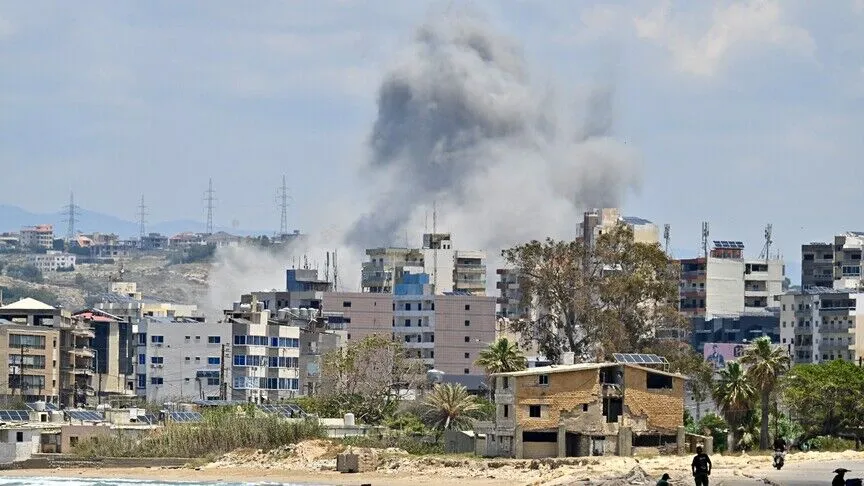
 Defense Systems Intercept 13 Ballistic Missiles Over Jordan
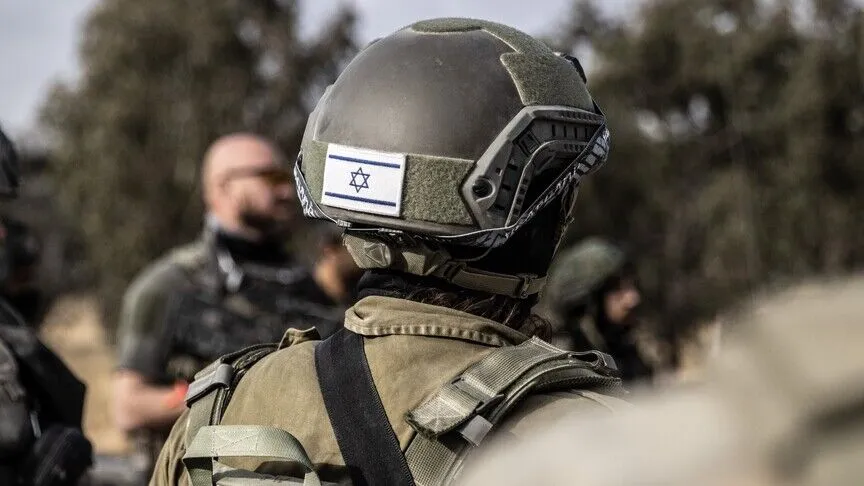 Hunted! HRF Files Complaint Against Genocide Soldier in Greece
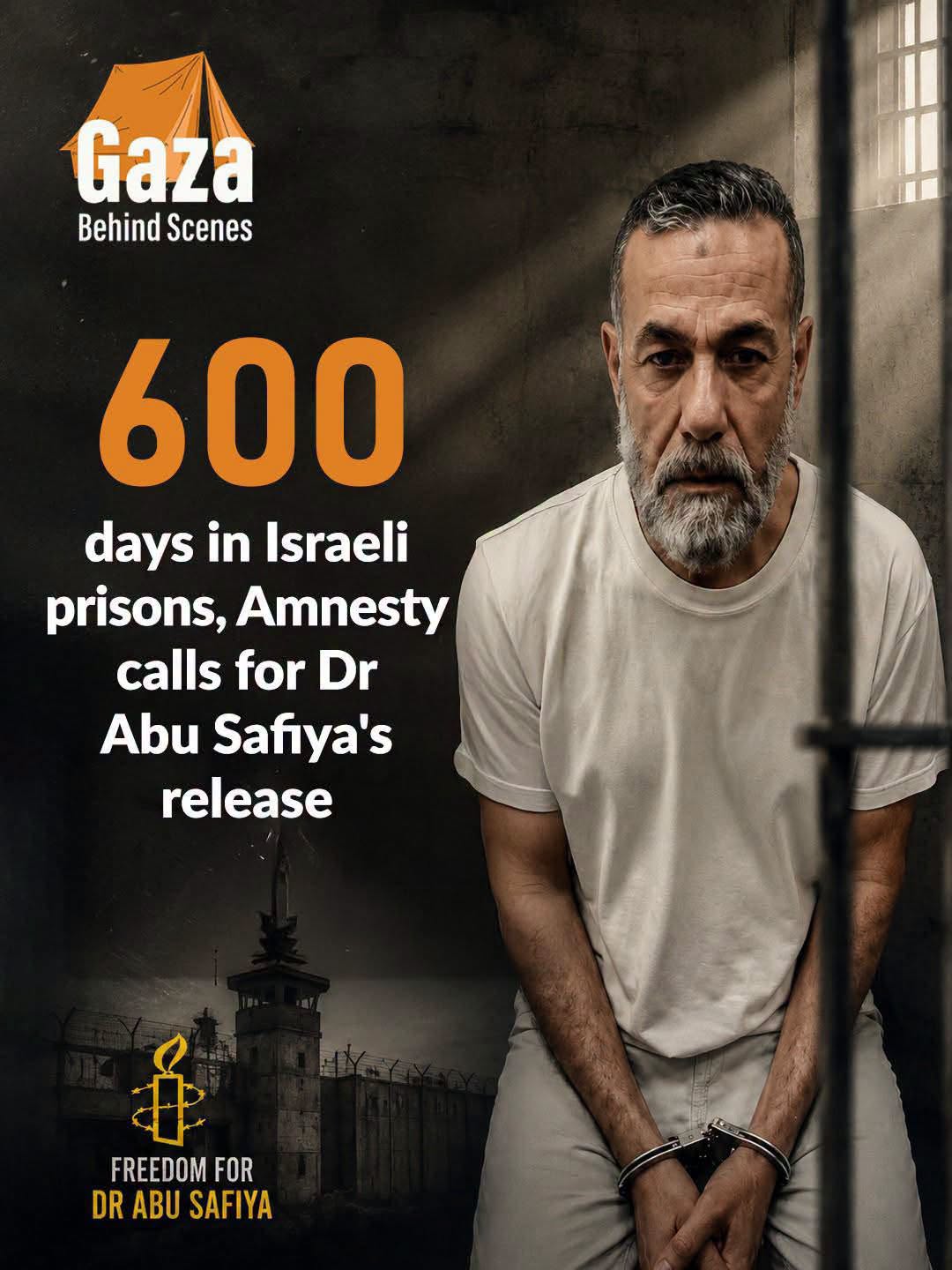 Amnesty Calls For Release of Dr Abu Safiya
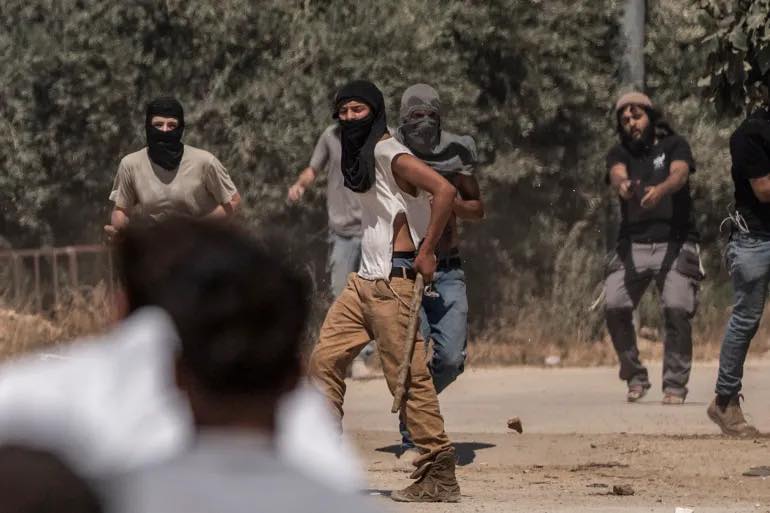 In August Alone: 2,030 Israeli Army, Settler Attacks on West Bank Palestinians
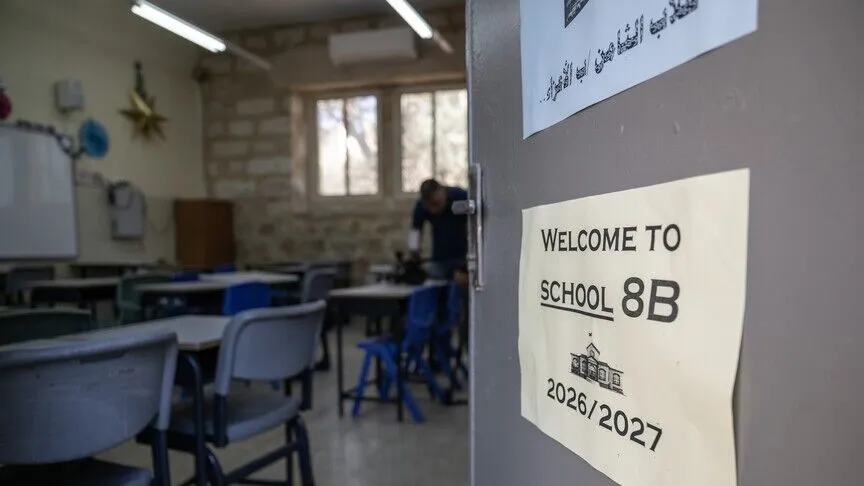 Israel Slammed For ‘Jewish Curriculum’ on East Jerusalem

Defense Systems Intercept 13 Ballistic Missiles Over Jordan
 CrossFireArabia
- September 2, 2026
 CrossFireArabiaCrossFireArabia
 marwanCrossFireArabiaCrossFireArabiaCrossFireArabiaCrossFireArabia
 HebaHebaHebaHebaCrossFireArabiaCrossFireArabiaCrossFireArabiaCrossFireArabiaCrossFireArabiaCrossFireArabiaHebamarwanmarwanCrossFireArabiaCrossFireArabiaCrossFireArabiaCrossFireArabiaCrossFireArabiaCrossFireArabiaCrossFireArabiaCrossFireArabiaCrossFireArabiaCrossFireArabiaCrossFireArabiaHebaCrossFireArabiaCrossFireArabiamarwanmarwanCrossFireArabiaCrossFireArabiaCrossFireArabiamarwanCrossFireArabiaCrossFireArabiamarwanHebaCrossFireArabiaHebaHebamarwanCrossFireArabiaCrossFireArabiaCrossFireArabiaCrossFireArabiaHebamarwanHebaCrossFireArabiaCrossFireArabiaCrossFireArabiaCrossFireArabiaCrossFireArabiamarwanHebaCrossFireArabiaCrossFireArabiaCrossFireArabiaCrossFireArabiaCrossFireArabiaCrossFireArabiaCrossFireArabiaCrossFireArabiaCrossFireArabia
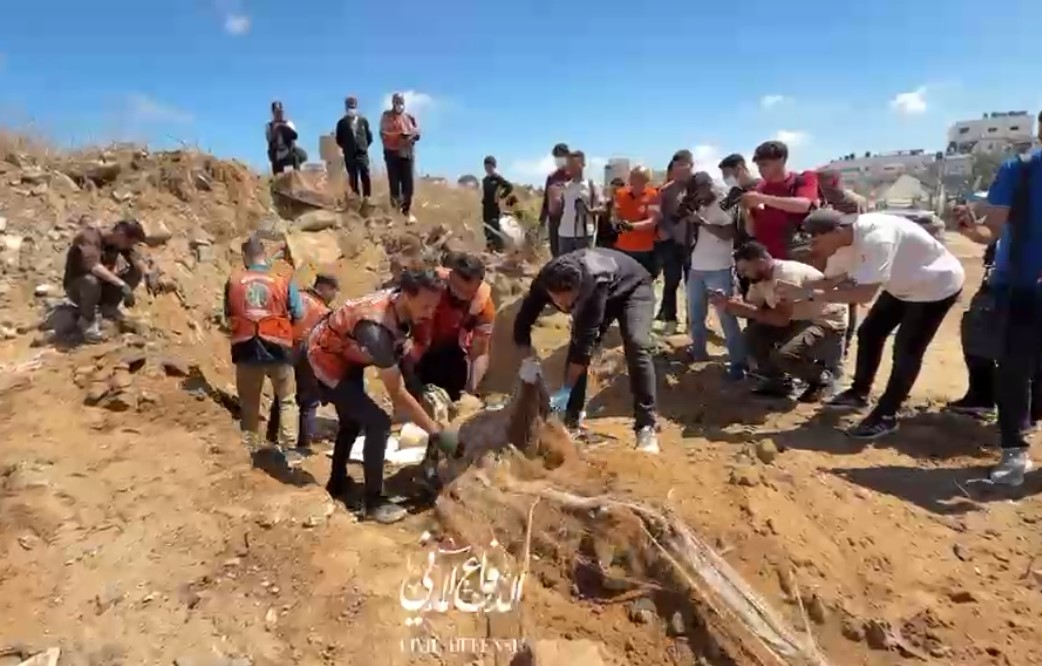
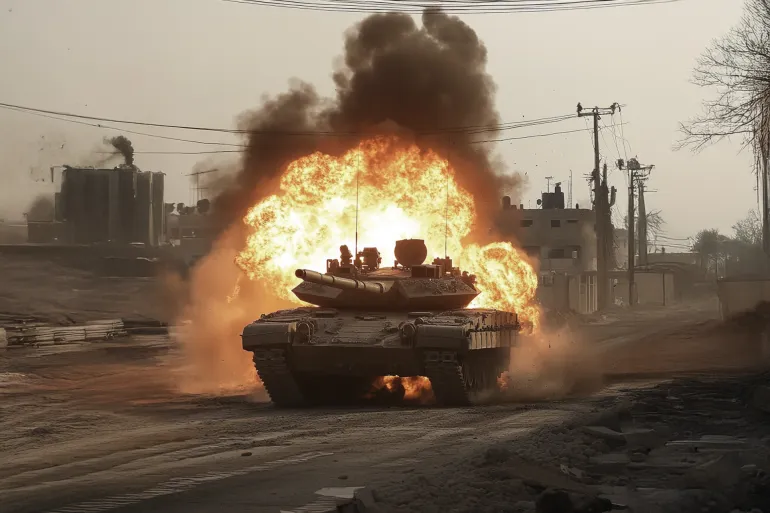
This includes the destruction of 54 Merkava tanks in 52 days
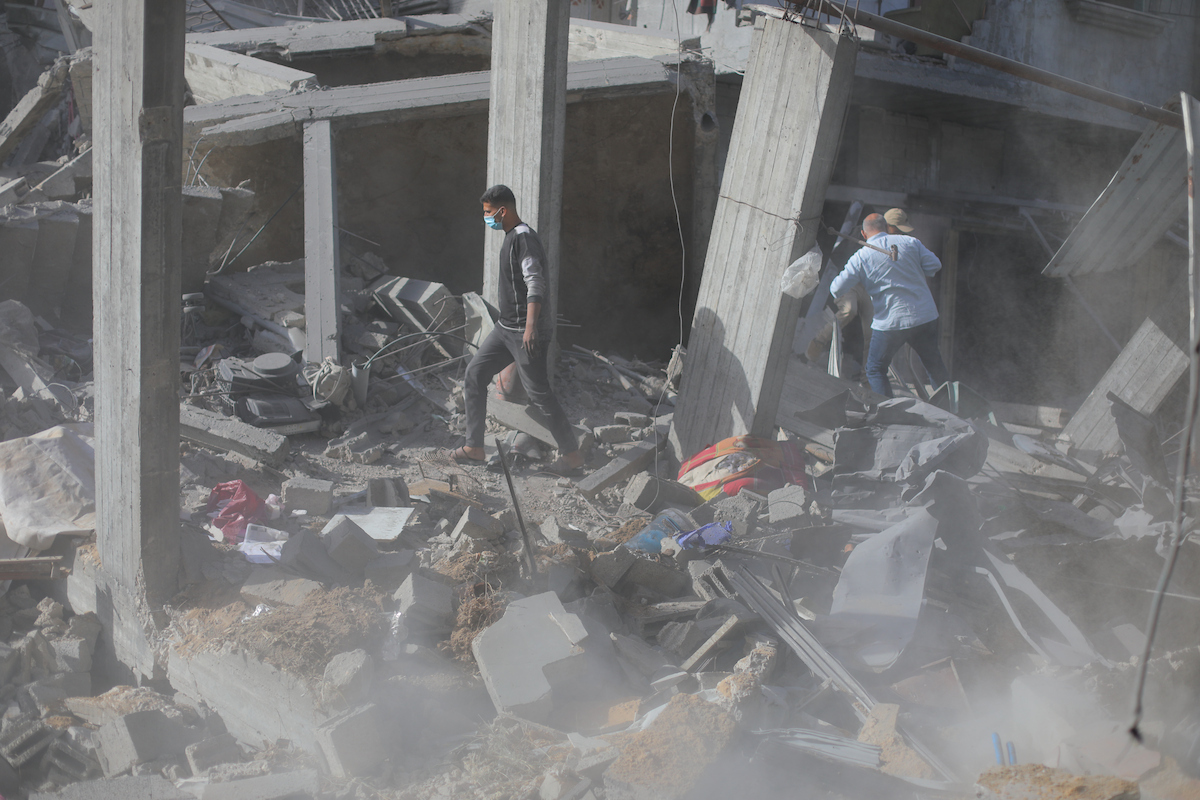
It is being called the “massacre of tanks.” The destructive toll of Israeli tanks and military vehicles Al Qassam Brigades inflicted in the northern Gaza Strip over the past 52 day has reached reached 110.
Hamas and other Palestinian groups have been in the forefront of a battle
against the Israeli occupation army in the northern Gaza since 5 October, and despite the stifling Israeli siege and the violent bombardment of the area that does not stop day and night, and squadrons of drones over the skies of the area.
Despite this however, Palestinian resistance fighters succeeded in carrying out dozens of attacks on the occupation forces.
Al Jazeera monitored the military statements of the Qassam Brigades since the beginning of the Israeli military operation and showed the Qassam Brigades targeted 54 Merkava tanks, 27 armored personnel carriers, 26 military bulldozers (D9), and 3 Hummer jeeps.
According to the Hamas data, Al Qassam fighters carried out 40 attacks on Israeli vehicles with Yassin 105 shells, 39 attacks with explosive devices, and 13 attacks with tandem shells.
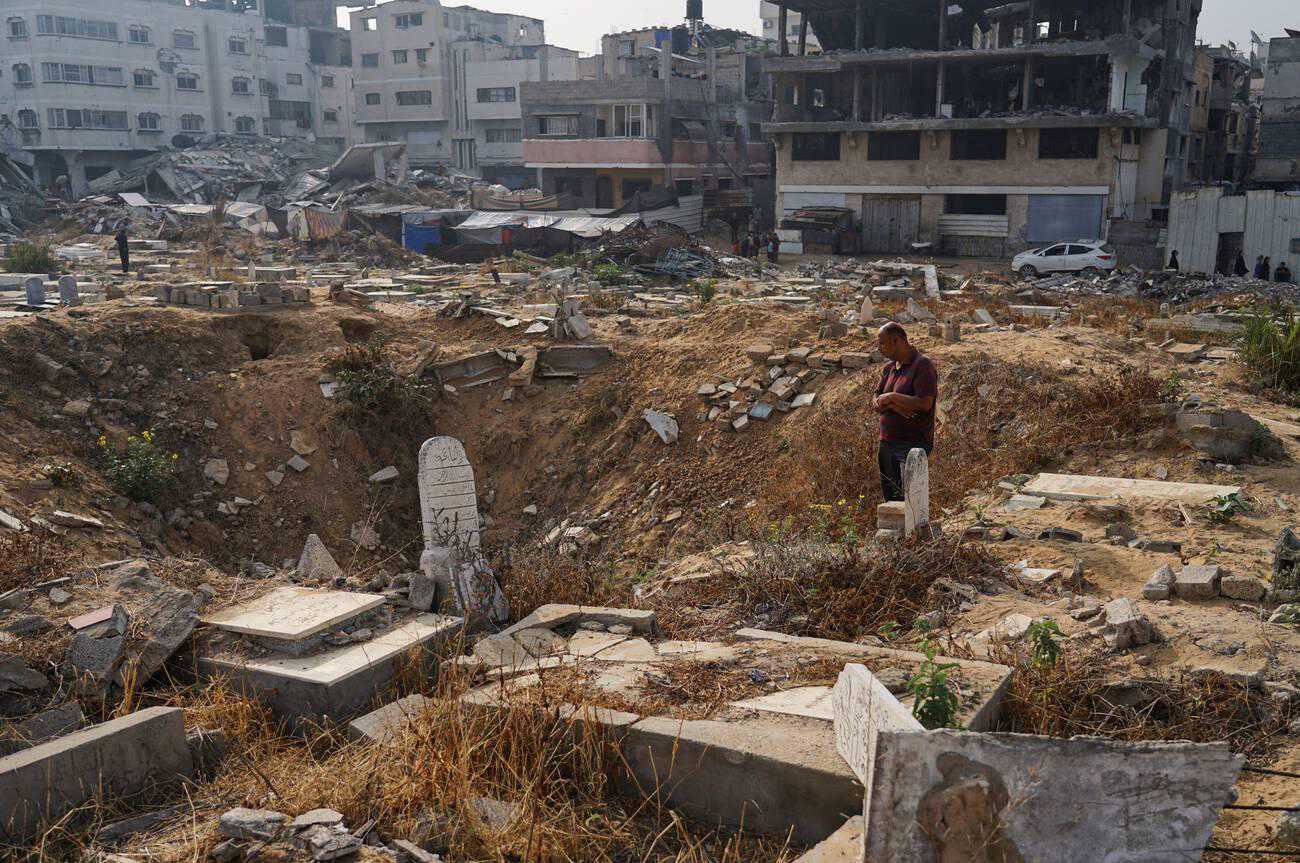
Qassam fighters pursued Israeli tanks and vehicles in Jabalia city and camp, Beit Lahia, Beit Hanoun, Al-Tawam area, Tel al-Zaatar, Al-Fallujah, Al-Saftawi Junction, Al-Hawoz Al-Turki area, Al-Qassasib neighborhood, eastern cemetery of Gaza City, Al-Khazindar area, Al-Atatra, and the Sheikh Radwan neighborhood.
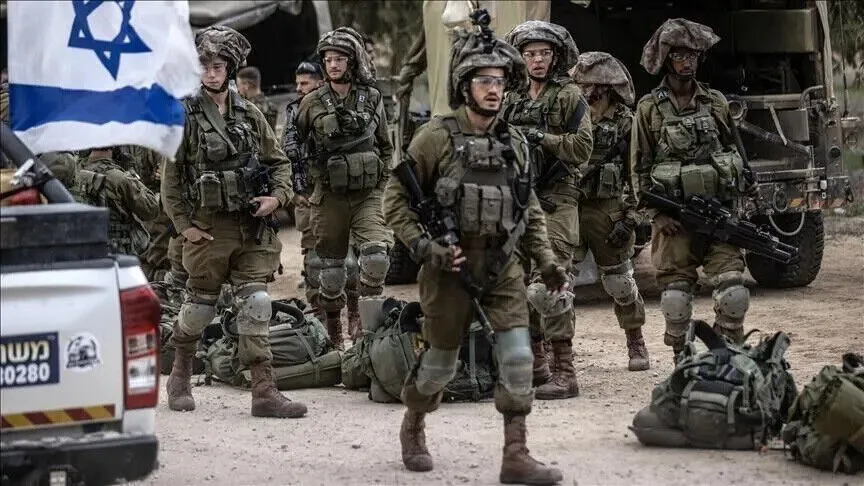
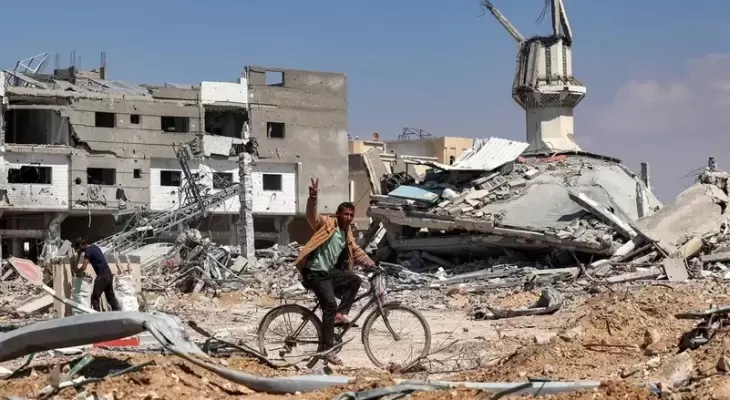
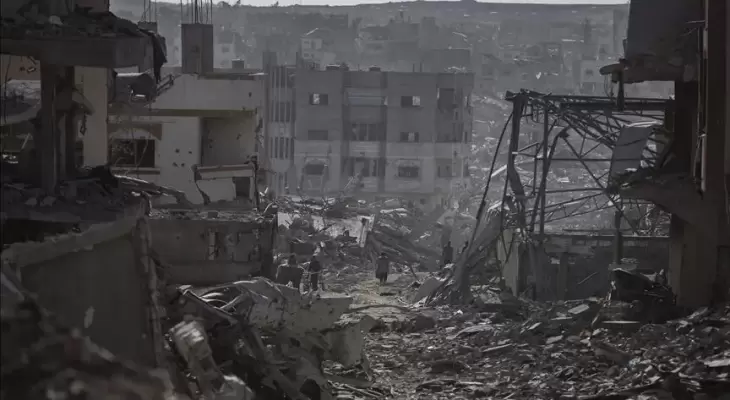
On 5 October, the occupation army began a ground invasion of the northern Gaza Strip under the pretext of “preventing Hamas from regaining its strength in the area.” The Palestinians say Israel wants to occupy the northern Gaza Strip and turn it into a buffer zone after displacing its residents.
With American support, Israel has been waging a war on the Gaza Strip since 7 October, 2023, which has left more than 146,000 Palestinian martyrs and wounded – most of them children and women – and more than 10,000 missing, amid massive destruction and famine that has killed dozens of children and elderly people, in one of the worst humanitarian disasters in the world.
CrossFireArabia
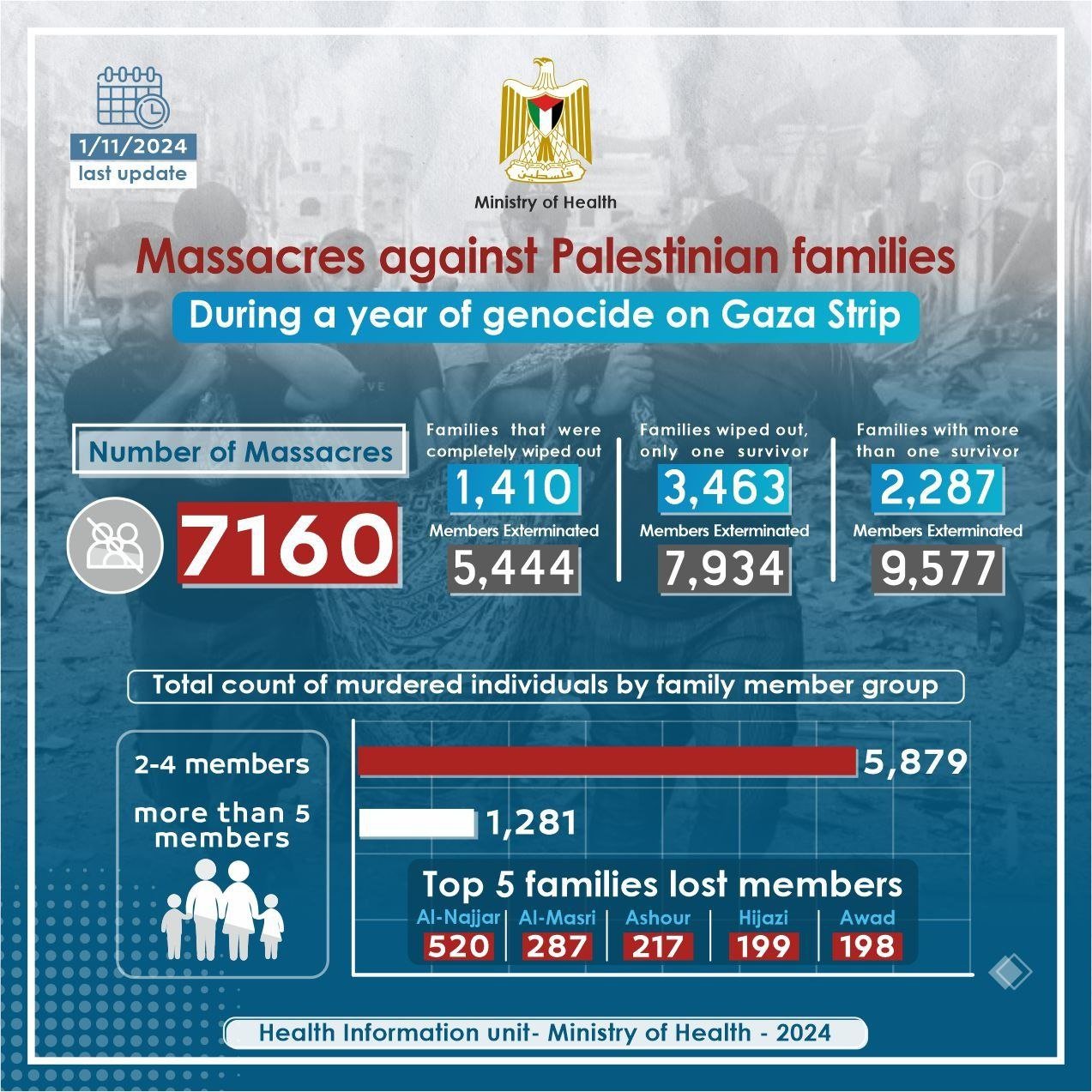
The Ministry of Health in Gaza reveals the devastating toll of massacres inflicted by the Israeli army on Palestinian families over the past year, a year of ongoing genocide and destruction.
CrossFireArabia
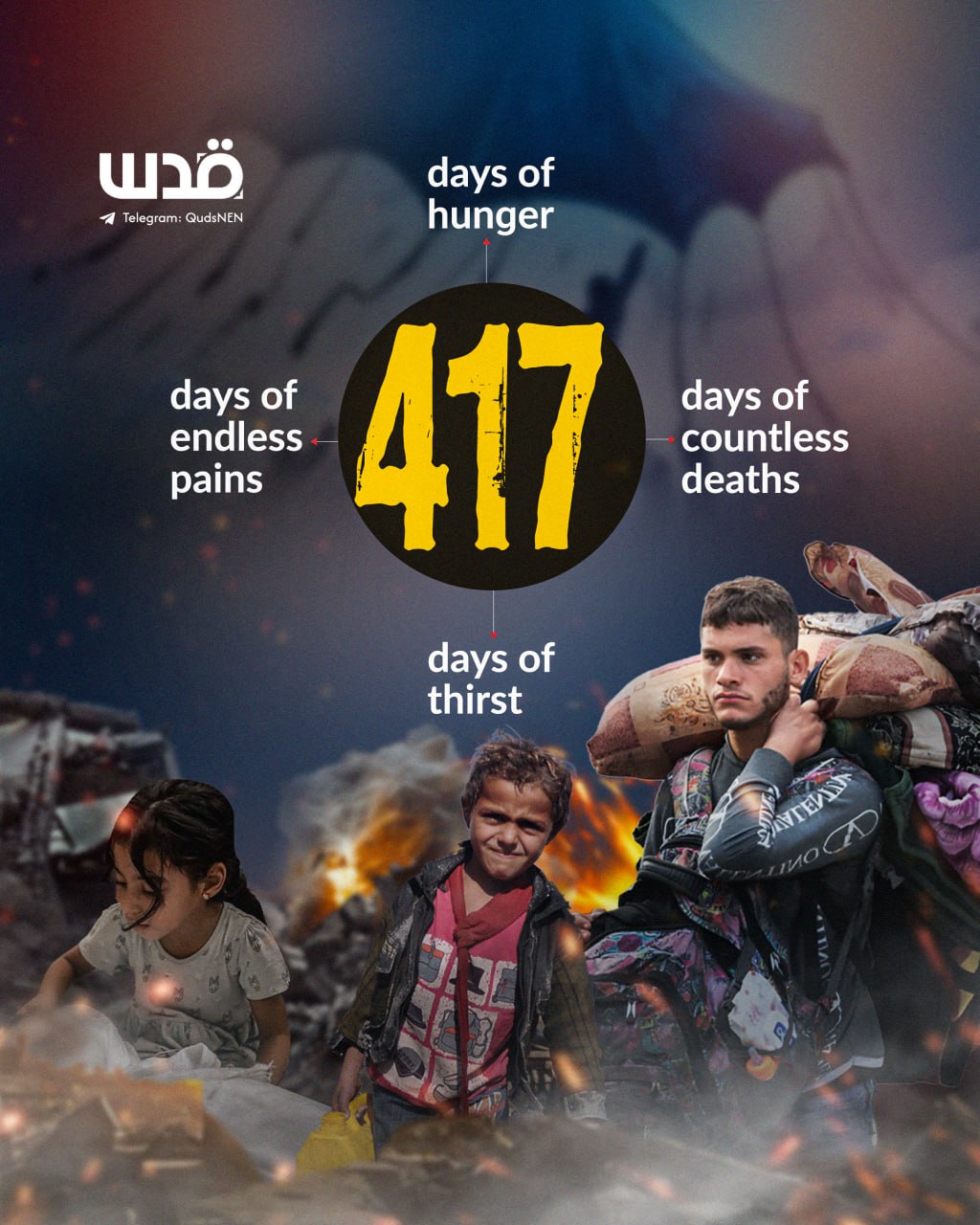
417 days of hunger, 417 days of countless deaths, 417 days of thirst, 417 days of endless pains
CrossFireArabia
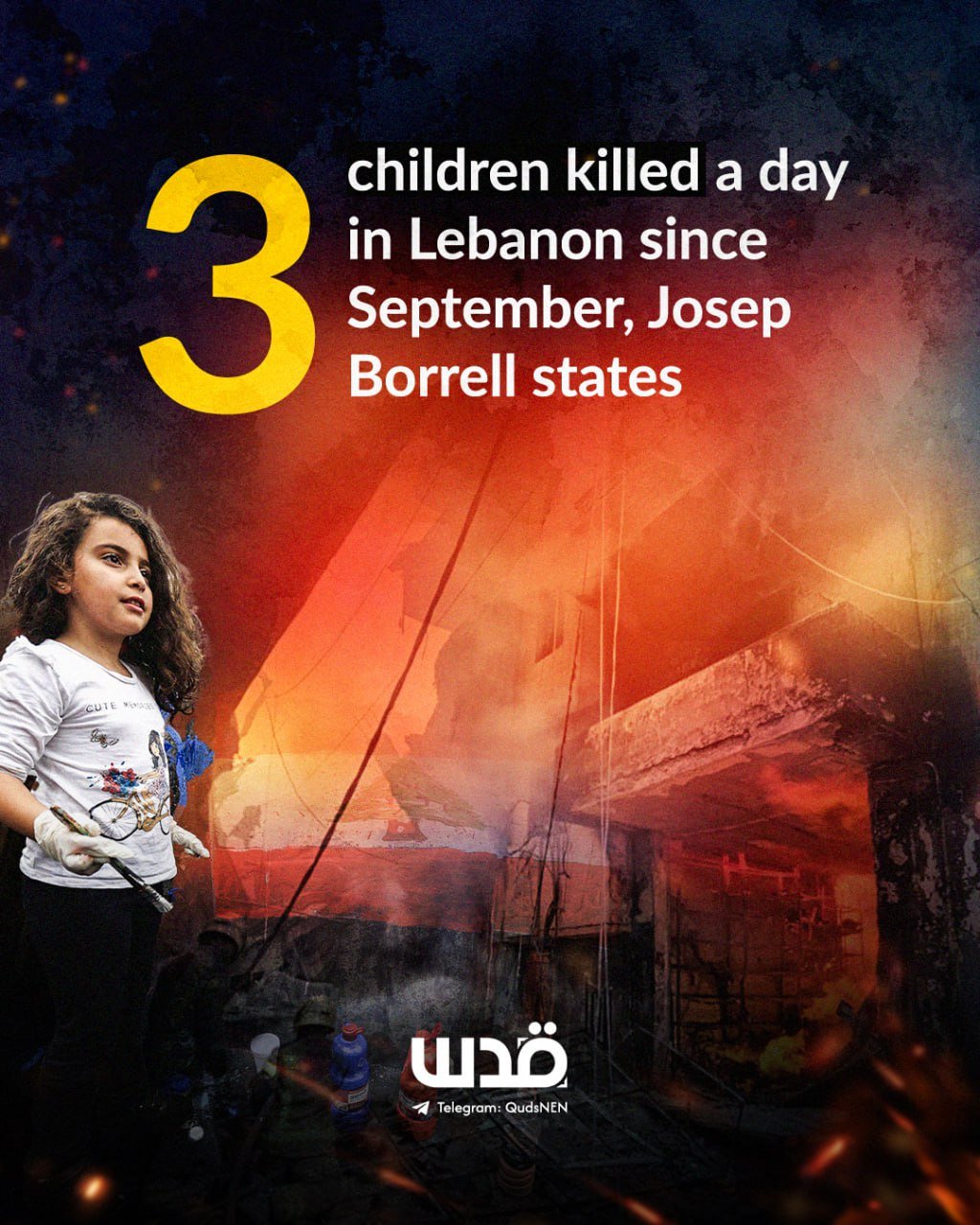
The High Representative of the EU Foreign Affairs Josep Borrell stated during his visit to the Geitaoui Hospital in Beirut that the innocent civilians in Lebanon are the target of Israeli occupation forces.
He confirmed that three children a day have been killed by Israeli airstrikes in Lebanon since September, saying:”Many displaced children, innocent civilians are among those injured in IDF airstrikes.”