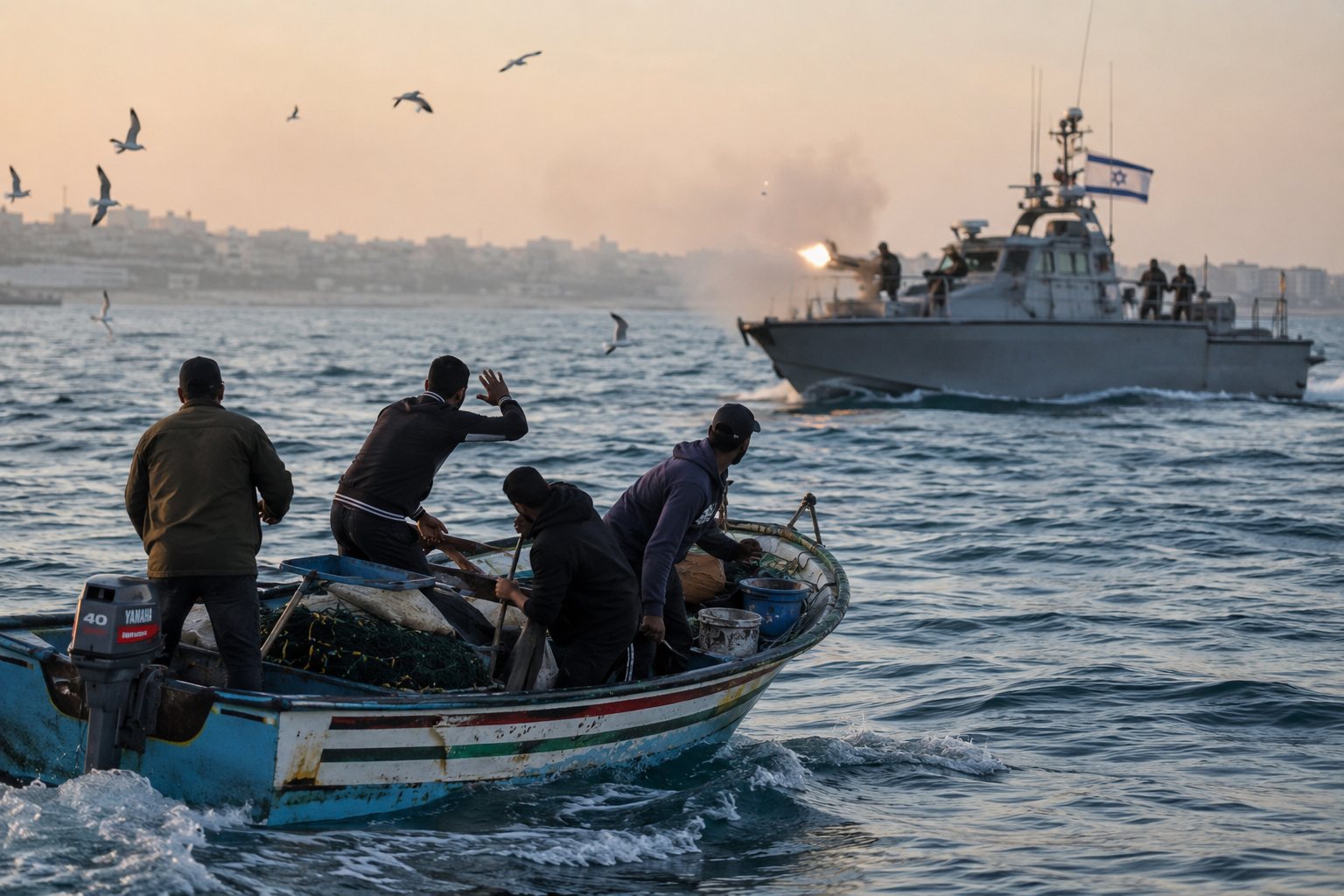
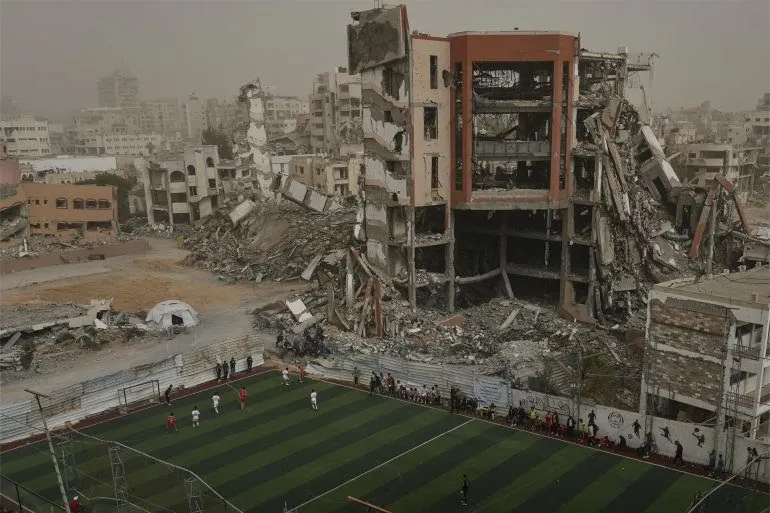
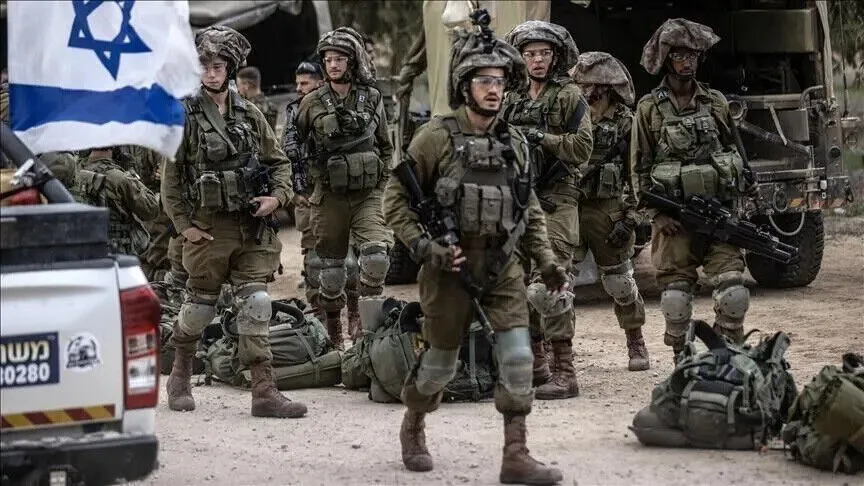
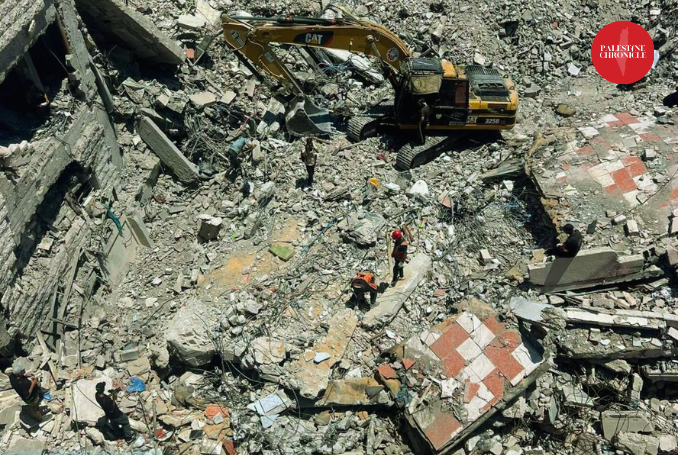
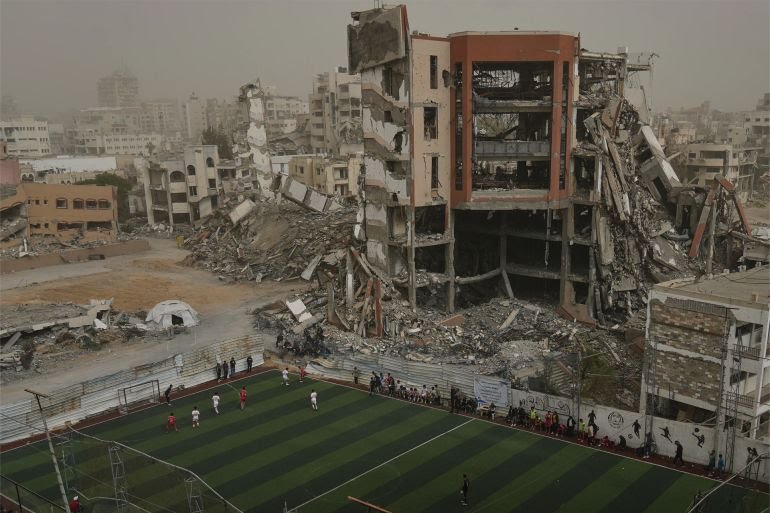
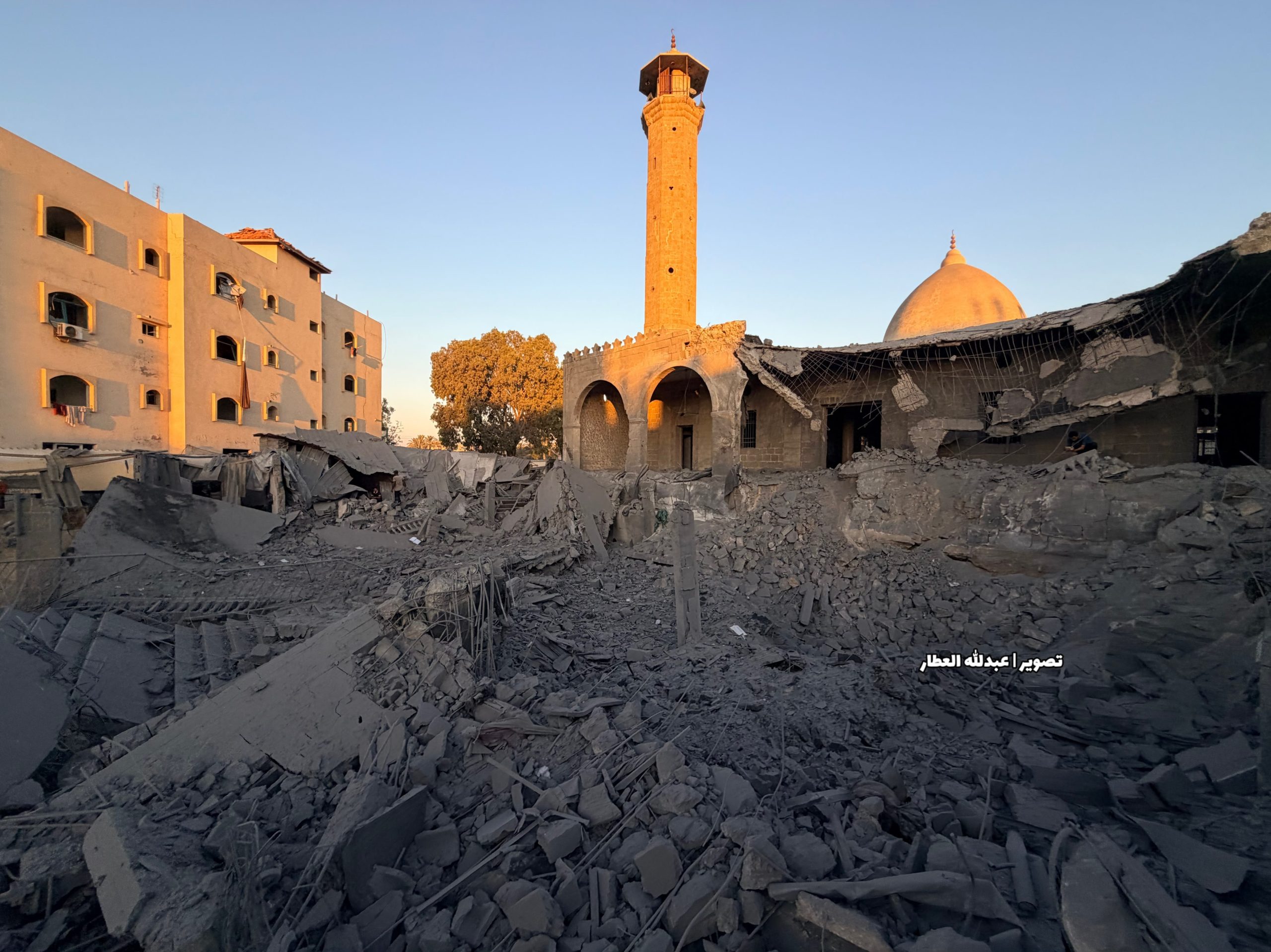
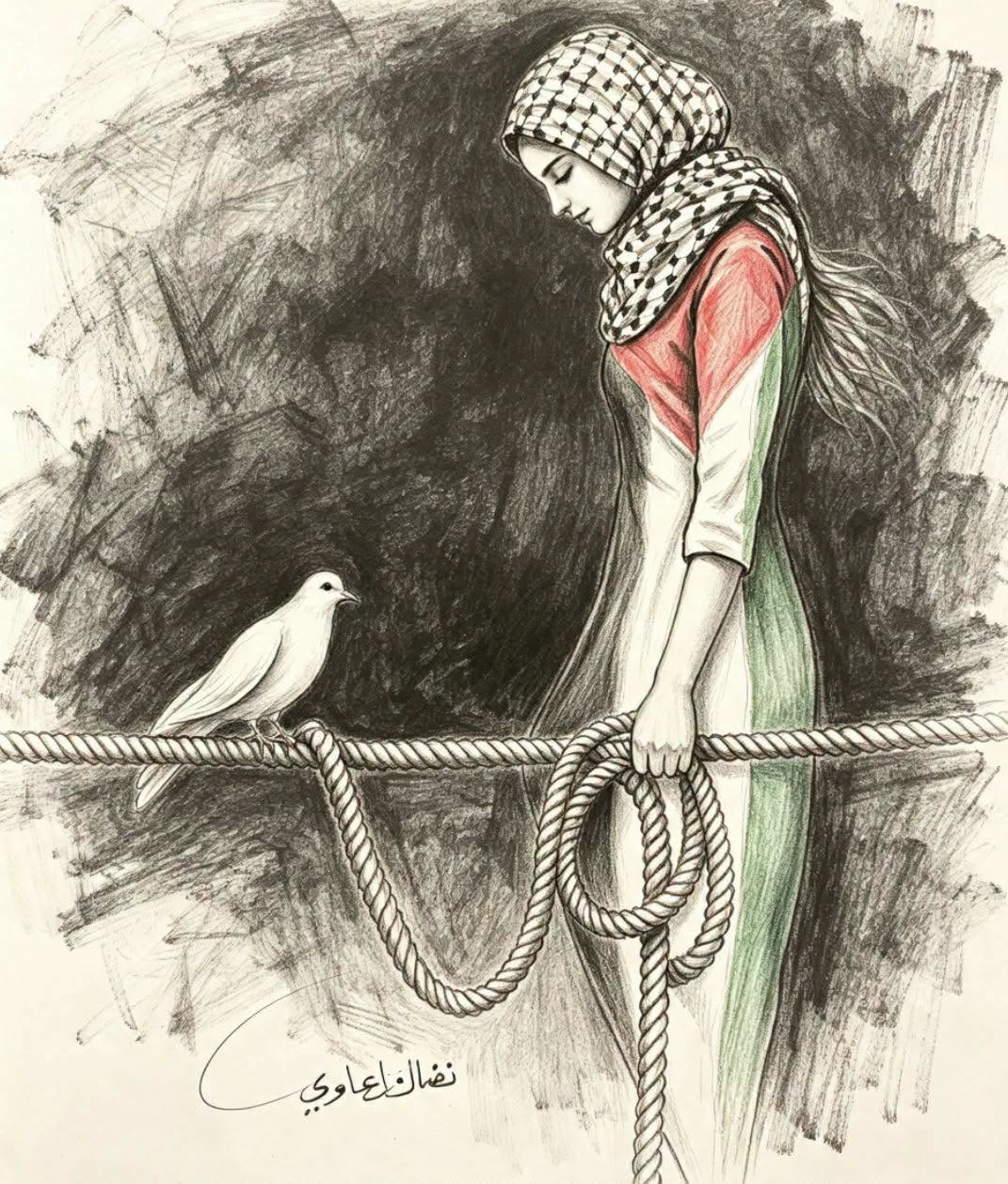
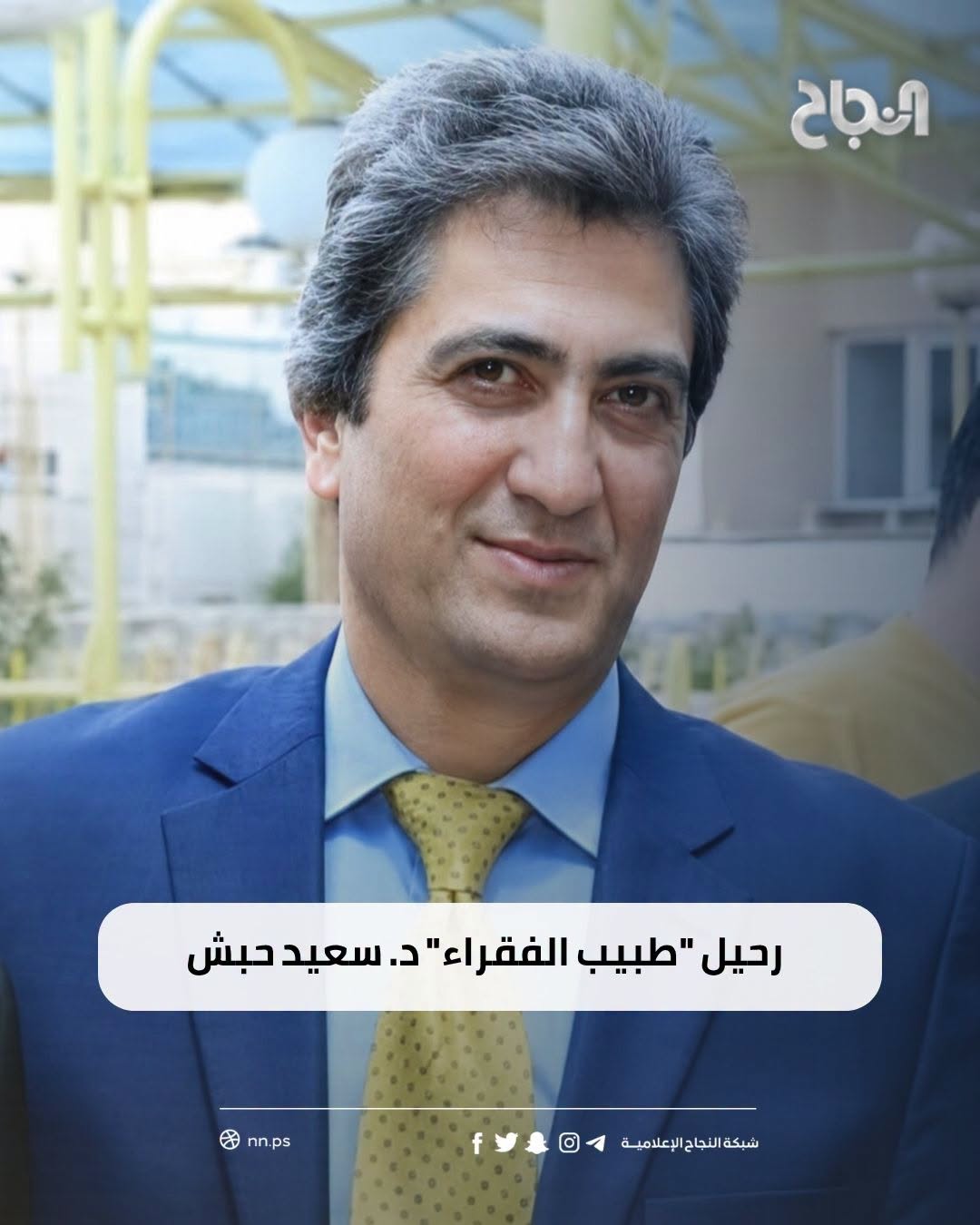
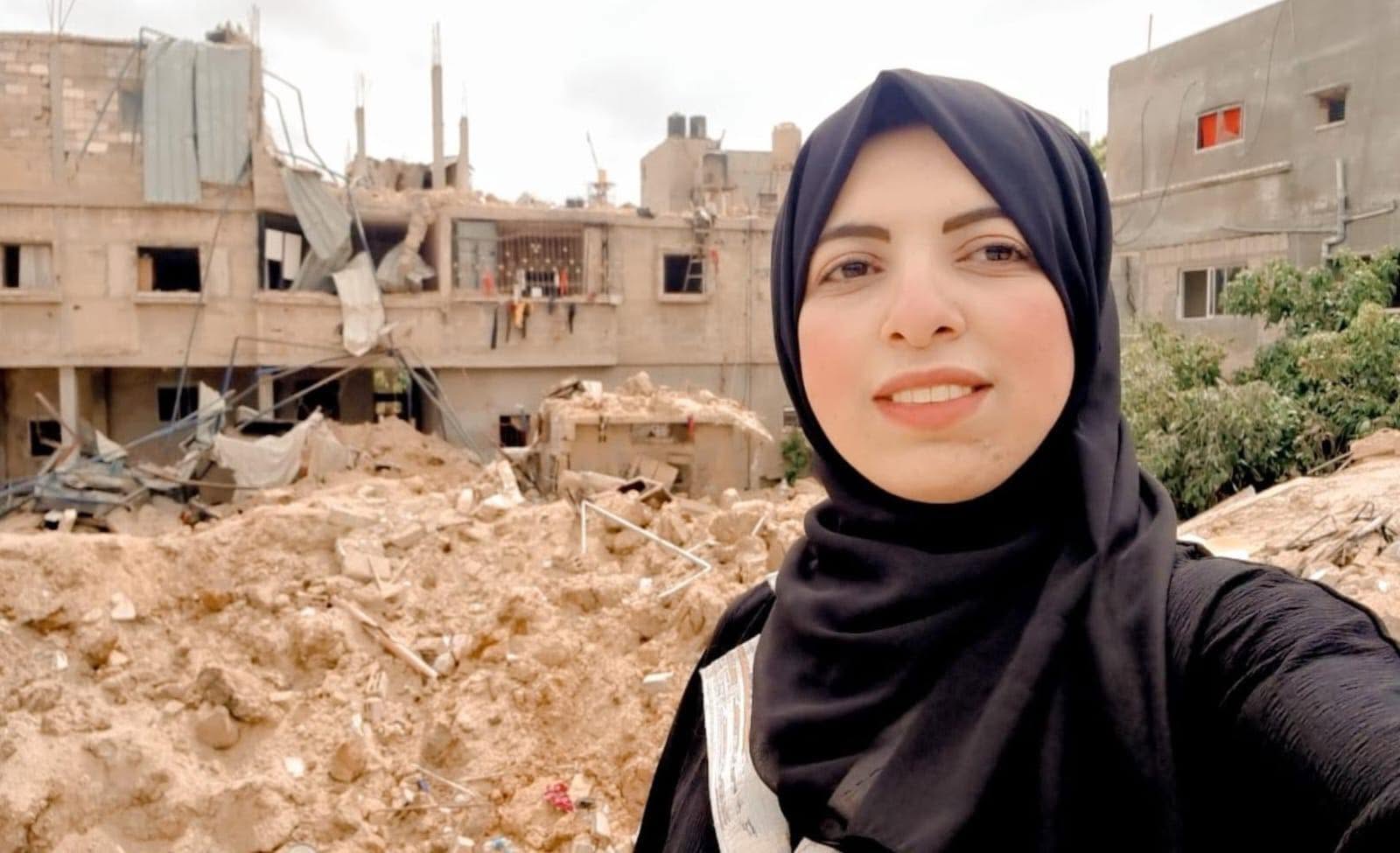
 Aya Isleem: ‘We Are Tired of The War’
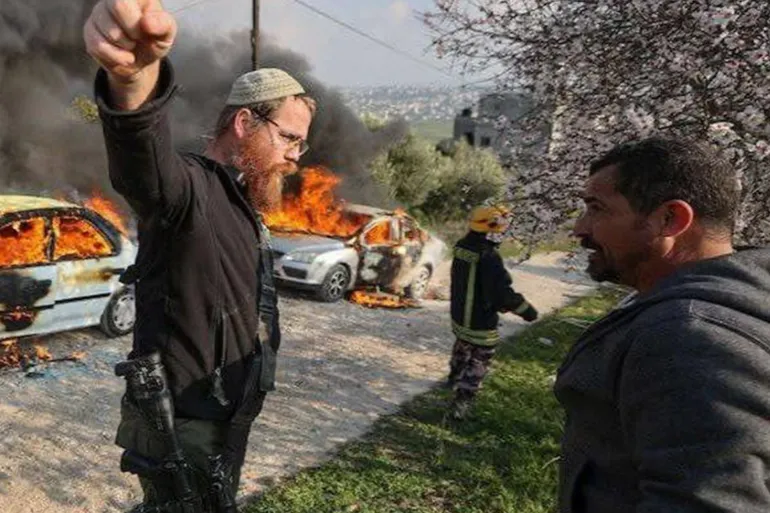
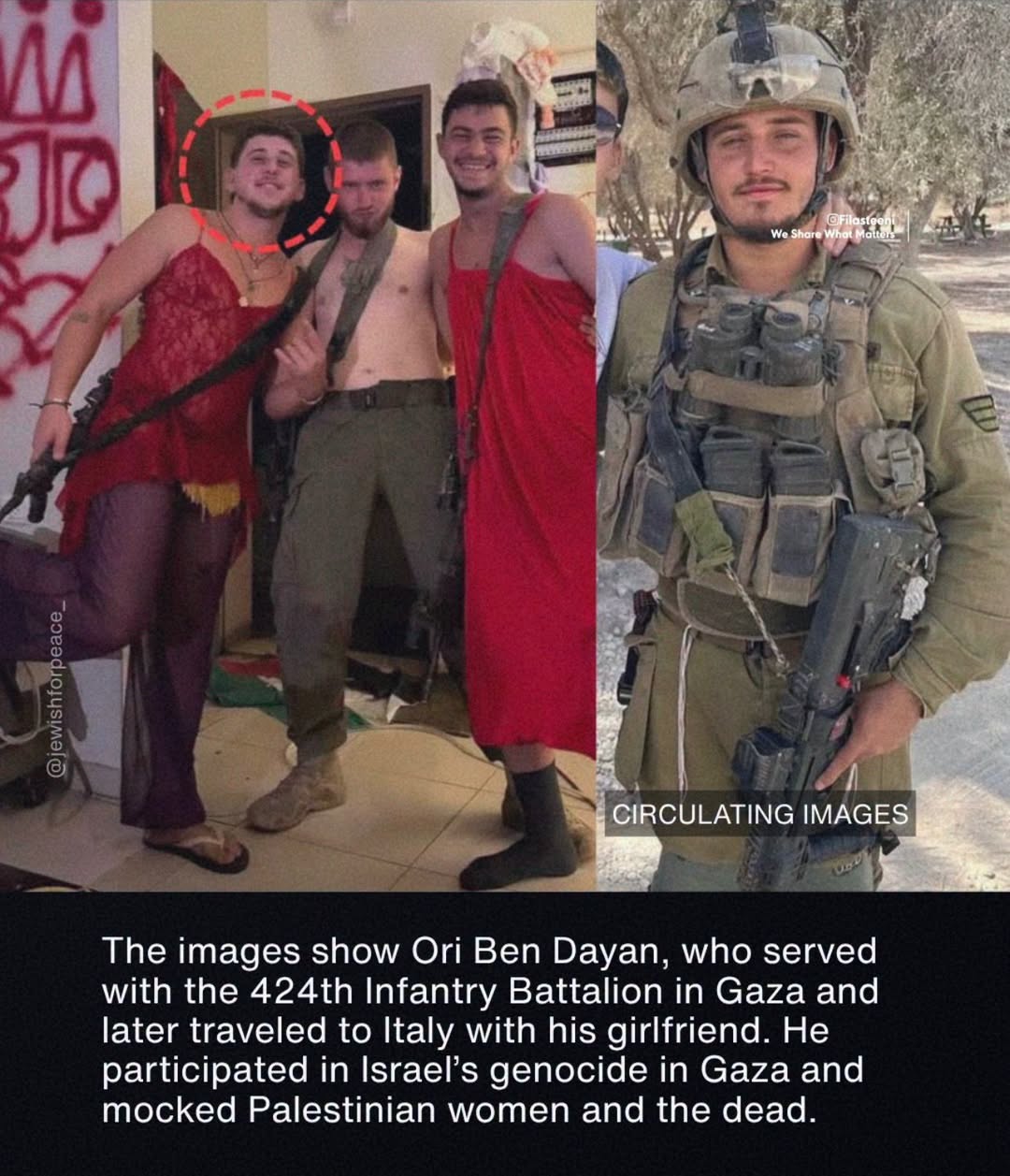 ‘These Are Your Israeli Soldiers’
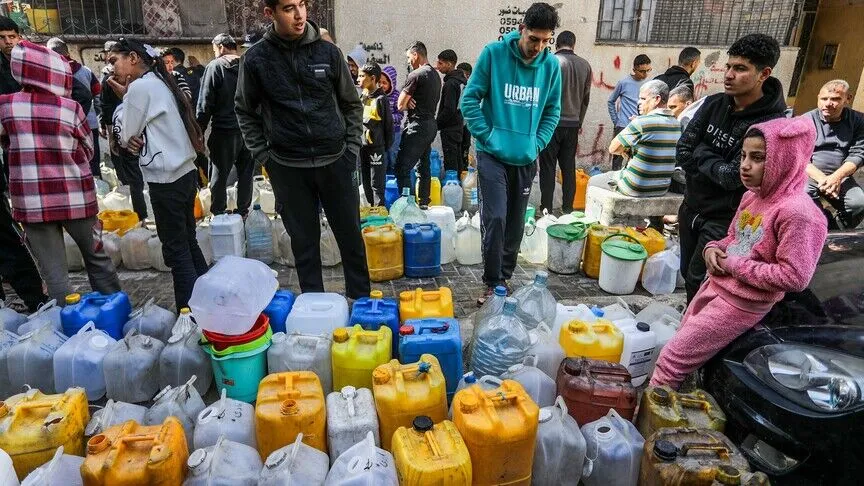
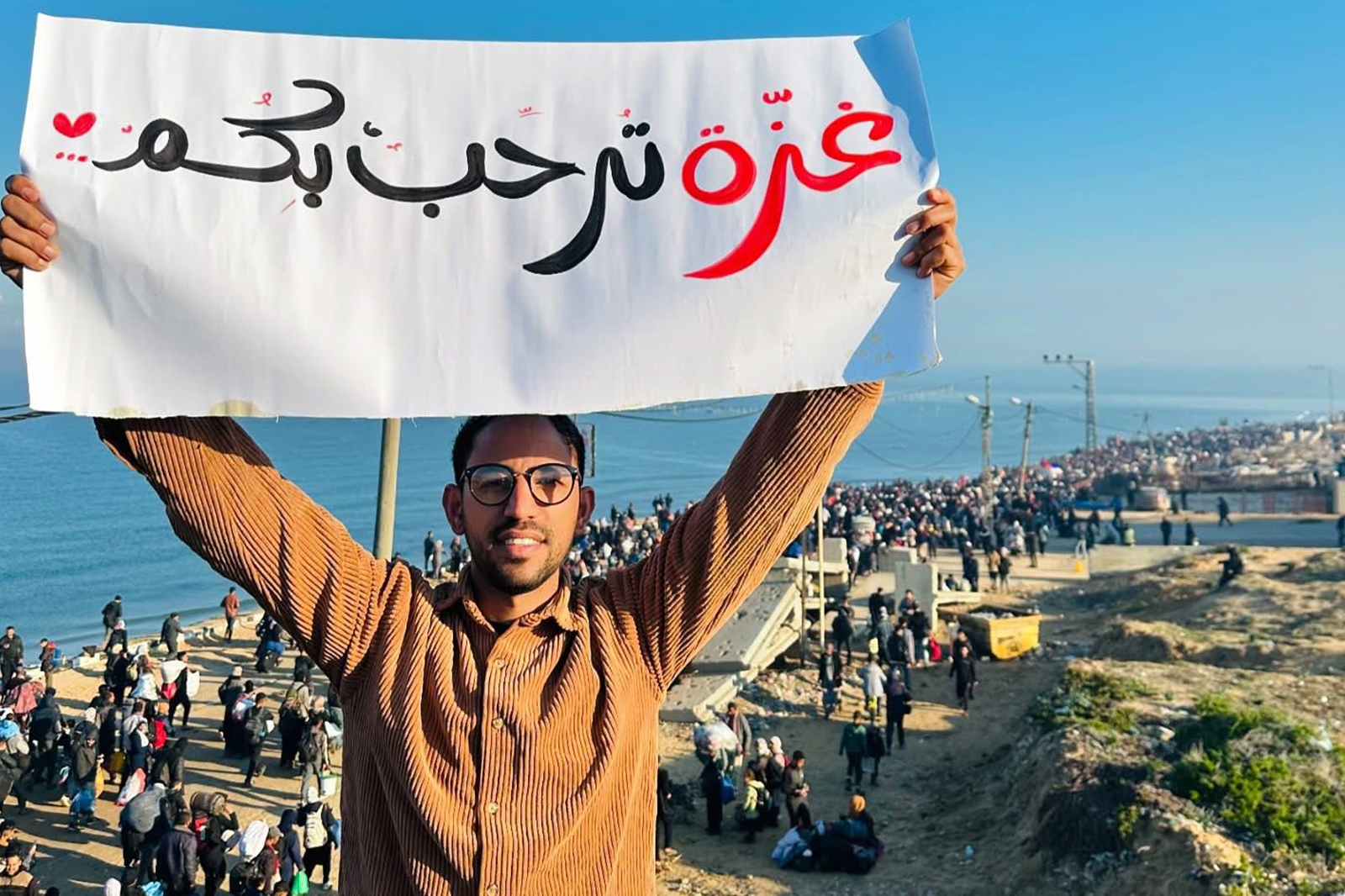 Welcome to Gaza: ‘We Are Not Leaving’
 A Woman From Gaza
 Balcony of Life




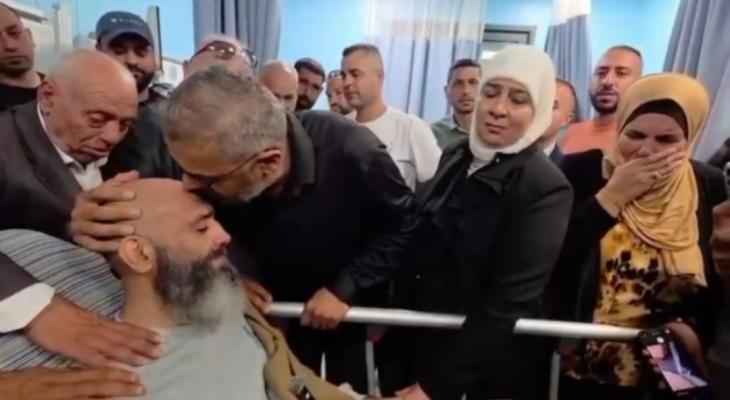
Aya Isleem: ‘We Are Tired of The War’
 CrossFireArabia
- September 4, 2026
 CrossFireArabiaCrossFireArabia
 marwanCrossFireArabiaCrossFireArabiaCrossFireArabiaCrossFireArabiaCrossFireArabiaCrossFireArabiaCrossFireArabiaCrossFireArabiaCrossFireArabiaCrossFireArabiaCrossFireArabiaCrossFireArabia
 HebaCrossFireArabiaCrossFireArabiaCrossFireArabiaCrossFireArabiaCrossFireArabiaHebaHebaCrossFireArabiaCrossFireArabiamarwanCrossFireArabiaCrossFireArabiaHebaHebaHebaCrossFireArabiaCrossFireArabiamarwanCrossFireArabiaCrossFireArabiaCrossFireArabiaCrossFireArabiaHebaHebaHebaHebaCrossFireArabiaCrossFireArabiaCrossFireArabiaCrossFireArabiaCrossFireArabiaCrossFireArabiaHebamarwanmarwanCrossFireArabiaCrossFireArabiaCrossFireArabiaCrossFireArabiaCrossFireArabiaCrossFireArabiaCrossFireArabiaCrossFireArabiaCrossFireArabiaCrossFireArabiaCrossFireArabiaHebaCrossFireArabiaCrossFireArabiamarwanmarwanCrossFireArabiaCrossFireArabiaCrossFireArabiamarwanCrossFireArabiaCrossFireArabiamarwanHebaCrossFireArabiaHebaHebamarwanCrossFireArabia
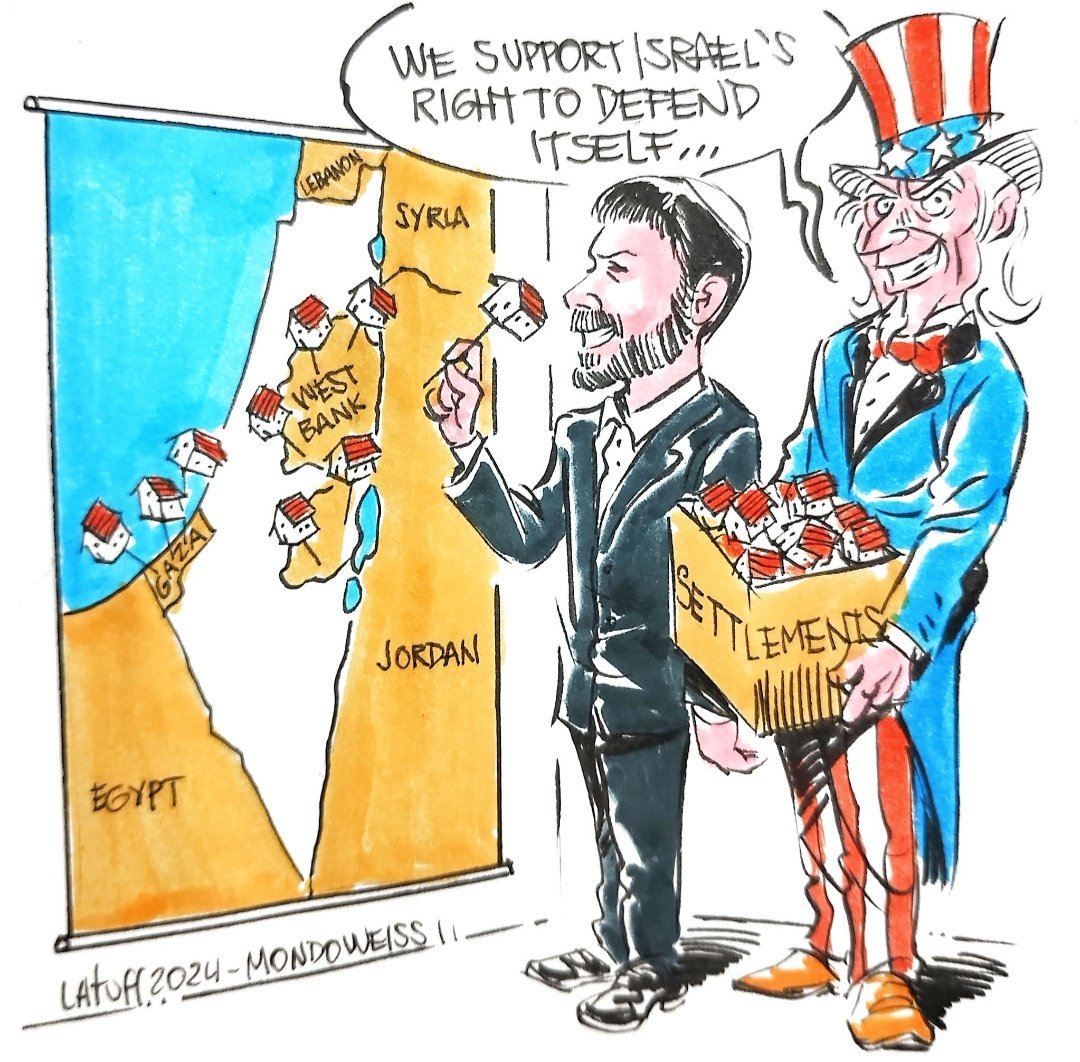
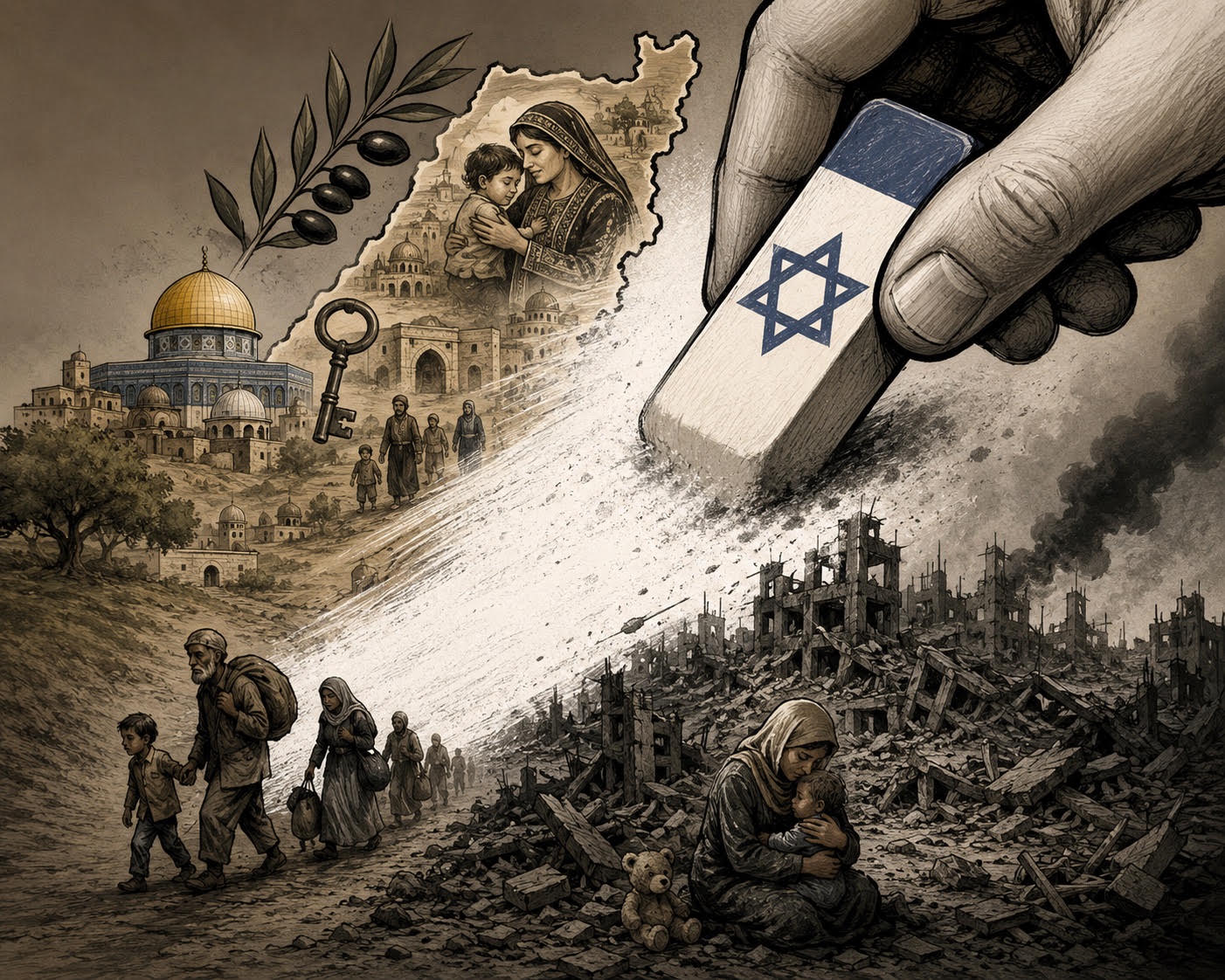
Hardcore Israeli Minister Smotrich declares 2025 the ‘year of sovereignty’ with full annexation plans for the West Bank underway. Meanwhile, the U.S. stands by Israel’s side, ignoring both the land grab and the ongoing genocide in Gaza.
Cartoon by Carlos Latuff
CrossFireArabia
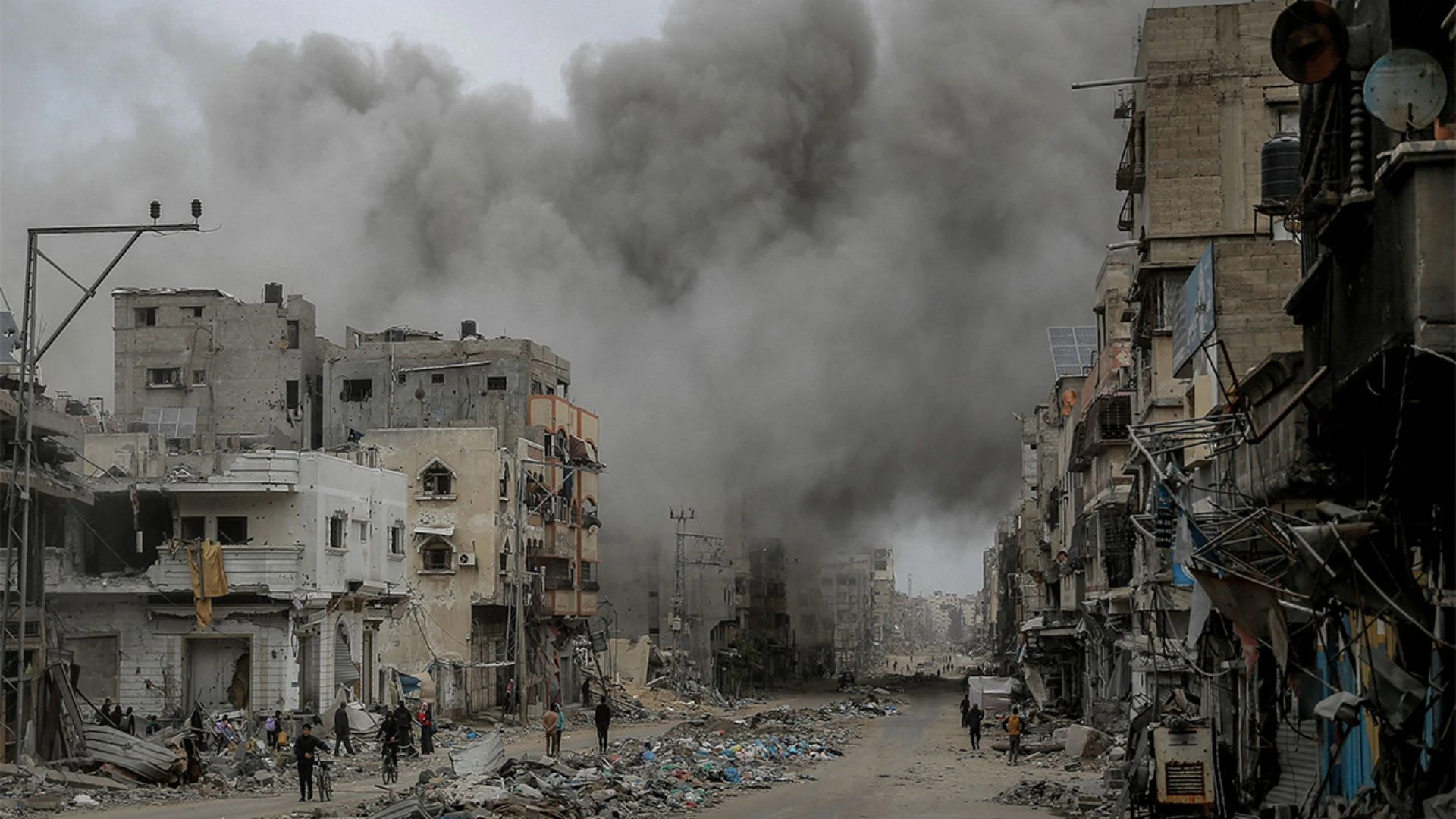
“The humanitarian and human rights situation for Palestinian civilians across Gaza is catastrophic,” underscored Ilze Brands Kehris, Assistant Secretary-General for Human Rights, highlighting the Integrated Food Security Phase Classification’s recent alert that “there is a strong likelihood that famine is imminent” in the Strip’s northern areas, she told a 15-member body convened an emergency meeting in response to experts’ warnings that immediate action is required within “days, not weeks” to avert the scourge.
She appealed to the Council to take all steps within its powers to influence the parties to end violations, facilitate impartial humanitarian access and protect civilians. Israel’s destruction of Gaza’s civilian infrastructure “contributes directly to the famine risk being discussed today”, she noted, stressing that “the use of starvation of the civilian population as a method of warfare is strictly prohibited under international humanitarian law”.
Kheris added: “The manner in which the Israeli military is conducting operations in northern Gaza suggests not only that Israel’s actions are seeking to empty northern Gaza of Palestinians, by displacing survivors to the south, but points to further grave risks of atrocities of the most serious nature.”
“Men, women, boys and girls are effectively starving as the conflict rages,” underscored Rein Paulsen, Director, Office for Emergencies and Resilience, Food and Agriculture Organization (FAO), via videoconference. Prior to 7 October 2023, Gaza was largely self-sufficient in vegetables, eggs, fresh milk, poultry and fish, and local agriculture also produced much of the red meat and fruits consumed inside Gaza, he said. Today, nearly 70 per cent of Gaza’s cropland has been damaged or destroyed, and almost 95 per cent of cattle, and more than half of sheep and goat herds, are now dead.
Also briefing the Council was Joyce Msuya, Acting Under-Secretary-General for Humanitarian Affairs and Acting Emergency Relief Coordinator, who declared: “As I brief you, Israeli authorities are blocking humanitarian assistance from entering North Gaza, where fighting continues, and around 75,000 people remain with dwindling water and food supplies.” Citing violent armed lootings of UN convoys, the closure of food assistance kitchens and the diminishing daily food distribution, she warned that, if implemented, the Israeli Knesset legislation to ban activities of the United Nations Relief and Works Agency for Palestine Refugees in the Near East (UNRWA), starting in January, will be “another devastating blow to efforts to provide life-saving aid and avert the threat of famine”.
That international aid cannot travel to reach civilians “is completely unacceptable”, stressed Ray Collins of Highbury, Parliamentary Under-Secretary of State for the Foreign, Commonwealth and Development Office of the United Kingdom, Council President for November, who spoke in his national capacity. Israel must heed and act on the “shocking and urgent” warning that a worst-case scenario is now playing out in areas of northern Gaza, he said, urging that country to flood Gaza with aid, protect civilians, meet all legal obligations as the occupying Power and avoid undermining UNRWA’s role.
“This is a clear use of starvation as a method of war, which constitutes a war crime,” stressed Algeria’s representative. Denial of civilians’ right to food in Gaza constitutes part of systematic collective punishment of the Palestinian population, stressed China’s speaker, urging Israel to remove obstacles to humanitarian access throughout Gaza and any restriction placed on UNRWA.
CrossFireArabia
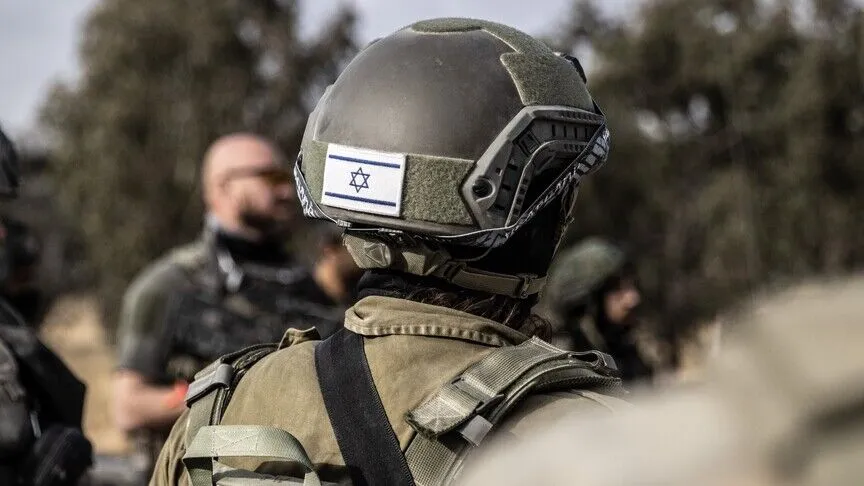
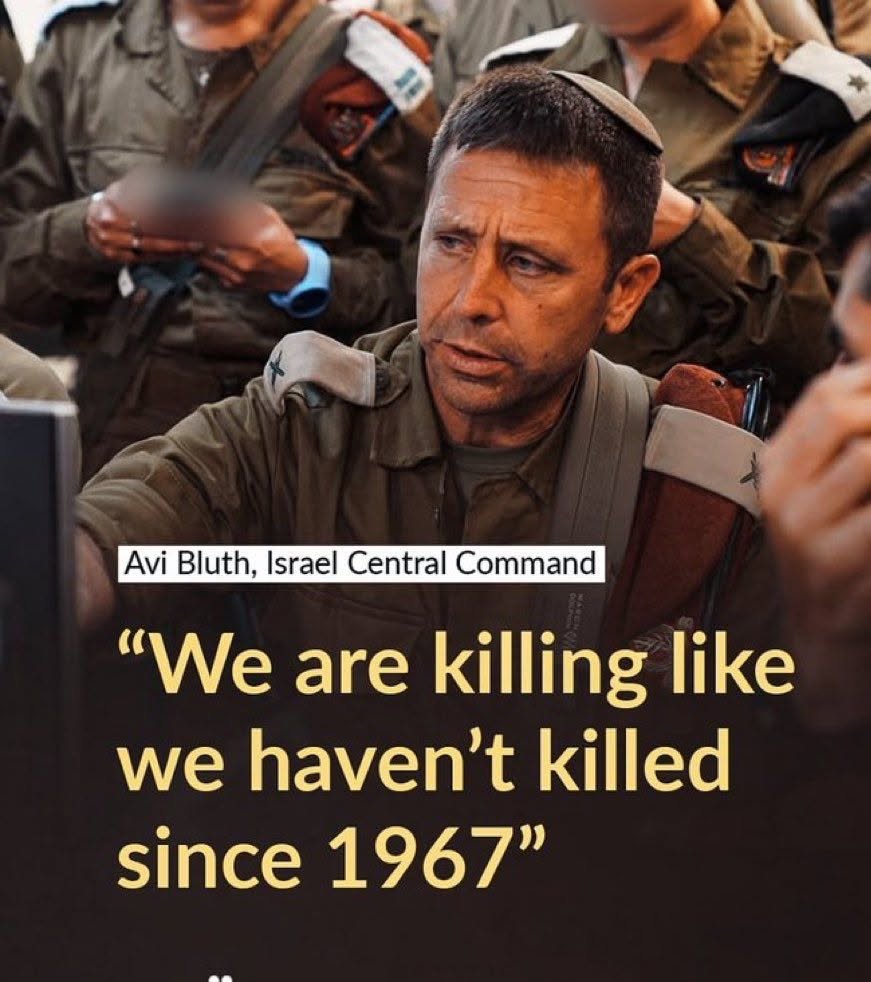
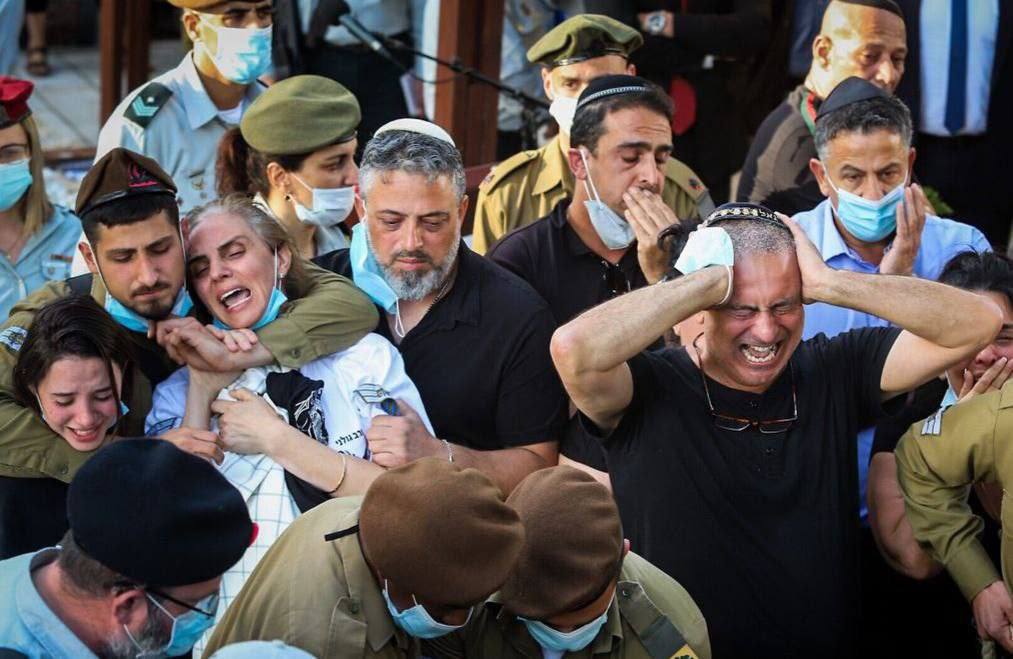
Different Israeli media establishments highlighted the difficult conditions facing Israeli occupation soldiers in Gaza, amidst increasing talk about the absence of clear goals for the war, and the future of the prisoners and possibility of a swap deal.
Israel Ziv, former head of the army’s operations division, expressed his deep concern about the situation of the soldiers in Gaza, and said in a statement on Channel 12 “the situation is very, very difficult for them, and I heard from reserve soldiers that they will not return again because of the harsh conditions they live in this place.”
He stressed the army seems to be preparing for a long-term occupation without clear goals, noting the soldiers are not only suffering from the military burden, but also from the repercussions of the war on their family lives, which prompted some to declare that they “will not be the fools of this country,” as he described it.
In turn, national security expert Kobi Marom believes that the war of attrition in Gaza is continuing at full force, especially in Jabalia, noting the army is preparing for the possibility of establishing military rule there by 2025.
In a Channel 13 interview Marom said that Prime Minister Benjamin Netanyahu’s statements about not stopping the fighting reflect a long-term vision for the war.
Seeking to conclude a deal
While Major General Yair Golan, former deputy chief of staff, spoke about the need to seek to reach a deal to release the prisoners as soon as possible, and said “a deal for the kidnapped soldiers could lead to a ceasefire in the south and perhaps also in the north.”
He stressed that the statements of some US officials about Hamas refusing to negotiate are “inaccurate,” noting the army’s representative in the negotiations, Nitzan Alon, previously stated that reaching a deal was possible, and he also criticized the Israeli leadership’s failure to provide any clarifications or meetings with the families of the detainees.
But MK Tsaga Malko believes that the issue is not partisan, but rather relates, according to her, to Hamas’s refusal to make a deal. The Kan 11 Channel presenter interrupted her, pointing to the influence of coalition partners, such as National Security Minister Itamar Ben-Gvir and Finance Minister Bezalel Smotrich, who are pushing for filling Gaza with Jewish settlements while disragarding a settlement to the conflict.
But Amnon Sofrin, ex-head of the Mossad intelligence division, added that negotiations are “the only option for freeing the kidnapped soldiers,” and said: “If there was a possibility of freeing them through a military operation, it would have been carried out, but the current guerrilla war could continue for 10 years without a result.”
Israeli media sources wondered why a settlement with the Lebanese Hezbollah in the north was sought while any settlement with Hamas was rejected but commentators concluded this was related to the agenda of the partners in the government, who see Gaza as an opportunity for settlements expansion, unlike Lebanon.
On Channel 13, political analyst Raviv Drucker confirmed The government is not facing real pressure from the security cabinet to complete the prisoner release deal. He added: “The leadership is pinning its hopes on the possibility of US President-elect Donald Trump intervening to exert new pressure, but most of the families of the kidnapped have lost hope,” according to Al Jazeera.
CrossFireArabia
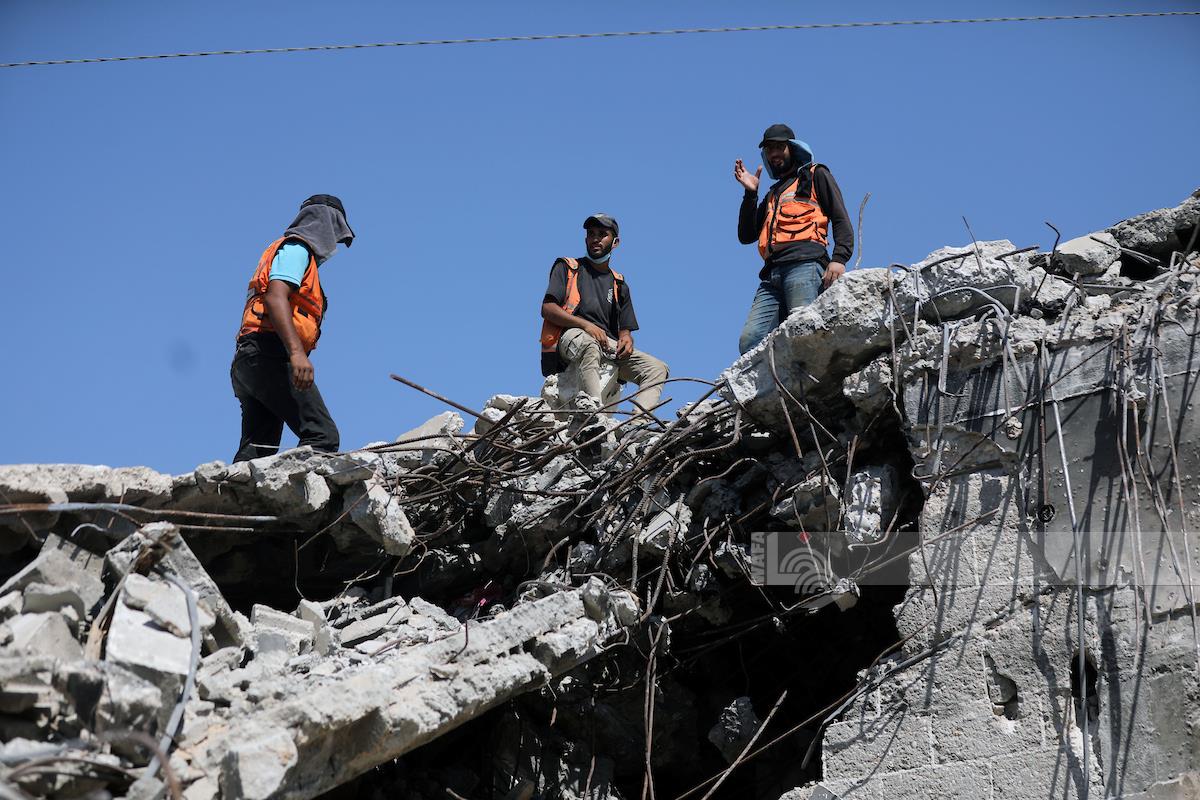
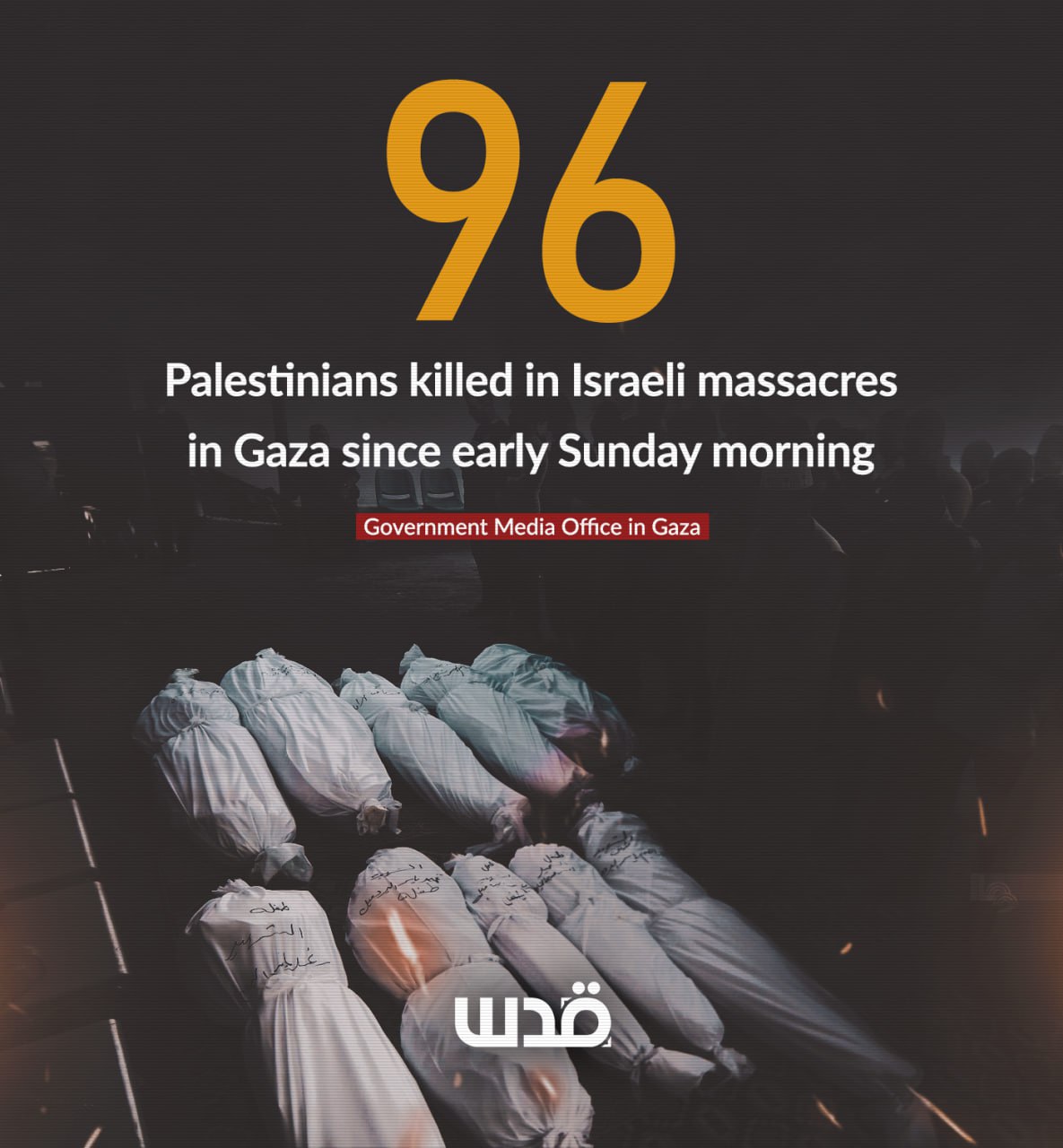
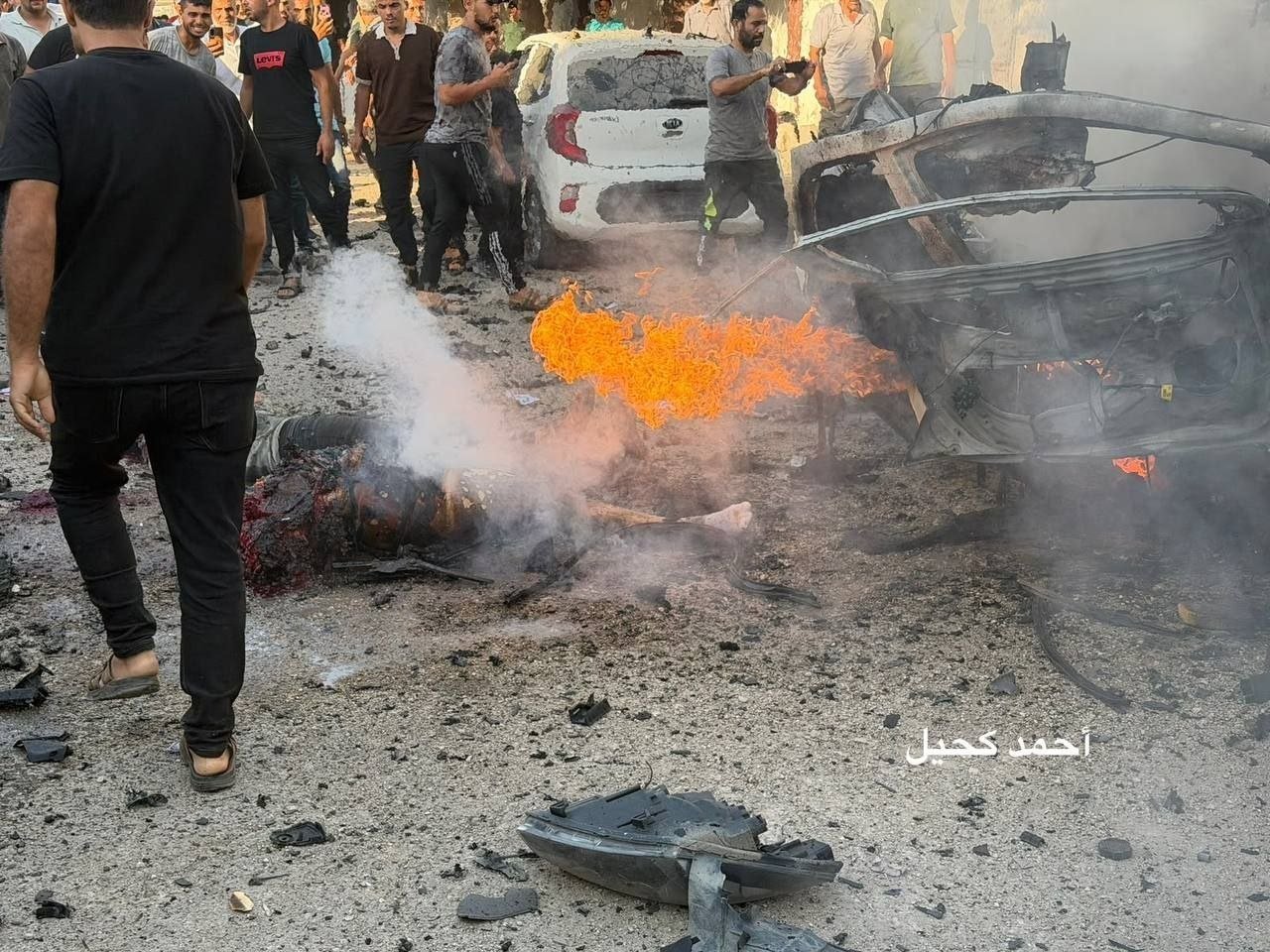
The Gaza Government Media Office reports 96 Palestinians killed and 60 others injured in recent airstrikes by Israeli occupation forces on the town of Beit Lahiya and the Nuseirat and Bureij refugee camps over the past few hours.
CrossFireArabia
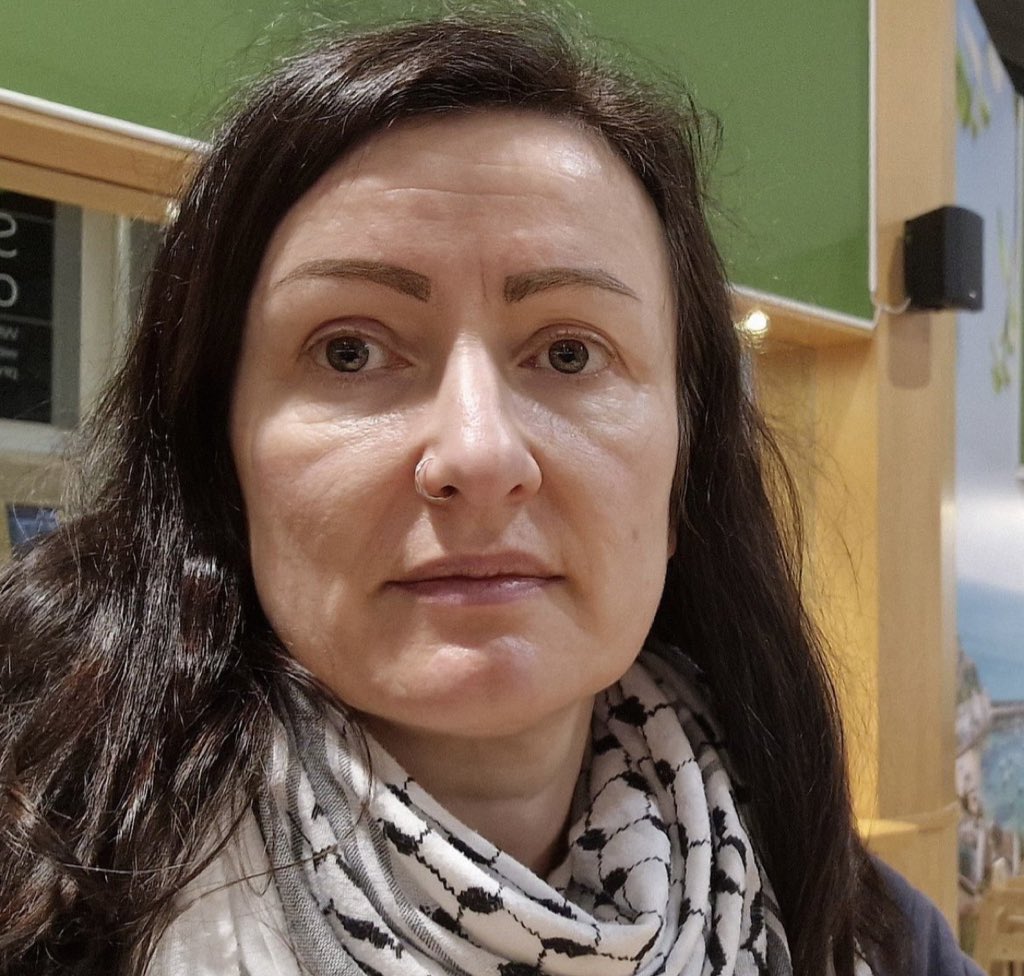
Sarah Wilkinson writes:
Solidarity with Natalie Strecker who was wrongly arrested in Jersey this morning for the non-crime of speaking up for the Palestinian ppl of Gaza.
Her name is trending on the social media.