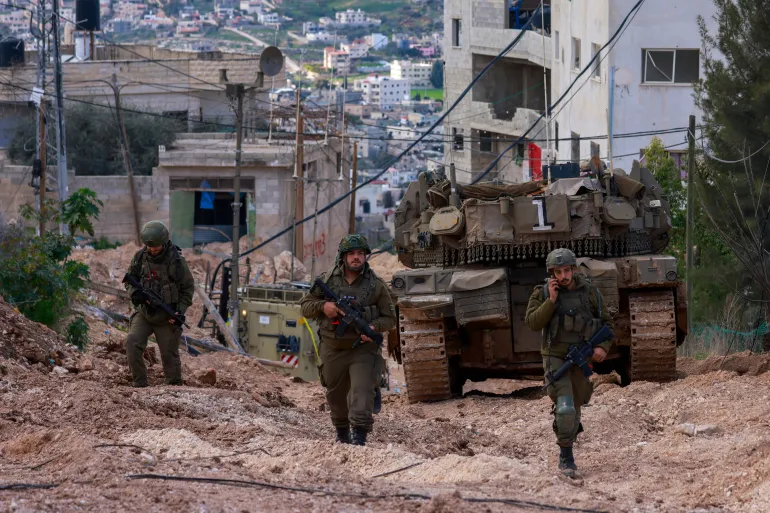
Gaza: A Painter’s Tragedy Toolkit

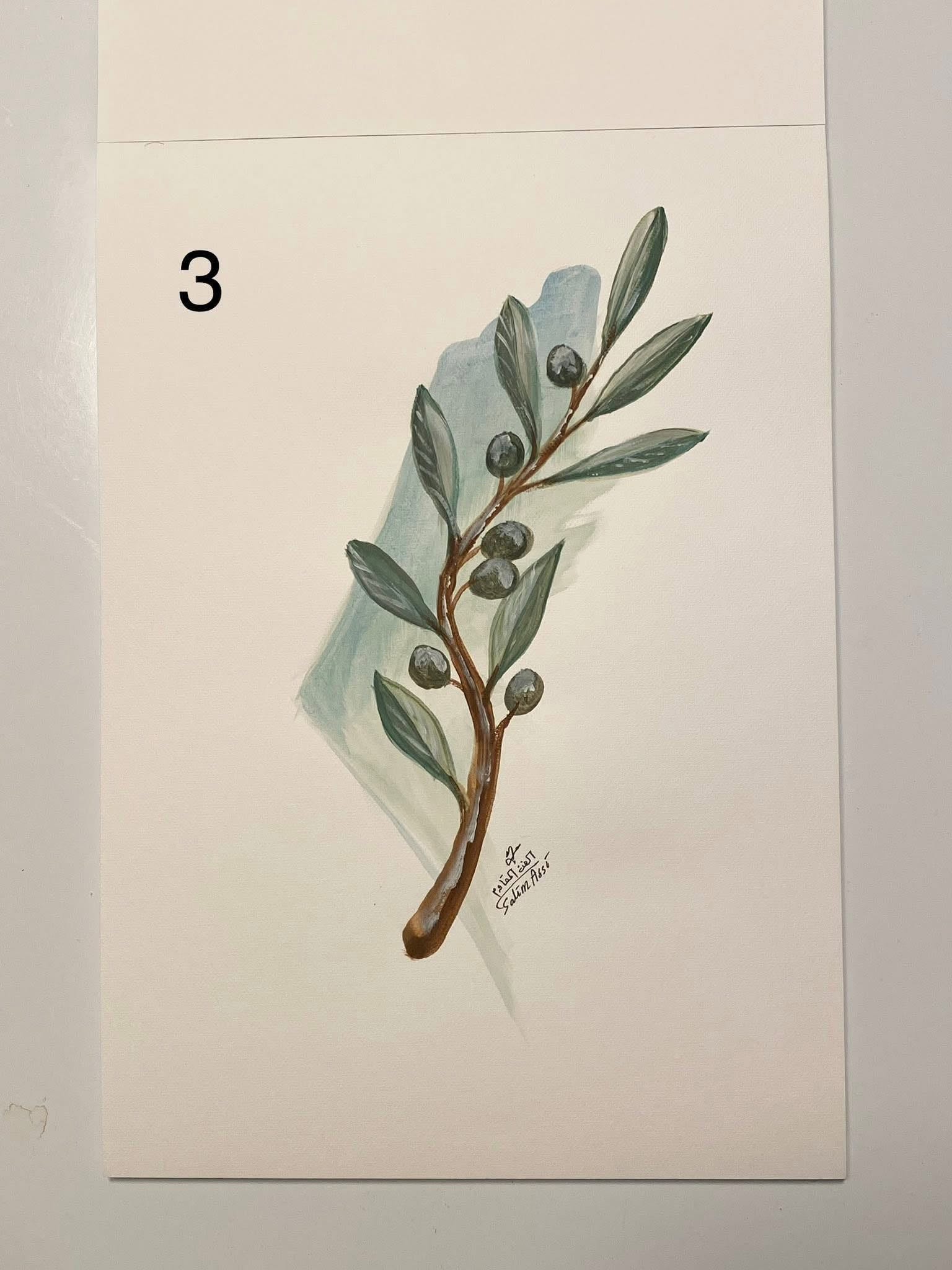
As if his works were from distant crumbling past, Gaza artist Ahmad Mahna documents the aggression on his little enclave. He uses the aid boxes dropped from the parachuted air to feed the starved to draw on and tell a painter’s story of the ongoing Israeli genocide.

Mahna says the goal of drawing is not only to document Israeli crimes but to send a message to the world, there are people in Gaza who love life and have needs beyond food and drink and want to tell the world of the need to stop the criminal actions against them meted by Israel and their forced forced displacement while the world looks on in silence as narrated in Al Mayadeen.

As a citizen living in a besieged enclave, Mahna has always been accustomed to difficult circumstances and never felt bound by the routine methods followed by world artists to see their creations come to light.

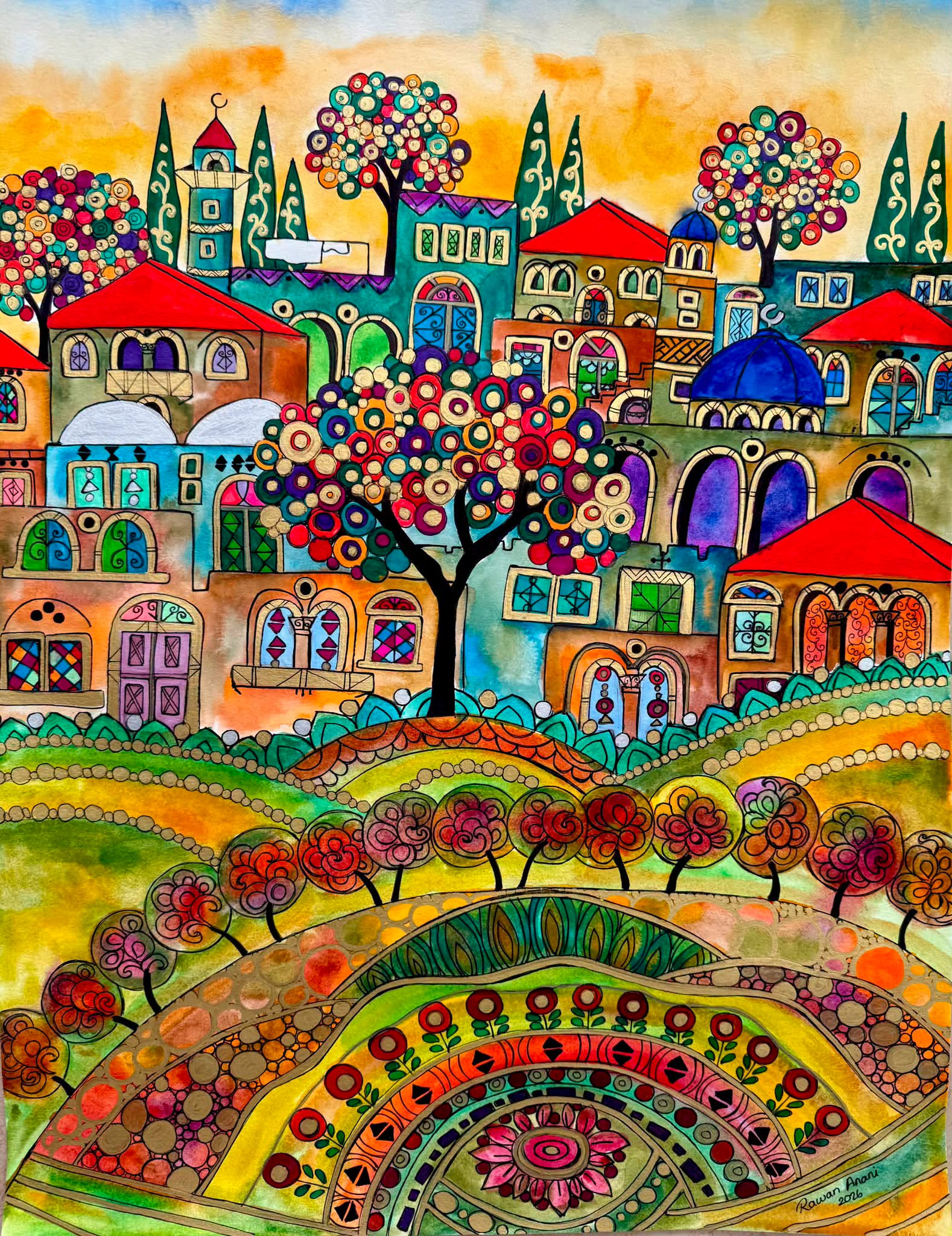
When he does not find the appropriate tools, he turns to whatever is available to him. Such may include paper, pencil, wall, piece of cloth, glass and even an old, neglected wooden board. In the artist’s eyes, these “worn-out” things can be transformed into inspiring artworks.

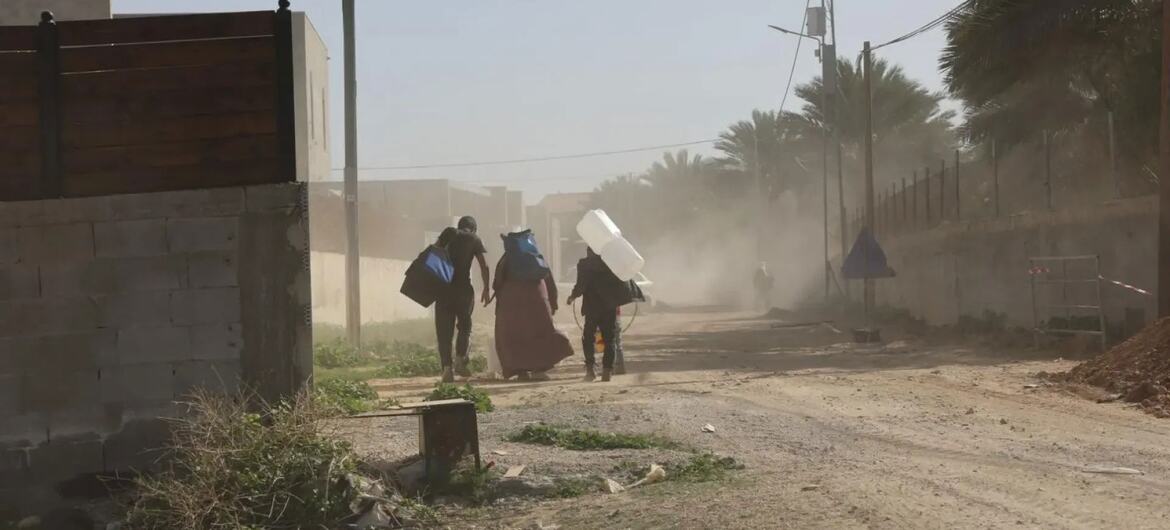
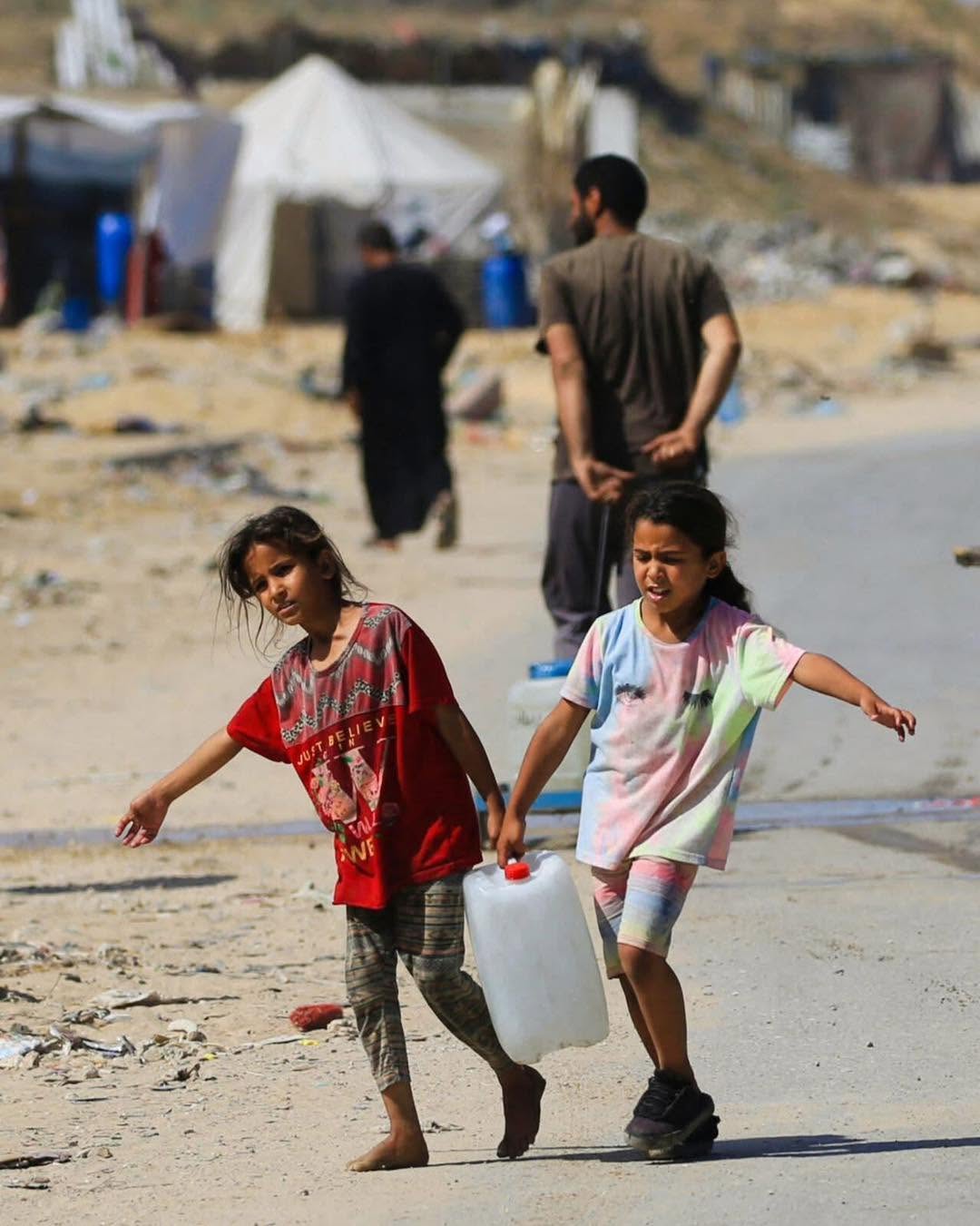
“Being across from an UNRWA school is a major incentive to draw,” Mahna pointing to the scenes of displaced people running to shelters as the aggression thickens combined with people fleeing guns and bombs thrown on displacement camps, queues to obtain water, bread and firewood, and scenes of the wounded carried on shoulders.

These tragedies become sad but rich material for Mahna to transfer such oppression and grief onto paper and from there on pass to the world.

Today the Gazan artist left his mark everywhere through his works and murals, saying it was difficult to stand idly by amidst the horrors he was witnessing, so he armed himself with his charcoal pen, and divided the “carton” into four paintings beginning with “A Four-Year-Old Girl Carrying a 16-Liter Gallon of Water”, and published it on the social media.

It became an instant hit, generating much and unexpected interest with many asking him to draw more about the sufferings of the displaced. Today,  Mahna is a “beacon” for many artists, and the owner of dozens artistic pieces which tell the world, through simple lines, the meaning of the ethnic cleansing that is taking place in Gaza, through such titles as “Escape from Death”, ” Last Embrace” and others.

Mahna says the painting comes out of a “first-time situation I experience” with emotions flooding whether its love, fear, anger or sadness. He fills his painting with details that convey a reality of interconnected circuits surrounding the lives of residents including death to provide basic needs daily, movement of passersby to and from hospitals that has become a daily routine due to the bombs and air-raids, and the incessant spread of diseases that is everywhere.

Because the tent has become the main “hero” in the story of Palestinian displacement, Mahna transfers the canvas into a painting with rich details, focusing on the scorching temperatures that melt the people inside, the insects, scorpions, and snakes that surround them like a barbaric army from every direction, and the sounds they hear from every corner, nullifying the individual privacy and the human need for rest and calm.

Coffee and Painting

“There is no one left who has not been affected by the war,” says Mahna, a former employee in one of the art institutions in Gaza. He lost his job and had to look for an alternative to provide him with his daily bread, so he opened a tea and coffee kiosk whilst making wall paintings where passersby would stop not only for the coffee but contemplate the paintings with respect for the skilled maker, as if directing words of thanks to him for what he conveys for their suffering.

Like others, Mahna did not comprehend the ongoing war of extermination till three months after the massacres when he shook off the cloak of despair and decided to stand up again. Thus, he opened his own studio under his downtrodden house. Only then did he feel he returned to the world he belonged to, amidst the looks of children escaping the boredom of the shelter that now surround him from every direction, reminding him of his societal role in managing workshops to relieve their psychological stress through art.

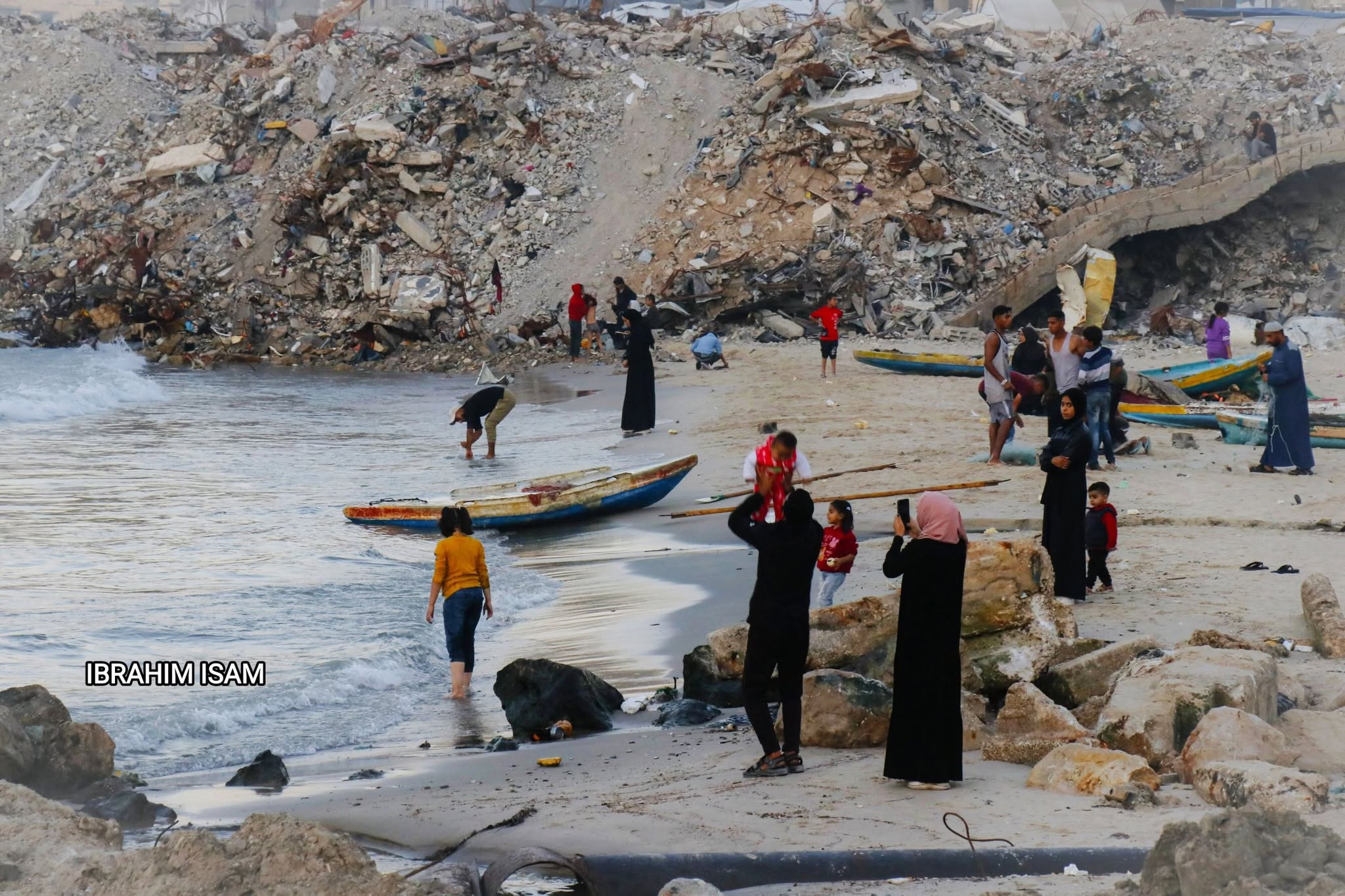
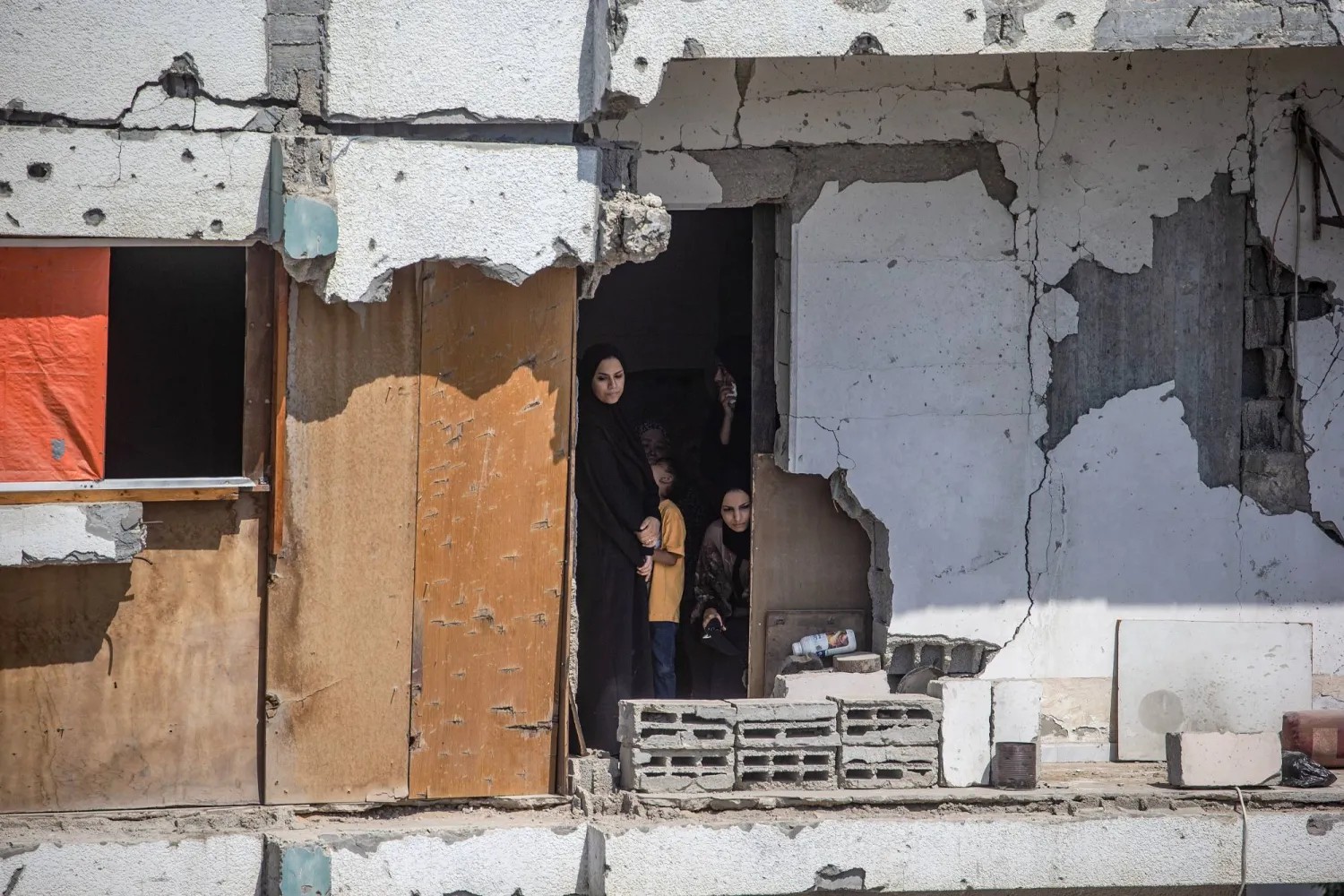
Mahna describes himself as a street artist because his drawings express the state of society and its conditions. From drawing destroyed homes and the color of the rubble, Mahna gives passersby hope in a city reduced to ruins. He has plenty to draw from images of corpses, limbs, mass graves, grief of bereaved mothers over their sons and their screams over those who remained under the rubble to the depiction of the ungodly famine in north Gaza.

Mahna faces difficulty in obtaining drawing materials. Charcoal pencils can run out at any time. Aid boxes have also become difficult to obtain in light of the increasing gas crisis, as residents prefer to burn them to prepare food instead of producing several paintings to look at while they are starving. He pointed out he faces the same problem that forced him to set fire to the wood that supports his paintings, but he is still trying to keep art alive in Gaza despite everything.

Continue reading
Despite Gaza War Japan Invites Israel to Hiroshima Commemoration

Pro-Palestine voices overshadowed Japan’s commemoration of the United State’s nuclear bombing of Hiroshima Tuesday, many social media posts highlighted. 

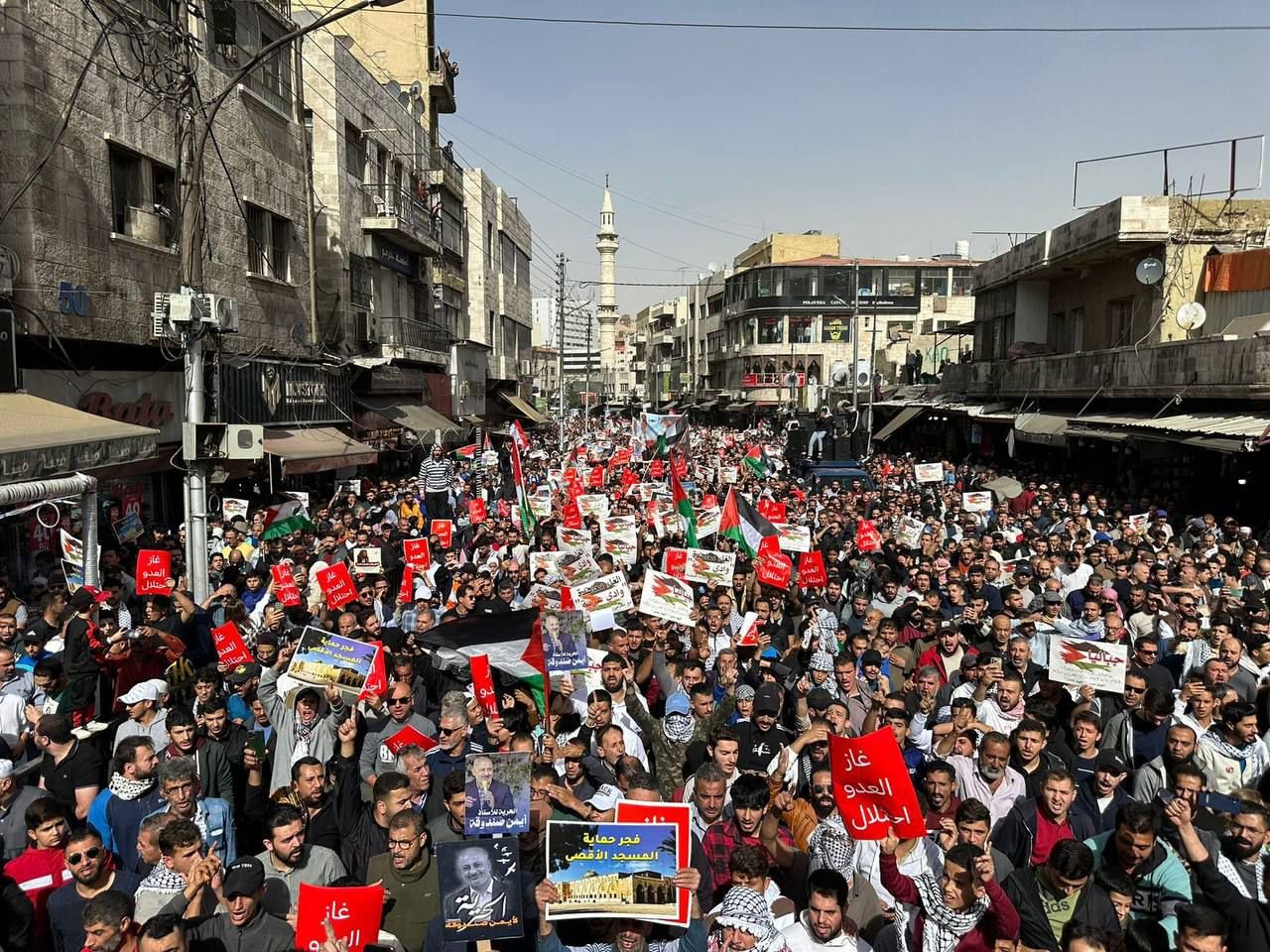
Slogans, demonstrations and calls against Israel were held in Hiroshima and other parts of the country, as Japan remembered victims of the US nuclear bombing during World War II.

The US dropped nuclear bombs on Hiroshima, the site of the world’s first atomic bombing on 6 August, 1945, and then Nagasaki, three days later, on 9 August, resulting in the deaths of at least 140,000 people by the end of that year according tp Anadolu.

This year, Japan is commemorating the 79th anniversary of the nuclear bombing of the two cities and participants at a peace event in Hiroshima observed a moment of silence at around 8.15 a.m. (23:15GMT, Monday), the time when America dropped the nuclear bomb on Japan on this day in 1945.

However, pro-Palestine and peace activists assembled near the commemoration site in Hiroshima to protest the local administration’s invite to Israeli officials, to remind them that Tel Aviv was engaged in war on Gaza which resulted in the killing of nearly 40,000 Palestinians since 7 October last year.

According to a social media user @hiroshima_mai on X, people gathered near the event venue, seeking an end to Israel’s invasion of Gaza.

Several videos and photos of pro-Palestine events in Japan were shared, with people seeking a cease-fire in the besieged Palestinian enclave of Gaza.

Another social media user @toshobin, said pro-Palestine activists held a rally in front of the Atomic Bomb Dome.

Police had placed iron fences and inspection gates to keep the protesters away.

“War continues all over the world… Men, women, children and the elderly are being shot through with bullets or blown to pieces by missiles,” said the Hiroshima governor while the TV channels were showing the participation of Israeli ambassador at the event, according to an X user @horiris.

– War on Gaza ‘shattering normal life,” says mayor

While refusing to heed calls to withdraw Israeli officials from the “peace event,” Hiroshima Mayor Kazumi Matsui, however, said: “Russia’s protracted invasion of Ukraine and the worsening situation between Israel and Palestine are claiming the lives of countless innocent people, shattering normal life.”

Hiroshima’s invite to Israel has been slammed as double standards as Japan has refused to invite Russia and Belarus since Moscow launched its war on Ukraine in February 2022.

It has not invited any representative from the Palestinian Embassy either.

Ambassador Waleed Siam, however, has been invited to virtually address an alternate peace event.

“It seems to me that these global tragedies are deepening distrust and fear among nations, reinforcing the public assumption that, to solve international problems, we have to rely on military force, which we should be rejecting,” he added.

Since Japan was the only nation to be hit by nuclear bombing, Prime Minister Fumio Kishida said it was Tokyo’s “duty” to “steadily work toward realizing a world without nuclear weapons.”

According to @kojiskojis social media user on X, some pro-Palestine protesters in Tokyo also held placards, urging boycott of the Israeli products.

A “die-in” protest was also held outside Israeli Embassy in Tokyo, according to @mkimpo_kid.

The protest was held around the same time when moments of silence were observed in Hiroshima to commemorate the victims of US nuclear bombing according to the Turkish news agency.

Continue reading
Gaza’s Military Operations Disprove Netanyahu Claims

Israeli Prime Minister Benjamin Netanyahu’s claims he is close to achieving victory against Hamas and the resistance in the Gaza Strip. But this is a falsehood according to CNN, in partnership with the Critical Threats Project (CTP) of the American Enterprise Institute and the Institute for the Study of War. They conducted a full analyses of the military situation in Gaza and say Netanyahu’s claim is baseless.

In front of Congress and amidst warm applause on 24 July, Netanyahu said “victory [over Hamas] is on the horizon,” but analyses of the military operations carried out by the resistance since the start of the “Al-Aqsa Flood” on 7 October, 2023 tell a different story and cast heavy doubts on these claims.

The analysis, based on military data from the resistance and the Israeli army, field footage, and interviews with experts and eyewitnesses, found about half of the military battalions affiliated with Hamas, in the northern and central Gaza Strip, have rebuilt their combat capabilities, despite the ongoing Israeli war of extermination Gaza with its declared aim to eleminate Hamas and the Palestinian resistance.

The research shows Hamas succeeded in using contradictory resources on the ground effectively, as several of its units have returned to key areas, where the “army” claimed to have dismantled the resistance and ended its presence after fierce battles and intensive bombardment.

Brian Carter, director of the “Middle East File” at “CTP” and the person who led the joint research, confirmed the inaccuracy of the occupation’s claims, saying: “The Israelis say that they cleansed a place, but they did not do so completely, and they did not defeat these fighters at all.”

From Under The Rubble

The Al-Qassam Brigades, The military wing of Hamas, includes 24 battalions spread throughout the Gaza Strip. The analyses in which CNN participated focused on rebuilding 16 battalions in the northern and central parts of the Strip, where the longest battles fought against the Israeli army.

As to southern Gaza, the analyses excluded the battalions there, due to “incomplete data on the status of the remaining eight battalions,” noting accurate data and scenes broadcast by the resistance confirm its continued fighting and carrying out qualitative operations against Israeli forces.
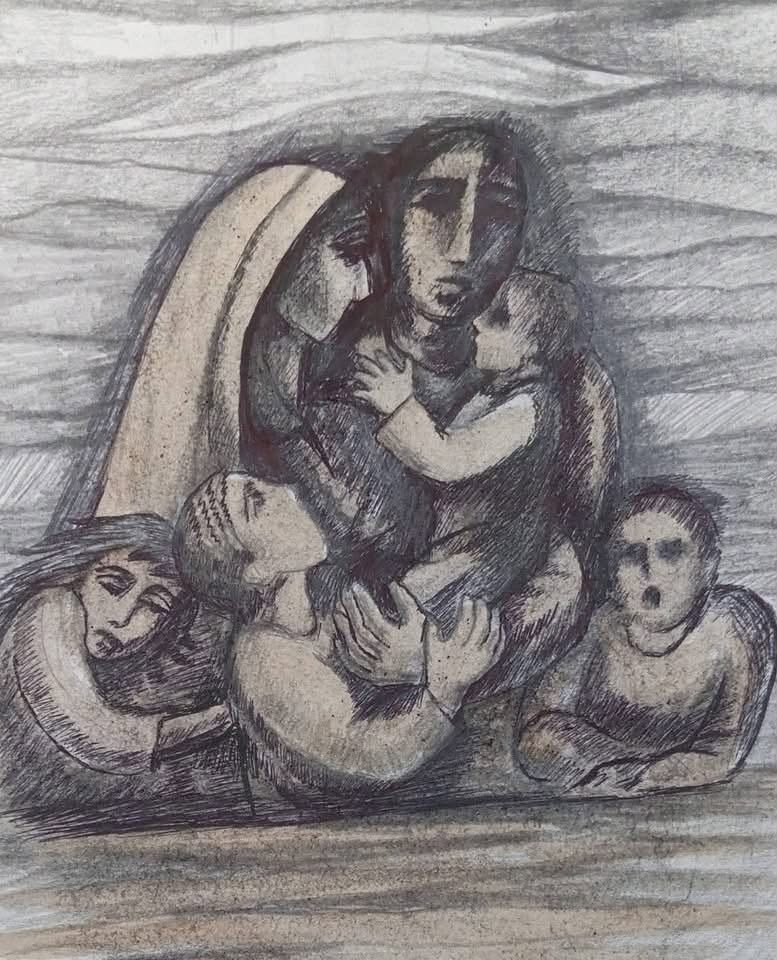
Of the 16 battalions, seven in the northern part of the devastated Strip have been able to rebuild some of their military capabilities, at least once, during the past six months.
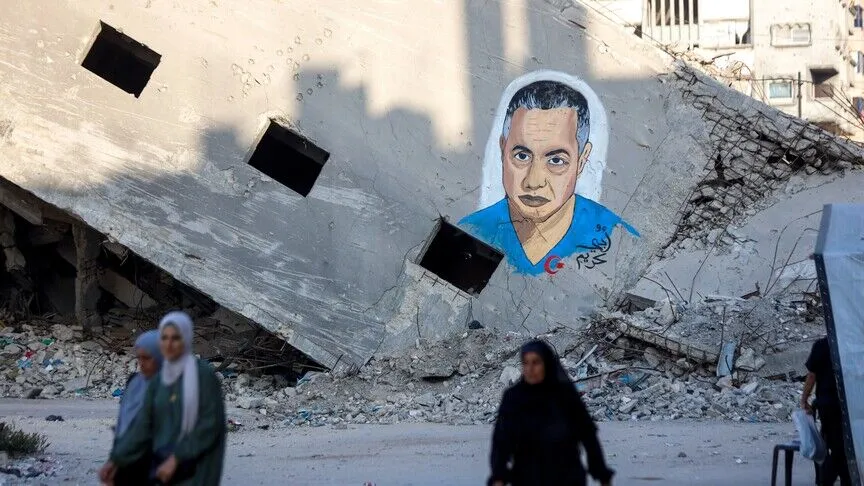
The evidence showed the return of the resistance’s military activity in major flashpoints. In the Jabalia camp in the north, Israel acknowledged that last May, it once again faced fierce resistance from three Hamas battalions, despite the fact that the area was destroyed by Israeli bombardment that lasted for about three months in the early days of the war last fall.
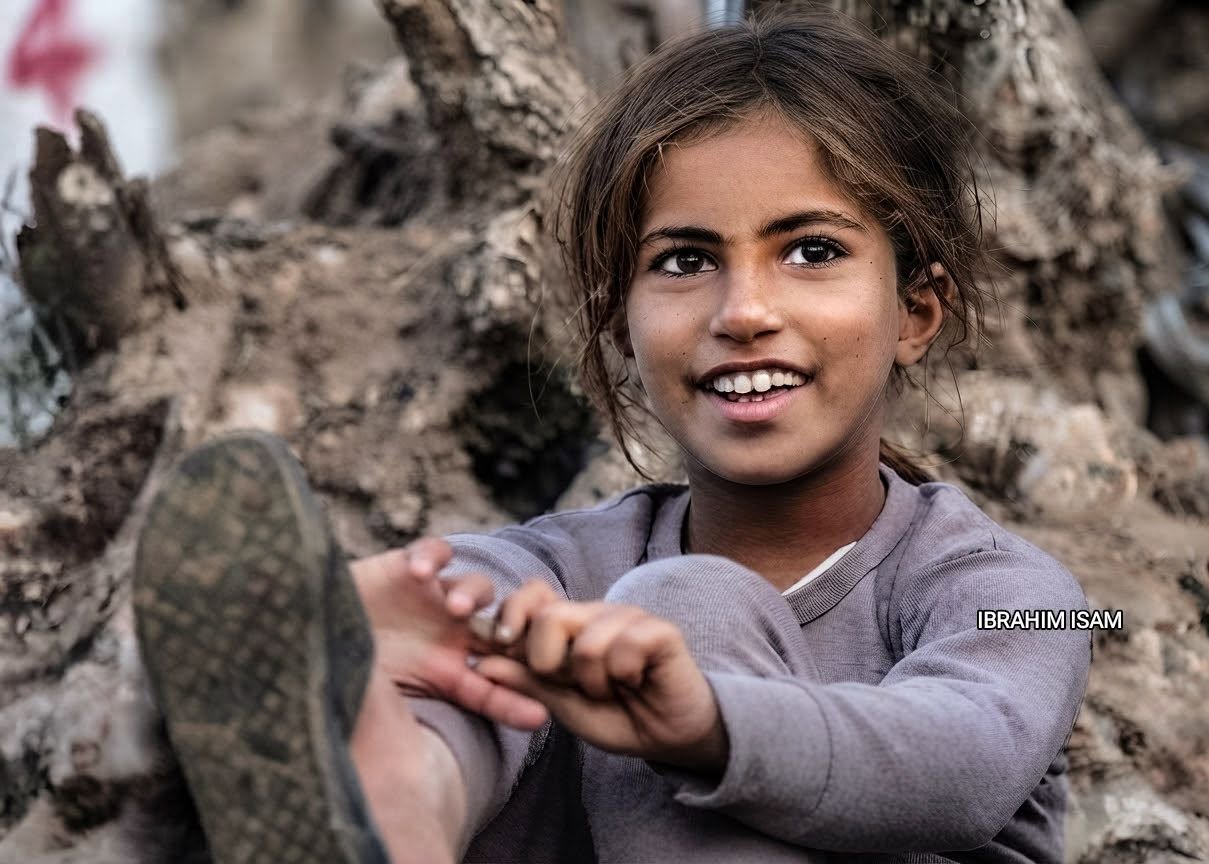
In the Zeitoun neighborhood in Gaza City, Israel carried out four incursions, according to analyses.

Field sources in northern Gaza told CNN Hamas members were overseeing the destroyed markets, and reusing burned buildings as sites for the resistance. One Palestinian confirmed to the network Hamas’s presence in the area was “stronger than you can imagine.”

On January 7, four months after the war broke out, the Israeli army announced it had “dismantled the Hamas command structure in northern Gaza.” Only days later, there were reports of attacks on Israeli patrols in the eastern parts of Gaza City.

In the weeks that followed, videos showed Hamas fighters emerging from the rubble, likely through the Strip’s sprawling tunnel network.

Commenting on this, Brian Carter of CTP said Hamas rebounded less than a week after the Israeli army withdrew from the northern Gaza Strip in January. This spread throughout the Strip and continued, he added.

“This [return to the north] was the decisive operation that Hamas’s brigades took,” Carter added.

“Israel in Gaza is like a marathon runner… but it doesn’t know where it’s going”

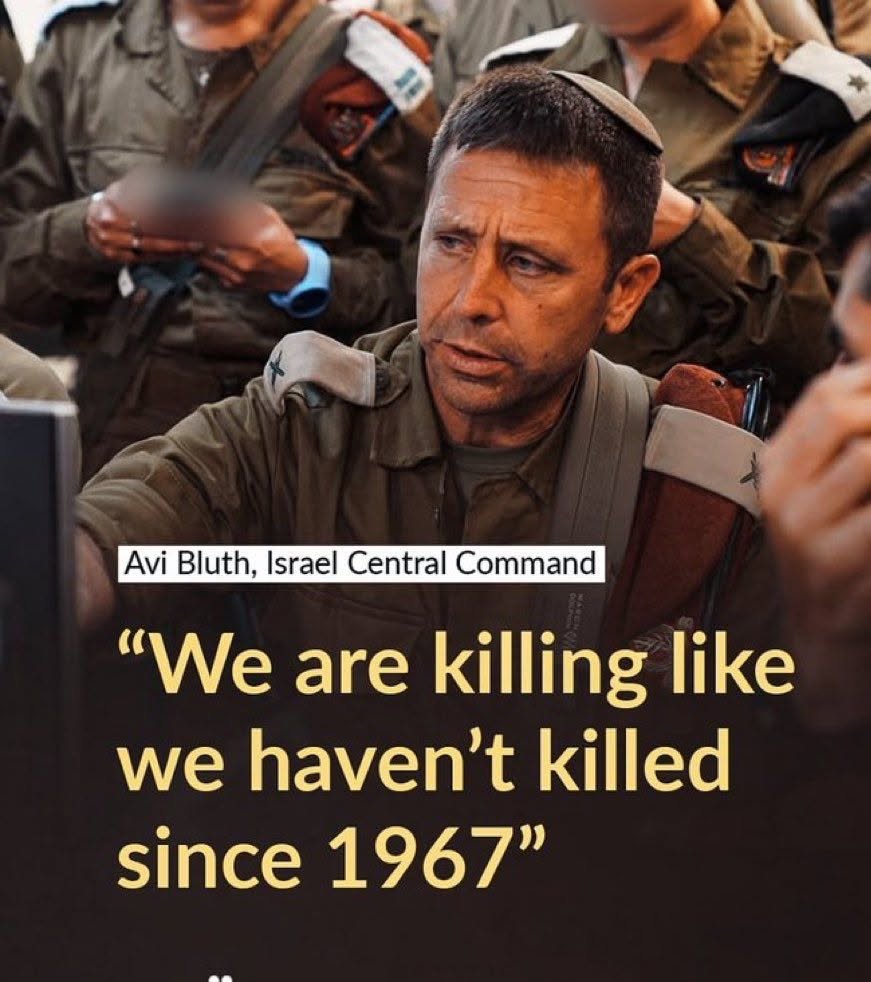
A senior Israeli officer, told CNN on condition of anonymity because he was not authorized to speak. He suggested Israel’s pursuit of Hamas everywhere in Gaza would take a very long time. “We will enter every place where Hamas raises its head,” the officer said. “Can this war go on forever? No. Our society is not prepared for this. The international community is not prepared for this either.”

In response, the officer likened Israeli military activity in the Gaza Strip to “a marathon runner who doesn’t know where the stadium is. He runs and doesn’t know if he’s going in the right direction.”

US Army Colonel Peter Mansoor, who helped oversee the deployment of 30,000 additional US troops to Iraq in 2007 in the strategy known as “The Surge” (which aims to “counter-insurgency”), said that “the fact that the Israelis are still in Gaza, trying to root out elements of Hamas’s brigades, shows that Netanyahu is wrong… Hamas’s ability to reconstitute its fighting forces has not diminished.”

“Qassam Brigades Draws Israeli Forces Into Fight”

In addition, a retired senior Israeli officer said that Hamas “began the recruitment process three or four months ago, and thousands have joined.” It is worth noting that the spokesman for the Qassam Brigades, Abu Obeida, revealed last month that the Brigades “managed to recruit thousands of new fighters during the war,” reassuring that their human capabilities were fine.

Meanwhile, the Qassam Brigades continue to drag Israeli forces into repeated cycles of fighting, as analyses have found.

The analyses indicated that the rebuilding process took place in two different ways, as some units of the Qassam Brigades reorganized their ranks, merging cells that had retreated in order to form effective combat battalions, while other units reactivated, recruited new fighters, and manufactured weapons.

This article is reprinted from Jo24 taken from Al Mayadeen Satellite Television

Continue reading
Gaza’s Killing Fields Won’t Stop

On day 304 of the Israeli genocide the Ministry of Health in Gaza provides the following statistics:

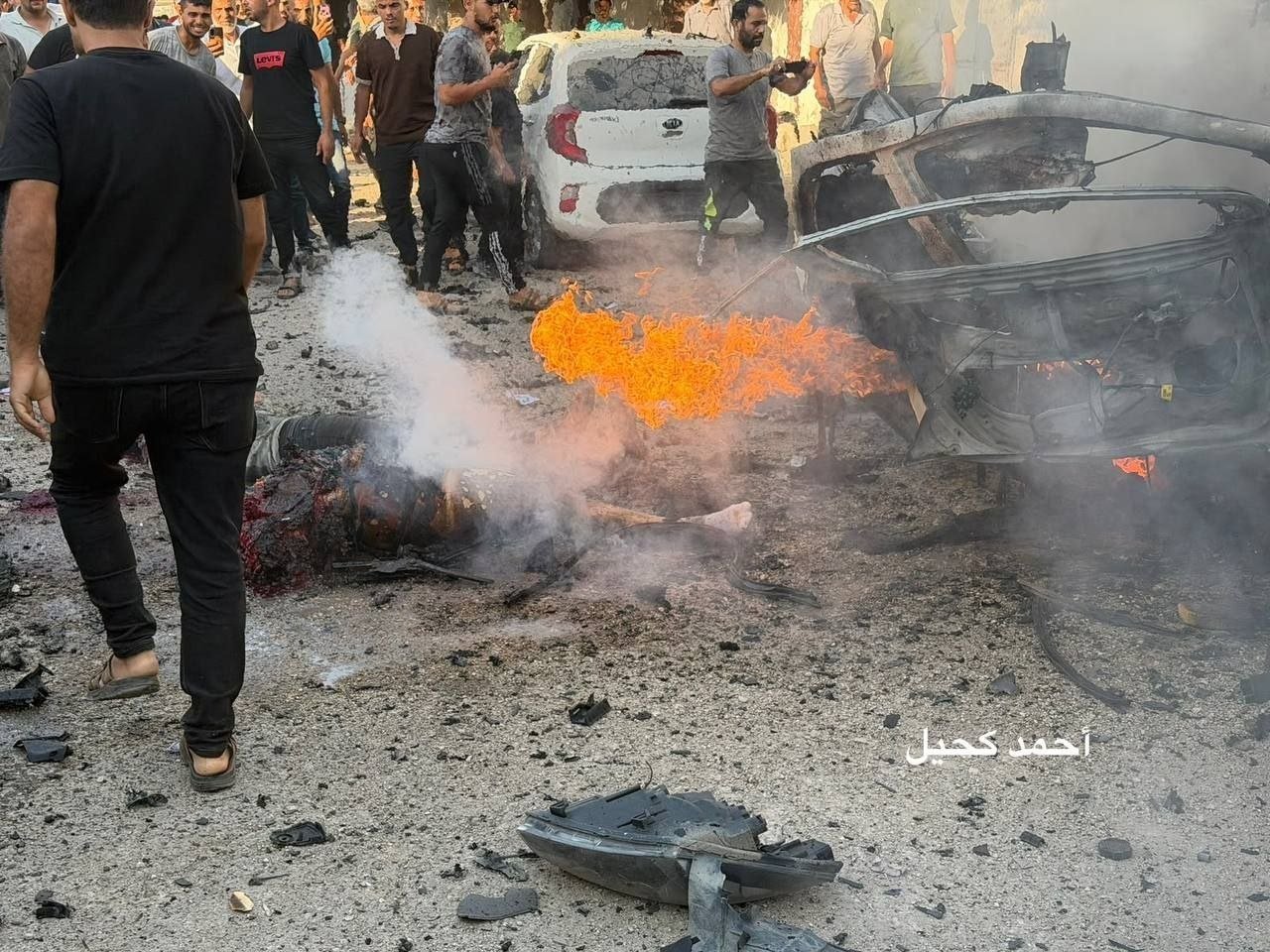
The Israeli occupation carried out 3 massacres against families in the Gaza Strip during the past 24 hours, resulting in 40 documented fatalities and 71 injuries.

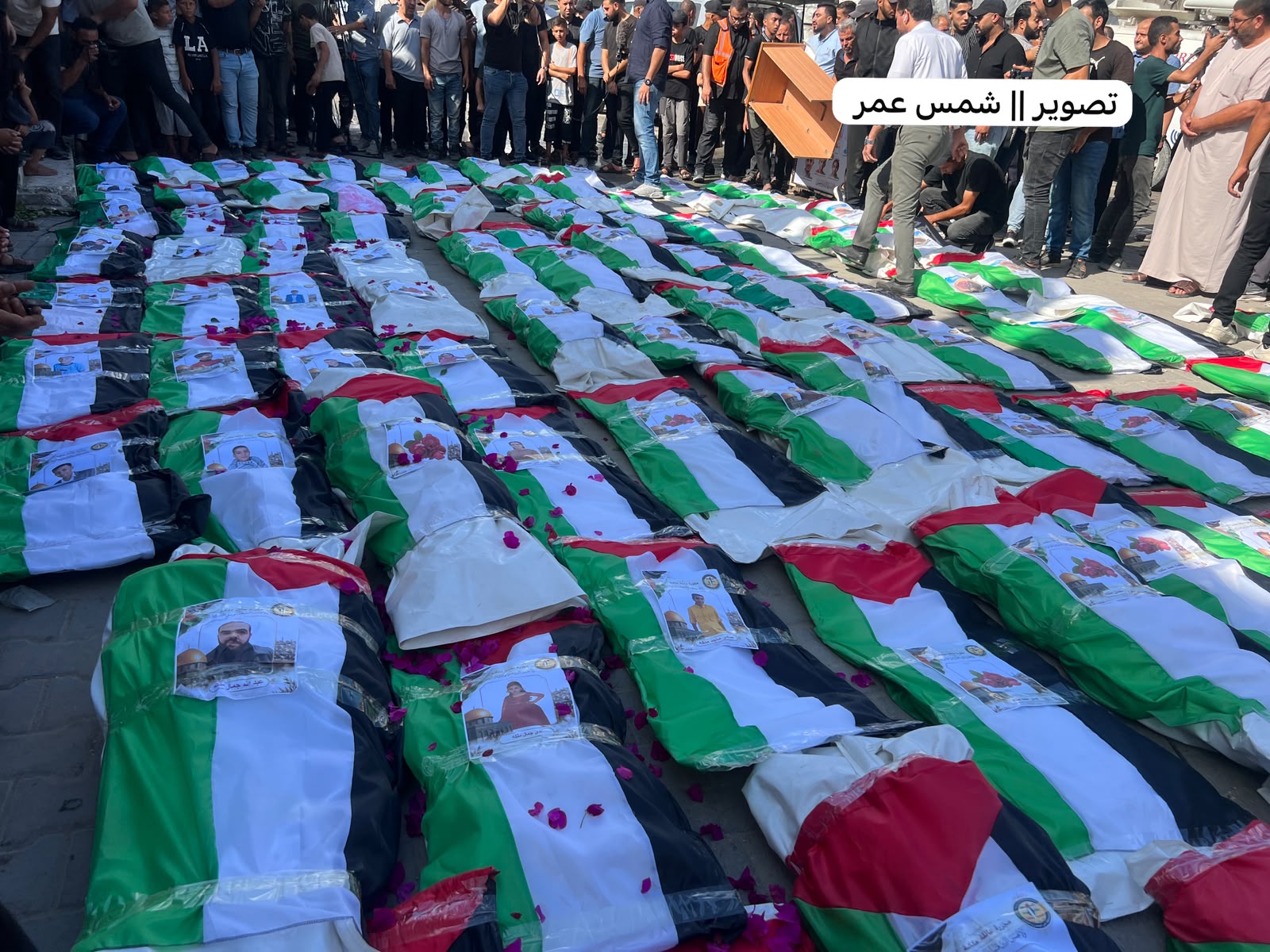
The documented Palestinian death toll has risen to 39,623 martyrs and 91,469 injuries since 7 October, 2023.

The figures above solely refer to the cases transported to hospitals and registered in the records of the Ministry of Health.

An unknown number of victims are still unaccounted for or missing under the rubble, as ambulance and civil defense crews cannot reach them due to Israeli military attacks.

Continue reading
Israel: Making Gaza Uninhabitable

After more than 300 days of war, over 15,000 children have been reported killed. Nowhere is safe in Gaza. Ground incursions and heavy fighting persist with 86% of Gaza’s areas under forced evacuation.

The humanitarian “safe zone” is under repeated attacks and evacuations, severely limiting humanitarian operations and forcing food distribution points and kitchens to close and evacuate.

Almost 40,000 Palestinians have been reported killed, up to 70% being women and children, and over 91,000 have been reported injured. Additionally, it is estimated that more than 10,000 people are missing under the rubble. Over 6% of the entire population of the Strip has been either killed, injured or is missing.

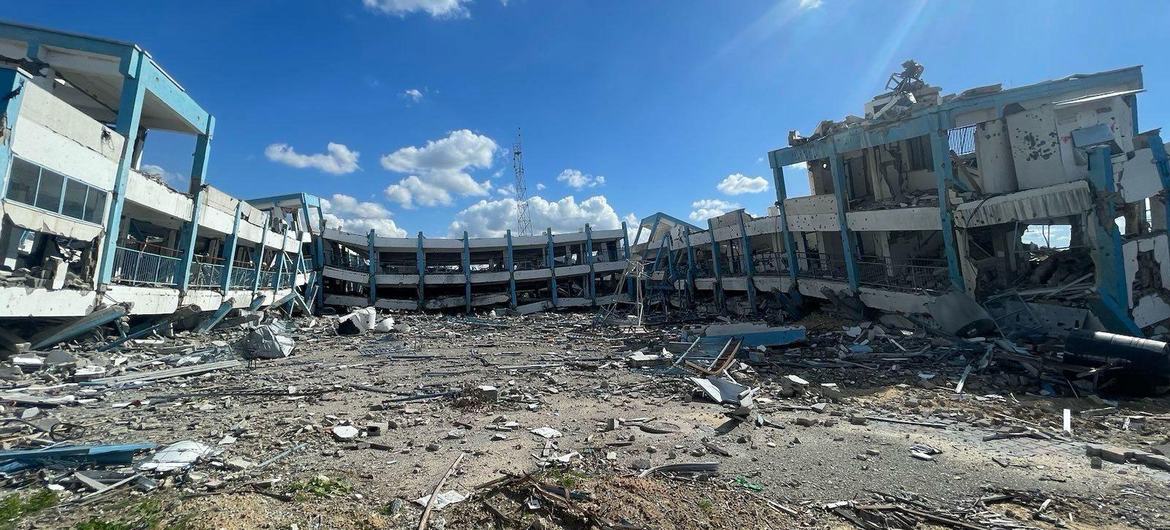
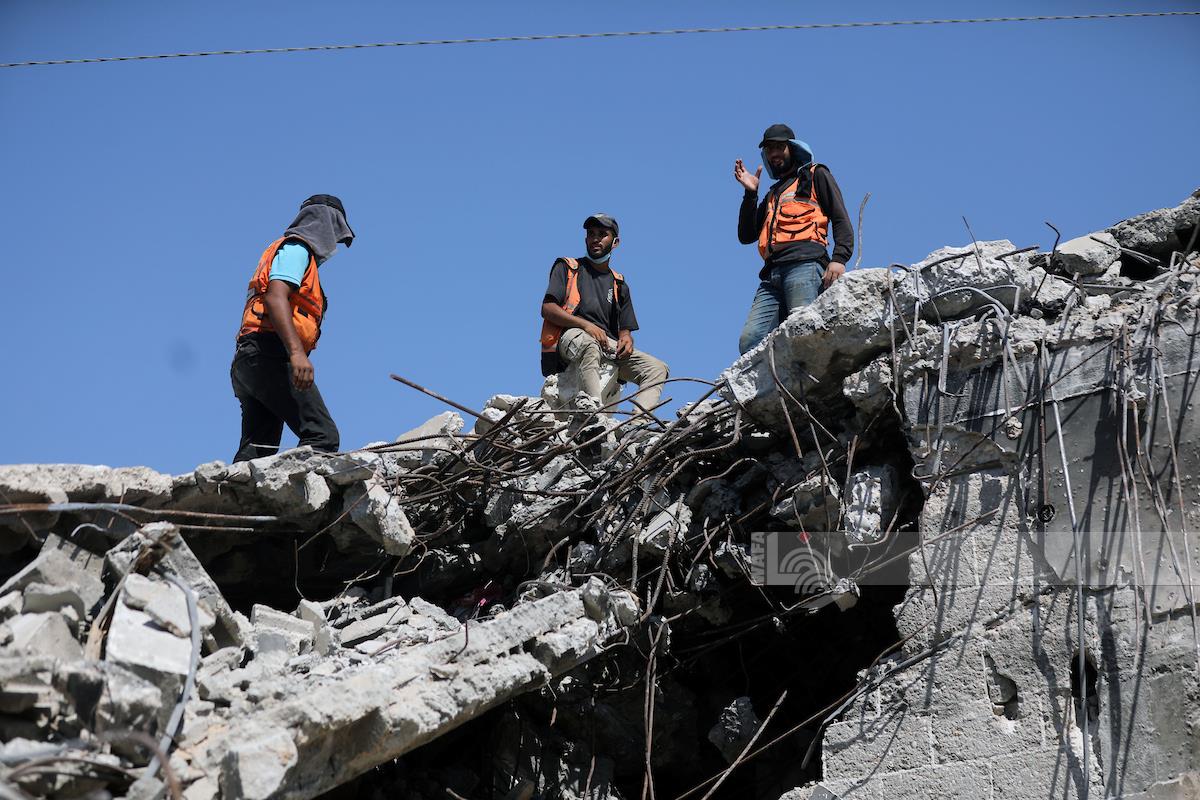
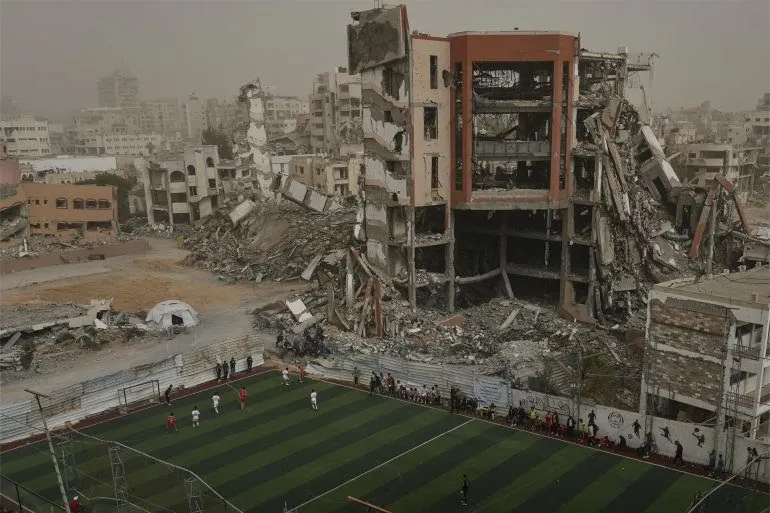
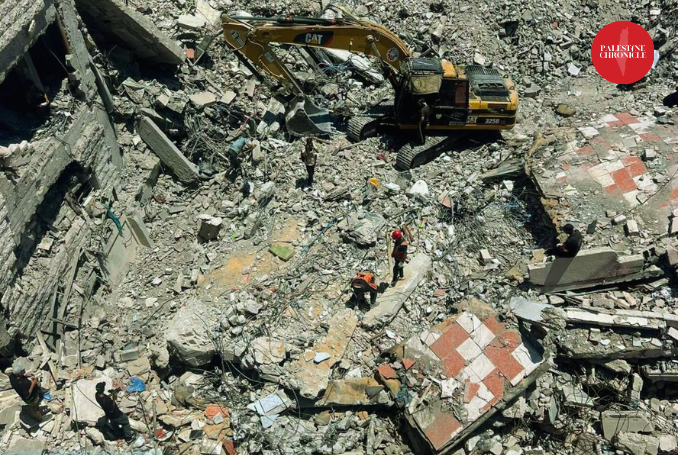
The indiscriminate bombing of hospitals, schools, UN and INGO facilities, and residential buildings have caused massive destruction. More than 60% of residential buildings and 80% of commercial facilities have been damaged or destroyed, including 57% of cropland, limiting the functionality of the food system.

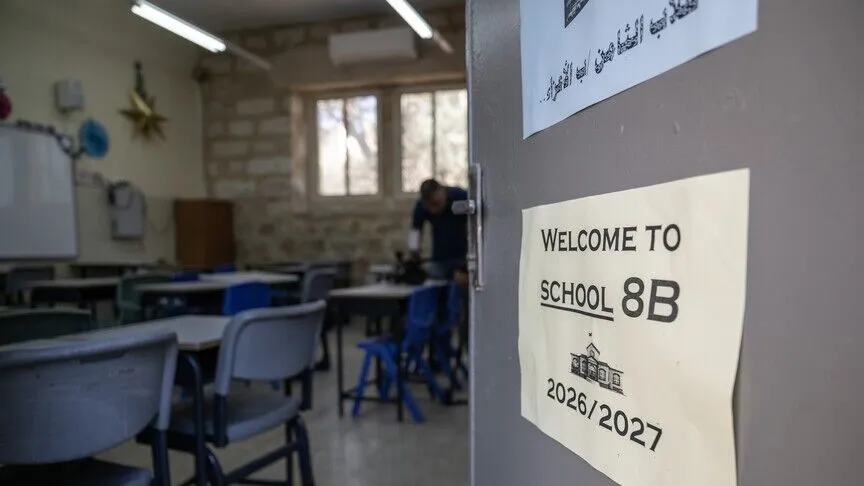
This is while 88% of all schools sustained damages and 650,000 students are impeded to attend classes.

Out of 36 hospitals, only 16 are partially functioning, of which 11 are partially accessible due to insecurity or physical barriers, such as damage to entrances and surrounding roads. Very heavy restrictions on humanitarian access, lack of adequate medical care and prevention measures have entailed the spread of diseases, including Hepatitis A, especially among children in overcrowded shelters.

Polio has been detected in water in some areas of Gaza, which raises fears of an outbreak.

Humanitarian Access

Israel allowed less than 1,000 aid trucks to enter Gaza in July, compared to the pre-war average of 500 truckloads per day, including fuel. This situation exacerbates the breakdown of law and order, which continues to pose challenges for aid delivery in Gaza. Rafah crossing remains closed by the Israeli forces.

West Bank

Security in the West Bank is sharply deteriorating, with hundreds of Palestinian deaths, thousands of arrests, and severe mobility restrictions impacting daily life. Since 7 October, at least 605 fatalities were registered among Palestinians, including 144 children.

Nearly 3,600 Palestinians, including over 1,600 children, have been displaced, due to settler violence and intimidation, home demolitions, and destruction of residences during militarized law enforcement operations.

Reliefweb

Continue reading