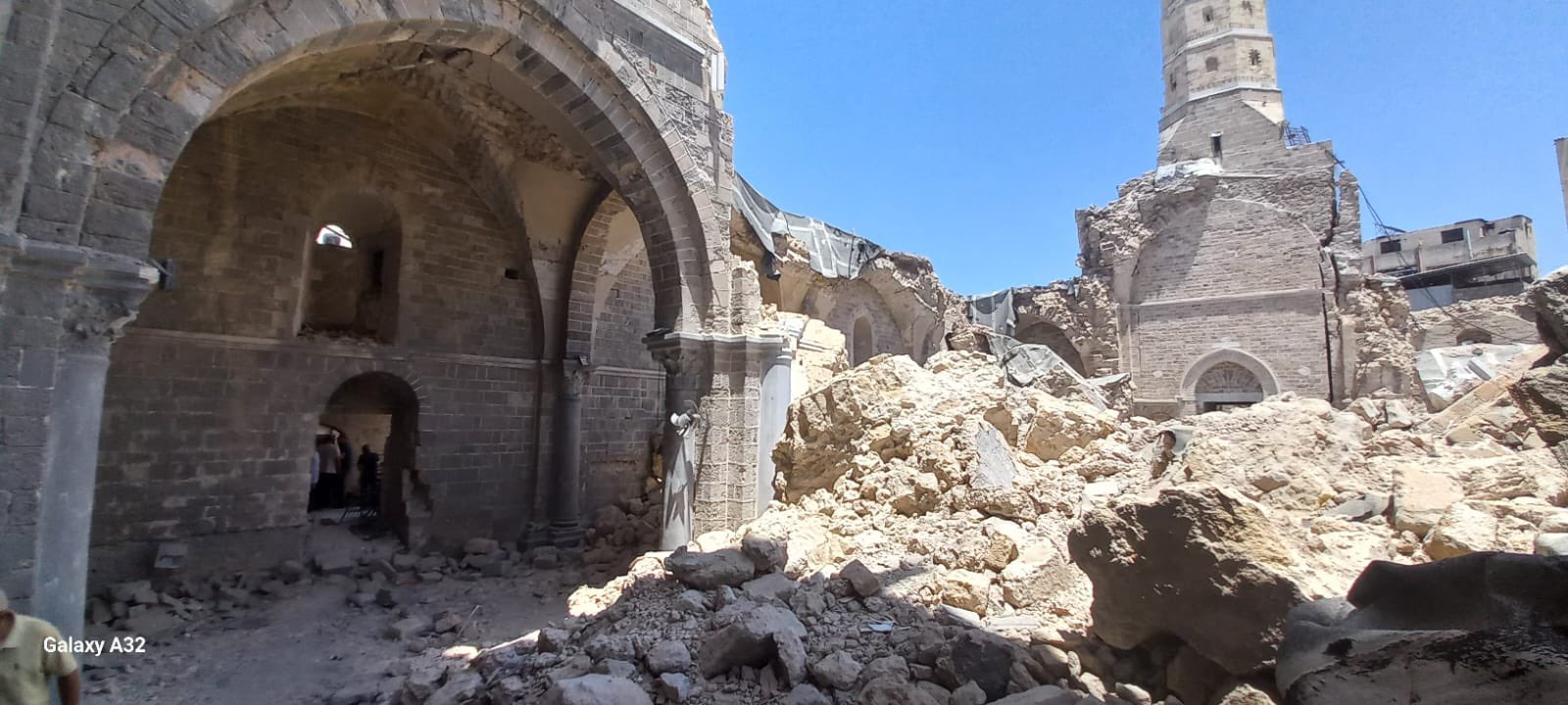
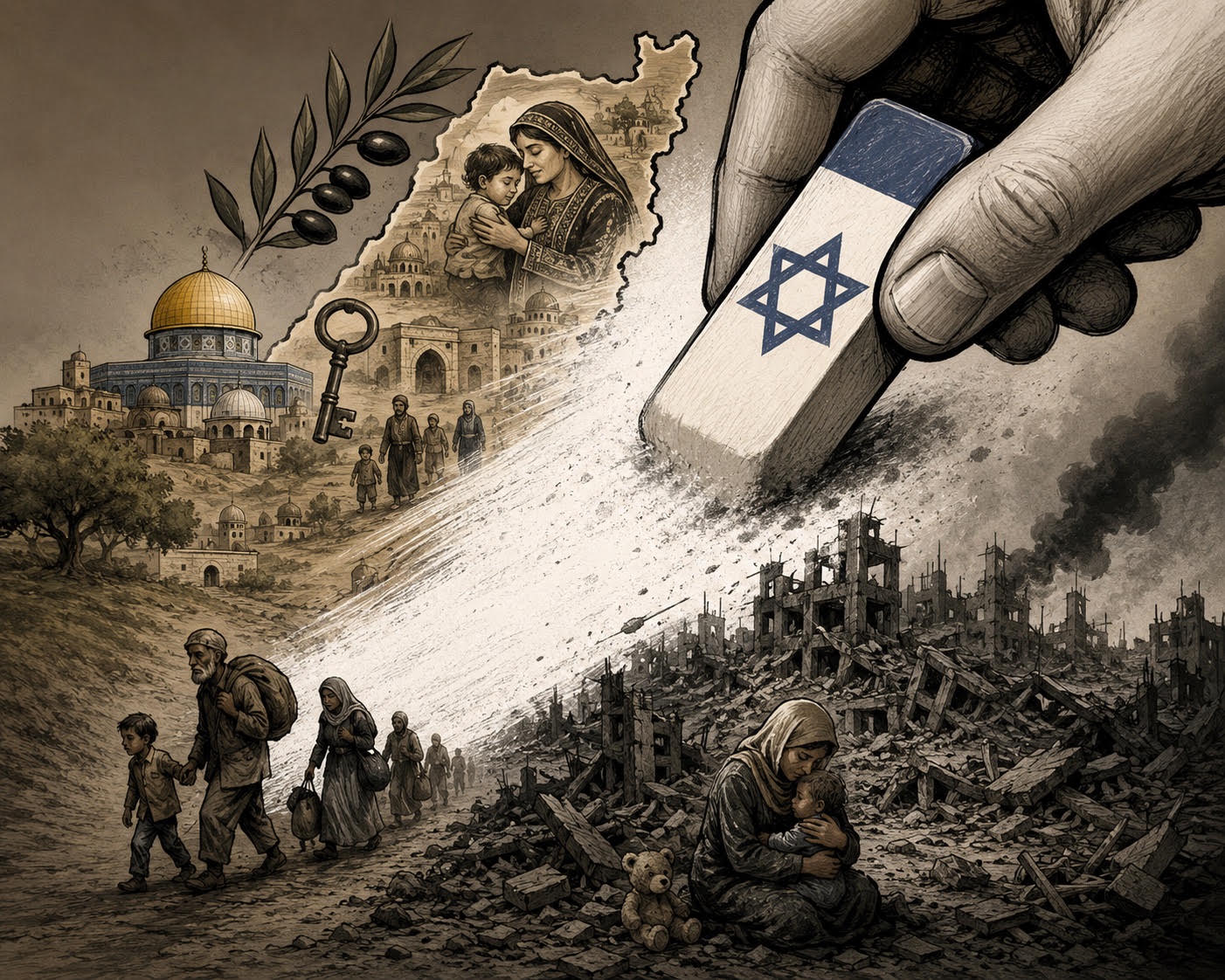
 Report: Israel Destroys 97% of Cultural Sites in Gaza
 Two Israeli Female Soldiers Commit Suicides Days Within Each Other
 Kareem Khan – Chronology of a Scandal: A View From Amman
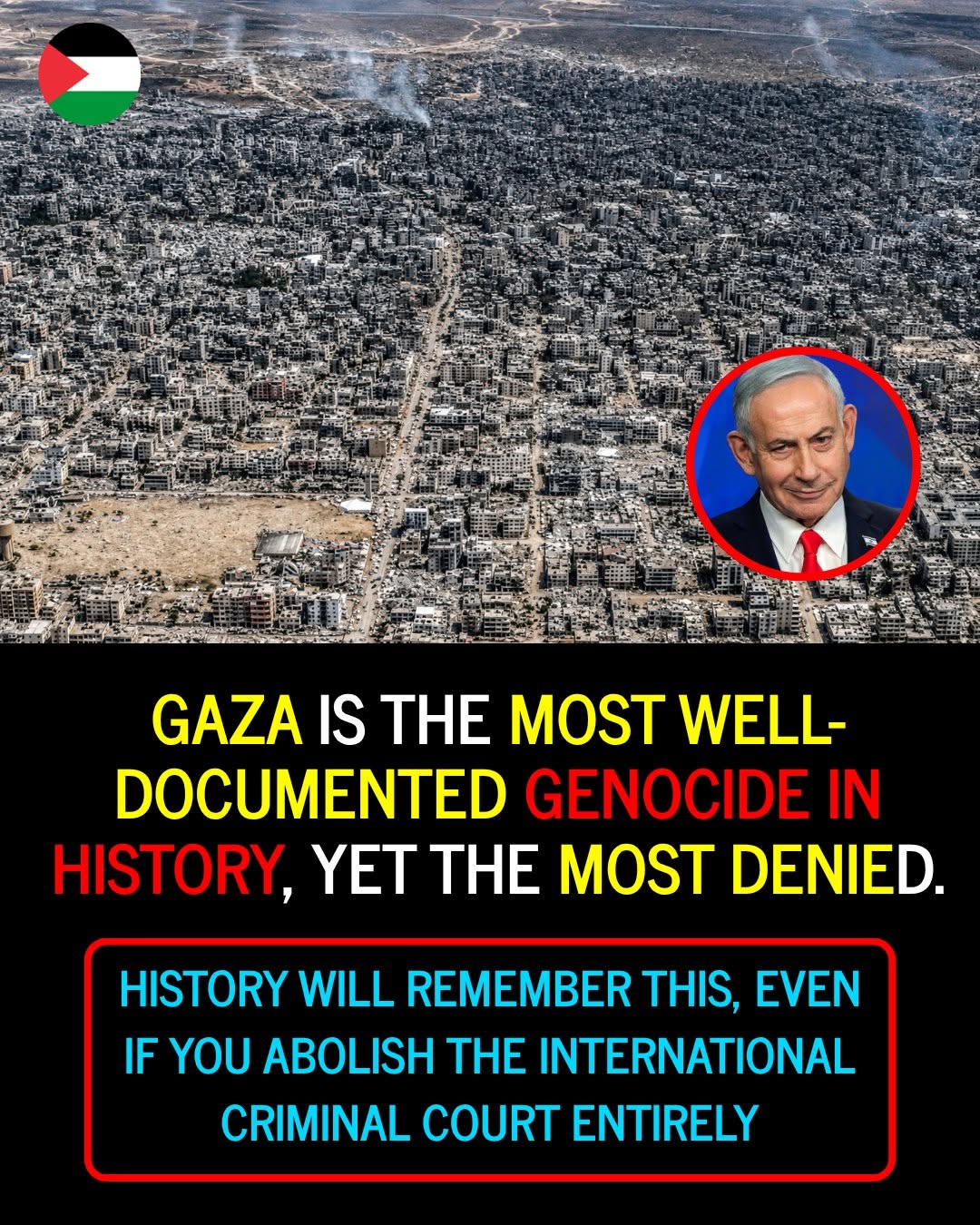 Documenting Genocide, Denying Genocide
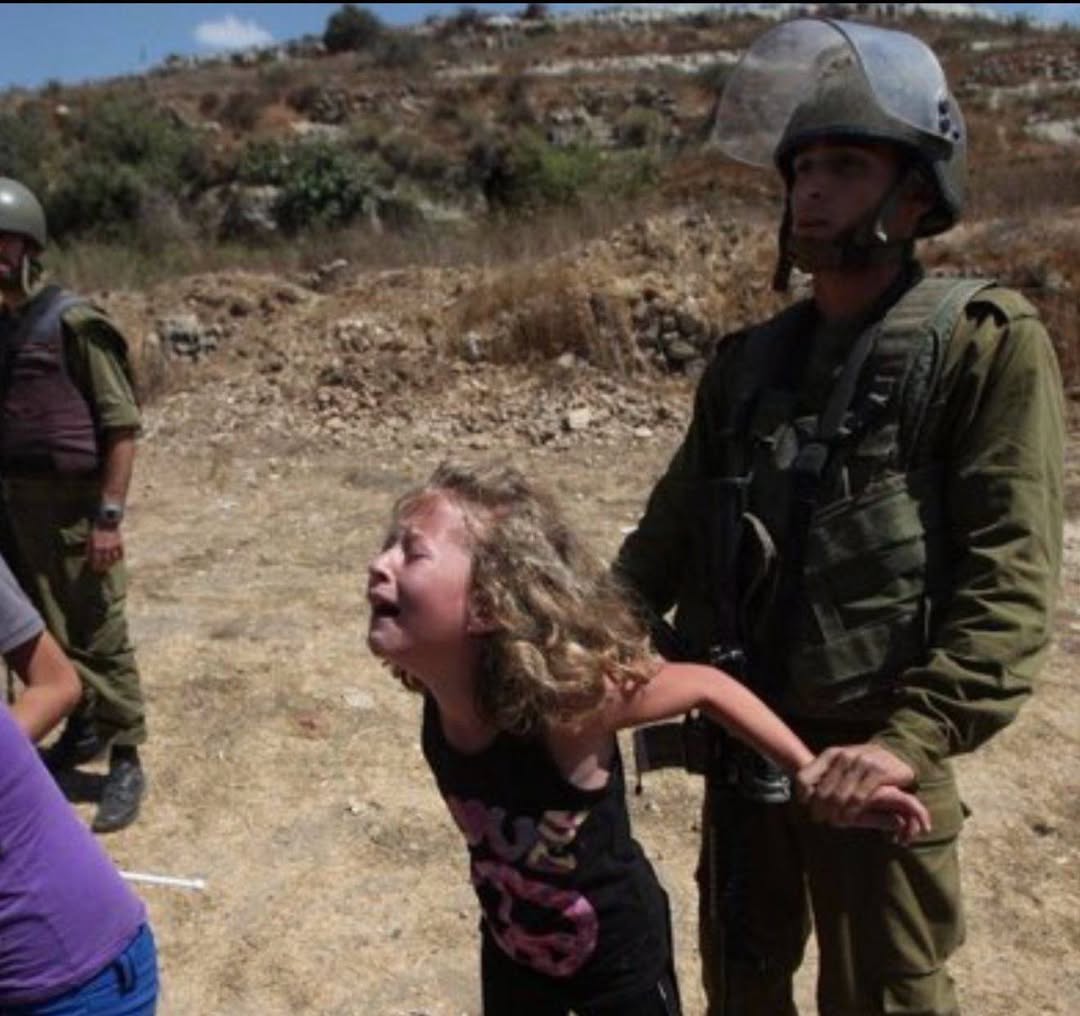 Pain of Gaza is a ‘Non-stop’ Israeli Stain



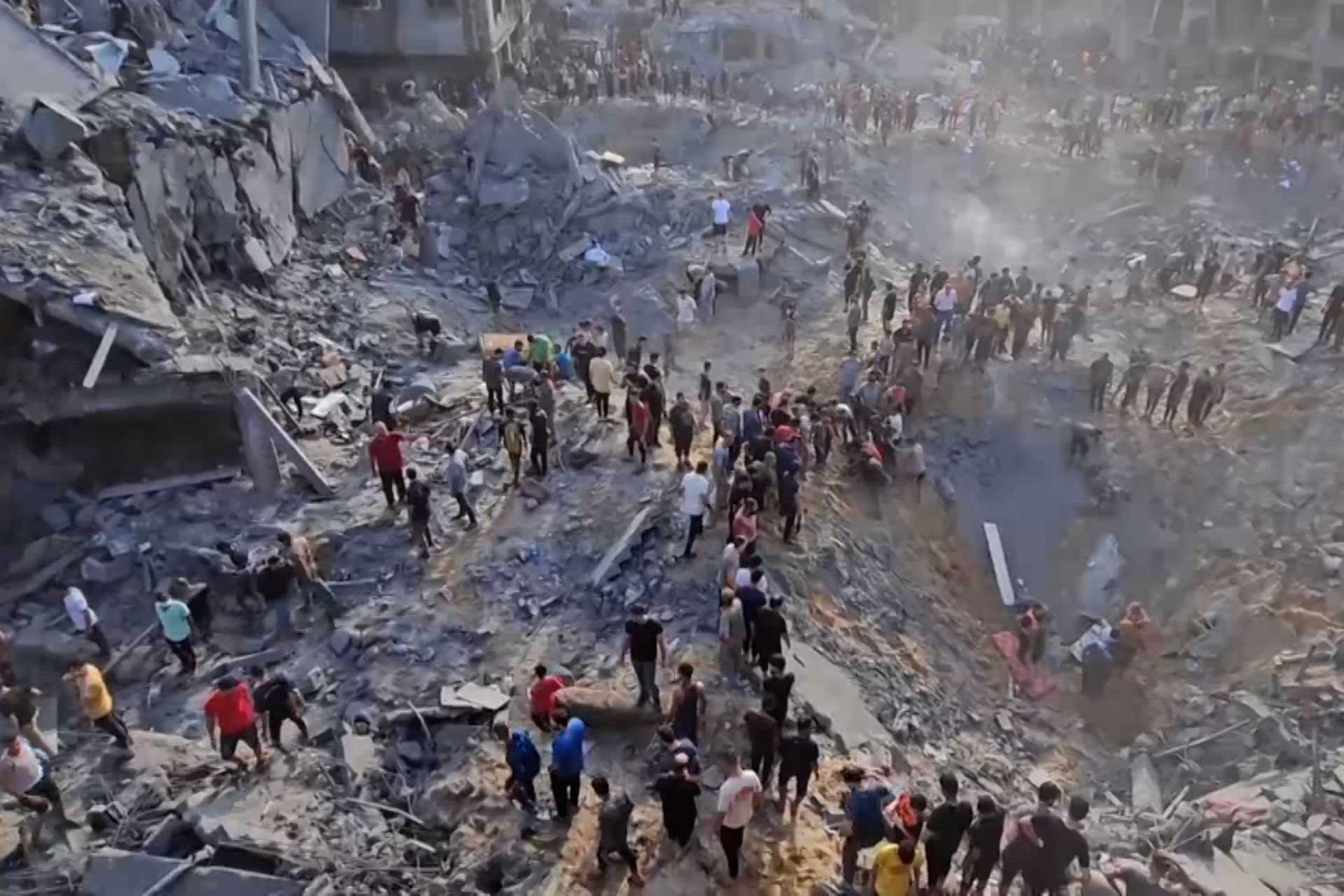
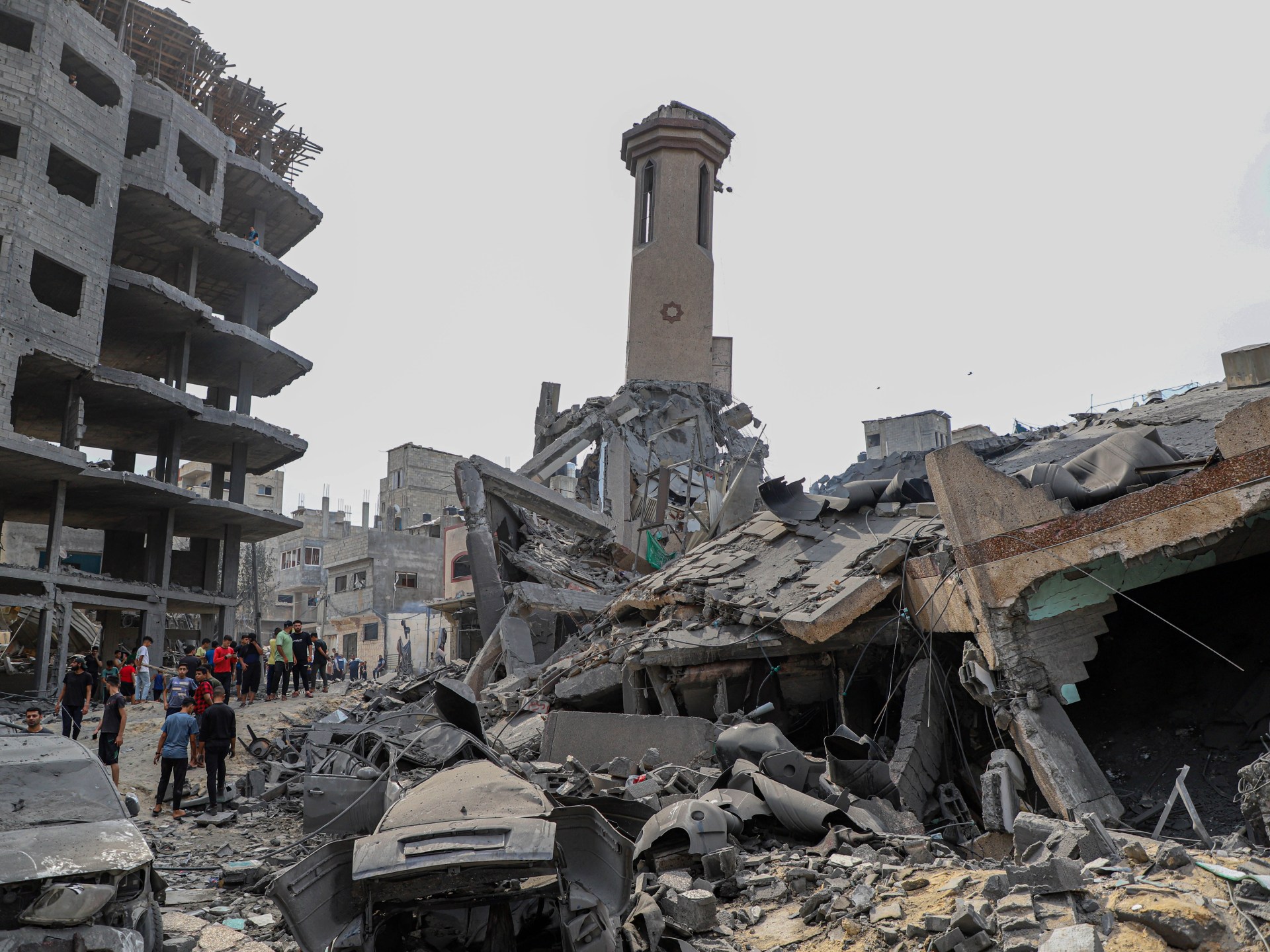
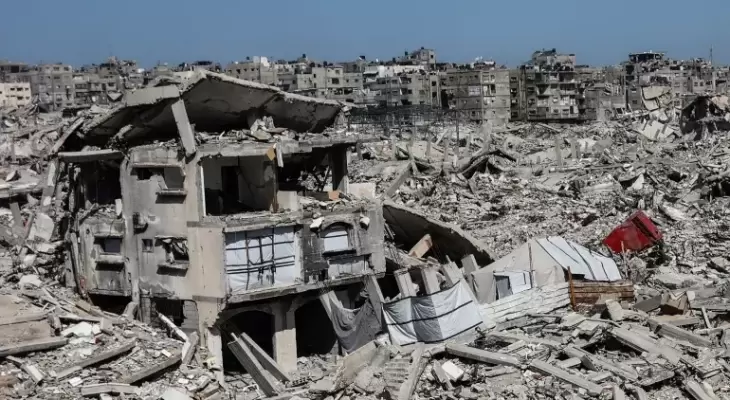
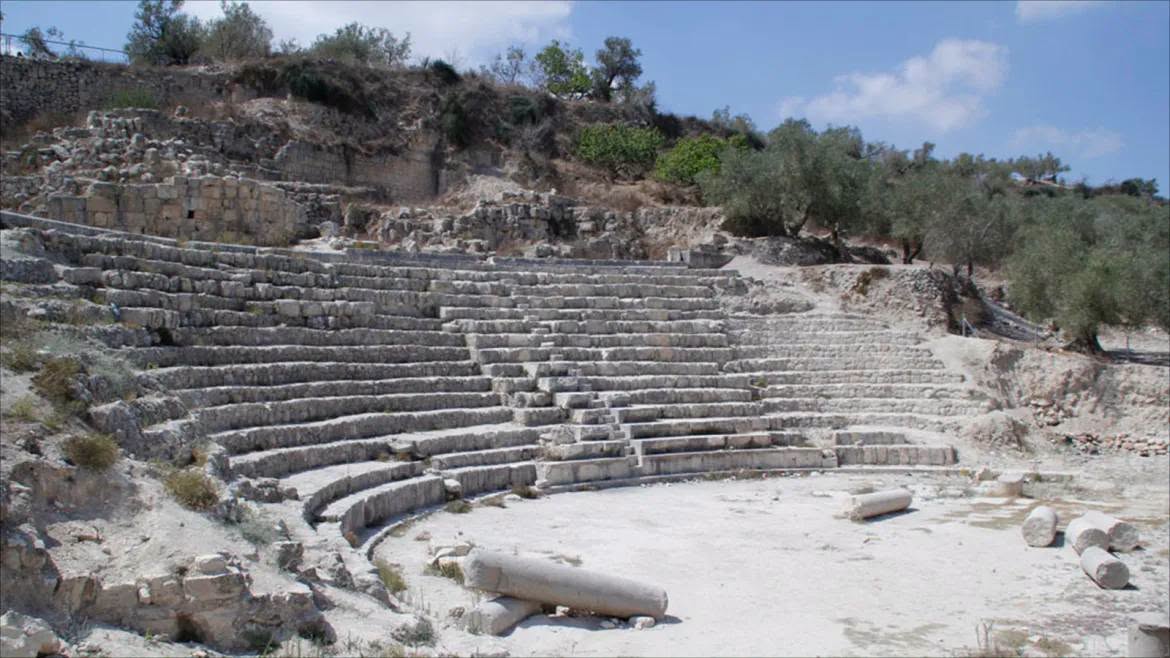
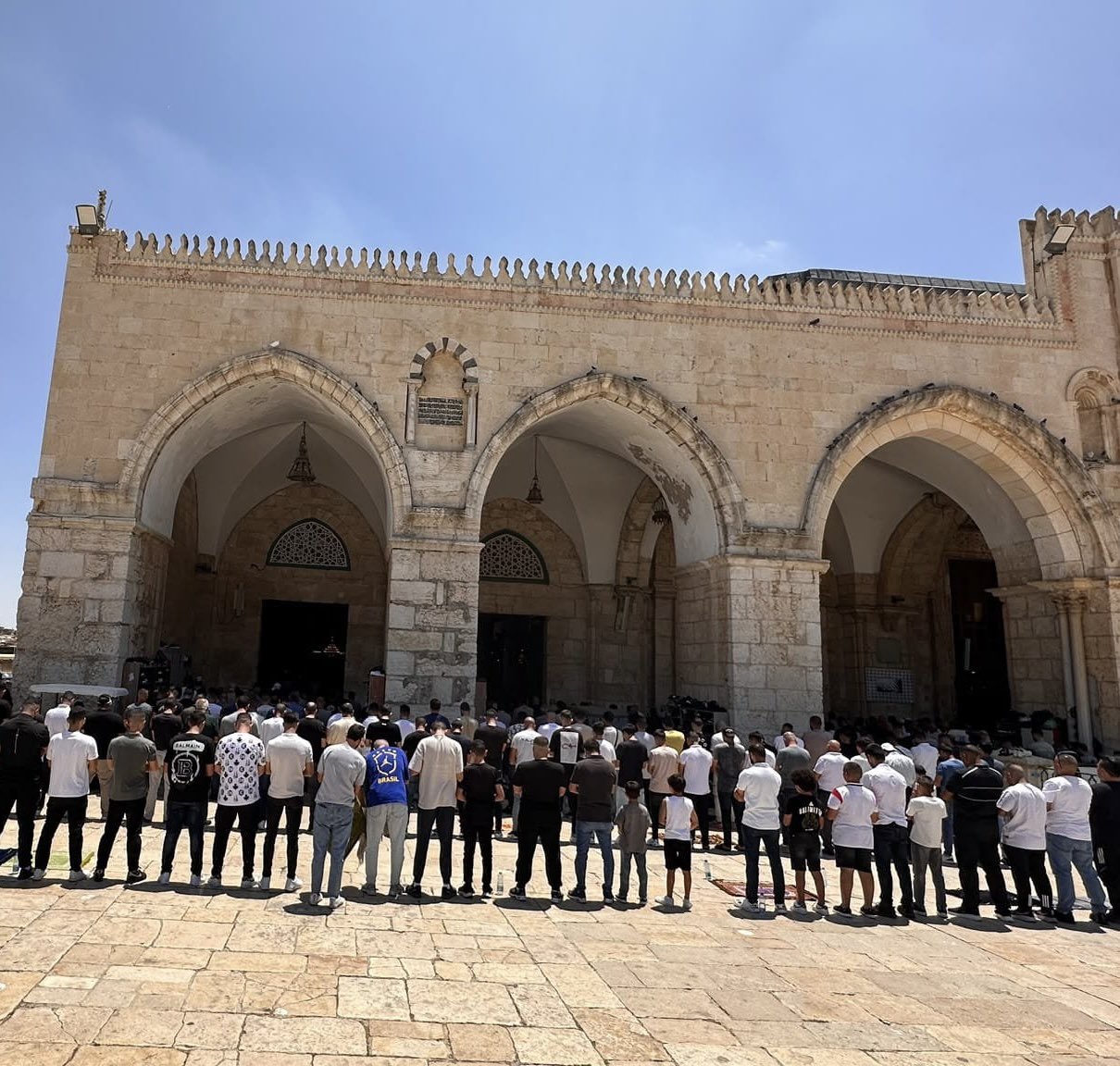
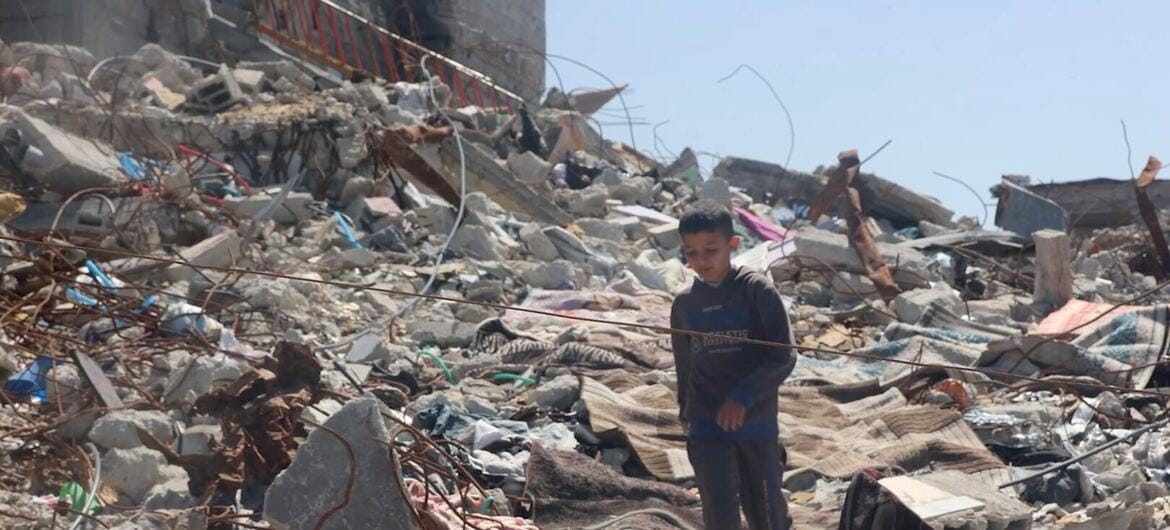
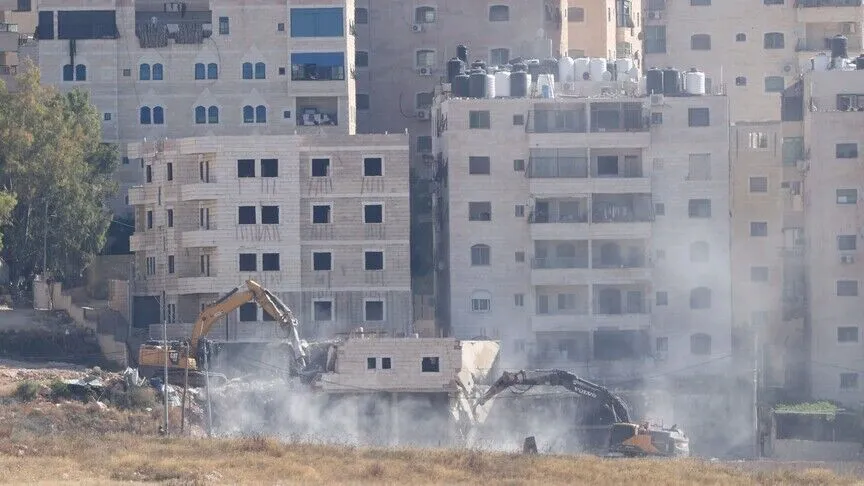
Report: Israel Destroys 97% of Cultural Sites in Gaza
marwan
- July 29, 2026
 marwanmarwan
 CrossFireArabiaCrossFireArabiamarwanCrossFireArabiamarwanmarwanCrossFireArabiamarwanmarwanmarwanmarwanmarwanmarwanmarwanmarwanmarwanmarwanmarwanmarwanmarwanmarwanmarwanmarwanmarwanmarwanmarwanmarwanCrossFireArabiamarwanCrossFireArabiamarwanmarwanmarwanmarwanmarwanmarwanCrossFireArabiamarwanmarwanmarwanmarwanmarwanCrossFireArabiaCrossFireArabiaCrossFireArabiaCrossFireArabiaCrossFireArabiaCrossFireArabiaCrossFireArabiamarwanmarwanCrossFireArabiaCrossFireArabiaCrossFireArabiaCrossFireArabiamarwanmarwanmarwanmarwanCrossFireArabia
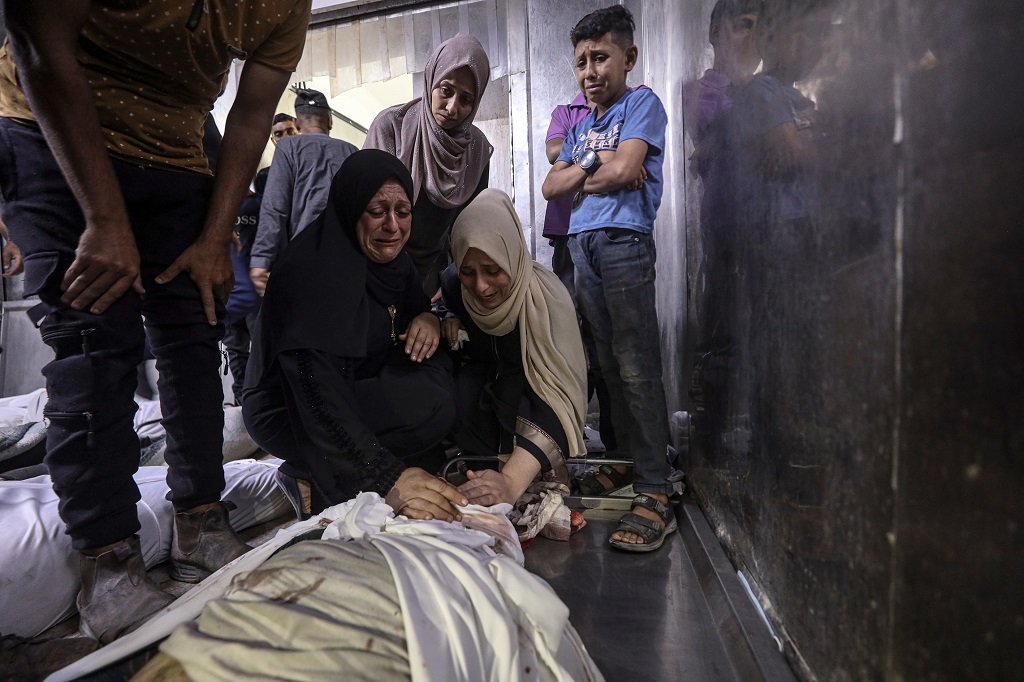
The Ministry of Health announced that hospitals in the Gaza Strip received one martyr and nine wounded individuals in the past 24 hours as a result of the ongoing Israeli aggression.
In its statement, Tuesday, the Ministry reported that, according to updated data since the ceasefire declaration on October 10, the total number of martyrs has reached 933, while the number of wounded has reached 2,868, in addition to 781 bodies recovered.
https://palinfo.com/news/2026/06/02/1110678
As for the cumulative total since the start of the aggression on October 7, 2023, the number of martyrs has risen to 72,942, compared to 172,967 wounded.
Field data indicates that a number of victims remain under the rubble and in the streets, as ambulance and civil defense teams have been unable to reach them so far due to the security situation and the difficulties of accessing the affected areas.
Read more via the Palestinian Information Center:
CrossFireArabia
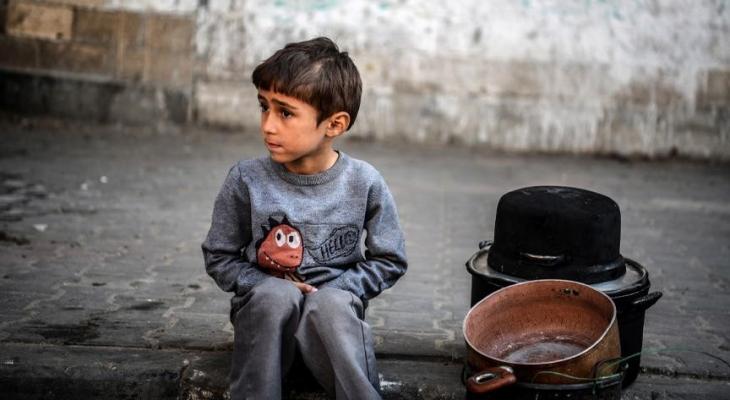
Gaza Government Media Office Advisor Taysir Muhaysin warned of a gradual return to famine in the Gaza Strip as a result of continued Israeli policies restricting aid entry and other basic necessities.
He told the Sanad News Agency the amount of aid entering Gaza by truck does not exceed 27% of that stipulated in the last ceasefire agreement.
Muhaysin stated the Israeli policy of reducing aid is not limited to food and humanitarian supplies, but extends to fuel, including diesel, gasoline, and cooking gas, which is an essential commodity for Palestinian families to manage their daily lives and prepare whatever food they can find under the difficult living conditions.
Read also: Al-Hayek: Gaza sounds the alarm of famine due to declining aid
Government institutions in the Strip continue to perform their duties at the minimum level possible, given the available resources and the exceptional circumstances Gaza is experiencing, whilst Muhaysin denying an administrative vacuum in the enclave.
He affirmed that Gaza government institutions continue to function and maintain a minimum level of stability and essential services essential to the population.
The Media Office Advisor indicated different government bodies expressed their full readiness to hand over their administrative and executive responsibilities to the “technocratic committee” as soon as it arrives in the Strip to begin its work, in accordance with the ceasefire agreement signed in 10 October, 2025. He stressed however, there are real obstacles as procedure and conditions is imposed by the Israel occupation that prevent this.
A Complex Humanitarian Crisis…
Muhaysin warned the living conditions in Gaza are really a “complex humanitarian crisis” affecting all aspects of life.
“Hundreds of thousands of citizens are still living in tents amidst the spread of epidemics and diseases,” whilst pointing to the decline in the capabilities of the health system and municipal services in addition to the severe shortage of food and essential shelter supplies.
The health sector faces increasing risks due to the ongoing shortage of fuel and medical supplies. Muhaysin noted the administration of the Al-Aqsa Hospital were forced to shutdown about 50% of its power generators, and this threatens the lives of patients, especially kidney patients, premature infants, and those in operating rooms and intensive care units.
“What Gaza is witnessing today represents an ongoing humanitarian catastrophe, caused by the decisions and measures imposed by the Israeli occupation, which has led to an unprecedented deterioration in living, health, and humanitarian conditions.”
He pointed out that the technocratic committee that is yet to enter the Gaza Strip needs to assuming its responsibilities across the entire enclave, and this needs to happen with the concurrent withdrawal of the Israeli occupation forces from the areas they reoccupied in Gaza and the commencement of international forces operations tasked with monitoring and security separation under the terms of the ceasefire.
Muhaysin accuses the Israeli occupation of attempting to impose new realities on the ground through excluding areas east of what is known as the “yellow line” from the committee’s administrative responsibility. He said these go against the principles agreed upon in the proposals put forward to end the ongoing crisis.
He concluded by saying the occupation continues to impose its own vision on the future of the Gaza Strip by repeatedly introducing new conditions and ideas, contradicting the fundamental understandings and initiatives discussed over the past months. This, he asserted, obstructs any genuine efforts to alleviate the suffering of the population and end the escalating humanitarian crisis.
The specter of famine is returning to haunt the Gaza Strip, and is coinciding with the tightening of military measures at the crossings controlled by the Israeli occupation. Such prevents the entry of humanitarian and relief aid, and allows militias affiliated with the occupation to steal the incoming aid.
At the end of May, the Palestinian Council of Ministers warned of the severity of UN reports that indicate that about 1.6 million Palestinians in the Gaza Strip, nearly 77% of the population, face the immediate threat of famine due to declining humanitarian funding and reduced aid flow.
In a previous statement to Sanad News Agency, Ali al-Hayek, head of the Palestinian Businessmen Association, warned of the deteriorating humanitarian situation in the Gaza Strip. He emphasized that famine indicators are becoming increasingly apparent amid the continued decline in humanitarian aid and the curtailment of relief organizations’ operations. He noted the Gaza situation “threatens the onset of an unprecedented humanitarian catastrophe.”
This article is based on an extended interview by Advisor Taysir Muhaysin published in Arabic by the Sanad News Agency and republished crossfirearabia.com
CrossFireArabia
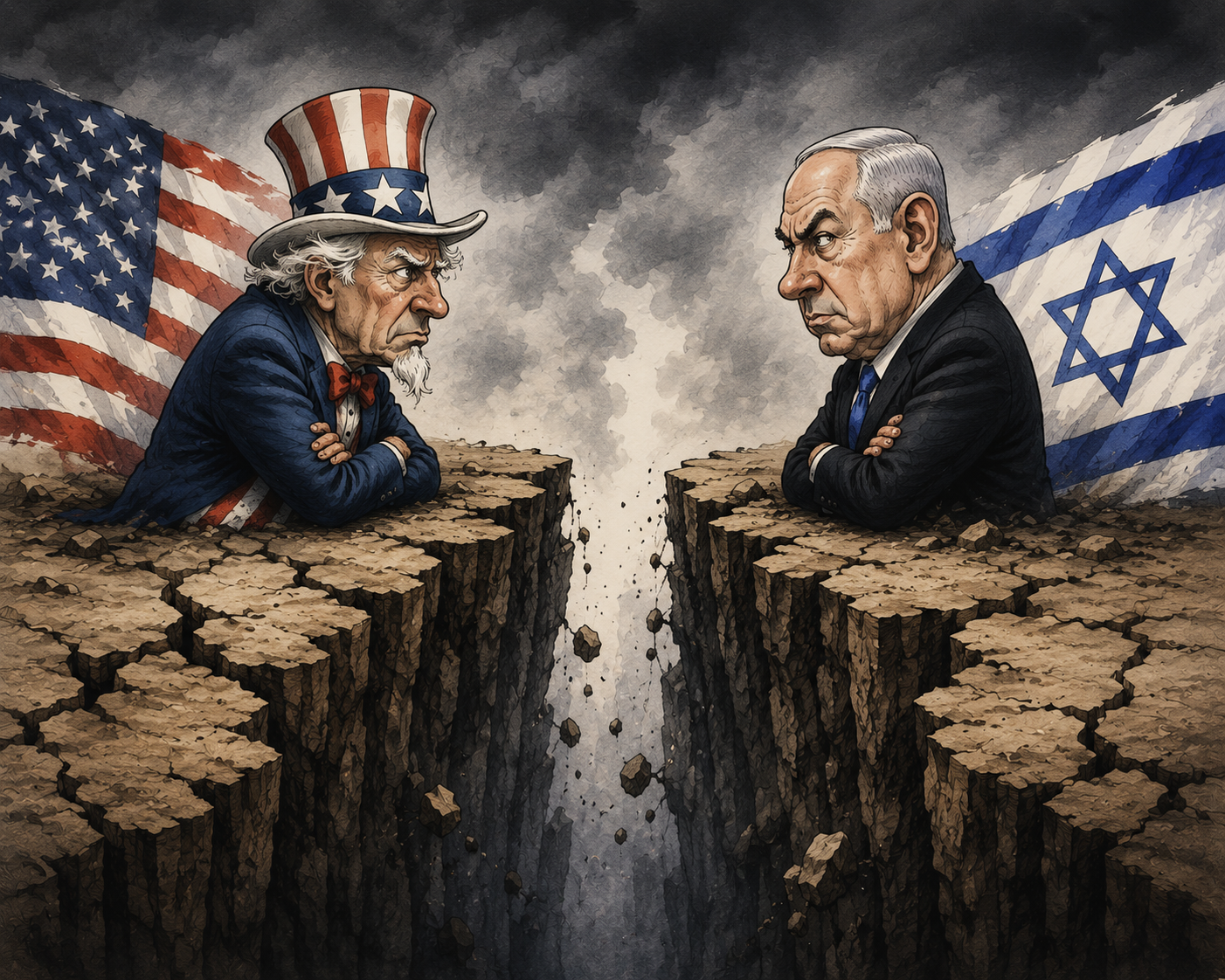
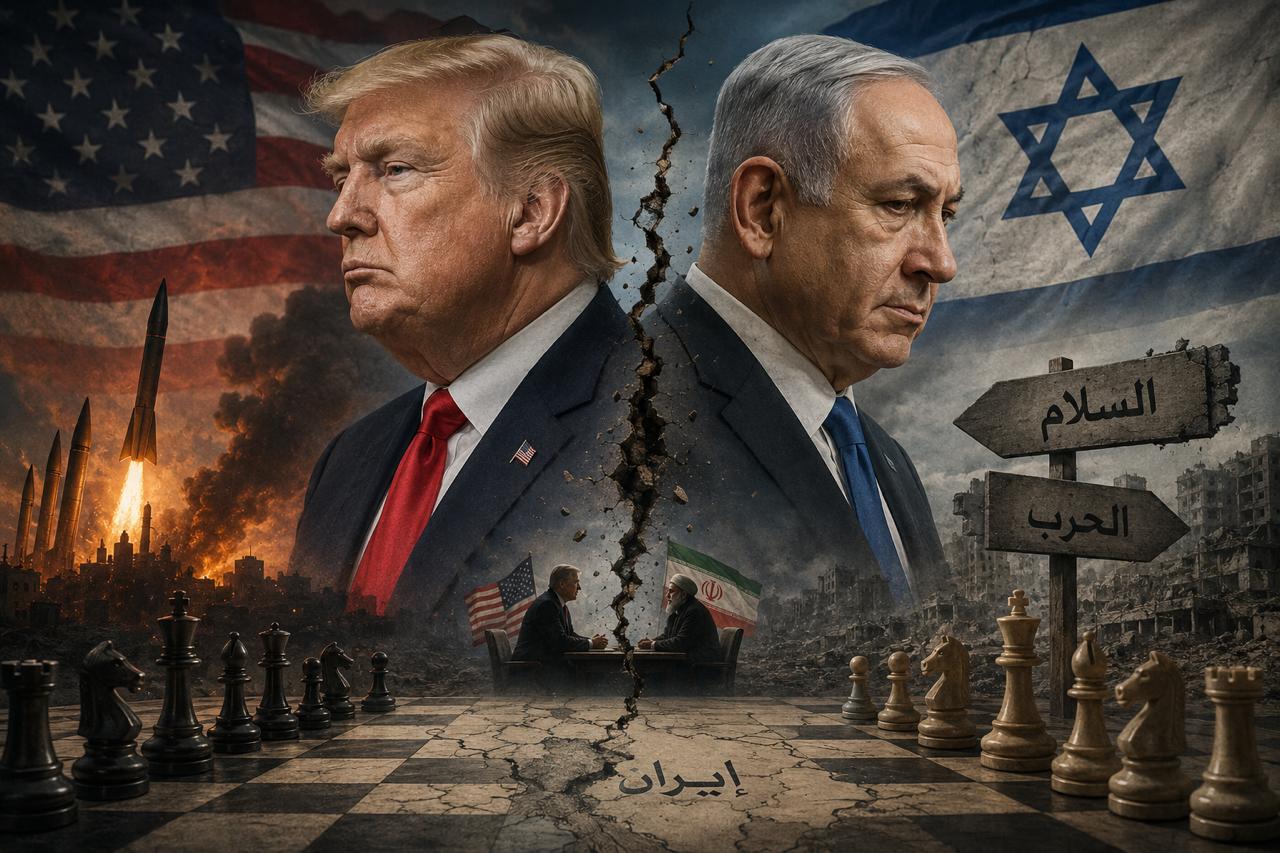
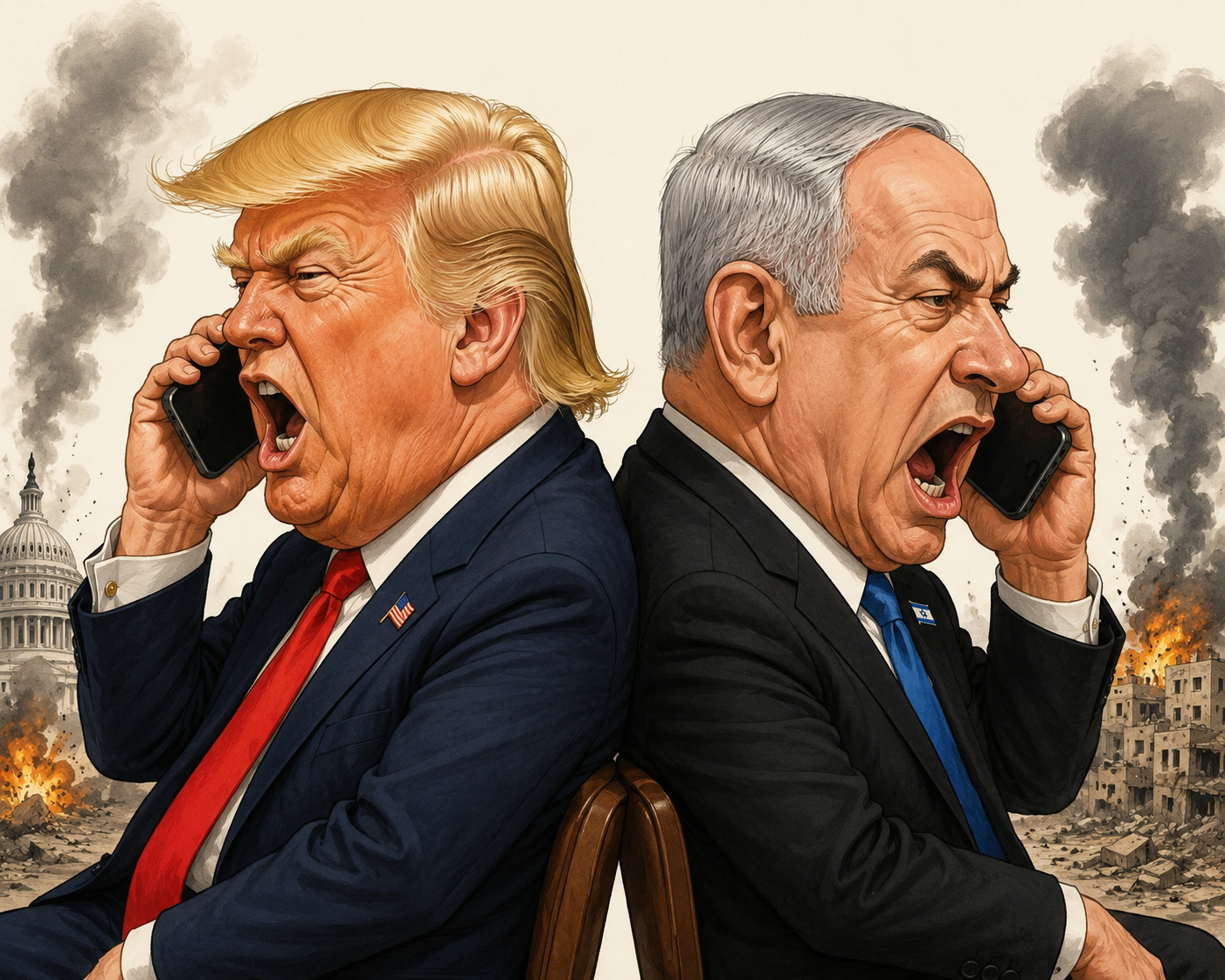
The US Axios website, citing senior US officials and another source familiar with the conversation, reported that US President Donald Trump lashed out at Israeli Prime Minister Benjamin Netanyahu amid escalating tensions in Lebanon during a heated phone call on Monday.
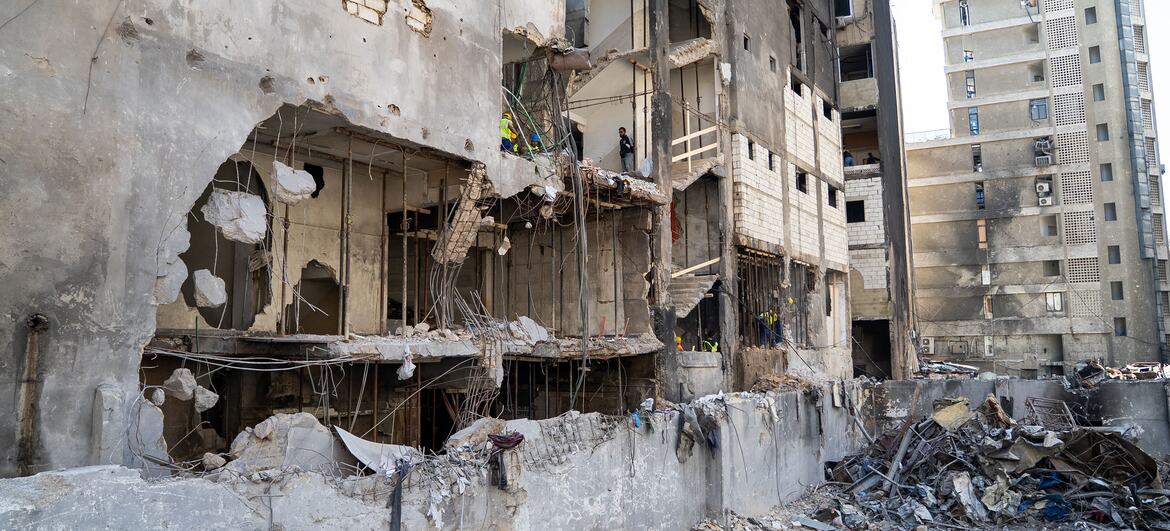
The report stated that the Trump-Netanyahu call was filled with profanity, and that the US president told the Israeli prime minister that carrying out his threats to bomb the Lebanese capital would further isolate Israel internationally. Trump also expressed his disapproval of Israel demolishing entire buildings to target a single Hezbollah commander.
According to Axios, Trump told Netanyahu, “You’re crazy. If it weren’t for me, you’d be in jail. I’m saving your political life, and everyone hates you now. Everyone hates Israel, and it’s all your fault.”
Another source familiar with the conversation said that Trump was “furious” and at one point shouted at Netanyahu: “What the hell are you doing?”
The call took place amid threats from Iran to derail negotiations with the US regarding Israeli intervention in Lebanon.
During the call, Trump called Netanyahu “crazy” and accused him of favoritism, according to two sources. Trump also reportedly blocked an Israeli plan to attack Beirut during the same call.

Two of the sources also claimed that Trump said his support helped “keep Netanyahu out of jail,” referring to the ongoing trial against him in Israel.
CNN also reported that the conversation between Trump and Netanyahu turned heated.
According to the report, Trump used harsh language to express his displeasure with the planned Israeli attack on Beirut.
At one point, the president reminded Netanyahu of his past support and warned him that bombing Lebanon could further isolate Israel, according to the sources.
Trump: Hezbollah Will Not Attack Israel, and Israel Will Not Attack Hezbollah
US President Donald Trump said earlier that he had a “very productive” phone call with Israeli Prime Minister Benjamin Netanyahu, adding that “no troops will be going to Beirut, and any troops that were on their way there have already been turned back.”
Trump also claimed that he had a “very good” call with Hezbollah through high-level representatives, saying that they “agreed to a ceasefire, on the condition that Israel does not attack them and they do not attack Israel,” as reported in the JO24 website.
CrossFireArabia
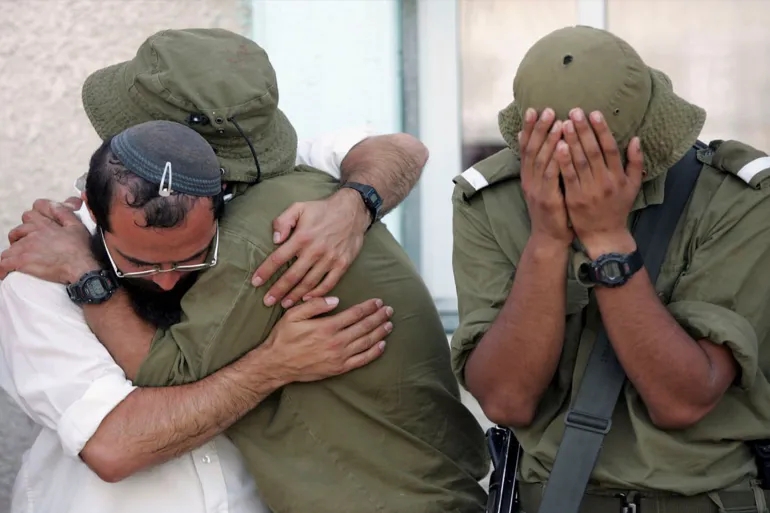
The Israeli army acknowledged, Monday, the death of a captain and medical doctor in the Givati Brigade and the wounding of seven other soldiers, including four officers and a battalion commander, in an attack carried out by Hezbollah using explosive-laden drones.
In a statement, the army said the deceased was a medic from the Shaked Battalion (424) of the Givati Brigade and was killed during fighting in southern Lebanon.
Israeli Army Radio reported that Hezbollah launched six explosive-laden drones around noon, Monday, toward a group of soldiers and a Nimer armored vehicle belonging to the Givati Brigade, which was stationed on the outskirts of the town of Zawtar al-Sharqiya, near the Shaqif site.
The radio added that among those seriously wounded were the operations officer of the Shaked Battalion and a platoon commander in the same battalion, while the battalion commander, a lieutenant colonel, was also wounded.
This attack comes a day after the Israeli army radio also announced the death of a soldier from the Givati Brigade’s reconnaissance unit and the wounding of four other soldiers in an explosion caused by an explosive-laden drone that targeted them, Saturday, evening in the Zawtar al-Sharqiya area of southern Lebanon.
The southern Lebanese front is witnessing a continuous escalation, amid ongoing clashes between Hezbollah and Israeli occupation forces according to Qudspress.
CrossFireArabia
As hostilities escalate in Lebanon despite a recent ceasefire extension, the United Nations continues to push for peace and support displaced civilians by providing food, protection and other assistance.
Thousands of people fled the southern suburbs of the capital, Beirut, on Monday after Israeli announced that it will carry out renewed strikes targeting Hezbollah militants sheltered there.
“Families are leaving by car, motorcycle, and on foot, carrying essentials,” the UN refugee agency, UNHCR, tweeted. Many others are returning to shelters and “fear and uncertainty are mounting.”
The UN reiterated that civilians and civilian infrastructures must not be targeted.
“We urge all actors to respect the cessation of hostilities and avoid further escalation. We condemn all the loss of civilian lives,” UN Spokesperson Stéphane Dujarric told journalists in New York.
He underscored the need for a diplomatic solution to end the cycle of violence.
The development unfolded as the UN Security Council in New York prepared to hold an emergency session on Monday afternoon to discuss the escalating conflict.
Humanitarians reported that many people escaped from Beirut and the southern cities of Tyre and Saida following the threat of strikes and renewed displacement orders.
UN Special Coordinator for Lebanon Jeanine-Hennis Plasschaert continues her engagement to de-escalate tensions, reinforce commitments agreed to under the ceasefire, and advance confidence‑building measures.
In a tweet, she noted that southern Lebanon was “in flames” while roads in Beirut were “choked with people fleeing their homes.”
The senior official said that suffering was compounding “as both sides hold out for victory.”
She added, however, that “escalation has its own logic” and “attempting to contain or manage it is a high-stakes gamble, with costs borne by people who have already lost too much.”
The crisis in Lebanon is part of unrest across the wider region. It erupted on 2 March, just days after the United States and Israel began bombing Iran, prompting Hezbollah militants in Lebanon to fire on Israel.
Since then, 3,412 people have been killed and more than 10,000 injured, the UN aid coordination office OCHA said on Monday, citing the Lebanese health authorities. At least 88 people reportedly were killed over the past weekend.
Healthcare has also been affected by attacks. The World Health Organization (WHO) said five attacks were recorded in the past three days, resulting in one health worker reportedly killed and 19 others injured.
A US-brokered ceasefire between Lebanon and Israel took effect on 17 April but was never fully observed by either side. It was nominally extended twice, most recently on 16 May for a 45-day period.
UN agencies are on the ground such as UNHCR, which has been supporting the government-led emergency response. Alongside partners, it has reached hundreds of thousands with protection services, emergency cash assistance, shelter support, and other relief.
However, “nearly three months into the conflict, Lebanon faces a deepening humanitarian emergency with a critical combination of displacement and increased food insecurity,” the UN World Food Programme (WFP) warned on Monday.
More than a million civilians have been uprooted, and food security experts report that 1.24 million people nationwide – nearly a quarter of the population – are not getting enough to eat.
WFP stressed the critical need for sustained humanitarian access, stable supply flows and predictable funding.
“The ongoing conflict characterised by daily bombardments and displacement orders is challenging humanitarian access and resulting in continued displacement,” the agency said, noting that “these conditions are hampering the delivery of critical assistance, particularly in hard-to-reach areas.”
While food remains available in many areas in Lebanon, costs have risen alongside the escalating fighting. For example, vegetable prices are now 20 per cent higher, while bread costs roughly 15 per cent more.
Furthermore, although markets in Beirut and other areas “remain operational but under growing strain”, most markets in southern Lebanon and Nabatieh – more than 80 per cent – are no longer functioning.
Recently, a shipment of 250 metric tonnes of wheat flour entered Lebanon through Jordan, which is now supporting roughly 10,000 vulnerable households.
WFP has ramped up its response efforts, reaching more than 700,000 people to date with hot meals, ready-to-eat rations, and food parcels for families sheltering in displacement sites.
Teams have distributed nearly five million hot meals, in addition to supporting more than 215,000 displaced people across over 500 shelters nationwide, alongside approximately 85,500 people in host communities and hard-to-reach areas.
The UN agency has also provided emergency cash support for close to half a million Lebanese through national systems, and cash support for more than 100,000 Syrian refugees.
Since the conflict began, 24 humanitarian convoys have been deployed to communities in Lebanon facing access restraints, but more than half of those requested have been delayed or cancelled due to movement and access risks.
Humanitarians will launch a renewed flash appeal this Friday to scale up assistance in Lebanon over the next three months. – UN News
 Saleem Ayoub Quna