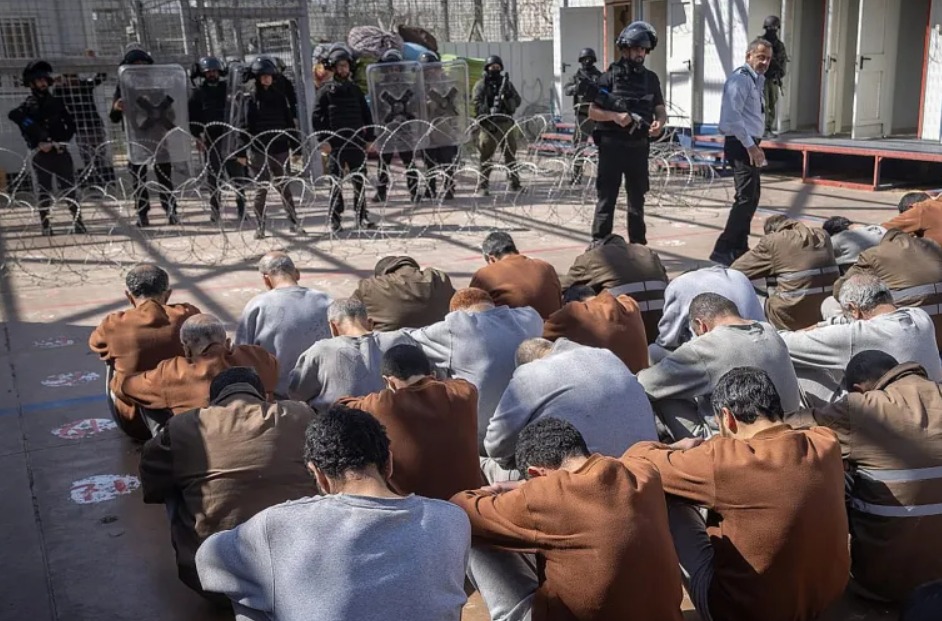
 ‘These Are Your Israeli Soldiers’
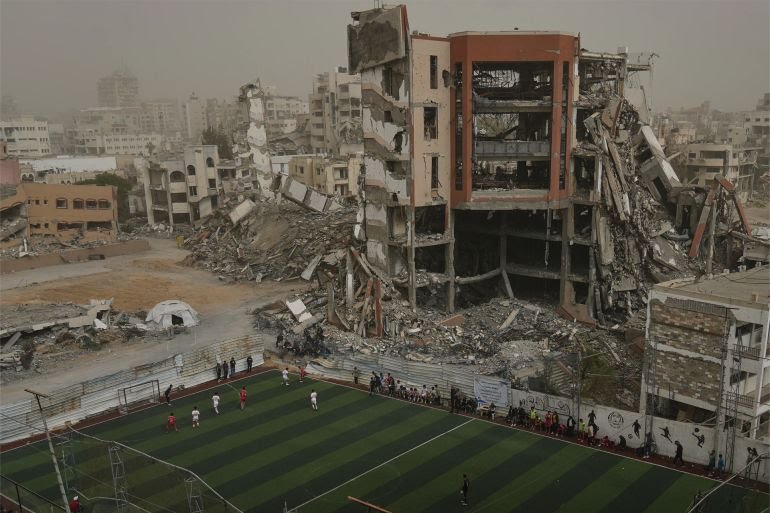
 Welcome to Gaza: ‘We Are Not Leaving’
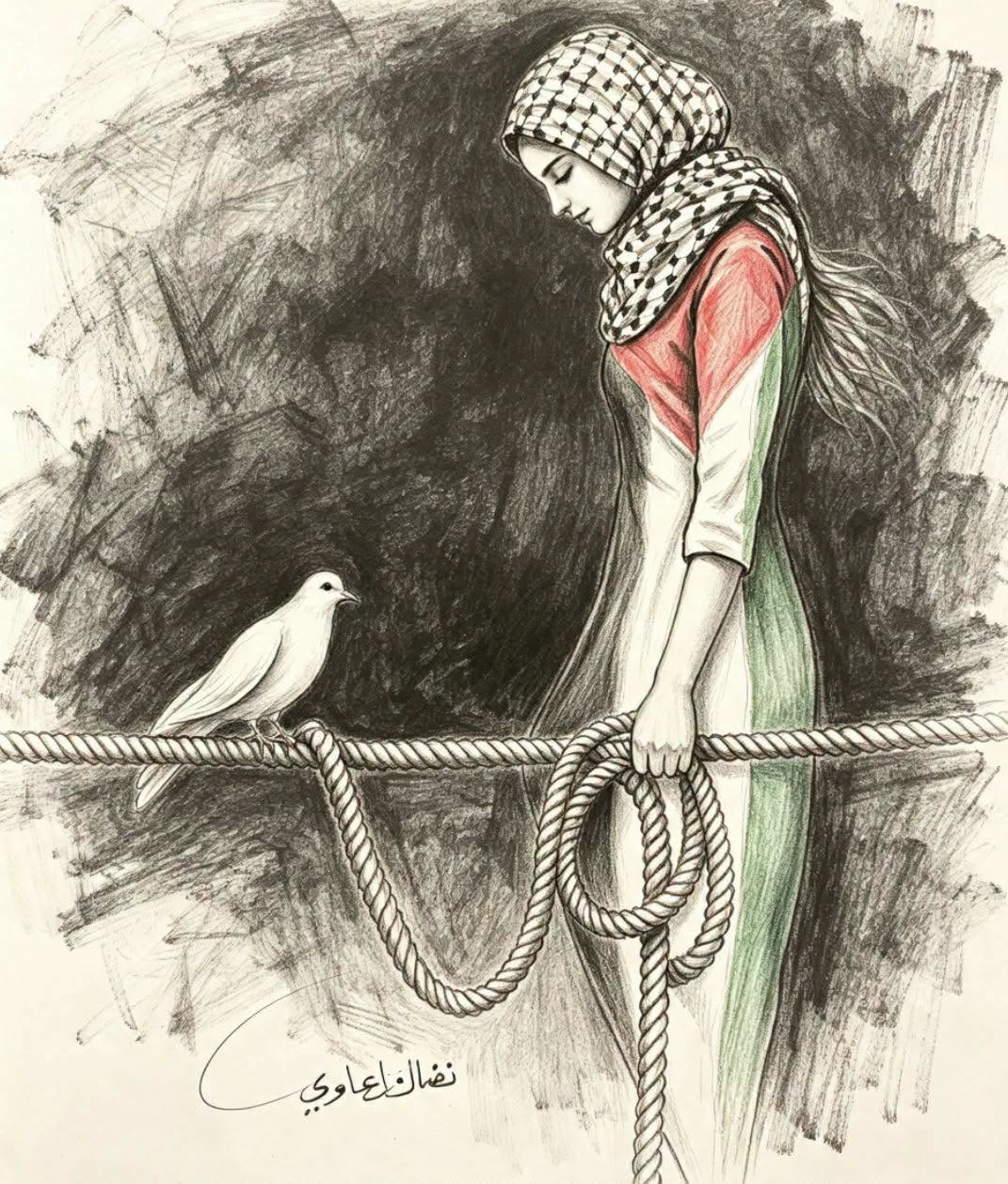
 A Woman From Gaza
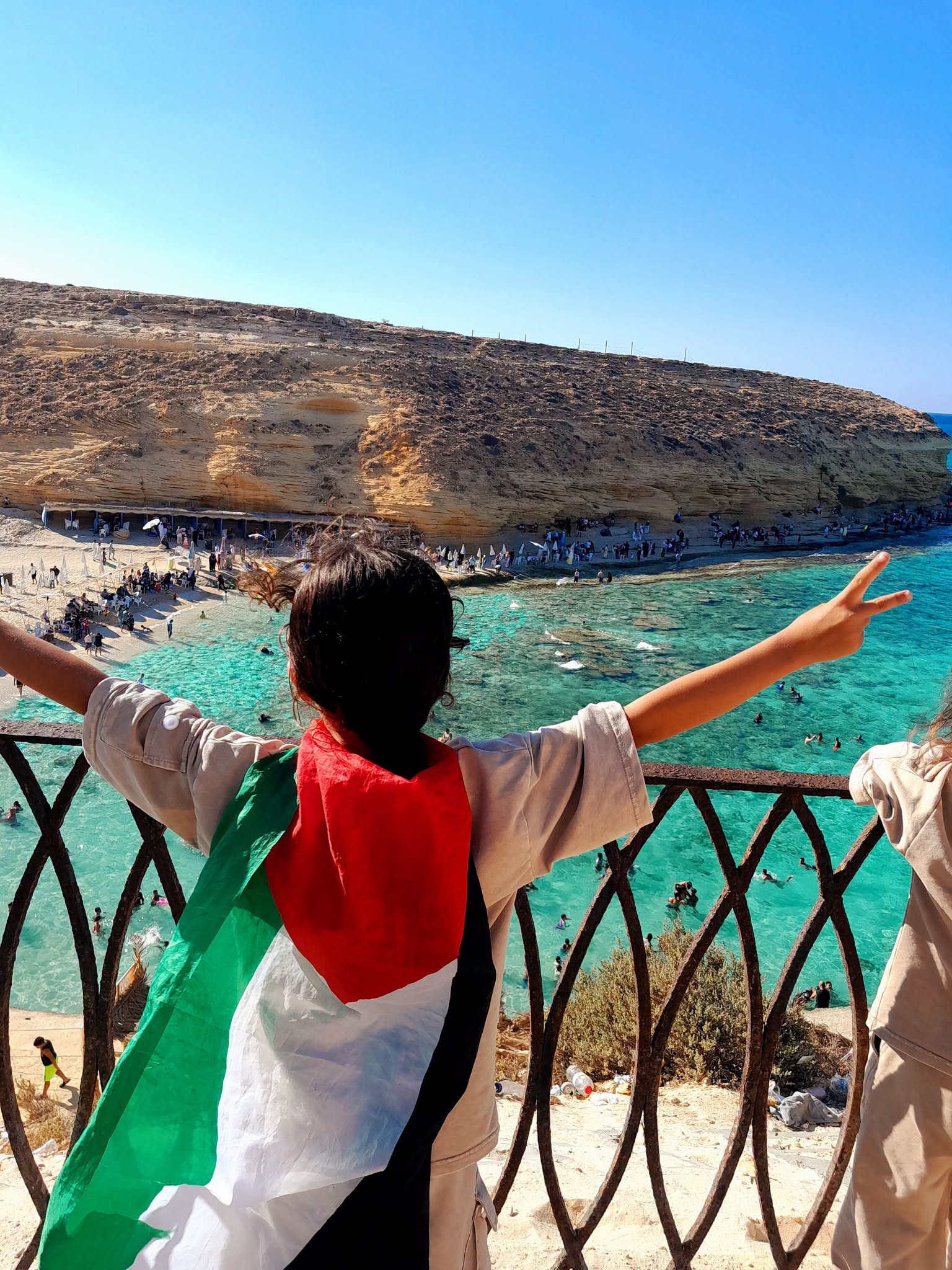 Balcony of Life
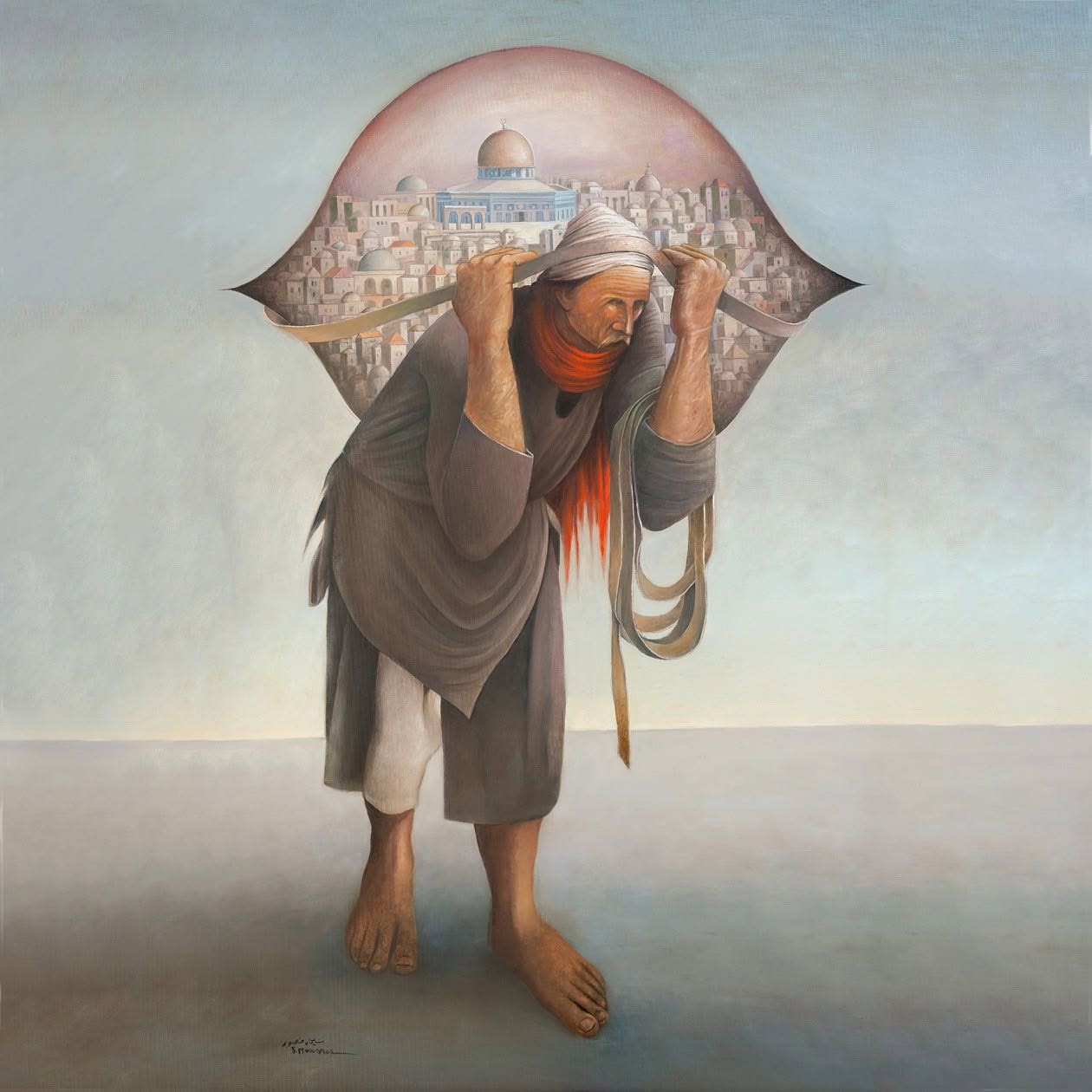 Who is Afraid of Palestinian Revolutionary Art?
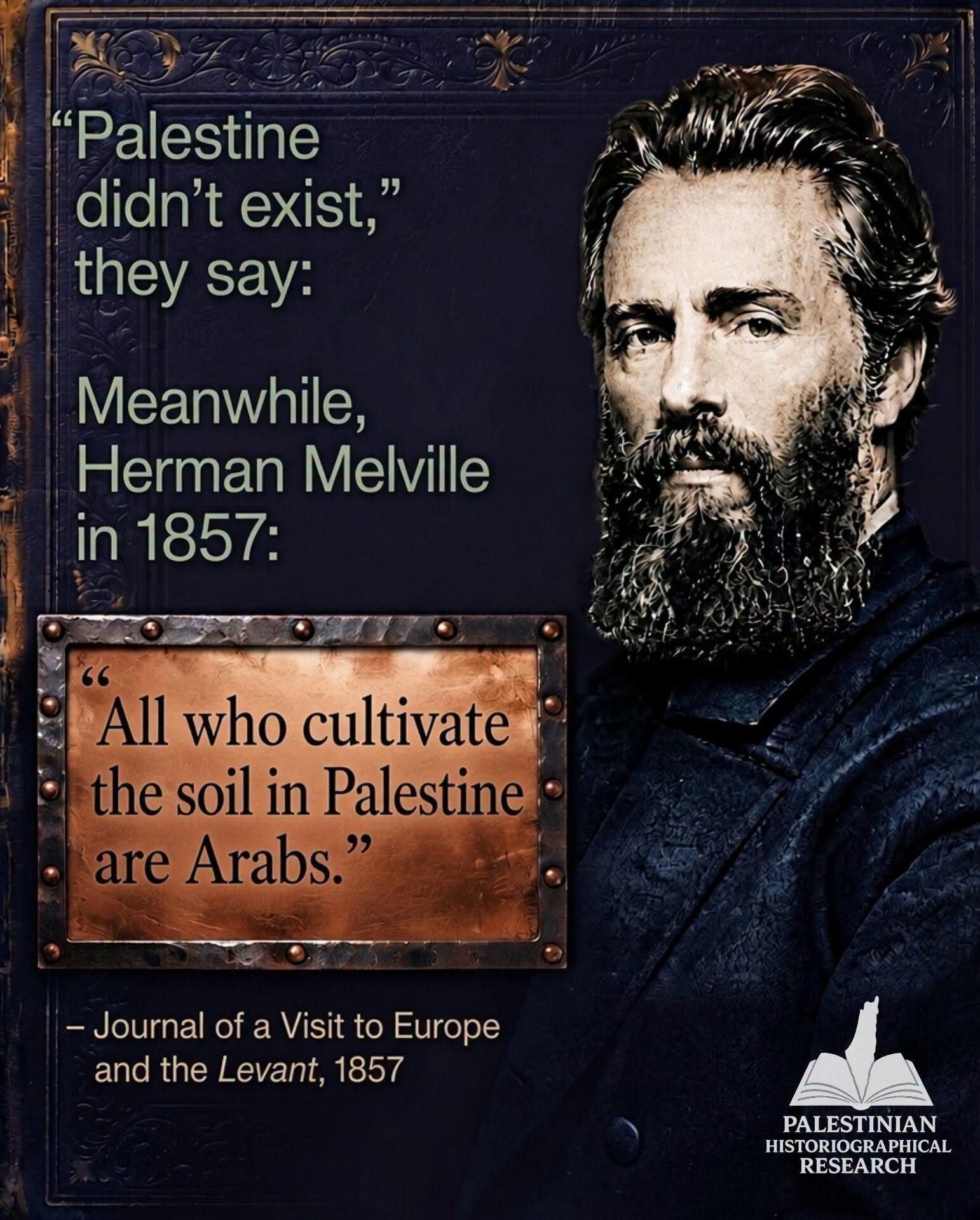

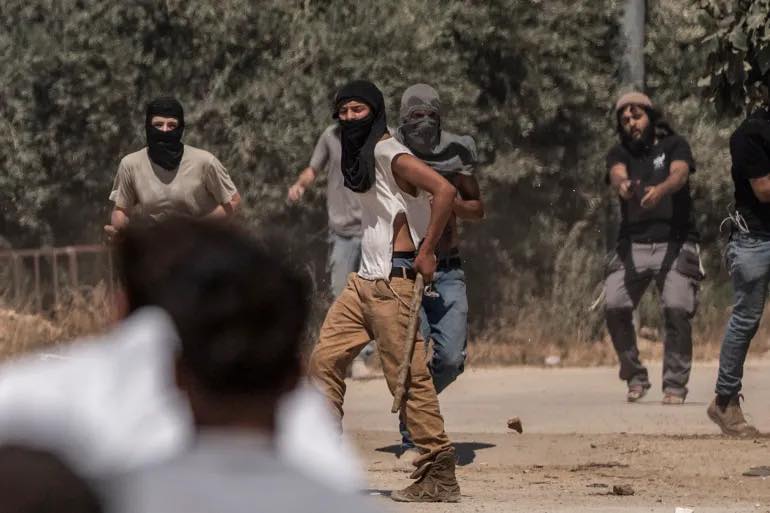
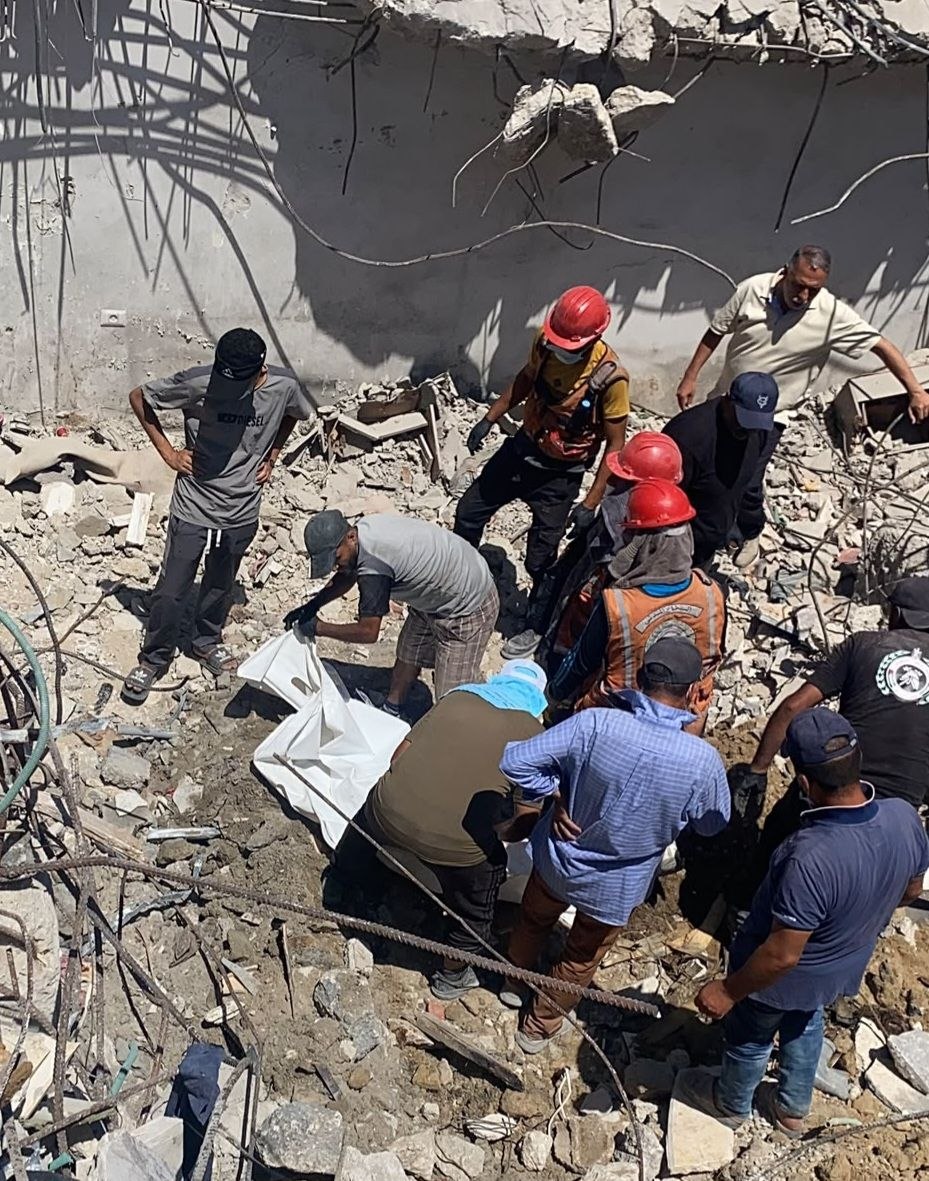
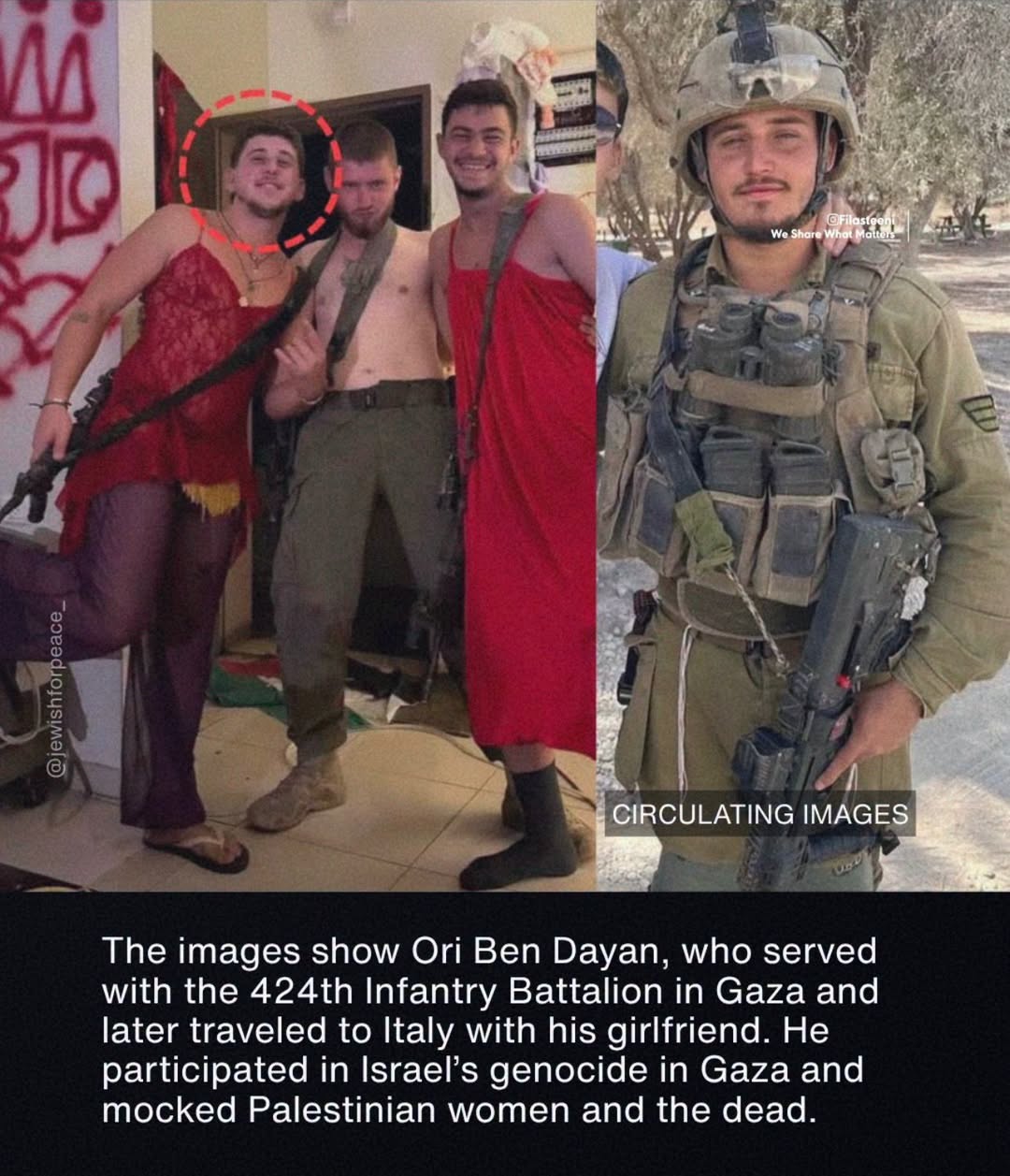
‘These Are Your Israeli Soldiers’
 CrossFireArabia
- September 4, 2026
 CrossFireArabia
 marwanCrossFireArabiaCrossFireArabiaCrossFireArabiaCrossFireArabiaCrossFireArabiaCrossFireArabiaCrossFireArabiaCrossFireArabiaCrossFireArabiaCrossFireArabiaCrossFireArabiaCrossFireArabia
 HebaCrossFireArabiaCrossFireArabiaCrossFireArabiaCrossFireArabiaCrossFireArabiaHebaHebaCrossFireArabiaCrossFireArabiamarwanCrossFireArabiaCrossFireArabiaHebaHebaHebaCrossFireArabiaCrossFireArabiamarwanCrossFireArabiaCrossFireArabiaCrossFireArabiaCrossFireArabiaHebaHebaHebaHebaCrossFireArabiaCrossFireArabiaCrossFireArabiaCrossFireArabiaCrossFireArabiaCrossFireArabiaHebamarwanmarwanCrossFireArabiaCrossFireArabiaCrossFireArabiaCrossFireArabiaCrossFireArabiaCrossFireArabiaCrossFireArabiaCrossFireArabiaCrossFireArabiaCrossFireArabiaCrossFireArabiaHebaCrossFireArabiaCrossFireArabiamarwanmarwanCrossFireArabiaCrossFireArabiaCrossFireArabiamarwanCrossFireArabiaCrossFireArabiamarwanHebaCrossFireArabiaHebaHebamarwanCrossFireArabiaCrossFireArabia
The International Criminal Court (ICC) has issued arrest warrants for Israeli Prime Minister Benjamin Netanyahu and Defense Minister Yoav Gallant over war crimes in Gaza. The court stated there are “reasonable grounds” to believe they committed war crimes, including directing attacks against civilians.
The ICC highlighted that the charges against Netanyahu and Gallant include using starvation as a method of warfare, killings, persecution, and other inhumane acts amounting to crimes against humanity. The court emphasized that Israel’s acceptance of its jurisdiction is not required to proceed with the warrants and deemed their publication in the interest of victims.
The warrants outline the suspects’ identities, descriptions of the alleged crimes, and the legal basis for the charges. They have been distributed to the 124 member states of the Rome Statute, which are obligated to cooperate with the ICC in enforcing the arrests. This development places significant travel restrictions on Netanyahu and Gallant, as visiting any of these countries risks detention.
The arrest warrants are anticipated to have far-reaching consequences for the occupation state. Analysts predict they could impact the country’s economy, trade, aviation, and tourism sectors, tarnishing its global image. Furthermore, the warrants might encourage several nations to sever diplomatic ties with Israel, intensifying international pressure to end the war in Gaza.
While the arrest warrants represent a major step in increasing international pressure on Israel to halt its actions in Gaza, domestic Israeli discourse remains focused on retrieving Israeli prisoners rather than ending the genocide. The United States, a key ally of Israel, has not exerted sufficient pressure to stop the genocide and continues to support Israel despite occasional nominal disagreements over its conduct according to the Quds News Network.
International public opinion and protests, particularly in the United States and Europe, are mounting against Israel’s actions. These movements echo the anti-apartheid protests that once led to South Africa’s global isolation. Israeli Prime Minister Netanyahu has responded with sharp criticism of these demonstrations, indicating the growing concern within Israel about its shifting international standing.
Observers believe the ICC’s actions and the widespread protests signal the beginning of Israel’s international isolation, reminiscent of the measures that dismantled apartheid in South Africa. This isolation could further intensify if global pressure continues to build against Israel’s policies in Gaza.
CrossFireArabia
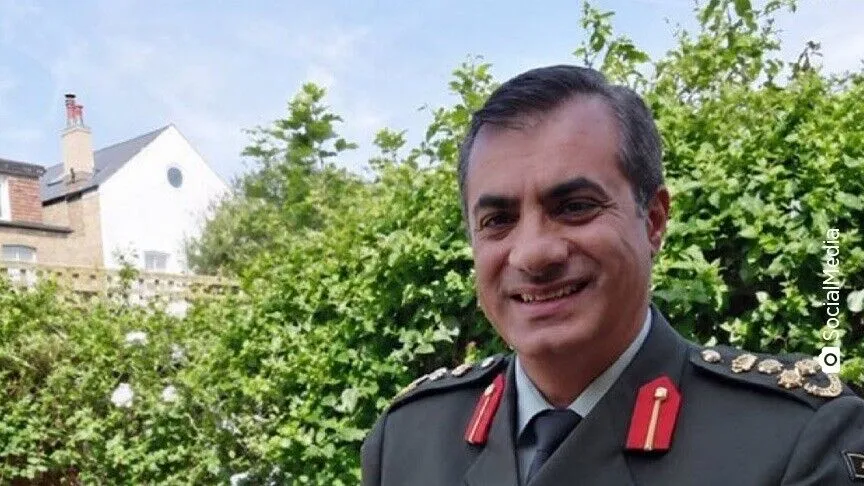
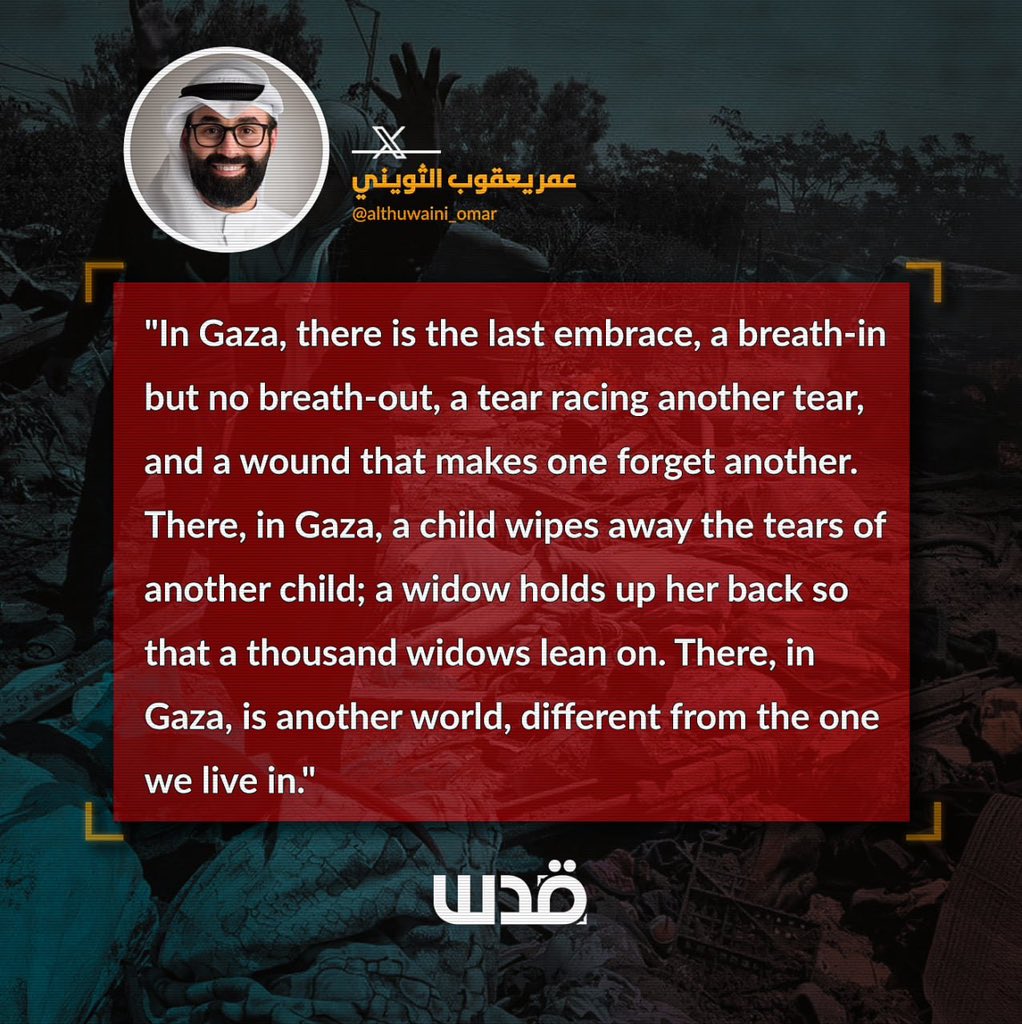
Kuwaiti Doctor and deputy general manager of Kuwait Society for Relief Omar Al-Thuwaini shares on his Instagram account a painful description of what Gaza people have been enduring on a daily basis due to the prolonged Israeli war.
Al-Thuwaini headed a second Kuwaiti medical delegation to Gaza last April with aim to support the healthcare system in Gaza by conducting surgical operations for injured Gazans. He has been part of humanitarian relief missions to several war-ravaged areas like Sudan and Gaza.
CrossFireArabia
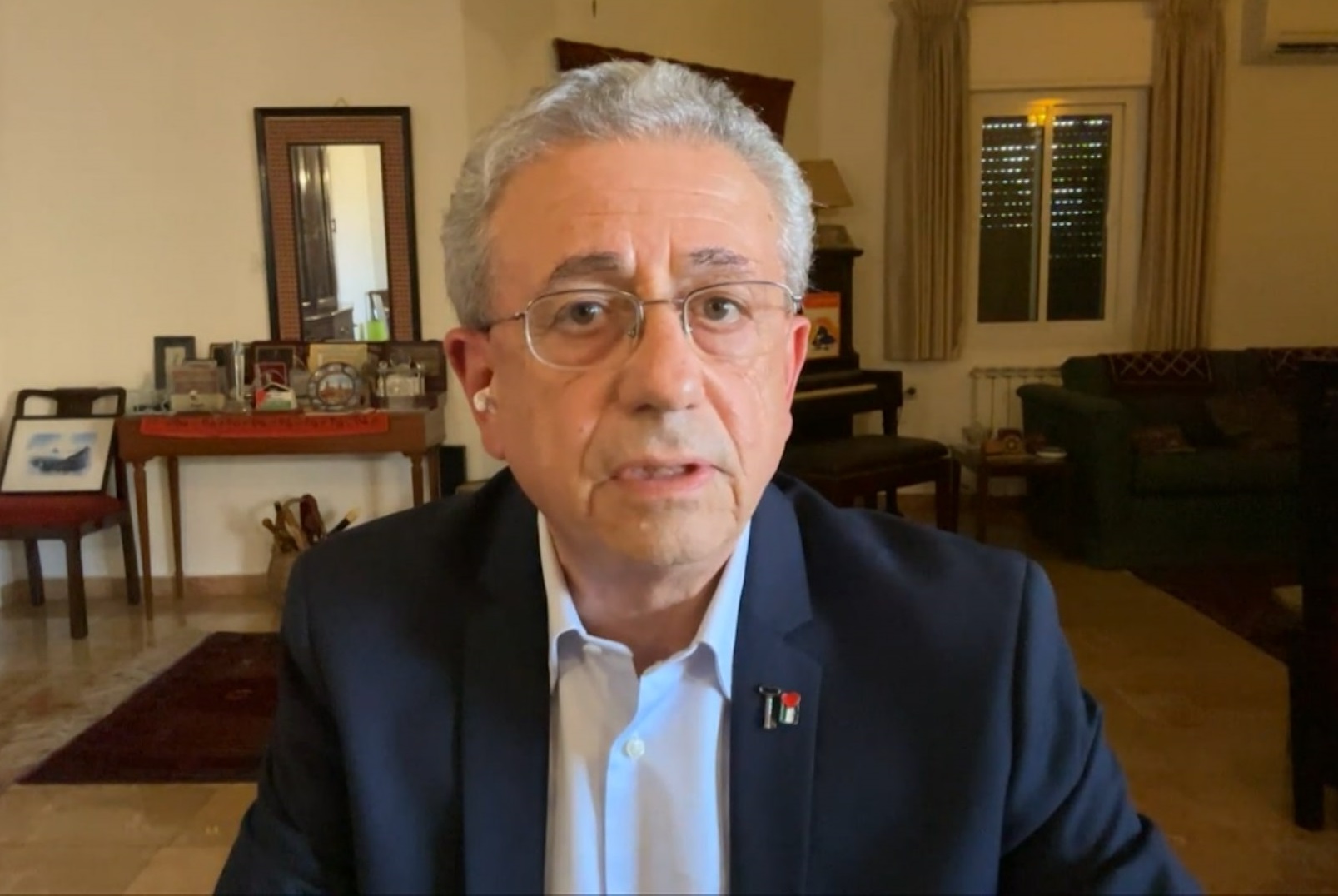
The US administration’s use of the veto to frustrate the Security Council’s draft resolution to a Gaza ceasefire confirms it is a partner to the crimes of genocide and ethnic cleansing perpetrated by Israel said Dr. Mustafa Barghouthi, secretary-general of the Palestinian National Initiative Movement.
America’s lone vote against the resolution in the face of all Security Council members, including its traditional allies, confirms the political isolation of the United States with Israel Barghouti told Jordan24.
He noted that this isolation was also evident in the last vote in the United Nations General Assembly, where it voted alone with Israel along with four weightless islands against 175 countries in the world.
Barghouti denounced the insistence of the Joe Biden administration – even in its last days – on its hostile approach to the Palestinian people, international law and international humanitarian law.
Barghouti pointed out that the American positions confirm the United States’ partnership in all Israeli crimes, not only in Gaza, but also in the West Bank.
Barghouti pointed out that the US partnership with Israel is not limited to providing protection through the UN Security Council, but also through operating the largest air bridge to deliver American weapons and ammunition to the occupation, in addition to American aid and economic support for the occupation, stressing that “Israel cannot complete a week in its war on Gaza and Lebanon without American support.”