 Documenting Genocide, Denying Genocide
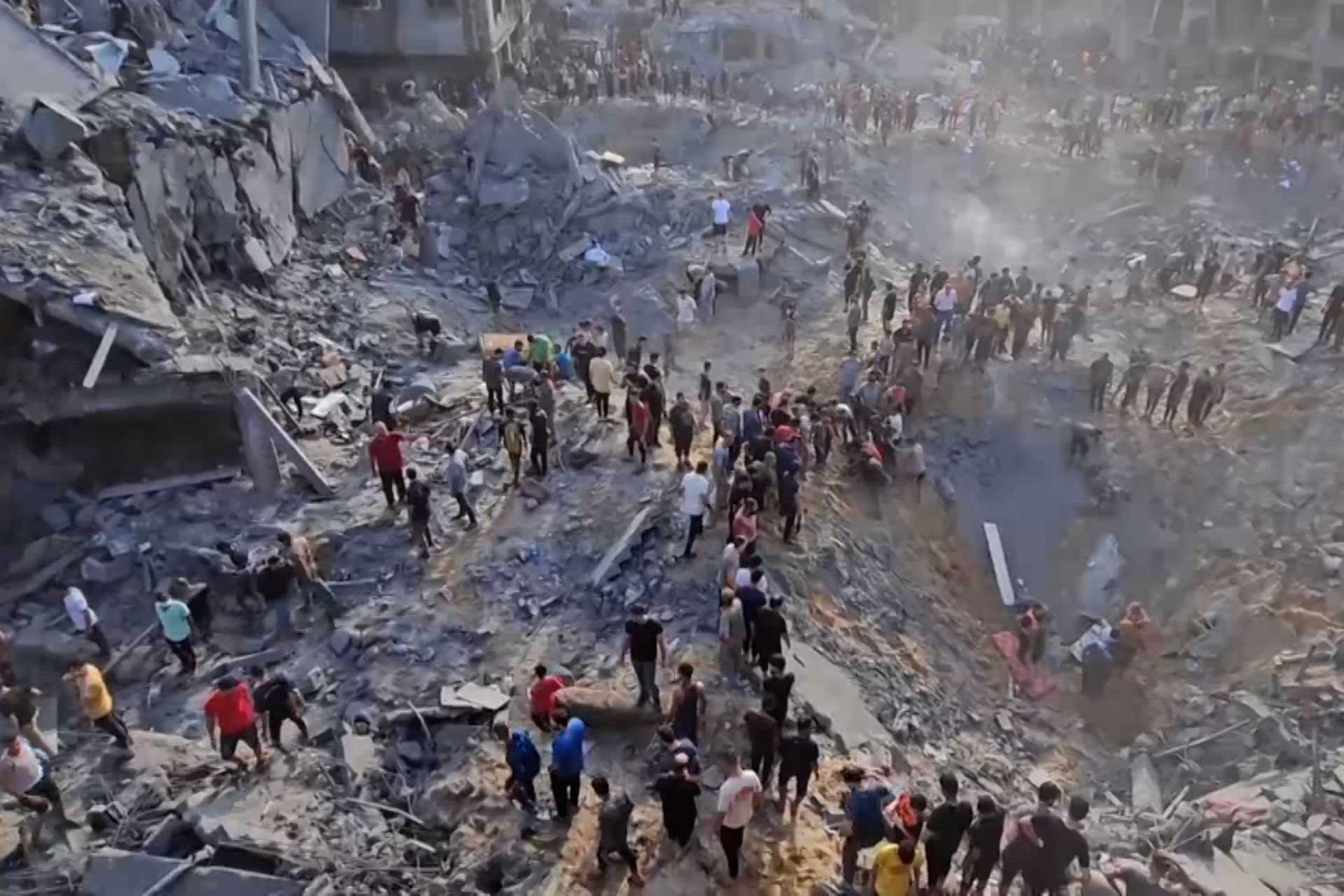
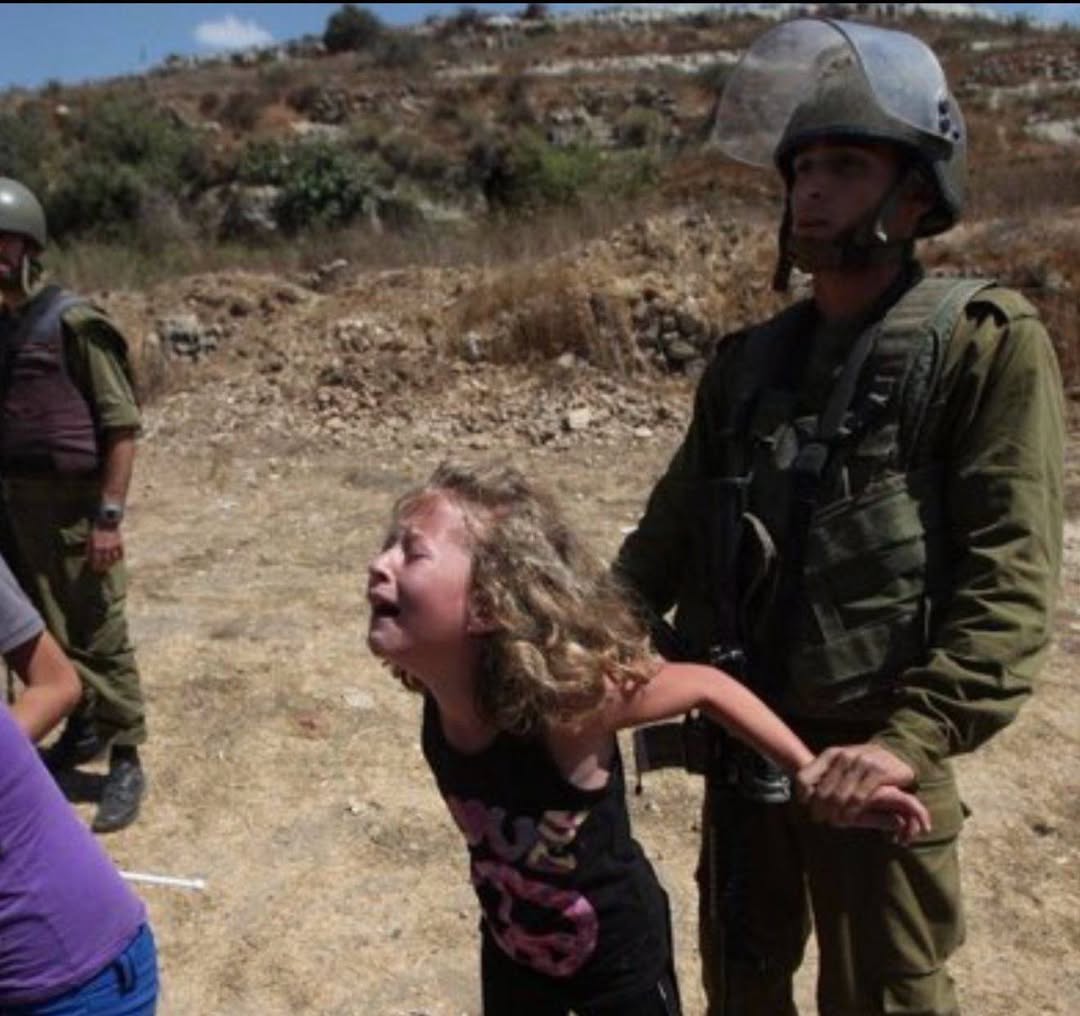 Pain of Gaza is a ‘Non-stop’ Israeli Stain
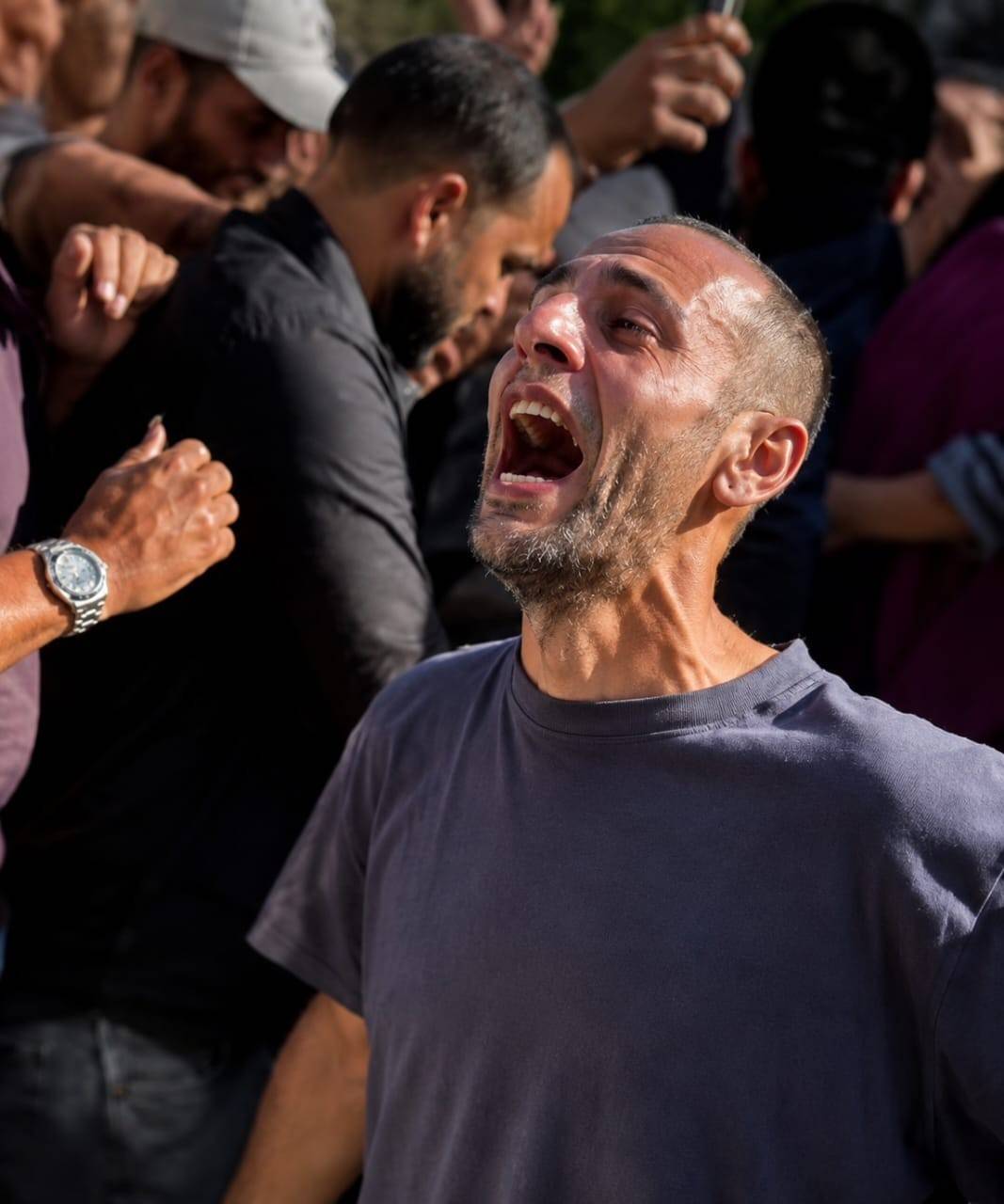 Freed Majdalawi Shouts Aloud For Palestinian Prisoners
 Aldous Huxley on Propaganda, Censorship
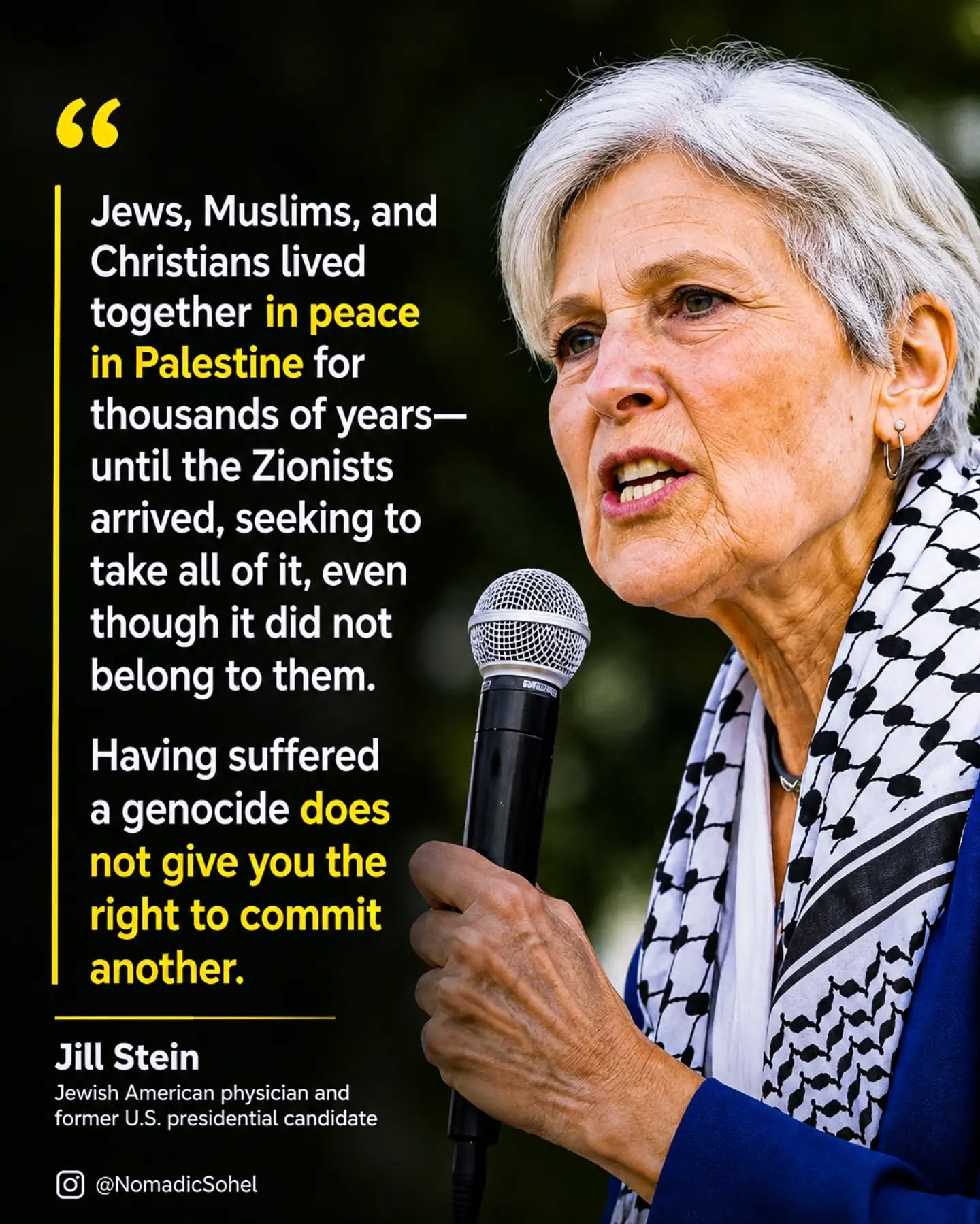 Jill Stein Speaks The Truth
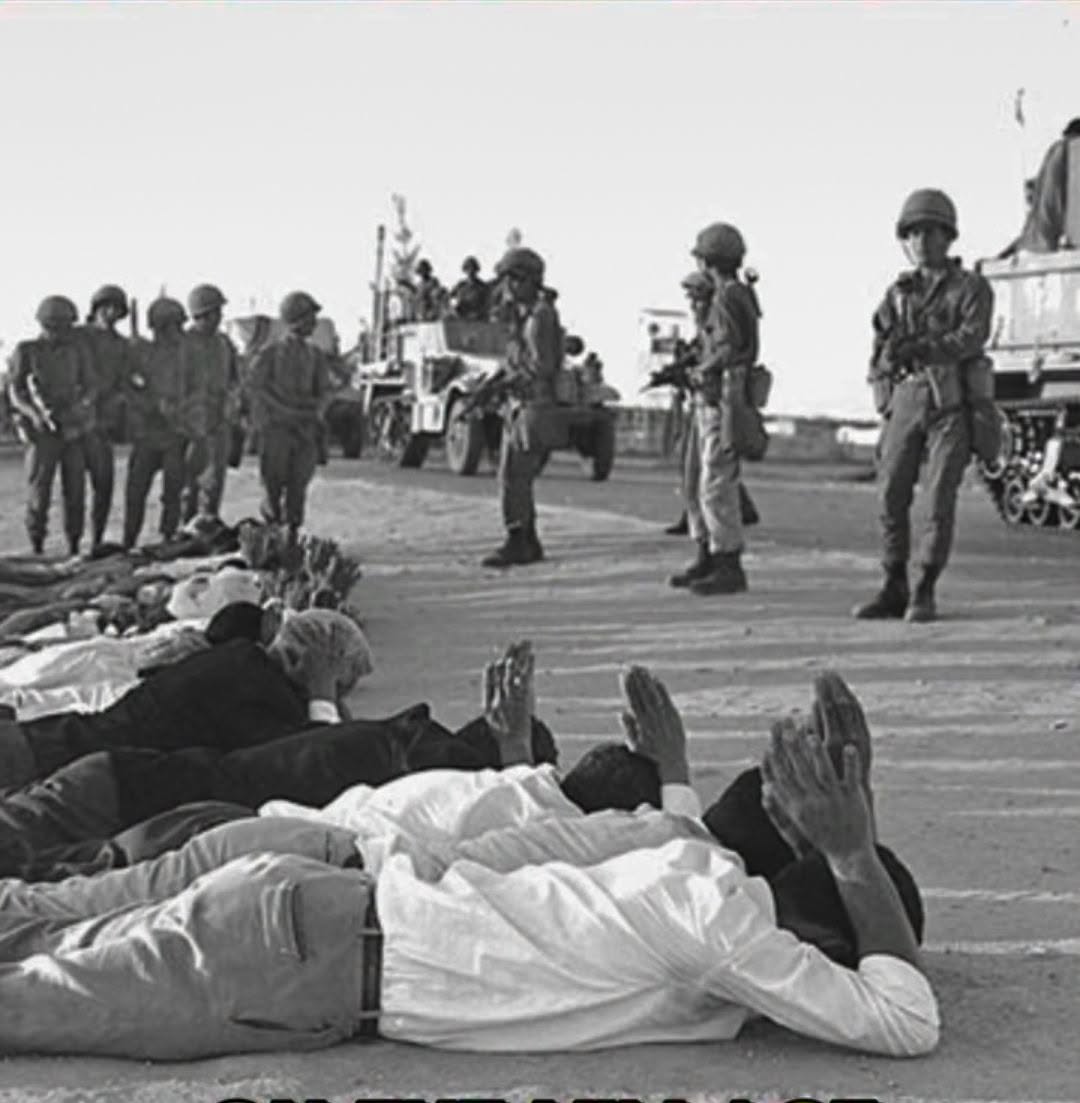
Documenting Genocide, Denying Genocide
marwan
- July 29, 2026
 marwanmarwan
 CrossFireArabiaCrossFireArabiamarwanCrossFireArabiamarwanmarwanCrossFireArabiamarwanmarwanmarwanmarwanmarwanmarwanmarwanmarwanmarwanmarwanmarwanmarwanmarwanmarwanmarwanmarwanmarwanmarwanmarwanmarwanCrossFireArabiamarwanCrossFireArabiamarwanmarwanmarwanmarwanmarwanmarwanCrossFireArabiamarwanmarwanmarwanmarwanmarwanCrossFireArabiaCrossFireArabiaCrossFireArabiaCrossFireArabiaCrossFireArabiaCrossFireArabiaCrossFireArabiamarwanmarwanCrossFireArabiaCrossFireArabiaCrossFireArabiaCrossFireArabiamarwanmarwanmarwanmarwanCrossFireArabiaCrossFireArabiaCrossFireArabia
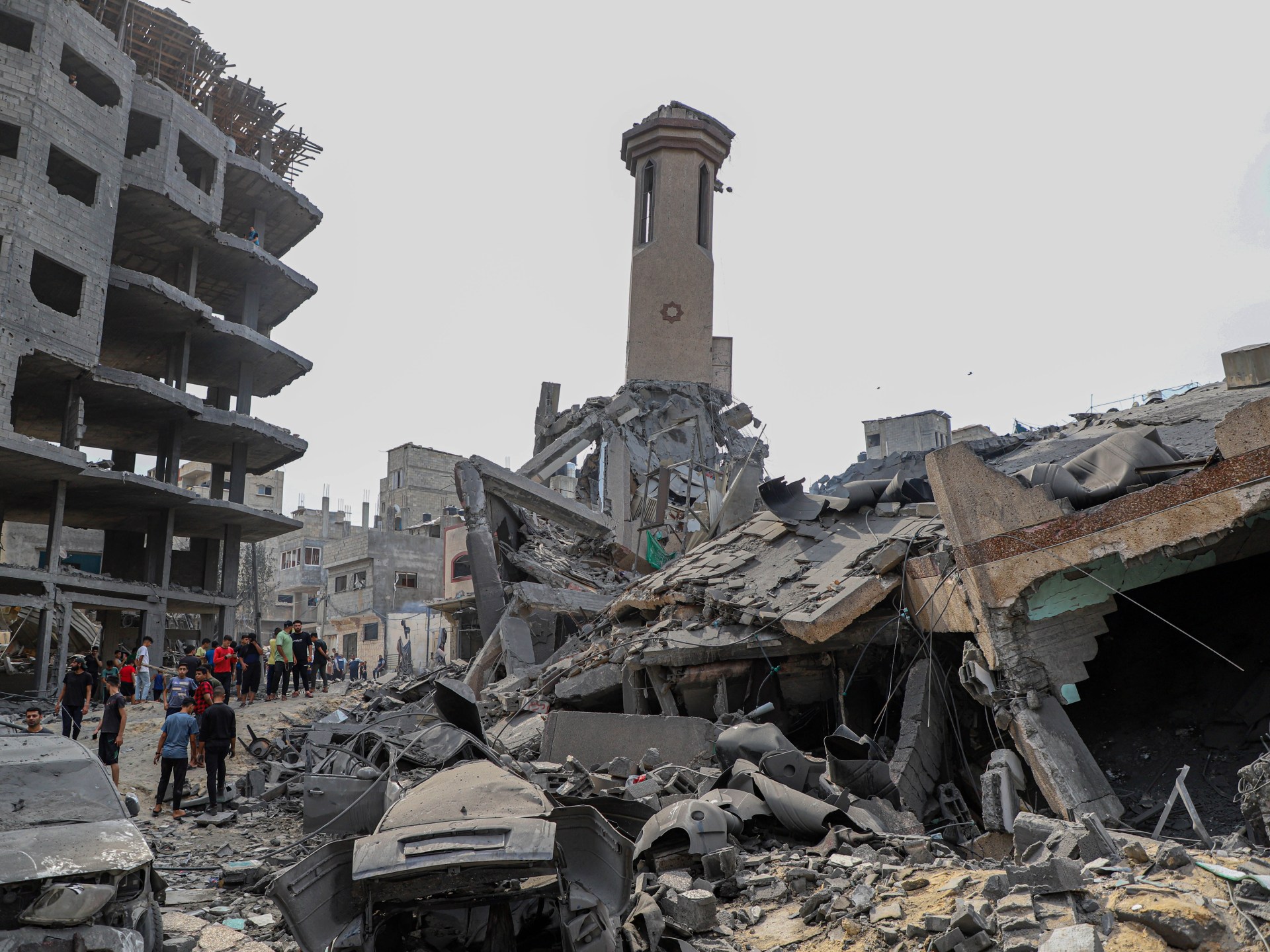
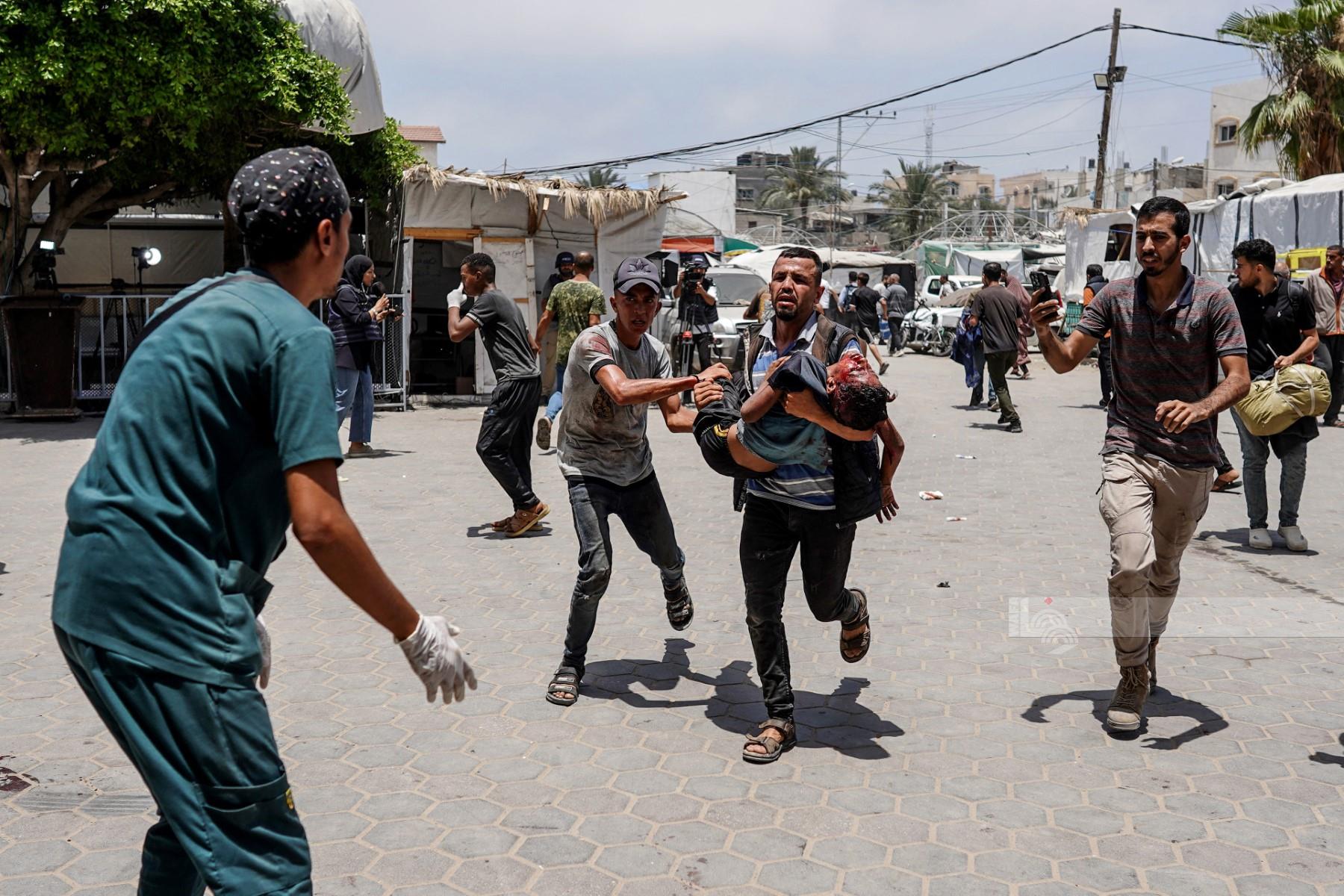
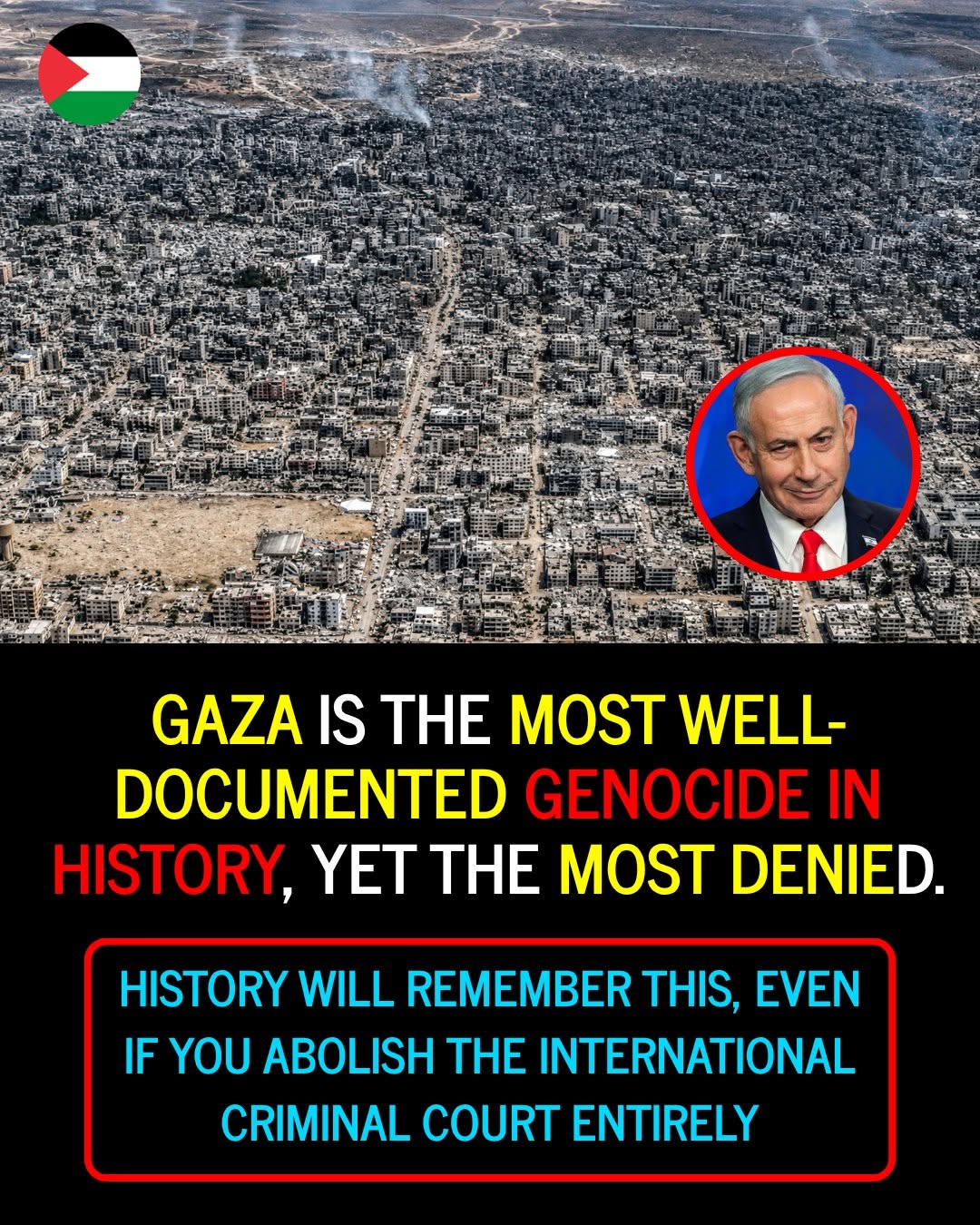
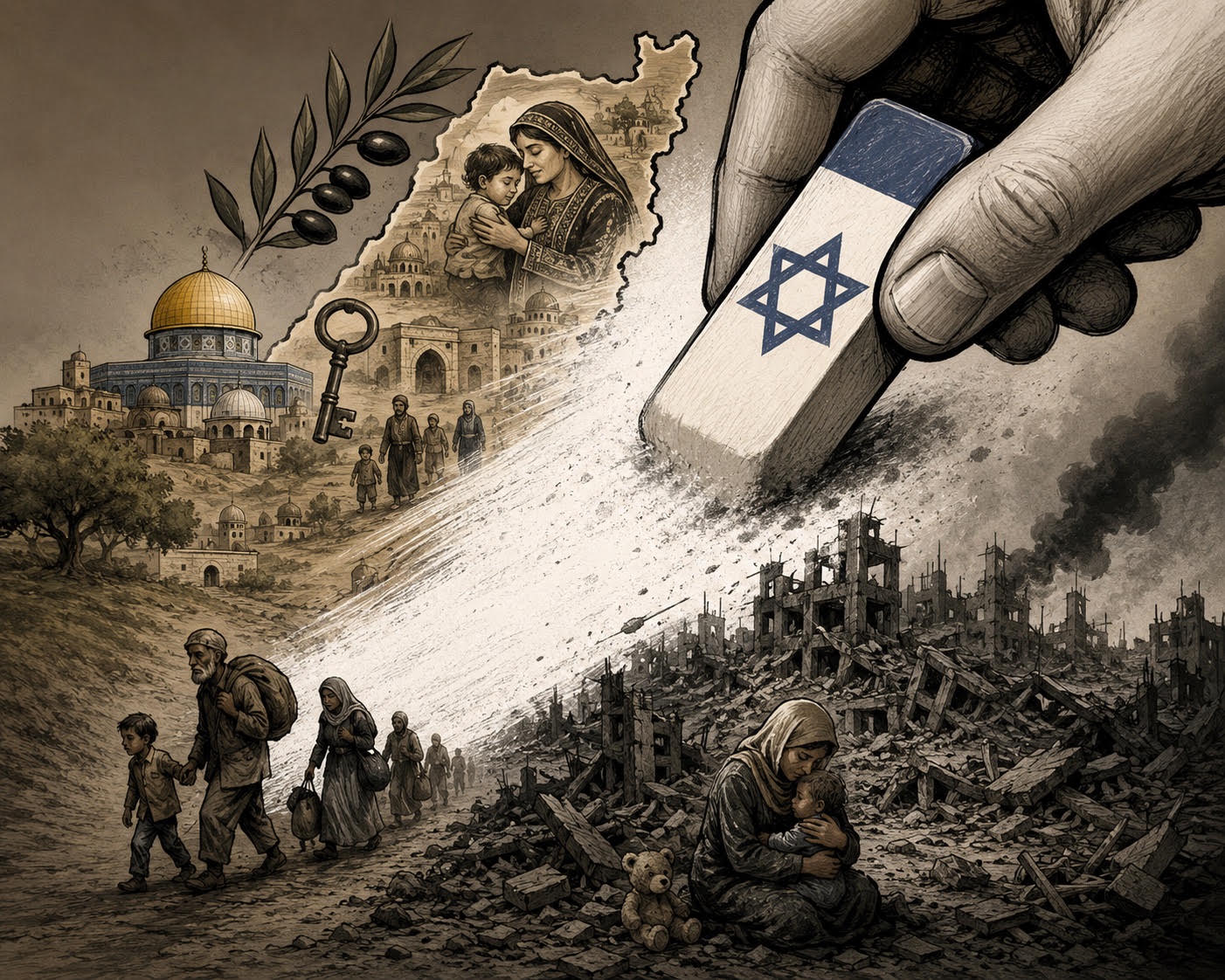
The Occupied Palestinian Territory is facing a severe humanitarian crisis, with both Gaza and the West Bank experiencing unprecedented levels of violence and deprivation.
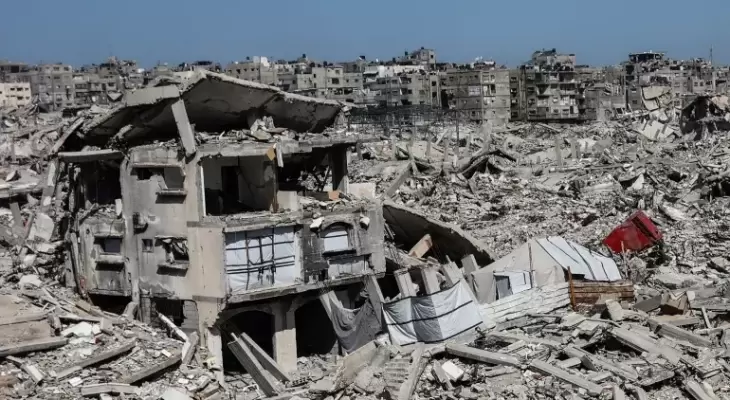
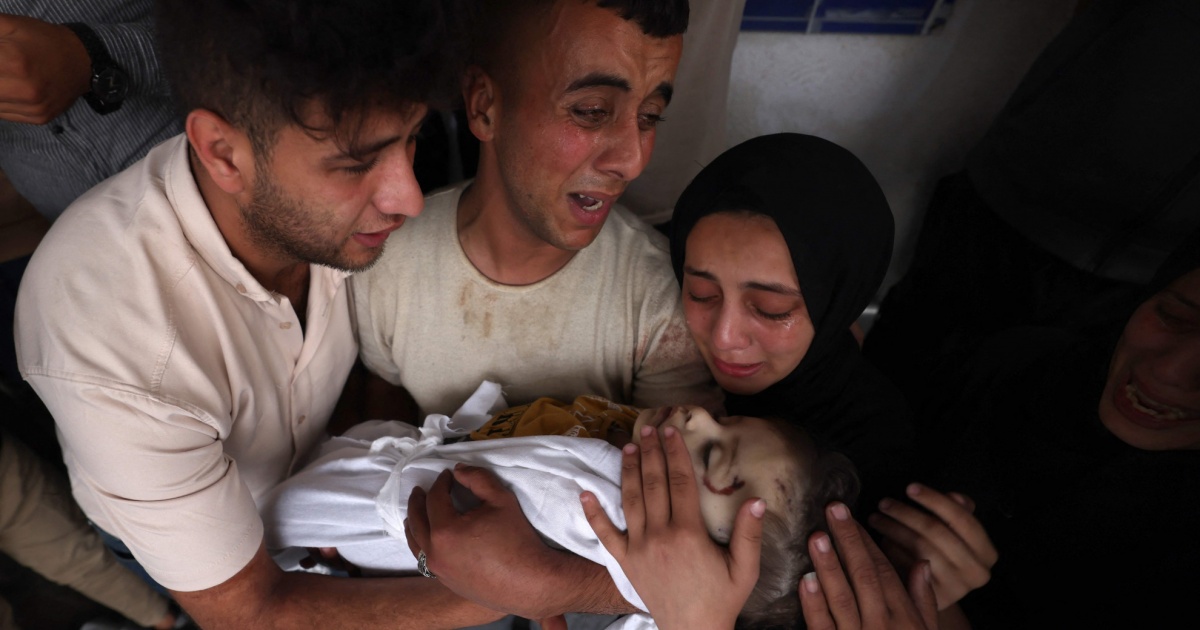
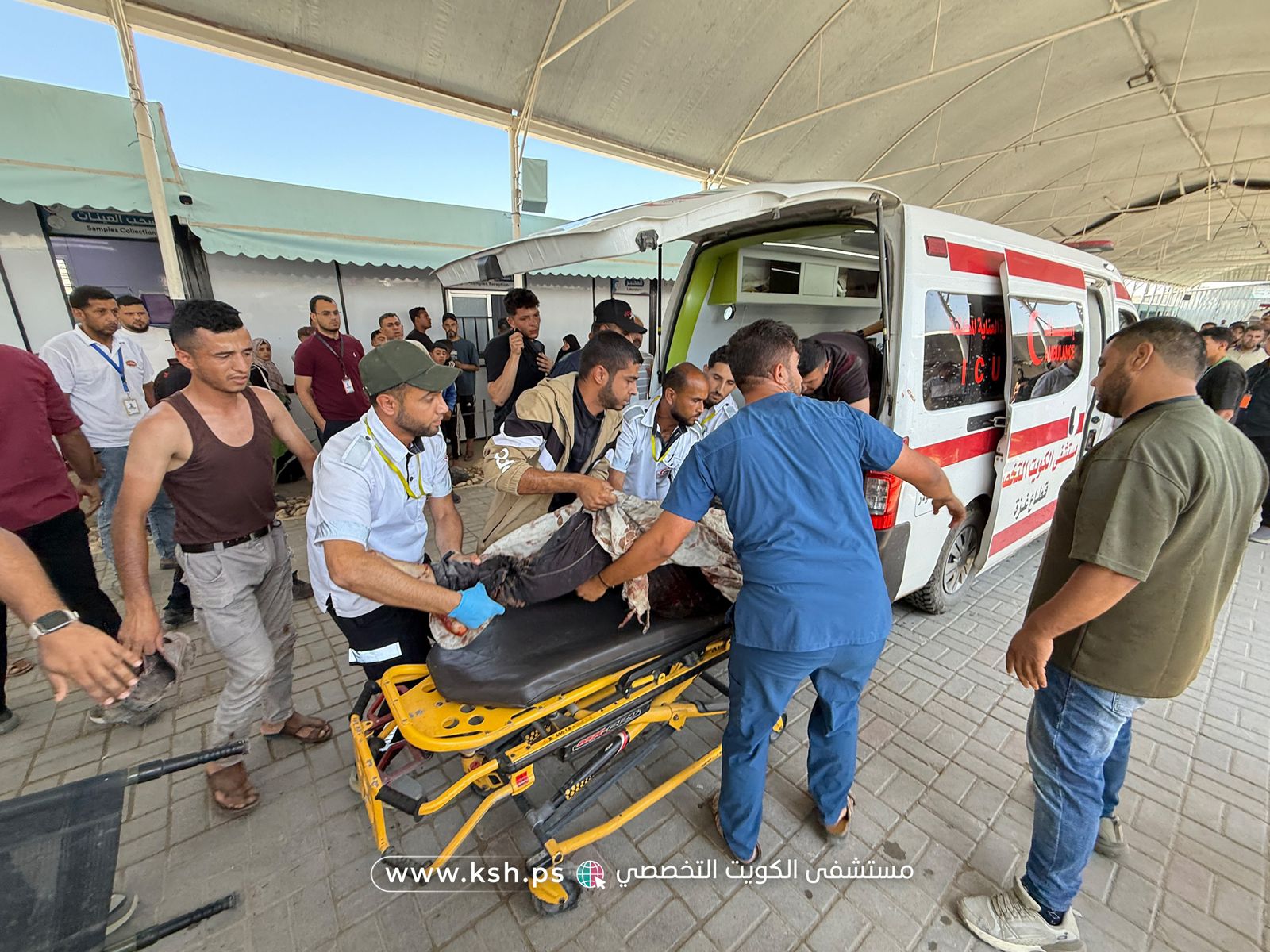
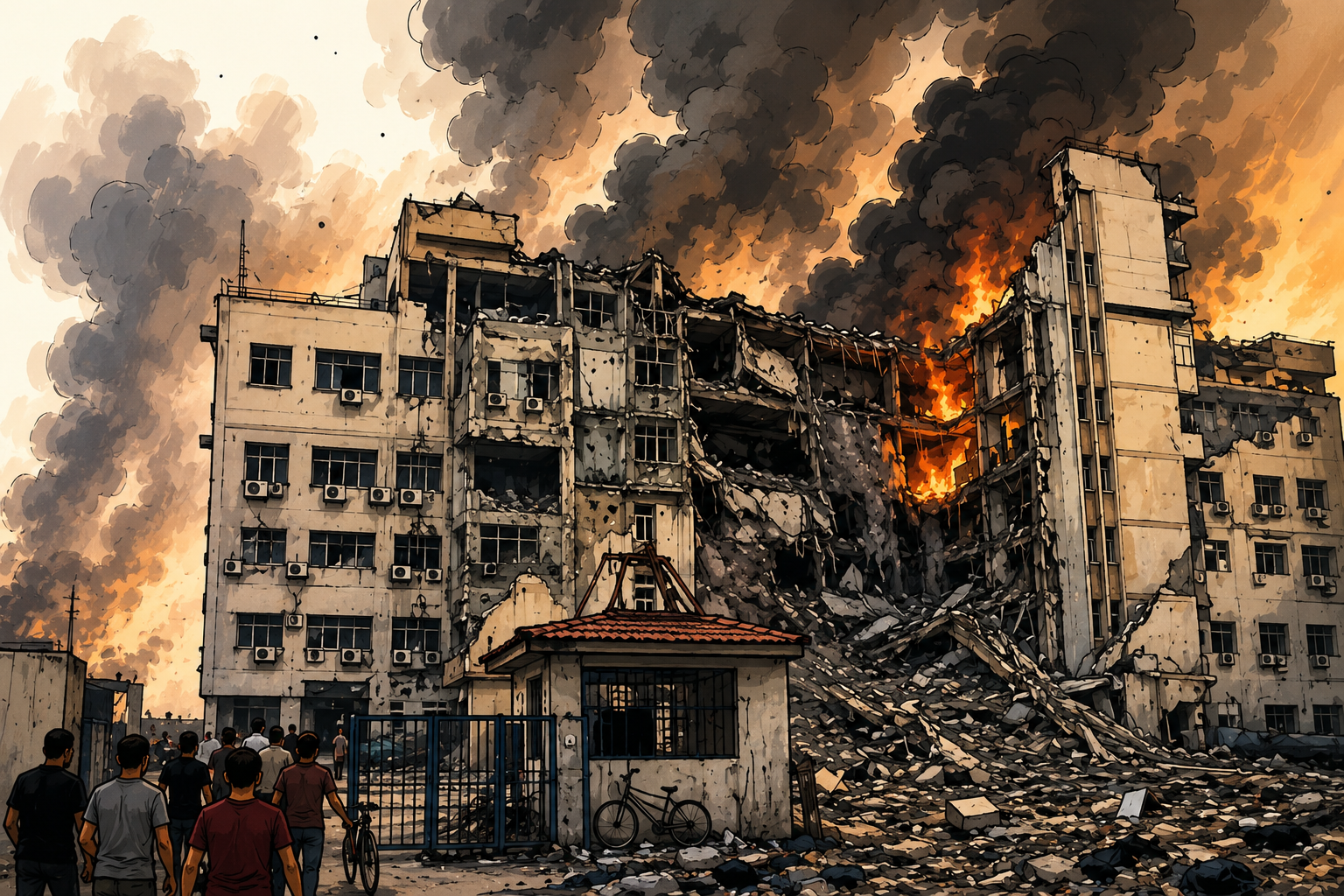
In Gaza, following the collapse of a brief pause in hostilities in March 2025, Israeli forces resumed intensive bombardment while maintaining a complete blockade that has now entered its eighth week, preventing all humanitarian aid and commercial supplies from entering.
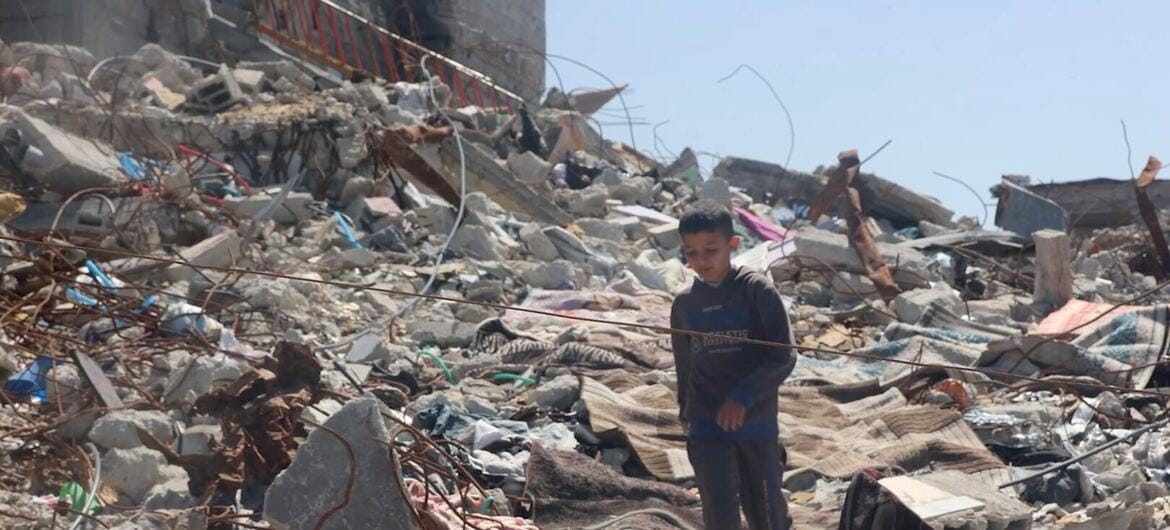
This has left Gaza’s 2.2 million residents facing starvation as food stocks deplete, bakeries cease operations due to lack of flour and fuel, and nearly 90% of the population remains displaced with critical infrastructure almost entirely destroyed.
A new U.S.-backed peace plan led to a pause in hostilities agreement coming into effect on 10 October 2025, raising cautious hopes for increased humanitarian access and a potential reduction in hostilities after months of relentless violence. However, despite the pause in hostilities, sporadic violations, limited aid entry, and continued displacement highlight the fragility of the pause in hostilities and the deep humanitarian strain that persists across Gaza.
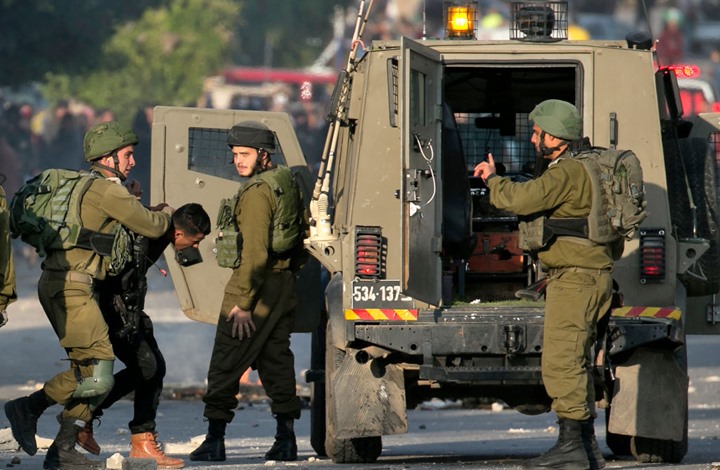
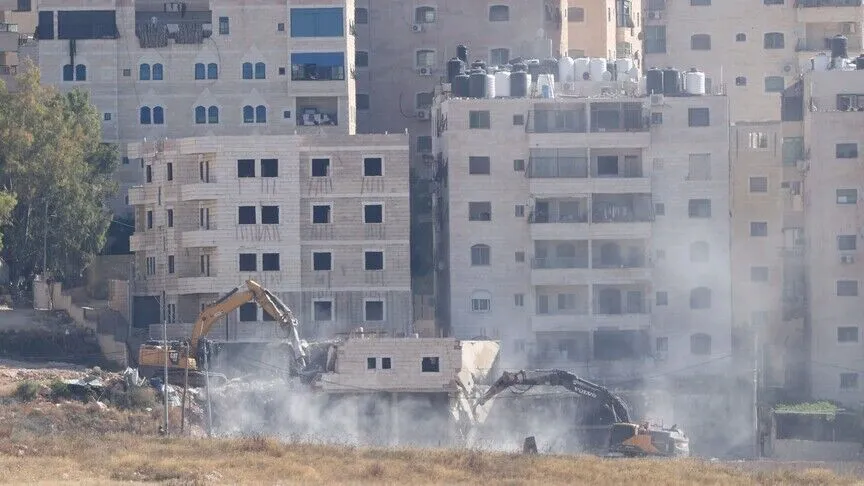
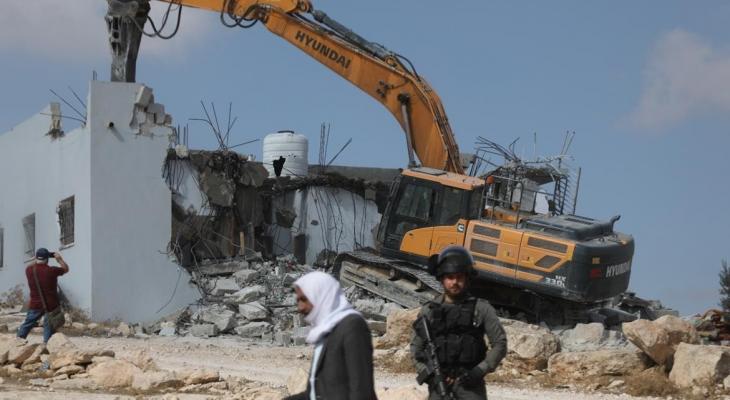
Meanwhile, the West Bank has seen a dramatic escalation in military operations, particularly since the launch of “Operation Iron Wall” in January 2025, which has resulted in mass displacement of Palestinians and widespread destruction across refugee camps. Israeli forces have displaced approximately 40,000 people, with officials stating that residents will not be allowed to return for at least a year, while expanded checkpoints and military presence severely restrict movement between Palestinian cities.
International organisations and UN bodies have expressed increasing concern about systematic violations of international humanitarian law in the West Bank, including accelerating settlement expansion, land reclassification and forced displacement that multiple observers warn are driving de facto annexation dynamics.
These concerns have intensified following the International Court of Justice’s 2024 advisory opinion on the illegality of the prolonged occupation and the Israeli authorities’ security cabinet decisions of 8 February 2026 expanding civil and administrative control over West Bank land and governance.
CrossFireArabia
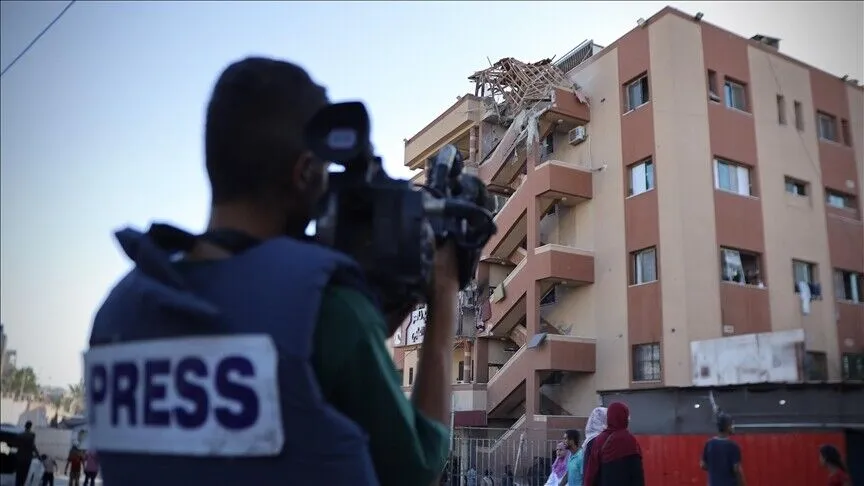
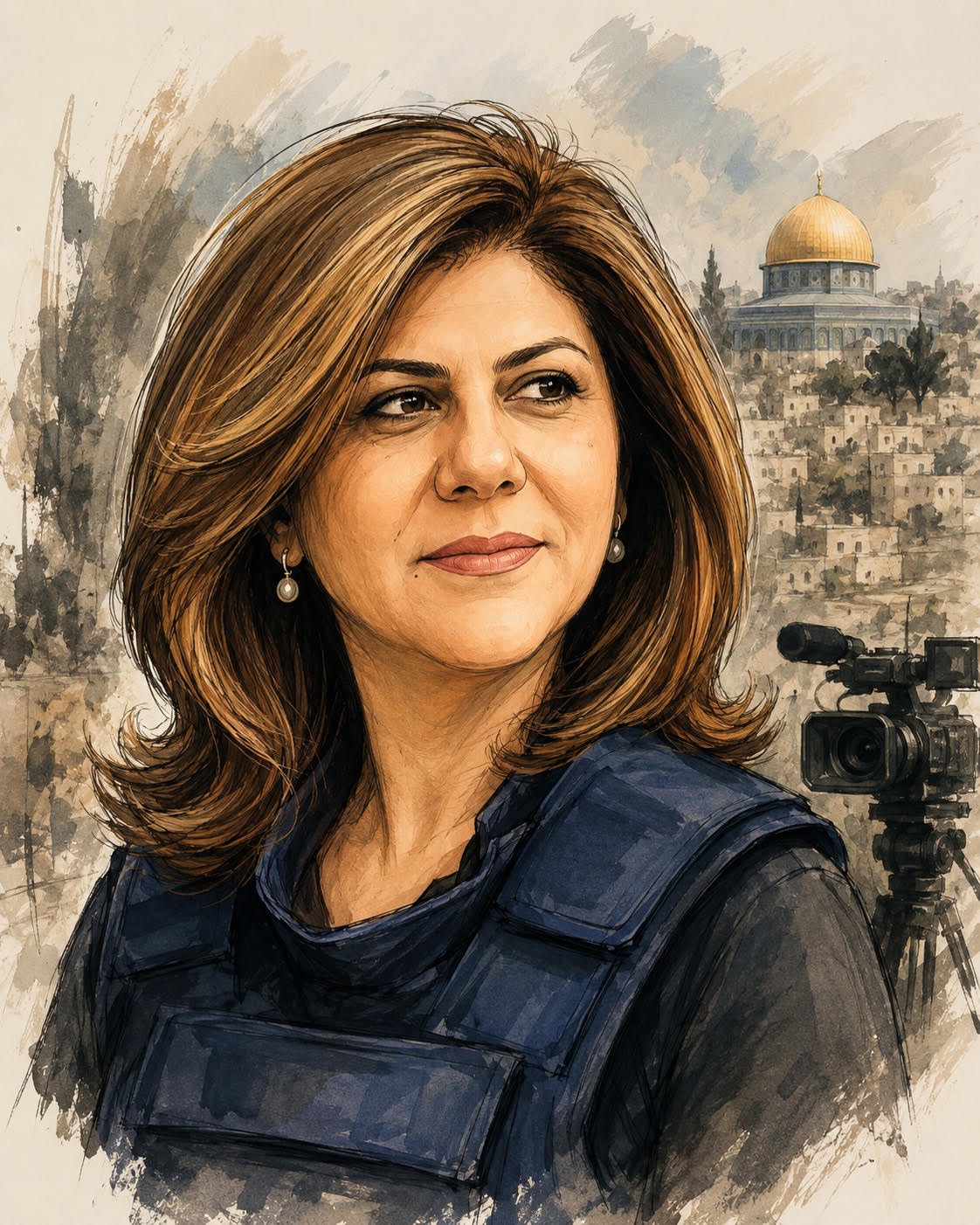
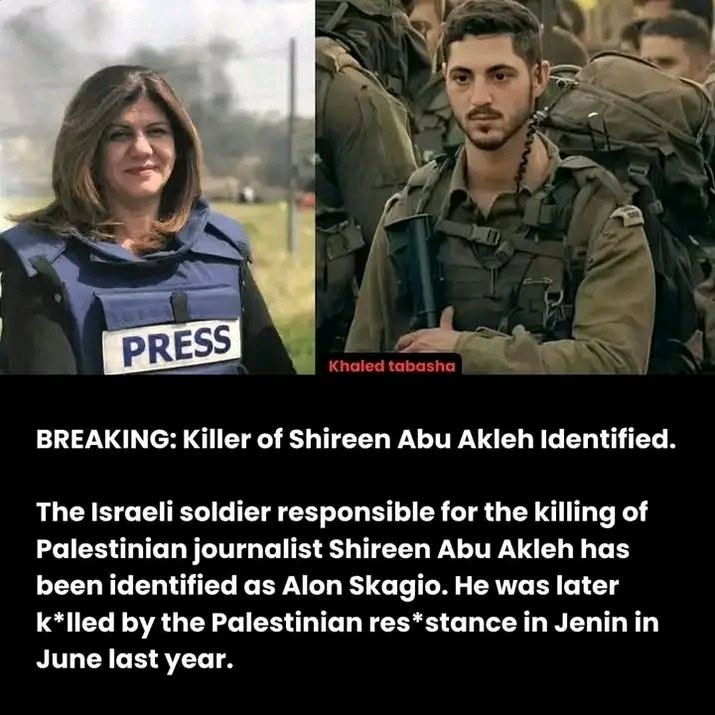
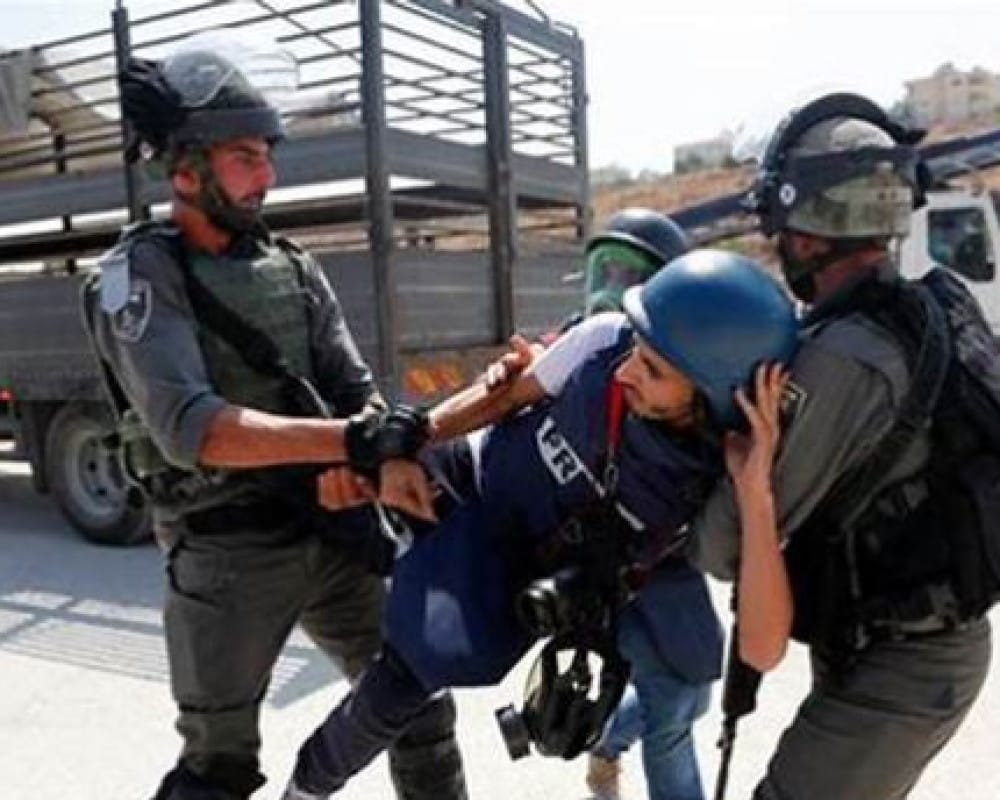
The Palestinian Journalists Association (PJA) announced, Monday, it documented 55 violations by Israeli occupation soldiers against Palestinian journalists in last May. It described such violations are part of a systematic policy to restrict and prevent West Bank and Gaza journalists to carry out their professional duties.
The PJA’s Freedoms Committee said in a press statement to Quds Press the Israeli occupation continues its violations against journalists and media workers to limit their ability to report the truth and document attacks and violations against Palestinians.
The documented violations during May included two injuries from live ammunition while covering events in the field, two arbitrary arrests, and 30 cases of detention and prevention from working and covering events.
The committee also recorded five cases of direct gunfire directed at journalists, five attacks using tear gas and stun grenades, in addition to two cases of confiscation of journalistic equipment and two cases of physical assault on journalists.
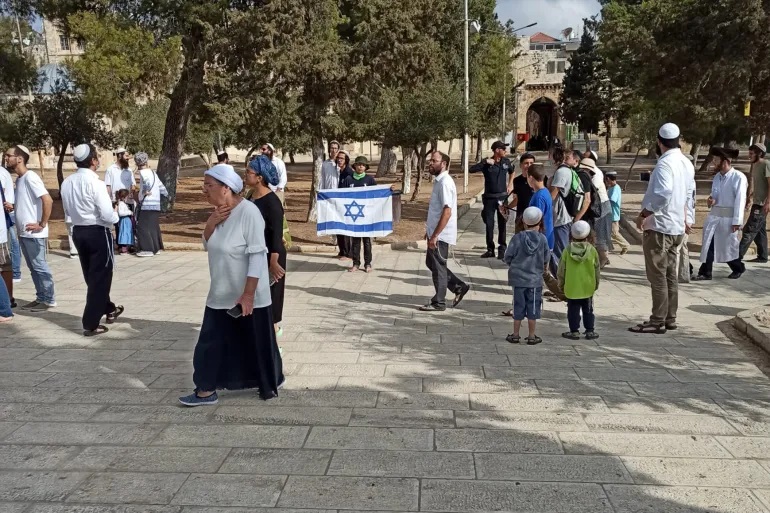
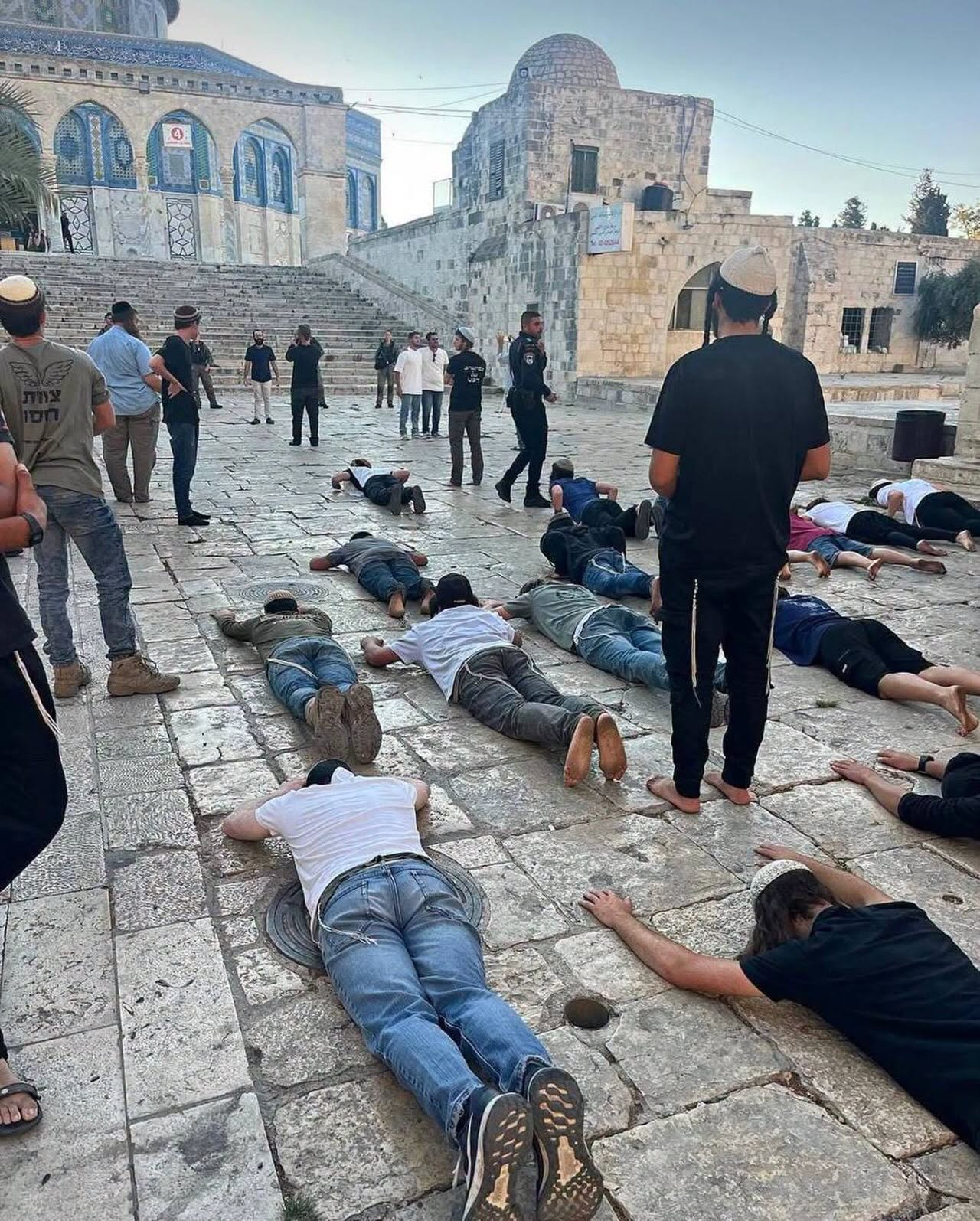
The violations include two cases of journalists being barred from covering news at the Al-Aqsa Mosque compound, one of a media outlet being raided and shut down, another of a journalist being brought before a court and three cases of journalists summoned and interrogated.
The committee affirmed that these practices constitute a flagrant violation of international humanitarian law, the Geneva Conventions, and international covenants on freedom of opinion and expression, which stipulate the protection of journalists while performing their professional duties in conflict zones.
It added that the escalating targeting of journalists reflects a systematic approach aimed at restricting media coverage and preventing the dissemination of information about the reality and violations suffered by the Palestinian people. The committee noted that the occupation continues to use various means to suppress media work and obstruct the public’s access to information.
The Committee for Freedoms called on international human rights and media organizations, as well as the United Nations, to uphold their legal and moral responsibilities, pressure the occupation authorities to cease their ongoing violations against Palestinian journalists, hold those responsible accountable, and provide the necessary protection for media workers.
The PJA announced last May it documented nearly 300 Israeli crimes, violations, and attacks against Palestinian journalists since the beginning of 2026 and the trend is set to continue judging from the scale of esclation against media workers.
The press association indicated at the time the number of journalists killed reached 262 since the outbreak of the war on the Gaza Strip in October 2023, including 261 journalists murdered in the Gaza Strip, in addition to six journalists killed since the beginning of 2026.
This comes at a time when Israeli attacks against Palestinians continue in various areas, amid increasing complaints about the targeting of journalists, the obstruction of their work, and the prevention of their coverage of events on the ground and their reporting to the public.
CrossFireArabia
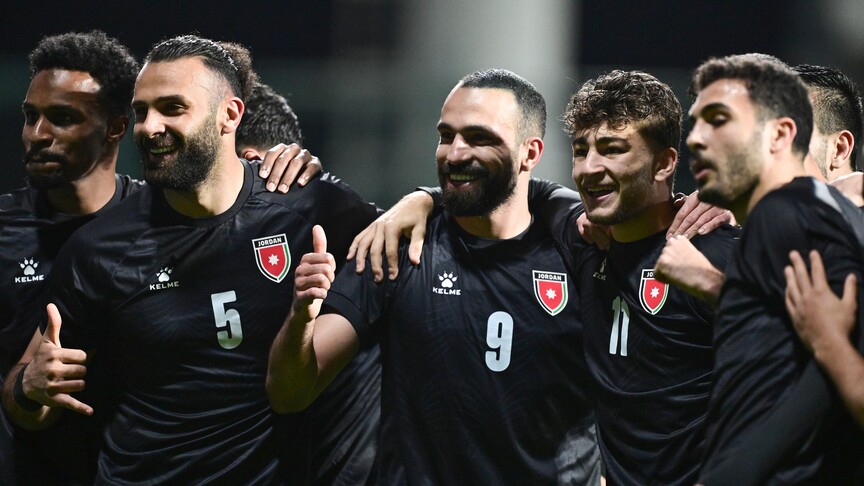
The qualification of Jordan’s national football team for the FIFA World Cup for the first time has sparked ambitions far beyond mere participation, with many Jordanians expressing confidence that the team can make a deep run in the tournament.
The World Cup will be hosted by the US, Canada and Mexico from June 11 to July 19, with Jordan drawn in Group J alongside Argentina, Algeria and Austria.
In interviews conducted by Anadolu in the Jordanian capital, citizens voiced optimism that the team can achieve unprecedented success on the global stage.
“When I see Jordan’s flag flying among the flags of nations around the world, it fills me with pride to be Jordanian,” said taxi driver Ahmad Al-Khalayleh. “Jordan is strong everywhere and will always remain at the forefront, and its flag will continue to fly high, God willing.”
Al-Khalayleh said the national team had faced unfair treatment in previous tournaments but was ready to meet expectations.
“I promise you that Jordan will leave a distinctive mark in its opening match against Austria, and the players will compete with one spirit and one heart,” he said.
Wadie Al-Qaisi, a young supporter, said he hoped the tournament would showcase Jordan’s growing football stature.
“We want the entire world to recognize Jordan’s value and the strength of its national team, and how capable it is of breaking records and achieving the ambitions of the Jordanian people,” he said. “We hope to reach the highest levels at the World Cup.”
Another fan, Aboud Al-Deek, said Jordanians were celebrating a historic achievement.
“We are very optimistic about the national team players reaching this advanced stage and qualifying for the World Cup finals for the first time,” he said. “The entire Jordanian people are happy about this achievement, and we look forward to seeing an outstanding and impressive performance.”
Haitham Al-Dajaah said the team’s success should encourage greater investment in youth football development.
“As fans and members of the sporting community, we hope to see greater attention given to youth and junior development programs so that we can compete in the advanced stages of future World Cups,” he said. “With ambition, determination and perseverance, we will be a formidable force at the World Cup, God willing.”
Young supporter Hamza Salah expressed the highest hopes of all.
“There is a sense of optimism that the national team will advance to the later stages, such as the quarterfinals or semifinals, and even win the trophy, God willing,” he said. “Jordan is capable of achieving that.” Anadolu
 Saleem Ayoub Quna
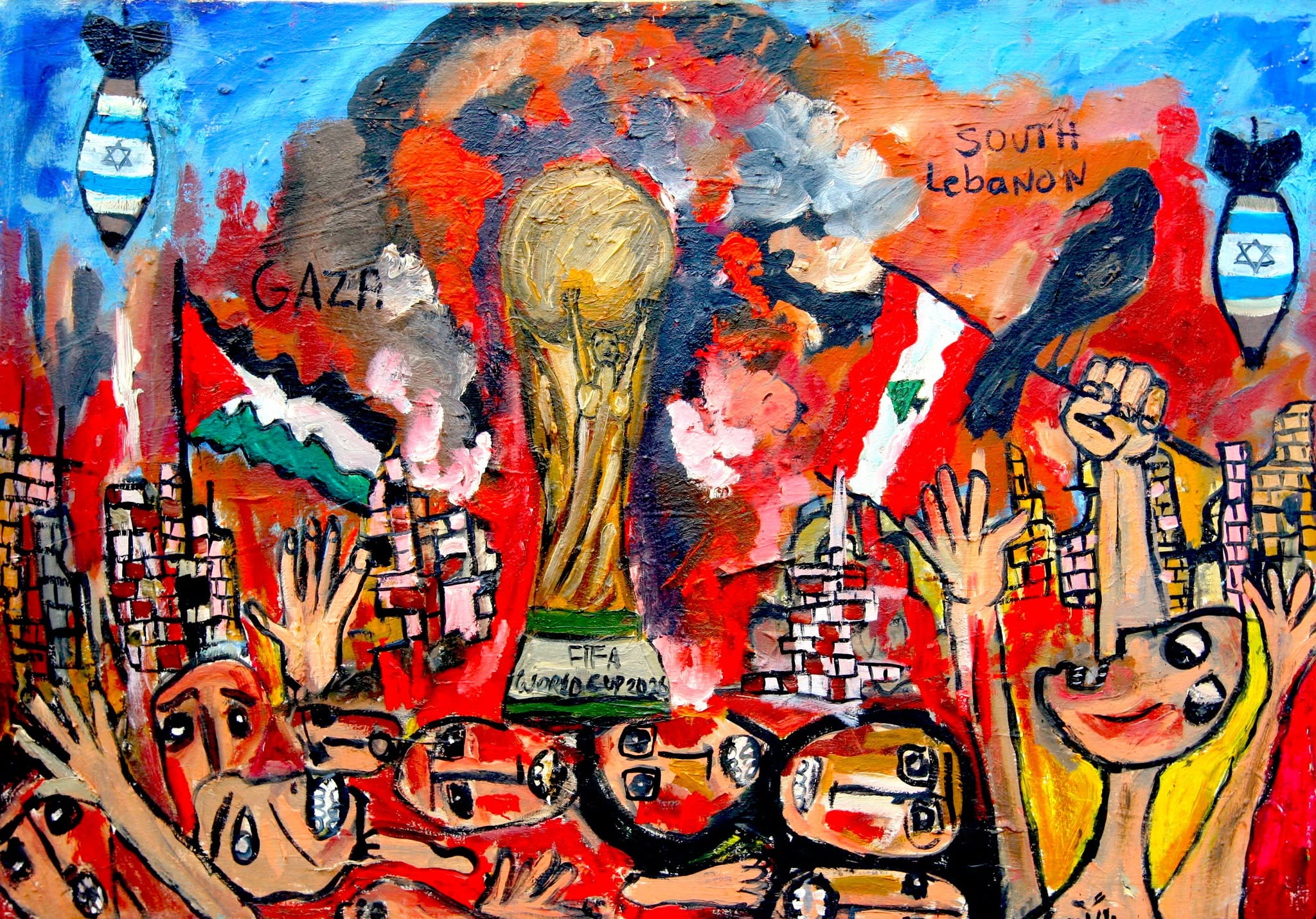
This summer promises to be unlike any previous or future summers in the history of mankind. It will witness an unprecedented convergence of two big, unrelated in substance, events that will be the focus of attention of all nations around the globe. One of those events might and indeed, should tip the balance!
On the battle grounds of these two big events, tears will be shed, hearts will be broken and plans flopped! On both occasions, the crucial component of vanity in the human brain would develop into a dubious concept that in each game you play or a confrontation you get involved in, you must be the winner, no matter what!
What would the other side be saying?
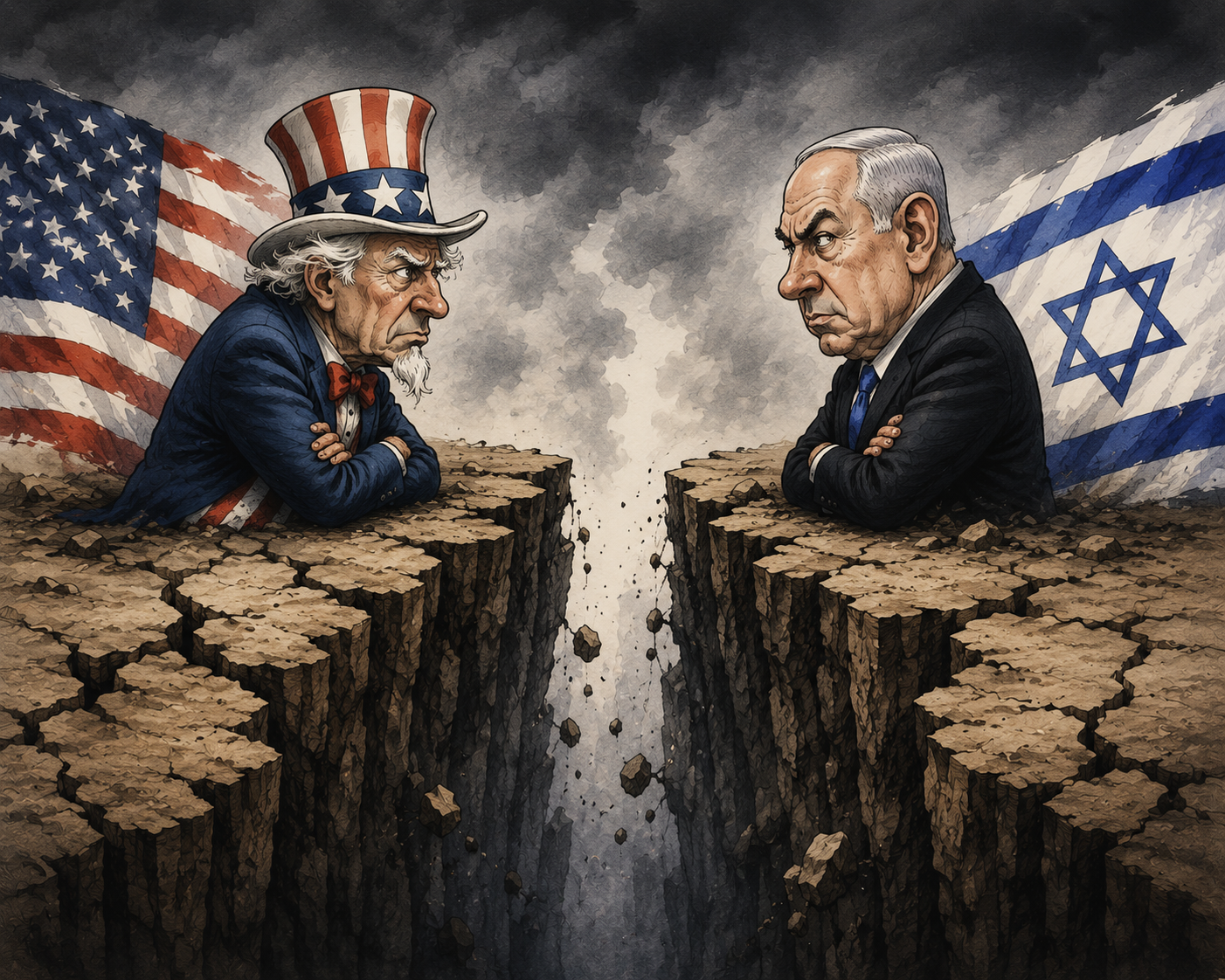
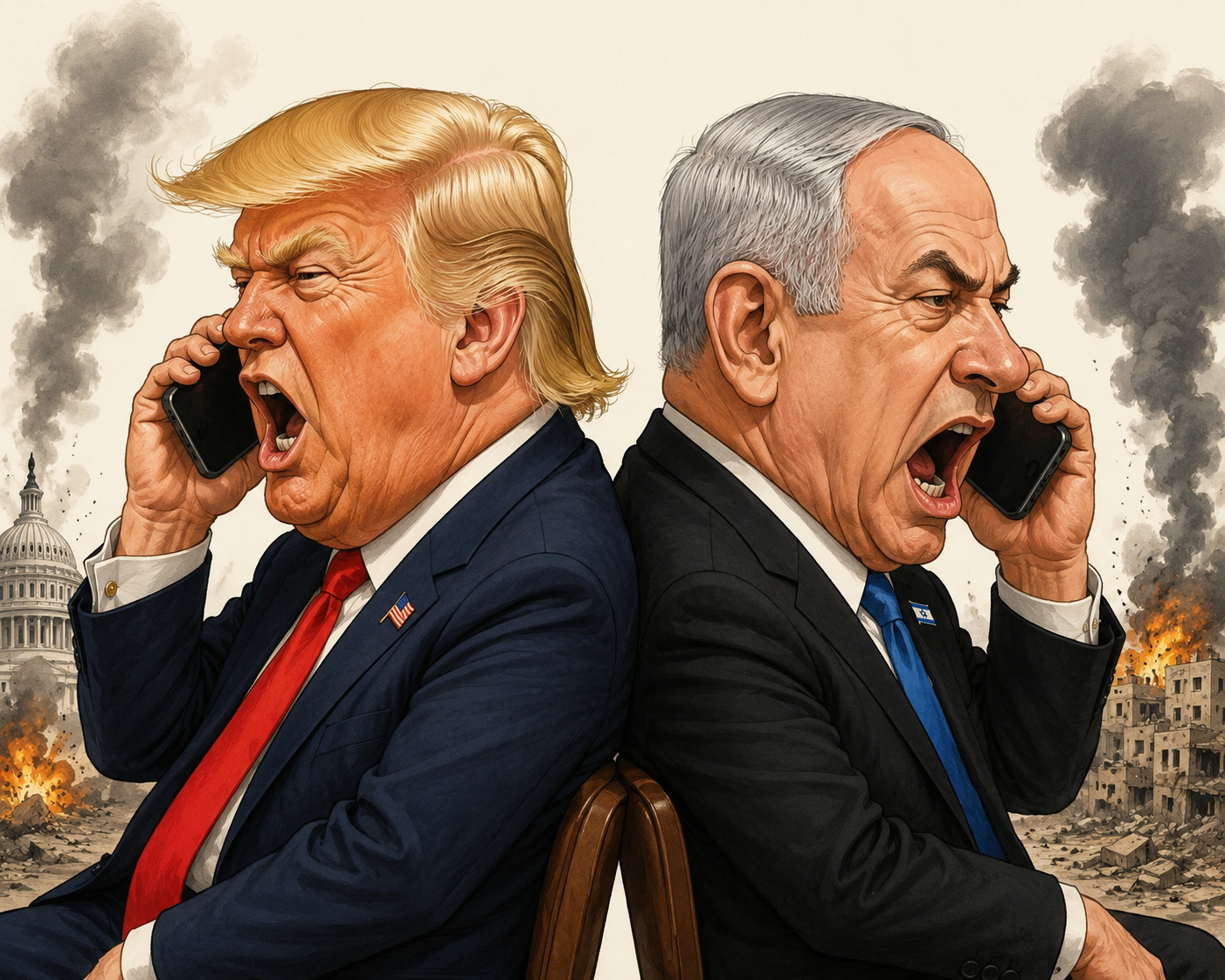
As the clock ticks forward, the hostilities in the Middle East or more precisely the off-and-on-rounds of ‘war of choice’ by the US and Israel against Iran’s plans for itself and the region, bounce up and down in a blurred fashion; making it difficult, to see whether those hostilities will continue, as the Israeli Prime Minister wants them to, or whether they will be ordered by Donald Trump to stop, even temporarily, but for completely different reasons.
President Trump’s interest and role in this affair is central and crucial, not only because his country, along with Mexico and Canada, will host the football tournaments matches and because his army is stuck in the quagmire he helped to create in the Middle East since June 2025.
Now and in these final hours before the big sports event kicks off next week, the political ball is also being played, openly bouncing back and forth by Benjamin Netanyahu, Trump and Iran, each according to a specific domestic political agenda and in a dramatic fashion. Indeed, it could threaten the destiny of FIFA’s well-planned agenda, at the expense of letting Israel continue its quasi-impossible crusade against Iran!
Trump on the other hand, and besides the other signs he gave, might opt for a peaceful outcome to his quarrel with Iran. He has few other concerns at home such as the 250th anniversary of his country’s independence, his own birthday party to celebrate, rising prices of gas and inflation to curb, local partisan elections and opinion polls to worry about; lastly off course, he has to guarantee the smooth running of the world cup matches in his country for a whole month.
Now let’s dig deeper in this business of political footballing.
The US and Iran according to the FIFA program belong to two different groups: Fourth and seventh. To qualify for the second level of the tournament, each has to play three matches and win. The US against Paraguay, Australia and Turkey. Iran against New Zealand, Belgium and Egypt.
Both teams have reasonable chances to pass through this first stage.
Let’s imagine that after a month-long matches between the 48-competing nations, Iran and the US end up facing each other in the final match for the world trophy.
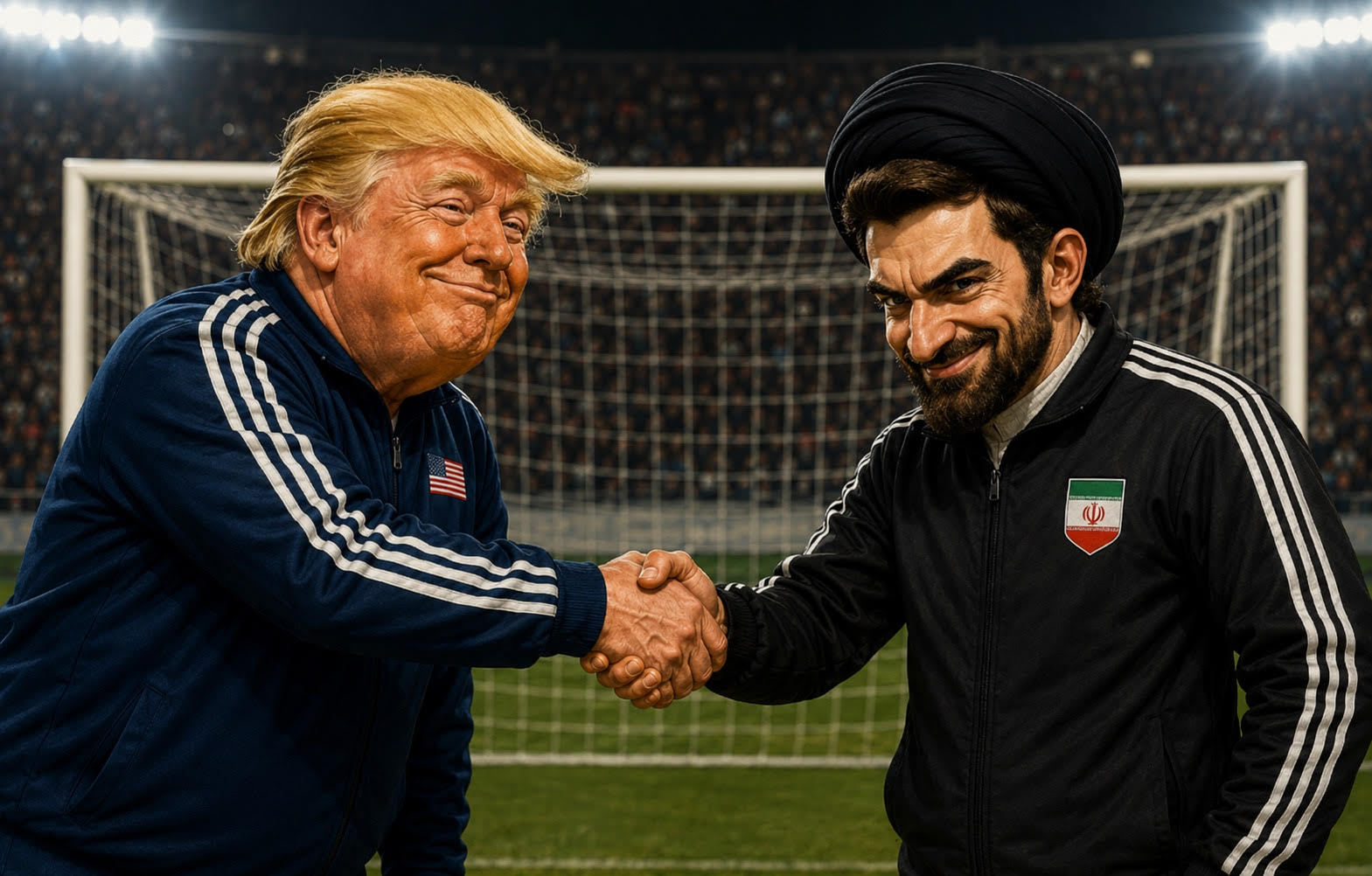
In such a case, heads of states whose teams were playing, are supposed to be present watching and cheering their teams from the premium seating area. Whoever the winner might be, the players, coaches and political leaders would be approaching each other and shaking hands. One saying: “Congratulation” and the other: “Hard luck”!
One more time, picture Donald Trump and Mojtaba Khamenei shaking hands and exchanging these words live, while the whole world is watching!
At such a moment, the real war back on the grounds of the Middle East, would not be more than a fading ripple on the surface of a remote lake!